
The Moche Artisans: The Power of Skilled Craftsmanship

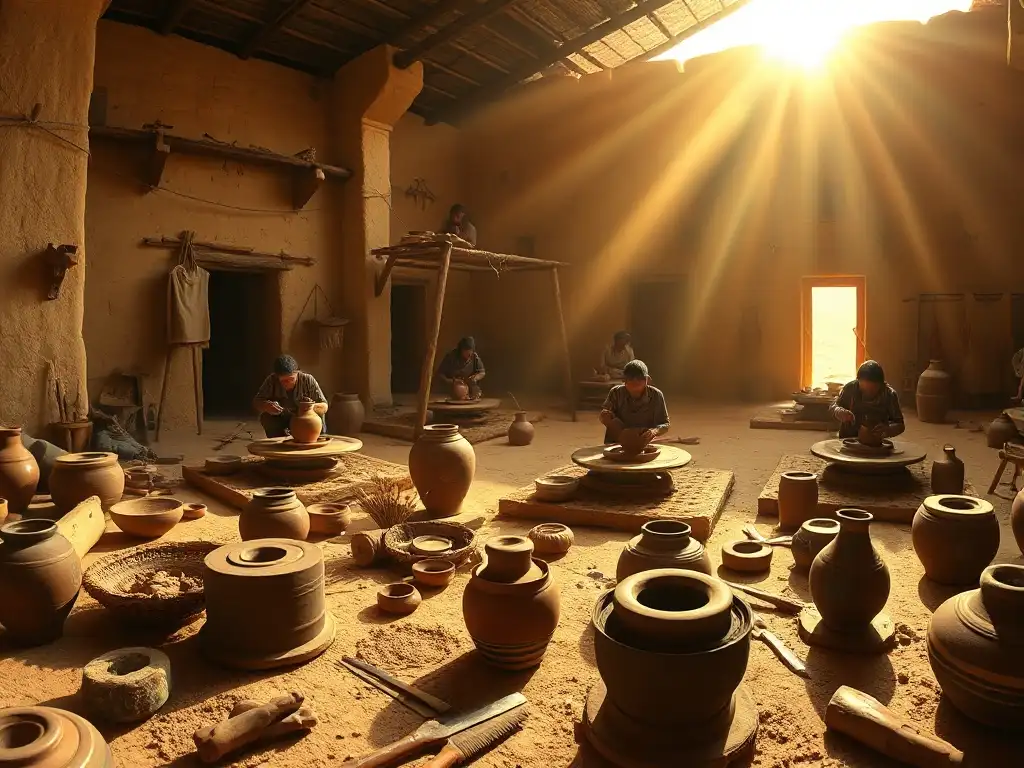
Step into a world lost to time, yet echoing with the vibrant spirit of the Andes. Discover the secrets held within the mountains, the artistry that defied the ages, and the ingenuity of civilizations that shaped a continent. Prepare to be captivated by the unparalleled skill of the Moche, and delve into the intricate world of Moche pottery craftsmanship techniques, a testament to their mastery and a window into their fascinating culture. Uncover the stories behind these extraordinary artisans – their legacy awaits.
The Moche civilization, flourishing along the northern coast of Peru from approximately 100 CE to 800 CE, left behind a legacy far exceeding their relatively short lifespan. Their remarkable achievements in irrigation, urban planning, and warfare are well-documented, but it is their unparalleled artistry, particularly in pottery, that continues to captivate and inspire awe. This article delves into the world of Moche artisans, exploring their sophisticated craftsmanship techniques and the vital role they played within the complex social fabric of Moche society.
We will examine the mastery behind their iconic pottery, revealing the intricate processes, symbolism, and the enduring impact of their skills on our understanding of this fascinating ancient civilization. Understanding Moche pottery craftsmanship techniques provides a crucial window into their worldview, social structures, and artistic innovation. This exploration goes beyond simple aesthetics; it's a journey into the heart of Moche culture and the ingenuity of its people.
Introduction to Moche Culture and Art
The Moche were renowned for their sophisticated artistic expressions, evident in their elaborate metalwork, textiles, and, most notably, their stunning pottery. Moche art wasn't merely decorative; it served as a powerful means of communication, recording narratives, beliefs, and societal structures. Their pottery, often characterized by its vibrant colors, realistic depictions, and intricate details, provides invaluable insights into their daily lives, religious practices, and social hierarchy.
The artisans themselves held a position of significant respect within the Moche society, their skills considered essential for both religious ceremonies and the expression of royal power. The creation of these pieces wasn't a simple craft; it was a highly specialized and revered profession, demanding years of training and meticulous attention to detail. Different types of clay, pigments, and firing techniques were employed depending on the desired effect and the function of the piece.
For example, the iconic stirrup-spout vessels, a hallmark of Moche pottery, required advanced techniques in modeling and firing to achieve their distinctive shape and durability. The intricate detail of these vessels often included realistic portrayals of people, animals, and mythical beings, reflecting a deep understanding of the natural world and a complex cosmology.
The Significance of Moche Artisans in Society
Moche artisans weren't simply skilled laborers; they were integral members of the societal hierarchy, often enjoying a privileged status. Evidence suggests that specialized workshops existed, where artisans collaborated on large-scale projects, indicating a level of organization and social structure rarely seen in contemporary societies. The production of elaborate funerary objects, for instance, required the coordinated efforts of numerous artisans, demonstrating their importance in religious and ceremonial contexts.
Furthermore, the depiction of artisans themselves in Moche artwork suggests their respected position. They were not merely anonymous craftspeople but individuals whose skills were valued and recognized. The precise social standing of individual artisans varied, likely depending on their specialization and the complexity of their work.
However, their contribution to the cultural and religious life of the Moche was undeniable, shaping the visual landscape of their society and leaving behind a legacy that continues to inspire wonder and admiration. The level of artistry and technical proficiency displayed in Moche pottery suggests a highly developed system of apprenticeship and knowledge transmission, ensuring the continuity of these remarkable skills across generations. The enduring legacy of Moche pottery craftsmanship techniques is a testament to the skill, dedication, and social importance of these remarkable artisans.
- What made Moche pottery so unique?
- What techniques did Moche artisans use to create their pottery?
- How did the Moche achieve such lifelike representations in their pottery?
- What materials did the Moche use in their pottery production?
- What is the significance of Moche pottery in understanding their culture?
Moche Pottery Craftsmanship Techniques: A Deep Dive
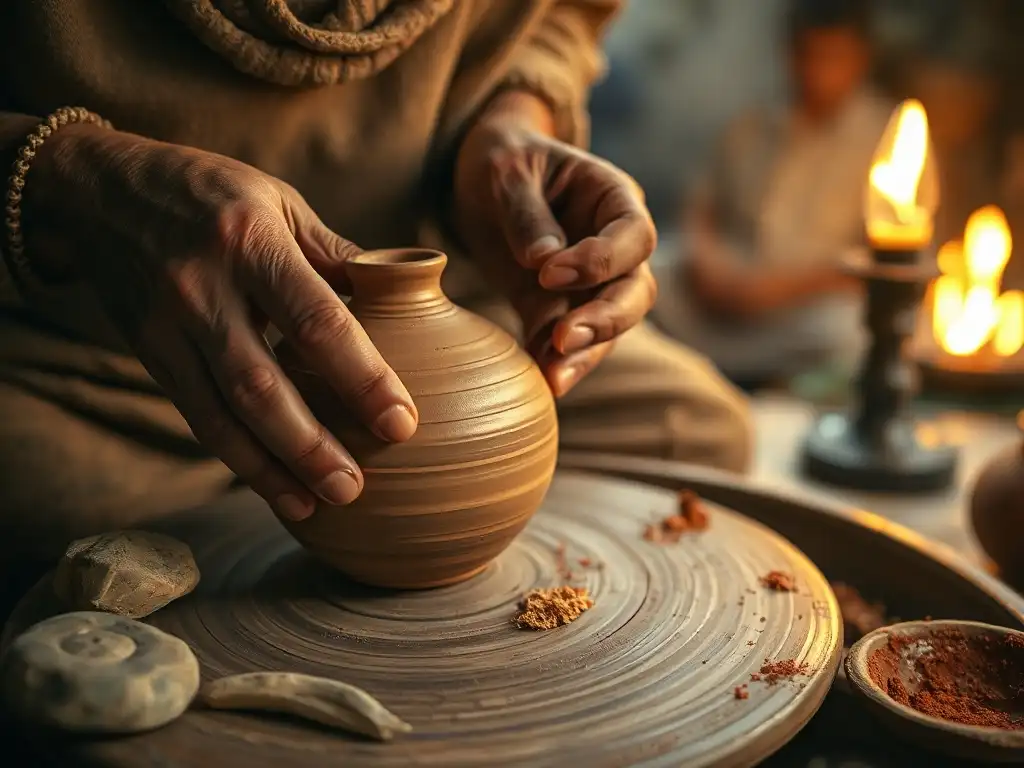
The Moche civilization (c. 100 – 800 CE) is renowned for its exceptional pottery, showcasing sophisticated craftsmanship techniques that continue to fascinate and inspire. Their mastery of ceramic artistry, a testament to their advanced technological understanding and artistic vision, is a cornerstone of their cultural legacy. This section delves into the specific techniques employed by Moche artisans, revealing the meticulous processes behind their iconic vessels. Understanding these techniques provides crucial insight into the societal structures and beliefs that shaped Moche culture. The skill involved in Moche pottery craftsmanship techniques is truly remarkable, representing a pinnacle of pre-Columbian artistry.
Understanding Moche Ceramic Materials and Preparation
Moche potters were incredibly discerning in their selection of raw materials. Their primary ingredient was clay, sourced from various locations across the northern coast of Peru. The quality of the clay, its plasticity and firing characteristics, directly influenced the final product. Detailed analysis of surviving pottery shards indicates the use of different clay types, sometimes mixed to achieve specific properties. For instance, some clays provided a finer texture, ideal for intricate detailing, while others offered greater strength and durability.
Before shaping, the clay underwent rigorous preparation. This involved removing impurities, such as stones and organic matter, through careful washing and sieving. The cleaned clay was then kneaded extensively to remove air pockets and achieve a uniform consistency. This painstaking process was crucial for preventing cracks and ensuring the structural integrity of the finished vessel. The addition of tempering materials, such as crushed shell or sand, further enhanced the clay's workability and reduced shrinkage during firing. The meticulous preparation of the clay itself demonstrates the high level of skill and dedication inherent in Moche pottery craftsmanship techniques.
Moche Pottery Shaping Methods: From Coil to Mold
Moche artisans employed a variety of shaping techniques, demonstrating adaptability and innovation in their craft. The coil method, a widely used technique across many ancient cultures, was a cornerstone of Moche pottery production. Potters skillfully rolled out long, thin coils of clay and meticulously layered them, carefully smoothing each coil to create seamless transitions. This method allowed for the creation of vessels of various shapes and sizes, from simple bowls to elaborate effigy jars.
Beyond the coil method, evidence suggests the use of molds for mass-producing certain forms. While less common than coil building for complex pieces, molds allowed for faster production of simpler vessels, possibly for everyday use. These molds, likely made from clay or other materials, provided a standardized shape and size, ensuring consistency in production. The combination of coil building and mold-making showcases the Moche's practical approach to pottery production, balancing artistic expression with efficient manufacturing. The ingenuity demonstrated in these Moche pottery craftsmanship techniques highlights their understanding of both artistic principles and practical considerations.
The Intricate Art of Moche Pottery Decoration
The decoration of Moche pottery is arguably its most striking feature, showcasing a remarkable level of artistic skill and sophistication. The complexity and variety of decorative techniques employed highlight the high status of Moche artisans within their society.
Moche Iconography and Symbolic Representations
Moche pottery is richly adorned with iconography, depicting a wide range of subjects, including deities, mythical creatures, scenes of daily life, and elaborate rituals. These representations are not merely decorative; they provide valuable insights into Moche religious beliefs, social structures, and worldview. The careful placement and arrangement of these symbolic elements demonstrate a profound understanding of visual storytelling and the power of imagery.
For example, the frequent depiction of decapitated figures might symbolize ritual sacrifice or warfare, while the portrayal of specific animals could represent totems or clan affiliations. The detailed analysis of Moche iconography continues to reveal new layers of meaning within their artistry.
Moche Painting Techniques and Pigment Use
The vibrant colors and intricate details of Moche painted pottery are a testament to their mastery of painting techniques. Artisans employed a variety of techniques, including slip painting, where a thin layer of colored clay was applied over the vessel's surface, and incision, where designs were carved into the surface before painting. The pigments used were derived from natural sources, including minerals and plant-based materials. Red, white, black, and yellow were common colors, often combined to create more complex hues.
The precise application of pigments and the durability of the painted surfaces demonstrate the artisans' advanced knowledge of materials science and painting techniques. The longevity of these vibrant colors, surviving centuries of burial, is a testament to the high quality of the pigments and the skill of the Moche painters. The Moche pottery craftsmanship techniques involved in painting are truly remarkable.
Firing Moche Pottery: Achieving Durability and Color
The firing process was crucial to the Moche's success in creating durable and vibrantly colored pottery. Unlike simpler methods, the Moche employed sophisticated techniques that ensured both the structural integrity and the aesthetic appeal of their vessels. Archaeological evidence suggests they used various types of kilns, potentially both open-air and enclosed structures, to control the temperature and atmosphere during firing. The specific kiln designs varied regionally, reflecting adaptations to local resources and traditions. However, the overall goal remained consistent: to achieve a high-quality, long-lasting finish.
The Moche potters skillfully managed the temperature profile during firing. A slow, gradual increase in temperature was likely employed to avoid cracking or warping of the vessels. This careful temperature control was essential, especially for larger, more intricately designed pieces. Reaching the peak temperature, likely around 800-1000°C, was followed by a controlled cooling process to prevent thermal shock and ensure the integrity of the glaze and the ceramic body itself. The precise duration of firing varied depending on the size and type of pottery, with larger pieces requiring longer firing times.
The firing atmosphere also played a significant role in determining the final color and appearance of the Moche pottery. The use of oxidizing or reducing atmospheres could dramatically influence the hues achieved. Oxidizing conditions, characterized by ample oxygen supply, often resulted in vibrant reds and oranges.
In contrast, reducing conditions, with limited oxygen, could produce a range of blacks, grays, and even metallic effects. The Moche potters, through masterful control of the firing environment, achieved a stunning array of colors and finishes within their pottery, demonstrating a deep understanding of the chemical processes involved. This control allowed them to create their iconic polychrome pottery, layering different colors and achieving complex, detailed designs.
The skill involved in this process is a testament to their advanced technological understanding and artistic prowess. Further research into the precise techniques and kiln types used would shed even greater light on this remarkable aspect of Moche pottery production.
Moche Metalworking Skills: Beyond Ceramics
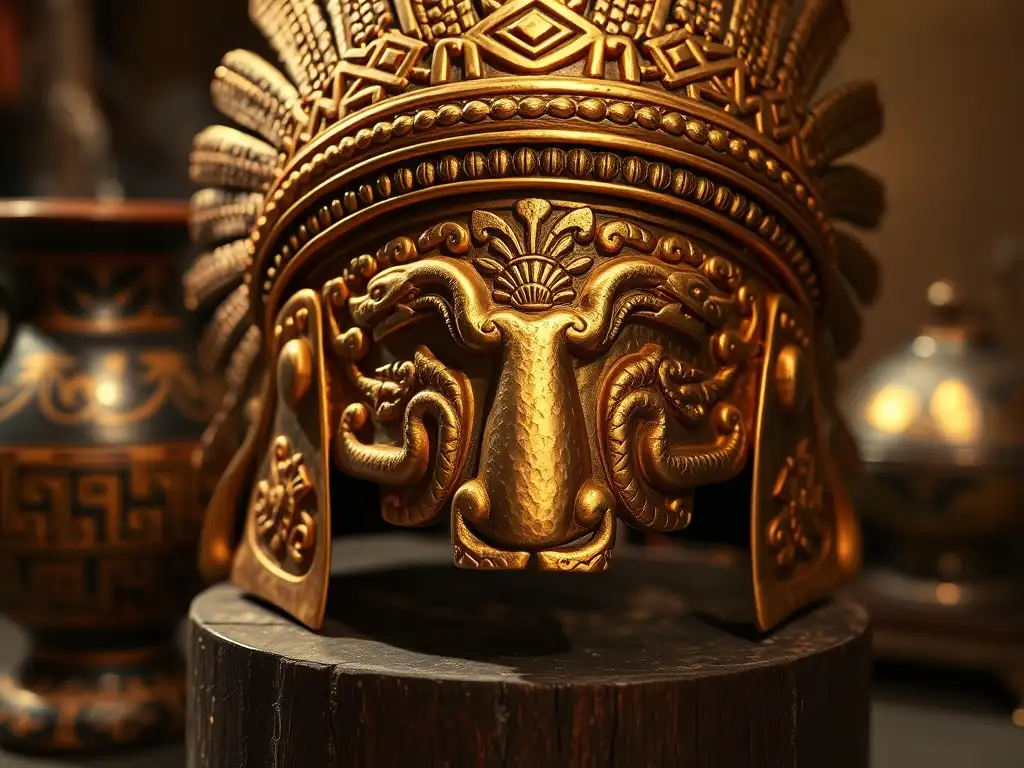
The Moche civilization, renowned for its exquisite pottery, also possessed remarkable skills in metalworking. While their ceramic craftsmanship techniques are widely celebrated, the sophistication of their metalworking often gets overlooked. This section delves into the impressive artistry and technical prowess displayed by Moche artisans in their manipulation of precious and base metals, highlighting the ingenuity and skill involved in their creation. Understanding their metalworking provides a more complete picture of Moche technological advancements and societal structures. The mastery of metalworking, alongside their ceramic achievements, cemented the Moche's position as a technologically advanced society in ancient Peru.
Moche Gold and Silver Working Techniques
Moche goldsmiths were masters of their craft, employing a range of techniques to create intricate and visually stunning artifacts. They skillfully employed lost-wax casting, a complex process involving creating a wax model, covering it in clay, melting out the wax, and then pouring molten metal into the resulting mold. This allowed them to produce highly detailed pieces, often depicting religious figures, animals, and scenes from daily life.
Evidence suggests they also used hammering and repoussé techniques, shaping thin sheets of metal by hammering from the front and back to create three-dimensional forms. The precision and delicacy evident in surviving Moche gold and silver objects showcase a high level of technical expertise. The use of inlay, where smaller pieces of other materials (like turquoise or shell) were embedded into the metal, further enhanced the aesthetic appeal and complexity of their work.
For example, many surviving gold ornaments feature intricate details achieved through this meticulous inlay technique. The sheer quantity of surviving gold and silver artifacts, many in remarkably good condition, speaks to the scale and significance of Moche metalworking.
The Use of Copper in Moche Artifacts
While gold and silver were prized for their beauty and rarity, copper played a significant role in Moche metalworking. Copper, being more readily available than precious metals, allowed for the creation of a wider range of utilitarian objects. Moche artisans crafted copper tools, such as adzes, chisels, and needles, essential for various aspects of daily life. The production of these tools required advanced metallurgical knowledge, including techniques for smelting, alloying, and shaping the metal.
Furthermore, copper was also incorporated into ceremonial objects, showcasing the metal's versatility in Moche society. The presence of copper alloys, such as bronze (a copper-tin alloy), indicates a sophisticated understanding of metallurgy and the ability to manipulate the properties of metals to achieve specific results. The analysis of these copper artifacts provides valuable insight into the Moche's technological capabilities and their ability to adapt their metalworking techniques to diverse purposes.
The sophisticated Moche metalworking techniques were not solely a matter of technological advancement; they also held significant social and political implications. The creation of elaborate gold and silver objects, often associated with elite members of society, served to reinforce social hierarchies and power structures. These precious metal artifacts, frequently depicting rulers or deities, were likely used in religious ceremonies and displayed as symbols of authority and prestige.
The control and distribution of precious metals would have been a key aspect of Moche political economy, with access to these resources and the skilled artisans who worked them being closely tied to power. Furthermore, the highly skilled artisans themselves likely held a privileged position within Moche society, reflecting the value placed on their craftsmanship.
The complexity and artistry of Moche metalwork, therefore, provides a window into the social, political, and economic structures of this fascinating ancient civilization. Further research into the distribution of metal artifacts and the organization of workshops could provide a more comprehensive understanding of these social implications.
Moche Weaving and Textile Artistry
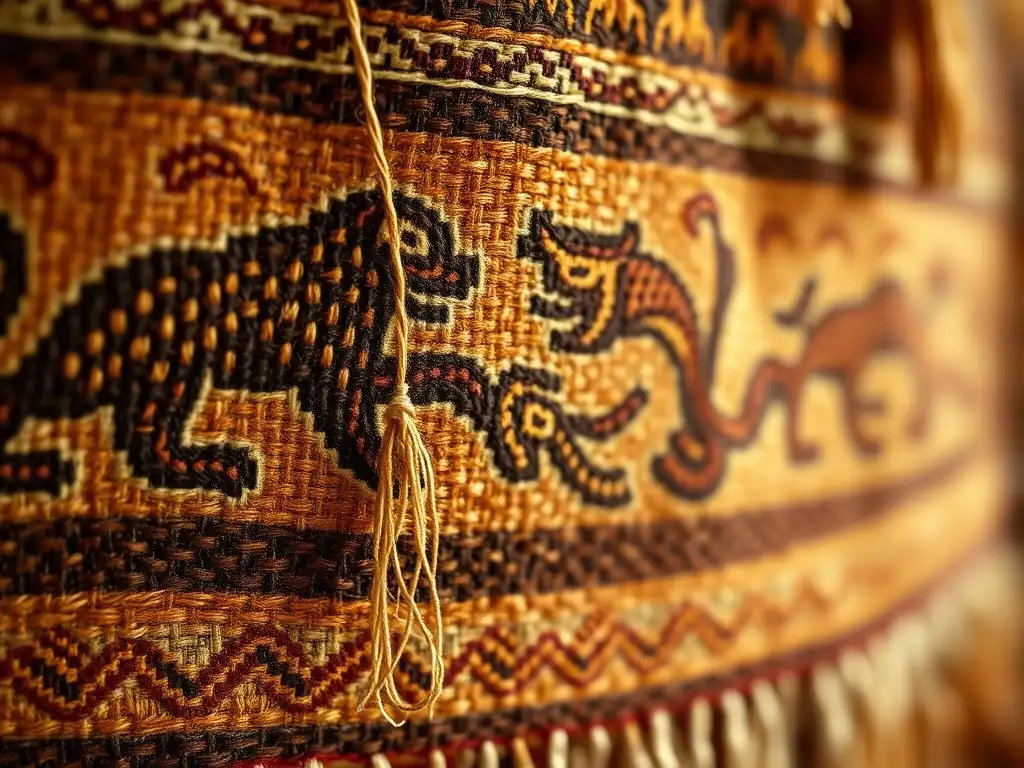
The Moche civilization, renowned for its sophisticated metalworking and pottery, also possessed exceptional skills in textile production. While perhaps less visually striking than their ceramics, Moche textiles offer invaluable insights into their social structures, religious beliefs, and daily life. The intricate weaving techniques and vibrant colors employed demonstrate a mastery of craftsmanship rivaling that of their other artistic endeavors. Understanding Moche weaving provides a crucial dimension to our appreciation of their rich cultural heritage and contributes significantly to our understanding of "Moche pottery craftsmanship techniques," as the same principles of precision and artistic vision were applied across different mediums.
Moche Textile Materials and Dyes
Moche artisans utilized a variety of materials for their textiles, primarily cotton, which thrived in the coastal valleys of northern Peru. They also employed camelid fibers, such as alpaca and llama wool, for warmer, more durable fabrics. The remarkable vibrancy of Moche textiles is a testament to their sophisticated knowledge of natural dyes.
Analysis of surviving fragments reveals the use of plant-based dyes derived from sources like the indigo plant (producing deep blues), various species of cacti (yielding reds and purples), and annatto seeds (creating yellows and oranges). The precise preparation and application of these dyes, combined with the careful selection of materials, allowed Moche weavers to create textiles that were not only beautiful but also remarkably resilient, capable of withstanding the test of time. The longevity of these dyes – some colors remain surprisingly vivid even today – speaks to the high level of expertise of the Moche dyers and their understanding of the chemical properties of the plants they used.
Further research is needed to fully understand the specific techniques used in dye fixation, as these methods have not been completely deciphered. [Specific information pending on dye fixation methods]
Moche Weaving Techniques and Patterns
Moche weaving techniques were remarkably advanced for their time. They employed a variety of methods, including plain weave, tapestry weave, and weft-faced techniques, to create a range of textures and patterns. Tapestry weaving, in particular, allowed for intricate designs and a high degree of detail.
The use of multiple colors and the incorporation of complex geometric patterns, along with stylized representations of animals and human figures, are characteristic features of Moche textiles. These patterns often reflected religious or social significance, with motifs such as stylized birds, snakes, and feline figures appearing frequently. The precision and consistency of the weaving, even in complex designs, indicate a high level of skill and specialized training among Moche weavers.
Archaeological evidence suggests a possible division of labor, with some individuals specializing in specific aspects of the textile production process, such as spinning, dyeing, and weaving. Further study of textile fragments could shed more light on the specific techniques and tools employed by Moche artisans. The intricate, detailed designs found on even small fragments of Moche textiles suggest a high level of skill and artistry, further solidifying their position as masters of "Moche pottery craftsmanship techniques" applied to a different medium.
The Role of Textiles in Moche Society
Moche textiles played a significant role in various aspects of Moche society. They were not merely decorative items but served practical functions as well. Clothing, blankets, and bags were essential parts of daily life. The elaborate textiles found in elite tombs indicate that textiles were also important status symbols.
Fine textiles, adorned with complex patterns and rich colors, were often associated with individuals of high social standing, suggesting that access to high-quality textiles was a marker of wealth and power. The use of textiles in religious ceremonies is also evident. Textiles were probably used in rituals and possibly worn by priests or other religious figures. The complexity and artistry of Moche textiles underscore the significant role they played in Moche culture.
They were not simply utilitarian objects; they were expressions of artistic skill, social status, and religious belief, showcasing the deep connection between craftsmanship and the societal fabric of the Moche civilization. This connection is further reinforced when considering their parallel mastery of "Moche pottery craftsmanship techniques," showcasing a society that valued skill and artistry across various creative domains. The legacy of their textile craftsmanship continues to inspire awe and admiration, offering a unique window into the vibrant and complex world of the Moche.
The Legacy of Moche Artisanship
The Moche civilization, flourishing along the northern coast of Peru from approximately 100 to 800 CE, left behind a remarkable legacy – a testament to their unparalleled Moche pottery craftsmanship techniques. Their artistry wasn't simply decorative; it was deeply intertwined with their religious beliefs, social structures, and daily life. The intricate detail, vibrant colors, and innovative techniques employed in their pottery, metalwork, and textiles continue to fascinate and inspire researchers and art enthusiasts alike.
Understanding their techniques provides a window into their worldview and the sophistication of their society. The sheer volume of surviving artifacts, many remarkably well-preserved due to the arid coastal climate, allows for detailed analysis of their processes and artistic evolution. This section delves into the lasting impact of their skills and the enduring relevance of their artistic achievements.
The Influence of Moche Craftsmanship on Later Andean Cultures
The influence of Moche Moche pottery craftsmanship techniques extended far beyond their own time. Subsequent Andean cultures, including the Chimú and Inca, drew inspiration from their artistic achievements. For example, the Chimú, who succeeded the Moche, adopted and adapted many of the Moche's ceramic styles, albeit with their own unique aesthetic sensibilities. The intricate mold-made techniques and the use of slip and paint for vibrant decoration are evident in both cultures' pottery.
However, Chimú pottery often lacks the dynamic narrative scenes and the highly individualized portraits characteristic of Moche work. The Inca, while known for their stonework and monumental architecture, also incorporated elements of Moche artistic traditions into their own crafts. While not directly replicating Moche styles, the Inca’s appreciation for high-quality craftsmanship and the use of diverse materials clearly echo the Moche legacy. The continuity of artistic styles across these cultures demonstrates a shared Andean artistic heritage, with the Moche serving as a foundational influence.
This cultural transmission highlights the enduring power of Moche artistry and its lasting impact on the development of Andean artistic traditions. The stylistic elements, even if adapted or modified, showcase a lineage and a testament to the ingenuity and artistry of the Moche. Further research could illuminate the precise methods of transmission – was it through direct apprenticeship, trade networks, or the appropriation of existing techniques? More detailed comparative studies are needed to fully understand the complex interplay of cultural exchange and artistic evolution.
Preserving Moche Artistic Heritage Today
Preserving the legacy of Moche Moche pottery craftsmanship techniques requires a multifaceted approach. Museums and archaeological sites play a crucial role in safeguarding original artifacts, ensuring their proper conservation and providing access for researchers and the public. However, the challenge extends beyond simple preservation. Efforts to understand and replicate Moche techniques are essential to deepen our appreciation for their artistry and to educate future generations.
This involves detailed analysis of surviving artifacts, experimentation with traditional materials and techniques, and collaboration between archaeologists, conservators, and artisans. The recreation of Moche pottery, using traditional methods, not only helps in understanding the process but also allows for a deeper appreciation of the skill and expertise involved. Furthermore, educational initiatives are crucial to raise awareness of the Moche civilization and its artistic achievements. Museums, schools, and cultural organizations can work together to develop engaging programs that highlight the importance of preserving cultural heritage and understanding the techniques of these skilled artisans.
The preservation of Moche artistic heritage is not merely a matter of protecting artifacts; it is also about preserving a vital part of human history and celebrating the ingenuity of a remarkable civilization. The ongoing efforts to document, study, and disseminate knowledge about Moche craftsmanship are essential to ensuring that their legacy continues to inspire and enrich our understanding of the past. This active engagement with the past ensures that the legacy of the Moche artisans endures, enriching our present and inspiring future generations.
Frequently Asked Questions
What made Moche pottery so unique?
Moche pottery is renowned for its exceptional craftsmanship and realistic depictions of scenes from daily life, mythology, and rituals. The fine detail and vibrant colors are truly remarkable.
What techniques did Moche artisans use to create their pottery?
Moche potters employed a variety of techniques, including modeling, mold-making, slip painting, and incising. They also mastered the use of pigments to achieve a wide range of colors.
How did the Moche achieve such lifelike representations in their pottery?
The Moche potters' skillful observation of the natural world and their detailed rendering of human and animal forms allowed them to create incredibly realistic depictions. They were masters of three-dimensional modeling.
What materials did the Moche use in their pottery production?
Moche pottery was primarily made from clay, often sourced locally. They also used various mineral pigments for decoration and a special type of finishing to enhance the pottery's durability and appearance.
What is the significance of Moche pottery in understanding their culture?
Moche pottery provides invaluable insights into their social structures, religious beliefs, and daily lives. The imagery depicted offers a window into their complex worldview and artistic achievements.
Final Reflection: Echoes of the Moche: A Legacy in Clay
The intricate artistry of the Moche artisans remains a potent testament to human ingenuity, a legacy that continues to inspire and challenge us today. Their mastery of ceramic techniques, their ability to translate complex narratives onto fragile clay, speaks to a profound understanding of both material and meaning. This understanding transcends time, reminding us of the enduring power of skilled craftsmanship in shaping culture and leaving an indelible mark on history.
The Moche's dedication to their craft, evident in the breathtaking detail and vibrant colors of their pottery, profoundly impacted the social fabric of their society. Their work wasn't merely functional; it was a powerful form of communication, a visual language that conveyed religious beliefs, social hierarchies, and everyday life. This artistic expression continues to resonate with us, prompting questions about the relationship between art, society, and the enduring power of human creativity. Art washes away from the soul the dust of everyday life.
– Pablo Picasso. This quote perfectly encapsulates the enduring relevance of the Moche's artistic legacy, a legacy that cleanses our understanding of the past and enriches our present.
Consider the impact of skilled craftsmanship in your own life. What objects do you cherish? What stories do they tell?
Take a moment to appreciate the dedication and skill involved in creating something beautiful and enduring. By understanding the techniques and artistry of the Moche, we not only gain insight into a fascinating ancient civilization but also cultivate a deeper appreciation for the power of human creativity and the enduring value of skilled craftsmanship in our own lives. Let the echoes of the Moche inspire you to find beauty and meaning in the world around you, and perhaps even to discover your own creative potential.
Unleash Your Inner Artisan: Embrace the Craftsmanship!
Thank you for exploring the fascinating world of Moche artisans with us! We hope you've gained a deeper appreciation for their skill and artistry. Now it's time to put that inspiration into action!
Here are some engaging ways you can connect with this rich heritage:
- Learn traditional crafting techniques and connect with your community by **joining a local pottery class or weaving workshop**.
- Inspire others by **sharing your favorite Moche-inspired creation or story** on social media.
- Deepen your understanding of Andean history by **visiting a museum with a significant collection of pre-Columbian artifacts or exploring online resources dedicated to ancient Andean cultures**.
What new skills or crafts are you excited to explore as you delve further into the world of artisanal craftsmanship?