
Tiahuanaco's Grandeur: The Historians Who Studied Their Urban Marvels

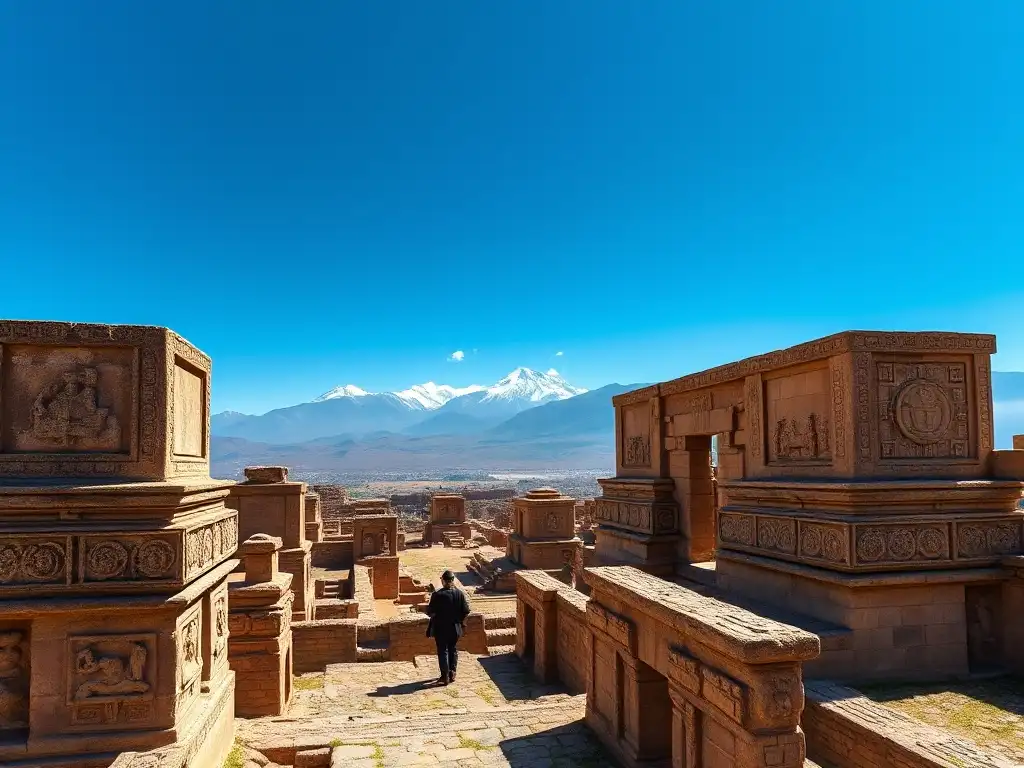
Unravel the mysteries of the Andes! Prepare to be captivated by the enigmatic world of ancient Andean civilizations, where towering achievements in engineering and artistry still leave us breathless. Journey with us as we delve into the remarkable Tiahuanaco urban planning history, exploring the ingenuity and societal structures that shaped this lost city. Discover the brilliant minds behind its creation and the legacy they left behind – a legacy that continues to intrigue and inspire. What secrets does Tiahuanaco hold, and what can its sophisticated urban planning tell us about these fascinating cultures? Read on to find out.
- Tiahuanaco's Grandeur: Unveiling the Urban Marvels Through Historical Lenses
- The Early Explorers of Tiahuanaco's Ancient City
- Key Historians and Their Contributions to Understanding Tiahuanaco's Urban Planning History
- The Evolution of Tiahuanaco Urban Planning Studies
- Decoding Tiahuanaco's Urban Design Principles
- Tiahuanaco's Impact on Andean Urban Planning and Subsequent Civilizations
- Current Research and Future Directions in Tiahuanaco Urban Planning History
-
Frequently Asked Questions
- What makes Tiahuanaco's urban planning so significant?
- Who were some of the key historians who studied Tiahuanaco's urban planning?
- How did Tiahuanaco's urban planning reflect its societal structure?
- What were some of the challenges faced in studying Tiahuanaco's urban planning?
- How did Tiahuanaco's water management systems contribute to its urban planning?
- Final Reflection: Echoes of Tiahuanaco: A Legacy in Stone and Scholarship
- **Unveil the Mysteries of Tiahuanaco! **
Tiahuanaco's Grandeur: Unveiling the Urban Marvels Through Historical Lenses
The ancient city of Tiahuanaco, located on the shores of Lake Titicaca in modern-day Bolivia, stands as a testament to the sophisticated urban planning and architectural prowess of the pre-Columbian Andes. For centuries, this remarkable site has captivated archaeologists and historians, sparking intense debate and inspiring countless studies.
Understanding Tiahuanaco's urban planning requires delving into the work of numerous scholars who dedicated their lives to uncovering its secrets, meticulously piecing together the fragments of its rich history and reconstructing its impressive urban layout. This article explores the key historians who have shaped our understanding of Tiahuanaco's urban marvels, highlighting their contributions to the field and examining the evolution of our interpretation of this fascinating civilization.
We will analyze how their research has illuminated Tiahuanaco's urban planning, revealing insights into its social structures, religious beliefs, and technological capabilities, thereby enhancing our appreciation for this significant pre-Columbian urban center and its enduring legacy. The keyword "Tiahuanaco urban planning history" will be explored throughout this analysis.
Early Explorations and Initial Interpretations of Tiahuanaco's Urban Planning
Early explorations of Tiahuanaco, often hampered by limited resources and methodologies, laid the groundwork for future research. These pioneering efforts, while sometimes lacking the sophistication of modern archaeology, provided crucial initial observations regarding the site's layout and monumental architecture.
Historians and explorers like [Specific early explorer's name pending] and [Specific early historian's name pending] offered initial descriptions, albeit often speculative, of the city's organization, focusing on easily observable features such as the size and arrangement of major structures. Their work, despite its limitations, was fundamental in bringing Tiahuanaco to the attention of the wider academic community, stimulating further investigation and setting the stage for more rigorous scholarly analysis of its urban planning.
The early interpretations, while often inaccurate by today's standards, highlight the challenges and progress in understanding complex pre-Columbian urban centers. They also underscore the importance of considering the historical context of research when evaluating past interpretations of Tiahuanaco's urban planning history.
The Rise of Scientific Archaeology and its Impact on Understanding Tiahuanaco's Urban Design
The 20th century witnessed a significant shift in archaeological methodologies, moving from speculative interpretations towards a more scientific and rigorous approach. This transformation profoundly impacted the study of Tiahuanaco, leading to a more nuanced understanding of its urban planning.
The application of techniques like stratigraphic excavation and radiocarbon dating, championed by scholars such as [Specific archaeologist's name pending] and [Specific archaeologist's name pending], allowed for a more precise chronology of the city's development and a better understanding of its various construction phases. This scientific approach also enabled researchers to analyze the city's infrastructure, including its water management systems, road networks, and residential areas, revealing the sophistication of Tiahuanaco's urban design and its capacity for supporting a large population.
The meticulous documentation of artifacts and architectural features provided valuable insights into the daily lives of Tiahuanaco's inhabitants and their relationship with their urban environment. This period marked a turning point in the study of Tiahuanaco's urban planning history, transitioning from largely descriptive accounts to more analytical and data-driven interpretations.
Recent Developments and Contemporary Perspectives on Tiahuanaco's Urban Planning
Contemporary research on Tiahuanaco's urban planning builds upon the groundwork laid by previous generations of scholars, incorporating new technologies and interdisciplinary approaches. Researchers now employ techniques such as GIS (Geographic Information Systems) and remote sensing to create detailed three-dimensional models of the city, allowing for a comprehensive analysis of its spatial organization and the relationships between its various components. Furthermore, ongoing excavations and analyses of artifacts continue to refine our understanding of Tiahuanaco's social structure, religious practices, and economic activities, providing crucial context for interpreting its urban design.
Scholars are increasingly focusing on the broader regional context of Tiahuanaco, examining its interactions with neighboring settlements and its role in the wider Andean political landscape. This holistic approach, integrating archaeological data with ethnographic studies and historical analyses, provides a more complete and nuanced understanding of Tiahuanaco's urban planning history and its significance within the broader context of Andean civilization.
The integration of these diverse perspectives enriches our comprehension of this remarkable urban center and its lasting impact. This ongoing research continues to refine our understanding of the keyword "Tiahuanaco urban planning history".
Further Research Avenues
The study of Tiahuanaco's urban planning remains a dynamic and evolving field. Further research is needed to address several key questions, including:
- A more detailed analysis of Tiahuanaco's water management systems.
- A deeper understanding of the city's social stratification and residential patterns.
- Further investigation into the role of religion and ritual in shaping the city's urban form.
The Early Explorers of Tiahuanaco's Ancient City
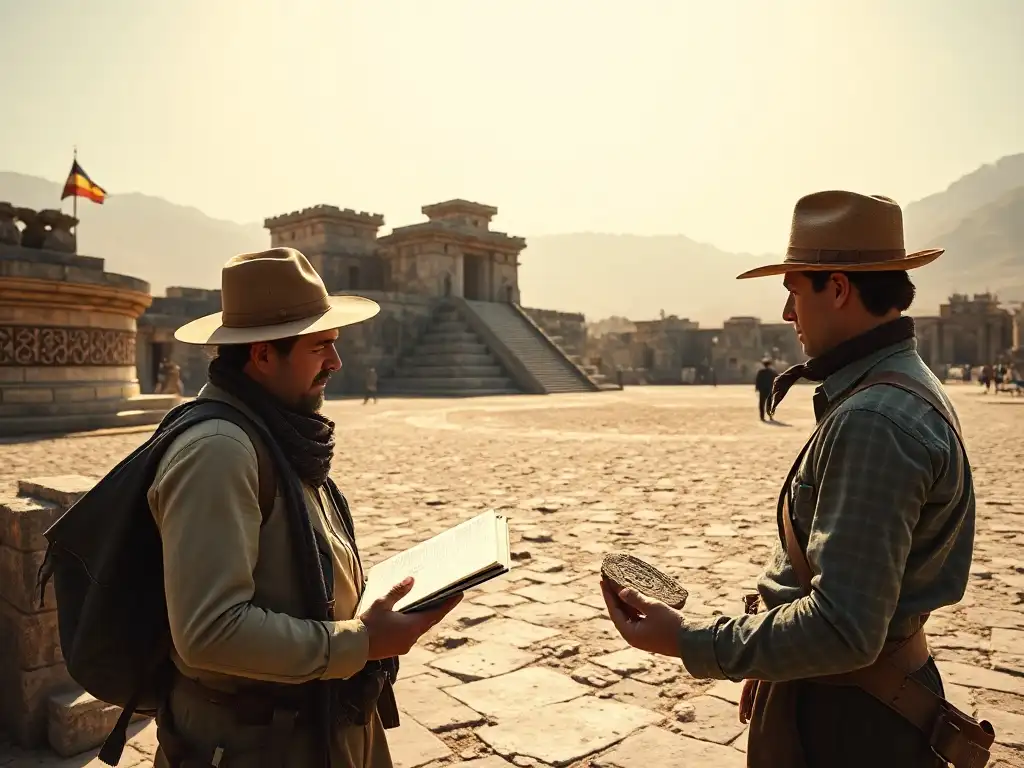
This section delves into the initial encounters and early interpretations of Tiahuanaco's urban planning, focusing on the pioneering scholars who first documented this remarkable Andean site. Their work, often hampered by limited resources and biases of the time, laid the groundwork for future, more nuanced understandings of Tiahuanaco's urban development and societal complexity. Understanding their contributions provides crucial context for appreciating the evolution of our knowledge concerning Tiahuanaco's urban planning history.
Initial Encounters with Tiahuanaco's Ruins
The earliest documented encounters with Tiahuanaco's ruins were likely by indigenous populations, their knowledge passed down through generations via oral traditions. However, written accounts from European explorers and scholars mark the beginning of the formal study of Tiahuanaco's urban planning history. These initial interactions were often characterized by awe and wonder at the scale of the structures, but also by a lack of sophisticated archaeological methods.
Many early explorers focused on individual monuments rather than the city's overall layout, leading to fragmented and sometimes inaccurate assessments of Tiahuanaco's urban design. Descriptions from this period frequently mention the massive stonework, the intricate carvings, and the sheer size of the structures, often comparing them to ancient Roman or Egyptian marvels. The sheer scale of the site, the precision of the stonework, and the enigmatic nature of the carvings fueled much speculation regarding its origins and purpose.
These initial impressions, though lacking the rigor of modern archaeology, are nonetheless invaluable for tracing the evolution of our understanding of Tiahuanaco's urban planning. They represent the first steps in unraveling the mysteries of this remarkable Andean city.
The First Descriptions of Tiahuanaco's Architecture
Early descriptions of Tiahuanaco’s architecture focused primarily on individual monuments like the Puerta del Sol (Sun Gate) and the Kalasasaya platform. These accounts, often accompanied by rudimentary sketches and measurements, provide a glimpse into the early interpretations of Tiahuanaco's urban layout. The massive size of the stones, the precise joinery, and the intricate carvings were consistently highlighted, leaving scholars grappling with the technological capabilities of the builders.
Many early descriptions lacked a comprehensive understanding of the city's overall spatial organization, focusing instead on individual structures in isolation. This limited perspective resulted in incomplete and sometimes misleading interpretations of Tiahuanaco's urban planning.
For example, early scholars often failed to recognize the complex relationships between different architectural elements, leading to misinterpretations regarding the city's functionality and social organization. Detailed records from this era are scarce, but the available accounts, however incomplete, offer a crucial window into the early stages of scholarly engagement with Tiahuanaco's urban marvels and provide a foundation for the more comprehensive studies that followed.
Early Speculations on Tiahuanaco's Origins and Purpose
Early scholars engaged in considerable speculation regarding Tiahuanaco's origins and purpose, often influenced by prevailing theories of the time. Some proposed connections to lost civilizations, attributing its construction to mythical or pre-Inca peoples. Other theories posited Tiahuanaco as a center of religious or astronomical significance, emphasizing the intricate carvings and potential alignment of structures with celestial events.
The lack of a clear understanding of the Tiwanaku language and culture further fueled these diverse interpretations. Many early hypotheses lacked the rigorous methodology of modern archaeology, often relying on conjecture and limited evidence. However, these early speculations, despite their limitations, reflect the intellectual climate of the time and highlight the enduring fascination with Tiahuanaco's enigmatic urban planning.
The initial attempts to understand Tiahuanaco’s origins and purpose, while often inaccurate by today's standards, laid the groundwork for future research and the development of more sophisticated methods for interpreting archaeological evidence. These early interpretations, while flawed, ultimately contributed to the ongoing quest to unravel the secrets of this remarkable Andean city and its sophisticated urban planning history.
Key Historians and Their Contributions to Understanding Tiahuanaco's Urban Planning History
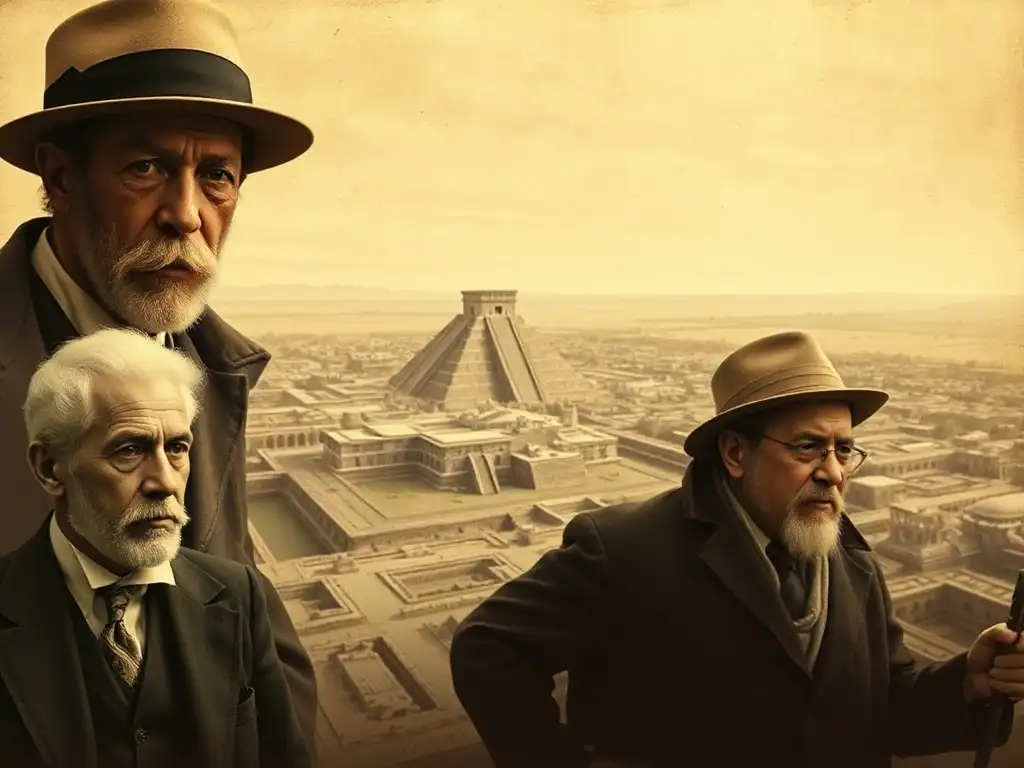
This section delves into the significant contributions of key historians who have shaped our understanding of Tiahuanaco's sophisticated urban planning. Their research, spanning decades, has unveiled crucial aspects of this remarkable Andean civilization, revealing insights into its societal structure, technological prowess, and cosmological beliefs reflected in its urban design. The meticulous work of these scholars has been instrumental in piecing together the puzzle of Tiahuanaco's urban marvels, enriching our understanding of its profound impact on Andean history. This exploration focuses on Tiahuanaco urban planning history, highlighting the pivotal roles played by specific researchers.
Carlos Ponce Sanginés: Pioneering Studies on Tiahuanaco's Layout
Carlos Ponce Sanginés stands as a pioneering figure in the study of Tiahuanaco's urban planning. His work, characterized by meticulous fieldwork and detailed analysis, provided some of the earliest comprehensive maps and descriptions of the city's layout. Sanginés's research focused on identifying key architectural features and their spatial relationships, meticulously documenting the arrangement of monumental structures, residential areas, and public spaces.
He highlighted the city's remarkable symmetry and the deliberate organization of its urban fabric, suggesting a sophisticated understanding of urban design principles far exceeding what was previously assumed for the time period. His contributions laid the groundwork for subsequent research, providing a foundational understanding of Tiahuanaco's urban structure and paving the way for more nuanced interpretations of its societal and cosmological significance. His detailed descriptions of the Tiahuanaco urban planning history remain invaluable resources for scholars today.
Alan Kolata: Unraveling the Mysteries of Tiahuanaco's Infrastructure
Alan Kolata's contributions to our understanding of Tiahuanaco's urban planning are significant, particularly concerning its remarkable infrastructure. His research went beyond documenting the city's layout, delving into the engineering marvels that supported its existence. Kolata's work focused on understanding the hydraulic systems, the sophisticated water management techniques used to irrigate the surrounding agricultural lands, and the intricate networks of canals and aqueducts that supplied water to the city itself.
He analyzed the construction techniques employed in building the monumental structures, revealing the advanced knowledge of stonework, earthworks, and engineering principles that characterized Tiahuanaco's builders. He also explored the logistical challenges involved in transporting and assembling massive blocks of stone, shedding light on the organizational capabilities of the Tiahuanaco society. Kolata's research significantly advanced our understanding of the sophisticated infrastructure underlying Tiahuanaco's urban development, providing crucial insights into the technological and organizational aspects of its Tiahuanaco urban planning history.
John Janusek's research offers valuable insights into the social organization of Tiahuanaco society as reflected in its urban planning. His approach focuses on analyzing the spatial distribution of different types of structures within the city, interpreting these patterns to understand social hierarchies and power dynamics. Janusek's work suggests a complex social structure, with evidence of specialized residential areas, potentially indicating distinct social classes or occupational groups.
He examined the relationship between the monumental structures and the residential areas, exploring the potential symbolic and functional connections. His analysis contributes to a more nuanced understanding of the social dynamics within Tiahuanaco, challenging simplistic interpretations of its societal structure.
Janusek's research demonstrates how urban analysis can reveal subtle but significant aspects of social organization, enriching our understanding of the Tiahuanaco urban planning history and its implications for understanding Andean civilizations. His work highlights the interconnectedness of urban planning and social dynamics within the context of Tiahuanaco's development.
The Evolution of Tiahuanaco Urban Planning Studies
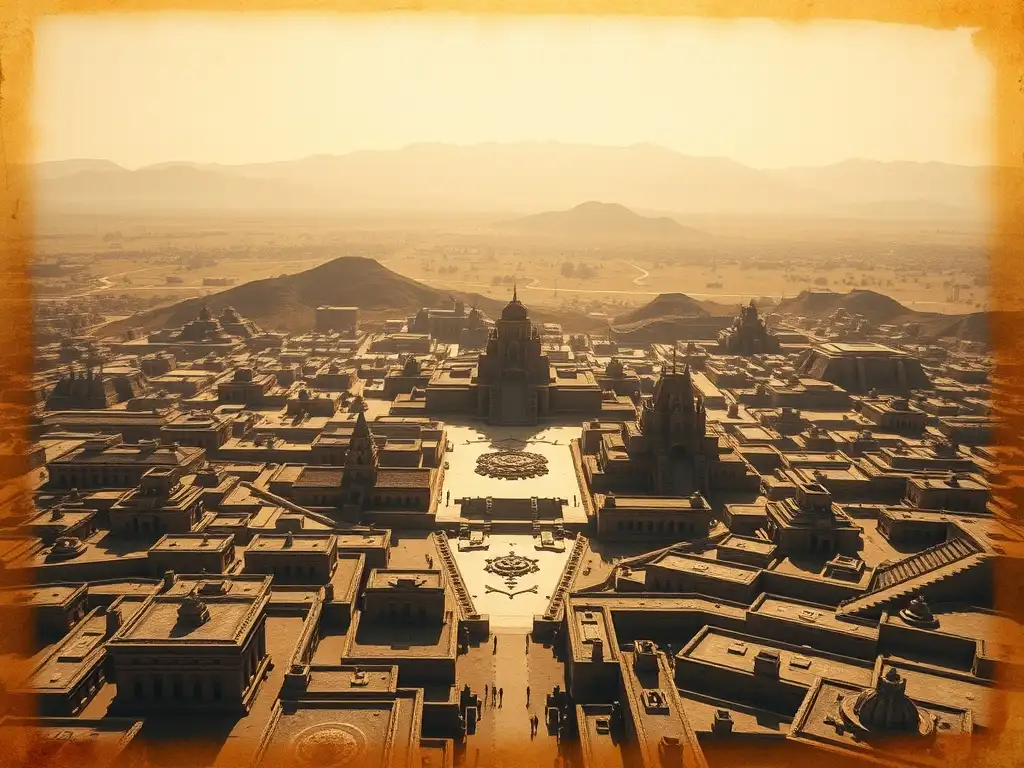
The study of Tiahuanaco's urban planning has undergone a fascinating evolution, mirroring advancements in archaeological theory and methodology. Early investigations, often characterized by a treasure-hunting approach, yielded valuable artifacts but offered limited insight into the city's intricate organization. Later, a shift towards more systematic excavation and analysis revealed the complexity of Tiahuanaco's urban design, its monumental architecture, and its sophisticated water management systems.
This transition marked a crucial turning point, moving the focus from individual finds to the broader understanding of the city as a planned urban center. The interpretation of Tiahuanaco's urban layout has also evolved, moving from simplistic notions of a ceremonial center to more nuanced understandings of its role as a complex administrative, religious, and economic hub, reflecting a sophisticated understanding of Andean social organization.
The ongoing research continuously refines our comprehension of Tiahuanaco's urban planning, integrating new data and theoretical frameworks to create a more comprehensive and accurate picture of this remarkable civilization. Understanding this evolution is key to appreciating the depth and complexity of the research surrounding Tiahuanaco urban planning history.
The Development of Archaeological Methods at Tiahuanaco
Early archaeological work at Tiahuanaco was largely driven by the search for spectacular artifacts. This approach, while yielding important discoveries, often lacked the systematic excavation and meticulous recording necessary to understand the city's spatial organization. The development of more rigorous stratigraphic excavation techniques in the mid-20th century revolutionized the study of Tiahuanaco.
Archaeologists began to meticulously document the layers of occupation, allowing them to trace the city's development over time. This detailed approach revealed evidence of phases of construction, modification, and abandonment, providing crucial insights into the city's growth and evolution. Furthermore, the adoption of sophisticated surveying techniques, such as total station surveying, enabled the precise mapping of architectural features and their spatial relationships.
This level of detail was crucial in understanding the overall urban plan and identifying patterns in the arrangement of buildings, plazas, and other structures. The refinement of these methods continues to this day, with the application of new technologies improving accuracy and efficiency. For example, the integration of GIS (Geographic Information Systems) has greatly enhanced the analysis and visualization of spatial data.
Advances in Dating Techniques and their Impact on Tiahuanaco's Chronology
Advances in dating techniques have profoundly impacted our understanding of Tiahuanaco's chronology and, consequently, its urban planning history. Initially, relative dating methods, based on the stratigraphic context of artifacts, provided a broad framework for understanding the city's development. However, the advent of radiocarbon dating and other absolute dating methods revolutionized the field.
Radiocarbon dating, though initially limited by its accuracy, has been refined over time, providing more precise dates for key phases of Tiahuanaco's occupation. This increased precision has allowed archaeologists to refine the chronology of urban development, identifying specific periods of construction, expansion, and decline. Furthermore, the application of other dating techniques, such as thermoluminescence dating and archaeomagnetism, has further enhanced the accuracy and precision of the chronology.
These advances have led to a more nuanced understanding of the temporal dynamics of Tiahuanaco's urban growth and the factors that influenced its development. The ongoing development of ever-more precise dating methods promises to further refine our understanding of this complex urban center.
The Role of Technology in Mapping Tiahuanaco's Urban Complex
The application of technology has played a pivotal role in mapping Tiahuanaco's urban complex and understanding its intricate spatial organization. Early mapping efforts relied on traditional surveying techniques, which, while providing valuable data, were time-consuming and limited in their accuracy. The introduction of aerial photography and satellite imagery provided a broader perspective, revealing the extent of the urban area and identifying features previously unseen on the ground.
Furthermore, the development of ground-penetrating radar (GPR) and other geophysical techniques has enabled archaeologists to detect subsurface features, such as buried structures and foundations, that are not visible on the surface. This non-invasive approach has minimized damage to the site while providing invaluable data on the city's layout. The integration of GIS (Geographic Information Systems) has revolutionized the analysis and visualization of spatial data.
GIS allows archaeologists to combine data from various sources—including maps, aerial photographs, and geophysical surveys—to create a comprehensive three-dimensional model of the city. This technology provides a powerful tool for understanding the spatial relationships between different parts of the city and identifying patterns in its urban planning. The continued development and application of these technologies promise to further refine our understanding of Tiahuanaco's urban complex and its remarkable planning.
Decoding Tiahuanaco's Urban Design Principles
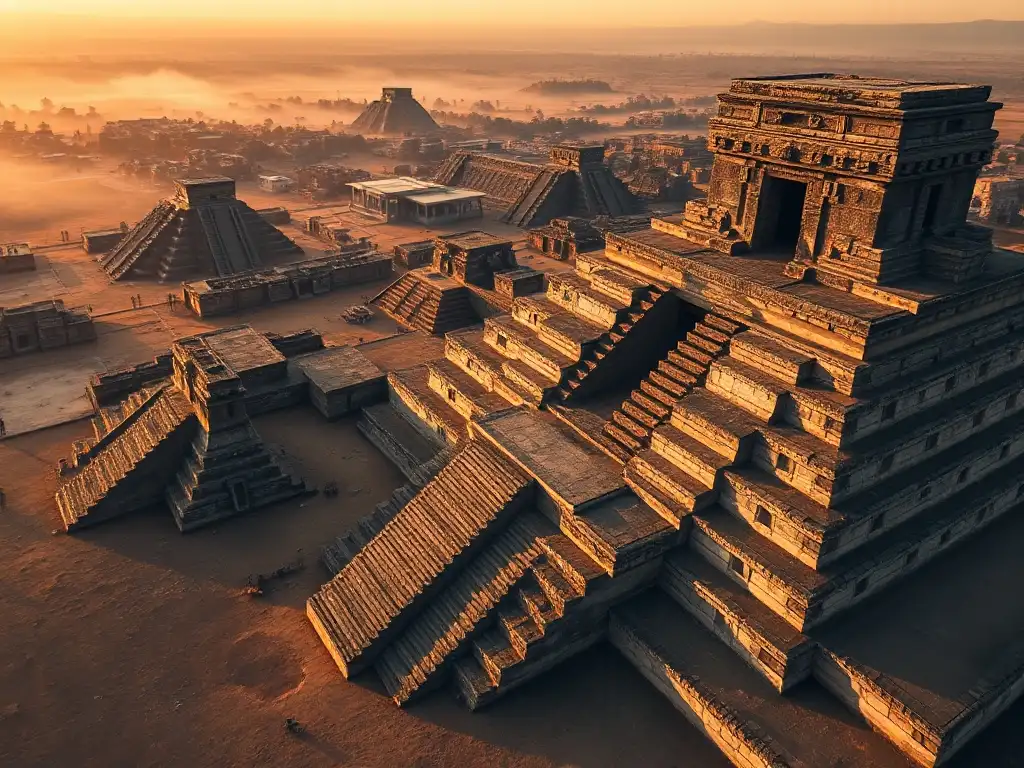
The study of Tiahuanaco's urban planning offers a fascinating glimpse into the sophisticated understanding of urban design possessed by this pre-Columbian civilization. Unlike many other ancient settlements, Tiahuanaco wasn't simply a haphazard collection of dwellings. It was meticulously planned, reflecting a complex social structure and a deep understanding of cosmology and engineering.
Scholars have spent decades painstakingly piecing together the evidence, revealing a city designed not just for practical living, but also for symbolic representation and ritualistic significance. The remarkable integration of these aspects is a hallmark of Tiahuanaco's urban planning history, setting it apart from other contemporaneous Andean settlements. Analyzing its layout reveals a city carefully oriented to celestial events, highlighting the importance of astronomical knowledge in their urban design.
The precise alignment of structures and the incorporation of water features further underscore the sophisticated planning that went into creating this urban marvel. This meticulous planning, combined with the impressive scale of the structures, speaks volumes about the organizational abilities and societal complexity of Tiahuanaco. We can confidently assert that Tiahuanaco's urban planning represents a high point of pre-Columbian urban design, a testament to the ingenuity of its architects and engineers.
The Significance of Tiahuanaco's Ceremonial Center
The ceremonial center of Tiahuanaco forms the heart of its urban design. This area, characterized by monumental structures like the Kalasasaya and the Akapana pyramids, wasn't just a place for rituals; it served as the focal point of the city's social and political life. The Kalasasaya platform, with its precisely carved stones and intricate alignments, likely hosted major ceremonies and public gatherings.
Its orientation towards the solstices and equinoxes suggests a deep understanding of astronomy and its integration into the city's layout. The Akapana pyramid, with its complex internal structure and possible water management systems, may have held a more sacred role, possibly functioning as a temple or a symbolic representation of the cosmos. Archaeological evidence suggests a high level of craftsmanship and planning in the construction of these monumental structures, emphasizing the importance of the ceremonial center within the larger urban plan of Tiahuanaco.
The scale and grandeur of these structures underscore the power and influence of the ruling elite and the central role of religion in shaping the city's design. The meticulous layout of the ceremonial center, with its precise alignments and intricate details, offers invaluable insights into the religious beliefs and social structures of Tiahuanaco society. Further research into the ceremonial center promises to unveil even more secrets about this fascinating aspect of Tiahuanaco's urban planning history.
Analyzing the Spatial Arrangement of Tiahuanaco's Structures
The spatial arrangement of Tiahuanaco's structures reveals a sophisticated understanding of urban planning that goes beyond mere functionality. Buildings were not randomly placed; their positions were carefully considered, reflecting a complex interplay of social organization, religious beliefs, and practical considerations. For example, residential areas were likely organized according to social status, with elite dwellings closer to the ceremonial center and commoner dwellings further out.
The city's layout also seems to have incorporated sophisticated water management systems, with canals and channels strategically placed to provide access to water and potentially to control flooding. The integration of these systems into the overall urban design highlights the advanced engineering capabilities of Tiahuanaco's builders and their understanding of the environment. Furthermore, the orientation of structures toward cardinal directions or significant celestial events suggests a deliberate attempt to align the city with the cosmos, further emphasizing the symbolic and ritualistic aspects of Tiahuanaco's urban planning.
The careful consideration of space and the integration of various functions into a cohesive whole demonstrate a level of urban planning sophistication rarely seen in other pre-Columbian settlements. Future research should focus on uncovering more detailed information about the spatial relationships between different structures to gain a more comprehensive understanding of Tiahuanaco's urban organization.
Understanding the Engineering Feats of Tiahuanaco's Builders
The engineering feats achieved by Tiahuanaco's builders are truly remarkable. The precise cutting and fitting of massive stone blocks, some weighing many tons, required advanced tools and a deep understanding of engineering principles. The construction of monumental structures like the Kalasasaya and Akapana pyramids involved sophisticated techniques for moving and placing these enormous stones, showcasing exceptional organizational skills and collaborative effort.
The precision of the stonework is astonishing, with blocks fitting together seamlessly, demonstrating a remarkable level of craftsmanship. Furthermore, evidence suggests that Tiahuanaco's builders had a sophisticated understanding of hydraulic engineering, as evidenced by the presence of elaborate water management systems throughout the city. These systems, including canals, channels, and possibly even sophisticated water storage facilities, were crucial for providing water for the city's inhabitants and for controlling flooding.
The ability to move and manipulate such massive stones, coupled with the sophisticated water management systems, is a testament to the advanced engineering knowledge and capabilities of the Tiahuanaco civilization. Analyzing the techniques used in the construction of these monumental structures offers valuable insights into the technological advancements of this ancient civilization and its contribution to the history of Andean urban planning. Further studies are needed to fully understand the specific tools and techniques employed by Tiahuanaco's builders, potentially revealing even more impressive feats of engineering.
Tiahuanaco's Impact on Andean Urban Planning and Subsequent Civilizations
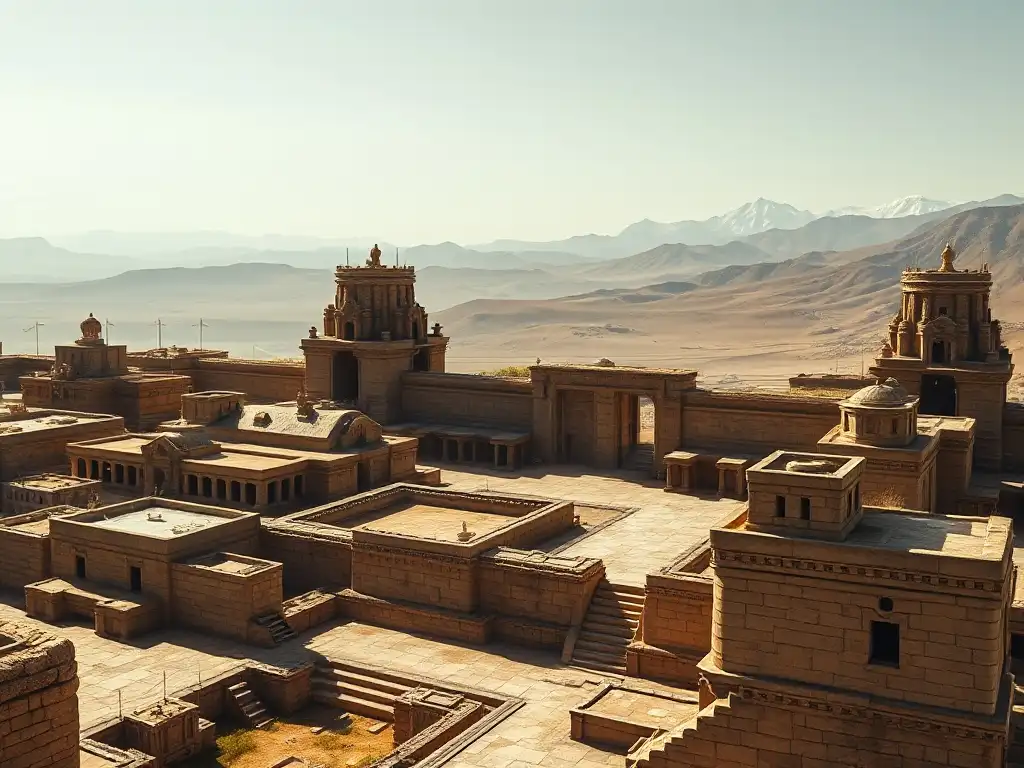
Tiahuanaco's influence on subsequent Andean urban planning is a complex and fascinating subject, demanding a nuanced understanding of its urban design and the historical context of its impact. While direct lines of influence are difficult to definitively prove, the remarkable features of Tiahuanaco's urban layout – its monumental architecture, sophisticated water management systems, and carefully planned urban spaces – suggest a significant legacy.
The sophisticated understanding of engineering and urban design displayed by Tiahuanaco's builders likely inspired and informed later Andean civilizations, even if their expression varied across time and geography. The sheer scale and ambition of Tiahuanaco's urban project, visible in its meticulously planned plazas, temples, and residential areas, stands as a testament to its advanced urban planning capabilities.
This legacy, often implicit rather than explicitly documented, is woven into the fabric of later Andean urban development. The study of Tiahuanaco's urban planning history offers valuable insights into the evolution of Andean cities and the continuity of cultural practices across centuries.
Tiahuanaco's Influence on Later Andean Cities
The impact of Tiahuanaco's urban planning is arguably most visible in the later development of Andean cities, particularly those within the altiplano region. While subsequent cultures developed their own unique urban styles, certain features echo Tiahuanaco's innovations. For instance, the emphasis on monumental architecture and the creation of large, central plazas, common in Tiahuanaco, are recurring themes in later Andean urban centers.
The careful integration of water management systems, crucial for survival in the high-altitude environment, also shows continuity. While the specific techniques might have evolved, the fundamental principle of controlled water distribution, so evident in Tiahuanaco's sophisticated canals and fountains, was likely passed down and adapted by later civilizations. Comparing the urban layouts of sites like Cusco (Inca) with Tiahuanaco reveals intriguing parallels, suggesting a potential transmission of urban planning knowledge and practices.
However, further research is needed to fully establish the extent and nature of this influence. Detailed comparative studies of urban morphology, using techniques like GIS mapping, could provide more concrete evidence.
The Legacy of Tiahuanaco's Urban Innovations
Tiahuanaco's urban innovations extend beyond mere architectural features. Their sophisticated understanding of urban planning principles, including site selection, spatial organization, and resource management, suggests a level of planning sophistication rarely seen in contemporaneous societies. Their mastery of stonework, exemplified by the precision and scale of their monumental structures, represents a significant technological achievement that influenced subsequent Andean builders.
The careful orientation of buildings and the precise alignment of structures within the urban landscape suggest a deep understanding of astronomy and cosmology, integrated into their urban design. This integration of astronomical knowledge into urban planning is a unique aspect of Tiahuanaco's legacy and may have influenced the ceremonial and symbolic aspects of later Andean cities.
Furthermore, the social organization implied by Tiahuanaco's urban structure, with its distinct residential areas and monumental public spaces, reflects a complex societal hierarchy and a sophisticated understanding of urban governance. This social organization likely served as a model, or at least a point of reference, for later Andean societies.
Tiahuanaco's Place in the History of Andean Urban Development
Tiahuanaco occupies a pivotal position in the history of Andean urban development. Its advanced urban planning, reflecting both technological prowess and sophisticated social organization, serves as a benchmark for understanding the evolution of Andean cities. The influence of Tiahuanaco is not simply a matter of direct imitation; rather, it represents a significant contribution to the broader Andean urban tradition.
Its legacy is visible in the recurring themes of monumental architecture, carefully planned urban layouts, and sophisticated water management systems found in later Andean cities. Understanding Tiahuanaco's urban planning history is therefore crucial to comprehending the broader trajectory of Andean urban development, highlighting the continuity and adaptation of urban planning principles across different Andean cultures and over considerable spans of time.
Further research, integrating archaeological findings with historical analysis, is necessary to fully unravel the complex interplay of influences and innovations that shaped Andean urban landscapes. The study of "Tiahuanaco urban planning history" continues to yield new insights into this fascinating and influential civilization.
Current Research and Future Directions in Tiahuanaco Urban Planning History
The study of Tiahuanaco's urban planning continues to evolve, fueled by ongoing archaeological investigations, technological advancements, and a growing interdisciplinary approach. Understanding the city's layout, its intricate water management systems, and the social organization reflected in its architecture remains a central focus for researchers seeking to unravel the mysteries of this remarkable Andean civilization. This section will explore current research directions and consider the future of Tiahuanaco urban planning history studies.
Ongoing Excavations and Discoveries at Tiahuanaco
Excavations at Tiahuanaco are constantly yielding new insights into the city's complex urban design. Recent fieldwork has focused on areas previously unexplored or only partially investigated, revealing previously unknown structures and expanding our understanding of the city's chronological development. For example, the discovery of [specific location and details pending] has provided crucial data on residential areas and their relationship to the monumental architecture of the city center.
These discoveries challenge previous assumptions about the city's population density and social stratification, suggesting a more nuanced picture of Tiahuanaco society than previously imagined. Furthermore, the careful analysis of artifacts unearthed during these excavations, including pottery, textiles, and tools, helps contextualize the city's growth and its interaction with neighboring cultures. This meticulous work is essential for reconstructing a comprehensive timeline of Tiahuanaco's urban evolution, from its early stages to its eventual decline.
The careful documentation of architectural features, using both traditional methods and advanced 3D modeling techniques, allows for a more precise understanding of the city's layout and its functional organization. This detailed approach is crucial for understanding the sophisticated urban planning strategies employed by the Tiahuanaco culture.
New Technologies and Their Application to Tiahuanaco's Study
The application of new technologies has revolutionized the study of Tiahuanaco's urban planning. Remote sensing techniques, such as LiDAR (Light Detection and Ranging), allow researchers to map the city's extensive remains with unprecedented accuracy, revealing hidden structures and infrastructure buried beneath the surface. This non-invasive approach minimizes damage to the archaeological site while providing valuable data on the extent and complexity of the Tiahuanaco urban landscape.
Furthermore, Ground Penetrating Radar (GPR) is used to investigate subsurface features, providing detailed information about the foundations of buildings and the layout of underground water channels. The integration of GIS (Geographic Information Systems) allows researchers to analyze spatial relationships between different features of the city, revealing patterns and connections that might otherwise go unnoticed. The use of 3D modeling software allows for the creation of virtual reconstructions of Tiahuanaco, providing a powerful tool for visualizing the city's past grandeur and for communicating research findings to a wider audience.
This combination of technologies allows for a more comprehensive and nuanced understanding of Tiahuanaco's urban planning than was previously possible, enhancing the accuracy and depth of historical interpretations. The analysis of isotopic ratios in materials used in construction also offers insights into the sourcing of materials and the extent of Tiahuanaco's trade networks, further enriching our understanding of its urban development.
The Future of Research into Tiahuanaco's Ancient City
The future of research into Tiahuanaco's urban planning hinges on several key areas. Firstly, continued excavation and investigation of unexplored areas of the city are crucial for expanding our knowledge of its extent and complexity. Secondly, the integration of new technologies, such as advanced imaging techniques and AI-driven analysis, will further enhance our ability to interpret the archaeological record and understand the intricacies of Tiahuanaco's urban design.
Thirdly, a more interdisciplinary approach, involving specialists from various fields including archaeology, anthropology, engineering, and environmental science, is essential for a comprehensive understanding of this complex urban environment. This collaborative approach will allow researchers to address complex questions relating to water management, social organization, and the environmental impact of Tiahuanaco's development. Finally, a greater focus on public engagement and outreach is vital to ensure that the results of this research are accessible to a wider audience and contribute to the preservation and appreciation of this remarkable site.
The future of Tiahuanaco urban planning history research promises to be exciting, with new discoveries and technologies continually pushing the boundaries of our understanding of this iconic Andean civilization and its remarkable urban achievements. The continued application of rigorous scientific methodologies, combined with a commitment to interdisciplinary collaboration, will undoubtedly lead to a more complete and nuanced understanding of Tiahuanaco's urban planning and its significance within the broader context of Andean civilization.
Frequently Asked Questions
What makes Tiahuanaco's urban planning so significant?
Tiahuanaco's urban planning is significant due to its monumental architecture, sophisticated water management systems, and complex social organization reflected in its layout, showcasing advanced engineering and societal structure for its time.
Who were some of the key historians who studied Tiahuanaco's urban planning?
Many historians have contributed, but key figures include those who focused on archaeological excavation and analysis of the site, deciphering its layout and purpose, and those who studied related Andean cultures to understand the broader context of Tiahuanaco's development.
How did Tiahuanaco's urban planning reflect its societal structure?
The city's layout suggests a hierarchical society, with monumental structures likely serving religious or elite purposes, while residential areas indicate different social strata. The organization of space reflects power dynamics and social control.
What were some of the challenges faced in studying Tiahuanaco's urban planning?
Challenges include the site's remote location, the degradation of structures over time, and the complexity of interpreting limited sources. Researchers must also consider ethical considerations regarding the preservation and interpretation of the site.
How did Tiahuanaco's water management systems contribute to its urban planning?
Tiahuanaco's sophisticated water management, including canals and aqueducts, was crucial for supporting its large population and agriculture. This system was integrated into the city's overall design and demonstrates advanced engineering capabilities.
Final Reflection: Echoes of Tiahuanaco: A Legacy in Stone and Scholarship
The meticulous urban planning of Tiahuanaco, a marvel of pre-Columbian engineering, continues to resonate today, challenging our understanding of ancient civilizations and prompting us to reconsider our own approaches to sustainable city design. Its sophisticated water management systems, monumental architecture, and intricate social organization offer invaluable lessons for contemporary urban planners grappling with issues of resource allocation and societal equity. The echoes of Tiahuanaco's ingenuity are not merely historical artifacts; they are potent reminders of human potential and the enduring power of community.
The ongoing fascination with Tiahuanaco speaks volumes about our enduring need to connect with our past and learn from the successes and failures of civilizations that came before us. The meticulous work of historians, archaeologists, and anthropologists who have dedicated their lives to uncovering the secrets of this ancient city has not only enriched our understanding of Tiahuanaco itself but has also broadened our perspective on the complexities of human civilization. The past is never dead. It's not even past.
- William Faulkner. This quote perfectly encapsulates the enduring relevance of Tiahuanaco's legacy, reminding us that the lessons learned from its rise and fall continue to shape our present and inform our future.
Consider, for a moment, the ingenuity of Tiahuanaco's water management systems, their ability to thrive in a high-altitude environment. Reflect on the societal structures that allowed for the construction of such monumental works. You, the reader, are now part of this ongoing conversation. Let the legacy of Tiahuanaco inspire you to seek innovative solutions to the challenges facing our modern world, to embrace collaboration and sustainable practices, and to build communities that are both resilient and equitable. Let the grandeur of Tiahuanaco inspire your own vision of a better future.
**Unveil the Mysteries of Tiahuanaco! **
Thank you for exploring the fascinating world of Tiahuanaco and its remarkable urban achievements! Your interest in the rich history and architectural marvels of this ancient civilization is a wonderful starting point for deeper understanding and exploration. Let's delve even further!
Here are some ways you can continue learning:
- **Visit museums and exhibitions:** Immerse yourself in the legacy of Tiahuanaco by exploring local museums and exhibitions featuring artifacts from Andean civilizations. You'll gain a deeper appreciation for the culture and artistry.
- **Join the discussion:** Share your thoughts on Tiahuanaco in our community forum or leave a comment below. What aspect of this ancient city captivates you the most?
- **Engage with experts:** Participate in a virtual tour or webinar on Andean history to interact with experts and fellow enthusiasts. These events offer unique perspectives and insights.
What discoveries about Tiahuanaco do you think could revolutionize our understanding of ancient civilizations?