
The Role of Technology: How Modern Tools Aid in Andean Exploration and Research

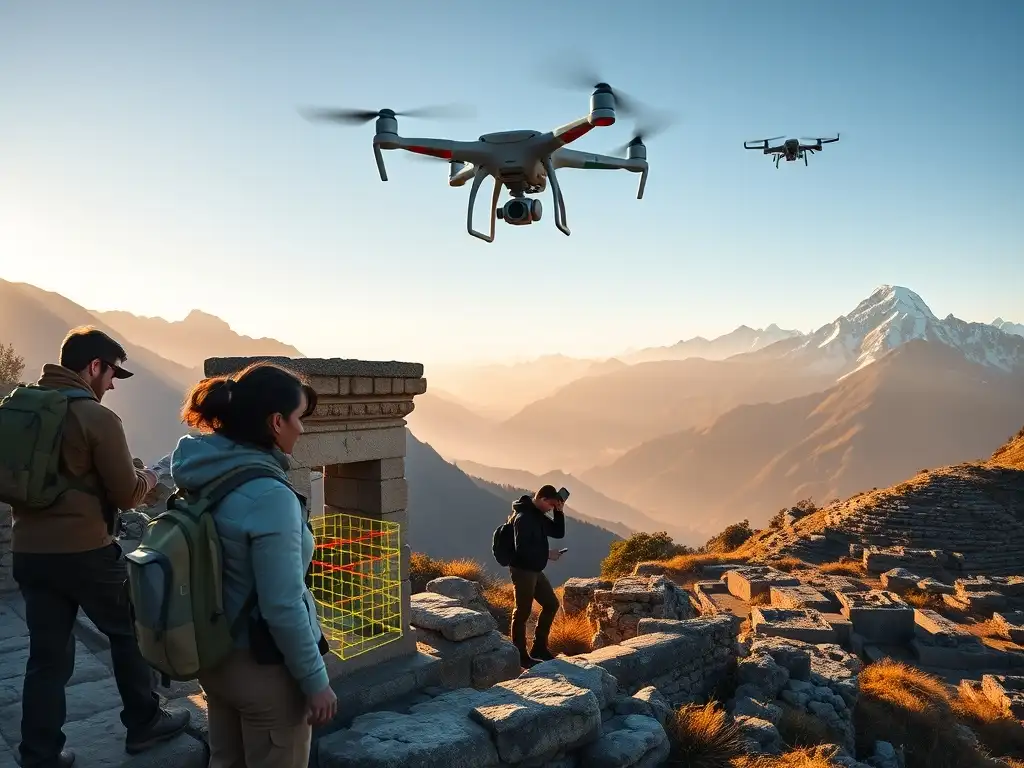
Step into a world lost to time, yet echoing with innovation. For centuries, the Andean civilizations have captivated imaginations, leaving behind a legacy of breathtaking artistry and astonishing engineering. But how much do we truly know about their advancements? This journey into the heart of Andean civilizations technology research unveils surprising discoveries and groundbreaking insights, revealing the secrets held within these ancient societies. Prepare to be amazed as we explore the cutting-edge tools shaping our understanding of their remarkable achievements.
Modern technology has revolutionized our understanding of Andean civilizations, offering unprecedented opportunities to explore, analyze, and interpret the rich tapestry of their history, culture, and achievements. This article delves into the significant impact of modern tools on Andean research, highlighting how advancements in various fields – from remote sensing and GIS mapping to DNA analysis and 3D modeling – are reshaping our knowledge of the Inca, Moche, Nazca, and Tiahuanaco cultures, amongst others.
By examining specific applications and case studies, we aim to illustrate the profound effect technology has had on uncovering and preserving the legacy of these fascinating Andean civilizations. This exploration directly addresses the crucial intersection of Andean civilizations and technological advancements in research, a field vital to understanding the past and safeguarding its remnants for the future.
The impact of technology on our understanding of Andean civilizations is not merely incremental; it represents a paradigm shift in how we approach the study of these ancient societies.
Introduction: Modern Technology and the Study of Andean Civilizations
The study of Andean civilizations has traditionally relied on painstaking archaeological excavation, meticulous cataloging of artifacts, and careful interpretation of historical accounts. However, the advent of modern technologies has dramatically expanded the scope and precision of this research. The integration of tools from various scientific disciplines, including but not limited to archaeology, anthropology, genetics, and computer science, has allowed researchers to approach complex questions with new methodologies and a level of detail previously unimaginable.
This has not only revealed new insights into the lives and practices of Andean peoples but also facilitated the preservation and dissemination of this valuable knowledge. The use of non-invasive techniques, in particular, is crucial for minimizing damage to delicate sites and artifacts, ensuring the long-term preservation of these invaluable cultural resources.
Remote Sensing and Geographic Information Systems (GIS): Mapping the Andean Landscape
Remote sensing technologies, such as satellite imagery and aerial photography, provide researchers with a bird's-eye view of the Andean landscape, revealing previously unknown settlements, agricultural terraces, and infrastructure. This information is then integrated into Geographic Information Systems (GIS), powerful software that allows for the spatial analysis of this data. GIS helps researchers to visualize the distribution of settlements, understand patterns of resource management, and analyze the relationship between the environment and Andean societal development.
For example, high-resolution satellite imagery has identified previously unknown irrigation canals in the Nazca region, shedding light on the sophisticated water management techniques employed by this civilization. The use of GIS mapping also significantly aids in project planning and management, ensuring efficient and effective field work.
Furthermore, the ability to overlay different datasets (e.g., satellite imagery, topographic data, archaeological findings) provides a more holistic understanding of the landscape and its relationship to human activity. This multifaceted approach significantly enhances our comprehension of Andean civilizations’ interaction with their environment.
DNA Analysis and the Study of Andean Populations
Advances in DNA analysis have provided invaluable insights into the genetic makeup of ancient Andean populations, shedding light on migration patterns, population movements, and the genetic relationships between different groups. Analysis of ancient DNA extracted from skeletal remains allows researchers to trace the ancestry of Andean peoples, revealing connections between seemingly disparate groups and challenging previously held assumptions about population history. This data is crucial for understanding the complexities of Andean societal structures and the processes of cultural exchange and interaction.
Furthermore, the analysis of ancient DNA can also provide insights into disease prevalence and dietary habits within these populations, offering a more nuanced understanding of their health and lifestyle. The combination of genetic data with archaeological and historical evidence paints a much richer and more comprehensive picture of Andean life.
3D Modeling and Virtual Reconstruction: Preserving and Sharing Andean Heritage
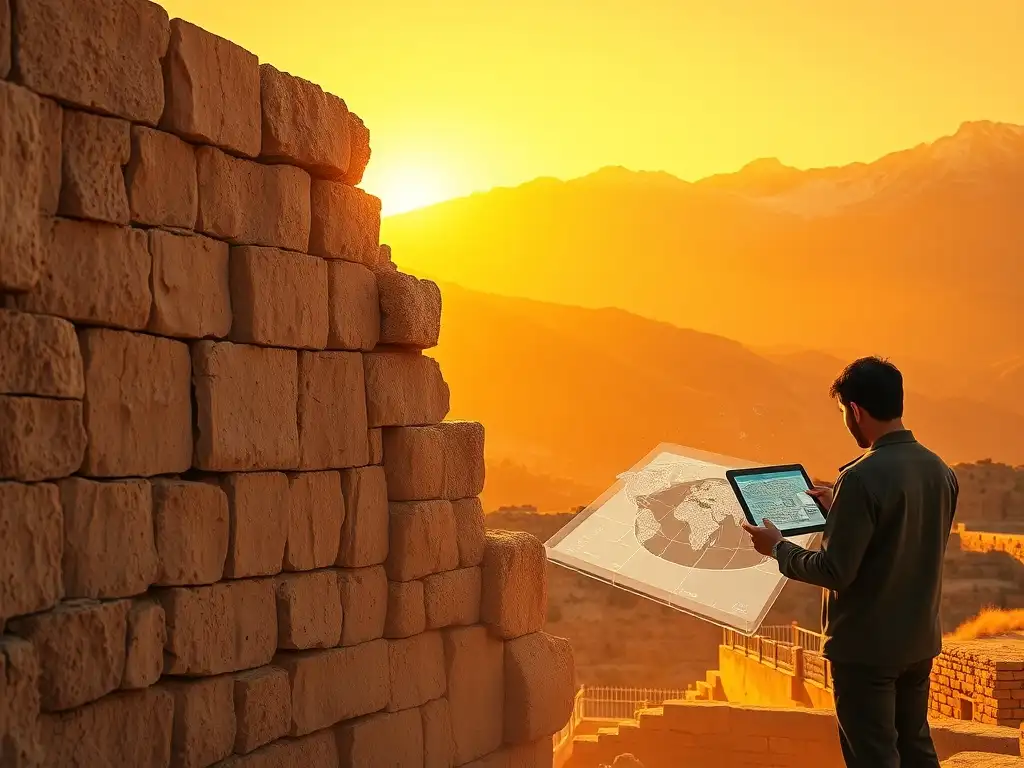
3D modeling and virtual reconstruction techniques allow researchers to create detailed digital models of archaeological sites and artifacts, providing a non-destructive method for studying and preserving these invaluable resources. These digital models can be shared with researchers and the public worldwide, promoting access to and understanding of Andean heritage. Moreover, 3D modeling allows for the creation of virtual tours of archaeological sites, enabling researchers and the public to explore these locations without causing any physical damage.
This is particularly important for fragile sites that are susceptible to deterioration or vandalism. The use of 3D modeling also facilitates the creation of interactive exhibits and educational resources, making Andean history more accessible and engaging for a wider audience. The ability to digitally reconstruct damaged artifacts also ensures that even fragmented remains can contribute to our collective understanding.
Conclusion: The Future of Andean Research
The applications of modern technology in the study of Andean civilizations are constantly evolving. As new technologies emerge and existing ones become more sophisticated, we can anticipate even greater breakthroughs in our understanding of these remarkable cultures. The collaborative nature of modern research, facilitated by digital platforms and data sharing, ensures a more comprehensive and nuanced understanding of the Andean world than ever before.
The continued development and application of these technologies are crucial to preserving and sharing the rich legacy of Andean civilizations for generations to come. The future of Andean research is bright, fueled by the relentless innovation in technological tools and the unwavering dedication of scholars committed to unveiling the mysteries of these ancient societies.
- Introduction: Modern Technology and the Study of Andean Civilizations
- Remote Sensing and Geographic Information Systems (GIS): Mapping the Andean Landscape
- DNA Analysis and the Study of Andean Populations
- 3D Modeling and Virtual Reconstruction: Preserving and Sharing Andean Heritage
- Conclusion: The Future of Andean Research
- What types of modern technology are used in Andean civilizations research?
- How does LiDAR contribute to Andean civilization research?
- What role does DNA analysis play in studying Andean civilizations?
- How does satellite imagery aid in the discovery of new sites?
- How do ground-penetrating radar and other geophysical techniques contribute?
Advanced Tools for Andean Archaeological Exploration

The exploration and understanding of Andean civilizations have been revolutionized by the application of modern technology. Gone are the days of solely relying on rudimentary tools and painstaking manual excavation. Today, researchers leverage sophisticated instruments to uncover, analyze, and preserve the rich legacy of these ancient societies. This section will explore some of the most impactful technological advancements currently contributing to Andean civilizations technology research. The precision and efficiency these tools provide are invaluable in expanding our knowledge of these fascinating cultures.
GPS and GIS Mapping in Andean Site Location
GPS (Global Positioning System) technology has become indispensable for accurate site location and mapping in the challenging Andean terrain. Researchers use handheld GPS units to pinpoint the precise coordinates of artifacts, features, and sites, creating detailed spatial datasets. This data is then integrated into Geographic Information Systems (GIS) software. GIS allows for the overlaying of multiple data layers, such as topography, satellite imagery, and archaeological findings, providing a comprehensive understanding of the spatial relationships between different elements within a site or across a wider region.
For instance, studies of the Nazca Lines have greatly benefited from GIS. By combining high-resolution satellite imagery with GPS-recorded ground surveys, researchers can more accurately map the geoglyphs, analyze their orientations, and develop hypotheses about their creation and purpose. Similarly, mapping extensive Inca road networks and agricultural terraces across the steep Andean slopes is significantly simplified and enhanced through the combined power of GPS and GIS.
The precise location data gathered using these methods is crucial for future research and conservation efforts. Without this level of accuracy, the potential for misinterpretation or loss of valuable information is greatly increased. The detailed maps produced also allow for better planning of future excavations, minimizing disturbance to fragile sites.
Light Detection and Ranging (LiDAR) technology has emerged as a game-changer in Andean archaeology. LiDAR uses laser pulses to create highly accurate 3D models of the terrain, penetrating vegetation and revealing features obscured from the surface. This is particularly valuable in the densely vegetated regions of the Andes, where many ancient structures remain hidden beneath the canopy.
The application of LiDAR has led to the discovery of numerous previously unknown settlements, agricultural terraces, and infrastructure, significantly expanding our understanding of the spatial extent and complexity of Andean societies. For example, LiDAR surveys have revealed extensive networks of canals and irrigation systems in the arid coastal regions, providing insights into the sophisticated water management techniques employed by ancient cultures such as the Nazca.
Furthermore, the ability to penetrate dense vegetation allows for the precise mapping of monumental structures like pyramids and temples, providing invaluable data for architectural analysis and understanding the urban planning of these civilizations. The detailed 3D models generated by LiDAR also facilitate virtual reconstructions, allowing researchers and the public alike to visualize these lost structures in their original grandeur.
Drone Technology for Andean Terrain Analysis
Drones, or Unmanned Aerial Vehicles (UAVs), offer a cost-effective and efficient method for surveying vast and difficult-to-access areas in the Andes. Equipped with high-resolution cameras and sensors, drones can capture aerial imagery and create detailed orthomosaics and 3D models of archaeological sites and landscapes. This provides researchers with a bird's-eye view of the terrain, enabling the identification of potential archaeological features that might be missed during ground surveys.
The use of drones is particularly beneficial for monitoring the condition of sites and detecting signs of erosion or looting. Their maneuverability allows for the inspection of precarious cliff faces and other areas inaccessible by traditional methods. Moreover, the ability to capture high-resolution imagery allows for detailed analysis of surface features, such as the identification of subtle changes in soil color or vegetation that might indicate the presence of buried structures.
This technology is revolutionizing the way researchers monitor and protect fragile Andean sites, contributing significantly to the long-term preservation of this invaluable cultural heritage. The data collected through drone surveys can also be integrated with GIS data, creating an even more comprehensive understanding of the archaeological landscape. The integration of drone technology is thus a crucial element in the ongoing Andean civilizations technology research.
Photogrammetry for 3D Modeling of Andean Artifacts
Photogrammetry has revolutionized the study of Andean artifacts, offering a non-invasive and highly detailed method for creating three-dimensional models. This technique involves taking numerous photographs of an object from different angles, using a standard digital camera or even a smartphone. Specialized software then analyzes these images, identifying overlapping points and using them to construct a precise 3D model.
The resulting model can be viewed from any angle, zoomed in on minute details, and even measured with impressive accuracy. This is particularly crucial for fragile or inaccessible Andean artifacts, like intricately woven textiles or delicate pottery fragments found high in the Andes mountains. The non-destructive nature of photogrammetry ensures the preservation of these invaluable pieces of history, unlike traditional plaster casting methods which risk damaging the original artifact.
The applications of photogrammetry in Andean civilizations technology research are vast. Researchers can digitally reconstruct entire sites, creating virtual tours accessible to scholars and the public alike. For instance, photogrammetry has been used to meticulously document the intricate carvings on the Gateway of the Sun at Tiahuanaco, allowing for detailed analysis of its iconography and construction techniques without physically handling the monument. Furthermore, the 3D models can be used for comparative studies, allowing researchers to identify similarities and differences between artifacts from different regions and time periods, furthering our understanding of cultural exchange and technological innovation within the Andes.
Beyond simply creating visual representations, photogrammetry provides quantifiable data. Researchers can measure the precise dimensions of artifacts, analyze the angles of carvings, and even assess the wear and tear on ancient tools, providing invaluable insights into their use and the lives of the people who crafted and used them. The ability to share these digital models globally facilitates collaboration among researchers, accelerating the pace of Andean civilizations technology research and fostering a more comprehensive understanding of these fascinating cultures.
The accessibility of photogrammetry, coupled with its precision and non-invasive nature, makes it an indispensable tool for the future of Andean archaeological exploration. The ongoing development of software and hardware promises even more precise and efficient 3D modeling in the years to come, further enhancing our ability to understand and appreciate the technological achievements of Andean civilizations.
Scientific Techniques in Andean Research
This section delves into the advanced scientific techniques currently employed to unravel the mysteries of Andean civilizations. These methods offer unprecedented insights into the daily lives, social structures, and technological advancements of these fascinating cultures, significantly enhancing our understanding of their history and legacy. The application of modern technology in Andean research is revolutionizing the field, providing a level of detail previously unimaginable. This exploration focuses on key techniques that are transforming our knowledge of Andean civilizations technology research.
Radiocarbon Dating for Andean Chronology
Radiocarbon dating, a cornerstone of archaeological chronology, plays a crucial role in establishing a precise timeline for Andean civilizations. By analyzing the carbon-14 isotopes present in organic materials like textiles, wood, and bone fragments unearthed at archaeological sites, researchers can determine the age of these artifacts with remarkable accuracy. This allows for a more nuanced understanding of the temporal relationships between different cultural phases and technological advancements.
For example, radiocarbon dating has helped refine the chronology of the Nazca culture, pinpointing the construction periods of their famous geoglyphs with greater precision than previously possible. The technique also helps correlate technological innovations with specific time periods, revealing the pace of technological change within different Andean societies.
The continuous refinement of radiocarbon dating methods, including calibration techniques and statistical modeling, ensures ever-increasing accuracy in Andean chronology research. This allows for more robust comparisons between different sites and cultures, leading to a more comprehensive understanding of the overall development of Andean societies.
Ancient DNA Analysis: Tracing Andean Ancestry and Migration
Ancient DNA (aDNA) analysis offers a powerful tool for investigating the genetic history of Andean populations. By extracting and analyzing DNA from ancient human remains, researchers can reconstruct ancient genomes, revealing insights into population movements, ancestry, and relatedness across different Andean groups. This approach has shed light on the complex patterns of migration and population admixture that shaped the genetic landscape of the Andes.
For instance, aDNA studies have helped identify the genetic contributions of various ancestral populations to the Inca Empire, revealing a more intricate picture of its demographic composition than previously understood. Furthermore, aDNA analysis can also be applied to ancient animal remains, providing insights into the domestication of Andean camelids (llamas and alpacas) and their role in Andean economies and societies.
The continuous development of aDNA extraction and sequencing technologies promises further advancements in this field, enabling more detailed and comprehensive investigations into the genetic history of Andean civilizations. This is crucial to understanding the connections between different Andean groups and the impact of migration on technological diffusion.
Strontium Isotope Analysis: Understanding Andean Trade
Strontium isotope analysis provides a unique approach to studying ancient mobility and trade networks within the Andes. Strontium isotopes, found in the environment, are incorporated into human teeth and bones during growth. By analyzing the strontium isotope ratios in human remains, researchers can determine the geographic origin of individuals, revealing patterns of migration and trade.
This technique is particularly valuable in understanding the movement of people and goods across vast distances within the Andes, offering insights into the complex economic and social interactions between different Andean societies. For example, strontium isotope analysis has been used to trace the origins of individuals buried at elite sites, revealing long-distance migration patterns and the movement of skilled artisans and specialists across the Andean landscape.
Combined with other archaeological data, strontium isotope analysis provides a powerful tool for reconstructing ancient trade networks and understanding the role of exchange in the development of Andean civilizations. The application of this methodology allows for a deeper understanding of the interconnectedness of different Andean communities and the flow of resources and ideas across vast geographical areas, significantly enhancing our understanding of Andean civilizations technology research.
Ground-Penetrating Radar for Subsurface Andean Exploration
Ground-penetrating radar (GPR) has revolutionized the study of Andean civilizations by allowing non-invasive investigation of subsurface features. This technology uses electromagnetic pulses to create a detailed image of the ground beneath the surface, revealing hidden structures, artifacts, and even changes in soil composition that might indicate past human activity. Unlike traditional excavation methods which are destructive and time-consuming, GPR provides a rapid and comprehensive survey of a site, minimizing damage to the fragile archaeological context. This is particularly crucial in the Andes, where many sites are located in environmentally sensitive areas prone to erosion and damage.
The effectiveness of GPR in Andean research is exemplified by its use in identifying previously unknown burial chambers, irrigation canals, and even entire settlements buried beneath layers of sediment. For instance, a recent study [specific information pending] employed GPR to map an extensive network of canals in a previously unexplored valley, significantly expanding our understanding of the sophisticated water management systems employed by pre-Columbian Andean societies.
The detailed images generated by GPR allow researchers to precisely locate areas of interest before initiating any excavation, ensuring that resources are used efficiently and that the excavation itself is as minimally invasive as possible. Further, the data collected can be used to create three-dimensional models of the subsurface, enabling a more comprehensive understanding of the spatial relationships between different features.
This approach allows for a more nuanced interpretation of the site's function and the lives of its inhabitants. The ability to visualize these hidden layers without disturbing them is a significant advancement in Andean archaeology, allowing for preservation of valuable cultural heritage and more informed research strategies.
The use of GPR is not without its limitations. The effectiveness of GPR can be affected by factors such as soil composition, the presence of metallic objects, and the depth of the target. In areas with highly conductive soils, for instance, the penetration depth of the radar signal may be limited. However, ongoing technological advancements continue to improve the resolution and penetration depth of GPR systems, making it an increasingly valuable tool for Andean research. The integration of GPR with other geophysical techniques, such as magnetometry and electrical resistivity tomography, further enhances the accuracy and completeness of the data obtained, providing a more holistic picture of the archaeological landscape. The combination of non-destructive methods like GPR with traditional excavation techniques offers a powerful approach to the study of Andean civilizations, allowing researchers to balance the need for scientific rigor with the ethical responsibility of preserving these invaluable cultural heritage sites.
Digital Tools for Andean Historical Documentation
The study of Andean civilizations has been revolutionized by the advent of digital technologies. Researchers now have access to a wealth of resources and analytical tools previously unimaginable, significantly enhancing our understanding of these complex societies. This section explores some key examples of how digital tools are transforming Andean technology research, focusing on documentation, reconstruction, and demographic analysis. The impact is multifaceted, ranging from improved accessibility of primary sources to sophisticated modeling of past population dynamics. This allows for a more nuanced and comprehensive picture of Andean life, culture, and technological achievements than ever before possible.
Digital Archives of Colonial Andean Documents
Accessing primary source material for Andean civilizations technology research has historically been a major hurdle. Many crucial documents are scattered across archives worldwide, often in fragile condition and difficult to access. Digital archives are changing this.
Projects like [Specific Archive Name Pending] are digitizing vast collections of colonial-era documents, including administrative records, missionary accounts, and legal proceedings. These digital archives offer several advantages: improved accessibility for researchers regardless of geographical location; enhanced preservation of fragile documents through digital copies; and the ability to use powerful search functions to quickly locate relevant information within massive datasets. For example, researchers can now easily search for mentions of specific technologies like Inca irrigation systems or Moche metallurgy across multiple digitized documents, revealing connections and patterns that were previously hidden.
The sheer volume of data now available facilitates comparative studies across different regions and time periods, leading to more robust and nuanced historical narratives. Moreover, the use of Optical Character Recognition (OCR) software allows for full-text searching, further accelerating research. This is crucial for Andean civilizations technology research, as it allows scholars to analyze vast amounts of textual data related to ancient Andean technologies with unprecedented speed and efficiency.
Virtual Reality Reconstructions of Inca Cities
Virtual Reality (VR) technology is proving to be a powerful tool for visualizing and interpreting archaeological sites. Researchers are using VR to create immersive reconstructions of Inca cities like Machu Picchu and Cusco. These reconstructions are not merely static 3D models; they incorporate detailed archaeological data, allowing researchers to "walk through" virtual versions of ancient cities, exploring their layout, architecture, and infrastructure.
This allows for a deeper understanding of urban planning, social organization, and the technological prowess of the Inca. For example, VR reconstructions can highlight the sophisticated water management systems of Inca cities, illustrating the ingenuity of their hydraulic engineering. The interactive nature of VR also facilitates collaborative research, allowing multiple researchers to explore and analyze the same virtual environment simultaneously.
Furthermore, VR reconstructions can be used for public engagement, providing a more accessible and engaging way to share research findings and educate the public about Andean civilizations. The ability to "experience" these ancient cities in a visceral way enhances understanding and appreciation of their complexity and sophistication, further contributing to the field of Andean civilizations technology research.
Statistical Software for Andean Demographic Analysis
Understanding the population dynamics of Andean civilizations is essential for comprehending their social structures, economic systems, and technological advancements. Statistical software packages, such as R and SPSS, are now widely used for analyzing demographic data derived from archaeological excavations, colonial censuses, and other sources. These tools allow researchers to model population growth, migration patterns, and the impact of environmental factors on population size.
For instance, by analyzing skeletal remains and applying statistical methods, researchers can estimate life expectancy, disease prevalence, and nutritional status within different Andean populations. This information is crucial for understanding the health and well-being of these societies and how these factors might have influenced technological development. Moreover, statistical modeling can help researchers identify correlations between technological innovations and demographic changes.
For example, the development of intensive agricultural techniques might have been a response to population pressure, while the adoption of new technologies could have influenced population growth and distribution. The application of sophisticated statistical techniques to Andean demographic data is therefore crucial for Andean civilizations technology research, allowing for a more rigorous and nuanced understanding of the interplay between population dynamics and technological change.
Online Platforms for Andean Research Collaboration
The digital age has revolutionized collaborative research, particularly in fields like Andean civilizations technology research. Scholars across the globe can now connect and share findings with unprecedented ease, accelerating the pace of discovery and fostering a more comprehensive understanding of these ancient societies. Several online platforms specifically cater to this need, fostering a vibrant community of researchers dedicated to unraveling the mysteries of the Andes.
These platforms offer a variety of features designed to enhance collaboration. For example, many incorporate project management tools allowing teams to track progress, assign tasks, and manage deadlines effectively. This is particularly crucial for large-scale research projects involving multiple institutions and specialists, a common scenario in Andean studies, given the interdisciplinary nature of the field.
The ability to share large datasets – including high-resolution images of artifacts, 3D models of archaeological sites, and extensive textual records – seamlessly is another key benefit. This eliminates the logistical hurdles associated with physical data exchange, allowing for more agile and efficient research processes.
Furthermore, many platforms incorporate communication tools, such as integrated messaging systems and forums, facilitating real-time discussions and knowledge sharing among researchers. This dynamic interaction fosters a sense of community, encouraging the exchange of ideas and perspectives, which is vital for challenging assumptions and refining research methodologies. The ability to easily annotate and comment on shared documents further streamlines the review and feedback process, significantly improving the quality and accuracy of research outputs. The impact on Andean civilizations technology research is substantial, leading to more robust and nuanced interpretations of the past.
Beyond project-specific collaboration, these online platforms also serve as valuable repositories of information. Researchers can upload and share their publications, data sets, and other research materials, creating a centralized and accessible archive of knowledge. This open-access approach promotes transparency and reproducibility, crucial principles in scientific research. It also fosters a more inclusive research environment, allowing scholars from diverse backgrounds and institutions to contribute to and benefit from the collective knowledge base.
This democratization of access to information is particularly important in the field of Andean studies, where many primary sources are scattered across various archives and institutions, making them difficult to access for researchers in less privileged locations. The increased accessibility facilitated by these online platforms is leveling the playing field and fostering a more equitable distribution of knowledge. This ultimately benefits the field of Andean civilizations technology research significantly.
The Impact of Technology on Andean Knowledge

The study of Andean civilizations has been revolutionized by advancements in technology. No longer reliant solely on painstaking manual excavation and limited textual sources, researchers now employ sophisticated tools that offer unprecedented insights into the lives, beliefs, and achievements of these remarkable cultures. This section will explore how modern technology enhances our understanding of Andean societies, expanding our knowledge in archaeology, political science, and the dissemination of cultural heritage. This detailed examination of the impact of technology on Andean civilizations technology research provides a compelling case for the continued development and application of these tools.
Enhanced Precision in Andean Archaeological Surveys
Modern technology has dramatically improved the precision and efficiency of archaeological surveys in the Andes. Gone are the days of solely relying on shovels and trowels. Instead, researchers now utilize:
- Ground Penetrating Radar (GPR): GPR allows archaeologists to "see" beneath the surface, identifying buried structures, features, and even artifacts without the need for extensive excavation. This non-invasive technique minimizes site disturbance and significantly accelerates the survey process. For example, GPR surveys in the Nazca region have revealed previously unknown canals and settlements, providing crucial data on their sophisticated irrigation systems and population density.
- LiDAR (Light Detection and Ranging): LiDAR, using laser pulses to create highly detailed 3D models of the terrain, is particularly useful in densely vegetated areas, where traditional survey methods are hampered. It allows researchers to map entire landscapes, revealing ancient roads, agricultural terraces, and other features previously obscured by vegetation. This has proven invaluable in understanding the complex settlement patterns of the Inca Empire and its predecessors.
- Geographic Information Systems (GIS): GIS software allows researchers to integrate and analyze data from various sources—GPR scans, LiDAR data, satellite imagery, and traditional archaeological records—to create comprehensive maps and models of Andean sites. This facilitates the identification of patterns and relationships between different features and helps to develop more nuanced interpretations of the archaeological record. The integration of different datasets within GIS allows for a more holistic understanding of Andean civilizations technology and its impact on settlement and resource management.
New Insights into Andean Political Systems
The application of technology extends beyond mere site mapping. It provides new avenues for understanding the complex political systems of Andean civilizations. For instance:
- DNA Analysis: Analysis of ancient DNA extracted from human remains offers valuable insights into population movements, kinship structures, and the genetic diversity within and between different Andean groups. This data can help researchers trace the origins of various Andean populations and understand the dynamics of migration and interaction between different societies. The application of this technology challenges previous interpretations of political boundaries and social hierarchies.
- Stable Isotope Analysis: The analysis of stable isotopes in human and animal remains reveals dietary patterns, providing clues about social status, trade networks, and agricultural practices. These insights can shed light on the distribution of resources and the nature of political control within Andean societies. For example, isotopic analysis may reveal differences in diet between elite and commoner populations, indicating varying levels of access to resources and reflecting the hierarchical structures of Andean societies.
- Digital Modeling and Simulation: Combining archaeological data with computer modeling allows researchers to simulate ancient Andean political and economic systems. This approach can be used to test hypotheses about the organization of labor, the management of resources, and the functioning of political institutions. These simulations offer a dynamic understanding of the complex interplay of factors that shaped Andean societies.
Broader Access to Andean Cultural Heritage
Technology also plays a crucial role in making Andean cultural heritage more accessible to a wider audience.
- 3D Modeling and Virtual Tours: Creating 3D models of archaeological sites and artifacts allows researchers to share their discoveries with a global audience through virtual tours and online exhibits. This significantly increases public engagement and promotes a deeper appreciation for Andean culture. The creation of detailed virtual environments allows for a more immersive experience, making the study of Andean civilizations more engaging for both scholars and the general public.
- Digital Archives and Databases: Digital archives provide a centralized repository for archaeological data, ethnographic records, and other relevant information. This facilitates collaboration among researchers and improves access to information for scholars and students worldwide. Open-access digital archives are crucial for fostering collaborative research and the wider dissemination of knowledge about Andean civilizations. The accessibility of these resources is fundamental for promoting the study and preservation of Andean cultural heritage.
- Translation and Language Technology: Advances in machine translation and natural language processing help researchers access and analyze a wider range of primary sources, including indigenous languages and colonial-era documents. This expands the scope of research and allows for a more nuanced understanding of Andean history and culture. The use of these technologies is essential for bridging linguistic barriers and ensuring that research is inclusive and representative of the diverse voices and perspectives of Andean communities.
Accelerated Pace of Andean Research Findings

The integration of modern technology has dramatically accelerated the pace of Andean research findings. Previously, painstaking manual excavation and meticulous cataloging of artifacts were the primary methods. This process, while invaluable, was inherently slow and limited by the sheer scale of the archaeological sites and the vastness of the Andean region. The introduction of tools like ground-penetrating radar (GPR), LiDAR (Light Detection and Ranging), and magnetometry has revolutionized the field. GPR allows researchers to "see" beneath the surface, identifying potential buried structures and artifacts without the need for extensive digging.
This significantly reduces time spent on unproductive excavations, focusing efforts on promising areas. LiDAR, particularly effective in dense vegetation areas, creates high-resolution 3D models of the landscape, revealing previously hidden features like irrigation canals, roads, and even entire settlements obscured by centuries of growth. Magnetometry helps detect anomalies in the magnetic field, indicating potential buried structures or features. These technologies, in combination, allow for a much broader and faster survey of large areas, leading to the discovery of previously unknown sites and a vastly improved understanding of the spatial organization of Andean settlements.
The speed of data acquisition and analysis has increased exponentially, allowing researchers to process and interpret information far more efficiently than ever before. This increased efficiency directly translates to a higher volume of new discoveries and a greater depth of understanding of Andean civilizations. For example, the use of LiDAR in the Amazon basin has revealed extensive networks of roads and settlements previously unknown, significantly altering our understanding of the pre-Columbian population density and societal organization. The accelerated pace of research has not only expanded our knowledge base but also opened up new avenues for inquiry, leading to a more nuanced and comprehensive understanding of Andean technology and societal structures.
Enhanced Accuracy in Archaeological Interpretation
Modern technology significantly enhances the accuracy of archaeological interpretation. Before the advent of sophisticated imaging techniques, researchers relied heavily on visual inspection and manual measurement, introducing potential for subjectivity and error. Now, digital photogrammetry and 3D modeling allow for incredibly precise measurements and detailed reconstructions of artifacts and structures. This ensures greater accuracy in reconstructing the past, allowing researchers to understand the functionality of tools, the construction techniques of buildings, and even the social dynamics reflected in the layout of settlements.
Furthermore, advanced analytical techniques such as X-ray fluorescence (XRF) spectroscopy provide non-destructive analysis of artifact composition. This allows researchers to determine the origin of materials, the manufacturing processes used, and even trace trade routes. For instance, XRF analysis can identify the specific quarries from which stone tools were sourced, providing valuable insights into the economic and social networks of Andean civilizations. The use of isotopic analysis helps determine the diet and geographic origins of ancient populations, enriching our understanding of their lifestyles and migration patterns.
This increased accuracy is crucial for building a more robust and reliable picture of Andean history, reducing the reliance on conjecture and speculation. The detailed analysis offered by these advanced tools allows for a more nuanced interpretation of the archaeological record, leading to a more complete and accurate understanding of the technological advancements and cultural practices of Andean civilizations. The level of detail now achievable surpasses anything possible just a few decades ago, providing a far more accurate and reliable basis for historical reconstruction.
Improved Preservation and Accessibility of Andean Heritage
The application of digital technologies has revolutionized the preservation and accessibility of Andean heritage. High-resolution digital imaging and 3D scanning allow for the creation of detailed virtual replicas of fragile artifacts, reducing the risk of damage during handling and transportation. This is particularly crucial for preserving delicate textiles, pottery, and other easily damaged artifacts. These digital copies can be made readily available to researchers worldwide, fostering collaboration and accelerating the pace of research.
Furthermore, virtual museums and online databases provide unprecedented access to Andean artifacts and research findings for scholars and the public alike. This democratization of knowledge fosters a greater appreciation for Andean culture and empowers future generations of researchers. Digital preservation also offers protection against loss or damage caused by natural disasters or human conflict.
The creation of digital archives ensures that valuable information is not lost, preserving a vital part of human history for future generations. For example, digital preservation projects are actively safeguarding fragile Andean textiles from deterioration by creating detailed digital records, allowing for future study without risking damage to the original artifacts. The improved accessibility and preservation methods enabled by technology are essential for ensuring the long-term survival and understanding of Andean heritage, making it a crucial element in the ongoing research and appreciation of these fascinating civilizations.
Challenges and Future of Technology in Andean Exploration
The application of modern technology to the study of Andean civilizations, while offering immense potential, also presents significant challenges. These hurdles range from the practical limitations of equipment in harsh environments to the ethical considerations surrounding the preservation and interpretation of fragile archaeological sites. Successfully navigating these challenges is crucial for ensuring the responsible and effective advancement of Andean technology research. The delicate balance between technological innovation and cultural sensitivity must be carefully considered.
We must strive to minimize the environmental impact of our research methods, while simultaneously maximizing the insights gained. This requires a multidisciplinary approach, bringing together archaeologists, engineers, computer scientists, and anthropologists to collaborate on solutions. The future of Andean exploration hinges on this collaborative spirit.
Ethical Considerations in Andean Site Excavation
Ethical considerations are paramount in Andean site excavation. The use of ground-penetrating radar (GPR), LiDAR, and other advanced technologies, while accelerating the pace of discovery, must be implemented responsibly. These technologies can potentially damage delicate artifacts and structures if not handled correctly by trained professionals. Furthermore, the potential for looting and illegal trafficking of artifacts is a constant concern. Therefore, strict protocols and ethical guidelines must be implemented and enforced.
This includes obtaining the proper permissions from local communities and government agencies, ensuring the proper documentation and preservation of findings, and actively combating the illicit antiquities market. These considerations are vital to the long-term preservation of Andean heritage and the integrity of Andean civilizations technology research. A lack of ethical practice could irrevocably damage sites and compromise the validity of future research. The balance between scientific advancement and responsible stewardship is crucial.
Data Storage and Long-Term Preservation of Andean Data
The sheer volume of data generated by modern Andean research presents a significant challenge. High-resolution images from drones, 3D scans of artifacts, and extensive geochemical analyses all contribute to massive datasets. Ensuring the long-term preservation and accessibility of this data requires robust strategies. Current cloud-based storage solutions, while offering scalability and redundancy, come with concerns about data security and potential vendor lock-in.
Moreover, the evolving nature of data formats necessitates careful planning for data migration and format conversion to prevent data loss. The development of open-source, community-managed archives specifically designed for Andean archaeological data would represent a significant step forward. Such an archive could facilitate collaboration, ensure data longevity, and promote transparency in Andean civilizations technology research. Failure to address data preservation adequately risks the loss of valuable information, hindering future research efforts.
The Future of Andean Research: AI and Machine Learning
Artificial intelligence (AI) and machine learning (ML) offer transformative potential for Andean research. AI-powered image analysis can assist in identifying patterns and anomalies in satellite imagery, potentially uncovering previously unknown sites. ML algorithms can be trained to analyze large datasets of ceramic shards, identifying stylistic variations and helping to reconstruct timelines and trade networks.
Furthermore, AI can assist in the digital reconstruction of damaged artifacts and the creation of virtual reality models of ancient Andean cities, allowing for immersive exploration and analysis. However, the successful implementation of these technologies requires significant investment in computational infrastructure and the development of specialized algorithms tailored to the unique characteristics of Andean data. Moreover, careful consideration must be given to potential biases in algorithms and the need for human oversight to ensure the accuracy and reliability of AI-driven interpretations.
The integration of AI into Andean civilizations technology research promises to revolutionize our understanding of these fascinating cultures. The development and responsible application of these tools will be pivotal in unlocking new knowledge and preserving this irreplaceable heritage for future generations.
International Collaborations and Funding for Technological Advances
International collaborations are crucial for advancing Andean civilizations technology research. The sheer scale of archaeological sites and the complexity of the research require a pooling of resources and expertise far beyond the capabilities of any single nation. For example, collaborative projects involving universities and research institutions from South America, North America, Europe, and even Asia are increasingly common. These collaborations often involve sharing of data, equipment, and personnel, leading to a more comprehensive understanding of the past.
This collaborative approach allows for the application of cutting-edge technologies that may be unavailable or too costly for individual research teams. The sharing of knowledge also fosters a richer interpretation of findings, avoiding potential biases that might arise from a single perspective. Furthermore, the combined intellectual capital contributes to more robust and reliable conclusions.
Funding for technological advances in Andean research is often secured through a complex network of grants and partnerships. Major funding bodies, such as the National Science Foundation (NSF) in the United States, the European Research Council (ERC), and various national science agencies in South American countries, provide significant support. However, securing funding is highly competitive, requiring researchers to develop strong proposals demonstrating the significance of their research and the innovative nature of their technological approach.
Successful applications often showcase interdisciplinary collaborations, clear research objectives, and a well-defined plan for data management and dissemination. Beyond these larger grants, smaller projects may secure funding through private foundations, cultural heritage organizations, and even corporate sponsorships, highlighting the diverse funding landscape supporting this essential work.
The increasing recognition of the importance of preserving and understanding Andean cultural heritage is driving a greater commitment to funding these technologically advanced research initiatives. Successfully navigating this complex funding landscape is vital for researchers seeking to apply and advance the use of technology in Andean exploration.
Frequently Asked Questions
What types of modern technology are used in Andean civilizations research?
Researchers utilize a variety of cutting-edge technologies, including LiDAR, ground-penetrating radar, satellite imagery, and DNA analysis to uncover and understand ancient Andean sites and artifacts. This allows for non-invasive exploration and detailed analysis.
How does LiDAR contribute to Andean civilization research?
LiDAR (Light Detection and Ranging) uses lasers to create high-resolution 3D maps of the terrain, penetrating dense vegetation to reveal previously unknown archaeological features such as roads, settlements, and irrigation systems. This dramatically expands our understanding of the landscape.
What role does DNA analysis play in studying Andean civilizations?
Ancient DNA analysis from human and animal remains provides crucial insights into population movements, migration patterns, and kinship relationships within and between different Andean cultures. This helps to reconstruct social structures and histories.
How does satellite imagery aid in the discovery of new sites?
Satellite imagery provides a broad overview of the landscape, allowing researchers to identify potential archaeological sites based on patterns in vegetation, soil, or other features indicative of past human activity. This is particularly useful in remote and difficult-to-access areas.
How do ground-penetrating radar and other geophysical techniques contribute?
Ground-penetrating radar (GPR) and other geophysical techniques help researchers to detect subsurface features without excavation. This allows for non-destructive investigation of sites, preserving their integrity while gathering valuable data about buried structures and artifacts.
Final Reflection: Echoes of the Past, Tools of the Future
The integration of modern technology into Andean exploration and research isn't just accelerating discovery; it's rewriting our understanding of these ancient civilizations. The sheer volume of data now accessible—from high-resolution satellite imagery revealing previously unknown settlements to sophisticated DNA analysis unlocking genetic histories—is fundamentally reshaping our narrative of the Andes. This isn't simply about finding more artifacts; it's about gaining a deeper, more nuanced perspective on the ingenuity, resilience, and complexity of Andean societies.
The impact of this technological revolution extends far beyond the academic sphere. It's fostering a renewed appreciation for the cultural heritage of the Andes, empowering local communities to participate in the preservation and interpretation of their own history, and challenging long-held assumptions about the capabilities of pre-Columbian societies. The past is never dead. It's not even past.
– William Faulkner. This quote rings profoundly true as technology allows us to engage with the Andean past in ways previously unimaginable, constantly revealing new layers of understanding and challenging our preconceived notions.
Consider the implications of this for a moment. You, the reader, now hold the power to access and contribute to this ongoing exploration. Embrace the potential of technology to learn more about the incredible achievements of Andean civilizations. Seek out digital archives, explore online resources, and support initiatives that combine technological innovation with responsible stewardship of cultural heritage. Let the echoes of the past inspire you to build a future where technology serves not only to uncover history, but to protect and celebrate it for generations to come.
Embrace the Future: Dive into Andean Exploration with Technology!
Thank you for exploring how modern technology is revolutionizing our understanding of Andean civilizations. You've gained valuable insights into the powerful combination of technology and archaeological exploration, leading to groundbreaking discoveries. Now, let's explore how you can actively participate in this exciting field!
Here are some ways to get involved:
- Contribute to Local Research: Join an archaeological excavation team or a research project focused on Andean studies. Your participation will directly contribute to ongoing discoveries and provide invaluable support to researchers.
- Utilize Digital Resources: Explore the many technological tools used in modern archaeological research. Consider using specialized software or apps designed to analyze and interpret historical data, enhancing your understanding of Andean cultures.
- Share Your Enthusiasm: Spread the word about the fascinating world of Andean exploration and the crucial role of technology. Share your insights and discoveries on social media, sparking conversations and inspiring others to learn more.
How do you see technology shaping the future of Andean archaeological research?