
Moche Mysteries: The Archaeologists Who Uncovered Their Rituals and Art

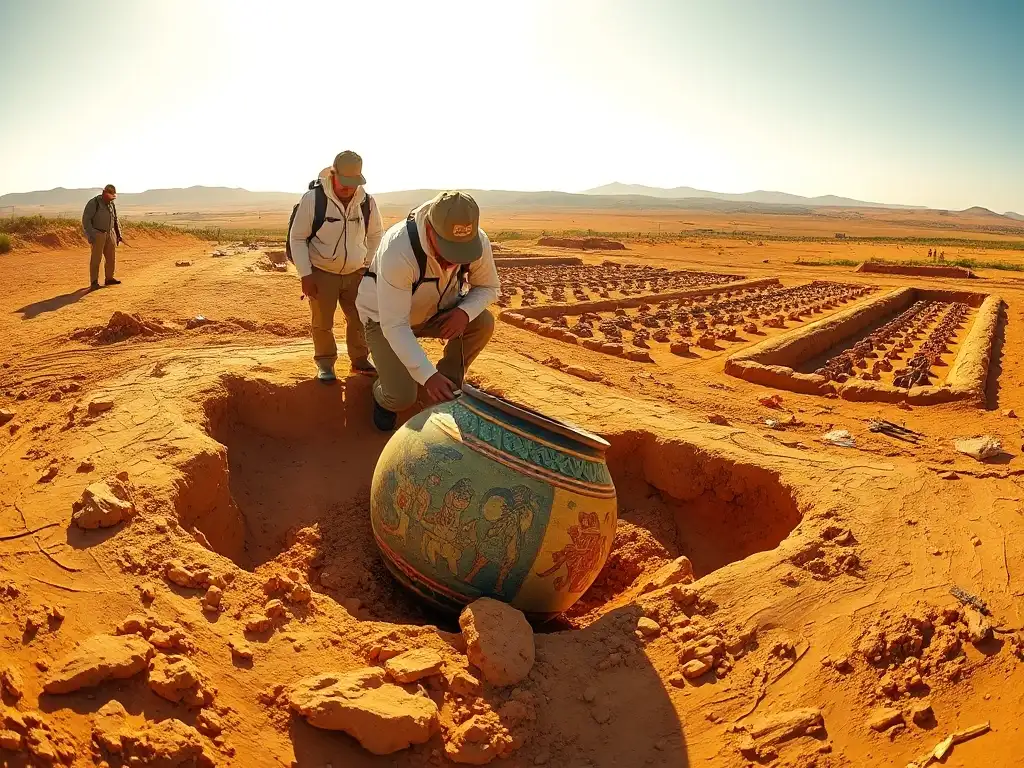
Dive into the enigmatic world of the Andes! Prepare to be captivated by the breathtaking artistry and complex rituals of ancient Andean cultures. From the Incas to the Nazca, their legacy continues to astound, but few stories are as compelling as the recent Moche pottery archaeological discoveries. Discover the groundbreaking work of the archaeologists who unearthed these secrets and unlock the mysteries behind this fascinating civilization—read on to uncover the truth!
- Unveiling Moche Mysteries: Archaeologists and Their Discoveries
- The Enigmatic Moche Civilization and Their Legacy
- Key Archaeologists and Their Contributions to Moche Studies
- Moche Pottery: A Window into Their World
- Ritual Practices Deciphered Through Archaeological Finds
- Moche Architecture and Urban Planning
- Challenges and Future Directions in Moche Archaeology
-
Frequently Asked Questions
- What makes Moche pottery so significant archaeologically?
- What are some of the most important archaeological discoveries related to Moche pottery?
- How did the Moche create their distinctive pottery styles?
- What rituals and ceremonies are depicted in Moche pottery?
- Where can I learn more about recent archaeological discoveries related to Moche pottery?
- Final Reflection: Unearthing the Enduring Legacy of the Moche
- Unveil the Secrets of the Moche!
Unveiling Moche Mysteries: Archaeologists and Their Discoveries
The Moche civilization, flourishing along the northern coast of Peru from approximately 100 CE to 800 CE, left behind a legacy of breathtaking artistry and intriguing rituals. Their sophisticated irrigation systems, impressive architecture, and particularly their vibrant pottery, continue to captivate archaeologists and historians alike.
This article delves into the remarkable archaeological discoveries that have illuminated the Moche world, focusing on the key figures who dedicated their careers to uncovering the secrets of this fascinating ancient culture. We will explore how their painstaking work has shaped our understanding of Moche pottery, funerary practices, and societal structures, highlighting the significant contributions to the field of "Moche pottery archaeological discoveries".
Understanding these discoveries provides crucial insight into the complexity and richness of this pre-Columbian society and allows us to appreciate the artistry and technological prowess of the Moche people. The study of Moche artifacts, especially their intricate pottery, offers a unique window into their beliefs, social hierarchy, and daily lives, enriching our understanding of Andean civilizations as a whole.
Early Pioneers: Laying the Foundation for Moche Studies
The initial explorations of Moche sites were often driven by opportunistic looting, unfortunately damaging many invaluable artifacts. However, even amidst this chaos, early researchers began to recognize the significance of the finds. These early pioneers, though lacking the sophisticated techniques of modern archaeology, laid the groundwork for future, more systematic investigations.
Their meticulous recording of locations, albeit sometimes incomplete, provided crucial initial data. The challenges they faced—limited resources, inadequate preservation methods, and a lack of comprehensive theoretical frameworks—underscore the remarkable achievements of those early explorers. They were essentially trailblazers, paving the way for a more nuanced understanding of Moche culture that would emerge in later decades.
Their work, despite its limitations, provided the essential first steps in cataloging and classifying Moche artifacts, establishing a foundational understanding of the culture's geographical distribution and temporal span. We owe a debt of gratitude to these early explorers for their perseverance and dedication in the face of significant obstacles.
The Rise of Scientific Archaeology: Systematic Excavation and Analysis
The mid-20th century saw a dramatic shift in archaeological methodology, moving away from treasure hunting towards scientific excavation and analysis. This marked a turning point in Moche studies, allowing for a far more nuanced and accurate interpretation of the archaeological record. Archaeologists began employing sophisticated techniques such as stratigraphic excavation, meticulous documentation, and advanced dating methods (e.g., radiocarbon dating).
This allowed them to establish chronological sequences, understand the development of Moche culture over time, and contextualize individual finds within a broader cultural framework. The development of specialized analytical techniques for studying ceramics, metals, and organic materials further enhanced the understanding of Moche technology and artistry.
The meticulous recording of contexts—the precise location of artifacts within the archaeological site—became paramount, enabling researchers to reconstruct the lives and rituals of the Moche people with greater accuracy. This period saw a significant increase in the number of well-documented excavations, leading to a wealth of new information about Moche settlements, burial practices, and artistic traditions.
Deciphering the Iconography: Understanding Moche Art and Rituals
Moche pottery is renowned for its incredibly detailed and expressive iconography. Researchers have dedicated significant effort to deciphering the meaning of the intricate scenes depicted on these vessels. The careful study of these images, combined with analysis of burial contexts and other archaeological evidence, has shed light on Moche religious beliefs, social structures, warfare, and daily life. The imagery frequently depicts scenes of ritual sacrifices, mythological figures, and depictions of daily activities, providing invaluable insights into the cultural worldview of the Moche. Many scholars have focused on specific motifs and symbols, attempting to reconstruct Moche mythology and cosmology. The discovery of elaborate tombs containing richly decorated pottery and other grave goods has been particularly illuminating, offering glimpses into the lives of Moche elites and their beliefs about the afterlife. The interpretation of this iconography is an ongoing process, with new discoveries and interpretations continually refining our understanding of Moche society.
Recent Discoveries and Future Directions: Ongoing Research on Moche Pottery
Recent decades have witnessed continued significant discoveries related to Moche pottery and broader cultural practices. New excavation projects, coupled with advancements in scientific analysis techniques, promise even greater insights into this fascinating civilization. The application of new technologies, such as 3D scanning and digital imaging, allows for the detailed documentation and analysis of artifacts without causing further damage.
The ongoing research into Moche pottery archaeological discoveries continues to refine our understanding of their artistic techniques, the significance of specific motifs, and the social and political context of their creation. Future research promises to further illuminate the mysteries of the Moche, enriching our understanding of this remarkable Andean civilization and its contribution to the broader tapestry of human history. The integration of interdisciplinary approaches, combining archaeological data with ethnohistorical accounts and anthropological perspectives, is likely to yield even more comprehensive interpretations in the years to come.
The Enigmatic Moche Civilization and Their Legacy
Introduction to Moche Culture and Society
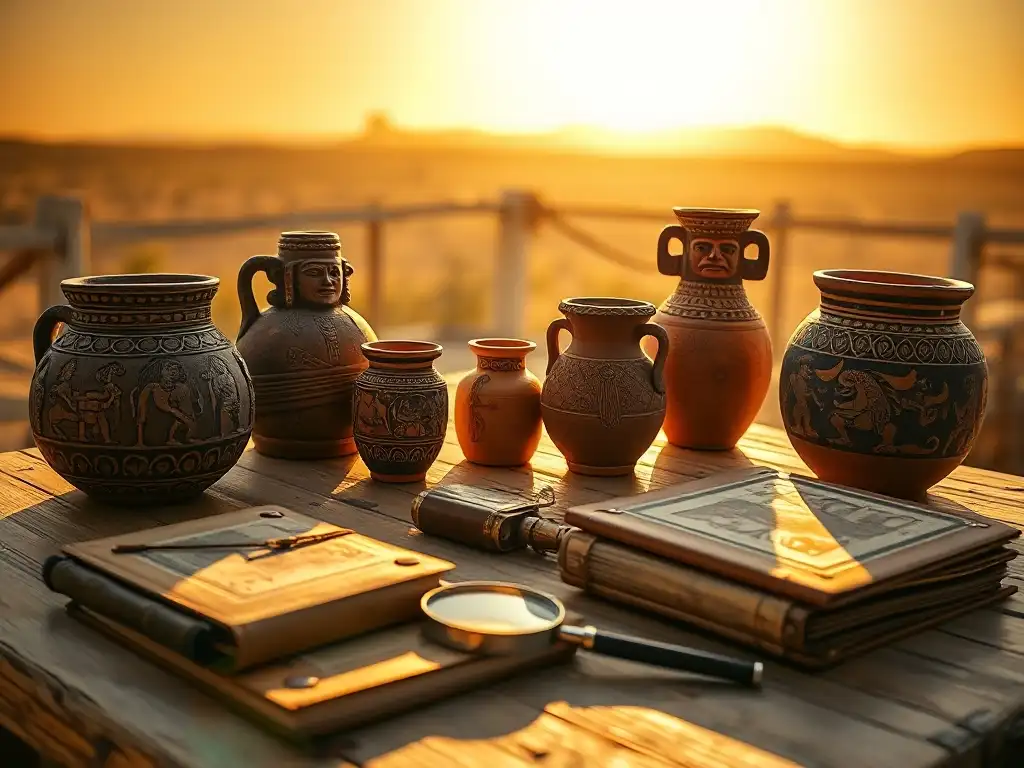
The Moche, a pre-Columbian civilization flourishing along the northern coast of Peru between approximately 100 and 800 CE, left behind a remarkable legacy of intricate art, sophisticated engineering, and complex social structures. Their society, while hierarchical, possessed a level of sophistication rarely seen in contemporaneous cultures. Evidence suggests a highly organized state with specialized artisans, skilled engineers, and powerful rulers, evidenced by the monumental architecture and elaborate grave goods found at sites such as Sipán and Huaca del Sol y de la Luna.
Moche societal organization was likely theocratic, with religious leaders wielding significant influence. Their religious beliefs, reflected intensely in their art and rituals, centered around powerful deities, often depicted in anthropomorphic and zoomorphic forms, reflecting a connection to nature and its forces. Agriculture, particularly maize cultivation, was a cornerstone of their economy, supported by sophisticated irrigation systems that allowed them to thrive in the arid coastal desert.
The Moche also mastered metalworking, creating exquisite gold and silver artifacts, further showcasing their technological prowess. Understanding the Moche requires careful consideration of their intricate social fabric and the religious beliefs which permeated all aspects of their lives. This understanding is greatly enhanced by the meticulous work of archaeologists whose discoveries continue to reveal new facets of this fascinating civilization.
The Importance of Archaeological Research in Understanding the Moche
Archaeological research has been instrumental in piecing together the puzzle of Moche culture, providing invaluable insights into their daily life, religious practices, and societal structure. The discovery of elaborate tombs, such as the Tomb of the Lord of Sipán, has yielded breathtaking artifacts, including ornate gold and silver jewelry, elaborate textiles, and intricately crafted pottery. These finds—key examples of Moche pottery archaeological discoveries— offer a window into their complex social hierarchy and religious beliefs. The sheer scale and complexity of Moche sites, such as the Huaca del Sol and Huaca de la Luna, are testament to their engineering capabilities and the vast manpower required for their construction.
Excavations at these sites have revealed evidence of large-scale public works projects, sophisticated irrigation systems, and monumental architecture, all reflecting the organizational power of the Moche state. Furthermore, the analysis of Moche pottery, with its vivid depictions of rituals, ceremonies, and daily life, has provided crucial information about their worldview, religious practices, and social customs. The detailed iconography found on this pottery, often depicting scenes of warfare, sacrifice, and feasting, provides crucial context for understanding Moche society and its complexities.
The meticulous work of archaeologists, painstakingly documenting and analyzing these discoveries, continues to be essential in unraveling the many mysteries surrounding this remarkable civilization. The ongoing investigation and analysis of Moche pottery archaeological discoveries are vital in deepening our understanding of this fascinating culture. The detailed study of their artistry, alongside the analysis of their settlements and burial sites, provide a rich tapestry of insights into their lives.
Key Archaeologists and Their Contributions to Moche Studies
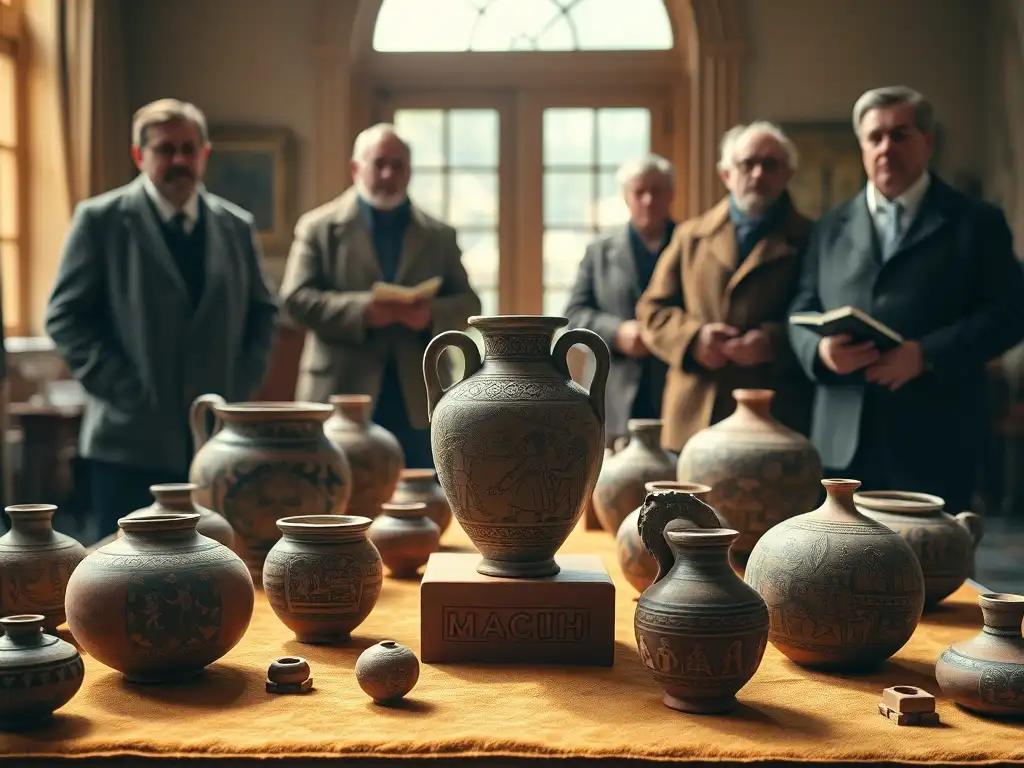
This section delves into the pivotal roles played by key archaeologists in unraveling the mysteries of the Moche civilization, focusing particularly on their contributions to our understanding of Moche pottery and its significance within the broader context of Moche archaeological discoveries. Their meticulous work has illuminated aspects of Moche rituals, social structures, and artistic achievements, transforming our understanding of this fascinating pre-Columbian culture. The meticulous excavation and analysis of Moche pottery, in particular, has revealed a wealth of information about their beliefs and practices.
Rafael Larco Hoyle and Early Moche Excavations
Rafael Larco Hoyle (1901-1966) stands as a towering figure in the study of the Moche civilization. His passion for Peruvian archaeology, particularly his focus on Moche pottery archaeological discoveries, led to groundbreaking discoveries and significantly advanced the field. His work wasn't simply about unearthing artifacts; it was about meticulously documenting their context and interpreting their meaning within the broader cultural landscape. Larco Hoyle's contributions are foundational to our current understanding of Moche art and its ritual significance.
The Discovery of the Mochica Culture at the Chicama Valley
Larco Hoyle's most significant contribution was arguably his extensive work at the Chicama Valley, a region rich in Moche sites. His excavations there, beginning in the 1940s, unearthed a vast quantity of Moche pottery, revealing intricate details of their artistic techniques and the iconography they employed. The sheer volume of artifacts recovered – including elaborate portraits, scenes of daily life, and depictions of ritual practices – was unprecedented.
These discoveries established the Chicama Valley as a crucial center of Moche culture and provided a wealth of material for future scholars to analyze and interpret. His meticulous record-keeping and attention to detail ensured that these discoveries remain valuable resources for researchers today.
The meticulous cataloging of these finds, including detailed descriptions and photographs, established a new standard for archaeological practice. This emphasis on rigorous documentation continues to be a cornerstone of modern archaeological methodology, a direct legacy of Larco Hoyle's pioneering work.
Christopher Donnan and Advances in Moche Ceramic Analysis
Christopher Donnan, a prominent figure in Andean archaeology, significantly advanced our understanding of Moche pottery beyond simple descriptions. His focus on the iconography and symbolism embedded within the pottery allowed for a deeper comprehension of Moche beliefs, rituals, and social structures. Donnan's work exemplifies how careful analysis of Moche pottery archaeological discoveries can reveal complex societal dynamics.
Decoding Moche Iconography Through Pottery
Donnan's contributions lie primarily in his detailed analysis of Moche iconography. He meticulously documented the recurring motifs, figures, and symbols found on Moche pottery, identifying patterns and connections that revealed deeper meanings. His work moved beyond mere cataloging; he sought to interpret the symbolic language embedded within the artistic representations.
For example, his studies of specific deities, depicted repeatedly in various contexts, shed light on the Moche pantheon and their religious beliefs. The painstaking analysis of these images, often depicting elaborate rituals, warfare, and daily life, allowed for a more nuanced understanding of Moche society. This approach, focusing on the decoding of visual narratives, became a model for the study of other ancient cultures, demonstrating the potential of art as a primary source for understanding past societies.
His work significantly enhanced our understanding of Moche mythology, social hierarchies, and ritual practices, all gleaned from the careful examination of their remarkable pottery. The meticulous attention to detail in his analysis highlights the enduring value of Moche pottery archaeological discoveries in illuminating the complexities of this remarkable civilization.
Steve Bourget and the Study of Moche Ritual Practices
Steve Bourget, a prominent archaeologist specializing in Andean cultures, has made significant contributions to our understanding of Moche ritual practices. His meticulous fieldwork and insightful analyses have illuminated the complex religious beliefs and ceremonies of this fascinating civilization. Bourget's approach combines traditional archaeological excavation with advanced scientific techniques, providing a multi-faceted perspective on Moche culture.
This interdisciplinary approach allows for a deeper interpretation of the artifacts unearthed, moving beyond simple descriptions to a richer understanding of their cultural significance within the context of Moche society. His work isn't solely focused on material culture; he also delves into the social and political implications of Moche rituals, exploring how these practices reinforced social hierarchies and maintained power structures. For example, Bourget's research on the symbolic use of certain colors and materials in Moche ceremonies has offered crucial insights into their worldview and cosmology.
His detailed studies of iconography found on Moche pottery and textiles have helped decipher complex narratives and rituals, revealing a nuanced understanding of Moche religious life that goes beyond simple interpretations of images. He has particularly focused on the role of sacrifice and its significance within the larger context of Moche society and religious beliefs.
Investigating Moche Burial Sites and Sacrifices at Huaca de la Luna
Bourget's extensive work at Huaca de la Luna, a significant Moche ceremonial center, provides a prime example of his contributions. His excavations at this site have uncovered numerous elaborate burial sites, revealing valuable information about Moche funerary rituals and the social status of the deceased. The careful documentation of these burials, including the arrangement of grave goods and the analysis of human remains, has offered compelling evidence of human sacrifice within Moche society.
Bourget’s research at Huaca de la Luna isn't just about cataloging artifacts; it's about understanding the context in which these artifacts were placed. By analyzing the spatial relationships between grave goods and the skeletal remains, he has been able to reconstruct the rituals surrounding death and burial, shedding light on the beliefs and practices of the Moche people. His findings challenge previous assumptions about the nature and extent of Moche sacrifices, providing a more nuanced and complex picture of their religious practices.
The analysis of the skeletal remains, combined with the study of associated artifacts like elaborate pottery and gold ornaments, has allowed Bourget to reconstruct the social hierarchy within Moche society and to link specific burial rituals to particular social groups. This meticulous approach to archaeological investigation has significantly advanced our knowledge of Moche mortuary practices and their broader social and religious implications, offering a deeper insight into the complexities of Moche civilization and contributing significantly to the field of "Moche pottery archaeological discoveries."
Moche Pottery: A Window into Their World
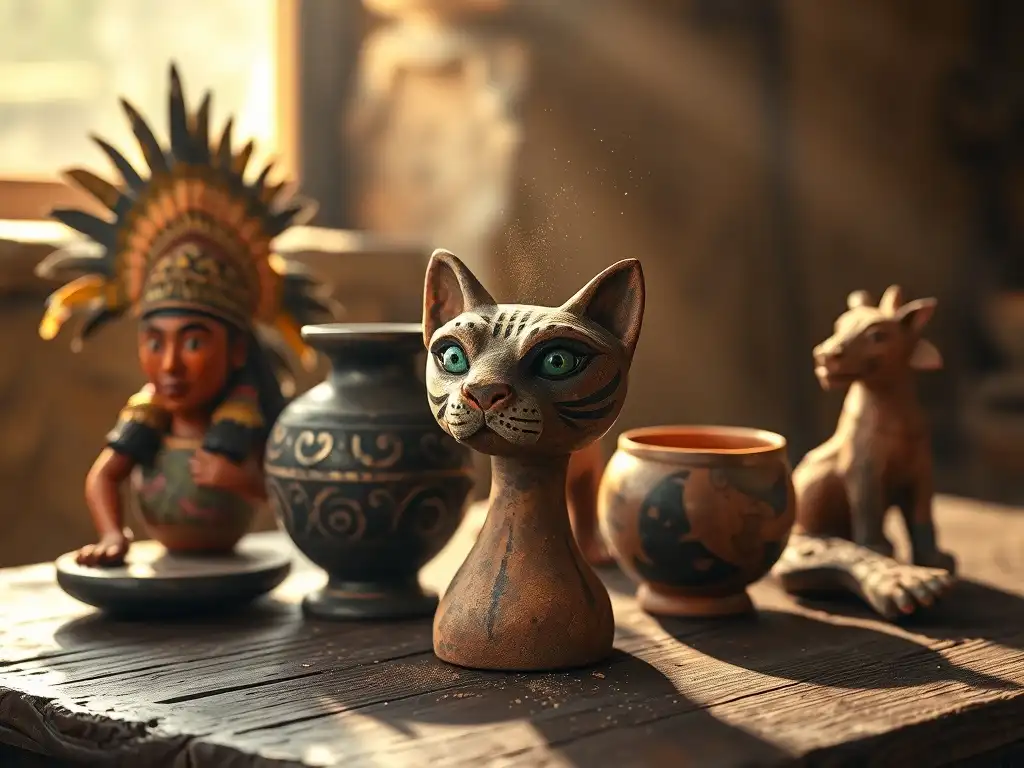
The Moche civilization, flourishing along the northern coast of Peru from approximately 100 to 800 CE, left behind a remarkable legacy, most notably their exquisite pottery. These aren't simply vessels; they are intricate narratives, vibrant depictions of daily life, religious rituals, and societal structures. The artistry and detail found in Moche pottery provide unparalleled insights into this fascinating culture, making the study of Moche pottery archaeological discoveries a cornerstone of Andean archaeology.
Their ceramic production, characterized by its technical mastery and expressive imagery, offers a level of detail rarely matched by other pre-Columbian cultures. The sheer volume of surviving pieces, coupled with their diverse subject matter, allows for a nuanced understanding of Moche society that surpasses many other ancient civilizations.
The Significance of Moche Pottery in Archaeological Context
Moche pottery holds immense significance within the broader context of Andean archaeology. Unlike many other ancient cultures whose artistic representations are fragmented or limited, the Moche left behind a vast collection of incredibly well-preserved ceramics. This exceptional preservation is largely due to the arid desert climate of the northern Peruvian coast, which protected the pottery from the elements.
The pieces range from simple utilitarian vessels to elaborately decorated portrait jars, offering a comprehensive view of Moche life. The exceptional quality of the pottery, with its detailed modeling, vibrant colors, and sophisticated techniques, highlights the advanced technological capabilities of the Moche artisans. These pieces are not merely decorative; they are crucial historical records, offering invaluable information about Moche beliefs, social structures, and daily routines.
The analysis of these artifacts, coupled with contextual information from excavation sites, provides a unique opportunity to reconstruct the past with remarkable precision. The ongoing research into Moche pottery archaeological discoveries continues to reveal new and exciting insights into this enigmatic civilization.
Moche Pottery Archaeological Discoveries: Unveiling Daily Life
The sheer variety of Moche pottery uncovered by archaeologists illuminates the diverse aspects of daily Moche life. From depictions of fishing scenes and agricultural practices to representations of elaborate feasts and warfare, these artifacts paint a vivid picture of the society. Many pots depict everyday scenes, such as people preparing food, weaving textiles, or engaging in various crafts.
These detailed representations provide valuable information about Moche technology, social roles, and economic activities. For example, the discovery of pottery depicting intricate irrigation systems provides evidence of their advanced agricultural techniques and their sophisticated understanding of water management. Other pieces showcase the importance of ritual activities, religious beliefs, and the role of the elite in Moche society.
The analysis of these Moche pottery archaeological discoveries allows for a rich and nuanced understanding of the daily lives, customs, and beliefs of the Moche people, far beyond what written records could ever provide. The artifacts offer a glimpse into the intimate details of their world, from the mundane to the extraordinary.
Moche Ceramics as Historical Records
The detailed nature of Moche pottery allows archaeologists to reconstruct aspects of Moche history with unprecedented clarity. Many pieces depict historical events, such as battles or significant rituals. The stylistic changes observed across different periods of Moche pottery also provide insights into the chronological evolution of the culture.
For instance, changes in pottery styles can be correlated with changes in social organization or political power. The iconography found on the pottery—the symbols, figures, and motifs—provides important clues to the Moche worldview and religious beliefs. The meticulous attention to detail in these representations provides a unique window into the minds of the Moche people and the way they understood their world.
The study of Moche pottery archaeological discoveries, therefore, is not merely the study of art; it is the study of history, religion, and societal structures, offering a profound understanding of this remarkable Andean civilization. The ongoing examination and interpretation of these ceramic masterpieces continue to reshape our understanding of the Moche and their place within the broader tapestry of Andean history. Each new discovery adds another layer to this rich and complex narrative, constantly enriching our knowledge of this fascinating culture.
Moche Pottery Techniques and Artistic Styles
The Moche, a pre-Columbian culture flourishing on the northern coast of Peru from approximately 100 to 800 CE, were master ceramicists. Their pottery wasn't merely functional; it was a vibrant canvas for expressing their complex religious beliefs, social structures, and daily life. Their remarkable skill in pottery production involved a sophisticated understanding of materials and techniques, leading to incredibly detailed and lifelike representations.
One of the most striking aspects of Moche pottery is its incredible diversity of styles. From the meticulously crafted stirrup-spout vessels—easily identifiable by their distinctive handle resembling a stirrup—to the more simplistic, yet equally expressive, bowls and plates, the Moche demonstrated an astonishing range of artistic capabilities. The stirrup-spout vessels, often featuring intricate scenes of warfare, ritual sacrifice, and daily life, are perhaps the most iconic examples of Moche artistry. These weren't just containers; they were miniature narratives, frozen moments in time painstakingly recreated in clay.
The Moche potters employed several techniques to achieve their artistic goals. They expertly utilized slip, a liquid clay suspension, to create a smooth surface and a range of colors, from the deep reds and blacks to the vibrant yellows and whites. They then used pigments, often derived from natural minerals, to paint detailed scenes and patterns onto the vessels.
The precision of their brushwork is astounding, particularly considering the tools they had available. The level of detail in their depictions of human figures, animals, and plants is truly remarkable, showcasing an intimate understanding of the natural world and a sophisticated artistic sensibility. Furthermore, they frequently incorporated modeling techniques, shaping the clay directly to create three-dimensional figures and scenes, adding another layer of complexity to their works.
Understanding Moche Art Through Ceramics
Moche pottery offers invaluable insights into the culture's religious beliefs, social hierarchy, and daily life. The detailed depictions on the vessels provide a visual record of their rituals, including sacrifices and ceremonies, often involving elite figures and supernatural beings. The portrayal of warriors, often engaged in combat, sheds light on their social organization and the importance of warfare in their society.
Analysis of Moche ceramic art reveals a complex interplay of symbolism and narrative. For instance, the frequent depiction of certain animals, such as felines and birds of prey, suggests their symbolic importance in their mythology and religious practices. Similarly, the representation of different social classes, readily apparent in the attire and posture of depicted figures, offers a glimpse into their social stratification. The careful observation of these details, coupled with archaeological context and analysis, allows researchers to piece together a more comprehensive understanding of this fascinating civilization.
The study of Moche pottery has advanced significantly due to recent archaeological discoveries. New techniques in analysis, such as advanced imaging and material science, have allowed researchers to better understand the production processes and the materials used by the Moche potters. This has led to a deeper appreciation of their technical skills and artistic ingenuity.
The ongoing discovery and analysis of new pieces of Moche pottery continue to enrich our understanding of this remarkable culture, constantly revealing new facets of their world and beliefs. The meticulous detail and artistic mastery evident in their work ensure that Moche pottery will continue to fascinate and inspire scholars and the public alike for generations to come. The careful study of "Moche pottery archaeological discoveries" continues to unveil the secrets of this captivating civilization.
Ritual Practices Deciphered Through Archaeological Finds
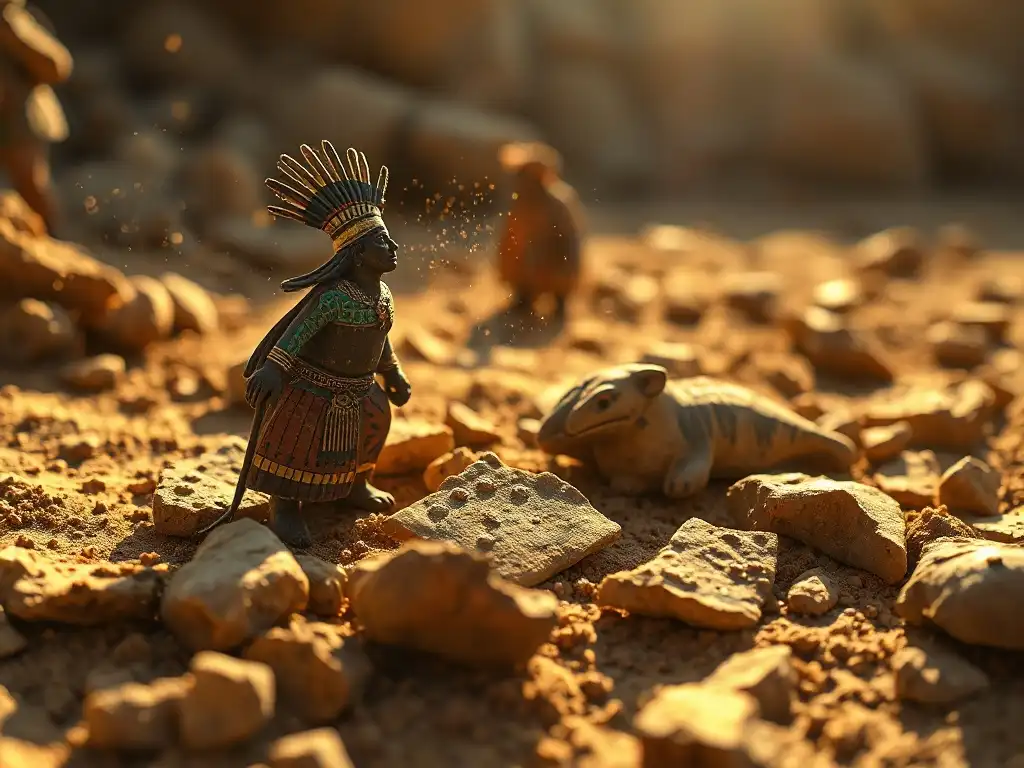
The meticulous excavation and analysis of Moche archaeological sites have yielded invaluable insights into their complex ritual practices. These practices, often vividly depicted on their renowned pottery, reveal a society deeply intertwined with religious beliefs and elaborate ceremonies. The study of Moche pottery, a cornerstone of "Moche pottery archaeological discoveries," allows us to piece together a fascinating narrative of their spiritual world and social structures.
The sheer volume and variety of artifacts unearthed—from intricately decorated vessels to elaborate gold ornaments—provide a wealth of information that continues to challenge and reshape our understanding of this ancient civilization. Careful analysis of the contexts in which these artifacts were found—often within tombs, ceremonial centers, or associated with specific geographical features—is crucial to interpreting their significance within the broader Moche worldview.
This detailed approach allows researchers to move beyond simple descriptions of the artifacts themselves and delve into the deeper meanings they held for the Moche people. The precision and artistry of Moche craftsmanship often reflect the importance and sacredness of the rituals they depict.
Moche Rituals and their Representation in Art
Moche pottery serves as a primary source for understanding their rituals. Depictions range from elaborate ceremonies involving processions and offerings to intimate scenes of individual rituals. The level of detail is astonishing; artists meticulously rendered human figures, animals, and deities with remarkable accuracy, capturing expressions, gestures, and even textures with precision.
For example, many vessels depict scenes of huacas, or revered ancestral figures, participating in ceremonies, often alongside shamans and other important figures within Moche society. These depictions not only illustrate the rituals themselves but also provide valuable information about Moche social hierarchy and belief systems. The stylistic choices made by the artists—the use of specific colors, compositions, and iconography—further enhance our understanding of the symbolic meanings embedded within the scenes.
Color, for instance, is not merely decorative; specific hues were likely associated with specific deities or rituals, adding another layer of complexity to the interpretation of these artistic representations. The study of Moche art is therefore not just an aesthetic pursuit; it is a crucial aspect of understanding their complex religious practices and social organization. Detailed studies of the iconography, combined with the archaeological context of the finds, allow us to connect the imagery to specific events and beliefs, providing a richer understanding of Moche culture than previously possible.
The Role of Sacrifice in Moche Society
Evidence suggests that sacrifice played a significant role in Moche society, both human and animal. The extent and nature of these sacrifices remain a topic of ongoing debate amongst scholars, with new discoveries constantly adding to our knowledge. The careful analysis of skeletal remains and accompanying grave goods provide vital clues, while the depictions on pottery add another dimension to this complex issue.
While some interpretations suggest human sacrifice was primarily linked to elite rituals or warfare, others propose a more nuanced understanding, perhaps involving voluntary sacrifice or acts performed to ensure the well-being of the community. The discovery of specific artifacts associated with sacrifices—such as ceremonial knives or vessels containing traces of blood—further strengthens the evidence for these practices.
Further research is needed to fully understand the social and religious context of these acts, but the available evidence clearly points to the importance of sacrifice within Moche culture and its potential connections with agricultural cycles, warfare, and the appeasement of deities. The ethical implications of these discoveries necessitate a careful and responsible approach to interpretation and dissemination of findings, ensuring that the cultural sensitivity of the Moche people is respected.
Evidence of Ritual Sacrifice in Moche Archaeological Sites
Several Moche archaeological sites have yielded compelling evidence of ritual sacrifice. The Huacas del Sol and de la Luna, for instance, have produced numerous human remains exhibiting signs of ritual violence, often associated with elaborate grave goods. These findings, coupled with the artistic representations on pottery, suggest that human sacrifice was not a random act but a carefully planned and executed ritual.
Analysis of the skeletal remains can reveal information about the age, sex, and health of the victims, offering insights into the selection process and the potential social status of those sacrificed. Moreover, the discovery of multiple burials within a single site, often arranged in specific patterns, highlights the organized and ritualistic nature of these events. The artifacts found alongside the remains—such as intricate gold ornaments, finely crafted pottery, and various food and drink offerings—further emphasize the importance and significance of these sacrifices within Moche society.
The careful study of these sites, combined with the analysis of other related artifacts, continues to shed light on the complex rituals and beliefs of the Moche civilization, enriching our understanding of this fascinating culture. Further investigation and technological advancements in archaeological techniques promise to reveal even more details about the practice of sacrifice within the Moche world. The ongoing work emphasizes the vital role of interdisciplinary collaboration between archaeologists, anthropologists, and other specialists in understanding the nuances of these ancient rituals.
Moche Religious Beliefs and Deities
The Moche civilization, flourishing along the northern coast of Peru from approximately 100 to 800 CE, held a complex and sophisticated religious system deeply interwoven with their daily lives. Their beliefs, unlike those of later Andean cultures, lacked a centralized pantheon of gods with clearly defined hierarchies. Instead, the Moche pantheon seems to have been more fluid, with deities' prominence fluctuating based on local needs and circumstances. Archaeological evidence suggests a strong emphasis on ancestor veneration, with elite individuals often depicted in elaborate funerary contexts, suggesting their continued spiritual influence.
Furthermore, the Moche worldview was strongly influenced by their environment, with deities often associated with natural forces like the sea, rivers, and mountains. The power of these forces, as depicted in their art, was clearly crucial to their survival and prosperity. Analysis of Moche iconography reveals a range of supernatural beings, from anthropomorphic figures to zoomorphic representations reflecting a diverse and dynamic spiritual landscape.
The lack of written records forces archaeologists to rely heavily on interpreting the iconography found on pottery, textiles, and metalwork for understanding their religious beliefs. These interpretations, while not always definitive, offer compelling insights into a fascinating, and largely enigmatic, worldview. The discovery of elaborate tombs containing richly decorated objects further illuminates the significance of ritual and religious practices within Moche society.
Moche Cosmology and its Depiction in Ceramics
Moche cosmology, as revealed through their stunning ceramics, presents a vibrant and intricate vision of the universe. The intricate designs and scenes painted on their pottery often depict a world populated by both human and supernatural beings interacting within a structured cosmic order. The ocean, a vital source of sustenance and a powerful force, frequently features prominently, often represented by stylized waves and marine creatures. Similarly, rivers are depicted as life-giving arteries connecting the terrestrial and spiritual realms.
Mountains, towering over the coastal plains, are also important symbols, often associated with deities and ancestral spirits. The interplay between these elements—the sea, rivers, and mountains—suggests a holistic understanding of the world, where the natural and supernatural were inextricably linked. Many ceramic vessels showcase scenes of ritual sacrifices and ceremonies, offering clues about the specific rituals performed to appease or honor these deities. The use of specific colors and motifs in the pottery also contributes to the understanding of their cosmological beliefs.
For example, certain colors might represent specific deities or celestial bodies, while others signify the underworld or the realm of the ancestors. The detailed nature of the pottery, especially the highly realistic depictions of human figures and events, provides invaluable insights into Moche religious practices and their understanding of the universe, enriching our comprehension of their "Moche pottery archaeological discoveries". Further research into the stylistic variations across different Moche regions promises to unveil even more nuances in their complex cosmological beliefs.
Moche Architecture and Urban Planning
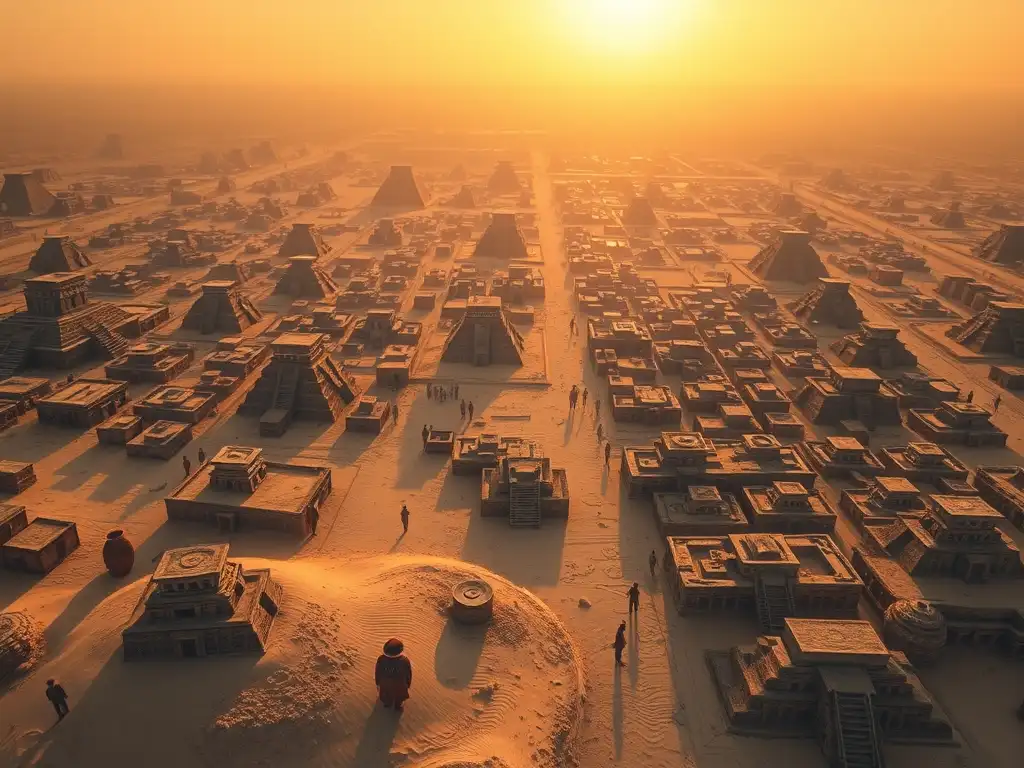
The Moche, a pre-Columbian civilization flourishing along the northern coast of Peru from roughly 100 to 800 CE, demonstrated remarkable architectural prowess, especially considering their limited technological resources. Their urban planning, while not as extensive or rigidly structured as later Andean civilizations like the Inca, reveals a sophisticated understanding of societal organization and resource management.
The Moche didn't build sprawling cities in the same way as other cultures; instead, their settlements were often organized around strategically located huacas, or ceremonial mounds, reflecting the central role of religion in their society. This focus on religious centers, combined with smaller residential areas and agricultural infrastructure, shaped their unique urban landscape.
Understanding Moche urban planning requires looking beyond the grand scale and appreciating the nuanced relationship between religious practices, social hierarchy, and environmental adaptation. The distribution of settlements, for example, often mirrored the availability of water resources and fertile land, showcasing a deep connection to their environment.
Moche Urban Centers and Their Significance
While lacking large, centralized cities comparable to those of later Andean civilizations, Moche settlements were far from haphazard. Analysis of archaeological findings suggests a hierarchical structure, with larger, more densely populated areas likely serving as administrative or religious centers. Smaller, more dispersed settlements probably housed agricultural workers and artisans.
The size and complexity of these centers varied, reflecting the fluctuating power dynamics within the Moche state. Some sites, like the impressive complex at La Libertad, reveal evidence of sophisticated water management systems and specialized craft workshops, indicating a high level of social organization and economic specialization. The location of these centers often coincided with strategic points along the coast, facilitating trade and control of resources.
Further research is needed to fully understand the interconnectivity between these centers and the overall Moche political system. The precise function of smaller settlements, and their relationship to larger centers, remains a topic of ongoing debate among archaeologists. Detailed mapping and analysis of the spatial distribution of artifacts are crucial in unraveling this puzzle.
Huacas: Moche Religious Structures and Their Purpose
The huacas are arguably the most striking examples of Moche architecture. These monumental adobe structures, often featuring intricate reliefs and painted murals depicting religious ceremonies and mythological figures, served as central locations for religious rituals and possibly held administrative functions. The construction of these massive structures required significant labor and resources, highlighting the importance of religion within Moche society.
Archaeological evidence suggests that the huacas were not simply places of worship but also served as repositories of power and prestige. Their construction and ornamentation often reflected the power and wealth of the ruling elite. The discovery of elaborate tombs within some huacas, containing richly decorated pottery and other grave goods, supports this interpretation.
The iconography found on huacas walls and artifacts provides invaluable insights into Moche mythology, cosmology, and social structure. Many huacas incorporate features designed to capture and manage water, demonstrating the Moche's ingenuity and their ability to integrate religious practices with practical concerns.
Moche Engineering and Construction Techniques
The Moche's architectural achievements were not only impressive in scale but also in their technical sophistication. Their mastery of adobe construction, using sun-dried bricks, allowed them to create structures that could withstand earthquakes and the harsh coastal climate for centuries. The precise methods used to create and lay these bricks, however, remain partially unknown. Archaeologists have observed variations in brick sizes and shapes across different sites, potentially indicating regional differences in building techniques or shifts in construction practices over time.
The creation of massive platforms and stepped pyramids, like those found at Huaca del Sol and Huaca de la Luna, required advanced engineering skills and sophisticated labor organization. Evidence suggests the use of ramps and scaffolding, allowing for the efficient transport and placement of heavy materials. The intricate designs and painted murals found on many structures demonstrate a high level of artistic skill and a deep understanding of color and composition.
Further study of Moche building techniques can inform our understanding of the technological capabilities of pre-Columbian Andean societies and their resource management strategies. Analyzing the composition of the adobe bricks and the tools used in their construction offers additional avenues for research into Moche engineering practices. The longevity of these structures underscores the Moche's innovative approach to construction and their adaptability to the environment.
Challenges and Future Directions in Moche Archaeology
The study of the Moche civilization, while yielding incredible discoveries in recent decades, still faces significant challenges. Understanding their complex social structures, intricate belief systems, and the full extent of their technological prowess requires a multi-faceted approach that goes beyond simply excavating impressive tombs and retrieving stunning pottery. The sheer volume of Moche artifacts unearthed, coupled with the ongoing degradation of many sites due to environmental factors and looting, presents a formidable hurdle for researchers. This necessitates a shift towards proactive preservation strategies and innovative research methodologies.
Furthermore, ethical considerations surrounding the repatriation of artifacts and the respectful engagement with descendant communities are paramount. The legacy of past archaeological practices, sometimes characterized by a lack of sensitivity towards indigenous perspectives, necessitates a paradigm shift towards collaborative and community-based research. This will ensure that future discoveries are approached with respect and a commitment to responsible stewardship of the Moche legacy.
Ongoing Debates and Interpretations of Moche Society
One of the most enduring debates in Moche studies centers around the interpretation of their social hierarchy. While the lavish burials and intricate artwork clearly point to a stratified society, the precise nature of power structures and social mobility remains a subject of ongoing discussion. Some scholars argue for a relatively rigid, theocratic system with a powerful elite controlling resources and religious practices.
Others propose a more flexible model, suggesting a greater degree of social fluidity and the possibility of upward mobility based on merit or achievement. The analysis of Moche pottery, a rich source of visual data depicting various social scenes and rituals, plays a crucial role in these discussions. The depiction of warriors, priests, and commoners in different contexts provides valuable clues, but their interpretation often remains contested, highlighting the need for further interdisciplinary research integrating anthropological, sociological, and art historical perspectives.
The sheer volume of Moche pottery archaeological discoveries continues to fuel these debates, constantly providing new data to analyze and reinterpret. Analyzing the stylistic variations within pottery types, as well as their distribution across different sites, provides further insights into potential regional differences and social complexities.
New Technologies and Methodologies in Moche Research
Advances in technology are revolutionizing Moche archaeology, offering new tools to analyze artifacts and gain a deeper understanding of the civilization. Techniques like 3D scanning and photogrammetry allow for the creation of incredibly detailed virtual models of artifacts and sites, facilitating non-destructive analysis and enabling wider access to research materials. Furthermore, the application of advanced chemical analysis techniques is providing insights into the materials used in the creation of Moche pottery, revealing details about the sourcing of raw materials and the production processes.
This information sheds light on trade networks and economic organization. Similarly, isotopic analysis of human remains offers clues about diet, migration patterns, and social status. The integration of Geographic Information Systems (GIS) allows for the spatial analysis of Moche sites and settlements, offering a broader understanding of their landscape use and urban planning.
The development and application of these new technologies and methodologies are crucial for unraveling the many remaining mysteries of the Moche civilization, enabling a more nuanced understanding of their achievements and daily lives. The integration of these technologies with traditional archaeological methods offers a powerful synergy for future Moche pottery archaeological discoveries.
The Importance of Preserving Moche Archaeological Heritage
The preservation of Moche archaeological sites and artifacts is of paramount importance, not just for academic research, but also for the cultural heritage of Peru and the world. Many sites are vulnerable to looting, erosion, and the effects of climate change. Proactive conservation efforts, including site stabilization, controlled excavation techniques, and the development of protective infrastructure, are crucial to mitigating these threats.
Moreover, the development of sustainable tourism strategies that respect the integrity of archaeological sites while providing economic opportunities for local communities is essential. This requires a collaborative approach involving archaeologists, government agencies, local communities, and international organizations. Furthermore, public awareness campaigns aimed at educating the population about the importance of protecting Moche heritage are vital in combating looting and promoting responsible stewardship of these invaluable resources.
The long-term preservation of Moche pottery archaeological discoveries is essential for future generations to appreciate and learn from this remarkable civilization. This requires a multifaceted approach encompassing both scientific and community-based strategies. The ethical considerations are paramount, recognizing that these artifacts are not merely objects but hold profound cultural significance for descendant communities.
Frequently Asked Questions
What makes Moche pottery so significant archaeologically?
Moche pottery offers unparalleled insights into their daily life, rituals, and beliefs. The detailed depictions on the vessels provide invaluable information unavailable elsewhere, making them crucial archaeological finds. These pieces are exceptionally well-preserved, providing a vivid picture of the past.
Numerous huacas (large burial mounds) have yielded significant collections of Moche pottery, including the Huaca de la Luna and Huaca del Sol. Discoveries of elaborate burial sites containing richly decorated pottery have revolutionized our understanding of Moche funerary practices. Large-scale excavations continue to uncover new and exciting finds.
How did the Moche create their distinctive pottery styles?
Moche potters employed advanced techniques, including mold-making and slip painting, to achieve their intricate designs. They used a variety of natural pigments for vibrant colors and often incorporated three-dimensional elements into their creations. This demonstrates a high level of technical skill and artistic sophistication.
What rituals and ceremonies are depicted in Moche pottery?
Moche pottery frequently depicts scenes of religious ceremonies, sacrificial rituals, and mythological figures. These portrayals provide crucial clues to understanding their complex belief systems and social structures. The imagery often reflects their deep connection to nature and their fascination with fertility and power.
You can find updated information through academic journals specializing in Andean archaeology and Peruvian pre-Columbian art. Many museum websites also feature exhibits and articles on Moche pottery. Reputable archaeological organizations regularly publish reports of ongoing excavations and discoveries.
Final Reflection: Unearthing the Enduring Legacy of the Moche
The vibrant artistry and complex rituals of the Moche civilization, once shrouded in the sands of time, continue to resonate powerfully in the 21st century. Their sophisticated pottery, meticulously depicting scenes of daily life, religious ceremonies, and potent symbolism, offers a unique window into a vanished world, challenging our understanding of ancient Andean societies and prompting ongoing archaeological investigation. The meticulous work of archaeologists in uncovering these treasures provides a vital link to our shared human past.
The Moche's legacy extends far beyond their stunning ceramic masterpieces; their innovative irrigation systems, sophisticated social structures, and deeply spiritual beliefs continue to inspire awe and fascination. Their art, often depicting scenes of both brutal sacrifice and exquisite beauty, forces us to confront the complexities of human nature and the enduring power of artistic expression. The past is never dead. It's not even past.
– William Faulkner. This quote perfectly encapsulates the ongoing relevance of the Moche, whose stories continue to shape our understanding of pre-Columbian America and the human experience itself.
Consider the intricate details of a Moche huaco retrato, the lifelike portrait vessels that capture individual personalities with astonishing accuracy. Reflect on the sheer scale of their monumental architecture and the ingenuity of their irrigation systems. You, the reader, are now part of this ongoing conversation.
By engaging with the Moche's legacy, you are not simply learning about history; you are actively participating in the ongoing process of discovery and interpretation. Let the vibrant colors and enigmatic imagery of Moche pottery inspire you to delve deeper into the mysteries of the past and to appreciate the enduring power of human creativity and resilience.
Unveil the Secrets of the Moche!
Thank you for exploring the fascinating world of the Moche civilization with us! We hope you've gained valuable insights into their remarkable rituals and artistry. Now, let's continue your journey of discovery.
Here are some ways to delve deeper:
- **Expand your knowledge! ** Explore our collection of articles on Andean cultures to further your understanding of these ancient societies.
- **Join the discussion! ** Share your thoughts and discoveries in the comments below, or connect with other history enthusiasts on our forum.
- **Get creative! ** Try creating your own Moche-inspired artwork or craft, and share it with us on social media using #AndeanCivilizations.
What aspect of Moche culture captivates you most, and how do you see its influence on contemporary art and traditions? We eagerly await your thoughts!