
Weaving Destinies: Andean Women as Master Artisans and Creators

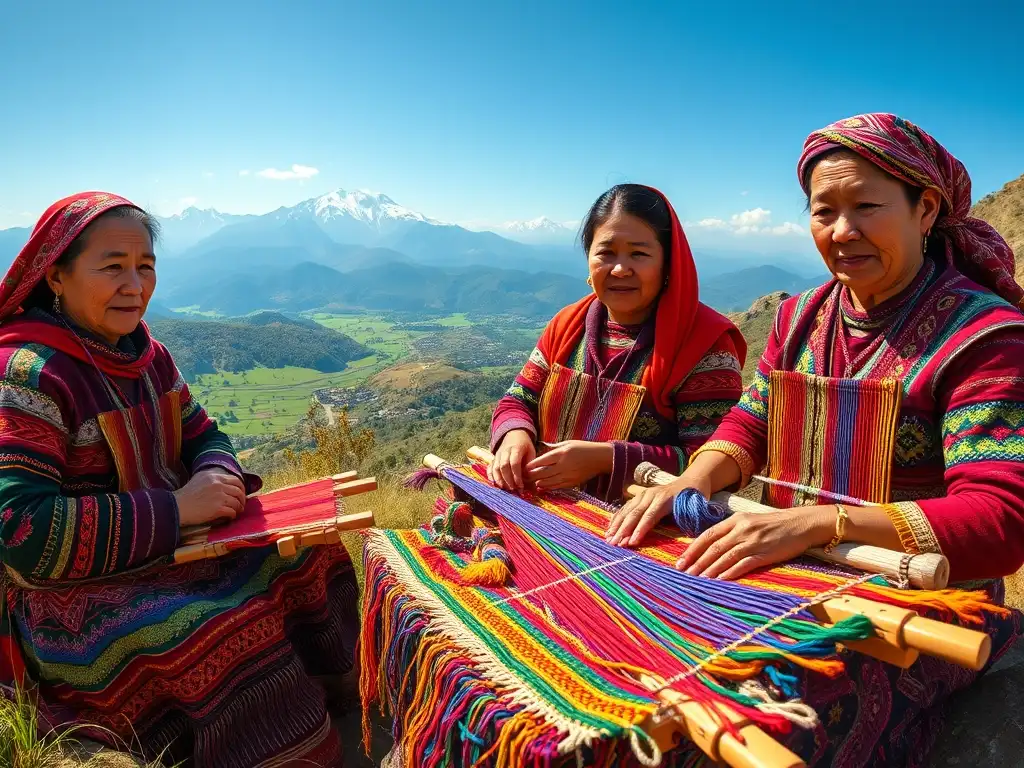
Unravel the mysteries of a lost world, where vibrant threads weave a tale as captivating as the Andes themselves. Dive into the intriguing history of Andean women weavers, whose artistry transcended mere craft, shaping the very fabric of their societies. Discover how their skills and ingenuity played a pivotal role in the rise and fall of iconic Andean civilizations. Prepare to be amazed by the legacy of these remarkable women—their stories are waiting to be unveiled.
The vibrant tapestry of Andean civilization, renowned for its intricate artistry and sophisticated technologies, was significantly shaped by the skillful hands of women. Often overlooked in broader historical narratives, Andean women played a crucial, multifaceted role as master artisans, creators, and keepers of cultural knowledge, particularly within the realm of textile production. This article delves into the rich history of Andean women weavers, exploring their contributions to societal structures, economic systems, and the enduring legacy of Andean textile traditions.
We will examine how their expertise in weaving transcended mere craft, becoming a potent symbol of social status, spiritual significance, and political power, ultimately weaving their destinies into the very fabric of Andean societies. Understanding their contributions is crucial to gaining a complete understanding of the complexity and richness of Andean civilizations, a perspective often missing from traditional historical accounts.
This exploration will highlight not just the what of their weaving practices, but also the why, the how, and the profound societal impact of their artistry. The keyword "Andean women weavers history" will be explored through specific examples and detailed analysis.
The Significance of Textiles in Andean Society
Andean textiles were far more than mere clothing; they were imbued with deep symbolic meaning, reflecting social status, religious beliefs, and even political power. The intricate designs, vibrant colors, and unique techniques employed by women weavers communicated complex narratives and encoded vital information. For example, the use of specific fibers, like alpaca or vicuña, indicated wealth and social standing. The intricate patterns often depicted mythological figures, celestial events, or agricultural cycles, reflecting a deep connection to the spiritual and natural world.
The creation of these textiles was not a simple task; it required extensive knowledge of dyeing techniques, spinning methods, and weaving styles passed down through generations of women. Their expertise was highly valued, and their work held significant economic and social importance within their communities. Furthermore, the production of textiles was often a communal activity, strengthening social bonds and fostering collaboration among women.
Techniques and Materials: A Masterclass in Andean Weaving
The mastery of Andean women weavers extended to a remarkable range of techniques and materials. They skillfully manipulated fibers from diverse sources – alpaca, llama, vicuña, cotton – each with its unique properties and qualities. The spinning process itself was an art form, resulting in incredibly fine and strong yarns.
Weaving techniques varied across different regions and cultures, with each community possessing its own distinctive style and patterns. From the intricate tapestry weaving of the Nazca to the sophisticated backstrap loom techniques employed across the Andes, Andean women demonstrated an exceptional level of technical proficiency. The use of natural dyes, derived from plants, minerals, and insects, resulted in an astonishing range of vibrant and long-lasting colors.
The knowledge and skill involved in creating these dyes were closely guarded secrets, passed down through generations within families and communities. This sophisticated knowledge system reflects a deep understanding of both the natural world and the complex chemical processes involved in dye production.
The social standing of Andean women weavers varied across different cultures and periods, but their role was consistently significant. In some societies, women held positions of power and influence, their expertise in weaving translating into economic and political power. Their ability to create textiles of high value allowed them to participate in trade networks and accumulate wealth.
In other societies, weaving was more closely tied to religious practices, with women weavers playing a crucial role in producing textiles for ceremonies and rituals. Regardless of their specific social status, Andean women weavers were essential to the economic and social fabric of their communities, their work contributing significantly to the overall well-being and prosperity of their societies.
They were not merely producers of goods; they were custodians of cultural heritage, transmitting knowledge, skills, and traditions through generations. The intricate designs woven into their textiles served as a visual record of their history, beliefs, and social structures.
The Enduring Legacy: A Celebration of Andean Women's Contributions
The legacy of Andean women weavers continues to inspire and amaze. Their artistry and technical skill, passed down through centuries, have left an indelible mark on the cultural landscape of the Andes. Their textiles remain highly prized, not only for their beauty and craftsmanship but also for their historical and cultural significance. The study of these textiles provides invaluable insights into the lives, beliefs, and social structures of Andean societies.
By recognizing and celebrating the contributions of Andean women weavers, we gain a more complete and nuanced understanding of the rich and complex history of Andean civilizations. Their story is a testament to the power of human creativity, resilience, and the enduring legacy of women's contributions to the world. The study of "Andean women weavers history" is therefore not merely an academic exercise, but a celebration of human ingenuity and cultural perseverance.
- The Significance of Textiles in Andean Society
- Techniques and Materials: A Masterclass in Andean Weaving
- Andean Women Weavers and Social Structures
- The Enduring Legacy: A Celebration of Andean Women's Contributions
- What role did women play in Andean textile production?
- What techniques did Andean women weavers use?
- How did the textiles produced by Andean women reflect their social status?
- What materials did Andean women weavers use?
- How has the legacy of Andean women weavers impacted contemporary Andean culture?
The Ancient Tradition of Textile Art by Andean Women
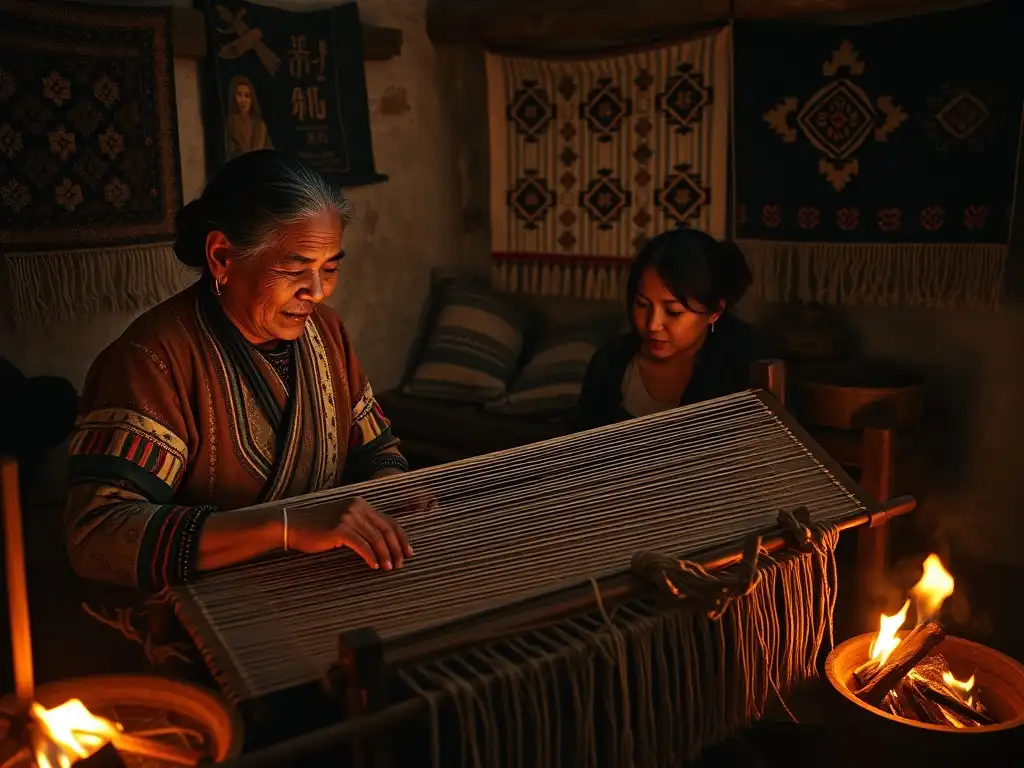
The vibrant tapestry of Andean history is inextricably interwoven with the contributions of its women. For millennia, Andean women have held a pivotal role in textile production, a skill that transcended mere craft to become a powerful expression of cultural identity, social status, and spiritual belief. Their mastery of weaving techniques, the intricate designs they created, and the symbolic meanings embedded in their textiles offer invaluable insights into the complexities of Andean societies.
This section explores the enduring legacy of Andean women weavers, examining their significant role in shaping Andean artistic and cultural heritage. The keyword "Andean women weavers history" is central to understanding this rich and complex history.
The Role of Women in Andean Textile Production
Andean women were not simply weavers; they were textile artists, designers, and entrepreneurs. Their involvement spanned the entire process, from the cultivation and preparation of the raw materials (like cotton, alpaca, llama, and vicuña fibers) to the intricate spinning, dyeing, and weaving techniques. The expertise involved was passed down through generations, solidifying a powerful matrilineal tradition.
This wasn't simply a domestic task; textile production was deeply integrated into the social and economic fabric of Andean communities. Women often controlled the distribution and trade of their textiles, generating income and influencing the economic landscape. This economic power translated into social influence, reinforcing their standing within their communities.
Archaeological evidence consistently reveals the significant role of women in textile production, with numerous examples of elaborate textiles found in tombs and ceremonial sites, demonstrating the high value placed upon their work. The complexity of some designs suggests a high level of specialization and skill, further highlighting the expertise of these women.
For example, the intricate tapestry weaving of the Nazca culture showcases the advanced techniques mastered by women. The precision and detail in their work, often incorporating vibrant dyes derived from natural sources, are truly remarkable. Their mastery of techniques like tapestry weaving, brocade, and embroidery allowed them to create incredibly detailed and durable textiles that have survived for centuries. The designs themselves, often incorporating symbolic motifs associated with fertility, water, and the cosmos, reveal a deep understanding of Andean cosmology and spirituality.
Early Forms of Weaving in Andean Cultures
The origins of Andean weaving stretch back thousands of years. Early forms, predating the Inca Empire, already displayed remarkable sophistication. Evidence suggests that rudimentary weaving techniques existed as far back as the Early Horizon period (around 2000 BCE).
These early textiles, often simpler in design compared to later examples, were nonetheless crucial for clothing, shelter, and ritual purposes. The development of more complex techniques, such as the use of multiple colors and intricate patterns, occurred gradually over time, reflecting the evolution of Andean societies and their technologies. This development was directly shaped by the innovations of Andean women, who continually refined their craft, adapting and improving techniques passed down through generations.
The transition from simple to complex weaving techniques was not merely a matter of technical advancement; it also reflects a growing sophistication in Andean artistic expression. The symbolism embedded in these textiles offers a window into the beliefs, values, and social structures of these ancient societies. Further research is needed to fully understand the specific roles of women in the earliest stages of Andean textile production [Specific information pending on early Andean women's roles in textile production].
However, the evidence strongly suggests a significant and continuous contribution from Andean women throughout the history of textile art in the region. The legacy of these skilled artisans continues to inspire and amaze, showcasing the enduring power of creativity and cultural transmission.
Andean Women Weavers History: From Ancient Times to Today
This section delves into the rich tapestry of Andean women's contributions to weaving, tracing their history from pre-Inca times to the present day. We will explore the sophisticated techniques, innovative designs, and enduring legacy of these master artisans, highlighting their crucial role in Andean societies and the preservation of cultural heritage. The keyword "Andean women weavers history" will be explored through specific examples and detailed analysis.
Pre-Inca Weaving Techniques and Innovations
Long before the Inca Empire rose to prominence, Andean women were already renowned for their exceptional weaving skills. Evidence suggests that complex weaving traditions existed in various pre-Inca cultures, each with its unique styles and techniques. The Paracas culture (circa 800 BCE – 100 CE), for instance, is famous for its intricately embroidered textiles, showcasing vibrant colors and elaborate designs.
These textiles, often found in burial contexts, reveal a deep understanding of dyeing techniques using natural pigments derived from plants and minerals. The precision and complexity of Paracas textiles demonstrate a high level of skill and artistry, passed down through generations of women.
The Nazca culture (circa 100 CE – 700 CE) further advanced weaving technology. Their mastery of tapestry weaving, a technique involving interlacing separate weft threads to create intricate patterns, is particularly noteworthy. Nazca textiles often depict stylized figures, geometric designs, and representations of their unique environment, showcasing their deep connection to the land and their sophisticated understanding of symbolism.
The Moche culture (circa 100 CE – 800 CE) also contributed significantly to Andean textile traditions. Moche women were skilled in creating complex textiles using a variety of techniques, including backstrap loom weaving, which allowed for the creation of finely detailed garments and tapestries. Their textiles often featured depictions of mythological beings, ceremonial scenes, and representations of their daily life, providing valuable insights into their beliefs and social structures.
The development of these pre-Inca weaving techniques involved a deep understanding of fiber preparation, spinning, dyeing, and weaving processes. Andean women experimented with various fibers, including cotton, camelid wool (alpaca and llama), and vicuña, each with its unique properties and suitability for different purposes. Their innovative use of these resources, combined with their advanced weaving techniques, resulted in the creation of durable and aesthetically stunning textiles.
The Evolution of Textile Art Under Inca Rule
The Inca Empire (1438-1533 CE) inherited and further developed the existing textile traditions of the Andean region. While Inca rulers centralized many aspects of society, including textile production, the role of women as master weavers remained central. The Inca state established workshops where women produced textiles for the imperial court, the elite, and religious purposes. These textiles were not merely functional garments; they served as symbols of power, status, and religious significance.
The Inca period witnessed the standardization of certain weaving techniques and designs, reflecting the empire's centralized administrative structure. However, regional variations in textile styles persisted, suggesting a degree of autonomy and creative expression within the imperial framework. For example, while the use of specific colors and motifs might have been dictated by imperial decree, the execution and interpretation of these designs often retained regional characteristics.
Inca textiles are characterized by their high quality, intricate designs, and the use of a wide range of colors and fibers. The use of spindle whorls for spinning and the backstrap loom for weaving remained prevalent, demonstrating the continuity of pre-existing techniques. However, the Inca also introduced new techniques and designs, reflecting their imperial ambitions and sophisticated aesthetic sensibilities. The use of complex geometric patterns, often incorporating symbolic motifs, became a hallmark of Inca textiles.
The legacy of Andean women weavers extends far beyond the Inca Empire. Their enduring skill and artistry continue to inspire and inform contemporary textile traditions throughout the Andes. The vibrant colors, intricate designs, and enduring symbolism of their work serve as a powerful testament to their creativity, resilience, and profound connection to their cultural heritage. The study of Andean women's weaving history offers valuable insights into the social, economic, and political structures of Andean societies, highlighting their vital role in shaping the cultural identity of the region.
The Significance of Textiles in Andean Culture
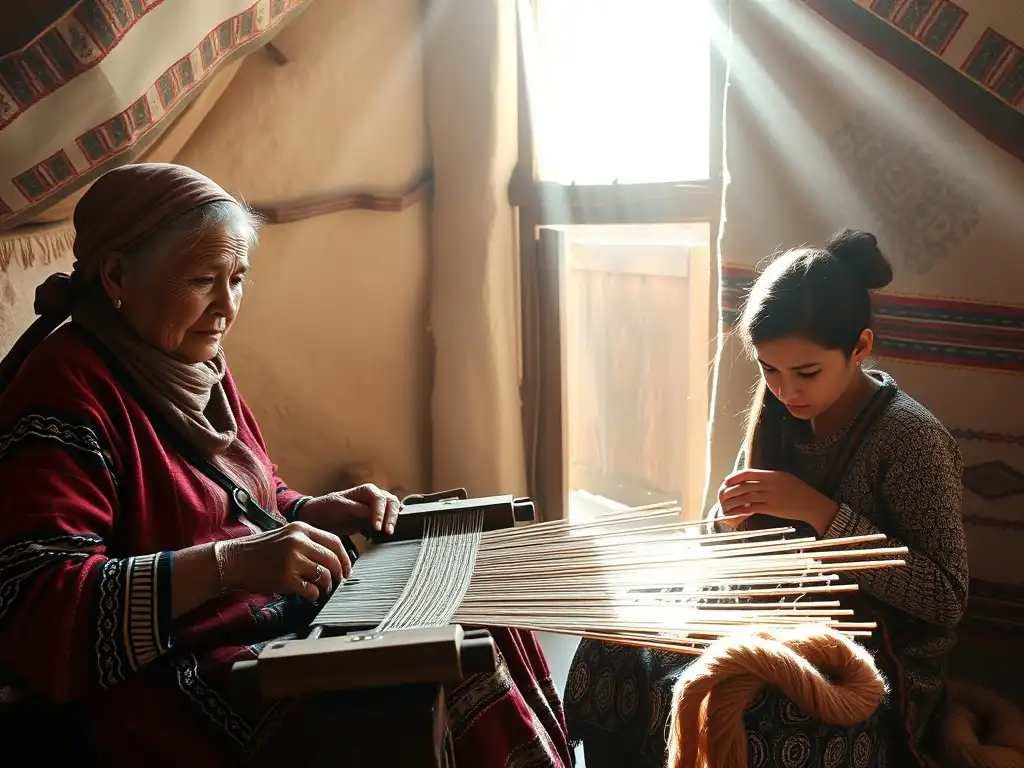
Textiles weren't merely clothing or decorative items in Andean societies; they were integral to the very fabric of life, deeply intertwined with social structures, religious beliefs, and economic systems. The skill and artistry involved in Andean weaving elevated it beyond a simple craft, transforming it into a powerful medium for expressing identity, status, and spiritual connection. Understanding the significance of textiles is crucial to understanding Andean women's roles and their profound impact on their societies.
From the intricate designs on a simple tunic to the elaborate tapestries adorning temples, every thread carried meaning and purpose. The meticulous detail and the sheer volume of surviving textiles are a testament to the dedication and skill of Andean women weavers. Their work reflects not only their technical prowess but also their deep understanding of their cultural heritage and cosmology.
The legacy of Andean textiles continues to fascinate and inspire, showcasing the remarkable ingenuity and artistic vision of these women. The enduring quality and artistry of these textiles demonstrate the advanced techniques and sophisticated understanding of materials that characterized Andean weaving traditions.
Textiles as a Form of Communication and Record Keeping
Andean textiles served as a vital form of communication, transmitting information across generations and even across vast geographical distances. Complex patterns and color combinations weren't arbitrary; they encoded historical events, social structures, and religious beliefs. Think of them as visual narratives, storytelling through threads. For instance, specific motifs might represent clan affiliations, historical victories, or significant deities.
The use of color also carried symbolic weight. Certain colors were associated with specific deities or concepts, allowing weavers to convey complex religious ideas through their work. Furthermore, textiles were not merely static representations; they were dynamic tools used in rituals and ceremonies, adding another layer to their communicative function. The creation and use of these textiles were not just a craft; they were a form of record-keeping, preserving vital cultural knowledge and transmitting it across generations.
This ensured the continuity of Andean traditions and cultural memory, even in the absence of a written language. The intricate detail and precision found in many surviving examples suggest that these textiles were meticulously planned and executed, reflecting a deep understanding of both the technical aspects of weaving and the symbolic meanings embedded within the designs. This complex interplay between artistry and communication makes Andean textiles exceptionally valuable sources for understanding ancient Andean societies.
The Symbolic Meaning of Patterns and Colors in Andean Weaving
The symbolic language of Andean weaving is incredibly rich and nuanced. Patterns, often geometric but also incorporating zoomorphic and anthropomorphic figures, conveyed powerful messages. For example, the repetition of specific motifs could signify fertility, abundance, or the cyclical nature of life and death. Certain animals, like the condor or the puma, held significant spiritual meaning and were frequently incorporated into designs, reflecting their importance in Andean cosmology.
The choice of colors was equally significant. Red, often associated with blood and sacrifice, held a different meaning than, say, green, which was linked to life, growth, and the fertility of the land. Understanding the symbolic meaning of these colors and patterns requires careful consideration of the broader cultural context. Scholars continue to unravel the intricate code embedded within these textiles, piecing together the rich tapestry of Andean beliefs and practices.
The vibrant hues and intricate patterns are not merely aesthetic choices; they are carefully selected elements that contribute to the overall narrative and meaning of the textile. The complexity of these symbolic systems highlights the sophisticated understanding of the Andean worldview held by the women weavers who created them. Further research, combining textile analysis with archaeological and ethnographic data, promises to further illuminate the significance of these extraordinary works of art. The careful study of Andean textiles offers invaluable insights into the beliefs, values, and social structures of these remarkable civilizations, highlighting the crucial role played by Andean women weavers in shaping and transmitting their cultural heritage.
Master Andean Women Weavers: Shaping the Cultural Landscape
This section delves into the significant roles Andean women played as weavers, highlighting their mastery of textile arts and their profound influence on shaping Andean cultural landscapes. Their contributions extended far beyond mere craft; weaving was deeply intertwined with spiritual beliefs, social structures, and political power. Understanding the history of Andean women weavers is crucial to comprehending the complexities of these ancient societies. The intricate techniques, symbolic designs, and enduring legacy of these women artisans deserve detailed exploration, particularly given their often-overlooked contributions in traditional historical narratives focusing on "Andean women weavers history".
Maria Apaza and her Mastery of Backstrap Loom Weaving
Maria Apaza, a Quechua woman from the highlands of Peru [specific village name pending], exemplifies the skill and artistry of Andean women weavers. She was renowned for her mastery of the backstrap loom, a portable and versatile tool used for centuries by Andean women. Unlike the more stationary looms, the backstrap loom allowed for the creation of textiles in a variety of settings, from high-altitude pastures to bustling marketplaces.
Maria's expertise extended beyond simple technical proficiency. Her weavings were celebrated for their vibrant colors, intricate patterns, and the incorporation of locally sourced, naturally dyed fibers. She used alpaca and llama wool, expertly blending shades of deep crimson, emerald green, and sunshine yellow, often creating textiles that reflected the diverse landscapes of her homeland. Her work frequently incorporated traditional designs, representing Andean cosmology, agricultural cycles, and spiritual beliefs. Her intricate representations of Andean deities and mythical creatures showcased her profound understanding of her culture’s rich symbolism. [Specific examples of her designs and their meanings pending].
The legacy of Maria Apaza, though undocumented in official records, lives on through oral histories passed down through generations of women weavers in her community. Her skills and artistry demonstrate the crucial role of individual women artisans in perpetuating and evolving Andean textile traditions. Her story underscores the importance of examining "Andean women weavers history" beyond broad generalizations, recognizing the crucial contributions of individual women and their communities.
Mama Ocllo and her Influence on Inca Textile Production
Mama Ocllo, a legendary figure in Inca mythology, often depicted as a wife or sister of the Inca founder Manco Cápac, is credited with a significant influence on the organization and standardization of Inca textile production. While her historical existence is debated, her role in the symbolic narrative highlights the importance of women in Inca society and their involvement in textile production. The legend attributes to her the introduction of advanced techniques, the establishment of specialized workshops, and the standardization of designs and colors within the Inca empire.
Mama Ocllo's influence is reflected in the remarkable quality, consistency, and standardization of Inca textiles discovered by archaeologists. The Inca utilized a complex system of textile production, with specialized workshops employing large numbers of women weavers. These workshops produced textiles for a variety of purposes, from clothing for the elite to ceremonial garments and tapestries for religious rituals. The standardization of designs and techniques, often attributed to Mama Ocllo's influence, suggests a high degree of centralized control over textile production, reflecting the Inca state's power and organizational capacity. [Specific examples of standardized Inca textile designs and techniques pending].
The story of Mama Ocllo, whether historical or mythical, serves as a powerful symbol of the significant role women played in the economic, social, and religious life of the Inca empire. Her legendary influence underscores the importance of considering the "Andean women weavers history" within the broader context of Inca political organization and social structure.
The consistent high quality and artistry of Inca textiles, combined with the legend of Mama Ocllo, provides a compelling case study for understanding the intersection of gender, power, and craftsmanship within a complex ancient civilization. The enduring legacy of these women weavers shaped not only the visual landscape of the Andes but also the cultural identity and social fabric of these remarkable societies.
The Enduring Legacy of Andean Women's Textile Art
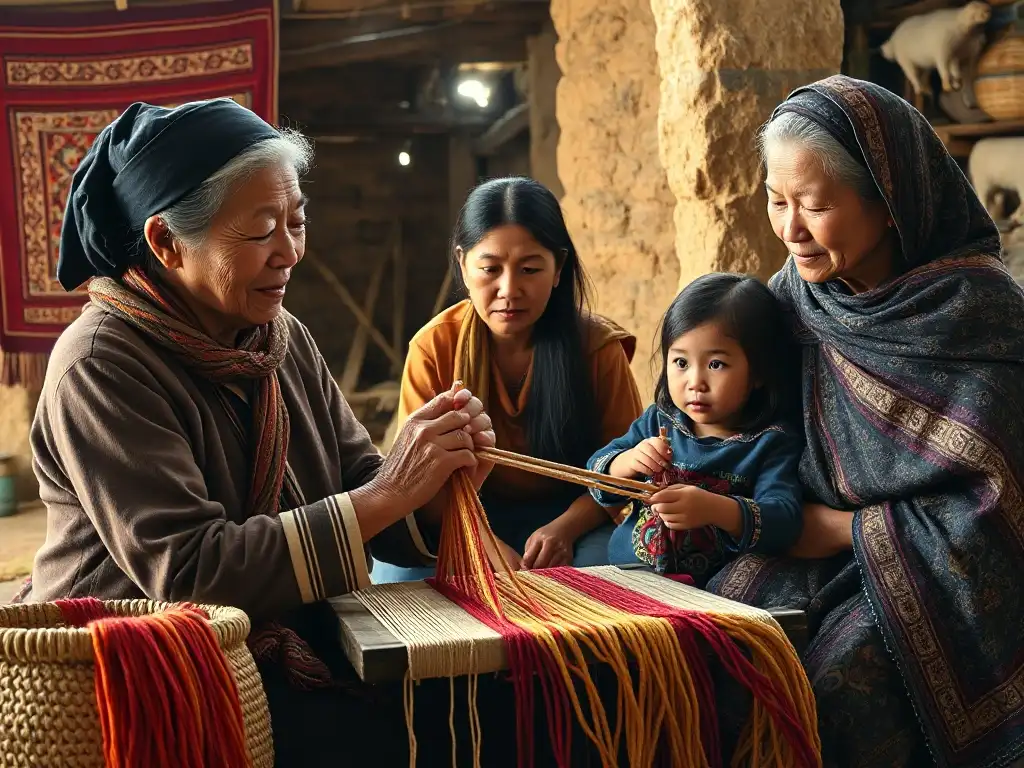
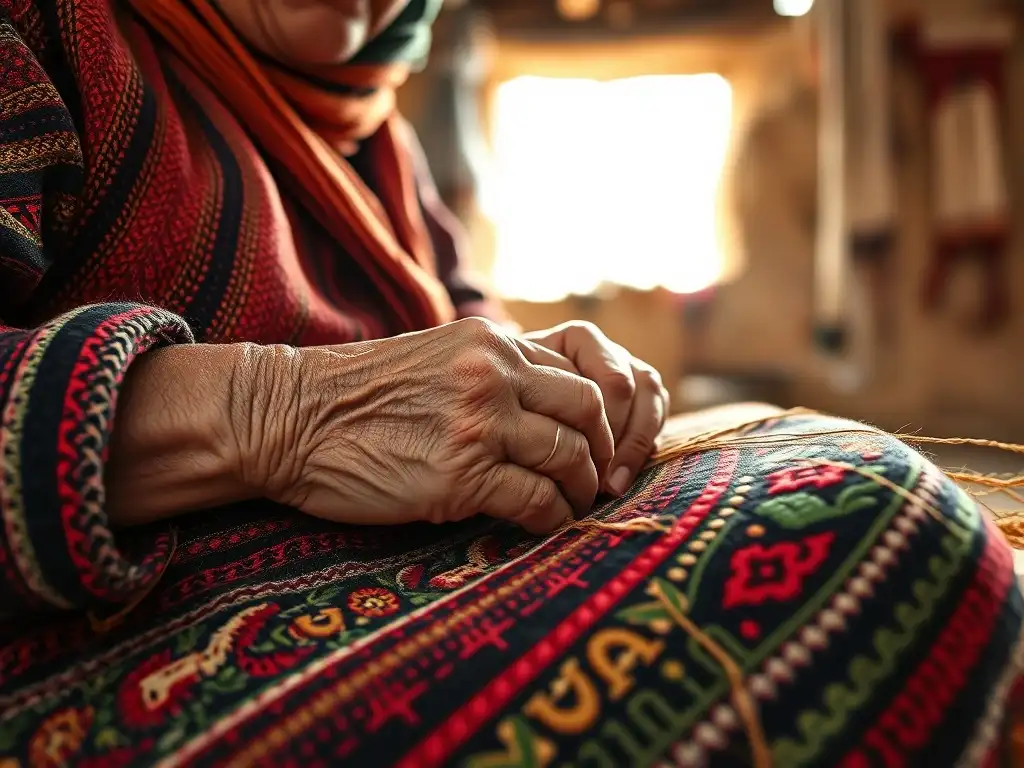
The legacy of Andean women weavers is deeply interwoven with the very fabric of Andean history. For millennia, women have held a central role in textile production, creating not merely clothing and household items, but complex narratives woven into vibrant tapestries and intricate textiles. Their artistry transcended mere functionality; it served as a powerful means of communication, storytelling, and social expression.
From the intricate designs of the Paracas culture to the finely spun vicuña wool of the Inca empire, Andean women's textile traditions reflect a remarkable continuity and adaptability across diverse societies and changing environments. The enduring legacy of their skill is evident in the stunning textiles that survive to this day, offering invaluable insights into the beliefs, social structures, and daily lives of ancient Andean communities. Their work wasn't just about creating clothing; it was about creating history, preserving traditions, and communicating across generations.
The vibrant colors, symbolic designs, and technical proficiency displayed in these textiles stand as a testament to the ingenuity and artistry of Andean women. This enduring legacy continues to inspire and influence contemporary textile artists and researchers alike, ensuring that the rich tapestry of Andean women's history remains vibrant and relevant.
Modern Andean Women Weavers and their Craft
Even today, Andean women continue to carry the torch of their ancestors, mastering complex weaving techniques passed down through generations. Their craft is not simply a means of livelihood; it is a vital part of their cultural identity, a connection to their heritage, and a source of immense pride. Many modern Andean women weavers skillfully blend traditional techniques with contemporary designs, creating unique and innovative pieces that capture the essence of their heritage while embracing modern aesthetics.
This adaptability demonstrates the resilience and dynamism of Andean textile traditions, adapting to changing market demands while preserving the core values and techniques that define their craft. For instance, some communities are incorporating new materials, like alpaca or recycled fibers, into their work, creating sustainable and eco-friendly textiles. Others are exploring new markets, selling their products online or through international collaborations, sharing their art with a global audience.
This showcases the power of traditional crafts to thrive in the modern world, allowing these women to not only maintain their cultural heritage but also achieve economic independence and empowerment. The continued strength of this craft signifies the enduring importance of Andean women's contributions to their communities and the global textile landscape.
Preserving Traditional Weaving Techniques and Knowledge
The preservation of traditional Andean weaving techniques and knowledge is a critical undertaking, requiring a concerted effort to safeguard this invaluable cultural heritage. This involves multiple strategies, including:
- Formal and informal education: Teaching weaving techniques to younger generations is paramount. This can occur within families, through community workshops, or within formal educational settings. The transfer of knowledge requires patience and dedication, ensuring that the intricacies of each technique are passed on accurately.
- Documentation and archiving: Detailed documentation of weaving techniques, patterns, and designs is crucial. This may involve photographic records, written descriptions, and even video recordings to capture the nuance of the process. Archiving these materials ensures their long-term accessibility for future generations of weavers and researchers.
- Community-based initiatives: Supporting community-based organizations and cooperatives that promote and protect traditional weaving practices is essential. These initiatives often provide weavers with access to resources, markets, and training opportunities. They also play a vital role in fostering a sense of community and preserving cultural identity.
- Combating cultural appropriation: Protecting the intellectual property rights of Andean women weavers is essential. Combating cultural appropriation ensures that the unique designs and techniques created by these women are not exploited or misrepresented. This involves raising awareness and advocating for fair trade practices.
The preservation of this heritage is not merely about safeguarding ancient techniques; it's about empowering Andean women, supporting their economic independence, and ensuring the continued flourishing of a vibrant and integral part of Andean culture. The future of Andean weaving depends on the successful implementation of these strategies. Without concerted effort, the intricate knowledge and artistry passed down for centuries risks being lost forever. The preservation of this art form is a collective responsibility, requiring collaboration between communities, governments, and international organizations.
Andean Weaving: A Reflection of Female Power and Creativity
Andean women's weaving wasn't merely a craft; it was a powerful expression of their social standing, spiritual beliefs, and artistic prowess. For centuries, women held a crucial role in the textile production of Andean societies, their skills passed down through generations, shaping not only the fabric of their clothing but also the very fabric of their communities.
Their intricate designs, vibrant colors, and innovative techniques reflect a deep connection to the land, their ancestors, and the cosmos. This section explores how Andean weaving served as a powerful tool for women, allowing them to exert influence, express themselves, and contribute significantly to the economic and social well-being of their societies.
Understanding the history of Andean women weavers requires appreciating the multifaceted nature of their craft and its profound impact on Andean civilizations. The mastery of weaving techniques, the symbolic weight of their designs, and the economic value of their products all contributed to their significant social standing.
Textiles as an Expression of Identity and Heritage
Andean textiles were far more than simple garments; they were imbued with deep symbolic meaning, acting as visual narratives that communicated social status, kinship ties, and spiritual beliefs. The intricate designs woven into the fabrics often depicted mythical beings, celestial events, and agricultural cycles, reflecting a profound understanding of the Andean cosmology. The use of specific colors, fibers (such as alpaca, llama, and cotton), and weaving techniques varied across different regions and social groups, serving as powerful identifiers. For example, the use of particular dyes sourced from local plants could indicate a specific community or even a family lineage.
The intricate patterns, often incorporating geometric designs and zoomorphic motifs, were not randomly chosen; they held specific cultural significance, passed down through oral traditions and meticulously preserved across generations. This rich tapestry of symbols and techniques showcases the extraordinary creativity and cultural knowledge held by Andean women weavers. The meticulous detail and precision evident in these textiles are a testament to their skill and dedication.
Consider, for example, the intricate tapestry weavings of the Nazca culture, known for their complex geometric patterns and vibrant colors, or the elaborate textiles of the Inca empire, which often incorporated precious metals and feathers. These pieces serve as tangible links to the past, offering invaluable insights into the beliefs, practices, and artistic achievements of Andean women. The legacy of these women continues to inspire awe and admiration, their work a powerful testament to the enduring strength and creativity of Andean women.
The economic and social importance of Andean women's weaving cannot be overstated. Textiles served as a crucial form of currency and trade, with finely crafted pieces holding significant economic value. Women's weaving skills provided a vital source of income for their families and communities, contributing significantly to the overall economic prosperity of Andean societies. Furthermore, the production and exchange of textiles played a key role in social interactions and alliances.
The intricate designs and high-quality materials used in their textiles often served as markers of social status and prestige. Women skilled in weaving could achieve positions of influence and respect within their communities, their expertise valued and sought after. The social hierarchy within Andean societies was, in part, reflected in the type of textiles produced and worn. Elite women often commissioned or wore textiles with the most elaborate designs and finest materials, further highlighting the social significance of weaving.
The production of textiles also played a crucial role in religious ceremonies and rituals, with specific garments and offerings being created for sacred purposes. In essence, Andean women's weaving was an integral aspect of their economic, social, and spiritual lives, shaping their roles, relationships, and identities within their communities. The enduring legacy of their work continues to be a source of inspiration and admiration, showcasing the remarkable contributions of Andean women to their societies. The influence of Andean women weavers on the economic and social landscape of their time underscores their significant role in the development and prosperity of their civilizations.
Understanding the Craft: Materials and Techniques of Andean Weaving
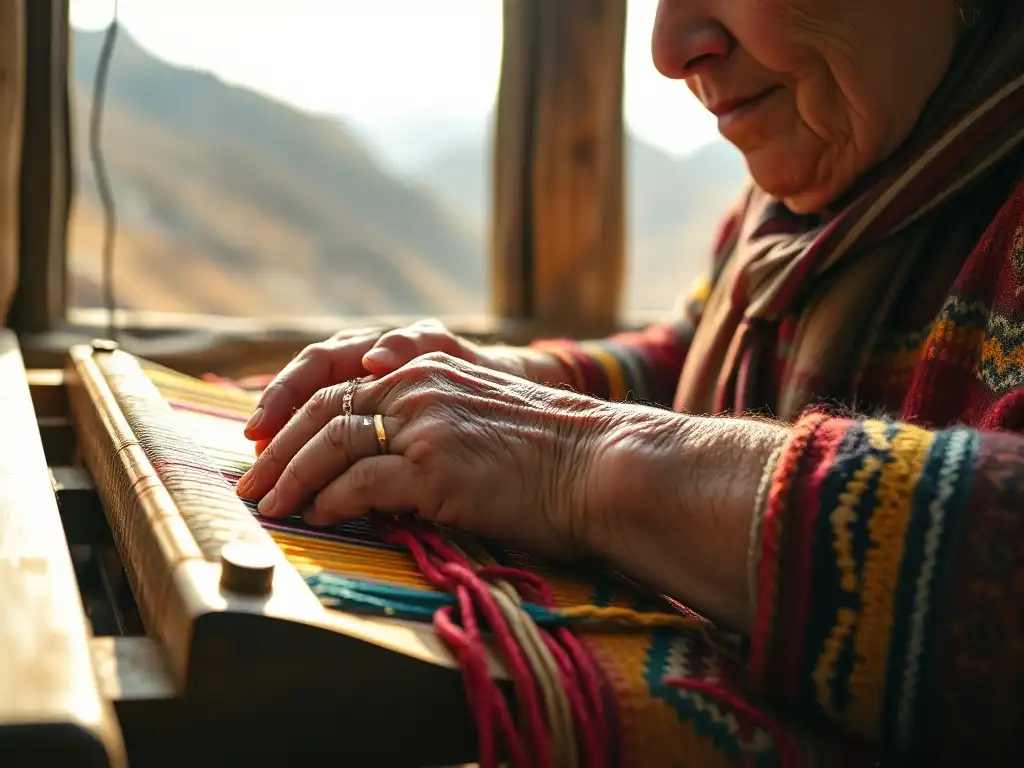
This section delves into the intricate world of Andean weaving, exploring the materials and techniques that allowed Andean women to create textiles of unparalleled beauty and durability. Understanding these elements is crucial to appreciating the artistry and ingenuity behind their work, a testament to their profound knowledge of their environment and their mastery of textile production.
The legacy of Andean women weavers is inextricably linked to these materials and methods, shaping their history and contributing significantly to the cultural heritage of the Andes. This section will focus specifically on the materials and tools used, showcasing the remarkable skill and innovation of Andean women in transforming natural resources into breathtaking works of art.
Natural Fibers Used in Andean Textiles
Andean women weavers utilized a diverse range of natural fibers, each chosen for its specific properties and suitability for different textile purposes. The choice of fiber often dictated the final use of the cloth, from everyday garments to ceremonial attire. The most commonly used fibers included:
- Alpaca: Known for its softness, warmth, and luxurious feel, alpaca fiber was highly prized and often reserved for elite garments and ceremonial textiles. Alpaca wool is finer and softer than sheep's wool, resulting in lighter yet warmer fabrics. Different alpaca breeds provided variations in fiber length and color, offering a diverse palette for the weavers.
- Llama: Llama wool, coarser than alpaca, was more commonly used for everyday clothing and utilitarian items. Its strength and durability made it ideal for blankets, rugs, and other items subjected to wear and tear. Llama fiber also offered a range of natural colors, from creamy white to various shades of brown and black.
- Vicuña: Considered the most luxurious and rarest of the Andean camelid fibers, vicuña was exceptionally soft, fine, and lightweight. Its use was often restricted to the Inca elite and important ceremonial objects. The harvesting of vicuña fiber was carefully regulated, reflecting the high value placed upon this precious resource.
- Cotton: Grown in the warmer, lower altitudes of the Andes, cotton provided a lighter and more breathable fabric, particularly suited to warmer climates. Cotton's versatility allowed for a wide range of applications, from clothing to bags and other household items. Andean women cultivated diverse cotton varieties, exhibiting a range of colors and textures.
- Other plant fibers: Beyond animal fibers, women also utilized plant fibers such as those from the agave plant and toquilla straw, demonstrating a resourceful approach to material sourcing and textile production. These fibers were often used for specific purposes, such as making ropes, mats, or hats.
The skillful manipulation of these fibers, often blended to achieve desired textures and properties, showcases the advanced understanding of material science possessed by Andean women. Their knowledge of fiber preparation, spinning, dyeing, and weaving techniques was passed down through generations, ensuring the continuity of this invaluable cultural heritage. The careful selection and preparation of these fibers is a testament to their expertise and the significant role they played in shaping Andean textile traditions.
Traditional Andean Weaving Tools and Looms
The tools and looms used by Andean women were as diverse and sophisticated as the fibers they employed. These tools, often made from readily available materials, were carefully crafted and adapted to suit specific weaving techniques and the desired outcome. The following are examples of the key tools and loom types:
| Tool/Loom Type | Description | Material Commonly Used | Purpose |
|---|---|---|---|
| Backstrap Loom | A portable loom using a backstrap for tensioning the warp threads. | Wood, cotton cords | Weaving a variety of textiles, from clothing to tapestries. |
| Vertical Loom | A larger, more stationary loom typically used for wider fabrics. | Wood, ropes, and other natural materials | Creating larger pieces like blankets and wall hangings. |
| Spindle Whorl | A weighted disc used to spin fibers into yarn. | Clay, stone, wood | Yarn production |
| Weaving Needles | Used for various weaving techniques and decorative elements. | Bone, wood, or metal | Weaving intricate patterns and designs. |
| Shears/Knives | Used for preparing fibers and trimming excess threads. | Obsidian, metal | Fiber preparation and finishing. |
| Dyeing Pots and Vessels | Used in the process of naturally dyeing the fibers with plants and minerals. | Clay, stone | Preparing and applying natural dyes to fibers. |
The backstrap loom, a particularly noteworthy tool, exemplifies the ingenuity of Andean women. Its portability allowed for weaving in various locations, demonstrating the adaptability and practicality of their technology. The intricate designs and textures found in Andean textiles are a direct result of the skill and mastery achieved through the use of these traditional tools and looms.
The development and refinement of these tools over centuries reflects the continuous innovation and adaptation within Andean weaving traditions, showcasing the enduring legacy of Andean women weavers. Further research into specific regional variations in tools and techniques would provide a more complete picture of the diversity within Andean weaving practices.
Conclusion: The Unbreakable Thread of Andean Women's Artistry
This exploration of Andean women's contributions as weavers reveals a profound and enduring legacy. Their artistry wasn't merely a craft; it was a powerful expression of cultural identity, spiritual belief, and social status. From the intricate designs of Nazca textiles to the sophisticated techniques of Inca aq'u, these women shaped the very fabric of Andean societies.
Understanding their role necessitates acknowledging their agency, creativity, and the significant impact their work had—and continues to have—on the world. Their skill wasn't simply passed down through generations; it was actively created, adapted, and innovated, reflecting the dynamism and resilience of Andean cultures. The threads they wove are interwoven with the very history of the Andes, forming an unbreakable connection to the past that continues to inspire and amaze.
The enduring power of their artistry serves as a testament to the enduring spirit of Andean women. Their legacy is not just in the beautiful textiles they created, but also in the resilience and creativity they demonstrated in the face of adversity. The study of Andean women weavers history is a vital part of understanding the richness and complexity of Andean civilizations.
The Continuing Relevance of Andean Weaving in Contemporary Society
Andean weaving traditions, far from being relics of the past, remain vibrant and thriving in contemporary Andean communities. Modern artisans continue to employ ancient techniques, adapting them to create both traditional and contemporary designs. This enduring practice serves as a powerful link to ancestral knowledge and cultural heritage. The economic significance of weaving is also considerable, providing livelihoods for many women and families.
The global appreciation for the beauty and artistry of Andean textiles fuels a demand that supports these communities. This appreciation isn't solely aesthetic; it recognizes the cultural significance embedded within each piece. Furthermore, the designs themselves often tell stories, preserving narratives and traditions that might otherwise be lost.
Many contemporary Andean women weavers are actively involved in preserving and promoting their ancestral techniques, often through workshops, exhibitions, and collaborations with international designers. They are not just preserving a craft; they are actively shaping its future, ensuring that the legacy of their ancestors continues to thrive in the 21st century. The study of Andean women weavers history provides valuable insight into the ongoing evolution of this art form.
Honoring the Legacy of Andean Women Artisans
Honoring the legacy of Andean women artisans requires a multifaceted approach. Firstly, it necessitates acknowledging their historical contributions, often overlooked or underrepresented in traditional historical narratives. This means actively seeking out and amplifying their voices through research, documentation, and public engagement. Secondly, supporting contemporary Andean women weavers is crucial.
This can be achieved through fair trade practices, ensuring they receive just compensation for their work and are empowered to control their own economic destinies. Promoting their artistry through exhibitions, museums, and educational initiatives is another vital step. Finally, fostering an appreciation for the cultural and historical significance of their textiles is essential. This requires a shift in perspective, moving beyond viewing these pieces simply as aesthetically pleasing objects to recognizing them as powerful expressions of cultural identity, resilience, and creativity.
Educating future generations about the role of Andean women weavers is paramount to ensuring that their legacy continues to inspire and inform. By actively engaging with their work and stories, we can ensure that the rich tapestry of Andean women's contributions remains vibrant and visible for years to come. The study of Andean women weavers history is a continuous process of discovery and appreciation.
Frequently Asked Questions
What role did women play in Andean textile production?
Andean women held a central role in textile production. They were responsible for spinning, weaving, and dyeing, creating intricate textiles used for clothing, ritual, and trade. Their skills were highly valued within their communities.
What techniques did Andean women weavers use?
Andean women employed a variety of sophisticated techniques, including backstrap loom weaving, various dyeing methods using natural pigments, and complex spinning techniques resulting in incredibly fine and durable textiles.
The complexity and type of textile often reflected a woman's social standing. Elaborate garments and intricate designs indicated higher social rank, while simpler textiles were worn by those of lower status. Textiles also communicated social affiliations and beliefs.
What materials did Andean women weavers use?
Andean women used a variety of locally sourced materials, including alpaca, llama, vicuña, and cotton. The choice of fiber depended on the desired texture, durability, and the availability of resources within their specific region.
How has the legacy of Andean women weavers impacted contemporary Andean culture?
The legacy of Andean women weavers remains strong today. Their traditional techniques and designs continue to be practiced and celebrated, representing a vital part of Andean cultural identity and a source of economic empowerment for women.
Final Reflection: The Enduring Legacy of Andean Women Weavers
The vibrant threads of Andean women's weaving traditions continue to resonate today, a testament to their resilience, artistry, and profound connection to their ancestral heritage. Their intricate textiles are not merely garments; they are living archives, narrating stories of resilience, cultural preservation, and the enduring power of female creativity in the face of historical and societal challenges. This legacy demands recognition and celebration, far beyond the confines of museums and academic discourse.
The impact of Andean women's weaving extends far beyond the aesthetic; it's a powerful symbol of cultural identity and resistance. Their artistry has survived centuries of colonization and globalization, a testament to the enduring strength of their communities and their unwavering commitment to preserving their traditions. The threads themselves are a language, a way of communicating stories, beliefs, and history across generations.
This quote encapsulates the profound depth and meaning woven into each piece, a legacy that deserves to be understood and appreciated in its full complexity. Their work is a powerful reminder of the interconnectedness of art, culture, and social justice.
Consider the stories embedded in the vibrant colors, the intricate patterns, the very fibers themselves. You, the reader, are now part of this ongoing narrative. Take a moment to reflect on the power of cultural preservation and the importance of supporting artisans who work to maintain these vital traditions. Seek out authentic Andean textiles, learn more about their history and the women who create them, and share their stories with others. Let us all contribute to ensuring that the vibrant threads of their heritage continue to weave a rich and meaningful tapestry for generations to come.
Embrace the Artistry of Andean Women: Take Action Today!
Thank you for exploring the incredible world of Andean women artisans! Your interest in their craftsmanship and stories is truly inspiring. Now, let's turn that inspiration into meaningful support.
Here are some ways you can honor and support these master craftswomen:
- Discover Unique Treasures: Explore local markets or online retailers specializing in ethically sourced Andean crafts. Purchasing directly supports these artisans and empowers their communities.
- Share Their Stories: Help amplify their voices by sharing this article on social media or by telling your friends and family about the rich history and significance of Andean craftsmanship.
- Connect with the Culture: Seek out workshops or cultural events that celebrate Andean art. Learning traditional techniques firsthand offers a deeper appreciation for their skill and artistry.
Which piece of Andean artistry resonates most with you, and how will you celebrate its beauty and craftsmanship in your own life?