
The Future of the Past: Reclaiming the Stories of Andean Women

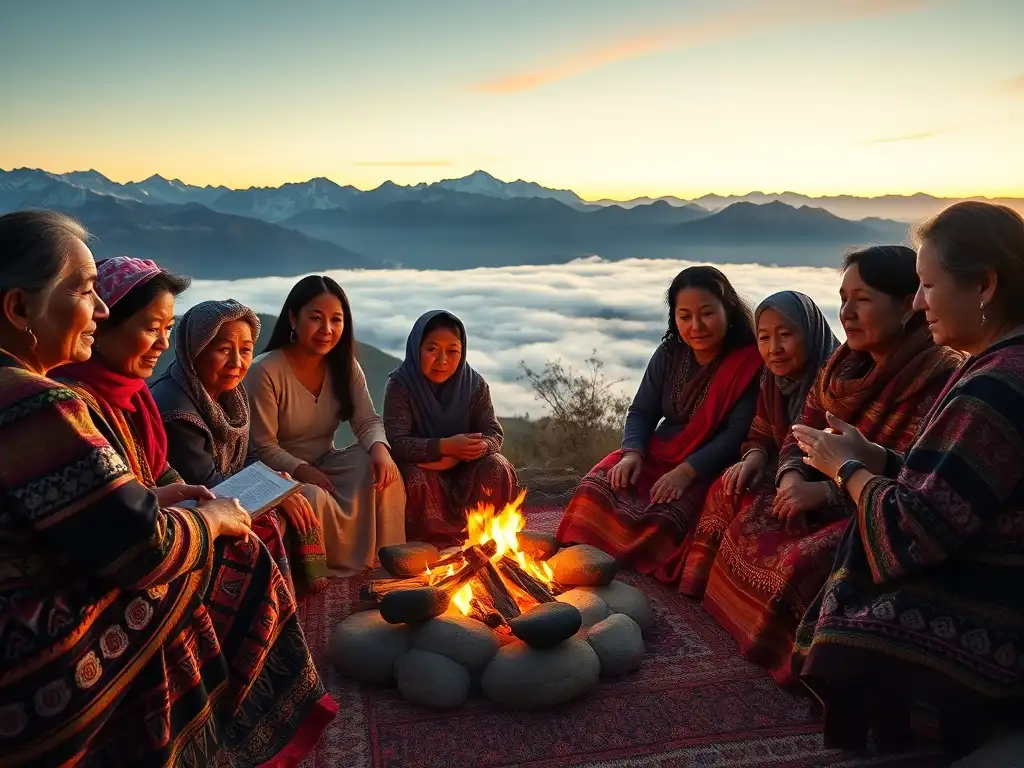
Unravel the mysteries hidden within the towering peaks and sun-drenched valleys of the Andes! For centuries, the narrative of these magnificent civilizations has been dominated by a single voice. But what about the untold stories of the Andean women? Their contributions to society, their resilience in the face of adversity, their legacies often overlooked… Dive into the fascinating world of Andean women's history and discover a perspective that will reshape your understanding of the past. Prepare to be amazed by the strength and ingenuity of these remarkable figures.
The study of Andean civilizations often focuses on the achievements of male rulers and warriors, leaving a significant gap in our understanding of the roles and contributions of Andean women. This article aims to redress this imbalance by exploring the rich, yet often overlooked, history of women in Andean societies. From the skilled textile artisans of the Nazca culture to the powerful female figures within Inca society, the lives of Andean women were multifaceted and crucial to the survival and prosperity of their communities.
By examining archaeological evidence, historical accounts (where available), and anthropological interpretations, we will shed light on the diverse experiences of Andean women and challenge the traditional narratives that have marginalized their stories. Understanding their contributions is not merely an act of historical correction; it is essential to a complete and accurate understanding of Andean civilizations and their lasting legacy.
This exploration seeks to highlight the importance of Andean women's history and its relevance to contemporary discussions of gender, power, and social structures. We will delve into specific examples, highlighting the significant, and often underestimated, impact of Andean women on their societies.
Introduction: Unveiling the Forgotten Narratives of Andean Women
For too long, the narrative of Andean civilizations has been dominated by the perspectives of men. Powerful emperors, skilled engineers, and conquering armies have filled the history books, while the contributions of women have remained largely obscured. This oversight is not simply a matter of historical accident; it reflects a broader pattern of gender bias in historical scholarship and a lack of access to sources that might reveal women's experiences.
However, recent archaeological discoveries, combined with new interpretive methodologies, are beginning to unveil the crucial roles women played in various Andean societies. We are starting to uncover evidence of their involvement in agriculture, textile production, religious rituals, and even political leadership, challenging the traditional image of Andean women as passive figures confined to the domestic sphere. This section will lay the groundwork for understanding the challenges involved in reconstructing Andean women's history and the innovative approaches scholars are using to address them.
We will discuss the limitations of existing sources and the potential of interdisciplinary approaches to bring these forgotten narratives to light. The stories waiting to be told are diverse and compelling, and their recovery is crucial for a more complete and nuanced understanding of Andean history.
Weaving a New Narrative: The Role of Women in Textile Production
Textile production was a central aspect of Andean life, and women were intimately involved in every stage of the process, from cultivating the cotton and alpaca to spinning, dyeing, and weaving intricate textiles. These textiles were not merely practical items; they held significant social, religious, and symbolic value. Women's expertise in textile production provided them with economic power and social status within their communities.
The intricate designs and techniques employed by Andean women reflect a deep understanding of their environment and a remarkable artistic talent. Archaeological evidence reveals the sophistication of Andean textile technology and the crucial role women played in maintaining and developing these skills. We will explore specific examples of remarkable textiles and the evidence that links their creation to women.
The vibrant colors, complex patterns, and exceptional craftsmanship showcase not only technical skill but also artistic expression and cultural identity. This section will examine how textile production influenced women's social standing and economic power within their respective societies.
Beyond the Loom: Women's Roles in Andean Society
While textile production was undoubtedly a significant aspect of women's lives, it was far from the only one. Evidence suggests that Andean women held diverse roles within their communities, participating in agriculture, trade, religious practices, and even political leadership. We will examine the diverse roles women played, challenging the simplistic notion of a gendered division of labor. This requires moving beyond stereotypical interpretations and engaging with the complexities of Andean social structures.
We will analyze archaeological findings, such as burial sites and artifacts, that provide insights into women's status and roles in different Andean cultures. We'll also explore the potential influence of women in religious ceremonies and their participation in decision-making processes, even in societies traditionally viewed as patriarchal. This section will highlight the agency and influence that Andean women wielded, demonstrating their multifaceted contributions to their societies.
Recovering Lost Voices: Challenges and Methods in Andean Women's History
The task of reconstructing Andean women's history is fraught with challenges. The historical record is often incomplete or biased, with limited written sources and a tendency to focus on the achievements of male elites. However, innovative methodologies are helping scholars to overcome these obstacles. This section will discuss the challenges involved in recovering lost voices and the innovative approaches being used to address them. We'll examine the use of archaeological evidence, such as skeletal remains and artifacts, to uncover clues about women's lives and roles. We'll also discuss the importance of interdisciplinary approaches, combining archaeology, anthropology, and other fields, to create a more complete picture. Finally, we will discuss ethical considerations in interpreting archaeological and historical data related to gender and power dynamics. This section will conclude with a discussion of the future of research in Andean women's history and the potential for uncovering even more of their fascinating stories.
- Introduction: Unveiling the Forgotten Narratives of Andean Women
- Weaving a New Narrative: The Role of Women in Textile Production
- Beyond the Loom: Women's Roles in Andean Society
- Recovering Lost Voices: Challenges and Methods in Andean Women's History
The Historical Marginalization of Andean Women's Voices
The study of Andean civilizations has, for a considerable time, suffered from a significant bias: the underrepresentation and, in many cases, complete omission of women's contributions. This isn't simply a matter of oversight; it reflects deeply ingrained societal structures and biases that minimized women's roles and agency. Understanding the Andean women's history requires actively challenging this historical marginalization and actively seeking out the often-hidden narratives of women who shaped Andean societies.
This section will explore the mechanisms by which women's voices have been silenced and the consequences of this historical inaccuracy. We will examine how patriarchal structures, colonial influences, and even modern interpretations have contributed to this persistent problem, paving the way for a more inclusive and accurate understanding of the past.
The Erasure of Women in Traditional Andean Historiography
Traditional historiography of Andean civilizations often focused on the achievements of male rulers, warriors, and priests. Chroniclers, both indigenous and colonial, frequently prioritized narratives that reinforced existing power structures. For example, accounts of Inca emperors often detailed their military conquests and administrative prowess, largely neglecting the crucial roles women played in the textile industry, agriculture, and religious practices.
This selective focus created a distorted image of Andean societies, one overwhelmingly dominated by men and devoid of the complex contributions of women. The lack of detailed records specifically focusing on women's experiences further exacerbates this problem. Archaeological findings, while offering valuable insights, are often interpreted through a lens shaped by this existing bias, further reinforcing the erasure of women's stories.
The limited access to primary sources focusing on women's lives necessitates a more nuanced and critical approach to existing data, demanding a conscious effort to uncover hidden narratives through interdisciplinary research methods. The challenge lies in reinterpreting existing evidence and developing new research strategies to uncover the significant, yet often overlooked, contributions of Andean women.
Patriarchal Interpretations of Andean Societies
The interpretation of Andean societies through a patriarchal lens has significantly contributed to the marginalization of women's voices. Many historical analyses assume a hierarchical social structure where men held dominant positions across all aspects of life. This assumption often leads to the dismissal or downplaying of evidence suggesting significant female influence or agency.
For instance, the roles of women in religious ceremonies, while sometimes acknowledged, are often presented as subordinate to male priests. A more critical analysis, however, might reveal women holding positions of authority within specific religious contexts or wielding significant spiritual influence. Similarly, the importance of women in textile production—a crucial aspect of Andean economies and social structures—is often overlooked or minimized, focusing instead on the male artisans who may have produced some elite items.
This biased perspective obscures the complex social organization and power dynamics within Andean societies, failing to acknowledge the nuanced ways women exercised their agency and influenced their communities. A more balanced perspective requires challenging these ingrained assumptions and actively searching for evidence of women's contributions in all areas of Andean life.
The Impact of Colonialism on Andean Women's Roles and Records
The Spanish conquest profoundly impacted Andean societies, significantly altering women's roles and leaving a lasting impact on the historical record. The imposition of a patriarchal colonial system further suppressed women's agency and visibility. Colonial records, often biased and focused on controlling indigenous populations, rarely documented the lives and experiences of Andean women in any detail.
Instead, these records primarily focused on issues related to religious conversion, labor exploitation, and social control. The destruction of indigenous record-keeping systems also resulted in the loss of valuable information about women's lives and traditions. Furthermore, the introduction of new social hierarchies and religious beliefs often led to the suppression of indigenous female religious leaders and practitioners, further silencing their voices in the historical narrative.
The colonial period's lasting impact necessitates a critical examination of the biases embedded within colonial sources and a concerted effort to recover and reinterpret lost or marginalized narratives through archaeological, anthropological, and linguistic research. Reconstructing a more complete picture of Andean women's history requires acknowledging the detrimental effects of colonialism and actively seeking alternative sources of information.
Reconstructing Andean Women's History: Sources and Methods
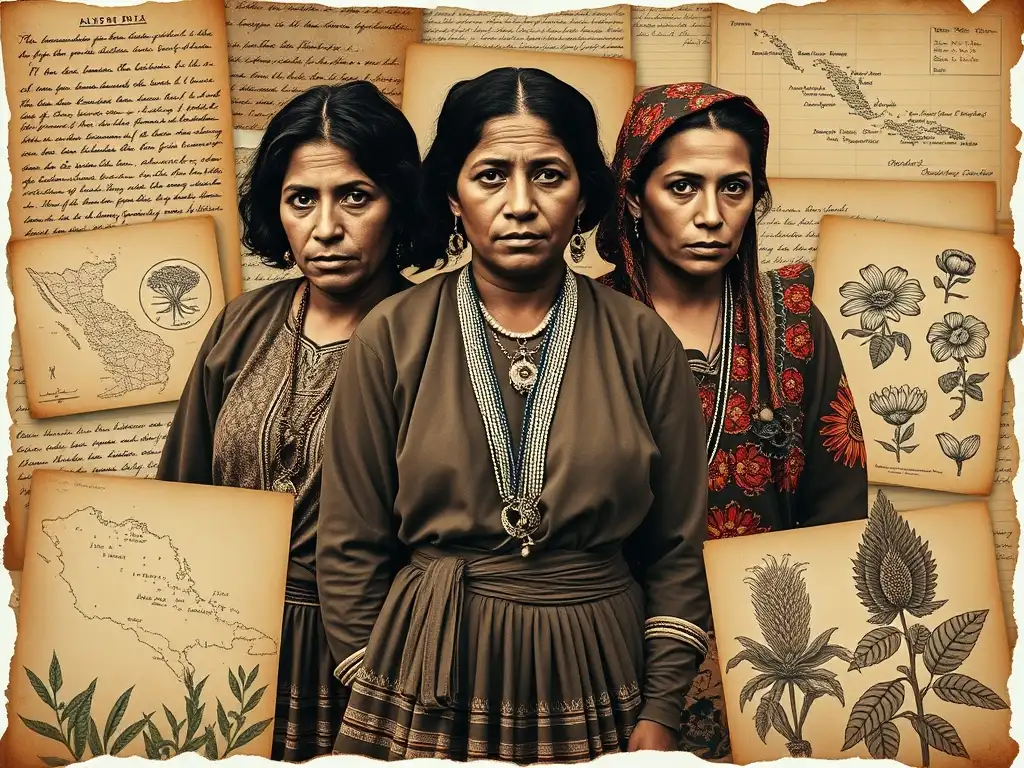
The task of reconstructing Andean women's history presents unique challenges. Unlike many other historical narratives, the stories of Andean women are often fragmented, obscured, and require innovative methodologies to unearth. This section will explore the primary sources and analytical approaches crucial to this vital endeavor, focusing on the limitations and opportunities presented by available data.
Understanding these methodological nuances is key to appreciating the ongoing efforts to reclaim and accurately represent the contributions and experiences of Andean women throughout history. The recovery of Andean women's history requires a multidisciplinary approach, blending traditional historical research with insights from archaeology, anthropology, and indigenous knowledge systems. This holistic approach is essential to gain a richer and more nuanced understanding of their roles and influence.
Accessing primary sources related to Andean women's history presents significant hurdles. Many historical records, predominantly created by colonial authorities or elite male members of Andean societies, systematically marginalized or ignored women's contributions. This patriarchal bias is a major obstacle. For example, official chronicles often focus on the actions of emperors and high-ranking officials, neglecting the lives and experiences of women, even those of significant social standing.
Furthermore, the destruction of many pre-Columbian records during the Spanish conquest further complicates matters. What remains is often incomplete, fragmented, and requires careful interpretation to avoid perpetuating existing biases. This necessitates a critical approach to source analysis, always considering the context of creation and potential biases embedded within the text. The scarcity of primary sources necessitates the use of indirect evidence and alternative methodologies.
We must acknowledge the inherent limitations of relying heavily on colonial-era documents, which frequently reflected the perspectives and prejudices of the Spanish conquerors. These accounts often depict Andean women through a Eurocentric lens, failing to capture the richness and diversity of their roles within their own societies. Therefore, researchers must exercise caution and critically evaluate the information presented, seeking corroboration from other sources and perspectives whenever possible. A crucial element is to actively seek out alternative sources and perspectives to challenge and counterbalance the dominant narrative.
Utilizing Archaeological Evidence to Understand Andean Women's Lives
Archaeological evidence offers a crucial, albeit often indirect, pathway to understanding Andean women's lives. While written records are limited, archaeological excavations can reveal much about their daily activities, social status, and material culture. For instance, the analysis of burial sites provides invaluable insights into gender roles and social hierarchy.
The presence of specific grave goods, such as textiles, tools, and ornaments, can indicate a woman's occupation, social status, and even her ritual significance within her community. The meticulous study of textiles, in particular, is proving invaluable. The intricate designs and techniques employed often reflect cultural beliefs and practices that were passed down through generations of women.
Furthermore, the analysis of skeletal remains, combined with isotopic studies, can reveal information about diet, health, and lifestyle. This data can shed light on the physical demands placed upon women in different social groups, challenging traditional assumptions about their roles. However, interpreting archaeological findings related to gender requires careful consideration. The association of certain artifacts or activities with women is often based on inference and contextual analysis, requiring careful consideration of potential biases in interpretation.
For example, the discovery of weaving tools in a burial site does not automatically mean that the deceased was a weaver, although it strongly suggests it. More research and cross-referencing with other sources are necessary to confirm such assumptions. The use of advanced techniques such as ancient DNA analysis holds immense potential for providing additional insights.
Analyzing Oral Traditions and Indigenous Knowledge
Oral traditions and indigenous knowledge systems represent a rich, albeit often overlooked, source of information about Andean women's history. These traditions, passed down through generations, offer unique perspectives that often differ significantly from colonial accounts. They preserve memories, stories, and cultural practices that have been lost or distorted in written records.
However, accessing and interpreting these traditions requires sensitivity and respect for indigenous communities and their knowledge systems. It is crucial to work collaboratively with indigenous communities, ensuring that their voices are heard and their perspectives are accurately represented. This collaborative approach is essential to avoid misinterpretations and to ensure the ethical and responsible use of indigenous knowledge.
The collection and analysis of oral histories require specialized training and methodological rigor. Researchers must be mindful of the potential for biases and distortions in the transmission of oral information over time.
Triangulation of information from multiple sources, careful documentation of the context of the narratives, and attention to the perspectives of different community members are all essential for ensuring the accuracy and reliability of the data. Documenting and preserving these oral traditions is crucial not only for understanding Andean women's history but also for safeguarding valuable cultural heritage for future generations.
The integration of oral traditions with archaeological and documentary evidence creates a powerful and multifaceted approach to reconstructing a more complete and nuanced picture of Andean women's past. The future of Andean women's history research lies in embracing these diverse sources and methodologies, working collaboratively with indigenous communities, and challenging traditional biases to achieve a more accurate and representative understanding.
Deciphering Iconography and Art for Female Representation
The study of Andean women's history faces a significant challenge: the inherent biases present in the surviving historical sources. Many records, particularly those created by the Spanish colonizers, often overlooked or misrepresented the roles and contributions of women. Therefore, turning to visual sources like textiles, pottery, and monumental art becomes crucial for reconstructing a more complete picture. These artifacts, while not explicitly narrative, offer subtle yet powerful clues about the lives and status of women in different Andean societies.
For example, analyzing the iconography of Moche pottery reveals a fascinating complexity. While often depicting scenes of warfare and ritual sacrifice, a closer examination unveils depictions of women participating in these events, sometimes even holding positions of authority. The careful study of posture, attire, and accompanying symbols helps scholars interpret the roles these women played, challenging the traditional narrative that relegated them solely to domestic spheres.
The presence of female figures in scenes of ritual suggests their involvement in religious practices, potentially as priestesses or shamans, roles often overlooked in written accounts. This detailed analysis of visual elements helps to recover agency and power for women within the Moche society, providing a counterpoint to biased textual sources.
Furthermore, the intricate textiles produced by Andean women offer an unparalleled insight into their lives. The designs themselves, often passed down through generations, encode stories, beliefs, and social structures. The use of specific colors, patterns, and motifs can signify status, occupation, or even personal narratives. By studying these patterns and their evolution over time, researchers can trace changes in women's roles and social standing within their communities.
For instance, changes in the types of fibers used or the complexity of weaving techniques may reflect shifts in economic power or social prestige. The meticulous analysis of textile production techniques also provides valuable evidence about the organization of women's labor and their economic contributions to their societies. These textiles are not simply decorative objects; they are primary historical sources, carrying within them the stories of the women who created them.
The challenge lies in interpreting these visual cues correctly. Scholarly debates continue regarding the precise meanings of certain symbols and representations. Careful comparative analysis of different artifacts, cross-referencing with archaeological findings and limited textual evidence, is necessary to minimize biases in interpretation. Interdisciplinary collaboration, bringing together art historians, archaeologists, and anthropologists, is essential for a comprehensive understanding of the iconography and its implications for our understanding of Andean women's history. The meticulous and nuanced interpretation of these visual sources is crucial for offering a more comprehensive and accurate representation of the vital role Andean women played in their societies.
Key Roles of Women in Andean Societies
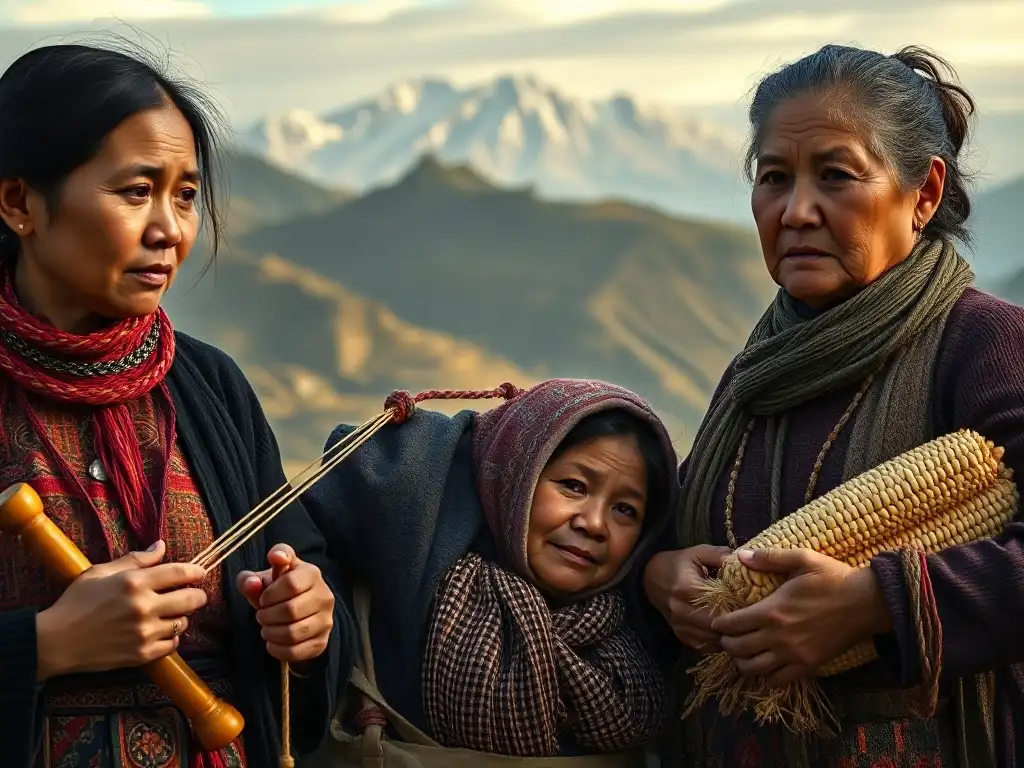
This section delves into the multifaceted roles women held within various Andean societies, challenging common misconceptions and highlighting their significant contributions to the social, economic, and cultural fabric of these civilizations. We'll explore leadership roles, economic contributions through agriculture and trade, and their mastery of textile arts. Understanding these roles is crucial to a complete understanding of Andean history and offers a compelling counterpoint to narratives that often overlook or minimize women's agency. The study of Andean women's history reveals a complex tapestry of power, resilience, and ingenuity.
Andean Women as Leaders and Rulers: Beyond the Stereotypes
The traditional narrative of Andean societies often focuses on male rulers and warriors, overshadowing the significant roles women played in leadership and governance. While evidence is sometimes fragmented due to the nature of historical records, archaeological findings and ethnohistorical accounts increasingly reveal women's presence in positions of power. For instance, some interpretations of iconography from the Moche culture suggest the existence of female rulers or priestesses wielding significant authority.
The depiction of powerful women in ceremonial contexts, often associated with fertility and abundance, challenges the simplistic view of women solely as domestic figures. Further research is needed to fully understand the extent of female political influence in different Andean societies, but preliminary findings strongly suggest a more complex reality than previously acknowledged. The limited historical record necessitates further investigation, particularly employing interdisciplinary approaches that synthesize archaeological, textual, and anthropological data to create a more comprehensive understanding of the roles of Andean women in power structures.
This involves critically evaluating existing sources and actively seeking out new evidence to correct historical biases and recover the voices of women who were often excluded from official accounts. The accurate portrayal of Andean women's history requires a concerted effort to challenge long-held assumptions and appreciate the diversity of their experiences and contributions.
The Importance of Women in Andean Agriculture and Economy
Andean women were not merely passive participants in the agricultural economy; they were central figures in food production, processing, and distribution. Their expertise in cultivating crops like potatoes, maize, and quinoa was essential to the survival and prosperity of their communities. Beyond farming, women played critical roles in textile production, creating valuable goods for both local use and trade.
The intricate weaving techniques and the high quality of Andean textiles were highly prized, contributing significantly to the economic strength of their societies. This economic contribution extended beyond direct production. Women often managed household economies, controlled resources, and participated in market exchange, demonstrating considerable financial acumen and agency.
This active engagement in the economy underscores their importance, not just as laborers but as key players in the overall economic success of the Andean civilizations. Furthermore, understanding the economic contributions of Andean women provides a critical lens through which to analyze social structures and power dynamics within these societies. Studies focusing on the economic roles of women in specific Andean communities, such as the Inca Empire or the pre-Inca cultures of the highlands, are essential in further developing this understanding.
Andean Women's Contributions to Textile Arts and Craftsmanship
Andean women were renowned for their mastery of textile arts. Their skill in spinning, weaving, dyeing, and embroidering created textiles of exceptional quality and beauty, which served both practical and ceremonial purposes. The intricate designs often incorporated symbolic motifs related to cosmology, mythology, and social status. These textiles were not merely functional items; they were powerful expressions of cultural identity and artistic creativity.
The techniques employed, passed down through generations, reveal a deep understanding of natural dyes and fibers, demonstrating both scientific knowledge and artistic skill. The surviving textiles, many of which are preserved in museums worldwide, stand as testament to the enduring legacy of Andean women's artistic prowess. Analyzing the symbolism within these textiles provides invaluable insights into the beliefs, values, and social structures of Andean societies.
Furthermore, the study of textile production, including the tools and techniques used, offers a clearer understanding of women’s roles within the broader Andean social and economic systems. The detailed craftsmanship and the sophisticated symbolism embedded within Andean textiles showcase the significant cultural contribution of women, a contribution that deserves greater recognition and appreciation within the broader narrative of Andean history. The preservation and study of these textiles remain crucial to appreciating the full scope of Andean women's contributions.
Spiritual and Religious Roles of Andean Women in Ancient Practices
The spiritual landscape of Andean societies was far from a male-dominated sphere. While specific roles varied across different cultures and time periods, women held significant positions within religious and spiritual practices. Archaeological evidence, though sometimes limited by the biases of preservation and interpretation, reveals a complex picture of female participation in rituals and ceremonies.
For instance, in some Moche cultures, depictions in pottery and textiles show women as priestesses, shamans, or participants in elaborate ceremonies involving offerings and divination. These depictions often portray them in positions of authority, interacting with supernatural beings or conducting rituals seemingly independent of male counterparts. The presence of female figurines associated with fertility and agricultural cycles further suggests a deep connection between women and the spiritual world, underscoring their roles in maintaining the cosmic balance crucial to Andean societies.
The role of women as healers and midwives also contributed significantly to their spiritual influence. Their knowledge of medicinal plants and traditional healing practices placed them at the heart of community well-being, blurring the lines between the physical and spiritual realms. Their understanding of the human body, birthing processes, and the life cycle likely connected them to ancestral spirits and the forces of nature, reinforcing their position as spiritual authorities within their communities. This holistic approach to healing, blending medicinal knowledge with spiritual understanding, is reflected in contemporary Andean traditions, demonstrating the enduring legacy of women's spiritual power.
However, it's crucial to acknowledge the limitations in our understanding. Interpreting archaeological findings requires careful consideration of potential biases. The survival of artifacts depicting women in spiritual roles might not represent the complete picture, and the absence of evidence isn't necessarily evidence of absence.
Further research, employing interdisciplinary approaches that combine archaeology, anthropology, and textual analysis (where available), is essential to fully understand the multifaceted roles of Andean women in spiritual practices and to challenge existing narratives that might downplay their significance. The ongoing reevaluation of existing archaeological data, coupled with new discoveries, promises to reveal a more nuanced and complete understanding of Andean women's spiritual influence in the future. The ongoing excavation and study of sites across the Andes continue to uncover valuable new insights into this critical aspect of Andean women’s history.
Notable Figures: Examples of Powerful Andean Women
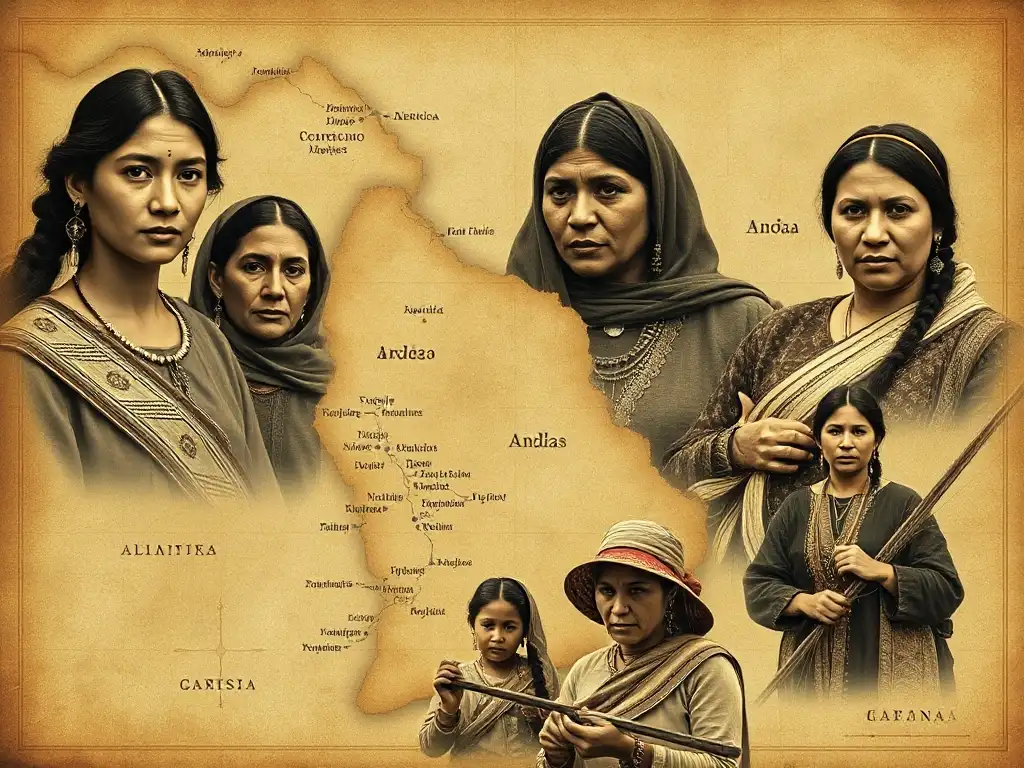
This section delves into the lives and legacies of several remarkable Andean women, showcasing their diverse roles and contributions to their societies. While historical records often marginalized women's voices, recent scholarship is increasingly uncovering their vital influence on Andean history and culture, challenging traditional narratives centered solely on male figures. Understanding their stories is crucial to a more complete and nuanced understanding of Andean women's history.
Mama Ocllo: Mythical Founder and Cultural Icon
Mama Ocllo, a figure deeply ingrained in Inca mythology, represents a powerful archetype of the Andean woman. While her historical existence is debated, her enduring presence in Inca legends reveals much about the cultural values attributed to women at the time. Often depicted as a sister-wife of Manco Cápac, the legendary founder of the Inca Empire, Mama Ocllo is credited with civilizing the population, teaching them agriculture, textile production, and domestic arts. Her role transcends simple mythology; she embodies the idealized Inca woman, a figure of wisdom, strength, and cultural transmission.
The narratives surrounding Mama Ocllo vary across different Inca accounts, highlighting the fluid and evolving nature of oral traditions. Some versions emphasize her role in establishing social order and promoting Inca values, while others focus on her skills in weaving and pottery, crucial crafts within Inca society. Regardless of the specific details, the consistent portrayal of Mama Ocllo as a foundational figure underscores the significant cultural weight placed on women's contributions to Inca civilization.
Her legacy extends beyond the realm of myth; she remains a potent symbol of Andean identity and female empowerment, demonstrating the enduring impact of women on the formation of Andean culture. Further research into pre-colonial Andean texts and archaeological findings may provide more concrete evidence to illuminate the historical reality behind this legendary figure.
Bartolina Sisa: Indigenous Leader and Revolutionary
Bartolina Sisa stands as a powerful example of Andean women's resistance against colonial oppression. An Aymara woman from the Bolivian Andes, she actively participated in the indigenous rebellion led by Túpac Katari in the late 18th century. Unlike many historical accounts that focus primarily on male leaders, Bartolina Sisa's role as a strategist, organizer, and warrior is increasingly recognized.
She played a crucial role in coordinating military strategies, supplying provisions to the rebel forces, and inspiring fellow indigenous fighters. Her bravery and leadership challenged the colonial power structure, and her legacy continues to inspire movements for indigenous rights and social justice.
Her contributions went beyond military action. Bartolina Sisa’s understanding of the local terrain and her ability to mobilize the indigenous population demonstrated her exceptional organizational skills. She effectively used her knowledge of local resources and her deep connection with her community to create a network of support for the rebellion.
Unfortunately, the colonial government brutally suppressed the rebellion, and Bartolina Sisa was executed in 1782. Despite her tragic end, her courageous acts of defiance against colonial rule have solidified her position as a heroine and a symbol of indigenous resistance in Andean women's history. The ongoing efforts to reclaim and celebrate her story highlight the importance of recognizing the crucial role of women in shaping Andean history.
Micaela Bastidas: Heroine of the Tupac Amaru II Rebellion
Micaela Bastidas, wife of Túpac Amaru II, played a pivotal role in the major indigenous rebellion against Spanish colonial rule in the late 18th century. While often overshadowed by her husband's prominence in historical narratives, recent scholarship highlights Micaela's significant contributions as a strategist, organizer, and spokesperson for the rebellion. She actively participated in the planning and execution of the rebellion, utilizing her intelligence and organizational skills to mobilize communities and coordinate the movement.
Beyond her military contributions, Micaela Bastidas was a powerful voice, advocating for indigenous rights and social justice. Her unwavering commitment and leadership in the face of extreme adversity cemented her place as a powerful symbol of resistance and female agency in Andean history.
Micaela Bastidas’s involvement extended beyond mere support; she actively shaped the rebellion's ideology and strategy. She was known for her powerful oratory skills, which she used to inspire and galvanize support among the indigenous population. Her ability to connect with people from diverse backgrounds and unite them under a common cause was instrumental to the rebellion's early success.
Her execution alongside her husband in 1781 did not silence her legacy. Her story serves as a powerful testament to the courage and resilience of Andean women in the face of oppression, and her contributions are vital to a more complete understanding of Andean women's history and the struggles for independence in the region. The ongoing rediscovery and celebration of Micaela Bastidas's contributions continue to inspire advocacy for social justice and indigenous rights.
The Modern Relevance of Andean Women's History
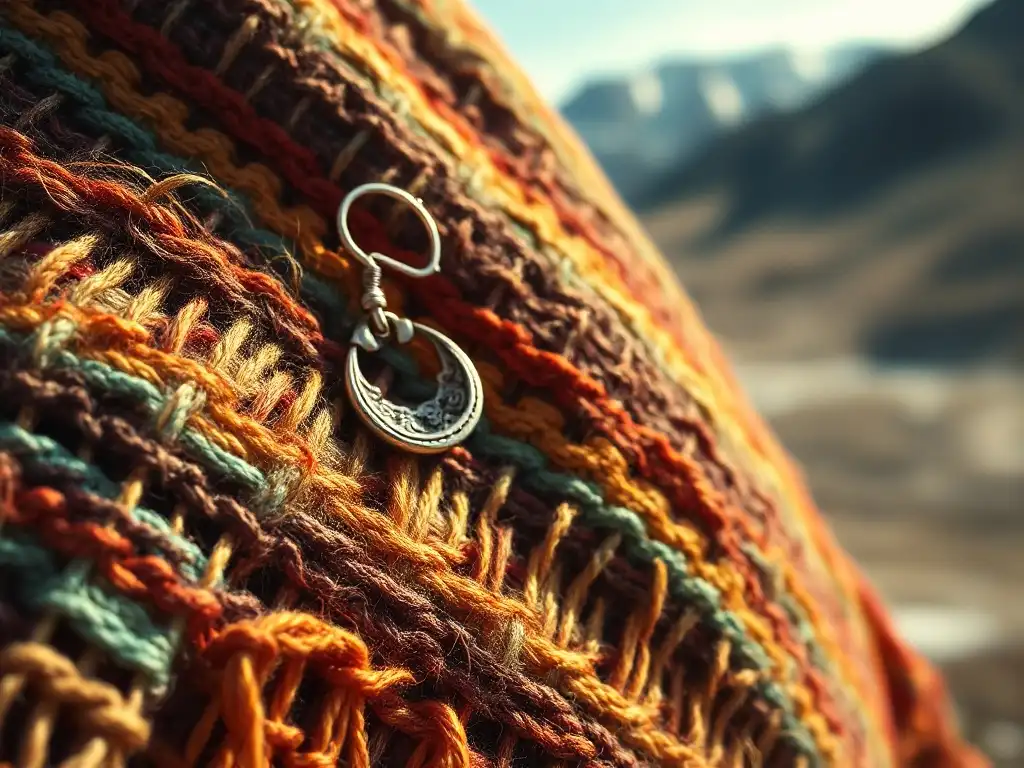
The study of Andean women's history isn't merely an academic exercise; it holds profound relevance for contemporary Andean societies and beyond. Understanding the roles, contributions, and struggles of women in past Andean civilizations provides crucial context for addressing persistent gender inequalities and fostering more equitable futures. By examining the lives of women across different Andean cultures – from the skilled textile artisans of the Nazca to the powerful female figures within Inca society – we gain insights into the resilience, agency, and diverse experiences of women throughout history.
This knowledge empowers us to challenge traditional narratives that often marginalize or overlook female contributions, fostering a more inclusive and accurate understanding of Andean history. The rediscovery and reinterpretation of Andean women's history is, therefore, not just a historical endeavor, but a vital tool for social change. This section delves into specific ways this historical knowledge impacts the present.
Inspiring Contemporary Andean Women Through Historical Empowerment
Learning about the accomplishments of their female ancestors can be incredibly empowering for contemporary Andean women. For instance, the intricate textiles produced by women in various Andean cultures, often imbued with complex symbolic meanings, represent a powerful legacy of creativity and skill. Highlighting these achievements counters the narrative of women as solely domestic figures and instead presents them as active participants in shaping their societies.
Similarly, uncovering the stories of women who held positions of power, influence, or spiritual authority within their communities – even if those roles were different from those held by men – provides potent role models and counters limiting stereotypes. This historical empowerment can foster a sense of pride, belonging, and self-efficacy among contemporary Andean women, encouraging them to pursue their goals and ambitions.
The impact of knowing that powerful women existed within their historical heritage cannot be overstated; it seeds a belief in their own potential for leadership and success. We need more research to quantify the exact impact, but anecdotal evidence from cultural centers and educational programs strongly suggests a positive correlation between access to Andean women's history and increased self-esteem and confidence in young women.
Challenging Gender Inequality in the Andes Today
The study of Andean women's history serves as a powerful tool for challenging persistent gender inequalities in the Andes today. By examining historical patterns of gender-based discrimination, economic disparity, and limited access to resources, we can better understand the roots of these contemporary issues.
For example, analyzing the historical limitations placed on women's land ownership or access to education provides a framework for understanding similar challenges faced by women today. Moreover, understanding the strategies and resistance employed by women throughout Andean history – from subtle acts of defiance to overt challenges to patriarchal structures – offers valuable lessons and inspiration for contemporary activists and advocates for gender equality.
The systematic documentation of these historical struggles, coupled with contemporary data on gender inequality, strengthens advocacy efforts and provides a compelling narrative for social change. This historical analysis provides a necessary context for understanding the complexities of gender inequality within the modern Andean context, going beyond simple statistics to expose deep-rooted cultural and social patterns.
Promoting Intergenerational Dialogue on Andean Women's Experiences
Reclaiming Andean women's history necessitates fostering intergenerational dialogue. This involves creating spaces where older generations can share their knowledge, experiences, and perspectives on the lives and roles of women in their families and communities. This oral history is invaluable, often filling gaps left by formal historical records.
Simultaneously, younger generations can bring new interpretations and perspectives informed by contemporary feminist scholarship and social justice movements. This exchange strengthens community bonds and promotes a deeper understanding of the continuity and evolution of Andean women's experiences across generations. Such dialogue can also facilitate the preservation and transmission of cultural heritage, ensuring that the stories and legacies of Andean women are not lost to time.
The establishment of community archives, oral history projects, and educational initiatives focused on Andean women's history are crucial steps in facilitating this vital intergenerational exchange. We need more initiatives focused on creating accessible platforms for this type of collaborative storytelling, ensuring the preservation and transmission of this vital cultural heritage for future generations. The collaborative effort to reclaim and share these stories is essential for a complete understanding of Andean women's history.
Preserving and Sharing Andean Women's Stories for Future Generations
This section explores the crucial role of proactive measures in ensuring that the stories of Andean women are not only preserved but also actively shared with future generations. The erasure of women's contributions from historical narratives is a global issue, and the Andean region is no exception. However, conscious efforts are underway to rectify this historical imbalance, and understanding these efforts is key to understanding the future of Andean women's history. We delve into how these initiatives are shaping a more inclusive and representative historical record.
The Role of Education and Cultural Heritage in Reclaiming Narratives
Education plays a pivotal role in rewriting the narrative of Andean women's history. Traditional educational systems often overlooked or minimized the contributions of women, perpetuating a skewed understanding of the past. However, a shift is occurring. Integrating Andean women's history into school curricula, from primary to university levels, is crucial.
This involves not only including specific examples of prominent women but also critically examining existing historical texts for biases and omissions. For example, the inclusion of textiles, traditionally a female-dominated craft in Andean societies, as a primary source in history classes offers a powerful way to highlight women’s roles in economic production, social organization, and symbolic representation. Furthermore, incorporating oral histories and traditional storytelling techniques, which often preserve women’s perspectives, can enrich the learning experience and foster a more nuanced understanding of the past.
This requires training teachers to approach historical sources critically and actively seek out diverse perspectives, including those that challenge traditional narratives. The preservation and promotion of cultural heritage sites—such as archaeological sites linked to women's activities—also plays a crucial role in this process, creating tangible connections to the past and inspiring future research. By actively engaging with cultural heritage, we can create a more complete and accurate understanding of Andean women's roles in society.
Community-Based Initiatives to Document and Celebrate Andean Women
Beyond formal educational settings, community-based initiatives are vital in preserving and celebrating the stories of Andean women. These grassroots efforts often focus on documenting oral histories, traditional knowledge, and local perspectives that may be absent from mainstream historical accounts. For example, many communities are actively engaging in projects to record the life stories of elder women, preserving their unique experiences and insights for future generations.
These initiatives often involve collaborative efforts between community members, researchers, and cultural organizations, ensuring that the narratives are accurately documented and respectfully shared. The use of participatory methodologies, such as workshops and storytelling events, allows women to actively participate in the creation and dissemination of their own histories. This approach not only empowers women but also ensures that their voices are heard and their stories are authentically represented.
The celebration of women's contributions through festivals, exhibitions, and community events further strengthens this process, fostering a sense of pride and belonging within the community. These community-led initiatives are essential for ensuring that the diverse experiences of Andean women are not overlooked and that their legacies are honored and celebrated.
Utilizing Digital Platforms for Greater Accessibility
The digital age presents unprecedented opportunities for expanding access to Andean women's history. Digital platforms, including websites, online archives, and social media, can serve as powerful tools for disseminating information and connecting researchers, educators, and communities. Creating online databases of biographical information, oral histories, and relevant archival materials can make this information readily accessible to a wider audience, both within the Andean region and globally.
Furthermore, digital platforms allow for interactive and engaging presentations of historical material, such as virtual museum tours or interactive timelines, making the learning experience more dynamic and appealing to a younger generation. The use of multilingual websites and social media campaigns can help to reach diverse audiences and ensure that these stories are shared widely. However, it is crucial to consider issues of digital accessibility and ensure that these resources are accessible to everyone, regardless of their technological capabilities or location.
Careful consideration must also be given to the ethical implications of digital archiving, including issues of intellectual property rights and the potential for misrepresentation. By thoughtfully and responsibly leveraging digital technology, we can ensure that the stories of Andean women reach a global audience and inspire future generations.
Frequently Asked Questions
What role did women play in Andean societies?
Andean women held diverse and crucial roles, ranging from textile production and agriculture to religious leadership and political influence. Their contributions were vital to the economic and social fabric of these civilizations.
How were Andean women represented in art and artifacts?
While often less prominently featured than men in some depictions, Andean women are represented in textiles, pottery, and other artifacts, showcasing their roles in daily life, religious practices, and elite society. These representations offer valuable insights into their lives.
Were Andean women involved in political life?
While the extent varies across different Andean cultures and time periods, evidence suggests that women held positions of power and influence. Some acted as religious leaders, rulers, or advisors, demonstrating that their roles extended beyond the domestic sphere.
How did the Spanish conquest affect the lives of Andean women?
The Spanish conquest had a devastating impact on Andean women, leading to forced labor, displacement, and the disruption of traditional social structures. Their roles and status were significantly altered under colonial rule.
Scholars and activists are actively working to reclaim and reinterpret historical narratives, giving voice to Andean women's experiences. This includes archaeological research, analysis of historical texts, and community-based projects to preserve cultural heritage.
Final Reflection: Weaving a Future from Andean Women's Threads
The erasure of Andean women's contributions from historical narratives is not merely an academic oversight; it's a profound injustice that continues to shape present inequalities. Understanding their stories is crucial to building a more equitable future, one where the voices and experiences of marginalized communities are finally heard and valued. This understanding is not just about the past; it's a vital key to unlocking a more just present and future.
The resilience and strength demonstrated by Andean women throughout history, despite facing immense challenges, is deeply inspiring. Their stories, often passed down through oral traditions and woven into the very fabric of their communities, offer invaluable lessons in perseverance and community building. The past is never dead. It's not even past.
– William Faulkner. This quote rings particularly true when considering the enduring impact of Andean women's experiences, which continue to resonate in contemporary social structures and cultural practices. Their struggles for land rights, economic independence, and cultural preservation remain relevant in the ongoing fight for gender equality and social justice across the globe.
You, the reader, now hold a piece of this rich tapestry. Consider how the narratives presented here challenge your own understanding of history and the role of women in shaping societies. Take this knowledge and use it to amplify the voices of marginalized communities, to advocate for change, and to ensure that the future is woven with the threads of a more inclusive and equitable past. Let us actively work to ensure that the stories of Andean women, and all marginalized groups, are not only remembered but celebrated as integral to the rich and complex human story.
Unveil the Untold Stories of Andean Women
Thank you for exploring the rich history and remarkable stories of Andean women. Connecting with their past offers powerful insights and inspiration for positive change. Let's put that knowledge to work!
Here are some ways to continue your engagement:
- **Join our community:** Subscribe to our newsletter for exclusive stories and updates on Andean culture and the contributions of Andean women.
- **Share your thoughts:** Let us know in the comments what resonated most with you, or how you plan to honor these inspiring stories in your own life.
- **Dive deeper:** Explore our **extensive digital library** of resources and research on Andean civilizations to further enrich your understanding.
Tell us about a woman in your life who embodies the resilience of Andean women. Let's begin a conversation!