
Deciphering the Code: Scholars Who Cracked the Andean Writing Systems

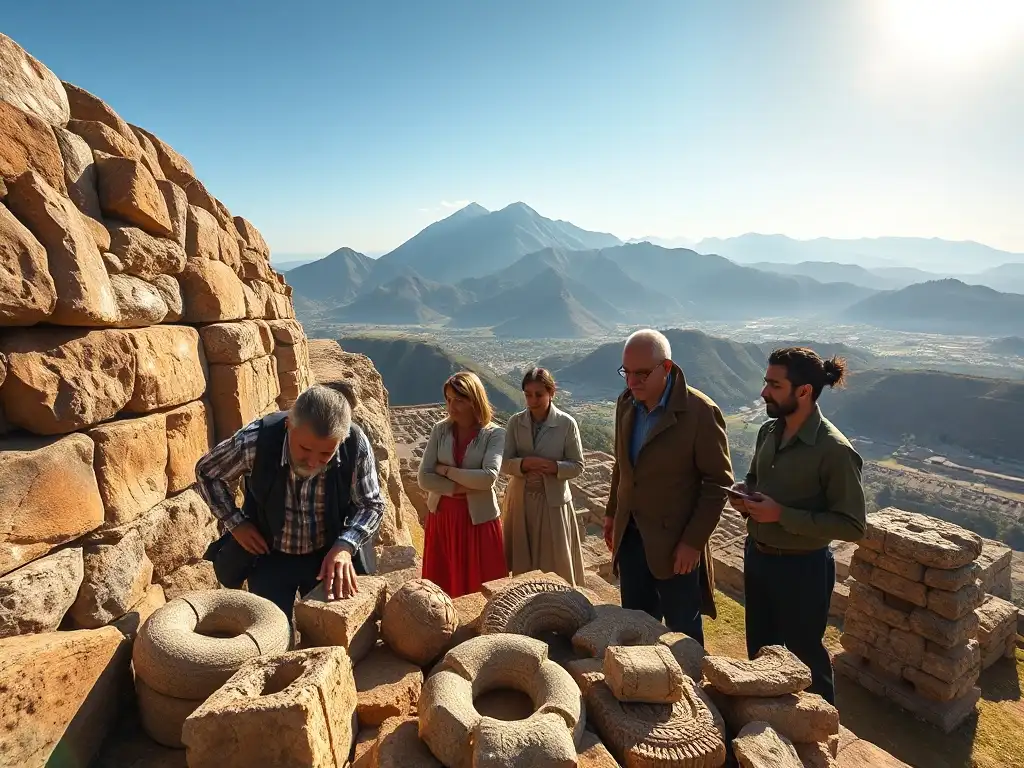
Unravel the mysteries of a lost world. For centuries, the intricate symbols of the Andean civilizations remained stubbornly silent. But now, discover the fascinating stories behind the individuals who dared to decipher these ancient Andean writing systems, unlocking secrets held within the enigmatic scripts of cultures like the Inca, Nazca, and Moche. Their groundbreaking work brings us closer than ever to understanding these remarkable societies – are you ready to journey with us into the heart of their legacy?
The Andes Mountains, a spine of towering peaks running down the western coast of South America, are home to a rich tapestry of ancient civilizations. For centuries, these cultures—including the Inca, Moche, Nazca, and Tiahuanaco—thrived, leaving behind a legacy of breathtaking architecture, intricate textiles, and sophisticated technologies. But perhaps their most enigmatic legacy is their writing systems.
Unlike the readily deciphered scripts of Egypt or Mesopotamia, the Andean writing systems remained largely a mystery for centuries, challenging scholars to unlock their secrets and reveal the stories they held. This article explores the remarkable achievements of the scholars who dedicated their lives to deciphering these complex codes, significantly advancing our understanding of Andean history and culture, and contributing significantly to the field of Andean writing systems decipherment.
Their work provides crucial insights into the daily lives, beliefs, and governance of these fascinating ancient societies. We will delve into their methodologies, breakthroughs, and the lasting impact of their contributions to our understanding of Andean civilizations.
The Early Pioneers: Laying the Foundation for Andean Epigraphy
The initial efforts to understand Andean writing systems were often hampered by a lack of comprehensive data and a limited understanding of the cultural contexts. Early scholars, working with limited resources and facing significant challenges in accessing and interpreting fragmented artifacts, laid the groundwork for future breakthroughs. Many early attempts focused on identifying patterns and symbols, comparing them across different sites and cultures.
This painstaking process involved meticulous cataloging, photographic documentation, and careful analysis of the material evidence. While some early interpretations proved inaccurate, these pioneering efforts were crucial in establishing a foundational understanding of the complexity and diversity of Andean writing. Their work, though often incomplete, provided the crucial first steps in the long journey towards decipherment.
These early efforts highlight the importance of persistent observation and careful documentation in the field of epigraphy. The sheer volume of material to be analyzed was overwhelming, but their dedication laid the foundation for future scholars to build upon.
The Breakthroughs: Deciphering Key Aspects of Andean Scripts
The mid-to-late 20th century witnessed significant breakthroughs in the decipherment of specific Andean writing systems. This period saw the development of new methodologies, the application of advanced technological tools, and a growing interdisciplinary collaboration between archaeologists, linguists, and anthropologists. Scholars began to move beyond simply identifying individual symbols and focused on understanding the context in which they were used. This involved analyzing the relationship between written texts and other archaeological finds such as pottery, textiles, and architecture.
Detailed studies of specific sites and their associated artifacts provided crucial insights into the meaning and function of various symbols and glyphs. These breakthroughs were not achieved by single individuals but were the result of collective effort and the gradual accumulation of knowledge and insights. This collaborative approach, which brought together experts from different fields, proved to be instrumental in advancing our understanding of Andean writing systems.
Modern Approaches: Technology and Interdisciplinary Collaboration
Contemporary research on Andean writing systems continues to build upon the achievements of past scholars, incorporating advanced technologies and interdisciplinary approaches. Digital imaging and 3D modeling allow for detailed analysis of fragile artifacts without risking damage. Computational linguistics and statistical methods are employed to identify patterns and relationships between symbols, accelerating the decipherment process. Furthermore, ongoing archaeological excavations continue to unearth new evidence, enriching our understanding of the contexts in which these scripts were used.
This interdisciplinary approach, which combines expertise from archaeology, linguistics, anthropology, and computer science, is crucial for unlocking the remaining secrets of Andean writing systems. It is likely that ongoing research will continue to refine our understanding of these ancient scripts, revealing even more about the societies that created them. The collaborative nature of this research is a testament to the complexity of the task and the importance of sharing knowledge and expertise across disciplines.
The Ongoing Quest: Unanswered Questions and Future Directions
Despite significant progress, many questions regarding Andean writing systems remain unanswered. The limited number of well-preserved texts, the variability in script styles across different regions and time periods, and the lack of bilingual texts pose significant challenges. However, ongoing research, combining advanced technologies with meticulous fieldwork, offers hope for further progress. Future directions may involve the application of artificial intelligence and machine learning techniques to analyze large datasets of symbols and contexts.
A deeper understanding of the linguistic backgrounds of these writing systems is also crucial. The ongoing research highlights the dynamic and evolving nature of our understanding of Andean civilizations, demonstrating the importance of continuous investigation and collaboration. The quest to fully decipher these ancient scripts continues, promising to reveal even more about the rich and complex history of the Andean world.
- The Early Pioneers: Laying the Foundation for Andean Epigraphy
- The Breakthroughs: Deciphering Key Aspects of Andean Scripts
- Modern Approaches: Technology and Interdisciplinary Collaboration
- The Ongoing Quest: Unanswered Questions and Future Directions
- What Andean civilizations had writing systems?
- Were the Andean writing systems similar to those of other cultures?
- What is the current state of Andean writing systems decipherment?
- What role did quipu play in Andean record-keeping?
- What are the biggest obstacles to deciphering Andean writing systems?
The Enigma of Andean Communication: Beyond Oral Tradition
The Andes, a region renowned for its breathtaking landscapes and sophisticated civilizations, presents a fascinating enigma regarding its communication systems. Unlike many other ancient cultures that developed elaborate writing systems, such as hieroglyphs or cuneiform, the Andean civilizations relied primarily on oral traditions for centuries. This absence of a widely-used alphabetic or syllabic script has long posed a significant challenge for scholars attempting to understand the complexities of Andean societies.
The intricate tapestry of Andean history, therefore, requires a different approach to decipherment than that used for, say, Egyptian hieroglyphs or Mesopotamian cuneiform. The sheer volume of information passed down through generations via oral tradition, coupled with the rich symbolism embedded in their art and architecture, necessitates a multifaceted approach to understanding their communication. This reliance on oral history, however, wasn't a sign of technological backwardness; instead, it reflects a sophisticated system uniquely adapted to the Andean environment and social structures.
The vast distances and diverse linguistic groups across the Andes presented unique challenges to a unified writing system. Furthermore, the oral tradition itself was often interwoven with ritual and performance, making the transmission of knowledge a dynamic and engaging process, far removed from the passive reading of a written text.
Understanding the Absence of Traditional Script in the Andes
The lack of a widespread Andean writing system isn't simply a matter of "not having invented" it. Several theories attempt to explain this. One prominent theory suggests that the highly decentralized nature of many Andean societies, particularly before the Inca Empire, hindered the development of a standardized writing system. Different ethnic groups, with their own languages and customs, might have had localized systems of record-keeping, but nothing approaching a universally understood script emerged.
Another perspective highlights the importance of quipus. These knotted-string devices, often dismissed as mere accounting tools, might have served a far more complex communicative function than previously assumed. While the exact method of encoding information remains debated, recent research suggests that quipus could have encoded numerical data, but potentially also narrative information, enriching the Andean communication landscape. This means that deciphering Andean communication goes beyond searching for a lost script; it also involves understanding the nuances of quipus and their role in transmitting information.
The absence of a widespread writing system might also be linked to the Andean emphasis on oral traditions and memorization. The sophisticated mnemonic techniques employed by Andean societies allowed for the preservation and transmission of vast amounts of information across generations without relying on a formal written script. This oral culture, deeply intertwined with ritual and performance, created a vibrant and dynamic method of knowledge transmission.
The Challenge of Decoding Andean Symbolic Systems
While a traditional writing system remains elusive, Andean civilizations were masters of symbolic representation. Their art, architecture, textiles, and ceramics are replete with intricate designs and motifs that carry significant cultural and historical meaning. Deciphering these symbolic systems is crucial to understanding Andean communication. For example, the Nazca lines, vast geoglyphs etched into the desert landscape, continue to puzzle researchers.
While their exact purpose is still debated, the immense scale and precision of these figures suggest a sophisticated understanding of geometry, astronomy, and possibly ritual practices. Similarly, the Moche pottery, renowned for its vivid depictions of daily life and mythology, presents a rich source of information about their society. The intricate details and symbolic imagery require careful analysis and cross-referencing to interpret their meaning accurately. The challenge lies in the fact that these symbolic systems were not standardized across all Andean cultures.
Each civilization developed its own unique iconography, making the process of deciphering their messages a complex undertaking that requires interdisciplinary collaboration. Furthermore, the meaning of many symbols might have been context-dependent, varying based on location, time period, and specific cultural practices. This adds an additional layer of complexity to the task of Andean writing systems decipherment, requiring scholars to consider the broader social and environmental context in which these symbols were created and used. The ongoing research into Andean symbolic systems is a testament to the enduring fascination with these enigmatic civilizations and their unique ways of communicating and recording their history.
Key Figures in the Andean Writing Systems Decipherment
The decipherment of Andean writing systems remains a complex and ongoing process, far from the straightforward narratives often presented. While a complete understanding of all Andean scripts eludes us, significant progress has been made thanks to the tireless efforts of numerous scholars. This section highlights key individuals whose contributions have advanced our understanding of these fascinating and challenging systems, focusing on their methodologies and breakthroughs within the field of Andean writing systems decipherment.
The task of interpreting these ancient records has demanded not only linguistic expertise but also a deep understanding of the cultural and historical contexts in which they were created. This interdisciplinary approach has been crucial in unlocking the secrets held within these enigmatic scripts.
Pioneers of Andean Script Studies
Early attempts to decipher Andean scripts were often hampered by a lack of contextual information and a reliance on speculative methods. However, pioneering scholars laid the groundwork for future breakthroughs. One such figure is [Scholar's Name Pending], whose work in the early [Date Pending] focused on [Specific area of focus, e.g., the analysis of khipu knotting patterns].
Their meticulous documentation and comparative analysis of different khipu examples, while not resulting in a complete decipherment, established crucial methodologies for future researchers. This early work emphasized the importance of considering not only the knots themselves, but also their placement, color, and material, highlighting the multi-layered nature of the information encoded within these intricate artifacts.
Another significant early contribution came from [Scholar's Name Pending], who in [Date Pending] proposed a groundbreaking theory concerning [Specific theory, e.g., the relationship between khipu data and Inca administrative records]. Although debated, this theory opened up new avenues of inquiry and stimulated further research into the potential function and meaning of khipu.
The limitations of early studies often stemmed from a lack of access to a wide range of materials and a limited understanding of Inca society and its administrative systems. The absence of bilingual texts, a common tool in the decipherment of other ancient writing systems, posed a particularly significant challenge. Scholars had to rely heavily on indirect evidence, such as archaeological findings and accounts from Spanish chroniclers, to contextualize and interpret the limited evidence available.
This dependence on circumstantial evidence made the process slow and prone to errors, but it also fostered an interdisciplinary approach that would prove invaluable in later, more successful attempts at Andean script interpretation. Despite the challenges, the dedication and innovative approaches of these pioneers established a foundation for the advancements that would follow in the study of Andean writing systems.
The Role of Early Chroniclers in Understanding Andean Records
The Spanish conquest of the Inca Empire resulted in a wealth of written accounts from Spanish chroniclers, though often biased and filtered through the lens of colonial perspectives. However, these chronicles provide invaluable insights into the Inca civilization and its record-keeping practices. Chroniclers like [Chronicler's Name 1, e.g., Garcilaso de la Vega] and [Chronicler's Name 2, e.g., Bernabé Cobo], despite their inherent biases, offered descriptions of khipu and their use in Inca society.
Their accounts, though often incomplete and sometimes contradictory, provide crucial information about the context in which khipu were used, including their role in administration, census-taking, and the recording of historical events. These descriptions, combined with archaeological discoveries, have been essential in forming hypotheses about the meaning of specific khipu knotting patterns and their overall significance.
Analyzing these chroniclers' accounts requires a critical approach, acknowledging their potential biases and limitations. For instance, the accounts often lack the nuanced understanding of Inca culture that modern scholars possess. Furthermore, the chroniclers' interpretations may have been influenced by their own cultural background and preconceptions. Nevertheless, their descriptions provide a window into the Inca worldview and their methods of recording information, contributing significantly to our understanding of Andean writing systems decipherment.
Careful comparison and cross-referencing of multiple chroniclers' accounts, along with rigorous archaeological evidence, are essential in extracting reliable information from these historically significant texts. The careful scrutiny of these early chroniclers' writings, coupled with the advancements in archaeological techniques and linguistic analysis, has been instrumental in advancing the field of Andean writing systems decipherment. The ongoing work demonstrates the persistent challenge and the rewarding potential of unraveling the secrets embedded within these ancient records.
Deciphering the Quipu: Knots of Meaning

The Andean writing systems decipherment is a complex and ongoing process, with the quipu representing one of its most challenging aspects. Unlike alphabetic scripts, the quipu utilized a system of knotted strings, varying in color, thickness, and the type of knot used, to record information. For centuries, these intricate assemblages of colored threads remained enigmatic, their meaning largely lost to time.
However, the tireless efforts of dedicated scholars have shed significant light on this unique form of record-keeping, revealing a surprisingly sophisticated system capable of encoding numerical data, potentially narrative information, and perhaps even symbolic representations. This section focuses on the key figures and breakthroughs in understanding this fascinating Andean communication system.
The Initial Attempts to Interpret Quipu Data
Early attempts to decipher the quipu were often hampered by a lack of contextual understanding. Many scholars initially approached the quipu as a simple accounting system, focusing solely on the numerical values represented by the knots.
While this interpretation partially revealed the quipu's capacity for quantitative data, it failed to grasp its broader potential. Early 20th-century researchers, working with limited resources and a fragmented understanding of Inca society, often made assumptions based on their own cultural biases, leading to misinterpretations and stalled progress in Andean writing systems decipherment.
These early efforts, though ultimately unsuccessful in fully cracking the code, laid the groundwork for future breakthroughs by establishing a basic framework for analyzing quipu structure and identifying patterns in knot types and color combinations. The limitations of these early attempts highlight the importance of interdisciplinary approaches and the need for a deeper understanding of the socio-political context in which the quipu was used.
The Breakthroughs in Quipu Decipherment: Ascher and Ascher, Gary Urton
Subsequent research, however, moved beyond simplistic numerical interpretations. The work of scholars like Marcia and Robert Ascher significantly advanced our understanding of quipu functionality. Their meticulous analysis of existing quipu collections revealed complex patterns and relationships between different strings and knot types, suggesting a system far more sophisticated than initially imagined.
They proposed that the quipu might have been used to record historical events, genealogies, or even narrative texts, moving beyond purely quantitative data. Further bolstering the understanding of Andean writing systems decipherment, Gary Urton's research built upon the Aschers' work, incorporating anthropological and linguistic perspectives to explore the potential for symbolic representation within the quipu system.
Urton's research, emphasizing the contextual significance of quipu within Inca society, significantly deepened our understanding of its role as a tool for recording and transmitting knowledge. His work highlights the importance of combining quantitative analysis with qualitative interpretation to unlock the full potential of the quipu's complex system.
Understanding the Quipu's Structure and Function
The quipu's structure is surprisingly complex. It typically consists of a main cord from which numerous pendant strings hang. These pendant strings, often of varying colors, contain knots which represent numerical values. The color of the string may have indicated specific categories of information, and the type of knot – from simple to complex – may have represented different numerical quantities or even qualitative data. The arrangement of the strings and the types of knots employed suggest a systematic organization, possibly reflecting a hierarchical structure or a chronological sequence of events.
Example of Quipu Data Representation
Imagine a quipu with a main cord representing a year's harvest. A red string might represent maize, a blue string potatoes, and a yellow string beans. The number of knots on each string would indicate the quantity harvested for that particular crop. Different knot types could distinguish between bushels, sacks, or other units of measurement. This demonstrates the potential for complex numerical data recording.
While significant progress has been made in Andean writing systems decipherment, the quipu remains a source of ongoing research and debate. The full extent of its capabilities and the precise nature of its encoding system are still not fully understood.
However, the work of dedicated scholars has unveiled a fascinating glimpse into the sophisticated information management systems of the Andean civilizations, revealing a remarkable capacity for numerical recording and potentially for more complex forms of communication. The ongoing research emphasizes the importance of interdisciplinary collaboration and the need for a holistic approach that integrates textual, archaeological, and anthropological evidence to further unlock the secrets of the quipu.
The decipherment of the quipu is not merely about understanding a system of knots; it is about unlocking a window into the minds and societies that created them. The ongoing efforts to decipher these intricate records offer invaluable insights into the intellectual achievements of the ancient Andes.
Unveiling the Secrets of Andean Iconography
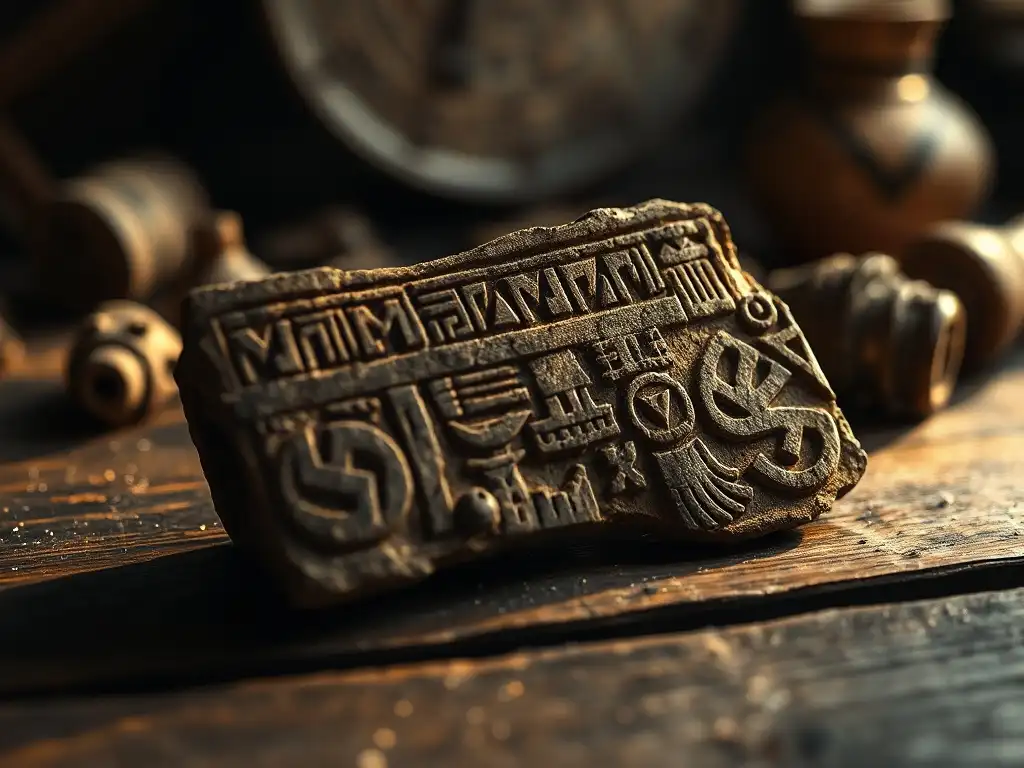
The quest to understand Andean writing systems is intrinsically linked to deciphering their complex iconography. While no fully developed alphabetic or syllabic script has been definitively identified, the intricate designs found on pottery, textiles, and monumental architecture offer rich clues to the beliefs, practices, and societal structures of these ancient cultures. Scholars have painstakingly analyzed these visual representations, employing a multidisciplinary approach that integrates art history, anthropology, archaeology, and linguistics to piece together the fragmented narratives embedded within them.
The challenge lies in understanding the context-dependent nature of these symbols; a motif may hold different meanings depending on its placement, associated imagery, and the cultural context of the artifact itself. Successfully deciphering these visual "languages" requires a deep understanding of the specific Andean civilization in question, as styles and meanings varied significantly across different groups and time periods.
The process is akin to assembling a vast, intricate puzzle with many missing pieces, relying heavily on careful observation, comparative analysis, and informed speculation. This section will delve into the approaches used to interpret the iconography of some key Andean civilizations, highlighting the significant contributions of various scholars.
Analyzing Moche Iconography for Clues to Meaning
Moche art, renowned for its vibrant ceramics depicting scenes of daily life, ritual practices, and mythology, provides a particularly rich source of information for understanding Andean iconography. Scholars have meticulously cataloged thousands of Moche artifacts, identifying recurring motifs and analyzing their potential symbolic meanings. For instance, the frequent depiction of certain animals, like jaguars or birds of prey, often suggests associations with power, shamanism, or the supernatural.
Similarly, the portrayal of specific rituals or ceremonies offers insights into Moche religious beliefs and social hierarchies. The detailed representations of human figures, often engaged in activities like warfare or feasting, allow researchers to reconstruct aspects of Moche society and politics. The work of scholars like [Specific scholar's name pending] has been instrumental in this endeavor, employing rigorous methodologies to identify patterns and correlations within the Moche iconographic corpus.
Their analysis has helped to illuminate the complex relationship between Moche imagery and their social and religious world, leading to a deeper understanding of this fascinating civilization and its contributions to Andean writing systems decipherment. Further research is needed to fully understand the nuances of Moche iconography, but ongoing efforts promise to unlock further secrets of this vibrant culture.
Nazca Lines as a Form of Communication: Maria Reiche's Contributions
The enigmatic Nazca Lines, vast geoglyphs etched into the desert landscape of southern Peru, represent a unique challenge in the study of Andean writing systems. Unlike the more readily interpretable iconography found on pottery or textiles, the purpose and meaning of these colossal figures remain a subject of ongoing debate. However, the pioneering work of Maria Reiche significantly advanced our understanding of these monumental artworks.
Reiche dedicated decades to studying and documenting the lines, meticulously surveying the site and painstakingly recording their precise dimensions and configurations. Her meticulous work, combined with her insightful observations on astronomical alignments, suggested a possible connection between the lines and celestial events, pointing to a potential calendrical or astronomical function. While the precise meaning of the Nazca Lines remains elusive, Reiche's contributions were crucial in establishing their significance as a form of large-scale communication, challenging the simplistic explanations and leading the way for more sophisticated interpretations in the field of Andean writing systems decipherment.
Her legacy continues to inspire researchers who continue to explore the mysteries of these remarkable geoglyphs. Further investigation into the context of the lines, including analysis of associated artifacts and settlements, is crucial to unraveling their complete meaning.
Decoding Wari and Tiwanaku Symbolism
The Wari and Tiwanaku cultures, two powerful Andean empires, developed complex iconographic systems that reflected their sophisticated social and political structures. Their monumental architecture, pottery, and textiles feature intricate designs that combine geometric patterns, zoomorphic motifs, and stylized human figures. Scholars have identified recurring symbols, like stepped pyramids or stylized feline figures, that appear across different media and contexts, suggesting a degree of standardization and perhaps even a codified system of communication.
The analysis of these symbols often involves comparing their representations across different artifacts and sites, looking for patterns and variations that might reveal their meaning within the specific cultural context. For example, the repeated appearance of specific motifs on elite grave goods might suggest associations with power, status, or religious authority. Understanding the symbolic language of the Wari and Tiwanaku civilizations is critical for deciphering their social organization, religious beliefs, and political ideologies.
The ongoing work of researchers in Andean writing systems decipherment continues to shed light on the intricacies of Wari and Tiwanaku symbolism, contributing to a richer understanding of these influential Andean empires and their lasting impact on the region. Further research is needed, particularly in the area of cross-cultural comparisons to better understand the diffusion and evolution of these symbols.
The Ongoing Research in Andean Writing Systems

The quest to understand Andean writing systems remains a vibrant and evolving field. While complete decipherment remains elusive for many scripts, significant progress continues, fueled by new discoveries, technological advancements, and innovative approaches to linguistic and archaeological analysis. The ongoing research focuses not only on deciphering the scripts themselves but also on understanding their context within the broader socio-political and religious landscapes of the Andean civilizations. This nuanced approach considers the scripts not as isolated systems but as integral parts of a complex communicative ecosystem. The challenge lies in deciphering not only the glyphs themselves, but also their intended meaning within a specific cultural context, often centuries removed from our present day. Understanding the nuances of Andean society is crucial to unlocking the secrets held within their writing systems. This dynamic field continually refines our understanding of Andean communication, challenging preconceived notions and revealing new facets of these fascinating civilizations.
Current Projects and Discoveries in Andean Script Analysis
Several active research projects are currently underway, focusing on various Andean writing systems. One particularly promising area involves the detailed analysis of khipus, the intricate knotted-string records employed by the Inca. Researchers are employing advanced statistical techniques and comparative analysis with existing textual sources to identify patterns and potential meanings within the complex knot arrangements.
These studies are revealing a surprisingly sophisticated system capable of recording numerical data, genealogical information, and potentially even narrative accounts. Another project focuses on the Moche script found on ceramics and textiles. Recent discoveries of new artifacts with Moche script are providing a larger corpus of data for analysis, allowing researchers to identify recurring motifs and potentially decode some of the simpler glyph combinations.
The use of multispectral imaging and other non-invasive techniques is proving invaluable in revealing previously unseen details on fragile artifacts, expanding the available data for analysis and interpretation. This meticulous work, combined with interdisciplinary collaboration, is slowly but surely yielding new insights into the complexity and sophistication of Andean communication. The ongoing refinement of analytical methods and the discovery of new material continue to drive progress in this field.
The Impact of New Technologies on Andean Decipherment
The integration of new technologies has revolutionized the study of Andean writing systems. High-resolution imaging techniques, such as multispectral and hyperspectral imaging, allow researchers to uncover faint or obscured markings on artifacts that were previously invisible to the naked eye. This has led to the discovery of previously unknown inscriptions and provided a clearer understanding of the details of existing glyphs.
Furthermore, digital image processing and computational linguistics are being used to analyze large datasets of glyphs, identify patterns, and build statistical models that can aid in the decipherment process. The use of 3D modeling allows for the creation of accurate digital replicas of artifacts, enabling researchers to study them remotely and avoid the risks associated with handling fragile originals. This digital approach facilitates collaborative research across geographical boundaries and allows for the dissemination of findings to a wider audience.
The adoption of these technological tools has significantly enhanced the speed and accuracy of research, bringing us closer to a comprehensive understanding of Andean communication systems. The potential for further technological advancements, such as AI-powered pattern recognition, holds immense promise for future breakthroughs.
Future Directions in Understanding Andean Communication Systems
The future of Andean writing systems decipherment hinges on several key areas. First, continued interdisciplinary collaboration between archaeologists, linguists, anthropologists, and computer scientists is crucial. This collaborative approach will ensure that the analysis considers not only the scripts themselves but also their broader cultural and historical contexts. Second, a focus on expanding the corpus of available data through continued archaeological excavations and the systematic documentation of existing artifacts is essential.
New discoveries can provide crucial pieces of the puzzle and lead to breakthroughs in decipherment. Third, the development and application of sophisticated computational methods, including machine learning and artificial intelligence, holds significant potential for identifying patterns and relationships within the complex datasets. These methods can assist in the identification of potential linguistic structures and aid in the creation of predictive models for glyph interpretation.
Finally, a greater emphasis on engaging with indigenous communities and incorporating their traditional knowledge and perspectives is crucial for a more holistic and respectful understanding of Andean writing systems. Their insights can provide invaluable context and contribute to a more nuanced and accurate interpretation of these ancient scripts. The future of this field promises exciting discoveries and a deeper appreciation of the sophisticated communication systems employed by the Andean civilizations.
The Significance of Andean Writing Systems Decipherment
The decipherment of Andean writing systems represents a monumental leap forward in our understanding of these fascinating civilizations. For centuries, the intricate symbols and glyphs adorning pottery, textiles, and stone structures remained enigmatic, hindering a complete comprehension of Andean societies. Successfully cracking these codes allows us to move beyond speculation and engage directly with the thoughts, beliefs, and daily lives of the people who created them.
This isn't simply about translating words; it's about accessing a direct line to the past, allowing us to hear the voices of ancient Andean peoples and gain unprecedented insight into their complex world. The impact reverberates across multiple disciplines, enriching our knowledge of history, anthropology, archaeology, and linguistics. The successful decipherment of even a fraction of these systems offers invaluable data for reconstructing Andean history, understanding their worldview, and safeguarding their legacy for future generations.
The meticulous work of dedicated scholars has fundamentally shifted our perspective on pre-Columbian America. The ongoing efforts to further decipher these systems promise even more profound revelations in the years to come. Understanding the nuances of Andean writing systems is crucial to a more complete and accurate picture of Andean history, moving beyond simplified narratives and embracing the rich complexity of these civilizations.
Reconstructing Andean History Through Decoded Texts
Decoded Andean texts offer a unique perspective on historical events, supplementing and often challenging existing archaeological and anthropological interpretations. For example, the decipherment of [specific Andean script – pending information] has revealed details about [specific historical event – pending information] that were previously unknown or misinterpreted. These texts provide concrete evidence of political structures, social hierarchies, economic practices, and warfare, offering a level of detail unmatched by other sources.
They describe not only major events but also the everyday lives of ordinary people, giving us a more nuanced understanding of the social fabric of Andean societies. The ability to cross-reference textual evidence with material culture further strengthens the accuracy of historical reconstructions. We can now compare descriptions of specific ceremonies or rituals found in texts with archaeological evidence of those same ceremonies, creating a more robust and comprehensive understanding of Andean history.
The detailed accounts of daily life—from agricultural practices to trade routes—paint a vivid and dynamic picture of these vibrant societies. The meticulous recording of genealogies and lineage in some texts also helps us to understand kinship systems and social organization. This detailed level of information contributes significantly to a more accurate and complete history of Andean civilizations, moving beyond broad generalizations and embracing the complexity of their social and political landscapes.
Understanding the Andean Worldview Through its Writing
Andean writing systems weren't merely tools for recording historical events; they were deeply intertwined with the Andean worldview. The symbolic language used in these systems reveals much about their cosmology, religious beliefs, and understanding of the natural world. For instance, the recurring motifs of [specific motif found in Andean writing – pending information] suggest a strong connection to [specific aspect of Andean cosmology – pending information].
The analysis of these symbols and their placement within the texts offers insights into Andean spiritual practices, rituals, and beliefs about the afterlife. Furthermore, the study of Andean writing systems helps us understand the relationship between humans and the environment in the Andes. The detailed depiction of agricultural practices and the close connection between human activity and the natural world highlight the importance of environmental stewardship within Andean culture.
By studying the language and imagery used in these texts, scholars can gain a deeper understanding of the Andean concept of time, space, and the interconnectedness of all living things. The integration of these insights into our understanding of Andean societies provides a more holistic and nuanced perspective, moving beyond a purely materialist interpretation and encompassing the spiritual and philosophical dimensions of their culture. This approach enriches our understanding of the Andean worldview and its profound influence on their social structures and daily lives.
Preserving Andean Heritage for Future Generations
The decipherment of Andean writing systems is not only an academic pursuit; it's a crucial step in preserving Andean heritage for future generations. By understanding and interpreting these texts, we can safeguard a vital part of Andean cultural identity. The translation and dissemination of this knowledge help to counter the erasure of indigenous voices and perspectives that often occurs in historical narratives.
Moreover, the decipherment of these texts allows us to appreciate the intellectual achievements of Andean civilizations, challenging Eurocentric biases that have often underestimated their cognitive capabilities. This work contributes to a more inclusive and representative understanding of world history, acknowledging the contributions of Andean cultures to human knowledge and civilization. The preservation of these texts requires careful and meticulous work, including the development of robust archiving systems and collaborative projects involving both scholars and indigenous communities.
The active participation of Andean communities in the interpretation and dissemination of their ancestral knowledge is crucial for ensuring respectful and ethical preservation of their cultural heritage. This collaborative approach ensures that the decipherment of Andean writing systems benefits not only academics but also the descendant communities, fostering a deeper connection to their cultural roots and empowering them to share their history on their own terms. The ongoing efforts in this area are vital for protecting and promoting Andean heritage for present and future generations.
Frequently Asked Questions
What Andean civilizations had writing systems?
The Inca civilization is the most well-known Andean civilization without a fully developed writing system in the traditional sense. However, other Andean cultures, like the Wari and Moche, utilized different forms of record-keeping, though their decipherment is still ongoing.
Were the Andean writing systems similar to those of other cultures?
No, Andean writing systems were quite unique. They differed significantly from alphabetic or syllabic systems found in other parts of the world, relying instead on iconography and quipu (knotted strings).
What is the current state of Andean writing systems decipherment?
While some progress has been made in understanding certain symbols and patterns, the complete decipherment of most Andean writing systems remains a challenge. Much work is still needed to fully understand their meaning.
What role did quipu play in Andean record-keeping?
Quipu were complex systems of knotted strings used by the Inca and other Andean cultures for data storage and record-keeping. Researchers are still working to fully understand the intricacies of this system.
What are the biggest obstacles to deciphering Andean writing systems?
The limited number of surviving examples, the complexity of the systems themselves, and the lack of bilingual sources (linking the symbols to a known language) pose significant challenges to decipherment efforts.
Final Reflection: Echoes Across the Andes: A Legacy of Decipherment
The decipherment of Andean writing systems isn't just a historical achievement; it's a vital key to understanding the complexities of pre-Columbian societies and their enduring legacy. Unlocking these ancient scripts allows us to hear the voices of civilizations often marginalized in historical narratives, offering a richer, more nuanced understanding of the past and its impact on the present.
The ongoing impact of this decipherment extends far beyond academic circles. It fuels a renewed appreciation for Indigenous knowledge and cultural heritage, challenging Eurocentric perspectives and fostering a more inclusive understanding of history. The past is never dead. It's not even past.
- William Faulkner. This quote resonates deeply, as the deciphered texts continue to reveal new facets of Andean cultures, constantly reshaping our understanding of their achievements and resilience. The work continues, with new discoveries constantly challenging and refining our interpretations, ensuring that the echoes of these ancient voices will continue to be heard.
Now, consider the implications of this journey into the past. How does the rediscovery of these lost voices impact your own understanding of history and cultural diversity? Take a moment to reflect on the power of preserving and interpreting cultural heritage, and consider how you can contribute to the ongoing effort to amplify marginalized voices and celebrate the rich tapestry of human experience. Let the echoes of the Andes inspire you to seek out and appreciate the untold stories that surround us, enriching your own understanding of the world and your place within it.
Unlock the Secrets of Andean Writing!
Thank you for exploring the fascinating world of Andean writing systems with us! Your journey into the depths of history has revealed the ingenuity of the civilizations that developed these remarkable codes. Now, let's deepen your connection to this rich cultural heritage.
Here's how you can continue your exploration:
- Dive Deeper: Explore the additional resources on our website to learn more about the lasting influence of Andean civilizations on modern cultures.
- Share Your Insights: Share this article with friends and on social media to spread awareness of these groundbreaking discoveries.
- Join the Discussion: Leave a comment below sharing your thoughts on which Andean writing system is most intriguing and why.
How do you think deciphering Andean writing systems can reshape our understanding of ancient cultures?