
Julio C. Tello: The Father of Peruvian Archaeology and His Andean Discoveries

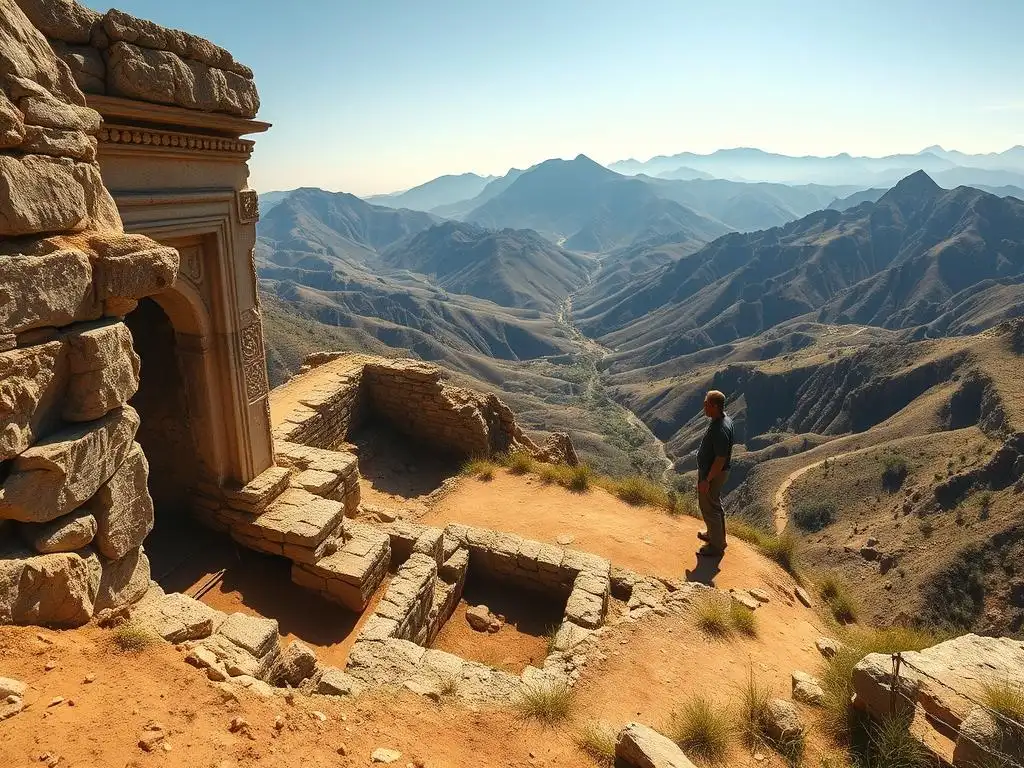
Unravel the mysteries of a lost world. Journey with us into the heart of the Andes, where towering empires rose and fell, leaving behind a legacy of breathtaking artistry and unparalleled ingenuity. Did you know that the very foundations of our understanding of these ancient civilizations rest on the groundbreaking work of one man?
Prepare to be captivated by the story of Julio C. Tello, the Father of Peruvian Archaeology, and his astonishing discoveries that forever changed our perception of Andean history. Discover his legacy and the impact of his research on our knowledge of the Incas, Moche, Nazca, and more.
- Julio C. Tello: Pioneer of Peruvian Archaeology and Andean Studies
- Julio C. Tello's Key Contributions to Andean Archaeology
- Tello's Methodological Approach and Scientific Legacy
- Tello's Legacy: Preserving and Promoting Andean Heritage
- Julio C. Tello: A Lasting Tribute to the Father of Peruvian Archaeology
-
Frequently Asked Questions
- Who was Julio C. Tello?
- What were some of Julio C. Tello's most significant discoveries?
- How did Julio C. Tello's approach differ from previous archaeological methods?
- What is the significance of Julio C. Tello's work for Peruvian national identity?
- Where can I learn more about Julio C. Tello and his legacy?
- Final Reflection: Tello's Legacy: Unearthing the Past, Shaping the Future
- Uncover the Legacy of Julio C. Tello Today!
Julio C. Tello: Pioneer of Peruvian Archaeology and Andean Studies
Julio C. Tello (1880-1947) stands as a colossal figure in the landscape of Peruvian archaeology, profoundly shaping our understanding of Andean civilizations. His tireless dedication to excavating and interpreting ancient sites, coupled with his unwavering belief in the indigenous origins of Peruvian culture, revolutionized the field and laid the groundwork for future generations of researchers.
This article explores the life and legacy of this pioneering scholar, examining his contributions to the study of the Incas, Paracas, and other pre-Columbian societies, and highlighting his crucial role in establishing Peruvian archaeology as a distinct and respected discipline. Understanding Tello's work is essential to grasping the complexities and richness of Andean history, particularly the ongoing debate surrounding the indigenous development of advanced Andean societies.
We will delve into his early life, his academic journey, and the transformative impact of his archaeological perspective on the study of Peruvian prehistory, solidifying his title as the "Father of Peruvian Archaeology."
Early Life and Medical Beginnings
Born in 1880 in the small town of Huamachuco, in the northern highlands of Peru, Julio C. Tello's early life was far from indicative of his future path. He initially pursued a career in medicine, earning his medical degree. This background, however, proved surprisingly beneficial to his later archaeological endeavors, providing him with a keen eye for detail and an understanding of human anatomy crucial for analyzing skeletal remains.
His medical training equipped him with skills invaluable for meticulous excavation and careful observation of artifacts, contributing significantly to the scientific rigor of his archaeological work. This early focus on medicine also provided a foundation for his later anthropological work, as he could effectively engage with the physical manifestations of ancient Andean societies.
While specific details about his early life and family remain somewhat scarce [specific information pending], the influence of his rural upbringing and his medical training undeniably shaped his unique approach to archaeology. His early experiences instilled in him a deep appreciation for the cultural heritage of his homeland, a sentiment that would fuel his lifelong dedication to uncovering its mysteries.
Academic Shift to Anthropology and Archaeology
Tello's transition from medicine to anthropology and archaeology was a pivotal moment in Peruvian intellectual history. It wasn't a sudden shift, but rather a gradual evolution spurred by a growing fascination with Peru's pre-Columbian past. He began to integrate his medical knowledge with his burgeoning interest in anthropology, leading him to study the skeletal remains found in archaeological contexts.
This approach, unusual for the time, provided valuable insights into the health, diet, and lifestyle of ancient Andean populations. His commitment to studying the cultural heritage of Peru was a direct response to the prevailing Eurocentric views that dominated scholarly interpretations of Andean societies at the time. Tello passionately challenged these narratives, emphasizing the indigenous roots of Andean civilization and its remarkable achievements.
This shift marked the beginning of his lifelong quest to debunk myths about the supposed inferiority of indigenous cultures and to establish the indigenous origins of Peruvian civilization as a central tenet of Andean studies. The influence of his medical training allowed him to approach the study of ancient remains with the precision of a scientist and the sensitivity of a cultural advocate.
The Birth of Peruvian Archaeology: Tello's Perspective
Tello's most significant contribution is arguably the establishment of Peruvian archaeology as a distinct discipline, independent from the influence of foreign scholars and perspectives. He vehemently rejected the prevailing diffusionist theories that attributed Andean cultural achievements to external influences, instead championing the autochthonous development of Andean civilizations. This perspective, revolutionary for its time, underscored the unique contributions and internal evolution of Andean cultures, setting the stage for a more nuanced and accurate understanding of their history.
Tello's meticulous excavation techniques, emphasizing careful documentation and preservation, set a new standard for archaeological practice in Peru. His extensive fieldwork, particularly at sites like Paracas and Chan Chan, unearthed countless artifacts and provided invaluable insights into the social structures, religious beliefs, and technological advancements of various Andean cultures. He was not only a skilled excavator but also a gifted interpreter, weaving together archaeological evidence with anthropological insights to create a more comprehensive narrative of Andean history.
His work not only reshaped the understanding of Andean civilizations but also inspired a new generation of Peruvian archaeologists to continue his legacy. Tello’s emphasis on indigenous origins and meticulous methodology firmly positioned Peruvian archaeology on the world stage.
Julio C. Tello's Key Contributions to Andean Archaeology
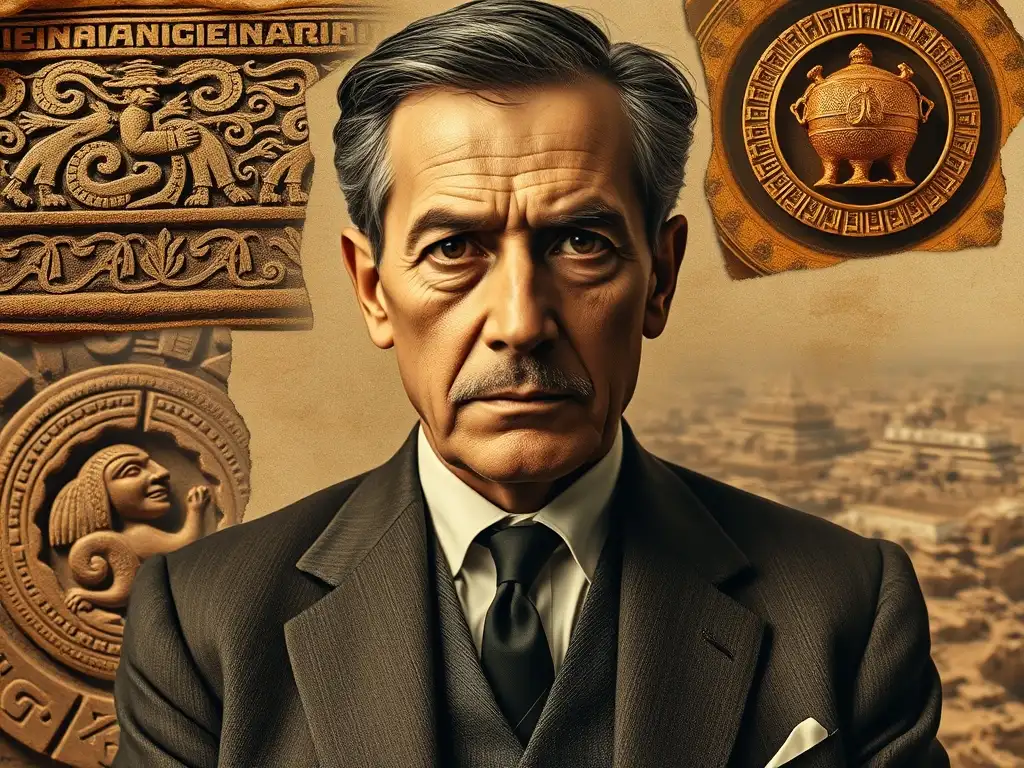
This section delves into the monumental contributions of Julio C. Tello, a pivotal figure in Peruvian archaeology, focusing on his groundbreaking research and discoveries that reshaped our understanding of Andean civilizations. His work not only revolutionized the field but also instilled a sense of national pride in Peru's rich pre-Columbian past. Tello’s legacy continues to inspire archaeologists and scholars today, solidifying his position as the "Father of Peruvian Archaeology."
His meticulous excavation techniques and insightful interpretations challenged existing paradigms and established a new standard for Andean archaeological research. The impact of his discoveries continues to resonate within the academic community and beyond.
Chavín Culture: Tello's Defining Research
Tello's research on the Chavín culture stands as a cornerstone of his legacy. He was among the first to recognize the significance of Chavín de Huántar, not merely as a site, but as the center of a widespread cultural influence across the Andes. His meticulous study of Chavín pottery, architecture, and iconography revealed a complex society with sophisticated artistic and religious practices.
He identified distinctive stylistic elements, such as the characteristic feline and serpent motifs, that helped define the Chavín artistic canon and trace its influence across vast geographical areas. This meticulous work significantly advanced our understanding of the Chavín's advanced artistic capabilities and their role as cultural innovators, impacting numerous Andean societies.
He painstakingly documented the intricate carvings found at various sites, providing invaluable data for future scholars to analyze and build upon. Tello's work on Chavín significantly expanded the understanding of the development and spread of early Andean cultures, highlighting the importance of regional interaction and cultural exchange in shaping the Andean world.
Chavín de Huántar: A Landmark Discovery
Tello's excavation at Chavín de Huántar remains a pivotal moment in Andean archaeology. His work at this monumental site, which he considered the cradle of Andean civilization, revealed the complexity of Chavín architecture and the sophistication of its religious rituals. He meticulously uncovered the temple's intricate network of underground galleries, plazas, and ceremonial structures, bringing to light the scale and grandeur of the site.
His detailed descriptions and careful documentation of the artifacts unearthed—including distinctive pottery, obsidian tools, and intricately carved stone sculptures—provided critical evidence for understanding the culture's religious beliefs and social organization. The discovery of the Lanzón, a massive monolithic sculpture, further cemented the site's importance and helped solidify Tello's reputation as a leading expert in Andean prehistory.
The impact of his work at Chavín de Huántar continues to be felt today, as scholars continue to analyze his findings and conduct further research at the site. The site remains a major tourist attraction, a testament to Tello's enduring legacy.
Paracas Culture: Excavations and Textile Insights
Tello's contributions extended beyond Chavín, encompassing significant research on the Paracas culture. His excavations in the Paracas Necropolis revealed a wealth of information about this enigmatic society, including their remarkable textile traditions. Tello's meticulous documentation of the intricate burial practices and the astonishingly preserved textiles, with their vibrant colors and complex designs, provided crucial insights into Paracas social structures, religious beliefs, and artistic achievements.
He carefully cataloged the diverse range of textiles unearthed, noting the use of various weaving techniques and the symbolic significance of the imagery depicted. These findings not only highlighted the advanced textile technology of the Paracas people but also provided valuable clues about their cosmology and worldview. His work on Paracas textiles helped establish the culture's unique artistic style and its significant contributions to the broader Andean textile tradition.
Tello's legacy concerning the Paracas culture continues to inspire textile research and analysis, enriching our understanding of this fascinating civilization. The vibrant colors and intricate designs of Paracas textiles remain a testament to their artistic mastery and continue to captivate audiences worldwide.
Paracas Necropolis: Understanding Burial Rituals
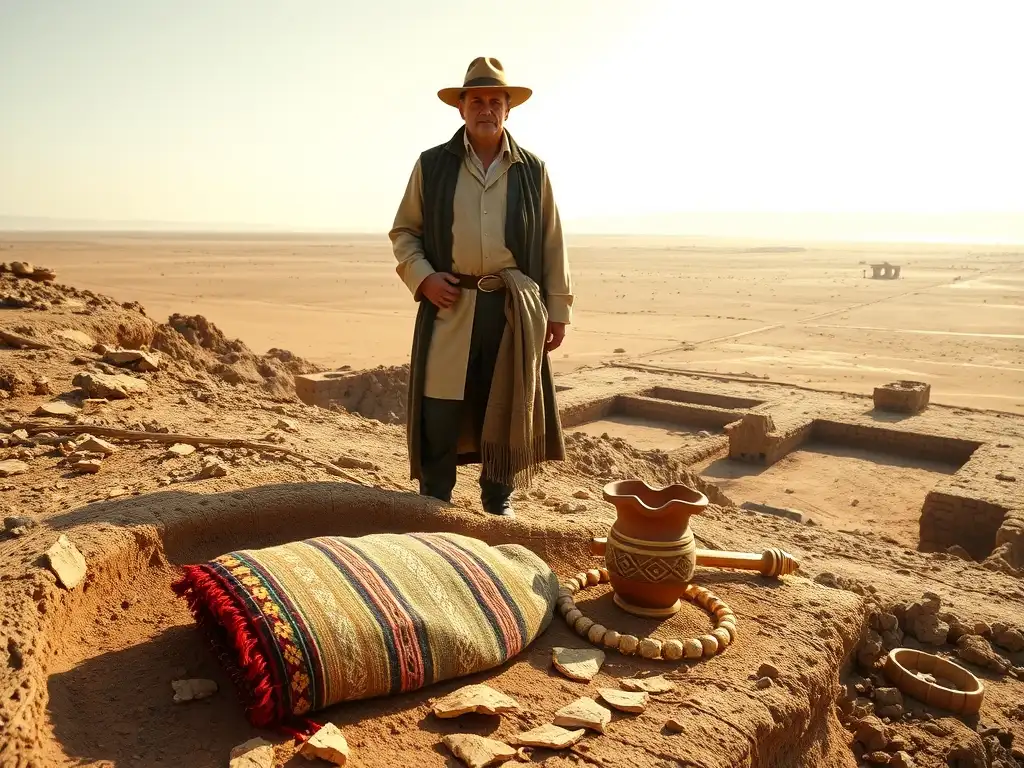
Julio C. Tello's excavation of the Paracas Necropolis stands as a monumental achievement in Andean archaeology. His meticulous work at this site, located on the southern coast of Peru, revolutionized our understanding of Paracas culture and funerary practices. Before Tello's groundbreaking research, the Paracas were largely unknown, their rich and complex culture shrouded in mystery. Tello's careful uncovering of hundreds of elaborate tombs revealed a society with sophisticated textile arts, intricate burial rituals, and a unique worldview reflected in their mortuary practices.
He documented the intricate textiles, often adorned with vibrant colors and complex iconography, which are now recognized as masterpieces of pre-Columbian art. The elaborate mummification techniques, involving the removal of internal organs and the preservation of the body with plant materials, also provided invaluable insights into Paracas beliefs about life and death. Tello's detailed records, including sketches and photographs, not only preserved these artifacts but also offered crucial context for interpreting their significance within the broader Paracas culture. The sheer scale of the necropolis, along with the complexity of the burial goods, testified to the social stratification and the importance given to ancestor veneration within Paracas society.
His findings challenged existing narratives about Andean civilizations, demonstrating the existence of sophisticated societies long before the Inca Empire. Tello's work on the Paracas Necropolis laid the foundation for future research and continues to inspire archaeologists today. The intricate detail of the textiles and the unique mummification techniques uncovered by Tello are still studied and analyzed, leading to further discoveries about Paracas culture and Andean archaeology as a whole.
Tello's Exploration of Pre-Inca Societies: A Comprehensive View
Tello's contributions extended far beyond the Paracas Necropolis. He dedicated his life to exploring and documenting the diverse pre-Inca societies of Peru, challenging the then-dominant perspective that focused primarily on the Inca Empire. His excavations across various regions of Peru revealed the complexity and diversity of Andean cultures, demonstrating the rich tapestry of civilizations that existed before the Inca's rise to power. He systematically investigated sites associated with cultures like the Chavín, Nazca, and Huari, meticulously documenting their architecture, pottery, and other artifacts.
His research emphasized the continuity and interconnectedness of these different cultures, highlighting the long history of Andean development and innovation. Tello's approach was holistic, recognizing the importance of studying not only material culture but also the social, political, and religious aspects of these societies. He was a pioneer in integrating anthropological perspectives into archaeological research, seeking to understand the lives and beliefs of the people who created these ancient societies. He meticulously documented the intricate details of their daily life, from their agricultural practices to their religious rituals, painting a vivid picture of these long-lost civilizations.
This comprehensive approach provided a much richer and more nuanced understanding of Andean history than previously existed. His focus on pre-Inca societies significantly expanded the scope of Peruvian archaeology, placing it firmly on the world stage and showcasing the immense complexity and antiquity of Andean civilization. Tello's legacy continues to inspire archaeologists to approach their work with a similar level of detail and holistic perspective, ensuring that the rich history of the Andes is fully understood and appreciated. His work served as a vital counterpoint to the Eurocentric biases that previously dominated archaeological interpretations of the region.
Tello's Methodological Approach and Scientific Legacy
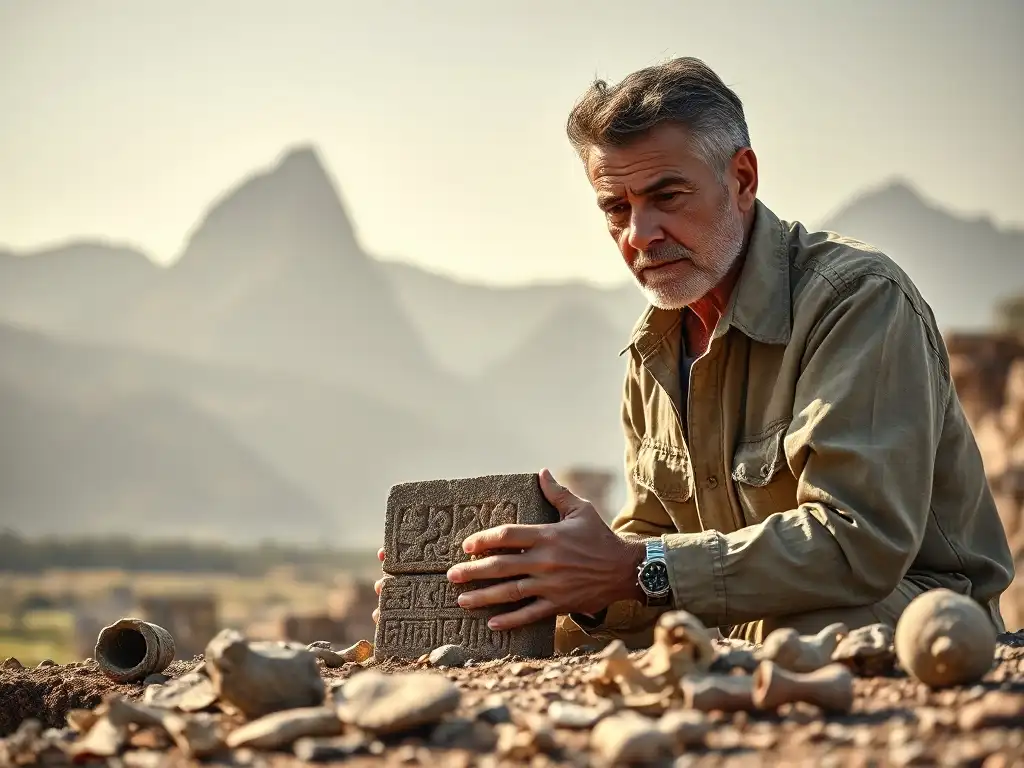
Julio C. Tello's contributions to Peruvian archaeology extend far beyond his impressive list of discoveries. His methodological approach, revolutionary for its time, significantly impacted the field and laid the groundwork for future archaeological investigations in the Andes. Tello's work stands as a testament to the power of combining rigorous scientific methodology with a deep respect for indigenous knowledge and cultural heritage.
This innovative approach, coupled with his meticulous documentation, cemented his legacy as the "Father of Peruvian Archaeology." His influence is palpable even today, shaping how archaeologists approach research and interpretation in the region. The keyword "Julio C. Tello Peruvian archaeology" accurately reflects the scope of his impact.
Integration of Indigenous Knowledge in Archaeological Practice
Unlike many of his contemporaries who often viewed indigenous populations and their traditions with a colonial lens, Tello actively sought to integrate indigenous knowledge into his archaeological practice. He recognized the invaluable insights that local communities possessed regarding their ancestral past. This wasn't simply a matter of collecting oral histories; Tello understood the importance of collaborating with local people, respecting their perspectives, and incorporating their knowledge into his interpretations of archaeological findings.
He believed that understanding the Andean worldview was crucial to accurately interpreting the archaeological record. This collaborative approach, uncommon at the time, is now considered a cornerstone of ethical and responsible archaeological practice. For instance, his work at Paracas, where he meticulously documented local traditions and beliefs alongside his excavations, illustrates this commitment perfectly.
Tello's respect for the indigenous perspective enriched his understanding of the Andean civilizations, leading to more nuanced and complete interpretations. The legacy of his approach continues to inform ethical guidelines in Peruvian archaeology today, emphasizing respectful community engagement.
Emphasis on Stratigraphy and Contextual Interpretation
Tello's methodological rigor is clearly evident in his emphasis on stratigraphy and contextual interpretation. He understood the importance of carefully recording the layering of archaeological deposits (stratigraphy) to establish chronological sequences and understand the development of sites over time. This meticulous approach allowed him to reconstruct the history of occupation and cultural change at sites like Paracas and Chavín de Huántar.
He wasn't simply interested in collecting artifacts; he meticulously documented their precise location within the stratigraphic sequence, understanding that context was critical for accurate interpretation. This careful attention to detail provided crucial insights into the temporal relationships between different cultural phases and technological innovations.
His systematic excavation techniques and detailed stratigraphic records are still considered exemplary by modern archaeologists, highlighting his contribution to the development of rigorous archaeological methodology within the "Julio C. Tello Peruvian archaeology" field. Such precision allowed for a much more robust understanding of the Andean cultural timeline.
Tello's Role in Shaping Peruvian Archaeology
Tello's impact on Peruvian archaeology is undeniable. He not only made groundbreaking discoveries, but also established a framework for future research. His emphasis on rigorous methodology, contextual interpretation, and the integration of indigenous knowledge fundamentally changed the way archaeology was conducted in Peru. He trained generations of Peruvian archaeologists, instilling in them his commitment to scientific excellence and cultural respect.
His work helped to establish Peruvian archaeology as a distinct field, independent from foreign influences. Tello’s legacy extends far beyond specific sites; his methodological innovations and commitment to a culturally sensitive approach have profoundly shaped the discipline. The sheer volume of material he uncovered and accurately documented, coupled with his innovative approaches, firmly cemented his place as a pivotal figure in the history of "Julio C. Tello Peruvian archaeology". His contributions continue to inspire and guide archaeological research in Peru and beyond, underscoring his lasting impact on the field.
Tello's Legacy: Preserving and Promoting Andean Heritage
Tello's impact extends far beyond his groundbreaking discoveries. His commitment to preserving and promoting Andean heritage shaped Peruvian archaeology and continues to inspire researchers today. He understood that the artifacts he unearthed were not merely objects, but crucial pieces of a larger narrative—the story of Andean civilizations.
This understanding fueled his tireless efforts to protect these invaluable resources and make them accessible to future generations. His legacy is not just about the sites he excavated, but also about the institutions he helped establish and the methodologies he championed, all aimed at safeguarding Peru's rich cultural past. The study of "Julio C. Tello Peruvian archaeology" wouldn't be the same without his dedication to preservation.
The National Museum of Archaeology, Anthropology, and History of Peru
The National Museum of Archaeology, Anthropology, and History of Peru, while not solely a product of Tello's efforts, significantly benefited from his vision and dedication. Tello played a pivotal role in shaping the museum's early collections and its focus on Peruvian pre-Columbian cultures. Many of the artifacts he unearthed, particularly those from Paracas and Nazca, found their permanent home within its walls, forming the cornerstone of its impressive collection.
His influence is evident in the museum's emphasis on showcasing the artistry and technological advancements of Andean civilizations, a perspective he actively promoted throughout his career. The museum serves as a powerful testament to his enduring contribution to Peruvian cultural preservation, allowing countless visitors to engage with the legacy of Andean civilizations.
Understanding the museum's development provides crucial context for appreciating Tello's impact on "Julio C. Tello Peruvian archaeology." The museum's current collection includes a significant portion of his discoveries, carefully cataloged and curated for scholarly research and public display.
Tello's Dedication to Archaeological Site Preservation
Beyond the artifacts themselves, Tello demonstrated a profound understanding of the importance of preserving archaeological sites in situ. He recognized that the context of a discovery was as important as the object itself. Unlike some earlier archaeological practices that focused solely on artifact extraction, Tello advocated for careful excavation techniques that documented the stratigraphic layers and spatial relationships between artifacts. This meticulous approach laid the groundwork for modern archaeological practices emphasizing context and preservation.
He actively campaigned against looting and the uncontrolled destruction of sites, recognizing the irreplaceable value of these historical locations. His work at sites like Paracas exemplifies this commitment. His careful excavation and documentation provided invaluable insights into the Paracas culture, preserving a significant portion of the site for future study. This dedication, a core element of "Julio C. Tello Peruvian archaeology," is a critical part of his lasting contribution.
The Ongoing Impact of Julio C. Tello on Andean Research
Tello's influence on Andean archaeology continues to resonate today. His pioneering work established a foundation upon which subsequent generations of Peruvian and international archaeologists have built. His meticulous excavation techniques, emphasis on context, and focus on indigenous perspectives have become cornerstones of modern archaeological practice.
Many contemporary researchers still refer to his publications and field notes, finding valuable insights and inspiration in his work. The ongoing research at sites he initially investigated, particularly in the Paracas and Nazca regions, continues to yield new discoveries and expand our understanding of Andean civilizations. Furthermore, his emphasis on the indigenous origins of Andean cultures challenged prevalent Eurocentric narratives, paving the way for a more nuanced and accurate understanding of Peruvian history.
The study of "Julio C. Tello Peruvian archaeology" remains a vibrant field, directly benefiting from his pioneering contributions. The sheer volume of subsequent research built upon his foundation is a testament to his enduring legacy. His influence is not limited to specific sites or artifacts; it’s a comprehensive approach to archaeological investigation that shapes the field even today.
Julio C. Tello: A Lasting Tribute to the Father of Peruvian Archaeology
This section delves into the monumental contributions of Julio C. Tello, solidifying his legacy as the undisputed "Father of Peruvian Archaeology." His unwavering dedication to uncovering and interpreting the rich tapestry of Andean civilizations revolutionized the field, shifting its focus from a Eurocentric perspective to a nuanced understanding of indigenous cultures. Tello's impact resonates even today, shaping how we perceive and study pre-Columbian societies in Peru and beyond.
His meticulous excavation techniques and commitment to preserving cultural heritage set a precedent for future generations of archaeologists. The meticulous documentation of his findings, though sometimes criticized for lacking the rigorous standards of modern archaeology, remains invaluable for understanding the initial interpretations of these significant sites. His legacy is not just about the sites he unearthed, but the very foundation he laid for the discipline in Peru.
Tello's Scholarly Publications and Their Impact
Tello's influence extended far beyond his fieldwork. His numerous scholarly publications, written in both Spanish and Quechua, played a crucial role in disseminating his findings and shaping archaeological discourse. While some of his initial interpretations have been refined or even challenged by subsequent research, his work laid the groundwork for future investigation.
His publications, often richly illustrated with his own sketches and photographs, provided vivid descriptions of the artifacts and sites he discovered. For example, his work on Paracas textiles offered early insights into the intricate weaving techniques and symbolic imagery of this enigmatic culture. His detailed accounts of the Chavín culture, particularly at the Chavín de Huántar site, helped establish its importance as a major cultural center in the Andes.
The sheer volume of his writings, coupled with his engaging writing style, ensured the accessibility of his work to both academic and wider audiences, fostering a growing interest in Peruvian pre-Columbian history. This accessibility was a key component in his success in establishing Peruvian archaeology as a legitimate field of study.
Tello's Contributions to Peruvian National Identity
Beyond his academic achievements, Julio C. Tello's work played a significant role in shaping Peruvian national identity. By championing the study of indigenous Andean cultures, he countered the prevailing colonial narrative that often minimized or ignored the achievements of pre-Columbian societies. His research helped foster a sense of national pride and cultural heritage, highlighting the sophisticated advancements of Andean civilizations in areas such as architecture, agriculture, and metallurgy. Tello's emphasis on the indigenous roots of Peruvian culture helped to redefine the nation's identity, moving away from a solely European-centric view.
His work became a powerful tool in the construction of a Peruvian national identity that embraced its rich and complex indigenous past. This was particularly relevant during a period of national self-discovery and the assertion of sovereignty. He actively sought to involve Peruvian students and researchers in his projects, fostering local expertise and capacity building in the field.
Julio C. Tello: A National Hero Remembered
Julio C. Tello’s legacy extends far beyond the academic realm. He's remembered not only as a pioneering archaeologist but also as a national hero in Peru. His commitment to preserving Peru's cultural heritage, his advocacy for indigenous rights, and his tireless efforts to promote Peruvian archaeology earned him widespread respect and admiration.
Numerous institutions and sites bear his name, a testament to his enduring influence. His memory is kept alive through museums showcasing his discoveries, academic conferences dedicated to his work, and educational programs that continue to inspire future generations of Peruvian archaeologists and scholars. The impact of his work continues to be felt today, shaping not only our understanding of Andean civilizations but also the national identity of Peru itself.
His life and work serve as a powerful example of the transformative power of archaeology and its ability to connect a nation to its past. The enduring legacy of Julio C. Tello, the Father of Peruvian Archaeology, is a powerful symbol of national pride and a testament to the enduring fascination with the ancient Andean world.
Frequently Asked Questions
Who was Julio C. Tello?
Julio C. Tello was a pivotal figure in Peruvian archaeology. He's considered the "Father of Peruvian Archaeology", revolutionizing the field with his innovative methods and groundbreaking discoveries. He championed indigenous Peruvian perspectives.
What were some of Julio C. Tello's most significant discoveries?
Tello's major discoveries include the Paracas Necropolis and the Chavín de Huántar site. He also significantly advanced the understanding of pre-Inca cultures, challenging existing Eurocentric narratives. His work provided critical insights into Andean civilization's complexity.
How did Julio C. Tello's approach differ from previous archaeological methods?
Unlike earlier archaeologists who often focused on European biases, Tello prioritized understanding Andean cultures on their own terms. He emphasized meticulous excavation and respectful treatment of archaeological remains.
What is the significance of Julio C. Tello's work for Peruvian national identity?
Tello's work helped forge a stronger sense of Peruvian national identity by highlighting the richness and complexity of pre-Columbian Andean cultures. He demonstrated the importance of indigenous heritage, countering colonial narratives.
Where can I learn more about Julio C. Tello and his legacy?
You can find more information through academic publications, museums showcasing his discoveries (like the Museo Nacional de Arqueología, Antropología e Historia del Perú), and documentaries focusing on Peruvian archaeology and his contributions.
Final Reflection: Tello's Legacy: Unearthing the Past, Shaping the Future
The meticulous work of Julio C. Tello, a pioneer in Peruvian archaeology, continues to resonate today, shaping our understanding of Andean civilizations and challenging preconceived notions about indigenous cultures. His dedication to uncovering and preserving the rich history of Peru serves as a powerful reminder of the importance of respecting and understanding our shared past. The meticulous detail in his excavations and his commitment to accurate documentation remain a gold standard for archaeological practice.
Tello's influence extends far beyond the specific sites he excavated; his work fundamentally altered the narrative surrounding pre-Columbian America. He challenged the Eurocentric biases prevalent in his time, advocating for a more nuanced and respectful interpretation of Andean cultures. His legacy is one of intellectual courage and unwavering dedication to truth. The past is a living thing, and it speaks to us if we are willing to listen.
This sentiment, though not directly from Tello, perfectly encapsulates his approach to archaeology and its enduring relevance.
Consider Tello's life and work. Reflect on the importance of preserving cultural heritage, not just for academic purposes, but for the sake of understanding our shared humanity. You too can contribute to this legacy by supporting responsible archaeological practices, advocating for the protection of cultural sites, and engaging with the rich history of the Andean world. Let Tello's unwavering commitment inspire you to explore your own heritage and contribute to a future where the past informs a more just and equitable present.
Uncover the Legacy of Julio C. Tello Today!
Thank you for joining us on this journey exploring the remarkable contributions of Julio C. Tello to Peruvian archaeology. We hope you've gained valuable insights into his groundbreaking discoveries and the rich cultural heritage of the Andes. Let's continue to honor his legacy by taking action!
Here are some ways you can delve deeper and make a difference:
- **Visit a local museum or exhibit** featuring Andean artifacts to connect with this fascinating history firsthand.
- Share this article with friends and family to spark conversations about the importance of preserving archaeological sites and artifacts.
- **Join an online community or forum** dedicated to Andean history to share your thoughts and learn from other enthusiasts.
What aspect of Andean civilizations intrigues you most? Share your thoughts below!