
Garcilaso de la Vega: The Inca Chronicler Who Bridged Two Worlds

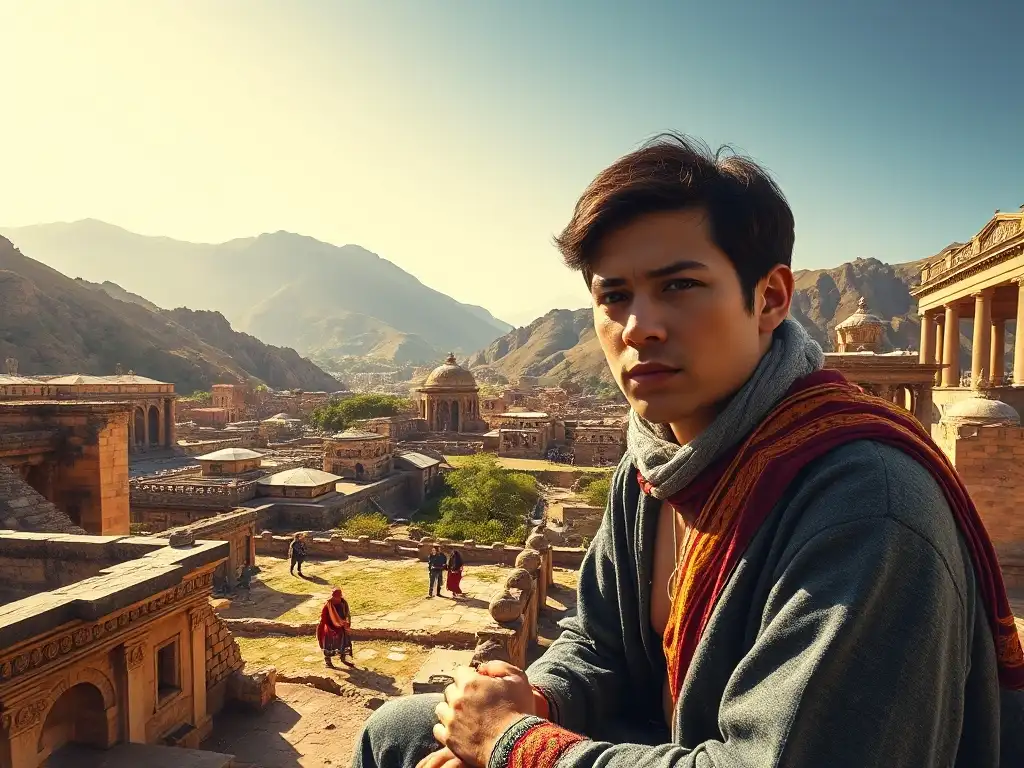
Welcome, explorer! Prepare to journey into the heart of the Andes, a land sculpted by empires and echoing with untold stories. For centuries, the legacies of the Incas, Moche, Nazca, and Tiahuanaco have captivated the world. But what happens when a descendant of Inca royalty becomes a chronicler of his ancestors' magnificent yet mysterious past? Discover the fascinating life and pivotal work of Garcilaso de la Vega, whose Inca chronicles offer an unparalleled glimpse into a vanished world. Dive in and uncover the secrets he revealed… if you dare.
Garcilaso de la Vega stands as a pivotal figure in understanding the Inca Empire and Andean civilizations more broadly. His unique perspective, born from his mixed heritage – the illegitimate son of a Spanish conquistador and an Inca noblewoman – allowed him to bridge the chasm between two vastly different cultures, offering invaluable insights unavailable to purely Spanish or purely Indigenous chroniclers.
This article delves into the life and work of Garcilaso, exploring his significant contributions to our understanding of Inca history, culture, and society through his meticulous chronicles, specifically examining how his dual identity shaped his narrative and legacy. We will analyze his most famous works, highlighting their importance in preserving and interpreting Andean traditions for future generations.
Understanding Garcilaso's perspective is crucial for a nuanced appreciation of the Inca Empire and its lasting impact on South America. The keyword "Garcilaso de la Vega Inca chronicles" will be explored throughout this article, demonstrating the depth and breadth of his historical contributions.
Garcilaso's Life: A Tapestry of Two Worlds
Garcilaso's life itself embodies the fusion of cultures he so expertly documented. Born in Cuzco, the heart of the Inca Empire, in 1539, he witnessed firsthand the dramatic upheaval caused by the Spanish conquest. Growing up within his Inca mother's family provided him with a deep understanding of Inca traditions, language (Quechua), social structures, and cosmology, a foundation that would profoundly influence his writing. However, his upbringing also exposed him to Spanish culture, language, and worldview.
This bicultural upbringing, while undoubtedly complex and possibly fraught with internal conflict, ultimately equipped him with the unique ability to translate and interpret the Inca world for a European audience. He later moved to Spain, further immersing himself in European scholarship and refining his writing skills. This unique biographical context significantly shaped his approach to chronicling Inca history, making his works a bridge between two worlds.
The Royal Commentaries: A Masterpiece of Inca History
Garcilaso's magnum opus, Comentarios Reales de los Incas (Royal Commentaries of the Incas), is arguably the most important single source for understanding Inca history and culture. Published in 1609, this work meticulously details the Inca origins, their social organization, their religious beliefs, their sophisticated agricultural techniques, and their remarkable achievements in engineering and governance. It's not simply a dry recitation of facts; it's a vibrant and engaging narrative that breathes life into the Inca world.
Garcilaso skillfully weaves together oral traditions, personal observations, and historical accounts, creating a comprehensive picture of Inca society that is both detailed and captivating. The Comentarios Reales is a testament to Garcilaso's dedication to preserving and celebrating his ancestral heritage. He carefully documented practices and beliefs that might otherwise have been lost to history, providing invaluable insights into the Inca worldview.
Beyond the Royal Commentaries: Other Notable Works and their Impact
While the Comentarios Reales is undoubtedly Garcilaso's most famous work, he also authored other significant texts. These secondary works, while perhaps less comprehensive than the Comentarios Reales, offer further insights into various aspects of Inca life and the colonial experience. For example, his translation of the La Florida del Inca provided a fascinating perspective on the Spanish conquest of Florida.
These additional works demonstrate the breadth of Garcilaso's scholarship and his enduring commitment to historical accuracy and cultural preservation. Analyzing these works alongside the Comentarios Reales reveals a more complete picture of Garcilaso's intellectual journey and his contributions to the field of Andean studies. The diversity of his writings underscores the complexity of his identity and his dedication to bridging the gap between Inca and Spanish worlds.
Garcilaso's Legacy: A Lasting Influence on Andean Studies
Garcilaso de la Vega's legacy extends far beyond his lifetime. His chronicles remain indispensable sources for scholars and historians studying the Inca Empire and Andean civilizations. His work has shaped our understanding of Inca history, culture, and society, providing crucial insights into a complex and fascinating civilization. However, it is crucial to acknowledge that, like all historical accounts, his works must be interpreted critically, considering his perspective as a mestizo navigating a complex colonial context.
Despite this inherent bias, his meticulous research and unique perspective make his writings invaluable for understanding the Inca world. His contributions continue to inform and inspire, solidifying his place as a pivotal figure in Andean studies and a bridge between two worlds. The enduring significance of his "Garcilaso de la Vega Inca chronicles" is undeniable.
- Garcilaso's Life: A Tapestry of Two Worlds
- The Royal Commentaries: A Masterpiece of Inca History
- Beyond the Royal Commentaries: Other Notable Works and their Impact
- Garcilaso's Legacy: A Lasting Influence on Andean Studies
The Dual Heritage of Garcilaso de la Vega
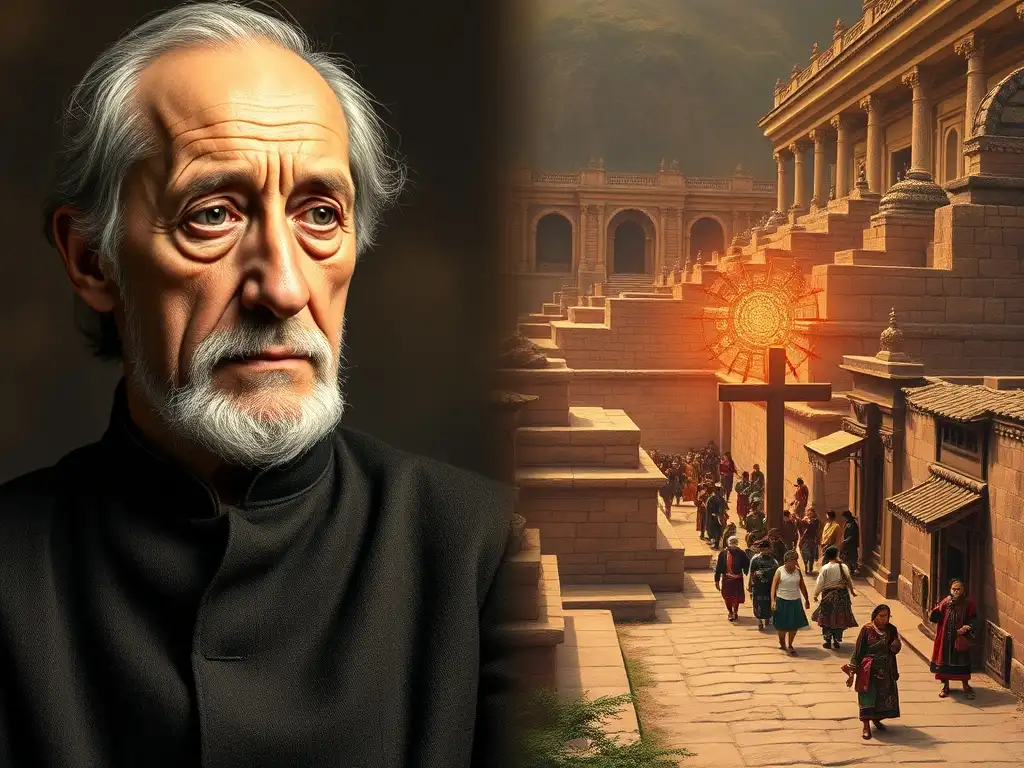
Garcilaso de la Vega's life and work stand as a unique bridge between two vastly different worlds: the indigenous Andean civilization and the burgeoning Spanish colonial empire. His writings, particularly his Royal Commentaries of the Incas, offer an unparalleled perspective on Inca society, culture, and history, a perspective shaped profoundly by his own dual heritage. Understanding this duality is crucial to appreciating the depth and complexity of his chronicles and their enduring significance for understanding "Garcilaso de la Vega Inca chronicles."
This intricate interplay of Inca and Spanish influences shaped not only his identity but also the very nature of his historical accounts. His ability to navigate these two worlds, to understand and articulate both perspectives, makes his work a treasure trove of information for historians and scholars even today.
Garcilaso's Inca Ancestry: A Royal Lineage
Garcilaso's Inca ancestry is a cornerstone of his identity and a key factor shaping his perspective in his chronicles. His mother, Isabel Suárez Chimpu Ocllo, was a member of the Inca royal family, a direct descendant of the Inca emperors. This lineage provided him with access to oral traditions, family stories, and a deep understanding of Inca customs and beliefs that were often unavailable to Spanish chroniclers.
He inherited not only a bloodline connected to the Inca empire but also a cultural inheritance rich in history and tradition. This intimate connection allowed him to write with an authority and insight rarely found in other accounts of Inca civilization. The details of his lineage, passed down through generations, informed his narratives, lending them a degree of authenticity and emotional depth that sets his work apart.
He meticulously documented this royal lineage, providing genealogical details to support his claims, a testament to the importance he placed on his Inca heritage within the broader context of his "Garcilaso de la Vega Inca chronicles." The meticulous detail he employed in tracing his ancestry reflects a desire to both legitimize his perspective and ensure the accuracy of his historical accounts.
Spanish Conquistador Father: A Complex Identity
In stark contrast to his Inca mother, Garcilaso's father, Sebastián Garcilaso de la Vega, was a Spanish conquistador. This aspect of his heritage introduced a significant layer of complexity to his life and work. The clash of cultures represented by his parents' backgrounds profoundly influenced his worldview.
He witnessed firsthand the Spanish conquest and its devastating impact on Inca society, a perspective that permeates his writing. While his Inca heritage provided him with access to indigenous perspectives, his Spanish upbringing shaped his language, his writing style, and his understanding of European historical methodologies. This duality is reflected in his ability to seamlessly blend Inca oral traditions with the formal structure and style of European historiography.
The tension between these two worlds is not merely a biographical detail; it is integral to his narrative strategy, giving his "Garcilaso de la Vega Inca chronicles" a unique voice and perspective. His ability to synthesize these contrasting influences is what makes his work so compelling and historically valuable. He navigated the complexities of his mixed heritage, utilizing it as a strength rather than a limitation, providing a unique lens through which to view the dramatic events of the Spanish conquest and the subsequent colonial period.
Garcilaso de la Vega's extraordinary chronicles are a testament to his unique position in history. Born in Cusco, Peru, in 1539, he was the son of a Spanish conquistador, Sebastián Garcilaso de la Vega, and an Inca noblewoman, Chimpu Ocllo. This biracial heritage profoundly shaped his life and his work, giving him a perspective unlike any other chronicler of the Inca Empire.
He wasn't simply observing from the outside; he possessed an intimate understanding of both Inca and Spanish cultures, offering a nuanced and often empathetic portrayal of the Inca world that transcends the typical colonial narratives. This inherent duality is what allows us to understand his work not just as a historical account, but as a powerful bridge between two vastly different cultures. His ability to navigate these two worlds, to understand the intricacies of both Inca societal structures and Spanish colonial perspectives, is what sets his chronicles apart and makes them invaluable sources for understanding the complexities of the Inca civilization and the impact of the Spanish conquest.
He masterfully blended his knowledge of Quechua language and traditions with his European education, resulting in a rich tapestry of historical accounts, personal reflections, and cultural comparisons. Analyzing his writings reveals not only the events of the conquest but also the cultural clash and its profound consequences.
The Impact of His Mixed Background on His Writings
Garcilaso's mixed heritage is undeniably reflected in the style and content of his writings. While many Spanish chroniclers focused primarily on the military aspects of the conquest and often portrayed the Inca civilization negatively, Garcilaso offered a more balanced and nuanced perspective. He leveraged his deep understanding of Inca customs, traditions, and social structures, gleaned from his upbringing and familial connections, to provide detailed accounts of Inca life that were often missing from other narratives.
For example, his descriptions of Inca religion, social hierarchy, and agricultural practices are remarkably detailed and insightful, going beyond simple descriptions to delve into the underlying beliefs and motivations of the Inca people. His ability to seamlessly integrate Quechua terminology and Inca worldview into his Spanish writing is also noteworthy, demonstrating a conscious effort to represent Inca culture accurately and respectfully, a rarity among his contemporaries. This approach is evident in his detailed descriptions of Inca ceremonies, rituals, and daily life, allowing us to access a level of understanding rarely achieved by other accounts of the time.
His accounts, therefore, are not simply historical records, but also a powerful testament to the resilience and complexity of Inca culture. His intimate knowledge of both cultures allowed him to critique both Inca and Spanish societies with a critical eye, offering a more comprehensive understanding of the historical events. This unique perspective, rooted in his mixed heritage, makes his chronicles invaluable for understanding the Inca civilization from an insider's perspective.
Bridging the Divide: Interpreting Inca Culture for a European Audience
Garcilaso's monumental achievement lies in his ability to bridge the gap between two very different cultures. He successfully interpreted Inca culture for a European audience, making it accessible and understandable while simultaneously challenging Eurocentric biases prevalent in other colonial accounts. He achieved this through a careful and deliberate approach to his writing. He didn't simply translate Inca concepts directly into Spanish; instead, he carefully explained their meaning and significance within the context of both cultures.
This involved not only linguistic translation but also cultural interpretation, a task requiring a deep understanding of both worlds. For example, his descriptions of Inca cosmology and religious beliefs are not merely a list of deities and rituals; he carefully explains their significance within the Inca worldview, comparing and contrasting them with European religious concepts to facilitate understanding for his intended audience. This nuanced approach allowed him to present Inca culture in a way that was both accurate and engaging for European readers, countering the negative stereotypes and biased narratives that were common at the time. Moreover, his writing showcases a sophisticated understanding of the complexities of intercultural communication and the challenges of representing a culture different from one's own.
His work, therefore, is not only a valuable historical source but also a significant contribution to the field of cross-cultural studies and the interpretation of cultural narratives. His legacy continues to inspire scholars and researchers seeking to understand the challenges and rewards of representing and interpreting diverse cultures. His careful consideration of audience and his conscious effort to bridge the cultural divide make his "Royal Commentaries" a cornerstone in the study of Inca history and intercultural communication.
Garcilaso de la Vega's Major Works: A Legacy of Chronicling
Garcilaso de la Vega's enduring legacy rests primarily on two monumental works: the Comentarios Reales de los Incas and La Florida del Inca. These chronicles, written from a unique perspective, offer invaluable insights into Inca civilization and the Spanish conquest, shaping our understanding of Andean history for centuries. His meticulous detail and nuanced approach to the complexities of Inca society and its interaction with European colonizers make his contributions indispensable to the study of "Garcilaso de la Vega Inca chronicles".
Comentarios Reales de los Incas: A Detailed Account of Inca Life
The Comentarios Reales de los Incas (Royal Commentaries of the Incas) is arguably Garcilaso's most significant achievement and a cornerstone of Inca historiography. Published in 1609, this comprehensive work meticulously details Inca social structures, religious beliefs, political systems, and daily life. Garcilaso, born to a Spanish conquistador father and an Inca noblewoman mother, possessed a unique vantage point, allowing him to blend firsthand accounts from his indigenous heritage with the historical records and perspectives of the Spanish colonial administration.
This intricate weaving of perspectives enriches the narrative, providing a more complete and nuanced picture than many other accounts of the time. For example, his descriptions of Inca agriculture, including the sophisticated terracing techniques used to cultivate the steep Andean slopes, are remarkably detailed. He also sheds light on the Inca's impressive road network, the Qhapaq Ñan, its strategic importance, and its role in facilitating communication and trade throughout the vast empire. The Comentarios Reales goes beyond simple descriptions, offering insightful analyses of Inca social dynamics, including the complex system of kinship, the role of the Sapa Inca, and the intricate workings of the Inca bureaucracy. The work is replete with captivating stories, myths, and legends, enriching the historical narrative with the vibrant tapestry of Inca oral traditions. The book's enduring popularity and its continuous relevance to the study of "Garcilaso de la Vega Inca chronicles" underscore its lasting impact.
La Florida del Inca: Exploring a Different Perspective on the Conquest
In contrast to the Comentarios Reales, La Florida del Inca (The Florida of the Inca), published posthumously in 1686, focuses on the Spanish conquest of Florida. While seemingly disparate from his work on the Inca, this epic poem offers a fascinating counterpoint to the more widely known chronicle.
It provides a valuable perspective on the Spanish colonial enterprise, highlighting the brutality and ambition of the conquistadors, but also exploring the resilience and resistance of the indigenous populations. It demonstrates Garcilaso's ability to craft compelling narratives, even when tackling a subject matter outside his immediate family heritage.
The poem, though less directly related to the core theme of "Garcilaso de la Vega Inca chronicles", reveals his broader understanding of the dynamics between the Spanish and indigenous populations in the Americas and his literary skill in conveying complex historical events. The inclusion of detailed descriptions of the landscape, flora, and fauna of Florida further enhances the work's value, demonstrating his keen observational skills and his commitment to creating vivid and immersive accounts.
The Importance of Comentarios Reales in Understanding Inca History
The Comentarios Reales de los Incas holds an unparalleled position in the study of Inca history. It provides a wealth of information unavailable elsewhere, offering a perspective informed by both Inca and Spanish cultural frameworks. Garcilaso's work transcends a mere chronicle; it serves as a crucial primary source for understanding Inca cosmology, social organization, and political systems.
Many scholars consider it the most comprehensive and reliable account of Inca life written by someone with intimate knowledge of the culture. The book's enduring influence is evident in its continued use as a key text in academic studies of Andean civilizations. Its detailed descriptions of Inca customs, traditions, and beliefs are invaluable for researchers seeking to reconstruct a holistic understanding of this remarkable civilization.
The Comentarios Reales, therefore, remains a pivotal resource for anyone seeking to understand the intricacies of Inca society and the complexities of "Garcilaso de la Vega Inca chronicles". Its continued relevance ensures its place as a foundational text in Andean studies.
Analysis of Garcilaso's Historical Perspective
Garcilaso de la Vega's chronicles represent a unique perspective on Inca history, shaped by his mestizo identity—a blend of Spanish and Inca heritage. This duality profoundly influenced his approach to recounting the past, resulting in a narrative that is both insightful and complex. Understanding his perspective requires acknowledging the inherent biases and limitations of his position, while simultaneously appreciating the invaluable contribution he made to our understanding of the Inca world.
His work wasn't simply a historical account; it was a personal reflection, filtered through his lived experience and understanding of both Inca and Spanish cultures. This nuanced perspective, while sometimes criticized for its romanticized portrayal of the Inca Empire, offers a richness and depth unavailable in purely Spanish accounts. His ability to bridge these two worlds is what makes his work so compelling and enduring.
Garcilaso's View on the Inca Empire: A Critical Examination
Garcilaso's portrayal of the Inca Empire often presents a somewhat idealized vision, emphasizing its sophisticated social structure, advanced engineering feats, and the Inca's inherent nobility. He highlights the ayllu system, the intricate network of kinship and reciprocal obligations, as a cornerstone of Inca society, emphasizing its efficiency and social cohesion. He details the Inca's impressive infrastructure projects, such as the road system and sophisticated irrigation techniques, showcasing their engineering prowess.
However, it's crucial to critically analyze his narrative. While acknowledging the Empire's achievements, we must also consider that his perspective, shaped by a certain nostalgia for a lost Inca golden age, might downplay internal conflicts, social inequalities, and the darker aspects of Inca rule. For example, his accounts of Inca warfare, while acknowledging its existence, often lack the brutal detail present in some other sources.
This selective portrayal doesn't necessarily render his work inaccurate, but it calls for a balanced interpretation, comparing his accounts with other primary and secondary sources to gain a more complete understanding of Inca history. Further research is needed to fully understand the extent to which his perspective reflects a romanticized view versus a factual representation.
The Role of Memory and Oral Tradition in His Chronicles
Garcilaso's chronicles stand out for their extensive use of oral tradition. He meticulously collected stories, myths, and genealogies from his Inca relatives and other knowledgeable individuals. This reliance on oral sources, while enriching his narrative with a unique perspective, also introduces potential challenges for modern historians.
The accuracy of oral accounts can be difficult to verify, and the process of transmission through generations might lead to distortions or embellishments. However, Garcilaso's meticulous approach, his careful documentation of his sources, and his awareness of the potential for biases in oral history, are important aspects to consider when evaluating his work. He often acknowledges the variations in different accounts, demonstrating a critical awareness of the complexities of historical memory.
His work thus serves as a valuable example of how oral history can contribute to historical understanding, even with its inherent limitations. Understanding the intricate interplay between written records and oral traditions is key to appreciating the unique value of Garcilaso's Royal Commentaries.
Garcilaso's Influence on Modern Andean Historiography
Garcilaso de la Vega's Royal Commentaries have had a profound and lasting impact on modern Andean historiography. His work remains a cornerstone of Inca studies, providing invaluable insights into Inca culture, society, and history. His detailed descriptions of Inca customs, beliefs, and social structures have served as a foundation for countless subsequent studies.
While modern scholarship has moved beyond some of his romanticized interpretations, his contributions remain indispensable. His chronicles represent a crucial bridge between the Inca past and the modern world, allowing scholars to access a unique perspective that would otherwise be lost. Furthermore, his work has helped to shape the way we understand the complexities of intercultural exchange and the challenges of constructing historical narratives from multiple perspectives.
His legacy is not just in the information he provided, but also in the methodological challenges he presented, forcing historians to grapple with the complexities of interpreting historical accounts shaped by personal experiences and cultural biases. The continuing scholarly debate surrounding his work underscores its enduring importance in the field of Andean studies and the broader study of colonial encounters. His name remains synonymous with the quest to understand the Inca civilization, making “Garcilaso de la Vega Inca chronicles” a crucial search term for anyone delving into this fascinating period of history.
The Legacy of Garcilaso de la Vega: A Lasting Impact
Garcilaso de la Vega's legacy extends far beyond his individual writings. His work represents a crucial bridge between the Inca world and the European understanding of it, profoundly shaping how we perceive Andean civilizations today. His detailed accounts, written from a unique perspective as the son of an Inca noblewoman and a Spanish conquistador, offer an unparalleled insight into Inca society, beliefs, and customs.
This dual heritage allowed him to access information and perspectives unavailable to purely Spanish chroniclers, resulting in a more nuanced and complete picture than previously existed. The impact of this unique perspective continues to resonate in Andean studies, influencing interpretations and fostering a deeper appreciation for the complexities of Inca culture. His meticulous descriptions of Inca social structures, religious practices, and daily life provide invaluable primary source material for scholars even centuries later.
The sheer volume of information he preserved is staggering, making his chronicles an indispensable resource for understanding the Inca empire's intricacies. Furthermore, his work contributed significantly to the ongoing process of reclaiming and celebrating Inca heritage in modern Peru and throughout the Andes.
Garcilaso's Contribution to the Preservation of Inca Culture
Garcilaso's Comentarios Reales de los Incas stands as a monumental achievement in the preservation of Inca culture. Before his writings, much of the Inca knowledge existed primarily through oral traditions, vulnerable to loss and distortion. Garcilaso meticulously documented a vast array of cultural practices, from intricate agricultural techniques and sophisticated astronomical observations to complex social hierarchies and elaborate religious ceremonies.
He described the Inca system of mita, a form of labor tribute, in detail, providing crucial insights into the empire's economic organization. He also detailed the Inca worldview, emphasizing their reverence for nature and their sophisticated understanding of cosmology. His descriptions of Inca art, architecture, and technology—including the impressive feats of engineering evident in Machu Picchu and other sites—are invaluable for understanding the advanced technological capabilities of the Inca civilization.
Without Garcilaso's meticulous work, a significant portion of this invaluable cultural heritage would likely have been lost to time. His contribution is not simply a historical record; it is a vital lifeline connecting us to a rich and complex past.
The Enduring Significance of His Work for Andean Identity
Garcilaso's chronicles continue to hold immense significance for Andean identity. His work provides a powerful counter-narrative to the often-biased accounts produced by Spanish conquistadors. By presenting the Inca perspective, albeit filtered through his own experiences and biases, he helped to challenge Eurocentric interpretations of Andean history and restore a sense of pride and agency to Inca heritage. His writings have been instrumental in fostering a renewed appreciation for pre-Columbian Andean culture among indigenous communities, contributing to the revitalization of traditional practices and languages. The enduring popularity of his Comentarios Reales in Peru and other Andean nations speaks volumes about its continued relevance to contemporary Andean identity. This enduring resonance highlights the crucial role Garcilaso's work plays in shaping a more inclusive and representative understanding of Andean history and culture. His legacy is not merely historical; it is a living testament to the resilience and enduring spirit of the Andean peoples.
Garcilaso as a Literary Figure and Cultural Mediator
Beyond his historical significance, Garcilaso de la Vega is also recognized as a significant literary figure. His Comentarios Reales is a masterpiece of 16th-century Spanish prose, demonstrating a remarkable command of language and narrative structure. The work's literary merit transcends its historical value, making it a compelling read even for those not specializing in Andean studies.
The detailed descriptions of Inca landscapes, customs, and beliefs are crafted with a poetic sensibility, showcasing Garcilaso's skill as a writer. His ability to bridge the gap between two vastly different cultures, seamlessly weaving together Inca traditions and Spanish literary conventions, is a remarkable feat of cultural mediation. This unique blend makes his work both historically informative and aesthetically pleasing, solidifying his status as a prominent figure in both the historical and literary canons.
His work exemplifies the power of cross-cultural dialogue and the enduring legacy of bridging disparate worlds through the written word. The impact of his literary style and narrative technique on subsequent writers is a testament to his lasting influence.
Garcilaso de la Vega's Writing Style and Techniques
Garcilaso de la Vega's Comentarios Reales de los Incas stands as a unique achievement in historical writing, bridging the gap between two distinct cultural perspectives. His style, a fascinating blend of Spanish humanist tradition and Inca oral storytelling techniques, profoundly influenced how subsequent generations understood Inca civilization. Understanding his approach requires examining his masterful use of narrative voice, dialogue, and anecdotal evidence, all carefully constructed to achieve a specific rhetorical effect.
The impact of his writing style on the perception of Inca society is undeniable, shaping both academic and popular understandings for centuries. Analyzing his Comentarios Reales through the lens of his writing style reveals a complex and nuanced portrait of a civilization, not merely a dry recitation of facts.
His keen understanding of both Inca and European literary conventions allowed him to craft a compelling narrative that continues to resonate today. The keyword "Garcilaso de la Vega Inca chronicles" is central to understanding his lasting legacy.
The Narrative Voice in Comentarios Reales
Garcilaso's narrative voice in the Comentarios Reales is remarkably personal and engaging. Unlike the detached, objective tone often favored by contemporary historians, Garcilaso employs a first-person plural perspective ("we") at times, drawing the reader into his narrative and creating a sense of shared experience. He skillfully blends his own experiences and perspectives with the stories and traditions passed down to him from his Inca mother.
This interweaving of personal narrative with historical accounts gives the Comentarios Reales a unique intimacy and immediacy, enriching the historical information with human emotion and cultural insight. This technique allows him to convey the complex cultural nuances of Inca society with a depth rarely found in other chronicles. He often reflects on his own feelings and thoughts, creating a conversational tone that makes the history relatable and engaging for a broad audience.
This personal touch further strengthens his credibility as a chronicler, as it suggests a deep and personal connection to the Inca heritage he is describing. He carefully balances personal anecdote with larger historical trends, creating a narrative that is both intimate and grand in scope.
The Use of Dialogue and Anecdote
Garcilaso masterfully incorporates dialogue and anecdote into his narrative, breathing life into his accounts of Inca history. He frequently uses direct quotes, attributed to various Inca figures, to illustrate key events and beliefs. While the authenticity of some of these dialogues can be debated, their inclusion significantly enhances the narrative's dynamism and realism.
The use of dialogue allows Garcilaso to showcase the diversity of voices within Inca society, highlighting different perspectives and opinions. For example, his descriptions of Inca religious ceremonies often involve detailed dialogues between priests and rulers, offering valuable insights into Inca religious practices and beliefs. 🧐 Furthermore, his anecdotes, often drawn from family stories and oral traditions, provide a vivid picture of daily life in the Inca Empire, from royal rituals to peasant agriculture.
These personal touches serve to humanize the Inca people, presenting them not as abstract figures in a historical account, but as individuals with their own unique experiences and emotions. The strategic use of these narrative tools helps to make the complex history of the Inca Empire more accessible and engaging for the reader.
How Garcilaso's Style Shaped Perceptions of Inca Society
Garcilaso's writing style significantly shaped how Inca society is perceived in both academic and popular discourse. His Comentarios Reales, being one of the earliest and most detailed accounts written by someone with both Inca and Spanish heritage, provided a unique perspective unavailable in other chronicles. His work countered many negative stereotypes perpetuated by Spanish conquistadors, offering a more nuanced and sympathetic portrayal of Inca civilization.
He highlights the sophistication of Inca culture, emphasizing their advanced systems of governance, agriculture, and engineering. His detailed descriptions of Inca art, religion, and social structures helped to create a more complete and accurate understanding of the Inca Empire than was previously available. 👑 However, it's crucial to acknowledge that his perspective, while invaluable, is still filtered through his own experiences and biases.
His account, while aiming for objectivity, inevitably reflects his upbringing and the cultural context of his time. This inherent subjectivity should be considered when interpreting his work, but it does not diminish its significance as a foundational text in understanding the Inca civilization and the complexities of intercultural exchange in the Andes. His legacy as a chronicler profoundly impacted the way "Garcilaso de la Vega Inca chronicles" are understood and studied today, influencing generations of scholars and shaping public perception of this remarkable civilization.
Understanding Garcilaso's Historical Context
This section delves into the complex socio-political landscape that shaped Garcilaso de la Vega's life and, consequently, his invaluable chronicles of Inca civilization. Understanding this context is crucial to appreciating the nuances and potential biases present in his writings, allowing for a more informed and critical engagement with his work. His accounts, while undeniably significant, are filtered through the lens of his unique experiences and the turbulent times in which he lived. This is especially relevant when considering the keyword "Garcilaso de la Vega Inca chronicles," as it highlights the importance of context in interpreting his historical contributions.
The Political Climate of Colonial Peru
Colonial Peru during Garcilaso's lifetime (1539-1616) was a period of intense social, political, and economic upheaval. The Spanish conquest had irrevocably altered the Andean world, leaving a legacy of violence, exploitation, and cultural disruption. The Inca Empire, once a powerful and sophisticated civilization, lay shattered.
The Spanish crown implemented a complex system of governance, attempting to control the vast resources and subjugated population. This involved the establishment of new administrative structures, the imposition of Spanish law, and the relentless pursuit of wealth through mining and agriculture. The resulting social hierarchy saw Spaniards at the top, followed by creoles (Spaniards born in the Americas), mestizos (people of mixed Spanish and Indigenous ancestry), and finally, the Indigenous population, subjected to forced labor (mita) and often brutal treatment.
This volatile political atmosphere significantly impacted Garcilaso's life and influenced the perspectives he presented in his chronicles. The constant power struggles between different factions within the colonial administration, the ongoing resistance of Indigenous communities, and the ever-present threat of rebellion created a backdrop of instability against which his writings must be understood. Analyzing the political climate allows us to better discern the motivations and biases shaping his narratives of Inca history.
Garcilaso's Personal Struggles and Their Impact on His Work
Garcilaso's personal life was inextricably intertwined with the political and social turmoil of colonial Peru. Born to a Spanish conquistador father and an Inca princess mother, he occupied a liminal space between two worlds. This inherently conflicted identity profoundly shaped his experiences and perspectives.
He faced discrimination and prejudice from both Spanish and Indigenous communities, experiencing firsthand the complexities of racial and cultural hybridity. His mother's lineage connected him to the Inca past, fueling his interest in preserving its history, while his Spanish upbringing and education shaped his writing style and access to resources. This duality is evident in his chronicles, where he attempts to reconcile conflicting narratives and perspectives.
His personal struggles with belonging, acceptance, and identity inevitably influenced his interpretation of events and his portrayal of Inca society. The emotional weight of his marginalized position, coupled with the societal pressures he faced, arguably influenced the narrative choices he made in his writing, adding another layer of complexity to the interpretation of his "Garcilaso de la Vega Inca chronicles."
The Challenges of Writing Inca History Under Spanish Rule
Garcilaso's endeavor to chronicle Inca history was fraught with challenges, particularly given the prevailing colonial context. The Spanish crown, seeking to maintain control and legitimize its conquest, actively suppressed Indigenous cultures and narratives. Any attempt to portray the Inca Empire in a positive light, or to highlight its achievements, could be perceived as subversive.
Garcilaso had to navigate this precarious situation carefully, balancing his desire to preserve Inca heritage with the need to avoid incurring the wrath of the colonial authorities. He faced the challenge of accessing reliable information, as many Inca records were destroyed or lost during the conquest. Furthermore, he had to contend with prevailing Spanish biases and interpretations of Inca history, which often portrayed the Inca as savage or uncivilized.
Garcilaso's achievement lies in his ability to synthesize oral traditions, limited surviving records, and his own family history to create a comprehensive, albeit inevitably subjective, account of Inca civilization. His work stands as a testament to the resilience of Indigenous memory and the enduring power of cultural preservation even under oppressive circumstances. The inherent challenges he overcame in writing his Inca chronicles must be considered when evaluating their historical significance and using the keyword phrase "Garcilaso de la Vega Inca chronicles" in research.
Conclusion: Garcilaso de la Vega, A Bridge Between Two Worlds
Garcilaso de la Vega's Comentarios Reales de los Incas stands as a monumental achievement, not just in the realm of historical writing, but also as a testament to the enduring power of intercultural understanding. His unique perspective, born from his mixed Inca and Spanish heritage, allowed him to offer a nuanced and deeply personal account of Inca civilization, bridging the gap between two vastly different worlds.
While criticisms regarding potential biases and inaccuracies exist – a common feature of historical accounts from any era – his work remains invaluable for its rich detail, vivid descriptions, and insightful observations on Inca society, culture, and beliefs. The sheer volume of information he preserved, particularly concerning Inca traditions and customs that might have otherwise been lost to time, solidifies his legacy as a pivotal figure in the study of Andean civilizations.
His chronicles offer a window into a world that would otherwise remain largely obscured, enriching our comprehension of this remarkable civilization.
A Lasting Legacy of Cultural Understanding
Garcilaso's legacy extends far beyond the mere recounting of historical events. His work fostered a crucial dialogue between European and Indigenous perspectives, challenging Eurocentric narratives prevalent during the colonial period. He humanized the Inca people, presenting them not as mere subjects to be conquered but as a complex society with intricate social structures, sophisticated technologies, and a rich cultural heritage.
This humanization was a powerful counterpoint to the dehumanizing narratives often employed to justify colonial expansion. His detailed descriptions of Inca religion, cosmology, and social organization provide scholars with invaluable insights into the Inca worldview, helping to dismantle simplistic and often prejudiced interpretations of their culture. The enduring influence of his writing is evident in the continued scholarly interest in his work and its ongoing use in the study of Inca history and culture.
His contribution is not simply a historical record, but a crucial element in shaping a more accurate and empathetic understanding of the Andean past. He truly stands as a bridge between cultures, fostering a more comprehensive and nuanced appreciation of Inca civilization.
Garcilaso's Influence on the Study of Andean Civilizations
The impact of Garcilaso's Comentarios Reales on the study of Andean civilizations is undeniable. His work remains a cornerstone of Inca studies, providing a crucial primary source for scholars seeking to understand Inca history, society, and culture. While modern scholarship engages in critical analysis of his work, acknowledging potential biases and inaccuracies inherent in any historical account, his detailed descriptions of Inca customs, beliefs, and political structures remain invaluable.
His detailed accounts of Inca agriculture, particularly the intricate terracing systems, have informed our understanding of Inca ingenuity and adaptation to their environment. Similarly, his descriptions of Inca architecture, including the impressive constructions of Machu Picchu and other sites, have contributed significantly to archeological research and interpretation. His work has served as a foundation for numerous subsequent studies, prompting further research and debate.
Indeed, the ongoing scholarly engagement with Garcilaso's work is a testament to its enduring significance and its continued relevance in shaping our understanding of "Garcilaso de la Vega Inca chronicles" and the broader Andean world. His influence continues to shape the field, encouraging critical examination and fostering a more nuanced and complete understanding of this fascinating civilization. The study of Andean civilizations would be significantly impoverished without the contributions of this remarkable chronicler.
Frequently Asked Questions
Who was Garcilaso de la Vega?
Garcilaso de la Vega (1539-1616) was a Spanish-Inca writer considered a pivotal figure in the transmission of Inca history and culture to the European world. He was the son of a Spanish conquistador and an Inca noblewoman.
What is Garcilaso de la Vega most famous for?
He is best known for his two major works: Royal Commentaries of the Incas and The Florida of the Inca. These chronicles provide invaluable insights into the Inca civilization, its customs, and its conquest by the Spanish.
Why are Garcilaso's chronicles important?
Garcilaso's writings offer a unique perspective, bridging Inca oral traditions with European literary styles. They are a crucial source for understanding Inca society and the impact of the Spanish conquest.
What makes Garcilaso's perspective unique?
His mixed heritage allowed him to access both Inca perspectives and European knowledge, offering a more nuanced and comprehensive account than solely Spanish accounts.
Where can I learn more about Garcilaso de la Vega and his work?
You can find numerous academic articles and books dedicated to his life and works, as well as translations of his Royal Commentaries of the Incas and The Florida of the Inca. Many university libraries and online archives hold digital copies of his chronicles.
Final Reflection: Bridging Worlds, Shaping Histories
Garcilaso de la Vega's meticulous chronicles remain profoundly relevant today, offering a vital counter-narrative to the often-biased accounts of the Spanish conquest and a powerful testament to the enduring strength of Inca culture. His work transcends mere historical documentation; it's a vibrant tapestry woven from personal experience, meticulous research, and a deep-seated desire to preserve a legacy threatened with erasure. The accuracy and detail he provides continue to shape our understanding of a pivotal moment in history, challenging simplistic narratives and demanding a more nuanced appreciation of the complexities of intercultural exchange.
Garcilaso's legacy extends far beyond the pages of his books; it resonates in the ongoing conversation surrounding colonialism, cultural preservation, and the importance of diverse voices in historical storytelling. His life, straddling two worlds, mirrors the ongoing struggle to reconcile conflicting narratives and understand the lasting impact of historical events. To write is to build bridges across the chasms of time and experience.
While not a direct quote from Garcilaso, this sentiment perfectly encapsulates his life's work and its enduring power. His ability to bridge the gap between Inca and Spanish cultures serves as a powerful reminder of the importance of empathy and understanding in navigating complex historical realities.
Consider Garcilaso's life and work. What bridges can you build? How can you contribute to a more complete and nuanced understanding of the histories that shape our world? Embrace the challenge of exploring diverse perspectives and challenging dominant narratives. Let Garcilaso's unwavering dedication to preserving his heritage inspire you to champion the stories that often go unheard, to seek out the truth in the complexities of the past, and to build a future where all voices are valued and heard.
Embrace the Legacy of Garcilaso de la Vega: Take Action Today!
Thank you for exploring the fascinating world of Garcilaso de la Vega, the Inca chronicler who masterfully bridged two rich cultures. You've discovered the remarkable life of a man who connects our past with the present—now let's translate that inspiration into action!
Here are a few ways you can continue to engage with his work:
- Delve deeper into Garcilaso's writings by reading his seminal works, such as Royal Commentaries, which offer profound insights into Andean culture and the Spanish conquest.
- Share your knowledge! Discuss Garcilaso's impact with friends, family, or online communities, inspiring others to explore this fascinating cultural fusion.
- Connect with fellow history enthusiasts by joining a local history group or online forum dedicated to Andean civilizations. This will help you maintain your engagement and continue learning.
What aspect of Garcilaso's story most captivated you, and how do you believe his legacy can continue to shape our understanding of intercultural relations today?