
Whispers of the Past: The Historians Who Reconstructed Andean Narratives

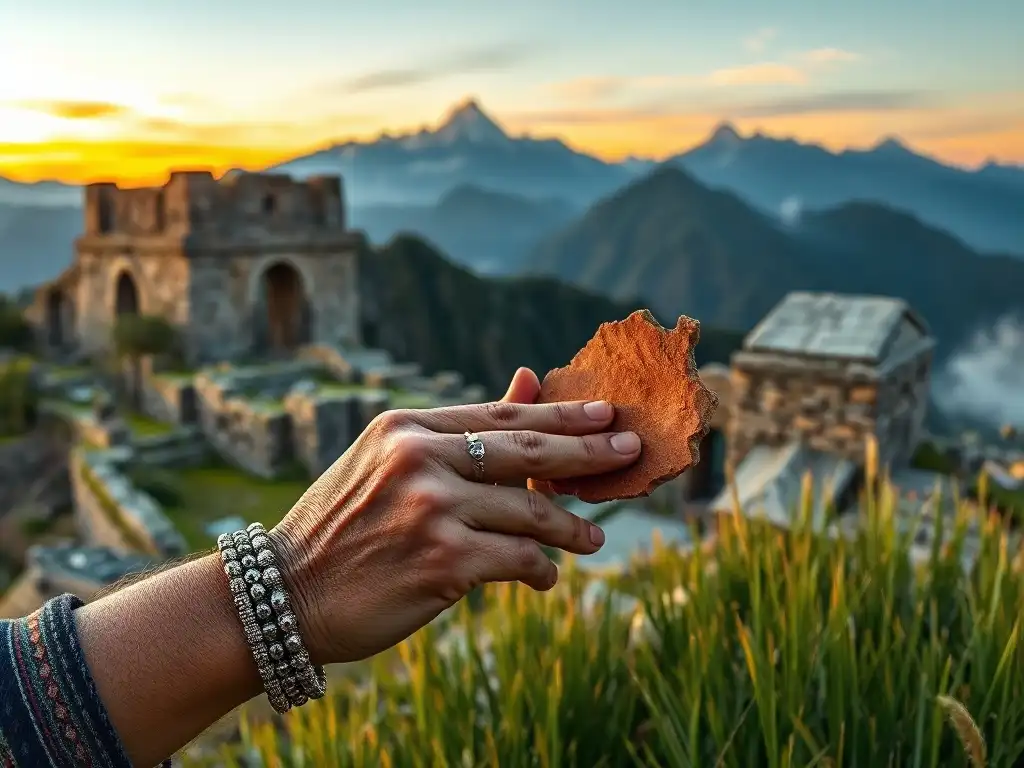
Step into a world lost to time, yet echoing with the whispers of a magnificent past. Journey with us as we delve into the captivating narratives of Andean civilizations, uncovering the ingenious artistry, complex societal structures, and advanced technologies of empires like the Inca, Moche, and Nazca. But who are the unsung heroes who pieced together this incredible story? Discover the crucial role played by Andean civilizations historians and their tireless efforts to reconstruct these lost narratives – a journey that will leave you breathlessly anticipating what lies ahead.
The Andes Mountains, a spine of towering peaks running down the western coast of South America, have witnessed millennia of human civilization. From the sophisticated irrigation systems of the Nazca to the breathtaking stonework of Machu Picchu, the Andean region boasts a rich tapestry of cultures and achievements. Understanding this complex history, however, relies heavily on the tireless work of historians – individuals who painstakingly pieced together fragmented narratives, deciphered cryptic symbols, and interpreted archaeological evidence to bring these lost worlds to life.
This article explores the pivotal roles played by key historians in reconstructing the narratives of Andean civilizations, offering a glimpse into the dedication and ingenuity required to unravel the whispers of the past. We'll examine their contributions, highlighting the challenges they faced and the impact their work has had on our understanding of the Incas, Moche, Nazca, Tiahuanaco, and other fascinating Andean societies.
This exploration will reveal not only the historical figures themselves, but also the evolving methods and interpretations that continue to shape our perception of these remarkable civilizations. Understanding these Andean civilizations historians is key to unlocking the secrets of this captivating region.
Early Chroniclers and the Colonial Perspective
The initial narratives of Andean civilizations often came from Spanish chroniclers who arrived in the Americas following the conquest. While their accounts offer invaluable primary sources, it's crucial to acknowledge the inherent biases of their colonial perspective. Many chroniclers, such as [Specific Chronicler Name 1 pending] and [Specific Chronicler Name 2 pending], viewed the indigenous populations through a lens shaped by their own cultural and religious beliefs.
Their writings, therefore, sometimes present a skewed or incomplete picture, often glorifying Spanish achievements while downplaying or misrepresenting the sophistication of Andean societies. Despite these limitations, their detailed descriptions of Inca customs, social structures, and technological advancements remain essential for understanding the pre-Columbian world. Analyzing their work requires a critical eye, considering both the information provided and the context in which it was written.
We must consider the power dynamics at play and recognize the inherent limitations of relying solely on accounts written from a position of colonial dominance. This critical approach allows us to extract valuable information while acknowledging the inherent biases present. Understanding these biases is crucial for a balanced understanding of Andean history.
The Rise of Archaeological Interpretation
The 20th and 21st centuries witnessed a significant shift in the study of Andean civilizations, with archaeology playing an increasingly prominent role. The meticulous excavation of sites like Machu Picchu and Chan Chan, combined with advancements in scientific dating techniques, provided a wealth of new data that challenged and refined earlier interpretations. Historians like [Specific Archaeologist Name 1 pending] revolutionized our understanding of [Specific Andean Civilization pending] through their innovative methodologies and meticulous analysis of artifacts.
Their work highlighted the complexity of Andean societies, moving beyond simplistic narratives of conquest and highlighting the resilience and adaptability of indigenous populations. Furthermore, the application of techniques like radiocarbon dating and isotopic analysis provided more precise chronological frameworks, allowing for a more nuanced understanding of cultural transitions and interactions.
This interdisciplinary approach, combining historical accounts with archaeological evidence, has significantly enriched our knowledge of Andean civilizations. The integration of scientific methods has allowed for a more objective and detailed reconstruction of the past.
Modern Andeanist Scholarship and Intercultural Dialogue
Contemporary Andeanist scholarship emphasizes intercultural dialogue and a more inclusive approach to historical interpretation. Historians are increasingly engaging with indigenous perspectives and incorporating oral histories and local knowledge into their research. This collaborative approach acknowledges the importance of indigenous voices in shaping a more complete and accurate understanding of the past. The work of [Specific Contemporary Andeanist Name 1 pending] exemplifies this shift, focusing on [Specific area of research pending] and incorporating indigenous perspectives to challenge Eurocentric narratives.
This ongoing dialogue not only enriches our understanding of Andean history but also promotes a more respectful and equitable representation of indigenous cultures. The future of Andean studies lies in this collaborative approach, fostering a deeper appreciation for the richness and complexity of these ancient civilizations. The emphasis on inclusivity and interdisciplinary collaboration represents a crucial step towards a more accurate and holistic understanding of the Andean past.
- Early Chroniclers and the Colonial Perspective
- The Rise of Archaeological Interpretation
- Modern Andeanist Scholarship and Intercultural Dialogue
- What makes the study of Andean civilizations so challenging for historians?
- Who are some of the key figures in Andean civilizations historical research?
- How have recent discoveries impacted our understanding of Andean civilizations?
- What are the main debates among Andean civilizations historians today?
- Where can Andean civilizations historians find reliable sources for their research?
Unveiling the Andean Past: The Role of Historians

This section delves into the pivotal role historians have played in reconstructing the narratives of Andean civilizations. Their work, often painstaking and meticulously researched, has brought to light the complexities and richness of these ancient societies, challenging previously held assumptions and offering fresh perspectives on their achievements and societal structures. From deciphering cryptic inscriptions to analyzing intricate artifacts, these scholars have been instrumental in shaping our understanding of the Inca, Moche, Nazca, and Tiahuanaco cultures, among others.
Their contributions extend beyond mere data collection; they involve interpreting cultural practices, understanding technological advancements, and ultimately, giving voice to civilizations that might otherwise remain silent. The study of Andean civilizations historians is thus crucial to understanding the evolution of our knowledge about these fascinating societies.
The Crucial Work of Andean Historians
Andean historians face unique challenges. Unlike many other historical periods, written records from the Andean civilizations themselves are scarce, and often fragmented. The Inca, for example, primarily used quipus – complex knotted cords – for record-keeping. Deciphering these intricate systems has been a monumental task, requiring years of dedicated research and cross-referencing with other archaeological evidence.
Historians have had to employ a multidisciplinary approach, combining archaeological findings, linguistic analysis, anthropological studies, and even botanical and zoological research to piece together a coherent picture. For instance, the study of agricultural practices and irrigation systems provides crucial insight into the societal organization and technological prowess of these cultures. The meticulous analysis of pottery, textiles, and metalwork reveals details about artistic styles, religious beliefs, and social hierarchies.
The work of these scholars is a testament to human ingenuity and perseverance in unveiling the secrets of the past. Their contribution to the field of Andean studies is invaluable. Furthermore, the interpretation of colonial-era accounts, often biased or incomplete, requires careful scrutiny and critical analysis to avoid perpetuating inaccurate or misleading narratives.
Understanding the Challenges in Reconstructing Andean History
Reconstructing the history of Andean civilizations presents significant hurdles. The limited written sources necessitate a heavy reliance on material culture – artifacts, ruins, and landscapes. This presents interpretive challenges; assigning meaning to objects requires careful consideration of context, and different scholars may arrive at varying conclusions. Moreover, the vast geographical expanse of the Andes and the diverse cultures within it complicate the task.
Synthesizing information from different regions and time periods demands a sophisticated understanding of regional variations and chronological frameworks. The sheer scale of archaeological sites, such as Machu Picchu or Chan Chan, further complicates the process, demanding extensive fieldwork, meticulous documentation, and advanced technological analysis. The degradation of sites due to environmental factors and human activity adds another layer of complexity.
Preserving these fragile remnants of the past while simultaneously uncovering their secrets is a delicate balancing act. The ongoing efforts of Andean civilizations historians to overcome these obstacles are vital to maintaining the integrity and accuracy of our understanding of these remarkable societies. The ongoing debate around interpretation highlights the dynamic and evolving nature of historical research.
Why Studying Andean Civilizations Historians is Important
Studying the historians who have dedicated their lives to understanding Andean civilizations is crucial for several reasons. Firstly, it provides insight into the evolution of our understanding of these cultures. By examining the methodologies, interpretations, and debates amongst scholars, we can gain a deeper appreciation for the complexities of historical research. Secondly, it allows us to critically evaluate the narratives we inherit.
Understanding the biases and limitations of past scholarship helps us to construct more nuanced and accurate representations of Andean history. Thirdly, it highlights the importance of interdisciplinary collaboration. The success of Andean studies relies on the contributions of archaeologists, anthropologists, linguists, and other specialists, demonstrating the power of collaborative research. Finally, it fosters a deeper appreciation for the achievements and resilience of Andean cultures.
By understanding the rigorous work of those who strive to understand these civilizations, we can better appreciate the legacies they have left behind. The study of Andean civilizations historians is not just about understanding the past; it's about understanding how we understand the past, and how that understanding shapes our present. It is, therefore, a critical field of study for anyone interested in the rich tapestry of Andean history and culture.
Early Chroniclers and Their Contribution to Andean Studies

This section delves into the pivotal role played by early chroniclers in shaping our understanding of Andean civilizations. These individuals, writing during and immediately after the Spanish conquest, provided the foundational narratives upon which much of subsequent Andean studies are built. Their accounts, while often colored by their own biases and perspectives, offer invaluable insights into the social structures, religious beliefs, and technological advancements of these complex societies.
Analyzing their work critically is crucial for a nuanced understanding of Andean history. The limitations of their sources and the inherent biases must be acknowledged, but their contributions remain undeniable. The exploration of these early accounts reveals not only the historical events themselves but also the evolving methodologies and perspectives of historical scholarship concerning Andean civilizations historians.
Spanish Chroniclers: First Glipses of Andean Societies
Spanish chroniclers, arriving in the Andes with the conquistadors, produced a wealth of written accounts, often driven by a desire to understand and control the newly conquered territories. Their writings, while undeniably biased by their colonial perspectives, provide crucial information about the Inca Empire and other Andean societies. Key figures like Pedro Cieza de León, author of the Crónica del Perú, offered detailed descriptions of Inca geography, social organization, and military practices.
His meticulous observations of Inca infrastructure, including roads and agricultural techniques, are particularly noteworthy. Similarly, Inca Garcilaso de la Vega, a mestizo chronicler, produced the Royal Commentaries of the Incas, a unique blend of Spanish and Inca perspectives. While his work reflects a certain romanticized view of the Inca past, it also provides invaluable insights into Inca worldview and traditions, often drawing on oral traditions passed down through his indigenous ancestry.
However, it's crucial to remember that these accounts often present a Eurocentric interpretation of Andean societies, filtering indigenous practices through a lens of European understanding. Further analysis is needed to identify and mitigate this bias in their narrative, allowing for a more complete picture of Andean civilizations.
The Legacy of Indigenous Chroniclers: Preserving Native Voices
While Spanish accounts dominate the early historical record, the voices of indigenous chroniclers are equally vital, although often overlooked or marginalized. These individuals, writing in Quechua or Aymara and sometimes using Spanish, offer a counterpoint to the colonial narratives, preserving indigenous perspectives and challenging the dominant historical interpretations.
These accounts, often fragmented and less widely circulated, provide a crucial understanding of pre-Columbian Andean societies from within. While specific names and works are often difficult to definitively attribute due to the complexities of the historical record and transmission of knowledge, the surviving fragments reveal a rich tapestry of beliefs, traditions, and social structures not adequately captured in Spanish chronicles.
The rediscovery and translation of these indigenous chronicles represent a significant area of ongoing research within Andean civilizations historians, providing a more complete and nuanced historical record. The recovery of these voices is essential for a more representative and less biased understanding of the past.
Analyzing the Bias in Colonial-Era Andean Accounts
The colonial-era accounts of Andean civilizations, while invaluable sources, are inevitably shaped by the biases of their authors. Understanding these biases is crucial for a responsible interpretation of the historical record. Spanish chroniclers, often driven by religious zeal or a desire to legitimize colonial rule, frequently presented a skewed view of Andean societies, emphasizing aspects that confirmed their preconceived notions while downplaying or ignoring others.
For example, the portrayal of Inca religion often focused on the aspects that resembled European Christianity, while ignoring the complexity and diversity of indigenous spiritual beliefs. Similarly, the descriptions of Inca social structure often emphasized hierarchy and control, neglecting the agency and resilience of indigenous communities. Moreover, the very act of writing these histories from a colonial perspective inherently shaped the narrative, selecting certain aspects to highlight while neglecting others.
To counteract these biases, modern Andean civilizations historians employ a multi-faceted approach, including comparing multiple accounts, examining indigenous art and artifacts, and incorporating anthropological and archaeological evidence. By using a critical lens and incorporating diverse perspectives, a more accurate and nuanced understanding of Andean history can emerge. This critical analysis is essential for responsible historical scholarship concerning Andean civilizations.
Key Figures in the Study of Andean Civilizations
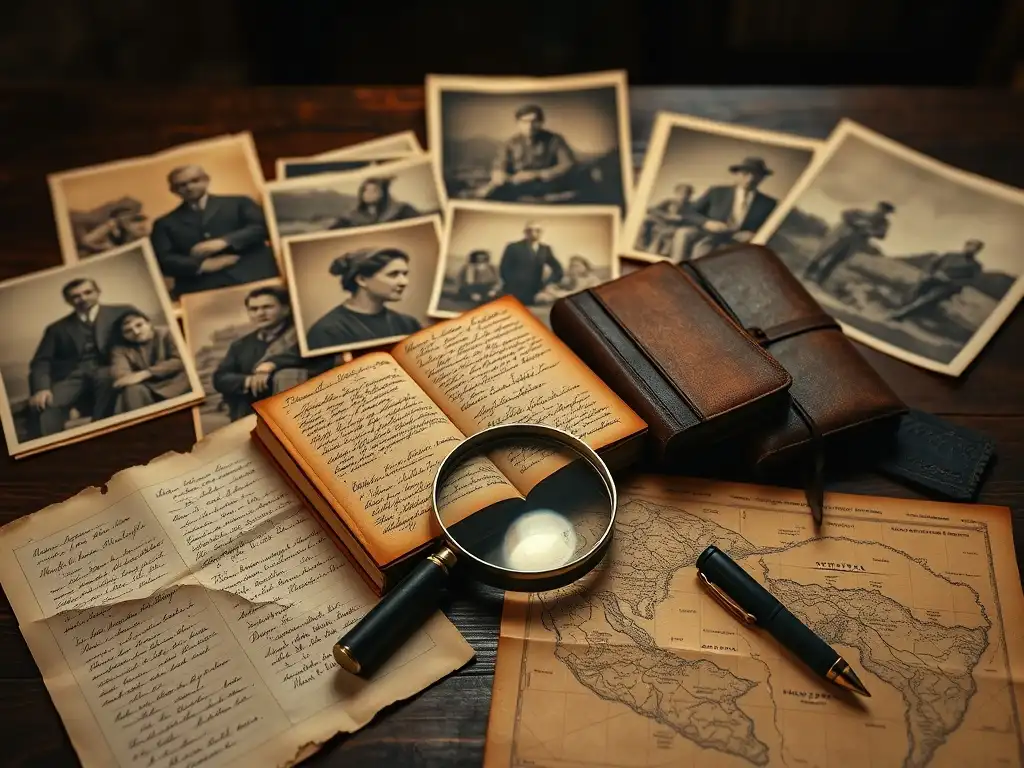
This section delves into the significant contributions of key scholars who have shaped our understanding of Andean civilizations. Their meticulous research, innovative methodologies, and dedication to uncovering the complexities of these ancient societies have fundamentally altered how we perceive the rich tapestry of Andean history and culture. These individuals, representing a diverse range of expertise, have not only unearthed remarkable artifacts but also fostered a deeper appreciation for the ingenuity, resilience, and cultural richness of Andean peoples. Their work continues to inspire new generations of Andean civilizations historians.
María Rostworowski: Pioneering Research in Coastal Andean Societies
María Rostworowski de Diez Canseco (1928-2018) stands as a monumental figure in Andean studies, particularly for her groundbreaking work on the pre-Inca coastal societies of Peru. Her research transcended simple artifact cataloging; she delved deep into the social, economic, and political structures of these often-overlooked civilizations. Her meticulous approach involved analyzing a vast array of sources, including colonial documents, archaeological findings, and indigenous oral traditions, weaving together a complex and nuanced picture of coastal life.
Contributions to the understanding of pre-Inca coastal polities and economies.
Rostworowski's contributions significantly advanced our understanding of the intricate social hierarchies, economic systems, and political organization of coastal societies like the Chimú and the Chancay. She challenged prevailing Eurocentric narratives by highlighting the sophisticated administrative systems, extensive irrigation networks, and complex trade networks that characterized these pre-Columbian cultures. Her work on the señoríos (lordships) of the coast provided a detailed analysis of their political structures and economic strategies, revealing a level of complexity previously underestimated.
She meticulously documented the role of craft production, agriculture, and fishing in these societies, demonstrating their economic prowess and resilience. Her detailed analysis of the coastal economies revealed a sophisticated understanding of resource management and trade, far exceeding previous assumptions.
Impact on Andean Studies: Emphasis on regional diversity and indigenous perspectives.
Rostworowski's legacy extends beyond specific discoveries. Her insistence on considering the regional diversity of Andean societies profoundly impacted the field. She consistently challenged the tendency to impose a singular, monolithic narrative on the Andes, emphasizing instead the unique characteristics and trajectories of different regional cultures.
Furthermore, she championed the incorporation of indigenous perspectives and oral histories into scholarly interpretations, enriching our understanding with voices often marginalized in traditional academic discourse. This emphasis on inclusivity and nuanced regional analysis continues to shape the methodology of Andean studies today. Her work serves as a powerful example of how a deep understanding of local contexts can illuminate broader historical trends.
Johan Reinhard: Uncovering the Secrets of High-Altitude Andean Rituals
Johan Reinhard (1947-2018) dedicated his life to exploring the high-altitude archaeology of the Andes, specifically focusing on Inca mountain worship and the sacred sites located in the towering peaks of the Andes Mountains. His work is distinguished not only by its groundbreaking discoveries but also by its innovative interdisciplinary approach. He combined archaeological excavation with ethnohistorical data, creating a remarkably comprehensive understanding of Inca religious practices and beliefs. His research significantly challenged previous interpretations and offered a more complete picture of Inca spirituality.
Contributions to understanding Inca mountain worship through archaeological discoveries.
Reinhard's most significant contribution lies in his discovery and documentation of numerous high-altitude Inca sites, many previously unknown. His meticulous excavations revealed details about Inca ritual practices, including the offering of llamas, textiles, and other precious objects to the apus (mountain spirits). He documented the intricate architectural features of these sites, revealing the sophisticated engineering techniques employed by the Inca at extreme altitudes.
He meticulously recorded the locations and contents of these sites, providing invaluable data for understanding Inca cosmology and religious beliefs. This meticulous work has allowed for a more nuanced understanding of the Inca worldview and their relationship with the natural environment.
Methodological Approach: Combining archaeological excavation with ethnohistorical data.
Reinhard's methodological approach set him apart. He didn't solely rely on archaeological excavation; instead, he integrated this with ethnohistorical research, drawing insights from colonial chronicles, indigenous oral traditions, and ethnographic studies of contemporary Andean communities. This interdisciplinary approach allowed him to contextualize his archaeological findings within a broader cultural framework, creating a richer and more complete narrative.
He expertly combined scientific rigor with a deep respect for indigenous knowledge systems, resulting in a more holistic and nuanced understanding of Inca mountain worship. This approach serves as a model for future research in Andean archaeology and underscores the importance of interdisciplinary collaboration.
John Murra, a towering figure in Andeanist scholarship, significantly advanced our understanding of Andean economic and social organization. His meticulous research, often involving painstaking analysis of colonial-era documents and indigenous accounts, revolutionized how scholars viewed the complexities of pre-Columbian societies. He moved beyond simplistic narratives of isolated, self-sufficient communities, revealing a far more intricate and interconnected system.
Murra’s work challenged prevailing interpretations, forcing a re-evaluation of traditional models and prompting the development of new theoretical frameworks to understand Andean societies. His detailed studies of specific regions and ethnic groups provided rich empirical data, fostering a more nuanced and sophisticated understanding of Andean life. This meticulous approach, combining archival research with ethnographic insights, became a hallmark of his work and profoundly influenced subsequent generations of Andeanists.
He didn't simply describe; he analyzed, contextualized, and provided innovative interpretations that continue to shape our understanding today. His legacy is one of rigorous scholarship and transformative insights into the Andean world.
Contributions to the concept of vertical archipelago and Andean reciprocity.
Murra's most significant contribution is arguably his development of the concept of the "vertical archipelago." This groundbreaking idea challenged the prevailing notion of isolated, self-sufficient Andean communities. Instead, Murra argued that Andean societies strategically exploited the diverse ecological zones of the Andes, creating a complex network of interconnected settlements spanning different altitudes.
These settlements, from high-altitude pastures to lower-lying valleys and coastal regions, were not isolated entities but rather parts of a coordinated system of resource management and exchange. Each zone offered unique resources: highlands provided grazing land for llamas and alpacas, valleys yielded crops like maize and potatoes, and the coast offered fish and other marine products. This "vertical archipelago" facilitated a system of reciprocal exchange, crucial to the survival and prosperity of Andean communities.
The concept of verticality, central to Murra's model, highlighted the importance of altitude and its impact on resource availability and social organization. He demonstrated how communities, through controlled access to resources across multiple ecological zones, created a resilient and adaptable system that ensured their survival. This wasn't simply trade; it was a finely tuned system of reciprocal obligations and social connections, highlighting the deep integration of economic and social life in the Andes.
Influence on the Field: Shaped understanding of Andean resource management and social structures.
Murra's influence on the field of Andean studies is undeniable. His work fundamentally altered how scholars approached the study of Andean economic and social structures. The concept of the "vertical archipelago" became a cornerstone of Andeanist research, inspiring numerous studies that explored the intricate networks of exchange and resource management in various Andean regions.
His emphasis on the importance of ecological factors in shaping social organization profoundly impacted subsequent research. Scholars began to examine the relationship between altitude, resource distribution, and social stratification with a renewed focus, leading to a more nuanced understanding of Andean societies. Furthermore, his emphasis on the use of diverse sources, including colonial documents and indigenous accounts, set a new standard for rigorous and meticulous research in the field.
His work continues to inspire new generations of Andeanists, encouraging them to approach the study of Andean civilizations with a critical eye, a focus on detail, and a recognition of the complex interplay between environment, economy, and social organization. His legacy is one of rigorous scholarship and profound impact on the field, permanently shaping our understanding of Andean civilizations.
Modern Approaches to Andean Historical Research
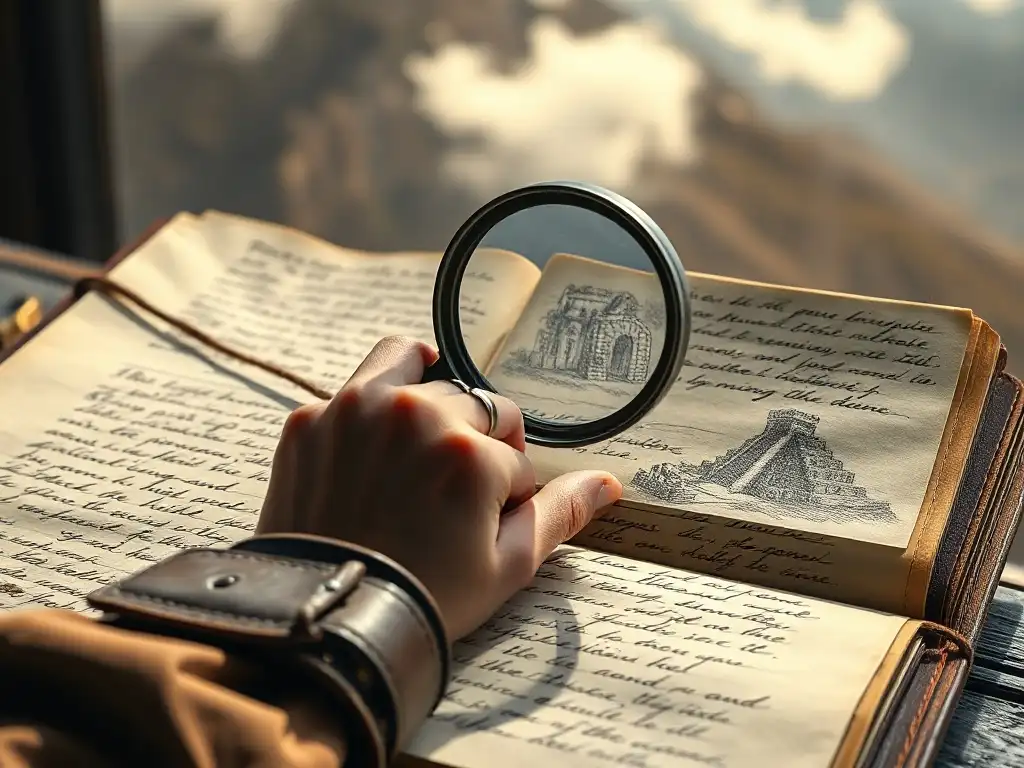
The study of Andean civilizations has undergone a dramatic transformation in recent decades, moving beyond simple chronological narratives to embrace more nuanced and interdisciplinary approaches. This shift reflects a deeper understanding of the complexities of Andean societies and a recognition of the limitations of relying solely on colonial-era accounts. The keyword "Andean civilizations historians" encapsulates this evolution, highlighting the crucial role of scholars in shaping our comprehension of these fascinating cultures. Modern Andean historical research is characterized by a sophisticated methodology that incorporates diverse sources and perspectives, leading to a richer and more accurate portrayal of the past.
The Use of Archaeology in Reconstructing Andean History
Archaeology has become indispensable in reconstructing the narratives of Andean civilizations. While colonial chronicles offer valuable insights, they often reflect a biased perspective, filtered through the lens of European conquest and cultural imposition. Archaeological excavation, however, provides direct access to material culture – the physical remains of past societies.
For instance, the meticulous excavation of Moche sites on the Peruvian coast has revealed intricate details about their social structures, religious practices, and artistic achievements, far exceeding the information available in written sources. The discovery of elaborate tombs containing exquisite gold artifacts, intricately painted ceramics, and human sacrifices provides compelling evidence of the Moche's sophisticated worldview and societal hierarchy. Analysis of these artifacts, combined with radiocarbon dating and other scientific techniques, allows historians to create a more complete and accurate picture of Moche life.
Furthermore, the study of agricultural terraces, irrigation systems, and urban planning reveals the ingenuity and technological prowess of Andean societies, challenging earlier assumptions about their technological capabilities. The meticulous recording and analysis of archaeological finds are crucial in providing a counterpoint to the often-incomplete and biased historical accounts, thus enriching our understanding of Andean civilizations. This allows for a more comprehensive understanding of the daily lives, beliefs, and social structures of these ancient populations, often contradicting or enriching written accounts.
Ethnohistory: Combining Oral Traditions and Written Records
Ethnohistory represents a powerful methodology that bridges the gap between written historical accounts and the enduring oral traditions of Andean communities. This approach acknowledges that the history of Andean civilizations isn't solely contained within colonial documents but also lives on in the stories, songs, and customs passed down through generations. By carefully analyzing both written records and oral traditions, ethnohistorians can construct a more holistic and nuanced understanding of the past.
For example, the study of Quechua language and oral narratives has revealed valuable insights into Inca cosmology, social organization, and historical events, offering perspectives often absent from Spanish chronicles. This interweaving of written and oral sources allows historians to cross-reference information, identify biases, and build a more robust and comprehensive narrative.
The careful transcription and translation of oral histories, coupled with linguistic analysis and anthropological fieldwork, are crucial steps in this process. The use of ethnohistory in Andean studies has significantly enriched our understanding of the cultural continuity and adaptation of Andean communities across centuries, highlighting the resilience and dynamism of these societies.
Interdisciplinary Approaches to Studying Andean Cultures
The most significant advancements in the study of Andean civilizations have resulted from interdisciplinary collaborations. Historians now work alongside archaeologists, anthropologists, linguists, art historians, and other specialists to develop a more comprehensive understanding of these complex societies. This collaborative approach allows for a more holistic interpretation of the available evidence, integrating different perspectives and methodologies to create a more nuanced and complete picture.
For example, the study of Inca textiles requires the expertise of art historians to analyze their aesthetic qualities, anthropologists to interpret their social significance, and archaeologists to contextualize their discovery within specific sites. Similarly, understanding Inca agricultural practices necessitates the integration of botanical knowledge, archaeological data on irrigation systems, and historical accounts of agricultural techniques. This interdisciplinary approach allows scholars to move beyond simple narratives and delve into the complex interplay of social, economic, political, and environmental factors that shaped Andean history.
The increasing collaboration across disciplines is vital for understanding the multifaceted nature of Andean civilizations and ensuring a more accurate and complete representation of their rich history. The future of "Andean civilizations historians" lies in this collaborative approach, fostering a richer understanding of the past.
The Impact of Andean Civilizations Historians on Our Understanding

The study of Andean civilizations has undergone a dramatic transformation thanks to the tireless work of historians. Their meticulous research, insightful interpretations, and persistent efforts to uncover and analyze primary sources have fundamentally reshaped our understanding of these remarkable societies. Without their dedication, much of the rich tapestry of Andean history would remain shrouded in mystery.
From deciphering cryptic glyphs to excavating elaborate burial sites, these scholars have brought to light the complexities, innovations, and enduring legacies of the Andean world. Their contributions extend beyond simple fact-finding; they've contextualized discoveries within broader historical narratives, revealing the interconnectedness of different Andean cultures and their interactions with the wider world. This section will explore several key areas where Andean civilizations historians have made significant contributions, highlighting their impact on our current knowledge.
The work of these dedicated individuals continues to inspire new generations of scholars and enrich our appreciation for the achievements of the Andean peoples. Understanding the intricacies of their methodology and the challenges they overcame is crucial to fully appreciating the depth of knowledge we possess today regarding Andean civilizations.
How Historians Have Shaped Our Perception of the Incas
For a long time, the Inca Empire dominated narratives about Andean civilizations, often overshadowing the rich tapestry of pre-Inca cultures. However, modern Andean civilizations historians have worked diligently to correct this imbalance. By meticulously examining archaeological evidence and critically analyzing colonial-era accounts, they have revealed the Inca Empire's sophisticated administrative systems, advanced agricultural techniques, and impressive feats of engineering, such as the road network and intricate stonework.
Furthermore, they've moved beyond simplistic narratives of conquest and dominance to explore the complex interactions between the Inca and the diverse populations they incorporated into their empire. Historians have highlighted the significant cultural exchange, adaptation, and resistance that characterized Inca rule. This nuanced understanding has shifted our perception from a monolithic Inca empire to a dynamic and multifaceted political entity, shaped by both internal and external forces.
The detailed analysis of Inca textiles, pottery, and other artifacts has further enriched our understanding of their social structures, religious beliefs, and daily life. The careful study of Quecha language and oral traditions has also provided invaluable insights into Inca worldview and ideology.
Understanding the Complexity of Pre-Inca Andean Societies
Before the Inca, a vibrant array of cultures flourished in the Andes. Andean civilizations historians have dedicated significant effort to uncovering the complexities of these pre-Inca societies, such as the Nazca, Moche, and Tiwanaku. Their research has revealed sophisticated irrigation systems, remarkable artistic achievements (like the Nazca Lines), and complex social hierarchies.
The study of these societies challenges the Eurocentric notion of a linear progression of civilization, demonstrating the independent development of advanced technologies and social structures in the Andes. For example, the intricate ceramics of the Moche culture provide valuable insights into their religious beliefs, warfare, and daily life. The monumental architecture of Tiwanaku testifies to their advanced engineering skills and sophisticated urban planning.
Historians have also worked to understand the interactions and influences between these various pre-Inca cultures, charting the flow of ideas, technologies, and artistic styles across the Andean region. This research has significantly expanded our understanding of the Andean region's diverse cultural landscape and its long and complex history, far exceeding the limited scope of previous, more simplistic interpretations. The ongoing research continues to unearth new details, challenging previous assumptions and enriching our understanding of Andean history.
The work of Andean civilizations historians is not solely confined to academic research. They are actively involved in efforts to preserve and share Andean history with a wider audience. This includes working with local communities to protect archaeological sites, translating and disseminating primary sources, and developing educational programs that promote a deeper understanding of Andean cultures.
The preservation of fragile artifacts and the careful documentation of archaeological findings are crucial aspects of this ongoing effort. Furthermore, many historians are committed to promoting inclusive and respectful representations of Andean history, challenging colonial narratives and giving voice to marginalized perspectives. This collaborative approach fosters a more nuanced and accurate understanding of the past, ensuring that the rich legacy of Andean civilizations is preserved and celebrated for generations to come.
The development of accessible resources, such as museums, educational websites, and engaging publications, is essential to making Andean history accessible to a broader public, thereby fostering appreciation and respect for these remarkable cultures. This commitment to outreach and public engagement is crucial to ensuring that the knowledge gained through historical research benefits not only scholars but also the wider community.
Future Directions in Andean Historical Research
The study of Andean civilizations is a vibrant and ever-evolving field. While significant progress has been made in understanding these complex societies, much remains to be discovered and reinterpreted. Future research needs to embrace new methodologies and perspectives to provide a more nuanced and complete picture of Andean history, culture, and societal structures.
The focus should shift towards more inclusive narratives, incorporating the voices and perspectives often marginalized in traditional historical accounts. This necessitates a critical examination of existing scholarship and a commitment to collaborative research that centers the experiences and knowledge of Andean communities themselves. This section will explore some key avenues for future research in Andean studies.
New Technologies and Their Role in Andean Studies
Technological advancements offer unprecedented opportunities to enhance our understanding of Andean civilizations. High-resolution satellite imagery, for example, can reveal previously unknown archaeological sites, providing fresh insights into settlement patterns and population dynamics. Ground-penetrating radar (GPR) and other geophysical techniques can non-destructively map subsurface features, helping to locate tombs, irrigation systems, and other important structures without damaging delicate archaeological contexts.
Furthermore, advancements in 3D modeling and virtual reality (VR) allow for the creation of immersive digital reconstructions of Andean sites, making them accessible to a wider audience and facilitating collaborative research across geographical boundaries. The application of these technologies promises to revolutionize Andean archaeology and history, leading to a deeper and more accurate understanding of these fascinating cultures. For instance, the use of GIS (Geographic Information Systems) allows for the spatial analysis of data related to agricultural practices, urban planning, and trade networks, revealing intricate details about the organization and management of Andean societies.
The integration of these new technologies with traditional archaeological methods is crucial for achieving a holistic and nuanced understanding of Andean civilizations. The potential is vast; imagine detailed reconstructions of Nazca geoglyphs using drone photography and photogrammetry, providing unprecedented clarity to their design and purpose. This integration of technological advancements with traditional methods will be key in propelling the field forward.
Addressing Gaps in Our Knowledge of Andean Civilizations
Despite considerable scholarly attention, significant gaps persist in our understanding of Andean civilizations. One crucial area needing further investigation is the daily lives of ordinary people. While much is known about elite rulers and their activities, the experiences of farmers, artisans, and other social groups remain relatively obscure. Further research is needed to uncover the complexities of social stratification, economic systems, and everyday life in these societies. Moreover, the role of women in Andean societies needs to be more thoroughly explored.
Existing historical narratives often marginalize female voices and perspectives, leading to an incomplete picture of their contributions to the social, political, and economic fabric of Andean civilizations. We need more research focused on uncovering women's roles in agriculture, textile production, religious practices, and political life. Similarly, a more comprehensive understanding of inter-societal interactions and conflicts is vital. While we know of some interactions between different Andean groups, the dynamics and consequences of these interactions are often poorly understood.
Further research needs to explore the complexities of alliances, warfare, and cultural exchange between different Andean societies, providing a more nuanced understanding of their relationships. This requires a multidisciplinary approach, integrating archaeological, textual, and ethnographic data to create a comprehensive picture. The lack of detailed information regarding the specific technologies employed in certain crafts, such as metalworking and pottery production, is another area that needs focused investigation. This will require careful analysis of archaeological artifacts and a deeper understanding of the raw materials and techniques used.
The Importance of Collaboration and Community Engagement
The study of Andean civilizations must move beyond a purely academic pursuit and embrace collaboration and community engagement. Working closely with Andean communities is essential for ensuring that research is conducted ethically and respectfully, and that the voices and perspectives of those directly connected to this history are heard. This collaborative approach will not only enhance the accuracy and completeness of historical narratives but also foster mutual respect and understanding. Engaging with local communities offers invaluable insights into traditional knowledge, oral histories, and cultural practices that complement and enrich scholarly research.
This collaborative approach is crucial for creating more inclusive and accurate narratives that challenge Eurocentric biases and reflect the diversity of experiences within Andean societies. By working alongside Andean communities, researchers can ensure that their research contributes to the preservation and revitalization of Andean cultures and heritage, avoiding the pitfalls of extractive research practices. This collaborative approach also provides opportunities for capacity building within Andean communities, empowering them to participate actively in the preservation and interpretation of their own history.
Furthermore, actively involving local communities in research projects ensures that research findings are shared in meaningful ways that benefit the communities involved, creating a positive and reciprocal relationship between researchers and the communities they study. This commitment to collaboration and community engagement is vital for the future of Andean studies. The ultimate goal is to create a shared understanding of Andean history, one that is both academically rigorous and culturally sensitive.
Frequently Asked Questions
What makes the study of Andean civilizations so challenging for historians?
The study is challenging due to several factors including the fragmented nature of surviving sources, the diverse range of cultures across vast geographical areas, and the complex interplay of different Andean societies over time. Interpreting limited evidence requires sophisticated methodologies.
Who are some of the key figures in Andean civilizations historical research?
Prominent figures include John Murra, known for his work on vertical archipelago, and Maria Rostworowski, who significantly advanced our understanding of Inca society. Many other scholars continue to contribute crucial research.
How have recent discoveries impacted our understanding of Andean civilizations?
Recent archaeological finds, improved dating techniques, and new analytical methods have revealed much about Andean technologies, social structures, and interactions. This leads to a more nuanced and dynamic understanding of their history.
What are the main debates among Andean civilizations historians today?
Current debates revolve around issues like the nature of Inca imperial control, the extent of cultural exchange between different Andean groups, and the causes of societal collapse in specific periods. Ongoing research continuously refines these discussions.
Where can Andean civilizations historians find reliable sources for their research?
Archaeological sites, museums, archives, and published academic works are crucial sources. Collaboration with local communities and indigenous knowledge holders is also increasingly important for a more complete picture.
Final Reflection: Reclaiming Andean Voices
The meticulous work of Andean historians isn't just an academic pursuit; it's a vital act of cultural reclamation, reshaping our understanding of the past and challenging dominant narratives. These scholars, through painstaking research and innovative methodologies, have unearthed stories previously silenced, giving voice to civilizations often marginalized in historical accounts. Their contributions are more relevant than ever in a world grappling with issues of representation and historical accuracy.
The impact of these historians extends far beyond the academic sphere; their work has profoundly influenced how we perceive pre-Columbian societies, challenging Eurocentric biases and fostering a more inclusive understanding of human history. Their discoveries have enriched our understanding of complex social structures, sophisticated technologies, and vibrant cultural expressions. History is not merely what happened, but what is remembered, and how it is remembered.
This quote underscores the crucial role of historians in shaping our collective memory and ensuring that the voices of the Andean civilizations are heard.
Consider the legacy of these dedicated scholars. Their work compels us to question the narratives we've inherited, to seek out diverse perspectives, and to actively participate in the ongoing process of historical interpretation. You, the reader, now hold the power to continue this vital work. Seek out the voices of Andean peoples, explore their rich cultural heritage, and challenge yourself to understand the past from multiple viewpoints. Let the whispers of the past inspire you to build a more just and inclusive future.
**Unveil the Secrets of Andean History**
Thank you for exploring the rich tapestry of Andean civilizations! You've discovered the remarkable work of historians who bring the past to life, revealing stories that shape our cultural heritage. Now, let's ignite your curiosity even further.
Here are some ways to delve deeper into the fascinating world of Andean history:
- **Connect with fellow history enthusiasts** by joining a local history group or online forum to share your discoveries and learn from others.
- **Immerse yourself in Andean culture** by visiting heritage sites during your travels. Capture the essence of these places through photography or journaling to preserve your experiences.
- **Share your newfound knowledge** with friends and family, sparking conversations about the enduring lessons of the past and their relevance to contemporary society.
Which aspect of Andean history captivates you most, and how do you believe it informs our understanding of the present day?