
The Power of Femininity: Exploring Gender Roles in Andean Civilizations

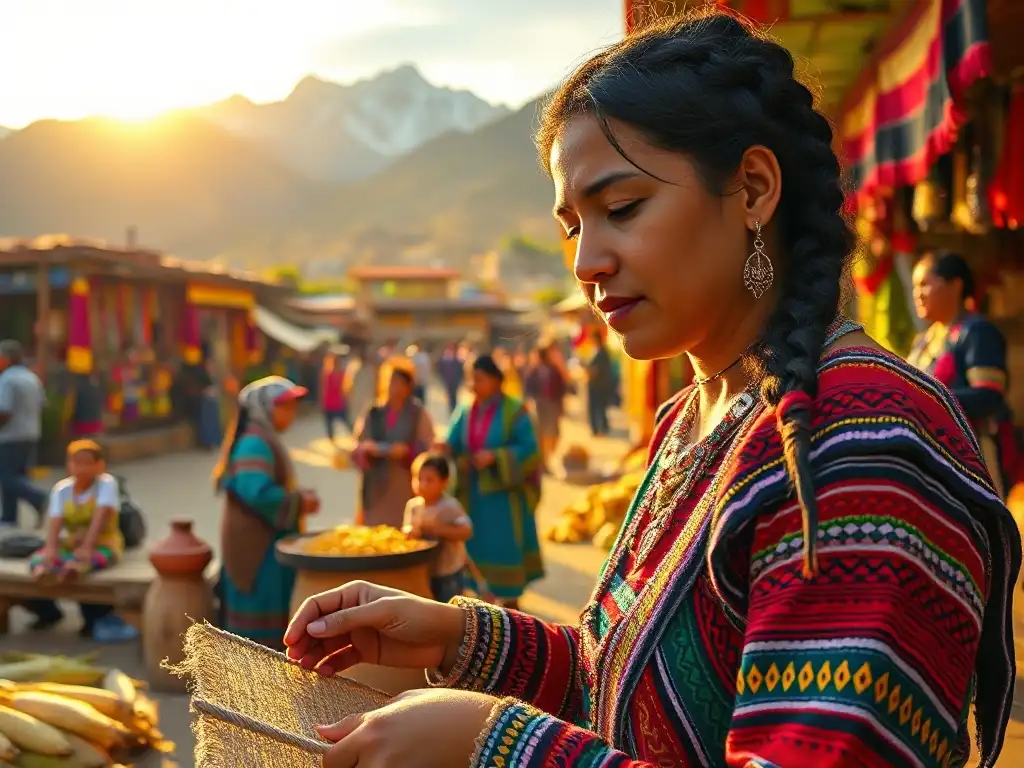
Uncover the secrets whispered on the wind across the Andes… Did the towering achievements of the Inca, Moche, and Nazca truly reflect a society of rigid gender roles, or does a different story lie hidden within the intricate tapestry of their cultures? Prepare to challenge your assumptions as we delve into the fascinating complexities of Andean civilizations gender roles, revealing surprising insights into the power and influence wielded by women in these ancient societies. Journey with us to uncover a world beyond the legends.
-
Andean Civilizations Gender Roles: The Power of Femininity
- Introduction to Gender Dynamics in Ancient Andean Societies
- Understanding Gender Roles in Pre-Incan Cultures
- The Inca Empire: A Closer Look at Gender Structures
- Andean Women's Contributions: Beyond Domesticity
- Challenging Traditional Views on Andean Gender Roles
- Mama Ocllo: The Mythical Inca Founder
- The Enduring Legacy of Andean Gender Dynamics
- Conclusion: The Power of Femininity in Andean Civilizations
-
Frequently Asked Questions
- What were the general gender roles in Andean civilizations?
- Did Andean women have any political power?
- How did the Inca Empire's gender roles differ from other Andean cultures?
- What was the role of women in Andean textile production?
- How did religious beliefs impact gender roles in Andean civilizations?
- Final Reflection: Reimagining Power in the Andes
- Unleash Your Inner Strength: Engage with Andean Femininity Today!
Andean Civilizations Gender Roles: The Power of Femininity
Exploring the rich tapestry of Andean civilizations often focuses on the monumental architecture, intricate textiles, and sophisticated agricultural techniques. However, a crucial, yet often overlooked, aspect is the complex and nuanced understanding of gender roles within these societies.
This article delves into the fascinating dynamics of femininity and its power in shaping the social, political, and religious landscapes of ancient Andean cultures, challenging conventional narratives that often marginalize women's contributions. We will examine the diverse roles women played across different Andean societies, from the pre-Inca cultures of the Moche, Nazca, and Tiahuanaco to the later Inca Empire, revealing a reality far more complex and empowering than simplistic interpretations might suggest.
Understanding these gender roles provides a more complete and accurate picture of the achievements and complexities of Andean civilizations, enriching our appreciation of their enduring legacy. This exploration aims to highlight the significant contributions of women and challenge the persistent biases that often overshadow their importance in historical narratives related to Andean civilizations gender roles.
Introduction to Gender Dynamics in Ancient Andean Societies
The Andean region, encompassing the vast expanse of the Andes Mountains, was home to a multitude of vibrant and sophisticated civilizations. Generalizations about "Andean civilizations gender roles" are inherently problematic, as the experiences of women varied significantly depending on the specific culture, time period, and even geographic location. While patriarchal structures existed in varying degrees, the reality was far more nuanced. Archaeological evidence, coupled with ethnohistorical accounts (where available), reveals a spectrum of female roles, from religious leaders and skilled artisans to influential political figures and powerful matriarchs.
We must move beyond simplistic binaries of male dominance and female subordination to appreciate the complexity and agency women demonstrated within these societies. The following sections will explore specific examples to illustrate this multifaceted reality. Understanding these complexities is crucial for a more complete and accurate understanding of Andean societies and their enduring impact.
Understanding Gender Roles in Pre-Incan Cultures
The pre-Inca cultures of the Andes, each with its unique characteristics, offer compelling insights into the diverse roles women played. While evidence is often fragmented and requires careful interpretation, archaeological findings and surviving iconography provide valuable clues about the social structures and gender dynamics of these societies. The following sub-sections will examine the roles of women in three prominent pre-Inca cultures: the Moche, the Nazca, and the Tiahuanaco. By comparing and contrasting these societies, we can gain a broader understanding of the diverse ways in which women contributed to the fabric of Andean life.
The Significance of Women in Moche Society
Moche society (c. 100-800 CE), known for its impressive ceramics depicting vivid scenes of daily life, offers valuable insights into gender roles. While Moche art often portrays powerful male figures, such as warriors and priests, it also depicts women in positions of authority and influence. Female deities are prominently featured, suggesting a significant religious role for women.
Moreover, depictions of women participating in various economic activities, such as weaving and pottery making, highlight their crucial contribution to the society's economic well-being. Further research is needed to fully understand the extent of women's political power within the Moche hierarchy, but the available evidence suggests a more complex and egalitarian relationship than initially assumed. The intricate details of Moche pottery provide a unique window into their social structures, revealing a society where women's roles were far from insignificant.
Nazca Women's Roles: Beyond the Geoglyphs
The Nazca culture (c. 100 BCE – 800 CE), famous for its enigmatic geoglyphs, also presents a complex picture of gender roles. While the creation of the geoglyphs is often associated with male labor, recent research suggests a more active role for women in various aspects of Nazca society. Evidence from textiles, pottery, and burial sites indicates that women were involved in textile production, a highly valued craft, and held positions of social standing.
Their involvement in religious ceremonies is also suggested by certain iconographic representations. The full extent of their political and economic influence remains a subject of ongoing research, but it is clear that Nazca women played a vital role in the cultural and social life of their community, extending far beyond the iconic geoglyphs.
Gender Complementarity in Tiahuanaco Culture
The Tiahuanaco culture (c. 500-1000 CE), centered around the impressive city of Tiahuanaco in present-day Bolivia, displayed a sophisticated social organization. While the precise nature of gender roles is still under investigation, evidence suggests a system of gender complementarity, where both men and women occupied distinct yet equally important roles.
The religious iconography of Tiahuanaco often features both male and female deities, suggesting a balanced distribution of power within the spiritual realm. Further research is needed to understand the specific social and political roles of women within the Tiahuanaco state, but initial findings suggest a more integrated and nuanced picture of gender roles than initially assumed, highlighting the importance of avoiding simplistic interpretations of Andean civilizations gender roles.
The Inca Empire: A Closer Look at Gender Structures
The Inca Empire, renowned for its sophisticated organization and vast infrastructure, presented a complex picture of gender roles. While a patriarchal structure existed, with men holding the primary political and military power, the contributions of women were significant and deeply interwoven into the fabric of Inca society. It's crucial to avoid a simplistic binary understanding of Inca gender roles, recognizing the nuanced variations across different social strata and geographic locations within the empire.
The Inca worldview didn't necessarily promote the same rigid separation of gender roles seen in some other ancient societies. Instead, it acknowledged and utilized the skills and strengths of both men and women in distinct but complementary ways, contributing to the empire's overall success. This understanding requires moving beyond stereotypical portrayals and examining the archaeological and ethnographic evidence more critically.
Women in Inca Society: Roles and Responsibilities
Inca women held diverse roles, extending far beyond the domestic sphere often attributed to women in patriarchal societies. While they were responsible for household management, including childcare and food preparation, their contributions extended to agriculture, textile production, and even religious activities. The ayllu, the Inca's communal system, played a significant role in defining women's responsibilities. They participated in communal labor, contributing to agricultural production and the maintenance of infrastructure.
Their economic activities were crucial to the functioning of the ayllu and the empire as a whole. The level of autonomy and influence women held varied depending on their social status, with elite women enjoying greater privileges and influence than their peasant counterparts. Further research into the daily lives of women across different social classes is necessary for a more complete picture.
The Coya: The Inca Queen and Her Influence
The Coya, the Inca emperor's wife, held a position of immense power and influence. More than just a consort, the Coya played a vital role in religious ceremonies, political affairs, and the succession of the Inca throne. She was often involved in decision-making processes and held significant authority within the royal court. Her influence extended beyond the imperial palace, reaching into the lives of ordinary Inca women.
The Coya served as a powerful symbol of Inca womanhood and played a crucial role in maintaining social order and stability. Specific examples of the Coya's involvement in political decisions and religious rituals are still being uncovered by researchers, adding constantly to our understanding of her power and influence. Further study of royal lineages and court records is needed to fully illuminate the Coya's role.
Female Deities and Spirituality in Inca Culture
Inca religion featured a pantheon of deities, with female deities holding prominent positions. Mama Pacha, the Earth Mother, was one of the most important, symbolizing fertility, abundance, and the life-giving power of nature. Other female deities, associated with specific aspects of life and the cosmos, played crucial roles in Inca religious beliefs and practices.
These deities were revered and worshipped, and female priestesses played a significant part in religious rituals and ceremonies. The presence of powerful female deities in the Inca pantheon reflects the importance of female power and spirituality within Inca culture. A thorough examination of Inca religious texts and archaeological findings related to religious practices is needed to fully understand the roles of these female deities.
Andean Women's Contributions: Beyond Domesticity
The contributions of Andean women extended far beyond the confines of the domestic sphere. They were not simply passive participants in society but active contributors to the economy, religious life, and social structure of their communities. The pervasive notion of Andean women solely engaged in domestic tasks undermines their crucial role in shaping Andean societies. By understanding their multifaceted contributions, we gain a deeper and more accurate understanding of Andean civilizations. This necessitates a shift from traditional interpretations that overlook or diminish the significance of female roles.
Women as Weavers and Textile Artists
Textiles were central to Andean culture, and women were the primary producers of these intricate and symbolic creations. Their skills in weaving and textile art were highly valued, and the textiles they produced served various purposes, from clothing and household items to religious objects and ceremonial attire. The intricate designs often incorporated symbolic meanings reflecting Andean cosmology and social structures.
The skill and artistry displayed in Andean textiles demonstrate the high status and recognition afforded to female weavers. Detailed analysis of textile techniques and designs provides valuable insights into Andean social organization and belief systems. The sophistication of Andean weaving is a testament to the women who mastered these complex techniques.
Women in Agriculture and Food Production
Andean women played a crucial role in agriculture and food production. They were involved in planting, cultivating, harvesting, and processing crops vital to the survival of their communities. Their knowledge of agricultural techniques and their contributions to food security were essential for the well-being of Andean societies.
Archaeological evidence shows women's involvement in various aspects of agriculture. Their contributions to food production often went unrecognized in historical accounts but are now being reevaluated and recognized as critical to the success of Andean agriculture. Further study is necessary to fully understand the varied roles women played in agricultural practices across different Andean regions.
The Role of Women in Ritual and Ceremony
Women participated actively in religious rituals and ceremonies, often holding significant positions within religious institutions. While the exact nature of their roles varied across different Andean cultures and time periods, their involvement in religious practices demonstrates their importance in the spiritual life of their communities. Female priestesses and other religious figures played a key role in performing rituals, interpreting omens, and maintaining the sacred traditions of their societies.
A clearer understanding of women's roles in religious practices requires further research into religious texts, archaeological findings, and ethnographic accounts. The significance of female participation in Andean religious life underscores the complex and nuanced nature of gender roles in these societies.
Challenging Traditional Views on Andean Gender Roles
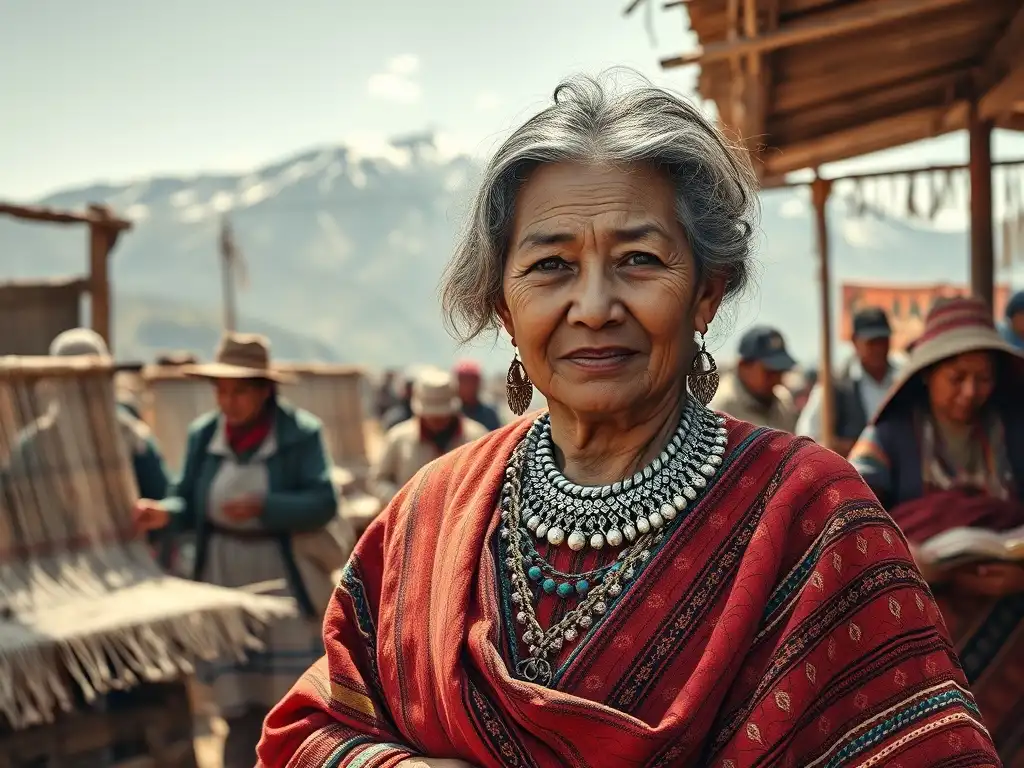
Traditional narratives often portray Andean societies as rigidly patriarchal, emphasizing male dominance in political and religious spheres. However, a closer examination of archaeological evidence and historical accounts reveals a far more nuanced picture of gender roles. While men certainly held positions of power, women played crucial, multifaceted roles that often transcended the limitations imposed by patriarchal interpretations.
The simplistic view of a solely male-dominated society ignores the significant contributions of women in various aspects of Andean life, from agriculture and textile production to religious practices and political influence. This misconception stems partly from a biased interpretation of historical records, often filtered through a colonial lens that sought to reinforce existing power structures.
A more accurate understanding necessitates a critical reassessment of the available evidence, acknowledging the complexities and variations in gender dynamics across different Andean cultures and time periods. The vibrant tapestry of Andean history requires a more inclusive and accurate portrayal of women's contributions to shape a complete understanding of Andean civilizations and their gender roles.
Reinterpreting Archaeological Evidence
Archaeological findings are increasingly challenging the traditional patriarchal interpretations of Andean societies. The discovery of female mummies adorned with elaborate jewelry and burial goods previously associated with high-status males suggests a significant degree of female power and influence. Furthermore, the analysis of ancient textiles reveals intricate designs and techniques that point to a high level of skill and expertise among female artisans.
These textiles, often used in religious ceremonies and elite contexts, demonstrate the importance of women's craft in Andean societies and their contribution to the economy and social structure. The presence of female figures in iconography and ceremonial objects further supports the idea of a more complex and less clearly defined gender hierarchy.
By analyzing these artifacts and their context, researchers are uncovering a more balanced perspective on the roles and status of women in Andean civilizations, challenging long-held assumptions about male dominance. This ongoing reassessment of archaeological evidence is crucial in rewriting a more accurate and inclusive narrative of Andean gender roles.
The Influence of Colonialism on Gender Perceptions
The Spanish conquest significantly impacted the perception of gender roles in Andean societies. Colonial accounts, often written from a patriarchal perspective, tended to downplay or distort the roles of women, reinforcing existing European gender norms. The imposition of Christianity further contributed to the suppression of indigenous religious practices, many of which involved significant female participation.
The systematic destruction of indigenous knowledge systems and the subsequent imposition of a foreign worldview led to a biased and incomplete understanding of pre-colonial Andean societies. This colonial lens has significantly shaped modern interpretations, leading to a skewed perspective that often overlooks the complexities and diversity of gender roles in pre-Columbian times. Understanding this colonial influence is critical to decolonizing our understanding of Andean history and achieving a more accurate portrayal of women's roles.
Modern Perspectives on Andean Femininity
Contemporary scholarship is actively working to reclaim and reinterpret the roles of women in Andean civilizations. Feminist and indigenous perspectives are challenging traditional narratives, highlighting the agency and resilience of women throughout Andean history. The focus is shifting from a deficit model, which emphasizes what women lacked in comparison to men, to a model that celebrates their contributions and achievements.
Modern scholars are increasingly drawing on indigenous knowledge systems and oral traditions to reconstruct a more comprehensive and nuanced picture of Andean gender dynamics. This interdisciplinary approach, combining archaeological evidence, historical analysis, and indigenous perspectives, is crucial in shaping a more accurate and equitable understanding of Andean femininity and its significance in the rich tapestry of Andean societies. This ongoing reassessment is essential to ensuring a fair and inclusive representation of Andean women in historical narratives.
Mama Ocllo: The Mythical Inca Founder
Mama Ocllo is a central figure in Inca mythology, often depicted as the wife or sister-wife of Manco Cápac, the legendary founder of the Inca Empire. Her role extends beyond that of a mere consort; she is presented as a powerful figure who played a crucial role in the establishment and organization of Inca society. While her historicity is debated, her enduring presence in Inca mythology highlights the importance attributed to women in Inca origins and societal structure.
The myths surrounding Mama Ocllo often portray her as a skilled weaver, a symbol of creativity and cultural production, further emphasizing the significance of women's contributions to Inca civilization. Her image and stories were used to legitimize Inca power and establish a connection between the ruling dynasty and the divine, underscoring her importance in the Inca worldview.
Her Role in Inca Origins and Society
In Inca creation myths, Mama Ocllo is often portrayed as playing an active role in the founding and organization of Inca society. She's depicted not only as a wife but also as a leader, teacher, and civilizing force. Stories describe her involvement in establishing social structures, teaching crafts, and promoting agricultural practices.
This representation contradicts the simplistic notion of a solely male-dominated society, showcasing a female figure actively involved in shaping the very foundation of the Inca empire. Her presence in these narratives underscores the significance of women's contributions in the development of Inca institutions and the cultural values that shaped Inca society. The myths surrounding her illustrate the integration of female power and influence within the Inca narrative of origins and societal development.
Her Impact on Inca Cosmology and Power
Mama Ocllo's influence extended beyond the earthly realm; she was deeply intertwined with Inca cosmology and the legitimization of Inca power. Her connection to the divine, often portrayed through her mythical origins and her association with fertility and abundance, cemented her role as a powerful figure in Inca religious beliefs. The presence of Mama Ocllo in Inca iconography and religious ceremonies highlights her importance in the Inca worldview and the ways in which women's roles were intertwined with religious authority and cosmological concepts.
This connection to the spiritual realm further reinforces the idea of women's significant influence within Inca society, extending beyond the domestic sphere into the broader cosmological and political landscape. Her enduring presence in Inca mythology demonstrates the enduring impact of female figures on Inca power structures and their perception of the cosmos.
The Enduring Legacy of Andean Gender Dynamics
The study of Andean civilizations reveals a complex and nuanced understanding of gender roles, far removed from simplistic binary interpretations. While patriarchal structures existed, the power and influence of women were significant and often underestimated by Western historical narratives. Archaeological evidence, including textile production, ceramic artistry, and even leadership positions within certain communities, points to a dynamic interplay between masculine and feminine energies within Andean societies.
The roles were not rigidly defined, and women held positions of authority and influence, particularly within the domestic sphere and religious contexts. For example, the discovery of female mummies adorned with elaborate jewelry and positioned in prominent burial sites challenges the notion of a purely patriarchal social order. These findings suggest a level of social and spiritual status afforded to women that deserves further investigation.
Understanding these dynamics requires moving beyond Eurocentric perspectives and embracing a more holistic approach that acknowledges the multifaceted nature of Andean social structures. Furthermore, recognizing the diverse experiences of women across different Andean cultures – from the coastal Moche to the high-altitude Inca – is crucial to avoid generalizations. Each civilization possessed its unique social fabric, resulting in a varied spectrum of gender roles.
Lessons for Understanding Gender Roles Today
The complexities of Andean gender dynamics offer valuable lessons for contemporary societies grappling with issues of gender equality and social justice. Examining the historical agency and influence of Andean women challenges prevailing Western narratives that often marginalize female contributions to history and culture. The recognition of women's significant roles in various aspects of Andean life – from agriculture and textile production to religious practices and leadership – encourages a re-evaluation of traditional gender roles and the power imbalances inherent in many societies.
By studying the contributions of Andean women, we can gain a deeper appreciation for the diversity of gender expressions and the importance of challenging limiting stereotypes. Moreover, the evidence of female leadership in certain Andean contexts offers a compelling counterpoint to the persistent gender disparities found in many parts of the world today.
This historical precedent serves as a powerful reminder of the potential for women to occupy positions of influence and authority, inspiring future generations to strive for greater gender equity. The Andean example encourages a critical examination of our own societal structures and the ways in which they perpetuate gender inequality.
The Importance of Preserving Andean Cultural Heritage
The preservation of Andean cultural heritage is paramount not only for understanding the past but also for shaping a more equitable future. The ongoing research and excavation of Andean sites continue to reveal new insights into the complexities of their social structures, including gender dynamics. Protecting these archaeological sites and the associated cultural knowledge is crucial for ensuring that future generations can learn from the rich history of Andean civilizations.
Furthermore, supporting indigenous communities in preserving their cultural traditions and oral histories is essential for maintaining a living connection to the past. This includes promoting initiatives that empower women within these communities and recognize their vital role in safeguarding their cultural heritage.
Failing to preserve this heritage risks losing valuable knowledge about the diverse ways in which Andean societies understood and navigated gender roles, thereby limiting our understanding of human history and our capacity to build a more inclusive future. The continued study of Andean civilization offers a chance to learn from the past and apply those lessons to contemporary challenges of gender equality and cultural preservation.
Conclusion: The Power of Femininity in Andean Civilizations
The exploration of gender roles in Andean civilizations reveals a story far more nuanced than simple patriarchal dominance. While hierarchical structures existed, the significant contributions and influence of women in various spheres of life challenge simplistic interpretations. From their expertise in textile production and ceramic artistry to their potential leadership roles within communities, women played a crucial role in the fabric of Andean societies.
Understanding these dynamics requires a critical examination of historical narratives, moving beyond Eurocentric perspectives to appreciate the complexities of Andean social structures. The enduring legacy of Andean gender roles offers valuable lessons for contemporary societies, encouraging a reevaluation of gender equality and the importance of preserving cultural heritage. By recognizing the power of femininity within these ancient civilizations, we gain a richer understanding of human history and a stronger foundation for building a more inclusive and equitable future.
The ongoing research and preservation efforts are essential to ensure that the voices and contributions of Andean women continue to inspire and inform generations to come. The legacy of Andean women serves as a powerful testament to the enduring strength and resilience of femininity throughout history.
Frequently Asked Questions
What were the general gender roles in Andean civilizations?
While varying across different Andean cultures and time periods, women often held significant roles in agriculture, textile production, and domestic life. Men typically held more prominent positions in political and military spheres, but this wasn't universally true.
Did Andean women have any political power?
Yes, although it varied greatly. Some Andean societies, like the Moche, depicted powerful female figures in their art, suggesting significant roles. The Inca empire saw women holding important religious positions and influencing governance through family ties.
How did the Inca Empire's gender roles differ from other Andean cultures?
Inca society had a rigid social hierarchy, with gender playing a crucial role. While women held important religious positions (e.g., Mamaconas), their access to political power was limited compared to men. However, they were still essential to the economic and social fabric of the empire.
What was the role of women in Andean textile production?
Textile production was predominantly a female domain across most Andean cultures. Women were highly skilled in weaving and dyeing, creating intricate textiles with symbolic significance for religious and social purposes. This skill was a source of both economic and social power.
How did religious beliefs impact gender roles in Andean civilizations?
Religious beliefs often reinforced existing gender roles, but also offered avenues for female influence. Female deities were worshipped and women held significant roles in religious rituals and ceremonies, particularly related to fertility and agriculture.
Final Reflection: Reimagining Power in the Andes
The enduring legacy of Andean civilizations challenges our modern understanding of gender roles, reminding us that power manifests in diverse and unexpected ways. The intricate tapestry woven by women and men in these societies, often overlooked in traditional historical narratives, reveals a complexity that continues to resonate in discussions about gender equality today. We must move beyond simplistic binaries and embrace the nuanced realities of the past to build a more equitable future.
The exploration of Andean gender roles has profoundly impacted my understanding of power dynamics, forcing me to reconsider the limitations of Western-centric perspectives. The fluidity and interconnectedness of roles, often defying rigid categorizations, highlight the importance of recognizing diverse expressions of agency and leadership. The strength of a woman is not measured by her physical strength, but by her spirit and her resilience.
This sentiment, though not directly from an Andean source, speaks to the enduring power and resilience demonstrated by women throughout history, including within the complex social structures of the Andes.
Consider the intricate weaving techniques, the agricultural innovations, and the spiritual leadership roles held by women in various Andean societies. These were not merely supporting roles; they were vital components of the social fabric. You, the reader, are now invited to reflect on the ways in which our own perceptions of gender are shaped by historical narratives and societal norms. Challenge the assumptions you hold, seek out diverse perspectives, and actively contribute to a world where power is shared equitably and celebrated in all its multifaceted forms.
Unleash Your Inner Strength: Engage with Andean Femininity Today!
Thank you for exploring the fascinating world of femininity and gender roles in Andean civilizations. You've discovered unique perspectives that enrich both your historical understanding and your personal growth. Now, let's translate this knowledge into meaningful action!
- Explore further: Delve deeper into the lives of influential Andean women and how their enduring legacies continue to shape contemporary conversations about gender roles. Consider reading scholarly articles or biographies focusing on these remarkable figures.
- Join the conversation: Share your thoughts and insights on social media using the hashtag #AndeanFemininity. Connect with others who share your passion for this topic and learn from their perspectives.
- Reflect and act: Think about how you can actively challenge gender stereotypes in your daily life and community. Even small actions can create a significant positive impact.
Which aspects of this exploration of Andean femininity resonated most with you? Share your thoughts and reflections below!