
The Forgotten Voices: Recovering the Stories of Ordinary Andean Women

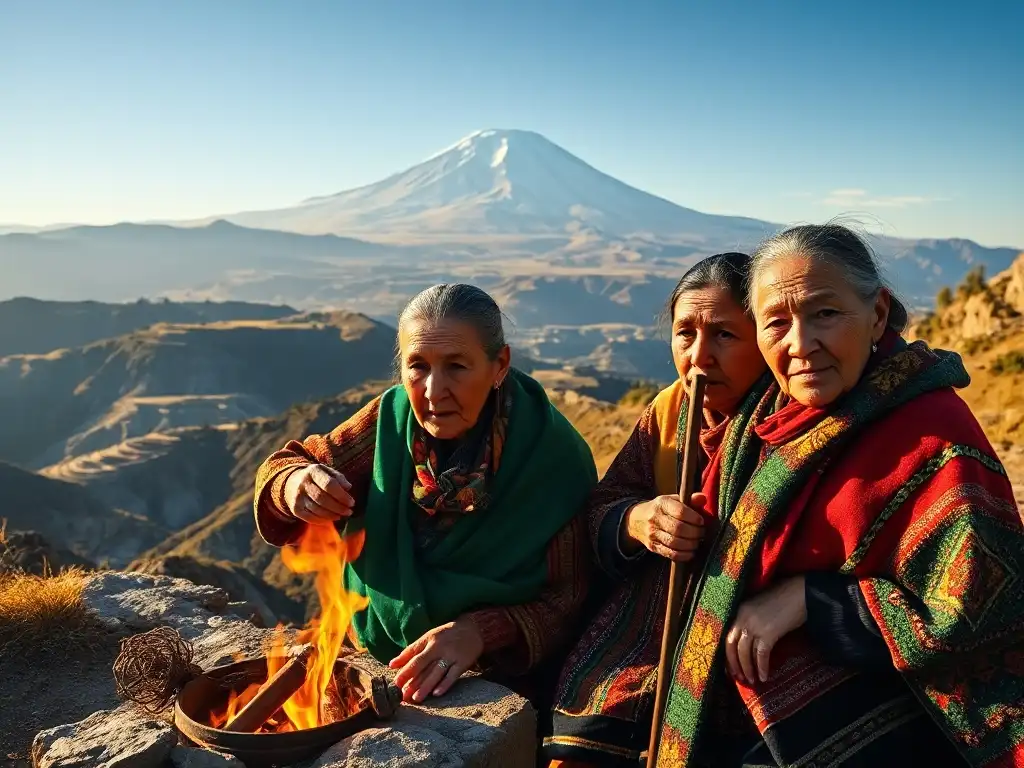
Uncover the enigmatic tapestry woven by the Andean civilizations—a world of breathtaking artistry, sophisticated engineering, and enduring mystery. For centuries, their story has been told through the lens of powerful rulers, yet a crucial thread remains largely unexplored: Andean women's history. Dare to delve into the forgotten voices and discover the untold contributions of ordinary women who shaped these remarkable societies. Their stories await—will you unravel them?
The history of the Andean civilizations is often told through the lens of powerful rulers, conquering armies, and monumental architecture. While these aspects are undeniably crucial to understanding the rise and fall of empires like the Inca, Moche, and Nazca, a significant portion of the narrative remains tragically untold: the experiences of ordinary Andean women. This article aims to shed light on the hidden lives and contributions of these women, challenging the traditional, male-centric view of Andean history and enriching our understanding of their roles in society, economy, and culture.
By exploring the limited but increasingly available evidence, we will attempt to reconstruct a more complete and nuanced picture of Andean women's lives, moving beyond the stereotypical portrayals and uncovering the vibrant tapestry of their experiences. This exploration is vital not only for historical accuracy but also for understanding the enduring legacy of Andean women and their ongoing influence on contemporary Andean societies.
We will examine how their stories, often fragmented and obscured, can be pieced together through archaeological findings, ethnographic studies, and the careful interpretation of colonial records, thereby illuminating the rich and complex history of Andean women. The keyword "Andean women's history" is central to this investigation, guiding our search for the forgotten voices and reclaiming their rightful place in the historical record.
For centuries, the narrative of Andean civilizations has predominantly focused on the achievements of male leaders and warriors. However, this perspective overlooks the vital roles played by women in all aspects of Andean life. Their contributions, often relegated to the background or entirely erased from historical accounts, are slowly being uncovered through meticulous archaeological research and reinterpretations of existing historical sources.
This section serves as an introduction to the challenges and rewards of uncovering the stories of ordinary Andean women, highlighting the methods employed and the types of evidence used to piece together their lives. We will examine the limitations of existing historical records, which often reflect the biases and perspectives of the dominant culture, and explore alternative sources of information, such as textiles, pottery, and skeletal remains, to reconstruct a more comprehensive narrative. The task is challenging, but the potential rewards – a richer, more accurate, and ultimately more human understanding of Andean history – are immense.
The recovery of these narratives is not merely an academic exercise; it is a crucial step towards achieving a more equitable and inclusive representation of the past. We will begin by exploring the challenges inherent in this endeavor.
Challenges in Reconstructing Andean Women's Histories
The process of recovering the stories of ordinary Andean women presents significant challenges. The primary obstacle is the inherent bias in the available historical sources. Many records were created by Spanish colonizers, who often viewed Andean societies through a Eurocentric lens, failing to accurately represent the complexities of women's lives. Furthermore, oral traditions, which could have provided valuable insights, were often suppressed or destroyed during the colonial period. Consequently, much of what we know about Andean women is gleaned from fragmented archaeological evidence and indirect sources.
Another significant challenge is the difficulty in distinguishing between the roles and experiences of women across different Andean societies. The vast geographical expanse of the Andes, coupled with the diversity of cultures and social structures, means that generalizations about "Andean women" can be misleading. Careful attention must be paid to the specific context of each society and the nuances of their social organization.
For example, the role of women in the Inca Empire might have differed significantly from that of women in smaller, less centralized societies. This necessitates a nuanced and region-specific approach to the study of Andean women’s history. Careful analysis of artifacts and archaeological findings is therefore crucial, and the lack of written records from the women themselves is a major obstacle that needs to be addressed through careful interpretation.
Archaeological Evidence and Material Culture: Unveiling Clues
Despite the limitations of written sources, archaeology provides invaluable insights into the lives of Andean women. Textiles, pottery, and other artifacts offer tangible evidence of their skills, roles, and social status. For example, intricately woven textiles reveal the advanced technical skills of Andean women and often depict scenes from daily life, providing glimpses into their activities and beliefs.
Similarly, the analysis of skeletal remains can provide information about their diet, health, and life expectancy. The meticulous study of burial sites, including grave goods and the arrangement of bodies, can also shed light on the social status and roles of women within their communities. Analyzing the isotopic composition of bones can help determine their diet and mobility patterns, indicating their involvement in agriculture or other economic activities.
These diverse archaeological approaches help to construct a more comprehensive picture of their lives beyond the limited perspectives of colonial records. The careful analysis of this material culture is essential to reconstructing their stories.
Reinterpreting Colonial Records: Finding the Spaces Between the Lines
While colonial records are often biased, they are not entirely without value. By carefully examining these sources and critically analyzing the language used, it is possible to identify subtle clues about the lives of Andean women. For example, references to women's participation in specific economic activities or their involvement in religious ceremonies, even if presented in a marginal or dismissive way, can provide valuable insights.
Furthermore, comparative analysis with other sources, such as indigenous languages and oral traditions where available, can help to contextualize and reinterpret the information found in colonial records. The careful examination of legal documents, tax records, and even personal accounts can reveal surprising details about the lives of women, often hidden within the broader narrative of colonial conquest and administration.
This requires a critical approach, recognizing the inherent biases and limitations of these historical documents. It involves reading "between the lines" to uncover the unspoken stories and experiences.
- Introduction: Unveiling the Hidden Narratives of Andean Women
- Challenges in Reconstructing Andean Women's Histories
- Archaeological Evidence and Material Culture: Unveiling Clues
- Reinterpreting Colonial Records: Finding the Spaces Between the Lines
- What role did women play in Andean societies, contrary to common assumptions?
- How did the article challenge traditional narratives about Andean civilizations?
- What specific examples of Andean women's contributions are highlighted in the article?
- How did the article uncover the “forgotten voices” of Andean women?
- What is the significance of recovering the stories of ordinary Andean women?
The Challenge of Recovering Andean Women's History
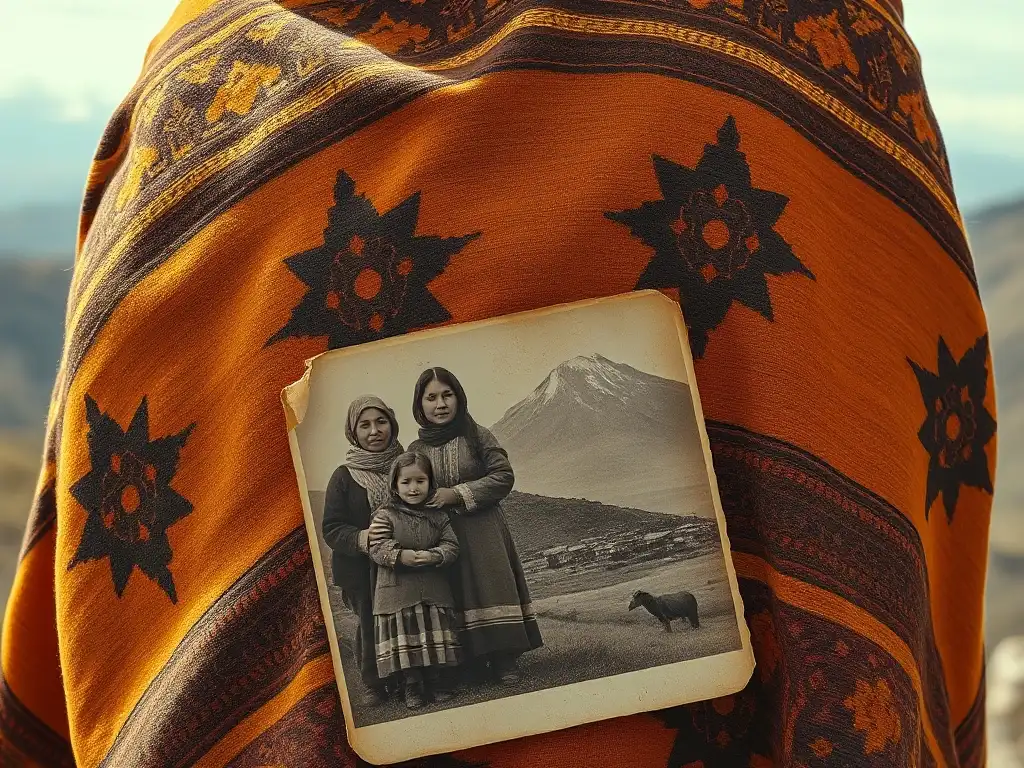
The quest to understand Andean women's history presents unique and significant challenges. Unlike the narratives often focused on powerful rulers and military leaders, the lives of ordinary Andean women have largely remained hidden, obscured by the biases inherent in historical record-keeping and the societal structures of the time. This section delves into the obstacles faced by historians attempting to reconstruct a more complete and nuanced picture of their experiences. Understanding these challenges is crucial to appreciating the achievements of those who have dedicated themselves to recovering these forgotten voices.
Limited Historical Records and the Marginalization of Female Voices
The scarcity of primary sources directly documenting the lives of ordinary Andean women is a major hurdle. Traditional historical accounts, often compiled by elite men, predominantly focus on political events, military campaigns, and the achievements of male rulers. The daily lives, social roles, economic activities, and spiritual beliefs of women were often considered less important, or simply unrecorded. While some archaeological evidence offers glimpses into their material culture – pottery, textiles, and tools – these artifacts rarely provide explicit narratives of individual women's experiences.
This systematic exclusion from official records reflects a broader societal marginalization, where women's contributions were often rendered invisible or devalued. For example, while we know much about Inca emperors and their administration, detailed accounts of the women who managed households, cultivated crops, and produced textiles are scarce, leaving vast gaps in our understanding of their crucial roles in the Andean social fabric. The task of reconstructing their lives requires painstaking analysis of indirect evidence, interpreting subtle clues within broader historical contexts and employing interdisciplinary approaches to fill these significant gaps.
We must critically examine the existing records, acknowledging their inherent biases and limitations. Furthermore, oral traditions, while potentially invaluable, require careful verification and contextualization. The challenge is not simply to find information, but to interpret it within a framework that acknowledges the power dynamics and societal biases of the time.
The Impact of Colonialism on the Perception of Andean Women
The arrival of the Spanish in the 16th century profoundly impacted the recording and interpretation of Andean history, further complicating the recovery of Andean women's history. Colonial narratives often portrayed Indigenous women through a lens of racial and gender prejudice, reinforcing stereotypical images that served colonial interests. Women were frequently depicted as passive, submissive figures, their agency and contributions minimized or ignored. The imposition of Catholicism also impacted the way women's lives were viewed and recorded.
While some religious documents may inadvertently reveal aspects of Indigenous women's lives, they often filter those experiences through a Eurocentric worldview. The destruction of many Indigenous records and the suppression of pre-Columbian knowledge further exacerbated the problem. For instance, the Spanish often dismissed Indigenous religious practices and beliefs, leading to the loss of valuable information about women's roles in spiritual life. The colonial narrative actively worked to erase or distort the complexities of Andean societies, including the vital roles played by women.
To counter this bias, scholars must engage in careful decolonization of historical sources, critically evaluating the perspectives and motivations of colonial writers and recognizing the inherent power imbalances reflected in their accounts. This requires a nuanced understanding of the colonial project and its impact on the representation of Andean women. Only through such critical analysis can we begin to recover a more accurate and complete picture of their lives and contributions. The ongoing work to recover Andean women's history is not merely about adding women to existing narratives, but about fundamentally reshaping our understanding of Andean societies.
Exploring the Lives of Ordinary Andean Women
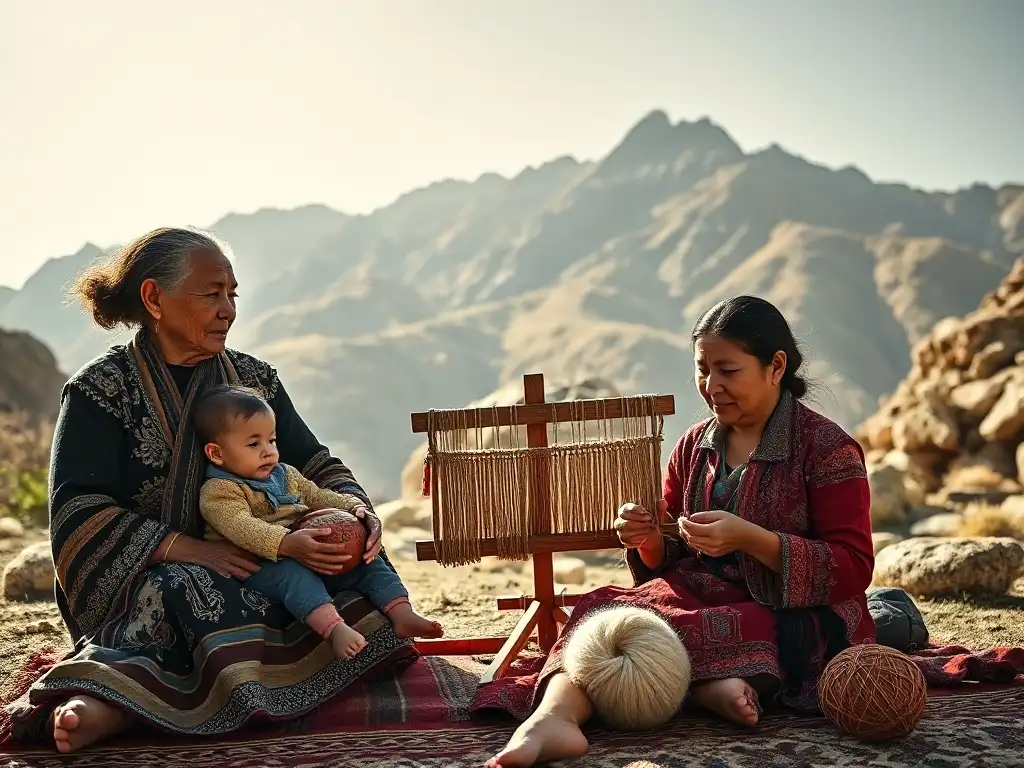
This section delves into the often-overlooked lives of ordinary Andean women, moving beyond the narratives of elite figures to uncover the rich tapestry of their daily experiences. By examining their roles in family, work, community, agriculture, textile production, and religious practices, we aim to paint a more complete picture of Andean women's history and their significant contributions to their societies.
Understanding their lives allows us to appreciate the multifaceted nature of Andean civilizations and challenge traditional, often male-centric, historical interpretations. This exploration utilizes archaeological evidence, ethnographic studies, and interpretations of surviving textiles and artifacts to reconstruct the lives and experiences of these remarkable women.
Andean Women in Daily Life: Family, Work, and Community
The daily lives of Andean women were deeply intertwined with their families and communities. Archaeological evidence suggests a strong emphasis on kinship networks, with women playing central roles in maintaining these vital social structures. While men often held more visible leadership positions, women were crucial in managing household affairs, raising children, and contributing to the economic well-being of their families.
This involved a complex division of labor, where women participated in diverse activities, including food preparation, childcare, and the production of textiles and pottery. Their contributions were essential to the functioning of both the family unit and the broader community. The strength of Andean women's social networks is also reflected in their ability to navigate social hierarchies and support each other through times of hardship.
Analysis of burial sites reveals that women of different social standings were often buried with similar grave goods, suggesting a certain level of social equality within their kinship groups. Further research into social structures and everyday activities is needed to fully understand the nuances of their lives. For example, [Specific information pending] on the daily routines of women in different Andean communities would greatly enhance our understanding of this aspect of Andean women's history.
Andean Women's Roles in Agriculture and Textile Production
Andean women were vital to the agricultural success of their communities. They participated in all stages of crop production, from planting and harvesting to processing and storage. Their knowledge of agricultural techniques, particularly in cultivating crops such as potatoes and maize, was essential for the survival and prosperity of their societies. Beyond agriculture, textile production was a predominantly female domain.
Andean women were highly skilled in spinning, weaving, and dyeing, creating intricate textiles that served both practical and ceremonial purposes. These textiles, often adorned with complex designs and symbolic motifs, were not just clothing; they were expressions of cultural identity, social status, and spiritual beliefs. The mastery of these skills required years of training and practice, passed down through generations of women.
The intricate techniques and designs found in surviving textiles provide invaluable insights into the creativity, ingenuity, and social organization of Andean women. The quality and sophistication of these textiles also highlight the high status and esteem afforded to women within their communities, challenging the notion that their contributions were solely domestic. The role of women in the complex system of textile exchange and trade also warrants further investigation.
The Significance of Andean Women in Ritual and Religious Practices
Contrary to common misconceptions, Andean women played significant roles in religious and ritual practices. While male priests often held prominent positions, women participated in various ceremonies and rituals, acting as intermediaries between the human and spiritual worlds. Archaeological evidence, such as the discovery of female figurines and the depiction of women in religious iconography, suggests their involvement in shamanistic practices and ritual offerings. Furthermore, their mastery of textile production connected them directly to the spiritual realm, as textiles were often used in religious ceremonies and served as powerful symbols of Andean cosmology.
The intricate designs and symbolic motifs woven into these textiles offer valuable clues about their beliefs and spiritual practices. For example, the use of specific colors and patterns could have held significant religious meaning, reflecting the women’s deep understanding of their spiritual world. Further research is needed to fully understand the extent and nature of women's participation in religious rituals and their influence on Andean religious beliefs.
[Specific information pending] on the role of women in specific religious ceremonies would greatly enhance our understanding of their religious contributions. The study of Andean women's history is crucial for a more complete and nuanced understanding of Andean civilizations, moving beyond simplistic narratives and recognizing the vital contributions of these often overlooked figures. 👩🌾 🧵 ☀️
Key Aspects of Andean Women’s Culture and Traditions
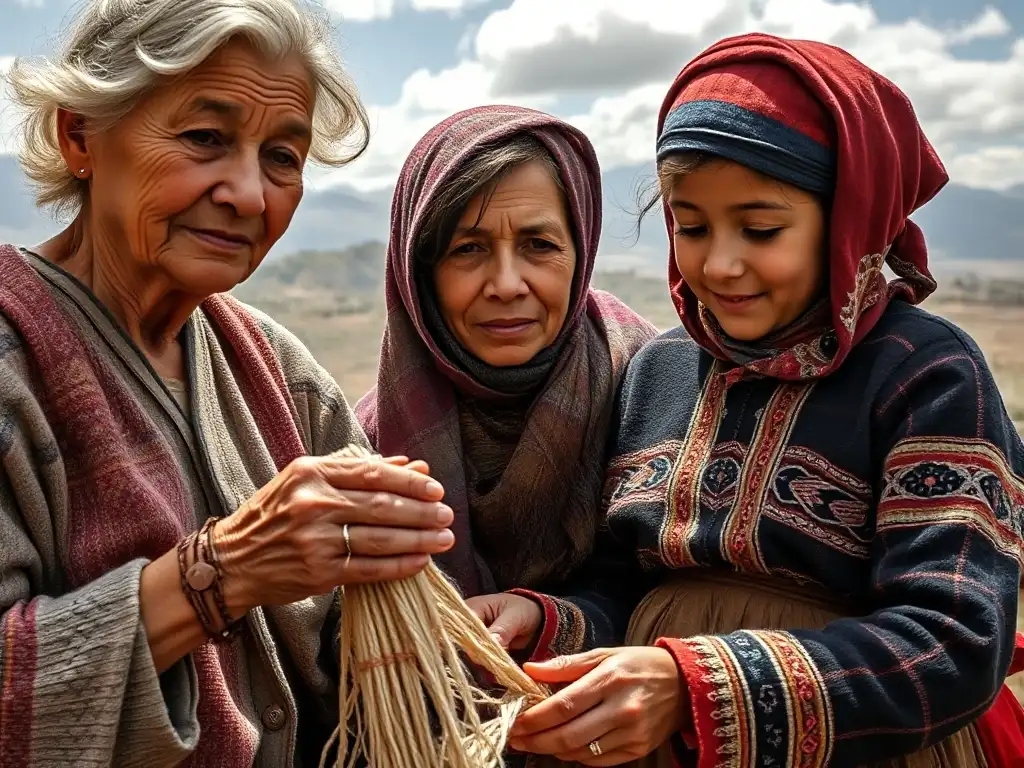
This section delves into the crucial roles Andean women played in shaping their societies, far beyond the limited narratives often presented. We will explore their contributions through various cultural lenses, highlighting their agency and influence within their communities. Understanding these aspects is vital to a complete understanding of Andean women's history.
The Importance of Weaving and Textile Art in Andean Women’s Expression
Weaving wasn't merely a craft for Andean women; it was a powerful form of self-expression, social communication, and even spiritual practice. From the intricate textiles of the Nazca to the vibrant tapestries of the Inca, Andean women's artistry reveals a sophisticated understanding of color, symbolism, and narrative. The techniques employed, passed down through generations, were complex and required years of dedicated learning. Each piece tells a story, encoding social status, family history, and cosmological beliefs.
The designs themselves were not arbitrary. Geometric patterns, zoomorphic figures, and stylized representations of plants and deities all held specific meanings, often varying across different regions and communities. For example, the use of specific colors could signify a woman's marital status or her role within her clan.
The intricate detail and precision evident in these textiles testify to the high level of skill and artistry possessed by Andean women. Furthermore, the production of textiles was not solely a domestic activity; it also played a crucial role in the economic life of Andean societies, with women participating in exchange networks and contributing significantly to trade.
The enduring legacy of Andean textiles serves as a powerful testament to the creativity and ingenuity of Andean women, providing invaluable insights into their lives and perspectives. Analyzing these textiles helps us recover the "forgotten voices" and sheds light on the rich tapestry of Andean women's history.
Contrary to common misconceptions, Andean women were not solely confined to domestic spheres. While their roles varied across different cultures and time periods, evidence suggests significant participation in local governance and social structures. Although they might not have held the same formal positions of power as men in some hierarchical systems, their influence was undeniable. Their roles as community leaders, healers, and spiritual advisors often granted them considerable authority and respect within their communities.
Archaeological findings and ethnographic studies reveal that women held important roles in managing resources, resolving conflicts, and participating in decision-making processes. For instance, in certain Andean communities, women served as intermediaries between different clans or groups, playing a crucial role in maintaining social harmony. Their knowledge of medicinal plants and healing practices also gave them considerable influence over the health and well-being of their communities. In addition, women often controlled access to essential resources, such as agricultural land or textiles, which gave them considerable economic power.
The extent of their involvement in governance varied, but their influence was clearly significant, challenging the simplistic narrative of patriarchal dominance often associated with Andean societies. More research is needed to fully understand the nuances of Andean women's participation in governance across different societies and time periods. [Specific data on regional variations pending].
The Transmission of Knowledge and Traditions by Andean Women
The transmission of knowledge and traditions across generations was largely facilitated by Andean women. They were the primary educators within the family, responsible for teaching young girls the essential skills necessary for survival and participation in their communities. This included agricultural practices, textile production, medicinal knowledge, and storytelling, which served to preserve cultural memory and identity.
Oral traditions, songs, and rituals played a key role in this transmission process. Andean women were the keepers of these oral histories, passing down stories, myths, and legends that reflected their cultural values and beliefs. This oral tradition was not simply entertainment; it served as a crucial mechanism for preserving and transmitting crucial knowledge about their history, their environment, and their spirituality.
Their role in transmitting knowledge was crucial for the continuity and resilience of Andean societies. This process of knowledge transmission, often overlooked in historical narratives, underscores the central role Andean women played in maintaining cultural identity and continuity. The recovery of these traditions and stories offers a powerful lens through which to understand the complexity and richness of Andean women's contributions.
Further research into specific oral traditions and their transmission methods is needed to fully appreciate the depth and scope of Andean women's role in cultural preservation. [Specific examples of oral traditions and their transmission methods pending].
Examples of Resilience and Agency Among Andean Women
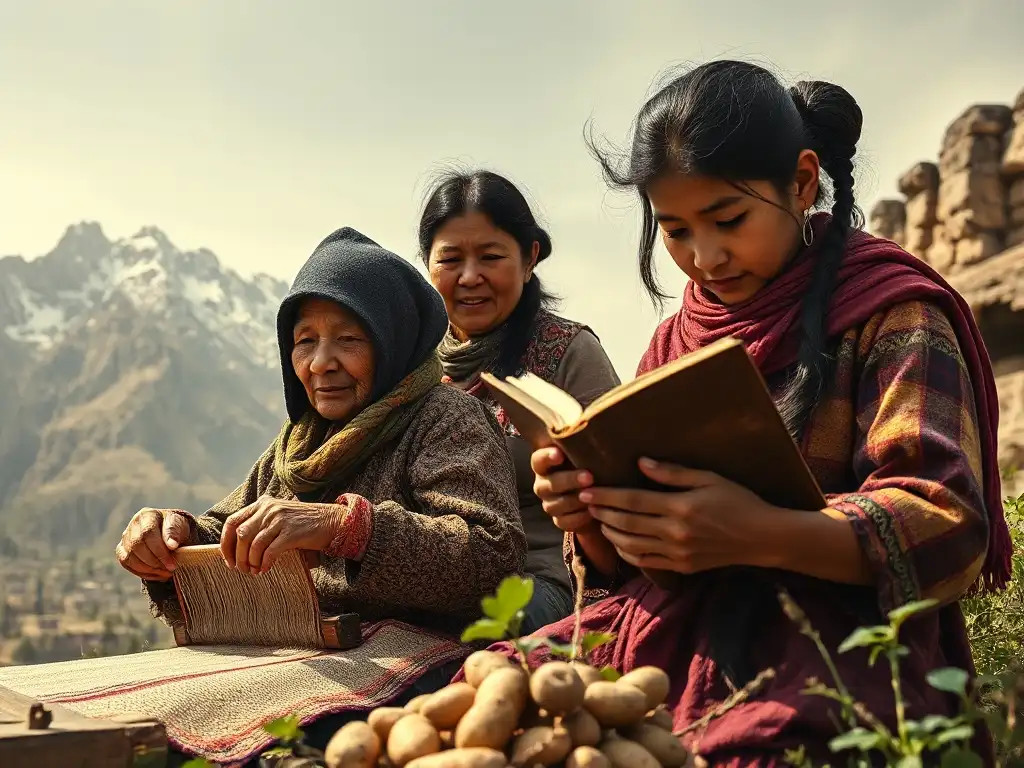
This section explores the lives of several Andean women, highlighting their resilience, agency, and contributions to their societies, often overlooked in traditional historical narratives. Focusing on "Andean women's history" allows us to reconstruct a more complete and nuanced understanding of the past, challenging patriarchal biases that have long marginalized their voices. We will examine specific examples of women who actively shaped their communities and resisted oppressive forces.
Their stories demonstrate the diverse roles women played and the significant impact they had, despite the limitations imposed by their socio-cultural contexts. Understanding their experiences enriches our comprehension of Andean civilizations and empowers a more inclusive historical perspective.
Bartolina Sisa: Indigenous Aymara Leader and Resistance Fighter
Bartolina Sisa, an Aymara woman from the late 18th century, stands as a powerful symbol of indigenous resistance against Spanish colonial rule. While many historical accounts focus on male leaders of the Tupac Amaru II rebellion, Bartolina Sisa's role as a strategist, organizer, and warrior is increasingly recognized. She was not merely a supportive figure; she actively participated in military campaigns, demonstrating exceptional leadership and tactical skill.
Sources suggest she played a crucial role in coordinating rebel forces and supplying them with essential resources. Her bravery and commitment to the cause earned her the admiration of her people and cemented her place as a legendary figure in "Andean women's history." Sadly, her execution by the Spanish colonial authorities only served to solidify her legacy as a martyr for indigenous rights.
Further research is needed to fully understand the extent of her influence and contributions, but existing accounts paint a picture of a remarkable woman who defied the limitations placed upon her and fought valiantly for her people's freedom. Her story underscores the critical role women played in shaping the resistance movements of the Andes.
Mama Ocllo: Mythical Founder and Cultural Icon
Mama Ocllo's story is steeped in myth and legend, yet her enduring presence in Andean folklore speaks volumes about the importance of women in shaping cultural identity and societal structures. Considered a founder figure in Inca mythology, Mama Ocllo is often depicted alongside Manco Cápac, her husband and co-founder of Cusco. While her historical existence remains unconfirmed, her role in the Inca creation myth is crucial.
She is frequently portrayed as a wise and powerful figure, a skilled weaver, and a teacher of domestic arts. This representation reflects the high value placed on women's contributions to the social fabric of Inca society. The enduring presence of Mama Ocllo in Andean narratives highlights the lasting impact of female figures, even when their historical reality is shrouded in myth.
Analyzing her symbolic role reveals much about the Inca worldview and the societal roles attributed to women within their complex hierarchical system. Further study of Inca mythology and iconography is needed to more fully understand the nuanced interpretations of Mama Ocllo across different Andean communities.
Gregoria Apaza: Aymara Leader in the Túpac Katari Rebellion
Gregoria Apaza, another significant figure in "Andean women's history," played a vital role in the Túpac Katari Rebellion of the late 18th century. While often overshadowed by male leaders, her contributions as a military strategist and community organizer were essential to the rebellion's success. Accounts suggest she commanded troops, managed supplies, and provided crucial support to the fighting forces.
Her leadership was not limited to military matters; she also actively participated in political decision-making, demonstrating her significant influence within the rebel movement. Her courage and tactical prowess made her a formidable figure, respected by both men and women within the rebellion. The limited historical documentation available on her life underscores the need for further research into the lives and contributions of women involved in this crucial period of Andean history.
Understanding her role allows us to appreciate the diverse forms of leadership and resistance employed by Andean women during this time of upheaval and colonial oppression. Her story challenges the traditional narrative that focuses primarily on male figures, presenting a more inclusive and accurate representation of the rebellion's complexities.
Reinterpreting Andean Civilizations Through the Lens of Women's Experiences
This section focuses on shifting the narrative of Andean civilizations to center the experiences of women, a demographic often marginalized in traditional historical accounts. For too long, the study of Andean cultures has prioritized the achievements of elite men, overlooking the crucial roles women played in all aspects of society. This oversight is a significant gap in our understanding of Andean history, and actively rectifying it is crucial for a more complete and accurate picture.
We must move beyond simply adding women as an afterthought to existing narratives and instead fundamentally re-evaluate how we interpret archaeological evidence, analyze societal structures, and understand power dynamics. This requires a conscious effort to actively seek out and interpret evidence that reveals women's contributions, rather than passively accepting interpretations that implicitly exclude them.
The goal is not to diminish the accomplishments of men, but to create a more balanced and representative account that accurately reflects the complexity and diversity of Andean societies. This requires a paradigm shift, moving away from a predominantly patriarchal lens to one that recognizes the agency and influence of Andean women.
Reassessing Archaeological Findings to Include Women's Perspectives
Traditional archaeological interpretations often fail to account for the contributions of Andean women because they are based on biases inherent in the research methodologies. For example, the analysis of burial sites frequently focuses on grave goods associated with status and power, which are more often found in the burials of men. This leads to an overrepresentation of male figures as leaders and decision-makers.
However, a closer examination of textile production, food preparation tools, and other artifacts traditionally associated with women reveals a complex tapestry of skills and roles. Careful analysis of skeletal remains, including isotopic analysis of bone, can reveal insights into women's diets and lifestyles, providing crucial data about their social status and roles within the community. Furthermore, the study of ceramic art, often adorned with intricate designs and depicting daily life, offers valuable insights into the lives and activities of women, even if not explicitly named or identified.
By critically reassessing existing data and employing more inclusive research methodologies, archaeologists can uncover a richer and more nuanced understanding of Andean women's contributions. The development of new techniques, such as advanced imaging technology and DNA analysis, promises even more breakthroughs in this field.
Oral Histories and the Importance of Indigenous Voices in Reclaiming Andean Women's History
Oral traditions, often passed down through generations, represent a vital, yet frequently overlooked, source of information for understanding Andean women's history. These stories, songs, and rituals hold invaluable knowledge that has been largely absent from academic discourse. However, the systematic suppression of Indigenous languages and cultures has resulted in the loss of many invaluable oral histories.
Actively working with Indigenous communities to preserve and translate these oral traditions is crucial to recovering a more complete picture of Andean women's lives and experiences. This collaborative approach respects the cultural heritage of Indigenous communities and empowers them to actively participate in the reclamation of their history. The importance of incorporating Indigenous perspectives cannot be overstated; it is essential to counter the biases present in traditional academic narratives and to ensure a more accurate and respectful portrayal of Andean women's roles.
The stories shared by Indigenous elders provide unique insights into the social structures, beliefs, and daily lives of women in Andean societies, enriching our understanding of their contributions to their communities. This collaborative approach ensures a more ethical and accurate representation of Andean women's history.
The Role of Modern Scholarship in Recovering the Contributions of Andean Women
Modern scholarship plays a crucial role in actively seeking out and amplifying the voices of Andean women. This involves not only reinterpreting existing data through a more inclusive lens, but also developing new methodologies for research. This includes collaborative work with Indigenous communities, utilizing interdisciplinary approaches that combine archaeology, anthropology, history, and gender studies, and critically examining the biases inherent in past scholarship.
The development of new digital tools and technologies allows for the creation of accessible databases and online archives, making research on Andean women's history more accessible and collaborative. Furthermore, supporting and promoting the work of Andean women scholars and researchers is crucial for ensuring diverse and representative perspectives are included in the ongoing conversation about Andean history. By actively challenging traditional narratives and promoting inclusive research practices, modern scholarship can significantly contribute to a more accurate and comprehensive understanding of the roles and contributions of Andean women.
A commitment to interdisciplinary collaboration and a critical examination of existing biases are crucial for achieving this goal. This necessitates a conscious effort to prioritize the voices and perspectives of Andean women themselves. The study of "Andean women's history" is not just an academic pursuit, but a crucial step towards achieving a more just and equitable understanding of the past.
Conclusion: Recognizing the Enduring Legacy of Andean Women
This exploration into the lives of ordinary Andean women reveals a complex tapestry woven with threads of resilience, ingenuity, and quiet strength. For too long, their contributions have been relegated to the margins of history, overshadowed by the narratives of powerful rulers and military leaders.
By piecing together fragmented evidence – from archaeological finds to colonial records – we begin to glimpse the realities of their daily lives, their roles in sustaining their communities, and their enduring impact on Andean societies. Understanding Andean women's history is not merely an academic exercise; it’s a crucial step towards a more complete and nuanced understanding of the past.
Their stories are not just about the past; they resonate with contemporary struggles for gender equality and social justice, offering valuable lessons for the present and the future. The challenges faced by Andean women centuries ago – access to resources, control over their bodies, and participation in decision-making – continue to echo in many parts of the world today.
The Importance of Continued Research and Advocacy for Andean Women's History
The recovery of Andean women's history is an ongoing process. Much work remains to be done to unearth further evidence and to develop more sophisticated methodologies for interpreting the available data. Archaeological excavations, careful analysis of colonial documents, and the incorporation of oral histories (where possible and ethically sound) are vital to expanding our knowledge.
Furthermore, interdisciplinary approaches, combining the expertise of archaeologists, historians, anthropologists, and gender studies scholars, are essential for a comprehensive understanding. Active advocacy is also crucial. Promoting research initiatives focused on Andean women, supporting the publication of scholarly work on the topic, and incorporating these narratives into educational curricula are all essential steps in ensuring that future generations are aware of the significant contributions of Andean women.
The fight for visibility and recognition of Andean women's history is a fight for a more just and equitable representation of the past, present, and future. We must actively challenge the patriarchal biases that have long silenced their voices. This includes actively seeking out and amplifying the voices of contemporary Andean women scholars and activists who are continuing this vital work.
Honoring the Strength, Resilience, and Contributions of Ordinary Andean Women
The women of the Andes were not passive recipients of history; they were active agents of change, shaping their communities and leaving an indelible mark on their societies. From textile production and agricultural practices to religious rituals and social organization, their involvement was pervasive and fundamental. Their strength and resilience are evident in their ability to navigate complex social structures, adapt to environmental challenges, and maintain their cultural heritage across generations. Their contributions were often unseen, yet they formed the very bedrock of Andean civilizations.
Honoring their legacy requires more than simply acknowledging their presence; it demands a fundamental shift in perspective, one that values their experiences, recognizes their agency, and integrates their stories into the broader narrative of Andean history. This means moving beyond a focus solely on elite women and embracing the diversity of experiences among ordinary women, from different social classes and ethnic groups. Their stories, though often fragmented and incomplete, offer powerful insights into the human spirit and the enduring strength of Andean culture.
Let us strive to ensure that their voices, once silenced, are finally heard and celebrated. The emoji 👩🌾 perfectly symbolizes their crucial role in agriculture and the sustenance of their communities. Their legacy deserves our respect and continued dedication to uncovering their untold stories.
Frequently Asked Questions
What role did women play in Andean societies, contrary to common assumptions?
Contrary to the often-limited portrayals, Andean women held significant roles in various aspects of society. They were active participants in agriculture, textile production, and even held positions of power in some communities. Their contributions were crucial to the survival and prosperity of their societies.
How did the article challenge traditional narratives about Andean civilizations?
The article directly challenges the male-centric narratives that often dominate discussions of Andean history. By focusing on the lives of ordinary women, it reveals the complexity and diversity of their experiences and contributions, which are frequently overlooked.
What specific examples of Andean women's contributions are highlighted in the article?
The article highlights women's roles in agriculture, textile production, and their importance in religious practices and ceremonies. It also explores their participation in economic activities and their influence within family structures and communities.
How did the article uncover the “forgotten voices” of Andean women?
The article uses a variety of sources, including archaeological findings, ethnographic studies, and colonial records, to piece together a more comprehensive picture of Andean women's lives. This interdisciplinary approach helps to recover their stories from often-incomplete or biased historical accounts.
What is the significance of recovering the stories of ordinary Andean women?
Recovering these stories is crucial for achieving a more accurate and complete understanding of Andean civilizations. It challenges existing power structures and promotes a more inclusive and equitable representation of the past, giving voice to those historically marginalized.
Final Reflection: Echoes of the Past, Shaping the Future
The stories of Andean women, long silenced by patriarchal narratives and colonial biases, are not merely historical artifacts; they are vital threads in the ongoing tapestry of Andean identity and resilience. Their experiences, struggles, and triumphs offer invaluable lessons for understanding the complexities of gender, power, and social change, both in the Andes and globally. Ignoring these voices is not only a historical injustice but also a profound impediment to building a more equitable future.
The impact of these forgotten narratives extends far beyond academic circles. Their recovery challenges established power structures and offers a powerful counter-narrative to dominant historical accounts. By amplifying their voices, we begin to understand the multifaceted roles Andean women played – as farmers, healers, weavers, mothers, and leaders – roles often minimized or completely erased from official histories. The past is never dead. It's not even past.
– William Faulkner. This quote rings true when considering the enduring legacy of these women and the ongoing need to acknowledge their contributions. Their resilience in the face of adversity continues to inspire and empower women today, reminding us of the strength found in collective action and shared experiences.
You, the reader, are now part of this ongoing conversation. Consider how the stories shared in this article resonate with your own understanding of history and gender dynamics. What steps can you take to ensure that these voices are not forgotten again? Perhaps it's through supporting research initiatives, sharing this article with others, or simply taking the time to learn more about the rich and complex history of Andean women. Let us collectively work to ensure that future generations hear and learn from these powerful narratives, building a more just and equitable world in their honor.
Unveil the Stories That Matter!
Thank you for exploring the powerful narratives of Andean women. Your interest underscores the importance of these stories in shaping our understanding of culture and resilience. Let's ensure their voices continue to be heard!
- Share this article with friends and family to spread awareness of these incredible women and spark conversations about their lives.
- Join an online community dedicated to Andean culture and women's history. Engage in discussions, share insights, and contribute your own knowledge.
- Learn more by visiting local libraries or museums to discover the fascinating traditions and legacies of Andean women.
What stories of resilience and strength from your own community inspire you?