
The Storytellers of Stone: Chroniclers Who Recorded Andean Art and Architecture

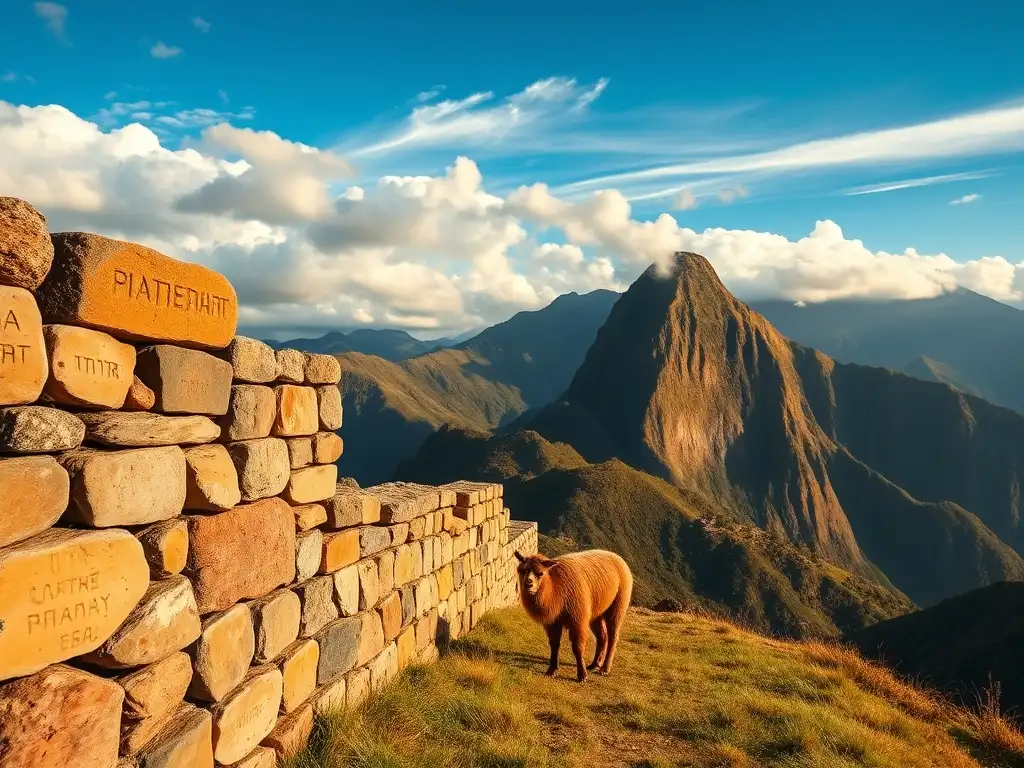
Step into a world lost to time, yet echoing with the whispers of giants. Imagine civilizations that sculpted mountains into monuments and wove intricate narratives into stone itself. This is the realm of the Andean civilizations, where breathtaking artistry and advanced technology thrived. Uncover the secrets behind Andean stone art history and discover how these masterful artisans chronicled their world in stone—a story waiting to be unveiled in our exploration of the Key Figures in Andean History. Prepare to be amazed.
The Andes Mountains, a spine of towering peaks running down the western coast of South America, are not only a breathtaking geographical feature but also a repository of rich and complex human history. For millennia, diverse Andean cultures—from the Nazca and Moche to the Tiahuanaco and Inca—have etched their stories into the very landscape, utilizing stone as their primary medium. This article delves into the fascinating world of Andean stone art, examining its historical significance and the crucial role played by the chroniclers—both contemporary and later scholars—who have painstakingly documented and interpreted these remarkable achievements.
We will explore how the analysis of Andean stone art helps us understand the social structures, religious beliefs, and technological prowess of these ancient societies, shedding light on their intricate relationship with their environment and their enduring legacy. This exploration will focus on how these "storytellers of stone" – both the artisans and the scholars – have shaped our understanding of Andean art history.
We will uncover the narratives embedded within the stone, revealing the artistry, innovation, and cultural depth of these remarkable civilizations. Understanding this art is key to understanding the Andean civilizations themselves.
Introduction to Andean Stone Art and its Historical Significance
Andean stone art encompasses a vast spectrum of creations, from monumental architecture like Machu Picchu and Sacsayhuamán to intricately carved sculptures and smaller artifacts. The sheer scale and precision of some of these works are astonishing, reflecting a sophisticated understanding of engineering and artistry. The use of stone was not merely functional; it was deeply symbolic, reflecting the Andean worldview and their connection to the sacred. For example, the intricate stonework of Ollantaytambo, with its precisely fitted blocks, speaks volumes about Inca engineering capabilities and their mastery of stone manipulation.
But the significance extends beyond mere technical skill. The imagery carved into many artifacts—depictions of gods, animals, and mythical figures—provides invaluable insights into their religious beliefs and cosmology. Furthermore, the styles and techniques employed varied significantly across different cultures and time periods, allowing us to trace the evolution of artistic expression and technological advancements throughout Andean history. Analyzing these variations is crucial for understanding the cultural dynamics and interactions between different Andean societies.
The study of Andean stone art, therefore, is not simply an aesthetic appreciation; it is a vital key to unlocking the secrets of a rich and complex past. The meticulous work of chroniclers, both ancient and modern, has been essential in preserving and interpreting this legacy, allowing us to piece together the narratives woven into the stone. 🗺️ 🪨
Key Chroniclers and Their Contributions to Andean Stone Art History
The study of Andean stone art relies heavily on the work of numerous scholars and researchers. Many early chroniclers, often Spanish conquistadors or missionaries, left behind written accounts, though these are sometimes biased by their own cultural perspectives. Later, more objective archaeological investigations and art historical analyses have provided a more nuanced understanding.
These studies have involved meticulous documentation of sites, careful analysis of artistic styles, and the application of scientific techniques such as radiocarbon dating to establish chronologies. The contributions of these scholars have been instrumental in piecing together the complex history of Andean stone art, revealing the evolution of techniques, styles, and the cultural contexts in which these works were created. Detailed studies of specific sites, such as the Nazca Lines or the monumental structures at Tiahuanaco, have shed light on the social organization, religious practices, and technological capabilities of the respective cultures.
The integration of various disciplines—archaeology, anthropology, art history, and even geology—has been crucial in providing a comprehensive understanding of this rich artistic heritage. Further research is still needed to fully understand the nuances and complexities of Andean stone art history.
The Impact of Modern Technology on the Study of Andean Stone Art
Modern technology has revolutionized the study of Andean stone art. Techniques such as 3D scanning and digital modeling allow for the creation of highly accurate virtual representations of artifacts and sites, facilitating detailed analysis and preservation efforts. These technologies enable researchers to study fragile or inaccessible artifacts without causing further damage, preserving these invaluable pieces of history for future generations.
Furthermore, advanced imaging techniques can reveal hidden details or underlying structures, providing new insights into the creation and purpose of these works. The use of Geographic Information Systems (GIS) allows for the mapping and analysis of large-scale sites, providing a comprehensive understanding of the spatial organization and relationships between different structures.
This technological integration is not just a tool for preservation but a catalyst for new discoveries and interpretations, further enriching our understanding of Andean stone art history. The combination of traditional methods with modern technology offers unprecedented opportunities for unlocking the secrets embedded within these remarkable creations.
- Introduction to Andean Stone Art and its Historical Significance
- Key Chroniclers and Their Contributions to Andean Stone Art History
- The Impact of Modern Technology on the Study of Andean Stone Art
The Role of Stone in Ancient Andean Civilizations
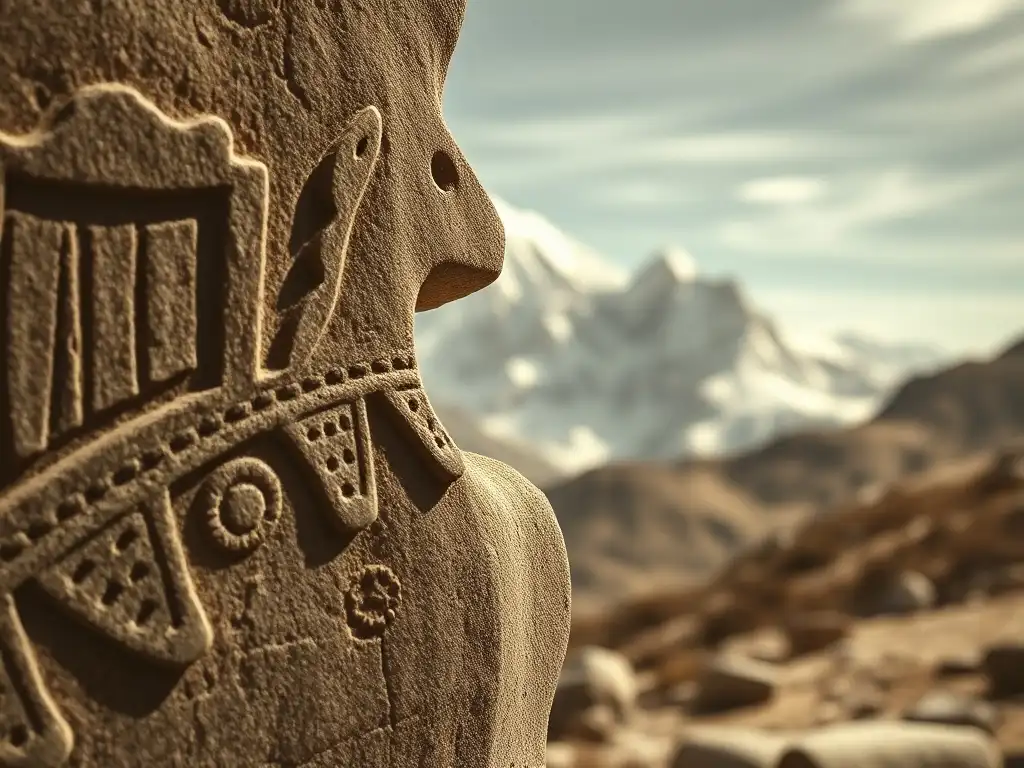
Stone played a multifaceted role in the lives of ancient Andean civilizations, far exceeding its purely utilitarian function. It served as a fundamental building block for their impressive architectural achievements, a canvas for intricate artistic expression, and a medium for recording their history and beliefs. This section will explore the profound significance of stone within the context of Andean culture, focusing on its artistic and architectural applications.
Understanding this relationship is crucial to appreciating the enduring legacy of Andean stone art history. The meticulous craftsmanship and symbolic meaning imbued in these stone creations provide invaluable insights into the worldview and societal structures of these fascinating civilizations. The sheer scale and complexity of some projects also highlight the advanced organizational capabilities of these societies.
Stone as a Medium of Expression: Andean Artistic Traditions
Andean artistic traditions extensively utilized stone as a medium for expressing a wide array of themes, from religious beliefs and cosmological concepts to everyday life and social hierarchies. The mastery of stone carving techniques varied across different Andean cultures. For instance, the Nazca people are renowned for their intricate geoglyphs, vast designs etched into the desert surface, though not directly carved into stone, they demonstrate a sophisticated understanding of land manipulation and perspective. In contrast, the Moche civilization produced exquisitely detailed sculptures and ceramics, often incorporating stone elements.
These artifacts, frequently depicting scenes of warfare, rituals, and daily life, provide rich insights into Moche society. The Incas, with their sophisticated engineering skills, created intricate stonework for both architectural and artistic purposes. Their mastery of precise stone fitting, evident in sites like Machu Picchu, stands as a testament to their artistic and engineering prowess.
The choice of stone itself held symbolic meaning. Certain types of stone, due to their color, texture, or hardness, were associated with specific deities or spiritual concepts. For example, [specific information pending] regarding the symbolic significance of different stone types in various Andean cultures. The careful selection and placement of stones in both artistic and architectural projects underscore the deep connection between materiality and spirituality in Andean worldview. Further research into specific quarries and stone transportation methods could illuminate the complex logistical and social structures supporting these artistic endeavors.
Architectural Marvels of the Andes: Stone as a Building Material
The architectural marvels of the Andes stand as a testament to the ingenuity and skill of ancient Andean builders. Stone formed the backbone of monumental structures, from sprawling cities like Cusco to impressive ceremonial sites like Sacsayhuamán. The Incas' mastery of dry-stone masonry, a technique involving fitting stones together without mortar, showcases an unparalleled level of precision and engineering skill.
The impressive fit of stones in Inca constructions, often so tight that a blade cannot be inserted between them, is a testament to their advanced understanding of geometry and engineering principles. This technique minimized the need for mortar, resulting in highly resilient and earthquake-resistant structures that have withstood the test of time. This precision is not just a testament to engineering skill; it also points to the symbolic importance placed on the harmony and balance of the built environment.
The architectural styles varied across different Andean cultures, reflecting their distinct aesthetic preferences and technological capabilities. Tiahuanaco, for example, is characterized by its monumental stone structures and intricate carvings, reflecting a distinct artistic and architectural tradition. The scale of these constructions—some stones weighing many tons—implies sophisticated organizational systems and a highly structured workforce. [Specific information pending] on the techniques used to transport and erect these massive stones.
The construction of these monumental structures is a powerful demonstration of collective effort, technological innovation, and the profound significance of stone in shaping the Andean landscape and culture. Analyzing the variations in architectural styles across different Andean cultures illuminates the unique cultural expressions and technological advancements of each civilization. The enduring legacy of these architectural marvels continues to inspire awe and wonder, showcasing the remarkable achievements of Andean stone art history.
Key Andean Chroniclers and Their Contributions to Understanding Stone Art
This section delves into the crucial role played by various chroniclers in preserving and interpreting the rich legacy of Andean stone art. Their accounts, though sometimes biased or incomplete, offer invaluable insights into the artistic and architectural achievements of pre-Columbian Andean civilizations. Understanding these perspectives is vital for a comprehensive appreciation of Andean stone art history. We will explore the contributions of early Spanish chroniclers, indigenous accounts, and the complex interplay between these sources.
Early Spanish Chroniclers and Their Observations of Andean Architecture
Early Spanish chroniclers, arriving in the Andes following the conquest, left behind a body of work that, despite its inherent biases, provides crucial initial documentation of Andean architecture. These accounts, often intertwined with narratives of conquest and subjugation, offer glimpses into the monumental structures and intricate stonework that captivated the Spanish. Their descriptions, while sometimes lacking in nuanced artistic analysis, serve as a foundational layer upon which later scholarly interpretations are built.
For example, chroniclers like Pedro Cieza de León in his Crónica del Perú provided detailed descriptions of Inca cities like Cusco, highlighting the precision of the stonework and the grandeur of the imperial structures. While Cieza's perspective was undoubtedly shaped by his European worldview, his meticulous observations of Inca architecture remain invaluable. He noted the impressive fitting of stones, often without mortar, demonstrating an advanced level of engineering and craftsmanship.
His accounts, though filtered through a colonial lens, offer a crucial window into the perceptions of contemporary observers. Similarly, other chroniclers like Garcilaso de la Vega, himself of mixed Inca and Spanish heritage, provided unique perspectives, blending indigenous traditions with European descriptive styles.
His Royal Commentaries of the Incas offers a more nuanced understanding than purely Spanish accounts, though still colored by the context of the colonial era. Analyzing these accounts requires a critical approach, acknowledging the inherent biases while extracting valuable descriptive information about the construction techniques and aesthetic choices of Andean builders.
Further research is needed to fully analyze the extent to which the biases of these chroniclers influenced their descriptions of Andean stone art and architecture. [Specific information pending: Detailed comparative analysis of different chroniclers' descriptions of the same structures].
Indigenous Accounts of Andean Art and Monumental Structures
While Spanish chronicles provide a significant body of information, indigenous accounts offer a contrasting and equally important perspective on Andean stone art. These accounts, often passed down orally through generations before being transcribed, offer a different understanding of the meaning and purpose of these monumental structures. Unfortunately, much of this indigenous knowledge was lost or suppressed during the colonial period. However, recent scholarship has sought to recover and reinterpret these fragmented narratives.
These indigenous accounts often focus on the spiritual and cosmological significance of Andean stone art, connecting the structures to myths, rituals, and ancestral beliefs. Unlike the Spanish chroniclers who emphasized the technical achievements, indigenous accounts highlight the symbolic and ritualistic aspects of the art. For instance, [Specific information pending: Example of an indigenous account describing the meaning of a specific structure or artistic element]. Reconstructing these perspectives requires careful consideration of oral traditions, archaeological findings, and ethnohistorical research. The challenge lies in piecing together fragmented information and interpreting it within a culturally sensitive framework.
The recovery and analysis of indigenous accounts are crucial for a balanced and holistic understanding of Andean stone art history. They offer vital counterpoints to the often Eurocentric perspectives of Spanish chroniclers, enriching our understanding of the cultural context and symbolic meanings embedded within these artistic expressions.
The Interplay Between Indigenous Knowledge and European Perspectives
Understanding Andean stone art history necessitates a careful examination of the interplay between indigenous knowledge and the European perspectives recorded by Spanish chroniclers. Neither source offers a complete picture on its own; rather, their combined analysis provides a more nuanced and comprehensive understanding. The challenge lies in critically evaluating both sources, recognizing their limitations and biases while extracting valuable insights.
The Spanish chroniclers, influenced by their own cultural background and the context of conquest, often focused on the technical aspects of Andean architecture, emphasizing its scale and engineering prowess. Their descriptions, while valuable for documenting the structures themselves, often lacked an understanding of the cultural and spiritual significance attributed to these sites by the indigenous populations. Conversely, indigenous accounts, often fragmented and passed down through oral traditions, offer a deeper understanding of the symbolic meanings and ritualistic practices associated with Andean stone art. They provide crucial context that complements, and often challenges, the observations of the Spanish chroniclers.
By carefully comparing and contrasting these different perspectives, scholars can construct a more holistic and accurate interpretation of Andean stone art history. This requires a multidisciplinary approach, integrating archaeological evidence, ethnohistorical research, and careful textual analysis of both indigenous accounts and Spanish chronicles. The resulting narrative will be richer, more nuanced, and more reflective of the complex cultural landscape of the Andes. The study of Andean stone art, therefore, becomes not merely a study of aesthetics and technique but a journey into the interwoven narratives of conquest, cultural survival, and the enduring legacy of a sophisticated civilization.
Decoding the Symbolism in Andean Stone Carvings and Sculptures
The intricate carvings and sculptures found throughout the Andes Mountains represent a complex system of visual communication, a silent language etched in stone that speaks volumes about the beliefs, values, and daily lives of ancient Andean societies. Understanding this symbolism is crucial to unlocking a deeper comprehension of Andean stone art history. The artistry wasn't merely decorative; it was a potent tool for conveying narratives, religious beliefs, and social structures.
The sheer diversity of styles across different cultures – from the monumental structures of Tiahuanaco to the intricate pottery of the Moche – highlights the rich tapestry of Andean artistic expression. The challenge lies in deciphering the multifaceted meanings embedded within these seemingly simple forms.
Scholars today employ a multidisciplinary approach, combining art historical analysis with anthropological insights and archaeological findings to interpret these ancient messages. This process involves painstakingly examining individual motifs, their context within a larger composition, and the overall cultural setting in which the art was created.
Iconography of Andean Art: Gods, Animals, and Supernatural Beings
Andean iconography is rich with symbolic representations of deities, animals, and supernatural beings. The representation of gods often varies significantly between different cultures. For example, the feline deity frequently depicted in Moche art contrasts sharply with the more abstract representations found in Nazca ceramics. Animals, both real and mythical, play a crucial role.
The condor, representing power and altitude, appears frequently, alongside the puma, symbolizing strength and earthly power. Serpents, often associated with water and fertility, are another recurring motif. The inclusion of these creatures wasn't arbitrary; they were carefully chosen to convey specific meanings within the context of the artwork. Sometimes, these animals are depicted in hybrid forms, combining characteristics of different creatures, creating chimeras that likely held significant religious or mythological importance.
The presence of supernatural beings, often depicted in anthropomorphic or zoomorphic forms, further adds to the complexity of Andean iconography, suggesting a belief system deeply intertwined with the natural world and the spiritual realm. Careful analysis of these iconographic elements allows researchers to piece together a more complete picture of Andean cosmology and religious practices. Further research is needed to fully understand the nuances of these representations and how they changed over time and across different Andean cultures.
Exploring the Narrative Aspects of Andean Stone Reliefs
Many Andean stone reliefs tell stories, albeit silently. These narratives are often complex and layered, requiring careful scrutiny to decipher their meaning. One approach involves analyzing the sequence of scenes depicted within a single relief. For instance, a series of panels might depict a ritual, a mythical journey, or a historical event.
The arrangement of figures and symbols provides crucial clues to understanding the chronological order and the relationships between different elements of the narrative. Another crucial aspect is the use of space and perspective. While Andean artists didn't employ linear perspective in the Western sense, they skillfully manipulated space to create a sense of depth and movement. The size and placement of figures can also be highly significant, indicating relative importance or power.
Furthermore, the style of carving itself can offer insights into the narrative. Highly detailed carvings might indicate a greater importance or a more elaborate story, while simpler representations might suggest a more concise or symbolic narrative. By carefully examining these aspects, researchers can begin to unravel the complex narratives embedded within Andean stone reliefs, gaining a deeper understanding of their social, religious, and historical significance.
Understanding the Purpose and Context of Andean Stone Art
The purpose and context of Andean stone art varied considerably depending on the specific culture and the artwork itself. Some pieces served primarily religious functions, adorning temples and shrines, and participating in rituals. Others served as markers of power and authority, signifying the status of rulers or elites. Monumental structures like those at Ollantaytambo and Sacsayhuamán served both practical and symbolic purposes, functioning as defensive structures while simultaneously serving as powerful expressions of Inca imperial power.
The location of the artwork also provides valuable context. Art found in tombs, for instance, often reflects beliefs about the afterlife, while art found in public spaces likely served different social and political functions. The materials used, the craftsmanship, and the level of detail also offer clues about the purpose and context. Highly skilled artisans and the use of precious materials likely indicate elite patronage and significant importance.
Understanding the intended audience is also crucial. Was the artwork intended for a select group of elites, or was it meant to be seen by the wider population? These questions are vital in interpreting the meaning and significance of Andean stone art and contribute significantly to our understanding of Andean stone art history. The ongoing research on this topic continues to reveal new insights into the complex relationships between art, religion, politics, and society in the Andes.
Case Studies of Significant Andean Stone Art and Architectural Sites
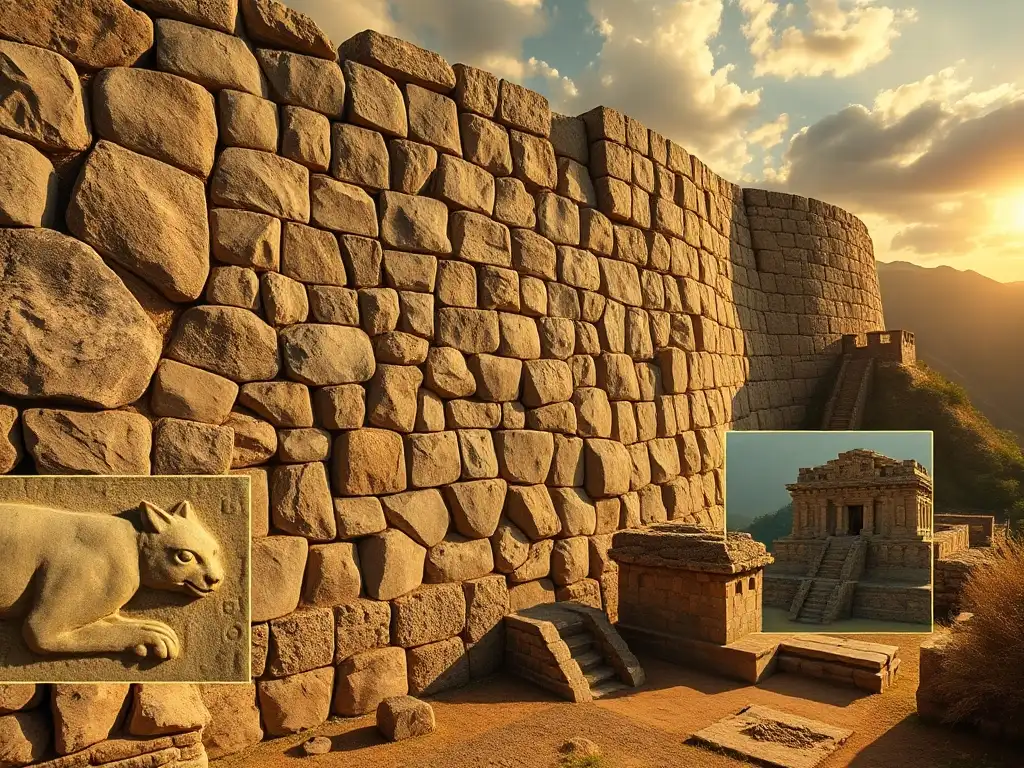
This section delves into specific examples of Andean stone art and architecture, showcasing the diverse styles and techniques employed by different civilizations across the Andes. We will examine the artistry and engineering prowess reflected in these monumental structures, highlighting their significance in understanding Andean stone art history. Analyzing these case studies provides crucial insights into the beliefs, social structures, and technological capabilities of these ancient societies.
The Enigmatic Stone Carvings of Chavín de Huántar
Chavín de Huántar, located in the northern Peruvian Andes, stands as a testament to the sophisticated artistry of the Chavín culture (900-200 BCE). Its impressive stonework, characterized by intricate carvings and monumental architecture, is a hallmark of their unique artistic expression. The site's central temple complex features massive stone structures adorned with zoomorphic and anthropomorphic figures, often intertwined with intricate geometric patterns. These carvings, meticulously crafted from volcanic rock, depict powerful, often fearsome, deities and mythical creatures, reflecting the complex religious beliefs of the Chavín people.
The level of detail in these carvings is astonishing. For instance, the Lanzón, a monolithic stele depicting a deity with feline features, showcases an impressive mastery of stone carving techniques. The precision of the lines, the depth of the relief, and the overall composition demonstrate a high level of artistic skill and planning.
Furthermore, the use of different carving techniques, including high relief, low relief, and incising, adds depth and complexity to the carvings, enhancing their visual impact. The precise methods employed by Chavín artisans in shaping and polishing these massive stones remain partially a mystery, adding to the enigma of this fascinating site and its profound contribution to Andean stone art history. Further research is needed to fully understand the tools and techniques used to create these remarkable works.
The Grandeur of Machu Picchu and its Stone Constructions
Machu Picchu, the iconic "Lost City of the Incas," is renowned for its breathtaking architecture and the unparalleled precision of its stonework. Built during the Inca Empire's reign (1438-1533 CE), this mountaintop citadel showcases the Inca's mastery of stone construction techniques. The city's structures are meticulously crafted from precisely cut and fitted stones, often without the use of mortar. This remarkable feat of engineering demonstrates a deep understanding of structural mechanics and a profound respect for the natural landscape.
The iconic dry-stone masonry of Machu Picchu is particularly noteworthy. The stones, often massive in size, are fitted together with such precision that even a knife blade cannot be inserted between them. This technique, known as ashlar masonry, required exceptional skill and planning.
The intricate interlocking system of the stones not only ensured structural stability but also provided resistance to earthquakes, a common occurrence in the Andes. The integration of the structures into the natural environment, with terraces carved into the mountainside, further showcases the Inca's harmonious relationship with their surroundings. The grandeur of Machu Picchu's stone constructions is a testament to Inca ingenuity and its enduring legacy in Andean stone art history.
The Unique Architectural Style of Tiwanaku
Tiwanaku, located on the shores of Lake Titicaca in Bolivia, is another significant site that exemplifies the exceptional stonework of the Andean civilizations. This pre-Inca city (c. 1500-1000 BCE) flourished as a major religious and political center, leaving behind an impressive legacy of monumental architecture and intricate stone carvings. Unlike the Incas' precisely fitted stones, Tiwanaku's architecture is characterized by massive blocks of stone, often adorned with intricate carvings and symbolic designs.
The site's most iconic structure, the Kalasasaya Temple, is composed of huge, intricately carved stone blocks. These blocks are often decorated with stylized figures, geometric patterns, and religious symbols. The precise meaning of these carvings remains a subject of ongoing research and debate, but they undoubtedly reflect the religious beliefs and cosmological views of the Tiwanaku people.
The use of monumental stone blocks, some weighing several tons, demonstrates a remarkable level of engineering skill and organizational capacity. The distinctive architectural style of Tiwanaku, with its massive stone structures and intricate carvings, stands as a unique contribution to Andean stone art history, showcasing a different approach to stonework compared to other Andean cultures. The precise methods used to transport and erect these massive stones continue to fascinate researchers and highlight the technological advancements of this ancient civilization.
The Legacy of Andean Stone Art and Its Influence on Later Periods
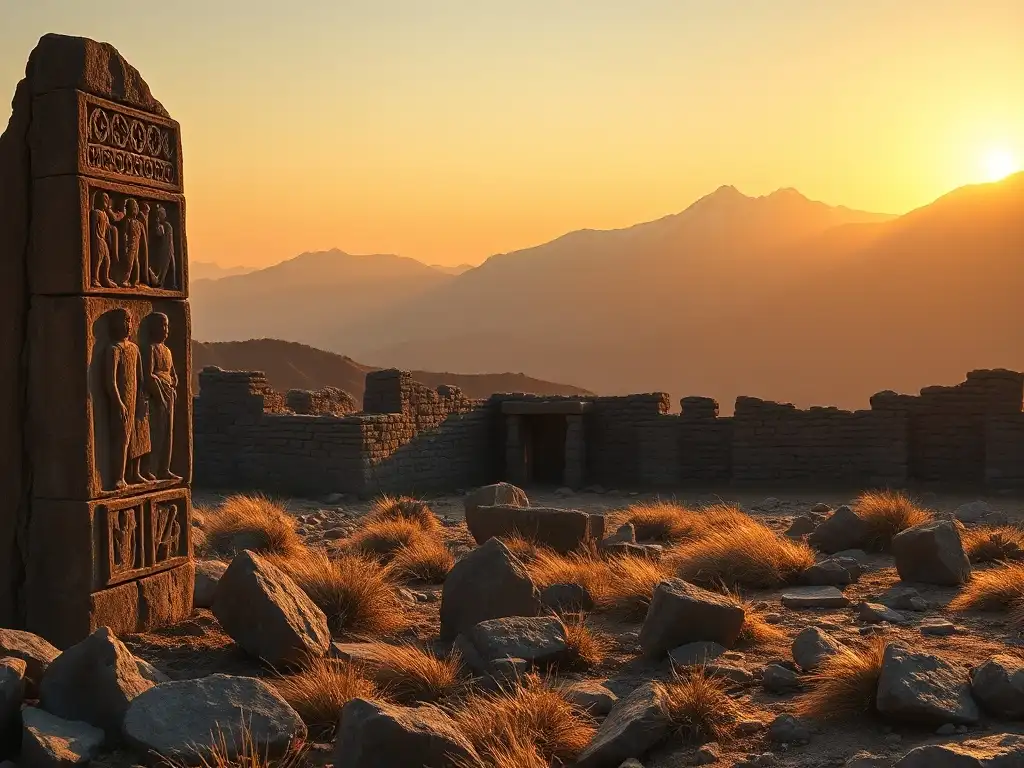
The legacy of Andean stone art is profound, extending far beyond the demise of the empires that created it. Its impact resonates through centuries, influencing subsequent Andean cultures and shaping the very landscape of the region. The mastery of stonework, the intricate carvings, and the monumental structures left behind served as both inspiration and a practical guide for generations of builders and artists. This enduring legacy is not merely aesthetic; it speaks to a continuity of cultural identity and technological expertise.
The sheer scale of some projects, like the impressive stonework at Ollantaytambo, demonstrates an organizational capacity and engineering prowess that continues to amaze modern researchers. Understanding this legacy requires examining both the direct influences on subsequent artistic styles and the enduring symbolic power of these ancient creations. The precise methods of quarrying, transporting, and shaping massive stones—techniques often shrouded in mystery—were likely passed down, albeit perhaps imperfectly, through oral traditions and apprenticeships. This knowledge transfer ensured the continuation, albeit with variations, of distinct Andean styles in stonework.
The continuity of certain motifs, such as the depiction of specific deities or symbolic patterns, across different periods and cultures, provides compelling evidence of this enduring legacy. Analyzing these connections reveals a rich tapestry of cultural exchange and adaptation, underscoring the dynamic nature of Andean artistic development. This wasn't simply imitation; it was a process of reinterpreting and reimagining the past within the context of new social and political realities.
How Andean Stone Techniques Influenced Later Andean Cultures
The sophisticated techniques employed by the Inca, Moche, Nazca, and Tiahuanaco in stonework directly impacted later Andean cultures. For example, the Inca's mastery of dry-stone construction, famously showcased at Machu Picchu, heavily influenced subsequent building practices. Their precise fitting of stones without mortar, achieved through meticulous planning and execution, became a hallmark of Andean architecture for centuries. This technique, requiring advanced understanding of engineering principles and a high level of craftsmanship, was not easily replicated.
However, later cultures adapted and refined these techniques, leading to distinct yet recognizable variations in their own stone structures. The precision and scale of Inca stonework, for instance, while perhaps not always perfectly emulated, set a standard of excellence that inspired generations of builders. Furthermore, the symbolic meanings imbued in the Inca's stone carvings and architectural designs were often adopted and reinterpreted by successor cultures. Specific motifs, patterns, and representations of deities found in Inca architecture reappeared in later periods, albeit with modifications reflecting the changing cultural context.
This is evident in the continued use of certain symbolic animals or geometric designs in the stonework of post-Inca cultures. Even the tools and techniques themselves were likely passed down, forming a continuous thread of knowledge connecting different eras. The careful study of stone structures from various Andean cultures reveals a fascinating interplay of continuity and change, revealing how Andean stone techniques were both preserved and transformed across time. The legacy is not one of simple inheritance, but rather a dynamic process of adaptation and innovation.
The Enduring Significance of Andean Stone Art in Modern Times
Andean stone art continues to hold immense significance in modern times. The enduring appeal of these ancient works stems from their aesthetic beauty, their historical importance, and their enduring cultural relevance. These monumental structures serve as powerful reminders of the ingenuity and cultural achievements of past Andean civilizations. They are now major tourist attractions, generating economic benefits for local communities and contributing to the preservation of cultural heritage.
Moreover, the ongoing study of Andean stone art provides valuable insights into the social, political, and religious aspects of these ancient societies. Archaeological research continues to uncover new information about the methods of construction, the symbolic meanings of carvings, and the social organization required to create such impressive works. This ongoing research not only enriches our understanding of the past but also informs contemporary discussions about cultural heritage preservation and sustainable tourism. The artistic techniques and principles embodied in Andean stone art continue to inspire contemporary artists and designers.
The intricate carvings, the precise stonework, and the monumental scale of these ancient creations provide a source of inspiration for creative endeavors. Beyond the purely artistic aspects, the resilience and enduring presence of these ancient structures also serve as a powerful metaphor for the perseverance of Andean cultures and their enduring connection to their ancestral heritage. The ongoing efforts to protect and preserve these sites underscore the profound significance of Andean stone art for both the people of the Andes and the world at large. The legacy of these "storytellers of stone" continues to speak to us across the millennia.
Preserving and Interpreting Andean Stone Art for Future Generations
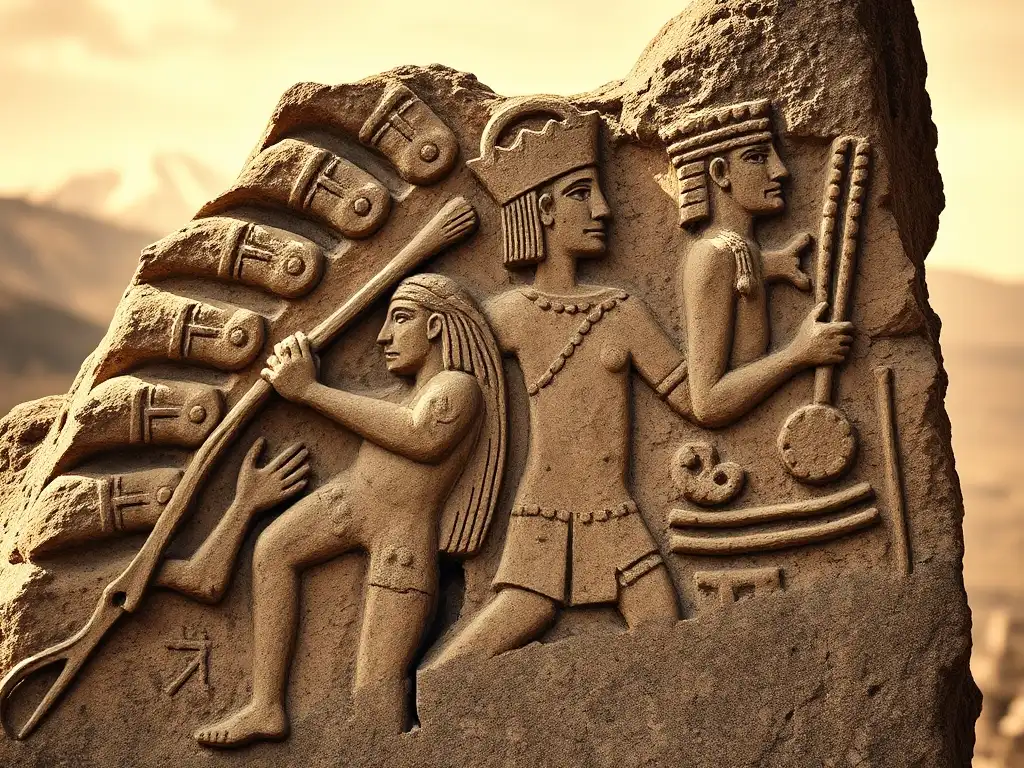
The legacy of Andean stone art, a testament to the ingenuity and artistic prowess of ancient civilizations, faces numerous challenges in the modern era. Understanding and addressing these challenges is crucial for ensuring that future generations can appreciate and learn from this invaluable cultural heritage. The preservation of Andean stone art is not merely a matter of aesthetics; it's a vital component of safeguarding cultural identity and historical knowledge.
The intricate carvings, monumental structures, and sophisticated techniques employed by Andean artisans represent a significant body of knowledge reflecting their cosmology, social structures, and artistic evolution. Their survival depends on proactive and comprehensive conservation efforts.
Challenges in the Conservation of Andean Stone Structures
The Andean region's harsh climate, characterized by intense sun, heavy rains, and frequent seismic activity, poses a significant threat to the longevity of stone structures. Erosion, weathering, and earthquakes cause irreversible damage, leading to the loss of intricate details and even the complete collapse of monuments. Furthermore, human activity, including looting, vandalism, and inappropriate tourism practices, further accelerates deterioration. For instance, the delicate Nazca Lines, etched into the desert surface, are vulnerable to both natural erosion and the impact of foot traffic.
Similarly, the impressive stone walls of Machu Picchu are constantly threatened by the elements and the sheer volume of visitors. Effective conservation strategies must consider both natural and anthropogenic factors to mitigate these threats. Developing sustainable tourism practices and implementing strict protection measures against vandalism are essential.
Furthermore, advanced scientific techniques are needed to monitor the structural integrity of these sites and implement timely interventions to prevent further damage. Data on the rate of deterioration in specific locations is crucial for creating effective preservation plans. [Specific data on deterioration rates pending].
Methods of Studying and Interpreting Ancient Andean Art
Studying and interpreting Andean stone art requires a multidisciplinary approach, combining archaeological fieldwork, art historical analysis, anthropological insights, and scientific techniques. Archaeologists meticulously excavate sites, documenting the context and relationships between artifacts. Art historians analyze stylistic features, iconography, and the use of materials to understand the artistic evolution and cultural significance of the works.
Anthropologists contribute by interpreting the social and religious contexts in which these artworks were created and used. Meanwhile, scientific methods, such as material analysis (petrography, chemical analysis) and dating techniques (radiocarbon dating, thermoluminescence), provide crucial information about the materials used, the construction techniques, and the age of the artifacts. For example, analyzing the pigments used in Moche pottery helps researchers understand the trade networks and the availability of raw materials.
By combining these diverse approaches, we gain a more complete understanding of the Andean civilizations' artistic achievements and their cultural significance. The detailed study of Inca stonework, for example, reveals remarkable precision and engineering skills, demonstrating a deep understanding of both stone properties and construction techniques.
The Importance of Documenting and Understanding Andean Stone Art History
Documenting and understanding Andean stone art history is paramount for several reasons. First, it allows us to appreciate the artistic achievements of these ancient cultures and their unique contributions to human civilization. Second, it provides valuable insights into their social structures, religious beliefs, and worldview, enriching our understanding of human history and cultural diversity. Third, preserving this heritage is crucial for maintaining cultural identity and promoting intercultural dialogue.
The loss of Andean stone art would represent an irreparable loss to humanity's collective cultural memory. Finally, a comprehensive understanding of Andean stone art history contributes to the development of effective conservation strategies. By meticulously documenting the current state of these sites and artifacts, researchers can track changes over time, identify areas needing immediate attention, and implement appropriate preventative and restorative measures. The detailed documentation, including photographic records, three-dimensional modeling, and comprehensive contextual information, is essential for future generations of scholars and the public to engage with this rich heritage.
The continued study of Andean stone art history fosters a deeper appreciation for the ingenuity, artistry, and cultural significance of these remarkable civilizations. This ongoing work is essential for preserving and interpreting this legacy for future generations. The study of Andean stone art history is therefore not just an academic pursuit; it is a crucial endeavor for cultural preservation and the enrichment of human understanding.
Conclusion: The Enduring Power of Andean Stone as a Historical Record
The meticulous craftsmanship and enduring nature of Andean stone art offer an unparalleled window into the past, a testament to the ingenuity and artistic prowess of these ancient civilizations. From the intricate carvings of the Moche to the monumental structures of the Inca, stone served not merely as a building material, but as a canvas for storytelling, a repository of cultural beliefs, and a powerful symbol of societal organization. Analyzing Andean stone art history reveals a complex interplay of artistic expression, technological innovation, and social dynamics.
Understanding this interplay is key to unlocking a deeper understanding of these fascinating cultures. The sheer scale and sophistication of some projects, like Machu Picchu, underscore the advanced engineering and societal organization required for their creation. The survival of these structures, often in remarkably good condition, is a testament to the quality of the materials and the construction techniques employed.
The Voices of the Stones: A Final Reflection on Andean Art and Architecture
The enduring legacy of Andean stone art lies not only in its aesthetic beauty but also in its capacity to transcend time and communicate across generations. Each carefully carved stone, each precisely placed block, whispers tales of the past, echoing the beliefs, aspirations, and daily lives of those who created them. Consider the Nazca Lines, for example; their sheer scale and enigmatic nature continue to fascinate and inspire debate among scholars even today. These enigmatic geoglyphs, etched into the desert landscape, present a compelling example of Andean artistry and a testament to the enduring power of human expression.
The intricate friezes adorning many structures, depicting deities, animals, and scenes of daily life, provide invaluable insights into the cosmology, social structure, and artistic sensibilities of these ancient societies. The meticulous detail found in many artifacts, like the stunning examples of Moche pottery, helps us understand their sophisticated understanding of materials and their ability to create art that is both functional and aesthetically pleasing. Analyzing the iconography present in Andean stone art, with its recurrent motifs and symbolic representations, offers a rich tapestry of information about their beliefs and worldviews.
The study of Andean stone art history, therefore, is not simply an aesthetic pursuit but a critical endeavor in reconstructing the complex and fascinating story of these remarkable civilizations. Further research, particularly focused on less-studied cultures and regions, promises to reveal even more about the rich tapestry of Andean art and architecture, deepening our understanding of "Andean stone art history" and its enduring significance. The stones themselves, silent witnesses to the passage of time, continue to speak volumes about the ingenuity and resilience of the human spirit.
Frequently Asked Questions
What makes Andean stone art unique?
Andean stone art is unique due to its precise craftsmanship, monumental scale, and symbolic imagery. The intricate carvings and massive structures reflect advanced engineering and a deep spiritual understanding.
How did the Andean civilizations work the stone?
The Andean peoples employed sophisticated techniques, including precise cutting, fitting, and transporting of enormous stones. They likely used tools made of copper and bronze, along with ingenious methods for moving and placing the massive blocks.
What stories do Andean stone carvings tell?
Andean stone carvings depict a wide range of subjects, including mythological figures, religious rituals, daily life, and political power. They serve as visual records of their beliefs, society, and history.
Which Andean cultures are most known for their stone art?
Many Andean cultures excelled in stonework, but the Incas, Moche, and Tiahuanaco are particularly renowned for their impressive stone architecture and intricate carvings. Each culture developed its own unique style.
How is Andean stone art studied today?
Scholars study Andean stone art through archaeological excavation, analysis of materials and techniques, and interpretation of iconography. This multidisciplinary approach helps to uncover the meaning and significance of these remarkable works.
Final Reflection: Echoes in Stone, Whispers in Time
The meticulous recording of Andean art and architecture, once a niche pursuit, is now more vital than ever. Understanding the past through these intricate stone narratives allows us to appreciate the ingenuity and resilience of Andean cultures, offering valuable lessons for sustainable practices and community building in the face of modern challenges. The echoes of these ancient voices resonate powerfully in our contemporary world.
The enduring legacy of Andean stone art continues to shape our understanding of pre-Columbian societies, influencing artistic movements, archaeological methodologies, and even our appreciation for the power of community-driven projects. The past is never dead. It's not even past.
- William Faulkner. This quote perfectly encapsulates the ongoing relevance of studying Andean stone art; its impact transcends time, offering a rich tapestry of knowledge that continues to inform and inspire. The intricate details carved into these stones, the monumental structures that still stand, whisper tales of innovation, collaboration, and a deep connection to the land – lessons we can all learn from.
Consider the intricate details, the sheer scale of these achievements. Think about the collaborative spirit required to create such wonders. You, too, can become a storyteller of stone. Engage with the rich history of Andean art and architecture; visit museums, explore online resources, and support organizations dedicated to preserving these invaluable cultural treasures. Let the stories etched in stone inspire you to build a more sustainable and connected future, one where the wisdom of the past informs the actions of today.
Unveil the Legacy of Andean Artistry!
Thank you for exploring the fascinating world of Andean art and architecture. Your interest in this rich heritage is crucial to preserving and sharing these captivating narratives. Let's turn this shared passion into action!
- Dive deeper: Explore our curated collection of Andean art and architecture on our website and discover the stories behind these magnificent creations.
- Share your thoughts: Join the conversation! Share your favorite piece of Andean art or architectural marvel in the comments below. Your insights will inspire others.
- Connect with us: Follow our social media pages for updates on the latest discoveries and events celebrating Andean civilizations.
What Andean story resonates most with you, and how will you share its magic with others?