
Nazca Lines Enigma: Scholars Who Explored the Geoglyphs of the Desert

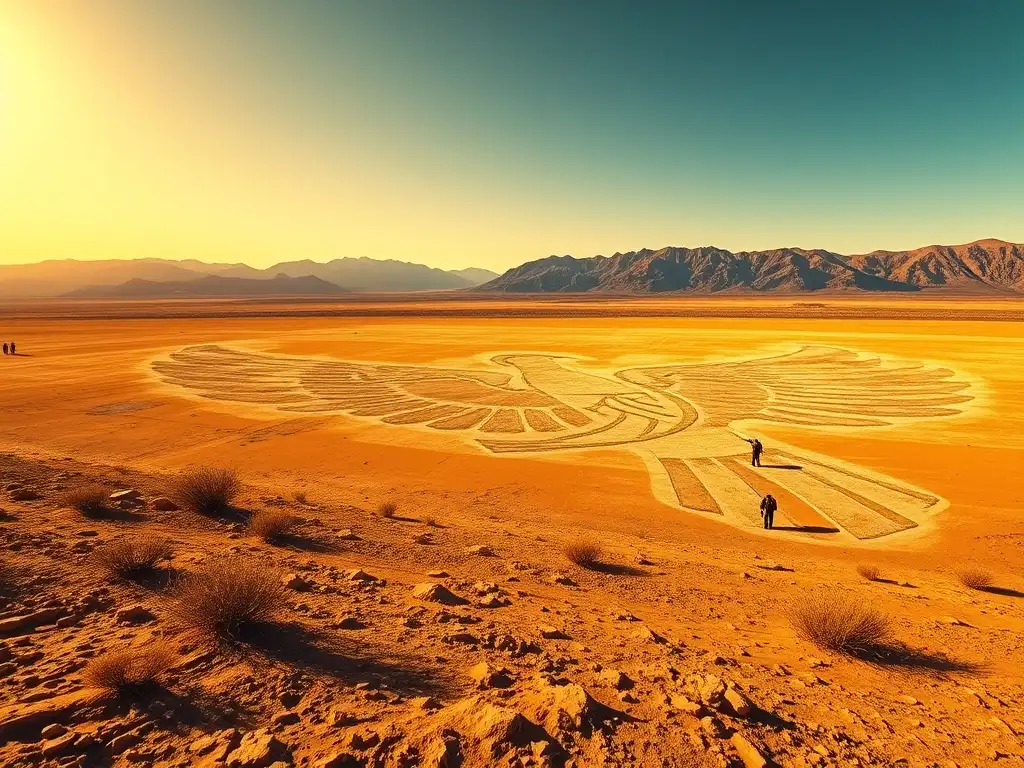
Step into a world lost to time, where colossal mysteries whisper from the sands. Imagine vast, enigmatic geoglyphs etched into the desert floor – the legendary Nazca Lines. This website unveils the captivating story of the Andean civilizations, their breathtaking achievements, and the brilliant minds who dedicated their lives to unraveling their secrets. Prepare to be amazed as we delve into the Nazca Lines mystery exploration, and uncover the fascinating lives of those who sought to decipher these ancient wonders. Dare to journey with us?
The Nazca Lines, etched into the Peruvian desert, remain one of archaeology's most enduring mysteries. These colossal geoglyphs, depicting animals, plants, and geometric figures, have captivated researchers and sparked countless theories for decades. This article delves into the fascinating world of scholarship surrounding the Nazca Lines, highlighting the key figures who dedicated their careers to understanding these enigmatic desert drawings and unraveling the secrets embedded within them.
We'll explore the evolution of interpretations, from early speculation to the sophisticated scientific analysis employed today, tracing the journey of scholarly exploration that continues to shed light on this captivating aspect of Andean culture. Understanding the history of the Nazca Lines' investigation is crucial to appreciating the complexity of the puzzle and the ongoing quest to solve the mystery of their creation and purpose.
This exploration will touch upon the significant contributions of numerous scholars, illustrating how their combined efforts have gradually improved our understanding of this remarkable cultural heritage. The Nazca Lines mystery exploration is a testament to human curiosity and the enduring power of scientific inquiry.
Unveiling the Nazca Lines Mystery: An Introduction to Geoglyph Research
The Nazca Lines, located in the arid coastal plains of southern Peru, are a collection of over 300 geoglyphs, some extending over 300 meters in length. Their sheer scale and intricate detail are immediately striking. Early researchers, often lacking the technological tools available today, faced significant challenges in documenting and interpreting these immense figures. The vastness of the desert itself presented logistical hurdles, while the fragility of the geoglyphs demanded careful and meticulous observation.
Early photographic documentation, often grainy and limited in scope, provided the first glimpses into this remarkable landscape. However, the true challenge lay in interpreting their meaning – were they astronomical calendars, ritualistic pathways, or something else entirely? The initial interpretations were often speculative, ranging from simple artistic expressions to complex religious symbolism.
The absence of clear written records from the Nazca culture added another layer of complexity, forcing researchers to rely on careful analysis of the geoglyphs themselves and contextual evidence from surrounding archaeological sites. This early phase of research laid the groundwork for future, more sophisticated analyses. The initial interpretations, while often rudimentary by today's standards, were crucial in establishing the Nazca Lines as a significant area of archaeological study.
Early Encounters and Initial Interpretations of the Nazca Drawings
The first documented encounters with the Nazca Lines date back to the early 20th century. While local populations were undoubtedly aware of the geoglyphs for centuries, it wasn't until the advent of aviation that their true scale and complexity became apparent. Early aerial photographs, taken in the 1920s and 30s, provided the first comprehensive views of the figures, revealing their astonishing size and intricate design. These early observations sparked a wave of speculation and theories.
Some scholars suggested astronomical alignments, proposing that the lines served as a giant observatory. Others posited religious or ceremonial functions, linking them to Nazca rituals and beliefs. Toribio Mejía Xespe, a Peruvian researcher, is often credited with bringing the Nazca Lines to wider international attention through his early research and publications. His work, though limited by the technology of his time, played a vital role in sparking further investigation.
However, many of these early interpretations lacked the rigorous scientific methodology that would become standard in later research. The absence of a cohesive understanding of Nazca culture and technology hampered the ability to accurately interpret the geoglyphs' meaning. Despite these limitations, the early encounters and interpretations were fundamental in establishing the Nazca Lines as a subject worthy of dedicated and ongoing scholarly attention. The mystery surrounding their creation and purpose fueled further exploration and the development of more advanced research techniques.
Toribio Mejía Xesspe: The Pioneer of Nazca Lines Scholarly Study
Mejía Xesspe, a prominent Peruvian archaeologist, stands as a foundational figure in the study of the Nazca Lines. His work, predating many later investigations, laid the groundwork for our understanding of these enigmatic geoglyphs. His meticulous approach, combining fieldwork with careful analysis, set a high standard for subsequent researchers tackling the Nazca Lines mystery exploration. He wasn't just interested in documenting the lines; he sought to understand their context within the broader Nazca culture, connecting them to the societal structures and beliefs of the time.
This holistic approach is crucial in understanding the true significance of these massive earthworks. His research wasn't limited to simply recording the lines' existence; he delved into their possible purposes, considering various hypotheses and meticulously documenting his findings. This groundwork proved invaluable for future generations of researchers.
Mejía Xesspe's Initial Observations and Mapping Efforts
Mejía Xesspe's initial explorations involved painstaking on-the-ground surveys. He didn't have the benefit of aerial photography readily available to later scholars, making his achievements all the more remarkable. His observations focused not only on the lines themselves but also on the surrounding landscape, seeking clues to their creation and purpose within the broader context of the Nazca environment. He meticulously documented the lines' dimensions, orientations, and the materials used in their construction.
This detailed fieldwork, characterized by its thoroughness and precision, provided a crucial baseline for future research on the Nazca Lines mystery exploration. His maps, though produced without the aid of modern technology, remain surprisingly accurate and informative. The sheer scale of his undertaking, given the limitations of the time, highlights his dedication and pioneering spirit.
Contributions to Understanding the Scale of the Nazca Geoglyphs
Mejía Xesspe's work was instrumental in revealing the sheer scale and complexity of the Nazca Lines. His on-the-ground surveys allowed him to appreciate the immense effort involved in their creation, highlighting the significant investment of time and resources by the Nazca people. He documented the vastness of the geoglyphs, emphasizing their intricate designs and the precision with which they were executed.
His understanding of the scale of the project influenced later interpretations, helping to establish the lines as a monumental achievement of ancient engineering and artistry. His research provided critical data about the number of lines, their varying sizes and shapes, and their distribution across the Nazca desert, contributing significantly to our understanding of the Nazca Lines mystery exploration.
Paul Kosok: The Aerial Perspective and Astronomical Theories
Paul Kosok, a German-American professor, brought a new dimension to the study of the Nazca Lines with his pioneering use of aerial photography. His aerial surveys, conducted in the mid-20th century, dramatically changed our understanding of these enigmatic geoglyphs. Kosok's work not only provided a comprehensive overview of the lines' geographical distribution but also introduced a new perspective, literally and figuratively, on their possible significance. This approach fundamentally altered the way scholars approached the Nazca Lines mystery exploration.
Kosok's Discovery of the Nazca Lines from the Air
Kosok's aerial observations revealed the true extent and complexity of the Nazca Lines, far surpassing anything previously imagined. From the air, the intricate designs and colossal scale of the geoglyphs became strikingly apparent. His aerial photographs provided a bird's-eye view, allowing for a more comprehensive understanding of the lines' arrangement and interrelationship. This new perspective significantly advanced the Nazca Lines mystery exploration, leading to a more accurate assessment of their overall significance. This shift from ground-level observation to aerial perspective opened up entirely new avenues of research and interpretation.
The Astronomical Alignment Hypothesis and Its Impact
Kosok's most significant contribution was his hypothesis that some Nazca Lines might be aligned with astronomical events. He proposed that certain lines and figures could correspond to the solstices and equinoxes, suggesting a possible astronomical purpose for at least some of the geoglyphs. This groundbreaking theory sparked considerable debate and further research, significantly impacting the direction of Nazca Lines mystery exploration.
While the extent of astronomical alignments remains a subject of ongoing discussion, Kosok's hypothesis remains a cornerstone of many subsequent investigations, and it continues to inspire new approaches to understanding these fascinating ancient monuments. His contribution spurred a new wave of research incorporating astronomical and calendrical analysis into the study of the Nazca Lines.
Maria Reiche: The Lifelong Dedication to Preserving Nazca's Legacy
Maria Reiche, a German mathematician and astronomer, dedicated over 40 years of her life to studying and protecting the Nazca Lines. Her unwavering commitment transformed our understanding of these enigmatic geoglyphs, moving beyond simple observation to meticulous documentation and advocacy for their preservation. Reiche arrived in Peru in the 1930s, initially teaching mathematics, but her fascination with the Nazca Lines quickly became her life's work. She saw beyond the simple visual representation, recognizing the immense scale and complexity of the designs, and dedicated herself to unraveling their mysteries. Her work wasn't just academic; it was deeply personal, fueled by a profound respect for the ancient Nazca culture and a fierce determination to protect their legacy. She became a tireless advocate for their preservation, tirelessly campaigning against damaging development and advocating for their protection as a world heritage site. Her tireless efforts laid the foundation for future research and conservation efforts.
Reiche's Extensive Mapping and Documentation of the Geoglyphs
Reiche's approach was characterized by meticulous detail and painstaking accuracy. She painstakingly mapped the lines using simple tools, including surveying equipment and aerial photography (where available), creating detailed records of their locations, dimensions, and orientations. She meticulously documented every detail, creating a comprehensive archive that remains invaluable to researchers today. Her maps weren't just simple representations; they captured the intricate nuances of each geoglyph, revealing subtle variations in line width, depth, and curvature.
This level of detail allowed for later analysis and comparisons, providing a baseline for understanding the evolution and construction techniques of the Nazca Lines. Her work, executed often under harsh desert conditions, serves as a testament to her dedication and the value of careful, hands-on research. Her precise mapping provided the groundwork for many subsequent studies, offering a detailed blueprint for understanding these mysterious figures.
Maria Reiche's Contributions to the Conservation of the Nazca Lines
Beyond her mapping, Reiche's contribution to the conservation of the Nazca Lines is immeasurable. She tirelessly campaigned for their protection, raising awareness about the threats posed by development, erosion, and vandalism. Her advocacy played a crucial role in securing international recognition for the site, leading to its designation as a UNESCO World Heritage site.
Reiche's efforts went beyond simple advocacy; she actively worked to implement practical conservation measures, educating local communities about the importance of preserving the lines and advocating for responsible tourism practices. Her persistent efforts helped to safeguard these fragile geoglyphs from further damage, ensuring their survival for future generations to study and appreciate. Her legacy extends far beyond her research; it's a testament to the power of passionate advocacy in preserving cultural heritage.
Gerald Hawkins: Applying Modern Technology to Analyze Nazca Geoglyphs
Gerald Hawkins, a British astronomer, approached the Nazca Lines enigma from a different perspective, applying modern astronomical and statistical techniques to analyze their possible astronomical significance. Unlike Reiche's primarily archaeological approach, Hawkins focused on the potential alignment of the geoglyphs with celestial events, using computers to analyze their orientations and relationships to the stars and constellations.
His work brought a new dimension to the debate surrounding the purpose of the Nazca Lines, suggesting a possible connection to astronomical observations and calendar systems. While his conclusions remain debated, his application of advanced statistical methods significantly advanced the study of the lines.
Hawkins's Statistical Analysis of Nazca Line Orientations
Hawkins used statistical methods to analyze the orientations of the Nazca Lines, searching for patterns and correlations that might point to astronomical significance. His approach involved measuring the angles of the lines and comparing them to the positions of stars and constellations at various times throughout the year. He used computers to perform extensive statistical analyses, looking for significant clusters of alignments that could not be attributed to chance.
This methodology, though advanced for its time, involved significant assumptions about the construction and intent of the Nazca Lines. The results were controversial, with some supporting his astronomical interpretations and others questioning the statistical significance of his findings. The debate highlights the complexity of interpreting these ancient figures and the limitations of relying solely on statistical analysis.
Evaluating the Astronomical Significance using Computer Analysis
Hawkins's use of computer analysis was groundbreaking for its time, allowing him to process vast amounts of data and identify subtle patterns that might have been missed using traditional methods. The computer allowed for complex calculations and simulations of celestial positions, enabling him to test various hypotheses about the astronomical significance of the Nazca Lines. However, the interpretation of the results remained a subject of considerable debate.
The accuracy of the computer analysis depended heavily on the accuracy of the input data (the precise locations and orientations of the lines), and any errors in the data could have skewed the results. This highlights the importance of accurate and comprehensive data collection, underscoring the value of Reiche's meticulous ground work.
Furthermore, the very nature of statistical analysis, with its inherent uncertainties and possibilities of misinterpretations, left room for alternative explanations for the observed alignments. The debate surrounding Hawkins's work continues to fuel discussion about the purpose of the Nazca Lines, highlighting the ongoing nature of the "Nazca Lines mystery exploration".
Johan Reinhard: Exploring the Religious and Ritual Significance
Johan Reinhard, a renowned Andeanist and anthropologist, dedicated a significant portion of his career to unraveling the mysteries surrounding the Nazca Lines. His research transcended simple cartography and focused deeply on the religious and ritual significance of these geoglyphs. Reinhard posited that the lines were not merely artistic expressions but integral components of a complex religious worldview.
He meticulously documented the lines' locations in relation to ancient settlements, water sources, and other significant geographical features, suggesting a deeply interwoven relationship between the lines and the landscape itself. His work highlighted the importance of understanding the lines within the broader context of Nazca cosmology and their role in shaping the society's spiritual practices.
Reinhard's insights challenged previous interpretations that viewed the lines solely as a form of artistic expression, emphasizing instead their profound religious and ceremonial functions. This innovative approach significantly advanced the understanding of the Nazca Lines' purpose, enriching the ongoing debate surrounding their creation and meaning.
Reinhard's Research on the Sacred Landscape of the Nazca Culture
Reinhard's research into the Nazca Lines emphasized the sacred landscape. He meticulously mapped the lines' relationship to ancient pilgrimage routes, ceremonial sites, and water sources. He argued that the lines were not randomly placed but carefully aligned to significant geographical features, indicating a deep understanding of the landscape's spiritual importance to the Nazca people. His work involved extensive fieldwork, including meticulous surveying and the analysis of archaeological evidence found near the geoglyphs.
This allowed him to connect the lines to specific rituals and beliefs, providing a more nuanced understanding of their function within Nazca society. He proposed that the lines served as pathways for ritual processions, connecting sacred sites and facilitating communication with the supernatural realm. His detailed analysis of the landscape's features, coupled with archaeological findings, provided compelling evidence for his hypothesis, significantly contributing to the field's understanding of the lines' religious context.
The Connection between Nazca Lines and Water Rituals
A central theme in Reinhard's research was the connection between the Nazca Lines and water rituals. Given the aridity of the Nazca desert, water was a precious resource, and its management a crucial aspect of Nazca life. Reinhard suggested that many of the lines, particularly those depicting animals associated with water or fertility, were linked to rituals aimed at ensuring a reliable water supply.
He observed the proximity of certain lines to underground water sources and ancient aqueducts, further supporting his theory. The intricate designs, he argued, could have been used in ceremonies related to rainmaking, ensuring successful harvests, and appeasing deities associated with water.
This perspective broadened the understanding of the Nazca Lines, highlighting their role not only as religious symbols but also as practical tools in managing vital resources in a challenging environment. This interpretation added another layer of complexity to the mystery surrounding the geoglyphs, emphasizing their practical and spiritual significance in the context of Nazca survival.
David Johnson: Investigating the Construction Techniques of the Nazca Lines
David Johnson, a leading expert in geoglyph construction, contributed significantly to understanding the how behind the Nazca Lines. His research focused less on the lines' symbolic meaning and more on the practical aspects of their creation. He meticulously examined the techniques used by the Nazca people to create these massive earthworks, analyzing the tools, materials, and methods employed.
Johnson's work involved both fieldwork and laboratory analysis, allowing for a detailed reconstruction of the construction process. This rigorous approach provided valuable insights into the engineering prowess of the Nazca civilization and the sheer scale of their undertaking. His findings challenged previous assumptions about the simplicity of the construction methods, revealing a sophisticated understanding of surveying, earthmoving, and design.
Johnson's Studies on the Construction Methods Used
Johnson's studies focused on the practicalities of Nazca Lines creation. He analyzed the tools used by the Nazca people, which likely included simple implements such as stakes, ropes, and digging tools. He proposed that the process involved clearing the surface layer of dark stones to reveal the lighter subsoil, creating the contrast visible from the air. His research also examined the methods used to create the various line types, from the simple lines to the more complex figures.
He considered the potential use of surveying techniques to ensure accuracy over vast distances, highlighting the considerable planning and coordination required. He also investigated the workforce involved and the logistical challenges of such a large-scale project in a harsh desert environment. This detailed examination of the construction process significantly enhanced our understanding of the Nazca civilization's engineering capabilities and organizational skills.
Analysis of the Engineering Aspects of Geoglyph Creation
Johnson’s analysis delved into the engineering challenges inherent in creating the Nazca Lines. He explored the precision required to create such large-scale figures with limited tools and technology. His research highlighted the sophistication of the surveying techniques used to align the lines accurately over vast distances, suggesting a level of engineering knowledge that was previously underestimated.
Moreover, he investigated the environmental factors affecting the construction process, such as the harsh desert climate and the challenges of working with the local soil. The analysis considered the impact of wind erosion and the methods used to minimize damage to the geoglyphs over time.
By examining the engineering aspects in detail, Johnson's work provided a more complete picture of the Nazca civilization's capabilities and ingenuity, shedding light on their ability to undertake such ambitious projects in a challenging environment. This perspective fundamentally altered the understanding of the Nazca Lines, moving beyond the symbolic interpretations to encompass the remarkable engineering feats involved in their creation.
The Ongoing Research and Future of Nazca Lines Exploration
The Nazca Lines mystery continues to captivate researchers worldwide. Decades after their discovery, the enigma of their creation and purpose remains a source of intense scholarly debate. This ongoing investigation utilizes a multidisciplinary approach, bringing together archaeologists, anthropologists, geographers, and even mathematicians to unravel the secrets hidden within the desert sands.
New technologies are constantly being employed to enhance our understanding of these remarkable geoglyphs. High-resolution aerial photography, coupled with advanced image processing techniques, allows for unprecedented detail in the analysis of line configurations and subtle features previously invisible to the naked eye. Furthermore, ground-penetrating radar and other geophysical surveys are employed to explore the subsurface layers, potentially revealing construction techniques and evidence of associated settlements or ritual sites.
The integration of geographic information systems (GIS) allows for the creation of detailed maps and spatial analyses, aiding in understanding the overall layout and potential relationships between different geoglyphs. This sophisticated approach promises to bring us closer to solving the puzzle of the Nazca Lines, potentially revealing not only their purpose but also providing invaluable insights into the social, religious, and technological capabilities of the Nazca culture.
Current Research Projects and Technological Advancements
Several exciting research projects are currently underway, leveraging cutting-edge technology to study the Nazca Lines. For example, researchers are using drones equipped with high-resolution cameras and LiDAR (Light Detection and Ranging) to create 3D models of the geoglyphs. This allows for a much more detailed examination of the lines' morphology and provides data for more accurate measurements and analysis. Furthermore, the use of hyperspectral imaging is proving invaluable.
This technique captures images across a wider range of the electromagnetic spectrum than traditional photography, revealing subtle variations in soil composition that might indicate different construction techniques or stages of creation. This is particularly useful in identifying faint or degraded lines that are barely visible to the naked eye. In addition to these technological advancements, interdisciplinary collaborations are strengthening the research efforts.
Teams of archaeologists, geologists, and mathematicians are working together to integrate diverse datasets and develop more sophisticated models to explain the lines' creation and possible astronomical alignments. These collaborative efforts are crucial for advancing our understanding of the Nazca Lines and their significance within the broader context of Andean civilization. The application of artificial intelligence and machine learning also holds great promise for the future, allowing for the automated analysis of vast datasets and the identification of patterns that might otherwise be missed by human researchers.
Preserving the Nazca Lines for Future Generations: Challenges and Solutions
The fragile nature of the Nazca Lines presents significant challenges for their long-term preservation. Erosion from wind and infrequent rainfall, as well as the impact of human activity and climate change, pose constant threats. Therefore, preservation efforts are crucial for ensuring that these invaluable cultural heritage sites remain accessible for future generations. One major challenge is managing tourism.
The increasing number of visitors puts pressure on the surrounding environment, leading to soil compaction and damage to the fragile lines. Implementing sustainable tourism practices, including restricted access areas, designated viewing platforms, and educational initiatives, is essential. Furthermore, the impact of climate change, such as increased aridity and extreme weather events, requires careful monitoring and proactive mitigation strategies. Research into the effects of climate change on the geoglyphs is crucial for developing effective conservation plans.
Technological solutions, such as the use of drones for monitoring and early detection of damage, are also being explored. These efforts, combined with ongoing research into soil stabilization techniques and the development of protective barriers, are vital for safeguarding this unique and irreplaceable archaeological treasure for centuries to come. International collaboration and the allocation of sufficient funding are crucial for the successful implementation of these multifaceted preservation strategies. The Nazca Lines are a global heritage site, and their preservation requires a concerted global effort.
- Unveiling the Nazca Lines Mystery: An Introduction to Geoglyph Research
- Early Encounters and Initial Interpretations of the Nazca Drawings
- Toribio Mejía Xesspe: The Pioneer of Nazca Lines Scholarly Study
- Paul Kosok: The Aerial Perspective and Astronomical Theories
- Maria Reiche: The Lifelong Dedication to Preserving Nazca's Legacy
- Gerald Hawkins: Applying Modern Technology to Analyze Nazca Geoglyphs
- Johan Reinhard: Exploring the Religious and Ritual Significance
- David Johnson: Investigating the Construction Techniques of the Nazca Lines
- The Ongoing Research and Future of Nazca Lines Exploration
Frequently Asked Questions
What are the Nazca Lines?
The Nazca Lines are giant geoglyphs etched into the Peruvian desert by the Nazca culture. These massive figures and lines, visible only from the air, depict animals, plants, and geometric shapes. Their purpose remains a mystery.
Who created the Nazca Lines and when?
The Nazca Lines were created by the Nazca culture between 500 BC and 500 AD. Their construction involved removing the dark surface stones to reveal the lighter subsoil, creating the images. Precise methods are still debated.
Why were the Nazca Lines created?
The purpose of the Nazca Lines remains a subject of ongoing debate. Theories range from ceremonial purposes and astronomical alignments to water rituals and marking territories. No single explanation is universally accepted.
How were the Nazca Lines discovered?
The Nazca Lines were largely unknown until the early 20th century, when commercial flights over the desert made them visible. Their discovery sparked intense archaeological and scientific interest, leading to ongoing research and speculation.
What is the current state of research on the Nazca Lines?
Research continues to try and unravel the mystery surrounding the Nazca Lines. Scholars use various techniques, including aerial photography, satellite imagery, and ground surveys, to study their creation and purpose. New discoveries and interpretations are constantly emerging.
Final Reflection: Unraveling the Enduring Mystery of the Nazca Lines
The enigma of the Nazca Lines continues to resonate today, a powerful testament to the enduring human fascination with the unknown and the ingenuity of ancient civilizations. Their sheer scale and enigmatic nature challenge our understanding of past societies, prompting ongoing investigation and inspiring countless theories. The mystery itself, far from being solved, fuels further exploration and a deeper appreciation for the complexities of human history.
The Nazca Lines' impact extends far beyond the arid plains of Peru; they serve as a potent symbol of the enduring power of human creativity and the mysteries that still lie hidden within our past. Their enduring allure speaks to our innate desire to understand our origins and the legacies left by those who came before us. The Nazca Lines are a powerful reminder that there are still many secrets to be uncovered in the world, and that the pursuit of knowledge is a journey without end.
This sentiment, though not a direct quote from a specific source, encapsulates the spirit of ongoing research and the persistent fascination surrounding these geoglyphs.
Consider the implications of this enduring mystery. What does the continued fascination with the Nazca Lines reveal about our own human nature? What can we learn from the dedication of scholars who dedicate their lives to uncovering the secrets of the past? You, the reader, are now part of this ongoing conversation. Take a moment to reflect on the mysteries that intrigue you, and consider how the pursuit of knowledge, much like the exploration of the Nazca Lines, can lead to a deeper understanding of ourselves and the world around us.
**Unveil the Mysteries of the Nazca Lines! **
Thank you for exploring the fascinating world of the Nazca Lines with us! You've already delved into the scholarly interpretations and the wonder of these ancient geoglyphs. Now, let's take your journey even further.
Here are some ways to deepen your connection with this incredible subject:
- **Engage with a local archaeology group or online community** to discuss and learn more about ancient civilizations and their enigmatic creations. You'll find passionate individuals eager to share their knowledge.
- **Plan a trip** to see the Nazca Lines! Experiencing them firsthand will profoundly enhance your appreciation and understanding of their mystery.
- **Share your discoveries** on social media, tagging friends who share your interest in archaeology and history. Spark engaging conversations and inspire others to learn more.
What is the most compelling reason, in your opinion, for preserving the Nazca Lines for future generations? We'd love to hear your thoughts in the comments!