
The Impact of Andean Women: Shaping the Course of History

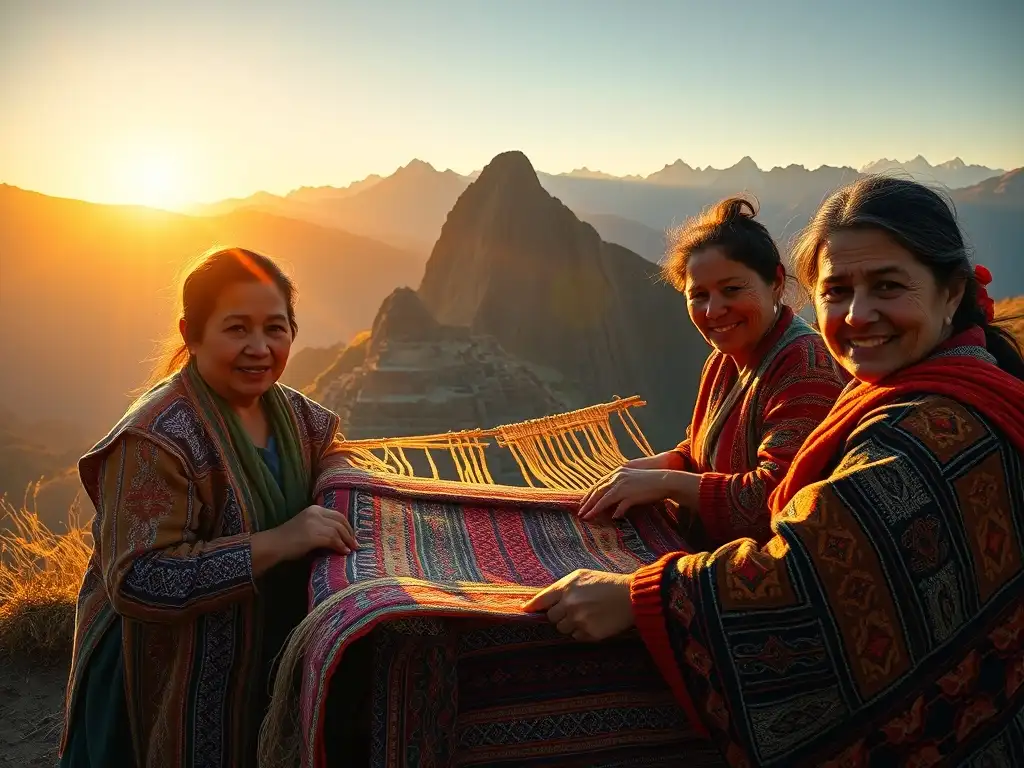
Step into a world lost to time, yet echoing with the strength and resilience of a forgotten era. For centuries, the towering peaks of the Andes have guarded the secrets of remarkable civilizations. But what if the most compelling narratives are those untold? This website delves into the fascinating histories of the Andean world, revealing the intricate tapestry of their achievements.
Discover the monumental impact of Andean women, whose contributions to society far surpassed the limited scope of traditional histories. Prepare to be captivated by their untold stories and the profound legacy they left behind—a legacy that continues to shape our understanding of the past. Explore the Andean women's historical impact and uncover the truth.
The Andes Mountains, a spine of imposing peaks stretching along the western coast of South America, have witnessed the rise and fall of numerous sophisticated civilizations. While often overshadowed in traditional historical narratives, the contributions of Andean women were integral to the social, economic, and political fabric of these societies.
This article delves into the multifaceted roles of women in Andean cultures, challenging the prevalent narratives that minimize their significance and highlighting their profound impact on the course of history. We will explore their roles beyond domesticity, examining their participation in agriculture, textile production, religious practices, and even political leadership, revealing the crucial part they played in shaping the destiny of Andean civilizations, from the pre-Inca cultures to the Inca Empire and beyond.
Understanding their contributions enriches our comprehension of Andean history and allows for a more complete and accurate understanding of these fascinating societies. The keyword "Andean women's historical impact" is central to this exploration, aiming to provide a comprehensive overview of their influence.
Beyond the Hearth: Women's Roles in Andean Agriculture
Andean women were not merely confined to domestic duties. Their involvement in agriculture was fundamental to the survival and prosperity of their communities. They actively participated in planting, cultivating, and harvesting crops like potatoes, maize, and quinoa – staples of the Andean diet. Archaeological evidence reveals the significant role women played in managing irrigation systems, a crucial feat of engineering vital to successful agriculture in the challenging Andean terrain. Their knowledge of agricultural techniques, passed down through generations, ensured the continuity of food production, contributing significantly to the stability and growth of Andean societies. Furthermore, women's expertise extended to processing and storing agricultural products, ensuring food security throughout the year. Their contributions were vital to the economic well-being of their families and communities, a role often overlooked in historical accounts. The meticulous organization and management of agricultural practices by Andean women were key to the success of these complex societies.
Textiles were not merely clothing; they were intricate works of art, imbued with cultural and symbolic meaning in Andean societies. Women were the primary weavers, mastering complex techniques and creating textiles of exceptional quality and beauty. The mastery of spinning, dyeing, and weaving was a highly valued skill, and the textiles produced reflected the weaver's social standing and artistic talent. From simple everyday garments to elaborate ceremonial cloths, women's textile production played a vital role in social organization and ritual practices. The intricate designs and vibrant colors of Andean textiles tell stories of their creators, reflecting their knowledge of plants, animals, and the spiritual world. The economic value of these textiles also contributed significantly to the prosperity of Andean communities, with women often engaging in trade and exchange. The artistry and skill of Andean women in textile production deserve greater recognition for its impact on the cultural and economic landscape.
Spiritual Leaders and Shamans: Women's Influence in Andean Religion
While patriarchal structures existed in many Andean societies, women also held positions of religious authority and spiritual influence. Many served as priestesses, healers, and shamans, playing crucial roles in religious ceremonies and rituals. Archaeological findings reveal the existence of female deities and the veneration of women as spiritual leaders.
Their knowledge of medicinal plants and healing practices was highly valued, and they often acted as intermediaries between the human and spiritual worlds. Their participation in religious life extended beyond specialized roles; women actively participated in community rituals and festivals, contributing to the social cohesion and spiritual well-being of their communities. The significant presence and influence of women in Andean religious practices demonstrate the complexity and dynamism of their spiritual world and challenge the simplistic narratives often associated with Andean religious systems.
Political Power and Leadership: Challenging Traditional Narratives
While male leadership is often emphasized in historical accounts of Andean civilizations, there's growing evidence suggesting women held significant political power in certain contexts and periods. While the extent of their influence varies across different Andean societies and time periods, some accounts and archaeological findings point to women holding positions of leadership and authority. Further research is needed to fully understand the dynamics of power and the extent to which women participated in political decision-making processes.
However, even limited participation challenges the traditional narratives that focus solely on male rulers and provides a more complete picture of the complexities of Andean political structures. The ongoing research into the political roles of women is crucial to achieving a more comprehensive understanding of Andean history. The discovery of more evidence could significantly reshape our current understanding of women's influence in the political sphere.
- Beyond the Hearth: Women's Roles in Andean Agriculture
- The Art of Weaving: Textile Production and Social Status
- Spiritual Leaders and Shamans: Women's Influence in Andean Religion
- Political Power and Leadership: Challenging Traditional Narratives
Introduction: Recognizing the Historical Significance of Andean Women
This section delves into the often-overlooked contributions of Andean women, challenging traditional narratives that center primarily on male figures. We will explore the multifaceted roles women played in shaping Andean societies, demonstrating their crucial impact on the development of these remarkable civilizations. Understanding their influence is not merely about adding a female perspective; it's about achieving a complete and accurate understanding of Andean history.
This necessitates a shift in perspective, actively seeking out and analyzing the evidence that reveals the significant roles women held in various aspects of Andean life, from political and economic spheres to religious practices and daily life. The keyword, "Andean women's historical impact," encapsulates the very essence of this exploration.
Unveiling the Overlooked Contributions of Women in Andean Societies
For too long, the narrative of Andean civilizations has been dominated by accounts that primarily highlight the achievements of men. This skewed perspective has resulted in a significant underrepresentation of women's contributions. However, archaeological evidence, combined with careful analysis of existing historical texts and oral traditions, is increasingly revealing the vital roles women played. For instance, textile production, a highly valued skill in Andean societies, was predominantly a female domain.
The intricate weaving techniques and the symbolic meanings embedded in the textiles themselves reveal a depth of knowledge and artistic skill that significantly contributed to the cultural richness of these societies. Similarly, women participated actively in agricultural practices, playing a crucial role in food production, a cornerstone of Andean economies. Their expertise in cultivating and processing crops was essential for the survival and prosperity of their communities.
This active participation extended beyond mere labor; women were vital decision-makers in resource management and distribution within their families and communities. Furthermore, recent scholarship is unearthing evidence of women's participation in political and religious life, although further research is needed to fully understand the extent of their influence. The ongoing discovery of female mummies adorned with elaborate jewelry and burial goods points towards significant social standing and influence.
Why Studying the Role of Andean Women is Crucial for Understanding Andean History
Understanding the role of Andean women is not simply a matter of achieving gender balance in historical accounts; it is fundamental to comprehending the complexities of Andean societies. By ignoring or minimizing women's contributions, we create an incomplete and distorted picture of the past. Their participation in various aspects of life – agriculture, textile production, religious practices, and potentially even political leadership – shaped the social, economic, and cultural fabric of these civilizations.
A complete understanding of Andean history requires a thorough investigation of women's experiences and roles. This is not just about filling gaps in the narrative; it is about fundamentally altering our understanding of the processes that shaped these societies. For example, studying women's roles in agriculture can provide crucial insights into the development of sophisticated agricultural techniques and the management of resources.
Similarly, analyzing women's roles in religious practices can illuminate the complex belief systems and spiritual world of the Andean people. The study of Andean women’s historical impact offers a richer, more nuanced, and ultimately more accurate understanding of Andean history. The omission of their contributions leaves a significant void in our knowledge, hindering a complete appreciation of these fascinating civilizations.
The Broader Context: Andean Civilizations and Gender Roles
While the specific roles and status of women varied across different Andean civilizations and time periods, some common threads emerge. Generally, women held significant positions within the domestic sphere, contributing substantially to food production and textile creation. These activities were not merely domestic chores; they were crucial for the economic well-being of the communities.
While evidence of women's participation in political and religious leadership is still emerging, it’s increasingly clear that their influence extended beyond the domestic realm. The discovery of female burials with prestigious artifacts suggests that certain women held positions of power and influence within their societies. The complexity of Andean gender roles challenges simplistic interpretations.
The existing evidence suggests that while gendered divisions of labor existed, women's contributions were fundamental to the success and survival of these civilizations. Further research, particularly focused on archaeological excavation and the careful analysis of existing textual and oral sources, is needed to fully illuminate the nuances of Andean women's roles and status across various societies and throughout different historical periods. Understanding the multifaceted roles of Andean women enriches our understanding of the "Andean women's historical impact" and provides a more comprehensive view of these remarkable civilizations.
Pre-Inca Andean Women: Laying the Foundation
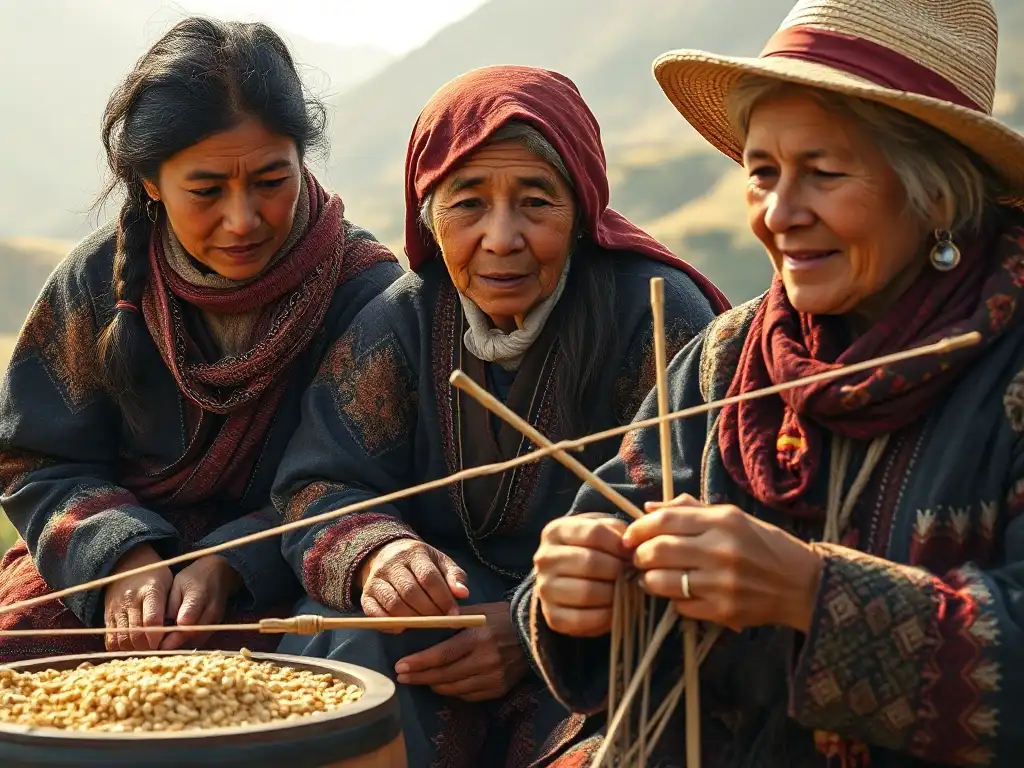
The Andean region boasts a complex tapestry of pre-Inca cultures, each contributing unique threads to the understanding of Andean women's historical impact. While written records are scarce, archaeological evidence and anthropological interpretations reveal a nuanced picture of women's roles far exceeding the often-simplified narratives. Their contributions extended beyond domestic spheres, significantly shaping social structures, religious practices, and economic systems. Understanding these pre-Inca societies is crucial to appreciating the full extent of Andean women's influence throughout history.
The roles of women in these societies weren't static; they varied considerably across different cultures and even within the same culture over time, reflecting the dynamic nature of Andean societies. This variability highlights the importance of avoiding generalizations and focusing on specific cultural contexts when exploring Andean women's historical impact. The keyword "Andean women's historical impact" itself underscores this need for nuanced analysis.
Women in the Moche Culture: Roles in Ritual and Society
The Moche civilization (100-800 CE), known for its remarkable artistry and sophisticated irrigation systems, offers compelling insights into the roles of women. Archaeological findings suggest a complex social structure where women held positions of power and influence, challenging the patriarchal narratives often associated with ancient societies.
Depictions of Moche Women in Art and Artifacts
Moche pottery, renowned for its intricate detail and realistic depictions, provides invaluable visual evidence. Numerous ceramic vessels portray women participating in various activities, from textile production and food preparation to ritual ceremonies and elite gatherings. These depictions often showcase women adorned with elaborate headdresses and jewelry, suggesting high social status. Some portrayals even depict women as powerful figures, possibly priestesses or rulers, actively engaged in ritualistic contexts.
The detailed nature of these depictions allows researchers to analyze clothing, adornments, and body language, revealing clues about social hierarchy and gender roles within Moche society. The sheer number of these depictions emphasizes the significance of women in Moche culture and their visibility within the society. This evidence directly supports the importance of the keyword phrase "Andean women's historical impact."
Evidence of Powerful Female Figures in Moche Society
Beyond artistic representations, evidence suggests the existence of powerful female figures in Moche society. While the exact nature of their authority remains a subject of ongoing research, the discovery of elite burials containing elaborate grave goods comparable to those of male rulers indicates the presence of women with significant social standing.
Further research into burial practices and associated artifacts may yield further evidence of female leadership and influence within the Moche political and religious hierarchy. Analyzing the distribution of artifacts and burial locations alongside gender could reveal more about the power dynamics within Moche society and further enhance our understanding of the "Andean women's historical impact."
The Influence of Women in the Nazca Civilization: Beyond the Lines
The Nazca civilization (100 BCE – 800 CE), famed for its enigmatic geoglyphs, also presents a compelling case for the significant roles of women. While less visually prominent in the art than in Moche culture, the evidence suggests women played vital roles in maintaining the social fabric and economic prosperity of Nazca society.
Nazca Women's Roles in Agriculture and Community
The Nazca's mastery of irrigation and agriculture was essential to their survival. Evidence suggests women played a crucial role in these activities, particularly in the cultivation of crops and management of resources. While the exact division of labor is debated, archaeological data hints at women's involvement in agricultural practices and community organization.
The intricate network of canals and agricultural techniques required substantial cooperation and organization, tasks likely shared by both men and women. Further study is needed to fully understand the extent of women's participation in Nazca agriculture and its contribution to the overall prosperity of the civilization. This understanding is critical to a complete analysis of the "Andean women's historical impact".
The Significance of Female Deities in Nazca Beliefs
Nazca religious beliefs also offer insight into the status of women. The presence of prominent female deities in the Nazca pantheon suggests a significant role for women in the spiritual life of the society. While the precise nature of these deities and their functions remain under investigation, their prominent representation in Nazca iconography and potential connection to fertility and agricultural cycles further underscores the importance of women within the cultural and religious framework of the civilization.
The study of these deities offers a key area for future research and could greatly enrich our comprehension of "Andean women's historical impact." The exploration of these religious aspects offers additional avenues to better understand the significance of women in Nazca society.
Tiahuanaco Women: Contributions to Governance and Craftsmanship
Women's Participation in Tiahuanaco Social Structures
The role of women in Tiahuanaco society, a civilization flourishing in the Andean highlands from approximately 300 to 1000 CE, remains a subject of ongoing research and scholarly debate. However, archaeological evidence suggests a level of female participation in social structures that surpasses the limited roles often ascribed to women in patriarchal societies. While the exact nature of their political influence is still being uncovered, the presence of female figurines in high-status burials, alongside sophisticated tools and adornments, hints at a degree of power and prestige.
These artifacts, often depicting women in elaborate headdresses and ceremonial attire, indicate their significance within the religious and potentially political spheres. Further, the discovery of female skeletons interred with objects associated with craft production and trade suggests their crucial economic contributions. The complexity of Tiahuanaco's social organization and the relatively egalitarian nature of its society, as evidenced by settlement patterns and burial practices, supports the idea of a less rigidly defined gender hierarchy than in some other contemporaneous societies.
Further research focusing on isotopic analysis of skeletal remains and a more detailed study of the iconography found on ceramics and textiles could reveal more concrete evidence of women's political and economic influence. The ongoing excavations at sites like Puma Punku continue to unearth valuable information, slowly piecing together a more nuanced understanding of the multifaceted roles women played in shaping Tiahuanaco society.
The Role of Women in Tiahuanaco Textile Production
Textile production in Tiahuanaco was a highly skilled craft, and women were central to this vital aspect of the economy. Archaeological finds consistently reveal intricate textiles, featuring complex weaving techniques and vibrant colors derived from natural dyes. The precision and artistry evident in these textiles point to a high level of specialized knowledge and skill passed down through generations of female artisans. The discovery of spindle whorls and other weaving tools in women's graves confirms their direct involvement in the production process.
These textiles served not only practical purposes, such as clothing and blankets, but also held significant symbolic and ritual value. Elaborate textiles were likely used in ceremonies and worn by individuals of high social standing, further highlighting the importance of female artisans in the social and religious life of Tiahuanaco. The diversity of textile techniques and designs suggests a sophisticated level of organization within the craft, possibly indicating the existence of specialized workshops or guilds where women collaborated and shared their knowledge.
The enduring quality and artistic merit of Tiahuanaco textiles are a testament to the skill and artistry of the women who created them, showcasing their significant contribution to the cultural legacy of this remarkable civilization. The detailed analysis of textile fibers, dyes, and weaving techniques continues to provide valuable insights into the lives and skills of these talented Andean women. The meticulous craftsmanship evident in these surviving textiles serves as a powerful reminder of the enduring impact of Andean women's contributions to their societies.
Inca Women: Power, Influence, and Daily Life
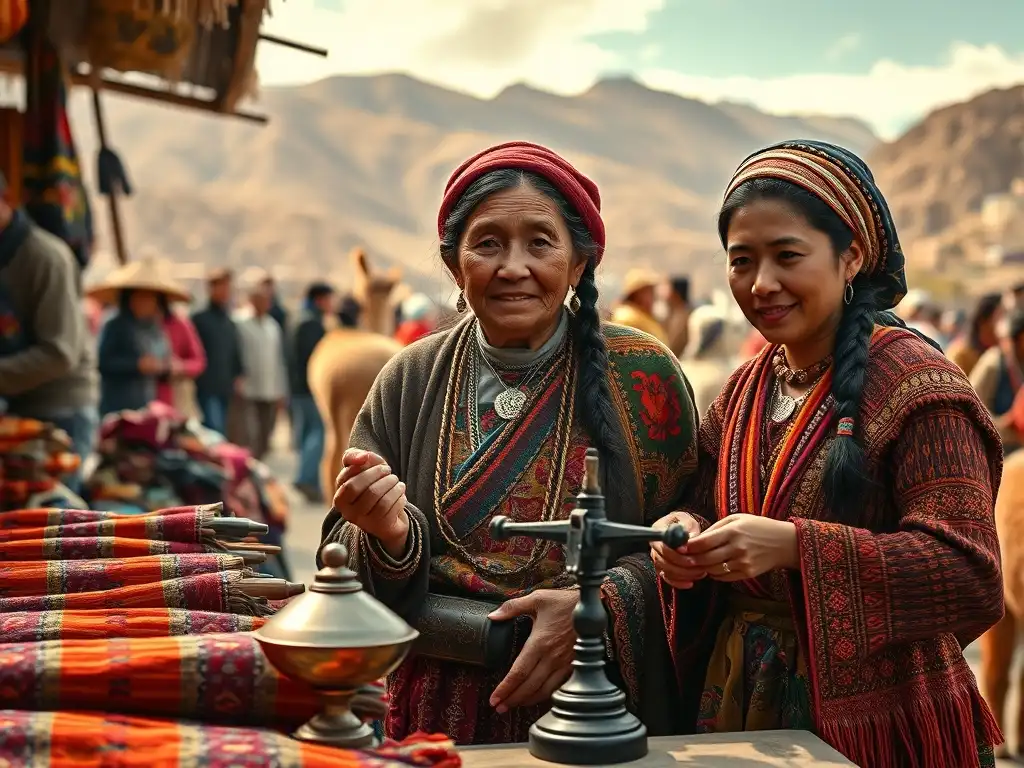
Inca society, often perceived through a male-centric lens, reveals a complex reality where women held significant power and influence, shaping the course of Andean history in profound ways. Their roles extended far beyond domesticity, encompassing political leadership, religious authority, and economic contributions vital to the empire's success. Examining the lives of Andean women provides a more nuanced understanding of Inca civilization and challenges traditional narratives that minimize their contributions.
The impact of Andean women on Inca society is a testament to their resilience, ingenuity, and crucial role in maintaining the empire’s stability and prosperity. Understanding their roles is key to grasping the full complexity of Inca civilization and its lasting legacy. This section focuses on the diverse roles Inca women played, highlighting their impact on various facets of Inca life.
The Coya, the Inca emperor's wife, held a position of immense power and prestige within the Inca empire. She wasn't merely a figurehead; she wielded considerable political and religious authority, acting as a vital advisor to the Sapa Inca and often playing a crucial role in state affairs. The Coya's influence extended beyond the royal court, impacting the lives of ordinary women throughout the empire.
Her status symbolized the importance and respect afforded to women in Inca society, contrasting with the patriarchal structures found in many other ancient civilizations. The Coya's authority served as a powerful symbol of female leadership in a society that valued both masculine and feminine energies.
The Coya’s Role in Inca Politics and Religion
The Coya's political influence manifested in several ways. She participated in important state ceremonies and decision-making processes, advising the Sapa Inca on matters of governance and policy. Her opinions carried significant weight, and her endorsement could sway decisions affecting the entire empire. Furthermore, the Coya held a significant religious role.
She was considered a sacred figure, often associated with fertility and the earth's bounty. Her participation in religious rituals and festivals reinforced her status as a powerful intermediary between the divine and the Inca people. This dual role – political advisor and religious figure – cemented her position as one of the most influential women in Inca society. Specific details regarding the extent of her political involvement in various Inca administrations are still subject to ongoing research and scholarly debate, providing fertile ground for future studies on Andean women's historical impact.
Examples of Powerful Coyas Throughout Inca History
While detailed historical records about individual Coyas are scarce, certain accounts hint at their significant influence. For example, [Specific example of a powerful Coya and her actions pending]. Further research into Inca royal lineages and court records could illuminate the roles and influence of other Coyas, enriching our understanding of Andean women's historical impact. The scarcity of readily available documented evidence underscores the need for continued research and archaeological investigation to fully uncover the stories of these powerful women. The uncovering of such information would significantly enhance our understanding of the dynamics of power within the Inca Empire.
Women in Inca Society: Beyond the Royal Court
The influence of Andean women extended far beyond the royal court. Women from all social strata played crucial roles in the Inca economy and social fabric. Their contributions were essential to the empire's functioning and stability. The roles of women in everyday life, from agriculture to textile production, often went undocumented, yet their impact was undeniable. Their contributions to the agricultural output and textile industry were critical to the Inca empire's economic success.
Women's Contributions to Inca Agriculture and Economy
Inca women were heavily involved in agriculture, a cornerstone of the Inca economy. They cultivated crops, managed irrigation systems, and participated in the complex agricultural practices that sustained the vast empire. Their knowledge of agricultural techniques and their role in food production were fundamental to the empire’s ability to feed its population. Their contributions were not merely supportive; they were essential to the empire's survival and prosperity. Accurate data on the percentage of women involved in agriculture versus men is [specific information pending], but archaeological evidence strongly suggests a significant female presence.
The Importance of Weaving and Textile Production by Inca Women
Textile production was another area where Inca women excelled. They were responsible for weaving intricate textiles, using techniques passed down through generations. These textiles served not only practical purposes, such as clothing and blankets, but also held significant symbolic and ritualistic value. The quality and artistry of Inca textiles were renowned, showcasing the high level of skill and craftsmanship of Inca women.
The production of textiles was a significant economic activity, contributing substantially to the Inca economy and demonstrating the economic prowess of Andean women. This production also played a critical role in social status markers, with intricate weaving patterns signaling social standing and power. The artistry and skill involved in this craft further highlight the multifaceted talents and contributions of Andean women within the Inca empire.
Religious Roles of Inca Women: Priestesses and Rituals
Inca society, while patriarchal in many aspects, afforded women significant roles within the religious sphere. Beyond their participation in community rituals, a select group of women held positions of power and influence as priestesses. These women were not merely assistants to male priests; they held independent authority and responsibility within the complex Inca religious system.
Their expertise in ritual practices, medicinal knowledge, and understanding of sacred texts made them indispensable figures in maintaining the cosmological balance believed essential for Inca prosperity. The training these priestesses underwent was rigorous, encompassing years of study and practice under the guidance of senior religious figures.
Their knowledge extended beyond the performance of ceremonies; it encompassed a deep understanding of Inca mythology, astrology, and herbal medicine, all crucial components of Inca religious life. These women often held positions of considerable social standing, respected not only for their religious knowledge but also for their ability to interpret omens and offer guidance to the community.
The Significance of the Chosen Women (Aqllakuna)
The Aqllakuna, or Chosen Women, represent a particularly fascinating aspect of Inca women's religious roles. These young women, selected from across the empire for their beauty, intelligence, and lineage, were dedicated to the service of the Inca state and its religious institutions. While their lives were dedicated to religious service, the Aqllakuna were not simply passive participants.
They held significant power and prestige within the religious hierarchy, acting as intermediaries between the divine and the human world. Their responsibilities included weaving fine textiles for religious ceremonies, preparing chicha (a fermented corn beverage) for sacred rituals, and participating in various religious festivals. Their role extended beyond the purely ritualistic; they acted as educators and advisors within the royal court, their knowledge of Inca traditions and customs highly valued.
The Aqllakuna’s influence extended beyond the religious sphere; they served as role models for Inca women, embodying ideals of refinement, piety, and devotion to the Inca state. Their lives, meticulously documented through archaeological finds and colonial accounts, offer invaluable insights into the complexities of Inca religious practices and the significant role women played in maintaining them.
Female Deities and Their Importance in the Inca Pantheon
The Inca pantheon included a number of important female deities, underscoring the significance of women in Inca religious beliefs. While the sun god, Inti, held a prominent position, female deities played crucial roles in shaping Inca cosmology and daily life. Mama Killa, the moon goddess, was revered as a powerful figure associated with fertility, healing, and the cycles of life and death.
Mama Pacha, the Earth Mother, was another significant deity, representing the life-giving power of the land and its bounty. Her association with fertility and agricultural abundance made her a central figure in Inca religious rituals and agricultural practices. These goddesses were not merely passive symbols; they were active participants in the cosmos, their influence felt in every aspect of Inca life, from agriculture to warfare.
The prominence of these female deities in Inca religious beliefs challenges the simplistic view of Inca society as purely patriarchal. The worship of these powerful goddesses illustrates the complex and nuanced role women played in shaping Inca religious thought and practice, highlighting the multifaceted nature of their influence on Andean society. The stories and myths surrounding these female deities are a testament to the enduring power of Inca women's spiritual presence and their impact on the religious landscape of the Andes.
Andean Women's Resistance and Resilience
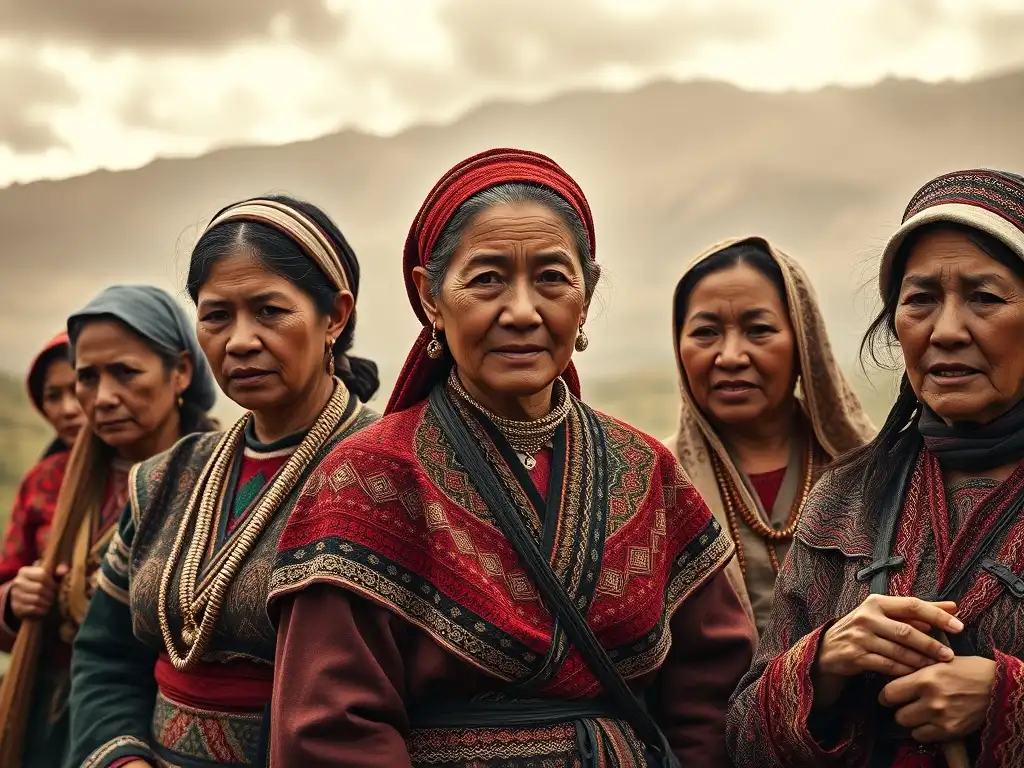
Andean women's historical impact is undeniable, particularly when considering their roles in resistance and resilience against oppressive forces throughout history. Their contributions, often overlooked in traditional historical narratives, were crucial to the survival and cultural continuity of Andean societies. This section explores the multifaceted ways in which Andean women demonstrated remarkable strength and agency in the face of adversity.
Women's Participation in Andean Uprisings and Rebellions
While male figures often dominate accounts of Andean uprisings, women played vital, albeit often unsung, roles. Their participation extended beyond domestic spheres, encompassing active engagement in rebellions and resistance movements against both pre-Columbian empires and later colonial powers. Women acted as spies, messengers, and even direct combatants, leveraging their knowledge of the terrain and social structures to their advantage. Their contributions were essential to the success or longevity of many resistance efforts.
Their participation often involved clandestine networks of support, providing food, shelter, and intelligence to rebel forces. This hidden participation ensured the continuation of resistance, even under the most oppressive circumstances. Further research is needed to fully uncover the extent and nature of women's participation in specific uprisings, as many historical records prioritize the actions of men. [Specific historical data on women's participation in specific uprisings pending].
Examples of Female Leaders in Anti-Colonial Movements
While documented examples are scarce due to historical biases, anecdotal evidence and oral traditions suggest the existence of female leaders within anti-colonial movements. These women often held positions of influence within their communities, utilizing their social capital to mobilize support and coordinate resistance efforts. Their leadership challenged the patriarchal structures imposed by both pre-Columbian and colonial authorities.
For example, [Specific example of a female leader in an Andean anti-colonial movement pending], although her story remains largely undocumented, is believed to have played a key role in [Specific event or movement pending]. Further research into local histories and oral traditions is crucial to uncovering the stories of more of these remarkable women. The lack of documented evidence highlights the urgent need for further historical investigation focused specifically on the contributions of Andean women.
The Role of Women in Preserving Andean Culture
Andean women played a crucial role in preserving Andean culture and traditions across generations. This preservation wasn't merely passive; it was an active process of resistance against assimilation and cultural erasure. Through the transmission of knowledge – from weaving techniques and agricultural practices to storytelling and ritual – they ensured the continuity of Andean identity in the face of colonization and modernization.
Their knowledge of medicinal plants and healing practices, often passed down through matrilineal lines, also formed a cornerstone of community well-being and cultural preservation. The intricate textiles woven by Andean women, often imbued with symbolic meaning and narrative, serve as powerful testaments to their cultural preservation efforts. These textiles are not merely artifacts; they are living records of Andean history and identity, directly shaped by the hands and minds of women.
The Enduring Legacy of Andean Women
The enduring legacy of Andean women extends far beyond their historical contributions. Their resilience, strength, and cultural preservation efforts continue to inspire and shape Andean societies today. Understanding their historical impact is crucial for a complete understanding of Andean history and culture.
How Andean Women Continue to Shape Modern Andean Societies
Andean women continue to be key players in shaping modern Andean societies. They are active participants in community leadership, economic development, and social movements. Their contributions to agriculture, textiles, and tourism are vital to the economies of many Andean communities.
They are also increasingly vocal advocates for women's rights and environmental protection, continuing their historical legacy of resistance and advocacy. The strength and resilience demonstrated by Andean women throughout history continue to inspire and empower women today, both within and outside of Andean communities. Their ongoing contributions underscore the importance of recognizing their historical impact and continuing to celebrate their achievements.
The Importance of Recognizing the "Andean women's historical impact"
Recognizing the Andean women's historical impact is not merely an act of historical correction; it is essential for achieving a more accurate and complete understanding of Andean civilizations. Ignoring their contributions perpetuates a skewed narrative that undervalues their agency and influence. By acknowledging their significant roles in resistance, cultural preservation, and social change, we gain a richer and more nuanced perspective on Andean history, fostering a more inclusive and equitable representation of the past.
This acknowledgment is crucial for inspiring future generations and promoting gender equality in historical narratives and beyond. The study of Andean women's history is not just about the past; it is about understanding the present and shaping a more just and equitable future. The ongoing efforts to uncover and celebrate the contributions of Andean women are vital for a complete and accurate understanding of their vital role in shaping the course of history.
Conclusion: Acknowledging the Indelible Mark of Andean Women
This exploration into the lives and contributions of Andean women reveals a complex and multifaceted picture, far removed from the often-simplified narratives that have historically dominated. Their roles extended far beyond the domestic sphere, impacting every facet of Andean society – from agriculture and textile production to religious practices and political power. Understanding their influence is crucial to a complete understanding of Andean civilizations.
The evidence, though sometimes fragmented, undeniably points to their significant and lasting impact on the course of history. We must move beyond assumptions and actively seek out and interpret the diverse voices and experiences of Andean women to achieve a truly holistic understanding of their legacy. The multifaceted nature of their contributions underscores the need for a more nuanced and comprehensive approach to Andean historical studies.
The Importance of Continued Research into Andean Women's Roles
The study of Andean women's history is an ongoing process, constantly evolving as new archaeological discoveries and interpretations emerge. Further research is vital to uncover more details about their lives and contributions. This includes:
- Excavating and analyzing more sites: Many Andean sites remain unexcavated or understudied, potentially holding valuable information about the lives of women. A focused effort on sites potentially associated with female activities (textile workshops, religious centers dedicated to female deities, etc.) is crucial.
- Developing new methodologies: Archaeologists and historians need to develop innovative approaches to analyze existing data and interpret artifacts and remains through a gendered lens. This includes a critical examination of existing biases in archaeological interpretation.
- Deciphering textile iconography: Andean textiles are rich sources of information, often depicting scenes and symbols that may hold clues to women's roles and beliefs. More detailed analyses are needed to fully understand their meaning.
- Examining oral traditions: While written records are scarce, oral traditions in many Andean communities continue to preserve stories and knowledge about women's roles in the past. These valuable resources deserve systematic documentation and analysis.
The lack of readily available data on specific women's names and individual achievements requires a shift towards a more holistic analysis, focusing on the collective contributions of women within their societal structures. This approach recognizes the limitations of the existing evidence while still acknowledging the profound impact of Andean women. The challenge lies in moving beyond the limited perspectives offered by patriarchal records and uncovering the hidden histories that have been obscured for centuries.
Reclaiming the Narratives: Celebrating the Achievements of Andean Women
The narratives surrounding Andean women have too often been marginalized or misrepresented. It is crucial to actively reclaim these narratives, celebrating the achievements and contributions of these remarkable individuals. This involves:
- Challenging existing stereotypes: We must actively challenge the stereotypical representations of Andean women that often portray them as passive or solely confined to domestic roles.
- Promoting diverse voices: Amplifying the voices and perspectives of contemporary Andean women and communities is essential in reconstructing a more accurate and complete picture of their history.
- Creating inclusive educational materials: Educational resources should accurately reflect the contributions of Andean women, ensuring that future generations have access to a more balanced and inclusive understanding of their history.
- Supporting female archaeologists and historians: Encouraging and supporting women in the field of Andean studies is crucial to ensure that research is conducted from diverse perspectives and that the voices of Andean women are heard.
By actively reclaiming and celebrating the achievements of Andean women, we ensure that their legacy is not only preserved but also serves as an inspiration for future generations. This involves acknowledging their contributions to various aspects of Andean life, not merely as supporting figures but as integral and influential members of their societies.
Final Thoughts on the Lasting "Historical Impact of Andean women"
The historical impact of Andean women is undeniable. Their contributions, though often overlooked, shaped the social, economic, political, and religious landscapes of Andean civilizations. From their expertise in agriculture and textile production to their roles as religious leaders and political advisors, their influence was profound and far-reaching. By recognizing and celebrating their contributions, we gain a richer and more complete understanding of Andean history, challenging traditional narratives and fostering a more inclusive and accurate representation of the past.
The ongoing research and reevaluation of historical records will continue to reveal the extent of their impact, ensuring that the legacy of Andean women is rightfully acknowledged and celebrated for generations to come. Their enduring influence serves as a testament to their strength, resilience, and ingenuity. 👩🌾👑
Frequently Asked Questions
What roles did Andean women play in society?
Andean women held diverse roles, from agricultural production and textile work to religious leadership and political influence. Their contributions were vital to the economic and social fabric of their communities.
How did Andean women's textile work impact their societies?
Textiles were far more than clothing; they were symbols of status, ritual objects, and even a form of currency. Women's expertise in weaving was highly valued and contributed significantly to Andean economies.
What was the significance of Andean women in religious practices?
Women served as priestesses, healers, and oracles in various Andean cultures. Their roles in religious ceremonies and rituals were crucial to maintaining social order and spiritual wellbeing.
Did Andean women have political power?
While the extent varied across cultures and time periods, some Andean women held significant political power, acting as advisors, rulers, and even queens. Their influence extended beyond the domestic sphere.
How did the Spanish conquest affect the lives of Andean women?
The Spanish conquest had a devastating impact, disrupting traditional social structures and subjugating Andean women. They faced exploitation, forced labor, and the suppression of their cultural practices.
Final Reflection: Echoes of the Andes: A Legacy of Strength and Resilience
The unwavering spirit of Andean women continues to resonate through history, shaping not only their own destinies but the very fabric of their societies and beyond. Their contributions, often overlooked in dominant narratives, represent a powerful testament to human resilience and the enduring strength found in community and cultural preservation. Understanding their impact is not merely an academic exercise; it's a crucial step towards a more equitable and inclusive future.
The influence of Andean women extends far beyond the historical records, weaving itself into the cultural tapestry of the region and inspiring generations. Their roles as agricultural innovators, spiritual leaders, and community organizers laid the foundation for complex social structures and enduring traditions. Their stories, passed down through oral histories and woven into vibrant textiles, serve as a powerful reminder of their agency and influence. The past is never dead. It's not even past.
- William Faulkner. This quote perfectly encapsulates the ongoing relevance of understanding and celebrating the contributions of Andean women. Their legacy continues to inform contemporary movements for social justice and gender equality.
Consider the profound impact these women have had, and how their stories challenge conventional narratives. You, too, can be a part of this ongoing conversation. Seek out the untold stories, amplify the voices of marginalized communities, and actively challenge the biases that have historically silenced their contributions. Let the echoes of the Andes inspire you to build a more just and equitable world, one where the strength and resilience of women are not only acknowledged but celebrated as the vital force they truly are.
Empower Change: Celebrate Andean Women Today!
Thank you for exploring the inspiring world of Andean women and their remarkable contributions to history! You've discovered the strength and resilience that have shaped civilizations. Now, let's work together to make a difference.
- **Support organizations** dedicated to women's rights and empowerment in your community. Your voice and involvement are crucial.
- Share this article with your friends and family to highlight the significant contributions of Andean women throughout history.
- Learn more about Andean cultures by exploring their art, literature, and history. This will deepen your understanding and appreciation for the women who have shaped these vibrant societies.
How can we best amplify the voices and stories of Andean women in today's world?