
Guardians of Knowledge: The Indigenous Scholars Who Preserved Andean Wisdom

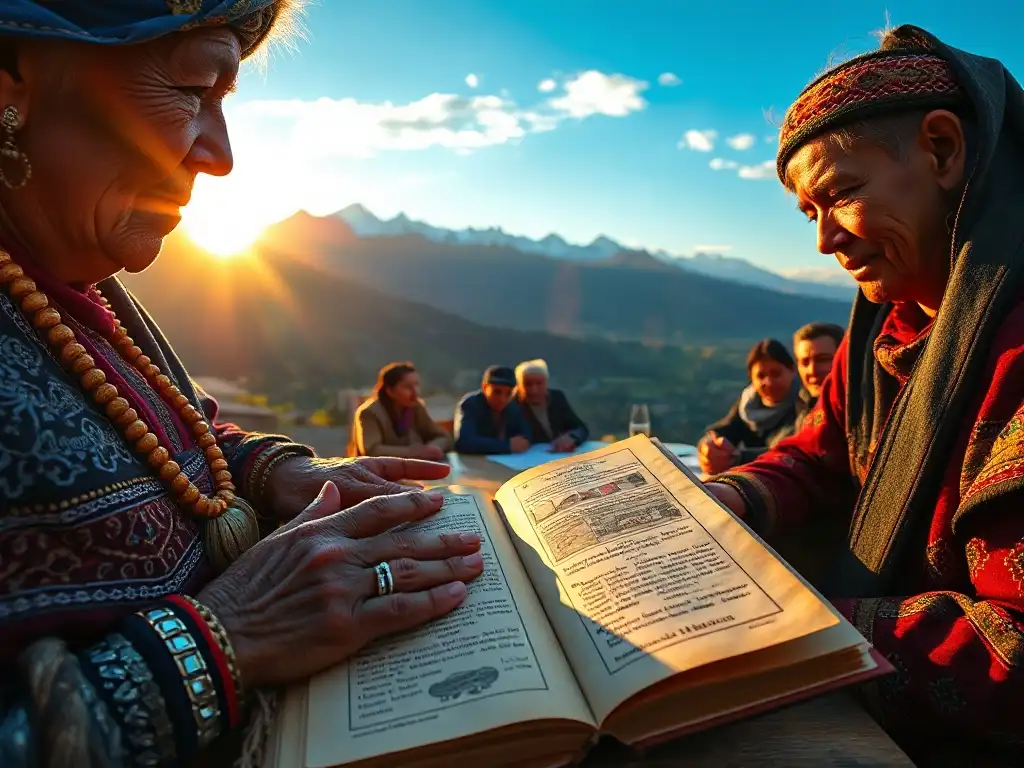
Uncover the enigmatic legacy of the Andes! For centuries, a vibrant tapestry of civilizations—the Incas, Moche, Nazca, and Tiahuanaco among them—thrived in the towering peaks and fertile valleys. But who were the true keepers of their knowledge? Journey with us as we delve into the fascinating world of Andean indigenous scholars, the unsung heroes who preserved invaluable wisdom across generations. Their stories, often overlooked, hold the key to understanding the enduring power of Andean culture. Prepare to be captivated by their resilience and the incredible legacy they left behind.
The Andes Mountains, a spine of towering peaks running down the western coast of South America, are not only a breathtaking geographical marvel but also the cradle of vibrant and sophisticated civilizations. For centuries, these Andean cultures—including the Inca, Moche, Nazca, and Tiahuanaco—developed intricate systems of knowledge encompassing astronomy, agriculture, engineering, and social organization. However, the narrative of Andean history often overlooks a crucial element: the indigenous scholars, the Amautas, the quipucamayocs, and countless others, who actively preserved and transmitted this invaluable wisdom across generations.
This article delves into the significant contributions of these unsung heroes, exploring their roles in safeguarding Andean knowledge and illuminating the vital role they played in shaping Andean societies. We will uncover the fascinating ways in which Andean indigenous scholars documented, interpreted, and passed down their rich cultural heritage, highlighting their profound impact on the enduring legacy of the Andes. Understanding their contributions is key to comprehending the true complexity and resilience of Andean civilizations.
This exploration will focus specifically on the crucial role Andean indigenous scholars played in preserving their rich heritage, a crucial aspect often overlooked in traditional historical accounts. We aim to shed light on the diverse roles these individuals played and the lasting impact they had on the continuation of Andean knowledge.
The Vital Role of Andean Indigenous Intellectuals
The preservation of Andean knowledge wasn't a passive process; it was an active and deliberate undertaking driven by generations of indigenous scholars. These individuals, often operating within complex social structures and facing significant challenges, played a critical role in ensuring the continuity of cultural practices, traditions, and beliefs. Their expertise spanned a wide range of disciplines, from sophisticated astronomical observations to intricate agricultural techniques and complex record-keeping systems.
Their knowledge wasn't simply theoretical; it was deeply intertwined with the practical realities of daily life, shaping everything from religious practices to economic systems. Their influence extended far beyond the immediate community, contributing to the development of regional and even inter-regional networks of knowledge exchange.
The resilience of Andean cultures, even in the face of conquest and colonization, is a testament to the effectiveness of these indigenous knowledge-keeping systems and the dedication of the scholars who maintained them. Their legacy continues to inspire and inform contemporary understandings of Andean history and culture.
Pre-Columbian Andean Knowledge Keepers
Before the arrival of Europeans, Andean societies boasted a diverse array of specialized roles dedicated to preserving and transmitting knowledge. These roles weren't static; they evolved and adapted over time, reflecting the dynamic nature of Andean societies themselves. While specific titles and functions varied across different cultures and time periods, several key roles consistently emerged as central to the preservation of Andean wisdom. These roles often overlapped, demonstrating a holistic approach to learning and knowledge transmission within these complex societies. The following sections will explore some of the most prominent examples.
The Amautas: Educators and Wise Counselors of the Inca Empire
The Amautas were highly respected intellectuals and educators within the Inca Empire. They were not simply teachers; they were keepers of history, tradition, and philosophy. Their role extended far beyond the classroom; they served as advisors to the Inca rulers, shaping policy and providing guidance on matters of state. The Amautas were responsible for preserving and transmitting Inca oral traditions, religious beliefs, and historical accounts.
They were skilled storytellers, using narratives and songs to pass down knowledge across generations. Their expertise was crucial in maintaining social cohesion and cultural continuity within the vast Inca Empire. Their oral traditions, while not always recorded in writing, provided the foundation for much of what we know about Inca society and beliefs today. [Specific examples of Amauta teachings and their impact pending].
Quipucamayocs: The Masters of the Andean Recording System
The quipucamayocs were the keepers of the Inca quipu, a complex system of knotted strings used for recording and storing information. These weren't mere decorative items; they represented a sophisticated method of data management that allowed the Inca to track everything from census data to agricultural yields and even historical events. The quipucamayocs possessed a deep understanding of the intricate system of knots, colors, and string arrangements, allowing them to encode and decode vast amounts of information.
Their skills were essential for the efficient administration of the Inca Empire, enabling the centralized control of resources and the effective organization of a large and diverse population. While the precise meanings of many quipu are still being deciphered, their existence demonstrates the advanced level of record-keeping achieved by Andean civilizations.
The complexity of the quipu system highlights the sophisticated mathematical and organizational abilities of the quipucamayocs. [Further research on specific quipu interpretations and their historical significance is needed].
Andean Astronomers and Their Celestial Understanding
Andean civilizations possessed an incredibly detailed understanding of astronomy, reflected in their sophisticated agricultural practices and religious beliefs. Indigenous astronomers meticulously tracked the movements of celestial bodies, using their observations to predict seasonal changes, plan agricultural cycles, and conduct religious ceremonies. Their knowledge was not just theoretical; it was deeply practical, ensuring the survival and prosperity of their communities. The precise alignment of many Andean structures, such as temples and agricultural terraces, with astronomical events demonstrates the advanced level of their astronomical knowledge.
[Specific examples of Andean astronomical observations and their practical applications pending]. The integration of astronomical knowledge into their daily lives showcases the holistic approach to knowledge within Andean societies. Their understanding of the cosmos was not separate from their understanding of the world around them; it was an integral part of their worldview.
Indigenous Chroniclers: Preserving History Through Oral Tradition
Andean civilizations, long before the arrival of Europeans, possessed sophisticated systems for preserving and transmitting knowledge. Unlike written records prevalent in other parts of the world, Andean societies relied heavily on oral traditions. This wasn't a simple recounting of events; it was a complex system involving intricate storytelling, mnemonic devices, and ritualized performances.
Generations of quipucamayocs, or keepers of knots, meticulously recorded historical events, lineage, and astronomical data on quipu – a system of knotted cords. These weren't mere lists; they encoded complex information requiring specialized knowledge to interpret. The quipu acted as a living library, constantly updated and reinterpreted by successive generations of scholars.
Their understanding of the Andean cosmos, agricultural cycles, and social structures was deeply interwoven with their oral traditions, making the preservation of these traditions paramount to their cultural survival. The intricate tapestry of Andean history was woven thread by thread, knot by knot, through the dedication of these oral historians. Their work continues to resonate today, informing our understanding of these remarkable societies.
The Transmission of Andean Knowledge Through Storytelling
Storytelling wasn't simply entertainment in Andean cultures; it was a crucial mechanism for transmitting vital knowledge across generations. Myths, legends, and historical accounts were skillfully interwoven into narratives, making complex information memorable and engaging. These stories weren't static; they evolved and adapted over time, reflecting the changing social and environmental contexts. Elderly members of the community, often revered for their wisdom and knowledge, played a central role in this process.
Their ability to weave captivating tales, laden with symbolic meaning, ensured that crucial information about history, cosmology, and social norms was passed down accurately. The use of memorable imagery, rhythmic language, and dramatic performances further enhanced the effectiveness of this oral transmission. This method allowed for a dynamic and adaptive preservation of knowledge, ensuring its relevance and continuity across generations. The art of Andean storytelling, therefore, represents a sophisticated strategy for knowledge preservation that deserves closer examination.
The Legacy of Andean Oral Historians
The legacy of Andean oral historians extends far beyond the historical records they preserved. Their influence shaped Andean worldview, social structures, and artistic expressions. The oral traditions they meticulously maintained provided a framework for understanding the cosmos, interpreting natural phenomena, and navigating social relations.
Their influence is evident in the rich tapestry of Andean art, music, and literature, which often draw upon and reflect the narratives and knowledge passed down through generations. The stories they told instilled values, morals, and a profound respect for the natural world. Even today, many Andean communities continue to uphold these oral traditions, demonstrating the enduring strength and resilience of this unique form of knowledge transmission.
Their stories are living testaments to the ingenuity and cultural sophistication of Andean civilizations. The ongoing efforts to document and preserve these oral histories are crucial to ensuring that the wisdom of these indigenous scholars continues to enrich our understanding of Andean cultures. Their legacy is one of resilience, adaptation, and the enduring power of storytelling.
Post-Colonial Andean Scholars: Adapting and Resisting
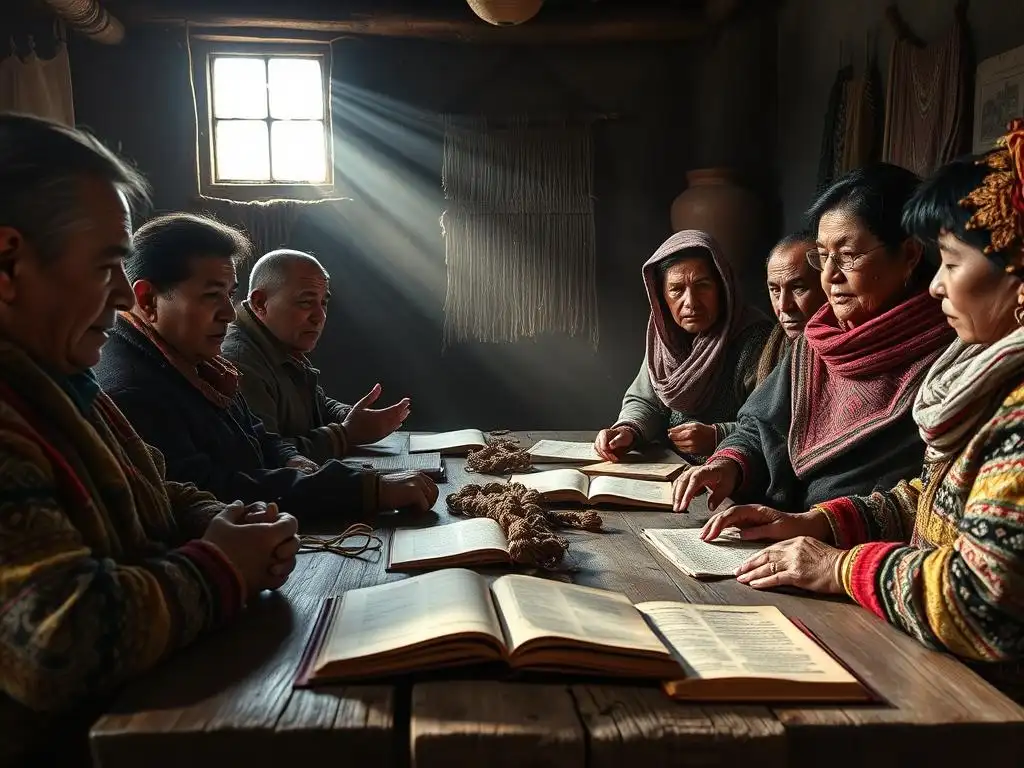
The arrival of the Spanish in the 16th century marked a turning point in Andean history, dramatically altering the ways in which knowledge was preserved and disseminated. The imposition of a new language, religion, and political system threatened to erase indigenous knowledge systems. However, Andean scholars demonstrated remarkable resilience, adapting and resisting the colonial forces that sought to suppress their cultural heritage. They cleverly integrated elements of their traditional knowledge into the new colonial framework, finding ways to preserve their cultural identity amidst a changing landscape.
Indigenous Intellectuals During the Colonial Period
Despite the suppression of indigenous languages and cultures, Andean intellectuals found creative ways to resist colonial domination. Many indigenous individuals, often trained in colonial institutions, used their education to advocate for their communities and preserve their cultural heritage. While some collaborated with colonial authorities, others subtly subverted colonial agendas through their writings and actions. They used Spanish—the language of the colonizers—to express their thoughts and experiences, sometimes incorporating indigenous perspectives and worldviews into their texts.
This act of cultural resistance, while often subtle, played a vital role in preserving Andean identity and knowledge. The survival of many indigenous communities and their cultural practices is a testament to the ingenuity and determination of these indigenous intellectuals. Their contributions are often overlooked in traditional historical narratives but are crucial to understanding the complexities of Andean history during the colonial period.
Andean Scholars' Fight for Cultural Preservation
The fight for cultural preservation continues to this day. Contemporary Andean scholars are actively engaged in recovering, documenting, and reinterpreting indigenous knowledge systems. They are working to reclaim and revitalize their languages, traditions, and cultural practices. They are challenging colonial narratives and promoting a more inclusive understanding of Andean history.
This ongoing struggle highlights the enduring importance of indigenous knowledge and the resilience of Andean communities in the face of adversity. The work of these scholars ensures that the wisdom of their ancestors continues to inspire and inform future generations. Their efforts demonstrate a profound commitment to cultural preservation and a powerful assertion of indigenous identity in the face of historical injustices. The ongoing work in archiving and sharing indigenous knowledge is a testament to their dedication.
The Resilience of Andean Indigenous Knowledge Systems
Andean indigenous knowledge systems, encompassing vast agricultural expertise, intricate astronomical observations, and sophisticated medical practices, demonstrated remarkable resilience in the face of colonization and societal upheaval. For centuries, this knowledge, often passed down orally through generations, survived attempts at suppression and eradication. The intricate system of quipus, knotted strings used for record-keeping, stands as a testament to the ingenuity and organizational capacity of Andean societies.
While the precise methods of interpreting quipus remain a subject of ongoing research, their existence underscores the sophisticated methods employed for data storage and transmission long before the arrival of the Spanish. Furthermore, the survival of traditional Andean agricultural techniques, adapted to the diverse ecological zones of the Andes, showcases the enduring practicality and adaptability of indigenous knowledge.
These methods, often involving intricate terracing and water management systems, continue to inform sustainable agricultural practices in the region today. The resilience of this knowledge is not merely a historical curiosity; it represents a valuable resource for addressing contemporary challenges related to food security and environmental sustainability.
Contemporary Andean Intellectuals and Their Contributions
The legacy of Andean indigenous knowledge continues to thrive through the work of contemporary intellectuals. These scholars, often working within universities and community organizations, actively research, document, and reinterpret traditional practices and beliefs. Their contributions are multifaceted, ranging from anthropological studies that illuminate the complexities of Andean social structures to botanical research that identifies and preserves indigenous plant varieties.
For instance, contemporary Andean scholars have made significant strides in understanding the intricate relationship between Andean communities and their environment, highlighting the deep ecological knowledge embedded within traditional practices. Their work often challenges Eurocentric perspectives on knowledge production, advocating for the recognition and validation of indigenous epistemologies. By bridging the gap between traditional knowledge and modern scholarship, these individuals play a crucial role in preserving and disseminating the rich intellectual heritage of the Andes.
The Ongoing Importance of Indigenous Andean Scholarship
The ongoing importance of indigenous Andean scholarship cannot be overstated. In a world grappling with climate change, biodiversity loss, and social inequality, the insights gleaned from centuries of Andean experience offer invaluable lessons. The sustainable agricultural practices developed over millennia, for example, provide crucial models for addressing contemporary food security challenges. Similarly, the deep understanding of Andean ecosystems, reflected in traditional medicine and resource management, offers valuable perspectives on environmental conservation.
Furthermore, indigenous Andean scholarship actively counters the erasure and marginalization of indigenous voices and perspectives, promoting social justice and cultural revitalization. By centering indigenous knowledge and perspectives, this scholarship contributes to a more inclusive and equitable understanding of the past and a more sustainable vision for the future. The continued support and promotion of this scholarship are essential for fostering a more just and sustainable world.
Protecting and Promoting Andean Indigenous Intellectual Heritage
Protecting and promoting Andean indigenous intellectual heritage requires a multifaceted approach that addresses both the tangible and intangible aspects of this legacy. This involves not only the preservation of physical artifacts like textiles and ceramics but also the safeguarding of oral traditions, rituals, and knowledge systems. Efforts to protect this heritage face numerous challenges, including the encroachment of modernization, the loss of language diversity, and the appropriation of cultural elements for commercial purposes.
Effective strategies require collaboration between indigenous communities, researchers, and governmental institutions. Legal frameworks that protect intellectual property rights and cultural heritage are vital, alongside initiatives that support the documentation and dissemination of indigenous knowledge.
Furthermore, promoting cultural tourism that respects indigenous communities and their traditions can contribute significantly to the economic sustainability of cultural preservation efforts. The preservation of this heritage is not simply a matter of historical preservation; it is essential for the continued cultural and social well-being of Andean communities.
Community-Based Initiatives for Safeguarding Traditional Knowledge
Community-based initiatives are playing an increasingly critical role in safeguarding traditional Andean knowledge. These grassroots efforts often involve the establishment of community archives, museums, and educational programs that promote the transmission of cultural heritage from one generation to the next. Many communities are actively involved in documenting their traditional practices, languages, and stories, creating valuable resources for future generations. These initiatives are often driven by a deep commitment to cultural revitalization and self-determination.
They empower indigenous communities to take ownership of their cultural heritage, ensuring its preservation and transmission on their own terms. The success of these initiatives often depends on the availability of resources, including funding, training, and technical support. Collaboration with external organizations and institutions can play a crucial role in providing these resources while respecting the autonomy and leadership of indigenous communities.
The Future of Andean Indigenous Scholarship
The future of Andean indigenous scholarship hinges on several key factors. Continued support for research and documentation initiatives is crucial, alongside efforts to promote interdisciplinary collaboration between indigenous scholars and researchers from other fields. The integration of indigenous knowledge systems into formal education is also essential, ensuring that future generations have access to this invaluable resource.
Furthermore, fostering equitable partnerships between indigenous communities and research institutions is crucial for ensuring that research is conducted ethically and respectfully, with the full participation and benefit of the communities involved. The future of Andean indigenous scholarship should be shaped by the priorities and needs of indigenous communities themselves, recognizing their inherent right to self-determination and cultural sovereignty. By prioritizing indigenous voices and perspectives, we can ensure that the rich intellectual heritage of the Andes continues to thrive and inform a more just and sustainable future.
- The Vital Role of Andean Indigenous Intellectuals
- Pre-Columbian Andean Knowledge Keepers
- Indigenous Chroniclers: Preserving History Through Oral Tradition
- Post-Colonial Andean Scholars: Adapting and Resisting
- The Resilience of Andean Indigenous Knowledge Systems
- Protecting and Promoting Andean Indigenous Intellectual Heritage
- What role did Andean indigenous scholars play in preserving their cultures?
- How did indigenous scholars adapt to colonial influences?
- What are some examples of Andean indigenous scholars' contributions?
- Where can I find more information about Andean indigenous scholars?
- Why is it important to highlight the role of Andean indigenous scholars?
Frequently Asked Questions
What role did Andean indigenous scholars play in preserving their cultures?
Andean indigenous scholars acted as guardians of knowledge, meticulously preserving their rich history, traditions, and languages through oral storytelling, intricate textiles, and other forms of artistic expression, often facing colonial suppression. Their contributions are essential to understanding Andean civilizations.
How did indigenous scholars adapt to colonial influences?
Indigenous scholars cleverly integrated their traditional knowledge with new influences, creating a unique syncretism. They often encoded their wisdom within seemingly innocuous forms, ensuring its survival despite colonial attempts at eradication.
What are some examples of Andean indigenous scholars' contributions?
Examples include preserving Quechua and Aymara languages, creating detailed genealogies, and interpreting ancient texts and artifacts. Their work has been crucial for modern archaeological and anthropological research.
Where can I find more information about Andean indigenous scholars?
Researching academic journals, books on Andean history and anthropology, and contacting universities with Andean studies programs will provide detailed information. Many indigenous communities also share their knowledge directly.
Why is it important to highlight the role of Andean indigenous scholars?
Highlighting their contributions is crucial for a more accurate and nuanced understanding of Andean civilizations. It also empowers indigenous communities and counters historical narratives that have often marginalized their voices and knowledge.
Final Reflection: Echoes of the Andes, Whispers of the Future
The preservation of Indigenous knowledge is not merely an academic pursuit; it is a vital act of resistance and resilience in the face of cultural erasure. The stories of the Andean indigenous scholars profiled in this article stand as powerful testaments to the enduring strength of cultural memory and the critical role these individuals play in shaping a more equitable and just future. Their work ensures that the wisdom of generations continues to resonate, offering invaluable insights into sustainable living, intricate social structures, and profound spiritual understanding.
The impact of these scholars extends far beyond the academic realm; their contributions enrich our understanding of history, challenge dominant narratives, and inspire innovative approaches to contemporary challenges. Their voices, often marginalized for centuries, are now finding a wider audience, fostering a crucial dialogue about cultural preservation and the importance of recognizing diverse perspectives. The past is never dead. It's not even past.
– William Faulkner. This quote resonates deeply, highlighting the ongoing relevance of Andean indigenous knowledge and the urgent need to continue amplifying these voices.
Consider the profound wisdom embedded within the Andean worldview, a legacy painstakingly preserved by these scholars. Now, it's your turn to engage with this legacy. Seek out the voices of Indigenous communities, learn from their traditions, and support initiatives that promote cultural preservation. By actively participating in this process, you become a guardian of knowledge yourself, ensuring that the echoes of the Andes continue to inspire and guide us towards a more sustainable and harmonious future for all.
**Celebrate and Honor Indigenous Wisdom Today! **
Thank you for joining us on this journey through the inspiring legacy of Indigenous scholars who have preserved Andean knowledge. Your interest in their stories is vital to recognizing the importance of culture and heritage. Let's translate this inspiration into meaningful action!
Here are a few ways you can actively engage with and honor this rich heritage:
- **Dive Deeper:** Explore local museums and cultural centers dedicated to Indigenous history. Attend workshops and lectures that highlight their contributions to society and knowledge.
- **Spread Awareness:** Share this article with your network—friends, family, and colleagues—and use social media to raise awareness about the importance of preserving Indigenous traditions.
- **Connect with Community:** Join online forums or local groups dedicated to Indigenous rights and knowledge preservation. Participate in discussions and contribute to the ongoing conversation.
What will you do today to help keep the spirit of Andean wisdom alive in your community?