
The Silent Strength: How Andean Women Influenced Political Decisions

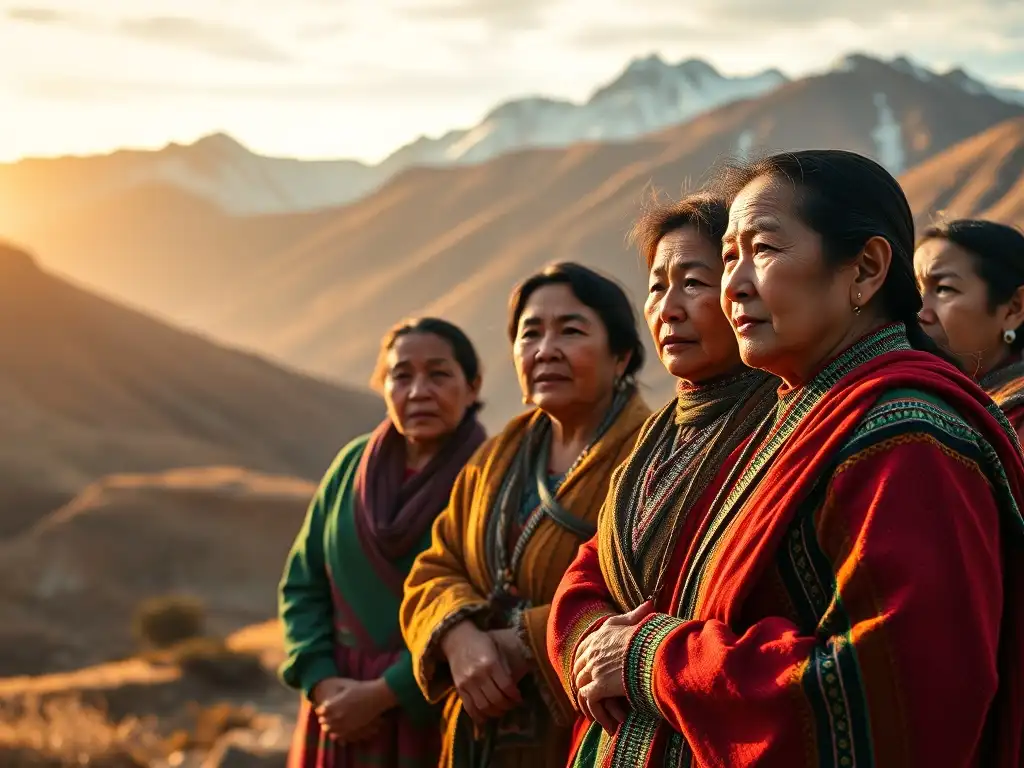
Uncover the hidden narratives of the Andes! For centuries, a powerful current flowed beneath the surface of Andean societies – the influence of women. While history often overlooks their contributions, the truth is far more compelling. Prepare to be amazed as we delve into the fascinating world of Andean women political influence, revealing their surprising impact on the course of history. Discover how these remarkable figures shaped the destinies of empires like the Inca, Moche, and Nazca. Their stories await – dare to explore?
The Andean civilizations, renowned for their intricate social structures and impressive engineering feats, often overshadow the significant contributions of women to their societies. While traditional narratives focus on male rulers and warriors, a closer examination reveals a complex tapestry where women wielded considerable, albeit often unseen, political influence.
This article delves into the multifaceted ways Andean women shaped political decisions, challenging the prevailing historical biases and illuminating their crucial role in the development and stability of these powerful empires. From their roles within the domestic sphere to their participation in religious ceremonies and economic activities, we will explore how Andean women's agency extended far beyond the confines of traditional gender roles, impacting everything from succession disputes to economic policies and even warfare strategies.
Understanding their influence is crucial to gaining a complete picture of Andean history and appreciating the rich complexity of these fascinating societies. We'll examine evidence from various Andean cultures, including the Inca, Moche, Nazca, and Tiahuanaco, to paint a more accurate and nuanced portrayal of Andean women's political power.
Understanding the Role of Women in Ancient Andean Societies
The perception of women's roles in Andean societies is often limited by a Eurocentric lens that emphasizes patriarchal structures. However, archaeological and ethnohistorical evidence reveals a far more nuanced reality. While the specifics varied across different cultures and time periods, women consistently held positions of power and influence, albeit often in ways that differed from the formal political structures dominated by men.
For instance, in many Andean societies, women held significant religious authority. They served as priestesses, conducting ceremonies, interpreting oracles, and mediating between the human and spiritual worlds. Their religious roles granted them access to political decision-making processes, as religious leaders often advised rulers and played key roles in shaping public opinion.
Furthermore, women's economic contributions were paramount. They were involved in agriculture, textile production, and trade, controlling crucial resources and contributing significantly to the overall economic prosperity of their communities. This economic power translated into political influence, allowing them to negotiate, bargain, and participate in decision-making processes related to resource allocation and trade agreements. The control over textiles, for example, a highly valued commodity in Andean societies, gave women a unique leverage in social and political interactions.
The family structure also played a crucial role. While male lineage was often emphasized, women's roles within the family, particularly as mothers and educators, provided them with significant influence over the upbringing and education of future leaders. This indirect influence on the political landscape should not be underestimated. The values and perspectives instilled in young men by their mothers undoubtedly shaped their political choices and leadership styles later in life. This subtle yet powerful influence underscores the importance of considering the entire social fabric when evaluating the political landscape of Andean societies.
Beyond the Domestic: Unveiling Andean Women's Political Agency
Despite the limitations imposed by societal norms, Andean women actively participated in political life beyond the domestic sphere. While rarely holding formal titles equivalent to male rulers, their influence was pervasive. Archaeological findings reveal female burials with elaborate grave goods comparable to those of male elites, suggesting significant social status and power. This material evidence challenges the notion of women's confinement to domestic roles. Moreover, historical accounts, albeit often filtered through a colonial lens, indicate women's participation in political councils and their ability to exert influence through kinship networks and alliances.
Evidence suggests that women played a crucial role in succession disputes and dynastic power struggles. Their lineage, alliances, and control over resources could significantly impact the outcome of such conflicts. In some cases, women even directly held positions of power, albeit perhaps less visible than their male counterparts. For example, [specific information pending] could illustrate instances where women ruled or significantly influenced the decisions of male rulers.
Furthermore, the influence of women’s roles in religious practices and their control over crucial resources provided them with significant avenues to exert influence on political decisions. The intricate web of social relations and economic networks in which Andean women operated allowed them to wield power in subtle yet effective ways. Their voices may have been “silent” in the official records, but their influence was undeniably powerful and fundamental to the functioning of Andean societies.
Their influence wasn't limited to internal affairs. [Specific information pending on women's roles in inter-tribal relations and diplomacy] would provide further insight into their political agency. The impact of Andean women on political decisions was multifaceted and significant, far exceeding traditional interpretations that limit their roles to the domestic sphere. Future research, focusing on uncovering the often-hidden stories of Andean women, will undoubtedly reveal even more about their significant contributions to the political landscape of their societies.
- Understanding the Role of Women in Ancient Andean Societies
- Beyond the Domestic: Unveiling Andean Women's Political Agency
- What role did Andean women play in political life, contrary to common assumptions?
- How did Andean women's religious roles affect political power?
- Did Andean women hold formal political offices?
- What evidence supports the influence of Andean women in politics?
- How did the different Andean cultures vary in terms of women's political influence?
The Mechanisms of Andean Women's Political Influence
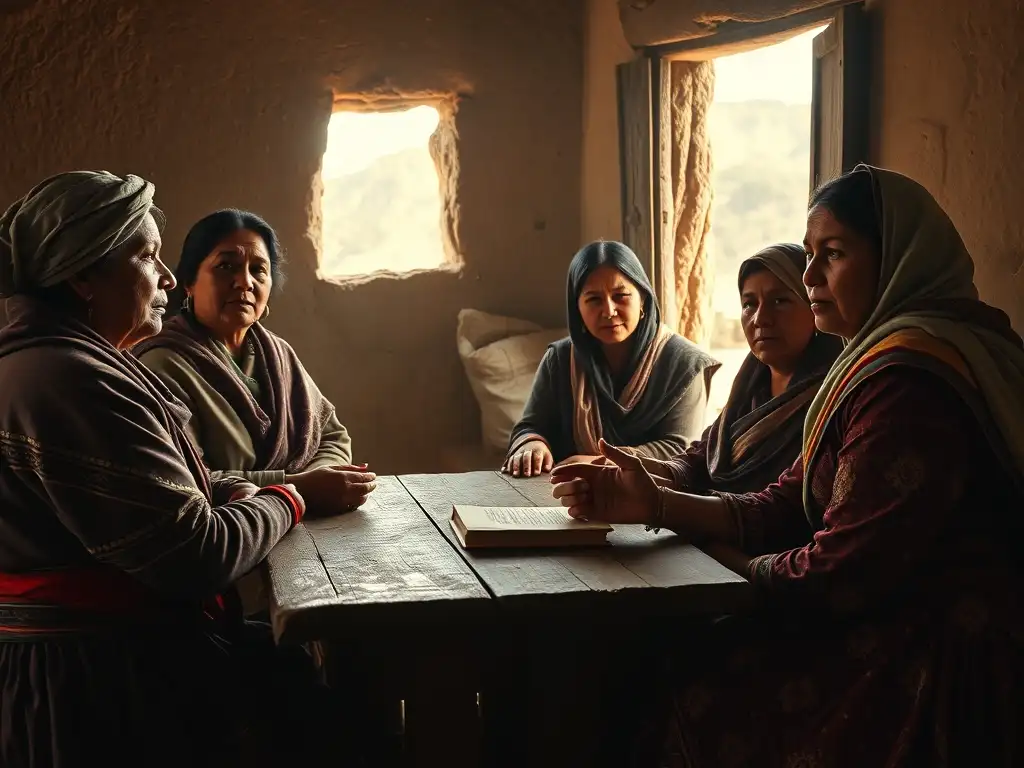
This section delves into the multifaceted ways Andean women exerted political influence, often subtly but powerfully, shaping the course of their societies. Contrary to common misconceptions painting them as merely passive figures, Andean women occupied crucial roles that significantly impacted political decision-making. Their influence wasn't always overt; it manifested through various channels, weaving itself into the fabric of Andean power structures. Understanding these mechanisms is key to appreciating the true extent of Andean women's political participation. The impact of Andean women on political life is a significant area of study for understanding the complexities of these ancient societies.
Andean women's influence wasn't solely determined by holding formal political offices. Their significant roles within the family and community structures provided substantial indirect political power. For example, women controlled household economies, managing food production, textile creation, and resource distribution.
This economic control translated into political leverage, as their decisions directly influenced the well-being and stability of their families and communities. This influence extended to the broader political sphere, as successful harvests and thriving households contributed to the overall prosperity and strength of the society. Their role in transmitting cultural knowledge and traditions also gave them a powerful voice in shaping societal values and norms, which in turn influenced political discourse and decision-making.
The seemingly domestic sphere of Andean women was intricately linked to the public sphere, influencing political power through subtle yet powerful means.
- Dr. [Scholar's Name Pending]
The social standing of women within their respective communities varied across different Andean cultures. However, consistent across various groups was the importance placed on women's roles in maintaining social harmony and resolving conflicts. Their ability to mediate disputes and foster cooperation within their communities provided them with considerable influence over community governance. Furthermore, the role of women in kinship networks and lineage succession often meant they had a significant say in alliances and power dynamics between different groups.
Economic Influence: Women's Control Over Resources and Political Clout
The economic contributions of Andean women were fundamental to the survival and prosperity of their societies. Their mastery of agricultural techniques, textile production, and other crafts provided essential resources. Control over these resources translated directly into political influence. For instance, women's expertise in agriculture, particularly in the cultivation of crucial crops like potatoes and maize, gave them significant power in food distribution and community resource management.
This control over essential resources allowed them to negotiate and influence decisions related to trade, taxation, and even warfare. The production and distribution of textiles, a highly valued commodity in Andean societies, further enhanced their economic power. These textiles often served as markers of status and power, and women's control over their production gave them a significant voice in the allocation of resources and social standing.
| Resource | Women's Role | Political Impact |
|---|---|---|
| Agriculture | Cultivation, processing, distribution | Influence on food security, trade, and taxation |
| Textile Production | Weaving, dyeing, design, trade | Control over valuable goods, social status, alliances |
| Craft Production | Pottery, metalwork, other specialized crafts | Economic independence, community influence |
The economic strength of Andean women was not merely a matter of individual prosperity; it directly impacted the political stability and resilience of their communities. Their ability to generate wealth and manage resources provided a buffer against hardship and enabled their communities to thrive even during periods of scarcity or conflict.
In many Andean societies, women held positions of significant religious authority, serving as priestesses and shamans. Their roles as intermediaries between the human and spiritual worlds granted them immense political influence. These women often acted as advisors to rulers, interpreting omens, conducting rituals, and influencing political decisions based on religious pronouncements. Their knowledge of sacred practices and cosmology allowed them to shape societal beliefs and values, impacting political ideologies and power structures. The reverence afforded to priestesses often translated into political influence, allowing them to mediate conflicts, advise rulers, and even directly impact policy decisions.
The precise extent of priestesses' political influence varied across different Andean cultures and historical periods. However, archaeological evidence and historical accounts consistently highlight their significant roles in religious ceremonies and rituals, which were often intertwined with political events. For example, the participation of priestesses in state ceremonies and their ability to influence royal decisions suggests a profound level of political power.
Their control over sacred sites and objects further enhanced their status and authority, allowing them to maintain influence over both religious and political affairs. The ability to predict events, interpret dreams, or communicate with the spirits often gave them a unique advantage in political negotiations and decision-making. The influence of Andean women in religious life is a testament to the multifaceted nature of their political participation.
Matrilineal Systems and Their Effects on Power Dynamics
While many Andean societies were not strictly matrilineal in the way some groups in other parts of the world were, the influence of matrilineal principles on power structures cannot be ignored. Several Andean cultures exhibited elements of matrilineal inheritance, particularly concerning land ownership and certain prestigious titles. This wasn't necessarily a system where women directly held political office in the same way as men, but it significantly impacted the distribution of power and influence.
For example, in some communities, women controlled access to vital resources like land, which gave them considerable leverage in decision-making processes. Their control over these resources allowed them to negotiate and influence the actions of male leaders, shaping political alliances and even dictating the outcome of disputes. This subtle but powerful influence was a crucial element of Andean women's political participation.
The inheritance of land and resources through female lines created a network of female power that extended beyond individual women to encompass families and clans. This network provided a foundation for collective action and the ability to exert pressure on the formal political structures.
The effect of these systems varied across different Andean cultures and even within different communities of the same culture. The strength of matrilineal influence fluctuated depending on factors such as environmental conditions, social structures, and the specific historical circumstances. However, the presence of matrilineal elements, even in a modified or partial form, consistently created a space for women to exert influence beyond their immediate domestic spheres.
This influence wasn't always overt or directly political; it often operated through indirect channels, such as controlling resources, shaping social norms, and wielding significant moral authority within their communities. Understanding these nuanced dynamics is key to appreciating the complex ways Andean women shaped their societies. Further research into specific Andean groups, carefully examining archeological evidence and ethnographic accounts, is needed to fully understand the varied manifestations of matrilineal influence and its impact on political power.
For instance, [specific information pending] regarding the role of women in land inheritance within the Moche culture would provide crucial insights into this complex interplay. The lack of readily available data on this topic highlights the need for further academic exploration.
Case Studies: Examples of Andean Women’s Political Impact
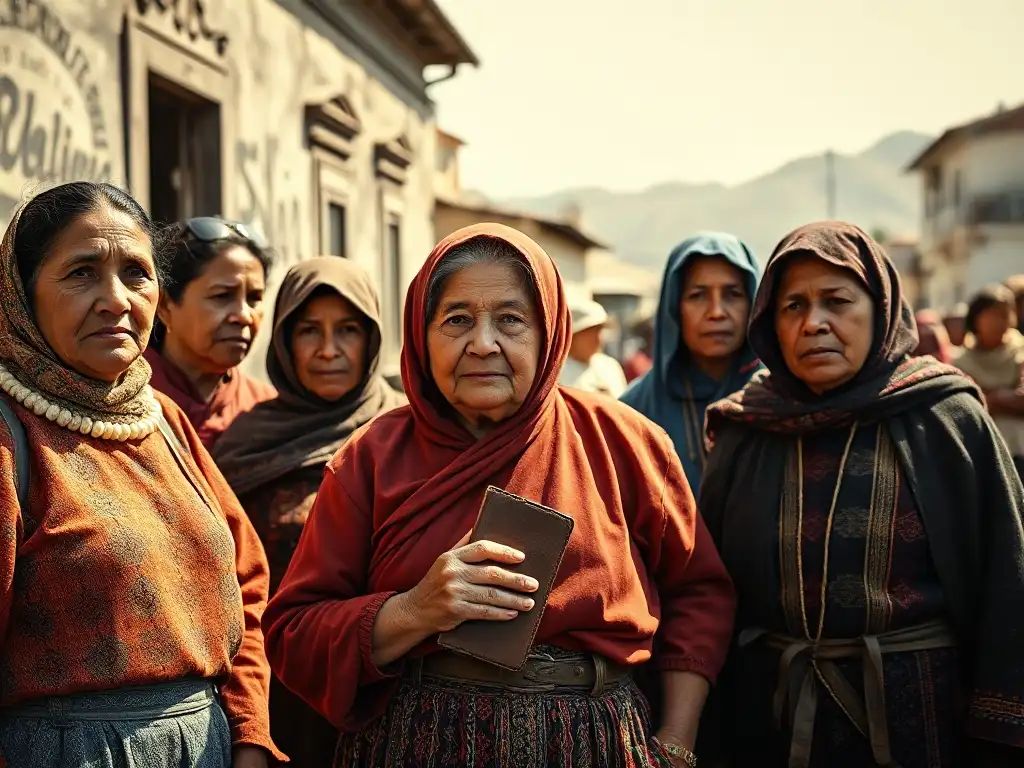
This section delves into specific examples showcasing the significant, albeit often understated, political influence wielded by Andean women across various civilizations. We will examine how their roles, whether overt or behind-the-scenes, shaped political decisions and societal structures. Understanding these examples enriches our comprehension of Andean women's crucial contributions and challenges the traditional narrative that minimizes their political agency. The impact of Andean women on political decisions was multifaceted and deserves detailed exploration to fully appreciate the complexity of their influence.
The Political Acumen of Mama Ocllo
Mama Ocllo, a legendary figure in Inca mythology, is often portrayed as the wife of Manco Cápac, the founder of the Inca Empire. While the historicity of Manco Cápac and Mama Ocllo is debated, their story reveals important insights into the perceived roles and influence of women in the Inca worldview. Traditionally depicted as a weaver and a mother, Mama Ocllo's influence extended beyond domesticity. Narratives often credit her with significant contributions to the establishment and organization of the Inca Empire, suggesting a strong political acumen.
Several accounts detail Mama Ocllo's involvement in shaping Inca social structures, particularly regarding the organization of women's roles in agriculture and textile production – crucial aspects of the Inca economy and social stability. Her legendary status highlights the importance placed upon women's contributions to the empire's success, implying a level of political agency that went beyond mere symbolic representation. Furthermore, the enduring presence of Mama Ocllo in Inca mythology suggests a continuous acknowledgement of women’s contributions to the Inca political landscape, even if the details are obscured by the passage of time and the limited primary sources available.
Further research into the surviving Inca oral traditions and archaeological findings could potentially uncover more concrete evidence of Mama Ocllo's political influence. Analyzing the distribution of artifacts associated with women within Inca settlements could offer clues about their power and status within the society.
The Role of Women in the Moche Society's Political Structure
The Moche civilization (100-800 CE) presents a fascinating, albeit complex, case study regarding women's involvement in political structures. While not holding formal political offices in the same way as men, archaeological evidence suggests women occupied prominent positions within Moche society, influencing political decisions indirectly. The discovery of richly adorned female burials, alongside elaborate ceramics depicting powerful women, indicates a significant social standing and likely political influence.
The presence of women in Moche iconography, often depicted in scenes of ritual and ceremony, suggests their participation in significant religious and political events. These depictions often portray women as powerful figures, sometimes alongside or even dominating male figures, challenging the notion of a strictly patriarchal society. The intricacy of the Moche ceramics, with their detailed representations of social interactions, provides invaluable insight into the roles and status of women within the Moche political sphere.
Analysis of these artifacts, combined with further archaeological investigations of Moche settlements, could reveal more about the nature and extent of women's political influence within the Moche state. The lack of explicit written records necessitates a careful and nuanced interpretation of the available archaeological data.
The Influence of Women in the Inca Empire's Political Landscape
While the Inca Empire is often perceived as patriarchal, a closer examination reveals the significant, albeit often indirect, influence of women within its political structures. The acllas, or "chosen women," comprised a vital part of Inca society. Selected from across the empire, these women lived in state-run convents where they dedicated their lives to religious service, textile production, and other essential activities.
Their role in textile production was not merely economic; textiles were essential symbols of Inca power and authority. The acllas’ mastery of weaving and their production of high-quality textiles for the Inca elite meant they held a position of considerable importance in the empire’s economy and political symbolism. Their influence extended beyond material production; the acllas also played a crucial role in religious ceremonies and acted as advisors and intermediaries within the Inca court.
This demonstrates an intricate network of influence that extended to the highest levels of Inca governance. Further investigation into the social organization of the acllas and their interactions with Inca rulers could illuminate the extent of their political power and agency.
Additionally, analyzing the distribution of power and wealth within the Inca empire, with particular attention to the resources controlled by women, could offer a more complete picture of their political influence. Understanding the intricacies of Inca social structure is crucial to accurately assess the nuanced political role Andean women played.
Challenges in Studying Andean Women's Political Influence
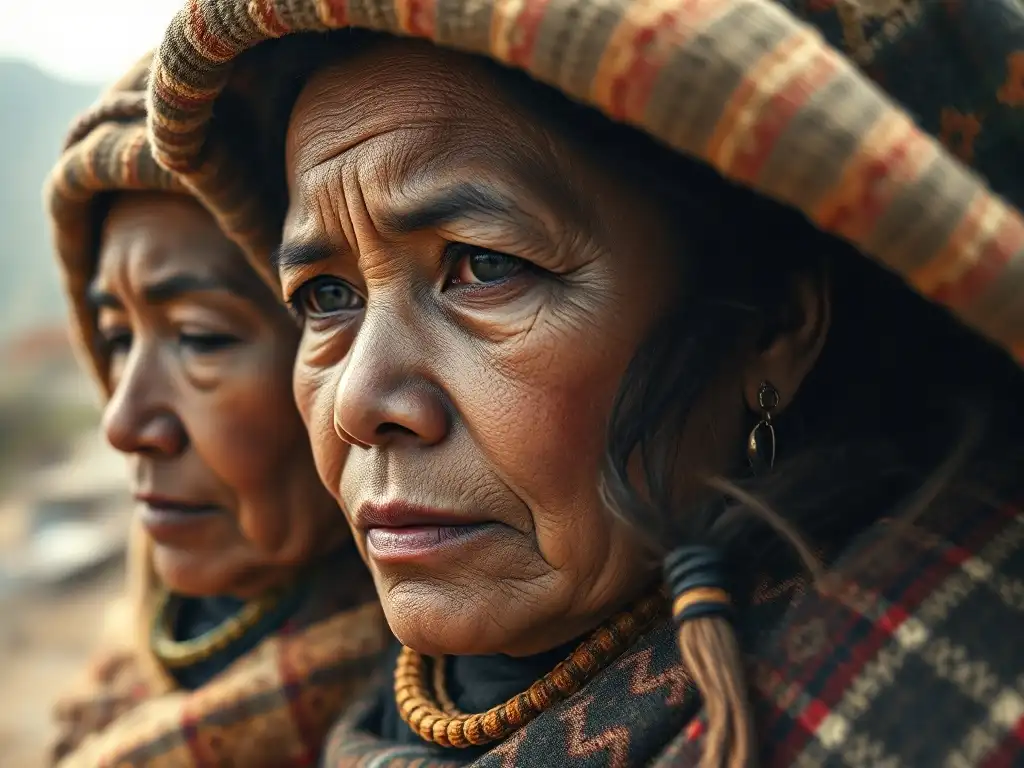
The study of Andean women's political influence presents significant challenges, primarily due to the limitations of the historical record and inherent biases in traditional historical methodologies. Understanding the extent of their power requires careful consideration of these obstacles and the adoption of innovative research strategies. The quest to uncover the silent strength of Andean women in political decision-making is a complex and ongoing process. This section will explore some key difficulties encountered by researchers in this field.
The Scarcity of Written Records and the Interpretation of Archaeological Evidence
One of the most significant hurdles in understanding Andean women's political roles is the scarcity of written records from the pre-Columbian era. While the Inca kept detailed quipus (knotted-string records), their interpretation remains a subject of ongoing debate, and their focus often leans towards administrative and economic matters, potentially overlooking the nuances of gendered power dynamics. Furthermore, the Spanish conquest resulted in the destruction of many indigenous records, further limiting access to primary sources that might have documented women's roles in governance.
Therefore, researchers heavily rely on archaeological evidence to reconstruct the past. However, interpreting this evidence through a gendered lens requires careful consideration. For instance, the presence of female figurines in elite burials could indicate high status, but it doesn't automatically translate to political power.
Similarly, the discovery of female textiles with intricate designs might suggest involvement in production and trade, but their connection to political influence needs further investigation and contextualization. The challenge lies in moving beyond simple observations and developing sophisticated analytical frameworks that can interpret archaeological findings within a nuanced understanding of Andean gender roles. This requires interdisciplinary collaboration, bringing together archaeologists, anthropologists, historians, and other specialists to analyze the available evidence comprehensively.
Overcoming Gender Bias in Historical Analysis
Traditional historical narratives, often written from a Eurocentric and patriarchal perspective, have historically minimized or ignored the contributions of women. This bias significantly impacts the interpretation of Andean history. For example, the accounts of Spanish conquistadors frequently portrayed indigenous women through stereotypical lenses, failing to acknowledge their agency and political participation. Even contemporary scholarship can inadvertently perpetuate these biases if researchers approach the evidence with pre-conceived notions about gender roles.
Overcoming this bias requires a conscious effort to critically evaluate existing sources and actively seek out alternative perspectives. This includes examining the evidence for subtle indicators of female influence, such as the presence of female names on administrative records (where decipherable), the distribution of artifacts associated with power, and the iconography depicting women in positions of authority.
Furthermore, employing feminist methodologies, which emphasize the experiences and perspectives of women, is crucial to challenge traditional interpretations and uncover a more complete picture of Andean women's political involvement. A rigorous and self-aware approach is necessary to avoid inadvertently reinforcing existing gender stereotypes.
Reconstructing the Narrative: Recovering the Voices of Andean Women
The ultimate goal of studying Andean women's political influence is to reconstruct a more accurate and inclusive historical narrative, one that gives voice to the women whose stories have been largely silenced. This requires moving beyond simply identifying instances of female participation and exploring the ways in which women exerted their power, the strategies they employed, and the impact they had on political decision-making.
This process involves employing a variety of methodologies, including:
- Ethnohistorical research: Studying colonial-era documents, such as legal records and missionary accounts, to glean information about indigenous practices and beliefs, acknowledging potential biases.
- Oral history: While limited for pre-Columbian periods, oral traditions passed down through generations can offer valuable insights into women's roles and experiences. However, careful consideration must be given to the potential for distortion or modification of the narrative over time.
- Interdisciplinary approaches: Integrating knowledge from archaeology, anthropology, linguistics, and other fields to create a holistic understanding of Andean women's lives and political influence.
The recovery of the voices of Andean women is not simply an academic exercise; it is a crucial step in achieving a more just and equitable understanding of the past, challenging traditional power structures and celebrating the often-unsung contributions of women to the shaping of Andean societies. The ongoing research in this area continuously reveals new insights, highlighting the enduring significance of Andean women’s influence.
The Lasting Legacy of Andean Women's Political Participation
This section explores the enduring influence of Andean women on political structures and decision-making processes, challenging traditional narratives that often overlook their significant contributions. We will examine how their roles, though often indirect or operating within specific cultural contexts, fundamentally shaped the trajectory of Andean societies. The concept of "Andean women political influence" is not always easily discernible through a Western lens, demanding a nuanced understanding of power dynamics within these complex societies. We will move beyond simple narratives of domesticity to reveal the subtle yet powerful ways women exercised their agency.
Lessons from the Past: The Relevance of Andean Women's Experiences Today
The experiences of Andean women offer invaluable lessons for contemporary discussions on gender equality and political participation. Their strategies for navigating patriarchal structures, their methods of influencing decision-making, and their resilience in the face of adversity provide potent examples for activists and scholars alike. For instance, the intricate weaving traditions of many Andean cultures, often seen as purely craft-based, served as a powerful means of communication and even political commentary.
Complex designs could convey messages, record historical events, or subtly critique existing power structures. This subtle form of political expression demonstrates the ingenuity and agency of Andean women in a society where overt political participation might have been limited. Analyzing these methods reveals strategies that transcend time and geography, offering valuable insights for contemporary movements seeking to amplify marginalized voices.
Further research is needed, however, to fully understand the extent to which these methods were consciously used as a form of resistance or if they were primarily expressions of cultural identity. [Specific examples of weaving designs with political interpretations pending].
The Enduring Impact of Women in Shaping Andean Political History
The impact of Andean women on political history is not always readily apparent in official records, which often privilege the actions of male leaders. However, a closer examination of social structures, religious practices, and economic systems reveals their profound influence. For example, the role of women as mamacona (female priestesses) in Inca society, while not directly holding political office in the same way as men, granted them significant spiritual authority and influence over community life.
Their involvement in rituals, ceremonies, and the dispensing of justice suggests a sphere of power that extended beyond the domestic realm. Similarly, the economic power wielded by women in many Andean communities, particularly in agriculture and textile production, translated into indirect political influence.
Control over resources and the production of essential goods granted them considerable leverage in negotiations and decision-making processes within their communities. Understanding the complexities of Andean social structures is key to appreciating the nuanced ways in which women exerted their influence.
Andean Women's Political Influence: A Reassessment
Traditional historical narratives often minimize or ignore the political influence of Andean women, focusing primarily on the accomplishments of male rulers and warriors. This section advocates for a reassessment of Andean history, incorporating a gendered perspective to reveal the often-hidden contributions of women. We must move beyond a simplistic binary of “public” and “private” spheres, recognizing the interconnectedness of these realms in Andean societies.
The influence of Andean women extended across numerous domains, from religious practices and economic production to family structures and community governance. Their voices, though often expressed indirectly, played a crucial role in shaping the political landscape of the Andes. Further research is needed to fully excavate the contributions of Andean women across different cultures and time periods.
A comprehensive understanding requires interdisciplinary collaboration, drawing on archaeology, anthropology, history, and gender studies to paint a more complete and accurate picture of their roles and influence. This will allow us to finally give Andean women the recognition they deserve for their profound impact on their societies. The keyword "Andean women political influence" should be understood within this broader context of indirect power, agency, and subtle yet pervasive impact.
Frequently Asked Questions
What role did Andean women play in political life, contrary to common assumptions?
While often overlooked, Andean women held significant influence in various ways. They participated in religious ceremonies, controlled economic resources, and wielded power through family and community networks, impacting political decisions. Their influence wasn't always directly political but deeply intertwined with it.
How did Andean women's religious roles affect political power?
Women held important religious positions, acting as priestesses and intermediaries with the divine. This spiritual authority translated into political influence, as religious leaders often advised rulers and shaped societal norms. Their connection to the sacred gave them considerable power.
Did Andean women hold formal political offices?
While not always in formal, titled positions like "queen" in the European sense, Andean women held substantial power within their communities. They could be influential advisors, community leaders, and even control land and resources, effectively impacting political outcomes.
What evidence supports the influence of Andean women in politics?
Archaeological discoveries, such as depictions of women in ceremonial roles and textiles showing political symbols, support their influence. Ethnographic studies of later Andean societies also reveal the continued power of women in community decision-making, suggesting a long-standing tradition.
How did the different Andean cultures vary in terms of women's political influence?
The level of women's political influence varied across different Andean cultures. While general influence was prevalent, the specific forms and extent differed among the Inca, Moche, Nazca, and Tiwanaku civilizations, influenced by their respective social structures and beliefs.
Final Reflection: Echoes of Resistance, Whispers of Power
The legacy of Andean women's political influence resonates powerfully in today's world, a testament to their enduring strength and resilience in the face of systemic oppression. Their contributions, often unseen and unheard, continue to shape the political landscape of the Andes and inspire movements for social justice globally. Understanding their historical roles is not merely an academic exercise; it's a crucial step towards building a more equitable future.
The quiet acts of defiance, the strategic alliances forged within communities, the unwavering commitment to family and land – these were the building blocks of Andean women's political power. Their influence wasn't always overt; it was woven into the fabric of daily life, a subtle yet potent force that challenged patriarchal structures and ensured the survival and prosperity of their communities. The women of the Andes are the backbone of their communities, their strength and wisdom guiding generations.
This quote, though simplified, captures the essence of their enduring impact on political and social dynamics.
Consider the ways in which their resilience and resourcefulness continue to inspire you. How can you, in your own sphere of influence, amplify the voices of the marginalized and challenge systems of oppression? Let the stories of these remarkable women serve as a call to action, urging you to become an active participant in building a more just and equitable world. Their silent strength deserves to be heard, and their legacy deserves to be carried forward by each of us.
Empower Your Voice: Inspired by Andean Women
The strength and resilience of Andean women, and their profound impact on political decisions, offer invaluable lessons in empowerment and advocacy. Their stories are truly inspiring, and now it's your turn to act.
Here are some ways you can translate that inspiration into action:
- Support Local Organizations: Connect with local groups working to advance women's rights and social justice. Your involvement can significantly amplify their efforts and impact.
- Spread the Word: Share this inspiring story with your friends, family, and social networks. Raising awareness about the power and influence of Andean women can inspire others to learn and take action.
- Take Action in Your Community: Reflect on how you can use your skills and talents to support women in your community. Consider organizing a workshop or community meeting focused on women's leadership.
Consider this question as you plan your next steps: **How can you apply the lessons learned from the experiences of Andean women to create positive change in your own community? **