
The Engineers of the Andes: Chroniclers Who Detailed Their Infrastructure and Innovation

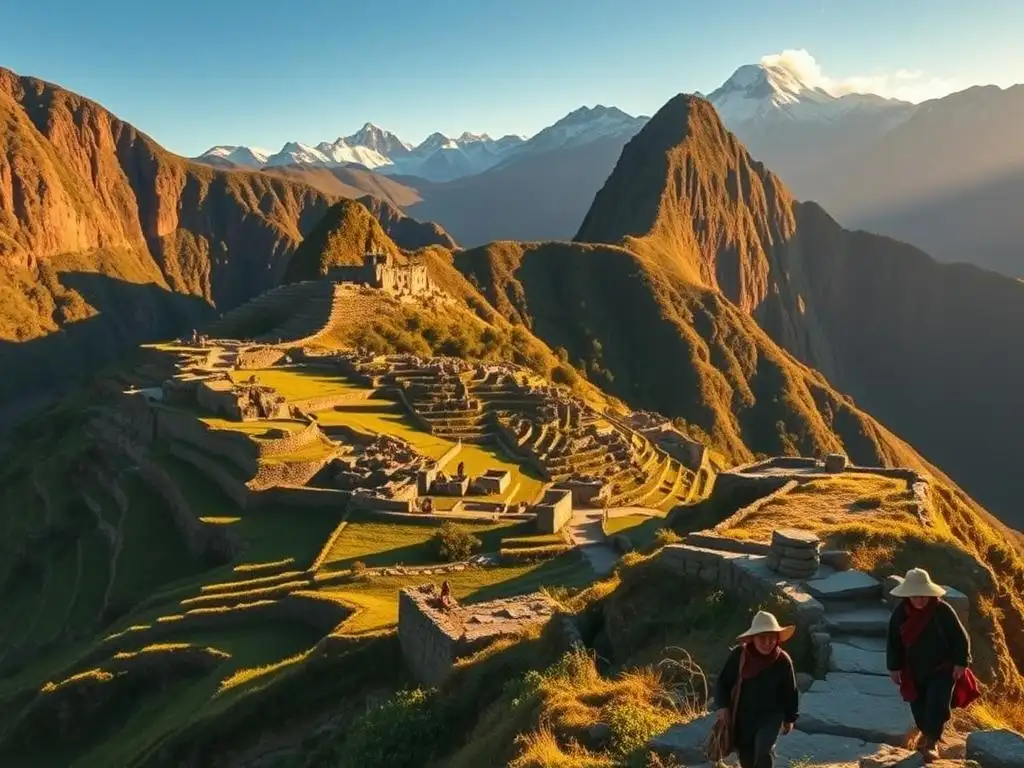
Uncover the secrets of a lost world! For centuries, the Andean civilizations have captivated imaginations with their breathtaking achievements. But beyond the majestic Machu Picchu and the enigmatic Nazca Lines lies a story of ingenious engineering—a testament to human ingenuity that challenges our understanding of ancient societies. Prepare to be amazed as we delve into the Andean civilizations engineering innovations, exploring the remarkable feats of these master builders and the chroniclers who documented their incredible skills. Discover how they shaped the landscape and left behind a legacy that continues to inspire awe.
The Andes Mountains, a spine of colossal peaks stretching along the western coast of South America, are home to a legacy of remarkable civilizations. For centuries, these cultures—including the Inca, Moche, Nazca, and Tiahuanaco—engineered breathtaking feats of infrastructure and innovation, carving their mark on the landscape and shaping their societies in profound ways.
This article delves into the crucial role of chroniclers in documenting these astounding achievements, shedding light on the ingenuity of Andean engineers through their meticulous observations and detailed records. We will examine how these written accounts, often overlooked in discussions of Andean technology, provide invaluable insights into the sophisticated engineering practices of these ancient societies, enriching our understanding of their remarkable accomplishments and challenging preconceived notions of their capabilities.
Understanding these advancements requires not only analyzing the physical remnants but also interpreting the perspectives of those who witnessed and documented their creation. We will explore how these chroniclers, often embedded within the societies they described, offer unique and nuanced perspectives on Andean engineering innovations.
Chroniclers as Witnesses to Andean Engineering Marvels
The chroniclers of the Andean civilizations weren't simply passive observers; they were active participants in their societies, often holding positions of influence that allowed them to witness and document construction projects firsthand. Their accounts provide invaluable details about the logistical challenges overcome, the materials used, and the techniques employed in building everything from intricate irrigation systems to monumental stone structures.
Many chroniclers, particularly those writing after the Spanish conquest, focused on the scale and complexity of Inca projects, highlighting the empire's impressive organizational capabilities. However, pre-Columbian accounts, though scarcer, reveal a long history of sophisticated engineering practices across diverse Andean cultures.
These accounts often included descriptions of specific tools, work methods, and even the social organization of labor, offering a rich tapestry of information rarely found elsewhere. For example, detailed descriptions of the construction of [specific Inca structure, e.g., Sacsayhuamán] highlight the precision and skill involved in moving and placing massive stones.
Deciphering the Language of Andean Engineering: Interpreting Written Records
Interpreting these historical accounts requires careful consideration of their context. The language used by chroniclers, often imbued with the biases and perspectives of their time and cultural background, can sometimes obscure the true nature of Andean engineering practices. For example, the descriptions of Inca quipus (knotted cords used for record-keeping) often lack the precision needed to fully understand their function in engineering projects. Further research and comparative analysis with archaeological findings are crucial to accurately interpret these descriptions.
Additionally, understanding the social and political structures of the time is essential to interpreting the chroniclers' perspectives on engineering achievements. Were these projects seen as expressions of royal power, or as communal efforts aimed at improving the lives of the population? These questions shape our understanding of the motivations behind these impressive engineering feats.
The Impact of Chroniclers on Our Understanding of Andean Civilizations
The work of Andean chroniclers has profoundly impacted our understanding of these ancient societies. Without their accounts, many details of the engineering marvels would be lost to time. Their writings provide crucial context for interpreting archaeological discoveries, allowing us to connect the physical remains with the social, political, and technological aspects of these civilizations.
Moreover, their accounts challenge simplistic narratives that often portray these societies as technologically primitive. By highlighting the ingenuity and sophisticated engineering practices of the Andean peoples, chroniclers help us appreciate the complexity and richness of their cultures. The careful study of these accounts continues to reveal new insights into the engineering innovations that shaped the Andes and continue to inspire awe today.
The ongoing work of scholars in translating, analyzing, and interpreting these texts is crucial for a complete and nuanced understanding of Andean civilizations and their remarkable achievements. 💻 The meticulous work of these scholars allows us to appreciate the depth and breadth of Andean engineering innovation. 🎉
- Chroniclers as Witnesses to Andean Engineering Marvels
- Deciphering the Language of Andean Engineering: Interpreting Written Records
- The Impact of Chroniclers on Our Understanding of Andean Civilizations
- What engineering feats are the Andean civilizations most known for?
- How did the Incas contribute to Andean engineering?
- What role did irrigation play in Andean civilizations' success?
- How did the Andean civilizations transport massive stones for their constructions?
- What other technological innovations did the Andean civilizations develop besides engineering?
Chroniclers as Key Witnesses to Andean Engineering Feats
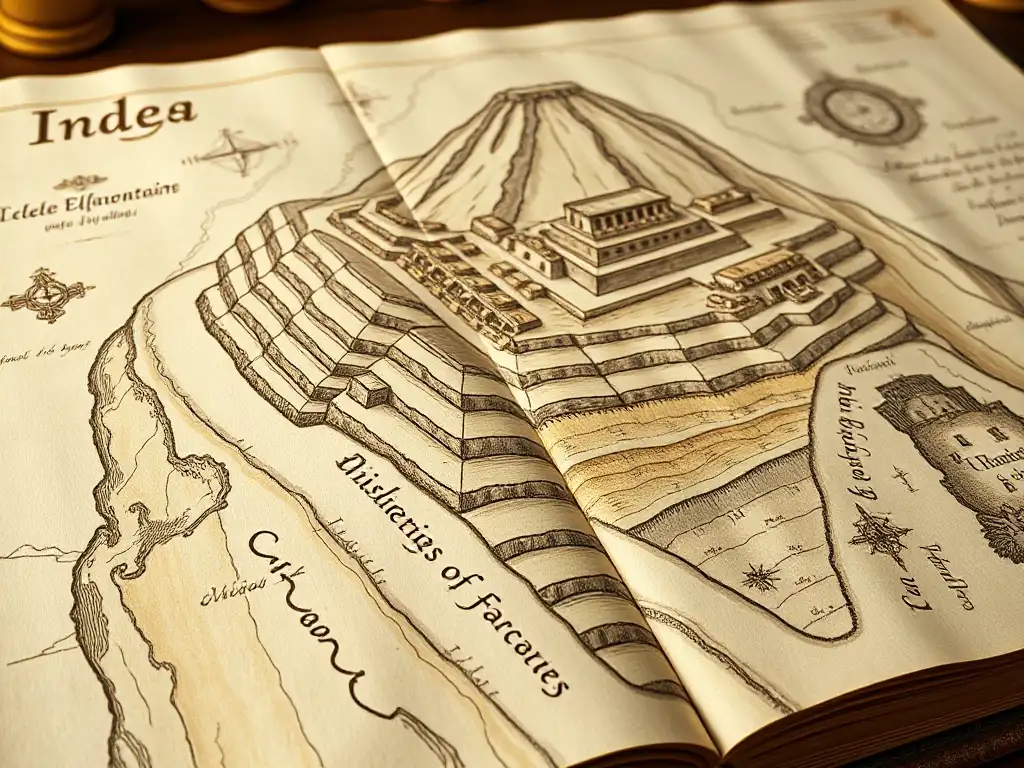
The study of Andean civilizations' engineering innovations relies heavily on the accounts left behind by various chroniclers, both indigenous and colonial. These writers, often working under vastly different circumstances and with varying degrees of objectivity, provide invaluable—though sometimes conflicting—insights into the impressive technological achievements of these societies. Their writings offer a window into the construction techniques, logistical challenges, and societal organization behind projects like the Inca road system, sophisticated irrigation networks, and monumental architecture.
Understanding the biases and perspectives of these chroniclers is crucial for a nuanced interpretation of their accounts and a more complete understanding of Andean engineering prowess. The lack of a unified, easily accessible archive of these chronicles necessitates careful research across disparate sources, highlighting the importance of collaborative efforts in this field of study.
This section will explore the contributions of different types of chroniclers, focusing on the impact of their unique perspectives on our understanding of Andean engineering. Analyzing their narratives allows us to piece together a more comprehensive picture of the ingenuity and skill of Andean engineers.
The Role of Colonial Chroniclers in Documenting Andean Ingenuity
Colonial chroniclers, while often biased by their own cultural perspectives and the colonial agenda, provide a significant portion of the written record concerning Andean engineering. Figures like Pedro Cieza de León, with his Crónica del Perú, and Garcilaso de la Vega, the Inca descendant who authored the Royal Commentaries, offer detailed descriptions of Inca infrastructure. However, it’s crucial to acknowledge their inherent limitations.
Their accounts are filtered through a European lens, sometimes interpreting Andean practices through the frameworks of European technology and societal structures. For instance, descriptions of Inca road construction might emphasize the aspects that resonated with European notions of engineering, potentially overlooking other crucial elements of the Andean approach.
Moreover, the colonial context itself influenced the information recorded. Chroniclers often focused on aspects that served the interests of the Spanish crown, such as the extent of Inca resources and the efficiency of their administrative systems. This focus, while providing useful data, might have led to a neglect of other equally significant engineering achievements that didn't directly align with colonial priorities.
Despite these biases, colonial chronicles remain vital sources. By critically analyzing their narratives and cross-referencing them with archaeological evidence and indigenous oral traditions, we can mitigate the impact of their inherent biases and extract valuable information about Andean engineering innovations. The meticulous descriptions of Inca stonework, for example, often found in these chronicles, provide essential details that complement archaeological findings.
Early Accounts of Inca Roads and Infrastructure
Early accounts of the Inca road system, a marvel of Andean engineering, are scattered across various colonial chronicles. These accounts often highlight the impressive scale and functionality of the network, emphasizing its strategic importance for communication, trade, and military mobilization. Chroniclers describe the meticulous construction techniques, the use of different materials adapted to varying terrains (stone paving, suspension bridges, etc. ), and the sophisticated system of relay runners (chasquis) that facilitated rapid communication along the roads.
The accounts often emphasize the Inca's ability to overcome geographical challenges, such as constructing roads across steep mountains and traversing deep gorges. Descriptions of suspension bridges, built using intricate techniques involving interwoven fibers, are particularly striking examples of Andean ingenuity.
While the exact details of construction techniques might be incomplete or subject to interpretation, the sheer scale and scope of the Inca road network, as documented by these early chroniclers, stand as testament to the advanced engineering capabilities of the Andean civilizations. Further research, comparing these written accounts with archaeological discoveries, is crucial to refining our understanding of the Inca road system and its impact on the broader Andean world.
This comparative analysis allows us to move beyond simple descriptions towards a deeper appreciation of the complex interplay between engineering, social organization, and environmental adaptation in the Inca Empire. The sheer logistical feat of constructing and maintaining such a vast network across diverse landscapes underscores the sophisticated planning and organizational skills of the Inca engineers, a testament to the impressive capacity of Andean civilizations.
Analyzing the Engineering Innovations Recorded by Andean Chroniclers
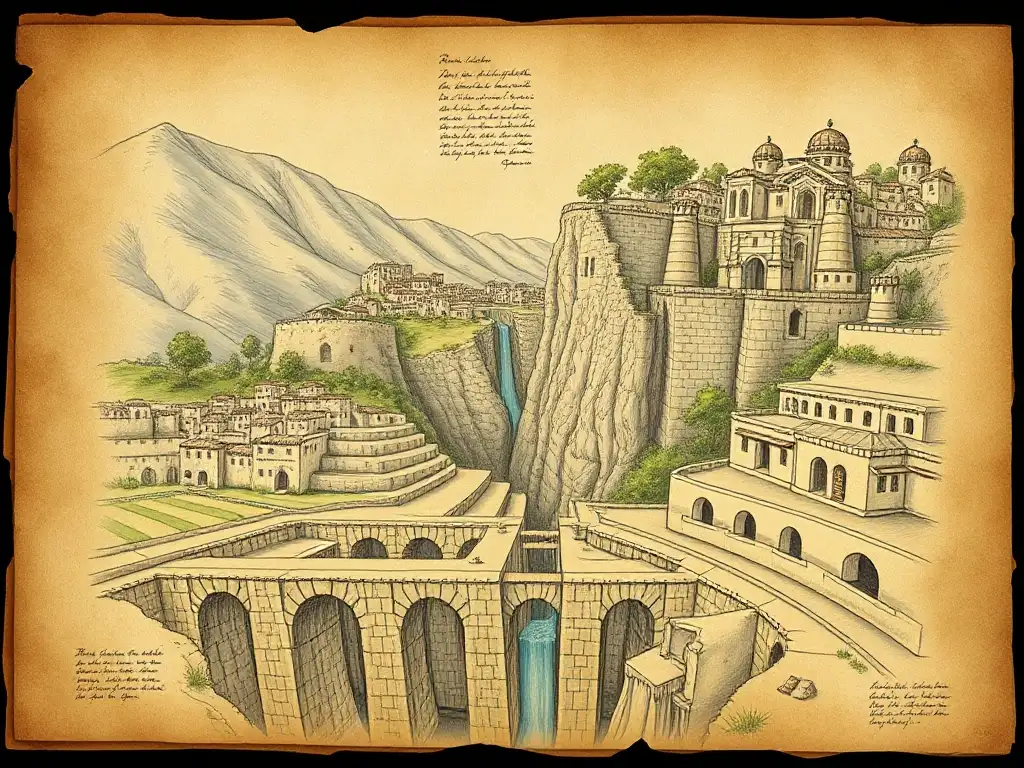
This section delves into the remarkable engineering achievements of Andean civilizations, as meticulously documented by chroniclers. These firsthand accounts, though often filtered through a European lens, provide invaluable insights into the ingenuity and sophistication of Andean technologies. By analyzing their descriptions, we can better appreciate the scale and complexity of these innovations, which transformed the Andean landscape and supported thriving societies for centuries.
The sheer scale of their achievements, particularly considering the available tools and resources, continues to amaze and inspire modern engineers. Understanding these innovations allows us to grasp the depth of Andean civilizations' engineering prowess and their impact on the development of their societies. The keyword "Andean civilizations engineering innovations" is central to this exploration.
Irrigation Systems and Agricultural Terraces Described by Chroniclers
Andean chroniclers frequently detailed the intricate irrigation systems that sustained the region's dense populations. Descriptions of canals, aqueducts, and sophisticated water management techniques abound in their writings. For example, accounts of the Nazca civilization highlight their mastery of underground canals, known as puquios, which tapped into underground water sources and channeled water across vast distances to irrigate arid lands. These weren't simple ditches; they were carefully engineered systems that required precise surveying and construction.
The chroniclers also described the impressive agricultural terraces that sculpted the Andean slopes. These terraces, meticulously carved into hillsides, maximized arable land and protected crops from erosion. The precise alignment and construction of these terraces, often described as "stairways to the gods," speak to a deep understanding of topography, hydrology, and agricultural principles. The Inca, for instance, are known for their extensive terrace systems, some of which remain remarkably intact even today.
Their construction required significant labor and planning, reflecting a highly organized society with advanced engineering capabilities. The chroniclers' descriptions, while sometimes lacking in specific technical details, consistently emphasize the scale and ingenuity of these systems, underscoring their vital role in supporting the Andean populations. Accurate maps and detailed diagrams from these chronicles are, unfortunately, scarce, leaving much to future research to fully reconstruct the complexity of these irrigation systems.
Architectural Marvels: Fortresses and Cities Through Chroniclers' Eyes
Chroniclers left detailed accounts of the impressive architecture of Andean civilizations, from monumental fortresses to sprawling cities. The descriptions often highlight the use of sophisticated techniques in stonework, demonstrating a profound understanding of structural engineering and construction. Machu Picchu, for instance, is frequently cited as a testament to Inca engineering prowess, its precise stonework and integration with the surrounding landscape inspiring awe. Chroniclers, though sometimes focusing on the aesthetic aspects, also noted the strategic placement and defensive capabilities of many structures, reflecting a deep understanding of defensive engineering.
The accounts offer intriguing glimpses into the construction processes. While precise details are often missing, the chroniclers' descriptions emphasize the immense scale of these projects and the highly organized labor force required. The sheer volume of material used and the precision of the stonework imply a highly developed understanding of engineering principles, far exceeding simple construction techniques.
For example, chroniclers mentioned the use of specific stone types, their preparation, and the techniques used to fit them together, showcasing the deep knowledge of Andean builders. Further research into the surviving chronicles could reveal more detailed information on the specific engineering challenges faced and the solutions implemented by Andean builders.
The Ingenious Use of Stone in Andean Constructions - Chroniclers' Perspectives
The chroniclers' writings repeatedly emphasize the mastery of stonework displayed by Andean civilizations. Descriptions of the precise cutting, shaping, and fitting of stones without mortar remain a testament to their remarkable skills. The Inca, in particular, are renowned for their mastery of ashlar masonry, where large, precisely cut stones were fitted together with incredible precision. The lack of mortar in many structures highlights the advanced understanding of stone mechanics and engineering principles needed to create such stable and enduring structures.
The chroniclers' accounts, although sometimes lacking the technical vocabulary of modern engineering, often highlight the impressive feats of strength and precision involved in moving and placing enormous stones. The logistical challenges of transporting these massive blocks across difficult terrain are often alluded to, suggesting a sophisticated understanding of logistics and engineering management. The accounts also hint at the use of advanced tools and techniques, although specific details remain elusive.
Further detailed analysis of the surviving chronicles, coupled with archaeological evidence, could shed more light on the specific techniques and tools used in these impressive constructions. This would significantly advance our understanding of Andean engineering innovations and their broader impact on the development of Andean societies.
Specific Examples of Andean Engineering Documented by Chroniclers
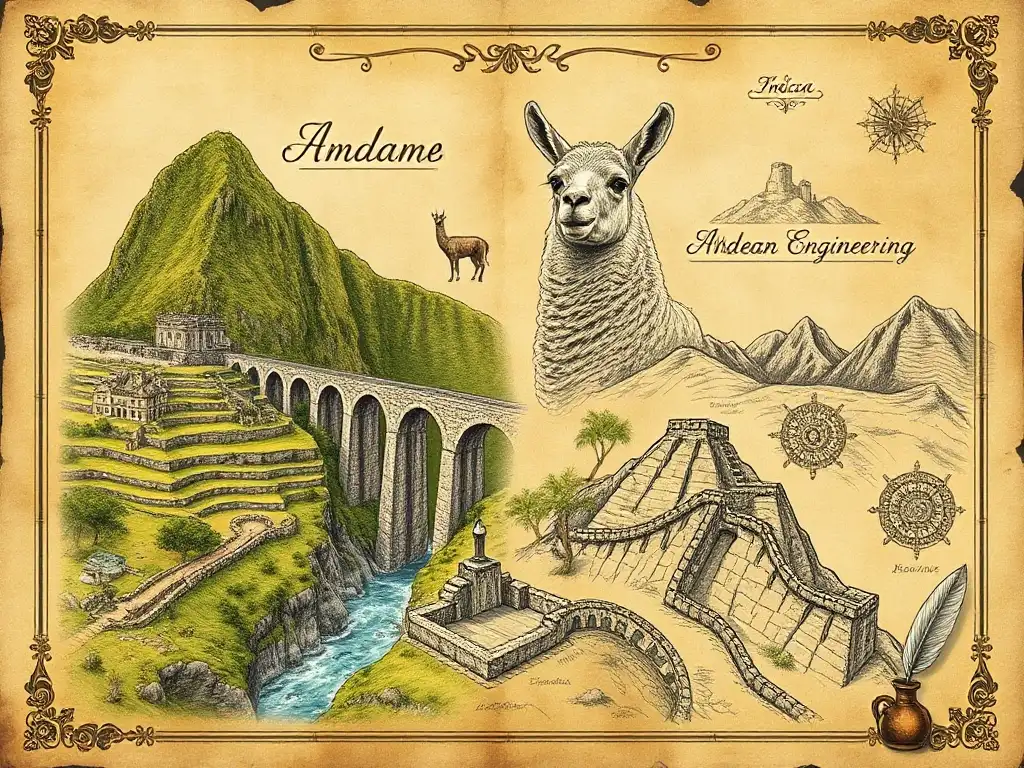
This section delves into specific examples of Andean engineering marvels as documented by chroniclers, highlighting the accuracy and detail present in their writings. These accounts, often overlooked, provide invaluable insights into the technological prowess and sophisticated understanding of engineering principles possessed by Andean civilizations. Analyzing these historical records allows us to appreciate the ingenuity and scale of their achievements, enriching our understanding of "Andean civilizations engineering innovations."
The Inca Road System: Detailed Accounts from Chroniclers
The Inca road system, a feat of engineering spanning thousands of miles across treacherous Andean terrain, is extensively documented by Spanish chroniclers. These accounts, though often filtered through a colonial lens, nevertheless offer crucial details about its construction and purpose. For instance, accounts from chroniclers like Pedro Cieza de León describe the meticulous planning and execution of the road network, emphasizing the use of sophisticated surveying techniques to navigate challenging landscapes. Cieza de León's detailed descriptions of the chasquis, the relay runners who utilized the roads for rapid communication, highlight the roads' strategic importance beyond mere transportation.
Furthermore, the chroniclers' writings reveal the diverse materials and techniques employed in road construction. They detail the use of stone paving, suspension bridges, and sophisticated drainage systems. The meticulous attention to detail in these accounts demonstrates the Inca’s advanced understanding of civil engineering principles, including considerations for slope stability, drainage, and load bearing.
The longevity of sections of the road system that still survive today serves as a testament to the quality of their engineering. Analyzing these accounts alongside archaeological findings allows for a more complete understanding of the Inca road system's design, construction, and overall impact on the Inca Empire. The scale of the undertaking, as described in numerous chroniclers' accounts, underscores the level of organization and technological sophistication within the Inca civilization.
Machu Picchu: Chroniclers' Interpretations of its Function and Construction
While Machu Picchu wasn't initially documented by contemporary chroniclers in the same detail as other Inca structures, later accounts and interpretations of existing records offer insights into its probable function and construction techniques. Although no single chronicler offers a complete picture, piecing together information from various sources paints a fascinating image. For example, accounts of similar Inca settlements, coupled with descriptions of royal estates and religious sites, allow for educated guesses concerning Machu Picchu's potential role as a royal retreat or religious center.
The absence of detailed contemporary accounts concerning Machu Picchu's construction necessitates reliance on later interpretations and comparisons with other documented Inca structures. This highlights a challenge in studying "Andean civilizations engineering innovations" – the limitations of available primary sources. However, by analyzing descriptions of Inca stonework techniques from other sites, we can infer similar methods were used at Machu Picchu.
The precision of the stone fitting, as evidenced in the surviving structures, speaks to a high level of skill and understanding of stone masonry. The integration of the city into the mountainous landscape further showcases the Inca's mastery of adapting their engineering to the environment. Future research may uncover additional primary source material offering more direct evidence, but current interpretations rely heavily on comparative analysis and inferences drawn from other, better-documented sites.
Sacsayhuamán: Chroniclers' Descriptions of its Construction and Purpose
Sacsayhuamán, the imposing fortress overlooking Cusco, is frequently mentioned by Spanish chroniclers, who were both awestruck and perplexed by its massive cyclopean stonework. Their descriptions, often embellished with elements of wonder and disbelief, still provide valuable information about the scale and complexity of the structure. Chroniclers such as Garcilaso de la Vega, who possessed both Inca and Spanish heritage, offer particularly insightful accounts, weaving together indigenous perspectives with colonial observations.
Garcilaso's descriptions, for example, detail the enormous size of the stones used in Sacsayhuamán's construction and the precision with which they were fitted together. He also touches upon the challenges faced in transporting and manipulating such massive blocks, highlighting the impressive organizational skills and technological capabilities of the Inca engineers.
Many chroniclers' accounts underscore the fortress’s strategic importance, its role in defense, and its potential symbolic significance as a representation of Inca power and authority. The sheer scale of the construction, as described in various accounts, stands as a powerful testament to the Inca’s engineering prowess and their ability to mobilize significant resources for large-scale projects.
Analyzing these accounts alongside archaeological evidence allows us to gain a deeper appreciation for the engineering challenges overcome and the societal organization required to build such a monumental structure. The accounts, while sometimes subjective, offer irreplaceable glimpses into the minds of those who witnessed this remarkable example of "Andean civilizations engineering innovations."
Comparing Chroniclers' Accounts of Andean Civilizations Engineering
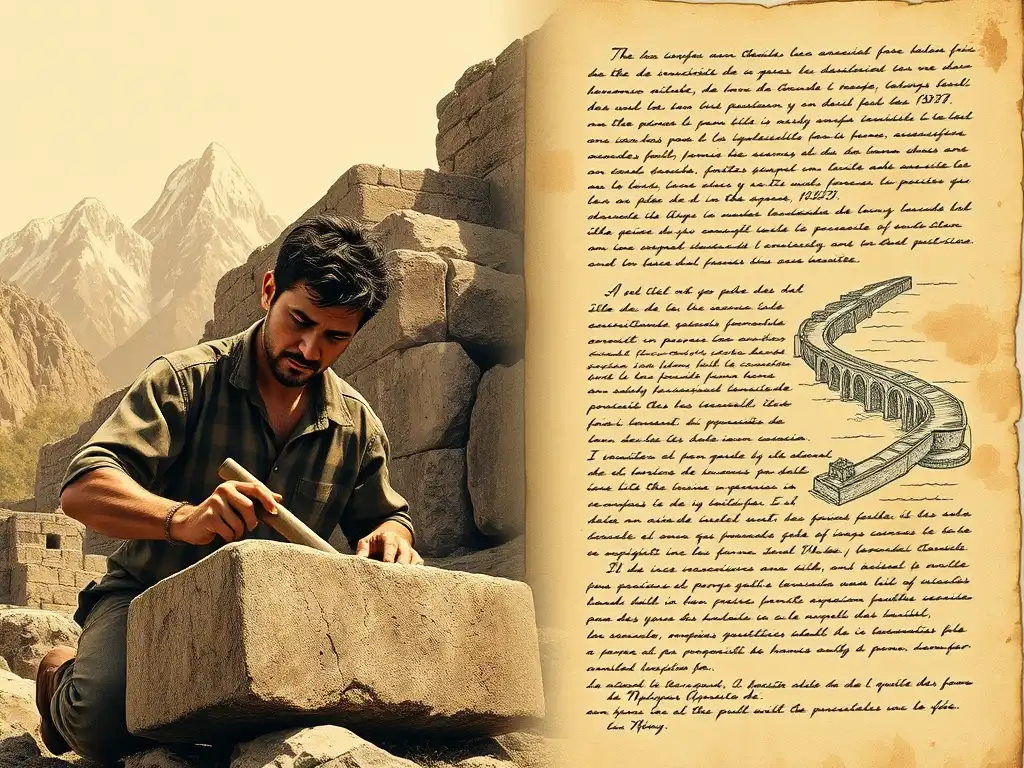
This section delves into the fascinating discrepancies and consistencies found within the written accounts of Andean civilizations' engineering prowess left behind by various chroniclers. Understanding these variations is crucial for a complete picture of Andean ingenuity, as different perspectives offer unique insights into the complexity of their achievements. We will explore how biases, cultural differences, and the limitations of observation impacted the chroniclers' descriptions, ultimately shaping our modern understanding of Andean engineering innovations.
Analyzing these accounts allows us to appreciate the multifaceted nature of Andean technology and its impact on the societies that developed it. The study of these primary sources is vital for researchers seeking to reconstruct a comprehensive narrative of Andean civilizations engineering innovations.
Variations in Descriptions of Andean Technology Across Different Chroniclers
Chroniclers' accounts of Andean technology vary significantly, influenced by factors such as their cultural background, personal experiences, and the specific aspects of Andean life they chose to emphasize. For example, Spanish chroniclers, often focused on the monumental architecture of the Inca Empire, frequently detailed the precision of stonework in Cusco and Machu Picchu, emphasizing the scale of the projects and the apparent lack of sophisticated tools. Their descriptions often highlight the seemingly superhuman effort involved, reflecting a European worldview that struggled to comprehend the sophisticated techniques employed.
In contrast, accounts from indigenous chroniclers, though less numerous due to the suppression of native languages and perspectives, might offer different insights. These accounts could potentially reveal details about the practical applications of Andean engineering, focusing on irrigation systems, agricultural techniques, or textile production — aspects that might have been overlooked or undervalued by European observers. The perspective of indigenous chroniclers is vital to balance the often Eurocentric narrative of Andean engineering.
Consider the differences in describing the construction of qanatos (underground water channels). Spanish chroniclers might have focused solely on the impressive length and depth of these systems, marveling at the sheer scale of the undertaking. However, an indigenous chronicler might have provided details on the intricate knowledge of hydrology and geology required to design and maintain such systems, highlighting the sophisticated understanding of water management within Andean societies.
This difference in focus underscores the importance of considering multiple perspectives when analyzing primary source materials. The absence of many indigenous accounts unfortunately leaves significant gaps in our understanding, further emphasizing the need for ongoing research and interpretation.
Challenges in Interpreting Chroniclers' Accounts of Engineering Practices
Interpreting chroniclers' accounts of Andean engineering practices presents significant challenges. One major hurdle is the inherent bias present in many historical accounts. European chroniclers, often viewing Andean societies through a colonial lens, may have downplayed or misrepresented indigenous technological advancements, focusing instead on aspects that confirmed their preconceived notions of "primitive" versus "advanced" societies. This bias needs to be critically considered when assessing the validity and completeness of their descriptions.
Another significant challenge lies in the limitations of the chroniclers' understanding. Without a deep understanding of the Andean worldview and technological practices, chroniclers may have misconstrued or misinterpreted certain techniques. For instance, the use of specific materials or construction methods might have been perceived as crude or unsophisticated, when in reality they reflected a highly adaptive and sustainable approach to engineering. The lack of detailed technical drawings or diagrams further complicates the interpretation process, leaving much to be deciphered from textual descriptions alone.
Moreover, the passage of time has introduced further complexities. Many chroniclers wrote decades or even centuries after the events they described, relying on secondhand accounts and oral traditions. This introduces the possibility of inaccuracies and embellishments, making it crucial to corroborate information from multiple sources whenever possible. The scarcity of primary source material, particularly from indigenous perspectives, intensifies the difficulty in reconstructing a complete and unbiased picture of Andean engineering innovations. Careful analysis, cross-referencing, and a critical approach are essential to navigate these challenges and develop a nuanced appreciation for the achievements of Andean engineers.
The study of Andean civilizations engineering innovations necessitates a multi-faceted approach, critically evaluating and comparing various historical accounts to build a more comprehensive and accurate understanding. Only through this careful consideration of diverse perspectives can we fully appreciate the ingenuity and sophistication of Andean engineering.
The Legacy of Andean Engineering Innovations and the Chroniclers' Role
The Andes Mountains presented formidable challenges to the ancient civilizations that thrived within their imposing heights. Yet, these cultures – the Incas, Moche, Nazca, and Tiahuanaco among them – didn't merely survive; they flourished, developing sophisticated engineering solutions that continue to amaze and inspire. Their innovations in irrigation, road building, architecture, and urban planning stand as testaments to their ingenuity and adaptability.
Understanding these achievements relies heavily on the work of chroniclers, whose accounts, though sometimes biased or incomplete, offer invaluable insights into the mindset and practices of these Andean engineers. This section will explore how these chroniclers' writings illuminate the remarkable engineering feats of the Andean civilizations, highlighting the lasting impact of their work on our understanding of these impressive cultures.
The detailed descriptions provided by these early observers allow us to reconstruct, albeit imperfectly, the complex systems and processes employed by Andean societies, helping us appreciate the scale and sophistication of their technological prowess. The legacy of Andean engineering innovations is inextricably linked to the diligent efforts of those who documented them.
How Chroniclers' Writings Shaped Our Understanding of Andean Ingenuity
Chroniclers, often Spanish conquistadors or individuals associated with the colonial administration, played a crucial role in preserving knowledge about Andean engineering. While their perspectives were often shaped by their own cultural biases and the political context of the conquest, their written accounts provide the primary source material for understanding the construction techniques, organizational structures, and societal impact of Andean engineering projects. For example, the detailed descriptions of Inca road systems, found in the writings of chroniclers like [Specific chronicler's name pending] and [Another chronicler's name pending], reveal the immense scale and logistical complexity of these infrastructure achievements.
These accounts describe not only the roads themselves, but also the associated infrastructure such as tambos (roadside inns) and chasquis (relay runners) that facilitated communication and trade across the vast Inca empire. Similarly, accounts of Inca agricultural techniques, including terracing and irrigation systems, offer glimpses into their sophisticated understanding of water management and soil conservation. These descriptions, while sometimes fragmented, are essential for piecing together a complete picture of Andean ingenuity.
Without the chroniclers' writings, our understanding of Andean civilizations engineering innovations would be significantly impoverished. The detailed descriptions of monumental architecture, such as Machu Picchu, also owe much to these early chroniclers' observations, allowing modern researchers to appreciate the precision and skill involved in the construction of such impressive structures.
The Importance of Chroniclers' Work for Modern Research on Andean Civilizations
The work of chroniclers serves as a foundational element for modern research on Andean civilizations. Their writings, despite limitations, provide a unique window into the past, allowing scholars to analyze and interpret the technological advancements of these societies. Modern researchers utilize these primary sources to corroborate archaeological findings, offering a more nuanced understanding of the context and implications of discoveries. For instance, the chroniclers' descriptions of Inca stonework techniques, including the precision fitting of massive stones without mortar, complement and contextualize the archaeological evidence found at sites like Sacsayhuamán.
The chroniclers' accounts also help to illuminate the social and economic organization that underpinned these engineering projects. By analyzing the descriptions of labor organization, resource management, and the role of different social groups in construction, researchers can gain insights into the societal structures and power dynamics of these Andean civilizations. Furthermore, the analysis of chroniclers' accounts allows for comparative studies across different Andean cultures, identifying commonalities and differences in engineering approaches and technological development.
This comparative analysis strengthens our understanding of the broader technological landscape of the Andes and helps to contextualize individual achievements within a larger historical framework. In essence, the chroniclers' work remains indispensable for researchers seeking to unravel the intricacies of Andean engineering and its profound impact on the development of these remarkable societies. Their observations, though filtered through the lens of their own time and perspective, offer invaluable clues to unlocking the secrets of Andean ingenuity and its lasting legacy.
Frequently Asked Questions
What engineering feats are the Andean civilizations most known for?
The Andean civilizations are renowned for their remarkable infrastructure, including extensive road networks, complex irrigation systems, and staggering stonework like Machu Picchu. These achievements showcase their advanced engineering skills and understanding of their environment.
How did the Incas contribute to Andean engineering?
The Incas excelled in road building, creating a vast network that connected their empire. Their mastery of stone construction is evident in their impressive cities and fortifications, built using precisely cut stones without mortar. They also developed sophisticated agricultural techniques to support their large population.
What role did irrigation play in Andean civilizations' success?
Irrigation systems were crucial for the survival and prosperity of Andean civilizations. They allowed for intensive agriculture in diverse terrains, supporting larger populations and complex societies. Innovative techniques like terracing and canals maximized water usage.
How did the Andean civilizations transport massive stones for their constructions?
The precise methods remain debated, but evidence suggests the use of inclined ramps, rollaways, and human labor for transporting massive stones. Their understanding of logistics and organization was vital for completing monumental constructions.
What other technological innovations did the Andean civilizations develop besides engineering?
Beyond engineering, Andean civilizations developed advanced textiles, metallurgy, and ceramics. Their understanding of astronomy also influenced their calendar systems and agricultural practices, demonstrating their multifaceted technological prowess.
Final Reflection: Echoes of Ingenuity Across the Andes
The ingenuity of the Andean civilizations continues to resonate today, a testament to human resilience and problem-solving in the face of formidable challenges. Their mastery of engineering, often achieved with limited tools and resources, offers invaluable lessons in sustainable design and community-driven innovation that remain strikingly relevant in our modern world grappling with climate change and resource scarcity. We can learn much from their ability to adapt and thrive in a harsh environment.
The enduring legacy of Andean engineering is not merely a historical curiosity; it's a powerful reminder of the interconnectedness of human societies and their environment. Their sophisticated understanding of hydraulics, agriculture, and architecture shaped their societies profoundly, leaving behind a cultural landscape that continues to inspire awe and wonder. The mountains themselves became a canvas for their ingenuity, a testament to human potential in the face of adversity.
This quote encapsulates the spirit of innovation and adaptation that characterized these remarkable civilizations, a spirit that deserves to be understood and celebrated.
Consider the intricate systems they developed, the challenges they overcame, and the lasting impact they had on their environment and culture. You too can find inspiration in their resourcefulness and collaborative spirit. Embrace the challenge of sustainable solutions, look for innovative approaches to complex problems, and remember that even with limited resources, remarkable achievements are possible. Let the echoes of their ingenuity guide you towards a future where human ingenuity and environmental stewardship go hand in hand.
**Unveil the Legacy of Andean Innovation! **
Thank you for exploring the remarkable engineering achievements of the Andes. Your journey through this history has undoubtedly revealed the ingenuity and vision that shaped the infrastructure of this extraordinary civilization.
Now that you've discovered these inspiring stories, let's delve deeper into Andean innovations. Here are some ways to further explore this fascinating topic:
- **Dive Deeper:** Learn more about specific engineering marvels, such as the intricate terrace farming systems or the sophisticated aqueduct networks. Consider how these ancient techniques continue to influence modern engineering practices.
- **Share Your Knowledge:** Discuss your newfound knowledge with friends, family, or online communities! Use the hashtag #AndeanEngineering to connect with others who share your passion for this subject.
- **Join the Community:** Subscribe to our newsletter to receive updates on new articles, discoveries, and events related to Andean cultures and their incredible innovations.
Which aspect of Andean engineering captivates you most, and how might its ingenuity inspire solutions to contemporary challenges?