
Felipe Guaman Poma de Ayala: The Indigenous Voice of Andean Resistance

Step into a world lost to time, yet echoing with the strength of a forgotten people. Discover the captivating legacy of the Andean civilizations, from the intricate artistry of the Nazca lines to the breathtaking engineering feats of the Incas. But prepare to be enthralled by more than just magnificent ruins; we delve into the powerful voice of Felipe Guaman Poma de Ayala and his crucial role in the Inca resistance. His story, a testament to resilience and defiance, awaits – dare to uncover the untold truth?
- Felipe Guaman Poma de Ayala: An Indigenous Chronicler of Andean Resistance
- "Nueva Corónica y Buen Gobierno": Guaman Poma's Magnum Opus
- Guaman Poma's Critique of Spanish Colonialism
- Guaman Poma's Illustrations: Visual Storytelling of Andean Culture
- The Legacy and Impact of Guaman Poma de Ayala
- Frequently Asked Questions
- Final Reflection: Echoes of Resistance: Guaman Poma's Enduring Legacy
- Unleash the Power of Indigenous Voices!
Felipe Guaman Poma de Ayala: An Indigenous Chronicler of Andean Resistance
Felipe Guaman Poma de Ayala stands as a monumental figure in Andean history, a voice of indigenous resistance echoing across centuries. His unparalleled work, the Nueva Crónica y Buen Gobierno (New Chronicle and Good Government), offers a uniquely indigenous perspective on the Spanish conquest and colonization of the Andes, providing invaluable insight into the Inca civilization and the devastating impact of European imperialism.
This chronicle, a breathtaking blend of text, illustrations, and maps, isn't merely a historical account; it's a powerful indictment of colonial injustices and a testament to the resilience of Andean cultures. This article delves into the life, work, and enduring legacy of Guaman Poma de Ayala, exploring his significance as a key figure in Andean history and a crucial voice in the narrative of Inca resistance against Spanish rule.
We will examine his life, his perspectives, and the enduring impact of his monumental work, highlighting its importance in understanding the complexities of the Andean world during a period of profound transformation. The detailed analysis will shed light on his contribution to the understanding of Felipe Guaman Poma de Ayala Inca resistance.
The Life and Times of Guaman Poma de Ayala
Guaman Poma de Ayala lived during a pivotal period in Andean history – a time of dramatic upheaval and cultural collision. Born in the late 16th century in the Andean region of modern-day Peru, he witnessed firsthand the brutal realities of the Spanish conquest and the subsequent colonial regime. His life spanned a critical transition, from the remnants of the Inca Empire to the fully established Spanish colonial system.
This firsthand experience profoundly shaped his perspective and fueled his desire to document the injustices he witnessed. His mixed ancestry – a combination of indigenous and Spanish heritage – gave him a unique vantage point, allowing him to observe and critique both indigenous and colonial societies with a critical eye. This unique perspective is reflected throughout his Nueva Crónica y Buen Gobierno, a work that transcends simple historical documentation to become a powerful social commentary.
The sheer scale and ambition of his Nueva Crónica are remarkable, reflecting both his deep knowledge of Andean culture and his unwavering commitment to recording a multifaceted truth. He skillfully blended indigenous traditions with European artistic styles, creating a visually stunning and intellectually stimulating masterpiece.
Early Life and Ancestry of Guaman Poma
Guaman Poma's early life remains somewhat shrouded in mystery, with detailed biographical information scarce. However, historical accounts suggest he was born into a family of kurakas (indigenous nobility) within the Inca social structure. This privileged position provided him with access to education and knowledge that was unavailable to many of his fellow indigenous people.
He likely received both indigenous and potentially some rudimentary European education, giving him a unique literacy that enabled him to write and illustrate his monumental work. His mixed heritage—a blend of indigenous and Spanish blood—influenced his world view and shaped his approach to chronicling the history of the Andes.
This unique background allowed him to navigate the complex social dynamics of the colonial era, providing a nuanced perspective often absent from other historical accounts. Further research is needed to fully illuminate his early years, but his noble heritage undoubtedly played a significant role in shaping his later actions and his unwavering commitment to documenting the indigenous perspective.
Guaman Poma's Exposure to Colonial Society
Guaman Poma's exposure to colonial society was extensive and profoundly impacted his worldview. He witnessed the injustices and exploitation inflicted upon the indigenous population by the Spanish colonizers. This firsthand experience fueled his desire to document the atrocities and advocate for the rights of his people.
His interactions with colonial officials, both high and low, provided him with insights into the workings of the colonial administration and the mechanisms of oppression. He observed the imposition of Spanish laws and customs, the destruction of indigenous traditions, and the systematic dismantling of the Inca social structure. This observation informed his critique of the colonial system in his Nueva Crónica y Buen Gobierno, a work that powerfully articulates the devastating consequences of colonialism for the indigenous population.
His exposure to both indigenous and colonial worlds allowed him to offer a truly unique and invaluable perspective on the complexities of this transformative period. His work serves as a powerful reminder of the importance of understanding history from multiple viewpoints, especially those often marginalized or silenced.
"Nueva Corónica y Buen Gobierno": Guaman Poma's Magnum Opus
The Purpose and Scope of the "Nueva Corónica"
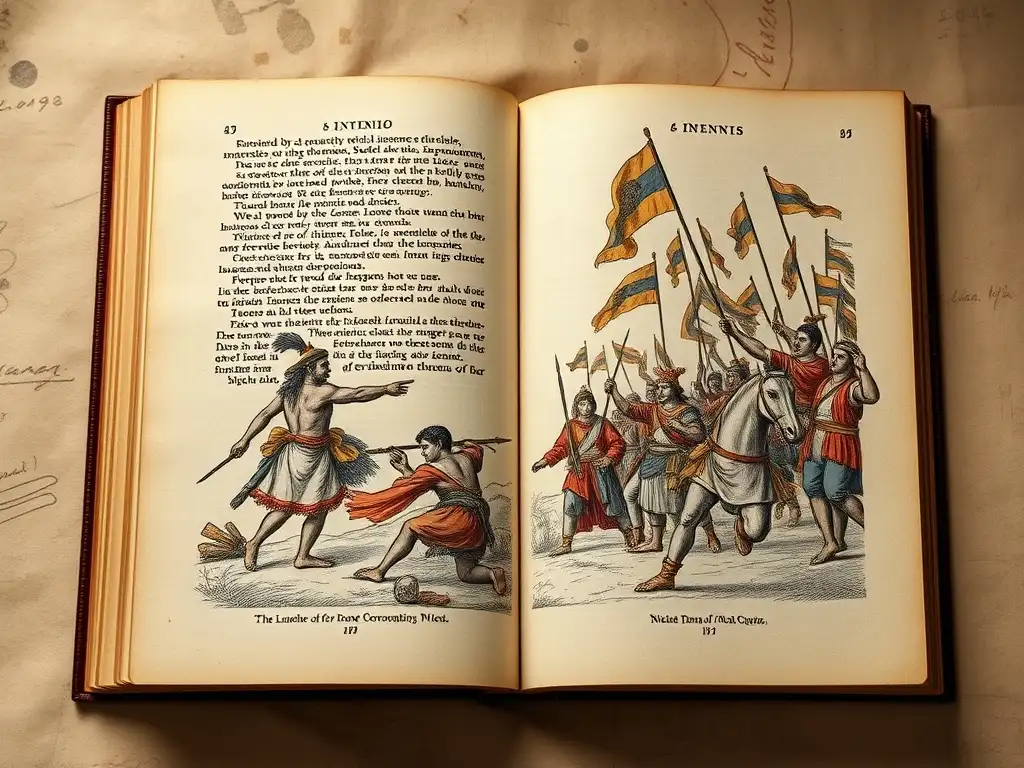
Felipe Guaman Poma de Ayala's Nueva Corónica y Buen Gobierno (New Chronicle and Good Government) is far more than a historical account; it's a powerful indictment of Spanish colonial rule and a testament to the resilience of Andean cultures. Written in Quechua and Spanish between 1583 and 1615, this monumental work aimed to present a comprehensive history of the Andes, from pre-Columbian times to the early colonial period.
Guaman Poma intended his chronicle to be presented to King Philip III of Spain, a direct appeal for justice and reform. The scope is breathtaking, encompassing detailed descriptions of Inca society, its political structure, religious beliefs, and daily life, juxtaposed with scathing critiques of the injustices perpetrated by the conquistadors and colonial administration.
It wasn't simply a historical narrative; it was a meticulously crafted argument for indigenous rights, meticulously illustrated to emphasize his points. The sheer scale of the work – over 1,200 pages filled with text and illustrations – underscores the author's ambition and commitment to documenting his people's story.
A Unique Perspective: Indigenous Resistance to Colonial Rule
Guaman Poma's Nueva Corónica offers an unparalleled perspective on Inca resistance to Spanish colonization, a perspective largely absent from the dominant colonial narratives of the time. He doesn't shy away from depicting the brutality of the conquest, the exploitation of indigenous populations, and the systematic destruction of Andean traditions. His detailed illustrations vividly portray the violence inflicted upon the indigenous people, the forced labor ( mita ), and the cultural devastation wrought by the Spanish.
But Guaman Poma's portrayal of resistance isn't solely focused on armed rebellion. He highlights the subtle yet persistent forms of resistance—the preservation of indigenous languages and customs, the continued practice of ancestral religious beliefs, and the strategic use of diplomacy and negotiation. The chronicle documents instances of both open defiance and quieter, more covert acts of resistance, showcasing the diverse strategies employed by the Andean people to maintain their cultural identity in the face of overwhelming oppression.
This nuanced perspective provides invaluable insight into the complexities of colonial resistance and the endurance of Andean cultural identity. He shows the Felipe Guaman Poma de Ayala Inca resistance was multifaceted and relentless.
Guaman Poma's Depictions of Inca Life and Society
Guaman Poma's Nueva Corónica is also a rich source of information about Inca life and society before the arrival of the Europeans. His detailed descriptions and captivating illustrations offer a glimpse into the intricate social structures, political systems, and religious practices of the Inca Empire. He depicts the Inca emperor's power and authority, the hierarchical organization of the society, and the complex system of agriculture and resource management.
He meticulously details Inca cosmology and religious beliefs, including the worship of the sun god Inti and other deities. The work includes detailed depictions of Inca clothing, architecture, and daily life, providing invaluable insights into the material culture of the Andean civilization. For example, Guaman Poma meticulously illustrates various Inca agricultural techniques, showing the sophisticated irrigation systems and terraced farming methods that sustained the empire.
These depictions, far from being mere illustrations, actively serve as evidence of the sophistication and complexity of the Inca civilization, directly countering the colonial narrative that portrayed the Inca as primitive and uncivilized. His work thus serves as a vital counter-narrative, preserving and celebrating the rich heritage of Andean culture. The depth of detail in his descriptions and illustrations makes the Nueva Corónica an unparalleled resource for understanding Felipe Guaman Poma de Ayala's Inca resistance and the Inca civilization itself.
Guaman Poma's Critique of Spanish Colonialism
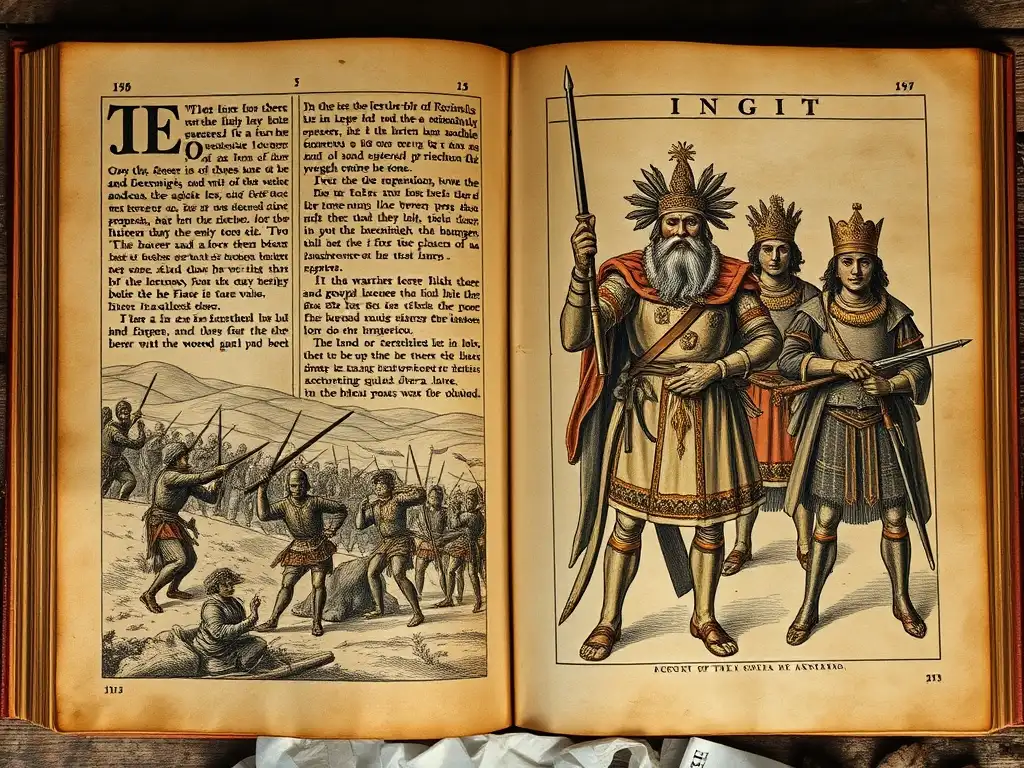
Felipe Guaman Poma de Ayala's Nueva Corónica y Buen Gobierno stands as a powerful indictment of Spanish colonialism in the Andes. Far from a passive chronicle, it's a visceral, multifaceted critique delivered through a unique blend of text, illustrations, and indigenous perspectives. Guaman Poma, himself an indigenous noble, wielded his pen and artistic skills to expose the brutal realities of the colonial system, challenging the dominant narrative and advocating for indigenous rights.
His work remains a vital resource for understanding the complexities of Andean resistance and the devastating impact of Spanish rule on Andean societies. The sheer volume and detail of his critique, spanning numerous aspects of colonial life, underscore the depth of his commitment to documenting and condemning the injustices inflicted upon his people. His meticulous record-keeping, coupled with his powerful imagery, created a lasting legacy that continues to resonate today.
The sheer scale of his work—a massive manuscript filled with detailed illustrations—demonstrates the immense effort he put into documenting the colonial experience and challenging its legitimacy. His work provides invaluable insight into the lived experiences of the indigenous population under colonial rule, offering a perspective often absent from official Spanish accounts.
Condemnation of Colonial Abuses and Exploitation
Guaman Poma's condemnation of colonial abuses is unflinching. He meticulously documents the brutal treatment of the indigenous population, detailing instances of forced labor ( mita), unjust taxation, and the systematic destruction of indigenous culture and religious practices. His illustrations graphically depict scenes of violence, oppression, and exploitation, leaving no room for ambiguity in his message. For example, he vividly portrays the encomienda system, showing indigenous people forced to work in mines and fields under brutal conditions, often leading to death.
He illustrates the harsh realities of the repartimiento system, highlighting the forced allocation of indigenous labor to Spanish landowners, resulting in widespread suffering and impoverishment. Beyond the physical abuses, Guaman Poma also highlights the psychological impact of colonialism, showing the erosion of indigenous identities and the imposition of a foreign culture. His work serves as a testament to the devastating effects of colonialism on both the individual and collective levels.
The sheer number of illustrations depicting various forms of abuse underscores the pervasiveness of these practices throughout the Andean region. He doesn't shy away from showing the brutality of the system, aiming to shock his audience into acknowledging the injustices committed against the indigenous population. His meticulous documentation of these abuses makes his work a critical primary source for understanding the realities of colonial rule in the Andes.
Guaman Poma's Nueva Corónica provides a poignant portrayal of the social injustice faced by the indigenous population under Spanish rule. He details the systematic dismantling of indigenous social structures, the erosion of traditional leadership, and the widespread dispossession of land. He describes the devastating impact of diseases introduced by the Europeans, which decimated indigenous communities. His illustrations depict the suffering and despair of the indigenous people, highlighting their vulnerability and the callous disregard for their well-being shown by the colonial authorities.
The text is filled with accounts of starvation, disease, and death among the indigenous population, directly attributed to colonial policies. He specifically addresses the plight of women, highlighting their vulnerability to sexual violence and exploitation within the colonial system. Guaman Poma's detailed descriptions of the injustices faced by indigenous communities, including the loss of their ancestral lands and the destruction of their cultural heritage, paint a grim picture of the colonial reality.
His work serves as a powerful reminder of the human cost of colonialism and the lasting impact it had on Andean societies. His persistent focus on the suffering and vulnerability of the indigenous population serves as a powerful counterpoint to the official narratives that often minimized or ignored these realities. This detailed documentation of the social injustices underscores the urgent need for reform and social justice within the colonial system.
Guaman Poma's Vision for a Just Andean Society
Despite the harsh realities he documented, Guaman Poma’s Nueva Corónica is not merely a condemnation of colonial abuses; it also offers a vision for a more just and equitable Andean society. He proposed reforms aimed at mitigating the worst excesses of colonial rule, advocating for fairer treatment of the indigenous population and a more equitable distribution of resources. He envisioned a society where indigenous customs and traditions were respected, and where indigenous leaders played a significant role in governance. His proposals included advocating for a more just system of taxation, fairer labor practices, and the protection of indigenous lands and resources.
He suggested mechanisms for improved communication and collaboration between indigenous communities and the Spanish colonial administration. While his vision for a just Andean society was ultimately unrealized during his lifetime, his proposals remain relevant today and serve as a testament to his commitment to social justice. His detailed proposals, presented through a combination of text and illustrations, provide a unique insight into his vision for a better future for the Andean people. The detailed nature of his proposals, ranging from practical suggestions for improved governance to calls for broader social reforms, showcases the scope of his vision for a more just and equitable society.
His work serves as a powerful example of indigenous resistance and advocacy, offering a blueprint for social justice that transcends its historical context. The persistent relevance of his vision highlights the enduring power of his work and its continued importance in contemporary discussions on social justice and indigenous rights. Guaman Poma's legacy as a voice for Andean resistance and a proponent of social justice continues to inspire and inform discussions about decolonization and the pursuit of a more equitable world.
Guaman Poma's Illustrations: Visual Storytelling of Andean Culture
Guaman Poma de Ayala's Nueva Crónica y Buen Gobierno is not merely a text; it's a visual tapestry woven with meticulous illustrations that offer invaluable insight into Inca resistance and Andean life during the colonial period. His artwork serves as a powerful counter-narrative to the often biased accounts produced by Spanish chroniclers, providing a crucial indigenous perspective on the conquest and its aftermath. Understanding Guaman Poma's illustrations is key to grasping the full scope of his message – a message of both lament and defiance in the face of oppression.
The sheer volume of images—over 400—demonstrates the importance he placed on visual communication, supplementing and enriching his written narrative. These weren't simple sketches; they were carefully crafted depictions intended to convey specific meanings and arguments, making them vital primary sources for understanding Felipe Guaman Poma de Ayala Inca resistance.
The Power of Visual Representation in the "Nueva Corónica"
The Nueva Corónica’s visual power lies in its ability to transcend linguistic barriers. While written in a Quechua-influenced Spanish, the images communicate directly, making the text accessible to a wider audience, even across cultural divides. Guaman Poma masterfully uses visual metaphors to convey complex ideas about the Inca social structure, religious beliefs, and the devastating impact of Spanish colonialism.
For example, his depictions of the Inca emperor alongside representations of poverty and disease under Spanish rule powerfully illustrate the consequences of conquest. The visual juxtaposition creates a compelling argument against the Spanish regime, showcasing the destruction of the Inca civilization and the suffering of the indigenous population.
This sophisticated use of visual rhetoric elevates the Nueva Corónica beyond a simple historical account, transforming it into a potent statement of resistance against colonial oppression. The images act as a visual testament to Felipe Guaman Poma de Ayala Inca resistance, presenting a counterpoint to the dominant colonial narrative.
Depictions of Inca Royalty and Daily Life
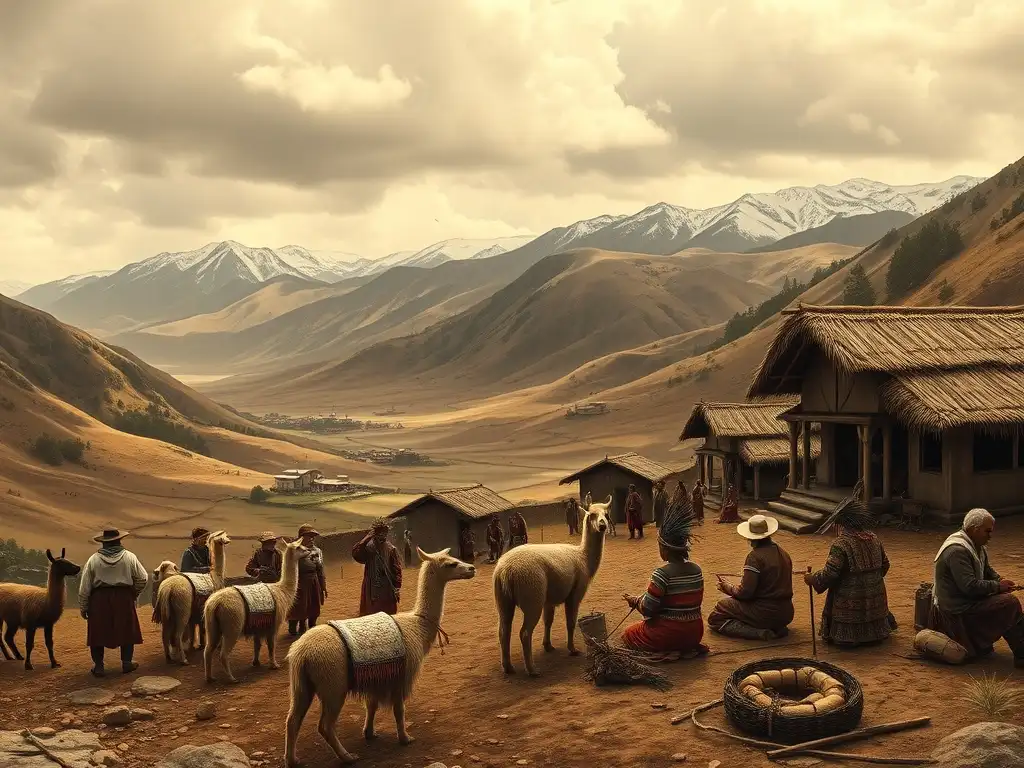
Guaman Poma's illustrations offer a fascinating glimpse into the daily life of the Inca people, from the grandeur of the imperial court to the humbler realities of rural communities. His depictions of Inca royalty are not merely portraits; they are symbolic representations of power and authority. He meticulously details the attire, regalia, and ceremonies associated with the Inca elite, providing valuable insights into Inca social hierarchy and ritual practices.
However, he doesn't limit himself to the elite. His detailed portrayals of farming techniques, weaving processes, and everyday activities provide a rich tapestry of Andean life before and after the Spanish conquest.
These images offer a crucial counterpoint to the often romanticized or exoticized depictions of Andean culture found in other colonial-era sources. The contrast between the vibrant depictions of Inca life before the conquest and the bleak scenes of exploitation and misery under Spanish rule further emphasizes the devastating impact of colonization and the importance of Felipe Guaman Poma de Ayala Inca resistance.
| Aspect of Inca Life Depicted | Description of Guaman Poma's Representation | Significance |
|---|---|---|
| Inca Emperor | Shown with elaborate headdress and clothing, often surrounded by courtiers. | Emphasizes imperial authority and power. |
| Inca Warfare | Depictions of battles, weaponry, and military organization. | Illustrates Inca military strength and strategies. |
| Andean Agriculture | Detailed illustrations of farming techniques, crops, and irrigation systems. | Highlights the importance of agriculture in Inca society. |
| Daily Life | Scenes of weaving, pottery making, and other crafts. | Shows the diversity of skills and activities within Inca communities. |
Guaman Poma's Artistic Style and Techniques
Guaman Poma’s artistic style is a unique blend of indigenous Andean traditions and European artistic conventions. While his work displays influences from European Renaissance art, particularly in the use of perspective and detail, it retains a distinct indigenous aesthetic. His use of vibrant colors, symbolic imagery, and a distinctive narrative style sets his work apart from other colonial-era illustrations.
The artist's technique involved a combination of ink, watercolor, and possibly gouache, resulting in a vivid and expressive visual language. The level of detail in his illustrations is remarkable, particularly considering the circumstances under which he created the Nueva Crónica. His ability to blend indigenous artistic traditions with European techniques serves as a potent symbol of cultural resilience and adaptation in the face of colonial oppression, highlighting the multifaceted nature of Felipe Guaman Poma de Ayala Inca resistance.
Further research into the specific pigments and techniques he employed would enhance our understanding of his artistic process and its cultural significance. Analysis of his style reveals a conscious effort to create a visual record that both reflects and challenges the dominant colonial narrative. The unique blend of styles underscores the complexity of his identity as an indigenous intellectual navigating a world undergoing profound cultural transformation.
The Legacy and Impact of Guaman Poma de Ayala
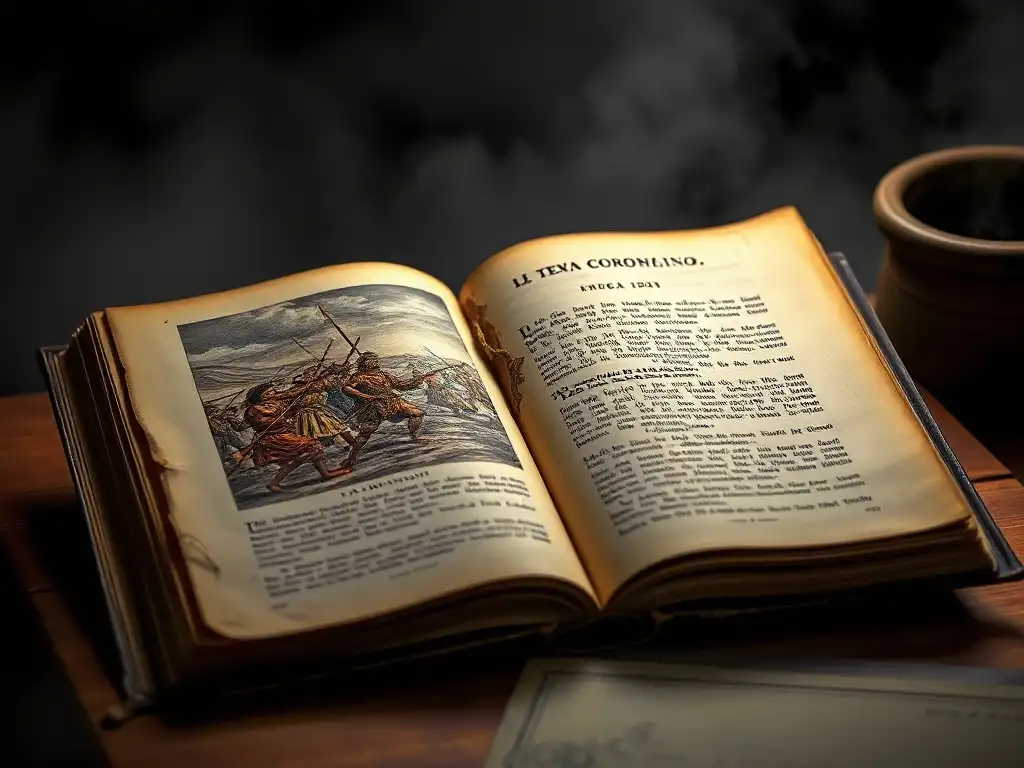
Felipe Guaman Poma de Ayala's legacy extends far beyond his lifetime, resonating deeply within Andean studies and shaping contemporary understandings of Indigenous resistance and cultural survival. His work offers a unique and invaluable perspective, challenging colonial narratives and providing a powerful counterpoint to the official histories of the Spanish conquest. The enduring impact of his writings stems from their unflinching portrayal of colonial brutality, coupled with a persistent affirmation of Indigenous Andean identity and resilience.
His influence continues to inspire scholars, artists, and activists alike, fueling ongoing efforts to reclaim and reinterpret Andean history from an Indigenous perspective. This section will explore the multifaceted legacy of Guaman Poma, focusing on his contributions to historiography, the lasting significance of his Nueva Corónica y Buen Gobierno, and his ongoing influence on contemporary Andean identity.
Guaman Poma's Contribution to Andean Historiography
Guaman Poma's contribution to Andean historiography is monumental. Before his Nueva Corónica y Buen Gobierno, accounts of the Inca Empire and the Spanish conquest were largely dominated by the perspectives of Spanish chroniclers, often biased and lacking in Indigenous voices. Guaman Poma, a Quechua noble, shattered this monopoly, offering a firsthand account of Andean life before, during, and after the conquest. His work transcends a simple chronicle; it is a complex tapestry woven with detailed illustrations, ethnographic observations, and scathing critiques of colonial policies.
He meticulously documented Inca social structures, religious practices, and economic systems, providing invaluable insights into the complexities of Andean civilization. Furthermore, his incorporation of Indigenous perspectives challenges the Eurocentric biases prevalent in earlier historical accounts. His detailed depictions of the Inca worldview, cosmology, and social hierarchy offer a critical counter-narrative, enriching our understanding of pre-Columbian Andean societies.
He provides a nuanced understanding of the Inca empire, its strengths, and its vulnerabilities, offering a more complete and accurate picture than previously available. The sheer volume of information, meticulously recorded and illustrated, makes his work a cornerstone of Andean studies. His detailed descriptions of Inca agriculture, for example, offer insights into sophisticated techniques that are still relevant today.
The Significance of "Nueva Corónica" as a Historical Document
The Nueva Corónica y Buen Gobierno is more than just a historical document; it is a powerful work of art, protest, and social commentary. Its significance lies not only in its historical accuracy but also in its unique blend of text and images. Guaman Poma's illustrations, often rendered in a naive yet expressive style, vividly portray the realities of colonial life.
These images, alongside his detailed descriptions, offer a powerful visual and textual critique of Spanish colonialism, depicting the violence, oppression, and exploitation suffered by the Indigenous population. The Nueva Corónica is a testament to the resilience of the Andean people, showcasing their ability to adapt, resist, and maintain their cultural identity in the face of overwhelming adversity. The document's significance is further amplified by its scope.
It covers a vast range of topics, from Inca history and cosmology to colonial administration and social structures, providing a comprehensive picture of Andean society during a pivotal period of its history. The book’s unique format, combining text and images, makes it an accessible and engaging source for scholars and the general public alike, ensuring its continued relevance and impact. The detailed descriptions of Inca rituals, social hierarchies, and agricultural practices offer invaluable insights into the complexities of Andean civilization, enriching our understanding of this fascinating culture.
Guaman Poma's Influence on Contemporary Andean Identity
Guaman Poma's influence on contemporary Andean identity is profound and multifaceted. His work serves as a powerful symbol of Indigenous resistance and cultural survival, inspiring contemporary movements advocating for Indigenous rights and self-determination. His Nueva Corónica is viewed as a foundational text, providing a framework for understanding and reclaiming Andean history and culture. The book has been instrumental in fostering a sense of collective identity among Andean communities, providing a shared narrative that transcends national borders.
His unflinching portrayal of colonial injustices has fueled ongoing struggles for social justice and equality. Moreover, his work continues to inspire artistic and literary expressions, with contemporary artists and writers drawing inspiration from his unique style and powerful message. Guaman Poma's legacy extends beyond academic circles; his work has become a powerful tool for Indigenous communities in their efforts to reclaim their history, assert their identity, and strive for a more equitable future.
His enduring influence is a testament to the power of Indigenous voices to shape historical narratives and inspire future generations. The use of his work in educational settings across the Andes further solidifies his role as a key figure in the ongoing construction of Andean identity. His legacy is one of resistance, resilience, and the enduring power of Indigenous voices.
The Rediscovery of Guaman Poma's Work
Guaman Poma's monumental work, Nueva Crónica y Buen Gobierno, remained largely unknown to the wider world for centuries after its creation. While some fragments and references might have circulated within limited academic circles, its true significance wasn't fully appreciated until its rediscovery in the early 20th century. The exact circumstances surrounding its rediscovery are somewhat shrouded in mystery, but the narrative generally points to its unexpected emergence in a Danish library.
This serendipitous find sparked immediate interest amongst scholars, who were captivated by its unique blend of indigenous perspectives, detailed illustrations, and critical commentary on the Spanish conquest. The sheer scale of the manuscript, its unparalleled visual detail, and its powerful indictment of colonial injustices quickly elevated it to a position of paramount importance in Andean studies and colonial history. The rediscovery wasn't just about finding a lost manuscript; it was about unearthing a powerful, suppressed voice from the heart of Andean resistance against the Inca and Spanish rule.
The subsequent translations and scholarly publications have gradually brought Guaman Poma's work to a wider audience, fueling intense debate and reinterpretation of Andean history. This rediscovery triggered a process of reassessment, forcing a re-evaluation of traditional narratives that often overlooked or marginalized indigenous perspectives in the history of the Andes.
Modern Interpretations and Analysis of Guaman Poma
Modern interpretations of Guaman Poma's Nueva Crónica y Buen Gobierno are diverse and multifaceted, reflecting the evolving scholarly landscape and the ever-increasing awareness of postcolonial perspectives. Scholars continue to unravel the complexities of Guaman Poma's narrative, analyzing his intricate illustrations, his biting social commentary, and his nuanced portrayal of both Andean and European cultures. Some analyses focus on the intricate details of his depictions of Andean life before the conquest, offering invaluable insights into pre-Columbian social structures, religious practices, and technologies.
Other scholars concentrate on Guaman Poma's critical assessment of Spanish colonial policies, highlighting his condemnation of the Encomienda system, the abuses of power by colonial officials, and the devastating impact of European diseases on the indigenous population. The text is increasingly viewed not merely as a historical record, but as a powerful act of resistance in itself, a testament to the enduring spirit of Andean peoples. Furthermore, there is a growing body of work examining Guaman Poma's unique literary style, combining indigenous oral traditions with European written forms, creating a hybrid text that reflects the complex cultural interactions of the colonial era.
This multifaceted approach to studying Guaman Poma's work allows for a deeper understanding of the complexities of Andean history and the ongoing struggle for representation and recognition of indigenous voices. The text continues to serve as a powerful tool for understanding the lasting impact of colonialism on Andean societies and the ongoing fight for social justice. Moreover, his work continues to inspire contemporary artists and activists, demonstrating its continuing relevance in today's world.
Frequently Asked Questions
Who was Felipe Guaman Poma de Ayala?
Felipe Guaman Poma de Ayala was a Quechua nobleman from the Andes who lived during the early colonial period. He's best known for his Nueva Corónica y Buen Gobierno, a powerful critique of Spanish colonialism and a unique visual record of Andean life.
What is the significance of Guaman Poma's Nueva Corónica?
The Nueva Corónica is significant because it offers a first-hand indigenous perspective on the Spanish conquest and colonization of the Andes. It's a powerful testament to Inca resistance and a rich source of information about Andean culture and history.
How did Guaman Poma depict Inca resistance in his work?
Guaman Poma illustrated various forms of Inca resistance, from open rebellion to subtle acts of defiance and cultural preservation. His work vividly portrays the struggles faced by the indigenous population under Spanish rule.
What makes Guaman Poma's work unique?
Its uniqueness lies in its combination of text and images. This unique visual narrative provides a powerful and moving portrayal of the Andean world before and after the Spanish conquest. It offers invaluable insights into the indigenous perspective.
Why is Guaman Poma's work still relevant today?
Guaman Poma's work remains relevant because it speaks to issues of colonialism, resistance, and cultural survival, themes that still resonate globally. His story serves as an important reminder of the importance of indigenous voices and perspectives in historical narratives.
Final Reflection: Echoes of Resistance: Guaman Poma's Enduring Legacy
Guaman Poma's unflinching critique of colonial oppression remains chillingly relevant today, a stark reminder that the fight for justice and self-determination is a continuous struggle. His meticulously detailed chronicle, a powerful testament to Inca resilience, serves as a potent symbol of the ongoing fight against systemic inequalities and the erasure of indigenous voices worldwide. The echoes of his resistance resonate in contemporary movements for social justice, highlighting the enduring power of historical narratives in shaping our present.
Guaman Poma's work transcends its historical context; it speaks directly to the enduring power of indigenous knowledge and the importance of amplifying marginalized perspectives. His unwavering commitment to documenting the injustices inflicted upon his people serves as a powerful inspiration. Let the King know the truth of these things, so that he may remedy them.
This simple plea, embedded within his vast chronicle, encapsulates the enduring hope for a more equitable future, a future where indigenous voices are not only heard but also actively shape the narrative of their own destinies.
Consider Guaman Poma's legacy. Reflect on the ways in which his unwavering spirit of resistance continues to inspire movements for social justice today. You too can be a voice for the voiceless, a champion for truth and equity. Engage with the stories of indigenous communities, learn from their resilience, and actively participate in creating a world where the injustices he so eloquently documented are finally eradicated. Let his powerful chronicle be a catalyst for change in your own life and in the world around you.
Unleash the Power of Indigenous Voices!
Thank you for exploring the remarkable legacy of Felipe Guaman Poma de Ayala and his invaluable contribution to Andean history. Learning about his life offers profound insights into the strength and resilience of indigenous cultures. Now, let's translate that understanding into action and honor his memory!
Here are some ways you can deepen your connection to this vital story:
- Share this article with others to spark conversations about indigenous rights and representation.
- Discover more works by indigenous authors and artists to amplify voices often overlooked.
- Join a local or online group dedicated to advocating for indigenous issues; your passion can make a real difference.
What aspects of Felipe Guaman Poma de Ayala's life most inspire you to learn more about indigenous cultures? Share your thoughts below!