
The Priestesses of the Andes: Women Who Bridged the Worlds

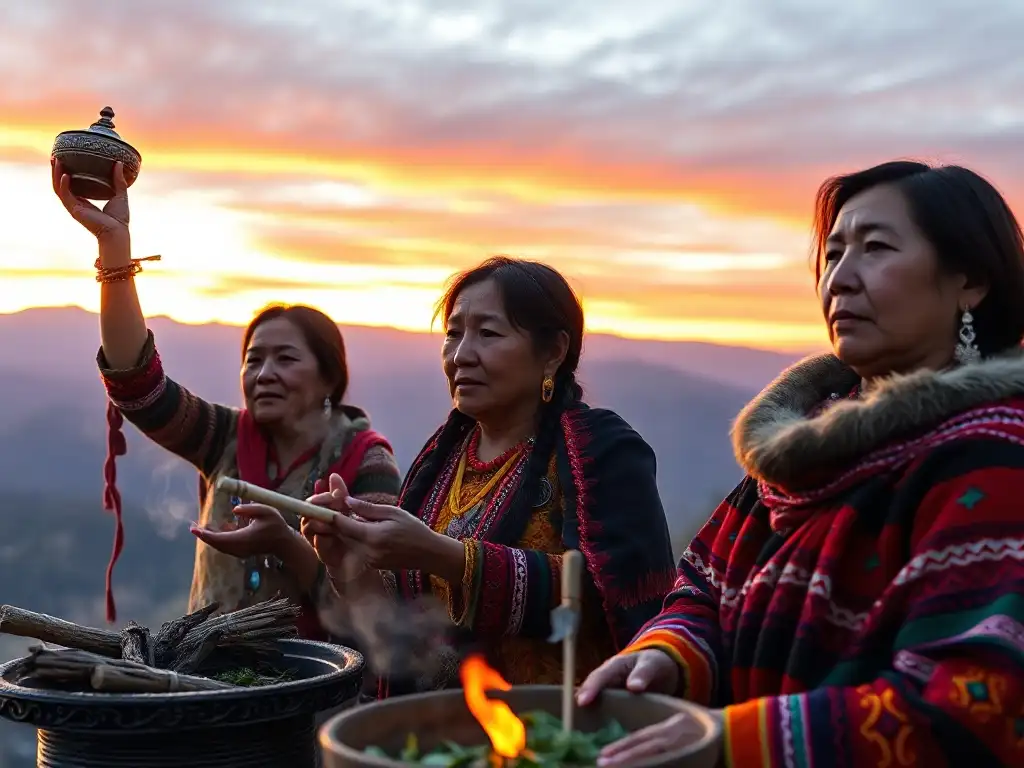
Uncover the secrets whispered on the windswept heights of the Andes! For centuries, a powerful force shaped the destinies of these magnificent civilizations: the Andean Priestesses. Their roles, far beyond simple ritual, held the key to understanding the intricate social fabric and spiritual beliefs of the Incas, Moche, and other Andean cultures. Dare to delve into their enigmatic world and discover the untold stories of these women who bridged the worlds – a journey awaits you through the fascinating realm of "Andean Priestess roles."
The Andes Mountains, a spine of towering peaks and fertile valleys stretching along the western coast of South America, were home to a series of remarkable civilizations. While often overshadowed by narratives focused on male rulers and warriors, the role of women, particularly priestesses, in shaping Andean societies remains profoundly significant. This article delves into the multifaceted roles of Andean priestesses, exploring their influence on religious practices, political structures, and daily life.
We will examine the evidence suggesting their power, influence, and the diverse ways they acted as bridges between the human and spiritual realms, challenging traditional perceptions of gender roles in pre-Columbian societies. Understanding their contributions offers a crucial perspective on the complexity and richness of Andean cultures and provides a more complete picture of these fascinating civilizations. The exploration of "Andean Priestess roles" will reveal a far more nuanced understanding of these ancient societies than previously acknowledged.
Andean priestesses held positions of significant religious authority. Evidence from archaeological sites, such as textiles depicting female figures in ceremonial attire and the discovery of female burials with elaborate grave goods, points to their involvement in complex rituals and ceremonies. These ceremonies, often involving offerings, divination, and communication with the spirit world, were essential to maintaining the cosmic order and ensuring the prosperity of the community.
The specific rituals varied between different Andean cultures – the Incas, for example, may have had different practices than the Moche – but the overarching theme of female spiritual leadership remains consistent across many societies. Further research is needed to fully understand the specific nuances of each culture's religious practices led by priestesses, but available data strongly suggests their central role.
We know, for example, that certain priestesses were responsible for interpreting dreams and omens, providing guidance and advice to rulers and communities alike. Their expertise in astrology and cosmology was highly valued.
While the extent of their political influence varies depending on the specific culture and historical period, evidence suggests that Andean priestesses held positions of considerable power and prestige within their societies. In some cases, they served as advisors to rulers, influencing political decisions and mediating conflicts.
Their social standing, often reflected in their elaborate clothing, jewelry, and burial practices, indicates a level of respect and authority that transcended mere religious roles. The intricate textiles found in many tombs of high-status women reveal their expertise in weaving and artistry, skills that were likely valued and symbolically linked to their spiritual roles.
Unfortunately, the precise extent of their political involvement in many societies remains a subject of ongoing scholarly debate, but current evidence suggests a more significant role than previously thought. Further research, particularly the analysis of newly discovered archaeological sites and the translation of surviving texts, is vital to enhance our understanding.
Material Culture and Artistic Expression
The material culture associated with Andean priestesses offers invaluable insights into their roles and status. Elaborate textiles, ceramic vessels, and gold ornaments often found in their tombs highlight their connection to the supernatural and their access to valuable resources. These artifacts were not merely decorative; they served as powerful symbols of their authority and spiritual power. The iconography depicted on these objects often features themes of fertility, creation, and the connection between the human and spiritual worlds.
Analysis of these artistic expressions provides crucial evidence for understanding the beliefs and values of the societies in which they lived. The intricate designs and symbolic representations found on these artifacts further demonstrate the advanced technical skills and artistic capabilities of the women who created them. The sheer artistry of these objects showcases the high regard in which these priestesses were held.
The Legacy of Andean Priestesses
The legacy of Andean priestesses continues to resonate today. Their stories, though often fragmented and incomplete, challenge traditional narratives of ancient societies and offer a more nuanced understanding of the roles of women in shaping these cultures. Their contributions to religious practices, political life, and artistic expression serve as a testament to their resilience, intelligence, and spiritual power.
Further research into Andean civilizations is crucial to uncovering more details about the lives and contributions of these remarkable women. Their story is not just about religion and ritual, but about leadership, artistry, and the enduring power of female agency in a world often dominated by patriarchal structures. The study of "Andean Priestess roles" remains an exciting and evolving field, promising to reveal even more about these fascinating figures in the years to come.
- Religious Authority and Ritual Practices
- Political Influence and Social Standing
- Material Culture and Artistic Expression
- The Legacy of Andean Priestesses
Understanding the Significance of Andean Priestess Roles
The term "Andean Priestess roles" encompasses a far more nuanced and complex reality than a simple title suggests. While we lack extensive written records from many Andean cultures, archaeological evidence and anthropological interpretations paint a vibrant picture of women's significant spiritual authority and influence. These roles weren't monolithic; they varied considerably across different Andean societies and time periods, reflecting the diverse religious beliefs and social structures of each group. Understanding these variations is crucial to appreciating the true breadth and depth of Andean women's contributions.
We'll explore the multifaceted nature of these roles, moving beyond simplistic generalizations and delving into the intricate details revealed by careful study. The power and influence wielded by Andean priestesses extended far beyond simple ritualistic duties; they often held significant political and social standing within their communities. This section explores the diverse ways women shaped Andean societies through their religious leadership.
The Spiritual Landscape of Ancient Andean Societies
Ancient Andean societies possessed a deeply complex and interwoven spiritual worldview. Their cosmology wasn't compartmentalized into distinct secular and religious spheres; rather, the spiritual permeated every aspect of life – from agriculture and governance to daily rituals and artistic expression. The concept of Pachamama, the Earth Mother, was central to their belief system, representing the life-giving force of nature and the interconnectedness of all living things.
Mountains, rivers, and other natural elements were considered sacred, inhabited by spirits and deities that demanded respect and appeasement. This pervasive spirituality created an environment where women, often associated with fertility and the life-giving powers of nature, held prominent positions within the religious hierarchy.
For example, the Moche culture, known for its exquisite ceramics depicting elaborate rituals, frequently showcases women participating in significant religious ceremonies, suggesting their active role in mediating between the human and spiritual realms. The evidence suggests a significant level of female participation in religious life, far beyond simple subservience.
The Role of Women in Andean Cosmology
The centrality of female deities and the association of women with fertility and life-giving forces significantly impacted the roles they played in Andean cosmology. While male deities certainly existed, goddesses like Pachamama and Mama Killa (the Moon) held prominent places in the pantheon. This representation in the divine hierarchy translated into tangible power and influence for women in the earthly realm.
The priestesses, often acting as intermediaries between the human and divine worlds, played a critical role in maintaining cosmic balance and ensuring the well-being of their communities. Their responsibilities likely included conducting rituals, interpreting omens, making offerings to deities, and providing spiritual guidance. Archaeological findings, such as the discovery of elaborately adorned female burials with ritual objects, support the hypothesis of powerful female religious leaders.
Furthermore, the intricate textiles and ceramics produced by Andean cultures often depict women in prominent religious contexts, further emphasizing their spiritual importance and the high regard in which they were held. The details of these roles remain a subject of ongoing research, but the available evidence strongly suggests a far more prominent and influential role for women in Andean religion than many historical narratives have previously acknowledged. Further investigation into textiles, ceramics, and burial sites is crucial to gain a more complete understanding of the diverse roles played by Andean priestesses.
Defining the Andean Priestess: More Than Just Rituals
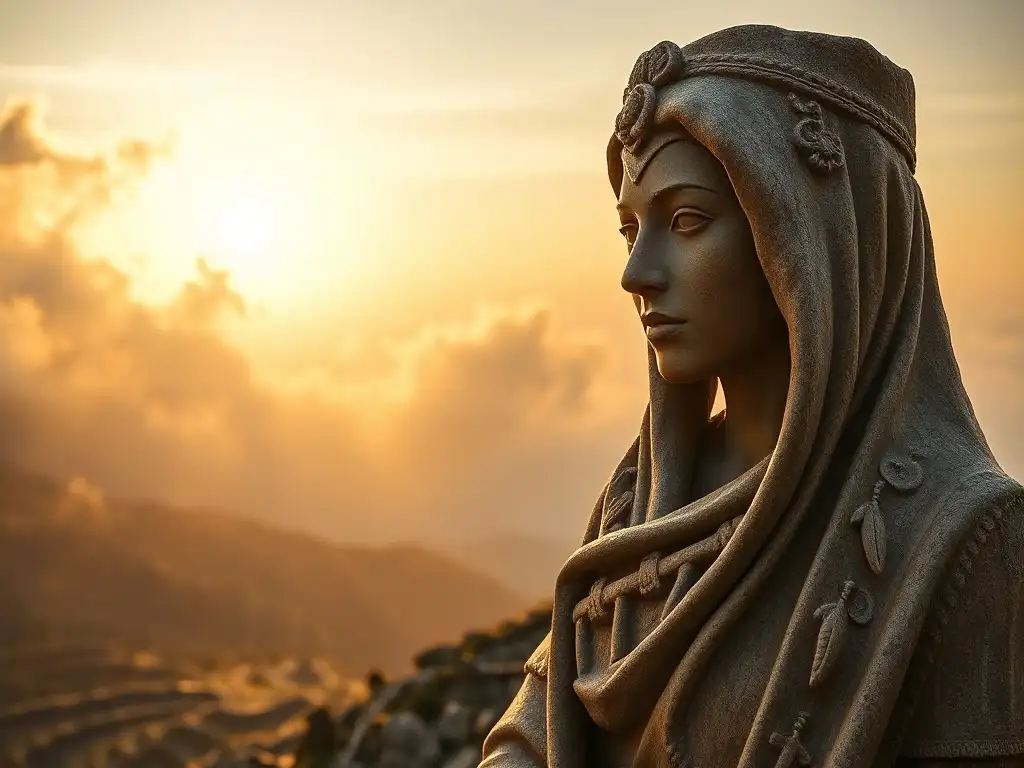
The term "Andean priestess" often evokes images of elaborate rituals and ceremonial attire. While these aspects were undoubtedly part of their roles, a more nuanced understanding reveals a far more complex and multifaceted reality. Andean priestesses were not simply ritual performers; they were key figures in the social, political, and spiritual fabric of their societies.
Their influence extended beyond the confines of temples and ceremonies, impacting daily life and shaping the worldview of their communities. Understanding their roles requires moving beyond simplistic interpretations and delving into the rich tapestry of Andean religious practices and social structures. The diversity of roles occupied by women in Andean religious life highlights the significant influence they held, challenging the common misconception of a solely male-dominated religious hierarchy.
This section will explore the diverse responsibilities and the significant power held by these women, challenging traditional narratives that often overlook their crucial contributions. The study of Andean priestess roles requires a careful examination of archaeological evidence, iconography, and ethnohistorical accounts, acknowledging the limitations and biases inherent in interpreting past societies.
Priestesses as Intermediaries Between Worlds
Andean cosmologies often depicted a complex interplay between the earthly realm and the supernatural. Priestesses acted as crucial intermediaries in this dynamic relationship. They were believed to possess the ability to communicate with deities, ancestors, and other spiritual entities, interpreting divine messages and ensuring the well-being of their communities.
This intermediary role wasn't merely passive; priestesses actively negotiated between the human and divine spheres, influencing the course of events through their prayers, offerings, and rituals. For example, in the context of agricultural societies, their connection to the spirit world was paramount, ensuring successful harvests and appeasing potentially destructive forces of nature. The intricate rituals and ceremonies performed by these women were not arbitrary; they were carefully designed acts of communication, maintaining harmony within the cosmos and ensuring the prosperity of their people.
The power of their intercession was deeply embedded in the cultural fabric, shaping beliefs, customs, and the very structure of Andean society. Evidence suggests that certain priestesses held specialized roles connected to specific deities or natural phenomena, further demonstrating the complexity and depth of their spiritual authority.
Varied Responsibilities of Andean Religious Women
The responsibilities of Andean religious women extended far beyond ritualistic practices. Archaeological findings suggest a diverse range of roles, from tending sacred spaces and interpreting omens to performing healing ceremonies and overseeing community affairs. Many priestesses were involved in the production and management of textiles, considered sacred objects imbued with spiritual significance.
Their expertise in weaving and dyeing was not merely a craft; it was a sacred act, reflecting their deep connection to the spiritual world and their role in maintaining cosmic balance. Furthermore, some priestesses acted as advisors to rulers, influencing political decisions and providing guidance on matters of state. This involvement in secular affairs demonstrates their significant social and political influence, extending beyond the purely religious sphere.
The extent of their influence varied across different cultures and time periods, but their presence in various aspects of Andean life is undeniable. Further research is needed to fully understand the specific roles of priestesses within individual Andean communities, but existing evidence demonstrates a far richer and more complex picture than previously assumed. The range of skills and responsibilities highlights the multifaceted nature of their contributions to Andean societies.
The Power and Influence Held by Female Religious Leaders
The power and influence wielded by Andean priestesses varied considerably across different cultures and time periods. However, available evidence consistently points to their significant social standing and authority. Some priestesses held positions of considerable political power, acting as advisors to rulers or even holding leadership roles themselves. Their influence extended to economic aspects of life as well; they often controlled resources, oversaw the distribution of goods, and played a pivotal role in managing community affairs.
Furthermore, their expertise in medicine and healing granted them considerable influence within their communities. They were often consulted for cures, and their knowledge of medicinal plants and healing practices was highly valued. Representations in art and iconography often depict priestesses adorned with elaborate regalia and holding symbolic objects, reinforcing their high social status and religious authority.
However, it's crucial to acknowledge the limitations of our current understanding. More research is needed to fully understand the dynamics of power and authority within Andean societies and to gain a more complete picture of the varied experiences and levels of influence held by female religious leaders. The study of Andean priestess roles continues to be a dynamic and evolving field of research, uncovering new insights into the vital contributions of these remarkable women.
Exploring the Diverse Functions of Andean Priestesses
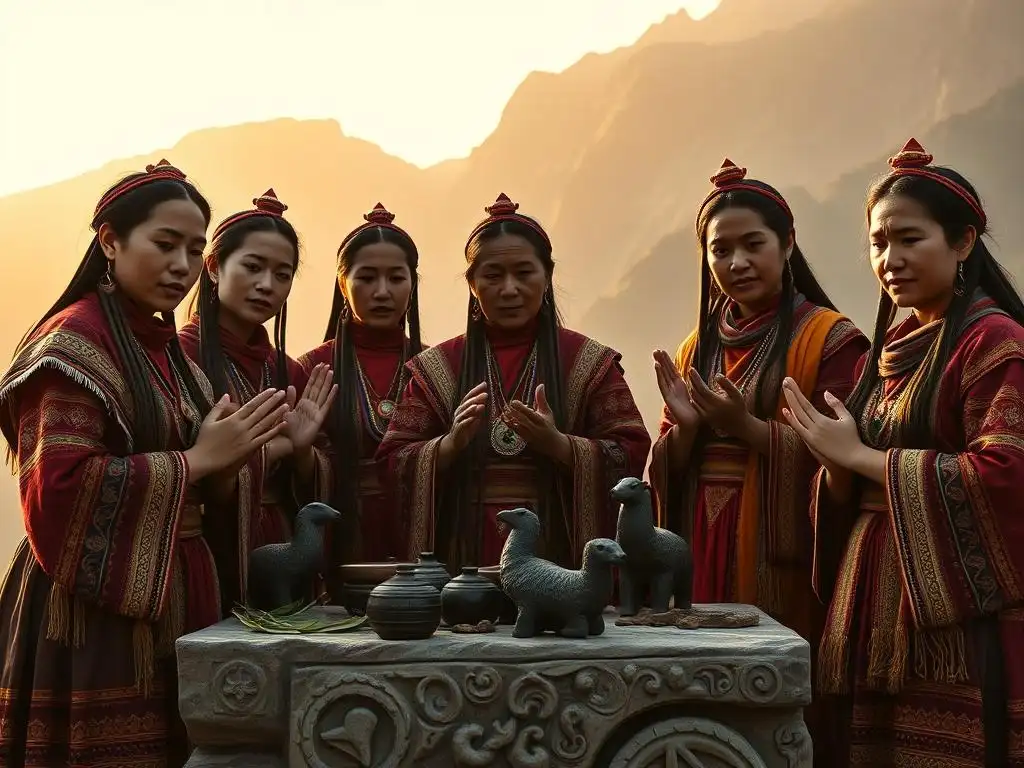
The role of women in Andean societies, often overlooked in traditional historical narratives, reveals a complex tapestry of power and influence. While the image of the warrior or the emperor might dominate popular conceptions of Andean civilizations, a deeper investigation illuminates the significant contributions of Andean priestesses, whose roles extended far beyond simple religious service. Understanding the multifaceted nature of their responsibilities is crucial to a more complete understanding of Andean "Andean Priestess roles" and the societal structures that supported them. The following sections delve into some of their key functions, showcasing the depth and breadth of their influence.
Priestesses as Healers and Curanderas
Andean priestesses were often skilled healers and curanderas, deeply versed in herbal remedies, medicinal plants, and spiritual practices aimed at restoring physical and spiritual well-being. Their knowledge of the natural world, combined with their spiritual authority, allowed them to treat a wide range of ailments. They likely utilized a combination of techniques, including:
- Herbal medicine: Employing a vast pharmacopoeia derived from the diverse Andean flora, they prepared concoctions, salves, and teas to address various illnesses. Specific plants and their uses varied regionally, reflecting the biodiversity of the Andes and the accumulated knowledge passed down through generations.
- Spiritual healing: Many illnesses were believed to have spiritual causes, requiring rituals and ceremonies to restore balance and harmony. Priestesses played a crucial role in these rituals, often acting as intermediaries between the human and spirit worlds.
- Diagnosis and prognosis: Their understanding of the human body and the interconnectedness of physical and spiritual health likely allowed them to diagnose illnesses and offer prognoses, potentially through observation, divination, or other methods. [Specific diagnostic techniques pending further research]
The prestige associated with their healing abilities significantly enhanced their social standing within their communities, solidifying their importance as vital members of Andean society. Their expertise was invaluable, particularly in societies with limited access to modern medicine.
Roles in Agricultural Rites and Fertility Rituals
Agriculture was the cornerstone of Andean civilizations, and priestesses played a critical role in ensuring bountiful harvests and maintaining the fertility of the land. Their participation in agricultural rites and fertility rituals highlights their connection to the natural world and their influence on the economic well-being of their communities. These rituals often involved:
- Appeasing deities: Andean religions featured a pantheon of deities associated with agriculture, such as the creator god Viracocha and Pachamama, the Earth Mother. Priestesses conducted ceremonies to appease these deities, ensuring their favor and a successful harvest.
- Blessing crops and livestock: Before planting or harvesting, priestesses would perform blessings to ensure the prosperity of crops and livestock, symbolizing their role in ensuring the community's sustenance.
- Fertility rituals: These rituals were aimed at promoting the fertility of the land and ensuring the abundance of resources necessary for survival. They often involved symbolic gestures, offerings, and prayers, reflecting a deep understanding of the agricultural cycle and its importance.
The success of these rituals directly impacted the community's survival, further underscoring the priestesses' crucial role in maintaining social order and prosperity. Their involvement in agricultural practices moved beyond mere ritual; it was a tangible contribution to the community's economic stability.
Interpreting Omens and Prophecies: The Seeresses of the Andes
Many Andean priestesses functioned as seeresses, interpreting omens, prophecies, and dreams to guide their communities. Their ability to decipher signs from the natural world and the spiritual realm made them valuable advisors to rulers and commoners alike. This role involved:
- Observing celestial events: The careful observation of celestial events, such as eclipses and the movements of stars and constellations, played a significant role in their prognostications. These observations were often integrated into their understanding of the agricultural calendar and other societal events.
- Interpreting natural phenomena: Unusual weather patterns, animal behavior, and other natural phenomena were interpreted as omens, providing insights into the future and guiding communal decisions.
- Dream interpretation: Dreams were considered a window into the spiritual realm, and priestesses were skilled in interpreting their symbolic meanings, offering guidance and warnings to individuals and the community.
This ability to interpret omens and prophecies provided a sense of order and predictability in a world subject to the unpredictable forces of nature. The priestesses' role as seeresses cemented their position as respected and influential figures within Andean society, demonstrating their crucial role in shaping communal decisions and fostering social cohesion. Their insights were not merely spiritual; they directly impacted practical matters, highlighting the intertwining of the spiritual and the secular in Andean life.
Participation in Funerary Practices and Ancestor Veneration
Andean priestesses played a crucial role in funerary rites and ancestor veneration, practices deeply ingrained in the Andean worldview. Their involvement extended beyond mere ritualistic participation; they were key figures in navigating the complex spiritual landscape surrounding death and the afterlife. The meticulous preparation of the deceased, a process often spanning days or even weeks, frequently fell under their purview.
This wasn't simply a matter of cleaning and dressing the body; it involved intricate rituals aimed at ensuring a smooth transition to the next world. We know from archaeological evidence, such as the remarkably preserved mummies found in various Andean sites, that the process involved specific techniques for preserving the body and adorning it with elaborate textiles and jewelry, all overseen by these women.
The priestesses' understanding of the spiritual significance of death and the afterlife was paramount. They guided the bereaved through the mourning process, offering solace and spiritual support during a time of intense grief.
This guidance wasn't limited to individual families; they also played a critical role in community-wide funerary ceremonies, ensuring the proper execution of rituals that honored the ancestors and maintained the continuity of the community's spiritual connection to its past. These ceremonies, often elaborate affairs involving feasting, music, and other performances, were carefully orchestrated by the priestesses to guarantee a successful transition for the deceased and reinforce social cohesion amongst the living.
Furthermore, the priestesses were frequently involved in the maintenance and upkeep of mausoleums and other sites dedicated to ancestor veneration. This included the regular offering of food, drink, and other goods to the deceased, ensuring their continued well-being in the afterlife and the continued favor of their spirits.
Their role in these practices highlights the deep connection between the living and the dead in Andean societies, a connection that the priestesses actively maintained and strengthened through their expertise and spiritual authority. The ongoing communication with the ancestors, facilitated by the priestesses, was believed to be essential for the prosperity and well-being of the community.
The intricate relationship between the living, the dead, and the spiritual realm, a central tenet of Andean belief, was skillfully managed by these women, underscoring their vital position within society. Their knowledge of ancestral traditions and their ability to interpret spiritual signs contributed to the stability and continuity of Andean communities.
Specific Examples of Andean Priestess Roles Across Cultures
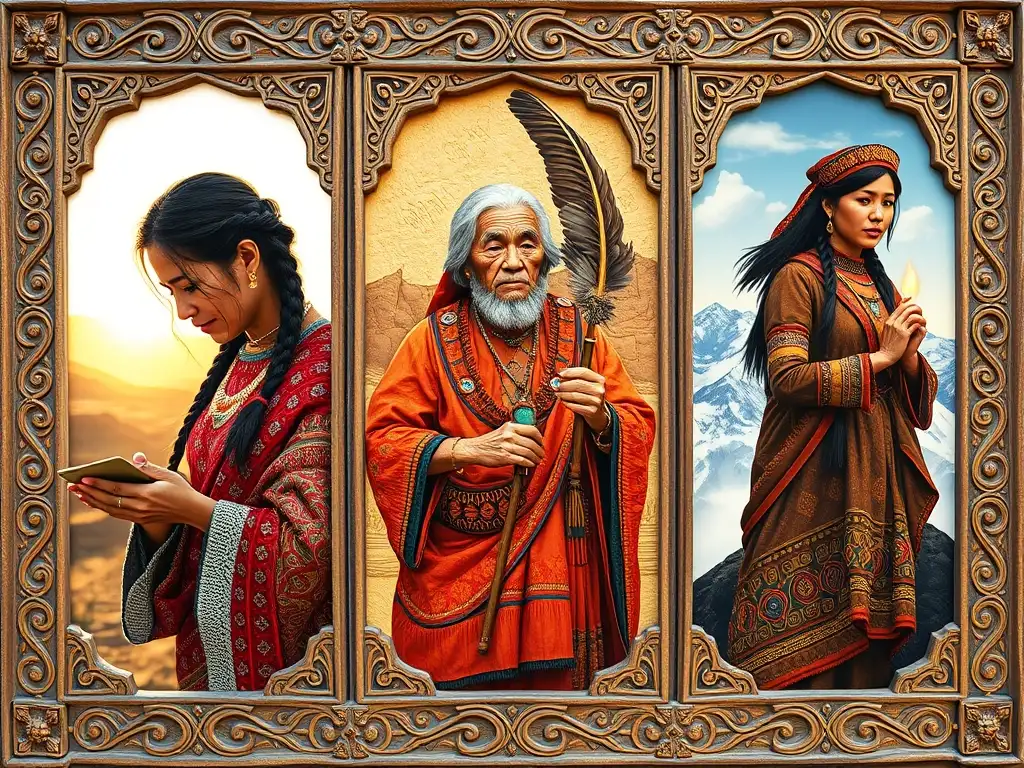
This section delves into the diverse roles and influence of priestesses across various Andean cultures, focusing on the Moche, Inca, and Tiahuanaco civilizations. Understanding these specific examples helps to paint a richer picture of the multifaceted nature of Andean spirituality and the significant contributions of women to religious and societal life. The term "Andean Priestess roles" encompasses a wide range of responsibilities, from ritualistic practices to political advisory positions, highlighting the complex relationship between religion and power in these ancient societies.
The Moche Priestesses: Depicted in Art and Ceremony
Moche art, particularly their elaborate pottery, provides invaluable insights into the lives and roles of their priestesses. Unlike many other ancient cultures where textual evidence is scarce, the Moche left behind a visual record brimming with detail. Depictions frequently show women in elaborate headdresses, adorned with jewelry and carrying ceremonial objects. These figures are often depicted participating in rituals, suggesting a significant role in religious ceremonies. The Moche priestesses likely oversaw temple activities, conducted divination, and played a crucial role in mediating between the earthly and spiritual realms.
The level of detail in Moche pottery allows us to analyze the clothing, jewelry, and posture of these figures, revealing a hierarchy within the priestly class. Some priestesses are portrayed as more powerful than others, suggesting a complex social structure within the religious system.
Further research is needed to fully understand the specific roles and responsibilities of each rank within the Moche priestly hierarchy, but the evidence suggests a significant degree of authority and influence. The vibrant colors and intricate designs of the pottery also highlight the importance of aesthetics and ritual symbolism in Moche religion, further underscoring the priestesses' role in maintaining these traditions.
The Inca Aqllakuna: Chosen Women and Their Religious Duties
The Inca Empire featured a unique class of chosen women known as aqllakuna. These women, selected for their beauty, intelligence, and lineage, were dedicated to the service of the Inca religion. Unlike the Moche priestesses whose roles are primarily inferred from artistic representations, the aqllakuna's duties are documented in Spanish chronicles, albeit with a colonial bias. These accounts, however, reveal a system of religious service that involved weaving, brewing chicha (a fermented corn beverage), and preparing offerings for the Inca gods.
The aqllakuna were not just religious servants; they also played a vital role in the production of textiles, a critical component of Inca culture and religious practice. Their finely woven textiles, often adorned with intricate designs, were used in religious ceremonies and served as symbols of royal authority. The brewing of chicha, a sacred beverage, further solidified their role in Inca religious life, as the preparation and offering of this drink were integral parts of many rituals.
Their elevated social status, combined with their religious responsibilities, indicates a powerful influence within the Inca court and religious institutions. Further investigation into Inca records and archaeological findings could reveal even more about their actual level of influence and the nuanced details of their duties.
Priestesses in the Tiahuanaco Culture: Sacrificial Rituals and Political Influence
The Tiahuanaco culture, known for its monumental architecture and complex religious beliefs, also featured prominent priestesses. While our understanding of their roles is less detailed than that of the Moche or Inca priestesses, archaeological evidence suggests their involvement in sacrificial rituals and political decision-making. The discovery of human remains in association with ceremonial objects indicates the likely participation of priestesses in such practices, although the exact nature and extent of their involvement remain subjects of ongoing research.
The monumental scale of Tiahuanaco structures and the sophisticated organization of their society point toward a strong centralized power, likely involving religious leaders, including priestesses. The complex iconography found on Tiahuanaco artifacts hints at a sophisticated cosmology and a hierarchical religious structure. It is plausible that priestesses held positions of authority within this structure, advising rulers and influencing political decisions.
However, more research is needed to definitively determine the extent of their political power and influence within the Tiahuanaco society. The ongoing excavation and analysis of Tiahuanaco sites promise to shed more light on this fascinating aspect of Andean history, clarifying the roles and influence of these powerful women.
Exploring Evidence of Female Religious Figures in Nazca Culture
The Nazca culture, famed for its enigmatic geoglyphs etched into the Peruvian desert, also reveals intriguing evidence of significant female roles within their religious sphere. While not explicitly labeled "priestesses" in the same way we might understand the term, archaeological findings strongly suggest the existence of women holding powerful religious positions. The evidence, however, is largely indirect, requiring careful interpretation of artifacts and burial practices.
One crucial piece of evidence comes from the analysis of Nazca textiles. Intricate weavings often depict stylized female figures adorned with elaborate headdresses and ceremonial garments. These depictions are not simply decorative; the meticulous detail and prominent placement within the textiles suggest these figures represented important individuals within Nazca society, likely those with religious authority.
The complexity of the weaving techniques themselves further supports this theory, indicating a high level of skill and potentially a specialized class of female artisans involved in creating these sacred objects. The use of rare and precious materials, such as dyed cotton and camelid fibers, further enhances the status and significance associated with these textiles.
Furthermore, the analysis of Nazca grave goods provides additional insights. Certain burials contain an abundance of fine pottery, elaborate jewelry, and other prestigious items, suggesting a high social standing. While gender determination in some cases is challenging due to the limitations of archaeological methods, a significant number of these richly endowed graves are associated with female remains.
The presence of ceremonial objects, such as ritual vessels and offerings of food and drink, strongly implies a connection to religious practices and a role in mediating between the human and spiritual realms. These findings, when considered alongside the depictions in textiles, paint a picture of women acting as intermediaries or leaders within Nazca religious life. The specifics of their rituals and the extent of their authority remain open to further research and interpretation, but the evidence suggests a far more nuanced and complex understanding of gender roles in Nazca society than previously assumed.
Further research, particularly focused on advanced DNA analysis of skeletal remains, could help to clarify the exact nature of these roles and their hereditary aspect. For example, identifying kinship ties amongst these highly decorated burials could point to a priestly lineage within Nazca families.
The scarcity of direct textual evidence presents a challenge to fully understanding the nature of Nazca female religious figures. However, the combination of textile iconography and burial analysis offers compelling circumstantial evidence for the presence of influential women within the religious hierarchy. Future research incorporating advanced archaeological techniques and interdisciplinary approaches will undoubtedly shed more light on these fascinating aspects of Nazca culture and contribute to a more holistic understanding of "Andean Priestess roles."
The Legacy of Andean Priestesses
The role of Andean priestesses remains a captivating and often under-researched area of Andean studies. Their influence extended far beyond the purely religious; they were integral to the social, political, and economic fabric of their societies. While specific roles varied across different Andean cultures – from the Incas to the Moche, Nazca, and Tiahuanaco – a common thread emerges: women held positions of significant power and authority, acting as intermediaries between the human and spiritual realms.
This influence continues to resonate in modern Andean beliefs and practices, highlighting the enduring legacy of these remarkable figures. The study of Andean priestess roles reveals a complex tapestry of spiritual leadership, societal influence, and historical significance, challenging traditional narratives that often overlook or minimize women's contributions. Understanding their diverse roles is crucial for a complete understanding of Andean civilizations.
The Influence of Ancient Religious Practices on Modern Andean Beliefs
Many modern Andean spiritual practices retain echoes of ancient religious traditions, directly influenced by the roles and rituals performed by Andean priestesses. For example, the veneration of Pachamama (Mother Earth) and the importance of ayni (reciprocity) are deeply rooted in pre-Columbian beliefs actively maintained and interpreted by female spiritual leaders. These practices, passed down through generations, often involve rituals and ceremonies that closely resemble those documented in archaeological findings and colonial-era accounts.
The continuity of these beliefs demonstrates the enduring power and influence of the ancient Andean priestesses, whose spiritual leadership shaped the religious landscape for centuries. The continued significance of these practices underscores the importance of acknowledging the persistent impact of these women on Andean culture.
Furthermore, the vibrant tapestry of modern Andean spirituality, rich in ritual and symbolic meaning, serves as a powerful testament to the enduring legacy of these influential figures. Studying these modern practices offers valuable insights into the roles and responsibilities of their ancient counterparts.
The Importance of Recognizing Women's Contributions to Andean History
The historical narrative of Andean civilizations often overlooks or minimizes the significant contributions of women. Traditional accounts frequently focus on male rulers and warriors, neglecting the crucial roles played by women in various aspects of Andean life, including religious leadership. Recognizing the contributions of Andean priestesses is essential for a more accurate and complete understanding of Andean history.
By acknowledging their influence, we gain a richer and more nuanced perspective on the complexities of these societies. For instance, the absence of female voices in many historical accounts doesn't negate their presence or impact; rather, it highlights the systemic biases present in historical documentation. Actively seeking out and interpreting alternative sources, such as archaeological evidence and oral traditions, is crucial to rectify this imbalance and highlight the crucial role women played.
This reassessment is not just about correcting historical inaccuracies; it is about achieving a more equitable and representative understanding of the past. The importance of this recognition extends beyond academia; it informs our understanding of gender roles, power dynamics, and societal structures within these ancient civilizations.
Researching and Preserving the History of Andean Female Religious Leaders
Researching the history of Andean priestesses presents unique challenges. Many historical records were destroyed or lost during the Spanish conquest, and surviving accounts are often biased or incomplete. However, interdisciplinary approaches combining archaeology, anthropology, and the study of indigenous oral traditions offer valuable avenues for research.
Archaeological excavations frequently uncover evidence of female burials with elaborate grave goods, suggesting high social status and religious significance. Analysis of these findings, coupled with careful study of iconography and textiles, can provide crucial insights into the roles and responsibilities of these women. Furthermore, preserving the remaining oral histories and traditions passed down through generations is crucial for maintaining a living connection to the past and safeguarding the legacy of these influential figures.
Collaboration with indigenous communities is paramount in this process, ensuring that research is conducted respectfully and ethically, and that the voices and perspectives of those most directly connected to this history are heard and valued. The ongoing research and preservation efforts are vital for ensuring that the stories of Andean priestesses are not only recovered but also celebrated and understood within their proper historical context. This collaborative approach is essential for a more complete and accurate understanding of Andean priestess roles and their enduring legacy.
Frequently Asked Questions
What roles did Andean priestesses play in their societies?
Andean priestesses held significant power, acting as intermediaries between the human and spirit worlds. Their roles encompassed ritual leadership, divination, and healing, influencing both religious and social life. They were highly respected figures within their communities.
Were all Andean priestesses equal in status?
No, the status of Andean priestesses varied considerably depending on the specific culture and their individual level of expertise and influence. Some held positions of immense power, while others served in more localized or specialized roles.
How were Andean priestesses chosen or trained?
Selection methods varied across cultures. Some were chosen through hereditary lines, while others were selected based on demonstrated spiritual abilities or through rigorous training involving years of study and ritual practice.
What evidence exists to support the roles of Andean priestesses?
Archaeological evidence, including textiles, ceramics, and burial sites, provides valuable insight into the lives and roles of Andean priestesses. Written accounts from Spanish chroniclers, while biased, also offer some information.
How did the Spanish conquest impact the roles of Andean priestesses?
The Spanish conquest had a devastating impact on Andean religious practices. The suppression of indigenous religions and the imposition of Catholicism significantly diminished the roles and influence of Andean priestesses, leading to the loss of much of their knowledge and traditions.
Final Reflection: Echoes of the Andes: A Legacy of Feminine Power
The roles of Andean priestesses resonate powerfully today, reminding us of the vital importance of recognizing and celebrating diverse spiritual leadership and the enduring strength of women throughout history. Their influence, far from being confined to the past, continues to shape our understanding of spirituality, societal structures, and the enduring power of feminine wisdom. The echoes of their rituals and beliefs still reverberate in the mountains and valleys of the Andes, a testament to their enduring legacy.
The exploration of Andean priestesses' roles has profoundly impacted my understanding of spiritual leadership and the complex interplay between gender, power, and religion. Their stories challenge the patriarchal narratives that often dominate historical accounts, revealing a vibrant tapestry of feminine spiritual authority. The earth is our mother, and we are her children,
a sentiment echoed across Andean cultures, highlights the deep connection these women fostered with the natural world and their communities. Their influence extended beyond ritual; they were healers, advisors, and keepers of knowledge, shaping the social fabric of their societies in profound ways.
Consider the legacy of these remarkable women. How can we, in our own lives, actively challenge limiting beliefs about gender and spirituality? How can we create spaces where diverse voices, particularly those of women, are heard and celebrated? Let the stories of the Andean priestesses inspire you to embrace your own power, to seek out your own spiritual path, and to build a world where feminine wisdom and leadership are not only acknowledged but actively championed. Their journey, though ancient, continues to resonate, urging us to create a future where the voices of all are heard and valued.
**Unveil the Legacy: Celebrate the Priestesses of the Andes! **
Thank you for exploring the inspiring stories of the Priestesses of the Andes. Learning about their legacy enriches your understanding and honors the crucial role these remarkable women played in Andean civilization. Now, let's take action!
- **Dive deeper:** Delve into the rich cultural practices and beliefs of Andean societies. Visit your local library, explore online resources like academic databases, or even consider a museum dedicated to Andean history.
- **Share your insights:** Discuss your newfound knowledge with friends and family. Perhaps start a book club focused on Andean history and culture, or lead a discussion at a local community center.
- **Connect with the community:** Join online forums or social media groups dedicated to indigenous cultures and history. Engage in respectful conversations and share your insights with other enthusiasts.
Which aspect of the Priestesses' lives most captivates you? How can their enduring influence inspire strong female leadership today?