
Ruth Shady: Unveiling the Secrets of Caral, the Ancient Andean City

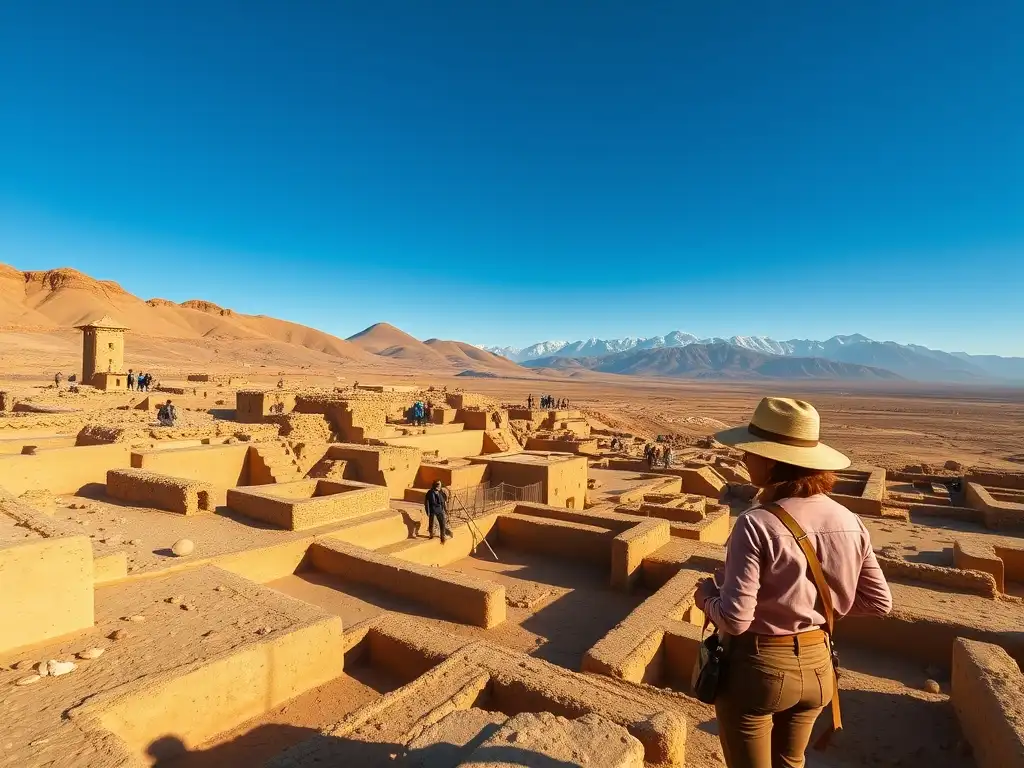
Step into a world lost to time, where towering pyramids whisper tales of a civilization older than the Incas. Dive into the captivating history of the Andes, a region brimming with mysteries and untold stories. We begin our exploration with Ruth Shady's groundbreaking discoveries at Caral, an ancient Andean city whose secrets are only now beginning to be revealed. Prepare to be amazed as we unravel the intricate tapestry of Andean civilizations – their ingenuity, their artistry, and their enduring legacy. Uncover the truth behind Caral ancient Andean city secrets and embark on a journey through time.
- Ruth Shady: Pioneer in Unveiling Caral's Ancient Andean City Secrets
- Caral: An Overview of the Ancient Andean City
- Unraveling the Secrets of Caral: Ruth Shady's Contributions
- The Significance of Caral in Andean History
- Ruth Shady’s Legacy and the Future of Caral Research
- The Enduring Mystery of Caral: What We Still Don't Know
-
Frequently Asked Questions
- What makes Caral so significant in the study of Andean civilizations?
- What are some of the key architectural features of Caral?
- What evidence exists to support the idea that Caral was a major urban center?
- What role did Ruth Shady play in the discovery and understanding of Caral?
- How does Caral compare to other ancient Andean cities like the Inca capital, Cusco?
- Final Reflection: Echoes of Caral: A Legacy of Innovation and Mystery
- Unveil Your Adventure into Andean History Today!
Ruth Shady: Pioneer in Unveiling Caral's Ancient Andean City Secrets
The study of ancient Andean civilizations is a vibrant field, constantly evolving as new discoveries reshape our understanding of these fascinating societies. This article focuses on the remarkable contributions of Dr. Ruth Shady Solis, a Peruvian archaeologist whose tireless dedication has brought the enigmatic Caral civilization to light, challenging previously held assumptions about the development of complex societies in the Andes.
Her work on Caral, a pre-ceramic city older than the Egyptian pyramids, has revolutionized our understanding of Andean history, demonstrating the sophistication and complexity of a culture that predates many other well-known ancient civilizations. By exploring Dr. Shady's groundbreaking research, we will delve into the secrets of Caral, an ancient Andean city that continues to reveal its mysteries, and gain a deeper appreciation for the rich tapestry of Andean history.
This exploration directly addresses the keyword "Caral ancient Andean city secrets," highlighting the significance of Dr. Shady’s discoveries and their impact on the field.
Introduction to Ruth Shady and Her Groundbreaking Work
Dr. Ruth Shady Solis stands as a leading figure in Peruvian archaeology, renowned for her meticulous research and unwavering commitment to preserving Peru's cultural heritage. Her career has been marked by significant contributions to our understanding of pre-Columbian societies, but her work on Caral – a site she began excavating in 1994 – has garnered international acclaim. Prior to Shady's work, the prevailing narrative suggested that complex societies in the Andes developed later, and often in association with agriculture based on maize cultivation.
Caral, however, predates maize agriculture, presenting a completely different model of societal development. Shady’s groundbreaking discoveries at Caral challenge these established theories, demonstrating the existence of a complex, sophisticated society in the Andes centuries earlier than previously thought. This paradigm shift has profoundly impacted the field of Andean archaeology, forcing a re-evaluation of existing timelines and theories.
Her work is characterized by a rigorous scientific approach, meticulous documentation, and a deep respect for the cultural significance of the sites she studies. She emphasizes community involvement and the importance of making archaeological discoveries accessible to the public.
The Discovery of Caral: Unearthing a Lost Civilization
The discovery and subsequent excavation of Caral, located in the Supe Valley of Peru, represent a monumental achievement in Andean archaeology. The site, initially identified as a possible ancient settlement, revealed itself to be a sprawling city encompassing several large platforms, plazas, and residential areas. Shady's team utilized advanced techniques, including geophysical surveys and meticulous stratigraphic analysis, to carefully uncover the city’s secrets.
The excavation revealed a surprising level of architectural sophistication, including large-scale constructions, sophisticated irrigation systems, and evidence of complex social organization. The discovery of musical instruments, such as flutes carved from bird bones, and intricate textiles, further demonstrated the artistic and technological capabilities of the Caral inhabitants. The absence of evidence for warfare or social stratification also challenges traditional models of early state formation, suggesting a more egalitarian social structure than seen in many other ancient civilizations.
Further analysis of plant and animal remains from the site is providing crucial insights into the diet and subsistence strategies of the Caral people, enriching our understanding of their daily lives. The ongoing research at Caral continues to yield new discoveries, solidifying its position as a pivotal site for understanding the development of complex societies in the Andes.
Caral: An Overview of the Ancient Andean City
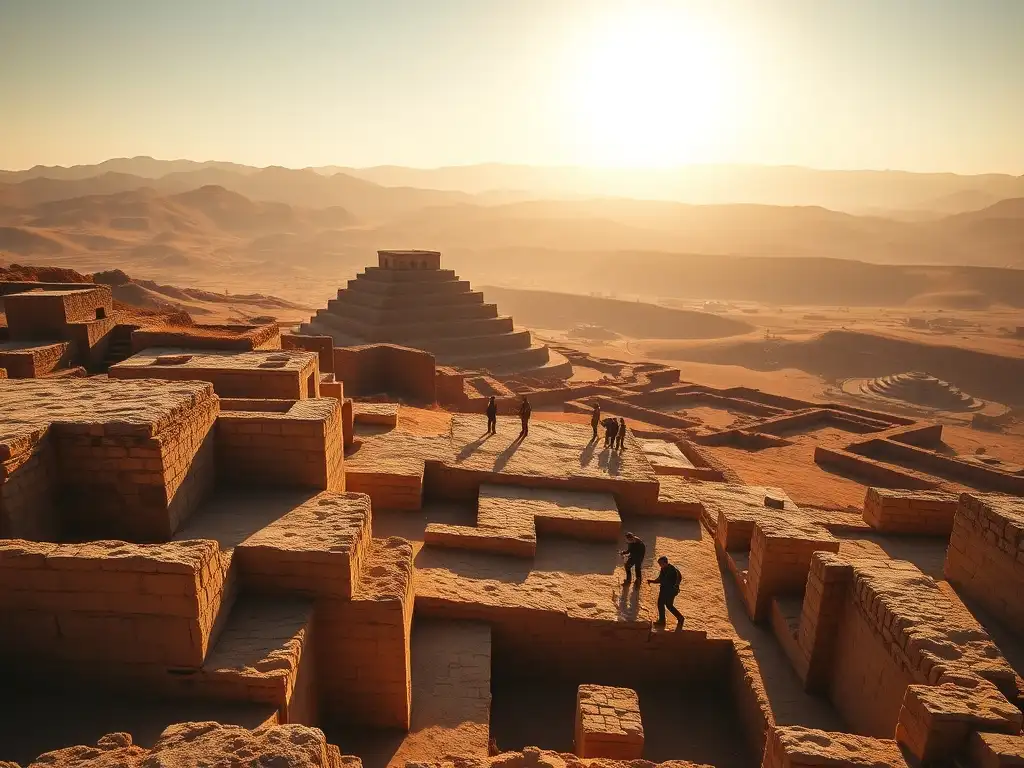
Caral, a pre-ceramic city located in the Supe Valley of Peru, stands as a testament to the sophisticated civilization that flourished in the Andes long before the Inca Empire. Its discovery and subsequent excavation, largely spearheaded by archaeologist Ruth Shady, have revolutionized our understanding of Andean history, pushing back the timeline of complex societal development by centuries.
Caral's significance lies not only in its age—estimated to be around 5,000 years old—but also in its intricate social organization, advanced architectural achievements, and surprisingly complex economic systems. Unveiling the secrets of Caral allows us to glimpse a fascinating chapter in the history of the Andes, one that significantly predates previously known complex societies in the region and challenges established narratives about the development of civilization in the Americas.
The city's impact on our understanding of "Caral ancient Andean city secrets" is profound, altering our understanding of early Andean development and challenging existing paradigms.
Caral's Location and Geographical Context
Caral's strategic location in the Supe Valley played a crucial role in its development and prosperity. Nestled within a fertile river valley on the central coast of Peru, Caral benefited from access to abundant resources. The Supe River provided a reliable source of freshwater for irrigation, essential for agriculture in this arid climate.
This allowed for the cultivation of various crops, including cotton, beans, and squash, forming the basis of Caral's economy. Furthermore, the valley's proximity to the Pacific Ocean provided access to marine resources, further diversifying the city's food supply. The geographical context—a relatively sheltered valley with access to both freshwater and marine resources—provided an ideal setting for the establishment and growth of a large, complex settlement.
This advantageous location contributed significantly to Caral's ability to sustain a substantial population and develop a sophisticated social and political structure. The careful management of these resources, evidenced by the sophisticated irrigation systems discovered at Caral, highlights the advanced understanding of environmental management possessed by its inhabitants. Understanding Caral's geographical context is key to unlocking the "Caral ancient Andean city secrets" surrounding its remarkable success.
Architectural Marvels of Caral: Pyramids, Plazas, and Ritual Spaces
The architecture of Caral is breathtaking in its scale and sophistication, defying expectations for a pre-ceramic society. The city boasts several monumental structures, most notably its massive pyramidal platforms. These weren't simply burial mounds; rather, they served as complex social and ritual centers.
Their construction required immense organizational skills and labor, indicative of a highly structured society capable of mobilizing significant resources. The pyramids, meticulously constructed from adobe bricks, were strategically placed throughout the city, often around large plazas. These plazas likely served as public spaces for gatherings, ceremonies, and social interaction.
Archaeological evidence suggests the presence of specialized structures, potentially dedicated to specific rituals or crafts, further indicating a level of social and functional specialization rarely seen in societies of that era. The discovery of intricate musical instruments, such as flutes and panpipes, within these structures, points to the importance of music and ritual in Caral's culture. The scale and complexity of Caral's architecture are a key part of the "Caral ancient Andean city secrets," showcasing a level of engineering and social organization far exceeding previous assumptions about pre-ceramic societies in the Andes.
The Societal Structure of Caral: Insights from Archaeological Findings
The societal structure of Caral remains a subject of ongoing research, but archaeological findings offer compelling insights. Evidence suggests a hierarchical society, with a likely elite class controlling the resources and directing the construction of monumental architecture. The distribution of artifacts and the size and location of residential structures point to varying levels of social status.
However, unlike later Andean civilizations, there is little evidence of overt displays of power or wealth in the form of elaborate burials or gold artifacts. Instead, the emphasis appears to have been on communal activities and the maintenance of social order. The city’s layout, with its interconnected plazas and pyramids, suggests a strong emphasis on community and collective effort.
The absence of evidence for warfare or inter-group conflict indicates a relatively peaceful society, focused on cooperation and resource management. This aspect of Caral's societal structure is one of the most intriguing "Caral ancient Andean city secrets," challenging conventional notions of early societal development and suggesting alternative pathways to complex social organization. Further research is needed to fully understand the nuances of Caral's social structure, but the evidence strongly suggests a complex and surprisingly egalitarian society for its time.
Unraveling the Secrets of Caral: Ruth Shady's Contributions
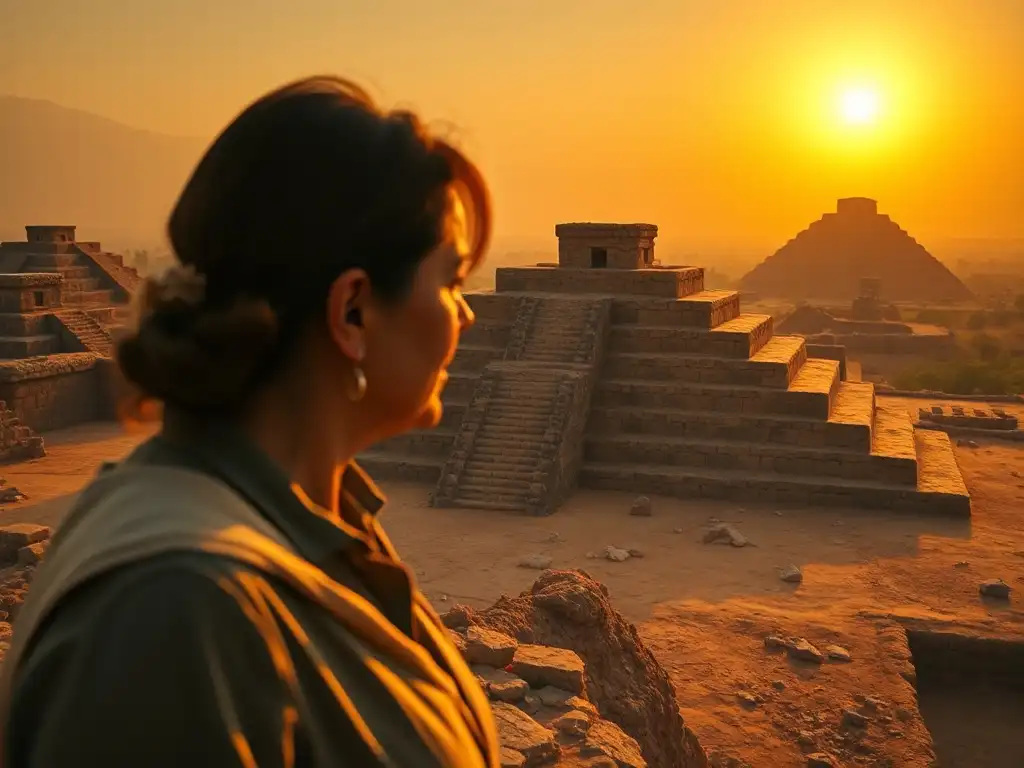
This section delves into the groundbreaking work of Dr. Ruth Shady Solis, the archaeologist whose tireless dedication has illuminated the mysteries of Caral, a pre-Columbian city located in the Supe Valley of Peru. Her research has fundamentally reshaped our understanding of the Caral-Supe civilization, challenging previously held assumptions about the development of complex societies in the Andes and placing Caral as one of the oldest civilizations in the Americas.
The significance of her contributions to our understanding of the "Caral ancient Andean city secrets" cannot be overstated. She has not only unearthed remarkable artifacts but also developed innovative methodologies that have advanced the field of Andean archaeology.
Shady's Research Methodology and Excavation Techniques
Dr. Shady's approach to excavating Caral distinguishes itself through its meticulousness and interdisciplinary nature. Rather than focusing solely on finding spectacular artifacts, her team prioritizes a holistic understanding of the city's social, economic, and environmental context. This comprehensive methodology is crucial for deciphering the complexities of this ancient "Caral ancient Andean city secrets".
She employs advanced techniques, including geophysical surveys, to map the city's layout before any excavation begins. This allows for a strategic approach, minimizing damage and maximizing the information gleaned from each dig site. The team utilizes precise documentation methods, creating detailed records of every artifact's location and context. This careful recording is paramount for understanding the spatial organization of the city and the relationships between its different structures.
Furthermore, Shady's research actively integrates various disciplines, such as botany, zoology, and anthropology, allowing for a deeper understanding of Caral's daily life. The analysis of plant remains reveals details about the diet and agricultural practices, while the study of animal bones sheds light on the city's relationship with its environment. This multi-faceted approach has been instrumental in unveiling the secrets of this remarkable "Caral ancient Andean city secrets" and provides a more nuanced picture of the civilization.
Key Discoveries Made at Caral under Shady's Leadership
Under Dr. Shady's leadership, the Caral excavation has yielded a wealth of significant discoveries that have revolutionized our understanding of the Caral-Supe civilization. These findings challenge earlier theories about the development of Andean societies, demonstrating a level of complexity previously unforeseen for this time period.
One of the most significant discoveries is the extensive network of monumental structures, including large pyramids, plazas, and residential areas. These structures, built using sophisticated techniques, reveal a high level of social organization and engineering skill. The discovery of numerous artifacts, including textiles, musical instruments (such as flutes), and ceremonial objects, provides valuable insights into the cultural practices and beliefs of the Caral people. The careful excavation and analysis of these artifacts have been crucial in interpreting the social and religious life of this ancient Andean city.
The intricate details on the textiles, for example, point towards a highly developed aesthetic sense and sophisticated weaving techniques. The discovery of the flutes suggests the existence of music and ritual practices, offering a glimpse into their cultural and spiritual world. These objects are significant pieces of the "Caral ancient Andean city secrets" puzzle.
The meticulous excavation has also revealed evidence of sophisticated urban planning, with carefully designed streets and plazas suggesting a highly organized society. The size and complexity of the city indicate a substantial population, challenging previous assumptions about the scale and sophistication of early Andean societies. This urban planning, combined with the monumental architecture, points towards a complex social structure and a centralized authority.
Evidence of Caral's Advanced Technological and Agricultural Practices
Caral's advanced technological capabilities are evident in its sophisticated irrigation systems, monumental architecture, and the production of high-quality textiles. The city's location along the Supe River valley allowed for the development of intricate irrigation canals that provided a reliable water source for agriculture. Evidence suggests the use of sophisticated agricultural techniques, including terracing and crop rotation, which allowed for the efficient cultivation of crops like cotton and maize. This advanced agricultural system supported a large population and contributed to the city's prosperity.
The construction of the monumental structures at Caral required advanced engineering skills and a well-organized workforce. The precise placement of stones and the intricate designs of the buildings demonstrate a high level of architectural knowledge. The use of techniques like adobe brick-making and large-scale earthworks shows the Caral people's mastery of construction technologies.
Furthermore, the production of high-quality textiles at Caral demonstrates the sophistication of its technological capabilities. The intricate designs and the use of various weaving techniques reveal a high level of craftsmanship and artistic skill. These textiles were likely used for ceremonial purposes or as symbols of status, further highlighting the importance of textile production in Caral society.
The evidence for advanced technology in agriculture and textiles further contributes to our understanding of the "Caral ancient Andean city secrets" and its place in the development of complex societies in the Andes. The discovery of these advanced practices significantly alters our understanding of the technological advancements of early Andean civilizations. This advanced level of technology and organization points to a complex society far exceeding previous estimations, thus adding substantial weight to the importance of Caral within the broader context of Andean history.
The Significance of Caral in Andean History
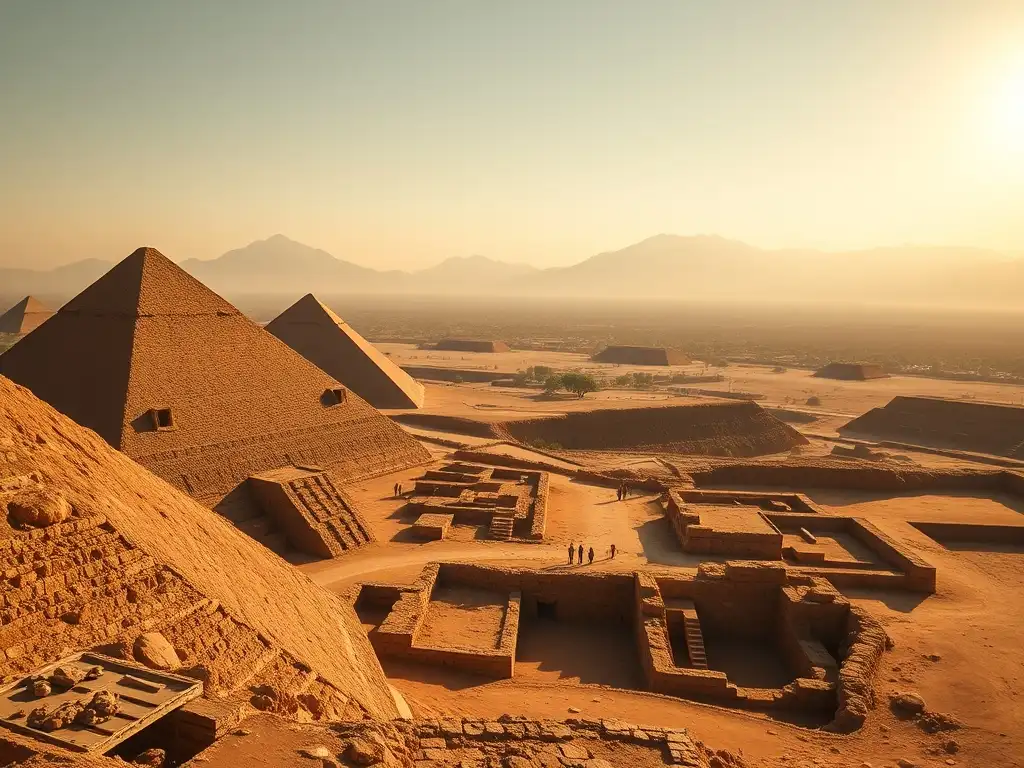
Caral, often dubbed the "mother city" of the Andes, holds a position of paramount importance in understanding the development of Andean civilizations. Its significance transcends its mere existence as an ancient settlement; it represents a pivotal moment in the pre-Columbian history of the region, challenging previously held assumptions and rewriting established narratives. The discovery and ongoing excavation of Caral by Dr. Ruth Shady Solis have revolutionized our comprehension of early Andean society, pushing back the timeline of complex societal organization and technological advancement by centuries.
This section will delve into Caral's crucial role in shaping Andean history, focusing on its relationship to other ancient Andean societies and its unique characteristics. Understanding Caral is key to unlocking a deeper appreciation for the complexities and nuances of Andean cultural evolution.
The sheer scale of the city, the sophistication of its architecture, and the evidence of its complex social structure all contribute to its immense historical significance. The keyword "Caral ancient Andean city secrets" is intrinsically linked to this significance.
Caral's Place Among Other Ancient Andean Civilizations
Caral's position within the broader context of Andean civilizations is unique and profoundly impactful. Unlike later Andean societies known for their intricate metalwork, elaborate textiles, or monumental stone structures like Machu Picchu, Caral’s power lay in its organizational prowess and its mastery of early agricultural techniques. It predates the well-known Inca Empire by millennia, preceding even the rise of the Norte Chico civilization.
While other early Andean cultures, such as the Chavín and Paracas, developed distinctive artistic styles and religious practices, Caral’s focus seemed primarily on social organization and resource management. This contrasts with the later emphasis on warfare and conquest seen in some subsequent Andean societies. The discovery of Caral fundamentally shifted the understanding of Andean societal development, demonstrating that complex social structures and urban planning existed far earlier than previously imagined.
This challenges the traditional linear narrative of Andean development, suggesting a more complex and multifaceted process of cultural evolution. The uncovering of Caral’s secrets has forced a re-evaluation of the chronological framework and the developmental trajectory of Andean civilizations.
Caral's Unique Characteristics Compared to Later Andean Societies
Several key features distinguish Caral from later Andean societies. Firstly, Caral's economy was largely based on agriculture, specifically the cultivation of cotton and various crops, with limited evidence of metalworking or sophisticated pottery compared to later cultures. Instead of relying on warfare and conquest, Caral’s power likely stemmed from its control over agricultural resources and trade networks.
Secondly, the social stratification within Caral, while present, appears less rigid than in later empires, with evidence suggesting a more egalitarian society compared to the hierarchical structures of the Inca or Moche civilizations. Thirdly, Caral's architecture, while impressive for its time, differs significantly from the monumental stone structures of later Andean cultures. The use of adobe bricks, rather than stone, reflects a different technological approach and resource availability.
These unique characteristics indicate a distinct trajectory of development, challenging the notion of a single, linear progression of Andean cultural development. Caral's secrets, therefore, offer a unique window into an alternative path of societal advancement within the Andean region. The absence of certain features present in later cultures further highlights the unique nature of Caral's societal structure and technological capabilities.
Caral's Role in Shaping the Development of Andean Culture
Caral's influence on the subsequent development of Andean culture is a subject of ongoing research. However, several aspects suggest its profound impact. The sophisticated organization and resource management strategies developed at Caral may have laid the groundwork for the larger, more complex societies that followed.
The mastery of agriculture, exemplified by Caral's extensive irrigation systems, provided a foundation for future Andean agricultural practices. Furthermore, the early development of social structures and urban planning in Caral could have influenced the development of similar features in later Andean civilizations. While the direct line of influence remains a matter of debate, the sheer scale and complexity of Caral suggest that it served as a significant precedent, potentially inspiring or influencing later Andean societies in various ways.
The ongoing research into Caral's social, economic, and religious practices continues to unveil more details about its contribution to the rich tapestry of Andean cultural heritage and its lasting legacy on the region's development. Unraveling these secrets continues to be a central focus for researchers seeking a deeper understanding of the "Caral ancient Andean city secrets."
Ruth Shady’s Legacy and the Future of Caral Research
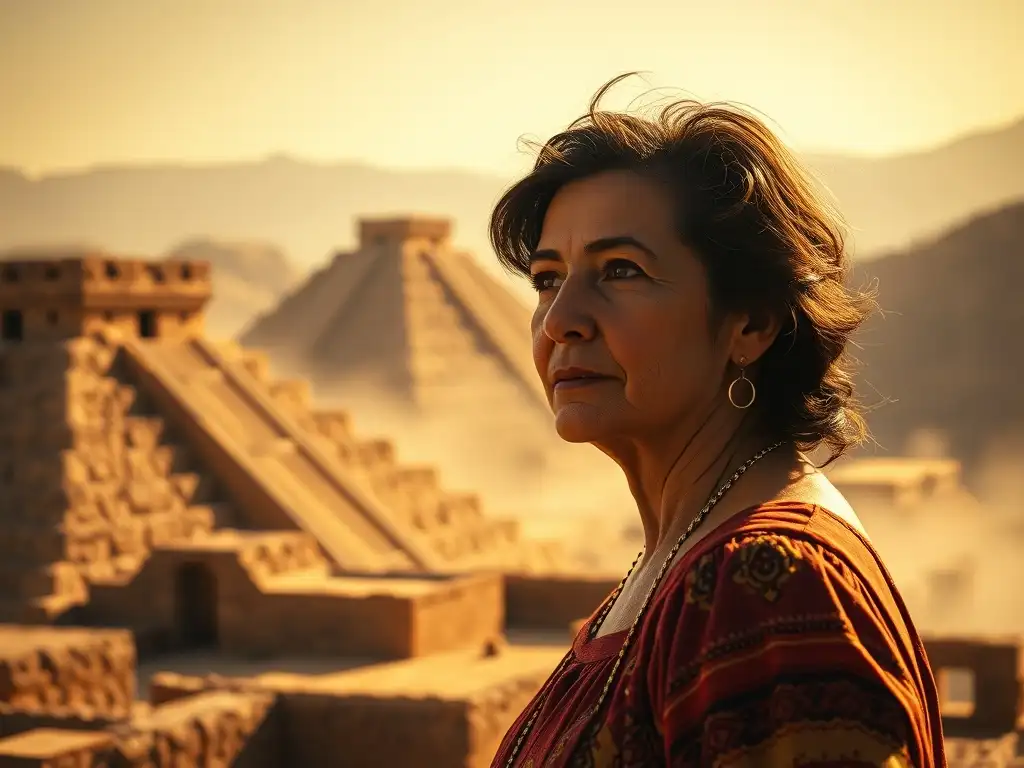
Ruth Shady Solis's groundbreaking work at Caral has irrevocably changed our understanding of the Andean region and its ancient civilizations. Her meticulous excavations and insightful interpretations have pushed back the timeline of complex societal development in the Americas, challenging previously held assumptions about the origins of civilization. Shady's legacy extends beyond the specific findings at Caral; her commitment to rigorous scientific methodology and community engagement serves as a model for future archaeological research across the Andes.
She has not only unearthed artifacts and structures but also a narrative that redefines our comprehension of the Caral-Supe culture, revealing a sophisticated society far older than previously imagined. The implications of this discovery ripple through Andean history, forcing a reassessment of chronological frameworks and cultural interactions.
The Impact of Shady’s Work on Andean Archaeology
Shady's research on the Caral ancient Andean city secrets has had a profound impact on Andean archaeology. Before her work, the focus often lay on the later Andean civilizations, like the Inca, neglecting the earlier periods. Her meticulous excavation of Caral, revealing its monumental architecture, complex social organization, and sophisticated technologies, dramatically shifted this perspective.
The discovery of evidence for early urban planning, irrigation systems, and specialized craft production at Caral demonstrated that complex societies developed in the Andes centuries earlier than previously thought. This challenged the prevailing "Mesoamerican-centric" view of early civilization in the Americas, highlighting the independent development of advanced societies in the Andean region. The meticulous documentation of Caral's architecture and artifacts, coupled with her rigorous scientific methodology, has set a new standard for Andean archaeological research.
This has encouraged a more nuanced and comprehensive approach to studying the region's pre-Columbian past, prompting further investigation into other similarly ancient sites. The impact of her work is evident in the increased interest and funding for archaeological projects focused on the early Andean periods.
Ongoing Research and New Discoveries at Caral
Research at Caral continues to yield new discoveries, further enriching our understanding of this remarkable ancient Andean city. Archaeologists are employing advanced technologies, such as ground-penetrating radar and LiDAR, to map the extent of the city and identify previously unknown structures. These techniques allow for non-invasive investigations, minimizing the risk of damage to the fragile site.
Ongoing excavations are uncovering additional evidence of the Caral-Supe culture's sophisticated technologies, social organization, and artistic expressions. For example, recent findings have shed light on the city's complex irrigation systems, revealing ingenious engineering solutions that allowed for sustainable agriculture in a challenging environment. Further research into the city's ceremonial structures is providing insights into the religious beliefs and practices of the Caral-Supe people.
The ongoing analysis of organic materials retrieved from the site is offering valuable information about their diet, environment, and health. This continuous research underscores the dynamic and evolving nature of our understanding of Caral and its significance within the broader context of Andean civilization. The potential for further discoveries remains high, promising to reveal even more secrets of this ancient Andean city.
Preserving Caral: Challenges and Conservation Efforts
Preserving Caral, a UNESCO World Heritage site, presents significant challenges. The site's age and exposure to the elements contribute to its vulnerability. Environmental factors, such as erosion and weathering, pose a constant threat to the structures and artifacts. Furthermore, the site's proximity to modern settlements necessitates careful management to mitigate the impact of human activity.
Conservation efforts are focused on a multi-pronged approach. This includes implementing preventative measures such as stabilizing structures, controlling erosion, and protecting the site from vandalism. Archaeologists also employ advanced conservation techniques to restore damaged artifacts and preserve organic materials. Community engagement is crucial, educating local populations about the importance of the site and encouraging their participation in conservation efforts.
Sustainable tourism practices are also being implemented to minimize the impact of visitors while maximizing the economic benefits for the surrounding communities. The long-term preservation of Caral requires ongoing investment in research, conservation, and community engagement. This collaborative approach is essential to ensure that this invaluable site remains accessible and protected for future generations, allowing them to continue to unravel the secrets of this ancient Andean city. The challenges are considerable, but the commitment to preserving Caral’s legacy remains strong.
The Enduring Mystery of Caral: What We Still Don't Know
Caral, the ancient Andean city unearthed by Ruth Shady, continues to challenge our understanding of early complex societies. While significant progress has been made in uncovering its architecture, social structure, and technological advancements, many questions remain unanswered, fueling ongoing research and debate among archaeologists and historians. The very nature of Caral's rise to prominence and its subsequent abandonment presents a compelling puzzle, resisting easy explanation. The "Caral ancient Andean city secrets" still hold a significant allure, captivating researchers and the public alike. Understanding these secrets is crucial to a more complete picture of Andean civilization's development.
Unanswered Questions About Caral's Rise and Decline
One of the most persistent mysteries surrounding Caral revolves around the factors that contributed to its initial growth and eventual decline. How did a society lacking evidence of widespread agriculture or warfare achieve such a level of sophistication in urban planning, monumental architecture, and social organization? The absence of typical indicators of complex societies, such as weaponry or hierarchical burials, suggests a unique developmental trajectory unlike those observed in other early civilizations. Several theories exist, but none offer a complete explanation:
- Resource Management: Did Caral's strategic location along the Supe River valley provide sufficient resources to support its population without the need for extensive agriculture? Further research into water management systems and resource distribution networks is necessary to fully understand this aspect.
- Trade Networks: The presence of obsidian and other exotic materials suggests Caral engaged in extensive trade networks. However, the exact extent of these networks and their role in Caral's growth and prosperity remain unclear. Tracing the origins of these materials could shed light on Caral's connections with other contemporary settlements.
- Environmental Factors: Did climate change or environmental degradation contribute to Caral's decline? Analyzing paleoclimate data and studying the impact of environmental shifts on resource availability could provide crucial insights into the city's abandonment. The precise timeline of Caral's decline also requires further investigation.
The lack of definitive answers underscores the complexity of Caral's history and the need for continued research to unravel these intriguing aspects.
Speculations on Caral's Religious and Spiritual Practices
The discovery of numerous monumental structures, plazas, and ceremonial platforms at Caral points to a significant religious or spiritual component in the city's life. However, the specifics of Caral's beliefs and practices remain largely speculative. The absence of conventional iconography or written texts presents a significant challenge in interpreting the meaning of the archaeological evidence. Some researchers speculate that:
- Music and Ritual: The discovery of numerous flutes suggests the importance of music in ritualistic practices. Further analysis of the flutes and their possible use in ceremonies could illuminate the role of music in Caral's spiritual life. Were these musical instruments used to accompany religious ceremonies, or perhaps to communicate with spiritual entities?
- Ancestor Veneration: Although there's limited evidence of elaborate burial practices, the possibility of ancestor veneration cannot be dismissed. Could the monumental structures have served as spaces for honoring ancestors or commemorating significant events? Further research into burial practices and the potential for symbolic representation within the city's architecture is needed.
- Cosmology and Nature: The alignment of certain structures with astronomical events suggests a possible connection between Caral's religious beliefs and cosmology. Further investigation into the astronomical alignments of buildings could reveal a deeper understanding of Caral's worldview. The connection between the city and the natural environment, such as the Supe River, also warrants further study.
These are just some of the hypotheses surrounding Caral's spiritual life, requiring further investigation to fully understand the significance of the archaeological finds. The enigmatic nature of Caral's religious practices adds another layer to the city's compelling story.
Future Directions for Research into Caral’s Ancient Andean City Secrets
Unveiling the remaining "Caral ancient Andean city secrets" necessitates a multidisciplinary approach combining archaeological excavation, environmental analysis, and advanced technological techniques. Future research should focus on:
- Advanced Imaging Techniques: Employing non-invasive techniques, such as ground-penetrating radar and LiDAR, to identify previously undetected structures and features within and around the city. This could uncover additional evidence related to the city's layout, population, and activities.
- Interdisciplinary Collaboration: Integrating the expertise of archaeologists, anthropologists, botanists, geologists, and other specialists to analyze the diverse range of data collected from Caral. This collaborative approach will provide a more holistic understanding of the city's development and demise.
- Comparative Studies: Comparing Caral with other contemporary and later Andean civilizations to identify patterns of cultural exchange, technological innovation, and social organization. This comparative analysis could provide valuable context for interpreting Caral's unique characteristics.
- Community Engagement: Involving local communities in the research process to ensure the preservation of Caral's cultural heritage and to foster a deeper understanding of its significance for present-day Peruvians. This participatory approach will ensure that research benefits the local population and contributes to the preservation of cultural heritage.
The ongoing investigation of Caral promises to yield further insights into the complexities of early Andean civilization, continuing to reshape our understanding of this remarkable ancient Andean city. The pursuit of these unanswered questions holds the key to unlocking more of Caral's compelling secrets.
Frequently Asked Questions
What makes Caral so significant in the study of Andean civilizations?
Caral is remarkably old, predating many other well-known Andean cultures. Its discovery challenged existing narratives about the development of complex societies in the Andes, pushing back the timeline significantly. It reveals a unique societal structure different from later Andean empires.
What are some of the key architectural features of Caral?
Caral features massive pyramidal structures, plazas, and residential areas built from adobe. The sophisticated construction techniques suggest a highly organized society with advanced engineering knowledge. The city's layout reveals a planned urban design.
What evidence exists to support the idea that Caral was a major urban center?
Evidence includes the size and complexity of the city, the sophisticated infrastructure, the presence of specialized craft workshops (textiles, tools), and the extensive irrigation systems supporting a large population. The discovery of multiple large public buildings also points to a centralized administration.
What role did Ruth Shady play in the discovery and understanding of Caral?
Dr. Ruth Shady is the principal archaeologist responsible for the excavation and interpretation of Caral. Her decades of work has revealed the city's complexity and significance, challenging established theories about Andean civilization development. She is considered a pioneer in Andean archaeology.
How does Caral compare to other ancient Andean cities like the Inca capital, Cusco?
While Cusco showcases the imperial power of the Inca, Caral represents a much earlier pre-Inca urban center with a different social and political organization. Caral lacks the monumental stone architecture of later Andean cities, but its sophistication in other areas, such as urban planning and irrigation, is equally impressive.
Final Reflection: Echoes of Caral: A Legacy of Innovation and Mystery
The meticulous excavation and interpretation of Caral, once a hidden marvel of the Andes, continues to reshape our understanding of early civilization. Its sophisticated social structures and advanced technologies challenge long-held assumptions about the development of complex societies, reminding us that the paths to progress are diverse and often unexpected. The secrets unearthed at Caral are not merely historical artifacts; they are living testaments to human ingenuity and resilience.
Caral's influence extends far beyond its geographical location; its story resonates with our modern world, prompting us to reconsider our own societal structures and technological advancements. The city's emphasis on sustainable practices, evident in its sophisticated irrigation systems and resource management, offers a powerful counterpoint to the environmental challenges we face today. The past is never dead. It's not even past,
wrote William Faulkner, and the lessons learned from Caral's enduring legacy are profoundly relevant to our present and future.
Consider the ingenuity of a civilization that flourished without the trappings of metal tools or a written language. Reflect on the collaborative efforts required to build such a complex society. You too possess the capacity for innovation and collaboration. Let Caral's story inspire you to explore your own potential, to seek out hidden knowledge, and to contribute to a more sustainable and equitable future. Embrace the spirit of discovery, and let the echoes of Caral guide you on your own journey of understanding.
Unveil Your Adventure into Andean History Today!
Thank you for exploring the fascinating world of Caral and the insights shared by Ruth Shady! We hope this journey enriched your understanding of this remarkable ancient city and its profound legacy. Ready to delve even deeper?
Here are some ways to further explore this incredible history:
- Join a guided tour of Caral, either in person or virtually, led by expert archaeologists. This will provide an immersive experience.
- Share your discoveries! Discuss what you've learned with friends and family, or share your insights on social media to inspire others.
- Continue your exploration of Andean civilizations: Our website offers a wealth of articles, resources, and opportunities to connect with this remarkable culture.
What aspect of ancient Andean civilization intrigues you most?