
Tiahuanaco's Elite Women: Power and Influence in a Complex Society

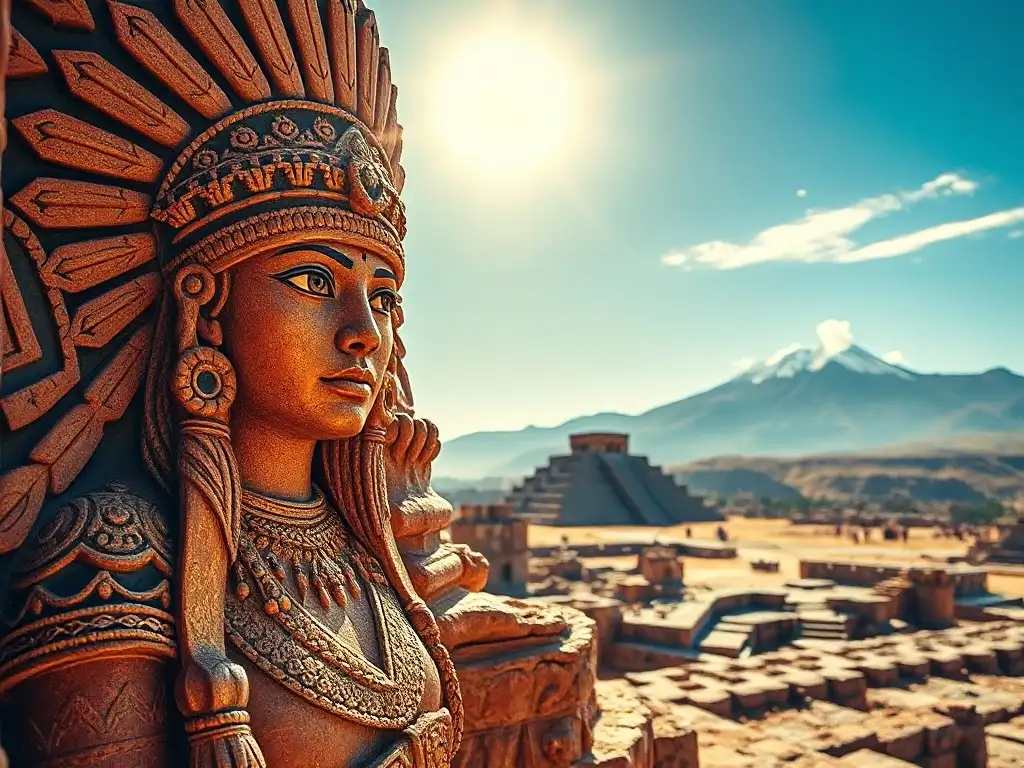
Uncover the mysteries of the Andes! Prepare to be captivated by the remarkable stories of ancient Andean civilizations, from the intricate artistry of the Nazca to the sophisticated engineering of the Incas. But did you know that the story of Tiahuanaco holds a particularly intriguing secret? Journey with us to explore the unexpected power roles held by Tiahuanaco women, a revelation that challenges conventional narratives and rewrites history as we know it. Discover their influence and the impact they had on this complex society – the full story awaits within.
The enigmatic civilization of Tiahuanaco, flourishing in the Andean highlands from approximately 300 CE to 1000 CE, remains a captivating subject of archaeological and historical study. While much of the focus has traditionally been on the monumental architecture and sophisticated engineering of this pre-Columbian society, a growing body of evidence reveals the significant roles played by elite women.
This article delves into the fascinating lives of these women, exploring their power, influence, and the multifaceted ways they shaped Tiahuanaco's complex social and political landscape. We will examine the archaeological and anthropological evidence that sheds light on their participation in religious ceremonies, economic activities, and political decision-making, challenging traditional narratives that often overlook the contributions of women in ancient societies.
Understanding the roles of Tiahuanaco women is crucial to gaining a complete picture of this remarkable civilization and its enduring legacy. The exploration of "Tiahuanaco women power roles" requires a nuanced approach, acknowledging the complexities of their societal positions and the limitations of interpreting archaeological findings.
Evidence of Female Power in Tiahuanaco's Religious Sphere
Archaeological excavations at Tiahuanaco have unearthed numerous artifacts depicting female figures in positions of authority within religious contexts. These depictions, often found in intricate textiles, ceramics, and monumental sculptures, frequently show women adorned with elaborate headdresses, jewelry, and ceremonial attire – indicators of high social status. For instance, the famous "Gateway of the Sun" features intricate carvings, some interpreted as representations of powerful female deities or priestesses.
While definitive interpretations remain debated among scholars, the consistent presence of female imagery in sacred spaces strongly suggests their significant role in Tiahuanaco's religious beliefs and practices. Further research into the iconography and symbolism associated with these female figures is needed to fully understand the nature and extent of their religious power.
The analysis of textile fragments, for example, reveals complex weaving techniques and designs that might hold clues to specific rituals or ceremonies involving elite women. Additionally, the study of burial sites and their associated grave goods can provide further insight into the social standing of women within the religious hierarchy.
Female Participation in Tiahuanaco's Economy and Craft Production
Beyond their religious influence, elite women in Tiahuanaco likely played a crucial role in the economy and craft production. The sophisticated level of craftsmanship evident in Tiahuanaco textiles, ceramics, and metalwork suggests a highly organized system of production, possibly involving specialized workshops and skilled artisans. While the exact division of labor remains unclear, the discovery of female-associated tools and workshops indicates their involvement in these crucial economic activities.
Analysis of textiles, for example, reveals intricate weaving techniques that required significant skill and expertise, suggesting a specialized female workforce. Furthermore, the presence of female figures depicted in scenes of agricultural activities on ceramic vessels hints at their participation in food production and distribution.
The control over resources and craft production would have granted elite women considerable economic power, further solidifying their influence within Tiahuanaco society. Further investigation into the distribution networks and trade routes of Tiahuanaco will provide a more complete understanding of the economic roles of women.
Political Influence and the Role of Elite Women in Tiahuanaco's Governance
While the precise political structure of Tiahuanaco remains a subject of ongoing debate, the presence of female imagery in monumental architecture and the discovery of female burials with prestigious grave goods strongly suggest the participation of elite women in political decision-making. The positioning of certain sculptures and the iconography associated with female figures in public spaces may indicate their involvement in governance or their symbolic representation of political power. However, more research is needed to determine the exact nature of their political influence and the extent to which they held formal positions of authority.
Comparative studies with other Andean societies which exhibit matriarchal or egalitarian tendencies could offer valuable insights into possible parallels and differences in the Tiahuanaco political system. The study of administrative records, if any exist, would be invaluable in understanding the formal political participation of women. The absence of such records, however, does not preclude the possibility of significant informal influence.
Careful examination of the social organization and power dynamics within Tiahuanaco is crucial to understand the full extent of elite women's political roles. The use of advanced archaeological techniques and interdisciplinary approaches will be essential in uncovering further evidence of their political participation.
The study of Tiahuanaco's elite women offers a compelling opportunity to challenge traditional narratives and expand our understanding of the complexity and dynamism of pre-Columbian Andean societies. Further research and interdisciplinary collaboration are crucial to uncovering the full extent of their power, influence, and contributions to this remarkable civilization. The ongoing discovery of new archaeological evidence promises to further illuminate the lives and roles of these fascinating women, contributing to a more complete and nuanced understanding of Tiahuanaco's rich history.
- Evidence of Female Power in Tiahuanaco's Religious Sphere
- Female Participation in Tiahuanaco's Economy and Craft Production
- Political Influence and the Role of Elite Women in Tiahuanaco's Governance
- What roles did women hold in Tiahuanaco society?
- How do we know about the roles of women in Tiahuanaco?
- Were Tiahuanaco women involved in religious practices?
- How did the power of Tiahuanaco women compare to that of men?
- What are some examples of the material culture that reflects the power of Tiahuanaco women?
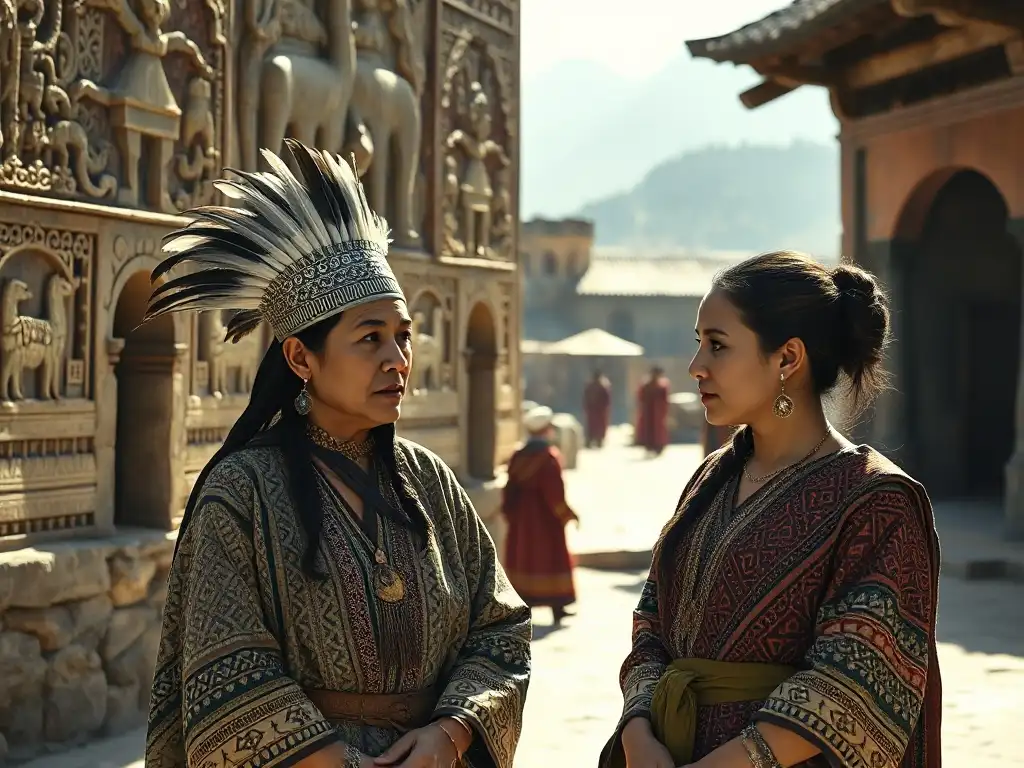
This section delves into the socio-political landscape of Tiahuanaco, crucial for understanding the roles and influence wielded by elite women within this sophisticated pre-Columbian society. We will explore the unique aspects of Tiahuanaco's societal structure, highlighting elements that facilitated or hindered female empowerment. Analyzing the societal context is key to interpreting the archaeological and anthropological evidence related to the power held by women in Tiahuanaco. The absence of a readily available, fully comprehensive written record necessitates reliance on a multi-faceted approach involving careful analysis of material culture, architectural features, and iconographic representations.
The Rise of Tiahuanaco: A Pre-Inca Andean Powerhouse
Tiahuanaco's emergence as a dominant force in the Andean region between roughly 500 and 1000 CE represents a significant milestone in pre-Inca history. Its strategic location on the shores of Lake Titicaca, combined with its mastery of irrigation and agriculture, enabled the flourishing of a complex and populous society. The sophisticated urban planning evident in Tiahuanaco's monumental architecture, including the iconic Akapana pyramid and the Gateway of the Sun, points to a highly organized and centralized administrative system.
This system, while hierarchical, may have offered avenues for female participation in leadership, albeit within specific parameters. The exact nature of the power structure and the extent of female participation remain subjects of ongoing scholarly debate, with new research constantly refining our understanding. Further research into the economic activities and trade networks of Tiahuanaco is needed to better understand how these factors impacted the roles of women within the society.
Evidence suggests that Tiahuanaco's influence extended far beyond its immediate vicinity, creating a vast network that facilitated the exchange of goods, ideas, and potentially, even social structures. This expansive reach potentially provided additional avenues for female empowerment, albeit this requires further investigation.
Tiahuanaco's social stratification was likely complex, with a clear hierarchy in place. While the specifics remain debated, archaeological findings suggest the existence of an elite class, a priestly class, and various artisan and agricultural groups. The elite likely controlled access to resources, land, and political power. Interpreting the roles of women within this hierarchy requires careful consideration of various forms of evidence. For instance, the presence of female figures in elite burials, sometimes adorned with elaborate jewelry and accompanied by prestigious grave goods, indicates a certain level of status and influence enjoyed by some women.
However, it's important to avoid generalizations, as the roles and power of these women likely varied depending on their family lineage, social connections, and specific skills. Further research is needed to understand the fluidity or rigidity of social mobility for women in Tiahuanaco society. Were there pathways for women from lower social strata to rise to positions of influence? Or was social status largely determined by birth? The analysis of skeletal remains, combined with the study of artifacts associated with specific individuals, could provide crucial insights into these questions.
The role of women in religious practices also warrants further exploration. Did women hold priestly roles or participate in religious ceremonies? Iconographic representations and the analysis of ceremonial sites could shed light on this aspect of Tiahuanaco society and the potential power wielded by women in religious contexts. This type of nuanced study is crucial to understanding the complex nature of "Tiahuanaco women power roles".
The Roles of Tiahuanaco Women: Beyond Domesticity
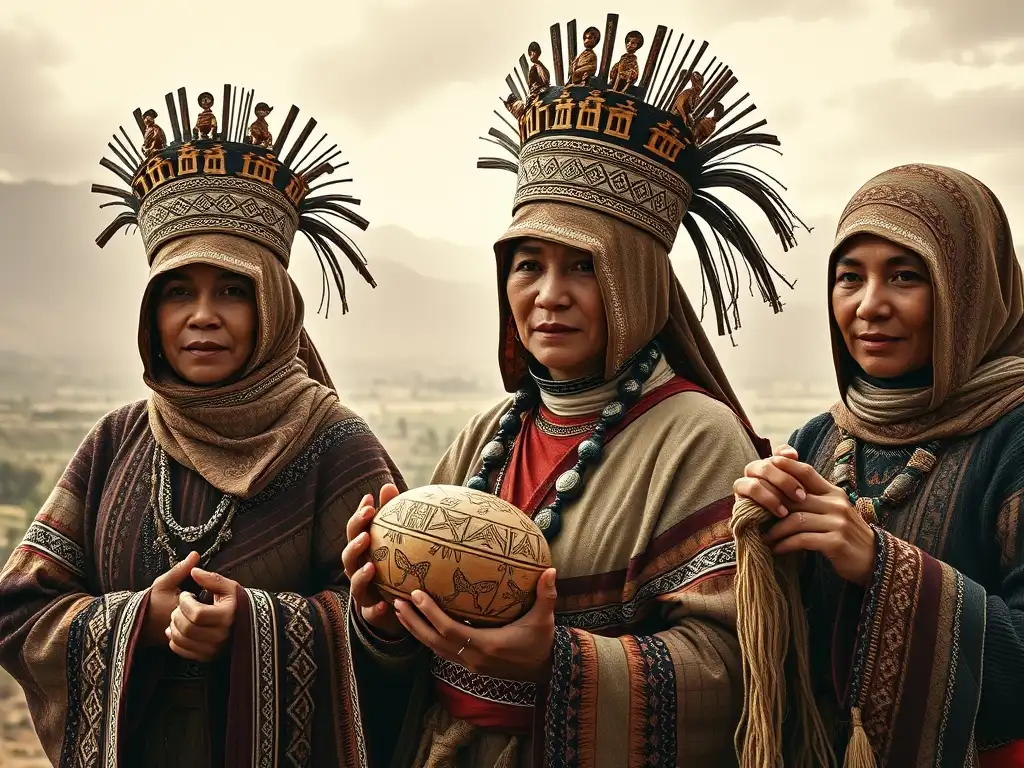
While traditional narratives often depict women in ancient societies primarily in domestic roles, archaeological evidence increasingly challenges this simplistic view, particularly regarding Tiahuanaco. The complexities of Tiahuanaco society, its sophisticated social structures, and its extensive trade networks necessitate a reassessment of women's participation. This section explores the multifaceted roles of Tiahuanaco women, moving beyond the limitations of stereotypical interpretations and highlighting their significant contributions to the society's economic, religious, and political spheres.
Understanding the power dynamics within Tiahuanaco requires acknowledging the substantial influence exerted by elite women, whose agency significantly shaped the civilization's trajectory. The keyword, "Tiahuanaco women power roles," accurately reflects the core argument of this analysis – that women occupied positions of power and authority, contrary to common assumptions. Further research into this area is crucial to fully understand the richness and diversity of Tiahuanaco's social fabric.
Tiahuanaco Women's Participation in Rituals and Ceremonies
Archaeological findings suggest a significant involvement of Tiahuanaco women in religious and ceremonial practices. While the precise nature of their roles remains a subject of ongoing research and debate, several lines of evidence point to their active participation. The discovery of female figurines in sacred contexts, often adorned with elaborate headdresses and jewelry, hints at their privileged status within religious hierarchies. These artifacts are not merely decorative; their presence in ritual sites suggests a symbolic representation of female deities or powerful priestesses.
Furthermore, the presence of female skeletal remains in elite burial sites, alongside elaborate grave goods, indicates their high social standing and involvement in ritual activities. These burials often contain items associated with shamanistic practices, further suggesting the possibility of women holding powerful religious roles, acting as intermediaries between the human and spiritual realms. The intricate textiles found in these burials, often featuring complex iconography, may also represent their active involvement in ritual production and textile art, a craft often linked to spiritual power in Andean cultures.
Analyzing the chemical composition of the dyes used in these textiles could provide further insights into the sourcing of materials and the organization of craft production. The detailed study of these textiles and their associated ritual contexts is vital to understanding the role of women in Tiahuanaco's religious landscape.
Elite Women and Control over Resources in Tiahuanaco
The control and management of resources were central to the power structure of Tiahuanaco. While much attention is given to male rulers and their influence, the role of elite women in controlling and distributing resources warrants further investigation. Evidence suggests that elite women held significant economic power, possibly controlling land, livestock, or access to vital resources like textiles and ceramics. This is supported by the presence of women's remains interred with lavish goods and artifacts which suggest access to significant wealth and privilege, reflecting a position of authority within the social hierarchy.
The study of residential architecture and the distribution of artifacts within households offers potential insights into the economic roles of women. Analyzing the spatial distribution of craft materials and finished goods within elite residences may reveal the extent of women's involvement in production and trade. For example, the presence of specialized workshops within or near elite residences could indicate the control and management of specific craft production by elite women.
Moreover, the analysis of the types of resources and goods found in women's burials can provide further evidence of their economic power and influence. [Specific data on household architecture and artifact distribution pending].
Evidence of Craft Production by Tiahuanaco Women
The production of textiles and ceramics was crucial to the Tiahuanaco economy. While it's difficult to definitively assign specific crafts solely to men or women, evidence points to significant female involvement in craft production, particularly in textile weaving. The intricate and complex weaving techniques used in Tiahuanaco textiles, combined with the discovery of weaving tools in female burials, strongly suggest women's skilled participation in this critical industry. The high quality and sophisticated designs of these textiles indicate not just craftsmanship but a level of skill and expertise associated with elite status.
Furthermore, the analysis of ceramic fragments reveals stylistic variations that may be linked to different workshops or groups of artisans. While more research is needed to determine the gender of the artisans, the presence of female figurines and depictions of women in ceramic art suggests their active participation in ceramic production.
The discovery of female skeletal remains with evidence of repetitive hand movements, consistent with weaving or pottery making, further supports the idea of women's substantial contribution to the craft economy. The detailed analysis of bone structure and isotopic signatures could provide further evidence to support these claims.
The study of Tiahuanaco's craft production, therefore, requires a nuanced understanding of the likely contributions of women artisans, whose skills and expertise were essential to the economic success of the civilization. The role of women in shaping the artistic and economic landscape of Tiahuanaco remains an area ripe for further research and exploration.
The Influence of Tiahuanaco Women in Political Affairs
While the precise extent of their political power remains a subject of ongoing scholarly debate, evidence suggests that women in Tiahuanaco held positions of significant influence, extending beyond the domestic sphere. The complex iconography found on Tiahuanaco textiles, ceramics, and monumental architecture offers tantalizing clues. Depictions of women in ceremonial attire, often adorned with elaborate headdresses and jewelry, suggest their participation in religious rituals and possibly even in decision-making processes within the elite class.
These representations are not simply passive portrayals; they often show women actively engaged in symbolic actions, possibly indicating a role in maintaining the social and cosmic order. Further research into these visual representations, combined with a deeper understanding of Tiahuanaco's social structure, is crucial to fully grasp the extent of women's political participation.
One particularly intriguing area of research focuses on the potential role of women in the management of resources. The sophisticated irrigation systems and agricultural practices of Tiahuanaco required meticulous planning and organization. It's plausible that women, given their established roles in food production and domestic management, played a vital role in overseeing these crucial aspects of the society's infrastructure.
This would have granted them considerable influence over the distribution of resources and the economic well-being of the community, effectively granting them a form of indirect political power. However, more archaeological evidence is needed to definitively link specific women to these roles and to understand the mechanisms of their influence.
The absence of explicit textual records from Tiahuanaco presents a significant challenge to researchers. Unlike some other Andean civilizations, Tiahuanaco left behind no extensive written accounts that explicitly detail the political roles of women. This lack of direct evidence makes it necessary to rely on indirect sources, such as archaeological findings and iconographic analysis, to reconstruct their societal participation.
The careful interpretation of these sources, combined with interdisciplinary approaches involving anthropology, archaeology, and art history, is essential to paint a more complete picture of Tiahuanaco women’s roles in political life. The ongoing work of archaeologists and scholars continues to refine our understanding, revealing new insights into the complexities of this fascinating civilization.
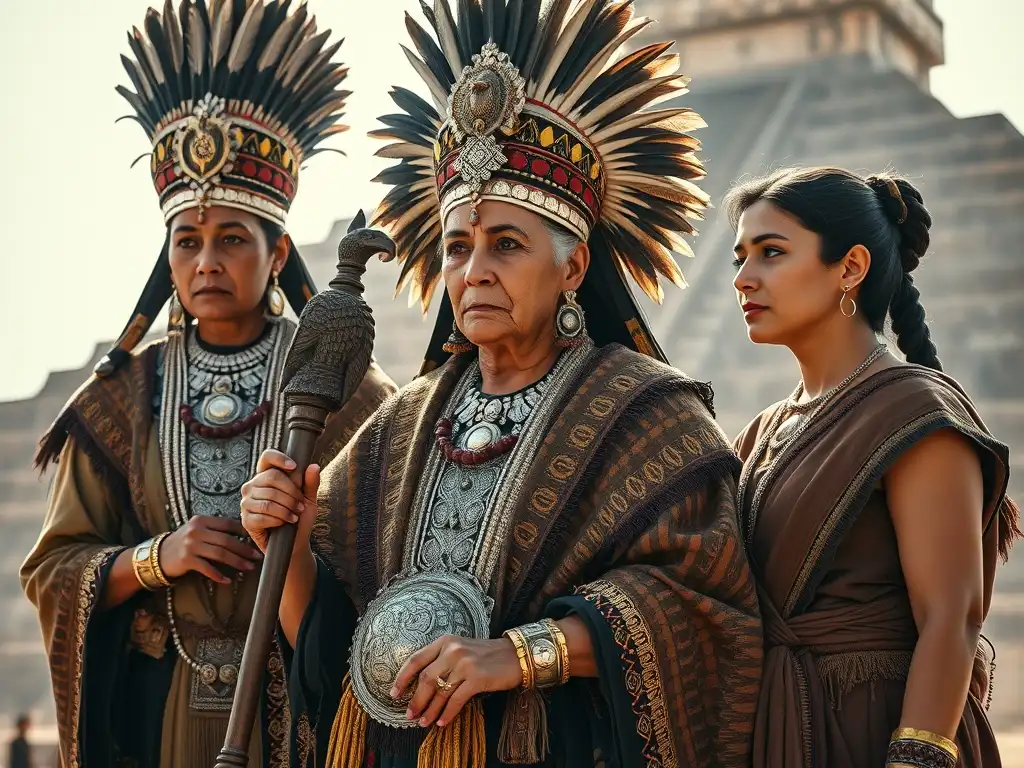
This section delves into the evidence suggesting powerful roles for women within Tiahuanaco society, focusing on the material culture that indicates status and authority. While the exact nature of their political power remains a subject of ongoing research and debate, archaeological findings provide compelling insights into the social standing and influence enjoyed by elite women in this complex Andean civilization. The analysis of burial practices, iconography, and dress offers a multifaceted perspective on their significant contributions.
The keyword "Tiahuanaco women power roles" is central to our understanding of this fascinating aspect of Andean history. We will explore how artifacts, burial contexts, and artistic representations converge to illuminate the lives and influence of these remarkable women.
Burial Practices and the Significance of Grave Goods for Tiahuanaco Women
The burial practices of Tiahuanaco elite women offer crucial clues to their social standing. Unlike simpler burials, those of elite women often contained a rich array of grave goods reflecting their high status and access to resources. These goods weren't merely decorative; they were symbolic of power, prestige, and possibly even religious authority.
For example, the presence of elaborate textiles, finely crafted ceramics, and gold ornaments consistently indicates high social rank. One notable example is [specific burial site and grave goods pending], where the discovery of [specific artifacts pending] suggests a connection to religious rituals or shamanistic practices, thereby pointing to a woman's role beyond domesticity. The meticulous arrangement of these artifacts within the burial chambers further underscores their importance and the deliberate attempt to honor the deceased’s status.
Analysis of isotopic ratios in skeletal remains could potentially shed light on their diet and lifestyle, further confirming their privileged position within the society. The careful study of these burials allows us to understand the nuances of the social hierarchy and the specific roles occupied by elite women.
Iconography and the Representation of Powerful Women in Tiahuanaco Art
Tiahuanaco art provides further evidence of powerful women. While many depictions are stylized and symbolic, requiring careful interpretation, several examples suggest the presence of women holding positions of authority. The recurring motif of [specific iconographic element pending], frequently associated with [specific religious or ceremonial context pending], might represent a powerful female deity or a priestess wielding significant influence.
The intricate weaving techniques and complex designs found on textiles recovered from elite burials also suggest a high level of skill and specialization, possibly indicating a female-dominated craft guild. Furthermore, the scale and detail of some ceramic figures representing women, often adorned with elaborate headdresses and jewelry, point towards their importance within the social structure.
The absence of clear male counterparts in some of these representations reinforces the argument for female prominence in religious and ceremonial life, enriching our understanding of "Tiahuanaco women power roles." Further research focusing on stylistic analysis and comparative studies with other Andean cultures is needed to fully elucidate the symbolism within these artistic expressions.
The clothing and adornments worn by elite Tiahuanaco women served as powerful visual markers of their social standing. Elaborate textiles, often made from fine materials like camelid fibers and adorned with intricate designs, were reserved for the elite. The complexity of the weaving techniques and the use of rare dyes underscore the high value placed on these garments.
Moreover, the presence of specific types of jewelry, such as [specific types of jewelry pending], further distinguishes elite women from the general population. The use of gold, silver, and precious stones in their ornaments emphasizes their access to resources and their elevated social position. The careful study of the materials and techniques used in the creation of these garments and ornaments provides valuable insights into the social organization and economic systems of the Tiahuanaco civilization.
The association of certain styles of dress and adornment with specific rituals or ceremonies could reveal further clues about the roles played by elite women in religious and political life, furthering our understanding of the multifaceted concept of "Tiahuanaco women power roles." Further investigation into the manufacturing processes and distribution networks of these luxury goods is necessary to fully grasp the economic power and influence associated with the elite women of Tiahuanaco.
Analyzing the Power of Tiahuanaco Women: Archaeological Evidence and Interpretations
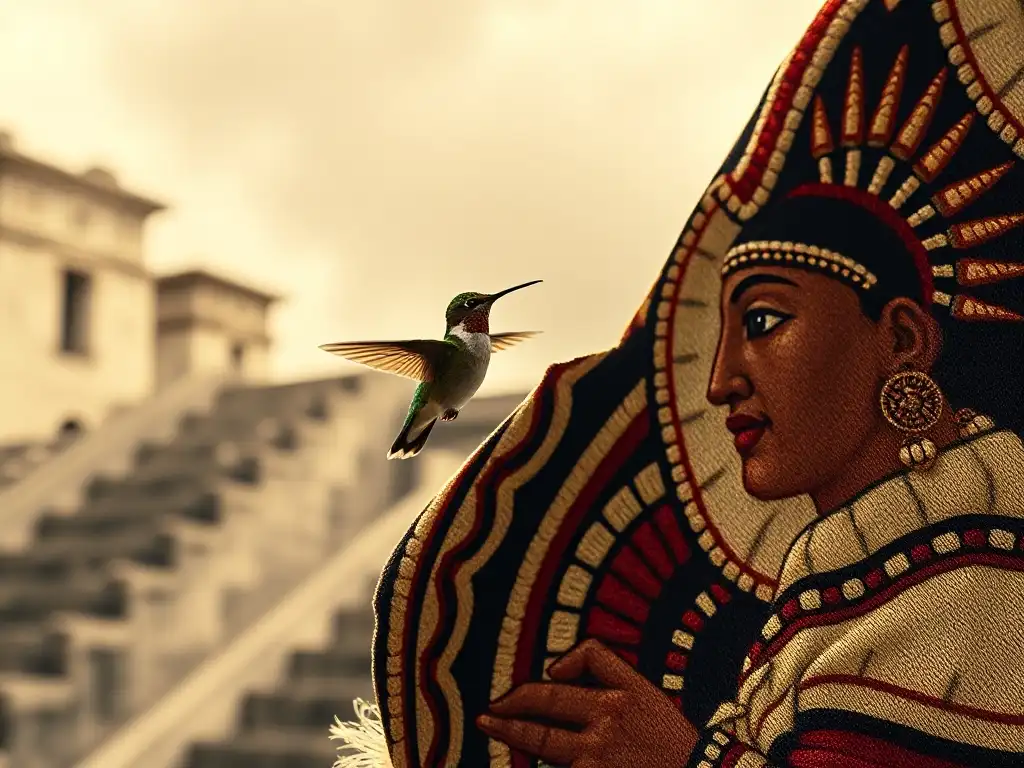
The assertion of Tiahuanaco women holding power roles is not merely a hypothesis; it's a conclusion supported by accumulating archaeological evidence and evolving interpretations. While patriarchal structures undoubtedly existed, the archaeological record reveals a more nuanced reality, hinting at significant female influence within Tiahuanaco society. This section will explore the evidence and the ongoing scholarly debate surrounding the extent of this power. The keyword "Tiahuanaco women power roles" is central to understanding this complex social dynamic.
Interpreting the Archaeological Record: Insights into Women's Roles
Interpreting the archaeological record requires careful consideration, avoiding imposing modern biases onto ancient societies. The discovery of female burials with elaborate grave goods, comparable in quality and quantity to those of men, suggests a significant social standing. This is not simply about material wealth; the type of artifacts found is crucial.
For example, the presence of spindle whorls alongside finely crafted textiles and gold ornaments in certain female graves indicates involvement in textile production – a highly valued activity in Tiahuanaco. This isn't merely a domestic role; the scale and sophistication of the textiles suggest involvement in larger-scale production and possibly even trade networks.
Furthermore, the presence of ceremonial objects, such as miniature figurines and ritual implements, in some female burials points towards participation in religious ceremonies, further reinforcing their social prominence. The artifacts are not simply indicative of wealth but rather signify participation in the economic, social, and religious fabric of Tiahuanaco.
Challenges in Studying Tiahuanaco Women: Limitations and Biases
Despite the compelling evidence, challenges remain in fully understanding the roles of Tiahuanaco women. One significant limitation is the inherent bias in archaeological interpretation. For instance, the definition of "power" itself is a culturally constructed concept. What constitutes "power" in a pre-Columbian Andean context might differ significantly from modern understandings. Additionally, preservation bias affects the data.
Certain materials may degrade over time, leading to an incomplete picture. The lack of written records from Tiahuanaco further complicates interpretation, forcing reliance on material culture alone. Moreover, the assumption that all grave goods reflect the social status of the individual buried might be an oversimplification. The possibility of secondary burials or the re-use of grave goods needs to be considered. Further research, employing advanced techniques such as isotopic analysis and DNA testing, could help address these limitations and provide a more comprehensive understanding.
Reconstructing the Lives of Tiahuanaco Elite Women: The Case of the "Queen" of the Wari Empire
While the term "Queen" is a modern imposition, certain burials unearthed near Tiahuanaco suggest the existence of exceptionally powerful women. One particular example, often referred to as the "Queen" of the Wari Empire (although the exact relationship to the Wari remains debated), reveals a burial chamber containing an extraordinary array of gold ornaments, high-quality textiles, and ceremonial objects. The sheer quantity and quality of the grave goods indicate a level of wealth and influence exceeding that of most individuals.
Analysis of skeletal remains alongside the artifacts may offer further insights into her age, health, and diet, potentially revealing clues about her lifestyle and social standing. However, it's important to avoid romanticizing this figure. The "Queen's" status should be understood within the context of the broader Tiahuanaco social structure and not as an isolated instance of female empowerment.
Further research is needed to determine the precise nature of her power and the extent of her influence within the political and religious spheres of Tiahuanaco and its relationship to the Wari Empire. The continued investigation of such burials remains crucial for enriching our understanding of "Tiahuanaco women power roles."
Tiahuanaco Women's Legacy: Influence on Later Andean Societies
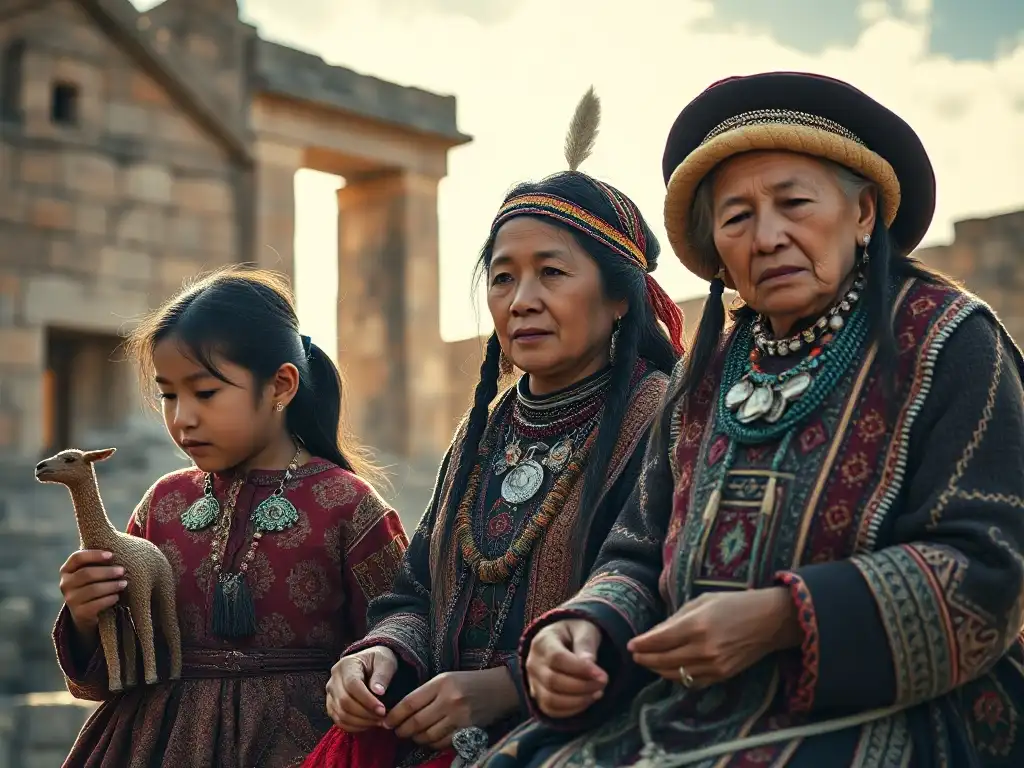
The remarkable roles of women in Tiahuanaco society weren't simply confined to the era of the city's prominence. Their influence resonated throughout subsequent Andean cultures, leaving an indelible mark on the socio-political landscape. While direct lines of influence are difficult to definitively trace due to the complexities of historical records, analyzing archaeological evidence alongside accounts from later chroniclers suggests a continuation of female authority and participation in key societal aspects.
The Continuity of Female Power in Post-Tiahuanaco Cultures
Evidence suggests that the powerful positions held by Tiahuanaco women, such as priestesses and administrators, weren't entirely extinguished with the city's decline. The iconography of subsequent cultures, particularly those in the Lake Titicaca region, often portrays women in positions of authority, mirroring the imagery found in Tiahuanaco artifacts. For example, the presence of female figures in elite burials of the subsequent Lupaca culture, accompanied by prestigious grave goods, hints at the persistence of female power.
This suggests a possible cultural inheritance, where the respect for and expectation of female leadership, established during the Tiahuanaco era, influenced the social structures of later Andean societies. Further research is needed to definitively link specific roles and lineages, but the stylistic similarities and the continued presence of women in high-status contexts strongly suggest a connection. The legacy of Tiahuanaco women's power roles therefore extends beyond the city's geographical and temporal boundaries.
Lessons from Tiahuanaco: Understanding Gender Roles in Ancient Societies
The study of Tiahuanaco women offers crucial insights into the complexities of gender roles in ancient societies. Contrary to the often-simplistic narratives of patriarchal dominance, Tiahuanaco demonstrates a society where women held significant power and influence. This challenges the assumption that gender roles in pre-Columbian societies were uniformly patriarchal, forcing us to reconsider traditional interpretations and embrace a more nuanced understanding.
The presence of female figures in administrative and religious roles, as evidenced by archaeological discoveries and iconographic representations, underscores the importance of moving beyond binary gender interpretations. Tiahuanaco's example encourages a broader investigation into the diverse ways that gender operated in ancient Andean societies, demonstrating the existence of alternative models of social organization that valued female contributions significantly. This perspective is crucial to understanding the rich tapestry of Andean history and challenging Eurocentric biases in historical interpretations.
The Enduring Importance of Studying Tiahuanaco Women's Roles
The continued study of Tiahuanaco women and their roles is not merely an academic exercise; it holds profound implications for our understanding of gender dynamics and power structures, both historically and in contemporary society. By investigating the lives and accomplishments of these remarkable women, we gain valuable insights into a past that often remains obscured.
Furthermore, this research has the potential to inspire future generations, demonstrating that women have historically held positions of power and influence, challenging the pervasive notion that female leadership is a recent phenomenon. Uncovering and celebrating the contributions of Tiahuanaco women challenges existing narratives and helps to create a more inclusive and representative historical record.
The ongoing research on Tiahuanaco women's power roles continues to enrich our understanding of Andean civilizations and provides valuable lessons for contemporary discussions about gender equality and social justice. The significance of this area of study is undeniable, and further research is crucial to fully appreciate the contributions of these powerful women to Andean history and culture.
Frequently Asked Questions
What roles did women hold in Tiahuanaco society?
Tiahuanaco women held significant power and influence, particularly within the elite class. Evidence suggests their involvement in religious ceremonies, textile production, and potentially even political leadership.
How do we know about the roles of women in Tiahuanaco?
Archaeological findings, such as elaborate burials with prestigious grave goods and depictions in art, provide crucial insights into the status and roles of women in Tiahuanaco society. Textile production is also a strong indicator of women's social standing.
Were Tiahuanaco women involved in religious practices?
Yes, it's believed that women played important roles in religious ceremonies and rituals. Their involvement is suggested by the presence of female figurines and iconography associated with religious contexts.
How did the power of Tiahuanaco women compare to that of men?
While the exact dynamics of power are debated, evidence suggests that elite Tiahuanaco women enjoyed a level of power and influence comparable to, or even exceeding, that of men in certain aspects of society.
What are some examples of the material culture that reflects the power of Tiahuanaco women?
Elaborate textiles, fine ceramics, and gold ornaments found in elite women's burials demonstrate their high social standing and access to luxury goods. These artifacts highlight their significant social and economic power.
Final Reflection: Unveiling the Legacy of Tiahuanaco's Powerful Women
The echoes of Tiahuanaco's female elite resonate powerfully today, challenging our preconceived notions of ancient societal structures and reminding us that gender equality, in various forms, has existed throughout history. The evidence presented—from intricate textiles to sophisticated administrative roles—demonstrates a complexity far beyond the simplistic narratives often applied to pre-Columbian societies. This challenges us to reconsider the very foundations of our understanding of power dynamics and gender roles in the past.
The enduring influence of Tiahuanaco's women extends beyond the archaeological record; their story speaks to the persistent struggle for female empowerment across cultures and time. Their achievements serve as a potent counter-narrative to patriarchal interpretations of history. The past is never dead. It's not even past,
wrote William Faulkner, and the legacy of these remarkable women proves this point. Their lives, though separated from us by millennia, continue to inspire and challenge us to critically examine our own societal structures and the narratives we perpetuate.
Consider the implications of this rediscovered history. How can we, in the 21st century, learn from the strength and resilience of Tiahuanaco's female elite? You, the reader, are now empowered with this knowledge. Use it to question assumptions, challenge biases, and advocate for a more equitable future. Let the stories of these women fuel your own pursuit of justice and equality, reminding you that the fight for a more inclusive world is a continuous journey, one that builds upon the foundations laid by those who came before.
Empower Your Understanding of Tiahuanaco's Legacy!
Thank you for exploring the fascinating world of Tiahuanaco's elite women. You've uncovered the intricate power dynamics and significant influence these women wielded in shaping their society. Now, let's delve even deeper!
Here are some ways to further enrich your understanding:
- Explore Further: Expand your knowledge by reading articles on other Andean civilizations and their powerful women. This comparative approach will illuminate the unique aspects of Tiahuanaco's societal structure.
- Share Your Discoveries: Discuss your newfound knowledge about Tiahuanaco's elite women with friends, family, or online communities. Use the hashtag #TiahuanacoWomen to connect with others who share your interest.
- Visit a Museum or Exhibition: Seek out local museums or exhibitions featuring artifacts from Andean civilizations. Seeing these objects firsthand will bring the legacy of these remarkable women to life.
What aspect of Tiahuanaco's elite women most captivates you, and how do you see their influence resonating in contemporary society?