
Unveiling the Power of the Inca Governors: The Suyu Rulers

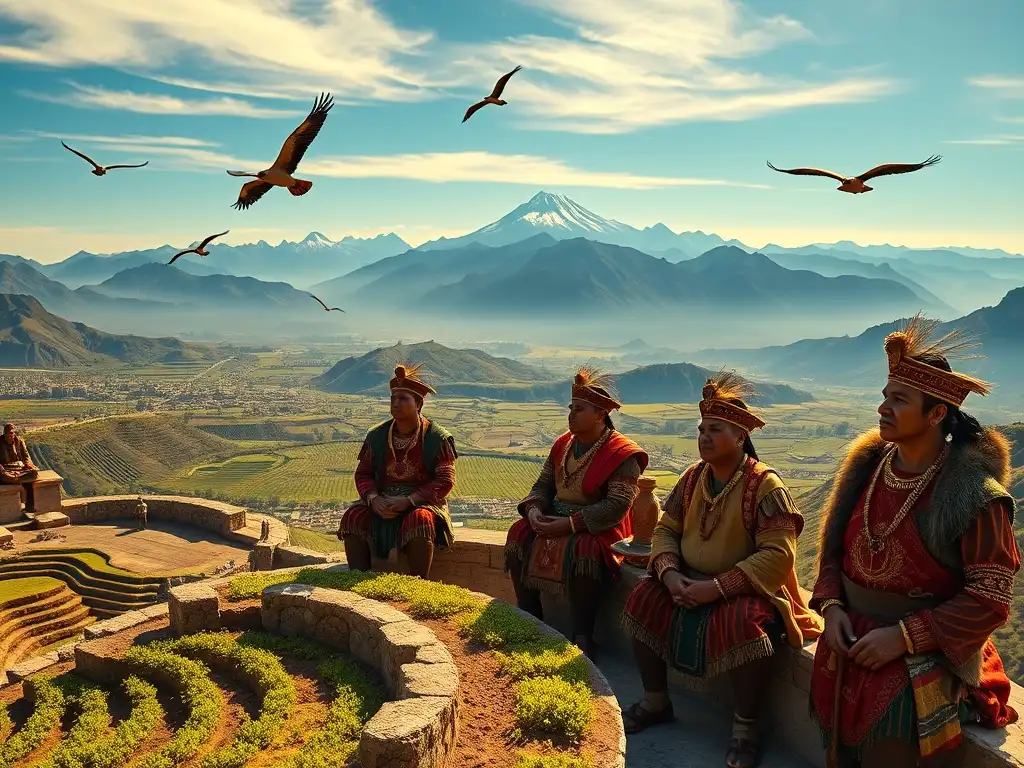
Step into a world lost to time, yet echoing with power and mystery. Journey through the breathtaking landscapes of the Andes, where empires rose and fell, leaving behind a legacy of ingenuity and artistry. Discover the intricate web of power that held the Inca Empire together – and the crucial role played by its Inca Suyu Governors. Their story, one of strategic brilliance and cultural influence, awaits. Dare to uncover the secrets of these remarkable rulers?
The Inca Empire, a civilization that flourished in the Andes Mountains from the 13th to the 16th centuries, was renowned for its sophisticated political organization and impressive infrastructure. Central to this organizational prowess was the Suyu system, a unique administrative division that played a crucial role in governing this vast and diverse empire. This article delves into the critical role of the Suyu governors, exploring their authority, responsibilities, and the lasting impact they had on the Inca Empire.
Understanding these regional leaders is key to comprehending the intricate workings of Inca governance and the effective management of its far-reaching territories. We will examine their influence, the challenges they faced, and their enduring legacy within the rich tapestry of Inca history.
This exploration of Inca Suyu governors will reveal a fascinating glimpse into the power dynamics and administrative brilliance that underpinned one of the most remarkable civilizations of pre-Columbian America. The keyword "Inca Suyu Governors" will be examined throughout the article, providing a detailed overview of this critical aspect of Inca history.
The Inca Empire's Administrative Division: Understanding the Suyu System
The Inca Empire was divided into four main provinces, or Suyus, each geographically distinct and characterized by unique ecological features and cultural nuances. These Suyus were:
- Chinchaysuyu: Northwestern region, encompassing areas of modern-day Ecuador and northern Peru.
- Antisuyu: Northeastern region, spanning parts of modern-day Ecuador, Colombia, and possibly even parts of Brazil.
- Collasuyu: Southeastern region, including parts of modern-day Bolivia, northern Chile, and northwestern Argentina.
- Contisuyu: Southwestern region, covering parts of modern-day Peru, southern Peru, and parts of Chile.
Each Suyu was further subdivided into smaller administrative units, ensuring efficient governance and resource management across the vast empire. This intricate system allowed the Inca to effectively control a diverse population and manage the logistical challenges of a geographically demanding territory. The effective governance of these Suyus relied heavily on the abilities and loyalty of the appointed governors.
The selection process, the power they wielded, and the challenges they faced will be explored further. The sheer scale of this administrative feat is a testament to the Inca's political and organizational ingenuity. Understanding the Suyu system is fundamental to grasping the true extent of Inca power and influence.
Who Were the Suyu Governors? Roles and Responsibilities within the Inca Empire
The Suyu governors, often high-ranking members of the Inca nobility, held significant authority within their respective provinces. Their roles encompassed a wide range of responsibilities, including:
- Maintaining Order and Security: The governors were responsible for ensuring law and order within their Suyu, suppressing rebellions, and protecting against external threats. This included overseeing the local military forces and maintaining a network of informants.
- Collecting Taxes and Tribute: A crucial aspect of their role involved the efficient collection of taxes and tribute from the population. This tribute often included agricultural products, textiles, and precious metals, which were then sent to the Inca capital, Cusco.
- Managing Resources and Infrastructure: The governors oversaw the management of resources such as land, water, and labor within their Suyu. They were also responsible for maintaining and improving infrastructure, such as roads, irrigation systems, and storage facilities.
- Religious Observances: The governors played a significant role in religious observances and ceremonies, ensuring the proper veneration of Inca deities and the adherence to religious customs within their provinces.
- Appointing Local Officials: They also held the power to appoint and oversee local officials, ensuring the smooth functioning of the administrative structure at the local level.
The Suyu governors acted as direct representatives of the Inca emperor, wielding considerable power and influence within their assigned territories. Their actions had a direct impact on the lives of the people under their governance, shaping local economies, religious practices, and social structures. The effectiveness of these governors was paramount to the stability and prosperity of the Inca Empire.
Further research into specific Suyu governors and their individual contributions will illuminate the intricacies of this vital part of the Inca administrative system. The impact of these powerful figures extended beyond their lifetimes, leaving an indelible mark on the history of the Andean region.
- The Inca Empire's Administrative Division: Understanding the Suyu System
- Who Were the Suyu Governors? Roles and Responsibilities within the Inca Empire
The Four Suyus and Their Governors: A Detailed Look
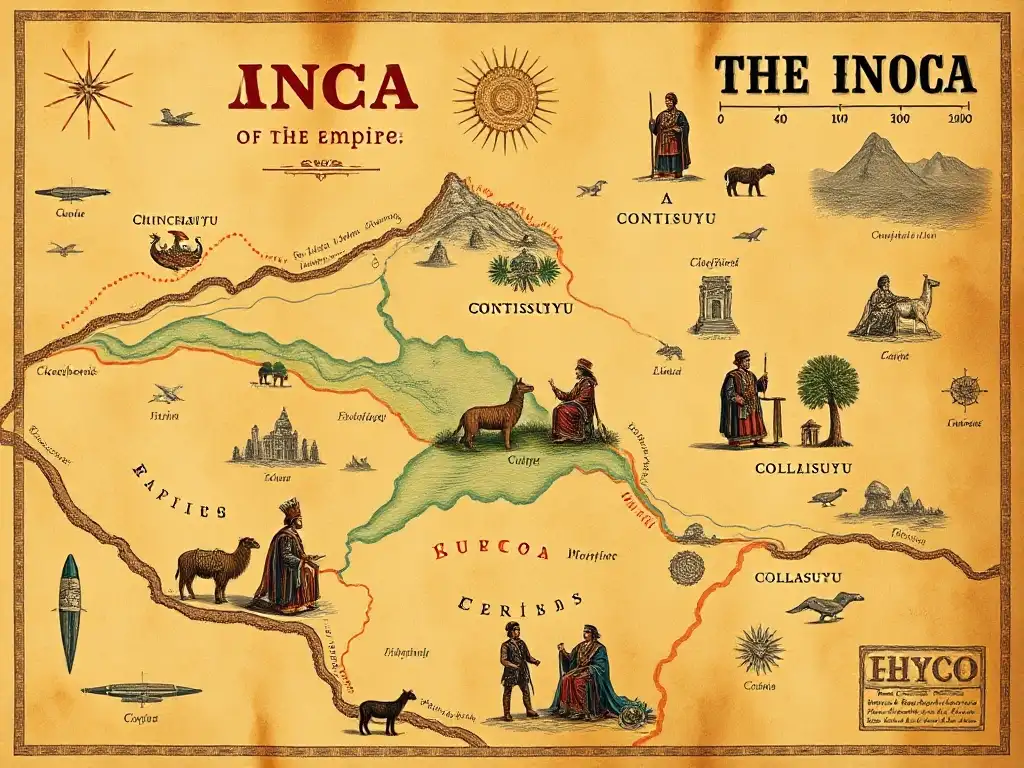
The Inca Empire, at its zenith, was a marvel of administration and organization. Its vast territory, encompassing a diverse landscape and population, was cleverly divided into four administrative regions known as Suyus. Understanding the role of the Suyu governors, appointed by the Sapa Inca himself, is crucial to comprehending the empire's enduring power and sophisticated governance.
These governors, strategically placed, weren't merely regional leaders; they were the vital links between the imperial center and the far-flung corners of the Inca world. Their influence extended across all aspects of life, from agriculture and infrastructure to religious practices and resource management. This section delves into the specific characteristics of each Suyu and its governor, highlighting their unique challenges and contributions to the Inca state.
The effective administration of the Suyus was a key factor in the Inca's success in maintaining control over such a vast and diverse empire, demonstrating the ingenuity of their political system. This analysis will focus on the key roles and responsibilities of the Inca Suyu Governors, exploring their impact on the empire's stability and prosperity.
Chinchaysuyu: The Northern Suyu and its Inca Governor
Chinchaysuyu, encompassing the northern regions of the Inca Empire, presented unique challenges to its governor. This Suyu bordered on less-subdued populations and often required a strong military presence to maintain order and quell rebellions. The governor of Chinchaysuyu, therefore, needed to be both a skilled administrator and a capable military commander.
Their responsibilities included overseeing the collection of tribute, managing the extensive road network, and ensuring the loyalty of the conquered populations. Evidence suggests that the governors were often rotated to prevent the buildup of excessive local power and maintain central control. The governor's court likely consisted of a hierarchy of officials, including military commanders, tax collectors, and religious leaders, all working together to maintain the smooth functioning of this strategically important region.
The mountainous terrain and diverse climates of Chinchaysuyu also demanded effective resource management, with the governor playing a crucial role in ensuring the equitable distribution of goods and services. While specific names of Chinchaysuyu governors are scarce in historical records, their crucial role in maintaining the empire's northern frontier remains undeniable.
Antisuyu: The Eastern Suyu and its Governor's Influence
Antisuyu, the eastern Suyu, presented a different set of challenges compared to its northern counterpart. Characterized by the Amazon rainforest and its challenging geography, this region was less densely populated than others and presented logistical difficulties in terms of communication and transportation. The Inca Suyu governor of Antisuyu had to manage a complex network of alliances and dependencies with various indigenous groups, often relying on diplomacy and strategic partnerships rather than solely military might.
The governor's primary responsibility was to maintain peace and ensure the flow of resources, particularly exotic goods like feathers and medicinal plants, back to the capital. The rainforest's unique environment also required specialized knowledge in agriculture and resource management, necessitating the governor's collaboration with local experts.
Unlike the more densely populated Suyus, the governor's influence in Antisuyu was likely more nuanced, relying on a delicate balance of authority and cooperation with local communities. Further research is needed to fully understand the complex dynamics of power and governance within this challenging region.
Contisuyu: The Western Suyu and the Power of its Ruler
Contisuyu, the western Suyu, was characterized by its coastal location and its rich resources, including fertile valleys and access to the Pacific Ocean. This made it a strategically vital region for the Inca Empire, contributing significantly to its economy and trade networks. The governor of Contisuyu, therefore, held a position of considerable power and influence.
Their responsibilities included overseeing the fishing industry, managing agricultural production, and controlling the trade routes along the coast. The governor likely played a crucial role in the construction and maintenance of the extensive road network connecting the coastal cities to the imperial center. The coastal location also meant that the governor had to manage relations with maritime communities and potentially engage in trade with other coastal civilizations.
[Specific data on the wealth and power of Contisuyu governors pending]. The strategic importance of Contisuyu, combined with its wealth, meant that its governor was likely one of the most powerful within the Inca administrative system. Their role in ensuring the flow of resources and maintaining the stability of the region was indispensable to the overall success of the Inca Empire.
The Collasuyu, encompassing the southern region of the Inca Empire, presented unique challenges to its governors. This vast territory, stretching from modern-day southern Peru into Bolivia, Argentina, and Chile, boasted diverse landscapes ranging from the high Andes to the coastal deserts. This geographical diversity translated into a diverse population, requiring sophisticated administrative strategies from the appointed tukuy rikuq (governor). Unlike the other suyus, Collasuyu's governance often involved a delicate balance between incorporating existing power structures and imposing Inca authority.
The pre-Inca populations in this region, such as the Colla and Lupaca, were often powerful and independent, necessitating a nuanced approach to integration rather than outright conquest. The Inca strategy often involved strategic alliances with local elites, granting them positions of authority within the new administrative system while simultaneously ensuring Inca dominance. This approach aimed to minimize resistance and maintain stability in this strategically important, yet geographically challenging, region.
The appointed governor of Collasuyu held immense responsibility, managing the collection of tribute, overseeing infrastructure projects (like the qhapaq ñan road system), and ensuring the smooth flow of resources to the Inca capital, Cusco. The success of a Collasuyu governor was directly linked to the level of integration achieved with the local populations. Effective governance meant not only extracting resources but also maintaining social order and preventing rebellion.
Evidence suggests that Inca governors in Collasuyu employed a combination of military presence and diplomatic strategies to achieve this delicate balance, often relying on a complex network of local officials and informants to monitor and control the vast territory under their charge. The challenges were immense, demanding both military prowess and political acumen from those entrusted with governing this crucial part of the Inca Empire. Failure could result in rebellion, resource shortages in Cusco, and ultimately, a weakening of the empire's overall power.
Thus, the governors of Collasuyu played a critical, if often underappreciated, role in maintaining the Inca state's stability and prosperity. Their actions directly influenced the overall strength and longevity of the Inca empire.
The selection process for the Collasuyu governor is not fully understood, but it was likely a combination of merit and lineage. The Inca leadership prioritized individuals with experience in military campaigns and administration. It is probable that individuals from powerful Inca clans or those with proven success in other regions were favored for this demanding position.
The governor's authority was absolute within his jurisdiction, but he was ultimately accountable to the Sapa Inca, the emperor himself. Regular reports on the state of the region, its resources, and any potential threats were essential to maintaining the flow of communication and ensuring the emperor remained informed. This system of checks and balances helped ensure that the governor's power did not become a threat to the central authority in Cusco.
The governor was not merely a regional administrator; he was a crucial link in the chain of command that sustained the Inca empire's vast and intricate network of power. His success or failure had widespread implications for the entire empire.

The Inca Empire, renowned for its sophisticated administrative system, relied heavily on a network of provincial governors, known as Suyu governors, to maintain control over its vast territories. These weren't simply appointed officials; they were key figures in the empire's intricate power structure, wielding significant authority and responsibility. Understanding their appointment and the extent of their power is crucial to grasping the intricacies of Inca governance.
The term "Inca Suyu Governors" itself points to the vital role these individuals played in the empire's success. Their selection, responsibilities, and methods of maintaining control were all carefully considered aspects of Inca imperial strategy.
Criteria for Selection: How Suyu Governors Were Chosen
The selection process for Suyu governors wasn't arbitrary. While precise records are scarce, archaeological evidence and accounts from Spanish chroniclers suggest a combination of factors influenced the choice. Loyalty to the Inca emperor was paramount. Governors were often chosen from among the Inca nobility, individuals with proven lineage and a demonstrable history of service to the crown.
This ensured a degree of trust and minimized the risk of rebellion. However, merit also played a crucial role. Administrative skills, military prowess, and experience in managing large populations were highly valued. The Inca leadership likely assessed potential candidates based on their demonstrated capabilities and reputation within their communities.
This careful selection process aimed to strike a balance between maintaining the existing power structure and selecting individuals capable of effectively governing their assigned provinces. The selection process for Inca Suyu Governors highlights the empire's sophisticated approach to governance, blending hereditary privilege with demonstrated competence. Furthermore, the chosen governors often had prior experience in lesser administrative roles, providing valuable on-the-job training before assuming the weighty responsibilities of a Suyu.
Inca Suyu governors held considerable power within their assigned provinces. They were responsible for the collection of taxes, the organization of mita labor (a system of compulsory service), and the oversight of local infrastructure projects. Their authority extended to judicial matters, resolving disputes and ensuring the maintenance of order.
They were also key figures in the mobilization of troops for military campaigns and the management of resources, including agricultural production and the distribution of goods. This extensive scope of responsibility underscores their importance in the smooth functioning of the Inca Empire. A significant aspect of their role involved ensuring the flow of resources—food, textiles, and precious metals—to the imperial center in Cuzco.
Failure to meet these obligations could have serious consequences, highlighting the accountability expected of these powerful figures. The power and duties of the Inca Suyu Governors were multifaceted, encompassing both administrative and judicial functions, reflecting the centralized yet regionally sensitive nature of Inca rule.
Maintaining Control: Strategies of the Suyu Governors within the Inca Empire
Maintaining control over such vast territories required a sophisticated strategy. Inca Suyu governors employed various techniques to ensure compliance and prevent rebellion. The strategic placement of Inca garrisons within their provinces served as a visible reminder of imperial power, deterring potential dissent.
Furthermore, the governors fostered a network of loyal local officials and leaders, creating a system of checks and balances within the provinces. This decentralized yet controlled approach enabled the empire to exert influence even in the most remote regions. The use of propaganda and religious ideology also played a role, emphasizing the emperor's divine authority and promoting loyalty to the Inca state.
The Inca Suyu Governors cleverly employed a combination of military might, political maneuvering, and ideological control to effectively govern their assigned territories, ensuring the stability and prosperity of the Inca Empire. The meticulous strategies employed by these governors demonstrate the proactive and sophisticated nature of Inca imperial control, a key factor in the empire’s remarkable longevity.
The Legacy of the Inca Suyu Governors: Impact and Significance
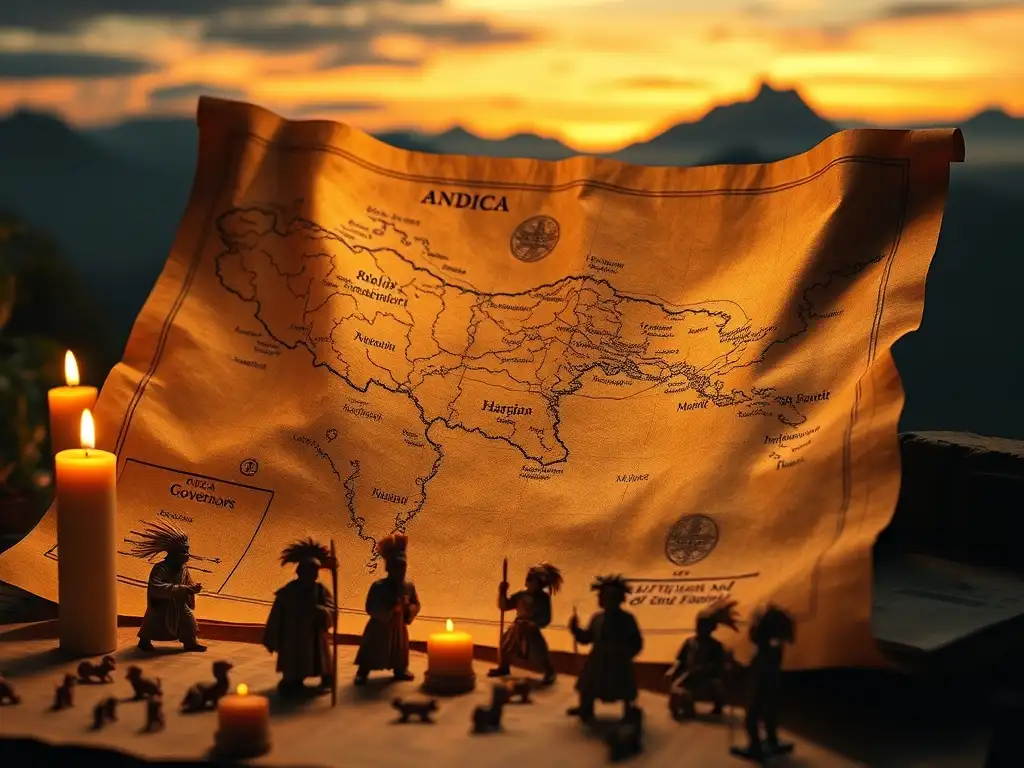
The Inca Empire, renowned for its sophisticated administrative system, relied heavily on its network of Suyu governors to maintain control and cohesion across its vast territories. These governors, appointed directly by the Sapa Inca, played a crucial role in shaping the empire's political, economic, and social landscape. Their legacy extends far beyond the immediate impact of their governance, leaving an enduring mark on Andean history and culture.
Understanding the role and influence of these Inca Suyu governors is key to comprehending the empire's remarkable success and eventual downfall. The intricate system they oversaw facilitated the efficient management of resources, the implementation of imperial policies, and the integration of diverse populations under a single banner. This section delves into the specifics of their influence, exploring their impact on expansion, local populations, and the lasting consequences of their actions.
The Role of Governors in Inca Expansion and Consolidation
The Suyu governors were instrumental in the Inca Empire's remarkable expansion. Their responsibilities encompassed not only the administration of their assigned territories but also the strategic planning and execution of military campaigns. Appointed for their loyalty, military prowess, and administrative skills, these governors commanded local armies, oversaw the construction of infrastructure projects (like roads and tambos), and facilitated the incorporation of newly conquered territories into the empire.
For example, the governor of Chinchaysuyu, responsible for the northwestern region, played a pivotal role in the conquest of coastal territories, securing valuable resources and strategic ports. Similarly, governors in the Antisuyu region, known for its challenging terrain, were crucial in extending Inca influence into the Amazonian foothills and beyond. Their success was predicated on a combination of military might, diplomatic finesse, and the shrewd management of resources.
The effective administration of these governors ensured the stability and growth of the empire, allowing for the seamless integration of diverse cultures and the establishment of a unified political entity. Their military achievements were often celebrated through elaborate ceremonies and the construction of monumental architecture, solidifying their status as powerful figures within the imperial hierarchy. The strategic placement and selection of these governors are testament to the Inca's sophisticated understanding of political strategy and the importance of regional expertise in consolidating power.
Suyu Governance and its Effect on Local Populations
While the Inca Empire's expansion brought about significant changes, the impact of Suyu governors on local populations was complex and multifaceted. While the imposition of Inca rule undoubtedly altered existing social structures and power dynamics, the governors also played a role in mediating between the imperial administration and local communities. This involved implementing policies related to taxation (e.g., the mita labor system), resource allocation, and religious practices. The mita, while demanding, also provided opportunities for local communities to contribute to imperial projects and receive reciprocal benefits.
The effectiveness of a governor often depended on their ability to navigate the delicate balance between enforcing imperial decrees and maintaining social harmony. Successful governors understood the importance of incorporating local customs and traditions into the imperial system, minimizing conflict and fostering cooperation. However, resistance to Inca rule was not uncommon, particularly in regions with strong pre-existing political structures. In such instances, the actions of Suyu governors ranged from forceful suppression to negotiation and compromise, demonstrating the varied approaches employed to manage diverse populations within the empire.
The long-term effects of Suyu governance on local populations continue to be a subject of scholarly debate, with ongoing research examining the lasting impacts on social organization, economic systems, and cultural practices. More research is needed to fully understand the nuanced relationship between Suyu governors and the people they governed. [Specific information pending on regional variations in governance strategies]
The End of the Suyu System: Changes After the Spanish Conquest
The Spanish conquest marked the abrupt end of the Inca Suyu system and the era of Inca Suyu governors. The arrival of the Spanish conquistadors led to the overthrow of the Inca government and the disintegration of the empire's administrative structures. The Suyu system, which had been the backbone of Inca governance, was dismantled, replaced by the Spanish colonial administration. The Spanish implemented their own system of governance, characterized by a hierarchical structure with viceroys, corregidores, and other officials holding power.
This transition was accompanied by significant upheaval, including the displacement of Inca elites and the disruption of traditional social and economic systems. The mita labor system, while adapted and exploited by the Spanish, lost its original purpose and context. The existing infrastructure, once a testament to Inca engineering, was progressively integrated into the Spanish colonial system. The legacy of the Suyu system however, continued to influence regional identities and power dynamics, even under Spanish rule.
Local communities retained aspects of their pre-conquest social organization and cultural traditions, albeit modified by the colonial experience. The lasting impact of the Spanish conquest on Andean society represents a dramatic shift from the organized and efficient governance of the Inca Suyu system, a system whose complexity and effectiveness is only just beginning to be fully understood. Further research is needed to fully explore the long-term societal and cultural repercussions of this transition.
Comparing Inca Suyu Governors with Other Andean Leaders
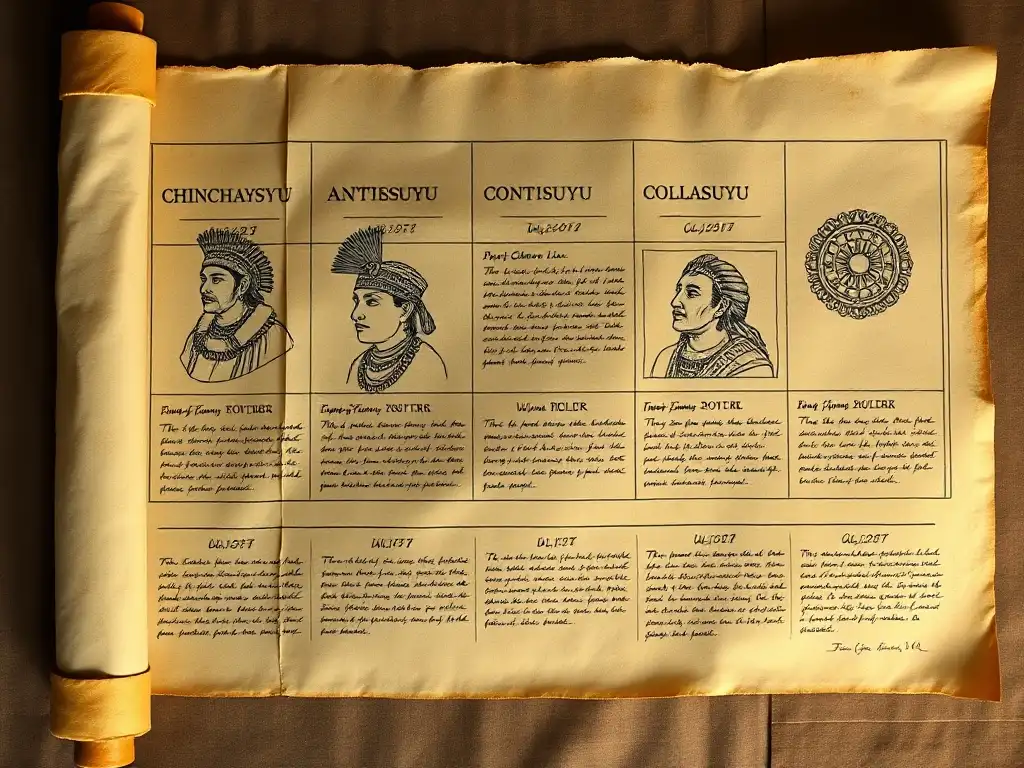
This section delves into the specifics of Inca Suyu governors, contrasting their roles and authority with those of other Andean leaders, providing a clearer understanding of their unique position within the Inca empire. The Inca system, while imposing a unified structure, still negotiated with pre-existing power structures. Understanding these nuances is key to appreciating the complexity of Inca governance.
Differences Between Suyu Governors and Local Chieftains
Before the Inca expansion, the Andes were a patchwork of diverse cultures, each with its own leadership structures. Local chieftains, often hereditary rulers, held significant power within their respective communities. Their authority, however, was primarily localized. They controlled resources, administered justice, and led religious ceremonies within their specific territories.
In contrast, Inca Suyu governors, while respecting existing local hierarchies to a degree, held a much broader mandate. Their power stemmed directly from the Inca emperor and extended across vast regions encompassing numerous communities. They were responsible for collecting tribute, managing infrastructure projects (like roads and qollqas), and ensuring the loyalty of the Suyu to the central government. This difference in scope is crucial: local chieftains ruled a village or small region; Suyu governors ruled a quarter of the empire.
For example, while a local chieftain in the Urubamba Valley might have authority over a few hundred people and their agricultural lands, a Suyu governor like the one overseeing Antisuyu would be responsible for millions of subjects spread across a massive, diverse territory. The level of administrative and military power at their disposal was exponentially greater. The Inca system cleverly integrated existing power structures, often appointing local elites as governors, but ultimately, the Suyu governor's loyalty was to the emperor, not their local community. This created a complex interplay of power and loyalty, crucial for maintaining imperial control.
Suyu Governors vs. Inca Emperors: Defining the Hierarchy
The Inca imperial structure was strictly hierarchical, with the emperor at its apex. The emperor, considered a divine figure, held absolute authority. He controlled all aspects of the empire, from religious affairs to military campaigns, and his word was law. Suyu governors, while powerful in their own right, were ultimately subordinate to the emperor. They were appointed by the emperor and could be removed at his discretion. Their decisions needed to align with imperial policy, and they were accountable for the performance of their Suyu.
The difference in power is stark. The emperor controlled the entire empire's resources, wielded the ultimate military power, and was the source of all legitimacy. The Suyu governor, while managing a significant portion of the empire, had a defined and limited scope of authority. They could not declare war independently, enact laws contradicting imperial decrees, or unilaterally redistribute resources.
Their power was derived from, and ultimately answerable to, the emperor. This hierarchical structure ensured the centralized control necessary for the efficient administration of such a vast and diverse empire. The system, while seemingly rigid, allowed for a degree of localized autonomy within the broader framework of imperial authority.
The Unique Power Dynamic of the Inca Suyu System
The Inca Suyu system presents a fascinating case study in imperial administration. The division of the empire into four quarters, each governed by a Suyu governor, was a strategic move to manage the vast territory and diverse populations effectively. This system allowed for a balance between centralized control and regional administration. While the emperor maintained ultimate authority, the Suyu governors enjoyed considerable autonomy within their respective regions. This balance was crucial for maintaining order and stability across the empire.
However, this autonomy was not absolute. Regular inspections and reporting mechanisms ensured the governors remained accountable to the emperor. The emperor also used a system of loyal officials and spies to monitor the governors' activities and prevent rebellion. This careful balance of power and control is a testament to the sophisticated political strategies employed by the Inca empire.
The system allowed for efficient governance of a large and diverse territory while preventing the emergence of powerful regional rivals who might challenge the emperor's authority. This intricate power dynamic ensured the longevity and stability of the Inca empire for centuries, a testament to the effectiveness of their administrative system. Further research into specific Suyu governors and their interactions with the imperial court would illuminate this power dynamic even further. [Specific examples of governor-emperor interactions pending].
The Importance of Studying Inca Suyu Governance
Understanding the Inca empire's administrative structure is crucial to grasping its remarkable success in unifying and controlling such a vast and diverse territory. The Inca Suyu Governors, or Suyu Apus, played a pivotal role in this system. Studying their roles, responsibilities, and impact allows historians to gain insights into the intricacies of Inca governance, its effectiveness, and its ultimate collapse.
This involves analyzing not only the formal power structures but also the practical implications of their authority on the daily lives of the population. By examining the ways in which the Suyu system functioned, we can better understand the mechanisms of imperial control, economic management, and social integration within the Inca Empire. This research also sheds light on the complex relationship between the central government in Cusco and the peripheral regions, revealing the delicate balance between centralized authority and local autonomy.
The detailed study of Inca Suyu Governors therefore provides a deeper understanding of the Inca state's overall strength and resilience. The intricacies of this system offer valuable insights for scholars studying imperial administration and the management of diverse populations in large-scale empires throughout history. Furthermore, understanding their role helps contextualize the impact of Spanish conquest and the subsequent dismantling of the Inca political and social order.
Understanding Inca Administration Through Suyu Rulers
The Inca Empire, at its zenith, encompassed a massive territory spanning across modern-day Peru, Ecuador, Bolivia, Chile, and Argentina. Efficient administration was paramount to maintaining control over such a vast and diverse population. The empire was divided into four quarters, or Suyus, each governed by a Suyu Apu, a governor appointed directly by the Sapa Inca, the emperor. These Suyu Apus weren't merely regional administrators; they were key figures in the Inca's intricate system of power.
Their authority extended across various aspects of life, from overseeing agricultural production and infrastructure projects to collecting tributes and maintaining order. Evidence suggests that these governors were often chosen for their loyalty, administrative skills, and military prowess. The selection process, while not fully documented, likely involved a combination of meritocracy and kinship ties, ensuring both competence and loyalty to the imperial crown.
Their power, however, was not absolute; they were accountable to the Sapa Inca and subject to audits and inspections to ensure compliance with imperial directives. This complex interplay between central authority and regional governance allowed for a degree of flexibility in adapting imperial policies to local conditions while maintaining overall control. The effectiveness of this system is evident in the empire's longevity and its ability to integrate diverse cultures and economies under a single rule.
The Suyu Governors as Key Players in Inca History
The Suyu Apus weren't just cogs in a bureaucratic machine; they were influential figures who shaped the course of Inca history. Their actions and decisions had a profound impact on the lives of their subjects and the overall trajectory of the empire. For example, [Specific examples of Suyu Apus and their actions pending]. Their role extended beyond mere administration; they often acted as intermediaries between the Sapa Inca and the local populations, conveying imperial decrees and addressing local grievances.
This role required a delicate balance of loyalty to the emperor and responsiveness to the needs of their constituents. Many Suyu Apus played crucial roles in military campaigns, leading armies and expanding the empire's borders. Their military expertise and leadership were vital to the Inca's success in conquest and territorial expansion. Furthermore, their control over resources and the collection of tributes significantly contributed to the empire's economic prosperity.
Understanding the actions and decisions of these influential figures is essential to gaining a complete picture of Inca history and the complexities of their imperial system. The legacy of the Inca Suyu Governors continues to resonate in the historical narratives and archaeological findings of the Andean region, providing invaluable insights into the workings of a remarkable ancient civilization. Further research into their individual biographies and the specific challenges they faced would greatly enrich our understanding of Inca imperial governance.
Frequently Asked Questions
What were the Inca Suyu?
The Inca empire was divided into four provinces, or Suyu, each governed by a powerful official. These Suyus were crucial for administrative control and resource management across the vast empire. They facilitated the effective governance of diverse populations and territories.
Who were the Suyu Governors?
The Suyu Governors, also known as Apus, held immense power. They were responsible for collecting taxes, managing infrastructure, and ensuring loyalty to the Sapa Inca (emperor). They were appointed by the Inca and were key figures in the empire's administration.
What were the responsibilities of an Inca Suyu Governor?
Their responsibilities were extensive, encompassing military command, overseeing infrastructure projects (roads, irrigation), collecting tributes (labor and goods), and maintaining order within their assigned Suyu. They were essentially regional viceroys reporting directly to the emperor.
How did the Inca Suyu system contribute to the empire's success?
The Suyu system was pivotal to the Inca's success. It allowed for efficient administration of a vast and diverse empire, ensuring the flow of resources and maintaining political stability. This decentralized, yet controlled, system was key to their longevity.
What were the consequences of rebellion against a Suyu Governor?
Rebellion against a Suyu Governor was met with swift and severe consequences. The Inca maintained a strong military presence and would utilize their forces to quell any uprising, often resulting in punishment for the rebels and the strengthening of the central authority of the empire.
Final Reflection: The Enduring Legacy of Inca Suyu Governors
The intricate system of Inca Suyu Governors remains a powerful testament to effective governance and societal organization, a model surprisingly relevant to modern challenges of resource management and equitable distribution. Understanding their roles offers crucial insights into how a vast and diverse empire successfully managed its resources and maintained stability for centuries, a feat that continues to inspire and challenge contemporary political and economic systems.
The impact of the Suyu system extends far beyond the historical record; its echoes resonate in discussions of regional autonomy, decentralized power structures, and the importance of adapting governance to diverse geographical and cultural landscapes. The Inca empire was not a monolithic entity, but a complex tapestry woven from diverse threads of regional identities and customs, skillfully managed by the Suyu system.
This quote highlights the enduring relevance of understanding how the Inca balanced centralized authority with local needs, a lesson that holds significant weight in our increasingly interconnected world grappling with issues of globalization and local self-determination.
Consider the implications of the Suyu system for your own understanding of leadership and governance. How can we learn from the Inca's approach to balancing centralized control with local autonomy? What aspects of their system could be adapted to address contemporary challenges in your community, your nation, or even your own personal sphere of influence? Let the legacy of the Inca Suyu Governors inspire you to explore new models of effective and equitable leadership, fostering a world where diversity is celebrated and resources are managed sustainably for the benefit of all.
**Explore the Legacy of Inca Governors! **
Thank you for exploring the fascinating world of Inca governors and their crucial role in shaping Andean history. Your discoveries have enriched your understanding and sparked curiosity about ancient governance and society. Now, let's put your knowledge into practice!
Here are some ways to continue your exploration:
- **Delve deeper** into the rich culture of the Andean civilizations by exploring related articles on our website.
- **Share your insights** with friends and on social media. Discuss how the regional governors influenced local governance and cultural dynamics.
- **Connect with other enthusiasts** on our forum to exchange perspectives and explore diverse interpretations of Inca leadership.
Which aspect of the Inca governance system most intrigues you, and how do you believe it informs our understanding of modern leadership?