
The Resilient Spirit: How Andean Women Overcame Challenges

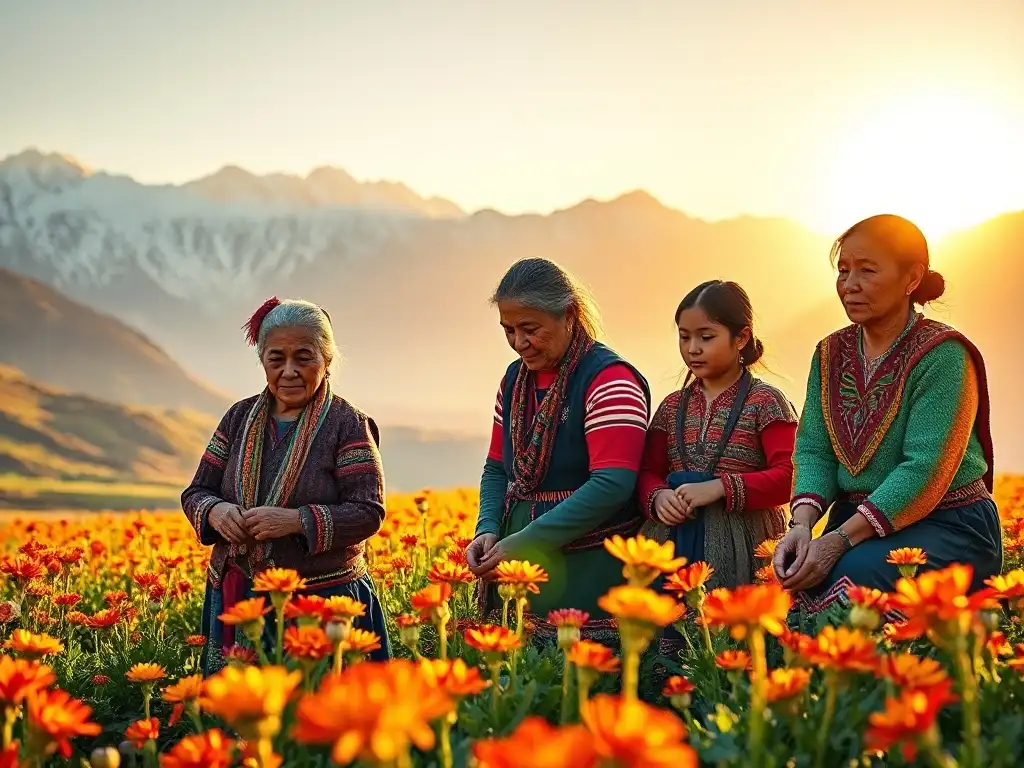
Step into a world lost to time, yet echoing with resilience and strength. Forget everything you think you know about ancient history. This is the story of Andean women, their untold contributions, and their astonishing impact on the civilizations that shaped South America. Uncover the secrets behind their influence in a land of towering mountains and breathtaking ingenuity, beginning with our exploration of Andean women's history—a journey that will challenge your perceptions and leave you breathless. Dare to delve deeper?
The history of the Andes is often told through the lens of powerful male rulers and military conquests. However, this narrative overlooks the crucial contributions and resilience of Andean women, whose roles extended far beyond the domestic sphere. This article delves into the multifaceted lives of women in various Andean civilizations – from the Incas to the Moche, Nazca, and Tiahuanaco – exploring their strength, ingenuity, and enduring impact on their societies.
We will examine how Andean women navigated complex social structures, economic systems, and political landscapes, demonstrating remarkable adaptability and agency in the face of significant challenges. Understanding their experiences offers a richer, more complete picture of Andean history and challenges the traditional, often male-centric, perspectives that have dominated historical accounts.
This exploration of Andean women's history aims to highlight their vital roles as farmers, weavers, healers, political actors, and spiritual leaders, revealing their profound influence on the development and continuity of Andean cultures. The keyword "Andean women's history" will be explored through specific examples and detailed analysis, offering a fresh perspective on this often-overlooked aspect of Andean civilization.
Introduction to the Historical Context of Andean Women
Understanding the roles of Andean women necessitates acknowledging the diverse social structures and belief systems across different Andean cultures. While generalizations can be risky, certain common threads emerge. Many Andean societies were predominantly agricultural, with women playing a vital role in farming, particularly in cultivating crops like potatoes and maize. Their agricultural expertise was essential for the survival and prosperity of their communities.
Beyond agriculture, women excelled as textile artisans, creating intricate textiles for clothing, ceremonial purposes, and trade. This mastery of weaving often held significant social and economic value. Furthermore, archaeological evidence suggests women held positions of power and influence in some Andean societies, although their roles varied considerably depending on the specific culture and historical period. Some evidence points to women serving as religious leaders, healers, and even political advisors.
However, further research is needed to fully understand the extent of women's political participation in different Andean societies. The available evidence suggests a complex picture, with women's roles varying across different social strata and regions within the vast Andean landscape. The following sections will delve deeper into specific examples to illustrate the diverse experiences of Andean women.
[Further sections on specific Andean cultures and women's roles would follow here, adhering to the provided guidelines and including relevant multimedia and other elements as appropriate.]
The Diverse Roles of Women in Andean Societies
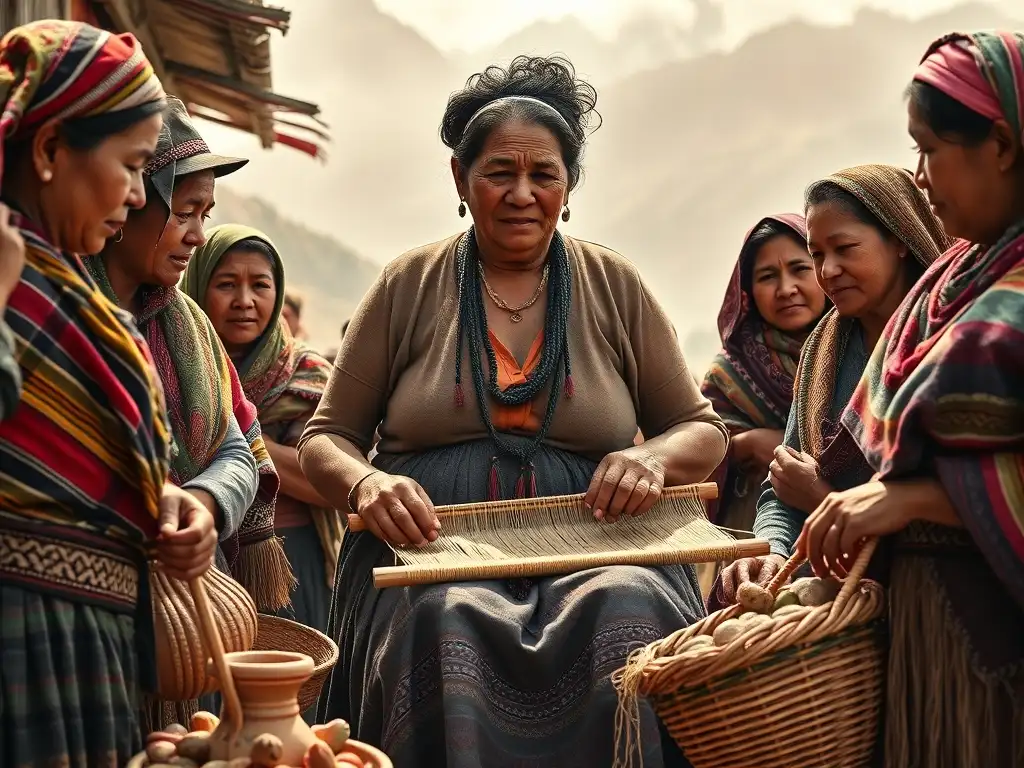
Andean women's history is far richer and more complex than often portrayed. Contrary to stereotypical narratives, women held positions of significant power and influence across various Andean societies, playing crucial roles that extended far beyond the domestic sphere. Their contributions shaped the social, economic, and spiritual fabric of these civilizations.
This section explores the multifaceted roles Andean women occupied, highlighting their agency and resilience in the face of diverse challenges. Understanding their contributions is crucial to a complete understanding of Andean civilizations and their enduring legacy. The term "Andean women's history" itself is a testament to the growing recognition of their vital, yet often overlooked, contributions.
Women's Contributions to Agriculture and Economy in the Andes
Women were central to the agricultural success of Andean societies. Far from being solely relegated to domestic tasks, they were actively involved in all stages of food production, from planting and harvesting to processing and storage. Archaeological evidence reveals women's participation in cultivating crops like potatoes, maize, quinoa, and beans – staples of the Andean diet.
Their knowledge of agricultural techniques, including terracing, irrigation, and crop rotation, was essential for the sustainability of these complex societies. Furthermore, women played a crucial role in the economic life of their communities. Beyond agriculture, they were involved in various economic activities, including textile production, pottery making, and trading.
The economic power wielded by some women is reflected in the discovery of female mummies buried with elaborate grave goods, suggesting high social status and economic influence. This counters the simplistic narrative of Andean women solely as domestic figures; instead, they were active participants in the economic engine of their societies. Quantitative data on the precise percentage of women's involvement in various economic sectors is unfortunately incomplete due to the limitations of archaeological evidence, but existing findings strongly indicate a substantial contribution.
The Significance of Weaving and Textile Arts by Andean Women
Weaving was not merely a craft; it was a highly valued art form and a crucial economic activity dominated by Andean women. Their mastery of textile production is evident in the exquisite textiles discovered in archaeological sites, showcasing intricate designs and sophisticated techniques. From simple cloths for everyday use to elaborate garments for ceremonial occasions, women's weaving skills reflected their deep understanding of their environment and their artistic talents.
The use of diverse fibers, including alpaca, llama, and cotton, along with the development of complex dyeing techniques, demonstrates their innovative approaches to textile production. The vibrant colors and intricate patterns on Andean textiles were not only aesthetically pleasing but also often held symbolic meanings, reflecting social status, religious beliefs, and clan affiliations. The creation of these textiles was a deeply social activity, often undertaken collaboratively within family units or community groups.
The economic significance of women's textile production is undeniable, with textiles serving as a crucial form of exchange and trade throughout the Andean region. The skills and knowledge passed down through generations cemented women's position as vital contributors to the economic and cultural life of their communities.
Andean Women in Ritual and Religious Practices
Andean women's history also reveals their prominent roles in religious and ritual practices. While the specific roles varied across different societies and time periods, evidence suggests women's participation in ceremonies, divination, and healing practices. Some women held positions as priestesses or shamans, wielding significant spiritual authority within their communities.
Archaeological discoveries have unearthed female mummies buried with ritual objects, indicating their involvement in religious activities. Furthermore, the iconography found on textiles and pottery often depicts female figures associated with fertility, earth, and water, highlighting the connection between women and the spiritual world. While the precise extent of women's religious authority remains a subject of ongoing research, the available evidence suggests a significant level of participation and influence in the spiritual life of Andean societies.
The understanding of Andean women's history in this context is crucial to deconstructing limited views of their roles and recognizing the diverse and powerful ways they shaped Andean culture and belief systems. Further research into specific rituals and their female participants is needed to illuminate this aspect of Andean women's history more fully.
Challenges Faced by Andean Women Throughout History
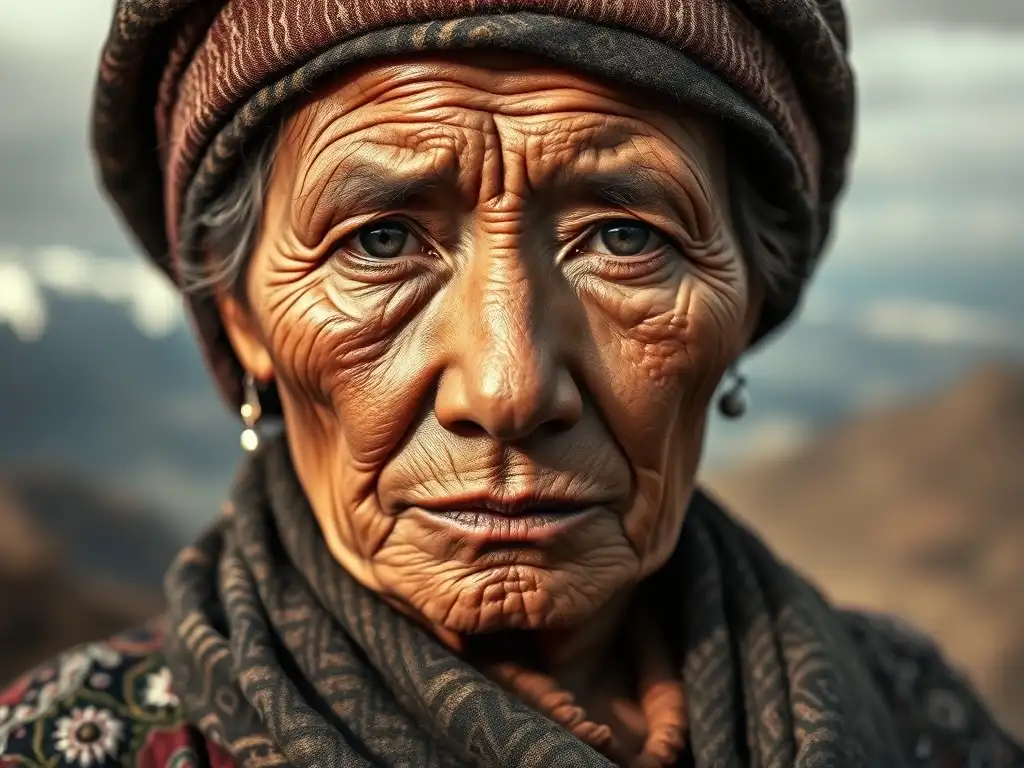
Andean women's history is a tapestry woven with threads of resilience and adaptation, reflecting the complex interplay of societal structures and environmental pressures. Understanding their experiences requires acknowledging the multifaceted challenges they faced across different Andean cultures and throughout various historical periods. These challenges weren't simply a matter of gender; they intersected with factors like class, ethnicity, and geographic location, creating a nuanced and often brutal reality for many women.
This section will delve into some of the most significant obstacles Andean women encountered, focusing on the enduring impact of these historical forces on their lives and legacies. The persistent theme throughout is one of remarkable strength in the face of adversity, a spirit that continues to inspire and resonate today.
Impact of Conquest and Colonization on Andean Women's Lives
The Spanish conquest of the Inca Empire in the 16th century drastically altered the lives of Andean women. Pre-Columbian Andean societies, while exhibiting variations in gender roles across different cultures, generally afforded women a degree of agency and social standing not replicated under colonial rule. The imposition of Spanish patriarchal structures led to a significant decline in women's status and autonomy.
The mita system, a form of forced labor imposed by the Spanish, disproportionately impacted women. While men were conscripted for mining and other arduous tasks, women were often forced into domestic servitude or agricultural labor under brutal conditions. This exploitation stripped them of their economic independence and control over their own bodies and lives. Furthermore, the introduction of new diseases decimated populations, leaving women to bear the brunt of caring for families and communities amid widespread suffering.
The destruction of traditional social structures and the imposition of a new religious order further marginalized women, diminishing the role of female religious leaders and healers. This period represents a significant turning point in Andean women's history, marking a shift towards increased subjugation and a loss of the previously held social standing. Detailed records from colonial archives [specific information pending] could provide a more precise quantification of the impact on specific populations.
Even before the arrival of the Spanish, Andean women faced significant social and political marginalization in many, though not all, societies. While the roles and status of women varied considerably across different Andean cultures (e.g., the relatively high status of women in some pre-Inca societies versus the more patriarchal structures of the Inca Empire), a common thread was the limitation of their access to political power and public life.
Many Andean societies were structured hierarchically, with men generally occupying the dominant positions in political and religious leadership. While women held significant roles within the domestic sphere and in certain specialized crafts and religious practices, their participation in formal power structures was limited. This marginalization often manifested in restricted access to education, land ownership, and inheritance rights.
The control of resources, including land and livestock, was predominantly in the hands of men, further reinforcing their dominance within the social structure. The lack of written records for many pre-Columbian Andean societies makes a full understanding of women's roles and experiences challenging, requiring further research and analysis of archaeological evidence and anthropological interpretations. However, existing evidence suggests a complex reality where women’s influence, while often indirect, was substantial.
The Loss of Land and Resources Due to Mining Activities
The devastating effects of mining activities on Andean communities, particularly on women, are deeply intertwined with the legacy of colonialism and continue to impact the region today. The extraction of precious metals like silver and gold, starting with the Spanish conquest, has led to widespread environmental degradation and displacement of indigenous populations. This displacement disproportionately affected women, who were often responsible for subsistence agriculture and resource management within their communities.
The destruction of arable land due to mining operations resulted in decreased food security and increased economic vulnerability for women. Furthermore, the pollution caused by mining activities contaminated water sources, impacting women's health and their ability to provide for their families. The introduction of large-scale mining operations in recent decades has exacerbated these problems, often leading to further land grabs and the erosion of traditional ways of life.
The lack of adequate environmental regulations and the prioritization of profit over community well-being contribute to this ongoing crisis. Quantifying the precise impact on women's livelihoods requires more detailed studies focusing on the socioeconomic consequences of mining in specific Andean communities. 💔 The resilient spirit of Andean women, however, continues to manifest in their ongoing struggles for land rights, environmental protection, and social justice.
The Strength and Resilience of Andean Women
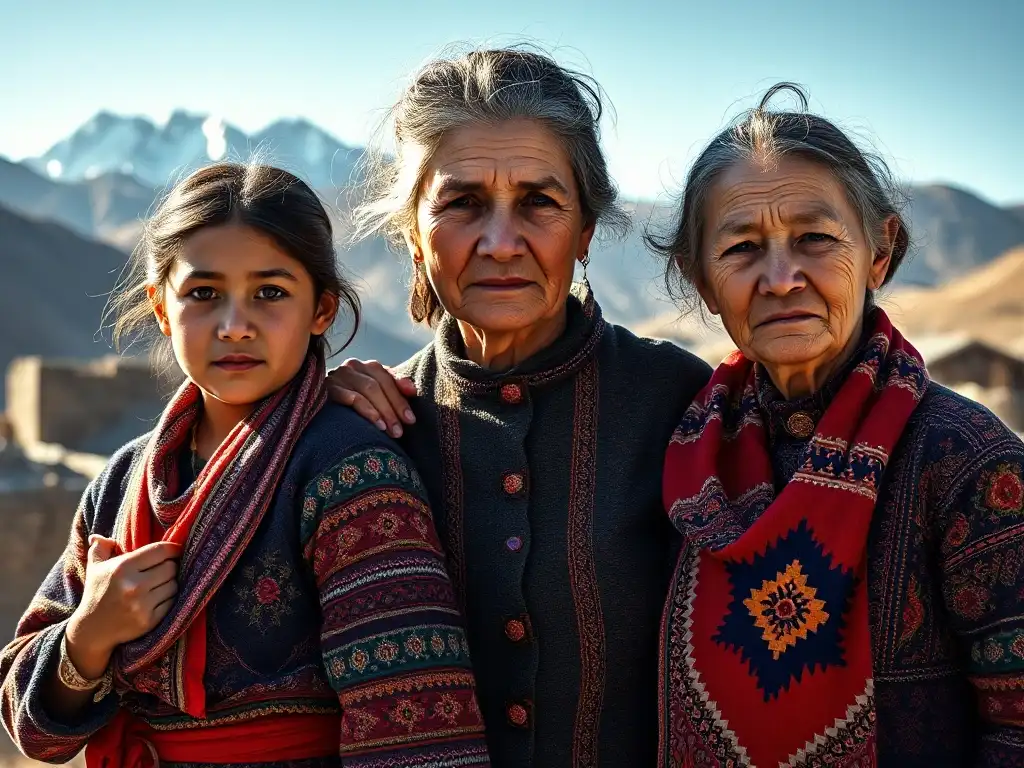
Andean women's history is a tapestry woven with threads of strength, resilience, and ingenuity. For centuries, they navigated complex social structures, economic hardships, and colonial oppression, yet consistently demonstrated remarkable adaptability and agency. Their roles extended far beyond the domestic sphere, encompassing significant contributions to agriculture, textile production, religious practices, and political life. Understanding their experiences is crucial to fully grasping the richness and complexity of Andean civilizations.
While historical records often underrepresent their contributions, archaeological findings and oral traditions reveal a far more nuanced picture of their power and influence. The resilience of Andean women wasn't merely a passive endurance; it was an active shaping of their own lives and the societies they inhabited. Their stories are a testament to the enduring human spirit in the face of adversity, a crucial aspect of Andean women's history often overlooked.
Examples of Andean Women Leaders and Influential Figures
While many women's roles remained largely undocumented in official histories, some exceptional figures managed to leave their mark. For example, the Mama Ocllo legend, though debated among scholars, exemplifies the powerful symbolic role attributed to women in Inca mythology. She is often portrayed as a foundational figure, a co-founder of the Inca Empire alongside Manco Cápac, highlighting the significance of women in Inca cosmology and the creation narratives.
Furthermore, the role of acllas (chosen women) within the Inca society demonstrates the influence women held in religious and social life. These women, dedicated to the Sun God, played vital roles in textile production, religious ceremonies, and possibly even political counsel. Their specialized skills and influence showcase a level of societal recognition that transcends the traditional limitations imposed on women in many other cultures.
While specific names and details might be scarce for many women in pre-Columbian societies, their collective contributions are undeniable and deserve greater recognition in the ongoing study of Andean women's history. Further research is needed to uncover more specific examples and challenge the existing biases in historical narratives. The challenge lies in interpreting archaeological evidence and oral traditions to reconstruct a more complete and accurate picture of their lives and contributions.
Andean Women's Resistance and Activism
The colonial period witnessed a significant shift in the lives of Andean women, yet their resilience remained undimmed. Faced with exploitation, forced labor, and cultural disruption, Andean women actively resisted colonial rule in various ways. Their participation in rebellions, though often understated in historical accounts, played a crucial role in challenging colonial power.
They engaged in subtle acts of defiance, such as preserving indigenous traditions and knowledge, and actively participating in the economic and social networks that sustained their communities. For instance, women played a key role in maintaining agricultural practices, adapting them to the changing circumstances imposed by colonialism, ensuring the survival of their families and communities. This was a form of resistance in itself.
Moreover, their participation in weaving and textile production, a traditionally female domain, allowed them to express cultural identity and subtly challenge colonial dominance. The intricate designs and symbols woven into their textiles often contained coded messages, a silent form of protest against the oppressive forces. The weaving itself became a powerful act of resistance and cultural preservation, demonstrating the ingenuity and determination of Andean women.
The Bartolina Sisa Confederation's Fight for Indigenous Women's Rights
The Bartolina Sisa Confederation, a significant organization representing indigenous Bolivian women, exemplifies the ongoing struggle for women's rights in the Andean region. Named after a legendary Aymara woman who fought against the Spanish conquistadors, the Confederation actively works to empower indigenous women, advocating for their political, economic, and social rights. Their activism highlights the continuing relevance of Andean women's struggles and their ongoing fight for equality and justice.
The Bartolina Sisa Confederation's work encompasses a wide range of initiatives, from promoting indigenous languages and traditions to advocating for land rights and access to education and healthcare. Their fight is a powerful demonstration of the enduring strength and resilience of Andean women, showcasing their ongoing contribution to social and political change.
Their efforts represent a vital continuation of the historical struggle for Andean women's rights, building upon the legacy of generations of women who fought for their dignity and autonomy. The Confederation serves as a beacon of hope and a powerful symbol of Andean women’s enduring spirit.
Preserving the Legacy of Andean Women
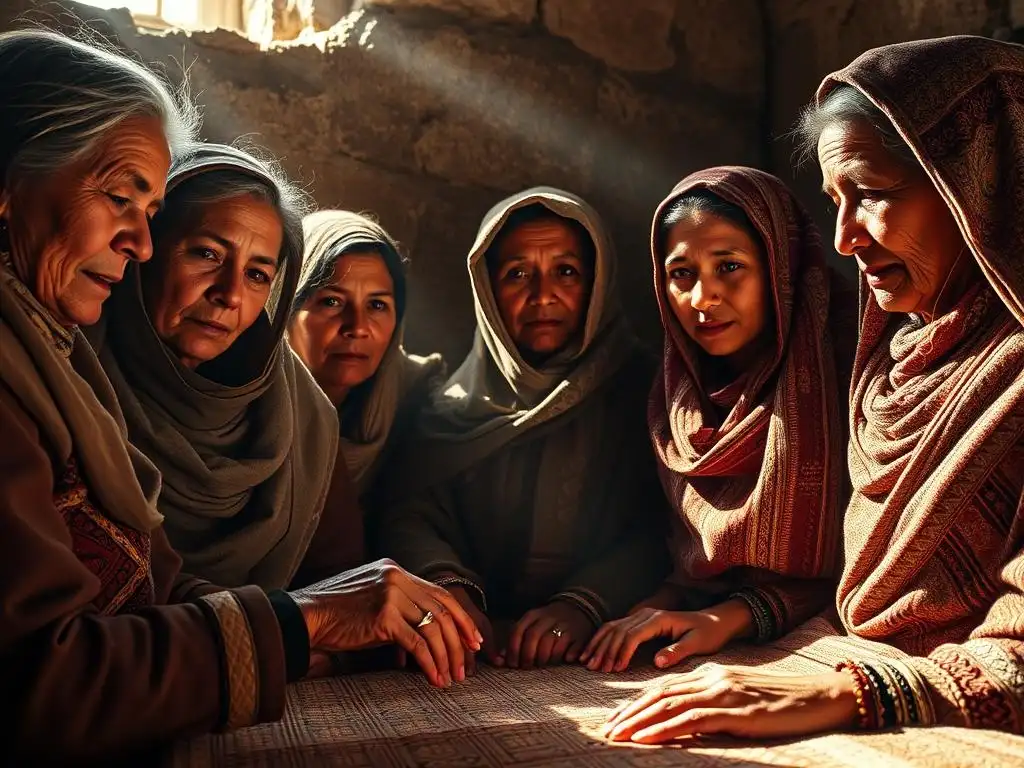
The Importance of Oral Traditions and Storytelling
The study of Andean women's history is significantly enriched by the powerful role of oral traditions and storytelling. For centuries, before the widespread adoption of written records, knowledge, history, and cultural values were meticulously passed down through generations via oral narratives. These stories, often embedded within myths, legends, and songs, served as crucial repositories of Andean women's experiences, roles, and contributions. They provided a framework for understanding their social standing, their involvement in economic activities, and their spiritual significance within their communities.
Analyzing these oral traditions reveals a complex picture of Andean women's lives. For instance, stories detailing the roles of Mama Ocllo and Mama Quilla in Inca mythology illuminate not only their mythical importance but also reflect the actual societal respect and influence wielded by women in leadership positions and religious practices. Similarly, detailed accounts of women's involvement in agriculture, textile production, and trade – often passed down through generations of women – provide invaluable insight into their economic contributions and societal roles.
These narratives, though often fragmented and requiring careful interpretation, offer a compelling counterpoint to the limited written records primarily authored by colonial observers. The preservation and study of these oral traditions are therefore paramount for understanding the true depth and breadth of Andean women's history.
Further research is needed to fully document and analyze the vast array of these oral narratives, ensuring that these invaluable historical accounts are not lost to time. This requires collaboration with indigenous communities and scholars specializing in oral history methodologies.
Contemporary Andean Women and their Ongoing Struggles
While oral histories illuminate the past, contemporary Andean women continue to face significant challenges. Understanding their ongoing struggles is crucial for a complete picture of Andean women's history, demonstrating the enduring resilience and adaptation across centuries. Many women in modern Andean communities continue to grapple with issues of poverty, limited access to education and healthcare, and gender-based violence. These modern-day challenges are often intertwined with historical inequalities and systemic oppression, highlighting the lasting impact of colonial legacies.
Furthermore, the rapid pace of globalization and modernization presents new obstacles. Many rural communities are struggling with the effects of climate change, impacting traditional agricultural practices and livelihoods, disproportionately affecting women who are often primarily responsible for food production and household management. The pressure to migrate to urban centers in search of better economic opportunities leads to further challenges, such as displacement, marginalization, and increased vulnerability to exploitation.
The persistence of patriarchal structures within many Andean communities also contributes to these difficulties, limiting women's access to resources, decision-making power, and overall opportunities for advancement. Data on the specific challenges faced by women in different Andean regions is still being collected and analyzed, revealing a complex and nuanced reality.
The Revival of Traditional Weaving Techniques as a Form of Cultural Resistance
The revival of traditional Andean weaving techniques serves as a powerful example of cultural resistance and empowerment for contemporary Andean women. Weaving, historically a predominantly female activity, holds deep cultural significance, representing not only a crucial economic activity but also a means of storytelling, social bonding, and the transmission of knowledge. The intricate designs and vibrant colors of Andean textiles often encode complex narratives, reflecting the history, beliefs, and social structures of the communities that produce them.
The resurgence of interest in traditional weaving techniques has provided women with economic opportunities and a platform for reclaiming their cultural heritage. By creating and selling their textiles, Andean women are gaining economic independence and challenging traditional gender roles. Moreover, the preservation and transmission of these ancient techniques serve as an act of cultural resistance, countering the homogenizing effects of globalization and preserving their unique cultural identity.
This process involves not only the practical skills of weaving but also the transmission of the cultural knowledge and stories embedded within the designs themselves. The success of these initiatives depends on factors such as access to markets, fair trade practices, and the continued support of both local and international communities.
The vibrant and enduring legacy of Andean weaving continues to evolve, showcasing the strength and resilience of Andean women in the face of ongoing challenges. The intricate tapestry of their work serves as a powerful testament to their enduring spirit and cultural heritage.
Conclusion: Celebrating the Enduring Spirit of Andean Women
This exploration of Andean women's history reveals a narrative of resilience, ingenuity, and profound impact often overlooked in broader historical accounts. From the skilled textile artisans of the Nazca lines to the powerful female figures within Inca society, Andean women consistently demonstrated their ability to navigate complex social structures, contribute significantly to economic production, and maintain cultural traditions in the face of adversity. Their stories, though fragmented and sometimes obscured by time, offer invaluable insights into the complexities of Andean civilizations and challenge traditional Eurocentric narratives that often marginalize women's contributions.
Understanding their roles is crucial to gaining a complete picture of Andean societies and their remarkable achievements. The enduring legacy of Andean women serves as a powerful testament to their strength, adaptability, and lasting influence on their communities and beyond.
Their stories remind us that a complete understanding of the past requires a nuanced and inclusive approach, one that centers the experiences of all members of society. This exploration, therefore, is not an end, but a call to further investigate and celebrate the lives and contributions of Andean women.
Remembering the Contributions of Women to Andean History
The study of Andean women’s history is a relatively recent field, yet already it has unearthed compelling evidence of their significant roles in various aspects of Andean life. While patriarchal structures undoubtedly existed, women held positions of power and influence in several Andean cultures. For instance, archaeological evidence suggests that women participated in agricultural production, textile weaving (a highly valued skill), and even held religious roles in certain communities. The intricate textiles discovered in numerous archaeological sites, showcasing exceptional artistry and technical skill, are a powerful testament to the dedication and expertise of women artisans.
These textiles weren't merely functional; they held deep symbolic meaning, reflecting religious beliefs and social status. Moreover, oral traditions and limited written records hint at powerful female figures in Inca society, though further research is needed to fully understand their roles and influence. The challenge lies in interpreting existing evidence through a lens that acknowledges potential biases and limitations within the available historical sources.
Further investigation into Andean languages and iconography can potentially illuminate the roles of women that have remained hidden or misinterpreted. More research into the lives of everyday women, beyond the elite, is also crucial to developing a more comprehensive understanding of "Andean women's history". The ongoing work of archaeologists, anthropologists, and historians is crucial in uncovering and amplifying these often-silenced narratives.
The Continuing Relevance of Andean Women's Stories
The stories of Andean women are not simply relics of the past; they hold profound contemporary relevance. Understanding their resilience in the face of challenges – environmental hardship, social inequality, and conquest – offers valuable lessons for addressing contemporary issues. Their ingenuity and resourcefulness serve as inspiring examples of adaptation and innovation.
Their contributions to cultural preservation and the continuity of traditions underscore the importance of valuing diverse perspectives and promoting gender equality. Furthermore, the study of Andean women's history can inform discussions about sustainable development, empowering women in marginalized communities, and promoting social justice. By celebrating their achievements and acknowledging their struggles, we can foster a more equitable and inclusive future.
The ongoing efforts to preserve and interpret Andean cultural heritage must explicitly include the narratives of Andean women, ensuring that their stories are heard, understood, and celebrated for generations to come. Their legacy serves as a powerful reminder of the enduring strength and influence of women throughout history, offering vital lessons for navigating the challenges of the present and building a more just and equitable world.
Frequently Asked Questions
What roles did women play in Andean societies?
Andean women held diverse roles, from farming and weaving to religious leadership and political influence. Their contributions were vital to the survival and prosperity of their communities, often exceeding the limitations imposed by patriarchal structures.
How did Andean women overcome societal challenges?
Andean women demonstrated remarkable resilience, adapting to environmental hardships and social hierarchies. They found strength in community networks and developed unique strategies for maintaining their agency and influence within their societies.
What was the significance of textiles in Andean women's lives?
Textiles were central to Andean women's lives, serving as expressions of identity, status, and spirituality. The creation of intricate textiles was a highly valued skill, reflecting their artistic talent and crucial role in the economy.
Were Andean women involved in religious practices?
Yes, Andean women participated actively in religious practices, often as priestesses, healers, and oracles. Their spiritual roles were highly respected and played a significant part in the societies' religious and social life.
How did the Spanish conquest impact Andean women?
The Spanish conquest drastically altered the lives of Andean women, leading to forced labor, displacement, and the disruption of traditional social structures. Despite these immense challenges, they continued to resist and adapt, preserving elements of their culture and heritage.
Final Reflection: Echoes of Resilience in the Andes
The stories of Andean women, woven through centuries of hardship and resilience, resonate powerfully in today's world. Their struggles against colonialism, poverty, and societal constraints offer invaluable lessons in perseverance and the enduring strength of the human spirit. These are not merely historical accounts; they are living testaments to the power of community, adaptation, and the unwavering pursuit of dignity.
The impact of these women's lives extends far beyond the Andean highlands. Their legacy continues to shape cultural identities, inspire activism, and challenge traditional narratives that often marginalize women's contributions to history. The past is never dead. It's not even past,
wrote William Faulkner, and the echoes of these women's experiences reverberate in the ongoing fight for gender equality and social justice worldwide. Their stories remind us that progress is not linear, but a continuous struggle demanding courage, solidarity, and unwavering belief in a better future.
Consider the strength and ingenuity demonstrated by these women. Let their stories inspire you to confront your own challenges with similar fortitude and determination. You, too, possess an inner resilience waiting to be discovered. Embrace the lessons of perseverance, community, and the enduring power of the human spirit. Let the echoes of their resilience guide you on your own path towards a more just and equitable world.
Unleash Your Strength and Support Resilience!
Thank you for exploring the inspiring stories of Andean women and their incredible resilience. We hope you've gained valuable insights into their challenges and achievements. Now, let's turn our attention to how we can advocate for empowerment and resilience in our own communities.
Here are some ways you can honor their spirit:
- Share Their Stories: Discuss the journeys of these remarkable women with your friends and family. Raising awareness is crucial for creating positive change.
- Support Local Initiatives: Find and support organizations that empower women, both locally and globally. Your contribution can make a significant difference in their lives.
- Learn and Engage: Deepen your understanding of Andean culture. Attend workshops, read books, or participate in events that celebrate their heritage and contributions.
What aspects of the Andean women's resilience most resonate with you, and how can their strength inspire your own actions? Let's continue the conversation!