
Hiram Bingham: The Explorer Who Rediscovered Machu Picchu and Its Legacy

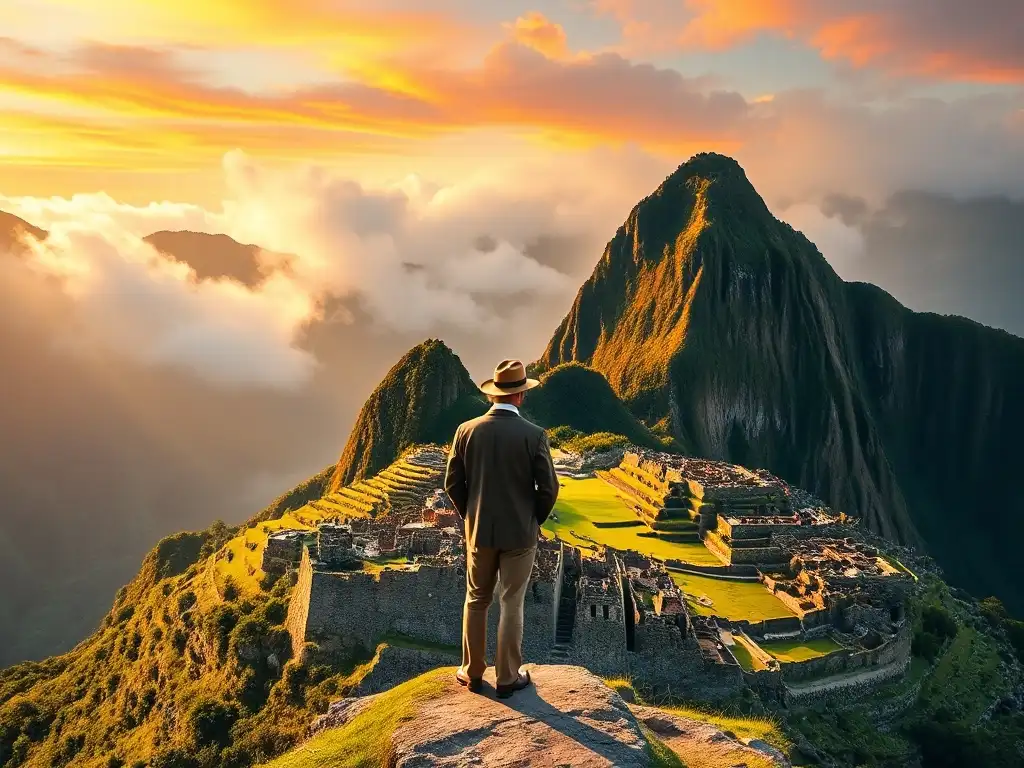
Step into a world lost in time, where towering peaks guard the secrets of empires long past. Andean Civilizations unveils the captivating stories of ancient Andean societies, their breathtaking artistry, and remarkable ingenuity. But what if the discovery of Machu Picchu wasn't quite as it seemed? Uncover the controversial Hiram Bingham Machu Picchu legacy and explore the complex truth behind one of history's most iconic archaeological finds. Dare to delve deeper into this enthralling mystery? Read on...
Hiram Bingham III's name is inextricably linked with Machu Picchu, the iconic Inca citadel nestled high in the Andes Mountains of Peru. His "rediscovery" in 1911 catapulted the site to global fame, transforming it from a relatively unknown ruin into one of the world's most celebrated archaeological wonders. However, Bingham's legacy is complex and multifaceted, extending beyond the simple act of finding Machu Picchu.
This article delves into Bingham's life, his expedition to Peru, the impact of his discovery on Machu Picchu, and the ongoing debate surrounding his role in the site's history and preservation. We will explore the lasting consequences of his actions, examining both the positive contributions to our understanding of Inca civilization and the controversies surrounding his methods and the ethical implications of his expedition.
Understanding Bingham's story is crucial to understanding the complex history of Machu Picchu itself and the enduring fascination it holds for the world. The enduring power of the "Hiram Bingham Machu Picchu legacy" continues to shape our understanding of Andean history and archaeology.
Early Life and Academic Pursuits of Hiram Bingham
Hiram Bingham III was born in 1875 into a prominent American family. From a young age, he displayed a keen interest in history and adventure. His early life was marked by a rigorous academic trajectory.
He graduated from Yale University with a degree in history and subsequently pursued further studies, earning a PhD in 1898. Bingham's academic pursuits were not confined to the traditional classroom; he possessed a restless spirit, a thirst for exploration, and a deep fascination with the unknown. This inherent drive led him to seek out opportunities that combined scholarly research with daring expeditions.
His academic background provided him with the necessary skills and credibility to conduct serious archaeological investigations, even as his adventurous spirit fueled his quest for discovery. The combination of these two aspects of his personality would ultimately shape his legacy in the Andes. His early academic success laid the groundwork for his later career as an explorer and his eventual encounter with Machu Picchu.
Bingham's Fascination with South America and the Andes
Bingham's fascination with South America, particularly the Andes region, stemmed from a combination of factors. He was captivated by the stories and legends surrounding the lost Inca Empire, a civilization that had long held a powerful allure for explorers and scholars alike. This fascination, coupled with his academic training in history and his inherent adventurous spirit, propelled him to undertake several expeditions to the region.
His initial explorations focused on tracing the routes of early Spanish conquistadors and uncovering lost Inca settlements. These earlier expeditions provided invaluable experience and laid the groundwork for his most famous undertaking: the search for the lost city of Vilcabamba, a quest that would ultimately lead him to the breathtaking heights of Machu Picchu.
Bingham's meticulous approach to research, combined with his unwavering determination, set the stage for his significant contribution to the world's understanding of Inca history and culture, though the ethical implications of his actions remain a subject of ongoing discussion. The discovery of Machu Picchu was not a matter of luck; it was the culmination of years of dedicated research and exploration fueled by his enduring passion for the Andes.
- Early Life and Academic Pursuits of Hiram Bingham
- Bingham's Fascination with South America and the Andes
The Expedition to Find Vilcabamba and the Discovery of Machu Picchu
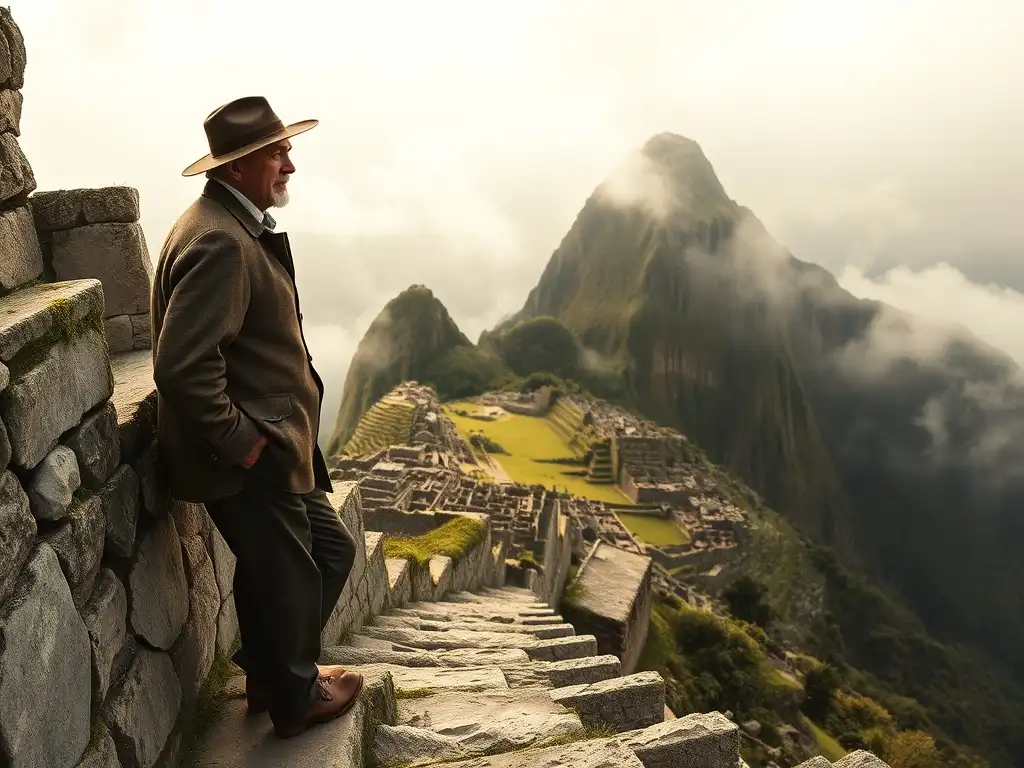
This section delves into the circumstances surrounding Hiram Bingham's famed discovery of Machu Picchu, highlighting the expedition's primary objective and the serendipitous nature of the find. Understanding the context of Bingham's search for the lost city of Vilcabamba is crucial to grasping the full impact of his Machu Picchu discovery and its lasting legacy on our understanding of Inca civilization. The Hiram Bingham Machu Picchu legacy is inextricably linked to this initial expedition.
The 1911 Yale Peruvian Expedition Led by Hiram Bingham
Hiram Bingham's 1911 Yale Peruvian Expedition wasn't initially focused on finding Machu Picchu. Its primary goal was far more ambitious: to locate the last Inca refuge, Vilcabamba, a legendary city believed to have held out against the Spanish conquistadors for decades after the fall of Cusco. Bingham, fueled by a thirst for adventure and a desire to contribute to historical knowledge, assembled a team of researchers, porters, and guides, meticulously planning a challenging journey through the treacherous Andean terrain.
The expedition was funded by Yale University and the National Geographic Society, underscoring the significant academic and popular interest in uncovering lost Inca cities. The expedition's meticulous record-keeping, including detailed journals and photographic documentation, forms a critical part of the Hiram Bingham Machu Picchu legacy, providing invaluable primary source material for future scholars.
This detailed approach to documentation set a new standard for archaeological expeditions of the time. Bingham's meticulous notes, sketches, and photographs are still studied today.
The Accidental Rediscovery of Machu Picchu
The discovery of Machu Picchu itself was, to a large extent, accidental. While searching for Vilcabamba, Bingham and his team, guided by local resident Melchor Arteaga, stumbled upon the ruins of Machu Picchu on July 24, 1911. Arteaga, familiar with the local trails, led them to a site previously unknown to the outside world.
The sheer scale and remarkable preservation of the ruins immediately captivated Bingham and his team. Instead of the expected remnants of a relatively small settlement, they found a vast, sophisticated city nestled high in the Andes Mountains. This unexpected find dramatically shifted the expedition's focus, transforming a quest for a lost city into the excavation and documentation of a previously unknown Inca site of immense significance.
The "accidental" nature of the discovery only adds to the intrigue and enduring fascination surrounding the Hiram Bingham Machu Picchu legacy. The sheer scale of the site, hidden for centuries, continues to amaze researchers and visitors alike.
Initial Impressions of Machu Picchu by Hiram Bingham
Bingham's initial descriptions of Machu Picchu paint a vivid picture of his awe and wonder upon discovering the site. His writings, filled with evocative language, convey the grandeur and mystery of the city. He detailed the intricate stonework, the terraced agricultural fields, and the imposing structures that spoke to a sophisticated civilization.
He emphasized the city's strategic location and the breathtaking views from its vantage point, describing it as a "lost city of the Incas" – a phrase that would become synonymous with Machu Picchu. Bingham's initial impressions, captured in his journals and early publications, contributed significantly to the popular imagination of Machu Picchu and solidified his place in the Hiram Bingham Machu Picchu legacy.
These early accounts, filled with both objective observation and subjective awe, ignited public interest in the site and set the stage for decades of further research and exploration. His descriptions, though sometimes romanticized, proved crucial in bringing Machu Picchu to the world's attention and initiating its preservation.
Hiram Bingham's Explorations and Research at Machu Picchu
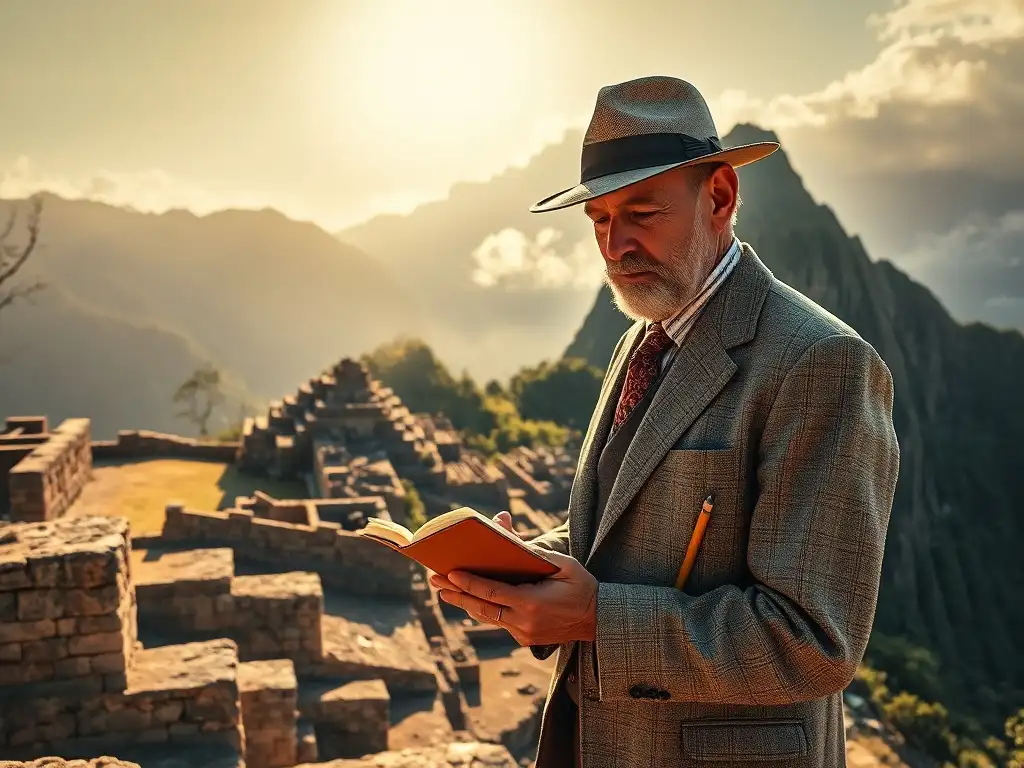
Hiram Bingham's expeditions to Machu Picchu, beginning in 1911, fundamentally altered our understanding of Inca civilization and left an enduring legacy. His meticulous work, while controversial in some aspects, provided the world with invaluable insights into this previously unknown Inca citadel. This section delves into the specifics of his research methods and the impact they had on subsequent archaeological studies of Machu Picchu and the broader Inca empire. Understanding Bingham's approach is crucial to grasping the full significance of his "Hiram Bingham Machu Picchu legacy".
Mapping and Documentation of the Inca Citadel
Bingham's initial exploration focused on creating a comprehensive record of Machu Picchu's layout. This involved painstaking surveying and mapping of the site's intricate structures, including its terraces, temples, residential areas, and agricultural features. He utilized early 20th-century surveying techniques, meticulously documenting the dimensions and relationships between different buildings.
The detailed maps he produced, although requiring updates based on later research, remain foundational for understanding the city's spatial organization. These maps provided a crucial baseline for future archaeological investigations, allowing researchers to track changes over time and to understand the city's complex infrastructure. Beyond simple mapping, Bingham also documented the intricate stonework, noting the precision of Inca masonry and the remarkable engineering feats involved in constructing the citadel on such a steep mountainside.
This attention to detail was vital in establishing the sophistication of Inca architectural and engineering skills. His work highlighted the city’s remarkable integration with its environment, a key aspect of Inca urban planning. He meticulously recorded the orientation of buildings relative to the sun and the landscape, providing valuable data for interpreting Inca cosmology and societal organization.
Excavations and Artifact Recovery at Machu Picchu
Bingham's excavations, while considered less rigorous by today's standards, yielded a significant collection of artifacts. He unearthed numerous ceramic pieces, textiles, tools, and other objects that shed light on daily life in Machu Picchu. His recovery of these artifacts provided crucial evidence for understanding Inca material culture, technologies, and artistic practices.
However, his excavation methods lacked the meticulous documentation and stratigraphic control that are now considered essential in archaeological practice. This led to some criticism concerning the loss of contextual information. While Bingham’s recovery of artifacts was undeniably important for initial understanding, modern archaeologists emphasize the importance of preserving the in situ context of findings for a more complete picture.
The artifacts recovered by Bingham are now housed in various museums, a testament to the enduring legacy of his explorations, though the lack of detailed provenance information from his excavations continues to be a challenge for contemporary researchers. The focus on artifact recovery, while successful in accumulating a large collection, sometimes overshadowed the need for a more holistic, non-destructive approach to site investigation.
Bingham's Theories on Machu Picchu's Function
Bingham initially proposed that Machu Picchu was the legendary "Lost City of the Incas," a last stronghold of the Inca empire. This romantic notion captured public imagination and propelled Machu Picchu to international fame. However, subsequent research has largely refuted this theory.
Modern scholarship suggests a more nuanced understanding of Machu Picchu's function, proposing that it may have served as a royal estate, a religious center, or a combination of both. Bingham's initial interpretations, while inaccurate in some respects, were a starting point for future research and debate. His work stimulated further investigation into Inca history and societal organization.
Although his initial hypotheses about the site's primary function have been revised, his exploration laid the groundwork for more accurate and comprehensive understandings of this remarkable Inca site. The ongoing debate about Machu Picchu’s function serves as a reminder that archaeological interpretations evolve with new evidence and research methodologies, highlighting the dynamic nature of historical scholarship and the enduring importance of Bingham's initial discoveries in stimulating that ongoing dialogue. The evolution of our understanding of Machu Picchu directly reflects the ever-improving standards and techniques in archaeological research, building upon the initial foundation laid by Bingham's pioneering work.
The Controversy Surrounding Bingham's Work and the Machu Picchu Artifacts
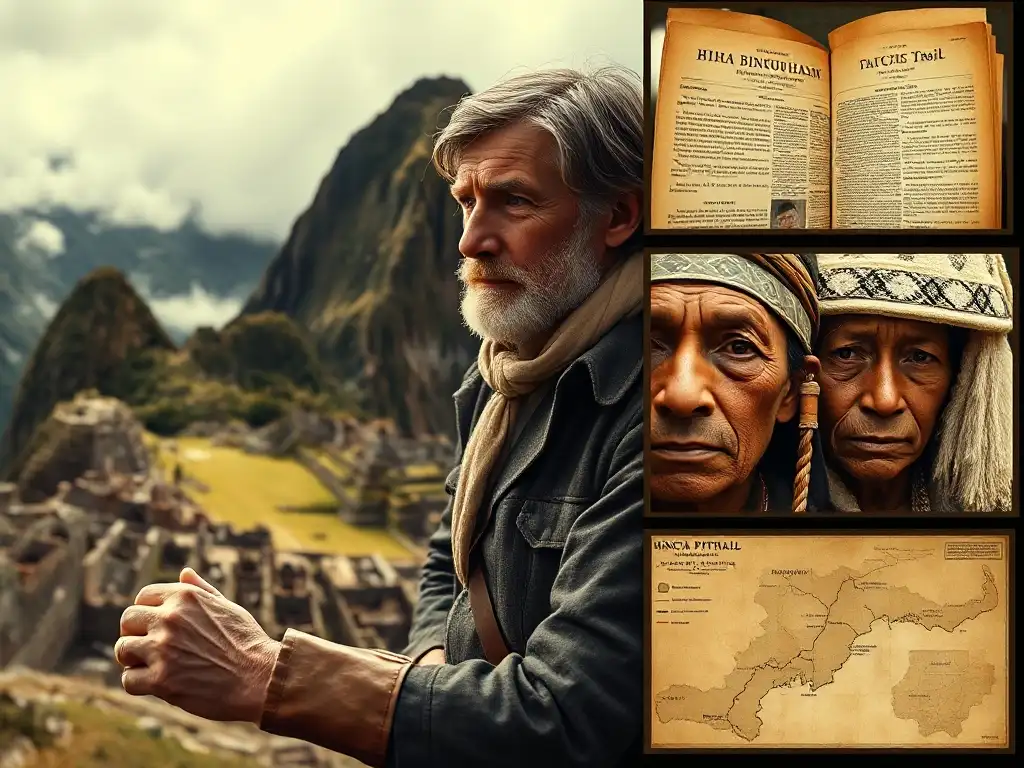
Hiram Bingham's "rediscovery" of Machu Picchu, while undeniably significant for bringing the site to global attention, remains a subject of considerable controversy. The legacy of his expeditions is inextricably linked to accusations of unethical practices, particularly concerning the removal and disposition of artifacts. This section delves into the complex ethical and historical debates surrounding Bingham's work and its lasting impact on the understanding and preservation of Machu Picchu and its associated cultural heritage. Understanding this controversy is crucial to fully appreciating the complex Hiram Bingham Machu Picchu legacy.
Allegations of Artifact Removal and Ownership Disputes
Bingham's expeditions to Machu Picchu involved the removal of a substantial number of artifacts. While he claimed to have acted with the best intentions, aiming to preserve and study these objects, many critics argue his actions constituted looting. The lack of meticulous record-keeping regarding the origin and context of many removed items further fuels this criticism.
The subsequent ownership disputes, involving Yale University (where many artifacts ended up) and the Peruvian government, highlight the lasting consequences of these actions. The debate centers on the ethical implications of removing artifacts from their archaeological context, the violation of Peruvian sovereignty, and the enduring impact on the completeness of the Machu Picchu archaeological record.
Detailed inventories of removed artifacts, if they even exist, remain largely inaccessible to the public, hindering a thorough analysis of the extent of the removal and the potential damage to the site's integrity. This lack of transparency contributes significantly to the ongoing controversy surrounding the Hiram Bingham Machu Picchu legacy.
The Debate on Hiram Bingham's Role: Explorer or Plunderer?
The question of whether Hiram Bingham should be remembered as a pioneering explorer or a cultural plunderer remains a fiercely debated topic. Proponents emphasize his role in bringing Machu Picchu to the world's attention, sparking increased interest in Andean archaeology and preservation efforts.
They argue that his discoveries stimulated further research and led to a greater understanding of Inca civilization. However, critics counter that his methods were ethically questionable, prioritizing personal glory and academic advancement over the preservation of the site and respect for Peruvian cultural heritage.
The debate isn't simply about artifact removal; it also encompasses Bingham's relationships with local communities, his potential disregard for indigenous knowledge, and the overall power dynamics at play during his expeditions. The lack of clear ethical guidelines in archaeological practice at the time doesn't excuse his actions, but it does provide context for understanding the complex moral landscape of his work and its lasting impact on the Hiram Bingham Machu Picchu legacy.
The Repatriation of Machu Picchu Artifacts
The ongoing repatriation efforts of Machu Picchu artifacts represent a significant step towards rectifying the historical injustices associated with Bingham's expeditions. While the process has been slow and complex, the return of some artifacts to Peru symbolizes a growing recognition of the need to respect indigenous rights and cultural sovereignty. This repatriation reflects a shift in global perspectives on archaeological ethics and the importance of collaborative research that prioritizes the needs and perspectives of the communities directly connected to the cultural heritage at stake.
The successful repatriation of artifacts underscores the importance of acknowledging past injustices and working towards a more equitable and ethical approach to archaeological research. The continuing efforts towards full repatriation form a crucial part of rewriting the Hiram Bingham Machu Picchu legacy, moving away from a narrative of exploitation toward one of reconciliation and respectful collaboration.
The ultimate goal is to ensure that future archaeological endeavors prioritize ethical practices and respect for the cultural heritage of the communities involved. This ongoing process actively shapes the current understanding of the Hiram Bingham Machu Picchu legacy.
The Lasting Legacy of Hiram Bingham and Machu Picchu
Hiram Bingham's "rediscovery" of Machu Picchu in 1911 profoundly impacted our understanding of Inca civilization and continues to resonate today. His expeditions, though controversial in their methods and ethical implications, undeniably brought this incredible site to global attention. The legacy he left behind is complex, a blend of significant archaeological contributions and ongoing debates about his role in the site's preservation and the treatment of the local Quechua population.
This section delves into the multifaceted nature of his legacy, examining both the positive and negative aspects of his impact on Machu Picchu and Andean studies as a whole. Understanding this legacy requires a nuanced perspective, acknowledging both his achievements and the criticisms leveled against him. The keyword "Hiram Bingham Machu Picchu legacy" is central to this analysis.
Hiram Bingham's Impact on Andean Archaeology
Bingham's meticulous documentation, though not always scientifically rigorous by modern standards, provided invaluable initial data on Machu Picchu's architecture, artifacts, and potential function within the Inca Empire. His detailed descriptions and photographic records formed the foundation for subsequent archaeological research. He meticulously cataloged many of the structures, creating the initial framework for understanding the site's layout and purpose.
While his initial interpretations of Machu Picchu as a royal retreat have been refined and sometimes challenged by later scholars, his work undeniably spurred further investigation and a deeper understanding of Inca urban planning, agricultural techniques, and social organization. His work, however flawed by modern standards, significantly advanced the field of Andean archaeology.
He essentially opened the door for subsequent generations of researchers to delve into the intricacies of this remarkable site. Many of his initial findings and conclusions are still relevant today, showcasing the lasting impact of his initial work in the field of Andean archaeology.
Machu Picchu as a Global Icon and Tourist Destination
Bingham's expeditions catapulted Machu Picchu onto the world stage. His publications and lectures generated widespread interest in the site, transforming it from a relatively unknown archaeological location into a globally recognized symbol of Inca civilization and a major tourist destination. This global recognition, while boosting Peru's economy and raising awareness of Inca history, also presented significant challenges in terms of site preservation and the management of tourism.
The influx of tourists, while beneficial economically, also places a strain on the fragile ecosystem and the ancient structures themselves. Bingham’s role in establishing Machu Picchu's global prominence is undeniable, but understanding the long-term consequences of this recognition is crucial to the complete evaluation of his legacy. The sheer volume of tourists visiting annually is a direct consequence of Bingham’s work, highlighting both the positive and negative aspects of his impact on Machu Picchu's global image.
The Enduring Mystery and Significance of Machu Picchu in Inca History
Despite decades of research, Machu Picchu continues to hold many mysteries. Bingham's initial work, while providing a foundation for understanding the site, also left many questions unanswered. Subsequent research has built upon his findings, uncovering new insights into the site's history, its inhabitants, and its significance within the broader Inca Empire.
The ongoing research demonstrates the enduring power of Machu Picchu's historical enigma, a testament to the complexity of Inca civilization and the ongoing need for further investigation. Even today, researchers are still debating the precise role of Machu Picchu in Inca society, with theories ranging from a royal estate to a religious center. Bingham’s work, while pioneering, only scratched the surface of this complex historical puzzle.
The enduring mysteries surrounding Machu Picchu's role and significance within the Inca Empire serve as a reminder of the continued relevance of Bingham's initial discovery and the ongoing need for further research and analysis. The lasting mystery surrounding Machu Picchu further solidifies the importance of Bingham’s initial work and the continuing legacy of his discovery.
The Influence of Bingham's Work on Modern Andean Studies
Hiram Bingham's rediscovery of Machu Picchu in 1911 profoundly impacted the field of Andean studies, sparking a surge in archaeological research and scholarly interest in Inca civilization. His meticulous documentation, though sometimes criticized for its methods, provided a foundational body of knowledge that subsequent generations of researchers have built upon. Bingham's initial expeditions and publications, while lacking the nuanced understanding of later archaeological approaches, generated a global fascination with Inca culture and Machu Picchu itself. This initial wave of interest laid the groundwork for more rigorous and ethical research practices adopted in later decades.
The sheer volume of artifacts he collected and the detailed descriptions he provided in his reports and books, although subject to modern critiques regarding ethical collecting practices, remain invaluable primary sources for understanding Inca architecture, agriculture, and social organization. His work, while controversial in some aspects, undeniably propelled Machu Picchu to international prominence, attracting further research and ensuring its preservation as a UNESCO World Heritage site. The ongoing debate surrounding Bingham's actions highlights the evolving ethical standards in archaeology and the importance of critically examining historical narratives. His legacy serves as a reminder of the need for responsible stewardship of cultural heritage sites and a more inclusive approach to archaeological research that centers the voices and perspectives of indigenous communities.
The impact of Bingham's work continues to be felt today, shaping how we understand and interpret the Inca civilization and its remarkable achievements. Modern Andean studies benefit from his initial discoveries while simultaneously acknowledging and learning from the shortcomings of his methods. The ongoing scholarly discourse surrounding Bingham's legacy ensures that future research will be conducted with greater sensitivity and ethical awareness. This continuous critical evaluation of Bingham's work ultimately strengthens the field of Andean studies, fostering a more comprehensive and nuanced understanding of Inca civilization.
Frequently Asked Questions
Who was Hiram Bingham?
Hiram Bingham was an American explorer, historian, and politician best known for his 1911 rediscovery of Machu Picchu. His expedition brought the lost city to the attention of the world, sparking significant interest in Inca history and archaeology.
What is Hiram Bingham's legacy regarding Machu Picchu?
Bingham's legacy is complex. While he brought Machu Picchu to global recognition, criticism focuses on his methods and the subsequent impact of tourism on the site. His role in the site's preservation is still debated today.
What were Bingham's methods in exploring Machu Picchu?
Bingham employed a combination of local knowledge, meticulous record-keeping, and archaeological techniques (though some were rudimentary by modern standards). His approach, while effective in discovery, also raised concerns about ethical considerations.
What is the controversy surrounding Bingham's discovery of Machu Picchu?
The controversy centers on the lack of proper documentation of the site's inhabitants before his arrival and the subsequent displacement of local communities. Questions about his ownership claims and the handling of artifacts also persist.
How did Bingham's discovery impact Machu Picchu and its surrounding area?
Bingham's discovery led to increased tourism, generating both economic benefits and environmental challenges. It also sparked significant archaeological research into the Inca civilization, fundamentally changing our understanding of their history and culture.
Final Reflection: Hiram Bingham's Enduring Legacy: Exploration, Preservation, and the Weight of Discovery
Hiram Bingham's "rediscovery" of Machu Picchu wasn't just a moment in history; it's a continuous narrative shaping our understanding of exploration, preservation, and the complex relationship between the past and the present. The impact of his expedition reverberates even today, influencing how we approach archaeological discovery and the ethical responsibilities that come with it.
Bingham's story compels us to consider the lasting consequences of our actions, particularly when dealing with sites of immense cultural significance. His initial triumph quickly became intertwined with debates about his methods, the displacement of indigenous communities, and the very nature of "discovery" itself. The past is never dead. It's not even past,
wrote William Faulkner, a sentiment that rings profoundly true when considering the ongoing legacy of Bingham's work and the continued conversations surrounding Machu Picchu's preservation and interpretation. His actions, both lauded and criticized, continue to fuel discussions about responsible exploration and the ethical treatment of historical sites worldwide.
You, the reader, are now part of this ongoing conversation. Consider the implications of Bingham's story for your own life. How can we learn from the past, both its triumphs and its failures, to ensure that future explorations and discoveries are guided by principles of respect, collaboration, and a deep understanding of the cultural heritage we seek to uncover? Let Bingham's journey inspire you to engage critically with history, to advocate for responsible stewardship of our shared past, and to strive for a more ethical and equitable approach to exploration and preservation.
Unveil the Legacy of Hiram Bingham and Machu Picchu!
Thank you for joining us on this incredible journey through the life of Hiram Bingham and his monumental discovery of Machu Picchu! We hope you gained valuable insights into how this explorer's adventures shaped our understanding of Inca civilization. Now, let's explore ways to further engage with this fascinating history.
Here are some meaningful actions you can take to honor Bingham's legacy and learn more:
- Visit Machu Picchu: Immerse yourself in the breathtaking wonder of this ancient city, either through a personal visit or a virtual tour. Plan your trip today!
- Share your perspective: Discuss how exploration broadens our understanding of history with friends, family, or online communities. Inspire others to learn more by sharing your thoughts and insights.
- Engage with the archaeological community: Join a local archaeology group or an online forum dedicated to Andean cultures to expand your knowledge and connect with others who share your passion.
What aspect of Bingham's exploration resonates most with you, and how do you believe it continues to influence our appreciation of history today?