
The Chimu Goldsmiths: Crafting Treasures of the Andean World

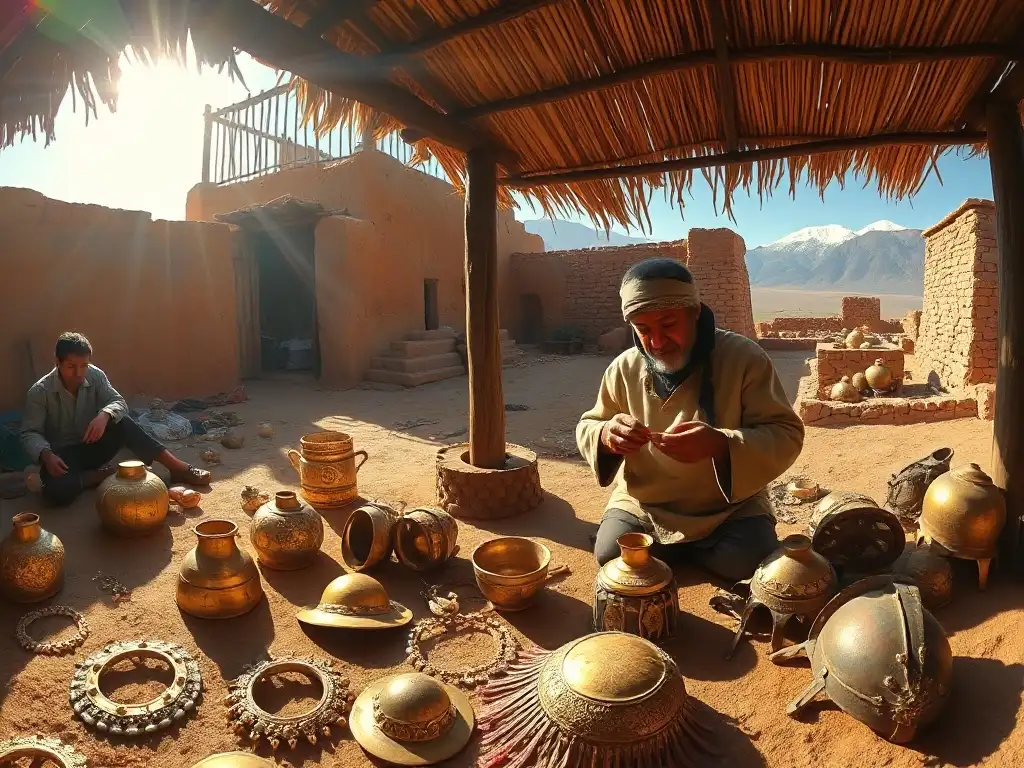
Step into a world lost to time, yet echoing with the artistry and ingenuity of the ancient Andes. Prepare to be captivated by the breathtaking legacy of civilizations that thrived in the shadow of towering mountains. This journey begins with a deep dive into the Chimu goldsmithing techniques, revealing secrets of a lost art and the unparalleled skill of these master artisans. Discover how they transformed humble materials into dazzling treasures – a testament to their mastery and a captivating glimpse into their vibrant world. Are you ready to unlock their mysteries?
The Chimu, a pre-Columbian civilization that flourished along the northern coast of Peru from roughly 1300 to 1470 CE, left behind a legacy far exceeding their relatively short lifespan. Their sophisticated urban planning, intricate irrigation systems, and impressive architectural feats are well-documented. However, it's their mastery of goldsmithing that truly captivates the imagination, showcasing an unparalleled level of artistry and technical skill.
This article delves into the remarkable world of Chimu goldsmithing techniques, exploring the processes, materials, and artistic styles that resulted in the creation of breathtaking artifacts, now considered treasures of the Andean world. We will examine the techniques employed, the social context of this craft, and the enduring legacy of Chimu goldsmiths on subsequent Andean cultures. Understanding their techniques provides crucial insight into their societal structure, religious beliefs, and overall cultural sophistication.
The intricate details preserved in these golden objects offer a window into the rich tapestry of Chimu life and their place within the broader narrative of Andean civilization. This exploration of Chimu goldsmithing techniques will highlight their innovative approaches and the lasting impact of their artistic achievements.
Introduction to the Chimu Culture and their Metallurgical Prowess
The Chimu, also known as the Chimú, were a powerful and highly organized society inhabiting a geographically challenging coastal desert. Their ability to thrive in this harsh environment is a testament to their advanced engineering and agricultural practices. The Chimu state, with its capital at Chan Chan, was a complex hierarchical society ruled by a powerful elite. This social structure played a crucial role in the development and patronage of goldsmithing.
The Chimu were not merely skilled artisans; they were master metallurgists, demonstrating an advanced understanding of metallurgy, far surpassing many of their contemporaries. They were adept at working with various metals, including gold, silver, copper, and alloys, using sophisticated techniques to create intricate objects of remarkable beauty and technical skill. The sheer volume and variety of Chimu gold artifacts unearthed by archaeologists underscore the importance of goldsmithing within their culture. These objects, ranging from delicate jewelry to elaborate ceremonial items, provide compelling evidence of their metallurgical prowess and artistic brilliance.
The precision and artistry evident in these pieces suggest a highly specialized and well-organized craft system, likely involving a guild structure with a strict hierarchy of specialized artisans. [Specific details on the guild structure and hierarchy pending further research]. Furthermore, the use of different alloys and techniques suggests a level of experimentation and innovation that points to a continuous development and refinement of goldsmithing practices within the Chimu culture.
Chimu Goldsmithing Techniques: Lost-Wax Casting and Beyond
The lost-wax casting technique, a complex and precise method, was a cornerstone of Chimu goldsmithing. This technique involved creating a wax model of the desired object, covering it in clay, melting out the wax, and then pouring molten metal into the resulting mold. The complexity of many Chimu gold artifacts, with their intricate details and delicate features, is a testament to the skill and precision of the Chimu artisans who mastered this challenging process.
However, the Chimu did not limit themselves to lost-wax casting. They also employed other techniques, including hammering, repoussé (hammering from the back to create relief), chasing (hammering from the front to refine details), and soldering, demonstrating a versatile approach to metalworking. The combination of these techniques allowed them to create objects of exceptional quality and intricate detail.
[Specific examples of artifacts showcasing different techniques pending image inclusion]. The mastery of these various techniques speaks to a deep understanding of metallurgical properties and an exceptional degree of manual dexterity. The use of different alloys, such as tumbaga (an alloy of gold and copper), allowed them to achieve a wider range of colors and textures, further enhancing the aesthetic appeal of their creations.
Chimu gold objects were not merely decorative; they held significant social and religious importance. Many artifacts were associated with elite members of society, reflecting their status and power. Gold jewelry, ornaments, and ceremonial objects were likely used in rituals and ceremonies, signifying the connection between the ruling class and the divine.
The intricate designs often incorporated religious motifs and symbols, reflecting Chimu cosmology and beliefs. [Specific examples of religious motifs and their interpretations pending further research]. The use of gold in these contexts highlights its sacred nature and its role in reinforcing the authority and legitimacy of the Chimu elite.
The sheer quantity of gold objects found in elite tombs and ceremonial contexts underscores the importance of gold in Chimu society, as a symbol of power, wealth, and divine favor. The craftsmanship involved was not just a technical skill but a sacred practice, reflecting the deep connection between the artisans and the spiritual realm. The study of Chimu goldwork offers insights into the religious beliefs and practices of this fascinating civilization.
- Introduction to the Chimu Culture and their Metallurgical Prowess
- Chimu Goldsmithing Techniques: Lost-Wax Casting and Beyond
- The Social and Religious Significance of Chimu Goldwork
The Rise of Chimu Goldsmithing: A Legacy of Skilled Artisans
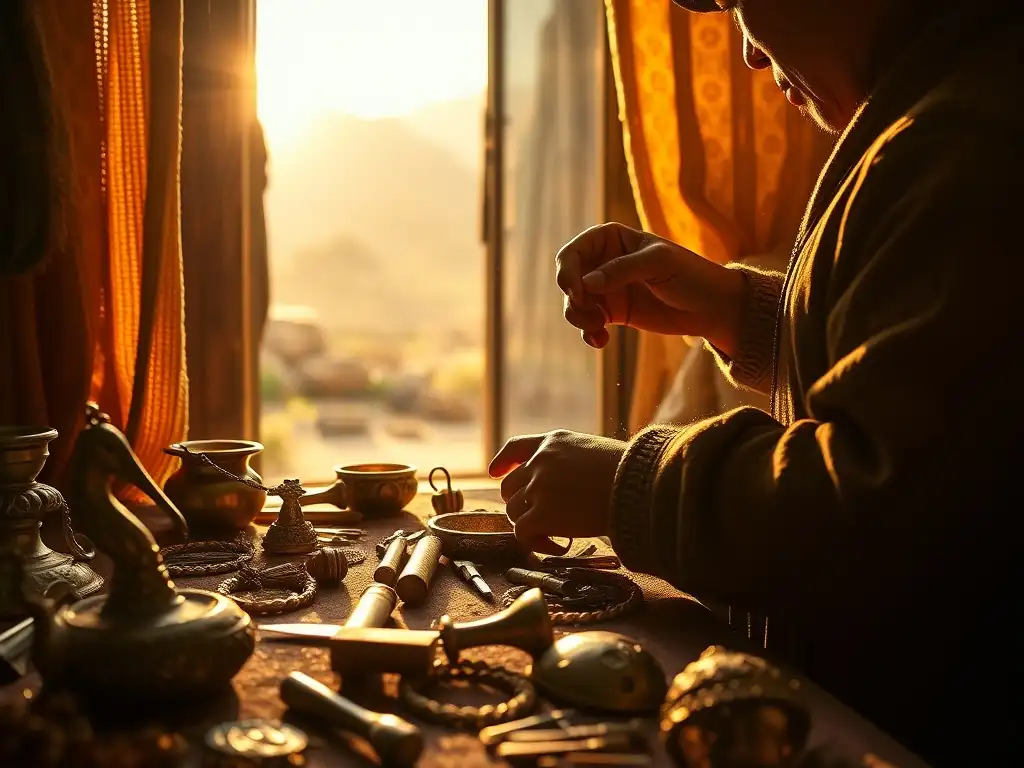
The Chimu, a powerful pre-Columbian civilization flourishing along Peru's northern coast from roughly 1300 to 1470 CE, left behind a remarkable legacy, not only in their sophisticated urban planning and extensive irrigation systems but also in their extraordinary metalworking. Chimu goldsmithing techniques represent a pinnacle of Andean artistry, demonstrating a mastery of lost-wax casting, hammering, repoussé, and intricate filigree work. Their artisans produced stunning artifacts—from delicate jewelry adorned with intricate designs to imposing ceremonial objects—that reflected both their technical prowess and their deep spiritual beliefs.
This section delves into the specific techniques employed, the societal importance of their work, and the lasting impact of Chimu goldsmithing on subsequent Andean cultures. Understanding these techniques allows us to appreciate the ingenuity and dedication of the Chimu artisans, and the significant role their craft played in shaping their identity and power.
The sheer volume and quality of surviving Chimu gold and silver objects stand as testament to their highly developed metallurgical skills and organized production. This sophisticated level of craftsmanship suggests a well-established system of apprenticeship and specialized labor within Chimu society.
The Historical Context of Chimu Metalwork
The Chimu's expertise in metalworking didn't emerge in a vacuum. It built upon centuries of metallurgical traditions in the Andean region. Earlier cultures like the Moche had already demonstrated advanced metalworking skills, but the Chimu refined and expanded upon these techniques, achieving unprecedented levels of intricacy and scale.
The Chimu state's centralized control and economic power likely played a vital role in supporting the development of large-scale metalworking workshops. The abundance of gold and silver in the region, combined with the Chimu's sophisticated mining and extraction methods, provided the raw materials necessary for their ambitious projects. Archaeological evidence suggests the existence of specialized workshops where artisans collaborated on large-scale projects, indicating a high level of organization and division of labor.
The sheer volume of artifacts unearthed, ranging from small personal ornaments to large-scale ceremonial objects, points to a thriving metalworking industry that likely employed hundreds, if not thousands, of skilled artisans. The precise organization of these workshops and the social standing of the artisans remain areas of ongoing research, but their output undeniably reflects a sophisticated and well-managed production system. Further research into Chimu administrative records, if any survive, could shed more light on this aspect.
The Importance of Gold and Silver in Chimu Society
Gold and silver held immense symbolic importance within Chimu society, far exceeding their mere monetary value. These precious metals were intrinsically linked to religious beliefs, political power, and social status. Gold, often associated with the sun and divinity, was used to create objects for religious ceremonies and adorn the elite. Silver, while perhaps less revered than gold, was still a highly valued material used in a wide range of objects, from everyday tools to elaborate ceremonial items.
The use of gold and silver in Chimu art wasn't merely decorative; it served to reinforce social hierarchies and express religious ideologies. Elaborately crafted gold and silver objects were often associated with royal power and authority, reinforcing the legitimacy of the Chimu rulers and their divine mandate. The distribution of these precious metal artifacts across different social strata within Chimu society provides valuable insights into the complex power dynamics and social structures of this remarkable civilization.
Analysis of burial sites reveals a clear correlation between the quantity and quality of gold and silver objects and the social status of the deceased, demonstrating the metals' role as markers of wealth and power. Detailed studies of Chimu iconography on these objects further illuminate their religious and symbolic significance, allowing us to interpret their meaning within the broader context of Chimu culture and beliefs. The intricate designs often depicted deities, animals, and symbols of power, showcasing a deep connection between artistic expression and religious ideology.
Chimu Goldsmithing Techniques: Methods and Processes
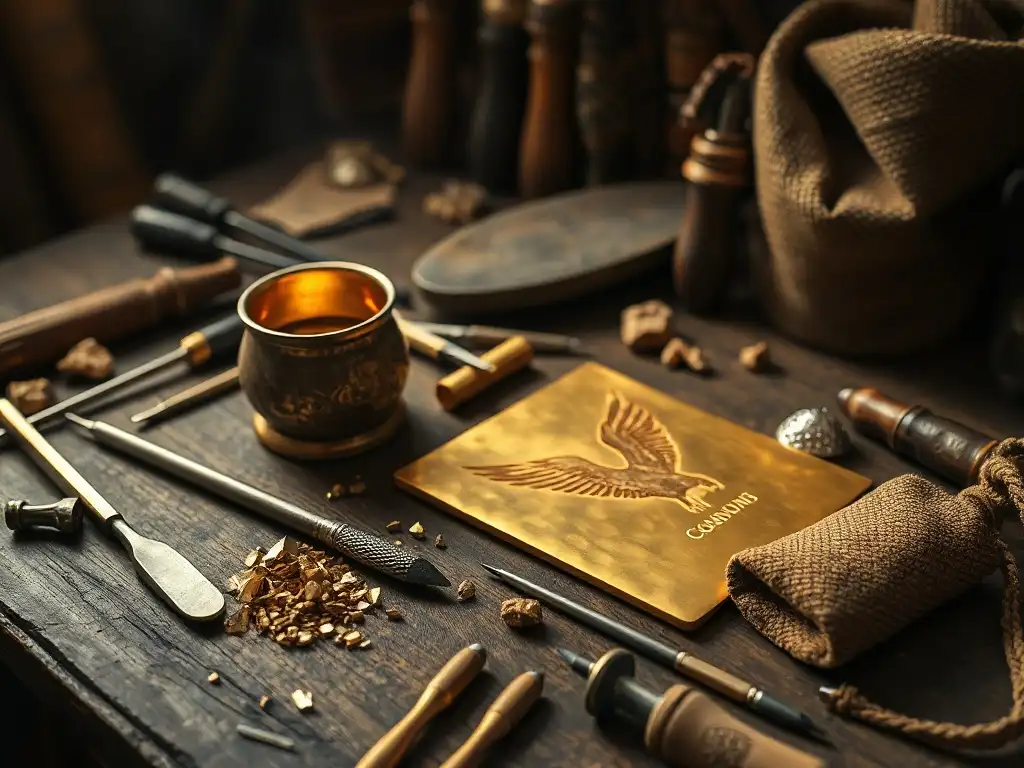
The Chimu, a pre-Columbian civilization flourishing along Peru's northern coast from roughly 1300 to 1470 CE, were renowned for their exceptional goldsmithing. Their mastery of various techniques resulted in exquisitely crafted artifacts, showcasing a sophisticated understanding of metallurgy and artistic expression. Understanding their techniques provides invaluable insight into Chimu societal structure, religious beliefs, and technological advancements.
This section will delve into the primary methods employed by Chimu goldsmiths, highlighting their ingenuity and skill. The study of Chimu goldsmithing techniques reveals a complex interplay of artistry and technical prowess, contributing significantly to our understanding of their rich culture. Analyzing these techniques allows us to appreciate the level of skill and dedication involved in creating these remarkable objects.
Lost-Wax Casting: A Key Chimu Technique
Lost-wax casting, also known as cire perdue, was a cornerstone of Chimu goldsmithing. This intricate process allowed for the creation of complex and detailed pieces, from delicate jewelry to larger ceremonial objects. The process involved creating a wax model of the desired object. This model was then coated in layers of clay, forming a mold. The wax was melted out, leaving a cavity into which molten gold was poured. Once cooled, the clay mold was broken away, revealing the gold replica of the original wax model.
This technique required a high degree of precision and skill. The Chimu goldsmiths demonstrated remarkable control over the temperature and flow of the molten gold, ensuring a clean and accurate casting. The surviving examples of Chimu goldwork, often featuring intricate detailing and thin, delicate features, testify to their mastery of this challenging technique. Evidence suggests they used various alloys to adjust the gold's properties, making it more malleable or durable as needed for different applications. Further research into the specific clay types and additives used in the molds would provide more detailed understanding of their sophisticated process.
Hammering and Embossing: Shaping Precious Metals
Beyond casting, Chimu artisans expertly employed hammering and embossing to shape and refine their gold creations. Hammering involved repeatedly striking the gold with specialized tools to flatten, shape, and strengthen the metal. This required considerable strength and precision, as excessive force could easily damage the delicate gold. Embossing, a related technique, involved using punches and hammers to create raised designs on the metal's surface. This allowed for the creation of intricate patterns and three-dimensional effects, adding depth and visual interest to the finished pieces.
The Chimu goldsmiths often combined hammering and embossing with other techniques, such as repoussé (hammering from the back to raise the design from the front) and chasing (smoothing and refining the surface of the embossed design). The remarkable thinness and intricacy of some Chimu gold objects suggest a high level of skill and patience in these processes.
The tools used, likely made of stone or harder metals, remain a subject of ongoing archaeological investigation, offering further clues to their precise methods. Analyzing the microscopic wear patterns on surviving artifacts could potentially reveal more about the specific techniques and tools employed.
Gilding and Plating: Enhancing the Beauty of Chimu Artifacts
To further enhance the visual appeal and durability of their creations, Chimu goldsmiths employed gilding and plating techniques. Gilding involved applying a thin layer of gold to a base metal, such as copper or silver, to create a gold-like appearance. This process was likely achieved through various methods, including mercury amalgamation (mixing gold with mercury to create an amalgam that could be applied and then heated to evaporate the mercury), or by applying gold leaf. Plating involved applying a thicker layer of gold, often to strengthen or protect the underlying metal.
The use of gilding and plating demonstrates the Chimu's understanding of material science and their desire to create visually stunning and durable artifacts. The application of these techniques often involved meticulous craftsmanship, requiring a steady hand and careful control of heat and pressure.
The precise methods used for gilding and plating by Chimu goldsmiths are still being investigated, with ongoing research aiming to analyze the composition of gilded and plated objects to determine the specific techniques and materials used. The discovery of further artifacts and advancements in analytical techniques continue to shed light on this fascinating aspect of Chimu goldsmithing.
Filigree and Granulation: Intricate Details in Chimu Jewelry
Chimu goldsmiths were masters of intricate detail, showcasing their exceptional skill through the masterful application of filigree and granulation techniques. These techniques, demanding incredible precision and patience, elevated Chimu jewelry to an unparalleled level of artistry. Filigree, the delicate art of creating intricate patterns from thin gold wires, allowed the artisans to construct remarkably detailed designs, often depicting stylized animals, mythical creatures, or geometric motifs.
The thinness of the wires used is astonishing, a testament to the sophistication of their tools and techniques. Some pieces reveal wires thinner than a human hair, showcasing an almost unbelievable level of control and dexterity. These delicate wire forms were then soldered together, a process requiring a precise understanding of heat control and metallurgy to avoid damaging the fragile gold.
The granulation technique, equally impressive, involved the meticulous application of tiny gold spheres to the surface of the jewelry. These minuscule spheres, often less than a millimeter in diameter, were meticulously arranged to create textures and patterns, adding depth and visual interest to the designs. The process of creating these spheres and adhering them to the base metal was incredibly labor-intensive.
Archaeological evidence suggests that the goldsmiths may have used specialized tools and techniques to create uniformly sized spheres, possibly using a form of lost-wax casting on a smaller scale. The precise placement of each granule, often in complex geometric or floral patterns, required an extraordinary level of skill and artistic vision. The sheer number of granules in some pieces is breathtaking, highlighting the immense time and dedication invested in creating these remarkable works of art.
The evenness and consistency in size and placement of the granules further underscores the high level of expertise within the Chimu goldsmithing community, demonstrating a deep understanding of both the artistic and technical aspects of this challenging technique. The resulting pieces possess a unique three-dimensionality and shimmer, enhancing the overall beauty and sophistication of the jewelry. The combination of filigree and granulation, frequently used in a single piece, allowed Chimu artisans to create truly breathtaking works of art, showcasing a level of technical proficiency rarely seen in other ancient cultures.
Chimu Metalwork: Types of Artifacts and their Significance
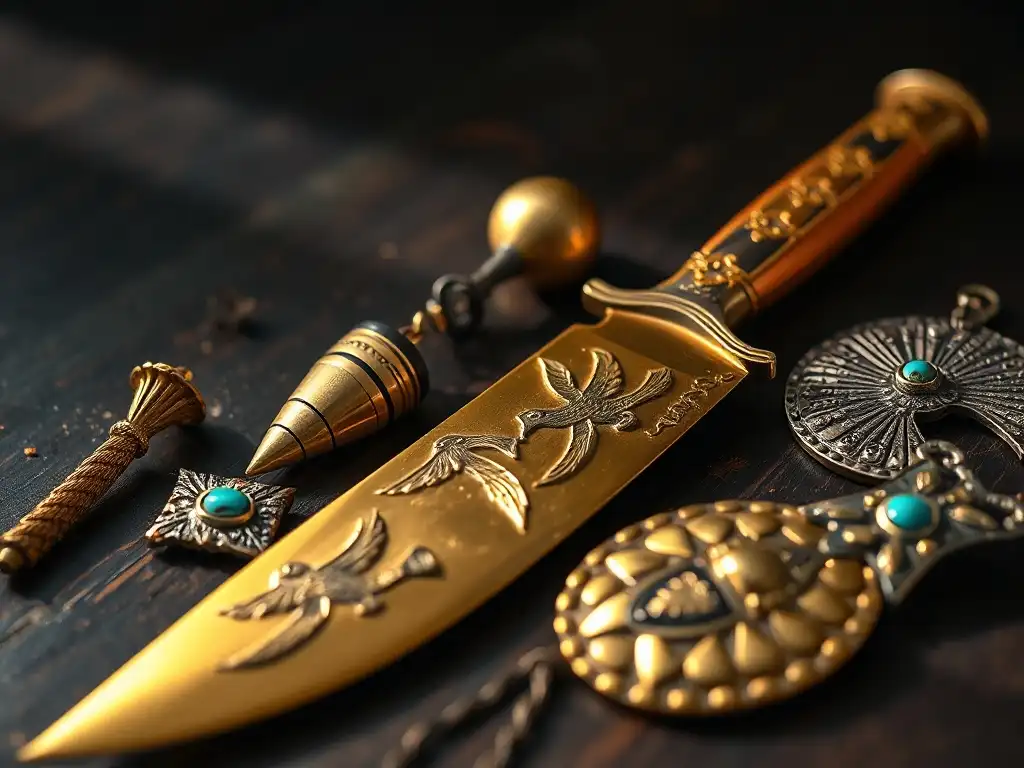
The Chimu, a pre-Columbian civilization flourishing along the northern coast of Peru (roughly 1300-1470 CE), were renowned for their sophisticated metalworking techniques, particularly in goldsmithing. Their mastery of metallurgy resulted in a stunning array of artifacts, reflecting their complex social hierarchy, religious beliefs, and artistic prowess. Understanding Chimu goldsmithing techniques reveals much about their society and its worldview.
The artisans' skill in shaping, alloying, and decorating precious metals like gold, silver, and copper, alongside less precious metals such as tumbaga (a gold-copper alloy), showcases a high level of technological advancement. This wasn't just craftsmanship; it was a powerful form of symbolic expression. The intricacy and detail found in Chimu metalwork are unmatched, making them highly sought-after items for museums and collectors worldwide.
The prevalence of specific motifs and the use of particular techniques provide valuable insights into the cultural significance of these objects. Analyzing Chimu goldsmithing techniques allows researchers to trace the evolution of their artistic styles and understand the societal changes reflected in their creations. The techniques themselves, including lost-wax casting, hammering, repoussé, and gilding, represent a remarkable understanding of material properties and artistic expression.
Chimu Masks: Ritual and Power
Chimu masks, often crafted from gold, silver, or tumbaga, represent a significant aspect of their metalworking traditions. These weren't mere decorative items; they played crucial roles in religious ceremonies and the assertion of power. Many masks depict stylized human faces, often with exaggerated features, perhaps representing deities, ancestors, or shamans. The use of precious metals emphasized their sacred nature and the high status of those who possessed or wore them.
Detailed analysis of Chimu masks reveals intricate designs and techniques, such as the use of inlaid stones or the application of intricate surface decoration. The materials used—the choice of gold versus silver, for example—might signify different levels of power or ritual importance. Some masks display fierce expressions, possibly representing powerful figures or protective spirits, while others have gentler, more serene features, suggesting a connection to fertility or ancestor veneration.
The size and complexity of the masks also varied, reflecting the status of the individual or deity represented. Researchers continue to uncover new examples, enriching our understanding of Chimu religious practices and beliefs. The careful examination of these artifacts provides invaluable insights into the social and political structure of Chimu society.
Chimu headdresses and crowns, frequently crafted from gold and adorned with precious stones and feathers, were powerful symbols of authority and high social standing. These elaborate pieces were not worn daily; rather, they were reserved for special occasions, ceremonies, and rituals. Their intricate designs and the use of precious metals clearly distinguished the wearer as someone of immense power and prestige. The craftsmanship involved in creating these headdresses is astonishing, showcasing the Chimu's advanced metallurgical skills.
The technique of hammering thin sheets of gold into complex shapes, often incorporating intricate repoussé work, is a testament to their artistic abilities. Some headdresses featured intricate depictions of animals or mythical creatures, reinforcing their symbolic significance. The use of feathers, often from exotic birds, further enhanced their status and beauty.
Analysis of surviving examples reveals the use of different alloys and techniques, reflecting variations in style and perhaps even different workshops or periods. The variation in size and complexity also hints at different levels of authority within Chimu society. Studying these artifacts sheds light on the hierarchical structure of the Chimu state and the ways in which power was visually represented.
Chimu Jewelry: Adornments for the Elite
Chimu jewelry, encompassing necklaces, earrings, bracelets, and other adornments, was primarily worn by the elite and served as markers of social status and wealth. These pieces, often made of gold, silver, or tumbaga, were meticulously crafted, demonstrating a high level of technical skill and artistic sophistication. The designs were varied, ranging from simple geometric patterns to intricate depictions of animals and mythical beings. The use of precious stones, such as turquoise and lapis lazuli, further enhanced their beauty and value.
The techniques employed in creating Chimu jewelry included lost-wax casting, hammering, and filigree, demonstrating a versatile mastery of metalworking techniques. The careful attention to detail and the quality of craftsmanship suggest that these pieces were not mass-produced but rather created by skilled artisans working for the elite members of society. The discovery of elaborate burial sites containing significant quantities of Chimu jewelry underscores their importance in the afterlife beliefs of the Chimu.
Studying these artifacts allows researchers to understand the social hierarchies and symbolic systems of this remarkable civilization. The diversity of styles and techniques suggests the existence of specialized workshops and perhaps regional variations in artistic expression, indicating a complex and dynamic artistic landscape within the Chimu empire. Further research, including detailed metallurgical analysis, promises to further illuminate the techniques and cultural significance of this remarkable body of work.
Chimu Religious Objects: The Divine in Metal
Chimu goldsmithing wasn't merely a craft; it was a deeply spiritual practice, inextricably linked to their religious beliefs and cosmology. The creation of religious objects wasn't simply about artistic skill; it was an act of imbuing inanimate materials with spiritual power, connecting the earthly realm with the divine. These meticulously crafted pieces served as vital intermediaries between the Chimu people and their gods, playing a crucial role in rituals and ceremonies. The sheer artistry and detail invested in these objects underscore the profound importance of religion in Chimu society.
The most striking examples of Chimu religious metalwork include intricately detailed figurines of deities and mythical creatures. These weren't mass-produced items; each piece demonstrates a high level of individual craftsmanship, suggesting a significant investment of time and expertise. The use of precious metals like gold and silver, already highly valued, further emphasizes the sacred nature of these objects. The careful selection of materials, combined with the sophisticated techniques employed, points to a highly organized and specialized religious hierarchy overseeing their production. The artisans themselves likely held a high social status, given the sacred nature of their work.
Furthermore, the iconography depicted on these religious artifacts provides invaluable insight into Chimu mythology and beliefs. We can observe recurring motifs, such as stylized representations of the moon, the sun, and various animals, each possessing symbolic significance within their cosmological framework. Studying these symbols allows us to piece together a more comprehensive understanding of their religious practices and beliefs about the cosmos and the natural world.
Detailed analysis of these artifacts, coupled with archaeological context, allows researchers to reconstruct aspects of Chimu religious rituals and their relationship with the supernatural. For example, the presence of certain figurines in burial contexts suggests their use in funerary rites, offering clues about their beliefs concerning the afterlife.
Beyond figurines, other religious objects, such as ceremonial vessels and ornaments, were also crafted from precious metals. These objects, often used in rituals and ceremonies, were not just functional; they were powerful symbols of authority and religious power. Their presence in elite tombs further reinforces their significance within the Chimu social and religious structure.
The intricate designs and high quality of these objects suggest that they were likely used by the ruling elite, reinforcing their connection to the divine and legitimizing their rule. The sheer volume and variety of these religious artifacts unearthed from Chimu sites highlight the pervasiveness of religion in all aspects of their civilization. It’s clear that Chimu goldsmithing played a vital role in shaping their religious identity and strengthening their societal bonds.
The Influence of Chimu Goldsmithing on Other Andean Cultures
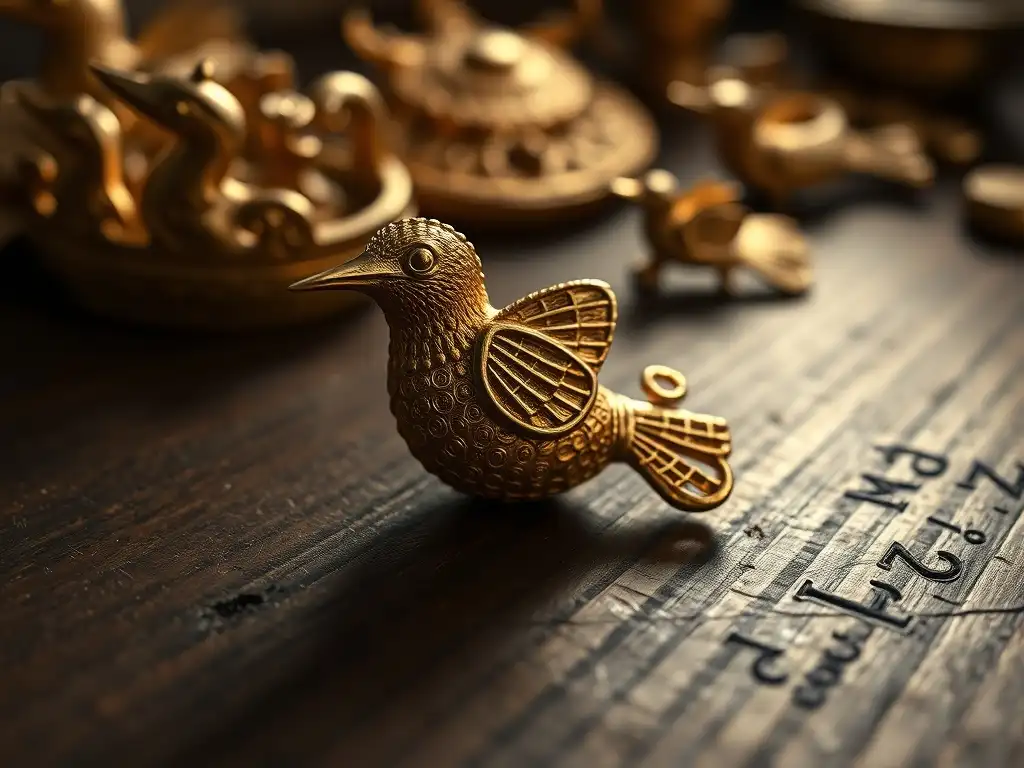
The Chimu, a powerful pre-Columbian civilization flourishing on the northern coast of Peru (c. 1300-1470 CE), left an indelible mark on Andean art and technology, particularly in the realm of goldsmithing. Their mastery of metallurgical techniques, refined over centuries, significantly influenced subsequent Andean cultures, impacting both artistic styles and technological advancements. The Chimu's sophisticated approach to gold and other metals spread through trade networks and cultural exchange, contributing to the development of metalworking across the region.
This influence is evident in the later styles of Inca goldsmithing, suggesting a direct lineage or, at the very least, a shared artistic vocabulary. The sheer volume and quality of Chimu gold artifacts unearthed at sites like Chan Chan, their capital city, testify to their exceptional skills and the widespread impact of their artistry. Understanding the Chimu's influence on later Andean cultures requires examining both the transmission of specific techniques and the broader stylistic impact on artistic expression.
The legacy of Chimu goldsmithing extends far beyond their own civilization, shaping the trajectory of Andean metalworking for centuries to come. This legacy is not merely a matter of aesthetics; it reflects the power of cultural exchange and the enduring appeal of Chimu craftsmanship.
Chimu Metallurgical Techniques and their Transmission
Chimu goldsmithing techniques were remarkably advanced for their time. They excelled in a variety of processes including hammering, annealing, soldering, and casting. Evidence suggests they also employed sophisticated lost-wax casting, allowing for the creation of intricate and detailed gold objects. The hallmark of Chimu goldwork is its fine detail and delicate ornamentation, often featuring intricate designs of stylized animals, mythical creatures, and geometric patterns.
These techniques weren't developed in isolation. The Chimu likely built upon and refined existing traditions from earlier Andean cultures, incorporating innovations and advancements that made their work distinctive. The transmission of these techniques likely occurred through several channels: apprenticeship systems within Chimu workshops, trade networks that connected different Andean communities, and the movement of skilled artisans between different cultures. The presence of similar stylistic elements and technical approaches in later Andean metalwork strongly suggests the dissemination of Chimu knowledge and expertise.
For example, the intricate filigree work found in some Inca gold objects bears a striking resemblance to Chimu techniques, suggesting a direct line of influence. Further research into specific metallurgical analyses of artifacts from different Andean cultures is needed to fully elucidate the pathways of technological transmission. Analyzing the chemical composition of the gold alloys used by the Chimu and their successors could illuminate the extent of shared resources and the movement of artisans. 🕵️♂️
Comparison with Moche and Inca Metalworking Traditions
Comparing Chimu goldsmithing techniques with those of other prominent Andean cultures, such as the Moche and the Inca, provides a clearer picture of their unique contribution and lasting impact. The Moche, who preceded the Chimu, were also skilled metalworkers, known for their elaborate repoussé work and the use of precious metals to create elaborate funerary objects. However, the Chimu’s mastery of lost-wax casting and their emphasis on intricate detail represent a significant advancement over Moche techniques. The Moche style often features more robust and less delicate forms compared to the Chimu's refined aesthetic.
The Inca, who conquered the Chimu in the 15th century, inherited a rich tradition of metalworking. Inca goldsmithing shows clear evidence of Chimu influence, particularly in the intricate detail and the use of techniques like filigree. However, the Inca also developed their own distinct style, often featuring larger-scale pieces and a greater emphasis on symbolic imagery related to their imperial ideology.
The Inca's vast empire facilitated the integration of diverse artistic styles and techniques, resulting in a more eclectic and less regionally distinct style than that of the Chimu. While both cultures utilized gold extensively, the Inca’s use of gold often served a more overtly political and symbolic function compared to the Chimu's seemingly more diverse range of applications.
Analyzing the differences and similarities between these three cultures' metalworking practices offers valuable insights into the evolution of Andean technology and the dynamic interplay between cultural exchange and innovation within the Andean region. Further research comparing the specific alloys and techniques employed could reveal even more nuanced information about the relationship between these three powerful Andean civilizations.
Preservation and Legacy of Chimu Goldsmithing
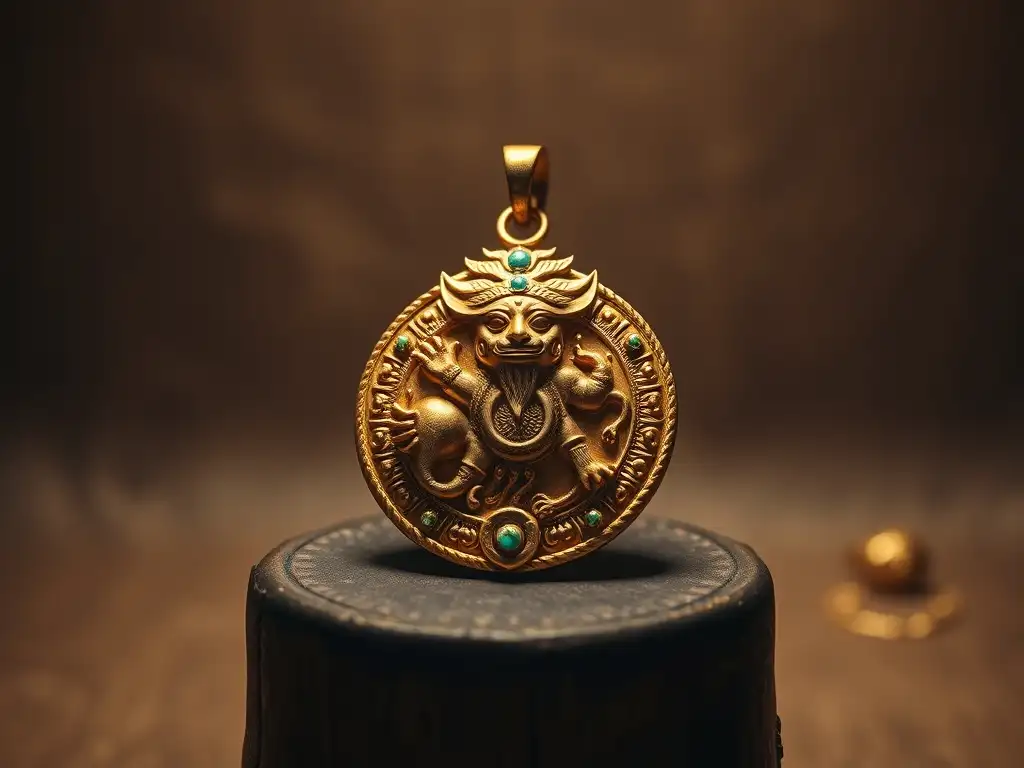
The legacy of Chimu goldsmithing is surprisingly robust, considering the passage of time and the often-destructive nature of looting and environmental factors. While much was lost to plunder and decay, a significant amount of Chimu metalwork has survived, offering invaluable insights into their sophisticated techniques and artistic sensibilities. The preservation of these artifacts is a testament to both the skill of the Chimu artisans in creating durable objects and the efforts of modern archaeologists and conservators in protecting and studying them.
Understanding how these pieces have survived, and the challenges faced in their preservation, sheds light not only on the artifacts themselves but also on the broader context of Chimu culture and its enduring influence on Andean art. The relatively arid climate of the northern Peruvian coast, where much Chimu metalwork was found, certainly played a significant role in its survival, limiting the corrosive effects of moisture.
Archaeological Discoveries of Chimu Metalwork
Archaeological digs at sites like Chan Chan, the Chimu capital, have yielded a treasure trove of gold and silver objects. These discoveries, often found in tombs and elite residences, include intricate jewelry, ceremonial objects, and decorative items. The sheer volume and variety of these artifacts highlight the importance of metalworking in Chimu society.
For instance, the discovery of a royal tomb containing a significant collection of gold and silver ornaments, including elaborate headdresses, breastplates, and scepters, provided crucial information about Chimu royal iconography and burial practices. These finds are not only aesthetically stunning but also provide crucial data points for understanding Chimu social structures and religious beliefs. Further, the context of these discoveries – their location within specific structures and their association with other grave goods – allows researchers to piece together a more comprehensive picture of Chimu life and metalworking practices.
Detailed records meticulously kept during excavations are essential in understanding the Chimu goldsmithing techniques used. Analysis of these records shows a clear correlation between the type of object, its decoration, and the probable social status of its owner.
Modern Studies on Chimu Metalworking Technology
Modern scientific analysis of Chimu metalwork has revealed astonishing details about their techniques. Using techniques like X-ray fluorescence (XRF) and scanning electron microscopy (SEM), researchers have identified the specific alloys used, the methods of casting and hammering, and the intricate processes involved in creating detailed ornamentation. For example, studies have shown the Chimu's mastery of lost-wax casting, a complex technique requiring significant skill and precision.
Their ability to create incredibly fine details, such as delicate filigree work and intricate repoussé, demonstrates their advanced understanding of metallurgy. Furthermore, analysis of the chemical composition of the gold and silver used reveals insights into the Chimu's sourcing of raw materials and their trade networks.
The use of specific alloys, and the presence of trace elements, can pinpoint the origin of the metals and shed light on the extent of their trading relationships with other Andean cultures. Ongoing research continues to refine our understanding of their techniques, continually uncovering new aspects of their remarkable skills.
The Importance of Chimu Metalwork in Understanding Andean Art
Chimu metalwork holds a pivotal position in the broader context of Andean art. Its sophisticated techniques, unique aesthetic styles, and the sheer artistry displayed in the surviving pieces represent a high point of pre-Columbian metalworking. The Chimu's distinctive use of motifs, such as stylized animals, geometric patterns, and human figures, provides valuable insights into their cosmology and worldview.
Comparisons with the metalwork of other Andean cultures, like the Moche and Inca, reveal both shared influences and distinct regional styles. The study of Chimu metalworking techniques helps to better understand the evolution of Andean art and the interconnections between different cultures within the region. The intricate details and high level of craftsmanship visible in the surviving artifacts demonstrate the importance of metalworking as a key component of Chimu identity and social structure.
The enduring appeal and artistic merit of Chimu metalwork continue to inspire and fascinate, highlighting its significant contribution to the rich tapestry of Andean artistic heritage. The study of these techniques continues to be a rich source of information, providing a deeper understanding of the Chimu civilization and its place within the larger Andean world.
Frequently Asked Questions
What were the Chimu people known for?
The Chimu were renowned for their advanced metalworking skills, particularly in goldsmithing. They produced incredibly intricate and detailed gold objects, showcasing their mastery of techniques.
What specific goldsmithing techniques did the Chimu master?
The Chimu employed a variety of techniques including lost-wax casting, hammering, repoussé, and soldering. They also skillfully inlaid other metals and stones into their gold pieces.
How did Chimu goldsmithing differ from that of other Andean cultures?
While sharing some techniques with other Andean cultures, Chimu goldsmithing is distinguished by its fineness and level of detail, often incorporating realistic depictions of animals and humans.
Where can I see examples of Chimu goldsmithing today?
Many examples of Chimu goldwork are housed in museums around the world, including the Larco Museum in Lima, Peru, and major museums in the United States and Europe. Check their online collections.
What materials, besides gold, did Chimu goldsmiths use?
Besides gold, Chimu artisans incorporated silver, copper, and various precious stones into their creations. These materials were often combined to create stunningly complex pieces.
Final Reflection: The Enduring Legacy of Chimu Goldsmithing
The intricate artistry of Chimu goldsmiths remains a testament to the ingenuity and cultural richness of the pre-Columbian Andean world, a legacy that continues to inspire awe and fascination today. Their mastery of lost-wax casting, hammering, and alloying techniques produced objects of unparalleled beauty and sophistication, pushing the boundaries of metallurgical skill centuries ahead of their time. The sheer precision and artistry involved in their work continues to challenge modern artisans.
The impact of Chimu goldsmithing extends far beyond the mere creation of beautiful objects; it speaks to a deeply ingrained cultural identity and a sophisticated understanding of the natural world. Their work wasn't simply decorative; it held profound religious and social significance, reflecting a complex cosmology and intricate social hierarchy. The goldsmiths were not merely artisans, but rather keepers of tradition, weaving stories and beliefs into each meticulously crafted piece.
This statement highlights the profound connection between the craft and the Chimu worldview, a connection that resonates even now as we study their remarkable creations.
Consider the enduring power of these ancient techniques. Imagine the dedication and skill required to master such intricate processes. You too can appreciate the enduring legacy of the Chimu by exploring the details of their artistry, by seeking out museums showcasing their work, and by reflecting on the human ingenuity that created such breathtaking beauty. Let their achievements inspire you to appreciate the power of craftsmanship and the enduring legacy of human creativity across time and cultures.
Unveil the Legacy of Chimu Goldsmithing!
Thank you for joining us on this exploration of the remarkable artistry of the Chimu goldsmiths. We hope you've gained a deeper appreciation for their skill and the rich history reflected in each piece. Now, let's put that inspiration to work!
- Explore further: Delve deeper into Chimu culture with our detailed articles on their rituals and daily life.
- Share your insights: Join fellow enthusiasts on our social media channels to discuss the influence of Chimu artistry on contemporary crafts.
- Create your own masterpiece: Try a DIY jewelry-making project inspired by Chimu designs and share your creations with us!
What aspect of Chimu goldsmithing most captivates you, and how will you integrate it into your creative endeavors?