
Beyond the Fields: Women's Roles in Andean Agriculture and Innovation

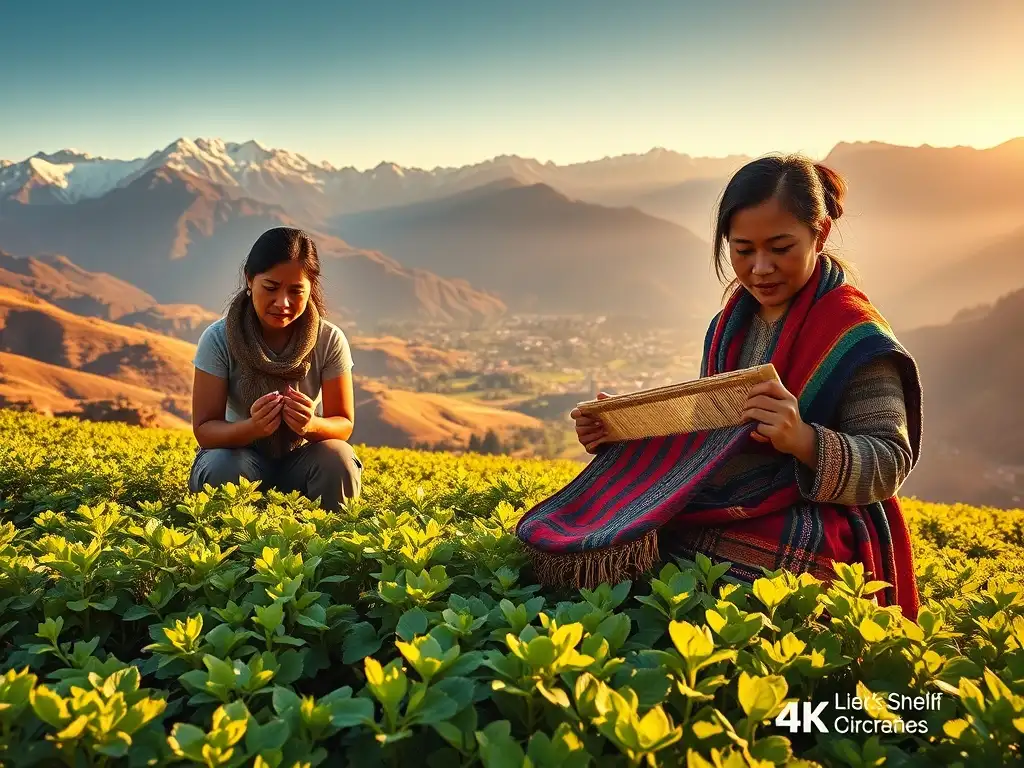
Step into a world lost to time, yet echoing with the ingenuity of a remarkable people. For centuries, the Andes Mountains have held secrets, and within their breathtaking landscapes lies a story of innovation unlike any other. But what if the most significant contributions weren't made by the rulers, but by the women? Discover the untold impact of Andean women agricultural innovation, a revolutionary force that shaped entire civilizations. Prepare to be amazed as we unravel their crucial roles in shaping Andean history in our exploration of "Beyond the Fields: Women's Roles in Andean Agriculture and Innovation."
The Andes Mountains, a breathtaking tapestry of towering peaks and fertile valleys, nurtured some of the most sophisticated pre-Columbian civilizations in the Americas. While narratives often focus on the achievements of Andean men, a crucial element frequently overlooked is the significant and multifaceted contributions of Andean women.
This article delves into the vital roles women played in Andean agriculture and technological innovation, revealing their profound impact on the survival and prosperity of their societies. We will explore how their expertise went beyond simple farming, encompassing diverse skills and knowledge that shaped the very fabric of Andean life and contributed significantly to the impressive agricultural achievements of these remarkable cultures.
Understanding their contributions is crucial to a more complete and accurate understanding of Andean history and challenges the traditional, often male-centric, narratives that have long dominated the field. We aim to highlight the ingenuity and resilience of Andean women, showcasing their crucial role in shaping the agricultural landscape and technological advancements of their time.
Cultivating Life: Women's Practices in Andean Agriculture
Andean agriculture was not merely a means of sustenance; it was a complex system deeply intertwined with spiritual beliefs and societal structures. Women were central to this system, participating in all stages of agricultural production, from seed selection and planting to harvesting and processing. Archaeological evidence suggests a division of labor, with men often undertaking tasks requiring significant physical strength, such as terracing mountainsides, while women excelled in tasks requiring meticulous care and detailed knowledge, such as seed selection and the cultivation of specific crops.
Their understanding of soil types, planting cycles, and crop rotation techniques was essential for maximizing yields in the challenging Andean environment. They possessed intimate knowledge of medicinal plants and their application, ensuring the health of both crops and people.
This deep understanding of the agricultural cycle and its interconnectedness with the natural world allowed them to contribute immensely to the food security and stability of their communities. For example, women's knowledge of textile production, closely linked to agricultural practices, allowed them to create diverse textiles that were not only essential for clothing but also served as a means of storage and trade.
Innovation in Andean Agricultural Techniques: A Woman's Touch
Beyond their daily agricultural contributions, Andean women were also key players in the development and refinement of innovative agricultural techniques. Their understanding of water management systems, including the construction and maintenance of irrigation canals and terraces, was crucial for successful crop cultivation in the arid and mountainous regions. The creation of intricate raised fields, waru waru, a sophisticated system of agricultural engineering, is often linked to women's knowledge of water management and soil fertility.
Furthermore, their expertise in plant breeding and selection played a crucial role in adapting crops to the diverse and challenging Andean environments. The development of freeze-resistant varieties of potatoes, for example, is a testament to their ingenuity and resilience.
These advancements were not merely technological feats; they were vital for ensuring the survival and prosperity of Andean communities facing harsh environmental conditions. The knowledge they developed and passed down through generations was essential for adapting to changing climate conditions and maintaining food security.
Beyond the Fields: Weaving Technology and Agricultural Knowledge
The connection between women's agricultural expertise and their mastery of textile production is undeniable. The intricate weaving techniques employed by Andean women were not only aesthetically impressive but also functionally crucial. The textiles they produced were used for a variety of purposes, including clothing, storage containers, and even tools for agricultural activities. The knowledge of plant fibers, dyeing techniques, and weaving patterns was passed down through generations, demonstrating a deep understanding of both agricultural and technological processes.
The intricate designs often reflected agricultural cycles and the spiritual significance of crops, highlighting the interconnectedness of these practices within Andean societies. This intricate interplay between agricultural knowledge and technological skill showcases the multifaceted nature of women's contributions to Andean civilization. Understanding this connection allows us to appreciate the depth and breadth of their skills and their vital role in the overall development of Andean societies.
The Enduring Legacy: Preserving Andean Women's Agricultural Heritage
The contributions of Andean women to agriculture and technological innovation continue to resonate today. Their knowledge and practices, passed down through generations, are integral to the survival and resilience of Andean communities. Understanding and acknowledging this legacy is crucial for preserving traditional agricultural practices and promoting sustainable development in the region.
By recognizing the critical role Andean women played in shaping the agricultural landscape and technological advancements, we can gain a more complete and nuanced understanding of Andean history and its enduring legacy. It is essential to continue researching and documenting their contributions to ensure that their stories are not only heard but celebrated, inspiring future generations to value and protect the rich agricultural heritage of the Andes. The preservation of their knowledge is not merely a historical imperative; it is essential for the future of Andean communities and the world.
- Cultivating Life: Women's Practices in Andean Agriculture
- Innovation in Andean Agricultural Techniques: A Woman's Touch
- Beyond the Fields: Weaving Technology and Agricultural Knowledge
- The Enduring Legacy: Preserving Andean Women's Agricultural Heritage
- What role did women play in Andean agriculture?
- What innovations did Andean women contribute to agriculture?
- How did the social structure influence women's roles in agriculture?
- What evidence exists to support the importance of Andean women in agricultural innovation?
- How did Andean women's agricultural knowledge adapt to environmental challenges?
The Vital Role of Women in Andean Farming Traditions
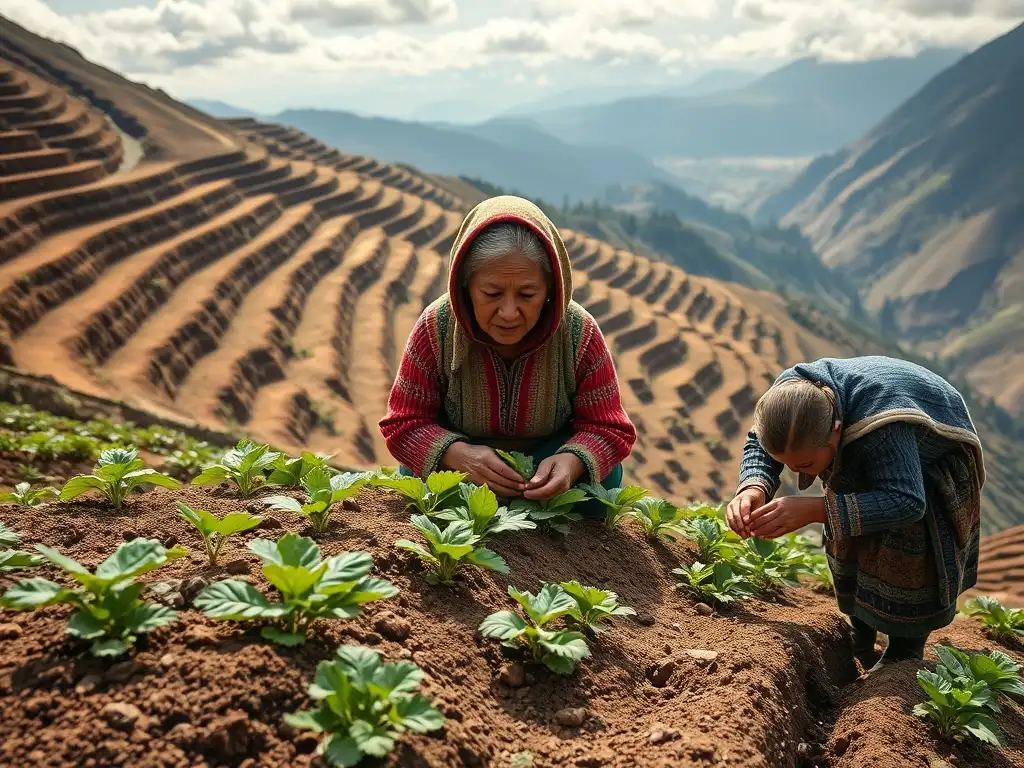
Andean women were not merely passive participants in agricultural practices; they were central to the success and innovation of Andean farming systems. Contrary to common narratives that focus solely on male roles, a deeper examination reveals the crucial contributions of women across various Andean cultures, from the Incas to the Moche and Nazca. Their expertise extended beyond simple labor; they were active innovators, preserving and developing agricultural techniques that ensured food security and societal stability for generations.
Understanding their contributions is key to appreciating the full complexity and ingenuity of Andean agricultural achievements. The term "Andean women agricultural innovation" doesn't fully capture the depth of their involvement, which encompassed knowledge transmission, resource management, and the development of sustainable farming practices.
Historical Significance of Women in Incan Agriculture
The Incan Empire, known for its sophisticated agricultural techniques, relied heavily on the labor and knowledge of women. While men often undertook tasks requiring significant physical strength, such as clearing land or constructing irrigation systems, women played pivotal roles in planting, weeding, harvesting, and processing crops. Archaeological evidence suggests a strong division of labor, but not a hierarchical one. Women’s work was highly valued and essential to the empire's food production.
For instance, the meticulous cultivation of potatoes, a staple crop, involved intricate techniques of planting, fertilization, and storage, all significantly influenced by women's expertise. Furthermore, women's roles extended to the production of textiles from alpaca and llama fiber, crucial for clothing and trade, demonstrating their integral involvement in the entire economic system supporting the Incan empire. The impact of their work is undeniable, shaping the agricultural landscape and contributing significantly to the empire's prosperity and longevity.
Terracing and Female Labor in the Andes
The iconic terraced agricultural landscapes of the Andes are a testament to the ingenuity and hard work of Andean communities, with women at the forefront. Creating and maintaining these terraces, often carved into steep mountain slopes, demanded immense physical effort and technical skill.
While men might have been involved in the initial construction of larger-scale terracing projects, women played a crucial role in their ongoing maintenance, including repairing damage from erosion and landslides, and ensuring the fertility of the terraced fields. The meticulous work of planting and harvesting crops on these uneven slopes required specific knowledge and techniques passed down through generations, primarily by women.
This expertise involved careful seed selection, precise planting methods, and efficient irrigation systems, all contributing to maximizing crop yields in challenging environments. The success of Andean terracing, a remarkable feat of engineering and agricultural innovation, is inextricably linked to the dedication and skills of Andean women.
Andean Women: Custodians of Traditional Farming Knowledge
Beyond their physical labor, Andean women were the custodians of invaluable traditional ecological knowledge (TEK) related to agriculture. This knowledge, accumulated over centuries, encompassed a deep understanding of plant varieties, soil types, water management, and pest control. They possessed intimate knowledge of the local ecosystems, adapting farming practices to the unique challenges of high-altitude environments. This knowledge was often passed down orally through generations, within families and communities.
Women played a vital role in preserving and transmitting this crucial knowledge, ensuring the continuity of sustainable farming practices. The loss of this traditional knowledge represents a significant loss for both biodiversity and agricultural resilience. Understanding and preserving the TEK held by Andean women is crucial for promoting sustainable agriculture and food security in the region, ensuring that their legacy continues to inspire future generations. Their contributions to Andean agricultural innovation are immeasurable and deserve greater recognition.
Andean Women's Agricultural Innovation: A Legacy of Adaptation
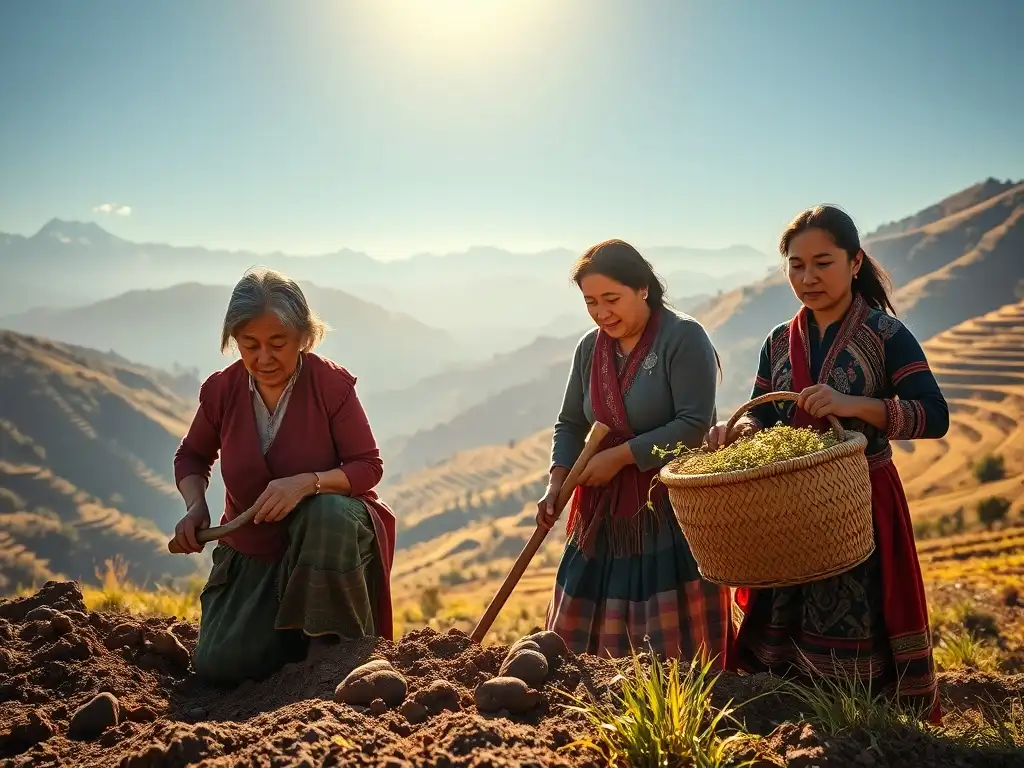
Andean women have played a crucial, yet often overlooked, role in shaping agricultural practices and technological advancements across various Andean societies. Their contributions extend beyond simple labor; they represent a legacy of ingenuity, adaptation, and sustainable resource management that continues to inspire today. This section will delve into specific examples of Andean women's agricultural innovation, highlighting their expertise in potato cultivation, seed bank management, and irrigation system development.
Understanding their contributions is key to appreciating the full complexity and resilience of Andean civilizations and their relationship with their environment. The term "Andean women agricultural innovation" encapsulates this vital area of study, revealing the profound impact of women's knowledge on food security and societal stability.
Innovations in Potato Cultivation by Women Farmers
The potato, a staple crop for Andean cultures, owes much of its diversity and resilience to the innovative cultivation techniques developed and refined by women farmers. Women were not merely cultivators; they were active participants in selecting, breeding, and preserving diverse potato varieties. This involved meticulous observation of plant characteristics, soil conditions, and climatic variations.
For example, women in the highlands developed sophisticated methods of micro-propagation, creating new potato plants from small cuttings or “eyes” of existing tubers. This allowed for the rapid expansion of desirable varieties, ensuring food security even in challenging environments. Their intimate understanding of the potato's needs, coupled with their keen observational skills, led to the development of a vast array of potato types, each adapted to specific altitudes, soil types, and microclimates.
This remarkable diversity, a testament to women's agricultural expertise, proved crucial for survival during periods of climatic fluctuation or crop failure. The preservation of this knowledge, often passed down through generations within families and communities, ensured the continued success of potato cultivation for centuries. This deep understanding of the potato, coupled with their innovative cultivation practices, made Andean women pivotal to the success of this vital crop.
Seed Bank Management and Preservation Techniques by Andean Women
Beyond cultivation, Andean women played a vital role in managing and preserving the genetic diversity of crops through sophisticated seed bank systems. These weren't centralized repositories; rather, they were decentralized networks managed within individual households and communities. Women were responsible for selecting, cleaning, storing, and exchanging seeds, ensuring the continuity of diverse varieties across generations.
Their techniques involved careful drying, storage in cool, dark places (often utilizing traditional storage structures), and the implementation of natural pest control methods. The knowledge of seed selection and preservation was often deeply intertwined with ritual and spiritual practices, highlighting the importance placed upon this critical aspect of food security. This intricate system of seed management not only ensured the availability of diverse crops but also fostered resilience against crop failure and environmental changes.
The meticulous attention to detail and the intergenerational transfer of knowledge underscore the crucial role of Andean women in maintaining agricultural biodiversity and ensuring food sovereignty. This nuanced approach to seed management is a powerful example of Andean women's contribution to sustainable agriculture, long before the modern concept of seed banks was developed.
Andean Women and the Development of Community Irrigation Systems
The success of Andean agriculture relied heavily on sophisticated irrigation systems, and women were integral to their design, construction, and maintenance. While often overlooked in historical narratives, women's participation was fundamental. Their intimate knowledge of water sources, soil types, and seasonal variations was invaluable in planning and constructing efficient irrigation canals and terraces.
Their roles often extended beyond physical labor; they were actively involved in community decision-making processes related to water allocation and management. This participation ensured equitable access to water resources, a crucial aspect of maintaining social cohesion and agricultural productivity. Furthermore, women's understanding of the ecological balance and their commitment to sustainable water management practices contributed to the long-term viability of these irrigation systems.
The collaborative nature of these projects, with women playing key roles in planning and execution, highlights their crucial role in the development of sustainable agricultural practices in the Andean region. Their contribution to the ingenious water management systems represents a significant example of Andean women's agricultural innovation and their vital role in shaping the societal landscape.
The Impact of Women's Innovation on Andean Food Security
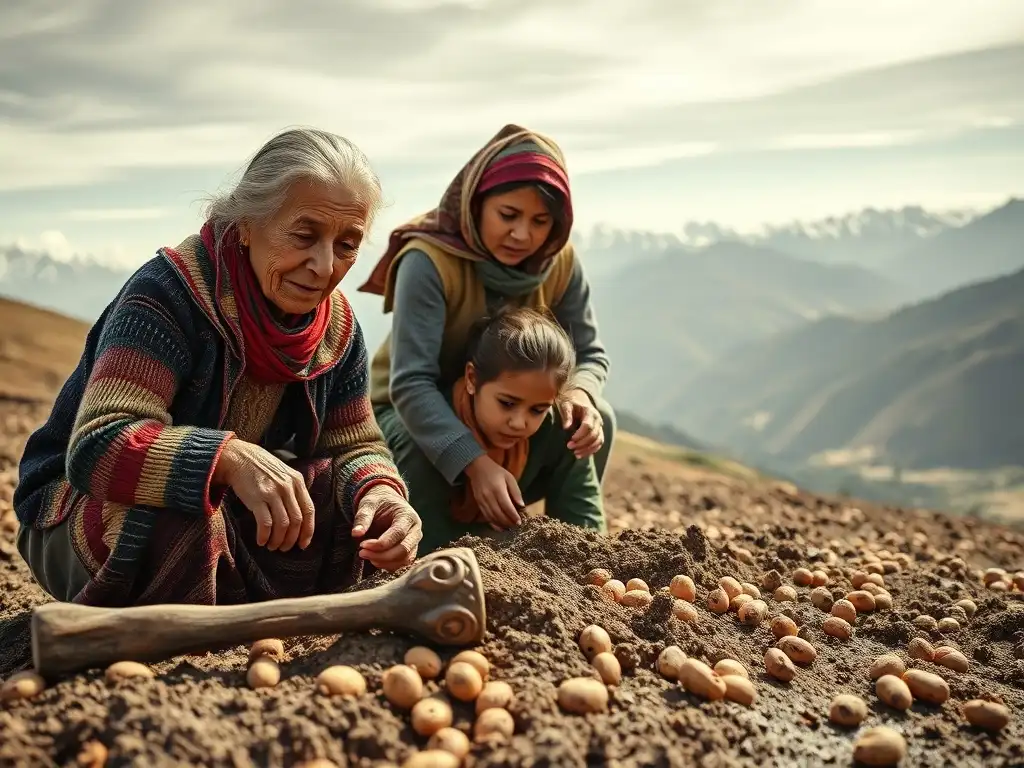
The remarkable resilience and adaptability of Andean civilizations were significantly shaped by the ingenuity and hard work of women. Their contributions extended far beyond the domestic sphere, profoundly impacting food security and the overall societal well-being. Understanding the role of Andean women in agricultural innovation is crucial to appreciating the complexity and sophistication of these ancient societies.
Their innovative techniques, passed down through generations, ensured the survival and prosperity of their communities in the face of challenging environmental conditions. This section will explore the specific ways in which women's contributions directly influenced the food security of Andean communities. The keyword "Andean women agricultural innovation" is central to this analysis.
Women's Contributions to Potato Diversity in the Andes
The potato, a staple crop of the Andes, owes a significant debt to the ingenuity of Andean women. Far from being passive cultivators, women played a vital role in selecting, cultivating, and preserving the incredible diversity of potato varieties found across the region. They developed sophisticated techniques for identifying desirable traits – disease resistance, nutritional value, adaptability to different altitudes and climates – and meticulously selected seeds to ensure the propagation of superior plants.
This meticulous selection process, carried out over centuries, led to the astonishing variety of potatoes we see today, a testament to women's deep understanding of agricultural principles and their commitment to food security. Evidence suggests that women were particularly adept at identifying and preserving clones of particularly productive or resilient potato varieties. This knowledge, often passed down orally within families, allowed Andean communities to adapt to changing environmental conditions and maintain a robust food supply.
Data from archaeological sites shows a clear correlation between the diversity of potato cultivars and the presence of well-established female-led agricultural practices. The preservation of this biodiversity is a critical factor in ensuring future food security, not just in the Andes, but globally. Understanding this historical context underscores the importance of recognizing women's contributions to the world's food supply.
Andean Food Systems: The Central Role of Women in Production
Andean food systems were not simply about cultivation; they were intricate networks of production, processing, and distribution, with women at their heart. Beyond the fields, women were responsible for a vast array of tasks crucial to food security. These included the processing and preservation of crops, ensuring that harvests could be stored and utilized throughout the year.
Techniques such as sun-drying, freezing (at high altitudes), and fermentation were essential, and women possessed the expertise to execute these processes effectively. Furthermore, women played a key role in managing livestock, often responsible for the care of llamas and alpacas, providing essential wool, meat, and transport. Their knowledge of animal husbandry ensured the sustainable use of these resources, contributing significantly to the overall food security of their communities.
Their involvement wasn't limited to production; women also participated in the distribution and exchange of food within and between communities, creating intricate networks that ensured food availability even during times of scarcity. This multifaceted role highlights the critical importance of women in the intricate tapestry of Andean food systems. The resilience and efficiency of these systems are directly attributable to the diverse contributions of Andean women.
Women and Sustainable Agriculture Practices in the Andes
Andean women were not only highly skilled farmers, but also pioneers of sustainable agricultural practices. Their understanding of the delicate balance between human activity and the environment was reflected in their farming techniques. Terracing, a remarkably effective method of cultivating steep slopes, is a prime example.
This technique, often attributed to women's ingenuity, prevented soil erosion and maximized land use, demonstrating a deep understanding of environmental stewardship. Moreover, women employed crop rotation and intercropping techniques, enhancing soil fertility and biodiversity, ensuring the long-term productivity of their land. These practices, passed down through generations, demonstrate a remarkable commitment to sustainable agriculture, a concept that is gaining increasing importance in the modern world.
The legacy of these sustainable methods, developed and refined by Andean women, provides valuable lessons for contemporary agricultural practices, particularly in the face of climate change and increasing demands on resources. The continued study of these practices is vital for understanding how to build more resilient and environmentally friendly agricultural systems. The ingenuity of Andean women in developing sustainable farming methods offers a powerful model for the future of agriculture globally.
Modern Challenges and the Future of Women in Andean Agriculture
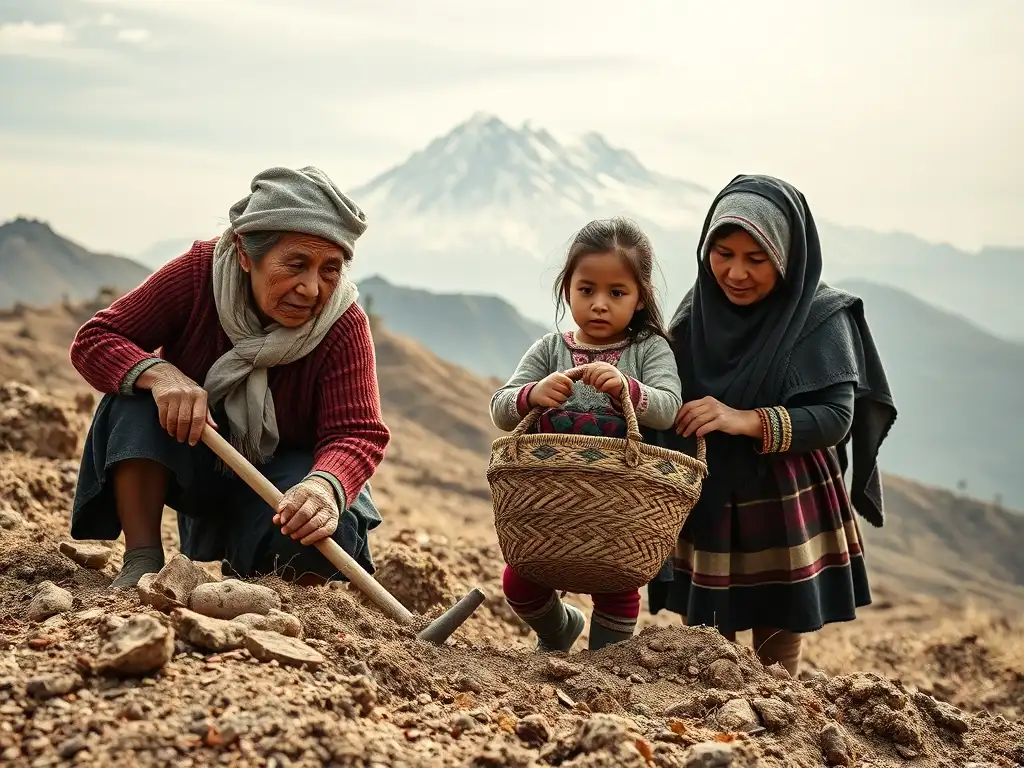
The legacy of Andean women's contributions to agriculture continues to this day, yet they face significant hurdles in the 21st century. Understanding these challenges is crucial to preserving and fostering their vital role in food security and economic development across the Andes. The complexities are interwoven, impacting not only farming practices but also their access to resources and opportunities. This section explores some of the key obstacles and potential avenues for progress. The focus on "Andean women agricultural innovation" necessitates examining how these challenges affect their ability to adapt and thrive in a changing world.
The Effects of Climate Change on Women Farmers in Peru
Climate change disproportionately affects women farmers in Peru, who often lack the resources and support to adapt to increasingly erratic weather patterns. Droughts, floods, and unpredictable frost significantly impact crop yields, leading to decreased income and food insecurity. For example, in the high-altitude regions of the Andes, women cultivating potatoes are particularly vulnerable to frost damage, which can wipe out entire harvests.
This vulnerability is exacerbated by limited access to climate-resilient seeds, irrigation systems, and agricultural insurance. Furthermore, traditional knowledge, while invaluable, may not be sufficient to cope with the intensity and unpredictability of modern climate change. The need for government-supported training programs focusing on climate-smart agriculture, tailored to the specific needs of women farmers, is paramount.
Data from [specific data on crop loss due to climate change in Peruvian highlands pending] would further illuminate the extent of this problem. The resilience of Andean women, however, remains a powerful force, and providing them with the tools to adapt will be essential for the future of Andean agriculture.
Microfinance and Economic Empowerment for Andean Women
Microfinance initiatives have emerged as a powerful tool for empowering Andean women economically, directly impacting their participation in agriculture. Access to small loans, often without collateral requirements, allows women to invest in improved seeds, fertilizer, and tools, boosting productivity and income. This empowerment extends beyond just agricultural production; increased income allows for better nutrition, education for children, and improved healthcare.
However, the success of microfinance programs hinges on factors beyond simply providing loans. Crucially, access to training in financial literacy and business management is essential for women to effectively utilize the loans and build sustainable businesses. Moreover, addressing systemic barriers such as limited land ownership and unequal access to markets remains critical.
Successful microfinance programs often incorporate elements of community support and mentorship, fostering a network of women entrepreneurs who can learn from each other's experiences. Studies demonstrating the [specific data on the impact of microfinance on women farmers’ income and livelihoods in the Andes pending] would further quantify the positive impact of these initiatives.
Supporting Women's Innovation in Modern Andean Farming Techniques
Promoting women's participation in agricultural innovation is crucial for enhancing food security and economic growth in the Andes. This requires a multi-pronged approach, including providing access to information and technology, fostering collaboration, and creating supportive policy environments. For instance, introducing women to improved farming techniques, such as water harvesting and conservation methods, can significantly enhance their productivity, especially in water-scarce regions.
Furthermore, supporting the development and dissemination of climate-resilient crop varieties tailored to the specific needs of Andean ecosystems is essential. This includes providing training on the use of these new technologies and promoting their adoption through community-based approaches. Encouraging women to participate in agricultural research and development is equally vital, ensuring that their knowledge and experiences are incorporated into the design and implementation of new technologies.
Investing in infrastructure, such as improved roads and market access, is also crucial to enabling women farmers to efficiently sell their produce and benefit from their hard work. The success of these initiatives requires a collaborative effort between government agencies, non-governmental organizations (NGOs), and research institutions. This concerted effort is essential to unlock the full potential of Andean women's agricultural innovation and ensure a sustainable and prosperous future for the region.
Andean Women as Agents of Change: Case Studies and Examples
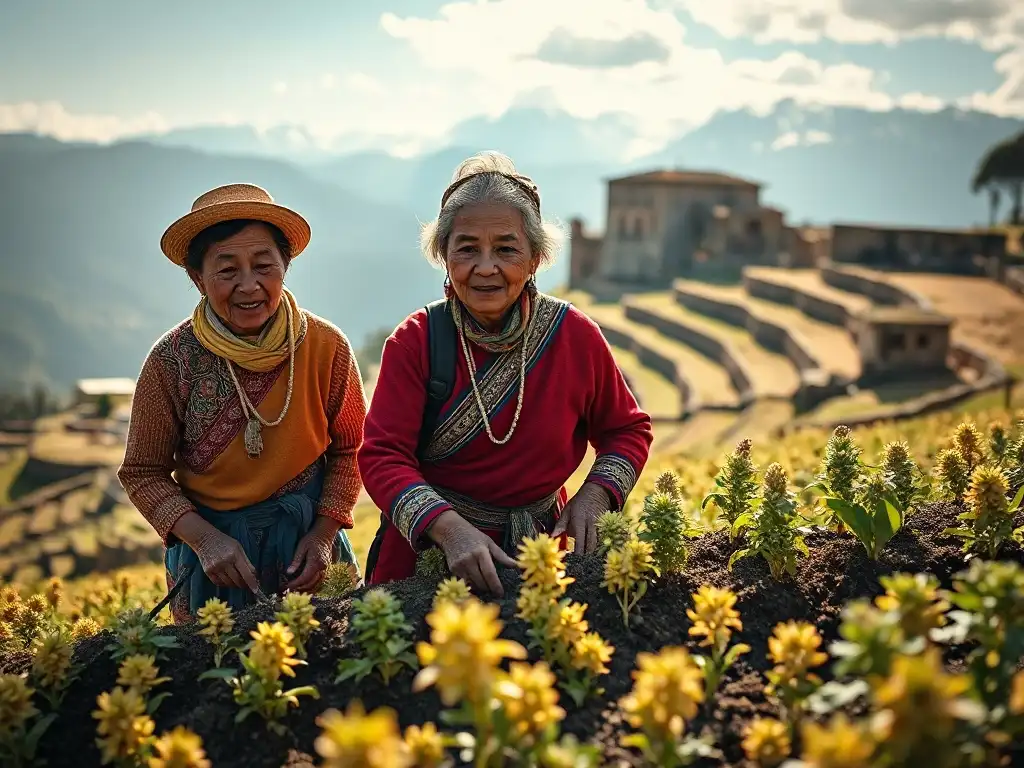
This section delves into specific examples showcasing the pivotal role Andean women played—and continue to play—in agricultural innovation and sustainability. Their contributions often go unrecognized in broader historical narratives, yet their expertise shaped Andean agricultural practices for millennia. Examining these case studies reveals the depth of their knowledge and the enduring impact of their ingenuity. Understanding their contributions is crucial to appreciating the full picture of Andean agricultural achievements and the vital role women played in shaping these societies. The keyword "Andean women agricultural innovation" is central to understanding this profound influence.
Case Study 1: The Potato Park in Peru and the Role of Women
The Potato Park, located in the Cusco region of Peru, serves as a powerful illustration of the enduring connection between Andean women and agricultural innovation. This unique initiative, focused on the preservation of native potato varieties, highlights the significant role women play in maintaining biodiversity and traditional farming techniques. Women in the Potato Park aren't merely cultivators; they are custodians of invaluable genetic resources. Their intimate knowledge of different potato varieties—their growth cycles, soil preferences, and resistance to pests and diseases—is passed down through generations.
They actively participate in seed selection, planting, harvesting, and processing, employing techniques refined over centuries. Their expertise is not limited to cultivation; they are also key players in the development of new potato-based foods and the preservation of traditional recipes. This deep understanding of the potato, coupled with their innovative approaches to farming, has ensured the survival of hundreds of potato varieties, contributing significantly to food security and cultural preservation. The Potato Park demonstrates the crucial role of Andean women in achieving sustainable agricultural practices and biodiversity conservation, offering a tangible example of "Andean women agricultural innovation."
Case Study 2: Women-led initiatives in quinoa farming in Bolivia
Bolivia, renowned for its quinoa production, provides another compelling example of women's contributions to Andean agricultural innovation. While quinoa farming is often associated with male farmers, women play a critical and often overlooked role in all stages of production, from seed selection and planting to harvesting, processing, and marketing. Many women-led cooperatives have emerged, focusing on organic and sustainable farming practices.
These initiatives not only ensure high-quality quinoa production but also promote fair trade and empower women economically. These women often develop innovative techniques for improving soil fertility, water management, and pest control, adapting traditional methods to modern challenges. Their participation in agricultural decision-making, marketing, and value-added processing significantly improves their livelihoods and strengthens the resilience of their communities. These women-led initiatives demonstrate that "Andean women agricultural innovation" is not merely a historical phenomenon but a vibrant and ongoing process.
Lessons Learned from Andean Women's Agricultural Practices
The case studies presented highlight several key lessons regarding Andean women's agricultural practices and their contribution to innovation. Firstly, their knowledge is deeply intertwined with traditional ecological knowledge (TEK), a sophisticated understanding of local ecosystems and their intricate relationships. This TEK forms the basis of their sustainable farming practices, ensuring long-term productivity and resilience. Secondly, their contributions extend beyond cultivation; they are integral to seed saving, processing, marketing, and the preservation of culinary traditions.
Thirdly, supporting women’s participation in agriculture is not just an issue of gender equality but also a crucial aspect of ensuring food security and sustainable development. Investing in women’s agricultural initiatives yields significant returns, both economically and environmentally. Finally, recognizing and valuing the contributions of Andean women to agricultural innovation is essential for preserving their invaluable knowledge and ensuring that their expertise continues to benefit future generations. The term "Andean women agricultural innovation" should be understood as a testament to their enduring legacy and a call for continued recognition and support.
Conclusion: Recognizing and Empowering Andean Women's Contributions
This exploration of Andean women's roles in agriculture and innovation reveals a complex and often overlooked narrative. For centuries, their contributions have been fundamental to the survival and prosperity of Andean societies, yet their agency and ingenuity have frequently been marginalized in historical accounts. From developing ingenious agricultural techniques to managing vital food resources, Andean women demonstrated remarkable adaptability and resilience in the face of challenging environmental conditions.
Understanding their crucial contributions is not simply an act of historical redress; it's essential for appreciating the full scope of Andean agricultural achievements and for building a more equitable future. The legacy of Andean women's agricultural innovation is a testament to their strength, knowledge, and unwavering commitment to their communities.
Their stories, often passed down through generations orally, deserve to be documented, celebrated, and integrated into broader narratives of Andean history. This recognition is crucial for understanding the past and empowering future generations.
The Enduring Legacy of Andean Women in Agriculture and Food Security
The enduring legacy of Andean women in agriculture extends far beyond historical accounts. Their knowledge of diverse crops, sophisticated irrigation systems, and sustainable farming practices continues to inform modern agricultural practices in the Andes. Many traditional techniques, such as the cultivation of quinoa and potatoes using intricate terracing methods, are still employed today, demonstrating the long-term sustainability of their approaches.
Furthermore, their role in preserving biodiversity and ensuring food security remains paramount, particularly in the face of climate change and increasing global food insecurity. The resilience of Andean agricultural systems, in large part due to the ingenuity of women farmers, offers valuable lessons for sustainable agriculture worldwide. Studies on contemporary Andean farming communities reveal the continued importance of women's knowledge in seed selection, crop rotation, and pest management.
This knowledge, often passed down through generations, represents an invaluable resource for ensuring food security and adapting to the challenges of a changing climate. The preservation and dissemination of this traditional ecological knowledge is crucial for future food security not only in the Andes but also globally.
The Importance of Gender Equality in Andean Agriculture and Development
Achieving gender equality in Andean agriculture is not merely a matter of social justice; it's a critical factor in ensuring sustainable development and food security for the entire region. Providing Andean women farmers with equal access to land ownership, credit, technology, and education is crucial for unlocking their full potential and maximizing agricultural productivity.
Studies have consistently shown that empowering women in agriculture leads to increased yields, improved household incomes, and enhanced food security. Addressing gender inequality requires a multi-faceted approach, including policy reforms that promote women's land rights, access to microfinance initiatives specifically designed for women, and targeted agricultural training programs that cater to their unique needs and challenges.
This also includes challenging deeply entrenched patriarchal norms and promoting greater participation of women in decision-making processes at all levels, from the household to the national policy level. The economic empowerment of Andean women through agriculture contributes significantly to reducing poverty and improving overall well-being within their communities.
Future Directions for Research and Support of Andean Women Farmers
Future research on Andean women's contributions to agriculture should focus on several key areas. First, a more comprehensive documentation of traditional agricultural knowledge, including oral histories and ethnobotanical studies, is urgently needed. This requires collaborative research involving both academics and Andean communities themselves, ensuring that knowledge is preserved and shared respectfully.
Secondly, further investigation into the impacts of climate change and globalization on Andean women farmers is essential for developing effective adaptation strategies. This includes exploring the role of women in adapting to changing environmental conditions and developing resilient agricultural systems. Finally, the development and implementation of targeted support programs for Andean women farmers, including access to credit, technology, and training, requires ongoing evaluation and refinement to ensure effectiveness and sustainability.
This should involve close collaboration with local communities to ensure that programs are culturally appropriate and address the specific needs of women farmers. Investing in the knowledge, skills, and resources of Andean women farmers is not only a matter of justice but also a strategic imperative for ensuring sustainable food security and development in the Andes region. Their continued contributions are vital for the future.
Frequently Asked Questions
What role did women play in Andean agriculture?
Andean women were not merely passive participants; they were key players in all aspects of agriculture, from cultivation and harvesting to processing and storage of crops. Their knowledge and skills were essential to the success of Andean farming systems.
What innovations did Andean women contribute to agriculture?
Women developed and refined techniques like terracing, irrigation, and crop diversification. They also played a crucial role in developing and preserving seed varieties, ensuring food security for their communities.
While the specifics varied across cultures, women generally held significant influence within their communities concerning agricultural practices. Their knowledge and expertise were highly valued and essential to the economic and social well-being of their families and societies.
What evidence exists to support the importance of Andean women in agricultural innovation?
Archaeological evidence, including textiles, pottery, and agricultural tools, showcases women's contributions. Ethnographic studies of later Andean communities also illuminate the enduring importance of women's knowledge and practices in agriculture.
How did Andean women's agricultural knowledge adapt to environmental challenges?
Andean women demonstrated remarkable adaptability, developing innovative techniques to cope with variable climates and challenging terrains. Their knowledge of local ecosystems allowed them to optimize agricultural practices for diverse environments.
Final Reflection: Harvesting a Legacy of Andean Women's Innovation
The vital role of Andean women in agriculture is not merely a historical footnote; it is a vibrant, ongoing force shaping food security and sustainable practices in the region and beyond. Their ingenuity, resilience, and deep connection to the land continue to inspire innovative solutions to the challenges of climate change and food production, demanding recognition and support on a global scale.
The enduring legacy of Andean women's agricultural knowledge profoundly impacts our understanding of sustainable farming and community resilience. Their traditional practices, often passed down through generations, offer invaluable lessons for modern agriculture. These women are not simply farmers; they are custodians of biodiversity, innovators in adaptation, and leaders in their communities. The earth is what we all have in common.
This simple truth, often overlooked, underscores the interconnectedness of our actions and the vital role women play in nurturing the planet.
Consider the impact of their knowledge, their dedication, and their unwavering spirit. You, the reader, have the power to amplify their voices, to support initiatives that empower women farmers, and to champion sustainable agricultural practices. Let us work together to ensure that the legacy of Andean women's innovation continues to flourish, shaping a future where food security and environmental sustainability go hand in hand.
Empower the Future: Champion Women in Andean Agriculture!
Thank you for exploring the inspiring work of women in Andean agriculture and innovation. These remarkable individuals are transforming their communities and leading the way in sustainable practices. Now, you can join this empowering movement!
Here are some ways you can contribute:
- Support local female farmers by purchasing their produce directly from farmers' markets or cooperatives. This helps them build successful businesses.
- Share this article with your friends and family to raise awareness of the crucial role women play in agriculture. Increased understanding is key to meaningful change.
- Engage in conversations—online or within your community—about gender equity in agriculture. Consider starting a local initiative or joining organizations dedicated to this important cause.
What is the most effective way to increase the visibility and impact of women in agriculture today? Share your ideas below!