
The Unseen Observers: Chroniclers Who Witnessed the Rise and Fall of Andean Empires

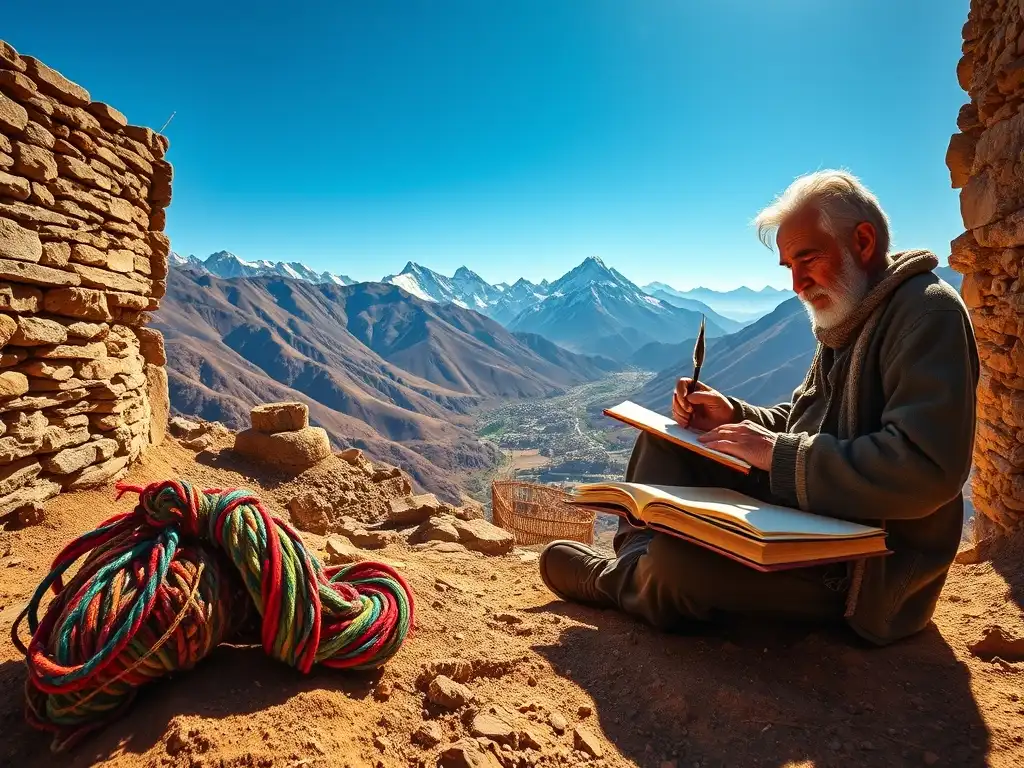
Step into a world lost to time, yet echoing with the whispers of empires. Imagine, for a moment, witnessing the breathtaking artistry of the Nazca lines, the intricate engineering of Machu Picchu, or the power of the Inca sun god. This is the realm of the Andean civilizations, and here, we delve into the lives of the unseen observers: the Andean civilizations history chroniclers who documented these wonders.
Their stories, often overlooked, hold the key to unlocking the mysteries of these magnificent societies. Discover their perspectives and unravel the captivating narrative of their rise and fall – a journey that awaits you.
The study of Andean civilizations relies heavily on the accounts left behind by chroniclers, individuals who witnessed firsthand—or through relatively close proximity—the remarkable rise and fall of powerful empires like the Inca, Moche, Nazca, and Tiahuanaco. These "unseen observers," often overlooked in favor of the grand narratives of the empires themselves, provide invaluable insights into the complexities of Andean life, offering perspectives often missing from official records or archaeological findings.
Their writings, while sometimes biased by their own cultural lenses and the circumstances of conquest, remain crucial primary sources for understanding the social structures, religious beliefs, technological advancements, and political dynamics of these fascinating societies. This article explores the significant roles played by key chroniclers, examining their perspectives, contributions, and the lasting impact of their work on our understanding of Andean civilizations history.
We will delve into the accounts of early Spanish chroniclers, focusing on their initial impressions and subsequent detailed observations, allowing us to piece together a more complete and nuanced picture of the Andean world. This exploration is critical to understanding the intricacies of Andean civilizations history and its multifaceted legacy.
Understanding the Role of Chroniclers in Andean History
Chroniclers played a multifaceted role in shaping our understanding of Andean civilizations. Their accounts, often written in the immediate aftermath of the Spanish conquest, offer a unique blend of eyewitness testimony, indigenous oral traditions (filtered through Spanish interpretations), and the chroniclers' own analyses. This blend, while sometimes problematic due to potential biases and inaccuracies, provides a rich tapestry of information that allows historians to cross-reference data and build a more complete picture.
The importance of these chroniclers is amplified by the limited written records produced by the Andean civilizations themselves. While quipu (knotted-string records) provide some numerical and possibly narrative data, the interpretation remains challenging. Therefore, the Spanish chroniclers' accounts, despite their limitations, become essential for filling in significant gaps in our knowledge.
The perspectives of these chroniclers, whether sympathetic or critical, offer diverse viewpoints that contribute to a more comprehensive and balanced interpretation of Andean history. It is crucial to approach their writings critically, considering their potential biases and the context in which they were written, but their significance as primary sources remains undeniable. Understanding their motivations, their methods of data collection, and the limitations of their perspectives is key to extracting the maximum historical value from their work.
Early Spanish Chroniclers and Their Accounts of Andean Societies
The arrival of the Spanish in the 16th century marked a turning point in Andean history, not only through conquest but also through the creation of a new written record. Early Spanish chroniclers, often clergymen, soldiers, or administrators, played a critical role in documenting the societies they encountered. These accounts, though shaped by the lens of European colonialism and often reflecting the biases of their time, are invaluable for understanding pre-Columbian Andean cultures.
Their descriptions of social structures, religious practices, technologies, and daily life provide a window into a world that otherwise might have remained largely unknown. These accounts, however, must be carefully analyzed, comparing and contrasting different chroniclers' perspectives to identify potential inaccuracies or biases arising from their unique experiences and personal viewpoints. The variety of their backgrounds and positions within the colonial administration also resulted in a diverse range of insights and perspectives on Andean life.
First Encounters: Initial Impressions of Andean Cultures
The initial encounters between the Spanish and the Andean populations were often marked by both awe and misunderstanding. Early chroniclers' accounts vividly depict the Spanish astonishment at the scale of Inca infrastructure, the sophistication of their agricultural techniques, and the complexity of their social organization. Descriptions of Inca cities, such as Cusco, often emphasized the grandeur of their architecture and the intricate organization of their urban planning.
However, these initial impressions were often filtered through a European worldview, leading to interpretations that sometimes misrepresented or simplified the complexities of Andean culture. For instance, the Inca system of tribute and labor might have been interpreted as oppressive, overlooking the reciprocal nature of these systems within the Inca social structure. Understanding these early impressions is crucial for interpreting later, more detailed accounts and for recognizing the inherent biases present in the chroniclers' observations.
Pedro Cieza de León: Perspectives and Contributions
Pedro Cieza de León, a Spanish conquistador, stands out as one of the most important chroniclers of the Inca Empire. His Crónica del Perú, though unfinished, provides a detailed account of Inca geography, social organization, and political structures. Cieza de León's firsthand observations, coupled with his efforts to gather information from indigenous sources, offer valuable insights into Inca society. His descriptions of Inca roads, agricultural practices, and military organization are particularly noteworthy.
However, it's important to acknowledge that Cieza de León's perspective was shaped by his role as a conquistador, and his accounts may reflect the biases and assumptions of his time. Nevertheless, his work remains a cornerstone of Inca studies, providing a wealth of information that continues to be analyzed and debated by scholars today. His detailed descriptions of Inca customs and beliefs significantly contribute to our understanding of their worldview and social structure.
Bernabé Cobo: A Different View on Andean Life
Bernabé Cobo, a Jesuit missionary, offered a different perspective on Andean life in his Historia del Nuevo Mundo. Unlike Cieza de León, who was primarily focused on the Inca Empire, Cobo's work encompasses a broader range of Andean societies and cultures. His detailed observations on indigenous religions, agricultural practices, and social structures offer a valuable counterpoint to other chroniclers' accounts. Cobo's work, informed by his interactions with indigenous populations and his engagement with the colonial context, provides a nuanced understanding of Andean life beyond the immediate aftermath of the conquest. His focus on cultural practices and beliefs offers a perspective that complements the more political and military focus of some other chroniclers. The comparison of Cobo’s work with that of Cieza de León highlights the diversity of perspectives available to scholars studying Andean civilizations. His careful observations and detailed descriptions provide invaluable context for understanding the complexities of Andean societies.
Indigenous Chroniclers: Voices from Within the Andean World
Indigenous chroniclers offer invaluable insights into the Andean world, providing perspectives often absent from European accounts. Their narratives, penned in a variety of languages and formats, challenge Eurocentric interpretations and illuminate the complexities of Andean societies. These chronicles are not merely historical records; they are powerful statements of cultural identity and resistance, preserving ancestral knowledge and challenging colonial narratives. The sheer diversity of their styles and content underscores the richness and sophistication of pre-Columbian Andean intellectual life.
Many of these accounts were created under duress, often as a means of navigating the complexities of colonial rule, making their honesty and accuracy even more remarkable. Their works serve as a vital counterpoint to the often biased accounts of Spanish conquistadors and colonial officials. These indigenous voices provide a crucial foundation for a more nuanced and complete understanding of Andean civilizations history.
The Importance of Indigenous Perspectives on Andean History
The incorporation of indigenous perspectives is crucial for a comprehensive understanding of Andean history. For too long, the narrative has been dominated by European accounts, which often filtered and distorted the realities of Andean life. Indigenous chroniclers, however, provide a firsthand account of events, beliefs, and social structures, offering a depth of understanding unattainable through solely colonial sources. Their writings illuminate the complexities of Andean societies, revealing the nuances of political organization, religious practices, and social hierarchies.
By integrating these indigenous perspectives, historians can construct a more accurate and complete picture of the past, challenging simplistic and often biased interpretations. Their contributions are essential to decolonizing historical narratives and reclaiming the agency of Andean peoples in shaping their own history. Ignoring these voices leaves a significant gap in our understanding of these rich and complex societies.
Felipe Guaman Poma de Ayala: Preserving Ancestral Knowledge
Felipe Guaman Poma de Ayala's Nueva Corónica y Buen Gobierno stands as a monumental achievement in Andean chronicling. This incredibly detailed manuscript, a combination of text and illustrations, offers a sweeping critique of Spanish colonial rule while simultaneously preserving a wealth of information about Inca society and its pre-Inca predecessors. Poma de Ayala's work is unique in its scope, incorporating elements of ethnography, history, and social commentary. His detailed depictions of Inca life, religious practices, and social structures provide invaluable insights into the complexities of the Andean world.
His illustrations are particularly striking, offering a visual record of Andean society that complements his written text. The Nueva Corónica is a testament to the resilience and intellectual prowess of Andean peoples in the face of colonial oppression. His work remains a crucial source for understanding Andean civilizations history.
Titu Cusi Yupanqui: A Unique Narrative of Andean Events
Titu Cusi Yupanqui, a Sapa Inca who resisted Spanish colonial rule, left behind a significant body of work documenting his struggles and the experiences of his people. His writings offer a unique perspective on the Inca resistance movement and the devastating impact of Spanish conquest. Unlike many other chroniclers, Yupanqui's writings directly address the political and social upheaval caused by the arrival of Europeans.
His accounts provide crucial detail on Inca governance, social organization, and religious beliefs, offering a perspective often overlooked in more generalized accounts. His work highlights the active resistance of Andean peoples and challenges the narrative of a passive acceptance of colonial rule. The preservation and study of Yupanqui's writings are essential to understanding the complexities of the Andean resistance and the enduring legacy of Inca culture.
Key Themes in the Chroniclers' Writings About Andean Civilizations
The writings of Andean chroniclers, both indigenous and European, reveal recurring themes that illuminate the complexities of these societies. Analyzing these themes allows for a deeper understanding of the political, social, religious, and technological aspects of Andean civilizations. The diverse perspectives offered by these sources provide a rich tapestry of information, allowing for a more nuanced and accurate portrayal of Andean life. These chronicles offer invaluable insights into the dynamics of power, the resilience of Andean cultures, and the enduring legacy of their achievements.
Political Structures and Governance in the Andes
Andean political structures, as depicted by chroniclers, varied significantly across different regions and time periods. From the highly centralized Inca Empire to the more decentralized polities of earlier periods, the chroniclers offer valuable insights into the different forms of governance, leadership structures, and administrative systems. They describe intricate systems of tribute, labor organization (mita), and the role of religion in legitimizing power.
The accounts illustrate the strategies employed by rulers to maintain control, resolve conflicts, and manage resources across vast territories. Understanding these political structures is crucial to comprehending the rise and fall of Andean empires and the dynamics of power within these societies. The chroniclers' accounts reveal the complexity and sophistication of Andean political thought and practice.
Religious Beliefs and Practices of Andean Peoples
Chroniclers provide essential information on the diverse religious beliefs and practices of Andean peoples. Accounts detail the importance of ancestor veneration, the worship of deities associated with natural forces, and the role of ritual and ceremony in daily life. Descriptions of temples, sacred sites, and religious festivals reveal the significance of religion in structuring Andean societies.
The chroniclers' writings also highlight the relationship between religion and political power, showing how religious beliefs were used to legitimize rule and maintain social order. The diverse perspectives offered by these sources allow for a more nuanced understanding of Andean spirituality, its complexities, and its enduring influence on Andean cultures.
Social Organization and Daily Life in Andean Communities
Chroniclers offer a glimpse into the social organization and daily life of Andean communities. Their accounts detail the various social classes, kinship systems, and economic activities that shaped Andean society. Descriptions of agriculture, textile production, and other crafts illustrate the economic foundations of Andean life.
The chroniclers' writings also reveal the importance of community cooperation, reciprocity, and social hierarchies in maintaining social order and cohesion. The accounts provide valuable information on family structures, gender roles, and the daily routines of Andean peoples, offering a richer understanding of their social fabric. These glimpses into daily life complement the broader historical narratives, providing a more complete picture of Andean civilizations.
Technological Achievements and Innovations of Andean Societies
Andean societies demonstrated remarkable technological achievements and innovations in various fields. Chroniclers' accounts, combined with archaeological evidence, reveal sophisticated agricultural techniques, including terracing and irrigation systems, which allowed for intensive food production in diverse environments. Their writings also describe impressive architectural achievements, such as intricate stonework and monumental structures, which showcase advanced engineering skills.
Furthermore, the chroniclers document advancements in textile production, metallurgy, and other crafts, highlighting the ingenuity and creativity of Andean artisans. Understanding these technological achievements is essential to appreciating the sophistication and complexity of Andean civilizations. These innovations demonstrate the advanced knowledge and skills possessed by Andean societies.
The Reliability and Limitations of Historical Accounts
Chronicles offer invaluable insights into Andean civilizations, but their reliability is not absolute. Understanding their limitations is crucial for accurate historical interpretation. Many accounts were written decades, even centuries, after the events they describe, relying on oral traditions, fragmented records, and the perspectives of those who survived the empires' rise and fall.
This temporal distance introduces the potential for distortions, omissions, and biases that can significantly alter the narrative. The surviving records are often incomplete, representing a fraction of the total information that once existed. For instance, much of the Inca administrative system relied on quipus, knotted cords that recorded numerical data and possibly narrative information, but our understanding of how to fully decipher them remains limited, leading to gaps in our historical knowledge.
Furthermore, the sheer volume of information lost due to the Spanish conquest further complicates the task of reconstructing a complete and accurate picture. The destruction of Inca libraries and the suppression of indigenous knowledge systems represent a significant obstacle to fully understanding Andean history.
Bias and Subjectivity in Chroniclers' Narratives
The subjective nature of historical accounts is undeniable. Andean chroniclers, whether indigenous or Spanish, wrote from specific viewpoints shaped by their cultural backgrounds, personal experiences, and political affiliations. Spanish chroniclers, for example, often presented a biased view, portraying the Inca Empire as a monolithic and oppressive entity to justify the conquest. Conversely, indigenous accounts, while striving for objectivity, might unintentionally reflect their own communities' perspectives and narratives, potentially downplaying conflicts or internal divisions.
This inherent subjectivity necessitates a critical approach to source analysis, requiring historians to consider the author's potential biases and the influence of their social context on their writing. For instance, accounts written by individuals who benefited from the Spanish conquest might present a more favorable view of the colonial regime than those written by indigenous populations who suffered under it. Recognizing these biases is key to developing a nuanced understanding of Andean history.
Challenges in Interpreting Historical Sources
Interpreting historical sources from Andean civilizations presents unique challenges. Language barriers, differing cultural perspectives, and the scarcity of primary sources require careful and nuanced analysis. Translating Quechua, Aymara, and other indigenous languages into modern languages can lead to subtle shifts in meaning, potentially altering the original intent. Furthermore, the cultural context in which these sources were created is often far removed from our own, requiring historians to possess a deep understanding of Andean social structures, beliefs, and practices to interpret the texts accurately.
The fragmented nature of surviving records further complicates the process. Often, historians must piece together information from diverse sources—chronicles, archaeological findings, and ethnographic studies—to construct a coherent narrative. This painstaking process necessitates careful consideration of potential discrepancies and contradictions between different sources.
Cross-Referencing Accounts to Obtain a More Complete Picture
To mitigate the limitations of individual accounts, historians employ a strategy of cross-referencing and comparing multiple sources. By comparing and contrasting different chronicles, archaeological evidence, and other relevant materials, researchers can identify patterns, corroborate information, and expose inconsistencies. This process helps to construct a more balanced and comprehensive understanding of Andean history, minimizing the impact of individual biases and inaccuracies.
For example, comparing Spanish chronicles with indigenous accounts, such as those found in the Codex Mendoza or the Huarochirí Manuscript, allows historians to gain a more complete picture of events, uncovering perspectives often overlooked in single-source analysis. This comparative approach is essential for developing a nuanced and accurate interpretation of the past.
The Lasting Impact of Chroniclers on Our Understanding of Andean History
The chroniclers, despite the limitations of their accounts, have profoundly shaped our understanding of Andean civilizations. Their writings serve as the foundation for much of our knowledge about the Inca Empire, the pre-Inca societies, and the complex processes that led to the Spanish conquest.
These accounts, though often biased, provide invaluable information regarding political structures, social organization, religious beliefs, and daily life in these ancient societies. The detailed descriptions of Inca customs, architecture, and warfare, for example, offer crucial insights into the complexities of this remarkable empire, even if these descriptions are filtered through the lens of the chronicler's perspective.
How Chroniclers' Work Shaped Historical Interpretations
Chroniclers' work has directly influenced how historians have interpreted Andean history for centuries. Early interpretations often relied heavily on Spanish chronicles, perpetuating a Eurocentric view that emphasized the Inca Empire's supposed monolithic nature and downplayed the diversity and complexity of pre-Inca cultures. However, as more indigenous accounts and archaeological evidence have come to light, historical interpretations have shifted, recognizing the rich tapestry of Andean societies and the agency of indigenous populations in shaping their own destinies.
The discovery and translation of new sources have challenged previously held assumptions, forcing a reevaluation of established narratives. This ongoing process highlights the dynamic nature of historical understanding and the crucial role of new evidence in shaping our interpretations.
Modern Research and the Re-evaluation of Chroniclers' Accounts
Modern research has significantly advanced our ability to critically evaluate chroniclers' accounts. Advances in archaeology, linguistics, and anthropology have provided new tools and perspectives for interpreting these historical sources. Archaeological discoveries have confirmed or challenged aspects of chroniclers' narratives, providing a material basis for understanding the past.
Linguistic analysis helps to clarify ambiguities and resolve discrepancies in translations. Anthropological studies offer insights into the cultural contexts in which these accounts were produced, allowing for a more nuanced understanding of the authors' perspectives and motivations. This multidisciplinary approach leads to a more rigorous and comprehensive interpretation of Andean history, moving beyond simplistic narratives to encompass the complexity and diversity of the Andean world.
Continuing the Legacy: New Insights into Andean History
The study of Andean civilizations is a continuous process of discovery and reinterpretation. New archaeological findings, the rediscovery of lost texts, and advancements in research methodologies constantly refine our understanding of the past. The work of chroniclers, though imperfect, remains a vital starting point for this ongoing process.
By critically analyzing their accounts, while acknowledging their limitations and biases, historians can continue to unravel the complexities of Andean history, revealing new insights into the lives, cultures, and achievements of these remarkable societies. The ongoing research emphasizes the dynamic and evolving nature of historical understanding, constantly shaped by new discoveries and reinterpretations of existing knowledge. The legacy of these chroniclers continues to inspire and inform the quest for a more complete and accurate understanding of Andean civilizations.
The Legacy of Andean Chroniclers: A Final Reflection
The accounts left by Andean chroniclers, despite their inherent biases and limitations, offer an invaluable window into the complexities of these ancient societies. Their narratives, often intertwined with personal experiences and interpretations, provide crucial insights into the daily lives, beliefs, and political structures of the Inca, Moche, Nazca, and Tiahuanaco civilizations.
Without these firsthand accounts – or at least accounts from individuals who lived relatively close to the events – our understanding of Andean civilizations would be significantly impoverished, reliant solely on archaeological findings which, while important, often lack the nuanced perspective provided by written records. The chroniclers' work allows us to connect with the past in a more personal and relatable way, moving beyond mere dates and artifacts to understand the human stories behind the empires.
The impact of these chroniclers extends beyond simply recounting historical events. Their writings have shaped how subsequent generations have perceived and interpreted Andean history. This influence is undeniable, even if it has sometimes led to misinterpretations or the perpetuation of certain biases.
For instance, the accounts of Spanish chroniclers, while providing valuable information, were often colored by their own colonial perspectives and agendas, sometimes unintentionally distorting the image of the indigenous populations. Understanding these biases is crucial for a critical engagement with the source material. Modern scholars meticulously analyze these texts, comparing them with archaeological evidence and other sources to build a more complete and balanced understanding of the Andean past.
Furthermore, the legacy of Andean chroniclers serves as a reminder of the importance of preserving and interpreting historical records. The careful study and translation of these often fragile documents are vital for future generations of researchers. The meticulous work of scholars dedicated to deciphering ancient languages, analyzing stylistic choices, and cross-referencing information is essential to ensure that the voices of these unseen observers continue to resonate and inform our understanding of Andean civilizations history.
Their legacy is not just a collection of texts, but a testament to the enduring power of human storytelling and the importance of preserving diverse perspectives on the past. The study of Andean civilizations history, therefore, is inextricably linked to the ongoing work of interpreting and analyzing these crucial primary sources. The careful consideration of these chroniclers' perspectives remains essential to a complete and nuanced understanding of the Andean world.
- Understanding the Role of Chroniclers in Andean History
- Early Spanish Chroniclers and Their Accounts of Andean Societies
- Indigenous Chroniclers: Voices from Within the Andean World
- Key Themes in the Chroniclers' Writings About Andean Civilizations
- The Reliability and Limitations of Historical Accounts
- The Lasting Impact of Chroniclers on Our Understanding of Andean History
- The Legacy of Andean Chroniclers: A Final Reflection
- What role did chroniclers play in documenting Andean civilizations?
- Who were some of the most important chroniclers of Andean history?
- How reliable are the accounts of Andean chroniclers?
- What aspects of Andean civilizations do chroniclers illuminate?
- How can I learn more about Andean civilization chroniclers and their writings?
Frequently Asked Questions
What role did chroniclers play in documenting Andean civilizations?
Chroniclers provided essential firsthand accounts and observations of Andean societies. Their writings offer invaluable insights into the daily lives, beliefs, and political structures of these empires, filling gaps left by archaeological evidence. Many were Indigenous writers themselves.
Who were some of the most important chroniclers of Andean history?
Key figures include Guaman Poma de Ayala, whose Nueva Corónica y Buen Gobierno is a crucial source; Felipe Guamán Poma de Ayala, whose work offers unique perspectives; and various Spanish chroniclers, whose accounts, while sometimes biased, provide valuable information.
How reliable are the accounts of Andean chroniclers?
The reliability varies greatly depending on the chronicler's background and biases. Indigenous accounts often offer a different perspective than those from Spanish colonizers. Careful analysis and cross-referencing are crucial for interpreting these historical sources accurately.
What aspects of Andean civilizations do chroniclers illuminate?
Chroniclers shed light on various aspects, including political organization, social structures, religious practices, and technological advancements. They also describe daily life, warfare, and the impact of European colonization. Their work offers a multi-faceted view.
How can I learn more about Andean civilization chroniclers and their writings?
Explore academic journals, books, and online resources dedicated to Andean history and anthropology. Many translated versions of primary sources are available, allowing for direct engagement with the chroniclers' accounts and perspectives on Andean civilizations history.
Final Reflection: Echoes of the Andes: A Legacy Written in Stone and Ink
The meticulous records left by Andean chroniclers offer not just a glimpse into the past, but a vital lens through which we understand the complexities of power, resilience, and cultural exchange in the modern world. Their detailed accounts, often overlooked in broader historical narratives, provide invaluable insights into the rise and fall of empires, reminding us that history is not a monolithic entity but a tapestry woven from countless individual perspectives.
The enduring impact of these chroniclers extends far beyond the academic sphere. Their narratives continue to shape our understanding of Andean identity, influencing how indigenous communities reclaim their heritage and navigate the challenges of the present. History is not just what happened, but what is remembered, and how it is remembered.
This quote underscores the crucial role these chroniclers played, and continue to play, in shaping the collective memory of a region. Their words, painstakingly preserved and translated, resonate with the struggles and triumphs of Andean peoples across centuries.
Consider the echoes of these ancient voices. What lessons can we glean from their meticulous observations of societal structures, environmental adaptations, and the human cost of empire? You, the reader, hold the power to continue this legacy. Seek out these invaluable sources, engage with the stories they tell, and use the knowledge gained to foster a deeper understanding of the rich and complex history of the Andes, and its enduring relevance to our own time. Let the unseen observers guide you, not just to the past, but to a more informed and empathetic future.
Unveil the Stories of the Past!
Thank you for exploring the fascinating world of Andean civilizations and their chroniclers! You've gained valuable insights into the rise and fall of empires that have profoundly shaped history. Now, let's build on that knowledge.
Here are some ways you can deepen your understanding and connection with Andean history:
- **Join a local history group or online forum** to discuss the impact of these chroniclers and share your perspectives with other enthusiasts.
- **Explore a new book or documentary** about Andean civilizations to broaden your understanding of their cultural and historical significance. Consider focusing on a specific empire or aspect of their society that particularly interests you.
- **Share your newfound knowledge on a blog or social media. ** Highlight the importance of preserving history through the stories these chroniclers have left behind.
Which aspects of Andean history resonate most with you, and how do you believe chroniclers have influenced our understanding of the past? We'd love to hear your thoughts!