
The Mochica Warriors: Fierce Fighters of the Northern Coast

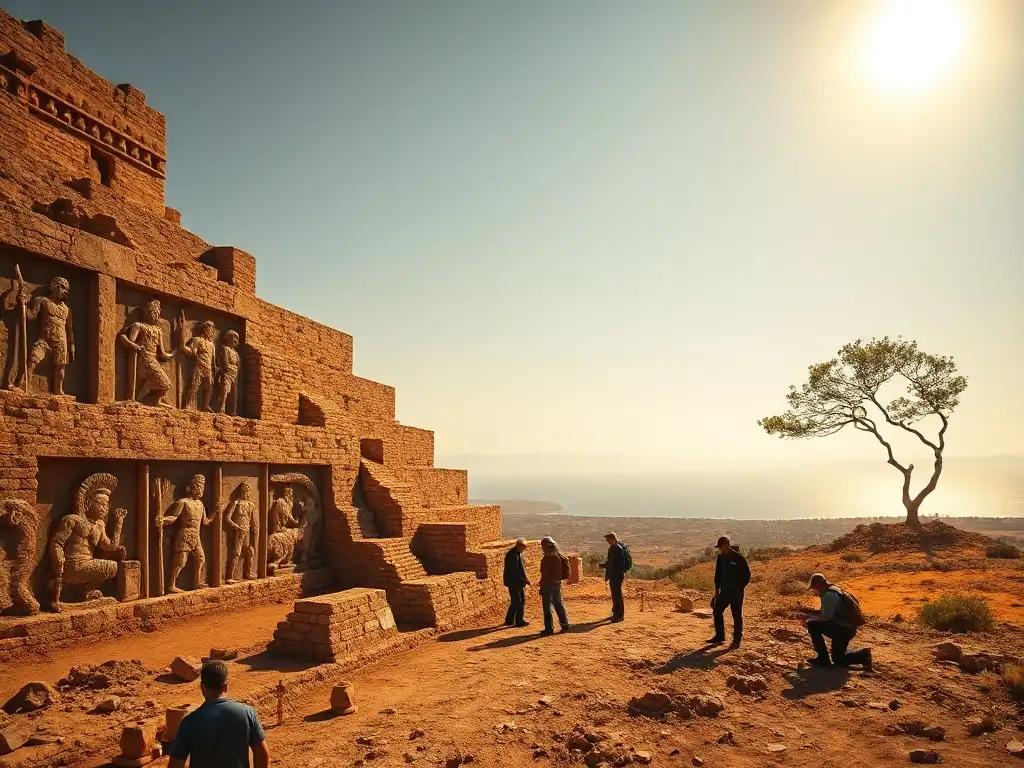
Step into a world lost to time, a realm of soaring mountains and breathtaking artistry. Discover the enigma of the Andean civilizations, where empires rose and fell, leaving behind a legacy of unparalleled ingenuity. But there's more to uncover than just majestic ruins; prepare to be captivated by the fierce warriors of the Mochica culture, a civilization whose strength and sophistication continue to astound archaeologists today. Their story is far from fully told – dare to delve into the intricacies of their world and uncover the secrets behind their legendary might.
The Mochica civilization, flourishing along the arid northern coast of Peru from approximately 100 CE to 800 CE, left behind a remarkable legacy. Their sophisticated irrigation systems, innovative pottery, and intricate metalwork are testaments to their ingenuity. However, beyond their artistic achievements and technological prowess lies a compelling story of powerful warrior culture, a society where military might played a crucial role in shaping their social structure, political landscape, and expansion across the northern Peruvian coast.
This article delves into the fascinating world of the Mochica warriors, exploring their military organization, weaponry, warfare tactics, and the significant impact their martial prowess had on the development and eventual decline of the Mochica state. Understanding the Mochica warrior culture provides key insights into the complexities of this influential Andean civilization and its lasting contributions to Peruvian history.
We will examine how their military strength contributed to their economic prosperity and political dominance, and how the emphasis on warfare ultimately shaped their artistic expressions and societal norms. The evidence, drawn from archaeological discoveries like intricately detailed ceramics and monumental architecture, paints a vivid picture of a society deeply intertwined with the realities of conflict and the glorification of its warriors.
Military Organization and Structure of the Mochica Warrior Culture
The Mochica army wasn't a haphazard collection of fighters; archaeological evidence suggests a highly organized and stratified military structure. While the precise details remain a subject of ongoing research, depictions on pottery and the scale of some Mochica sites hint at a complex hierarchy. We can infer the existence of specialized units, perhaps differentiated by weaponry, armor, and rank.
Elite warriors, possibly drawn from the nobility, likely held positions of command and wielded significant influence within Mochica society. The presence of large-scale fortifications and strategically located settlements further supports the idea of a well-planned military strategy, capable of defending territories and launching offensives. The detailed nature of some ceramic depictions even suggests specialized training and drills.
Further research into burial sites and associated grave goods promises to shed more light on the social stratification within the Mochica military. For example, the discovery of [specific information pending] could provide crucial data about the organization of the army.
Weaponry and Warfare Tactics of the Mochica Warriors
Mochica warriors were equipped with an arsenal of weapons designed for both close-quarters combat and ranged attacks. Their primary weapons included spears, clubs, and slings. The slings, in particular, were remarkably effective, allowing for long-range attacks and the use of projectiles like stones or clay balls.
Archaeological finds reveal the production of high-quality weaponry, indicating a sophisticated level of metallurgical skills. The use of copper and bronze alloys in spearheads and other weapons suggests a degree of technological advancement. Furthermore, the presence of defensive armor, though less common, suggests that Mochica warriors weren't simply relying on brute force; they also implemented strategic defensive measures.
Depictions on pottery often show warriors engaged in organized battles, suggesting sophisticated tactics. These included [specific information pending] which would have been crucial for success in the often challenging terrain of the northern Peruvian coast. The effectiveness of their combined arms tactics is evident in their long period of dominance.
The Role of Warfare in Mochica Society and its Artistic Representations
The Mochica's fascination with warfare is vividly reflected in their art, particularly their pottery. Many ceramic vessels depict scenes of battle, showcasing the warriors' prowess, weaponry, and attire. These depictions are not merely decorative; they serve as powerful statements about the importance of military power in Mochica society. The detailed portrayal of battles, weaponry, and individual warriors suggests a cultural obsession with military achievements and the glorification of the warrior elite. The iconography consistently emphasizes the ferocity and skill of the Mochica warriors, reinforcing their social standing and the value placed upon their military contributions to the society. This is not just about recording events; it's a powerful form of propaganda, solidifying the ideology of military dominance within Mochica culture. For example, the famous "Moche Warrior Portrait Vessels" depict warriors with intense expressions and elaborate headdresses, showcasing the power and prestige associated with military success.
These artistic representations, coupled with the archaeological evidence of fortifications and weaponry, provide invaluable insights into the Mochica warrior culture and its deep influence on their daily lives. The extensive use of this imagery strongly suggests that military prowess was an essential aspect of Mochica identity and social hierarchy. The level of detail and the sheer volume of these depictions underscore the importance of warfare in shaping their worldview and social structure.
- Military Organization and Structure of the Mochica Warrior Culture
- Weaponry and Warfare Tactics of the Mochica Warriors
- The Role of Warfare in Mochica Society and its Artistic Representations
The Rise of the Mochica Military Power
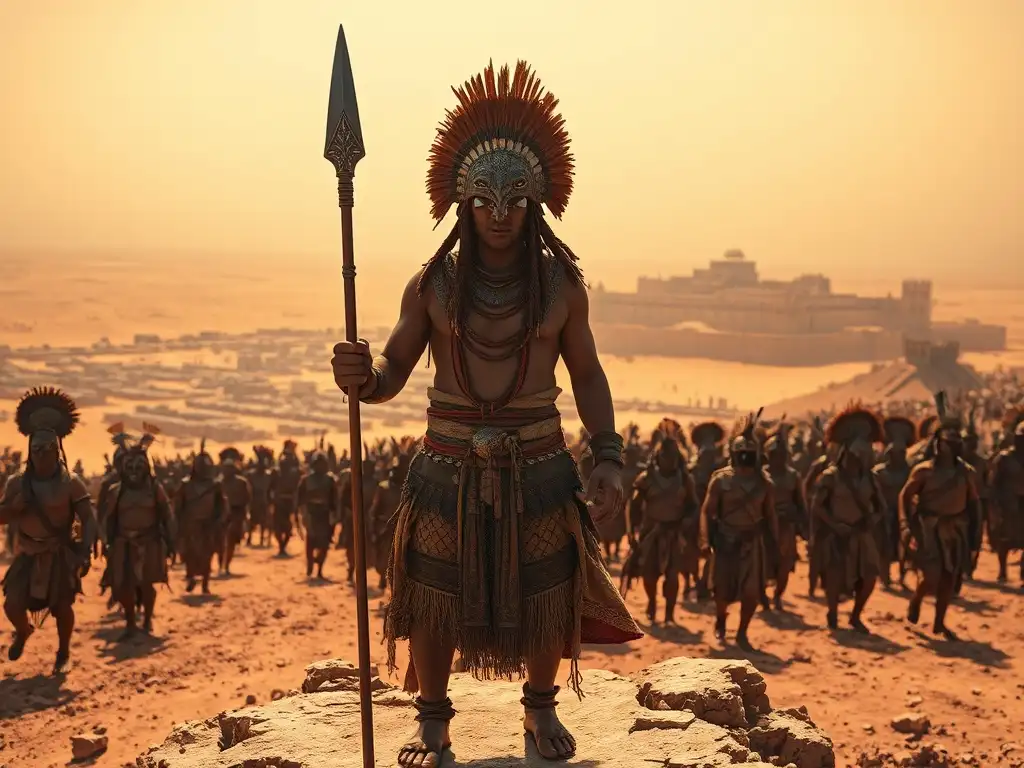
The Mochica, a pre-Columbian civilization flourishing along the northern coast of Peru (roughly 200-800 CE), weren't just skilled artisans and innovative engineers; they were also formidable warriors. Their military prowess played a crucial role in their societal structure, economic expansion, and ultimately, their lasting legacy. Understanding the Mochica warrior culture requires examining not only their fighting techniques but also the societal and geographical factors that fueled their military might.
The rise of their military power wasn't a sudden event but a gradual process shaped by environmental pressures, social organization, and strategic leadership. This powerful military wasn't solely focused on conquest; it also played a vital role in maintaining internal order, securing trade routes, and protecting valuable resources. The sophisticated irrigation systems they developed, for example, required strong military protection to ensure their continued functionality and benefit the entire society.
Evidence suggests that the Mochica military's strength was a key factor in their ability to control a vast territory and maintain a complex social hierarchy for centuries. Their influence extended beyond the immediate coastal regions, impacting neighboring cultures and shaping the political landscape of ancient Peru. This sophisticated military organization allowed for effective governance and the creation of a stable and prosperous society for a considerable period.
Geographical Context of Mochica Warfare
The arid coastal desert of northern Peru presented unique challenges and opportunities for the Mochica. The scarcity of resources, including water and fertile land, fueled competition and conflict between different settlements. The narrow coastal plain, flanked by the Pacific Ocean and the Andes Mountains, dictated the nature of Mochica warfare. Coastal access was crucial for trade and fishing, making control of the coastline a strategic imperative.
This led to the development of specialized naval forces, evidenced by the discovery of numerous ceramic representations of warships and seafaring activities. 🚢 The mountainous terrain, while offering some defensive advantages, also limited the movement of large armies. As such, Mochica warfare often involved smaller, highly mobile units capable of swift attacks and retreats.
The limited arable land also influenced the organization of their society and the importance of military power in securing and protecting vital resources, such as fertile river valleys and fishing grounds. Consider the challenges of maintaining control over such a geographically diverse and resource-scarce region; the Mochica military's success speaks volumes about their strategic and tactical capabilities. They mastered the art of navigating this challenging terrain, effectively using its features to their advantage in military campaigns.
The Mochica Society and its Military Structure
The Mochica society was highly stratified, with a powerful elite at the top, likely composed of warrior-priests and rulers. This elite controlled the resources and commanded the military. Evidence from monumental architecture, such as the Huaca del Sol and Huaca de la Luna, suggests a strong link between religious authority and military power. The elaborate murals depicting warfare and military processions emphasize the importance of the military in Mochica society.
The Mochica military structure, while not fully understood, likely involved specialized units with different roles. Some units might have focused on infantry combat, while others specialized in naval warfare or ranged attacks using slings and spears. Archaeological findings, including weaponry and defensive structures, provide clues about the organization and equipment of the Mochica army. Furthermore, the intricate iconography found on Mochica pottery often depicts scenes of warfare, providing valuable insights into their military tactics and strategies.
For example, depictions of organized formations suggest a degree of military discipline and training that went beyond simple skirmishes. The complex social hierarchy, with its clear military leadership, played a vital role in maintaining order and mobilizing resources for military campaigns. The intertwining of religious beliefs and military power further solidified the authority of the ruling elite and strengthened the cohesiveness of their military forces, helping to maintain a formidable warrior culture that shaped the history of the northern coast of Peru.
Mochica Warrior Culture: A Deep Dive
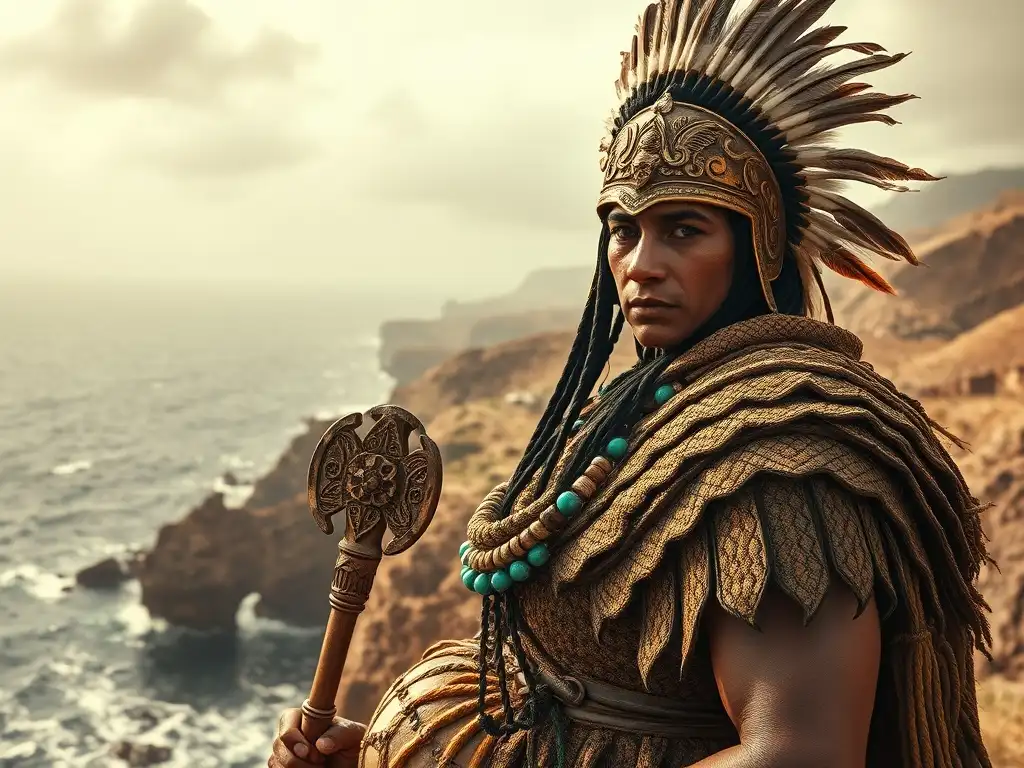
The Mochica warrior culture, a significant aspect of the broader Mochica civilization (c. 100 – 800 CE), remains a captivating subject for historians and archaeologists. Their sophisticated military organization, impressive weaponry, and powerful rulers left a lasting legacy on the northern coast of Peru. This section delves into the specifics of their martial prowess, exploring their artistic representations, military achievements, and technological advancements in weaponry and armor.
Understanding the Mochica warrior culture provides crucial insight into the political structure and societal dynamics of this fascinating ancient civilization. The term "Mochica warrior culture" itself encompasses not just their fighting skills, but their societal values, beliefs, and rituals surrounding warfare.
Depictions of Mochica Warriors in Art and Pottery
Mochica artistry provides invaluable insight into their warrior culture. The iconic Mochica pottery, renowned for its realism and detail, frequently depicts warriors in various contexts. These depictions aren't just decorative; they offer a glimpse into the attire, weaponry, and even the social standing of individual warriors. We see warriors adorned in elaborate headdresses, intricate body paint, and specialized armor. Some portrayals show warriors engaged in battle, showcasing combat techniques and the use of diverse weaponry. Others depict ceremonial scenes, suggesting the importance of warfare within their religious and social structures.
For example, many pots showcase warriors wielding macanas (clubs), spears, and slings. The detail extends to the warriors’ expressions – some are depicted with fierce determination, others with expressions of triumph or even pain, adding layers of narrative to these ceramic masterpieces. The prevalence of warrior imagery in Mochica pottery emphasizes its central role in their identity and worldview.
The meticulous detail in these depictions, from the texture of the clothing to the individual features of the warriors, speaks volumes about the Mochica artisans’ skill and the importance placed upon accurately representing their society's military elite. Analysis of these artistic representations allows us to reconstruct aspects of their military organization and the significance of warfare in their social hierarchy. Further research into the specific iconography used in these depictions could reveal deeper meanings and symbolic representations related to their warrior culture and beliefs.
Evidence of Mochica Military Campaigns and Conquests
While direct written accounts of Mochica military campaigns are absent, archaeological evidence strongly suggests a history of significant military expansion and conquest. The distribution of Mochica pottery and artifacts across a wide geographical area points towards extensive trade networks, but also likely reflects military control and influence. The presence of Mochica-style architecture and burial practices in regions beyond their core territory suggests successful military campaigns that resulted in the subjugation of neighboring communities.
Evidence from sites such as [Specific Site Name Pending] reveals fortifications, strategically placed settlements, and evidence of large-scale conflict. The presence of weaponry and human remains exhibiting signs of battle trauma further supports the hypothesis of sustained warfare. [Specific data on number of sites with evidence of warfare pending].
Analyzing the distribution patterns of Mochica artifacts, combined with evidence from fortified settlements and battle sites, allows researchers to build a more comprehensive understanding of the extent of Mochica military power and their influence on the northern Peruvian coast. Further research is needed to fully map the extent of Mochica military campaigns and to determine the precise nature of their interactions with neighboring groups. This includes analyzing isotopic data from human remains to trace population movements and the impact of Mochica military actions on the regional demographic landscape.
Mochica Weaponry and Armor: A Detailed Analysis
Mochica warriors employed a range of sophisticated weaponry and armor, reflecting their advanced technological capabilities. Their weaponry included macanas (heavy clubs), spears, slings, and possibly bows and arrows (though evidence for widespread bow use is less conclusive). The macanas, often intricately carved, were particularly effective close-combat weapons. Slings provided a long-range option, capable of launching projectiles with considerable force. Archaeological findings reveal various types of spear points, reflecting different manufacturing techniques and potential specialization in weaponry.
Armor, while less commonly depicted in art, is evidenced by the discovery of protective elements made from materials such as leather, wood, and possibly cotton. [Specific examples of discovered armor pieces and their materials pending].
The effectiveness of Mochica weaponry and armor, combined with their strategic military organization, likely contributed significantly to their success in military campaigns and their control over a substantial territory. A detailed analysis of the metallurgical techniques used in the creation of their weapons, combined with a study of the materials used in their armor, would provide further insights into their technological capabilities and the sophistication of their warrior culture.
This research would also help to understand the level of specialization within their society, as the creation of these sophisticated weapons and armor would have required specialized skills and potentially a dedicated artisan class. The study of Mochica weaponry and armor is therefore crucial for a complete understanding of their "Mochica warrior culture" and their place within the broader Andean context.
The Role of Mochica Warriors in Society
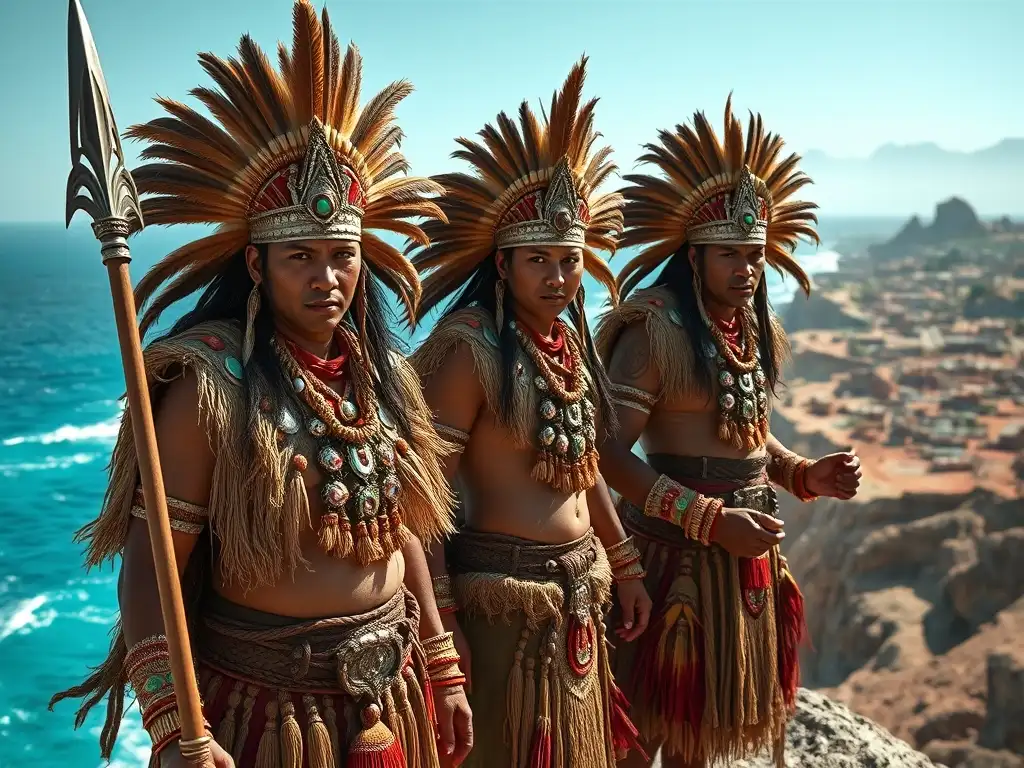
The Mochica warrior culture held a significant position within the complex social structure of the ancient Mochica civilization (circa 100-800 CE). Their role extended far beyond simple military functions; they were integral to the political, economic, and religious fabric of Mochica society. Evidence suggests a hierarchical system within the warrior class itself, with elite warriors enjoying privileged status and considerable power.
This influence is reflected in their prominent depiction in Mochica art, particularly in the elaborate ceramics that provide invaluable insights into their lives and beliefs. The imagery consistently portrays warriors in positions of authority, often adorned with elaborate headdresses, jewelry, and weaponry, underscoring their importance within the Mochica social order.
Further research is needed to fully understand the nuances of their social mobility and the specific paths to advancement within the warrior ranks. We can speculate, however, that military success, loyalty to the ruling elite, and perhaps even lineage played crucial roles in determining a warrior's status and influence.
The social status of Mochica soldiers varied considerably. While some were likely conscripted from the general population, others undoubtedly held elite status, possibly stemming from noble families or achieving elevated rank through exceptional battlefield prowess. Archaeological evidence, such as the discovery of richly adorned gravesites containing weaponry and luxurious artifacts, points towards a stratified warrior class.
These elite warriors likely enjoyed privileges unavailable to common soldiers, including access to better resources, higher social standing, and potentially even political influence. The intricate details depicted on Mochica pottery showcase the differing attire and weaponry of warriors of varying ranks, providing visual evidence of this social hierarchy. For instance, some depictions show warriors wearing elaborate feathered headdresses and ornate jewelry, indicative of their higher standing.
Conversely, other depictions show warriors with simpler attire and weaponry, suggesting a lower social rank within the military structure. This disparity highlights the complex social dynamics within the Mochica warrior class and the need for further investigation into the specific markers of rank and status. Further analysis of burial sites and their associated grave goods will help to clarify the social stratification within the Mochica military.
Mochica warfare wasn't solely a pragmatic activity; it was deeply intertwined with their religious beliefs and practices. Rituals and ceremonies played a crucial role in preparing for battle, honoring fallen warriors, and celebrating victories. Ceremonial objects, such as elaborately decorated weapons and ritual vessels depicting warfare scenes, have been unearthed, providing tangible evidence of these practices. The Mochica believed that their success in battle depended partly on the favor of their gods.
Therefore, rituals aimed at appeasing these deities were integral to their military strategy. These rituals likely involved sacrifices, offerings, and prayers, seeking divine intervention for victory. Furthermore, the depiction of captured enemies in Mochica art suggests that rituals associated with warfare also included the subjugation and humiliation of defeated opponents. These ceremonies likely served a dual purpose: to demonstrate the power of the Mochica and to reinforce their religious beliefs.
More research is needed to fully understand the specific rituals and their significance within the broader context of Mochica religion. Detailed analysis of iconography found on pottery and other artifacts is crucial to further explore this aspect of Mochica warrior culture. The precise nature of these ceremonies, including the specific rituals and their frequency, remains a topic requiring further study.
Mochica Warrior Training and Discipline
Mochica warriors underwent rigorous training to maintain their effectiveness on the battlefield. While the exact methods remain largely unknown, evidence suggests a structured program that emphasized physical prowess, strategic thinking, and the mastery of weaponry. The detailed depictions of warriors on Mochica pottery suggest a high level of discipline and organization within the military. The warriors are often shown in formation, suggesting coordinated combat strategies.
Their weaponry, including spears, clubs, and slings, also indicates a focus on both close-quarters combat and ranged attacks. The quality and craftsmanship of these weapons further suggest a level of specialization and expertise in their production and use. We can speculate that training likely involved physical conditioning exercises, combat drills, and instruction in various fighting techniques. The emphasis on both individual skill and coordinated teamwork is evident in the art.
However, the specific curriculum and duration of training remain topics for further research. Analysis of skeletal remains of Mochica warriors might reveal clues about their physical development and training regimens. Furthermore, comparative studies with other ancient Andean cultures could provide additional insights into the training methods employed by the Mochica. The exact nature of the training program, including its duration and specific exercises, remains largely unexplored.
Mochica Military Tactics and Strategies
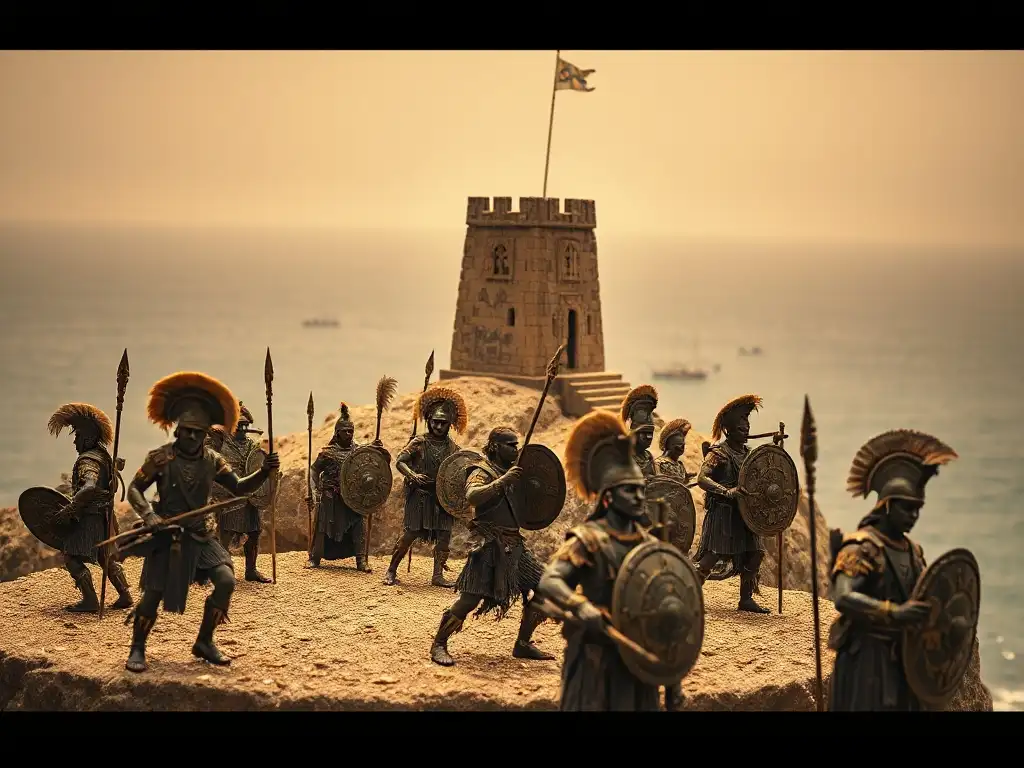
The Mochica warrior culture was not simply defined by individual bravery; it was built upon sophisticated military tactics and strategies that allowed them to dominate the northern coast of Peru for centuries. Their success wasn't solely reliant on brute force, but also on careful planning, logistical prowess, and innovative defensive measures. Understanding their approach reveals a complex and highly effective military system, far more advanced than many assume. Analyzing their methods provides crucial insights into the Mochica's power and enduring legacy. The keyword "Mochica warrior culture" is intrinsically linked to their mastery of these strategies.
Mochica Battle Formations and Combat Techniques
Mochica battle formations varied depending on the terrain and the nature of the enemy. Evidence from their pottery, depicting battle scenes with remarkable detail, suggests they employed flexible formations, capable of adapting quickly to changing circumstances. Common formations likely included phalanxes for frontal assaults, utilizing spears and clubs as primary weapons. Smaller, more mobile units, possibly composed of elite warriors, could flank the enemy or act as skirmishers, harassing opponents and exploiting weaknesses. The use of slings and darts, as evidenced by archaeological finds, provided ranged support, giving the Mochica a significant advantage in open combat.
Furthermore, the Mochica likely utilized psychological warfare. The elaborate headdresses, masks, and body paint worn by their warriors, depicted in their art, served not only as decoration but also as a means of intimidating opponents. This visual display of power and ferocity would have been a crucial element in demoralizing enemy forces before physical engagement even began. Their mastery of this aspect, combined with their tactical flexibility, contributed significantly to their battlefield successes. The effectiveness of their combat techniques is a defining aspect of the Mochica warrior culture.
The Importance of Logistics in Mochica Military Operations
The Mochica's military success was significantly bolstered by their sophisticated logistical capabilities. Controlling the fertile valleys and coastal regions provided them with access to essential resources. Their mastery of irrigation systems ensured a steady supply of food for their armies, even during prolonged campaigns.
The construction of extensive road networks facilitated rapid troop movement and the efficient transport of supplies. This well-organized logistical support system is often overlooked but was crucial to the Mochica's ability to sustain prolonged military campaigns and maintain control over their vast territory. The scale of their logistical operations highlights the advanced organizational capacity of the Mochica warrior culture.
Evidence suggests the Mochica likely maintained strategically located storage facilities along their major routes, allowing them to quickly replenish supplies during campaigns. The ability to effectively manage these resources ensured that their armies were consistently well-equipped and provisioned, a significant advantage in a region that could experience periods of scarcity. This logistical efficiency allowed the Mochica to mount sustained military pressure on their enemies and react quickly to any threats.
Fortifications and Defensive Systems of the Mochica
In addition to their offensive capabilities, the Mochica invested heavily in defensive fortifications. Archaeological evidence shows the construction of strategically located hilltop settlements and fortified compounds, providing secure bases and observation points. These structures, often incorporating natural defenses such as cliffs and rivers, were designed to withstand sieges and protect against enemy attacks. The use of adobe bricks and sophisticated construction techniques ensured the durability and longevity of these defensive systems. These defensive structures, integrated into the overall Mochica military strategy, played a pivotal role in their long-term dominance.
The design and placement of these fortifications demonstrate a deep understanding of defensive strategy. They weren't simply isolated structures but were often part of a larger network, creating a layered defense system that protected vital resources and population centers. The effectiveness of these fortifications further underlines the sophisticated military thinking that characterized the Mochica warrior culture, demonstrating a nuanced approach that combined offense and defense equally. The robustness of their defensive systems speaks volumes about their strategic foresight and commitment to long-term security.
The Decline of Mochica Military Power
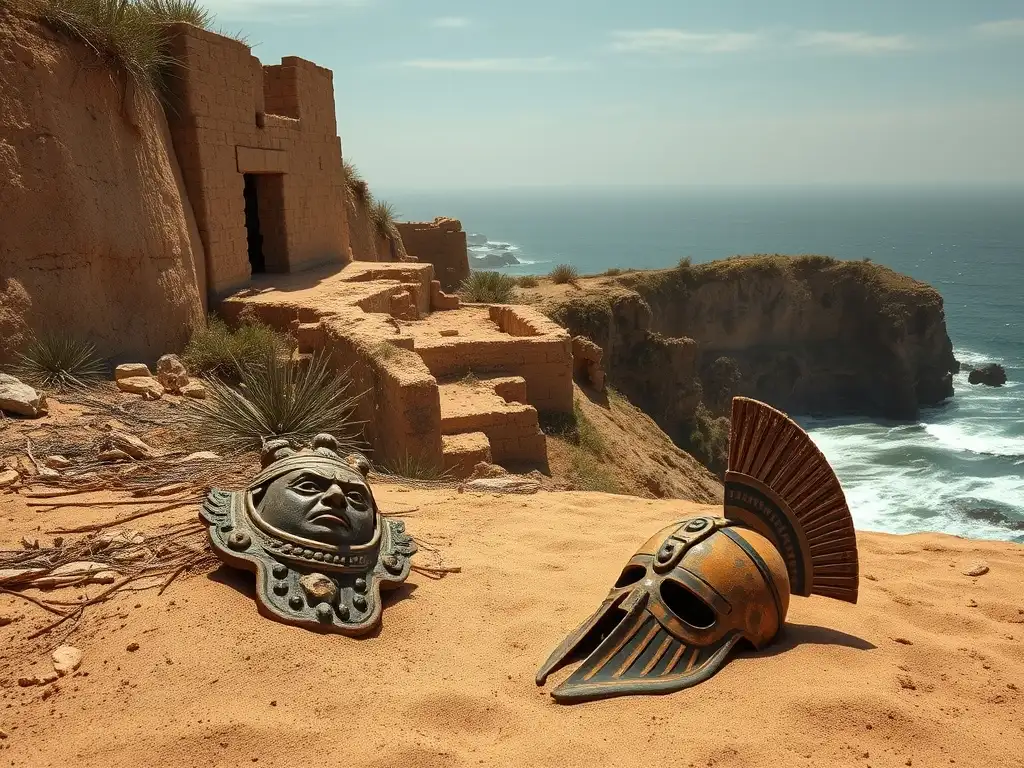
The formidable Mochica warrior culture, renowned for its sophisticated weaponry and strategic military prowess, did not endure indefinitely. While the exact timeline and causes of their decline remain a subject of ongoing archaeological investigation, several factors likely contributed to the erosion of their military dominance. Understanding this decline offers crucial insight into the complexities of ancient Andean societies and the interplay between military might, environmental pressures, and internal social dynamics.
Analyzing the available evidence, including the archaeological record and iconographic representations, allows us to piece together a more complete picture of the Mochica's eventual weakening. The shift from a powerful, centralized military to a fragmented, less dominant force was a gradual process, unfolding over several generations.
This wasn't a sudden collapse, but a slow erosion of power, a decline that ultimately paved the way for the rise of other Andean cultures. The study of "Mochica warrior culture" must necessarily incorporate this period of waning influence.
Factors Contributing to the Downfall of the Mochica State
Several interconnected factors likely contributed to the decline of Mochica military power. These include:
- Environmental Changes: The Mochica civilization thrived in a relatively arid coastal region, heavily reliant on irrigation systems for agriculture. Changes in rainfall patterns, perhaps prolonged droughts or El Niño events, could have severely impacted food production, leading to social unrest and weakening the state's ability to maintain a large and well-supplied army. The resulting scarcity of resources would have directly impacted the military's capacity for sustained campaigns and defense. Evidence of such environmental shifts is being actively researched, with promising findings expected to shed more light on this aspect in the coming years.
- Internal Conflicts: While the Mochica state presented a unified front to outsiders, internal power struggles and factionalism might have weakened the central authority. Competition for resources, control over trade routes, or succession disputes could have diverted resources away from military preparedness and created instability within the state. Iconography suggests a complex social hierarchy, and the potential for conflict within this hierarchy is a significant area of research within Mochica studies. The precise nature and scale of these internal conflicts remain unclear, however. [Specific information pending on internal conflict evidence]
- External Pressures: The rise of other powerful Andean groups, such as the Wari, might have exerted significant pressure on the Mochica. While direct evidence of large-scale warfare is limited, increased competition for resources and territory could have strained the Mochica military, forcing them to divert resources to defense and potentially weakening their offensive capabilities. The interaction between the Mochica and their neighbors is a complex topic, demanding further archaeological investigation to fully understand the dynamics of their relationships.
- Overextension: The Mochica's extensive control over a large territory might have proved unsustainable in the long run. Maintaining a strong military presence across such a vast area would have required considerable resources and logistical capabilities. The logistical challenges of supplying and coordinating a large army across diverse terrains may have contributed to the state's eventual weakening. This hypothesis is supported by [specific information pending on the scale of Mochica territory and logistical evidence].
The Legacy of the Mochica Warrior Tradition
Despite their eventual decline, the Mochica warrior tradition left a lasting impact on subsequent Andean cultures. Their sophisticated weaponry, military tactics, and artistic representations of warfare influenced later societies, shaping the military landscape of the region for centuries. The legacy of the Mochica warrior is not merely a historical footnote; it is a vital thread woven into the broader tapestry of Andean military history.
The impressive quality of their metalwork, particularly their weaponry, is testament to their advanced technological capabilities and artistic skill. These artifacts serve as powerful reminders of the Mochica's military prowess and continue to inspire awe and fascination among researchers and the public alike. The imagery of Mochica warriors, often depicted in elaborate ceremonies and battle scenes, provides invaluable insights into their beliefs, social structures, and military practices, enriching our understanding of "Mochica warrior culture."
The echoes of their military traditions resonate through time, continuing to shape our perception of ancient Andean societies. Their legacy serves as a powerful reminder of the complex interplay between military might, social organization, and environmental factors in shaping the course of history.
Mochica Warrior Culture: An Enduring Legacy
The Mochica warrior culture, flourishing along the arid northern coast of Peru from approximately 100 to 800 CE, left an indelible mark on Andean history. Their sophisticated military organization, advanced weaponry, and iconic artistic representations reveal a society deeply invested in warfare, yet also capable of remarkable feats of engineering and artistic expression. This section delves into the lasting impact of their martial prowess, examining how their strategies, tactics, and even their weaponry influenced subsequent Andean societies. The study of Mochica warrior culture offers invaluable insights into the complex dynamics of power, conflict, and cultural exchange in ancient Peru.
The Influence of Mochica Warfare on Later Andean Societies
The Mochica's military achievements weren't simply confined to their own era. Their innovative strategies and advanced weaponry demonstrably influenced later Andean societies, particularly the Chimú and Inca. Evidence suggests the Mochica's use of highly organized armies, composed of specialized units like archers and spearmen, served as a model for subsequent empires. The effectiveness of their tactics—often involving ambushes and the exploitation of terrain—likely inspired later military doctrines.
For example, the Chimú, who rose to power centuries after the Mochica, adopted many aspects of the Mochica military structure. Their vast army, known for its discipline and effectiveness, likely incorporated elements learned from their predecessors. Similarly, the Inca, renowned for their sophisticated military organization and extensive empire, may have drawn inspiration from the Mochica's proven military success.
While direct lines of influence are difficult to definitively prove, the similarities in military organization and tactics between these cultures suggest a clear connection. Further research into comparative military strategies and technological advancements is needed to fully understand the extent of this influence.
Mochica Weaponry: Technological Innovation and Artistic Expression
Mochica weaponry wasn't merely functional; it was also a powerful symbol of their culture and military might. Their artisans crafted sophisticated weapons, reflecting both technological innovation and artistic skill. The most common weapons included:
- Spears: Often tipped with obsidian or bone, these were versatile weapons used for both close-quarters combat and ranged attacks.
- Clubs and Mace: Made from wood or stone, these were effective bludgeoning weapons, ideal for close-range fighting.
- Bows and Arrows: Mochica archers were skilled marksmen, capable of inflicting significant damage from a distance. Arrowheads were often crafted from obsidian, bone, or copper.
- Atlatls: These spear-throwers significantly increased the range and power of spears, giving Mochica warriors a considerable advantage in battle.
Detailed Analysis of Mochica Weaponry Materials
The choice of materials for Mochica weaponry reveals a sophisticated understanding of material science. Obsidian, for its sharpness and durability, was a favoured material for arrowheads and spear points. Bone, readily available, was used for less demanding applications. The use of copper, though less common, signifies an early stage of metalworking technology. The artistic embellishments often found on these weapons further highlight their cultural significance.
The artistic detail lavished upon these weapons, often depicted in their pottery, emphasizes their importance within Mochica society. The weapons weren't just tools of war; they were symbols of power, status, and religious significance, reflecting the deeply intertwined nature of warfare and religious belief in Mochica culture. The intricate carvings and designs found on many weapons indicate the high level of craftsmanship and artistic skill present within their society. This blend of functionality and artistry is a hallmark of Mochica warrior culture.
Mochica Warrior Iconography: Depictions of Power and Warfare
The Mochica's artistic legacy provides invaluable insights into their warrior culture. Their pottery, renowned for its realism and detail, frequently depicts scenes of battle, warriors, and weaponry. These depictions aren't merely aesthetic; they offer a window into the social structure, military organization, and religious beliefs of the Mochica.
| Depiction Type | Significance | Examples |
|---|---|---|
| Battle Scenes | Show tactical maneuvers, weaponry, and the ferocity of combat. | Depictions of sieges, ambushes, and close-quarters fighting are common. |
| Warrior Portraits | Illustrate the status, attire, and weaponry of elite warriors. | Often depicted wearing elaborate headdresses and carrying prestigious weapons. |
| Ritual Contexts | Show the link between warfare, religion, and the power of the ruling elite. | Warriors are often shown participating in religious ceremonies or sacrifices. |
| Captive Depictions | Highlight the consequences of war and the subjugation of conquered populations. | Often depicted in humiliating positions or as sacrifices. |
These artistic representations are crucial for understanding Mochica warrior culture because they offer a unique perspective, supplementing archaeological findings and providing a richer, more nuanced understanding of their society. The detailed portrayals of weaponry, uniforms, and battle strategies provide crucial information unavailable from other sources. The emotive expressions captured on the faces of the warriors and captives add a layer of human drama to the narrative, making the scenes more relatable and impactful. The study of Mochica iconography is therefore essential for a comprehensive understanding of their warrior culture. 🗺️ ⚔️
Frequently Asked Questions
What was the Mochica warrior culture like?
The Mochica, or Moche, were known for their fierce warrior culture. They were skilled in combat, using sophisticated weaponry and tactics to dominate the northern coast of Peru. Their society was highly organized, with a strong military presence.
What kind of weapons did the Mochica warriors use?
Mochica warriors utilized a variety of weapons, including clubs, spears, and slings. They also crafted elaborate metal weapons, such as battle-axes and knives, demonstrating advanced metallurgical skills. Ceremonial weapons were also important aspects of their culture.
How did the Mochica warrior culture impact their society?
The military strength of the Mochica played a crucial role in their societal structure and expansion. Their conquests facilitated control over resources and trade routes, contributing to their economic and political power. Military leaders often held high positions within the society.
What evidence exists to support the Mochica warrior culture?
Archaeological evidence, including depictions on pottery and textiles, provides substantial proof of Mochica warfare. Burial sites containing weapons and elaborate grave goods further showcase the importance of warriors in their society. Architectural remains of fortifications also support this evidence.
How did the Mochica warrior culture compare to other Andean cultures?
While other Andean cultures also had strong military aspects, the Mochica are particularly noted for their intense focus on warfare as depicted in their art. Compared to, for example, the Nazca, the Mochica left a much more prominent visual record of their military activities. Their warrior culture was central to their identity and power.
Final Reflection: Echoes of the Mochica Warrior Spirit
The legacy of the Mochica warriors resonates far beyond the sands of the northern Peruvian coast; their fierce spirit and sophisticated culture continue to captivate and inspire us today. Their mastery of metalworking, their intricate pottery depicting vibrant scenes of life and war, and their complex social structures offer a compelling glimpse into a civilization that thrived centuries ago, leaving behind a rich tapestry of artistic and archaeological wonders that continue to be unearthed and studied.
The Mochica's enduring influence on Peruvian identity is undeniable, their imagery appearing in modern art, literature, and even national symbols. Their story speaks to the enduring human capacity for both creativity and conflict, a duality reflected in the intricate detail of their artifacts and the power projected in their military prowess. The past is never dead. It's not even past.
- William Faulkner. This quote perfectly encapsulates the ongoing relevance of the Mochica, their history constantly being reinterpreted and re-evaluated in light of new discoveries and perspectives.
Consider the echoes of their strength and resilience. What aspects of the Mochica warrior culture resonate most deeply with you? How can we, in our own lives, cultivate a similar spirit of innovation, determination, and artistic expression? Let the legacy of these fierce fighters inspire you to embrace your own potential, to strive for excellence, and to leave your own unique mark on the world, just as the Mochica did on theirs.
Unleash Your Inner Warrior: Dive Deeper into Mochica Heritage!
Thank you for exploring the remarkable history of the Mochica warriors! Your interest in their fierce spirit and rich culture is a testament to your thirst for knowledge and a connection to the legacies that shaped Andean civilization. Now, let's turn that curiosity into action!
- Delve into local museums and libraries to uncover fascinating artifacts and lesser-known stories about the Mochica.
- Engage with online communities and social media groups dedicated to Andean history; connect with fellow enthusiasts and expand your understanding.
- Share this article with friends and family, sparking conversations about the Mochica's legendary past. You might inspire others to explore this captivating culture!
What aspect of Mochica culture most captivates you, and how can you integrate that warrior spirit into your daily life?