
Bernabé Cobo: The Jesuit Chronicler Who Documented Andean Life and Beliefs

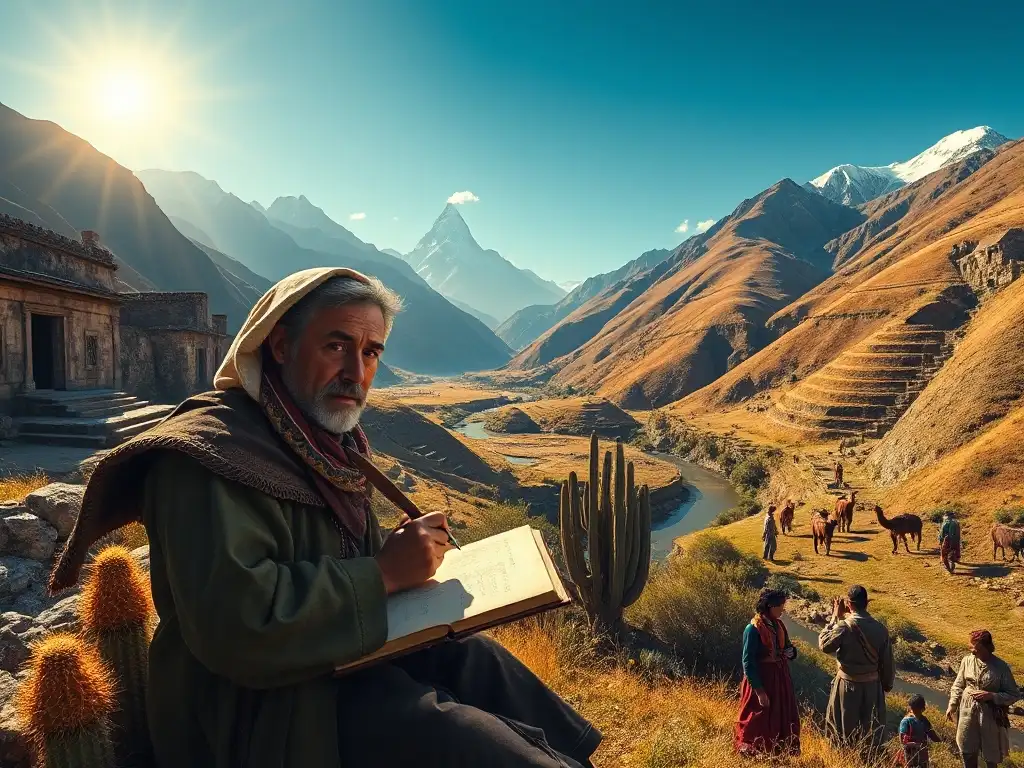
Step into a world lost to time, yet vividly preserved in the meticulous accounts of those who witnessed it firsthand. Prepare to be captivated by the enigmatic legacy of the Andean civilizations—from the towering heights of Inca ingenuity to the intricate artistry of the Nazca lines. Discover how Jesuit chronicler Bernabé Cobo's invaluable Inca chronicles unlock secrets of their fascinating world, revealing insights into their daily lives, beliefs, and remarkable achievements. Unravel the mysteries and delve into the extraordinary story—your journey into the heart of Andean history begins now.
Father Bernabé Cobo, a 17th-century Jesuit missionary, stands as a pivotal figure in our understanding of pre-Columbian Andean civilizations. His meticulous observations and detailed writings offer an invaluable window into the complex social structures, religious beliefs, and daily lives of the Inca and other Andean populations. This article explores Cobo's life and work, highlighting the enduring significance of his chronicles – particularly his Historia del Nuevo Mundo – in shaping our modern comprehension of Inca history and culture, and its relevance to the study of "Bernabé Cobo Inca chronicles."
His legacy extends beyond simple documentation; his work provides crucial context for understanding the cultural impact of the Spanish conquest and the subsequent syncretism of Andean and European traditions. We will delve into specific examples of his contributions, examining how his insights continue to inform anthropological and historical research today.
Cobo's Life and Mission in the Andes
Bernabé Cobo (1582-1657) arrived in the Viceroyalty of Peru in 1608, embarking on a decades-long mission that deeply immersed him in Andean society. Unlike many chroniclers who focused solely on the Inca Empire, Cobo's observations extended to a broader range of Andean cultures, providing a more nuanced and comprehensive perspective. He spent years traveling throughout the region, carefully documenting the customs, languages, and beliefs of various groups.
His Jesuit training instilled in him a methodical approach to observation and record-keeping, resulting in a wealth of information that far surpasses the work of many of his contemporaries. He was not merely a passive observer; his interactions with Andean communities allowed him to gather firsthand accounts and perspectives, enriching the accuracy and depth of his chronicles.
His linguistic abilities also contributed significantly to his work, allowing him to engage directly with local populations and gain access to information otherwise unavailable. This dedication to immersive research is what sets Cobo apart, making his work a cornerstone of Andean studies.
Key Themes in Cobo's Chronicles: Society, Religion, and Technology
Cobo's Historia del Nuevo Mundo is a treasure trove of information on a wide range of topics. He meticulously documented the intricate social structures of Andean societies, detailing the roles of different social classes, the organization of communities, and the systems of governance. He also provided extensive descriptions of Andean religious beliefs, including their cosmology, rituals, and the significance of various deities.
His descriptions of Inca religion, for instance, go beyond simple summaries, offering detailed accounts of ceremonies, sacrifices, and the role of priests. Furthermore, Cobo's chronicle sheds light on the remarkable technological achievements of Andean cultures, including their sophisticated agricultural techniques, their mastery of metallurgy, and their advanced architectural skills.
The detailed descriptions of Inca road systems, irrigation canals, and monumental structures like Machu Picchu are testament to his keen observational skills and his ability to appreciate the technological sophistication of the Andean world. His insights are invaluable for understanding the ingenuity and innovation of these civilizations.
The Enduring Legacy of Bernabé Cobo's Work
Cobo's chronicles remain indispensable sources for scholars studying Andean civilizations. His work continues to be cited and analyzed by historians, anthropologists, and archaeologists, providing critical context for interpreting archaeological findings and understanding the complexities of Andean societies. The detailed descriptions of Andean life, beliefs, and technology in Cobo's writings offer a rare and valuable perspective, enriching our understanding of a rich and complex cultural landscape.
His meticulous approach to research and his dedication to documenting the nuances of Andean culture have ensured the lasting relevance of his work, cementing his place as one of the most important chroniclers of the Andes. The continued study of his "Bernabé Cobo Inca chronicles" provides critical insights into the pre-Columbian world and the enduring impact of the Spanish conquest. His work serves as a reminder of the importance of preserving and interpreting primary sources to gain a fuller understanding of the past.
- Cobo's Life and Mission in the Andes
- Key Themes in Cobo's Chronicles: Society, Religion, and Technology
- The Enduring Legacy of Bernabé Cobo's Work
- Bernabé Cobo: A Primary Source for Understanding Pre-Columbian Andean Civilizations
- The Importance of Cobo's Writings for Modern Andean Archaeology and Anthropology
- Legacy of Bernabé Cobo: Preserving Knowledge of the Inca Empire
- How Bernabé Cobo's perspective shaped our understanding of the Inca world
Early Life and Formation of Bernabé Cobo
Bernabé Cobo's Birth and Jesuit Education
Bernabé Cobo was born in 1582 in the Spanish town of Ubeda, Jaén, a period marked by significant religious and intellectual ferment in Europe. His precise birthdate remains elusive, a common challenge in reconstructing the lives of figures from this era. However, historical records consistently place his birth within the year 1582, aligning with the flourishing of the Counter-Reformation and Spain's burgeoning imperial ambitions in the Americas. Young Bernabé's early life, unfortunately, lacks detailed biographical information.
We know he received a solid education, crucial for his future career. This education was undoubtedly influenced by the prevalent religious and intellectual climate of the time, which emphasized scholastic philosophy, classical literature, and, most importantly given his future trajectory, a deep engagement with Jesuit teachings. His entrance into the Society of Jesus, a pivotal moment in his life, solidified his path towards becoming a scholar and chronicler. The rigorous intellectual training provided by the Jesuits, emphasizing rigorous observation and detailed documentation, proved invaluable in his later work documenting Andean life.
The precise details of his Jesuit education, including the institutions he attended and the specific subjects he studied, require further investigation; however, it's certain his training instilled in him a commitment to accuracy and a systematic approach to knowledge acquisition. This early foundation is essential to understanding the meticulous nature of his later chronicles. The impact of his Jesuit training on the style and content of his Andean chronicles is palpable, shaping his approach to both the factual and the spiritual aspects of Andean societies.
Cobo's Journey to the Americas: Setting the Stage for Andean Chronicles
Cobo's voyage to the Americas, sometime around 1608, marked a dramatic turning point in his life. This journey, undertaken in the service of the Jesuit order, was not simply a geographical relocation; it was a transition into a completely different world, a world that would become the central focus of his life's work. He sailed across the vast Atlantic, leaving behind the familiar landscapes of Europe to encounter the vibrant, complex, and often enigmatic cultures of the Andes. His arrival in the viceroyalty of Peru, a region rich in history and teeming with the legacy of the Inca Empire, provided him with unparalleled access to the indigenous populations and the surviving remnants of Andean civilization.
The details of his early years in Peru are still being pieced together by scholars, but it's evident he quickly immersed himself in the study of Andean languages, customs, and history. This immersion, combined with his Jesuit training in careful observation and documentation, laid the groundwork for his monumental chronicles. It was during this period that he began the painstaking process of gathering information, conducting interviews, and meticulously recording his observations, which eventually culminated in his celebrated work. The sheer breadth of his ethnographic research, encompassing everything from agricultural practices and social structures to religious beliefs and artistic traditions, underscores the depth of his commitment and the significance of his contribution to our understanding of the Inca and other Andean civilizations.
His meticulous approach, a direct reflection of his Jesuit training, ensured the enduring value of his chronicles as a primary source for understanding the complexities of Andean life during the early colonial period. His journey to the Americas was, therefore, not merely a physical voyage but a journey into the heart of a civilization, the fruits of which remain indispensable to our understanding of the Inca and the wider Andean world. The legacy of Bernabé Cobo's "Inca chronicles" rests firmly on this transformative journey.
Bernabé Cobo's Extensive Exploration and Research in the Andes
This section delves into the depth and breadth of Bernabé Cobo's fieldwork, crucial to understanding the unparalleled detail present in his Inca chronicles. Cobo's dedication to firsthand observation and meticulous record-keeping sets his work apart from other accounts of the Andean world. His commitment to rigorous research shaped his understanding of Inca society, providing invaluable insights into their complex social structures, religious beliefs, and technological advancements.
The sheer scale of his undertaking, encompassing years of travel and interaction with various Andean communities, is a testament to his perseverance and intellectual curiosity. He didn't simply rely on hearsay or secondhand accounts; instead, he actively sought out primary sources, engaging directly with indigenous populations and examining artifacts. This direct engagement allowed him to gain a nuanced perspective often missing in less thorough accounts.
The resulting body of work represents a significant contribution to our understanding of the Inca civilization and the broader Andean region. His impact on future scholarship is undeniable, making him a cornerstone figure in the study of "Bernabé Cobo Inca chronicles."
Cobo's Travels Throughout the Andean Region
Cobo's journeys across the vast Andean landscape were extensive and demanding. He wasn't confined to a single location; his research spanned a considerable geographical area, encompassing diverse environments and cultures. While precise itineraries are sometimes difficult to reconstruct fully, accounts suggest he traversed the Andes from present-day Ecuador to Bolivia, encountering diverse indigenous groups and experiencing firsthand the varied climates and terrains.
This wide-ranging exploration allowed him to gather information on a broad spectrum of Andean societies, not just the Inca. He meticulously documented the differences and similarities between various groups, enriching his understanding of the regional complexities. His travels were not mere sightseeing expeditions; rather, they formed the very bedrock of his research, providing the empirical basis for his detailed descriptions of Andean life.
For example, his descriptions of Inca agricultural techniques likely came from observing their practices in various ecological zones, from the high-altitude potato fields to the lower-lying maize cultivation areas. This firsthand knowledge is invaluable for understanding the adaptability and ingenuity of Andean agricultural practices. His commitment to traversing these challenging regions highlights the depth of his commitment to his research.
The Jesuit Chronicler's Methodology: Gathering Information on Inca Culture
Cobo's approach to documenting Inca culture was remarkably systematic and thorough. He employed a multi-faceted methodology, combining direct observation with interviews, the examination of artifacts, and the careful review of existing Spanish colonial documents. This layered approach ensured a more comprehensive and nuanced understanding of Inca society than might have been possible through a single method. He didn't just passively observe; he actively sought information, engaging in conversations with both indigenous people and Spanish colonists.
He carefully documented their testimony, recognizing the importance of multiple perspectives in constructing a holistic picture. The use of existing Spanish colonial records allowed him to cross-reference his findings, corroborating information and identifying potential biases or inconsistencies. His meticulous note-taking and record-keeping are essential to the accuracy and detail of his chronicles. He carefully documented his sources, a practice that distinguishes his work and enhances its credibility.
This rigorous approach, characterized by cross-referencing and verification, is a hallmark of his scholarly integrity and contributes significantly to the enduring value of his Inca chronicles as a primary source for understanding the complexities of the Inca civilization. His methodology serves as a model for future scholars seeking to understand the past through careful and thorough research. The legacy of his commitment to rigorous methodologies continues to shape the study of "Bernabé Cobo Inca chronicles" today.
"Historia del Nuevo Mundo": Bernabé Cobo's Magnum Opus
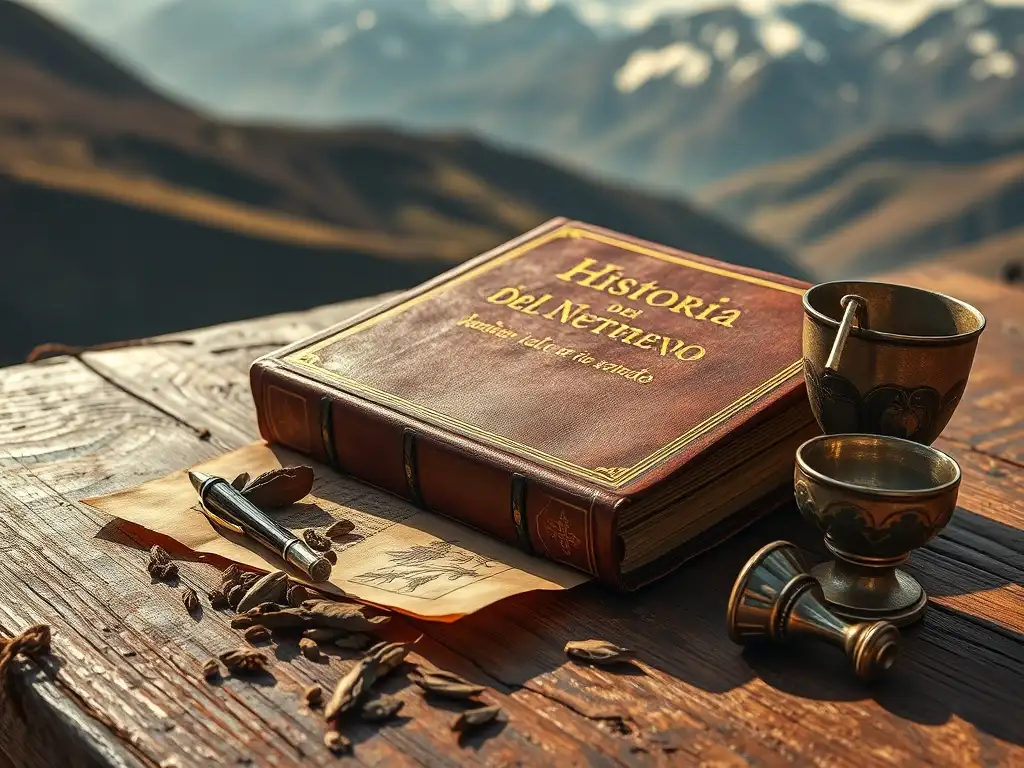
Overview of Cobo's "Historia del Nuevo Mundo"
Bernabé Cobo's Historia del Nuevo Mundo stands as a monumental work in the study of Andean civilizations. Written in the 17th century, this extensive chronicle offers an unparalleled glimpse into the lives, beliefs, and societies of the indigenous populations of South America, particularly focusing on the Inca Empire and its predecessors. Unlike many contemporary accounts, often biased by colonial perspectives, Cobo, while a Jesuit missionary, strived for a more nuanced and detailed description, incorporating indigenous perspectives where possible.
The Historia is not solely a historical account; it delves into a wide range of topics, including geography, anthropology, natural history, and the complexities of Inca religion and social structures. The sheer volume of information contained within its pages—spanning numerous volumes—makes it a cornerstone of Andean studies to this day. Its significance lies not only in its comprehensive coverage but also in its relatively objective approach for its time, providing valuable insights into the Inca worldview and the impact of Spanish colonization.
The work's enduring legacy is its contribution to our understanding of the pre-Columbian Andes, offering a rich tapestry of information that continues to fascinate and inform researchers. Scholars today continue to analyze Cobo's writings, extracting new interpretations and insights that enrich our understanding of the "Bernabé Cobo Inca chronicles."
Key Themes Covered in Cobo's Andean Chronicles: Religion, Society, and Nature
Cobo's Historia del Nuevo Mundo masterfully intertwines descriptions of Andean religion, social organization, and the natural environment. His meticulous observations reveal a complex interplay between these three realms. Regarding religion, Cobo provides extensive details on Inca cosmology, their pantheon of gods, and their intricate religious rituals. He describes the significance of the sun god, Inti, and the importance of various deities associated with nature and agriculture.
His accounts of Inca religious practices, including mummification and ancestor veneration, offer invaluable insights into their spiritual world. In terms of society, Cobo's chronicles meticulously document the Inca social hierarchy, from the Sapa Inca at the apex to the commoners. He describes the ayllu system, the intricate kinship networks and communal land ownership that formed the basis of Inca society, and the elaborate administrative structures that governed their vast empire. Furthermore, Cobo's descriptions of Inca technology, agriculture, and urban planning demonstrate a remarkable level of sophistication.
Finally, his detailed observations of the Andean landscape, its flora and fauna, reveal a deep appreciation for the natural world and its influence on Inca life. This holistic approach, encompassing religion, society, and nature, makes Cobo's work a truly comprehensive and insightful study of Andean civilization. The interconnectedness of these themes is a testament to Cobo's keen observation and his attempt to understand the Inca worldview in its entirety. His work provides a rich source for understanding the "Bernabé Cobo Inca chronicles" and their significance.
Bernabé Cobo's Detailed Descriptions of Inca Society and Customs
Cobo's descriptions of Inca society are exceptionally detailed, providing insights into various aspects of daily life and social structures. He meticulously documents the Inca's sophisticated agricultural practices, including terracing, irrigation systems, and the cultivation of diverse crops, demonstrating their advanced understanding of environmental management. His accounts of Inca urban planning showcase the impressive architecture and urban design of cities like Cusco, highlighting the meticulous organization and planning that characterized Inca settlements. Furthermore, Cobo provides detailed descriptions of Inca clothing, textiles, and adornments, revealing the rich artistic traditions and the symbolic significance of these objects.
He also describes Inca customs and traditions, including marriage practices, burial rites, and social hierarchies. His observations on Inca warfare and military organization provide a glimpse into the power dynamics and strategic capabilities of the empire. The depth of Cobo's descriptions extends to even the mundane aspects of Inca life, offering a comprehensive picture of their daily routines and social interactions.
These detailed accounts, coupled with his attempts to understand the underlying rationale behind these customs, make Cobo's Historia a crucial source for understanding the complexities of Inca society and its cultural practices. His work remains a vital resource for those seeking to understand the nuances of the "Bernabé Cobo Inca chronicles" and the Inca world. The richness of his descriptions continues to inspire scholarly research and contribute significantly to our understanding of this fascinating civilization.
Bernabé Cobo's Contributions to Understanding Inca Religion
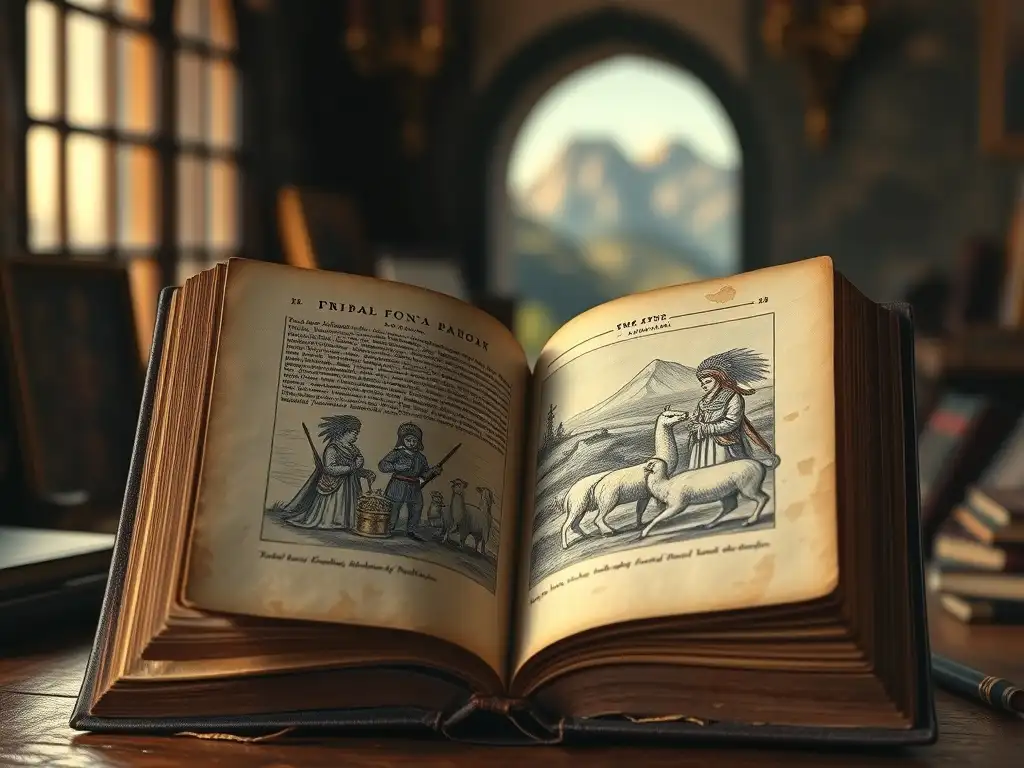
Bernabé Cobo's meticulous observations and detailed descriptions, preserved in his monumental work Historia del Nuevo Mundo, provide invaluable insights into the complex religious landscape of the Inca Empire. His accounts, while filtered through a 17th-century European lens, offer a rich tapestry of information about Inca beliefs, practices, and worldview, significantly enriching our understanding of Inca religion beyond mere archaeological findings.
Cobo's perspective, though shaped by his Jesuit training, offers a unique blend of firsthand observations and interpretations gathered from interactions with indigenous populations, making his work a cornerstone for scholars studying Inca religious practices. He wasn't just a passive observer; his writings show a genuine attempt to grasp the nuances of a vastly different belief system, even if his interpretations sometimes reflect the biases of his time.
The sheer volume of detail he provides on various aspects of Inca religion makes his work a crucial source for modern researchers seeking to reconstruct this vital aspect of Inca civilization. This section will delve into specific aspects of Cobo's descriptions of Inca religion, focusing on his analyses of deities, rituals, and the significance of natural elements.
Cobo's Analysis of Inca Deities and Worship Practices
Cobo's Historia del Nuevo Mundo dedicates considerable space to describing the Inca pantheon. He details the supreme deity, Viracocha, describing his creation myths and the reverence afforded to him. Cobo meticulously documents the various attributes associated with Viracocha, including his role as creator and his connection to the cosmos.
Beyond Viracocha, Cobo lists and describes a host of other deities, including Inti (the Sun God), Mama Killa (the Moon Goddess), and various lesser deities associated with natural phenomena, agricultural cycles, and ancestor veneration. He provides insightful observations on the hierarchical structure of the Inca pantheon, demonstrating a keen understanding of the interconnectedness of different deities within the Inca religious system. His accounts often include descriptions of the idols and representations used in worship, adding visual context to his textual descriptions.
For example, Cobo describes the elaborate ceremonies and offerings associated with Inti Raymi, the festival dedicated to the Sun God, highlighting the importance of this deity in Inca society. He also notes the significance of huacas, sacred places and objects, in Inca religious practices, providing detailed accounts of their veneration and the rituals performed at these sites. This detailed approach allows modern scholars to piece together a more comprehensive picture of Inca cosmology and religious beliefs.
The Role of the Sun and Other Natural Elements in Inca Religion According to Cobo
Cobo's work emphasizes the crucial role of the sun and other natural elements in Inca religious beliefs. He highlights Inti, the Sun God, as the most important deity after Viracocha, underscoring the Inca's deep reverence for the sun and its life-giving power. Cobo describes how the Inca linked the sun's movements to agricultural cycles, explaining the significance of solar observations in Inca society. The sun's influence extended beyond agriculture; it was integral to their understanding of time, social order, and even their imperial ideology.
Cobo also describes the reverence shown to other natural elements, such as the moon, stars, mountains, and rivers. These elements were not merely objects of worship; they were considered divine entities with their own powers and influences. This intertwining of the natural world and the divine is a recurring theme in Cobo's descriptions, reflecting the deeply animistic nature of Inca religion.
He notes the significance of specific mountains and rivers, describing their association with particular deities and the rituals performed at these sacred sites. This attention to detail allows us to understand how the Inca integrated their religious beliefs into their daily lives and their relationship with the environment. Cobo's account unveils a sophisticated system of religious thought deeply rooted in the natural world, a perspective crucial for a complete understanding of Inca civilization.
Bernabé Cobo's Account of Inca Rituals and Ceremonies
Cobo provides detailed accounts of various Inca rituals and ceremonies, offering invaluable insights into the practical aspects of Inca religion. He describes the elaborate preparations, the specific offerings (including human sacrifices in certain instances), the roles of different participants (priests, rulers, commoners), and the symbolic significance of the rituals. His descriptions go beyond mere summaries; he captures the atmosphere, the emotional intensity, and the social context of these events. For example, Cobo’s detailed account of the Inti Raymi festival reveals the grandeur and complexity of this major Inca celebration.
He describes the processions, the sacrifices, the feasting, and the participation of the Inca emperor, providing a vivid picture of this pivotal religious event. Similarly, Cobo describes other ceremonies, including those related to agriculture, ancestor veneration, and the initiation rites of young people. These accounts highlight the importance of ritual in maintaining social order, reinforcing the Inca worldview, and ensuring the continuity of the empire. Cobo also describes the role of priests and other religious specialists in Inca society, highlighting their influence and the significance of their actions within the religious framework.
His accounts illuminate the intricate relationship between religion, politics, and social structure in the Inca Empire, enriching our understanding of Inca society as a whole. The meticulous detail in Cobo's descriptions makes his work a vital resource for understanding the practical application of Inca religious beliefs. Analyzing these descriptions allows researchers to reconstruct the social and political dimensions of Inca religion, furthering our knowledge of this fascinating civilization.
Bernabé Cobo's extensive work provides invaluable insights into the intricate social fabric of the Inca Empire, offering a detailed glimpse into daily life that goes beyond mere political structures. His chronicles, meticulously compiled through firsthand accounts and observations, paint a vivid picture of Inca society, revealing its complexities and nuances. The sheer volume of information he recorded on topics ranging from agriculture to religious practices underscores the significance of his contribution to our understanding of the "Bernabé Cobo Inca chronicles."
Bernabé Cobo on the Inca Political System and Governance
Cobo meticulously documented the Inca political system, emphasizing the absolute authority of the Sapa Inca. He described the hierarchical structure, detailing the roles of various officials like the apus (provincial governors) and the kurakas (local chiefs). Cobo's accounts highlight the sophisticated administrative mechanisms employed by the Inca, including the mit'a system, a form of mandatory labor service that contributed significantly to the empire's infrastructure projects and agricultural production.
He also noted the extensive network of roads and communication systems that facilitated centralized control and efficient governance across vast territories. The precision with which Cobo describes the Inca bureaucracy reveals a keen observer's eye for detail, capturing not just the formal structures but also the practical aspects of governance.
His work provides crucial evidence for understanding the Inca's ability to manage a large and diverse population effectively. This aspect of the "Bernabé Cobo Inca chronicles" is particularly significant for researchers studying ancient administrative systems.
Cobo's Descriptions of Inca Agriculture and Economy
Cobo's writings offer a comprehensive understanding of Inca agricultural practices and economic systems. He detailed the terracing techniques used to cultivate crops on steep slopes, highlighting their ingenuity and efficiency in maximizing arable land. His descriptions of Inca irrigation systems, including canals and aqueducts, reveal the sophisticated engineering skills of the time.
The meticulous recording of various crops, such as potatoes, maize, and quinoa, along with their cultivation methods, provides valuable insights into Inca agricultural knowledge and its contribution to their economic stability. Cobo also documented the Inca's sophisticated storage systems, such as qollqas (granaries), which ensured food security during lean periods. This aspect of the "Bernabé Cobo Inca chronicles" emphasizes the Inca's mastery of resource management and its importance in maintaining social order.
Furthermore, Cobo's work sheds light on the Inca's economic policies, including their system of redistribution and control over resources. He describes the role of state-controlled workshops and the production of textiles and other craft goods. This detailed information paints a comprehensive picture of the Inca economy, highlighting its complexity and resilience.
Cobo's observations on Inca family structures and social hierarchy provide a nuanced understanding of social dynamics within the empire. He describes the importance of kinship ties and the role of the extended family in Inca society. While acknowledging the Sapa Inca at the apex of the social hierarchy, Cobo also details the stratification of society into various classes, including nobles, commoners, and possibly enslaved individuals.
His accounts offer glimpses into marriage customs, inheritance practices, and the social roles assigned to men and women. The "Bernabé Cobo Inca chronicles" reveal a society with a complex social structure, reflecting both the centralized authority of the Inca state and the importance of kinship and community ties. Further research could analyze Cobo’s descriptions to ascertain the degree to which his observations reflect the reality of Inca life versus the idealized image presented by Inca propaganda.
Analyzing these aspects of social structure within the larger context of the "Bernabé Cobo Inca chronicles" allows researchers to understand the dynamics of power and social mobility within the Inca Empire. The data provided by Cobo, although potentially biased by his position as a Jesuit observer, offers a rich source for interpreting Inca social organization.
The Significance of Bernabé Cobo's Work for Andean Studies
The work of Bernabé Cobo holds unparalleled significance for Andean studies. His meticulous observations and detailed descriptions, compiled during his decades spent in the Viceroyalty of Peru, provide an invaluable window into the lives, beliefs, and practices of the Andean populations, particularly during the post-conquest period. While acknowledging the inherent biases of a colonial perspective, Cobo's chronicles offer crucial first-hand accounts that would otherwise be lost to history.
His writings are not merely historical narratives; they are rich ethnographic tapestries woven with threads of social structures, religious rituals, technological advancements, and daily routines. By meticulously documenting Inca traditions, even those suppressed or altered by the Spanish conquest, Cobo offers scholars a crucial point of comparison for understanding the complexities of pre-Columbian Andean societies.
His work remains a cornerstone of Andean scholarship, constantly re-examined and reinterpreted in light of new archaeological discoveries and anthropological theories. The sheer volume of information contained within his Historia del Nuevo Mundo and other writings ensures its continued relevance for future generations of researchers dedicated to understanding the Inca chronicles and the broader Andean world.
Bernabé Cobo: A Primary Source for Understanding Pre-Columbian Andean Civilizations
Bernabé Cobo’s writings represent a crucial primary source for understanding pre-Columbian Andean civilizations, especially the Inca Empire. While he wrote after the Spanish conquest, his accounts often delve into pre-conquest traditions, beliefs, and practices, offering a unique perspective. He meticulously documented Inca cosmology, describing their intricate understanding of the celestial bodies and their connection to earthly events. His descriptions of Inca social organization, including the ayllu system and the role of the Sapa Inca, provide essential details for reconstructing the political and social structures of the empire.
Furthermore, Cobo's detailed accounts of Inca agriculture, including sophisticated irrigation techniques and terracing methods, shed light on their advanced technological capabilities. He recorded information on Inca metallurgy, weaving, and architecture, offering insights into their craftsmanship and artistic skills. Analyzing Cobo's work alongside archaeological findings allows researchers to cross-reference and validate information, leading to a more comprehensive understanding of Inca civilization.
For example, Cobo's descriptions of Inca road systems can be compared to the actual remains of the Qhapaq Ñan, providing valuable context and interpretation. His work provides a critical bridge between the tangible evidence of archaeology and the intangible aspects of Inca culture. The depth and breadth of his observations make his chronicles invaluable for reconstructing a holistic image of pre-Columbian Andean life.
The Importance of Cobo's Writings for Modern Andean Archaeology and Anthropology
Cobo’s writings are indispensable for modern Andean archaeology and anthropology. His detailed descriptions of Inca artifacts, religious practices, and social structures serve as a crucial framework for interpreting archaeological discoveries. For instance, archaeological excavations uncovering Inca pottery can be contextualized and analyzed with greater precision by referring to Cobo's descriptions of pottery styles and their ceremonial significance.
Similarly, anthropological studies on Inca kinship systems and social hierarchies benefit immensely from the insights provided by Cobo's observations on the ayllu and the role of the Inca nobility. His accounts of Inca religious beliefs and rituals, including descriptions of specific ceremonies and deities, offer valuable context for understanding the symbolic meaning found in archaeological sites and artifacts. The cross-referencing of Cobo's written accounts with archaeological data allows for a more nuanced and comprehensive understanding of Inca culture.
Moreover, Cobo's work is instrumental in addressing biases inherent in the archaeological record. By providing a glimpse into the perspectives and experiences of the Inca people themselves (albeit filtered through a colonial lens), his writings help mitigate the limitations of interpreting solely material remains. His work highlights the importance of considering both material and textual evidence for a comprehensive understanding of the past, enriching the interpretative potential of Andean archaeology and anthropology.
Legacy of Bernabé Cobo: Preserving Knowledge of the Inca Empire
Bernabé Cobo's legacy extends far beyond his lifetime. His meticulous documentation of Inca life and beliefs has ensured the preservation of invaluable knowledge about the Inca Empire. His works serve as a vital link between the pre-Columbian world and modern scholarship, acting as a bridge across centuries. The sheer volume of information contained within his writings continues to inspire and inform researchers, archaeologists, and anthropologists.
The enduring relevance of his work is a testament to his rigorous observation and detailed recording of Andean culture. His chronicles provide a rich resource for understanding not only the Inca Empire but also the broader Andean world, offering insights into the lives of various indigenous groups and their interactions with the Spanish colonizers. The continued study and analysis of Cobo's writings ensure that a significant part of Andean history is preserved and accessible for future generations.
His work remains a cornerstone of Andean studies, constantly re-examined and reinterpreted in light of new discoveries and academic perspectives. The ongoing engagement with Cobo’s Historia del Nuevo Mundo and other texts ensures that his contribution to our understanding of the Inca chronicles and the broader Andean civilization will endure for centuries to come. His lasting impact underscores the critical importance of preserving and studying primary sources for a complete and accurate understanding of history.
How Bernabé Cobo's perspective shaped our understanding of the Inca world
Bernabé Cobo's chronicles offer an invaluable perspective on the Inca world, significantly shaping our understanding in several key ways. Unlike many accounts filtered through the lens of Spanish conquest and immediate post-conquest biases, Cobo, while a Spaniard, spent considerable time in the Andes, allowing him to observe and record aspects of Andean life that might have been missed or downplayed by others. His relatively long residence in the region, coupled with his Jesuit training in observation and documentation, provided him with a unique vantage point.
This resulted in a more nuanced and detailed portrayal of Inca society than many of his contemporaries. He didn't simply focus on the dramatic aspects of the conquest, but delved into the intricate details of daily life, social structures, and religious practices.
His detailed descriptions of Inca agriculture, including terracing techniques and irrigation systems, offer crucial insights into the sophisticated engineering and agricultural practices of the Inca. These accounts, corroborated by archaeological findings in recent decades, have helped us to appreciate the scale and complexity of Inca agricultural achievements.
His observations on Inca social organization, including the ayllu system and the role of the curaca, provide essential data for understanding the social dynamics of the Inca empire. He meticulously documented the Inca worldview, their cosmology, and their religious beliefs, offering a glimpse into a complex spiritual system that is still being deciphered today.
Furthermore, Cobo's work provides a valuable counterpoint to other colonial accounts. By comparing his observations with those of other chroniclers, historians can identify biases and inconsistencies, leading to a more accurate and comprehensive understanding of the Inca civilization. His work highlights the importance of considering multiple perspectives and sources when studying any historical period, particularly one as complex and multifaceted as the Inca Empire.
The detailed nature of his observations allows for a more complete reconstruction of Inca life, moving beyond simplistic narratives of conquest and offering a more nuanced portrayal of a sophisticated and complex society. His descriptions of Inca art, architecture, and technology contribute significantly to our understanding of their material culture and technological advancements.
Cobo’s legacy lies not only in the quantity of information he provided but also in the quality of his observations, which continue to inspire and inform Andean studies today. His emphasis on firsthand observation and meticulous documentation serves as a model for historical research, underscoring the importance of rigorous methodology in understanding past civilizations.
Analysis of Bernabé Cobo's Perspective and Potential Biases
Bernabé Cobo's Historia del Nuevo Mundo remains a crucial source for understanding Inca civilization and broader Andean life, but it's vital to approach his work with a critical eye. His perspective, shaped by his Jesuit upbringing and his position within the colonial power structure, inevitably influenced his observations and interpretations.
Analyzing these potential biases is crucial for a nuanced understanding of his chronicles and their value as historical sources. We must consider not only what he wrote, but also why and how he wrote it, acknowledging that his account is not an objective, neutral depiction of Inca society, but rather a product of a specific historical moment and a specific worldview.
The richness of his descriptions, however, coupled with careful critical analysis, allows for a more complete picture of Andean life during the colonial period. This section will delve into the specifics of his potential biases, enabling a more informed interpretation of his invaluable, albeit imperfect, chronicles.
Understanding the Jesuit Lens in Bernabé Cobo's Chronicles
Cobo's Jesuit identity profoundly shaped his perspective. The Jesuit order, actively involved in the Spanish colonization process, held specific goals and agendas. Their mission involved converting indigenous populations to Christianity, a process that often involved suppressing or reinterpreting indigenous beliefs and practices. This inherent bias towards Christian doctrine inevitably influenced Cobo's descriptions of Inca religion and cosmology. For example, his accounts of Inca rituals might downplay their spiritual significance, framing them instead within a Christian framework of superstition or paganism. He sought to understand Inca beliefs through a lens colored by his own theological training, potentially leading to misinterpretations or a skewed emphasis on aspects that aligned with his religious worldview. Understanding this "Jesuit lens" is paramount to critically evaluating his descriptions of Inca religious practices, social structures, and political systems. The inherent tension between his role as a chronicler and his role as a missionary must be carefully considered.
Identifying Potential Cultural Biases in Cobo's Interpretation of Inca Society
Beyond his religious affiliation, Cobo's cultural background as a Spaniard living within the colonial context inevitably introduced biases into his work. He viewed Inca society through the lens of European social structures and values, often interpreting Inca customs and practices through a framework of European norms.
This can be seen in his descriptions of Inca social hierarchy, where he might have imposed a European understanding of feudalism onto a system that was inherently different. Similarly, his accounts of Inca warfare might have been influenced by his familiarity with European military structures, leading to comparisons or interpretations that might not accurately reflect the complexities of Inca military strategies and motivations.
Furthermore, his access to information was largely mediated through the colonial power structure, potentially limiting his access to indigenous perspectives and leading to a biased representation of Inca society. For example, his reliance on Spanish informants, rather than direct interaction with a wide range of Inca individuals, could have skewed his interpretations.
Bernabé Cobo's Limitations as an Observer of Andean Culture
Cobo's chronicles, while detailed, were written decades after the Spanish conquest. This temporal distance introduced inherent limitations to his ability to accurately depict Inca society. Many aspects of Inca culture were already in decline or had been significantly altered by the colonial experience.
Furthermore, the destruction of Inca records and the suppression of Inca knowledge by the Spanish further limited his access to primary sources. His reliance on oral histories and second-hand accounts inevitably introduced potential inaccuracies and distortions. The passage of time and the effects of colonialism necessarily impacted the reliability of the information available to him.
He was recording a society in transition, a society already significantly altered by conquest and colonization, meaning his work offers a glimpse into a multifaceted reality rather than a pure reflection of pre-colonial Inca society. Therefore, understanding these limitations is crucial for a responsible and nuanced interpretation of Cobo's invaluable, yet inherently limited, contribution to our understanding of the "Bernabé Cobo Inca chronicles". Recognizing these limitations allows for a more critical and sophisticated engagement with his work.
Conclusion: The Enduring Value of Bernabé Cobo's Inca Chronicles
Bernabé Cobo's lasting impact on Andean historical research
Bernabé Cobo's Historia del Nuevo Mundo remains a cornerstone of Andean historical research. His meticulous descriptions of Inca social structures, religious practices, and daily life provide invaluable insights unavailable elsewhere. While subsequent scholarship has refined and sometimes challenged his interpretations, Cobo's work continues to serve as a crucial primary source, informing countless studies on Inca civilization and its predecessors.
His detailed accounts of Inca agriculture, including terracing techniques and irrigation systems, have been particularly influential in archaeological and anthropological studies. The sheer volume of information he compiled, encompassing everything from Inca cosmology to their sophisticated metalworking techniques, ensures his continued relevance in the field. His work offers a rich tapestry of details that allow researchers to reconstruct a more complete picture of Inca society, highlighting its complexity and sophistication.
Furthermore, Cobo's observations on the transition period following the Spanish conquest provide unique perspectives on the immediate aftermath of the empire's fall, a period often shrouded in less detailed accounts. The sheer breadth and depth of his observations on Inca ayllus, kinship structures, and political organization, for instance, remain unmatched in many aspects.
The importance of revisiting Cobo’s works in the context of modern scholarship
Revisiting Cobo's chronicles in the context of modern scholarship is not merely an academic exercise; it is a crucial step in refining our understanding of Inca history. Modern scholarship benefits from interdisciplinary approaches, incorporating archaeological discoveries and linguistic analysis to contextualize and verify Cobo's observations. For example, recent archaeological excavations have corroborated Cobo's descriptions of certain Inca architectural styles and urban planning, lending further credibility to his accounts.
Moreover, by critically examining Cobo's biases – inherent in his position as a Spanish Jesuit – scholars can better discern fact from interpretation, leading to a more nuanced and accurate understanding of Inca society. This process involves carefully comparing Cobo's accounts with those of other chroniclers, indigenous narratives where available, and the growing body of archaeological evidence. Modern scholars can also utilize advanced linguistic analysis to decode subtle meanings and cultural nuances that may have been lost in translation or overlooked in earlier interpretations.
This iterative process of revisiting and re-evaluating Cobo's work, alongside new discoveries, ensures that our understanding of the Inca remains dynamic and ever-evolving. The ongoing debate surrounding the interpretation of specific aspects of his chronicles, such as the nature of Inca religious beliefs, further highlights the enduring relevance of his work.
Bernabé Cobo: A crucial figure in understanding Andean history and beliefs
Bernabé Cobo's contribution to our understanding of Andean history and beliefs cannot be overstated. He stands as a pivotal figure, bridging the gap between the Inca world and modern scholarship. His detailed and extensive accounts of Inca life, meticulously documented across multiple volumes, offer a rare and unparalleled glimpse into the complexities of this remarkable civilization. He provides insights not just into the Inca empire itself, but also into the diverse pre-Inca cultures that preceded it.
His work illuminates the intricate web of Andean religious beliefs, social structures, and political systems, offering a valuable counterpoint to the often biased narratives of the Spanish conquistadors. His attention to detail, particularly in his descriptions of Inca technology, agriculture, and art, continues to inform and inspire researchers today. The depth of his observations on Inca astronomy, their calendar system, and their sophisticated understanding of the natural world highlights the advanced nature of their civilization.
Cobo's Historia del Nuevo Mundo serves as a vital testament to the richness and complexity of Andean culture, securing his place as a crucial figure in the study of Andean civilizations and a key resource for understanding the impact of the Spanish conquest on the region. His legacy as a chronicler of the Inca is undeniable, and his works remain indispensable for anyone seeking to understand this fascinating period of history. The enduring value of his "Bernabé Cobo Inca chronicles" is undeniable.
Frequently Asked Questions
Who was Bernabé Cobo?
Bernabé Cobo was a 17th-century Spanish Jesuit missionary who spent many years in the Viceroyalty of Peru. He is best known for his detailed and extensive writings on the Inca civilization and other Andean cultures. His work provides invaluable insights into their lives, beliefs, and customs.
What is the significance of Cobo's chronicles?
Cobo's chronicles are incredibly significant because they offer a first-hand account of Andean life and beliefs. His work is one of the most important sources for understanding pre-Columbian Andean societies, providing details often missing from other historical accounts. They are a primary source for historians.
What aspects of Inca life did Cobo's chronicles cover?
Cobo's writings covered a wide range of topics, including Inca social structures, religious practices, agricultural techniques, technology, and art. He meticulously documented their customs, beliefs, and daily lives, providing a rich tapestry of information.
Are Cobo's chronicles biased? How reliable are they?
Like any historical source, Cobo's chronicles contain a degree of bias. Written from a European perspective, they reflect the limitations of his worldview. However, scholars consider them a valuable source, carefully analyzing them alongside other evidence to gain a balanced understanding.
Where can I find more information about Bernabé Cobo and his work?
You can find more information about Bernabé Cobo in academic libraries and online archives. Many of his works have been translated and published, and numerous scholarly articles discuss his life and the significance of his "Historia del Nuevo Mundo" and other writings.
Final Reflection: Echoes of the Andes: Bernabé Cobo's Enduring Legacy
Bernabé Cobo's meticulous documentation of Andean life and beliefs remains profoundly relevant today, offering a vital counterpoint to often-Eurocentric narratives of conquest and colonization. His detailed observations, painstakingly recorded centuries ago, provide invaluable insights into a complex and vibrant culture that continues to shape the region's identity. His work serves as a powerful reminder of the importance of preserving diverse voices and perspectives in historical accounts.
Cobo's influence extends far beyond the realm of academic history; his chronicles resonate deeply within contemporary Andean societies. His descriptions of indigenous customs, spiritual practices, and social structures offer a window into a past that continues to inform the present. His work challenges simplistic narratives of cultural erasure and highlights the resilience and enduring spirit of Andean communities. The past is never dead. It's not even past.
– William Faulkner. This quote encapsulates the enduring power of Cobo's work, reminding us that understanding the past is crucial to navigating the complexities of the present.
Consider the depth of Cobo's observations, the meticulous detail he employed in recording the lives of the Andean people. Now, consider your own life, your own community. What stories are you preserving? What voices are you amplifying? Let Cobo's dedication to documenting the richness of Andean culture inspire you to become a chronicler of your own time, ensuring that the stories of your community, your experiences, and your perspectives are not lost to the sands of time. Let us all strive to create a more inclusive and accurate historical record, one that honors the diversity of human experience.
Unveil the Legacy of Bernabé Cobo Today!
Thank you for exploring the remarkable world of Bernabé Cobo and his profound contributions to our understanding of Andean life and beliefs. We've uncovered fascinating insights from his work, insights that remain relevant today. Let's delve even deeper into the rich tapestry of Andean civilizations.
Here are some ways you can continue your exploration:
- Further Your Research: Read Cobo's original texts—available at your local library or online—to gain a deeper understanding of his significance.
- Share Your Discoveries: Tell your friends and family about Bernabé Cobo and Andean culture. Share your newfound knowledge on social media to inspire others.
- Engage with the Community: Join online forums or local history groups to discuss the enduring impact of Cobo's work on our understanding of Andean history.
Which aspect of Andean life, as documented by Cobo, most captivates you, and how do you see it reflected in contemporary society?