
Beyond the Textbooks: The Untold Stories of Andean Scholarship

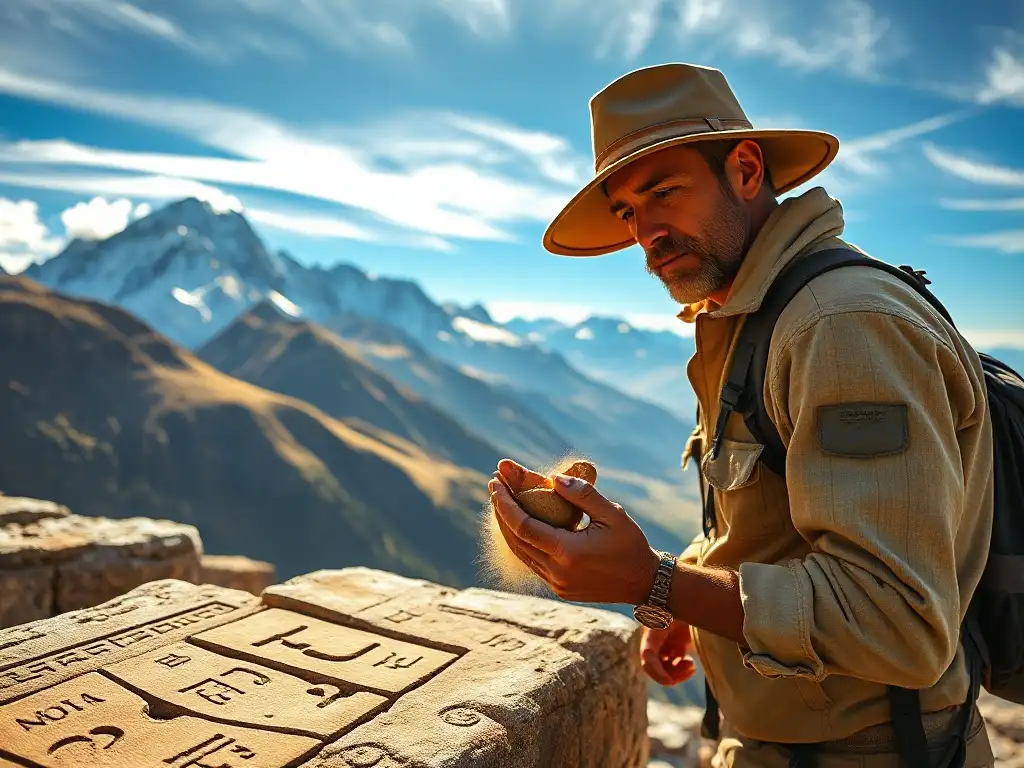
Step into a world lost to time, yet echoing with the whispers of a magnificent past. Forget everything you think you know about the Andean civilizations. This is where the Ancient Andean civilizations scholarship takes a thrilling turn, revealing untold stories of ingenuity and power beyond the textbook narratives. Dive into the fascinating lives of key figures who shaped these empires – their innovations, their struggles, and their enduring legacy. Prepare to be captivated by the mysteries that still unfold.
The study of Ancient Andean civilizations is a vibrant and ever-evolving field, far richer and more nuanced than often presented in standard textbooks. This article delves into the fascinating world of Andean scholarship, moving beyond the familiar narratives to explore the untold stories, groundbreaking discoveries, and ongoing debates that shape our understanding of these remarkable cultures. We'll examine the contributions of numerous scholars, highlighting their innovative research methods and the impact of their work on our perception of the Incas, Moche, Nazca, Tiahuanaco, and other significant Andean societies.
This exploration aims to illuminate the complexities of Ancient Andean civilizations scholarship, revealing the passionate dedication and intellectual rigor behind the ongoing quest to unravel their mysteries. From deciphering ancient scripts to analyzing intricate artifacts, the work of these scholars provides invaluable insights into the lives, beliefs, and achievements of these remarkable peoples.
Understanding their contributions is crucial to appreciating the full depth and breadth of Ancient Andean history and culture. This journey will highlight not only the established figures but also the emerging voices enriching the field, ensuring a more complete and representative understanding of Ancient Andean civilizations scholarship.
Unveiling the Depth of Ancient Andean Civilizations Research
The study of Ancient Andean civilizations is far from a monolithic pursuit. It encompasses a diverse range of disciplines, including archaeology, anthropology, linguistics, art history, and ethnohistory, each contributing unique perspectives and methodologies. Archaeological excavations, for instance, continue to unearth remarkable artifacts and sites, constantly challenging and refining existing theories.
The meticulous analysis of these finds, from intricate textiles to monumental architecture, provides crucial data for reconstructing the daily lives, social structures, and belief systems of these societies. Meanwhile, linguistic studies delve into the complexities of Quechua and other ancient Andean languages, unlocking hidden meanings in texts and revealing insights into cultural practices and worldview.
The integration of these diverse approaches is essential for a comprehensive understanding of Ancient Andean civilizations, moving beyond superficial narratives to embrace the intricate tapestry of their history. This interdisciplinary approach ensures a more holistic and accurate portrayal of these complex societies, avoiding reductionist interpretations and celebrating the richness of their cultural heritage.
The Evolution of Andean Scholarship: From Early Explorers to Modern Researchers
The history of Andean scholarship itself is a fascinating journey, reflecting the changing perspectives and methodologies employed over time. Early explorers and chroniclers, often driven by colonial agendas, provided initial accounts, though these were frequently biased and incomplete.
Subsequent generations of scholars, however, have built upon this foundation, employing more rigorous scientific methods and incorporating indigenous perspectives to create a more nuanced and accurate understanding. The development of new technologies, such as advanced imaging techniques and DNA analysis, has further revolutionized the field, allowing for unprecedented levels of detail and precision in research.
This evolution highlights the dynamic nature of scholarly inquiry and the ongoing process of refining our understanding of the past. The shift from largely colonial perspectives to a more inclusive and collaborative approach, involving indigenous communities in research and interpretation, is particularly significant, ensuring that the voices and perspectives of those most directly connected to the heritage are central to the narrative.
Key Themes and Debates in Current Andean Scholarship
Contemporary Andean scholarship is characterized by several key themes and ongoing debates. One significant area of focus is the exploration of social complexity and power dynamics within these societies. Researchers are investigating the ways in which different groups interacted, the nature of political organization, and the role of ideology in shaping social structures.
Another crucial area of research centers on the relationship between the environment and human societies. Scholars are examining how Andean communities adapted to diverse ecological conditions, developed sustainable agricultural practices, and responded to environmental challenges. The impact of climate change on Andean societies is also a significant focus of current research.
Finally, the study of Andean art and iconography continues to provide valuable insights into religious beliefs, cosmological ideas, and artistic practices. These are just some of the many exciting areas of research that are shaping our understanding of these remarkable civilizations. The ongoing dialogue and debate within the field ensure a constant evolution of knowledge and interpretation.
- Unveiling the Depth of Ancient Andean Civilizations Research
- The Evolution of Andean Scholarship: From Early Explorers to Modern Researchers
- Key Themes and Debates in Current Andean Scholarship
- What makes this article on Andean civilizations different from others?
- How does this article contribute to "Ancient Andean civilizations scholarship"?
- Which Andean cultures are covered in the article?
- What types of sources were used in the research for this article?
- Where can I find more information on Ancient Andean civilizations scholarship?
Pioneering Figures in Andean Studies: A Historical Overview
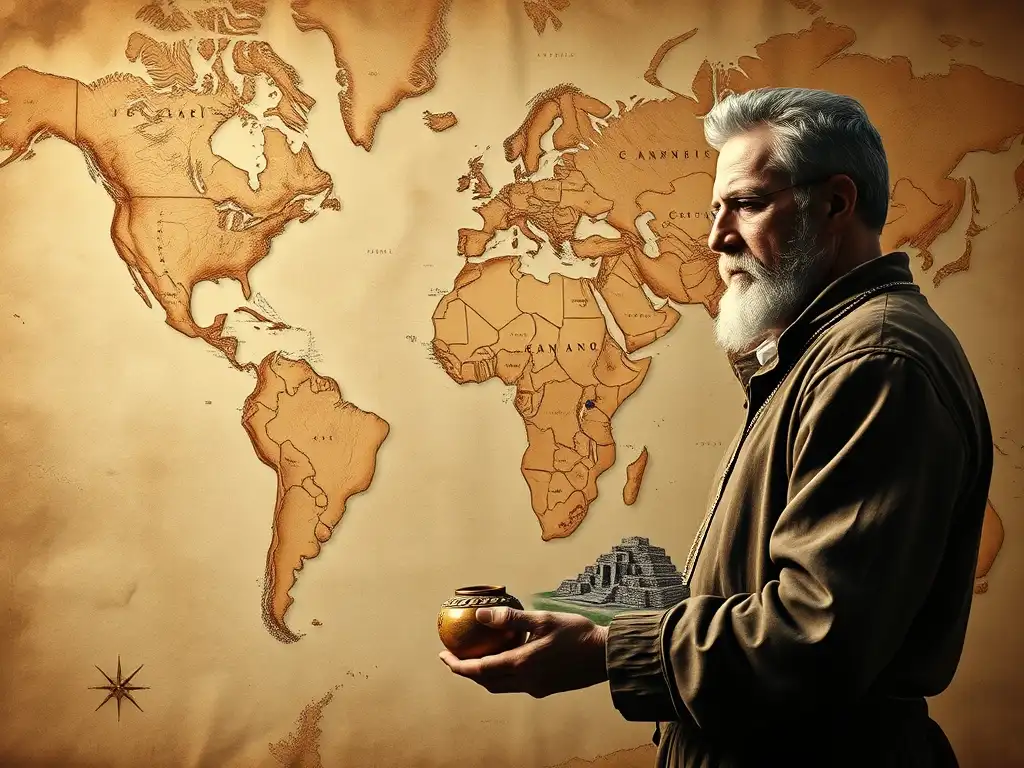
This section delves into the fascinating evolution of Ancient Andean civilizations scholarship, highlighting key figures and their pivotal contributions to our understanding of these remarkable cultures. We will move beyond the well-trodden paths of textbook narratives to explore the often-overlooked individuals who shaped our current knowledge. The journey through Ancient Andean civilizations scholarship reveals not only the advancements in research methodologies but also the evolving perspectives on Andean societies. This exploration of Ancient Andean civilizations scholarship underscores the dynamic and ever-evolving nature of historical interpretation.
Early Explorers and Their Contributions to Andean Archaeology
Early explorers, driven by a mixture of scientific curiosity and colonial ambition, laid the groundwork for future Andean archaeology. While their methods might seem rudimentary by today's standards, their meticulous documentation and artifact collection provided invaluable initial data. Figures like Antonio Raimondi, a 19th-century Italian-Peruvian naturalist, meticulously documented the flora, fauna, and archaeological sites of Peru, producing a monumental work that remains a cornerstone of Andean studies.
His detailed descriptions and illustrations of Inca ruins, pottery, and textiles offered early glimpses into the complexity of Andean civilizations. His work, though lacking the sophisticated techniques of modern archaeology, significantly impacted the initial understanding of Ancient Andean civilizations scholarship.
The impact of these early explorers extended beyond simple documentation. Their discoveries sparked further interest and investment in Andean archaeology, attracting scholars from across the globe. However, it's crucial to acknowledge the often problematic context of their work. Many early explorations were intertwined with colonial agendas, leading to the looting and destruction of countless archaeological sites. This legacy necessitates a critical examination of the historical record, recognizing both the contributions and the limitations of these early endeavors within the larger scope of Ancient Andean civilizations scholarship.
The Rise of Academic Andean Scholarship: From Anthropology to Archaeology
The 20th century witnessed a dramatic shift in Ancient Andean civilizations scholarship, marked by the rise of professional archaeology and anthropology. This period saw the development of more rigorous methodologies, emphasizing systematic excavation, careful documentation, and interdisciplinary collaboration. The shift from a primarily descriptive approach to a more analytical one allowed for deeper interpretations of Andean societies, challenging previous assumptions and offering nuanced perspectives.
This transition is exemplified by the work of Julio C. Tello, often considered the "father of Peruvian archaeology." Tello's meticulous excavations at Paracas and other sites challenged existing narratives, revealing the depth and complexity of pre-Inca cultures. His emphasis on indigenous perspectives and his rejection of diffusionist theories marked a significant departure from earlier approaches and laid the foundation for a more culturally sensitive and academically rigorous Ancient Andean civilizations scholarship.
The influence of anthropology also profoundly shaped the field. Studies focusing on social organization, kinship systems, and religious beliefs provided a more holistic understanding of Andean societies, moving beyond the purely material remains. This interdisciplinary approach, combining archaeological data with anthropological insights, continues to be a hallmark of contemporary Ancient Andean civilizations scholarship.
The development of radiocarbon dating and other scientific techniques further enhanced the accuracy and sophistication of archaeological research, leading to a more precise chronological framework for understanding the evolution of Andean cultures. This evolution in methodology significantly improved the accuracy and scope of Ancient Andean civilizations scholarship.
The Challenges of Studying Ancient Andean Cultures
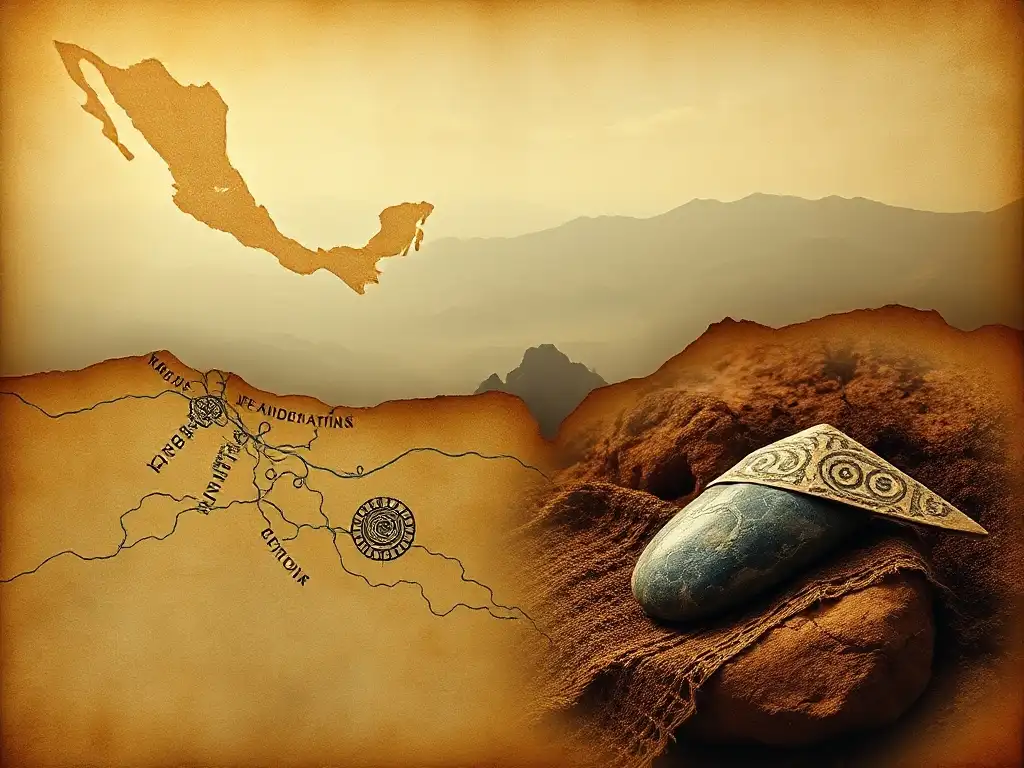
The study of Ancient Andean civilizations scholarship presents unique and significant hurdles, demanding innovative methodologies and rigorous critical analysis. Unlike many other ancient societies with extensive written records, the Andean world relied heavily on oral traditions, intricate iconography, and material culture to transmit knowledge across generations. This scarcity of textual evidence, coupled with the often fragmented nature of archaeological findings, necessitates a multidisciplinary approach encompassing archaeology, anthropology, linguistics, and art history. Understanding these past societies requires a nuanced awareness of the inherent challenges involved in interpreting the available evidence.
Deciphering Lost Languages and Iconography of Ancient Andes
One of the most significant obstacles in Ancient Andean civilizations scholarship is the decipherment of lost languages and iconography. While Quechua, the language of the Inca Empire, is relatively well-documented, many other languages spoken by pre-Inca cultures remain largely unknown. The intricate iconography found on ceramics, textiles, and stone carvings provides invaluable insights into Andean beliefs and practices, yet its interpretation often remains open to debate.
For example, the Moche culture's elaborate depictions of warfare, rituals, and daily life are visually stunning but require careful contextualization to avoid misinterpretations. Scholars painstakingly piece together fragments of meaning, comparing similar motifs across different sites and time periods. This process is further complicated by the lack of standardized dictionaries or grammars for many of these languages.
The subtle nuances of iconographic representations – the positioning of figures, the use of color, and the inclusion of specific objects – all contribute to a complex web of meaning that requires years of dedicated research to unravel. Progress is constantly being made, aided by advances in digital imaging and comparative linguistics, but much work remains to be done to fully understand the rich tapestry of Andean communication. The development of new tools and techniques is crucial in unlocking the secrets embedded within these ancient visual and linguistic records.
Establishing a precise chronology for Ancient Andean civilizations presents another formidable challenge. Unlike societies with well-defined written records, Andean chronology often relies on radiocarbon dating, stylistic analysis of artifacts, and the stratigraphic relationships between archaeological layers. These methods, while valuable, can be imprecise and subject to error.
Furthermore, the Andean region's diverse geography and the existence of multiple contemporaneous cultures further complicate the task of creating a unified chronological framework. For instance, the rise and fall of various regional powers, such as the Nazca and the Tiahuanaco, occurred at different times and in different ways, making it difficult to establish a clear timeline of events across the entire region. The lack of consistent marker events, like large-scale wars or widespread religious upheavals that would provide clear chronological benchmarks in other regions, presents unique difficulties.
Researchers constantly refine chronological models as new data emerges, often leading to revisions and adjustments in our understanding of the temporal relationships between different Andean cultures. This ongoing process of refinement highlights the dynamic nature of Andean scholarship.
Overcoming Biases in Historical Interpretations of Andean Societies
Finally, Ancient Andean civilizations scholarship must actively address potential biases in historical interpretations. For many years, the study of Andean societies was often framed within Eurocentric perspectives, leading to misunderstandings and misrepresentations of Andean culture. Scholars are increasingly working to decolonize their methodologies, acknowledging the limitations of imposing external frameworks onto indigenous knowledge systems.
This involves critically evaluating existing sources, recognizing the potential for bias in earlier interpretations, and engaging with indigenous perspectives and oral traditions to create a more holistic and accurate understanding. For example, the Inca Empire's impressive feats of engineering, such as the road system and sophisticated agricultural techniques, were often interpreted solely through the lens of state power and control. However, more recent scholarship highlights the collaborative efforts of diverse Andean communities in the construction and maintenance of these infrastructure projects, emphasizing the complex social structures and collaborative networks that underpinned Inca society.
This shift in perspective underscores the importance of incorporating a wider range of voices and perspectives in the ongoing study of Ancient Andean civilizations. The ongoing pursuit of a more inclusive and nuanced understanding of the past is essential for creating a more accurate and equitable representation of these remarkable societies.
Key Scholars and Chroniclers of the Andes: Their Unique Perspectives

This section delves into the fascinating world of Ancient Andean civilizations scholarship, exploring the contributions of key figures who have shaped our understanding of these remarkable cultures. We'll examine both the perspectives of colonial-era chroniclers and the groundbreaking work of modern scholars, highlighting their unique approaches and significant discoveries. The study of Ancient Andean civilizations is a vibrant and ever-evolving field, and these individuals have played crucial roles in its development. Their insights, often gleaned from painstaking fieldwork and meticulous analysis, continue to illuminate the complexities of Andean life and history.
The Chroniclers: Voices from the Colonial Era on Andean Life
The colonial period witnessed the emergence of crucial primary sources offering invaluable glimpses into Andean life. While often filtered through the lens of European perspectives, these chronicles provide irreplaceable data on pre-Columbian societies and their interactions with the Spanish conquistadors. Their accounts, though sometimes biased, offer crucial details on social structures, religious practices, and daily life that would otherwise be lost to time.
Felipe Guaman Poma de Ayala and His Insights
Felipe Guaman Poma de Ayala (c. 1535-c. 1616) stands out as a unique voice among the colonial chroniclers. His Nueva Corónica y Buen Gobierno is not simply a historical account but a powerful indictment of Spanish colonial rule. Illustrated with hundreds of drawings, this monumental work offers a detailed ethnography of Inca society, revealing its social hierarchy, religious beliefs, and agricultural practices.
Poma de Ayala's perspective, as an indigenous Andean who witnessed firsthand the devastating impact of colonization, provides a critical counterpoint to the narratives produced by Spanish chroniclers. His work is essential for understanding the Andean perspective during this tumultuous period, offering a powerful critique of colonial power dynamics and a rich visual record of Andean life. The sheer scope and detail of his work continue to fascinate and inform scholars of Ancient Andean civilizations.
Bernabé Cobo and His Observations
In contrast to Poma de Ayala's indigenous perspective, Bernabé Cobo (1582-1657), a Spanish Jesuit missionary, offers a detailed account of Andean societies from a colonial viewpoint. His Historia del Nuevo Mundo provides valuable insights into Inca history, religion, and customs, based on his observations and interviews during his time in the Andes. While his perspective is undeniably shaped by his colonial context, Cobo's meticulous descriptions of Inca architecture, agriculture, and social organization remain highly significant.
His work complements other sources, offering a comparative perspective and adding to the broader understanding of Andean civilizations. The detailed descriptions of Inca infrastructure, for example, remain relevant to archaeological studies today. Analyzing both Poma de Ayala and Cobo's work provides a richer, more nuanced understanding of the complexities of the colonial encounter and the enduring legacy of the Inca Empire.
Modern Andean Scholars: Innovating the Field of Andean Studies
The 20th and 21st centuries have witnessed a dramatic expansion of Ancient Andean civilizations scholarship, fueled by new archaeological discoveries, advanced analytical techniques, and a growing emphasis on indigenous perspectives. Modern scholars have not only built upon the work of their predecessors but also challenged existing paradigms, leading to a more comprehensive and nuanced understanding of these societies.
Maria Rostworowski and Their Contributions to Andean History
Maria Rostworowski de Diez Canseco (1924-2008) was a pioneering Peruvian historian who made significant contributions to the field of Andean studies. Her work focused on the Inca Empire and its antecedents, providing detailed analyses of Inca social organization, political structures, and economic systems. Rostworowski's scholarship is characterized by its meticulous research, careful analysis of primary sources, and commitment to a nuanced and historically informed interpretation of Andean history.
Her influence on the understanding of Inca administration and the complexities of pre-Columbian political systems is undeniable. She meticulously documented the intricate workings of the Inca state and its relationship with the diverse populations it encompassed. Her legacy continues to inspire generations of Andean scholars.
Ruth Shady and Their Research on Caral Civilization
Ruth Shady Solis, a leading Peruvian archaeologist, is renowned for her groundbreaking research on the Caral civilization. Her excavations at Caral, located in the Supe Valley of Peru, have revealed one of the oldest known complex societies in the Americas, predating the Inca by millennia. Shady's work has revolutionized our understanding of early Andean civilization, challenging previously held assumptions about the development of complex societies in the region.
Her discoveries at Caral demonstrate the advanced level of social organization, technological innovation, and architectural sophistication achieved by this pre-Inca civilization. Her commitment to rigorous archaeological methods and meticulous documentation has provided invaluable insights into the origins of Andean civilization.
Johan Reinhard and Their Work on Andean Mountain Sanctuaries
Johan Reinhard (1942-2020) was a renowned anthropologist and explorer who dedicated his life to studying the high-altitude mountain sanctuaries of the Andes. His research, combining archaeological fieldwork with ethnographic studies, shed light on the religious beliefs and practices of Andean cultures, particularly their veneration of mountains as sacred spaces. Reinhard's work on the Inca and pre-Inca mountaintop shrines has revealed intricate rituals, offerings, and beliefs related to Andean cosmology.
His meticulous documentation of these sites, many located in remote and challenging environments, has provided invaluable insights into the religious and spiritual life of Andean peoples. His dedication to exploring and documenting these sites has significantly enriched our understanding of Andean religious practices and their profound connection to the natural environment. His work continues to inspire awe and wonder at the spiritual depth of Andean cultures.
Undiscovered Narratives in Ancient Andean Civilizations Scholarship
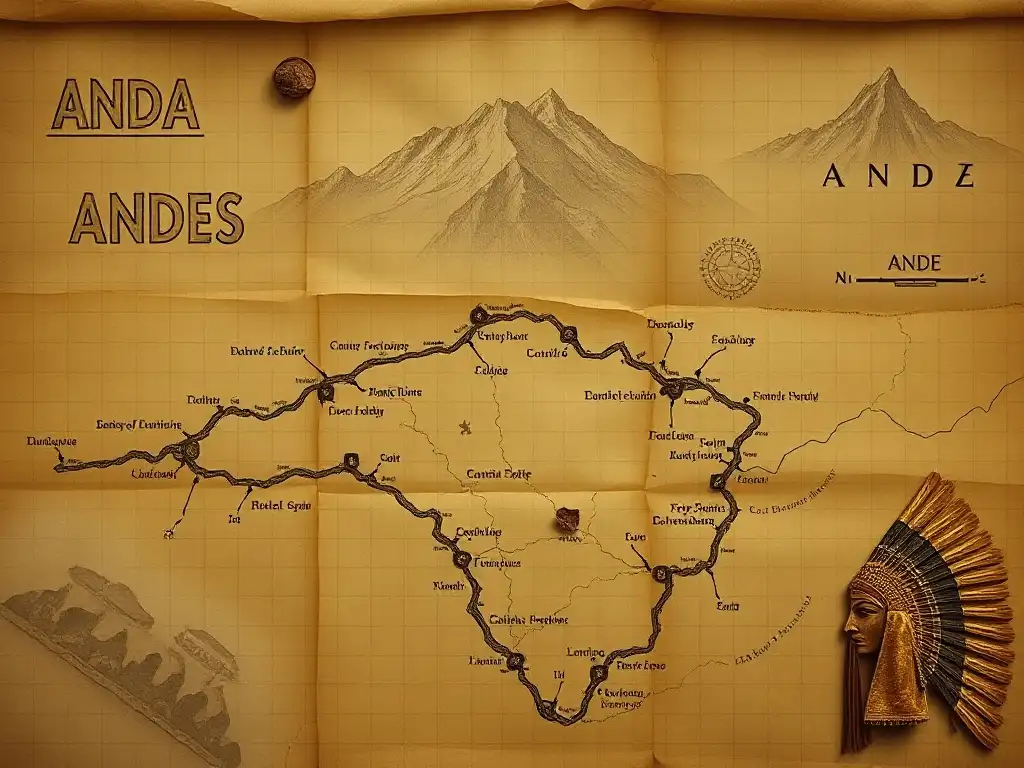
This section delves into the often-overlooked aspects of Ancient Andean civilizations scholarship, focusing on areas ripe for further investigation and contributing to a more complete understanding of these fascinating cultures. We move beyond the established narratives, exploring perspectives and methodologies that enrich our comprehension of the past. The field of Ancient Andean civilizations scholarship is constantly evolving, with new discoveries and interpretations challenging previously held beliefs.
This dynamism is what makes the study of these civilizations so compelling. We will examine areas where significant progress can be made, ultimately leading to a more nuanced and accurate portrayal of Andean history.
The Role of Local Communities in Andean Historical Research
Traditional Andean historical research has often been dominated by external academics, overlooking the invaluable knowledge held within local communities. These communities are the direct descendants of the ancient civilizations, possessing an oral history and cultural memory that often surpasses the scope of written records. Integrating their perspectives is not merely a matter of inclusivity; it's crucial for achieving a comprehensive understanding.
For example, the Quechua communities of the Peruvian Andes possess intricate knowledge of Inca agricultural techniques, water management systems, and medicinal plants – knowledge rarely documented in formal academic texts. Their participation in archaeological digs and historical analyses provides crucial context and insight that enriches scholarly interpretations. Further, engaging with local communities fosters a more ethical and respectful approach to research, ensuring that the study of Ancient Andean civilizations benefits not only academics but also the descendant communities themselves.
This collaborative approach is essential for the future of Ancient Andean civilizations scholarship. The active participation of local communities offers a more holistic and nuanced understanding of the past, moving beyond the limitations of solely relying on textual sources or archaeological finds. It is a vital step towards a more equitable and representative scholarship.
Unexplored Archaeological Sites and Their Potential for New Discoveries
Despite decades of archaeological exploration, vast swathes of the Andes remain unexplored, hinting at the potential for groundbreaking discoveries. Many sites, particularly in remote or challenging terrains, remain untouched, preserving untold stories of Ancient Andean civilizations. The sheer scale of the Andes, coupled with the difficult access to many regions, explains the vast number of sites yet to be investigated.
For instance, the cloud forests of Ecuador and Colombia likely hold numerous pre-Columbian settlements that have been missed due to the density of the vegetation and the difficult terrain. Similarly, the high-altitude regions of the Andes, often characterized by harsh weather conditions, may conceal well-preserved sites that offer unique insights into adaptation and resilience in extreme environments. The potential for new discoveries is immense, potentially rewriting our understanding of societal structures, technological advancements, and cultural practices.
A systematic survey of these unexplored regions, coupled with advanced technological tools such as ground-penetrating radar and satellite imagery, could revolutionize our knowledge of Ancient Andean civilizations. This is a crucial area for future research, promising to unveil significant new narratives in Ancient Andean civilizations scholarship. The untapped potential of these sites represents a significant frontier for future research and discovery.
Integrating Indigenous Knowledge with Formal Andean Research Methods
Bridging the gap between indigenous knowledge systems and Western academic methodologies is paramount for achieving a truly comprehensive understanding of Ancient Andean civilizations. Indigenous knowledge, often passed down through generations via oral traditions and practical skills, offers unique perspectives that complement and often challenge the findings of formal archaeological and historical research. For example, the intricate understanding of Andean cosmology held by indigenous communities provides invaluable context for interpreting archaeological findings, such as the layout of ceremonial sites or the iconography found on artifacts.
Combining these traditional knowledge systems with rigorous scientific methods can lead to more accurate and nuanced interpretations of the past. This necessitates a shift in research paradigms, moving away from solely relying on Western academic frameworks towards a more collaborative and interdisciplinary approach. The integration of indigenous knowledge is not merely a matter of inclusivity; it is essential for achieving a complete and accurate understanding of these complex civilizations.
By incorporating these diverse perspectives, Ancient Andean civilizations scholarship moves toward a more holistic and representative understanding of the past, respecting and valuing the knowledge of Andean communities. This collaborative approach is crucial for the future of the field.
Future Directions for Andean Scholarship: New Frontiers
The field of Ancient Andean civilizations scholarship is constantly evolving, driven by new discoveries, technological advancements, and a growing awareness of ethical considerations. Understanding the past requires not only excavating artifacts but also interpreting them within a broader social, political, and environmental context. This necessitates a multifaceted approach, incorporating diverse methodologies and perspectives to paint a more complete and nuanced picture of these remarkable civilizations. The future of Andean studies hinges on embracing innovation and prioritizing responsible scholarship. This section explores several key areas for future development.
The Application of Cutting-Edge Technology in Andean Archaeology
Technological advancements are revolutionizing Andean archaeology. Techniques like LiDAR (Light Detection and Ranging) are providing unprecedented insights into landscape features and settlement patterns previously obscured by dense vegetation. This allows researchers to map vast areas quickly and accurately, revealing hidden roads, irrigation systems, and even entire settlements. For example, recent LiDAR surveys in the Amazon have revealed previously unknown networks of settlements, dramatically altering our understanding of pre-Columbian population density and social organization.
Furthermore, advancements in ground-penetrating radar (GPR) are allowing non-invasive investigation of subsurface structures, minimizing the disruption of sensitive archaeological sites. The use of hyperspectral imaging is also proving invaluable in analyzing pigments and materials used in textiles and ceramics, offering crucial clues about trade routes and cultural exchange. The integration of GIS (Geographic Information Systems) allows for spatial analysis of data, connecting archaeological findings with environmental factors and revealing complex relationships between humans and their environment.
The future success of Andean archaeology hinges on continued investment in and skillful application of these powerful technological tools. Successfully applying this technology requires not only the acquisition of expensive equipment but also the training of archaeologists in data analysis and interpretation. This signifies a vital shift towards a more digitally-driven approach to studying Ancient Andean civilizations.
Interdisciplinary Approaches to Studying Ancient Andean Civilizations
A truly comprehensive understanding of Ancient Andean civilizations demands an interdisciplinary approach. Archaeologists are increasingly collaborating with specialists in fields like anthropology, linguistics, botany, zoology, and environmental science. For instance, analyzing ancient plant and animal remains (paleoethnobotany and zooarchaeology) reveals details about diet, agriculture, and resource management strategies.
Linguistic studies help decipher ancient languages, providing invaluable insights into social structures, beliefs, and worldview. Similarly, analyzing isotopic signatures in human remains can shed light on migration patterns and dietary habits. This collaboration allows for more robust interpretations of archaeological findings, moving beyond simple descriptions of artifacts to understand their significance within broader ecological and cultural contexts.
Understanding the interplay between human societies and their environment is crucial, and the incorporation of paleoclimatology helps reconstruct past environmental conditions and their impact on Andean societies. The future of Andean studies lies in fostering these collaborations, creating a collaborative network of scholars dedicated to a holistic understanding of these fascinating cultures. We need to actively encourage interdisciplinary projects and fund research that bridges the gap between different fields of study.
The Ongoing Importance of Cultural Preservation and Ethical Research
Ethical considerations are paramount in Andean scholarship. The legacy of colonialism and looting has left many sites damaged and artifacts dispersed. Respect for indigenous communities and their heritage is crucial. Archaeological research must be conducted in consultation with local communities, ensuring that their perspectives and concerns are incorporated into the research process.
This includes repatriation of artifacts and the protection of sacred sites. Furthermore, the ethical implications of using advanced technologies, such as 3D scanning and modeling, must be carefully considered. These technologies offer incredible opportunities for research and education, but their use must not compromise the integrity or cultural significance of archaeological sites. The development of ethical guidelines and best practices is essential to ensure that research contributes positively to the preservation and understanding of Andean heritage.
This involves not only protecting physical artifacts but also safeguarding intangible cultural heritage, such as traditional knowledge and practices. A commitment to ethical research is not merely a moral imperative; it is also essential for building trust and fostering long-term collaborations with indigenous communities, which are vital for the future of Andean studies. The future of Ancient Andean civilizations scholarship depends on responsible and ethical practices that prioritize the preservation and protection of both tangible and intangible cultural heritage.
Frequently Asked Questions
What makes this article on Andean civilizations different from others?
This article goes beyond the typical textbook accounts, exploring lesser-known aspects of Andean scholarship. It delves into untold stories and recent discoveries, offering a fresh perspective on the subject. It aims to enrich understanding of Ancient Andean civilizations scholarship.
How does this article contribute to "Ancient Andean civilizations scholarship"?
By highlighting under-researched areas and incorporating the latest findings, this article directly contributes to the ongoing scholarly conversation about Andean civilizations. It encourages further research and critical analysis, expanding the existing knowledge base.
Which Andean cultures are covered in the article?
The article covers a range of Andean cultures, including the Incas, Moche, Nazca, and Tiahuanaco, but also aims to provide a broader, interconnected view of Andean history and culture, going beyond these well-known examples.
What types of sources were used in the research for this article?
The article draws upon a variety of sources, including academic journals, archaeological findings, and primary sources where available, to provide a comprehensive and nuanced understanding of the subject. Expert interviews may also be included.
Where can I find more information on Ancient Andean civilizations scholarship?
This article provides links and references to further reading and relevant academic resources. You can also search for scholarly articles using keywords like "Andean archaeology, Inca history, Moche art," and others relevant to the specific aspects that interest you.
Final Reflection: Unearthing the Legacy of Andean Knowledge
The vibrant tapestry of Andean civilization, often reduced to simplified narratives in textbooks, continues to reveal its complexity and richness through ongoing scholarship. This rediscovery challenges our understanding of the past and forces us to confront the limitations of Eurocentric perspectives that have long dominated historical narratives. The untold stories, the nuanced perspectives, and the previously silenced voices are crucial to building a more accurate and inclusive understanding of human history.
The impact of this ongoing re-evaluation of Andean scholarship is profound, reshaping our understanding not only of ancient societies but also of the very nature of knowledge itself. It compels us to question the sources we rely on and to actively seek out diverse voices and interpretations. As the scholar María Rostworowski once wrote, The past is not a fixed entity, but a constantly evolving interpretation shaped by the present.
This sentiment underscores the dynamic nature of historical research and the importance of continuous engagement with diverse perspectives. It highlights the ongoing need to decolonize our understanding of the past, acknowledging the biases inherent in traditional academic frameworks.
You, the reader, are now equipped with a deeper appreciation for the breadth and depth of Andean scholarship. Consider how this knowledge challenges your own preconceived notions about ancient civilizations and the ways in which history is written and interpreted. Go further: seek out primary sources, support initiatives that promote indigenous voices, and actively challenge narratives that perpetuate historical inaccuracies. Let the legacy of Andean knowledge inspire you to seek truth, embrace diversity, and contribute to a more just and equitable understanding of our shared past.
**Embrace the Legacy of Andean Scholarship! **
Thank you for exploring the rich tapestry of Andean scholarship with us! You've uncovered untold stories and profound insights that reshape our understanding of this remarkable civilization. Now, let's continue to honor and elevate these narratives.
Here's how you can continue your journey:
- **Deepen your understanding:** Explore our featured articles on influential scholars and their groundbreaking work. Each story contributes to our collective knowledge.
- **Share the knowledge:** Discuss these insights with friends or on social media using #AndeanScholarship. Your perspective can inspire others to appreciate these incredible histories!
- **Join the community:** Engage with our online forum and contribute your own insights about Andean civilizations. Together, we can enrich our understanding.
Which story of Andean scholarship resonated most with you, and how will you share it with others?