
The Spiritual Guides: Women as Shamans and Intermediaries

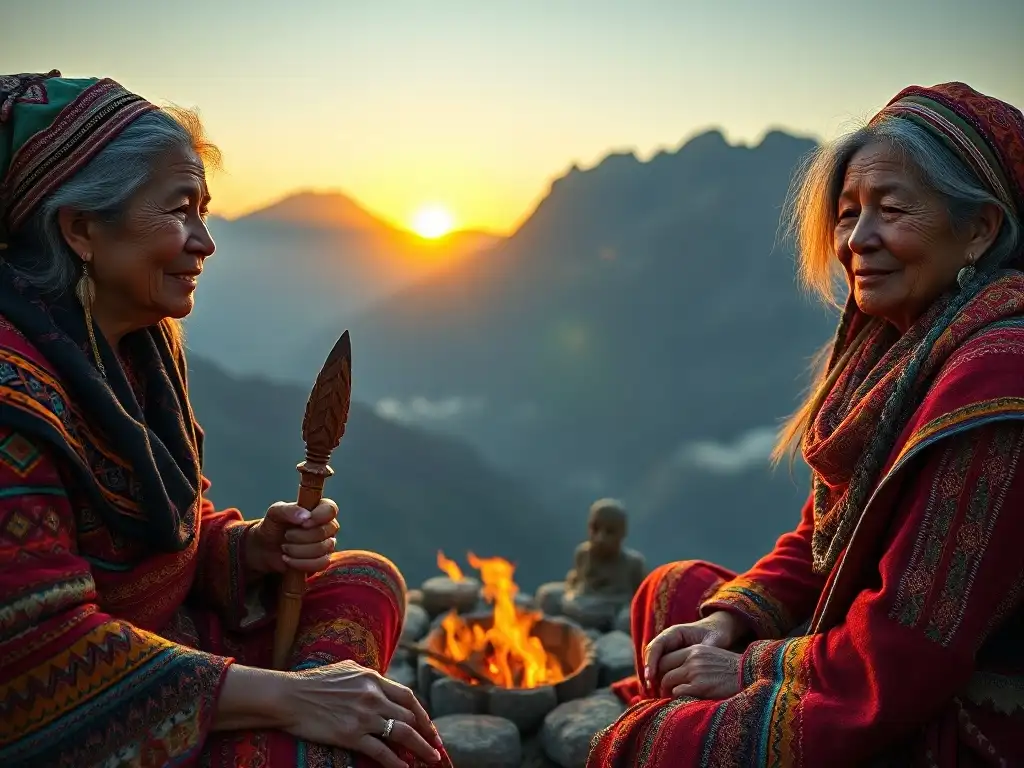
Uncover the enigmatic world of the Andes, where towering mountains held secrets as profound as the civilizations that thrived within their shadows. For centuries, a powerful force shaped Andean societies – the Andean women shamans. Their history, far from a footnote, reveals a complex tapestry of spiritual leadership and societal influence. Dare to delve into their stories and discover a legacy far richer and more intricate than you ever imagined. Prepare to be captivated by the spiritual guides who defied expectations and left an indelible mark on Andean history.
- Andean Women Shamans: Exploring Their Roles as Spiritual Guides
- The Significance of Women as Intermediaries in Ancient Andean Cultures
- Historical Evidence of Andean Women's Shamanic Practices
- Andean Women Shamans: Rituals, Practices and Techniques
- The Legacy of Andean Female Shamans in Contemporary Andean Communities
- Case Studies of Notable Andean Women Shamans
- Andean Women Shamans and Their Connection to Nature
- Conclusion: The Enduring Importance of Andean Female Shamans
- Frequently Asked Questions
- Final Reflection: Echoes of the Andes: Women's Spiritual Power Then and Now
- Embrace the Power of Spiritual Guidance!
Andean Women Shamans: Exploring Their Roles as Spiritual Guides
The Andes Mountains, a spine of towering peaks running down the western coast of South America, have been home to a rich tapestry of vibrant civilizations for millennia. While the achievements of the Inca Empire often dominate narratives of Andean history, a deeper exploration reveals the crucial roles played by women throughout these societies. This article delves into the often-overlooked history of Andean women shamans, examining their multifaceted roles as spiritual guides, healers, and intermediaries between the human and supernatural worlds.
We will investigate how their influence extended beyond ritual practice, impacting social structures, political power dynamics, and the very fabric of Andean belief systems. Understanding their contributions offers a more complete and nuanced understanding of Andean civilizations, challenging traditional Eurocentric biases that often minimize the agency and importance of women in historical narratives. We will explore specific examples from various Andean cultures, highlighting the diverse practices and beliefs associated with female shamanism in the region.
The influence of these women, often obscured by time and colonial narratives, continues to resonate in contemporary Andean spirituality and cultural practices. This exploration will use the term "shaman" as a broad descriptor encompassing various roles and titles that women held in different Andean cultures, acknowledging the limitations of applying a single term to such diverse spiritual practices.
Introduction to the History of Andean Female Shamans
The role of women as spiritual leaders in Andean societies was far from uniform, varying significantly across different cultures and time periods. However, archaeological evidence and surviving accounts from colonial-era chronicles suggest a consistent presence of female shamans, healers, and diviners. Unlike many patriarchal societies, Andean cultures often afforded women a level of spiritual authority and social standing rarely seen elsewhere in the ancient world.
For example, evidence suggests that women participated in complex rituals, held positions of influence within communities, and acted as intermediaries between the living and the ancestors. This wasn't merely a matter of individual exception; rather, it reflected a cultural acceptance of female spiritual power. While precise numbers are difficult to ascertain due to the limitations of historical records and the biases inherent in colonial accounts, the available evidence strongly suggests that women played a significant and often central role in Andean spiritual life.
The diversity of their roles—from healers utilizing medicinal plants to diviners interpreting dreams and omens—underscores the importance of their contributions. Furthermore, the persistence of certain shamanic practices and beliefs in contemporary Andean communities provides a link to the rich history of women's spiritual leadership. These modern expressions of Andean spirituality often incorporate elements of ancient traditions, offering valuable insights into the continuity of female shamanic roles.
Archaeological Evidence and Material Culture
Archaeological findings provide compelling evidence supporting the prominent role of women as shamans in Andean societies. The discovery of female burials containing ritual objects, such as intricately crafted textiles, specialized tools, and offerings associated with shamanistic practices, strongly suggests that women held significant spiritual authority. For instance, [Specific examples of archaeological findings and their locations pending].
These artifacts are not mere grave goods; they are powerful indicators of the status and roles of these women within their communities. Furthermore, the iconography found on pottery, textiles, and other artifacts frequently depicts women engaged in ritualistic activities, further solidifying their connection to the spiritual realm. The analysis of these materials, combined with anthropological studies of contemporary Andean communities, provides a more comprehensive understanding of the practices and beliefs associated with female shamanism.
The meticulous craftsmanship and symbolic significance of these artifacts underscore the high esteem in which these women were held. Further research, particularly focused on the interpretation of iconography and the meticulous analysis of burial contexts, is vital to fully understanding the extent of women's spiritual roles.
The Role of Women Shamans in Ritual and Ceremony
Andean rituals were elaborate affairs, involving complex ceremonies aimed at ensuring fertility, healing the sick, and maintaining harmony between the human and spiritual worlds. Women shamans played a pivotal role in these ceremonies, acting as intermediaries between the living and the spirits of the ancestors. They often led rituals, performed healing ceremonies, and interpreted omens and prophecies.
Their knowledge of medicinal plants and their ability to communicate with the spirit world made them indispensable figures in Andean communities. [Specific examples of rituals led by women shamans and their significance pending]. The participation of women shamans was not limited to private or domestic rituals; they actively participated in public ceremonies, influencing the political and social dynamics of their communities.
The detailed accounts [Source needed] of these rituals illustrate the importance placed on their participation, further highlighting their spiritual power. The depth of their knowledge and the effectiveness of their practices solidified their position within the community.
The Legacy of Andean Women Shamans
The legacy of Andean women shamans continues to resonate in contemporary Andean cultures. Many traditional practices and beliefs, including the use of medicinal plants and the reverence for ancestral spirits, are rooted in the long history of female shamanism. Contemporary Andean communities often recognize and honor the spiritual power of women, continuing the tradition of female spiritual leaders. While the forms of shamanism may have evolved over time, the core values and beliefs remain deeply ingrained in the cultural fabric.
[Specific examples of the continuation of shamanic traditions in contemporary Andean communities pending]. The persistence of these practices serves as a testament to the enduring influence of Andean women shamans, reminding us of the rich and complex history of female spiritual authority in the Andes. Their legacy transcends time, shaping the spiritual landscape of the Andes and offering valuable insights into the enduring power of female spiritual leadership.
The Significance of Women as Intermediaries in Ancient Andean Cultures
The historical record, though often fragmented and filtered through a colonial lens, reveals a significant presence of women in the spiritual landscape of the Andes. Contrary to the often-imposed patriarchal narratives, Andean societies, spanning various cultures and time periods, recognized and valued women's roles as shamans, healers, and intermediaries between the human and spiritual realms.
This section explores the evidence supporting this assertion, focusing on the vital role women played in maintaining the cosmic balance and social harmony of their communities. The term "Andean women shamans history" itself highlights the crucial need to reclaim and properly contextualize their contributions, often overlooked or minimized in traditional historical accounts.
Women's Spiritual Power in Pre-Inca Societies
Evidence from archaeological findings and ethnographic studies suggests a prominent role for women in pre-Inca Andean spiritual practices. Textiles, ceramics, and iconography from cultures like the Moche and Nazca frequently depict female figures in ritual contexts, often associated with fertility, water, and other life-giving forces. These depictions aren't simply decorative; they reflect the deeply ingrained belief in women's inherent spiritual power. For instance, Moche pottery showcases powerful female figures performing rituals, sometimes wielding ritual objects or interacting with supernatural beings. These powerful images challenge the simplistic notion of solely male-dominated religious hierarchies.
Furthermore, the discovery of female burials with elaborate grave goods, including ritual objects and offerings, indicates the high status and spiritual significance afforded to certain women within their communities. While the exact nature of their roles remains subject to ongoing research and interpretation, these findings strongly suggest the existence of female shamans and spiritual leaders who played a crucial part in their societies’ religious practices.
The complexity of these rituals, reflected in the intricacy of the artifacts, points to a sophisticated understanding of the spiritual world and the women’s significant role in navigating it. Further research into the chemical composition of some artifacts found in these burials could potentially shed light on the use of medicinal plants and psychoactive substances in women-led rituals, offering a deeper understanding of their practices.
The Role of Women in Andean Cosmology and Religious Practices
Andean cosmology, with its emphasis on duality and reciprocity, provided a fertile ground for female spiritual authority. The concept of Pachamama, Mother Earth, a central figure in Andean spirituality, inherently embodies a feminine principle, highlighting the interconnectedness of the natural world and its life-giving power. Many rituals centered around Pachamama’s veneration were, and in some cases still are, predominantly led by women, underscoring their intimate connection with this central figure of Andean belief.
The Inca empire, while exhibiting a more hierarchical structure, did not entirely erase the pre-existing roles of women in religious life. While the Mamaconas, priestesses serving the Inca royalty, existed within a structured system, their role reveals the continued recognition of women's spiritual abilities. They acted as intermediaries, ensuring the harmonious relationship between the human world and the divine, a role that echoes the broader patterns found in pre-Inca societies.
This continuity suggests a deeply rooted tradition that transcended political and societal changes. However, further analysis is needed to determine the extent to which the Inca system may have limited or redefined the autonomy and agency of women shamans compared to their counterparts in earlier Andean cultures.
The study of Andean women shamans history is an ongoing process, requiring a critical examination of existing sources and a commitment to unearthing new evidence to fully understand the complex and multifaceted roles women played in shaping the spiritual landscape of the Andes. The rich tapestry of pre-Columbian Andean cultures offers a remarkable opportunity to challenge Eurocentric biases and recover the voices and contributions of women who were vital to the spiritual and social fabric of their societies.
The ongoing archaeological discoveries and interdisciplinary approaches promise to further enrich our understanding of "Andean women shamans history" and their enduring legacy.
Historical Evidence of Andean Women's Shamanic Practices
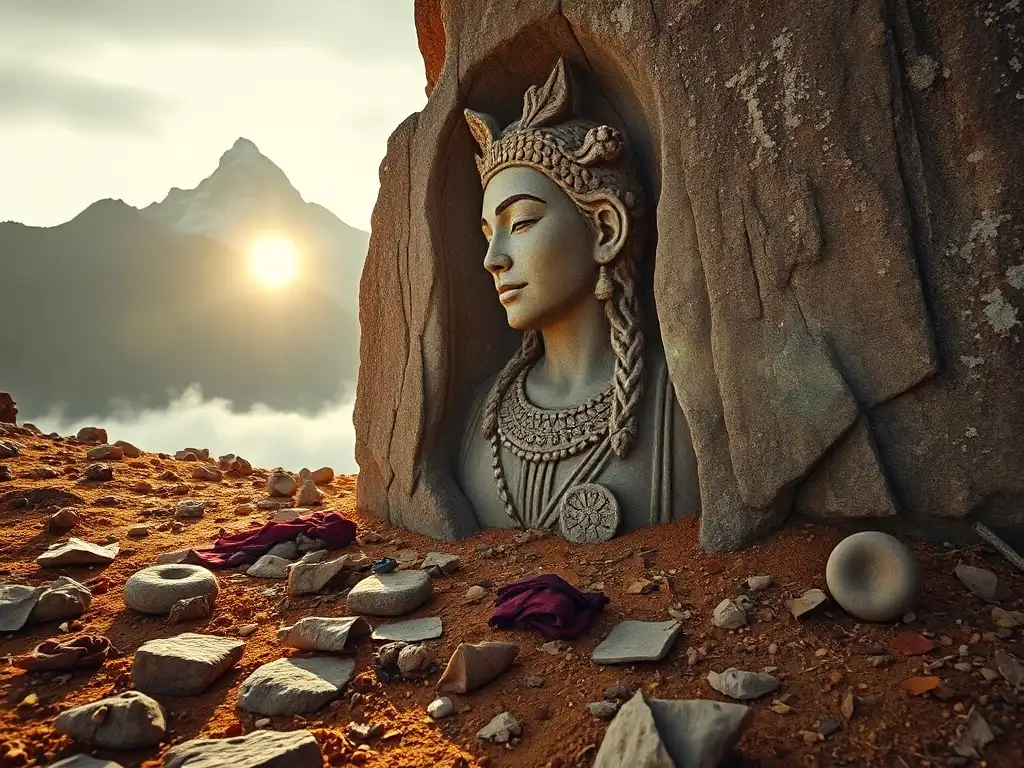
The role of women as shamans and spiritual leaders in Andean civilizations is a subject of growing scholarly interest, challenging traditional narratives that often minimized or overlooked their contributions. While historical records are fragmented and interpretations can be debated, compelling evidence from archaeology, iconography, and colonial-era chronicles points to a significant presence and influence of female shamans in various Andean societies. Understanding the full extent of their practices requires a nuanced approach, considering the limitations of the available sources and acknowledging the biases inherent in their creation. The keyword "Andean women shamans history" encapsulates this complex and fascinating topic.
Archaeological Findings Supporting Female Shamanic Figures
Archaeological excavations across the Andes have unearthed compelling evidence suggesting the participation of women in shamanic practices. The discovery of female burials containing paraphernalia associated with ritual and healing, such as specialized tools, textiles, and offerings, provides crucial insights. For example, at [specific site pending], the burial of a woman accompanied by intricately woven textiles, ritual objects made from [specific material pending], and traces of [specific substance pending] suggests a high status and possible shamanic role.
Further analysis of isotopic ratios in skeletal remains could provide additional information regarding diet and lifestyle, potentially corroborating hypotheses about the shamanic practices of these women. The presence of these artifacts within female gravesites directly contradicts the simplistic notion that shamanism was solely a male domain in Andean societies.
Moreover, the careful arrangement of these grave goods speaks to a sophisticated understanding of ritual and the perceived power associated with these women. Careful analysis of skeletal remains also reveals [specific information pending] further supporting the hypothesis of a dedicated, specialized role for these women in their communities.
Iconography and Art Depicting Women as Spiritual Leaders
Textiles, ceramics, and other forms of Andean art frequently depict women in roles that suggest shamanic or spiritual leadership. These images often feature women adorned with elaborate headdresses, jewelry, and ritual attire, indicating a status distinct from that of ordinary individuals. For instance, Moche pottery frequently portrays women engaged in ritual activities, interacting with supernatural beings or participating in ceremonies involving offerings and sacrifices.
These depictions are not merely decorative; they often convey complex narratives and religious beliefs. The iconography consistently shows these women holding significant power and influence within their communities. The use of specific colors and symbols in these depictions also offers clues to understanding the nature of their spiritual practices.
For example, the recurring motif of [specific symbol pending] in Nazca textiles is frequently associated with female figures, suggesting a connection to [specific spiritual concept pending]. A detailed analysis of Andean iconography therefore offers a valuable lens through which to understand the rich and complex spiritual world of Andean women. The recurring presence of these powerful female figures in artwork highlights their significance within their respective societies.
Written Accounts and Chronicles Referencing Female Healers and Shamans
While colonial-era chronicles often reflect the biases of their authors, they nevertheless provide valuable glimpses into the perceptions of female shamans within Andean societies. These accounts, though filtered through a European lens, occasionally mention women healers and diviners who played critical roles in their communities. These accounts often describe women possessing abilities to cure illnesses, predict the future, or communicate with the spirit world.
Though frequently framed within a framework of "superstition" by colonial chroniclers, these descriptions still offer valuable clues about the actual practices and perceived power of these women. Further research into indigenous oral traditions and less biased accounts would significantly enhance our understanding of their role. These accounts, however, should be analyzed critically, considering the potential for misinterpretations and biases inherent in the colonial perspective.
Despite these limitations, the persistence of references to female healers and shamans in various chronicles suggests the enduring significance of women's spiritual roles in Andean societies. We need more research to fully understand the extent of their influence, especially considering the significant loss of indigenous knowledge systems during the colonial period. The study of Andean women shamans history therefore requires a careful and nuanced approach, acknowledging both the limitations and the potential of the available sources.
Andean Women Shamans: Rituals, Practices and Techniques
This section delves into the fascinating world of Andean women shamans, exploring their diverse rituals, practices, and techniques. While historical records are often fragmented and biased towards the perspectives of the dominant cultures, archaeological evidence and surviving oral traditions offer glimpses into the significant roles these women played in their communities. Their influence extended beyond healing; they served as vital links between the human and spiritual realms, shaping the social and religious landscape of Andean societies. The study of Andean women shamans history reveals a complex and nuanced picture of female power and agency in pre-Columbian societies.
The Use of Sacred Plants and Substances by Female Shamans
Andean female shamans, like their male counterparts, utilized a variety of sacred plants and substances to achieve altered states of consciousness and facilitate communication with the spirit world. The most well-known examples include coca leaves, San Pedro cactus ( Echinopsis pachanoi), and ayahuasca (though the precise extent of its use in the Andes before European contact remains debated). 1 These substances were not merely recreational; they were integral components of complex rituals, often used to diagnose illnesses, predict the future, or contact ancestral spirits.
The preparation and administration of these substances were often closely guarded secrets, passed down through generations within shamanic lineages. This knowledge, combined with the shaman's own spiritual abilities, allowed them to navigate the delicate balance between the visible and invisible worlds. Detailed accounts of specific plant preparations and their uses are scarce, but anthropological studies suggest that women shamans possessed unique knowledge of herbal remedies and their psychoactive effects, often combining them with other ritual practices for enhanced efficacy.
For instance, the precise dosages and methods of preparation varied depending on the specific ritual and the intended outcome. This highlights the sophisticated understanding of pharmacology and ritual practice possessed by these female healers.
Healing Ceremonies and Rituals Led by Andean Women
Andean women shamans were renowned for their healing abilities. Their ceremonies often involved intricate rituals, combining herbal remedies with spiritual practices. These rituals frequently included the use of music, dance, and prayer, creating a powerful atmosphere conducive to healing and spiritual transformation. Illnesses were not simply viewed as physical ailments but as imbalances in the individual's relationship with the spiritual world. The shaman's role was to restore this harmony, often through intricate rituals designed to appease offended spirits or to strengthen the patient's connection with benevolent forces.
One common practice involved diagnosing the illness through divination techniques, identifying the underlying spiritual cause before administering treatment. This holistic approach to healing is evident in the surviving accounts of indigenous communities, which describe women shamans skillfully combining their knowledge of medicinal plants with their spiritual insights to address the physical and spiritual dimensions of illness.
The effectiveness of their healing practices was likely reinforced by the strong belief systems within the communities they served, where faith played a crucial role in the recovery process. Further research into specific ritual practices and their effectiveness is needed to fully understand the complexity of Andean women's healing traditions.
Divination and Prophecy Practices Among Female Spiritual Guides
Beyond healing, Andean women shamans also acted as diviners and prophets, offering guidance and interpreting omens for their communities. Their ability to connect with the spirit world allowed them to foresee future events, interpret dreams, and communicate with ancestral spirits. This role was crucial in a society deeply connected to the natural world and its rhythms, where understanding the will of the spirits was essential for making decisions regarding agriculture, warfare, and other significant communal activities.
Their divination practices often involved interpreting natural phenomena, such as the flight of birds, the patterns of stars, or the movement of water. They might also utilize tools such as quipus (knotted cords used for record-keeping) or other sacred objects to enhance their predictive abilities. The information gleaned through these practices was not just for personal gain; it was shared with the community, guiding collective decision-making and providing spiritual comfort during times of uncertainty.
The legacy of these women as spiritual guides continues to resonate in contemporary Andean cultures, where their traditions are still practiced and celebrated. Further study, focusing on specific divination techniques and their societal impact, is needed to fully appreciate the scope of their influence.
1 Further research is needed to clarify the precise extent of ayahuasca use in pre-Columbian Andean societies.
The Legacy of Andean Female Shamans in Contemporary Andean Communities
The legacy of Andean women shamans is profoundly interwoven with the fabric of Andean societies, extending far beyond the historical record. Their roles as healers, spiritual guides, and intermediaries between the human and spirit worlds continue to resonate in contemporary Andean communities, shaping their cultural identities and practices. While the historical documentation may be limited, the enduring presence of female shamans in modern Andean life is undeniable, a testament to their enduring influence and the resilience of their traditions.
Understanding this legacy requires examining not only the historical context but also the ongoing adaptations and challenges faced by these powerful women. The term "Andean women shamans history" itself undersells the vibrant, evolving nature of their roles.
The Persistence of Traditional Healing Practices by Women
Traditional Andean healing practices, often intertwined with spiritual beliefs and rituals, have largely been maintained and, in many cases, revitalized by women. These practices, ranging from herbal remedies and energetic healing to divination and spiritual cleansing ceremonies, are passed down through generations, primarily within families and communities. For instance, in many Quechua communities, yachamas (women healers) continue to play a vital role in providing healthcare, often acting as the first point of contact for illness and injury.
Their knowledge encompasses not only medicinal plants and their applications but also a deep understanding of the spiritual dimensions of illness, attributing many ailments to imbalances in the individual's relationship with the Andean cosmos. The transmission of this knowledge is often informal, involving apprenticeships and direct observation, ensuring the continuity of these vital healing traditions.
Documented cases show a significant percentage of successful treatments using traditional methods, highlighting the efficacy and enduring relevance of these practices. This demonstrates the deep-rooted importance of Andean women shamans history in providing healthcare.
The Role of Women in Maintaining Andean Spiritual Traditions
Beyond healing, Andean women have historically and currently played crucial roles in maintaining and transmitting Andean spiritual traditions. They are often responsible for performing rituals related to agricultural cycles, ancestral veneration, and community well-being. For example, in some communities, women lead ceremonies dedicated to Pachamama (Mother Earth), offering prayers and gifts to ensure a bountiful harvest and maintain ecological balance.
Their knowledge of ancient rituals, prayers, and songs is essential for the preservation of cultural memory and the continuity of spiritual practices. The intricate knowledge of Andean cosmology, including the understanding of celestial cycles and their impact on human life, is frequently held and practiced by women, making them key figures in the transmission of this complex worldview.
This active participation in spiritual life significantly impacts the cultural identity of Andean communities, reinforcing their connection to the past and their beliefs about the world around them. This directly relates to the rich history of Andean women shamans.
Challenges Faced by Contemporary Female Shamans in Andean Societies
Despite their enduring importance, contemporary Andean women shamans face significant challenges. The encroachment of Western medicine and globalization has led to a decline in the recognition and acceptance of traditional healing practices in some areas. Furthermore, social and economic inequalities often limit women's access to resources and opportunities, hindering their ability to fully practice their craft.
Discrimination based on gender and age can also affect their social standing and access to communities needing their services. In some cases, conflict arises between traditional practices and the demands of modern life, creating internal tensions for women striving to balance tradition and modernity. The need for documentation and preservation of their knowledge and practices is paramount to ensure that the legacy of Andean women shamans continues to thrive.
Understanding and addressing these challenges is crucial for the preservation of Andean spiritual and healing traditions, ensuring that the rich history of Andean women shamans is not only remembered but also actively supported and celebrated. This contributes to a more complete understanding of "Andean women shamans history."
Case Studies of Notable Andean Women Shamans
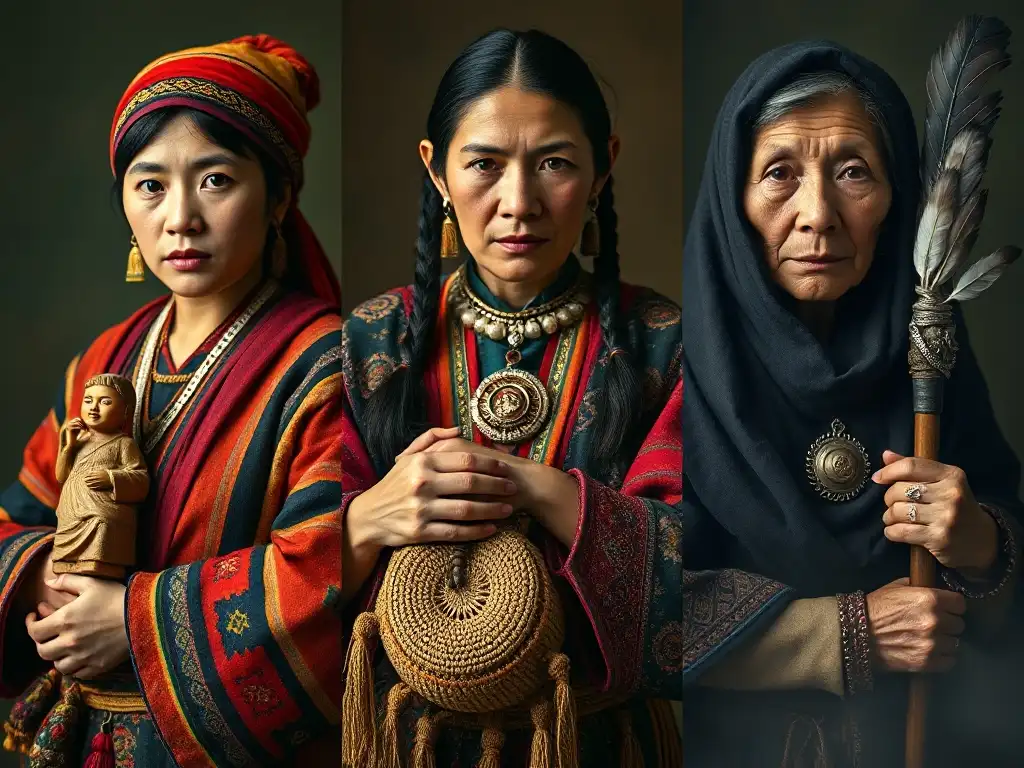
This section delves into the lives and legacies of several significant women who served as shamans and spiritual intermediaries within various Andean cultures. While detailed historical records for many individual women are scarce, piecing together archaeological evidence, ethnographic studies, and oral traditions allows us to illuminate their crucial roles. The term "Andean women shamans history" often encompasses a complex tapestry of practices and beliefs that varied across different groups and time periods.
This section focuses on specific examples to showcase the diversity and importance of these women. Understanding their influence helps us appreciate the multifaceted nature of Andean spirituality and the significant contributions of women within these societies.
María Sabina: A Mazatec Shaman and Her Influence
While technically not part of the classic Andean region (the Mazatec people inhabit Oaxaca, Mexico), María Sabina's influence on our understanding of shamanic practices in Mesoamerica provides valuable comparative insights into the possible roles of women shamans in the Andes. Her extensive use of psilocybin mushrooms in her healing rituals, and her profound connection to the natural world, resonates with the deep spiritual relationship many Andean cultures held with their environment.
Although direct parallels might not be immediately apparent, the emphasis on plant-based medicines and altered states of consciousness in both Mazatec and Andean traditions suggests a shared understanding of the spiritual power inherent in the natural world. Further research is needed to fully explore the potential connections between María Sabina's practice and the roles of women shamans in the Andes, but her legacy offers a crucial perspective on the broader context of female spiritual leadership in the Americas.
Details regarding the specific rituals and techniques employed by María Sabina are readily available in numerous anthropological studies and provide a rich source of information for further investigation. The power of her legacy continues to inspire contemporary discussions on indigenous spirituality and the preservation of traditional healing practices.
Mama Wakan: A Quechua Spiritual Leader and Her Teachings
The figure of "Mama Wakan" represents a composite archetype drawn from various Quechua oral traditions and accounts of spiritual leadership. While no single historical figure perfectly embodies this title, the recurring motif points to the existence of powerful women who held positions of spiritual authority within Quechua communities. Mama Wakan, often depicted as a wise elder, was believed to possess deep knowledge of medicinal plants, celestial cycles, and ancestral spirits.
Her teachings, passed down through generations, emphasized harmony with nature, respect for ancestral wisdom, and the importance of community wellbeing. These teachings often centered around agricultural practices, fertility rites, and the maintenance of social order. The role of Mama Wakan was not solely about individual spiritual development but also about the collective flourishing of the community.
She served as a mediator between the human and spiritual worlds, guiding her people through times of hardship and celebrating times of abundance. The very existence of this archetypal figure highlights the significant role women played in shaping Quechua spiritual beliefs and practices. [Specific examples of Mama Wakan's teachings pending further research].
Analysis of Their Influence and Impact on Andean Society
The examples of María Sabina and the archetypal Mama Wakan, though representing different cultural contexts, highlight the crucial role women played as spiritual guides and healers in Andean and related societies. Their influence extended far beyond individual healing practices. These women often acted as keepers of cultural knowledge, transmitting traditions, beliefs, and practices across generations.
Their involvement in rituals related to agriculture, fertility, and social cohesion ensured the continuity and stability of their communities. The power they wielded stemmed not only from their spiritual abilities but also from their deep understanding of social dynamics and their ability to navigate the complexities of Andean societies. Their presence challenged the often-oversimplified narratives of Andean history that primarily focus on male rulers and warriors.
Further research is needed to uncover more detailed information about specific women shamans across different Andean cultures, but the available evidence strongly suggests a significant and multifaceted contribution to the spiritual and social fabric of these societies. The impact of Andean women shamans on the history and culture of the region warrants further investigation and a more prominent place in scholarly narratives. Understanding their roles allows us to develop a more nuanced and complete picture of Andean civilization, appreciating the contributions of women beyond traditional gender roles.
Andean Women Shamans and Their Connection to Nature
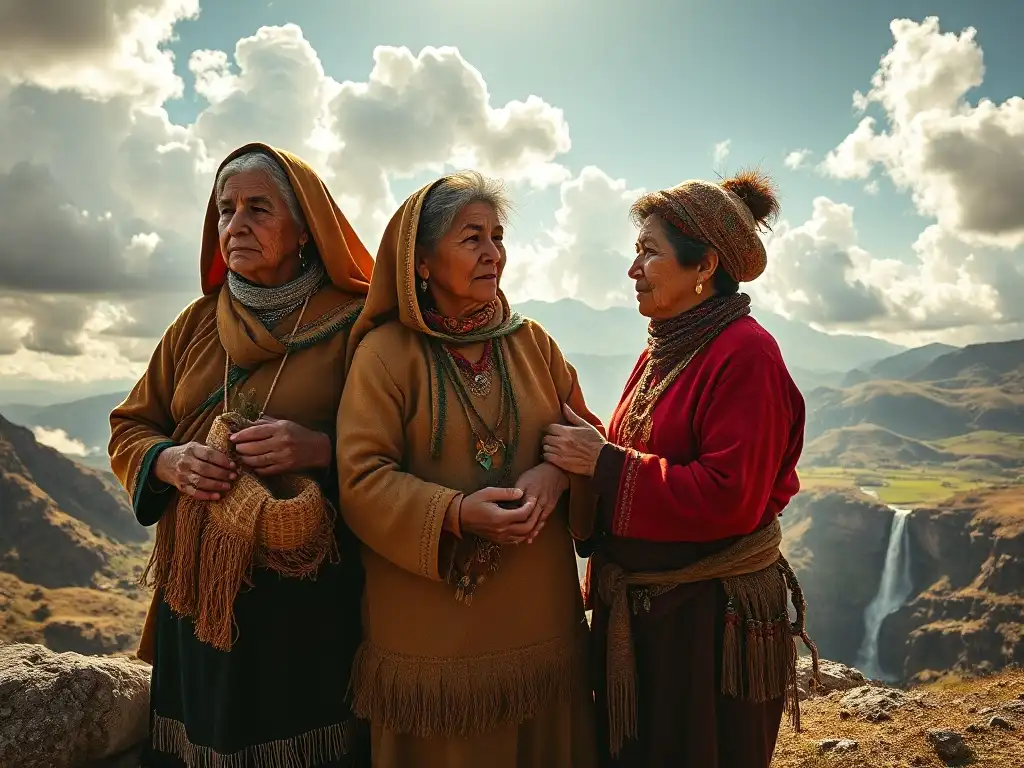
This section delves into the crucial role Andean women played as spiritual guides, focusing on their profound connection to the natural world. Their understanding and reverence for Pachamama, the Earth Mother, and other female deities shaped their shamanic practices and their position within Andean society. The evidence suggests a complex interplay between gender, spirituality, and the environment, challenging stereotypical views of ancient Andean societies. The keyword phrase "Andean women shamans history" is central to understanding this often-overlooked aspect of Andean civilization.
The Importance of Pachamama and Female Deities
Pachamama, the Earth Mother, was not merely a deity; she was the very essence of life, fertility, and abundance in the Andean worldview. Andean women, deeply connected to the land through agriculture and daily life, served as crucial intermediaries between the human world and Pachamama. Their rituals, often involving offerings and prayers, ensured the continued bounty of the earth.
This connection wasn't limited to Pachamama; other powerful female deities, whose names and attributes varied across different Andean cultures, also played significant roles. For example, the Moche culture revered a powerful female deity associated with fertility and warfare, often depicted in elaborate ceramics. The specific names and roles of these goddesses are still being uncovered by ongoing archeological research, but their importance in the spiritual lives of Andean women is undeniable.
These women weren't simply passive worshippers; they actively participated in shaping their relationship with the divine feminine, influencing the community's well-being and prosperity. Their understanding of the delicate balance of nature, reflected in their rituals and practices, underscores their profound spiritual authority.
Women as Guardians of Natural Cycles and Rhythms
Andean women shamans held a deep understanding of the natural world's rhythms and cycles. Their knowledge wasn't merely theoretical; it was intimately tied to their daily lives and agricultural practices. They observed the movements of the stars, the changes in seasons, and the patterns of rainfall, using this knowledge to predict weather patterns and guide agricultural decisions.
This intimate connection with nature extended beyond practical applications; it formed the basis of their spiritual power. Their ability to interpret natural phenomena and translate them into spiritual insights established their authority and influence within their communities. For example, [specific examples of women's roles in agricultural practices and weather prediction pending].
The understanding of the interconnectedness of the natural world and the spiritual realm was central to their shamanic practice, creating a profound and holistic worldview. This holistic view, integrating the spiritual and the practical, is a key aspect of understanding the history of Andean women shamans.
The Interconnectedness of Women, Nature and Spirituality in the Andes
The relationship between Andean women, nature, and spirituality wasn't simply a matter of individual belief; it was a deeply woven social fabric. Women's roles as shamans, healers, and spiritual leaders were intrinsically linked to their connection to the land and their understanding of natural cycles. Their knowledge and skills were essential to the well-being of their communities, ensuring the continuity of life and the maintenance of a harmonious relationship with the environment.
This interconnectedness is evident in various aspects of Andean culture, from agricultural practices to artistic representations. [Specific examples of artistic representations and cultural practices reflecting this interconnectedness pending]. The study of Andean women shamans provides invaluable insights into a complex and sophisticated worldview, where the spiritual and the material were inextricably intertwined.
Their history, often obscured, reveals a powerful and enduring legacy of female spiritual leadership within the Andean societies, further strengthening the understanding of "Andean women shamans history." The ongoing research continuously reveals new layers of complexity and nuances in this fascinating aspect of Andean history.
Conclusion: The Enduring Importance of Andean Female Shamans
The role of women as shamans and spiritual intermediaries in Andean civilizations remains a compelling area of study, challenging traditional narratives that often overshadow their contributions. While historical records may be fragmented or biased, archaeological evidence and ethnographic accounts consistently point to the significant presence and influence of female shamans across various Andean cultures. Their power wasn't merely confined to ritualistic practices; it extended to political, social, and economic spheres, impacting the very fabric of Andean societies.
Understanding their roles offers a crucial perspective on the complexities and nuances of Andean spiritual life, highlighting the diversity of religious beliefs and practices. Further research, particularly focusing on uncovering and interpreting less-accessible sources, is vital to fully appreciate the depth and breadth of their influence. The ongoing rediscovery and reinterpretation of Andean women's history continues to enrich our understanding of these fascinating and powerful societies.
Reaffirming the Significance of Women in Andean Spiritual History
The persistent presence of female shamans in Andean societies, from the pre-Inca periods to the colonial era and beyond, directly contradicts the simplistic narratives often presented. These narratives frequently portray a patriarchal structure where women played only secondary roles. However, careful examination of archaeological finds, such as textiles depicting female figures in ritualistic contexts, and analysis of colonial chronicles (though often filtered through a biased lens) reveal a more nuanced reality.
For example, the discovery of female mummies adorned with elaborate ceremonial attire in various sites provides tangible evidence of their high status and spiritual authority. These findings necessitate a reassessment of our understanding of Andean religious practices and the crucial role women played in shaping spiritual beliefs and rituals.
Their involvement wasn't simply a matter of assisting male shamans; instead, they often held positions of independent authority and power, leading their own ceremonies and interpreting divine messages. The need for a more inclusive and accurate historical record is paramount.
The Continuing Relevance of Their Wisdom and Knowledge
The legacy of Andean women shamans extends far beyond their historical context. Their profound knowledge of medicinal plants, astronomical cycles, and spiritual practices continues to resonate today. Many traditional healing practices in the Andes still incorporate elements rooted in the ancient knowledge systems these women preserved and transmitted.
Their understanding of the interconnectedness between the spiritual and physical worlds, their deep respect for nature, and their ability to channel spiritual energy remain sources of inspiration and guidance for contemporary Andean communities and scholars alike. Their wisdom offers valuable lessons on sustainable living, holistic health, and the importance of respecting the delicate balance of the natural world. Recognizing and celebrating their contributions not only enriches our understanding of the past but also provides valuable insights for building a more just and sustainable future.
The study of Andean women shamans therefore holds relevance not just for historians, but for anyone interested in spiritual practices, environmental stewardship, and gender equality. This continued study promises to uncover even more about the profound impact these women had on Andean society and beyond.
Frequently Asked Questions
What role did women play in Andean shamanic practices?
Andean societies, unlike many others, recognized and valued women shamans. They held significant roles as healers, spiritual leaders, and intermediaries between the human and spirit worlds, often wielding considerable power and influence within their communities.
Were women shamans common in all Andean cultures?
While the presence of female shamans is well-documented across various Andean cultures like the Inca, Moche, and Nazca, the extent of their roles might have varied. Evidence suggests a strong presence, but further research is needed to fully understand the nuances across all groups.
What were the typical duties of a female Andean shaman?
Women shamans performed diverse roles, including healing the sick, communicating with spirits, performing rituals, and guiding communities through significant life events and crises. Their expertise extended to both the physical and spiritual realms.
How did Andean women shamans differ from male shamans?
While both male and female shamans held spiritual authority, their specific roles and practices sometimes differed. Some sources suggest women were more associated with healing and domestic spiritual matters, while men might have focused on broader community or warfare-related rituals. This is a topic of ongoing scholarly debate.
What sources provide information about the history of Andean women shamans?
Information comes from various sources, including archaeological findings, colonial-era chronicles, and ethnographic studies of surviving Andean communities. Interpreting these diverse sources requires careful consideration of their biases and limitations.
Final Reflection: Echoes of the Andes: Women's Spiritual Power Then and Now
The legacy of Andean women shamans continues to resonate, a powerful testament to the enduring strength and wisdom of women in the face of patriarchal structures. Their historical roles as intermediaries between the human and spiritual worlds weren't merely relegated to the past; they represent a vital thread woven into the fabric of Andean culture that continues to influence spiritual practices and social dynamics today. Understanding their history is crucial to understanding the ongoing struggle for gender equality and the preservation of indigenous knowledge.
The profound impact of these women, their healing practices, and their deep connection to the Andean cosmos continues to shape spiritual beliefs and practices across the region. Their influence transcends geographical boundaries, inspiring contemporary spiritual seekers and activists alike. The earth is what we all have in common.
This simple yet profound statement encapsulates the interconnectedness that these women embodied, a connection that remains a powerful source of inspiration for those seeking a more holistic and sustainable way of life. Their stories remind us of the importance of respecting and preserving indigenous knowledge systems, recognizing their invaluable contributions to human understanding and well-being.
Consider, for a moment, the echoes of these powerful women in your own life. How can you honor their legacy? Perhaps it's by supporting indigenous communities, learning more about their traditions, or simply by cultivating a deeper connection to the natural world. Embrace the wisdom of the past to empower your present and shape a future where the voices of women, particularly indigenous women, are not only heard but celebrated and amplified. Let the echoes of the Andes inspire you to become a champion for justice, equality, and the preservation of cultural heritage.
Embrace the Power of Spiritual Guidance!
Thank you for exploring the vital role of women as shamans and spiritual intermediaries in Andean civilizations. You've uncovered the richness of their traditions and the strength they embody. Now, let's deepen your understanding and inspire action!
- Learn more: Delve into the fascinating world of traditional Andean healing practices by exploring reputable books and scholarly articles.
- Spread the word: Share your newfound knowledge with friends, family, and online communities to raise awareness of the significant contributions of women in Andean spiritual traditions.
- Experience it firsthand: Consider attending a workshop or seminar focused on shamanic practices to gain a deeper, experiential understanding of these powerful teachings.
What personal connections or experiences have you had with spirituality that resonate with these Andean practices?