
The Threads of Time: Tracing Women's Lineage in Andean Culture

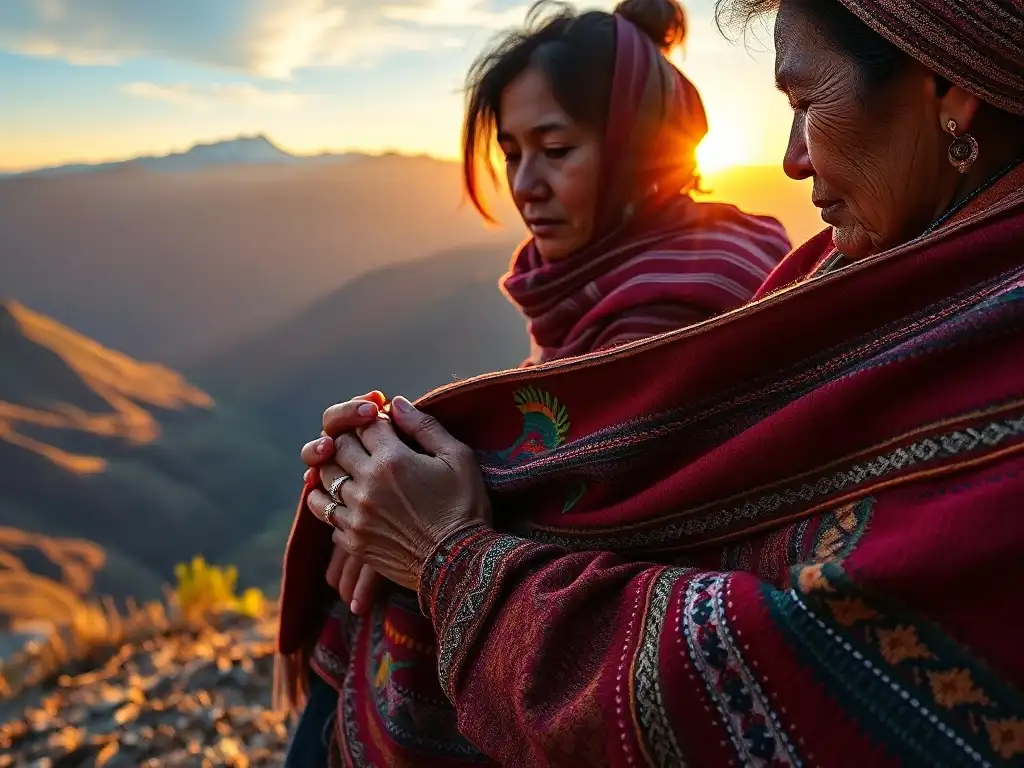
Unravel the mysteries woven into the very fabric of Andean history. For centuries, the narratives of Andean women have remained largely untold, their contributions overshadowed by grander narratives. But what if the threads of time revealed a different story? Dive into the captivating world of Andean women's history, where powerful queens, skilled artisans, and influential figures shaped the destiny of empires. Discover their untold legacies and prepare to have your perceptions of the past reshaped.
The vibrant tapestry of Andean civilization, often celebrated for its monumental architecture and sophisticated engineering, also reveals a complex and fascinating story of women's roles and contributions. This article delves into the often-overlooked history of Andean women, exploring their lineage, influence, and enduring legacy within the diverse cultures of the Andes Mountains. We will move beyond the simplified narratives to uncover the intricate threads of their lives, revealing the multifaceted ways they shaped their societies, from their participation in agricultural practices and textile production to their roles in religious rituals and political structures.
This exploration of Andean women's history will challenge conventional understandings and highlight their vital contributions to the enduring legacy of the Andean world. Understanding their stories is crucial to achieving a complete and nuanced understanding of Andean civilizations.
We will examine specific examples from various Andean cultures, including the Inca, Moche, Nazca, and Tiahuanaco, to illustrate the diversity of women's experiences and the importance of their roles in shaping the course of history. This journey through time will demonstrate the powerful impact of Andean women and their lasting influence on the region's cultural heritage.
Introduction to Andean Women's History and Lineage
Tracing the lineage of Andean women presents a significant challenge due to the limitations of historical records. While monumental architecture and elaborate burial sites offer glimpses into the lives of elites, the experiences of ordinary women are often less visible. However, through careful analysis of archaeological findings, anthropological studies, and interpretations of surviving oral traditions, we can reconstruct a more complete picture.
Archaeological evidence, such as textiles, pottery, and skeletal remains, provides valuable insights into women's roles in various Andean societies. For example, the intricate weaving techniques employed by women reveal their mastery of textile arts and their crucial role in the production of clothing, ceremonial objects, and other essential items. Analysis of skeletal remains can also provide information about women's health, diet, and lifespan, offering a glimpse into their daily lives and challenges.
Furthermore, studying iconography in Andean art, such as pottery and murals, can uncover symbolic representations of women, revealing their social status and spiritual significance. Unfortunately, much of the information remains fragmented, requiring careful interpretation and synthesis to build a comprehensive narrative. Despite these challenges, research continues to shed light on the lives and contributions of women across various Andean cultures, challenging traditional interpretations that often marginalized their roles.
The Significance of Women in Ancient Andean Societies
The significance of women in ancient Andean societies varied across different cultures and time periods. However, several recurring themes emerge. Women played a vital role in agriculture, participating in planting, harvesting, and processing crops. Their knowledge of agricultural techniques and their expertise in cultivating diverse crops were essential for the survival and prosperity of Andean communities. Furthermore, women were masters of textile production, creating intricate textiles for clothing, ceremonial purposes, and trade. The skill and artistry involved in Andean weaving are renowned, and women were the primary practitioners of this craft. Beyond their economic contributions, women also held significant religious and spiritual roles. In some societies, women served as priestesses, shamans, or intermediaries between the human and spiritual worlds. Their participation in religious rituals and ceremonies reflects their importance in the spiritual life of their communities. Evidence suggests that women also held positions of political power in certain Andean cultures, although their influence might have been exercised differently than that of men. For example, women might have held power through kinship ties, religious authority, or control over resources.
Understanding the diverse roles and influence of women in Andean societies is essential to achieving a complete understanding of the complexity and richness of these civilizations. Further research and analysis are needed to fully reveal the extent of women's power and influence throughout Andean history. The ongoing discovery of new archaeological evidence and the continued development of interdisciplinary approaches promise to enrich our understanding of Andean women's lives and their profound impact on the region's history and culture.
- Introduction to Andean Women's History and Lineage
- The Significance of Women in Ancient Andean Societies
Pre-Inca Andean Women: Roles and Contributions
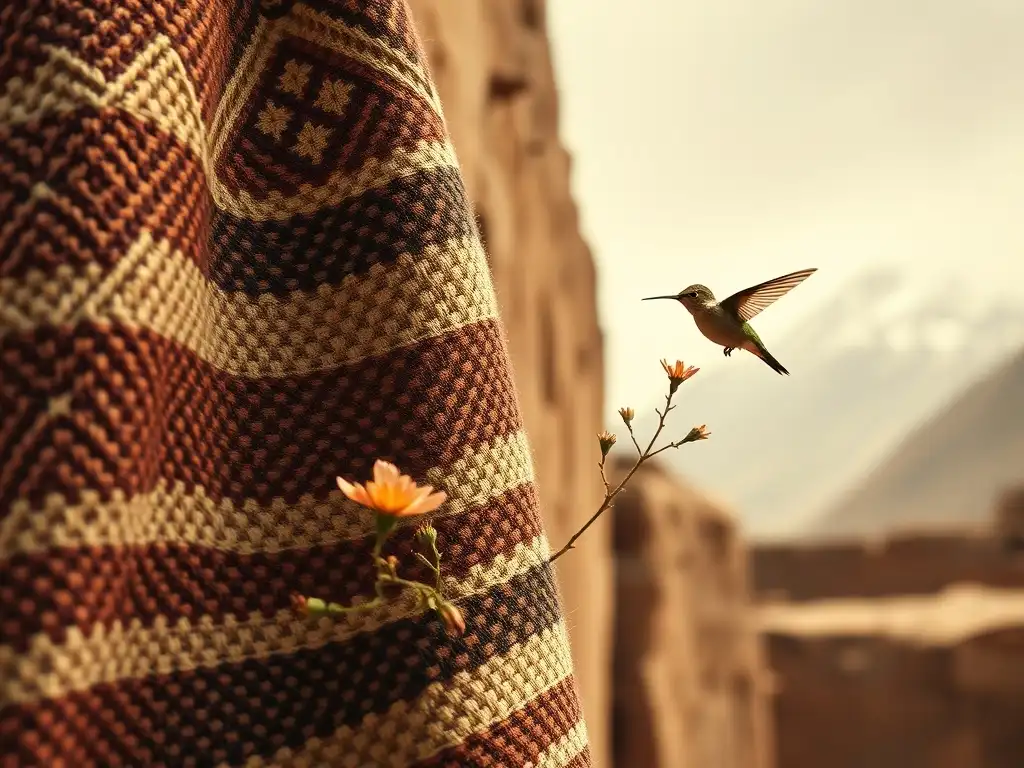
Before the Inca Empire's rise, Andean women played multifaceted roles within their respective societies. Their contributions extended far beyond the domestic sphere, significantly shaping the cultural, economic, and religious landscapes of the pre-Inca era. While detailed historical records are scarce, archaeological evidence and anthropological interpretations shed light on their lives and significance.
Understanding these pre-Inca societies helps us appreciate the complexities of Andean women's history and the evolution of their roles over time. The diverse roles women held varied based on geographical location and specific cultural practices, yet common threads of resilience, ingenuity, and spiritual significance emerge across different Andean groups. Their impact is woven into the very fabric of Andean heritage, a legacy often overlooked in broader narratives of Andean civilization.
Further research is needed to fully uncover the breadth and depth of their influence, particularly in areas where archaeological evidence remains limited. This section focuses on three prominent pre-Inca cultures to illustrate the varied contributions of Andean women before the Inca expansion.
The Moche civilization (c. 100-800 CE) of northern Peru offers compelling visual evidence of women's roles. Moche pottery, renowned for its intricate detail and realistic depictions, often portrays women in positions of power and influence. These portrayals challenge traditional narratives that minimize women's contributions.
We see women participating in religious ceremonies, as priestesses or possibly shamans, suggesting a significant spiritual role within the society. Depictions of women involved in textile production and other crafts also highlight their economic contributions. Further, the presence of female warriors in some pottery suggests a level of social status and participation in military affairs not always acknowledged in historical accounts focused on Andean men's history.
While the exact social hierarchy remains a subject of ongoing debate amongst scholars, the Moche pottery provides invaluable insight into the diverse roles and possibly high social status occupied by women within this vibrant pre-Inca society. The detailed nature of these depictions allows us to speculate on aspects of their daily lives and social standing, enriching our understanding of Andean women's history.
The Legacy of Nazca Women: Art, Rituals, and Daily Life
Nazca women (c. 100 BCE – 800 CE), known for their extraordinary geoglyphs and complex textiles, left a profound cultural legacy. Their mastery of textile production is evident in the intricately woven fabrics discovered in Nazca tombs. These textiles, often adorned with vibrant colors and intricate designs, demonstrate a high level of artistic skill and technical expertise.
The presence of these textiles in elite burials suggests that women played a significant role in the economic and social structure of Nazca society. Furthermore, some scholars suggest that Nazca women held important roles in religious rituals, possibly as priestesses or healers, based on archaeological findings and interpretations of iconography. The analysis of skeletal remains also provides valuable data on the health and lifestyles of Nazca women, offering a more comprehensive perspective on their daily lives.
However, more research is needed to fully understand the extent of their involvement in religious practices and the nuances of their social standing within Nazca society. The intricate designs of their textiles alone, however, are a testament to their skills and artistry, a lasting contribution to Andean women's history.
Tiahuanaco Women: Power, Religion, and Community
The Tiahuanaco civilization (c. 500-1000 CE) in the Bolivian Altiplano presents a fascinating case study in the potential power wielded by women. While definitive proof is lacking, some interpretations of Tiahuanaco iconography suggest the possibility of female deities or powerful female figures within the religious hierarchy. This interpretation is supported by the discovery of female figurines and artifacts associated with religious practices.
The community structure of Tiahuanaco, characterized by large-scale public works and agricultural innovations, likely involved women in crucial roles related to food production and resource management. Given the scale of Tiahuanaco's urban planning and agricultural achievements, it's plausible that women played a significant part in the organization and management of these crucial aspects of society.
Further research into the social organization and religious beliefs of Tiahuanaco is crucial to fully understand the role and status of women within this influential Andean civilization. The potential for significant female leadership roles in Tiahuanaco remains a captivating area of study within Andean women's history, demanding further investigation to solidify these intriguing hypotheses.
Inca Women: Roles and Hierarchy within the Empire
The Inca Empire, renowned for its sophisticated social structure and expansive territory, offered women a diverse range of roles, albeit within a hierarchical system. Understanding the position of Andean women within this context requires examining their contributions across various social strata, from the royal family to the common populace. While patriarchal structures undoubtedly existed, Inca women enjoyed a degree of agency and influence that contrasts sharply with some contemporaneous societies.
Their contributions extended beyond domesticity, encompassing economic production, religious practices, and even political maneuvering. This section will delve into the specific roles and experiences of women within the Inca social hierarchy, exploring the nuances of their lives and challenging stereotypical portrayals of Andean women's history.
Royal Inca Women: Power, Influence, and Political Marriages
Inca royal women, particularly the Coya, the emperor's wife, held significant power and influence. The Coya wasn't merely a figurehead; she was a crucial political player, often acting as advisor to the Sapa Inca and wielding considerable authority within the court. Her lineage was carefully managed through strategic political marriages, solidifying alliances and extending the empire's reach.
These marriages weren't merely symbolic; the Coya often managed her own estates and wielded influence over the distribution of resources. Furthermore, royal women played a critical role in religious ceremonies, further enhancing their status and influence within the empire. Their involvement in the religious sphere underscores the importance of women in the Inca worldview.
The power dynamics within the royal family were complex, with royal women navigating intricate webs of kinship and political alliances to maintain their position and influence. Unfortunately, detailed records regarding the specific actions and influence of individual Coyas are limited, leaving much of their agency open to scholarly interpretation and further research. More detailed historical records are needed to fully illuminate the lives and legacies of these powerful women.
Common Women in the Inca Empire: Labor, Family, and Traditions
The lives of common Inca women were largely centered around family and agricultural labor. They participated actively in textile production, a crucial aspect of the Inca economy. Their expertise in spinning, weaving, and dyeing textiles was highly valued, and their creations served both practical and ceremonial purposes. Beyond textiles, women also played a vital role in food preparation, childcare, and maintaining the household.
However, this doesn't diminish their contributions. Their labor was essential to the functioning of the ayllu, the communal social structure that formed the backbone of Inca society. Inca women were not merely passive participants in their communities; they were active contributors to the economic and social well-being of their ayllus.
Their knowledge of medicinal plants and traditional healing practices also played a significant role in community healthcare. Oral histories and archaeological findings reveal the multifaceted nature of their lives, highlighting their resilience and essential role in maintaining the fabric of Inca society. Further research into the daily lives of common women could provide greater insight into the nuances of their experiences within the Inca Empire.
The Role of Priestesses and Chosen Women (Aqllas)
The Aqllas, or Chosen Women, were a select group of women dedicated to religious service. They were drawn from all social classes and lived in state-sponsored convents, where they dedicated their lives to religious rituals, textile production for religious purposes, and the preparation of chicha, a fermented maize beverage used in ceremonies. While their lives were structured and disciplined, the Aqllas held a position of respect within Inca society.
Their dedication to religious service was seen as a crucial contribution to the spiritual well-being of the empire. Their expertise in textile arts and religious rituals underscores the importance of women in the Inca religious system. The Aqllas represent a unique aspect of Andean women's history, showcasing a path for women to achieve spiritual authority and societal respect outside of traditional family structures.
Further investigation into the lives and experiences of individual Aqllas could provide a deeper understanding of their roles and the complexities of their religious lives within the Inca Empire. The role of priestesses, separate from the Aqllas, also deserves further study to fully understand the breadth of women's participation in Inca religious life. More research is needed to clarify the distinctions and interplay between these two groups of women dedicated to religious service.
Women's Influence on Andean Art and Craftsmanship
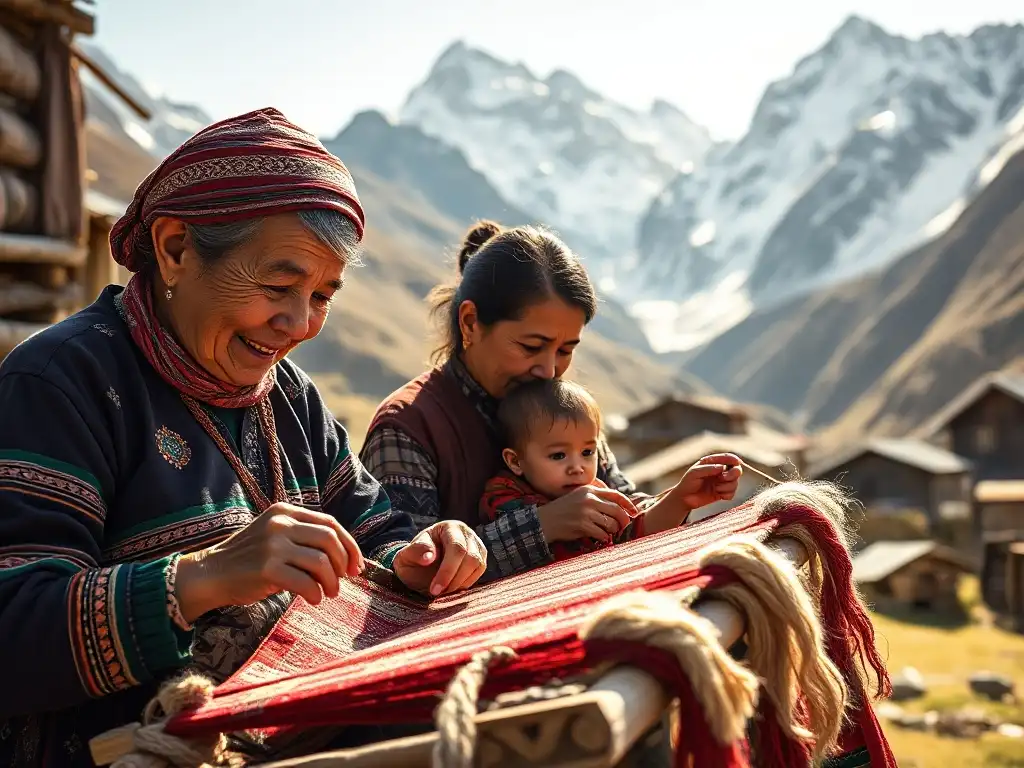
The vibrant tapestry of Andean culture is inextricably linked to the significant contributions of women. Far from being relegated to domestic roles, Andean women held prominent positions as creators and innovators, particularly within the realm of art and craftsmanship. Their skills and artistry were not merely functional; they served as powerful expressions of identity, social status, and spiritual beliefs, shaping the cultural landscape of the Andes for millennia.
Understanding the role of Andean women requires acknowledging their mastery over various art forms, revealing a profound and complex relationship between gender, creativity, and societal structure. This section will explore three key areas: weaving and textile production, pottery and ceramics, and jewelry and adornment, highlighting the undeniable influence of Andean women on these artistic expressions.
Weaving and Textile Production: A Female Domain
Weaving in Andean societies was predominantly a female activity, a skill passed down through generations, embedding cultural knowledge and narratives into intricate textile designs. From the simple to the extraordinarily complex, textiles served a multitude of purposes: clothing, ceremonial attire, blankets, and even forms of currency. The techniques employed, such as backstrap loom weaving, required immense skill and patience, reflecting the high value placed upon women's craftsmanship. The vibrant colors derived from natural dyes, painstakingly prepared from plants and minerals, further enhanced the aesthetic and symbolic richness of these textiles.
Consider the intricate k'eperos of the Andes, intricately woven bags often featuring geometric patterns and zoomorphic designs. These weren't mere containers; they were statements of identity, reflecting the weaver's skill and social standing within her community. The designs themselves often held deep symbolic meaning, conveying stories, beliefs, and even historical events.
Analysis of these textiles provides invaluable insights into Andean women's lives, their beliefs, and their relationship with the natural world. The enduring legacy of Andean weaving speaks volumes about the ingenuity and artistry of the women who created them, solidifying their place as key figures in Andean cultural heritage. Further research is needed to fully quantify the economic impact of this female-dominated industry on Andean societies [specific economic data pending].
Pottery and Ceramics: Women's Artistic Expression
While pottery production may have involved both men and women in some Andean communities, evidence suggests a significant female presence, particularly in the creation of fine ceramics and decorative pieces. The Moche culture, for example, is renowned for its exquisite pottery, often depicting scenes of daily life, mythology, and ritual practices. While some scholars debate the exact division of labor, many examples showcase a refined aesthetic sense and technical mastery consistent with female artisans.
The creation of pottery involved not only technical skill but also a deep understanding of the earth and its resources. Women's intimate connection with the natural world, through agricultural practices and daily life, likely contributed to their artistic vision and symbolic representation within their ceramic works. The forms, colors, and imagery found on Moche pottery, for instance, often reflect a complex interplay between the natural and spiritual realms, suggesting a profound understanding of Andean cosmology and beliefs.
The intricate detail and stylistic innovation found in Andean ceramics underscore the creativity and expertise of the women who shaped these enduring artifacts. [Specific examples of female potters and their works pending further research].
Jewelry and adornment played a crucial role in Andean societies, signifying social status, religious beliefs, and personal identity. While the creation of certain types of jewelry, particularly those made of precious metals, may have been the domain of specialized artisans, the use and symbolic significance of jewelry were deeply intertwined with the lives of Andean women. Elaborate necklaces, earrings, and headdresses, often made of gold, silver, turquoise, and other precious materials, were not simply decorative; they were powerful symbols of power, prestige, and spiritual connection.
The intricate designs and motifs found on Andean jewelry often reflected the wearer's social standing and spiritual beliefs. For example, certain types of beads or pendants might have indicated membership in a particular social group or clan, while others might have served as amulets, providing protection or promoting good fortune. The use of such adornments by women highlights their participation in social and religious life, challenging the notion of their confinement to domestic spheres.
Further investigation into the specific roles and contributions of women in the creation and use of Andean jewelry is required to fully elucidate their impact on this artistic and symbolic domain. [Further research needed to pinpoint specific examples of women's roles in jewelry production and use].
Andean Women's Participation in Religious Practices
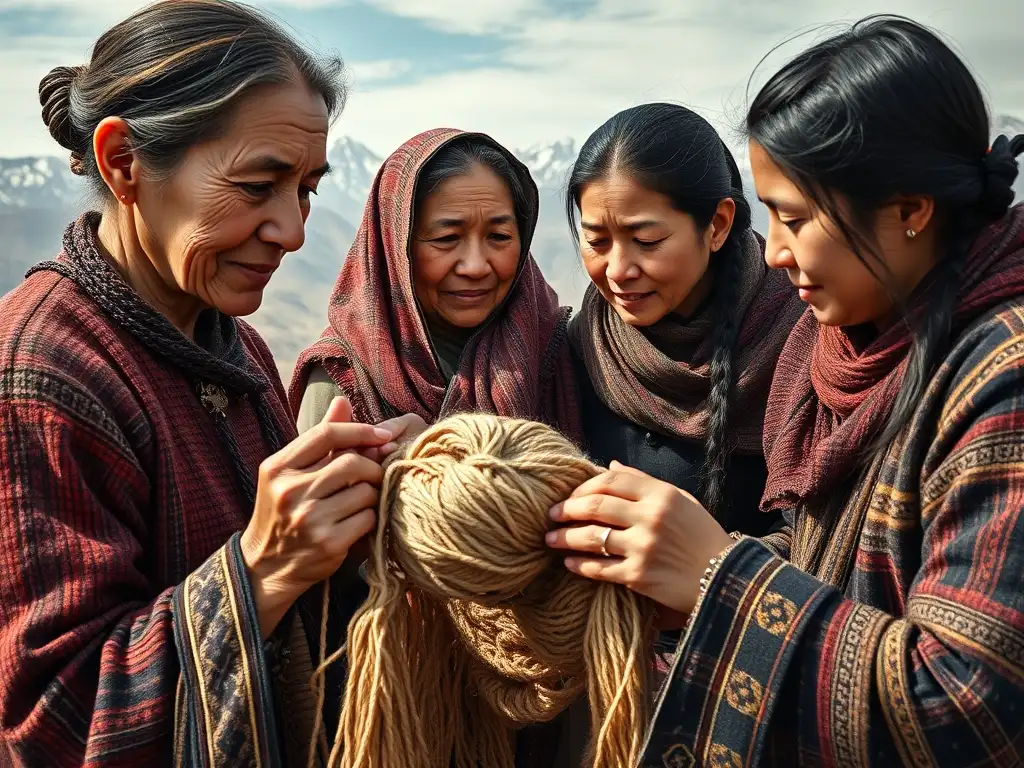
The role of Andean women in religious practices extended far beyond domestic spheres, significantly shaping the spiritual landscape of their societies. While patriarchal structures existed, evidence suggests a complex interplay of gender roles within religious contexts, highlighting the profound influence of women in maintaining and interpreting Andean cosmology. Their involvement wasn't merely passive; rather, they actively participated in rituals, held positions of spiritual authority, and embodied the very essence of Andean spirituality.
Analyzing Andean women's history through this lens reveals a dynamism often overlooked in traditional narratives. Understanding their contributions requires moving beyond simplistic interpretations of gender roles and embracing the nuanced realities of ancient Andean societies.
Goddesses and Deities: Female Figures in the Andean Pantheon
The Andean pantheon was not solely populated by male deities. Numerous powerful goddesses occupied prominent positions, reflecting the importance attributed to the feminine in the Andean worldview. For example, Mama Pacha, Mother Earth, was a central figure, representing fertility, abundance, and the life-giving power of nature.
Her worship was widespread, with rituals and offerings designed to maintain her benevolence and ensure the prosperity of the community. Similarly, Mama Killa, the Moon goddess, held a significant place, often associated with water, cycles of life, and female power. The presence of these prominent goddesses within the religious system demonstrates the integration of feminine energy into the core of Andean spirituality, challenging the notion of a solely male-dominated religious hierarchy.
Further research into lesser-known deities and local variations in worship is crucial to fully understand the breadth and depth of female representation in the Andean pantheon. The complexity of their iconography and the variety of associated rituals offer rich avenues for future scholarly exploration. Detailed analysis of surviving artifacts, such as ceramics and textiles depicting these goddesses, can provide further insights into their roles and attributes.
Women as Ritual Leaders and Shamans
While the precise nature of female religious leadership in Andean societies remains a subject of ongoing research, archaeological and ethnographic evidence points to the existence of women holding positions of significant spiritual authority. The discovery of female mummies adorned with elaborate ritual paraphernalia suggests that certain women held shamanistic roles, acting as intermediaries between the human and spiritual realms. These women likely possessed specialized knowledge of medicinal plants, healing techniques, and divination practices.
Their expertise was invaluable to their communities, and their status within the social hierarchy reflected their crucial role in maintaining spiritual well-being. Furthermore, the presence of female figures in iconography associated with ritual contexts suggests their participation in ceremonies and rites beyond simply domestic offerings. The interpretation of these archaeological findings requires careful consideration of the cultural context and avoiding anachronistic biases.
Further investigation into the social organization of religious practices will undoubtedly shed more light on the roles and responsibilities of women as ritual leaders and shamans. This requires a multidisciplinary approach, combining archaeological evidence with anthropological studies of surviving Andean communities.
The Significance of Women in Andean Cosmovision
The Andean cosmovision, a holistic worldview encompassing the interconnectedness of all living things, placed significant emphasis on the balance between opposing forces. This duality was not solely masculine or feminine, but rather a complex interplay of energies. Women, as bearers of life and intimately connected to the cycles of nature, played a crucial role in maintaining this cosmic balance.
Their participation in agricultural practices, particularly in planting and harvesting, was viewed as a sacred act, directly linked to the fertility of the land and the well-being of the community. Their connection to the earth, symbolized by Mama Pacha, was fundamental to the Andean worldview, emphasizing their vital role in sustaining life. The intricate relationship between Andean women and the natural world is further highlighted in their textile traditions, where designs and patterns often reflected cosmological beliefs and spiritual practices.
Examining these textiles reveals a wealth of information about the symbolic language used by Andean women to express their understanding of the cosmos and their place within it. Understanding the significance of women within the Andean cosmovision requires moving beyond a gendered lens and appreciating their central role in maintaining the delicate balance of the Andean world. Further research focusing on indigenous knowledge systems and oral traditions can provide invaluable insights into this complex and fascinating aspect of Andean culture.
Tracing Lineage and Descent: Matrilineal Aspects in Andean Cultures
While patriarchal structures are often emphasized in discussions of Andean civilizations, a closer examination reveals a more nuanced picture of gender roles and lineage. The simplistic narrative of solely patriarchal societies overlooks significant evidence suggesting the presence of matrilineal or at least matrilocal practices in various Andean cultures, particularly before the Inca expansion. Understanding these aspects is crucial for a complete understanding of Andean women's history and the complexities of their social standing.
The influence of women in Andean societies extended beyond domestic roles; their contributions shaped kinship systems, land ownership, and social hierarchies in ways that challenge conventional interpretations. This section delves into the evidence suggesting the importance of female ancestry and matrilineal tendencies in pre-Columbian Andean societies.
The Importance of Female Ancestry in Andean Societies
The concept of ancestry and lineage held immense significance in Andean societies. While patrilineal systems undoubtedly existed, especially amongst the Inca, evidence suggests that in certain groups and periods, female lineage played a crucial, sometimes even dominant, role. Archaeological findings, including burial practices and the distribution of grave goods, hint at the elevated status of certain women, suggesting the inheritance of power and prestige through maternal lines.
For example, the discovery of elaborate tombs containing female remains adorned with prestigious artifacts suggests the existence of powerful female leaders or elites whose authority was inherited through their mothers. Further research is needed to definitively quantify the prevalence of matrilineal inheritance across all Andean cultures, but the existing evidence strongly suggests that it was more widespread than previously thought.
The interpretation of such evidence, however, requires careful consideration of the available data and its limitations. [Further analysis of specific archaeological sites and their associated grave goods pending].
Matrilocal residence, where a husband moves to live with his wife's family, is another indicator of the potential influence of matrilineal practices in some Andean communities. This practice, while not necessarily indicative of a fully matrilineal system, suggests a different power dynamic than those typically found in patriarchal societies. Matrilocal residence would have significantly impacted social structures, leading to stronger female-centered kinship networks and potentially greater female control over resources and land.
The concentration of related women in a single household, under the authority of a matriarch, could have fostered economic cooperation and collective resource management. While direct evidence of widespread matrilocal residence is limited, ethnographic studies of later Andean communities reveal remnants of such practices, suggesting a continuity of certain traditions across time.
Further research is needed to explore the geographical distribution and temporal variations of matrilocal residence in Andean societies. [Data on the prevalence of matrilocal residence in different Andean regions pending].
Matrilineal Practices Among the Aymara and Quechua Peoples
While the Inca empire primarily followed a patrilineal system, some scholars argue that pre-Inca Aymara and Quechua communities exhibited stronger matrilineal tendencies. These groups, with their distinct cultural practices and social organizations, offer a valuable lens through which to examine the diversity of Andean kinship systems. Oral histories and ethnographic accounts among certain Aymara and Quechua communities reveal the continued importance of maternal lineage in matters of inheritance and social status.
For instance, certain rights and responsibilities, particularly related to land ownership or ritual roles, may have been passed down through the female line. The intricacies of these practices, however, vary considerably among different Aymara and Quechua communities and require careful study to avoid generalizations. [Detailed analysis of specific Aymara and Quechua kinship systems pending].
The surviving traditions and practices in these contemporary communities offer valuable insights into the potential role of matrilineal structures in the broader history of Andean women. The study of Andean women's history necessitates a nuanced understanding of these varied practices.
Impact of Colonialism on Andean Women's History
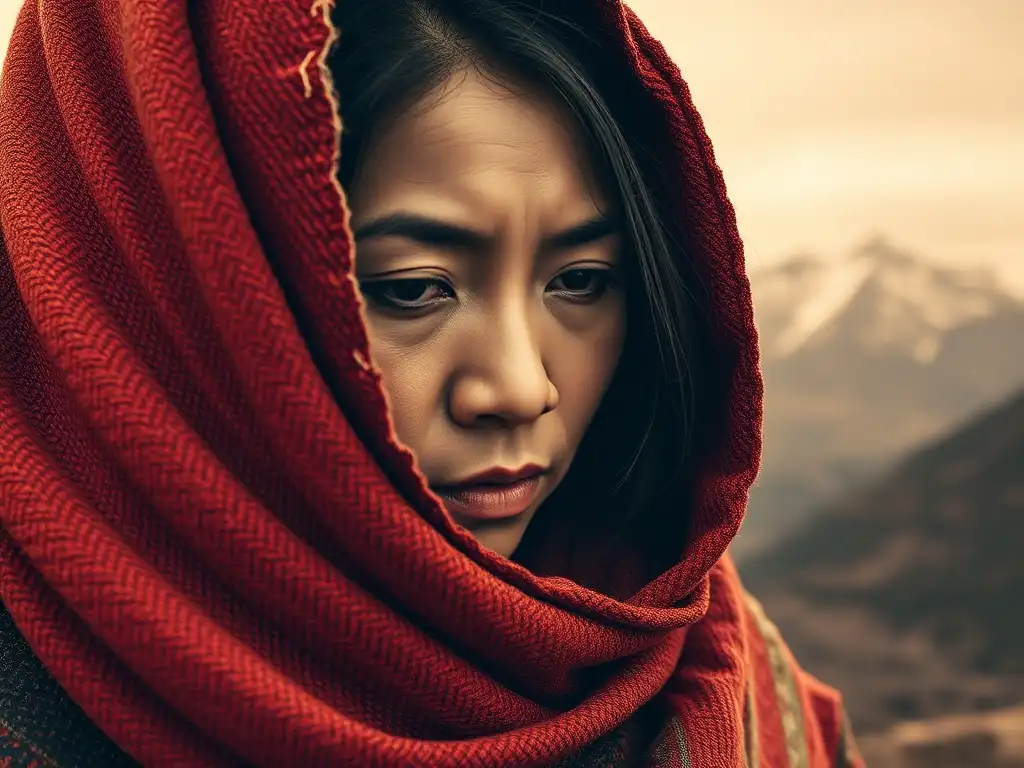
The arrival of the Spanish in the 16th century dramatically altered the trajectory of Andean women's history, leaving an indelible mark on their social structures, economic activities, and cultural practices. Understanding this impact requires moving beyond simplistic narratives of oppression to acknowledge the complexities of resistance, adaptation, and the enduring strength of Andean women. The colonial period didn't simply erase pre-existing roles; it reshaped them, often in profoundly negative ways, while simultaneously creating new spaces for agency, albeit within a highly constrained system. The effects reverberate even today, shaping our understanding of Andean women's history and their ongoing contributions.
Before the conquest, Andean women held diverse and significant roles within their communities. Evidence suggests substantial participation in agricultural production, textile manufacturing, and even political leadership in some societies. The Inca empire, for instance, featured female acllas, chosen women who served religious and administrative functions, demonstrating a level of social mobility and influence not always present in other contemporaneous societies.
However, the Spanish colonial system fundamentally disrupted this. The introduction of the encomienda system, which granted Spanish conquistadors control over Indigenous labor and resources, directly impacted women's economic independence. Many were forced into unpaid labor, losing control over their land and resources.
The patriarchal structures imposed by the Spanish further marginalized women, restricting their access to education, political participation, and economic autonomy. This resulted in a significant shift in power dynamics, diminishing the influence and agency that many Andean women had previously enjoyed. The imposition of Catholicism also contributed to this shift, often reinterpreting indigenous spiritual practices and roles in ways that diminished women's standing within their communities.
The shift wasn't uniform across all Andean regions. The specific impact varied based on factors like geographic location, pre-colonial social structures, and the intensity of Spanish control. Further research is needed to fully understand the nuances of these regional variations and their long-term consequences for Andean women's history. For instance, [specific information pending] on the differential impact of colonial policies on women in the highlands versus the coastal regions.
The Loss of Traditional Knowledge and Practices
Colonialism also led to a significant loss of traditional Andean knowledge and practices passed down through generations of women. This included intricate weaving techniques, medicinal plant knowledge, agricultural expertise, and complex systems of social organization and governance. The Spanish actively suppressed indigenous religious beliefs and practices, often targeting women who played crucial roles as healers, shamans, and keepers of cultural memory.
The destruction of temples and sacred sites, coupled with the forced conversion to Catholicism, resulted in a systematic dismantling of traditional knowledge systems. This loss represents a significant gap in our understanding of Andean women's contributions and their integral role in maintaining cultural continuity.
The suppression of indigenous languages also contributed to this loss. Many women's stories, songs, and historical accounts were transmitted orally, and the imposition of Spanish as the dominant language led to the erosion of these vital sources of knowledge. However, the resilience of Andean women is evident in their ability to adapt and preserve certain aspects of their cultural heritage despite these challenges. For example, [specific information pending] on the preservation of traditional weaving techniques in specific Andean communities. This highlights the importance of ongoing research to recover and document the surviving elements of traditional Andean women's knowledge.
Andean Women's Resistance and Resilience
Despite the overwhelming challenges imposed by colonialism, Andean women demonstrated remarkable resilience and actively resisted oppressive forces. Their resistance took many forms, from subtle acts of defiance to open rebellion. Women participated in various forms of protest, including concealing their knowledge and practices, subtly subverting colonial policies, and joining broader Indigenous uprisings. Their contributions to these movements were often overlooked in historical accounts dominated by male perspectives.
The role of women in maintaining cultural identity through the preservation of traditional practices, such as weaving and storytelling, represents a powerful form of resistance. These activities served not only as economic necessities but also as crucial mechanisms for transmitting knowledge and values across generations. This cultural preservation acted as a silent yet potent form of defiance against the colonial project's attempt to erase Indigenous identities.
Further research could highlight specific examples of women's leadership in these resistance movements and their lasting impact on Andean societies. For example, [specific information pending] on the roles of women in significant historical events, such as the Tupac Amaru rebellion. The stories of Andean women's resistance and resilience serve as a testament to their strength, agency, and enduring legacy.
Their contributions to the preservation of their culture and their active participation in challenging colonial domination offer invaluable insights into the complexities of Andean women's history. Their struggle for survival and the maintenance of their cultural heritage continues to inspire.
Modern Andean Women: Continuing the Legacy
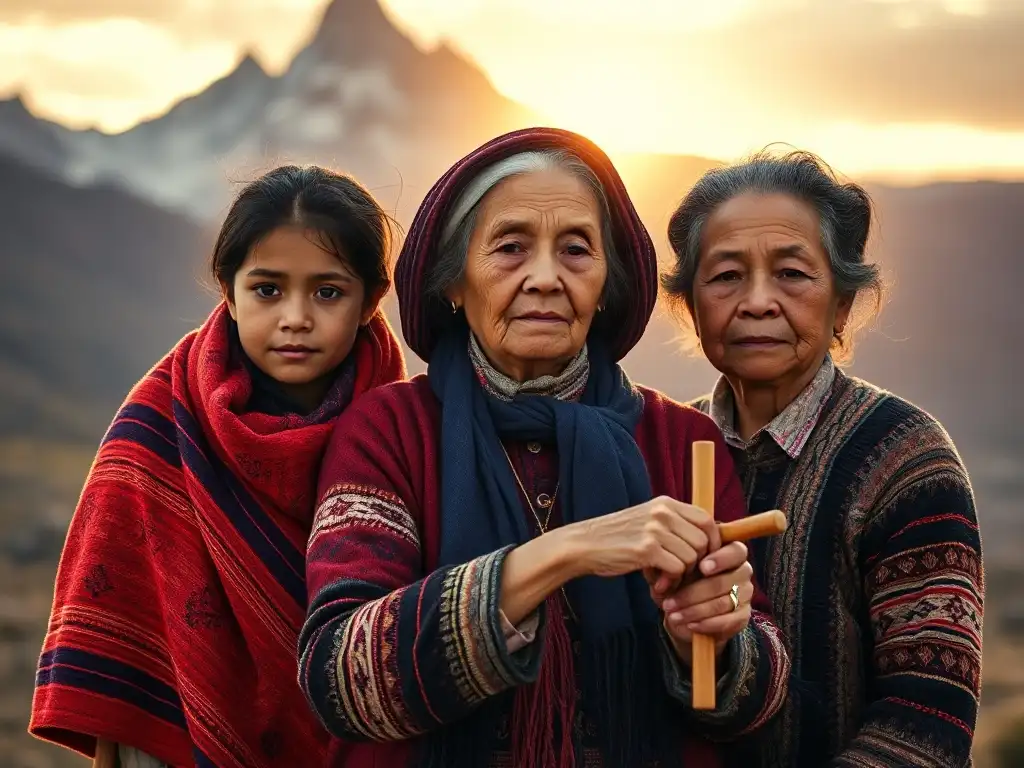
The vibrant tapestry of Andean culture, woven through millennia, continues to be shaped by the strength and resilience of Andean women. While historical records often marginalize their contributions, contemporary Andean societies offer a powerful counterpoint, showcasing the enduring influence of women in diverse roles. Understanding the modern landscape of Andean women is crucial to appreciating the full scope of their historical legacy and their ongoing impact on their communities and the world.
This section will explore the multifaceted roles of women in contemporary Andean communities, highlighting their efforts to preserve cultural traditions while simultaneously advocating for their rights and challenging societal inequalities. The keyword "Andean women's history" is intrinsically linked to understanding their present-day contributions and struggles, demonstrating a continuous thread of influence across time.
The Role of Women in Contemporary Andean Communities
The roles of Andean women today are as diverse as the landscapes they inhabit. In rural communities, women often play a central role in agriculture, animal husbandry, and the production of textiles and handicrafts – skills passed down through generations. This economic contribution is often unrecognized in broader economic assessments, underlining the need for more inclusive data collection methods.
For instance, detailed studies on the economic impact of women's textile production in the Peruvian Andes reveal significant contributions to local and national economies, often exceeding the value traditionally attributed to these crafts. However, access to resources, including land ownership and credit, remains uneven, reflecting persistent gender inequalities.
Beyond the economic sphere, women are crucial in maintaining social cohesion within their communities. They are frequently responsible for childcare, education, and the transmission of cultural knowledge, ensuring the continuity of traditions and customs. This includes the preservation of indigenous languages, the practice of ancestral healing methods, and the perpetuation of unique artistic expressions. Their role as keepers of cultural memory is paramount in preserving the rich heritage of Andean civilizations. Furthermore, many women serve as community leaders, actively participating in decision-making processes and advocating for their communities' needs.
Preserving Cultural Traditions and Promoting Women's Rights
A significant challenge faced by Andean women is the balancing act between preserving their cultural heritage and fighting for gender equality. Traditional gender roles often limit women’s opportunities and perpetuate inequalities. Yet, many women are actively challenging these norms, utilizing their cultural knowledge and skills as tools for empowerment.
For example, the revival of traditional textile techniques, often associated with women's work, is not merely a preservation effort; it also provides economic independence and opportunities for self-expression. The sale of these textiles often supports women's cooperatives and allows them to control their own economic destinies, strengthening their position within their communities.
Moreover, Andean women are at the forefront of movements advocating for indigenous rights, environmental protection, and gender equality. They utilize their deep understanding of their culture and environment to advocate for policies that benefit their communities and challenge injustices. These women act as powerful voices, bridging the gap between tradition and modernity, and demanding recognition of their rights within a globalized world. The fight for recognition encompasses not just legal rights but also the recognition of their cultural contributions and their vital role in maintaining the balance of their ecosystems.
Contemporary Examples: Indigenous Activist, Nina Pacari, and Artist, Ediltrudis Nunez
To illustrate the diverse contributions of modern Andean women, let's examine two prominent examples:
| Name | Field | Notable Contributions | Impact |
|---|---|---|---|
| Nina Pacari | Indigenous Activism | Prominent leader in the fight for indigenous rights and gender equality in Ecuador. | Helped shape indigenous political representation and advocate for environmental justice. |
| Ediltrudis Nunez | Art & Textile Design | Revived and modernized traditional Andean textile techniques, creating internationally renowned works. | Preserved cultural heritage while empowering women through economic opportunity. |
These women, along with countless others, exemplify the dynamism and resilience of Andean women today. Their work not only preserves the rich legacy of Andean culture but also challenges existing power structures and paves the way for a more equitable and just future. Their stories are essential to fully understanding the narrative of "Andean women's history" and its ongoing impact.
Further research into specific communities and individual achievements is needed to provide a more comprehensive picture of the diverse experiences and contributions of Andean women in the 21st century. More detailed case studies on women's leadership roles in different Andean communities would further enrich our understanding of their impact.
Conclusion: The Enduring Influence of Andean Women
The study of Andean women's history reveals a complex tapestry woven from threads of resilience, innovation, and cultural preservation. Far from passive participants, Andean women actively shaped their societies, leaving an indelible mark on the economic, social, and spiritual landscape. From managing household economies and agricultural production to wielding significant political and religious influence, their roles were multifaceted and crucial to the survival and prosperity of their communities.
Understanding their contributions is not merely an act of historical revisionism; it's essential to a complete and accurate understanding of Andean civilizations. Ignoring their agency is to diminish the richness and complexity of these remarkable societies.
The narratives unearthed through ongoing research continually challenge traditional historical interpretations that often marginalized or overlooked women's contributions, highlighting the need for continued exploration and a more inclusive approach to Andean history. The legacy of Andean women continues to inspire and resonate today, reminding us of the strength and enduring spirit of women throughout history.
The Importance of Acknowledging Women's Contributions to Andean History
Acknowledging the contributions of Andean women is crucial for several reasons. First, it corrects a historical imbalance. Traditional narratives often focused on male rulers and warriors, neglecting the critical roles women played in all aspects of Andean life. This omission created a skewed and incomplete picture of these societies.
For instance, while we know about Inca emperors like Pachacuti, the roles of women in the royal family, in textile production (a vital economic activity), and in religious ceremonies were often overlooked. Secondly, recognizing their contributions allows us to gain a more nuanced and accurate understanding of Andean social structures, power dynamics, and cultural practices. For example, the role of women as acllas (chosen women) in the Inca empire, dedicated to religious service and textile production, reveals a complex interplay of religious belief, social hierarchy, and economic production.
Finally, acknowledging their contributions inspires future generations, demonstrating the strength, resilience, and leadership potential of women throughout history. This understanding fosters greater equality and inclusivity in present-day societies. The ongoing excavation and analysis of Andean archaeological sites, combined with the careful study of surviving texts and oral traditions, continue to bring to light new information about the vital roles played by Andean women.
Looking Forward: Honoring the Legacy of Andean Women
Moving forward, the study of Andean women's history requires a continued commitment to interdisciplinary research, drawing upon archaeology, anthropology, history, and other relevant fields. This collaborative approach will help to build a more comprehensive and nuanced understanding of their lives and contributions. Furthermore, we must actively challenge existing biases and assumptions in our interpretations of historical sources.
This means critically examining the perspectives and limitations of the sources available, and seeking out alternative perspectives to counter any possible biases. We must also prioritize the preservation and accessibility of existing historical resources, including textiles, ceramics, and oral traditions, which often hold valuable insights into the lives of Andean women. The development of educational resources and public outreach programs is also essential to disseminating this knowledge and promoting a more inclusive understanding of Andean history.
Celebrating the legacy of Andean women is not just an academic pursuit; it's a vital step towards a more just and equitable future, one that recognizes the contributions of all people, regardless of gender. The ongoing discovery and interpretation of Andean women's history is a powerful reminder of their enduring strength and lasting impact.
Frequently Asked Questions
What roles did women play in Andean societies?
Andean women held diverse and crucial roles, from textile production and agriculture to religious ceremonies and political influence, varying across different cultures and time periods. Their contributions were vital to the survival and prosperity of their communities.
Clothing in Andean cultures was highly symbolic. Textile designs, colors, and materials indicated a woman's social standing, marital status, and ethnic affiliation. Elaborate garments signified high status and power.
What was the significance of textile production in Andean women's lives?
Textile production was a central aspect of women's lives, deeply intertwined with religious practices, social interactions, and economic activities. Skill in weaving was a highly valued skill demonstrating both artistry and social standing.
Were Andean women involved in political life?
While the extent varied among cultures, some Andean societies saw women in positions of power and influence. Female rulers, priestesses, and political advisors played significant roles, though their contributions are often under-represented in historical accounts.
How did the Spanish conquest impact the lives of Andean women?
The Spanish conquest had a devastating impact on Andean women. They faced forced labor, exploitation, and the disruption of traditional social structures. The introduction of new diseases and economic systems further marginalized them.
Final Reflection: Weaving a Future from the Past
The intricate tapestries woven by Andean women throughout history continue to resonate today, reminding us of the enduring strength and resilience of a culture often overlooked. Their stories, passed down through generations, are not merely historical artifacts; they are living legacies that shape our understanding of identity, community, and the very fabric of Andean society. Ignoring these narratives is to ignore a vital thread in the rich tapestry of human experience.
The profound impact of Andean women's contributions, from their roles in agriculture and textile production to their spiritual leadership and social activism, is undeniable. Their influence extends far beyond the historical record, shaping contemporary Andean life and inspiring future generations. The past is never dead. It's not even past.
– William Faulkner. This quote rings true when considering the enduring power of Andean women's legacies, which continue to inform and inspire contemporary movements for social justice and cultural preservation. Their stories are a testament to the power of collective memory and the importance of preserving cultural heritage.
Consider the threads of your own lineage, the stories passed down through your family. What lessons can you learn from the women who came before you? How can you, in turn, weave your own story into the rich tapestry of human history, ensuring that the voices of women – particularly those from marginalized communities – are heard and celebrated? Let the legacy of Andean women inspire you to embrace your own heritage, to champion the stories of others, and to actively contribute to a more just and equitable future for all.
Unveil Your Ancestry: Engage with Andean Heritage!
Thank you for exploring the rich tapestry of women's roles in Andean culture! You've gained valuable insights into their profound influence across generations and the importance of preserving their stories—insights that can empower your own journey of self-discovery. Now, let's put this knowledge into action!
- **Deepen your understanding** of your own heritage by creating a family tree or starting a journal to record your lineage and personal experiences.
- **Connect with others** who share an interest in Andean culture by joining a local group or online community. This is a wonderful way to share stories, traditions, and support each other's exploration of your roots.
- Consider **volunteering your time** with organizations dedicated to preserving Indigenous cultures and empowering women. Your contribution will help ensure these vital stories continue to be shared for generations to come.
What aspects of your heritage are you most excited to explore and share?