
The Faces of the Past: Reconstructing the Lives of Andean Women

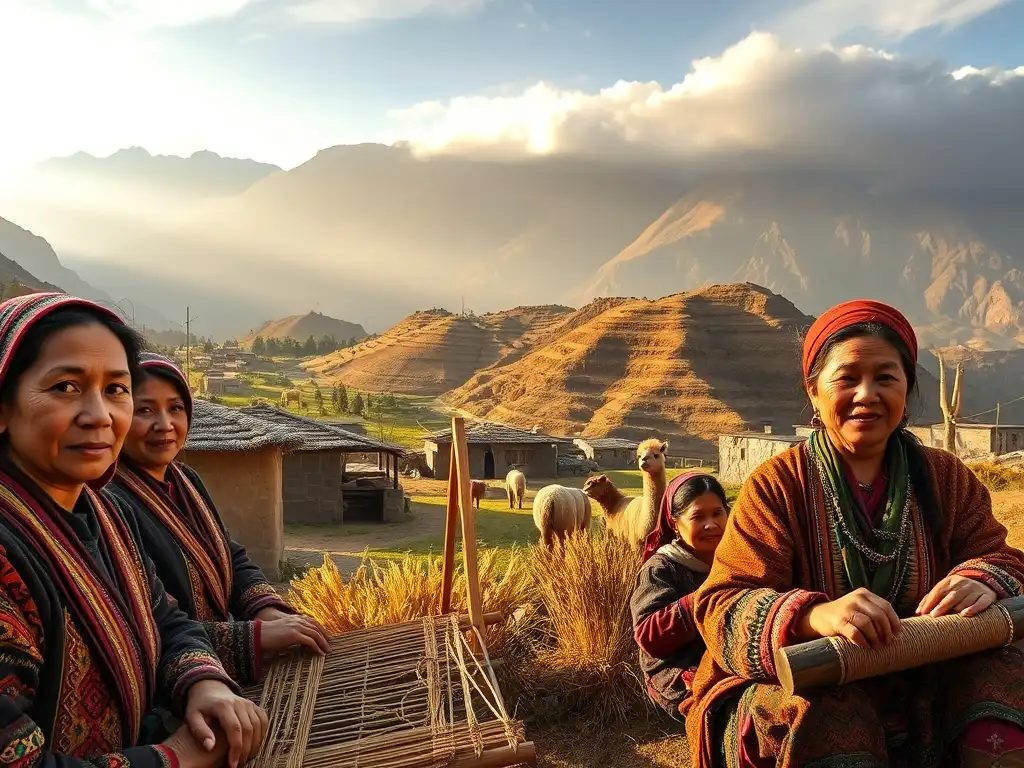
Step into a world lost to time, yet echoing with untold stories. For centuries, the grandeur of the Andean civilizations has captivated us, but one narrative has remained largely hidden: the lives of Andean women. Our exploration of Andean women's history reconstruction reveals a fascinating tapestry of power, resilience, and ingenuity, challenging conventional perspectives and unveiling the crucial roles these women played in shaping their societies. Dare to uncover their legacies – their stories await.
The history of the Andean civilizations is often told through the lens of powerful rulers and military conquests. However, a more complete and nuanced understanding requires acknowledging the significant contributions and experiences of Andean women, whose roles extended far beyond the domestic sphere. This article delves into the fascinating, yet often challenging, process of reconstructing the lives of Andean women, exploring the various methodologies employed by archaeologists and historians to unearth their stories from the remnants of the past.
We will examine the archaeological record, focusing on burial practices, artifacts, textiles, and skeletal remains, to unveil a richer tapestry of Andean women's history and challenge traditional narratives that often overlook or minimize their influence. This exploration will shed light on their diverse roles in society, their daily lives, their health, and their contributions to the vibrant cultures of the Andes.
Understanding their stories is crucial for a more comprehensive and accurate representation of Andean civilizations, enriching our understanding of these remarkable societies and their enduring legacy. This investigation directly addresses the crucial need for a more complete and accurate understanding of Andean women's history reconstruction.
Unveiling Andean Women's History: Challenges and Approaches
Reconstructing the lives of Andean women presents unique challenges. Unlike written historical accounts prevalent in other cultures, the Andean civilizations primarily relied on oral traditions and material culture. This means that archaeologists and historians must rely heavily on indirect evidence to piece together their stories.
Furthermore, biases in archaeological excavation and interpretation can inadvertently skew our understanding. For instance, the focus on elite burials in the past often overshadowed the lives of ordinary women. Modern approaches emphasize interdisciplinary collaboration, incorporating insights from archaeology, anthropology, textile studies, and bioarchaeology to create a more holistic picture.
This multi-faceted approach considers not only material remains but also the social and cultural contexts in which they were created and used. The use of feminist methodologies is also crucial in challenging patriarchal interpretations of the past and centering the experiences of Andean women themselves. This collaborative and critical approach is vital to ensure that the voices, contributions, and experiences of Andean women are accurately and respectfully represented.
The Archaeological Record: Clues to Understanding Andean Women
The archaeological record offers invaluable clues to understanding the lives of Andean women. By carefully examining various aspects of the archaeological findings, researchers can piece together a more comprehensive picture of their roles and experiences. This section will delve into specific examples, illustrating how careful analysis of different types of evidence can illuminate the lives of women in these ancient societies.
Burial Practices and Insights into Andean Women's Roles
Burial practices provide significant insights into social status and roles within Andean societies. While elite burials often contained lavish grave goods reflecting high social standing, the contents of less elaborate burials can reveal details about the lives of ordinary women. The presence of specific tools, textiles, or adornments can suggest their roles as farmers, weavers, or religious practitioners. The analysis of grave goods in conjunction with skeletal remains can further illuminate their health and lifestyle.
For example, the presence of certain types of tools alongside skeletal evidence of repetitive strain injuries might indicate a specific occupation. Variations in burial rituals across different Andean cultures further highlight the diversity of women's roles and social structures. [Specific data on burial practices and associated grave goods pending]
Artifact Analysis: Deciphering the Daily Lives of Andean Women
The analysis of everyday artifacts, such as pottery, tools, and ornaments, offers crucial information about the daily lives and activities of Andean women. For example, the presence of spindle whorls and weaving tools suggests a significant role in textile production. Pottery styles and designs can reflect their artistic skills and aesthetic preferences. The discovery of specific types of tools might indicate their participation in agriculture or other economic activities. [Specific examples of artifact analysis and their implications for understanding women’s lives pending]
Textile Analysis: Weaving the Stories of Andean Women
Textiles represent a particularly rich source of information about Andean women. The intricate weaving techniques, the use of different fibers, and the symbolic motifs woven into the textiles reveal much about their skills, their social status, and their cultural beliefs. The analysis of textile fragments can provide insights into their roles in textile production, trade, and ritual practices. The complexity and artistry of many textiles suggest a high level of skill and expertise among Andean women. [Specific examples of textile analysis and their interpretations pending] The vibrant colors and intricate designs speak volumes about their creativity and artistry.
Skeletal Analysis: Health and Labor of Andean Women
Skeletal analysis provides valuable information about the health, diet, and physical activity of Andean women. Bioarchaeological studies can reveal details about their nutritional status, the prevalence of diseases, and the impact of physical labor on their bodies. Analysis of bone density and muscle attachment points can indicate the types of physical activities they regularly undertook. [Specific data on skeletal analysis and its implications for understanding women’s health and labor pending] This information is crucial for understanding the challenges and hardships they faced and their overall quality of life.
Ethnohistorical Sources: Complementing Archaeological Findings
Archaeological digs offer invaluable insights into the material culture of Andean women, revealing their tools, clothing, and adornments. However, to fully understand their lives, we must complement these findings with ethnohistorical sources. These sources, which include written accounts and oral traditions, provide a crucial contextual framework for interpreting the archaeological data.
By combining these approaches, a more complete and nuanced picture of Andean women's lives emerges. For example, the discovery of intricately woven textiles in a burial site can be enhanced by understanding the social status associated with such craftsmanship, as described in colonial records or indigenous oral histories. This integrated approach allows for a richer understanding of the social roles, economic activities, and spiritual beliefs of Andean women.
The limitations of relying solely on archaeological evidence become clear when considering the inherent biases present in the preservation process. Not all aspects of life leave material traces, making ethnohistorical sources indispensable for a holistic reconstruction.
Spanish Chronicles: A Biased but Valuable Perspective
Spanish chronicles, written during and after the conquest, offer a unique, albeit often biased, perspective on Andean women's lives. While often reflecting the conquistadors' ethnocentric worldview and their inherent biases against indigenous cultures, these chronicles nonetheless provide glimpses into the social structures, political systems, and religious practices of Andean societies. Careful analysis of these texts, considering their inherent biases and comparing accounts from different chroniclers, can reveal valuable information about the roles and status of women within Andean societies.
For instance, while often portraying women as subservient, some chronicles inadvertently reveal the significant roles women played in agriculture, textile production, and even political decision-making within their communities. Critical engagement with these sources is essential, acknowledging their limitations while extracting the valuable information they contain. The challenge lies in separating factual accounts from the subjective interpretations and prejudices of the chroniclers themselves.
Oral Traditions: Preserving the Memory of Andean Women
Oral traditions, passed down through generations, represent a vital source for understanding Andean women's history. These traditions often preserve knowledge and perspectives not captured in written records. Stories, songs, and myths can illuminate the roles, beliefs, and experiences of women in ways that written accounts may not. However, it's crucial to remember that oral traditions are dynamic and evolve over time.
The challenge lies in carefully documenting and interpreting these traditions, understanding their context and recognizing the potential for changes and additions across generations. Ethnographic research plays a key role in this process, involving careful collaboration with indigenous communities to ensure accurate and respectful preservation and interpretation of these invaluable oral histories. The perspectives of Andean women, often marginalized in written colonial records, are significantly enriched through the careful study of these oral traditions.
Colonial Records: Glimpses into Post-Conquest Andean Society
Colonial records, including legal documents, church records, and administrative files, provide a window into the lives of Andean women in the post-conquest period. While reflecting the impact of colonization and the imposition of new social structures, these records offer valuable insights into how Andean women navigated the changing social landscape. For example, marriage records, land ownership documents, and wills can reveal patterns of inheritance, economic activity, and social mobility among women.
These records also document the ways in which Andean women resisted colonial control and maintained aspects of their traditional culture. The meticulous analysis of these records allows researchers to trace the evolution of women's roles and statuses within the context of colonial society, revealing both continuity and change in their lives. This detailed examination reveals the resilience and adaptability of Andean women in the face of profound societal upheaval.
Specific Cases: Exploring the Diversity of Andean Women's Experiences
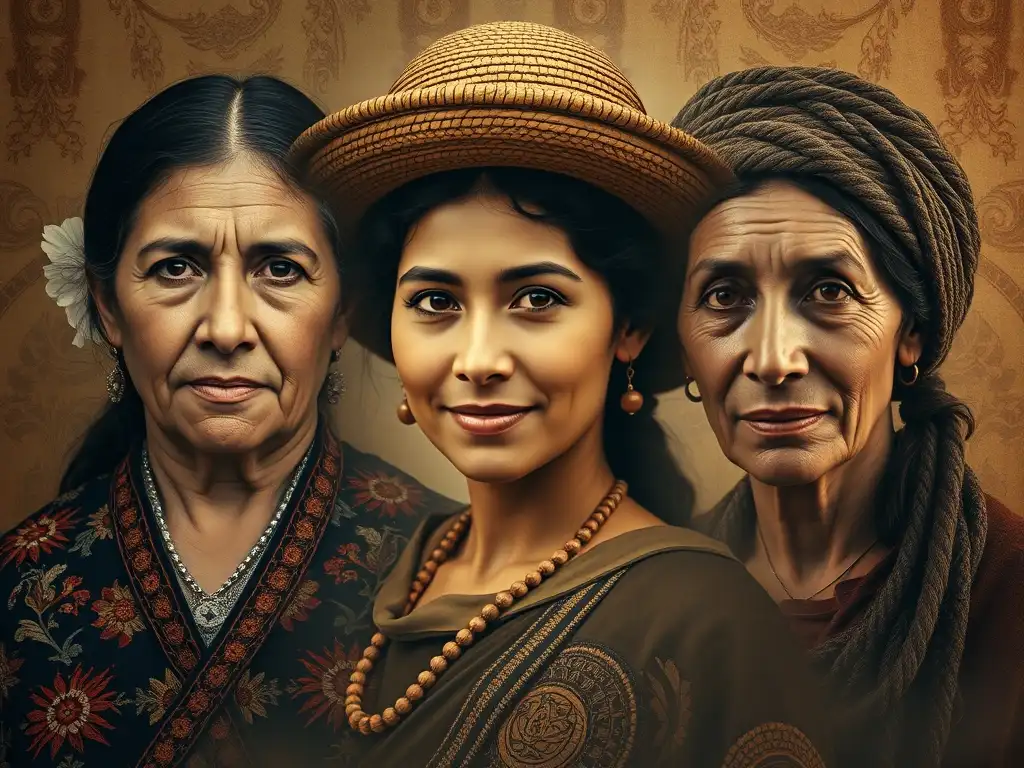
The experiences of Andean women were far from uniform. Their lives varied significantly depending on factors such as social class, geographic location, and historical period. Studying specific cases helps to illuminate this diversity and challenges simplistic generalizations about women's roles in Andean societies. By focusing on individual stories and experiences, we can gain a deeper understanding of the complexity and richness of Andean women's lives.
The Roles of Elite Women in Andean Societies
Elite women in Andean societies, often from ruling lineages or powerful families, held significant influence and power. Their roles extended beyond domestic responsibilities, encompassing political participation, religious leadership, and economic control. Archaeological evidence, such as elaborate burials containing prestigious artifacts, supports the high status of these women. Ethnohistorical accounts also describe instances of female rulers, priestesses, and influential figures who played crucial roles in shaping their societies. The study of these women reveals the diverse ways in which power and influence were exercised by women within the hierarchical structures of Andean societies.
The Lives of Commoner Women in Andean Villages
The lives of commoner women in Andean villages were shaped by their participation in daily economic activities such as agriculture, textile production, and food preparation. While their roles might appear less visible in grand narratives, their contributions were essential to the functioning of Andean communities. Archaeological remains, such as tools and textiles, provide insights into their daily work and skills.
Ethnohistorical accounts, although often limited, offer glimpses into their lives, focusing on their roles within the family and community. Understanding the lives of these women is crucial for a comprehensive understanding of Andean societies, as their labor and knowledge were fundamental to their survival and prosperity.
Women in Andean Rituals and Religious Practices
Andean religions played a significant role in the lives of women, with many participating actively in religious rituals and ceremonies. Some women held important religious positions, acting as priestesses or shamans. Archaeological findings, such as depictions of women in religious contexts and the discovery of female burials with ritual objects, suggest their significant involvement. Ethnohistorical accounts also mention the roles of women in religious practices, although the extent of their participation varies across different Andean cultures and time periods. Examining women's participation in Andean religion reveals the complex interplay between gender, spirituality, and social power.
Andean Women's Participation in Agriculture and Trade
Andean women played a crucial role in the agricultural economy, participating in various stages of food production, from planting and harvesting to processing and storage. Their knowledge of agricultural techniques and their labor were vital for the sustenance of Andean communities. Archaeological evidence, such as agricultural tools found in female burials, suggests their active participation. Additionally, women were also involved in trade, exchanging goods within and between communities. Their economic contributions were essential to the economic vitality of Andean societies, highlighting their significance beyond the domestic sphere.
The Legacy of Andean Women in Art and Crafts
The artistic and craft traditions of Andean societies offer a rich source of information about the lives and perspectives of Andean women. Women were actively involved in the production of textiles, pottery, and other crafts, demonstrating exceptional skill and creativity. Their artistry is reflected in the intricate designs and sophisticated techniques found in these artifacts. The study of these crafts provides insights into their artistic skills, social roles, and worldviews. Their legacy continues to inspire and inform contemporary Andean art and culture, preserving their cultural contributions for future generations.
Reconstructing Andean Women's Lives: A Synthesis
Understanding the lives of Andean women requires a multifaceted approach, moving beyond simplistic narratives and embracing the complexity of their experiences across diverse cultures and time periods. This reconstruction is not merely an academic exercise; it's crucial for a complete understanding of Andean civilizations and their lasting legacies. We must move beyond the limited perspectives often presented in historical accounts, which frequently marginalized or overlooked women's contributions.
By actively seeking out and interpreting diverse sources, we can paint a richer, more nuanced picture of their roles in society, economy, and spirituality. This involves acknowledging the limitations of existing data and actively working to fill those gaps through further research and innovative methodologies.
The challenge lies in piecing together fragmented evidence from various sources to create a holistic understanding of Andean women's lives, encompassing their daily routines, social structures, and agency within their societies. This requires a careful and critical approach, recognizing the inherent biases and limitations of the available data.
Integrating Archaeological, Historical, and Ethnographic Data
The reconstruction of Andean women's history necessitates the integration of data from diverse sources. Archaeological findings, such as the excavation of textiles, pottery, and burial sites, offer invaluable insights into women's material culture and social status. For example, the intricate textiles found in various Andean sites demonstrate a high level of skill and artistry, suggesting the significant role women played in textile production and trade.
Historical chronicles, while often biased, can provide glimpses into women's lives within specific contexts. These accounts, however, must be critically examined, considering the perspectives and potential biases of the chroniclers themselves. Ethnographic studies of contemporary Andean communities can offer valuable comparative data, illuminating aspects of social organization and gender roles that may have persisted over time.
By combining these different types of evidence, a more comprehensive picture of Andean women's lives can emerge, accounting for both continuity and change across different periods and regions. The careful cross-referencing of these different datasets allows researchers to build a more robust and nuanced understanding of the subject.
Overcoming Biases in the Historical Narrative
Traditional historical accounts of Andean civilizations often suffer from a significant bias, frequently neglecting or misrepresenting the roles and contributions of women. This bias stems from several factors, including the patriarchal nature of many historical sources and the tendency to focus on elite male figures. Many historical chronicles were written by men, from a male-centric perspective, often failing to accurately reflect the experiences of women in the society.
Further complicating matters, the limited access to women's voices in primary sources means that researchers must work diligently to identify and interpret indirect evidence of women's roles and influence. To overcome this bias, researchers must actively seek out alternative sources, critically evaluate existing narratives, and employ methodologies that prioritize the perspectives of women whenever possible. This may involve analyzing women's material culture, analyzing iconography that depicts women, and considering oral histories and traditions.
The Importance of Interdisciplinary Approaches
Successfully reconstructing the lives of Andean women demands an interdisciplinary approach, bringing together expertise from various fields. Archaeologists can provide insights into material culture and burial practices; historians can analyze written records, albeit critically; anthropologists can offer perspectives on social structures and gender roles; and linguists can analyze ancient languages to uncover gendered terms and social dynamics. The collaborative efforts of these specialists are vital in ensuring a comprehensive understanding, avoiding the limitations inherent in relying on a single disciplinary perspective.
This interdisciplinary approach is crucial for interpreting complex evidence and generating a more accurate and complete representation of Andean women's lives. For example, the analysis of ancient textiles in conjunction with anthropological studies of contemporary weaving practices can provide a deeper understanding of the social and economic roles of women involved in textile production.
Future Directions in Research on Andean Women's History
Future research on Andean women's history should focus on several key areas. First, the application of new technologies, such as advanced imaging techniques and DNA analysis, to archaeological remains offers exciting possibilities for uncovering new insights into women's health, diet, and social status. Second, greater emphasis should be placed on exploring the diversity of women's experiences across different social classes, ethnic groups, and geographical regions. A one-size-fits-all approach risks overlooking the significant variations in women’s lives within Andean societies. Third, further research is needed to understand the role of women in political and religious spheres, moving beyond the often-limited portrayals of women as solely domestic figures. Finally, exploring the agency of Andean women – their ability to shape their own lives and influence their communities – is crucial for a more complete and empowering understanding of their history. This requires a shift towards methodologies that center women's experiences and perspectives.
The Significance of Andean Women's History Reconstruction
Reconstructing the lives of Andean women is not just an academic pursuit; it is a crucial step towards a more complete and accurate understanding of Andean civilizations. By challenging traditional narratives and incorporating diverse sources of evidence, we gain a richer appreciation for the significant contributions of women to the social, economic, and cultural fabric of these societies. This understanding helps to correct historical imbalances, giving voice to those often marginalized or silenced.
Moreover, it provides valuable insights into gender dynamics, social structures, and the complexities of human societies across time and space. The accurate portrayal of Andean women's history enriches our understanding of the past and has important implications for present-day discussions on gender equality and social justice.
Their stories, once unearthed and shared, inspire future generations and foster a more inclusive and comprehensive view of history. The ongoing work of reconstructing their lives is a testament to the enduring power of their legacy.
- Unveiling Andean Women's History: Challenges and Approaches
- The Archaeological Record: Clues to Understanding Andean Women
- Ethnohistorical Sources: Complementing Archaeological Findings
- Specific Cases: Exploring the Diversity of Andean Women's Experiences
- Reconstructing Andean Women's Lives: A Synthesis
- The Significance of Andean Women's History Reconstruction
- What role did women play in Andean societies?
- How are historians reconstructing the lives of Andean women?
- What challenges do historians face when studying Andean women's history?
- What were some of the significant achievements of Andean women?
- How does the study of Andean women's history challenge traditional narratives?
Frequently Asked Questions
What role did women play in Andean societies?
Andean women held diverse and crucial roles, from textile production and agriculture to religious leadership and political influence. Their contributions were vital to the survival and prosperity of their communities.
How are historians reconstructing the lives of Andean women?
Historians utilize archaeological evidence, such as textiles, pottery, and burials, alongside ethnohistorical accounts and colonial records to piece together a picture of women's lives. Careful analysis of these sources is crucial.
What challenges do historians face when studying Andean women's history?
Significant challenges include the limited written records left by Andean women themselves and the inherent biases present in colonial sources that often marginalized women's contributions. Interpreting archaeological findings also requires careful consideration.
What were some of the significant achievements of Andean women?
Andean women excelled in textile arts, creating intricate and sophisticated fabrics. They were also vital in agricultural practices and held positions of spiritual and political power in some societies.
How does the study of Andean women's history challenge traditional narratives?
The study of Andean women's history challenges the Eurocentric bias often found in historical accounts, revealing the complexity and agency of women in these ancient societies, thereby broadening our understanding of Andean civilizations.
Final Reflection: Weaving a Tapestry of Forgotten Lives
The meticulous reconstruction of Andean women's history is not merely an academic exercise; it is a vital act of reclaiming a silenced narrative, a powerful assertion of their enduring legacy. The fragmented evidence, painstakingly pieced together, reveals not just individual lives but a complex tapestry of resilience, ingenuity, and agency that has been largely overlooked by traditional historical accounts. This omission is a profound injustice, and its correction is crucial for a more complete and equitable understanding of the past.
The impact of this work extends far beyond the academic sphere. By giving voice to these women, we challenge the dominant narratives that have marginalized their contributions for centuries. Their stories resonate with contemporary struggles for gender equality and social justice. The past is never dead. It's not even past.
– William Faulkner. This quote rings true as we see the echoes of past inequalities in present-day challenges. Understanding the historical context of these inequalities is the first step towards dismantling them. The resilience and strength demonstrated by Andean women throughout history serve as an inspiration and a guide for future generations.
Consider the lives uncovered within these pages. Reflect on the challenges they faced, the ingenuity they displayed, and the enduring impact they had on their communities. You, the reader, now hold a piece of this reclaimed history. Carry it forward. Share these stories. Advocate for a more inclusive and equitable representation of women in history, ensuring that the faces of the past – the faces of Andean women – are never again forgotten.
Unveil the Stories: Connect with Andean Women’s Histories!
Thank you for exploring the lives and legacies of Andean women. Your interest in their rich history is invaluable and helps ensure their stories are remembered and celebrated. Let's turn this interest into action!
Here are some ways to further engage with this fascinating topic:
- Join the conversation: Share your thoughts and questions about Andean women's contributions to society in our online community forum dedicated to Andean civilizations.
- Deepen your knowledge: Explore recommended books and articles that offer new perspectives and insights into the lives of Andean women.
- Spread the word: Share your favorite discoveries about Andean women's history on social media and inspire others to learn more.
What aspect of Andean women's history most captivates you, and why? We'd love to hear your thoughts!