Key Figures in Andean History

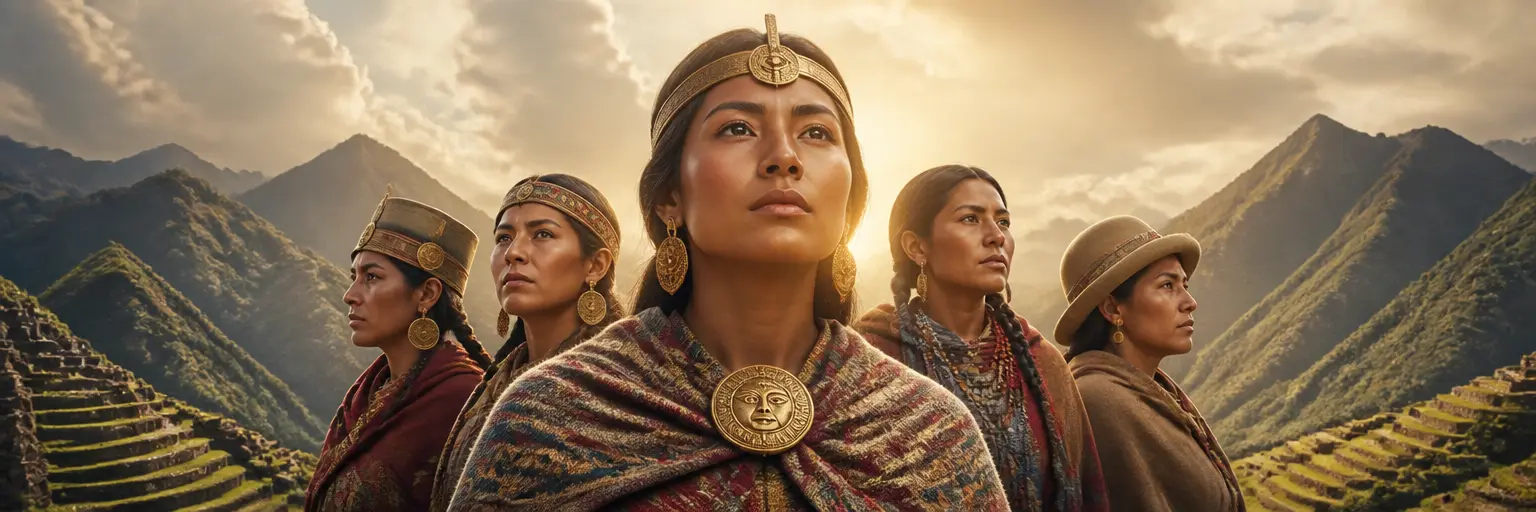
Discover the inspiring Notable Women in Andean Societies who shaped politics, religion, culture, and community life across ancient Andean civilizations. From influential rulers and priestesses to skilled artisans and powerful leaders, explore their enduring contributions to Inca, Moche, Nazca, and Tiahuanaco history. 🏔️✨ Learn how these remarkable women challenged assumptions, guided their societies, and left a lasting legacy in the story of the Andes.
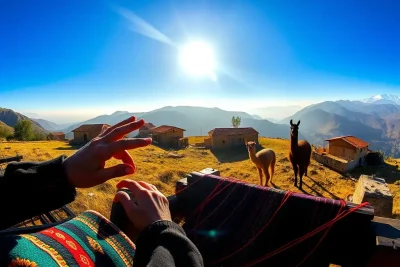
Discover the influential women who shaped the history, culture, politics, religion, and daily life of ancient Andean societies. This subcategory explores the achievements of queens, priestesses, warriors, rulers, artists, healers, and community leaders connected with the Inca, Moche, Nazca, Tiahuanaco, Wari, and other Andean civilizations. Through archaeology, oral traditions, colonial chronicles, textiles, ceramics, burial sites, and historical research, readers can learn how women exercised authority, creativity, spiritual influence, and economic power across the Andes.
Explore the lives and legacies of powerful women who held authority within Andean kingdoms, chiefdoms, royal households, and regional communities. Learn how women participated in succession, diplomacy, alliance building, tribute systems, land management, and the organization of labor. These stories provide a deeper understanding of female leadership in Inca history and the political structures of earlier Andean civilizations.
This section also examines prominent figures such as Inca royal women, noblewomen, queens, and influential leaders remembered in indigenous traditions and Spanish colonial accounts. Readers can expect historical context that explains how gender, kinship, ancestry, and social status shaped political power in the ancient Andes.
Women held important religious roles in many Andean societies, serving as priestesses, ritual specialists, guardians of sacred places, and intermediaries between communities and the supernatural world. Discover archaeological evidence from ceremonial centers, temples, tombs, and elite burials that reveals the significance of women in Andean religion and spiritual practice.
Learn how female religious figures were connected to fertility, agriculture, water, the moon, ancestors, and the protection of communities. The study of Moche priestesses, elite women, and sacred imagery helps reveal how religious authority could also create social and political influence in ancient Peru.
Challenge traditional assumptions about warfare and leadership by exploring evidence of women who may have acted as warriors, defenders, strategists, or community protectors. Archaeological discoveries, weapon burials, historical traditions, and artistic representations offer valuable insights into the roles women could play during periods of conflict and political change.
Readers will find information about female heroines in Andean oral histories as well as the continuing debate surrounding women’s military participation. These accounts highlight courage, resilience, collective defense, and leadership among women in the Inca Empire and other ancient Andean societies.
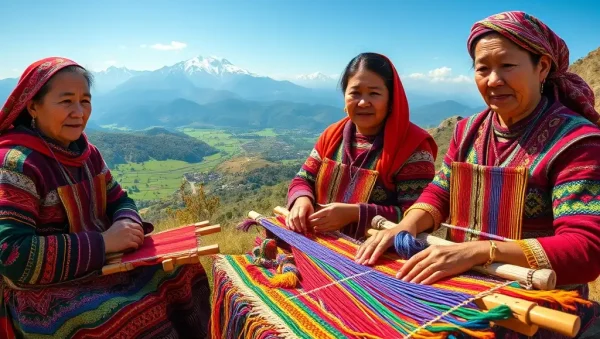
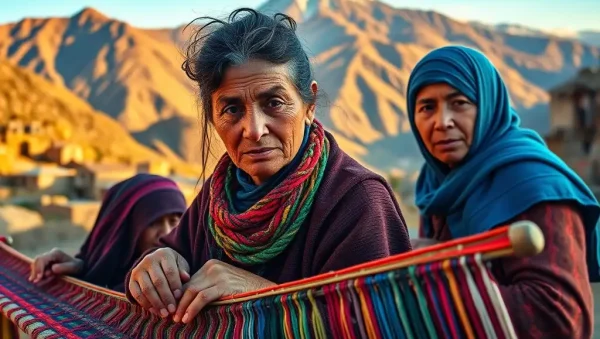
Textile production was one of the most respected forms of knowledge in the Andes. Explore the women who created finely woven garments, ceremonial fabrics, embroidered designs, and symbolic patterns that communicated identity, rank, regional affiliation, and religious meaning. Andean textiles were not merely decorative; they were a sophisticated form of visual language and cultural memory.
This section also considers female ceramicists, artists, musicians, and craftspeople associated with Moche, Nazca, Wari, Tiahuanaco, and Inca traditions. Discover how women preserved technical knowledge, passed skills between generations, and contributed to the artistic heritage of ancient Andean civilizations.
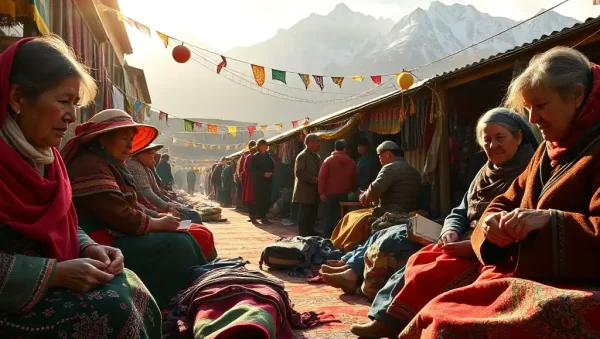
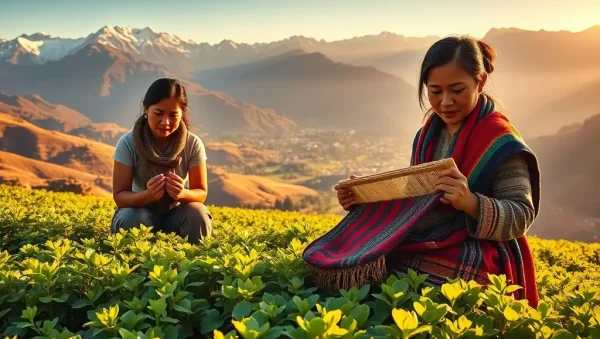
The strength of Andean societies depended on the work and knowledge of women in agriculture, food preparation, medicine, animal husbandry, trade, and household organization. Learn how women helped cultivate crops, preserve food, manage camelids, use medicinal plants, and adapt to challenging mountain, coastal, and highland environments.
By examining everyday life, readers can better understand the importance of ordinary women as builders of Andean civilization. Their labor supported families, communities, religious institutions, and state economies, while their ecological knowledge helped societies thrive across the Andes.
Many accounts of Andean women were recorded after the Spanish conquest by chroniclers who interpreted indigenous customs through European perspectives. This section compares colonial writings with archaeology, indigenous oral traditions, material culture, and modern scholarship to present a more balanced view of women in Andean history.
Readers can expect discussion of how historical sources were created, preserved, and sometimes distorted. Understanding these limitations is essential for studying Inca women, Andean royal families, indigenous identity, and the legacy of colonial history with accuracy and respect.
Notable women included Inca queens and noblewomen, Moche priestesses, elite women buried with ceremonial objects, skilled weavers, healers, agricultural leaders, and figures remembered in Andean oral traditions. Their influence extended across politics, religion, art, economy, and community life.
Yes. Women of the Inca royal and noble families could influence succession, diplomacy, property, religious ceremonies, labor organization, and regional administration. Although political systems were often patriarchal, female authority was an important part of Inca governance.
Evidence includes royal and elite burials, textiles, ceramics, murals, metal objects, temples, agricultural tools, colonial chronicles, oral traditions, and bioarchaeological studies. Together, these sources help researchers reconstruct the lives and roles of women in ancient Peru and the wider Andes.
Archaeologists and historians continue to examine burial sites, weapons, skeletal evidence, artwork, and oral histories for signs of female participation in warfare. Some discoveries suggest that women could hold defensive, military, or leadership roles, although interpretations vary depending on the evidence.
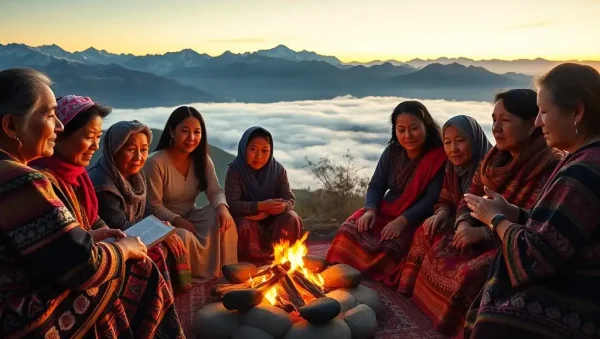
Studying women creates a more complete picture of Andean civilization. It shows that women were not only family members or laborers but also leaders, religious authorities, artists, innovators, farmers, healers, and guardians of cultural knowledge. Their stories are essential to understanding the achievements of the Inca, Moche, Nazca, Tiahuanaco, and other Andean peoples.