Key Figures in Andean History

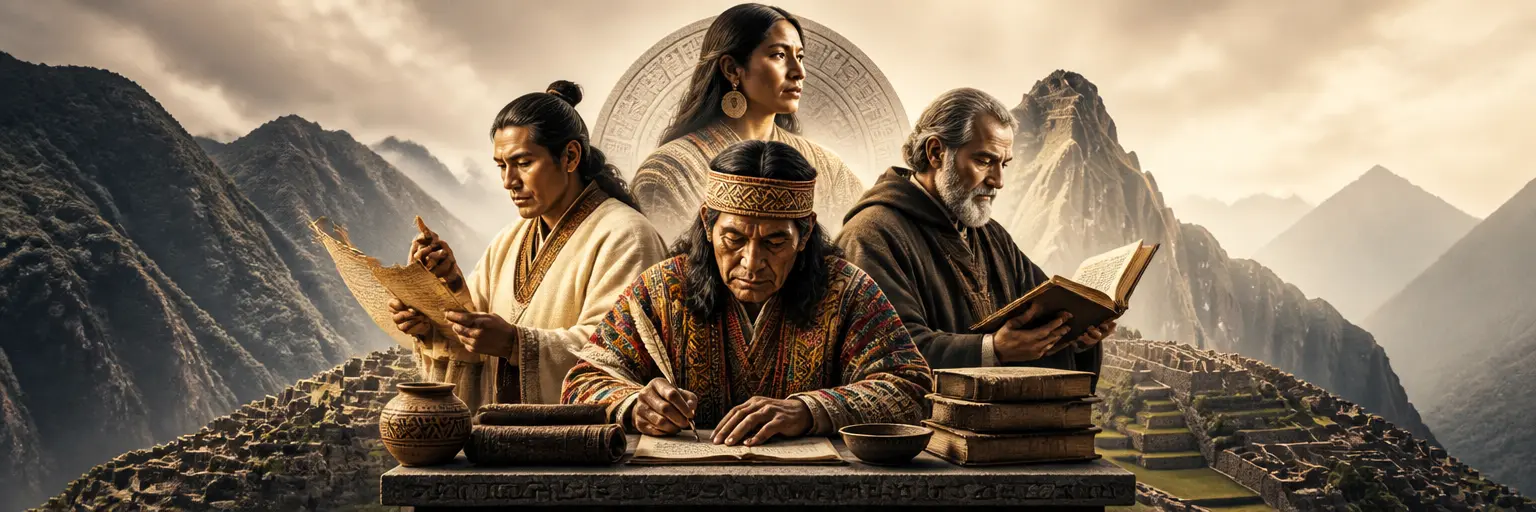
Meet the scholars and chroniclers of the Andes 📜—the historians, indigenous witnesses, priests, explorers, and researchers whose writings and discoveries help preserve the legacy of the Incas, Moche, Nazca, and Tiahuanaco. Explore their accounts to uncover powerful insights into Andean history, culture, religion, art, technology, and daily life, while comparing diverse perspectives that bring ancient civilizations vividly to life. 🔎
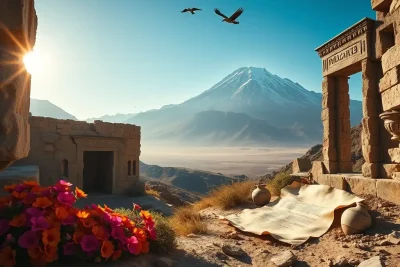
Discover the scholars and chroniclers of the Andes who documented, interpreted, and preserved the history of Andean civilizations. This subcategory explores the writers, historians, Indigenous intellectuals, missionaries, explorers, and modern researchers who recorded the traditions of the Inca Empire, Moche, Nazca, Tiahuanaco, and other cultures of ancient South America. Their testimonies provide essential insights into Andean religion, politics, social organization, languages, architecture, art, agriculture, and technology.
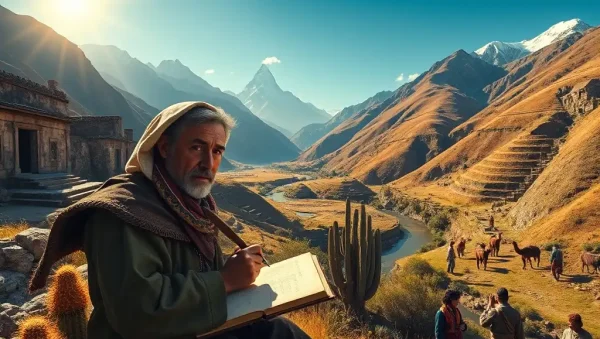
Learn how early Spanish chroniclers described the Inca Empire, its rulers, administrative systems, roads, religious ceremonies, and capital at Cusco. Their accounts are among the most frequently consulted sources for understanding the Andes during the period of conquest and colonial transformation.
Explore the writings of figures such as Pedro Cieza de León, Juan de Betanzos, Pedro Sarmiento de Gamboa, and Garcilaso de la Vega. Readers will discover how these chroniclers combined observation, oral testimony, Indigenous traditions, and European historical conventions while creating records that must be examined with historical context and critical analysis.
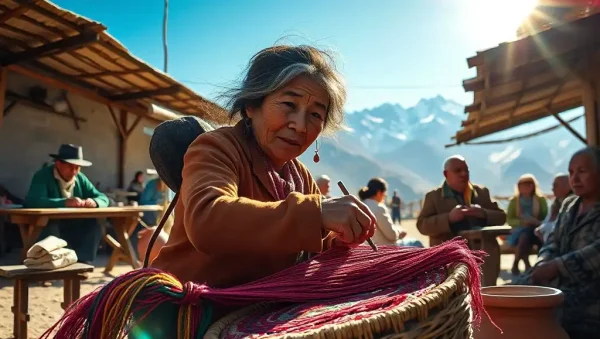
Indigenous chroniclers and intellectuals offer perspectives that are essential for understanding Andean history beyond colonial narratives. Their works preserve Quechua traditions, ancestral memory, political history, genealogy, mythology, and cultural identity.
Study the contributions of writers such as Felipe Guamán Poma de Ayala and Garcilaso de la Vega, whose works connect Indigenous knowledge with written historical traditions. These sources reveal how Andean communities understood conquest, social hierarchy, justice, religion, labor, and the relationship between people and the natural world.
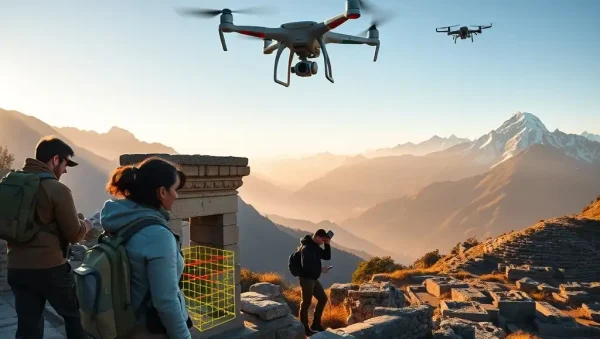
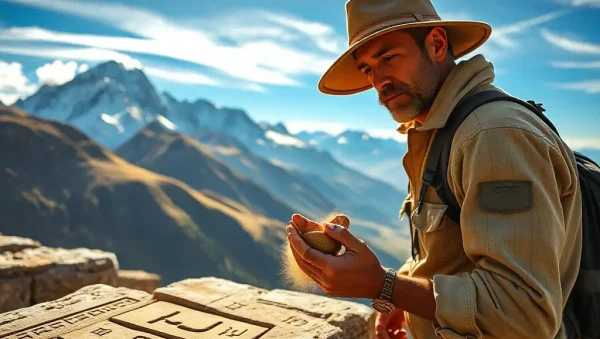
Discover the archaeologists, anthropologists, historians, and linguists whose research transformed knowledge of the ancient Andes. Their investigations help interpret monumental sites, ceramics, textiles, burial practices, inscriptions, agricultural terraces, and settlement patterns associated with cultures such as the Moche, Nazca, Tiahuanaco, Wari, and Inca.
Readers can explore how archaeological evidence complements written chronicles. By comparing material remains with historical accounts, researchers reconstruct the development of Andean civilization, including long-distance trade, state expansion, ceremonial centers, engineering achievements, and technological innovation.
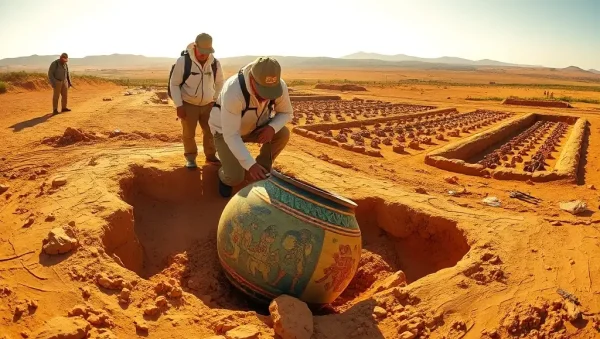
Many Andean civilizations flourished before the Inca and left no extensive written records in the European sense. Scholars therefore rely on archaeology, iconography, oral traditions, environmental studies, and comparative research to investigate the Moche, Nazca, and Tiahuanaco cultures.
Explore how experts interpret Moche portrait vessels, Nazca geoglyphs, Andean textiles, monumental architecture, ceramics, and ritual objects. These studies demonstrate how evidence can reveal ancient beliefs, political authority, agricultural practices, craftsmanship, and connections across the Andes.
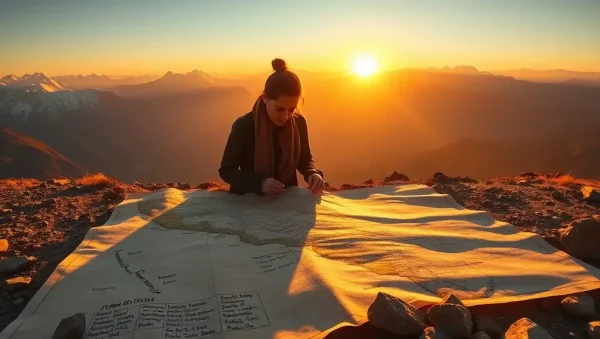
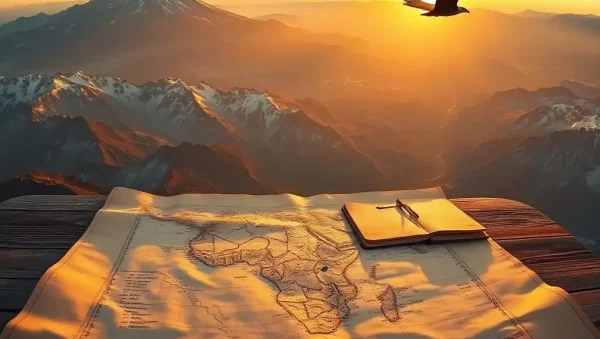
Understanding Andean history requires careful evaluation of different types of evidence. This subcategory examines colonial chronicles, Indigenous manuscripts, oral histories, archaeological discoveries, maps, inscriptions, artwork, and scientific research as interconnected sources.
Readers will learn why chroniclers sometimes disagreed, how translation affected historical records, and why colonial authors could misunderstand or reinterpret Andean customs. By considering authorship, purpose, audience, and cultural context, visitors can develop a more accurate and nuanced view of Andean civilizations.
Important chroniclers include Pedro Cieza de León, Juan de Betanzos, Pedro Sarmiento de Gamboa, Bernabé Cobo, and Garcilaso de la Vega. Felipe Guamán Poma de Ayala is especially important because his work presents Indigenous perspectives on Andean society and Spanish colonial rule.
Andean chronicles preserve information about the Inca Empire, Cusco, rulers, religion, administration, roads, agriculture, warfare, and social customs. Although they must be analyzed critically, they remain valuable when compared with archaeology, oral traditions, linguistics, and Indigenous knowledge.
The Incas did not use an alphabetic writing system like those developed in Europe. However, they used quipu, knotted-cord devices that recorded numerical and possibly administrative information. Historians also study oral history, architecture, textiles, ceramics, and visual symbolism to understand Inca civilization.
Researchers study archaeological sites, ceramics, architecture, human remains, textiles, iconography, agricultural systems, and environmental evidence. Because the Moche and Nazca left no known alphabetic written histories, material culture is especially important for reconstructing their beliefs, economy, political organization, and daily life.
Readers should consider who wrote each account, when it was produced, what sources the author used, and how Spanish colonial beliefs may have influenced the description. Comparing multiple chronicles with Indigenous testimony, archaeological evidence, and modern scholarship helps create a balanced interpretation of Andean history.