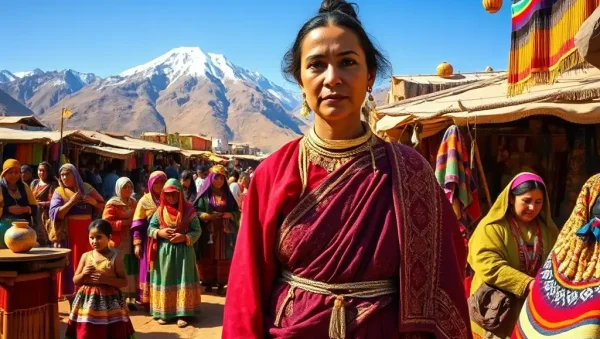
Key Figures in Andean History

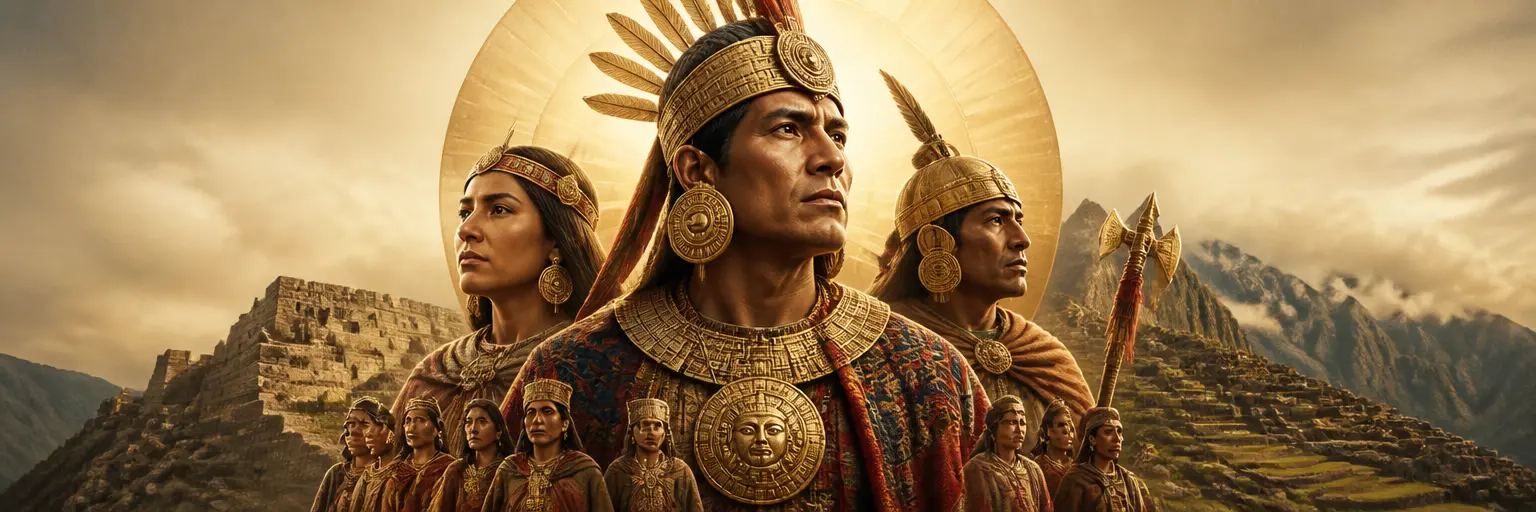
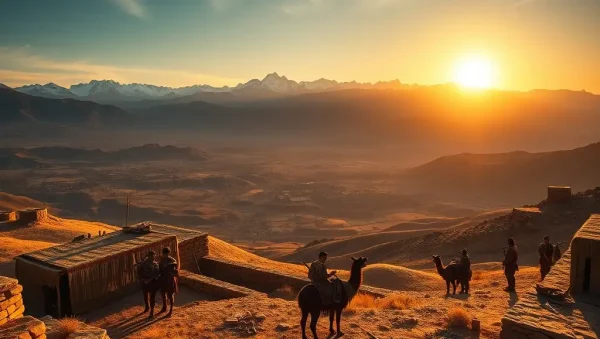
Explore the important rulers and leaders of Andean history 🌄—visionary figures who shaped powerful civilizations, guided their people, and influenced the politics, culture, religion, and achievements of the Andes. Discover the legacies of Inca emperors and other influential leaders whose decisions transformed ancient Andean society.
Discover the influential rulers, monarchs, military commanders, religious authorities, and political leaders who shaped the history of the Andes. This subcategory explores the people behind the rise of the Inca Empire, the development of Moche society, the achievements of Nazca culture, and the expansion of Tiahuanaco. Learn how Andean leaders organized states, controlled trade, directed monumental construction, managed agriculture, and influenced religion and culture across one of the world’s most diverse ancient regions.
Explore the lives and legacies of prominent Inca rulers, including leaders traditionally associated with the expansion of Tawantinsuyu. Articles examine figures such as Pachacuti, Túpac Inca Yupanqui, Huayna Capac, Atahualpa, and other important members of the Inca royal dynasty. Readers can learn how these rulers used military strategy, diplomacy, alliances, taxation, and administrative reforms to govern an enormous empire across the Andes.
This section also explains the role of the Sapa Inca, royal families, regional governors, and elite administrators. Discover how Inca leadership connected religion, politics, warfare, agriculture, and road-building, creating a sophisticated system of government that linked communities from the highlands to the Pacific coast.
Andean history was shaped by leaders who expanded territories, defended their communities, and competed for control of valuable resources. Learn about military commanders and warrior elites involved in Inca expansion, regional conflicts, Moche warfare, and the political struggles that affected ancient Andean civilizations.
Readers can expect accessible explanations of Andean warfare, military organization, fortified settlements, strategic alliances, and conquest traditions. These articles place famous campaigns and conflicts in context, showing how leadership decisions influenced the development of powerful kingdoms and imperial states.
Investigate the political and religious authorities who guided important pre-Inca civilizations. Because many ancient Andean societies did not leave written historical records, researchers study ceramics, monumental architecture, burial sites, textiles, iconography, and archaeological evidence to understand their rulers and governing systems.
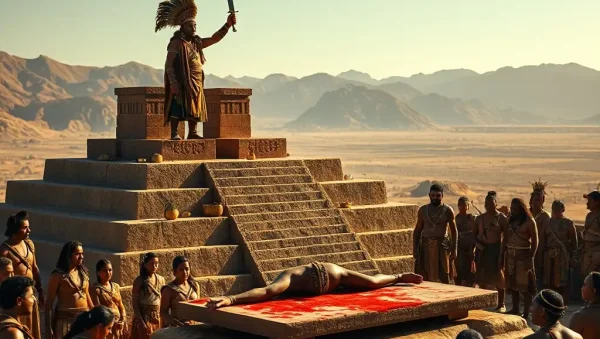
Discover what is known about Moche warrior-priests, Nazca ceremonial authorities, and Tiahuanaco political elites. This section explains how leadership may have been displayed through elaborate tombs, ritual objects, monumental temples, public ceremonies, and control over agricultural or trade networks.
In many Andean civilizations, political power was closely connected to religious belief. Rulers were often viewed as intermediaries between communities, ancestors, sacred mountains, celestial forces, and powerful deities. Explore how religion supported authority and helped leaders organize labor, ceremonies, pilgrimage, and public life.
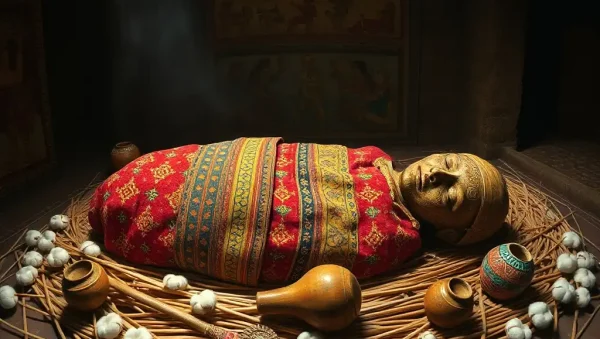
Articles in this section examine Andean cosmology, ancestor worship, sacred landscapes, priestly leadership, and ceremonial architecture. Readers will gain a deeper understanding of why temples, shrines, mummies, offerings, and ritual performances were central to ancient Andean government.
Important leadership in the Andes was not limited to male rulers. Royal women, noblewomen, priestesses, queen mothers, and members of influential dynasties played significant roles in succession, diplomacy, ritual life, landholding, and the transmission of political authority.
Learn how gender, kinship, marriage alliances, royal ancestry, and inheritance influenced Andean politics. This perspective highlights the broader network of people who supported rulers and helped maintain power within the Inca Empire and earlier Andean societies.
Pachacuti is often considered one of the most important Inca rulers because he transformed the Kingdom of Cusco into the expansive Inca Empire. His reign is associated with major territorial expansion, administrative development, monumental construction, and the strengthening of imperial institutions.
The Sapa Inca was the supreme ruler of the Inca Empire. He held political, military, economic, and religious authority, while relying on nobles, governors, priests, and local leaders to administer the empire’s diverse provinces and communities.
Evidence suggests that Moche and Nazca societies had powerful elites, religious authorities, and regional leaders, although their exact systems of government remain debated. Archaeologists use tombs, artworks, temples, and settlement patterns to reconstruct how authority was organized.
Andean rulers used a combination of military power, diplomacy, marriage alliances, religious legitimacy, labor obligations, taxation, road systems, storehouses, and local administration. The Inca also incorporated regional leaders into the imperial system rather than relying only on direct rule.
Many Andean civilizations did not leave alphabetic written histories. As a result, researchers depend on archaeology, oral traditions recorded later, colonial chronicles, art, architecture, burial evidence, and scientific analysis. These sources provide valuable information but may not reveal complete names, dates, or biographies.