
Tiahuanaco's Sculptors: Carving Power in Stone

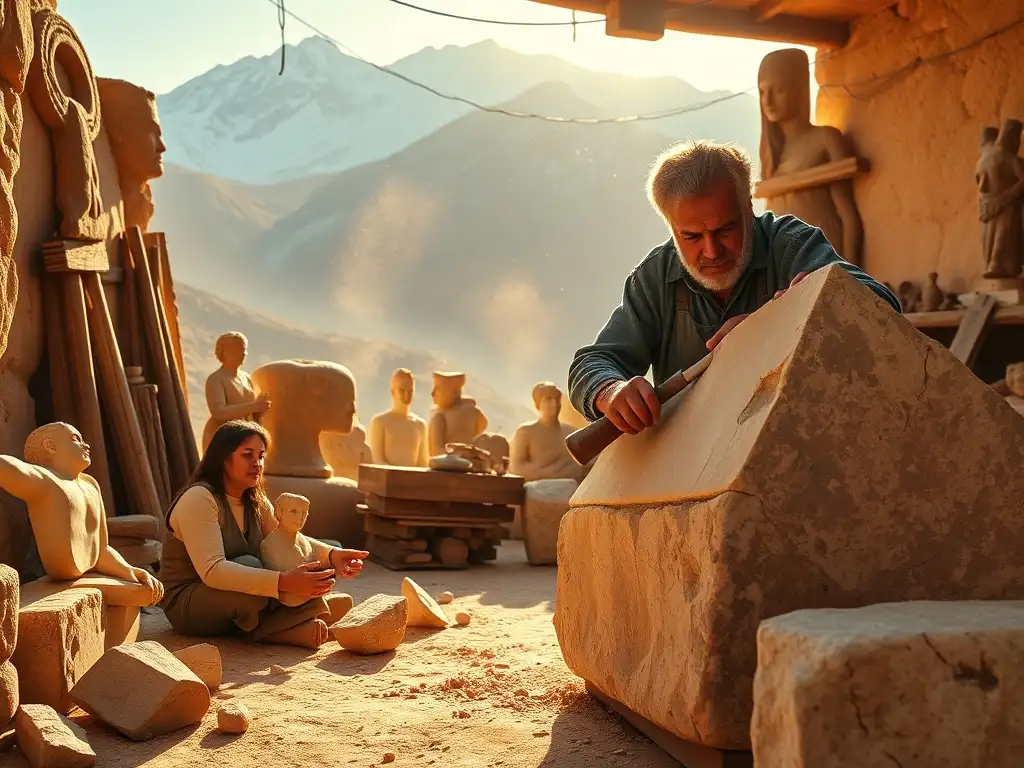
Uncover the secrets whispered in stone… Journey with us into the heart of the Andes, where empires rose and fell, leaving behind a legacy etched in breathtaking artistry. From the Incas to the Nazca, we delve into the vibrant tapestry of Andean civilizations. But today, we focus on a particularly intriguing mystery: the mastery of Tiahuanaco stone carving techniques. Prepare to be amazed by the ingenuity and power embodied in these ancient sculptures – a testament to a civilization that continues to defy explanation. Discover the secrets behind their unparalleled skill... and unravel the story of Tiahuanaco's sculptors.
The towering monolithic structures and intricate carvings of Tiahuanaco stand as a testament to the advanced artistry and engineering prowess of this pre-Columbian Andean civilization. This article delves into the fascinating world of Tiahuanaco's sculptors, exploring their techniques, the symbolism embedded within their work, and the profound social and religious significance of stone carving within their culture. We will uncover how these skilled artisans shaped not only stone but also the very fabric of Tiahuanaco society, leaving behind a legacy that continues to inspire awe and wonder centuries later.
Understanding Tiahuanaco stone carving techniques is key to appreciating the complexity and sophistication of this remarkable civilization, revealing insights into their beliefs, social structures, and technological capabilities. This exploration will reveal how their mastery of stone carving served as a powerful tool for expressing religious beliefs, solidifying political power, and commemorating important events.
The Significance of Stone Carving in Tiahuanaco Culture
Stone carving in Tiahuanaco wasn't merely a craft; it was a deeply ingrained aspect of their religious and social life. The monumental sculptures, intricate reliefs, and finely detailed artifacts weren't simply decorative; they served as powerful symbols of authority, religious beliefs, and cosmological concepts. The sheer scale of some works, such as the iconic Gateway of the Sun, demonstrates the immense resources and organizational capabilities of Tiahuanaco society, highlighting the importance placed on this artistic expression.
The precision and skill involved in shaping these massive blocks of andesite, a notoriously hard volcanic rock, underscore the advanced technological capabilities of Tiahuanaco's artisans. Furthermore, the recurring motifs—such as the stylized figures, geometric patterns, and depictions of deities—reveal a sophisticated cosmology and a complex understanding of the natural world. Analysis of these motifs provides valuable insights into Tiahuanaco's religious beliefs and worldview.
The meticulous detail and symbolic richness found in the carvings showcase the profound spiritual significance attributed to stone carving within their culture. The creation and placement of these sculptures were undoubtedly elaborate rituals, further emphasizing their importance.
Tiahuanaco Stone Carving Techniques: Tools and Processes
The artisans of Tiahuanaco employed a remarkable array of tools and techniques to shape the hard andesite stone. While the exact methods remain partially shrouded in mystery, archaeological evidence suggests the use of sophisticated tools, likely including various types of hammers, chisels, and abrasive materials. The process likely involved a combination of percussion techniques (using hammers to chip away at the stone) and abrasion (using abrasive materials to smooth and refine the surface).
The incredible precision of some carvings suggests a high degree of skill and expertise, passed down through generations of master craftsmen. Evidence suggests that the sculptors may have used a variety of techniques depending on the desired outcome, whether creating large-scale structures or smaller, more intricate pieces.
Further research is needed to fully understand the specific tools and processes employed, but the existing evidence points towards a sophisticated and highly developed technological understanding. The creation of these sculptures was undoubtedly a collaborative effort, requiring specialized skills and a coordinated workforce.
Symbolism and Iconography in Tiahuanaco Stone Carvings
The iconography found in Tiahuanaco's stone carvings is rich in symbolism, reflecting the civilization's complex religious beliefs and cosmological worldview. Recurring motifs, such as the stylized figures known as chakana (Andean cross), the depiction of deities, and geometric patterns, appear consistently across various sculptures and artifacts. The chakana, for example, is often interpreted as representing the four cardinal directions, the cosmos, or even the connection between the earthly and spiritual realms.
The depictions of deities, often depicted with elaborate headdresses and attire, provide insights into the pantheon of Tiahuanaco's religious system. The geometric patterns, characterized by intricate designs and precise execution, likely held symbolic meaning related to cosmology, agriculture, or social organization.
Interpreting these symbols requires careful analysis and consideration of the broader cultural context, but their presence reveals a sophisticated and well-developed symbolic language. Further research is needed to fully decipher the meaning of all the symbols, but their presence undoubtedly reflects the deep spiritual significance of stone carving within Tiahuanaco culture.
The Legacy of Tiahuanaco's Sculptors
The legacy of Tiahuanaco's sculptors extends far beyond their physical works. Their mastery of stone carving and the symbolic power embedded in their creations continue to fascinate and inspire researchers and artists alike. The remarkable precision and artistry displayed in their works demonstrate the advanced technological and artistic capabilities of this Andean civilization. The enduring impact of their work is evident in the continued study and preservation efforts focused on the remaining structures and artifacts.
Their legacy serves as a testament to the ingenuity and creativity of the Andean people, and their work continues to provide invaluable insights into their culture, beliefs, and history. The Tiahuanaco stone carving techniques, though largely lost to time, continue to inspire and challenge our understanding of pre-Columbian artistry and engineering. The enduring appeal of their work underscores the timeless power of art to transcend generations and cultures.
- The Significance of Stone Carving in Tiahuanaco Culture
- Tiahuanaco Stone Carving Techniques: Tools and Processes
- Symbolism and Iconography in Tiahuanaco Stone Carvings
- The Legacy of Tiahuanaco's Sculptors
- What unique techniques did Tiahuanaco stone carvers employ?
- What tools did Tiahuanaco stone carvers likely use?
- How did Tiahuanaco carvers transport such massive stones?
- What is the significance of Tiahuanaco stone carvings?
- What is the current state of research on Tiahuanaco stone carving techniques?
Mastery of Tiahuanaco Stone Carving Techniques
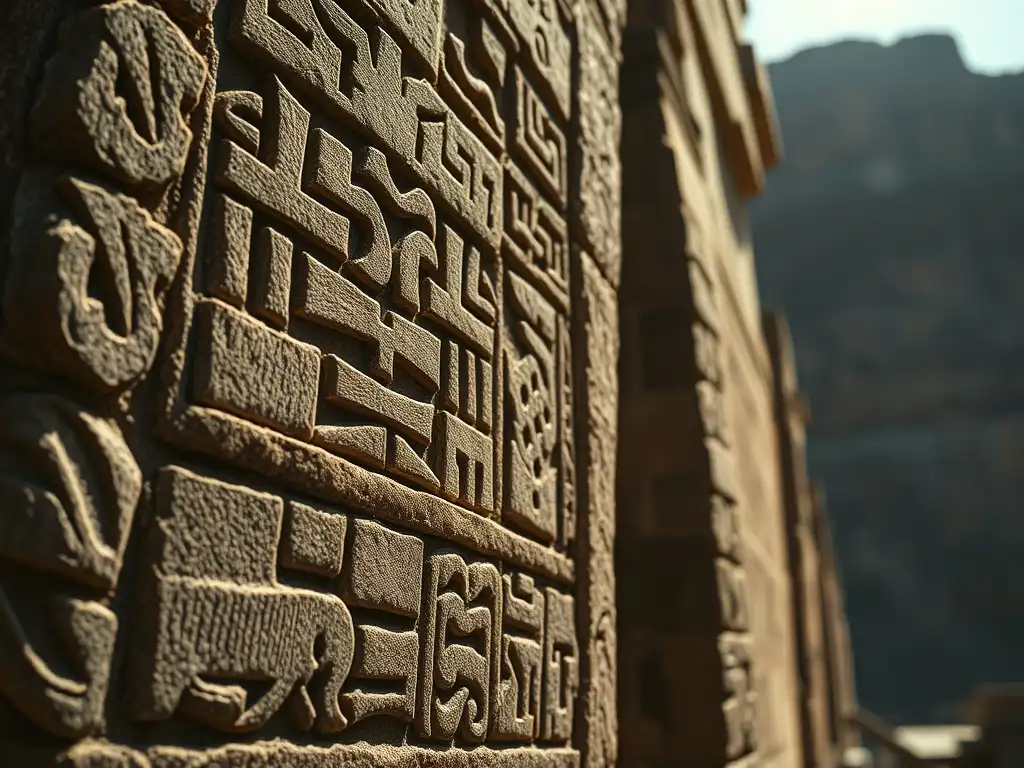
The remarkable stone sculptures of Tiahuanaco stand as testaments to the advanced technical skills of its artisans. Understanding their mastery requires examining the entire process, from sourcing raw materials to the final polishing of monumental works. This section delves into the specific techniques employed, shedding light on the ingenuity and precision that characterized Tiahuanaco's stone carving legacy, solidifying its place in the history of Andean stone carving techniques. The intricate details and monumental scale of their work continue to inspire awe and wonder, prompting ongoing research into their methods.
Sourcing and Preparation of Stone for Tiahuanaco Sculptures
The creation of Tiahuanaco's iconic sculptures began long before the first chisel touched the stone. The selection of raw materials was crucial, and the artisans demonstrated a keen understanding of the properties of different stones. Evidence suggests that the most commonly used stone was andesite, a volcanic rock known for its durability and ability to hold fine detail. However, other stones, such as basalt and red sandstone, were also incorporated, suggesting a sophisticated understanding of material properties and aesthetic preferences.
The sourcing of these materials likely involved significant logistical challenges. Andesite quarries, for instance, were located some distance from Tiahuanaco. This implies a well-organized system of transportation, likely involving human and animal labor, to move massive blocks of stone over considerable terrain. The precise locations of many quarries remain to be fully identified, adding another layer of complexity to understanding the full scope of the Tiahuanaco stone procurement system.
Once the stones were transported to Tiahuanaco, the preparation process began. This involved careful selection of suitable blocks, followed by the removal of unwanted portions. This preliminary shaping, often involving the removal of large sections of stone, likely employed techniques such as pounding with stone hammers and the use of wedges to split and shape the blocks.
The precision required to prepare these blocks for the detailed carving that followed underscores the high level of skill and planning involved in the entire process. Evidence of this preliminary shaping can be seen in the unfinished portions of some sculptures found at the site. Further research into the tools and methods used in this early phase is needed to fully understand its intricacies.
Tools and Methods Used in Tiahuanaco Stone Carving
The tools used by Tiahuanaco sculptors were remarkably sophisticated for their time. While the precise composition of some tools remains uncertain, archaeological evidence suggests the extensive use of hard stone tools, including chisels, hammers, and abrasives. These tools were likely made from harder stones like diorite or obsidian, chosen for their ability to effectively shape the andesite without excessive wear. The varying hardness and sharpness of these tools allowed for a range of carving techniques, from rough shaping to fine detailing.
The meticulous craftsmanship evident in Tiahuanaco sculptures suggests a complex understanding of stone working techniques. Different techniques were likely employed depending on the desired effect. For example, pecking—a technique involving repeatedly striking the stone with a pointed tool—was probably used for rough shaping and creating larger surface areas. Polishing, on the other hand, required finer tools and techniques, achieved through the use of abrasives like sand and water to create a smooth and highly reflective surface. The ability to seamlessly transition between these techniques demonstrates a high level of expertise and control.
Furthermore, the evidence suggests that Tiahuanaco sculptors also employed drilling techniques to create holes for various purposes, such as inserting decorative elements or creating channels for water drainage. The precision of these drilled holes, often remarkably straight and consistent, indicates a mastery of drilling techniques that is worthy of further study. Analyzing the wear patterns on discovered tools could provide further insights into the specific techniques and methods employed by these skilled artisans. [Specific data on tool wear patterns pending further archaeological analysis].
The Process of Creating Tiahuanaco Stone Monuments
Creating a Tiahuanaco stone monument was a complex and multi-stage process, requiring meticulous planning, precise execution, and a collaborative effort. The process likely began with the creation of a detailed design, perhaps using sketches or clay models. This would have guided the initial shaping and carving of the stone block. The artisans would have carefully removed excess stone, gradually revealing the desired form. This stage involved a combination of rough shaping with larger tools and finer detailing with smaller, sharper instruments.
The next stage involved the creation of the intricate details that characterize Tiahuanaco sculptures. This required considerable skill and patience, as the artisans carefully carved the features, clothing, and other elements of the figures. The depth and precision of the carvings, especially on smaller details like facial expressions and clothing patterns, highlight the advanced techniques and artistic vision of the sculptors. The use of different tools and techniques likely allowed for the creation of a variety of textures and surfaces, adding depth and visual interest to the sculptures.
The final stage involved polishing the sculptures to create a smooth, highly reflective surface. This process likely involved the use of progressively finer abrasives, resulting in a surface that would have been both visually striking and durable. The polished surfaces of many Tiahuanaco sculptures reflect light beautifully, enhancing their visual impact and suggesting a concern for aesthetic perfection.
The entire process, from initial design to final polishing, represents a remarkable achievement in stone carving, showcasing the advanced skills and collaborative efforts of the Tiahuanaco artisans. The longevity of these monuments is a testament to the quality of their craftsmanship and their enduring mastery of Tiahuanaco stone carving techniques.
Tiahuanaco Sculptors: The Artists Behind the Stone
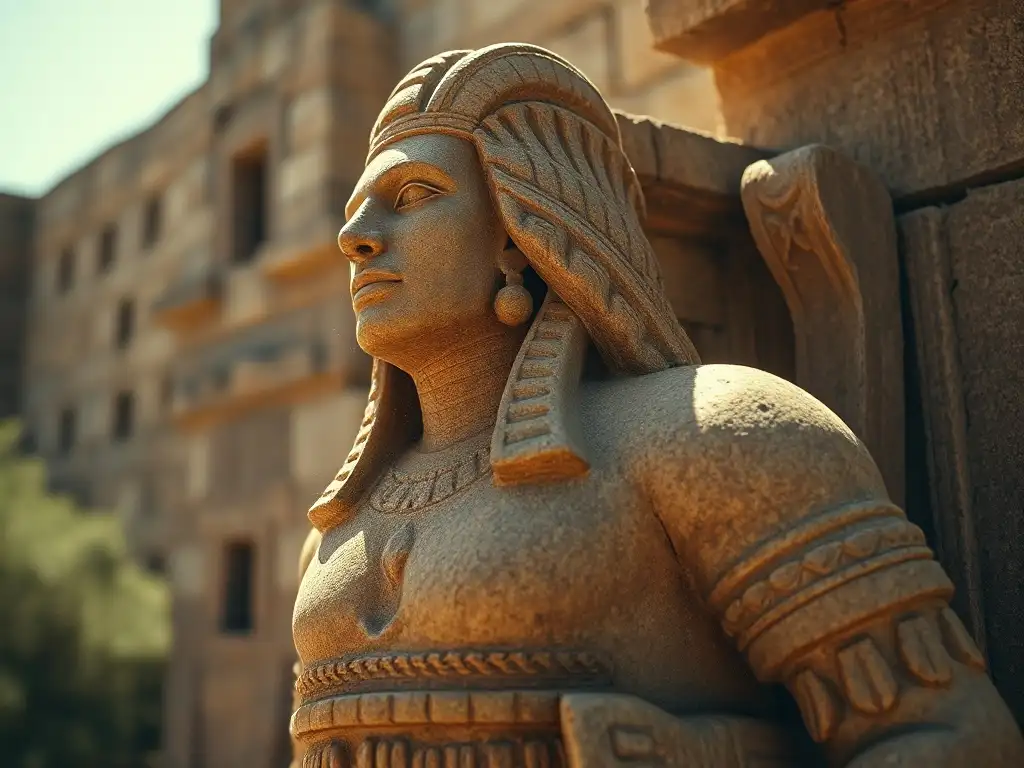
This section delves into the fascinating world of Tiahuanaco's sculptors, exploring their societal role, examining specific examples of their masterful work, and investigating how their skills were passed down through generations. Understanding their techniques provides crucial insight into the power structures and beliefs of this remarkable Andean civilization. The mastery of "Tiahuanaco stone carving techniques" wasn't merely an artistic endeavor; it was deeply intertwined with religious practices and political authority.
The Role of Sculptors in Tiahuanaco Society
Sculptors in Tiahuanaco held a position of significant social standing. Their skills were highly valued, and their creations served as powerful symbols of religious authority and political power. Unlike many other ancient societies where artisans might have been relegated to a lower social stratum, Tiahuanaco's sculptors likely enjoyed a privileged position, possibly working under the direct patronage of the elite or even holding positions within the religious hierarchy itself.
Evidence suggests a specialized workforce, with individuals dedicated to specific aspects of the carving process – from initial quarrying and shaping to the final polishing and detailing. This division of labor implies a sophisticated organizational structure within the sculptural workshops.
The intricacy and scale of some Tiahuanaco sculptures, such as the monumental Gate of the Sun, further support the idea of a well-organized and highly skilled team of artisans working collaboratively. Furthermore, the stylistic consistency across numerous sculptures points to a degree of standardization and possibly even artistic guilds or schools that ensured the continuity and preservation of these unique "Tiahuanaco stone carving techniques."
Examples: The Ponce Monolith and Bennett Monolith
Two striking examples of Tiahuanaco's sculptural prowess are the Ponce Monolith and the Bennett Monolith. The Ponce Monolith, a towering figure carved from a single block of andesite, depicts a powerful, possibly divine, being adorned with elaborate clothing and headdress. The level of detail is astonishing, with intricate carvings depicting textiles, jewelry, and even facial features.
Its imposing size and detailed craftsmanship demonstrate the advanced skills and resources available to Tiahuanaco sculptors. The precise "Tiahuanaco stone carving techniques" used to create such a monumental piece remain a subject of ongoing study, but analysis of the tool marks suggests the use of specialized chisels and hammers made of hard stone.
The Bennett Monolith, while smaller than the Ponce Monolith, is equally impressive. It features a stylized figure, possibly a deity or ruler, with a complex iconography that continues to fascinate scholars. The intricate carving, particularly the representation of clothing and adornments, showcases the sculptor's remarkable ability to render fine details in stone.
This piece, along with the Ponce Monolith, highlights the sophistication of Tiahuanaco's artistic and technological capabilities. The differences in stylistic choices between these two monoliths, despite both being products of the same culture, might reflect different artistic schools, periods, or even the individual styles of master sculptors. Further research is needed to fully understand these nuances.
The Transmission of Stone Carving Skills in Tiahuanaco
The remarkable continuity and consistency in Tiahuanaco's stone carving traditions suggest a robust system for transmitting these specialized skills across generations. This likely involved a combination of apprenticeship, family traditions, and possibly formal training within specialized workshops or schools. Young apprentices would have learned through direct observation and hands-on practice under the tutelage of experienced masters.
The meticulous nature of the work and the need for precision would have required years of dedicated training. Family lineages might have played a significant role, with carving skills passed down from parent to child, creating dynasties of master sculptors. The standardization of certain stylistic elements in Tiahuanaco sculptures points towards a system of formal instruction, ensuring the preservation of "Tiahuanaco stone carving techniques" and the continuity of artistic traditions.
Further investigation into Tiahuanaco social structures and family histories could shed more light on the specific mechanisms of knowledge transmission within this remarkable civilization. The precise methods of instruction remain somewhat mysterious, but the results speak volumes about the effectiveness of the system. The legacy of Tiahuanaco's sculptors continues to inspire awe and wonder, a testament to their skill, dedication, and the enduring power of their artistic legacy.
Decoding the Iconography of Tiahuanaco Stone Art
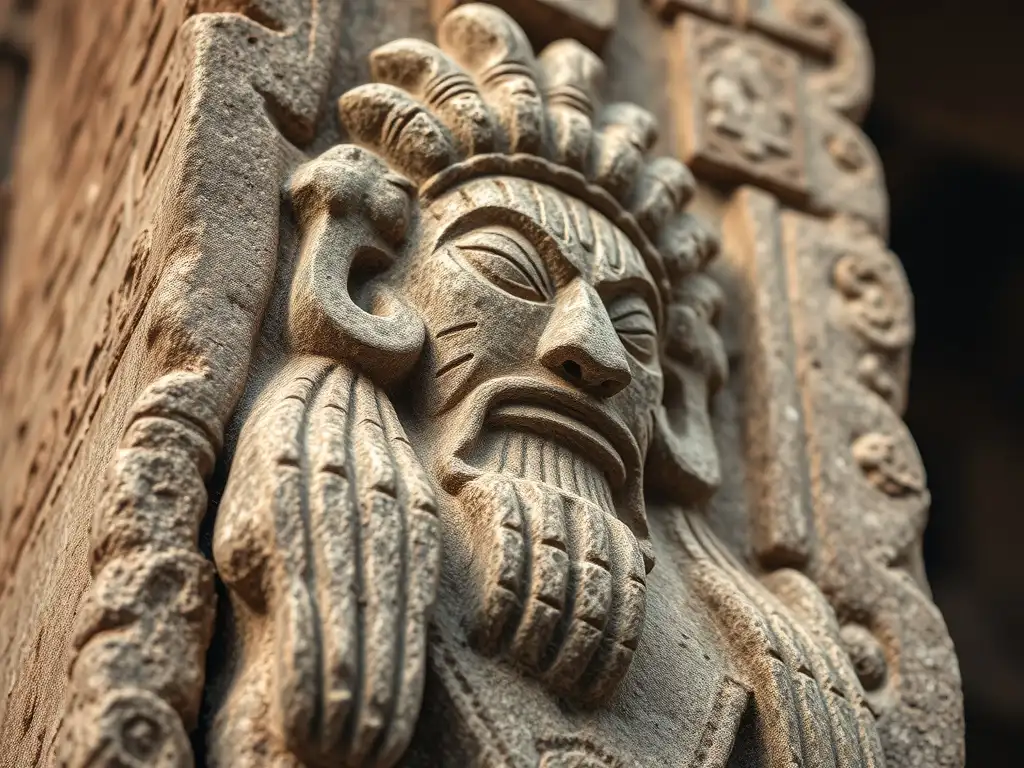
The remarkable stone carvings of Tiahuanaco are not merely decorative; they are rich repositories of information about the civilization's beliefs, social structures, and worldview. Understanding the iconography—the system of visual symbols—is crucial to deciphering the messages embedded within these ancient artifacts. Tiahuanaco stone carving techniques, honed over centuries, allowed for incredibly detailed and expressive representations, far surpassing the capabilities of many contemporary cultures.
The precision and artistry involved speak volumes about the societal value placed on these works, likely created by highly skilled and specialized artisans within the Tiahuanaco empire. Analyzing the iconography reveals a complex interplay of religious, political, and social elements.
Religious and Mythological Symbols in Tiahuanaco Carvings
Many Tiahuanaco carvings depict figures and creatures with clear religious significance. The recurring motif of the "Staff God," for example, is believed to represent a supreme deity or a powerful intermediary between the human and divine realms. Other common symbols include stylized felines, birds, and serpents, all likely representing powerful forces within the Tiahuanaco cosmology.
The intricate details, such as the headdresses, clothing, and postures of these figures, offer further clues to their specific roles and meanings. Furthermore, the use of specific materials, such as obsidian or turquoise inlay, may have enhanced the symbolic power of these representations. Careful study of these religious symbols provides insights into the Tiahuanaco pantheon and their understanding of the universe.
The prevalence of these motifs across various carving styles suggests a strong degree of religious standardization and perhaps even centralized control over religious iconography. Analyzing the stylistic variations across different sites and time periods might reveal evolving beliefs or regional differences within the Tiahuanaco religious system.
Beyond religious themes, Tiahuanaco stone carvings also reflect the civilization's political and social organization. Portrayals of rulers, often depicted in elaborate attire and with powerful symbols of authority, underscore the hierarchical nature of Tiahuanaco society. The size and prominence of these figures in relation to other elements within the composition further emphasize their elevated status.
Furthermore, the depiction of processions or ceremonies suggests the importance of collective rituals and social cohesion. The meticulous detail in representing clothing, jewelry, and weaponry allows for detailed analysis of social stratification and the distribution of power within the society. Some carvings might depict scenes of tribute or conquest, providing valuable information about Tiahuanaco's interactions with neighboring communities and the extent of its influence.
The presence of specific insignia or symbols on certain sculptures might indicate membership in specific social groups or clans. In essence, these carvings serve as visual records of the political and social landscape of Tiahuanaco.
Example: Analysis of the Staff God Motif
The Staff God, a recurring figure in Tiahuanaco art, provides a compelling example of the complex iconography present in these carvings. This deity is typically depicted with a staff, often adorned with intricate details, and frequently wears a headdress that symbolizes his authority. The Staff God's facial features, often stylized and somewhat ambiguous, are a subject of ongoing scholarly debate.
Some interpret the expression as serene and benevolent, while others see it as possessing a more austere and commanding presence. The varied representations of the Staff God throughout different Tiahuanaco sites and across different time periods also offer insights into the evolution of religious beliefs and artistic styles. The context in which the Staff God appears—whether in isolation or surrounded by other figures—further enriches our understanding of its meaning and its role within the broader religious system.
Detailed analysis of the Staff God motif, coupled with the study of other symbolic elements, provides a more complete understanding of Tiahuanaco's religious beliefs and their intricate relationship with the political and social structures of the civilization. The consistent use of the Staff God motif across various media—from stone carvings to textiles— underscores its importance within Tiahuanaco culture.
Notable Tiahuanaco Stone Structures and Sculptures
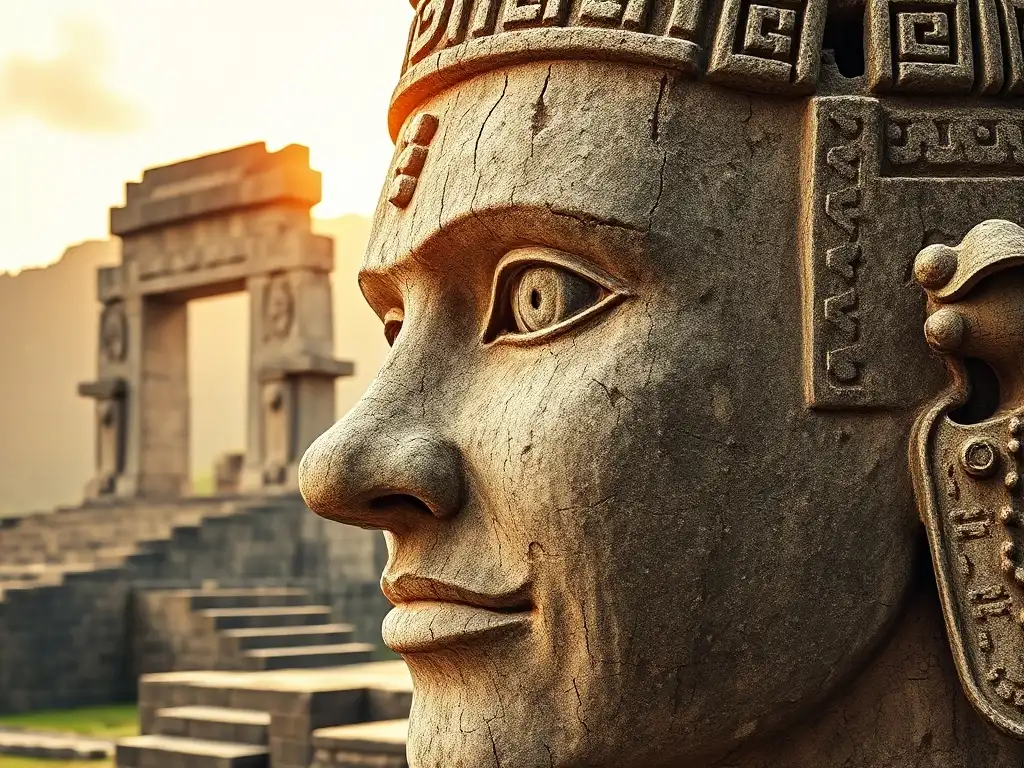
This section delves into the remarkable stone structures and sculptures of Tiahuanaco, showcasing the advanced engineering and artistic skills of its creators. The mastery of Tiahuanaco stone carving techniques is evident in the precision and scale of these monumental works, which continue to inspire awe and wonder centuries later. Understanding these structures provides crucial insight into the sophisticated society that flourished in the Andean highlands.
The Akapana Pyramid: A Masterpiece of Stone Engineering
The Akapana pyramid, a colossal structure at the heart of Tiahuanaco, stands as a testament to the ingenuity of its builders. Its impressive size and complex internal design suggest a sophisticated understanding of architecture and engineering, far surpassing the capabilities of many contemporary civilizations. While its precise function remains debated, evidence suggests it may have served as a ceremonial center, possibly incorporating water management systems within its layered structure.
The meticulous placement of massive stone blocks, some weighing several tons, showcases the advanced Tiahuanaco stone carving techniques employed in its construction. Analysis of the stones reveals intricate craftsmanship, with precise cuts and joins that minimize gaps and ensure structural integrity. The precision and scale of the Akapana highlight the sophisticated organizational capabilities and advanced knowledge of engineering principles within Tiahuanaco society.
Further research is needed to fully understand the intricate details of its construction and its role within the broader Tiahuanaco complex. The pyramid's construction likely involved a large workforce, organized and managed with remarkable efficiency, further emphasizing the societal complexity of Tiahuanaco.
The Kalasasaya Temple: Featuring Impressive Stone Carvings
The Kalasasaya Temple, meaning "standing stones" in Aymara, is another significant structure at Tiahuanaco, renowned for its impressive stone carvings. Its construction demonstrates a high level of skill in the Tiahuanaco stone carving techniques, particularly in the precision of the carved stone blocks and their intricate designs. The temple's walls are adorned with numerous carvings, including anthropomorphic figures, geometric patterns, and stylized representations of animals.
These carvings are not merely decorative; they are believed to hold symbolic meaning, reflecting the religious beliefs and cosmology of the Tiahuanaco people. The use of different stone types and the masterful execution of the carvings showcase the advanced artistic and technical capabilities of the Tiahuanaco sculptors. The precise fitting of the stones, with minimal mortar used, is a testament to their understanding of stonework and their ability to create structures that have withstood the test of time.
The complexity of the carvings and their symbolic significance require further in-depth study to fully appreciate the artistic and cultural achievements reflected in the Kalasasaya Temple. The style of carving itself is unique to Tiahuanaco, distinguishing it from other Andean cultures and solidifying its place as a significant artistic center.
The Gateway of the Sun: A Symbol of Tiahuanaco Power
The Gateway of the Sun is perhaps the most iconic symbol of Tiahuanaco, a monolithic structure carved from a single block of andesite. This impressive piece of stonework perfectly exemplifies advanced Tiahuanaco stone carving techniques, showcasing the remarkable skill and patience required to create such a detailed and monumental sculpture. The gateway is adorned with a central figure, often interpreted as a deity or a powerful ruler, surrounded by intricate carvings of stylized figures and geometric patterns.
The precision of the carvings, the scale of the structure, and the symbolic meaning embedded within the artwork all point to the power and sophistication of Tiahuanaco society. The Gateway's creation required not only exceptional craftsmanship but also a significant logistical effort to transport and carve such a massive stone block. The intricate detail of the carvings, including the individual features of the figures and the complex geometric designs, reflects a deep understanding of artistry and a profound symbolic language.
The Gateway of the Sun remains a powerful reminder of Tiahuanaco's advanced civilization and its lasting impact on Andean culture. Its enduring presence serves as a powerful symbol of the advanced Tiahuanaco stone carving techniques and the cultural significance of the site itself. The precise meaning and purpose of the Gateway remain a subject of ongoing research and debate among archaeologists and scholars.
The Puma Punku Complex: Precision Stone Cutting
The Puma Punku complex, part of the larger Tiahuanaco site, stands as a testament to the advanced stoneworking techniques employed by the Tiahuanaco culture. Its massive, precisely cut stones, some weighing many tons, are a marvel of ancient engineering and a key example of advanced Tiahuanaco stone carving techniques. The sheer scale of the project and the accuracy of the stone fitting are particularly impressive. Scholars continue to debate the exact methods used, but the level of precision surpasses many later constructions.
The stones themselves are primarily andesite, a hard volcanic rock, requiring exceptional skill and sophisticated tools to shape and manipulate. The absence of significant mortar between many of the stones further emphasizes the precision of the cuts, suggesting a level of understanding of geometry and engineering far beyond what was previously believed possible for the time period. The intricate joins and the minimal gaps between stones point to a mastery of stone shaping and fitting that remains a subject of ongoing research and fascination. Understanding the Tiahuanaco stone carving techniques employed at Puma Punku requires considering not just the tools, but also the organizational and logistical aspects of such a monumental undertaking.
The transportation of these massive stones from quarries located some distance away is another remarkable feat of engineering, adding another layer of complexity to the overall picture of Tiahuanaco's technological prowess. The precision evident in the stonework of Puma Punku offers compelling evidence of sophisticated planning, specialized labor, and a deep understanding of materials and construction. The mastery of Tiahuanaco stone carving techniques at this site continues to inspire awe and wonder.
The Legacy of Tiahuanaco's Stone Carving Art
Tiahuanaco's legacy extends far beyond its impressive monumental architecture. The sophisticated stone carving techniques employed by its artisans represent a pinnacle of Andean artistry, leaving an indelible mark on subsequent cultures and inspiring awe in contemporary viewers. Their mastery of stone manipulation, evident in the intricate details and monumental scale of their works, speaks to a highly organized society with advanced technological capabilities and a deep understanding of symbolic representation.
The sheer precision and scale of their carvings, from the intricate details on smaller artifacts to the colossal statues and gateways, point to a level of skill and planning rarely seen in other contemporaneous cultures. Understanding these techniques provides valuable insight into the social, religious, and technological aspects of Tiahuanaco society. The meticulous craftsmanship evident in surviving examples suggests a highly specialized workforce, possibly comprised of guilds or lineages with inherited expertise in stone carving.
This expertise was not merely technical; it was deeply intertwined with the cultural and religious beliefs of the time, transforming simple stone into powerful symbols of authority and cosmic order. The enduring influence of Tiahuanaco's stone carving is a testament to the enduring power of artistic expression and its capacity to transcend time.
Influence of Tiahuanaco Stone Techniques on Later Andean Cultures
The impact of Tiahuanaco's stone carving techniques reverberated throughout the Andes for centuries. Later Andean cultures, including the Inca, clearly show evidence of adopting and adapting Tiahuanaco's stylistic elements and technical prowess. While the Inca developed their own distinct artistic style, the influence of Tiahuanaco's monumental architecture and its sophisticated stonework is undeniable.
For example, the precise stone fitting techniques, the use of specific types of stone, and even certain stylistic motifs found in Tiahuanaco art reappear, albeit often adapted, in Inca constructions. This transmission of knowledge wasn't a simple copying; it was a process of cultural exchange and adaptation, reflecting a complex interplay between continuity and innovation. The mastery of techniques like the precise cutting and fitting of massive blocks of stone, evident in sites like Ollantaytambo, bears a clear resemblance to Tiahuanaco's methods.
Furthermore, the symbolic imagery found in Tiahuanaco stone carvings, particularly representations of deities and cosmological concepts, continued to resonate in the iconography of later Andean cultures. The continuity in artistic conventions suggests a cultural inheritance, with later artists drawing inspiration and knowledge from their predecessors' achievements. This intergenerational transmission of skills and artistic styles is crucial to understanding the development of Andean art and technology.
Preservation and Study of Tiahuanaco Stone Carvings
The preservation and study of Tiahuanaco's stone carvings present unique challenges and opportunities. The fragility of the stone, combined with the effects of weathering and environmental degradation, necessitates careful conservation efforts. Ongoing research efforts, employing advanced techniques like 3D scanning and digital modeling, allow for detailed documentation and analysis of these fragile artifacts, mitigating the risks associated with physical examination.
These digital records provide invaluable resources for scholars and researchers worldwide, making it possible to study the carvings without causing further damage. Moreover, the ongoing archeological excavations at Tiahuanaco and surrounding sites continue to yield new discoveries, expanding our understanding of the techniques and artistic practices of the civilization. The meticulous recording of these findings, along with the application of scientific methods in analyzing the stone itself (its composition, sourcing, and carving techniques) provides a more comprehensive understanding of the Tiahuanaco stone carving techniques.
Further research into the tools and workshops used by the Tiahuanaco sculptors is crucial to fully understanding their methods, and potentially replicating them to better understand the challenges involved. The combination of careful preservation and rigorous scholarly investigation is essential to ensuring the long-term survival and understanding of this remarkable artistic legacy.
The Enduring Significance of Tiahuanaco's Stone Art
Tiahuanaco's stone art holds enduring significance for several reasons. First, it represents a remarkable achievement in ancient Andean technology and artistry. The precision, scale, and symbolic richness of the carvings demonstrate a level of skill and sophistication rarely matched in other contemporaneous cultures. Second, the art provides invaluable insights into the cosmology, religion, and social structures of Tiahuanaco society.
The imagery depicted in the carvings offers clues to their beliefs, social hierarchies, and interactions with the natural world. Third, the enduring influence of Tiahuanaco's artistic style on subsequent Andean cultures highlights its importance as a cultural touchstone. The continuity of certain stylistic elements and techniques across centuries underscores the enduring impact of Tiahuanaco's artistic legacy. Finally, the study of Tiahuanaco stone carving continues to inspire contemporary artists and researchers, demonstrating the timeless appeal and relevance of its artistic achievements.
The legacy of Tiahuanaco's stone carving techniques remains a powerful symbol of human ingenuity, cultural resilience, and the enduring power of artistic expression. Its study allows us to appreciate not only the technical skill involved but also the profound cultural and spiritual significance embedded within these remarkable works. The careful preservation and continued study of these artifacts are paramount to ensuring that their message continues to resonate for generations to come.
Frequently Asked Questions
What unique techniques did Tiahuanaco stone carvers employ?
Tiahuanaco artisans used sophisticated techniques including precision cutting, pre-drilling, and hammer-and-anvil methods to shape massive stones. They also mastered fitting stones together with incredible accuracy, achieving seamless joins.
What tools did Tiahuanaco stone carvers likely use?
While specific tools remain debated, evidence suggests they used stone hammers, chisels, and possibly copper or bronze tools for finer details. Sand and water likely aided in the cutting and polishing processes.
How did Tiahuanaco carvers transport such massive stones?
The transport of colossal stones remains a mystery. Theories involve sophisticated systems of ramps, rollers, and possibly human and animal power. The exact methods continue to be researched and debated.
What is the significance of Tiahuanaco stone carvings?
The carvings are incredibly significant, providing valuable insights into their religious beliefs, social structures, and artistic skills. They represent powerful symbols and complex narratives.
What is the current state of research on Tiahuanaco stone carving techniques?
Research is ongoing, with archaeologists and scientists continuing to investigate tool marks, stone composition, and construction methods. New discoveries regularly contribute to our understanding of these remarkable techniques.
Final Reflection: Echoes of Power in Andes Stone
The intricate artistry of Tiahuanaco's stone carvings continues to resonate today, a testament to the ingenuity and power of a civilization lost to time. These weren't merely decorative elements; they were powerful statements, imbued with religious and political significance, reflecting a society's complex worldview and mastery of engineering. Understanding their techniques offers a window into a sophisticated culture that thrived millennia ago, leaving behind a legacy that continues to inspire awe and wonder.
The enduring influence of Tiahuanaco's sculptural legacy is undeniable; its impact stretches far beyond the archaeological site itself. The precision, scale, and symbolic richness of these works continue to inspire artists, architects, and historians alike. Their enduring power lies in their ability to transcend time, prompting us to contemplate the enduring nature of human creativity and the lasting impact of cultural expression. The past is never dead. It's not even past.
– William Faulkner. This quote perfectly encapsulates the ongoing relevance of Tiahuanaco's stone carvings, their stories whispering across the centuries.
Consider the meticulous craftsmanship, the sheer scale of the projects, and the profound symbolism embedded within each piece. You, the reader, are now part of this ongoing conversation. Take a moment to reflect on the ingenuity and dedication required to create such masterpieces. What can we learn from the perseverance and artistic vision of the Tiahuanaco sculptors? Let their legacy inspire you to appreciate the power of human creativity and the enduring strength of cultural heritage. Carry this knowledge forward, and let it shape your own understanding of art, history, and the enduring power of human expression.
Unveil the Legacy of Tiahuanaco: Take Action Today!
Thank you for exploring the fascinating world of Tiahuanaco's sculptors with us! We hope you're inspired by the incredible artistry and cultural significance of these ancient artisans. Now, let's turn that inspiration into action.
Here are some ways you can connect with the legacy of Tiahuanaco:
- Learn more: Explore our website for articles on Andean civilizations, their history, and artistic achievements.
- Share your passion: Discuss this incredible culture with friends and family, sparking conversations about your discoveries.
- Get creative: Try your hand at sculpting! Using clay or even play-dough, create your own interpretation of Tiahuanaco art. This hands-on experience can foster creativity and a deeper appreciation for the skill of these ancient masters.
What aspect of Tiahuanaco's artistry resonates most with you, and how will you integrate this newfound appreciation into your life?