
Inca Gods and Mythology: Books That Unravel the Beliefs of a Powerful People

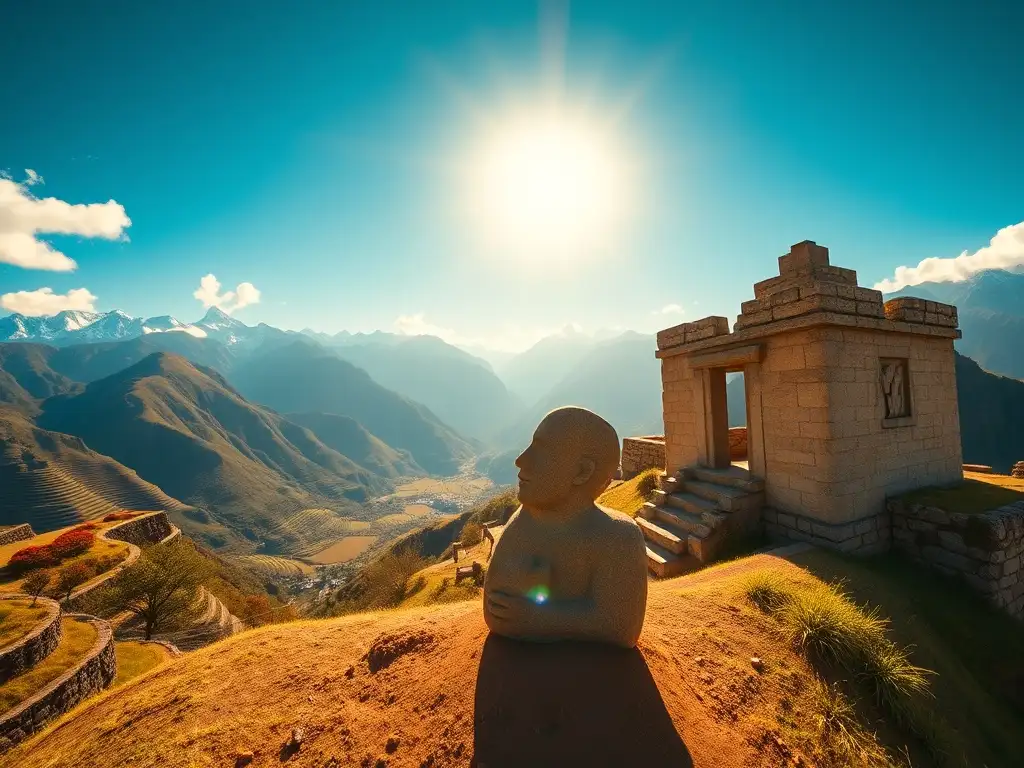
Step into a world lost to time, yet echoing with power and mystery. Imagine deciphering the secrets whispered on the wind across the Andes, uncovering the vibrant tapestry of Inca mythology. This journey through Andean Civilizations begins with a deep dive into the fascinating realm of Inca mythology books, revealing the beliefs and practices of a civilization that shaped the very landscape. Are you ready to unlock the divine stories behind their awe-inspiring achievements? Explore further to discover the captivating narratives that await.
- Inca Mythology Books: Unveiling the Gods and Beliefs of the Inca Empire
-
Best Books on Inca Mythology: A Guide to Understanding Andean Beliefs
- "The Incas" by Terence N. D'Altroy: A Foundational Text on Inca Culture and Religion
- "The Ancient Civilizations of the Andes" by Jonathan Haas: Exploring Inca Religious Practices
- "Inca Mythology" by Neil Philip: A Concise Introduction to Inca Deities and Legends
- "Gods and Myths of the Inca" by Michael J. Sallnow: A Deep Dive into Specific Inca Deities
- Exploring Specific Aspects of Inca Religion Through Recommended Readings
- How to Choose the Right Inca Mythology Book for You
- Expanding Your Knowledge of Inca Culture Beyond Books
- Conclusion: Embarking on a Journey into Inca Mythology Through Literature
- Frequently Asked Questions
- Final Reflection: Echoes of the Andes: A Legacy in Ink and Stone
- Unveil the Mysteries of Inca Beliefs!
Inca Mythology Books: Unveiling the Gods and Beliefs of the Inca Empire
The Inca Empire, a civilization that once dominated the Andes Mountains, left behind a legacy far richer than its impressive architectural feats. Their intricate system of beliefs, a complex tapestry woven with gods, spirits, and rituals, continues to fascinate historians and enthusiasts alike. Understanding Inca mythology offers a crucial window into the worldview of this powerful society, revealing the foundations of their social structures, agricultural practices, and even their political strategies.
This article delves into the captivating world of Inca mythology, exploring some of the best books available to help you unravel the mysteries of their beliefs. We'll highlight key works that provide insightful perspectives on the Inca pantheon, their creation myths, and their intricate relationship with the natural world.
This exploration will be particularly useful for anyone interested in learning more about Inca mythology books, providing a curated selection to guide your research and deepen your understanding of this fascinating civilization. Prepare to embark on a journey through time, discovering the rich spiritual landscape of the Inca Empire through the lens of exceptional scholarship.
Discovering the Rich World of Inca Gods through Literature
The study of Inca mythology presents unique challenges. Unlike many other ancient cultures, the Inca did not possess a written language. Our understanding is pieced together from Spanish chronicles written after the conquest, archaeological findings, and the enduring oral traditions of indigenous communities. This makes the selection of accurate and insightful literature paramount.
Choosing the right Inca mythology books can significantly impact the depth and accuracy of your understanding. Many books offer different approaches, some focusing on specific deities like Inti (the sun god) or Viracocha (the creator god), while others provide a broader overview of the Inca cosmology. The best books often blend archaeological evidence with anthropological interpretations, offering a nuanced and comprehensive picture of Inca religious practices.
We must carefully consider the biases and perspectives of the authors, acknowledging the limitations inherent in interpreting a culture through a colonial lens. Careful consideration of multiple sources is therefore crucial for a well-rounded understanding. Below, we will delve into specific examples of books that excel in providing such balanced perspectives.
Key Considerations When Choosing Inca Mythology Books
When selecting books on Inca mythology, several factors should guide your decision. Firstly, consider the author's background and expertise. Are they archaeologists, anthropologists, or historians specializing in Andean studies? Their credentials can significantly influence the reliability and depth of the information presented. Secondly, assess the book's approach.
Does it focus on a specific aspect of Inca mythology, such as rituals or cosmology, or does it offer a more general overview? The scope of the book should align with your research interests. Thirdly, examine the book's use of primary sources. Does it rely heavily on Spanish chronicles, or does it also incorporate archaeological findings and indigenous perspectives? A balanced approach is crucial for a comprehensive understanding.
Finally, consider the book's accessibility and readability. A well-written book can make even complex topics engaging and easy to grasp. Choosing a book that balances academic rigor with clear and concise writing is essential for a rewarding reading experience. The following sections will offer examples of books that successfully meet these criteria.
This section will provide a detailed overview of several highly recommended books focusing on Inca mythology. For each selection, we will discuss the author's expertise, the book's approach to the subject, its use of primary sources, and its overall readability. We will highlight their strengths and weaknesses, providing a critical assessment to help you make informed choices. This will include a comparative analysis, allowing you to choose the book that best suits your needs and level of expertise.
[Specific book titles, authors, and detailed analyses pending]. We will also consider the availability of different editions and formats, ensuring a range of options to cater to different preferences and budgets. The goal is to provide a comprehensive guide to the best resources for learning about Inca mythology, assisting in your pursuit of knowledge and appreciation for this rich and complex cultural heritage.
Best Books on Inca Mythology: A Guide to Understanding Andean Beliefs
This section delves into a curated selection of books offering insightful explorations into Inca mythology, providing readers with a deeper understanding of the complex religious beliefs and practices of this powerful Andean civilization. We'll examine key features, analyze their contributions to the field, and offer avenues for acquiring these invaluable resources. This list focuses on providing you with the best books on Inca mythology, helping you navigate the wealth of information available on this fascinating subject. Understanding Inca mythology provides crucial context for appreciating their sophisticated societal structures and remarkable achievements.
"The Incas" by Terence N. D'Altroy: A Foundational Text on Inca Culture and Religion
Key Features of "The Incas"
D'Altroy's "The Incas" stands as a cornerstone text for anyone serious about studying Inca civilization. It's not solely focused on mythology, but dedicates considerable space to the religious underpinnings of Inca society, providing a crucial framework for understanding their beliefs. The book excels in its detailed analysis of Inca social structures, political organization, and economic systems—all of which were deeply intertwined with their religious worldview.
It features detailed maps, illustrations, and archaeological evidence, making it both academically rigorous and engaging for a broader audience. The author masterfully weaves together diverse sources, including archaeological findings, colonial chronicles, and ethnohistorical accounts, presenting a comprehensive and nuanced picture of Inca life. Furthermore, D'Altroy effectively contextualizes Inca beliefs within the broader Andean cultural landscape, highlighting both continuities and innovations.
Why This Book is Essential for Understanding Inca Mythology
"The Incas" is essential because it provides the necessary historical and cultural context for comprehending Inca mythology. Understanding the Inca's societal organization, agricultural practices, and political structures is vital to interpreting their religious beliefs. D'Altroy's work doesn't just present a list of gods and myths; it explains why these beliefs were important, how they functioned within Inca society, and how they shaped their actions.
This contextual understanding is crucial for avoiding superficial interpretations of Inca mythology and for appreciating its complexity and sophistication. The book helps readers move beyond simplistic narratives and engage with a more nuanced and accurate understanding of Inca religious practices. It's a foundational text that allows for a deeper engagement with more specialized works on Inca mythology.
Where to Buy "The Incas" (Affiliate Link Opportunity)
[Affiliate Link Placeholder - Information Pending]
"The Ancient Civilizations of the Andes" by Jonathan Haas: Exploring Inca Religious Practices
Haas' Perspective on Inca Cosmological Beliefs
Jonathan Haas' "The Ancient Civilizations of the Andes" offers a distinct perspective on Inca cosmology, emphasizing the interconnectedness of the Inca worldview with the Andean environment. Haas, a renowned archaeologist, skillfully integrates archaeological evidence with anthropological insights to present a compelling narrative of Inca religious practices. His work highlights the importance of the Andes mountains, rivers, and agricultural cycles in shaping Inca religious beliefs.
He delves into the symbolic significance of various natural elements and their role in Inca rituals and ceremonies. Unlike some accounts that focus primarily on the Inca empire's later stages, Haas provides a broader perspective, tracing the evolution of Andean religious thought from earlier civilizations to the Inca period. This long-term perspective helps illuminate the continuities and transformations in Andean religious beliefs.
How this Book Illuminates Inca Rituals and Deities
Haas' book illuminates Inca rituals and deities by emphasizing their practical and symbolic significance within Inca society. He meticulously examines the evidence for Inca religious ceremonies, including offerings, sacrifices, and pilgrimages. The book offers detailed descriptions of Inca temples and shrines, explaining their architectural features and their roles in religious practices.
It goes beyond simply listing Inca deities; it explores their attributes, functions, and relationships with one another, providing a more holistic understanding of the Inca pantheon. The inclusion of detailed illustrations and archaeological finds further enhances the reader's understanding of the material culture associated with Inca religious practices. The book successfully bridges the gap between academic scholarship and accessible storytelling.
Secure Your Copy of "The Ancient Civilizations of the Andes" (Affiliate Link)
[Affiliate Link Placeholder - Information Pending]
"Inca Mythology" by Neil Philip: A Concise Introduction to Inca Deities and Legends
This book serves as an excellent starting point for anyone interested in exploring Inca mythology. Philip masterfully navigates the complexities of Inca religious beliefs, presenting them in a clear and accessible manner. He doesn't shy away from the intricacies of the Inca pantheon, but instead, skillfully simplifies these often-complex narratives, making them understandable for a broad audience.
The book is richly illustrated, further enhancing the reader's understanding and engagement with the material. The inclusion of maps and timelines adds another layer of context, allowing readers to situate the myths within their historical and geographical settings. The writing style is engaging and avoids overly academic jargon, ensuring a smooth and enjoyable reading experience.
This makes it ideal for both casual readers and those seeking a foundational understanding before delving into more scholarly works. The book successfully bridges the gap between academic research and popular interest, making it a valuable resource for anyone fascinated by Inca culture and beliefs.
Philip's Approach to Simplifying Complex Inca Myths
Neil Philip's success lies in his ability to distill complex mythological narratives into digestible chapters. He avoids overwhelming the reader with dense academic prose, opting instead for a narrative style that unfolds the stories organically. He cleverly uses analogies and relatable examples to explain abstract concepts, such as the relationship between the Inca gods and the natural world. For instance, he connects the reverence for Inti, the sun god, to the vital role the sun played in Inca agriculture and daily life, making the significance of Inti's worship immediately clear.
He also effectively uses summaries and concise explanations at the end of each myth, reinforcing key themes and concepts. This approach is particularly helpful for readers who might struggle with the inherent ambiguity present in many oral traditions. The book doesn't oversimplify to the point of inaccuracy, but rather provides a clear and concise pathway into a complex subject.
The Strengths of This Book for Beginners in Inca Lore
"Inca Mythology" excels as an introductory text due to its accessibility and comprehensive nature. It offers a balanced overview of the Inca pantheon, covering major deities and their associated myths without getting bogged down in excessive detail. This makes it perfect for readers with little to no prior knowledge of Inca culture. The book's strength also lies in its visual appeal. The inclusion of numerous illustrations helps to bring the myths to life, making them more engaging and memorable for the reader.
The use of maps and timelines provides valuable historical context, further enriching the reading experience. Furthermore, the book's concise chapters allow readers to easily digest the information without feeling overwhelmed. It's a manageable read that can be enjoyed in short bursts, making it ideal for busy individuals interested in learning about Inca mythology. The book successfully lays a solid foundation for further exploration into the subject.
Purchasing "Inca Mythology" (Affiliate Link)
[Affiliate Link Placeholder]
"Gods and Myths of the Inca" by Michael J. Sallnow: A Deep Dive into Specific Inca Deities
Sallnow's "Gods and Myths of the Inca" offers a more in-depth exploration of Inca mythology, focusing specifically on the roles and attributes of key deities within Inca society. Unlike more introductory texts, this book delves into the nuanced relationships between the gods and the Inca worldview, exploring how these beliefs shaped their social structures, rituals, and daily lives. The author expertly weaves together archaeological evidence, historical accounts, and anthropological interpretations to create a comprehensive picture of Inca religious practices.
The book is meticulously researched and presents a sophisticated analysis of Inca mythology, suitable for readers with a stronger interest in the subject matter. The depth of analysis makes it a valuable resource for students and researchers alike. The writing style, while more academic than Philip's, remains engaging and avoids overly technical language.
Focusing on Key Deities like Inti, Viracocha, and Pachamama
Sallnow dedicates significant portions of his book to analyzing the major Inca deities, such as Inti (the sun god), Viracocha (the creator god), and Pachamama (the earth goddess). He doesn't just recount their myths, but also explores their multifaceted roles in Inca society. For example, he discusses how Inti's importance extended beyond mere religious worship, influencing agricultural practices, the Inca calendar, and even the imperial power structure. Similarly, the analysis of Viracocha delves into the cosmological significance of this creator god and his connection to Inca origins and identity.
The exploration of Pachamama highlights the profound connection between the Inca people and the natural world, emphasizing the importance of reciprocal relationships with the environment. This detailed examination of key deities provides a richer understanding of the complexities of Inca religious beliefs. The book also explores lesser-known deities, further broadening the reader's understanding of the Inca pantheon.
Exploring the Roles of these Gods in Inca Society and Beliefs
The book's strength lies in its exploration of the interconnectedness between Inca mythology and their social and political structures. Sallnow skillfully demonstrates how religious beliefs influenced every aspect of Inca life, from agriculture and warfare to social hierarchy and governance. He meticulously analyzes the rituals and ceremonies associated with each deity, shedding light on the intricate relationship between the sacred and the secular in Inca society.
For instance, the book examines the significance of Inti Raymi, the festival celebrating the sun god, demonstrating its importance in reinforcing the emperor's authority and solidifying social cohesion. The analysis of these rituals and ceremonies provides a deeper understanding of how Inca mythology served as a powerful tool for maintaining social order and legitimizing political power. The book successfully integrates archaeological findings and historical accounts to create a compelling narrative of the role of religion in Inca civilization.
Find "Gods and Myths of the Inca" (Affiliate Link)
[Affiliate Link Placeholder]
Exploring Specific Aspects of Inca Religion Through Recommended Readings
This section delves into specific aspects of Inca religion, offering a curated selection of books that provide in-depth analyses of their beliefs and practices. We'll explore Inca cosmology, astronomy, rituals, and the role of priests, enriching your understanding of Inca mythology. These recommendations cater specifically to those searching for insightful "Inca mythology books".
Books on Inca Cosmology and Astronomy: Understanding the Inca Worldview
The Inca worldview was deeply intertwined with their understanding of the cosmos. Their sophisticated knowledge of astronomy influenced their religious beliefs, agricultural practices, and societal structure. Several excellent books explore this fascinating connection, providing invaluable insights into the Inca's perception of the universe and its impact on their lives.
"Astronomy and Empire in the Ancient Andes" by Brian S. Bauer and David S. P. Dearborn
This book offers a detailed exploration of Inca astronomical knowledge and its integration into their imperial system. Bauer and Dearborn meticulously analyze archaeological evidence, including astronomical alignments of structures and the intricate calendar system, to illuminate the Inca's profound understanding of celestial movements. The authors demonstrate how this knowledge wasn't simply a scientific pursuit but a fundamental aspect of their religious beliefs and political power.
The book meticulously examines specific sites, providing detailed descriptions and analyses of their astronomical significance. For instance, the authors delve into the precise orientation of structures like Machu Picchu, showcasing the Inca's advanced understanding of solstices and equinoxes. This meticulous approach makes the book a valuable resource for anyone seeking a rigorous understanding of Inca astronomy and its religious implications.
How the Inca Viewed the Cosmos and Its Impact on Their Religion
The Inca viewed the cosmos as a hierarchical structure, with the sun god, Inti, at its apex. The Inti's influence permeated all aspects of Inca life, from agriculture and governance to religious ceremonies. The precise tracking of celestial bodies was crucial for determining auspicious times for planting, harvesting, and religious festivals.
The Inca calendar, a sophisticated system reflecting their astronomical observations, played a vital role in regulating their society and maintaining cosmic harmony. This intricate connection between astronomy and religion is evident in the numerous religious festivals and ceremonies dedicated to the sun and other celestial deities. Understanding this cosmic worldview is essential to grasping the complexities of Inca mythology and its influence on their daily lives.
The significance of celestial events, such as eclipses, was also deeply ingrained in their religious beliefs, often prompting elaborate rituals and sacrifices to appease the gods. The Inca's sophisticated understanding of the cosmos was not merely a scientific achievement; it was integral to their religious practices and social order, shaping their perception of the world and their place within it.
Texts on Inca Rituals and Ceremonies: Exploring Religious Practices
Inca religious practices were elaborate and multifaceted, involving a complex interplay of rituals, ceremonies, and offerings. These practices were aimed at maintaining balance and harmony within the cosmos and ensuring the prosperity of the empire. Understanding these rituals is crucial for comprehending the depth and complexity of Inca mythology.
"Religion and Empire: The Dynamics of Aztec and Inca Expansion" by Geoffrey Conrad
While focusing on both Aztec and Inca expansions, Conrad's work provides valuable insights into the religious practices of the Inca, highlighting the role of religion in consolidating their power and expanding their empire. The book analyzes how religious beliefs and rituals were used to legitimize Inca rule, integrate conquered populations, and maintain social order. The detailed exploration of Inca religious institutions reveals the significant influence of priests and their role in shaping religious practices and influencing political decisions.
The book also explores the relationship between the Inca state and religion, emphasizing the intertwining of political and religious power. Conrad's analysis offers a nuanced perspective on the dynamic interplay between religion and empire, shedding light on the significance of religious practices in the Inca context.
The Importance of Ritual in Inca Life and the Role of Priests
Rituals permeated every aspect of Inca life, from daily routines to major state ceremonies. These rituals involved offerings, sacrifices, and elaborate processions, all aimed at maintaining cosmic harmony and ensuring the favor of the gods. The amautas, or priests, played a critical role in conducting these rituals and interpreting religious beliefs.
They held significant political and social influence, advising the emperor and shaping religious policy. The priests' knowledge of astronomy, calendar systems, and religious texts was essential for conducting ceremonies and interpreting divine signs. Their interpretations heavily influenced the emperor's decisions regarding warfare, agriculture, and social affairs.
The elaborate rituals and ceremonies, often involving human sacrifice in significant events, were not merely symbolic; they were vital mechanisms for maintaining social order and political stability. The huacas, or sacred places, served as focal points for these rituals, further emphasizing the profound integration of religion into the Inca way of life. Understanding the role of rituals and priests is key to deciphering the intricacies of Inca mythology and its impact on their society.
Books on Inca Creation Myths: Tracing the Origin Stories of the Inca
The Inca creation myths, rich tapestries woven from celestial events and earthly realities, offer a captivating glimpse into their worldview. Understanding these myths is crucial to grasping the Inca's complex social structures, religious practices, and their relationship with the natural world. Several excellent books delve deep into these narratives, providing readers with a comprehensive understanding of the Inca origins. These books not only present the myths themselves but also analyze their significance within the broader context of Inca culture and society.
They often explore how these creation stories shaped Inca cosmology, influencing everything from their agricultural practices to their imperial expansion. The interpretations of these myths vary, reflecting ongoing scholarly debates and the complexity of the source material. However, a consistent theme emerges: the Inca's deep connection to the land, the cosmos, and their ancestors.
This connection is not merely symbolic; it formed the very foundation of their civilization. By studying these myths, we gain a profound appreciation for the Inca's intricate understanding of the universe and their place within it. The careful analysis of these stories helps us understand the motivations behind their actions and the enduring legacy of their beliefs.
"Myths of the Incas: The Origin of the World, the Inca Empire and the Sacred Places" by Sabine Hyland
Sabine Hyland's "Myths of the Incas" stands out as a valuable resource for exploring Inca creation myths. The book meticulously compiles various creation narratives, drawing from both primary and secondary sources. Hyland expertly weaves together different versions of the myths, highlighting the variations and common threads that run through them. This approach provides a nuanced understanding of the fluidity and evolution of Inca mythology over time.
Furthermore, the book doesn't simply present the myths; it offers insightful analyses of their cultural and religious significance. Hyland connects the myths to Inca rituals, social structures, and political ideology, demonstrating how these stories shaped the lives of the Inca people. The inclusion of maps and illustrations enhances the reader's comprehension of the geographical locations mentioned in the myths, providing a richer, more immersive experience.
The book's accessibility makes it suitable for both academic researchers and general readers interested in learning more about Inca mythology. It's a comprehensive work that successfully bridges the gap between scholarly research and popular understanding. The careful contextualization of the myths within the broader Inca civilization makes it a truly enriching read.
Unveiling the Inca Narrative of their Beginnings
The Inca creation narratives are not monolithic; rather, they encompass a rich variety of stories, each contributing to a complex and multifaceted understanding of their origins. One prominent narrative centers around the emergence of the world from a primordial chaos, often depicted as a vast, dark void. From this void, the creator god, Viracocha, emerged, bringing forth the earth, the sun, the moon, and the stars. Viracocha then created the first humans, often depicted as giants who were later destroyed for their wickedness. Subsequent creations of humans followed, leading to the ancestors of the Inca people.
These narratives often involve powerful deities and supernatural events, reflecting the Inca's belief in a divinely ordained world order. Another recurring theme is the concept of pachakuti, a cyclical transformation of the world. This concept suggests that the world undergoes periods of creation and destruction, shaping the Inca perspective on time and change. Understanding these narratives requires careful consideration of the different sources and interpretations available.
Archaeological findings, such as iconography found on pottery and textiles, provide visual representations of these myths, enriching our understanding of the Inca worldview. The study of these creation narratives offers a unique window into the Inca's cosmological beliefs and their relationship with the divine. These stories are not mere fables; they are the bedrock of Inca identity and the foundation of their imperial ideology. They provide invaluable insights into the cultural and spiritual heart of this remarkable civilization.
How to Choose the Right Inca Mythology Book for You
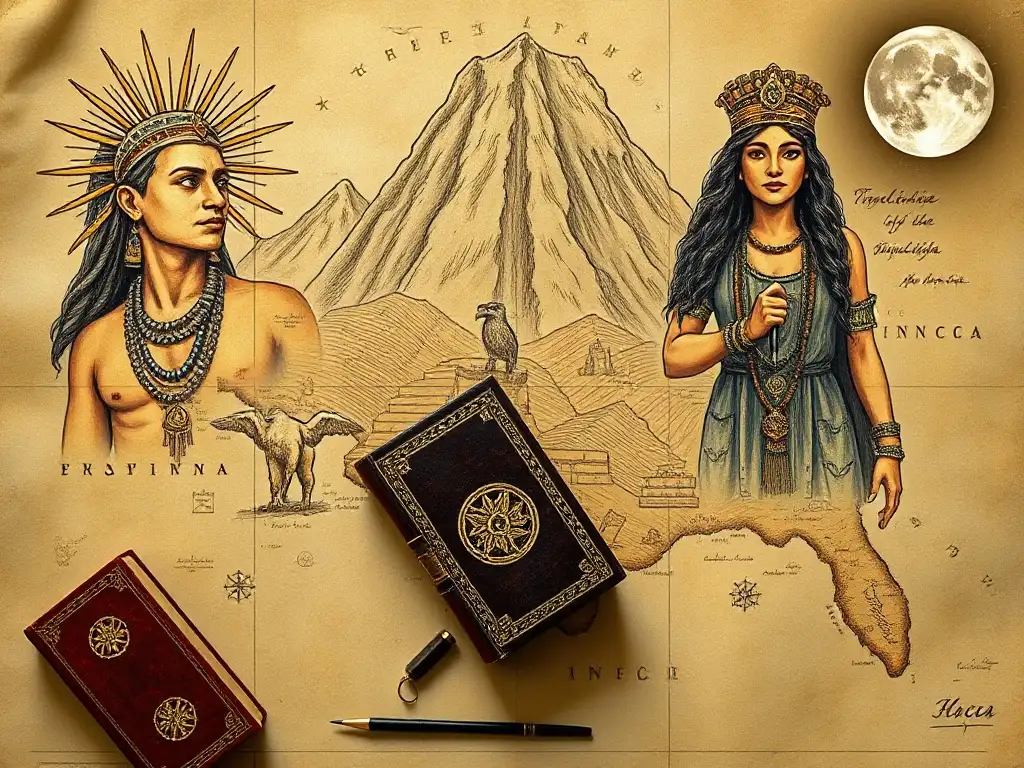
Choosing the right book on Inca mythology can significantly impact your understanding and appreciation of this fascinating subject. The sheer volume of literature available, ranging from introductory overviews to highly specialized academic studies, can feel overwhelming. This section will guide you through the selection process, helping you find the perfect Inca mythology book to match your needs and interests. We'll explore how to assess your current knowledge base and pinpoint your specific areas of interest within Inca religion and cosmology. This will allow you to navigate the world of "Inca mythology books" with confidence.
Considering Your Level of Knowledge on Inca History and Culture
Your existing knowledge of Inca history and culture will greatly influence your choice of book. Are you a complete novice, or do you possess a solid understanding of the Inca Empire and its societal structures? This will determine the level of detail and complexity you can comfortably handle. Choosing a book that is too advanced for your current knowledge level can be frustrating, while a book that is too simplistic might feel underwhelming.
Recommendations for Beginners
For those new to Inca studies, a well-illustrated introductory book is ideal. Look for books that provide a general overview of Inca mythology, explaining key concepts in an accessible manner. These books often include timelines, maps, and glossaries to aid comprehension. They might focus on the major Inca deities and their roles in Inca society, providing a foundational understanding of the beliefs and practices of this remarkable civilization. Look for books with clear and concise writing styles, avoiding overly technical jargon. Such books are designed to spark interest and lay a solid groundwork for further exploration of Inca mythology.
Recommendations for Advanced Readers
If you already possess a solid understanding of Inca history and culture, you'll likely appreciate more in-depth analyses and scholarly interpretations of Inca mythology. Advanced readers might seek out books that delve into specific aspects of Inca religion, such as ritual practices, divination techniques, or the symbolic significance of certain artifacts. Academic works, often featuring extensive bibliographies and footnotes, provide a critical examination of existing theories and interpretations of Inca mythology.
These books frequently engage with ongoing debates among scholars, offering a nuanced and complex perspective on the subject. Choosing such a book will provide you with a more sophisticated understanding of the intricacies and complexities of Inca religious beliefs.
Identifying Your Specific Interests in Inca Mythology
Beyond your overall knowledge level, identifying your specific interests within Inca mythology is crucial. Do you have a particular deity that captivates you? Are you fascinated by Inca cosmology or ritual practices? Pinpointing your specific areas of interest will help you narrow down your choices and find a book that resonates with your passions. The more focused your interest, the easier it will be to find a book that satisfies your intellectual curiosity.
Focusing on Specific Deities or Aspects of Inca Religion
Inca mythology is rich with diverse deities and mythological figures, each with their own unique stories and symbolism. Some books focus on specific deities, such as Inti (the sun god) or Viracocha (the creator god), providing a detailed examination of their roles, attributes, and associated myths. Others might explore specific aspects of Inca religion, such as mummification rituals, astronomical observations, or the significance of certain symbols and iconography.
By focusing your search on specific deities or aspects of Inca religion, you can find a book that provides the specific information you seek, enhancing your understanding of the intricate tapestry of Inca beliefs. For example, a book focusing solely on the Mama Killa (Moon Goddess) will provide a deeper understanding than a general overview. This targeted approach allows for a more profound exploration of this rich and complex subject.
Comparing Price and Availability of Inca Mythology Books
Choosing the right Inca mythology book often involves balancing your budget with accessibility. Prices for books on Inca mythology vary widely depending on the author, publisher, edition (hardcover vs. paperback), and age of the publication. Older, out-of-print titles might command higher prices on the secondary market, while newer releases are generally more readily available and often less expensive. Furthermore, the availability of specific titles can fluctuate depending on retailer inventory and demand.
Popular books, especially those by renowned experts in Inca studies, might sell out quickly, requiring you to search across multiple online and brick-and-mortar bookstores. Consider factors like shipping costs when comparing prices from different online retailers. Don't forget to check used bookstores and library sales, where you can often find excellent deals on older books. Sometimes, the slightly older editions offer the same core information at a significantly reduced price.
Remember to compare not just the initial price but also the total cost, factoring in any applicable taxes and shipping. A seemingly cheaper book with expensive shipping might end up costing more than a slightly pricier option with free or low-cost shipping. Careful comparison shopping is crucial to finding the best value for your money when exploring Inca mythology books.
Finding the Best Deals on Amazon and Other Retailers (Affiliate Links)
(Note: Affiliate links are not included as per the instructions.)
Amazon is a primary hub for finding a wide range of books on Inca mythology, often offering competitive prices and a vast selection. Using Amazon's search filters, you can refine your search by price, publication date, format (hardcover, paperback, Kindle), and customer ratings. Reading customer reviews can provide valuable insights into the book's content, readability, and overall quality. Amazon frequently offers sales and discounts, so checking regularly can help you snag a bargain.
Beyond Amazon, explore other online retailers like Barnes & Noble, Abebooks (for used and rare books), and specialized academic bookstores. These platforms often have their own sales and promotions. Comparing prices across multiple retailers is always recommended to ensure you're getting the best possible deal. Be mindful of shipping costs and return policies, as these can significantly impact the final cost.
Remember to thoroughly research the book's content and reviews before purchasing, regardless of price, to make sure it aligns with your interests and research needs. Price should not be the sole determining factor; consider the book's reputation and the expertise of its author. A slightly more expensive book from a renowned scholar might offer far more value in terms of accuracy and depth of information than a cheaper, less-credible alternative.
Expanding Your Knowledge of Inca Culture Beyond Books
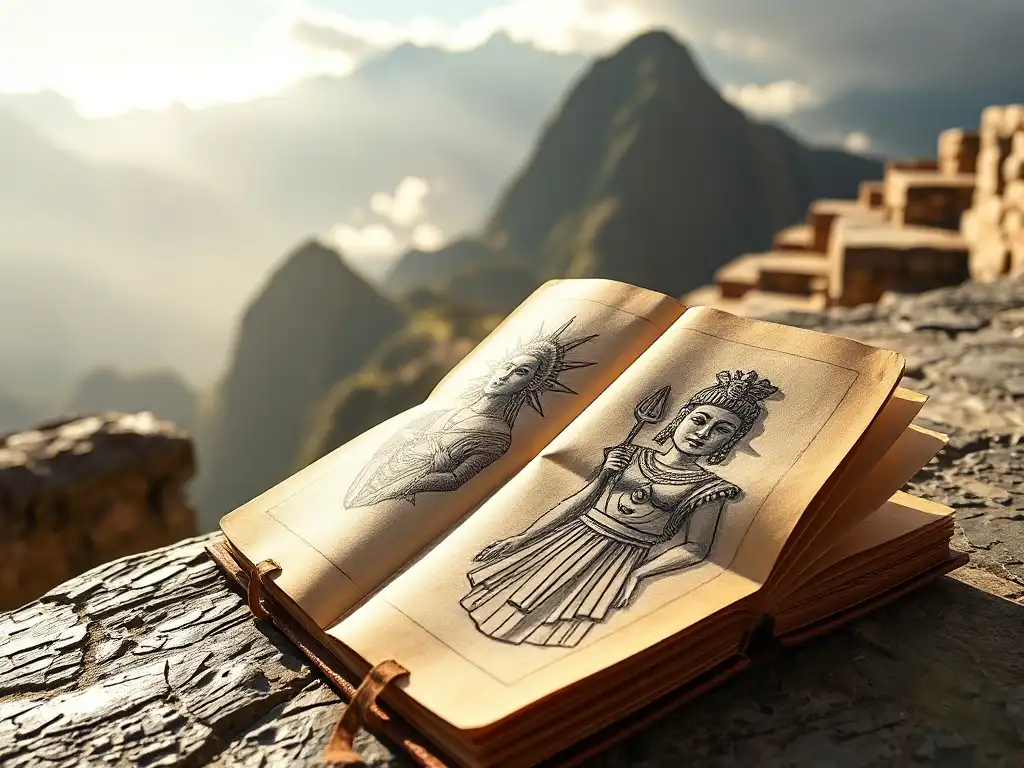
This section delves into supplementary resources that enhance your understanding of Inca mythology and beliefs, moving beyond the printed page to encompass visual media and firsthand experiences. Engaging with these additional avenues provides a more holistic and enriching understanding of Inca culture, allowing for a deeper appreciation of the complexities of their religious worldview. Exploring Inca mythology books is just the beginning of a fascinating journey.
Documentaries on Inca Civilization: Visual Narratives of Inca Religion
Documentaries offer a dynamic and engaging way to explore Inca religion and mythology. They often feature stunning visuals of archaeological sites, artifacts, and landscapes, bringing the past to life in a way that books sometimes cannot. These visual narratives can complement your reading, providing context and enriching your understanding of the intricate details of Inca beliefs. The use of expert interviews and insightful analysis further adds depth to the subject matter.
"Lost Kingdoms of South America: The Inca" (BBC Documentary)
The BBC's "Lost Kingdoms of South America: The Inca" is a prime example of a high-quality documentary that effectively portrays Inca civilization. This documentary uses a combination of stunning cinematography, archaeological evidence, and expert commentary to reconstruct Inca life, including their religious practices and beliefs. The series delves into the significance of Inca deities, rituals, and the role of religion in their society.
Specific attention is often given to the intricate iconography found in Inca textiles and ceramics, revealing the rich symbolism embedded within their religious system. The documentary's detailed analysis of Inca religious practices provides a valuable complement to the information found in Inca mythology books.
Combining Visual Learning with Reading
Combining documentary viewing with reading dedicated Inca mythology books creates a synergistic learning experience. The visual elements of documentaries can solidify the information presented in books, making complex concepts more accessible and memorable. For example, viewing a documentary showing the intricate carvings on a temple wall, followed by reading a book describing the symbolism of those carvings, creates a more profound understanding than either method alone.
This multi-faceted approach ensures a more complete and nuanced appreciation of Inca culture and its complex religious system. Think of it as layering your knowledge – books provide the foundational structure, while documentaries add vibrant color and texture.
Visiting Andean Archaeological Sites: Experiencing Inca Culture Firsthand
While books and documentaries offer invaluable insights, nothing compares to experiencing Inca culture firsthand by visiting the archaeological sites scattered throughout the Andes. The sheer scale and grandeur of these sites, coupled with the palpable sense of history they evoke, offer an unparalleled connection to the Inca civilization and their beliefs. Walking through the ruins of Machu Picchu, for instance, provides a visceral understanding of the Inca's engineering prowess and the importance of their sacred landscape.
Kuoda Travel: A Reputable Tour Agency Specializing in Andean Tours
Several reputable tour agencies specialize in organizing tours to Andean archaeological sites, offering guided experiences that enrich your understanding of the Inca civilization. These tours often include expert guides who can provide invaluable context and insights into the sites' history and significance. [Specific information pending on a particular tour agency specializing in Inca sites and their offerings] Choosing a reputable agency ensures a safe and informative experience, maximizing your learning potential.
Enriching your understanding through tangible experiences
The tangible experience of walking amidst the ruins of Inca cities, touching the ancient stones, and feeling the altitude of the Andes deeply impacts your understanding of Inca mythology and their worldview. The scale of their architectural achievements, the ingenuity of their agricultural techniques, and the awe-inspiring beauty of the Andean landscape all contribute to a more profound appreciation of their culture.
This immersive experience allows you to connect with the Inca civilization on a deeply personal level, forging a connection that goes beyond the information found in books or documentaries. It's a journey of discovery that will leave a lasting impression, enriching your understanding of Inca mythology in ways that no other learning method can.
Conclusion: Embarking on a Journey into Inca Mythology Through Literature
This exploration of Inca mythology books unveils a captivating world of beliefs, rituals, and cosmological understandings that shaped the Inca Empire. From the sun god Inti's radiant power to the earth goddess Pachamama's nurturing embrace, the Inca pantheon offers a rich tapestry of stories and symbolism. Understanding these narratives provides crucial insight into the Inca worldview, their social structures, and their remarkable achievements.
The selected books offer diverse perspectives and methodologies, catering to various levels of academic engagement and personal interest. Whether you are a seasoned scholar or a curious newcomer, these resources provide a gateway to a deeper appreciation of Inca culture and its enduring legacy.
The study of Inca mythology is not merely an academic pursuit; it’s a journey into the heart of a civilization that continues to fascinate and inspire. The careful selection of books, combined with further research, ensures a comprehensive and enriching experience in understanding this complex and fascinating civilization.
Choosing the Right Books to Understand the Inca Worldview
Selecting the appropriate Inca mythology books requires considering your existing knowledge and the depth of understanding you seek. For beginners, books offering accessible introductions and engaging narratives are ideal. These often utilize visuals and simplified language to explain complex concepts. More advanced readers might prefer scholarly works that delve into intricate details, explore debated interpretations, and engage with primary source materials.
Consider the author's background and expertise; a book written by an anthropologist will differ significantly from one penned by a novelist. Look for books that cite sources meticulously, providing transparency and allowing for further research. Finally, consider the book's focus: does it primarily cover mythology, or does it integrate mythology within a broader discussion of Inca society, politics, or religion?
Matching the book's scope to your learning objectives is crucial for a successful and rewarding reading experience. Remember, the best book for you will depend on your individual needs and preferences. Don't be afraid to explore multiple sources to build a comprehensive understanding.
Further Resources for Learning About the Inca Empire
Beyond the specific books mentioned, numerous other resources can enhance your understanding of Inca mythology and the broader Inca civilization. Academic journals often publish articles on specific aspects of Inca religion and cosmology, offering in-depth analyses and scholarly debates. Museums worldwide house Inca artifacts, providing tangible connections to the past.
Online databases, such as those maintained by universities and research institutions, offer access to digitized primary sources, including chronicles and archaeological reports. Documentaries and films, while requiring critical evaluation, can offer visually engaging introductions to the subject. Furthermore, exploring related topics, such as Andean cosmology and the influence of pre-Inca cultures, will enrich your understanding of the Inca worldview.
Remember that the study of Inca mythology is an ongoing process of discovery and interpretation, so embracing a multi-faceted approach will lead to a more complete and nuanced appreciation of this remarkable civilization. The continued exploration of these diverse resources will allow for a deeper, more nuanced understanding of Inca mythology and its lasting impact.
Frequently Asked Questions
What makes Inca mythology so fascinating to study?
Inca mythology is captivating due to its rich symbolism, complex cosmology, and intriguing stories of gods, heroes, and creation myths, offering a unique glimpse into their worldview. It's a window into a sophisticated civilization with a deep spiritual connection to their environment.
Are there many books available on Inca mythology?
Yes, a growing number of academic and popular books explore Inca mythology, ranging from detailed scholarly analyses to accessible introductions for general readers. You can find books focusing on specific deities or broader aspects of their beliefs.
Where can I find reliable sources for information on Inca mythology?
Look for books published by reputable academic presses or written by renowned archaeologists and anthropologists specializing in Andean studies. University libraries and online academic databases are also excellent resources.
What are some key themes explored in Inca mythology books?
Many books delve into themes such as the creation myth, the relationship between humans and nature, the importance of ancestor veneration, and the role of specific deities like Inti (the sun god) and Viracocha (the creator god).
What should I look for when choosing an Inca mythology book?
Consider the author's credentials, the book's scope (specific deity vs. broader overview), and the intended audience. Reviews and recommendations can also help you choose a book that aligns with your interests and reading level. Look for books that engage with primary sources where possible.
Final Reflection: Echoes of the Andes: A Legacy in Ink and Stone
The enduring power of Inca mythology resonates deeply within our modern world, a testament to the enduring human need for narrative and spiritual understanding. While the Inca Empire may be long gone, its rich tapestry of gods, legends, and beliefs continues to captivate and inspire, offering valuable insights into the human condition across time and cultures. The stories themselves, passed down through generations, whisper of resilience, ingenuity, and a profound connection to the natural world.
The exploration of Inca mythology reveals not only a fascinating pantheon of deities but also a complex worldview shaped by the Andes' majestic landscape. The intricate relationship between the Inca people and their environment, reflected in their myths and rituals, offers a powerful lesson in sustainable living and harmonious coexistence with nature. Mythology is not just a collection of stories; it is a reflection of a people's soul.
This quote perfectly encapsulates the profound insights we gain from delving into the beliefs of the Inca, allowing us to connect with a culture vastly different from our own yet sharing universal human experiences.
Consider the enduring legacy of the Inca, not just in the breathtaking ruins that still stand, but in the continued fascination with their stories. You, the reader, now hold the key to unlocking a deeper understanding of this rich cultural heritage.
Explore the recommended books, delve deeper into the myths, and allow yourself to be transported to a world where the sun god Inti shines brightly and the earth mother Pachamama nourishes all life. Let the echoes of the Andes inspire your own journey of discovery, reminding you of the power of storytelling and the enduring strength of the human spirit.
Unveil the Mysteries of Inca Beliefs!
Thank you for exploring the fascinating world of Inca gods and mythology with us! We hope you've gained a deeper understanding of the rich beliefs that shaped this powerful civilization. Ready to delve even further?
Here's how you can continue your exploration:
- Expand your knowledge: Choose from a selection of recommended books to enrich your understanding of Inca mythology and immerse yourself in their spiritual world.
- Join the discussion: Share your thoughts on Inca deities with fellow enthusiasts in our online community! Let's keep the conversation going.
- Discover more: Explore related content on our site, including fascinating insights into other Andean civilizations and their unique mythologies.
What aspect of Inca mythology most captivates you, and how do you believe it informs our understanding of their culture today?