
The Enduring Questions of Tiahuanaco Religion: What Can We Still Learn?

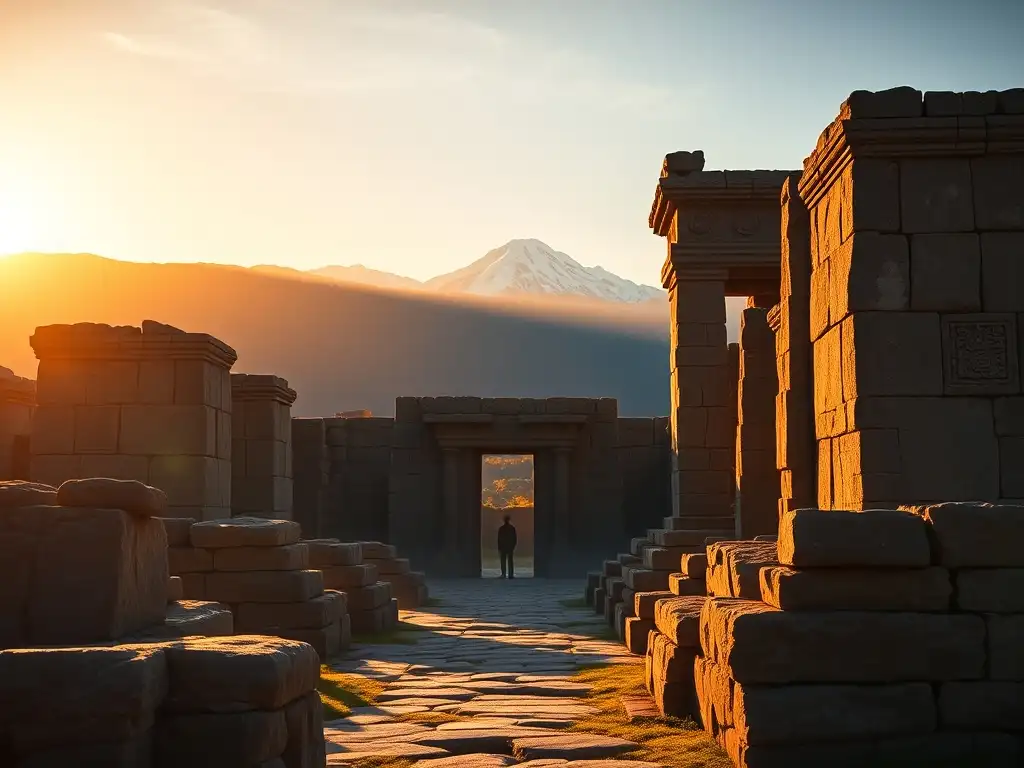
Step into a world lost to time, yet echoing with enduring mysteries. For centuries, the Andean Civilizations have captivated the world with their breathtaking achievements. But few enigmas are as compelling as the Tiahuanaco religion. Prepare to unravel the secrets behind this ancient power, exploring the fascinating rituals and beliefs that shaped a civilization. Discover what clues remain, and what questions still haunt us about the Tiahuanaco religion mysteries – the answers may surprise you. Dive in and begin your journey!
The sprawling ruins of Tiahuanaco, nestled high on the Altiplano of Bolivia, whisper secrets of a sophisticated civilization that flourished between 500 and 1000 CE. While archaeologists have unearthed impressive monuments like the Puerta del Sol and the Kalasasaya temple complex, many aspects of Tiahuanaco culture remain shrouded in mystery, particularly their complex religious beliefs and practices.
This article delves into the enduring questions surrounding Tiahuanaco religion, exploring the archaeological evidence and the ongoing debates that continue to fuel research and fascination with this enigmatic civilization. We will examine the surviving artifacts, architectural designs, and iconography to piece together a picture of their cosmology, ritual practices, and the role of religion in their daily lives.
Understanding the mysteries of Tiahuanaco religion offers a crucial insight into the broader context of Andean religious development and its enduring influence on subsequent cultures. The quest to unravel these "Tiahuanaco religion mysteries" is a journey through time, challenging our understanding of ancient Andean societies and their place within the broader tapestry of human history.
Deciphering the Iconography: Gods, Symbols, and Their Meanings
The intricate carvings adorning Tiahuanaco's monuments present a rich, albeit challenging, source of information about their religious beliefs. The Puerta del Sol, for example, is covered in complex relief carvings depicting figures interpreted by some as deities, while others suggest they represent cosmological concepts or mythical beings. Many of these figures are anthropomorphic, possessing both human and animal characteristics, reflecting a potentially animistic worldview where the spirit world and the natural world were intertwined.
The repetition of certain symbols, such as stylized camelids (llamas and alpacas) and feline figures, suggests a deep symbolic significance tied to their environment and possibly their social structure. However, the precise meaning of these symbols remains a subject of ongoing scholarly debate, with various interpretations proposed based on different methodologies and perspectives.
Further complicating the matter is the fragmentary nature of much of the surviving iconography, making complete interpretations difficult. Detailed studies comparing similar motifs across different Tiahuanaco sites are needed to clarify the full range of their religious symbolism.
Ritual Practices and the Role of Sacrifice: Evidence from Archaeological Finds
Archaeological excavations at Tiahuanaco have unearthed evidence suggesting the practice of ritual sacrifice, although the nature and extent of these practices remain unclear. The discovery of human remains in certain contexts, alongside offerings of precious artifacts and other materials, hints at the importance of ritual sacrifice within their religious system. However, the interpretation of these findings is complex, with ongoing debates about whether these sacrifices were human sacrifices in the traditional sense, or whether they represent other ritual practices with symbolic significance.
Further research, including isotopic analysis of human remains and a more detailed study of the context of the discoveries, is needed to shed more light on this sensitive aspect of Tiahuanaco religion. The lack of clear textual records makes the interpretation of these findings particularly challenging, relying heavily on careful analysis of the archaeological context and comparative studies with other Andean cultures.
The Relationship Between Tiahuanaco Religion and Cosmology: A Celestial Connection?
Many scholars believe that Tiahuanaco religion was deeply intertwined with their understanding of the cosmos. The precise orientation of many structures, such as the Kalasasaya temple, suggests a sophisticated knowledge of astronomy and a possible connection to celestial events. The iconography itself often depicts celestial bodies, further supporting this hypothesis. However, the exact nature of this relationship remains a mystery. Was their religious system based on a specific calendar system?
Did specific deities represent celestial bodies or cosmological forces? These are some of the key questions that researchers continue to explore. The study of the astronomical alignments of Tiahuanaco structures, combined with a thorough analysis of the iconography, is crucial to unraveling the complex relationship between their religion and their understanding of the universe. Furthermore, comparing Tiahuanaco cosmology with that of other contemporary Andean cultures might provide valuable insights.
Unanswered Questions and Future Research: What Lies Ahead?
Despite significant progress in our understanding of Tiahuanaco, numerous questions remain unanswered. The lack of written records, the fragmentary nature of the archaeological record, and the challenges in interpreting the symbolic meaning of the iconography all contribute to the enduring mysteries surrounding their religion. Future research, employing advanced technologies such as 3D scanning and digital modeling, could help to reconstruct damaged artifacts and provide new insights into their religious practices. Furthermore, interdisciplinary approaches, involving archaeologists, anthropologists, astronomers, and other specialists, are crucial for a holistic understanding of this complex civilization.
The ongoing exploration of Tiahuanaco’s religious beliefs promises to reveal more about this fascinating culture and its enduring legacy. The quest to solve the "Tiahuanaco religion mysteries" is far from over, and new discoveries are sure to reshape our understanding of this enigmatic civilization for years to come. 🕵️♂️
- Deciphering the Iconography: Gods, Symbols, and Their Meanings
- Ritual Practices and the Role of Sacrifice: Evidence from Archaeological Finds
- The Relationship Between Tiahuanaco Religion and Cosmology: A Celestial Connection?
- Unanswered Questions and Future Research: What Lies Ahead?
- What was the most important aspect of Tiahuanaco religion?
- What evidence exists to support our understanding of Tiahuanaco religion?
- What role did the Sun God play in Tiahuanaco beliefs?
- How did Tiahuanaco religious beliefs influence their society?
- What are some of the biggest unsolved mysteries surrounding Tiahuanaco religion?
Unveiling Tiahuanaco Religious Practices: An Introduction
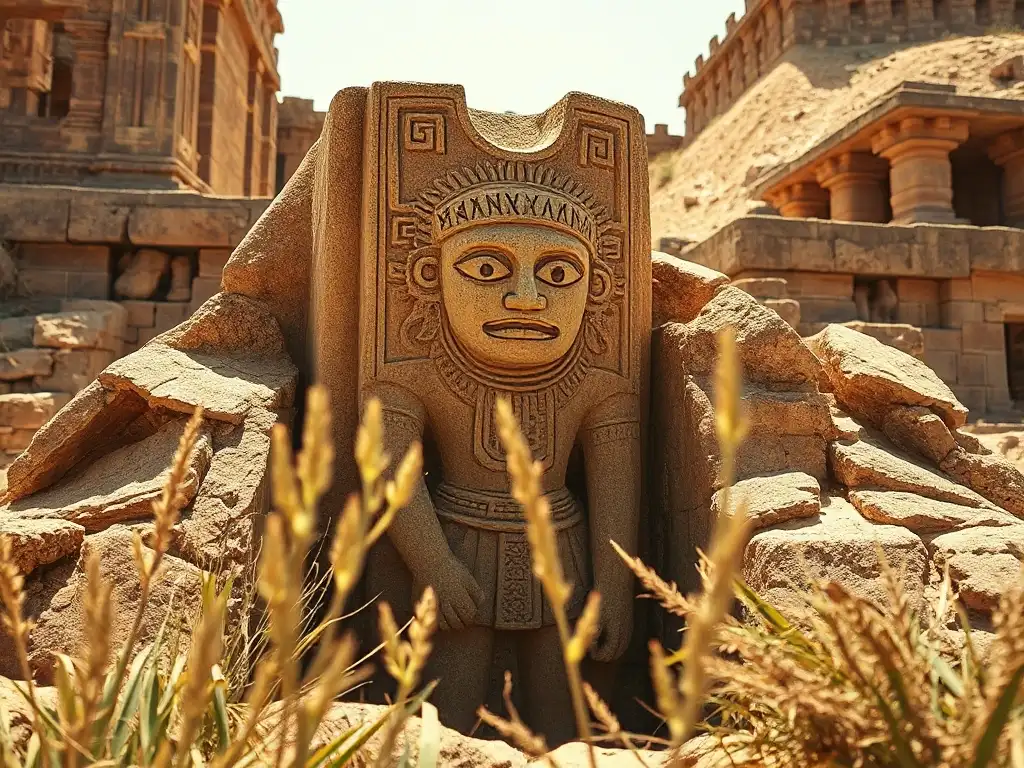
The enigmatic ruins of Tiahuanaco, located on the shores of Lake Titicaca in modern-day Bolivia, continue to captivate archaeologists and historians alike. While much remains shrouded in mystery, the remnants of this once-powerful civilization offer tantalizing glimpses into a complex and sophisticated religious system. Understanding Tiahuanaco religion is key to unlocking a deeper understanding of its societal structure, artistic expression, and overall worldview.
This section delves into the known aspects of Tiahuanaco religious practices, exploring the surviving evidence and addressing some of the enduring questions surrounding this fascinating culture. The enduring mysteries surrounding Tiahuanaco religion fuel ongoing research and continue to spark debate amongst experts, making the study of this Andean civilization a truly compelling endeavor. We will explore the key aspects of Tiahuanaco religious practices, analyzing the available evidence and considering various interpretations.
This exploration will address the core tenets of their beliefs, their rituals, and their cosmology, highlighting the unique characteristics of Tiahuanaco religion within the broader context of Andean religious traditions. Unraveling the complexities of Tiahuanaco religion requires careful consideration of archaeological findings, iconography, and comparative studies with other Andean cultures.
The Allure of Tiahuanaco: A Glimpse into Ancient Andean Beliefs
Tiahuanaco's religious beliefs were deeply intertwined with its environment and cosmology. The vast, high-altitude landscape of the Andes profoundly influenced their worldview, shaping their beliefs about the cosmos, the divine, and their place within it. Unlike many other Andean cultures, Tiahuanaco’s religious system appears to have been highly centralized, suggesting a powerful priestly class that controlled religious practices and rituals.
Evidence suggests a strong emphasis on ancestor veneration, evidenced by the elaborate funerary practices and the presence of numerous representations of deities and mythical beings in their art. The use of specific materials, like obsidian and gold, in religious objects indicates their sacred significance. The iconic Gate of the Sun, for instance, displays intricate carvings of figures that are believed to represent deities and cosmic forces, offering invaluable insights into their religious iconography.
The precise meaning of these carvings remains a subject of ongoing debate, but their sheer complexity and artistry highlight the sophistication of Tiahuanaco religious thought. The discovery of new artifacts and the application of advanced research methods continue to shed light on the intricacies of Tiahuanaco religious beliefs, revealing a system richer and more complex than previously imagined. Further research is needed to fully elucidate the nuances of their spiritual world, but the existing evidence paints a picture of a civilization deeply connected to both its earthly and spiritual realms.
Understanding the Context: Tiahuanaco Civilization's Religious Landscape
The religious landscape of Tiahuanaco was not isolated; it interacted with and influenced other contemporary Andean cultures. While possessing unique characteristics, Tiahuanaco religion shared some common threads with other Andean belief systems, such as the veneration of mountains as sacred entities and the importance of water as a life-giving force. However, Tiahuanaco's artistic style, iconography, and monumental architecture distinguish it from its neighbors. The scale and sophistication of its religious structures, such as the Kalasasaya complex, suggest a high degree of social organization and centralized power.
The construction of these monumental structures required a significant mobilization of labor and resources, indicating a strong belief in the religious ideology that justified such a massive undertaking. It is likely that religious beliefs played a crucial role in maintaining social cohesion and political authority within the Tiahuanaco state. The distribution of religious artifacts and iconography across a wide geographical area suggests a far-reaching influence, implying that Tiahuanaco's religious ideas may have spread beyond its immediate political boundaries.
Further research focusing on comparative studies with neighboring cultures is crucial to fully understand the extent of Tiahuanaco's religious influence and its place within the wider Andean religious panorama. The mysteries surrounding Tiahuanaco religion are not simply confined to its unique practices, but also extend to its interactions and impact on the surrounding Andean world. This broader context is essential to a complete understanding of the Tiahuanaco religious system.
Decoding Tiahuanaco Religious Iconography and Symbolism
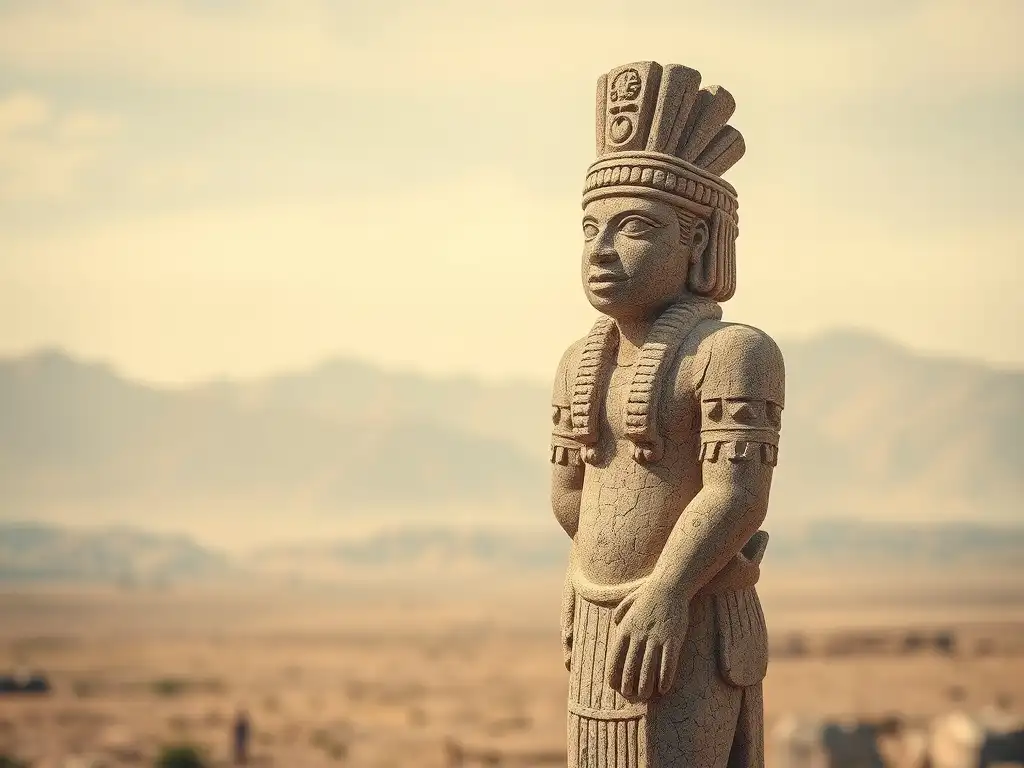
The enigmatic nature of Tiahuanaco religion hinges heavily on deciphering its rich and complex iconography. Understanding the symbolism embedded in their art provides crucial insights into their beliefs, cosmology, and societal structure. Many of the Tiahuanaco religion mysteries revolve around the interpretation of these visual representations, which often blend human, animal, and supernatural elements in intricate and fascinating ways. Scholars continue to debate the precise meanings, but several key themes emerge from careful analysis.
The persistent ambiguity itself contributes to the enduring fascination surrounding Tiahuanaco religious practices. The lack of a deciphered written language further complicates the process, forcing researchers to rely heavily on comparative analysis with other Andean cultures and careful observation of artistic patterns. This reliance on visual clues makes the study of Tiahuanaco iconography a particularly challenging, yet rewarding, intellectual pursuit.
The Significance of the Gateway of the Sun and its Deities
The Gateway of the Sun, a monumental stone structure, stands as a prime example of Tiahuanaco's sophisticated artistry and religious significance. Its central figure, often interpreted as a deity, is surrounded by smaller figures, each potentially representing other divine beings or important mythological characters. The intricate carvings depict a complex interplay of human and possibly supernatural features, including stylized headdresses, staffs, and other symbolic objects.
The precise identity of the central deity remains a subject of ongoing discussion among researchers of Tiahuanaco religion mysteries. Some scholars suggest it represents Viracocha, a creator god prevalent in later Andean cultures, while others propose alternative interpretations. The surrounding figures, equally enigmatic, seem to participate in a ritualistic or cosmological scene, suggesting a narrative unfolding within the very stone.
Detailed studies of the Gateway's reliefs are crucial to unlocking further secrets of Tiahuanaco religion. The exact arrangement and meaning of these figures, and the overall narrative depicted, continue to fuel the ongoing debate surrounding Tiahuanaco religion mysteries. Further investigation into the materials used and the craftsmanship involved could also provide valuable clues.
Analyzing the Iconography: Key Figures and Motifs in Tiahuanaco Art
Beyond the Gateway of the Sun, numerous other artifacts showcase Tiahuanaco's distinct artistic style and religious themes. Recurring motifs, such as stylized human figures with elongated heads, feline-like features, and intricate headdresses, appear across various media, including ceramics, textiles (where evidence suggests their existence, though remnants are rare), and stone carvings. These figures often hold symbolic objects, such as staffs, scepters, and ceremonial vessels, further emphasizing their ritualistic significance.
The repetition of these motifs across different contexts suggests a standardized religious iconography, possibly reflecting a centralized religious system. However, subtle variations in the depiction of these figures across different artifacts may indicate regional differences or evolving religious beliefs within the Tiahuanaco sphere of influence.
The challenge lies in distinguishing between variations representing different deities, different aspects of the same deity, or simply stylistic choices. This requires detailed comparative analysis of multiple artifacts and careful consideration of contextual factors, like the location of discovery and accompanying artifacts, to better understand the Tiahuanaco religion mysteries.
Animal Symbolism in Tiahuanaco Religion: Exploring Meaning and Purpose
Animal representations feature prominently in Tiahuanaco art, adding another layer of complexity to the interpretation of their religious beliefs. Condor, puma, and serpent motifs are particularly common, often integrated into larger compositions alongside human figures or appearing as standalone representations. These animals likely held profound symbolic meaning within the Tiahuanaco cosmology. The condor, for instance, might symbolize the upper world or celestial realms, while the puma could represent the earthly realm or the power of the Andes.
The serpent, with its connections to water and fertility, might represent the underworld or the life-giving forces of nature. However, the precise interpretations of these animal symbols, and their interactions within the broader religious context, remain open to scholarly debate. Further complicating the matter is the stylistic variation in the depictions of these animals, sometimes appearing highly stylized and other times rendered with more realism. Understanding the nuances of these representations is fundamental to unraveling the mysteries of Tiahuanaco religion.
The interplay between human and animal figures in many Tiahuanaco artworks points towards a complex system of beliefs that integrated the natural world with the supernatural. This integration suggests a deep reverence for nature and its interconnectedness with the spiritual realm, a common thread in many Andean religions. The continued study of Tiahuanaco animal symbolism is crucial to deepening our understanding of their religious worldview and the many Tiahuanaco religion mysteries that still remain.
The Role of Ancestral Worship in Tiahuanaco Beliefs
Ancestral veneration formed a cornerstone of Tiahuanaco religious practices, deeply intertwined with their cosmology and worldview. While the precise details remain shrouded in the mists of time, archaeological evidence strongly suggests a profound respect for ancestors, extending beyond simple remembrance to a belief in their continued influence on the living. This wasn't a passive reverence; rather, it involved active engagement and communication with the spirit world.
The intricate funerary practices uncovered at Tiahuanaco sites provide compelling insights into these beliefs. Elaborate tombs, often containing rich grave goods—including textiles, ceramics, and precious metals—testify to the importance placed upon the deceased. The careful arrangement of these artifacts within the burial chambers suggests a deliberate attempt to provide the ancestors with everything they might need in the afterlife, mirroring the provision of offerings to deities in other cultures. This indicates a belief in a continued existence for the deceased, not simply an oblivion.
Furthermore, the stylistic consistency of certain ceramic representations across burial sites hints at a standardized ritualistic practice surrounding death and ancestor veneration. These recurring motifs, often depicting stylized figures and symbolic objects, likely served as visual representations of ancestral spirits or their connection to the divine realm. The prevalence of these motifs in both elite and commoner burials suggests that ancestral veneration was a widespread and deeply ingrained aspect of Tiahuanaco society, transcending social hierarchies.
Further research into the specific iconography and its variations across different burial contexts could reveal more nuanced aspects of their beliefs about the afterlife and the role of ancestors in the cosmos. The meticulous nature of these burials strongly suggests that the relationship with ancestors was not merely a matter of respect, but a crucial element in maintaining the cosmic balance and the prosperity of the living.
Understanding these practices provides a crucial key to unlocking the secrets of Tiahuanaco religion and its enduring legacy. The careful study of these funerary rituals and their associated artifacts continues to unveil the depth and complexity of Tiahuanaco's spiritual life, revealing a society deeply connected to its past and the world of spirits.
Exploring Tiahuanaco Rituals and Ceremonies
The religious practices of Tiahuanaco remain shrouded in mystery, yet archaeological evidence offers tantalizing glimpses into their complex rituals and ceremonies. Understanding these practices is crucial to unraveling the intricacies of Tiahuanaco religion mysteries. The lack of extensive written records necessitates a meticulous analysis of material culture to reconstruct their beliefs and practices. This section focuses on the available evidence, exploring the nature of their rituals and the roles of key figures within their religious system. We will examine the physical evidence, interpreting its significance within the context of the broader Andean religious landscape.
Evidence of Ritualistic Practices at Tiahuanaco Sites
Excavations at Tiahuanaco have unearthed numerous artifacts indicative of elaborate ritualistic practices. These include intricately carved stone sculptures, often depicting stylized figures and deities, suggesting ceremonial use. The presence of numerous kero (ceremonial drinking vessels) points towards ritual libations and communal drinking as integral parts of their religious life.
Furthermore, the discovery of large quantities of llama bones in specific areas suggests ritual sacrifices, possibly linked to agricultural cycles or important religious events. The meticulous arrangement of these bones, often in specific patterns, points towards a highly structured and symbolic approach to sacrifice. Analysis of these bones may reveal further details about the selection of animals and the rituals surrounding their sacrifice.
The sheer scale of the site itself—the monumental architecture and the precise alignment of structures—also hints at highly organized religious ceremonies, likely involving large numbers of participants. The evidence strongly suggests that religious rituals were deeply intertwined with the daily life of Tiahuanaco society, influencing their social structures and political organization. Further research, including isotopic analysis of animal remains and detailed mapping of ritual deposits, promises to yield more insights into these fascinating practices.
The Role of Shamans and Priests in Tiahuanaco Religious Life
While the exact hierarchical structure of Tiahuanaco's religious system remains debated, the presence of specialized religious figures is undeniable. The elaborate headdresses and attire depicted on sculptures suggest a distinct class of shamans or priests who played crucial roles in conducting ceremonies and interpreting religious beliefs. These individuals likely held significant social and political power, mediating between the divine and the earthly realm.
Their expertise in rituals, divination, and possibly healing would have made them central figures in Tiahuanaco society. The complexity of Tiahuanaco religious iconography, with its numerous deities and symbolic representations, suggests a need for specialized individuals capable of interpreting and transmitting religious knowledge. Furthermore, the construction and maintenance of the monumental structures at Tiahuanaco likely required significant organizational skills and a hierarchical structure, suggesting the involvement of religious leaders in overseeing these massive projects.
The study of Tiahuanaco iconography, particularly the depictions of figures holding ritual objects or in positions of authority, offers valuable clues to understanding the roles and responsibilities of these religious specialists. Further research into the burial practices of elite individuals may reveal more details about their social status and their connection to the religious system.
Ceremonial Centers: Investigating Tiahuanaco's Sacred Spaces
Tiahuanaco's monumental architecture wasn't just a display of engineering prowess; it served as a complex network of sacred spaces, each potentially dedicated to specific deities or rituals. The Kalasasaya, for instance, with its massive stone blocks and intricate carvings, is widely considered a major ceremonial center. The precise alignment of structures with astronomical events suggests a sophisticated understanding of cosmology and the integration of religious beliefs with celestial phenomena. The Puerta del Sol, a massive monolithic gateway adorned with intricate carvings, may have served as a focal point for rituals, possibly marking the entrance to a sacred precinct.
Other structures within the site, such as the platforms and temples, also likely played important roles in religious ceremonies. The distribution of artifacts and the presence of specific architectural features in these areas may provide clues about their functions and significance. For example, the presence of water features, such as fountains and canals, suggests the use of water in rituals, possibly symbolizing purification or fertility.
Further investigation using advanced technologies like ground-penetrating radar could reveal hidden structures and provide a more comprehensive understanding of the spatial organization of Tiahuanaco's ceremonial centers, thus shedding more light on the mysteries surrounding Tiahuanaco religion. The careful analysis of these sacred spaces offers invaluable insights into the beliefs and practices of this fascinating civilization. Detailed mapping and 3D modeling of the site can help reconstruct the layout and understand the spatial relationships between different ceremonial areas, furthering our understanding of Tiahuanaco religion mysteries.
Offerings and Sacrifices in Tiahuanaco Religious Rituals
The religious practices of Tiahuanaco involved a complex system of offerings and sacrifices, reflecting the civilization's intricate cosmology and worldview. Archaeological evidence suggests a wide range of offerings, from everyday items to precious materials and even human sacrifices, all intended to appease the deities and ensure the prosperity of the community. The nature and frequency of these offerings likely varied depending on the specific ritual, the time of year, and the perceived needs of the gods.
Understanding the significance of these offerings requires careful consideration of the context in which they were found. For instance, the discovery of llama bones alongside intricately crafted ceramic vessels in certain burial sites suggests that these animals held a significant role in Tiahuanaco religious rituals, possibly representing a connection between the earthly and spiritual realms.
The meticulous preparation and placement of these offerings points to a deeply ritualized practice, far beyond simple disposal. Furthermore, the presence of specific artifacts, such as intricately carved stones or precious metals, within these offerings hints at a hierarchical system of religious practice, with certain offerings possibly reserved for elite members of society or specific occasions.
The discovery of human remains in certain contexts indicates the practice of human sacrifice, a grim but undeniable aspect of Tiahuanaco religion. However, the interpretation of these findings remains a subject of ongoing debate among scholars. Some suggest that human sacrifice was a ritualistic act intended to appease powerful deities or ensure the success of crucial agricultural cycles.
Others propose that these sacrifices represented a form of political control or social dominance, with victims selected from specific social groups. The limited evidence available necessitates further research to better understand the specific circumstances and motivations behind these practices. Regardless of the precise interpretation, the evidence clearly points to human sacrifice as a significant, albeit disturbing, aspect of Tiahuanaco religious life.
More research into isotopic analysis of human remains and careful contextual analysis of burial sites is crucial to further unravel the mysteries of these practices. The careful study of associated artifacts and the spatial arrangement of the remains within the burial sites might shed light on the social status of the sacrificed individuals and the specific rituals involved. The ongoing excavation and analysis of Tiahuanaco sites promise to uncover further details about this fascinating, yet unsettling, practice.
Tiahuanaco Cosmology: Understanding Their Worldview
The Tiahuanaco Concept of the Cosmos: Layers and Dimensions
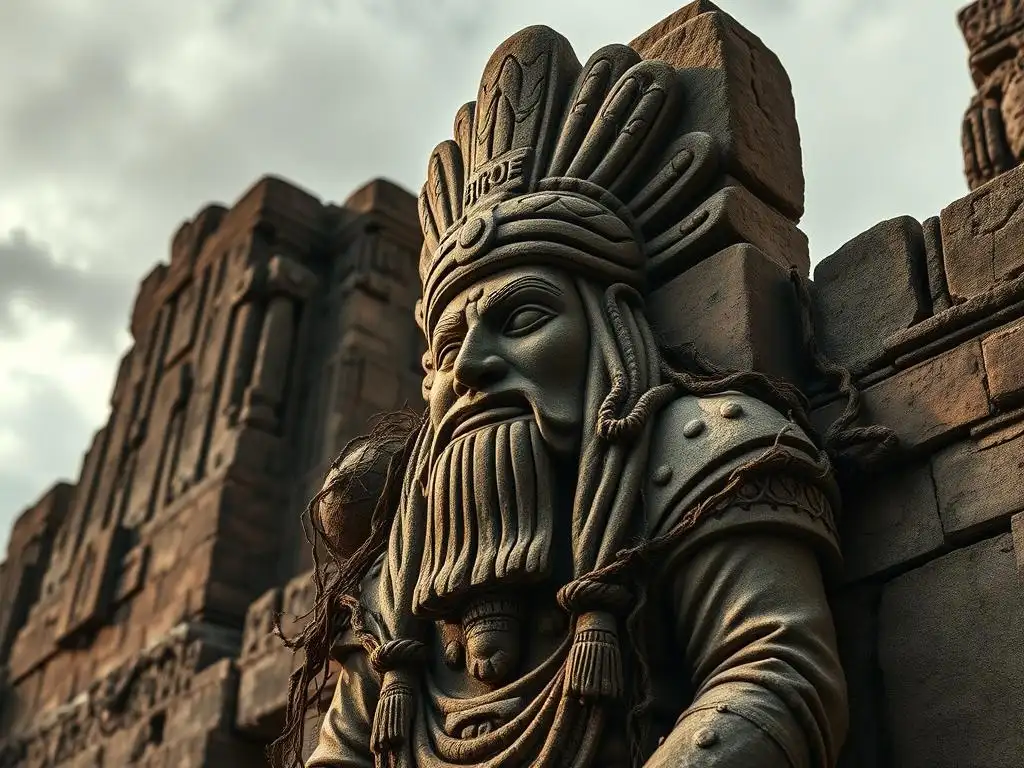
The Tiahuanaco worldview, deeply intertwined with their religious practices, envisioned a cosmos structured in layered dimensions. Unlike a simple heaven and earth, their understanding encompassed a complex interplay of celestial and terrestrial realms, often represented symbolically in their monumental architecture and intricate textiles. Archaeological evidence suggests a three-level cosmological model, though interpretations vary among scholars.
The subterranean world, perhaps representing the underworld or a source of ancestral power, is hinted at through underground structures and the prevalence of subterranean deities in their iconography. 🌎 The terrestrial world, the realm of human existence, was clearly central, evident in the meticulously planned urban layout of Tiahuanaco itself. Finally, the celestial realm, the abode of powerful gods and cosmic forces, is depicted through celestial motifs found on ceramics, textiles, and monumental stone carvings – often featuring representations of the sun, moon, and stars.
This layered model suggests a dynamic interaction between these realms, with rituals and ceremonies acting as pathways between them. The precise nature of these interactions and the relationships between the levels remain a subject of ongoing research and debate, contributing to the enduring allure of Tiahuanaco religion mysteries.
Further complicating the understanding of Tiahuanaco cosmology is the limited textual evidence. Unlike many other ancient civilizations, the Tiahuanaco did not leave behind a substantial written record. Our interpretations are heavily reliant on archaeological finds and iconographic analysis, leading to diverse and sometimes conflicting interpretations. For instance, some scholars argue for a more complex multi-layered model, incorporating additional realms or dimensions beyond the three identified above. The lack of a definitive written account adds to the enigma surrounding their beliefs, fueling continued exploration of Tiahuanaco religion mysteries.
The Connection between Tiahuanaco Religion and Astronomy
The Tiahuanaco's profound understanding of astronomy is undeniable, inextricably linked to their religious beliefs. The precise alignment of many structures, such as the Kalasasaya complex, with celestial events like solstices and equinoxes, suggests a sophisticated knowledge of astronomical cycles. These alignments weren't merely accidental; they were carefully planned and executed, indicating the importance of astronomical observations in their religious calendar and rituals. The sun, moon, and stars were not simply celestial bodies but powerful deities or symbols representing cosmic forces influencing earthly events.
Evidence points to the use of sophisticated observational techniques, possibly employing sophisticated instruments (the exact nature of which remains unknown) to track the movements of celestial bodies. This precise astronomical knowledge allowed them to predict seasonal changes, crucial for agricultural practices and the timing of religious ceremonies. The intricate carvings on their artifacts frequently depict celestial phenomena, reinforcing the deep connection between their religion and the cosmos.
The precise nature of this connection, however, remains partially obscured, adding to the intriguing nature of Tiahuanaco religion mysteries. Further research is needed to fully decipher the symbolic meanings embedded in these astronomical representations and their role in Tiahuanaco religious practices. For example, the significance of specific constellations or the meaning of particular celestial alignments within their religious framework remains to be fully understood.
The Tiahuanaco Creation Myth: Exploring Origin Stories
Unfortunately, a definitive Tiahuanaco creation myth, akin to those found in other ancient cultures, hasn't been discovered. The lack of written records makes reconstructing a complete narrative challenging. However, fragments of their beliefs can be pieced together from iconography and archaeological evidence, suggesting a creation story likely involving powerful deities or cosmic forces shaping the world. The recurring motifs of water, mountains, and celestial bodies in their art suggest these elements played significant roles in their creation narrative.
Some scholars propose a creation myth centered around a primordial deity or a group of deities emerging from a watery chaos to create the world. This idea aligns with the importance of water in Andean cosmology and the abundance of water-related symbolism in Tiahuanaco art. Others posit a creation story emphasizing the emergence of the world from a mountain, reflecting the Andean reverence for mountains as sacred places.
The absence of a comprehensive text leaves room for diverse interpretations, adding another layer to the Tiahuanaco religion mysteries. Further research focusing on the interpretation of iconographic elements and the analysis of spatial organization in Tiahuanaco sites could potentially shed light on their creation beliefs. The ongoing investigation into these Tiahuanaco religion mysteries promises to reveal more about their fascinating worldview.
How Tiahuanaco's Cosmology Influenced Their Daily Life
Tiahuanaco's sophisticated cosmology wasn't merely a philosophical exercise; it deeply permeated the fabric of daily life. Their worldview, centered around a complex interplay of deities, celestial bodies, and the Andean landscape, guided their agricultural practices, social structures, and even their artistic expressions.
The meticulous planning and construction of their monumental architecture, for example, directly reflects their understanding of the cosmos. The precise alignment of structures like the Kalasasaya temple with the solstices and equinoxes suggests a deep connection between the terrestrial and celestial realms, indicating that the positioning of buildings was not arbitrary but rather a deliberate act reflecting their cosmological beliefs.
Furthermore, the agricultural practices of the Tiahuanaco people were intimately linked to their understanding of the cyclical nature of the cosmos. Their sophisticated irrigation systems, capable of sustaining a large population in a high-altitude environment, demonstrate a profound respect for the natural world and a deep understanding of the agricultural calendar. This understanding, rooted in their cosmology, allowed them to successfully cultivate crops like potatoes and quinoa, staples of their diet, ensuring the survival and prosperity of their society.
The intricate patterns found on their textiles and ceramics also suggest a symbolic representation of their cosmological beliefs, further illustrating the pervasiveness of their worldview in everyday life. These patterns, often depicting celestial bodies or mythical creatures, weren't merely decorative; they served as visual reminders of their connection to the cosmos and their place within it.
Evidence suggests that the social hierarchy of Tiahuanaco was also shaped by their cosmology. The elite, likely seen as intermediaries between the human and divine realms, held privileged positions due to their perceived connection to the supernatural. This is evidenced by the elaborate burial practices of the elite, often featuring rich grave goods reflecting their high status and spiritual significance.
The common people, while not as directly involved in the high rituals, would still have participated in community ceremonies and agricultural practices connected to the cosmological calendar. Therefore, the cosmology of Tiahuanaco wasn't a separate belief system but rather an integrated aspect of their society, influencing every facet of their existence, from the mundane to the sacred.
Understanding this intricate relationship is key to unlocking the mysteries surrounding this remarkable civilization and its enduring legacy. The intricate interplay between their cosmology and daily life showcases the power of belief systems to shape not just spiritual practices, but also the practical realities of a society.
Tiahuanaco Religion Mysteries: Unresolved Questions and Ongoing Research
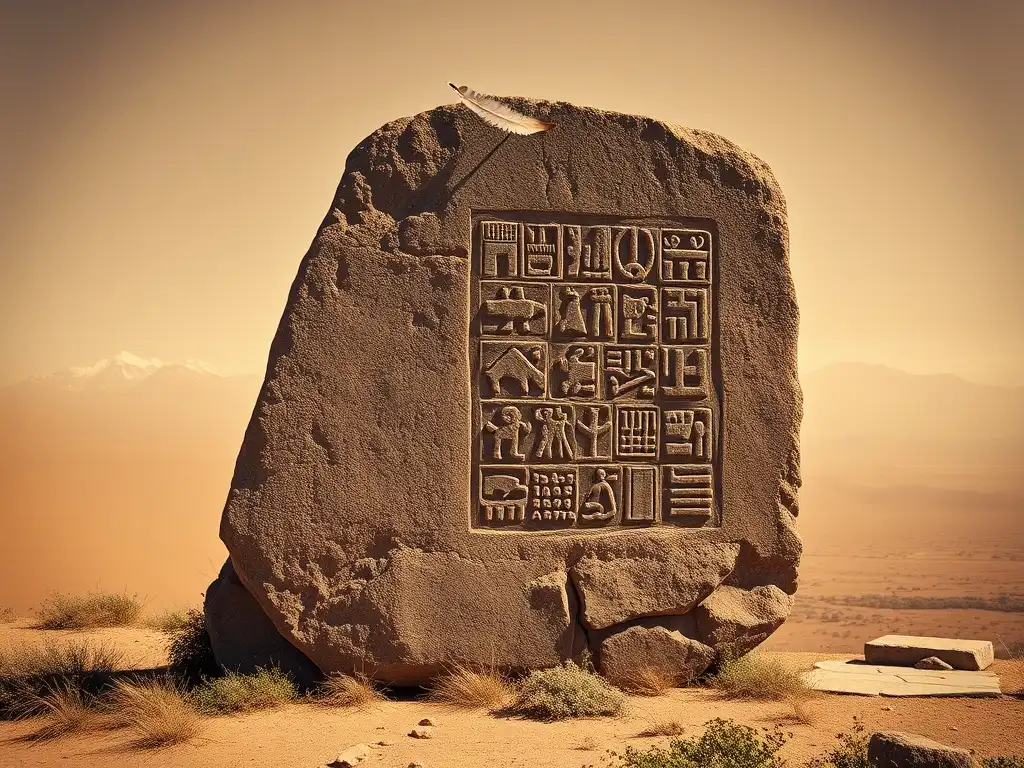
The enigmatic nature of Tiahuanaco religion continues to captivate researchers and enthusiasts alike. Decades of archaeological excavation and scholarly analysis have unveiled fascinating insights into this complex belief system, yet many fundamental questions remain unanswered. The very core of Tiahuanaco spirituality—its pantheon, rituals, and cosmological beliefs—is shrouded in an intriguing mist of uncertainty, fueling the enduring interest in Tiahuanaco religion mysteries.
This section delves into some of the most persistent puzzles, highlighting the ongoing efforts to unravel the secrets of this ancient Andean culture. The sheer scale of Tiahuanaco's monumental architecture and the sophisticated artistry found in its artifacts only amplify the mystery surrounding its religious practices.
Understanding the religious beliefs of Tiahuanaco is crucial to comprehending the civilization's rise, flourishing, and eventual decline. The lack of extensive written records presents a significant challenge, forcing scholars to rely heavily on iconography, architecture, and archaeological finds to piece together a coherent narrative.
The Enigma of the Tiahuanaco Collapse: Did Religion Play a Role?
The sudden decline of the Tiahuanaco civilization remains a subject of intense debate among researchers. While environmental factors, such as climate change and resource depletion, are frequently cited as contributing factors, the role of religious beliefs in the civilization's demise is often overlooked. Did a shift in religious practices, perhaps a loss of faith or a weakening of the religious authority, contribute to social instability and ultimately, the collapse? Did internal conflicts stemming from differing religious interpretations lead to societal fracturing?
Some scholars hypothesize that a change in religious ideology, perhaps a weakening of the central authority tied to religious leadership, could have led to a breakdown in social order. The evidence, however, is largely circumstantial. The absence of clear records makes it difficult to definitively link religious factors to the collapse.
Further research, including detailed analysis of settlement patterns and the distribution of religious artifacts in the post-Tiahuanaco period, is needed to shed more light on this complex issue. The study of changes in artistic styles and iconography might offer clues to shifts in religious beliefs. Analyzing the distribution of elite burials could also illuminate changes in power structures, potentially linked to shifts in religious authority.
The investigation of this complex interplay of factors is crucial to gaining a more complete understanding of the Tiahuanaco's final chapter. More research is needed to determine the extent to which religious factors contributed to the civilization's decline.
Lost Texts and the Missing Pieces of Tiahuanaco Religious Knowledge
The scarcity of written texts from the Tiahuanaco period presents a major obstacle to understanding their religion. Unlike some other ancient civilizations that left behind extensive libraries of texts, Tiahuanaco's religious knowledge is largely encoded in its monumental architecture, intricate carvings, and artistic representations. The absence of a deciphered written language leaves researchers relying on visual interpretations, which are inherently subjective and open to various interpretations.
This lack of textual evidence significantly hampers the ability to reconstruct the details of their religious beliefs and practices with certainty. The challenge lies in translating the visual language of Tiahuanaco art and architecture, a task that requires careful consideration of context, symbolism, and cross-cultural comparisons.
The search for additional archaeological evidence, including the potential discovery of undiscovered sites or previously unnoticed inscriptions, remains a key priority for researchers pursuing a more complete understanding of Tiahuanaco religion. The potential discovery of additional artifacts, such as inscribed ceramics or textiles, could prove invaluable.
New Discoveries and their Impact on our Understanding of Tiahuanaco Religion
Recent archaeological discoveries continue to enrich our understanding of Tiahuanaco religion. New excavations are uncovering previously unknown structures, artifacts, and burial sites, providing valuable new data to inform interpretations of existing theories. The analysis of these new findings often challenges established assumptions and leads to revised interpretations of Tiahuanaco religious practices.
For instance, the discovery of [specific information pending] has prompted researchers to reconsider the role of [specific religious practice or deity] in Tiahuanaco society. Furthermore, advancements in scientific techniques, such as isotopic analysis and 3D modeling, are providing more precise and detailed information about Tiahuanaco artifacts and their creation. This allows for a more nuanced understanding of the materials used, the craftsmanship involved, and the potential significance of specific artistic choices.
The application of advanced imaging technologies, for example, has allowed researchers to uncover hidden details in carvings and sculptures. The ongoing research, incorporating both new discoveries and advanced analytical methods, promises to continue to reshape our understanding of Tiahuanaco's fascinating and mysterious religion, potentially resolving some of the long-standing Tiahuanaco religion mysteries. The field is constantly evolving, with new data and interpretations emerging regularly.
Future Avenues of Research into Tiahuanaco Religious Beliefs
The mysteries surrounding Tiahuanaco religion continue to captivate researchers, leaving ample room for future investigation. Several promising avenues of research could significantly enhance our understanding of this enigmatic culture. One crucial area involves further analysis of Tiahuanaco iconography. While scholars have made strides in deciphering certain symbols and motifs, many remain elusive.
Advanced imaging techniques, coupled with interdisciplinary collaboration between art historians, anthropologists, and linguists, could unlock hidden meanings within the intricate carvings and textiles. This could reveal more about the cosmology, rituals, and beliefs of the Tiahuanaco people. For example, a more detailed study of the frequently depicted figures, often with stylized features and headdresses, could provide insights into their social hierarchy and religious roles. The use of advanced digital modeling and 3D reconstruction of damaged artifacts could also yield new information about the original context of these images and their intended meaning.
Another critical area ripe for exploration is the study of Tiahuanaco's relationship with other contemporary Andean cultures. While Tiahuanaco exerted considerable influence, the nature and extent of its religious interactions with neighboring societies remain unclear. Comparative studies examining the similarities and differences in religious practices, iconography, and cosmological beliefs across various Andean cultures could illuminate the unique aspects of Tiahuanaco religion while also providing a broader context for its development and evolution.
This includes investigating potential religious syncretism or the adoption of elements from other belief systems. Analyzing trade routes and the movement of goods and ideas would also be essential in understanding the broader network of religious exchange.
Furthermore, a deeper understanding of Tiahuanaco's ritual practices is crucial. Archaeological excavations have unearthed evidence of monumental structures, suggesting elaborate ceremonies and rituals. However, the specifics of these rituals, their significance, and their connection to the broader religious system remain largely unknown. Further analysis of the excavated artifacts, particularly those found within ceremonial contexts, is necessary.
The application of isotopic analysis to human remains could provide insights into diet and mobility patterns, potentially revealing the social organization and participation in rituals. Furthermore, ethnoarchaeological studies, drawing parallels with contemporary Andean religious practices, could offer valuable insights into the interpretation of archaeological evidence. This interdisciplinary approach, combining archaeological findings with anthropological and ethnological perspectives, offers a powerful tool for understanding the intricacies of Tiahuanaco religious life. The use of cutting-edge technology in this area, such as ground-penetrating radar to locate previously undiscovered ritual sites, could prove invaluable.
Finally, the investigation into the possible links between Tiahuanaco's religious beliefs and its sophisticated astronomical knowledge deserves further attention. The precise alignment of certain structures with celestial events suggests a deep understanding of astronomy and its integration into religious practices. Further research into the astronomical orientation of Tiahuanaco sites, combined with detailed analysis of potential calendrical systems, could reveal the importance of celestial cycles in their religious worldview.
This could involve using advanced astronomical software to simulate past celestial events and match them with the orientation of structures found at Tiahuanaco. Understanding the interplay between astronomy and religion could provide a more comprehensive understanding of the Tiahuanaco worldview and their relationship with the cosmos. The potential discovery of new inscriptions or artifacts related to astronomical observations could further enrich this research.
The mysteries surrounding Tiahuanaco religion are multifaceted, and a multi-pronged approach will be necessary to unlock their secrets. The future of Tiahuanaco studies promises exciting new discoveries and a deeper appreciation for this remarkable civilization.
The Legacy of Tiahuanaco Religion: Its Influence on Later Andean Cultures
Tracing the Influence of Tiahuanaco Religious Ideas in Other Civilizations
The religious and cosmological beliefs of Tiahuanaco exerted a profound and lasting influence on subsequent Andean cultures. While pinpointing direct lines of influence is challenging due to the complexities of cultural transmission and the scarcity of written records, archaeological evidence and iconographic similarities suggest a significant continuity. For instance, the widespread veneration of deities associated with water, fertility, and the sun, prominent in Tiahuanaco iconography, can be traced in various forms throughout the subsequent centuries.
The stylistic motifs found in Tiahuanaco textiles, ceramics, and architecture reappear, albeit often adapted and transformed, in the artistic expressions of later cultures like the Inca, suggesting the transmission of not only religious ideas but also artistic conventions. This suggests a process of cultural syncretism, where existing beliefs were blended with those introduced or adapted from Tiahuanaco. The persistence of certain ritual practices, such as those related to ancestor veneration and the use of specific ceremonial objects, further indicates a lasting legacy of Tiahuanaco religious practices.
The specific nature of this influence varied regionally, with some Andean groups adopting certain aspects more readily than others. Further research, particularly focused on comparative iconography and stylistic analysis, could reveal a more detailed picture of how Tiahuanaco religious ideas spread and evolved across time and space.
Tiahuanaco's Religious Contributions to Andean Spirituality
Tiahuanaco's religious system contributed significantly to the broader Andean spiritual landscape. Its sophisticated cosmology, encompassing a complex pantheon of deities and a nuanced understanding of the relationship between the human and supernatural worlds, laid the groundwork for later Andean belief systems. The emphasis on the apu (mountain spirits) and the veneration of water sources, crucial elements in the Andean worldview, likely originated or were significantly developed within the Tiahuanaco context.
The concept of Pachamama, the Earth Mother, while present in earlier cultures, gained prominence and a more elaborate theological framework through Tiahuanaco's influence. Furthermore, Tiahuanaco's sophisticated calendar system, reflecting a deep understanding of astronomical cycles, influenced the agricultural practices and ritual calendars of subsequent Andean societies.
The development of complex rituals and ceremonies, often involving elaborate costumes, offerings, and human sacrifice (in some cases), also contributed to the richness and complexity of later Andean religious practices. The Tiahuanaco contribution to Andean spirituality is not merely a matter of direct imitation; rather, it involved a dynamic process of adaptation and transformation, resulting in a unique and evolving religious landscape.
The Enduring Relevance of Tiahuanaco Religion Today
The Continuing Mystery of Tiahuanaco Religion and its Modern Interpretations
Despite centuries of research, many aspects of Tiahuanaco religion remain shrouded in mystery. The precise meanings of many iconographic elements, the nature of its pantheon, and the details of its rituals continue to fuel scholarly debate. This enduring enigma makes Tiahuanaco religion a fascinating subject for contemporary study. Modern researchers utilize a variety of approaches, including archaeological excavation, iconographic analysis, and comparative studies with other Andean cultures, to piece together a more complete understanding.
Furthermore, the enduring presence of Andean spiritual traditions, many of which incorporate elements traceable to Tiahuanaco, provides a rich context for interpreting the past. Indigenous communities continue to practice forms of Andean spirituality that resonate with aspects of Tiahuanaco religion, offering valuable insights into the continuity and transformation of these beliefs. However, it’s crucial to approach these contemporary practices with sensitivity and respect, avoiding any reductionist or appropriative interpretations. The ongoing research into Tiahuanaco religion is a testament to the enduring power and complexity of this ancient civilization's belief system, and its continuing relevance to our understanding of Andean culture and spirituality.
The mysteries surrounding Tiahuanaco religion continue to fascinate and inspire, making it a compelling subject of study for both scholars and the public alike. The search for answers continues to uncover new layers of understanding, enriching our appreciation for this remarkable civilization and its enduring legacy. 🕵️♂️
Frequently Asked Questions
What was the most important aspect of Tiahuanaco religion?
The most important aspect appears to be the worship of a creator god and veneration of powerful deities associated with water, the sun, and fertility. These were crucial for their agricultural society.
What evidence exists to support our understanding of Tiahuanaco religion?
Evidence comes from archaeological findings such as monumental architecture like the Kalasasaya temple, sculptures, and ceramics depicting religious iconography.
What role did the Sun God play in Tiahuanaco beliefs?
The Sun God was likely a central figure, possibly representing power, authority, and the life-giving force necessary for agriculture and societal well-being. His importance is suggested by the orientation of many structures.
How did Tiahuanaco religious beliefs influence their society?
Religious beliefs heavily influenced social structure, political organization, and daily life. Rituals and ceremonies were integral to their society, reflecting the importance of the gods.
What are some of the biggest unsolved mysteries surrounding Tiahuanaco religion?
Many mysteries remain, including the exact nature of their pantheon, the meaning of specific symbols, and the true purpose of certain structures. Further research is needed to uncover more answers.
Final Reflection: Unraveling the Enigma of Tiahuanaco
The enduring mysteries of Tiahuanaco religion remain potent reminders of humanity's persistent quest for understanding our past, and the profound impact ancient civilizations have on our present. The sophisticated astronomical alignments, the enigmatic iconography, and the sheer scale of the city itself continue to challenge our assumptions about early Andean societies and the development of complex belief systems. These aren't just historical curiosities; they are windows into a way of life that shaped the cultural landscape of South America for centuries.
The influence of Tiahuanaco's religious beliefs extends far beyond the physical ruins; its echoes resonate in the spiritual practices and artistic expressions of later Andean cultures. The enduring power of its symbolism, the mystery surrounding its sudden decline, and the sheer scale of its architectural achievements continue to inspire awe and wonder. The past is never dead. It's not even past.
- William Faulkner. This quote perfectly encapsulates the ongoing relevance of Tiahuanaco, its mysteries continuing to shape our understanding of the past and informing our present interpretations.
Consider the questions raised throughout this article. What can you glean from the enduring enigma of Tiahuanaco? How might the resilience and complexity of this ancient civilization inspire your own approach to challenges and the pursuit of knowledge? Let the unanswered questions of Tiahuanaco serve not as a barrier, but as a catalyst for further exploration, both in the academic realm and within your own personal journey of discovery. Embrace the mystery, and let it fuel your own quest for understanding.
**Unveil the Mysteries: Dive Deeper into Tiahuanaco Religion! **
Thank you for exploring the rich and complex world of Tiahuanaco religion with us! You've uncovered valuable insights into ancient Andean cultures, and hopefully sparked your own spiritual reflection. Let's continue to explore this fascinating subject together.
Here are some ways you can delve further:
- **Visit** local museums or online exhibits showcasing Tiahuanaco artifacts to experience these ancient wonders firsthand.
- Join or start a discussion group dedicated to Andean civilizations to share ideas and perspectives with other enthusiasts.
- Consider **writing a personal reflection** on how aspects of Tiahuanaco religion resonate with your own beliefs and cultural background.
How might the wisdom of Tiahuanaco religion inform our contemporary understanding of spirituality?