
Unveiling Tiahuanaco's Influence: How its Innovations Shaped Andean Civilization

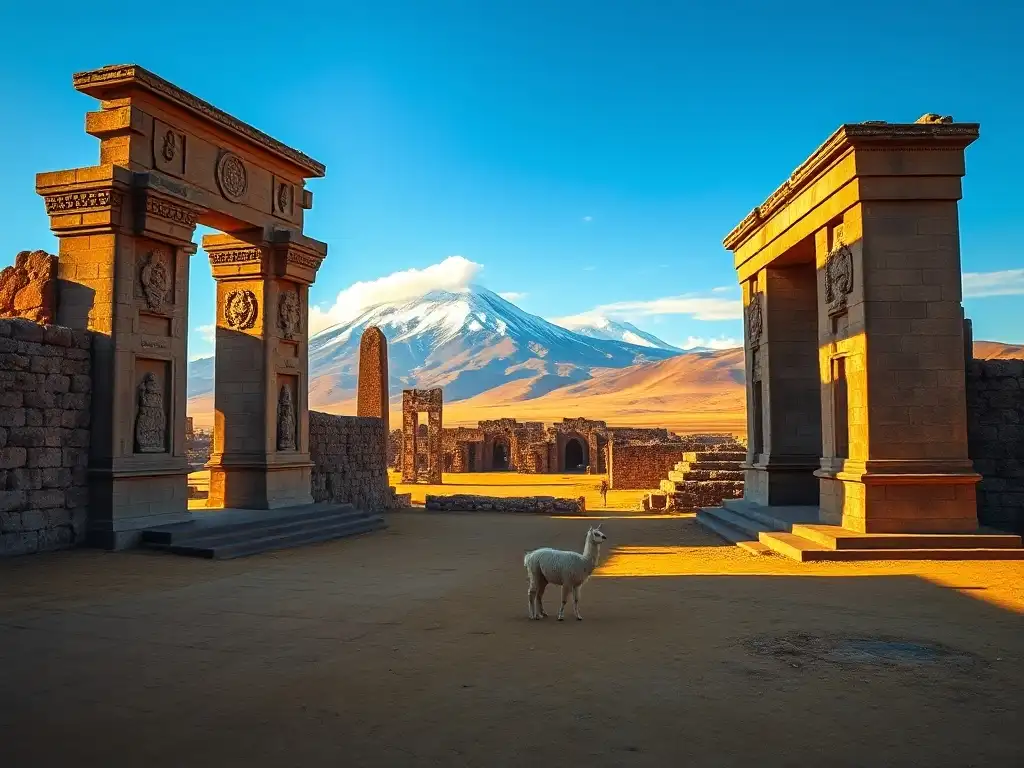
Prepare to be amazed. For centuries, the towering stones of Tiahuanaco whispered secrets of a lost world. Now, delve into the enigmatic legacy of this ancient civilization and uncover how Tiahuanaco's influence on Andean civilization reshaped the very fabric of the Andes. Journey with us as we explore the innovations that spread like wildfire, leaving an indelible mark on the Incas, Moche, Nazca, and beyond. Unravel the mysteries—your exploration begins now.
The enigmatic city of Tiahuanaco, flourishing in the Bolivian Altiplano between approximately 500 and 1000 CE, remains a captivating enigma for archaeologists and historians alike. Its influence extended far beyond its geographical boundaries, profoundly shaping the trajectory of subsequent Andean civilizations. This article delves into the multifaceted impact of Tiahuanaco, exploring its technological advancements, artistic styles, religious beliefs, and socio-political structures, and how these innovations reverberated across the Andes, leaving an indelible mark on cultures that followed.
We will examine how Tiahuanaco's legacy continues to fascinate and inform our understanding of the complex tapestry of Andean history, demonstrating its lasting impact on the development of subsequent Andean societies. Understanding Tiahuanaco's influence is crucial to comprehending the broader narrative of Andean civilization and its remarkable resilience.
Tiahuanaco's Architectural Marvels and Their Lasting Legacy
Tiahuanaco's monumental architecture, characterized by precisely cut stone blocks and intricate designs, stands as a testament to its advanced engineering capabilities. The iconic Gateway of the Sun, with its intricate carvings depicting a central deity surrounded by other figures, is a prime example. This sophisticated level of stonework, employing techniques such as precise fitting and the use of colossal blocks, influenced later Andean builders.
Evidence suggests that the mastery of stone construction techniques developed in Tiahuanaco was adopted and adapted by subsequent cultures, impacting their own architectural projects, though perhaps on a smaller scale. Furthermore, the sophisticated urban planning evident in Tiahuanaco's layout, with its carefully arranged plazas and monumental structures, likely served as a model for later urban centers throughout the Andes.
The precise methods of stone cutting and fitting, while still partially a mystery, are believed to have involved advanced tools and a deep understanding of engineering principles, far surpassing the capabilities of many contemporaneous societies. The influence of Tiahuanaco's architectural ingenuity is visible in the later styles and techniques employed across the Andean region, demonstrating a clear line of transmission and adaptation.
Religious Beliefs and Iconography: A Spreading Influence
The religious beliefs and iconography of Tiahuanaco played a significant role in shaping the spiritual landscape of the Andes. The central deity depicted in the Gateway of the Sun and other artifacts, often associated with a creator god or a powerful spiritual force, appears in modified forms in the iconography of later cultures.
This suggests a diffusion of religious ideas and beliefs, possibly through trade, migration, or conquest. The stylistic conventions used in Tiahuanaco's art, including the depiction of stylized figures, geometric patterns, and specific motifs, are also found in later Andean art, indicating a widespread dissemination of artistic styles.
While the exact nature and extent of religious syncretism are still subjects of ongoing research, the persistence of certain Tiahuanaco motifs and iconographic elements in subsequent Andean cultures strongly suggests a significant and lasting influence on religious practices and beliefs. The spread of religious ideas was likely facilitated by the extensive trade networks that connected Tiahuanaco to other regions of the Andes.
Agricultural Innovations and Their Impact on Andean Societies
Tiahuanaco's success was partly due to its sophisticated agricultural techniques, adapted to the challenging high-altitude environment of the Altiplano. The development of raised fields ( suka kollus), which allowed for efficient water management and increased crop yields, was a crucial innovation. Evidence indicates that this agricultural technology spread to other parts of the Andes, contributing to the growth and prosperity of subsequent societies. This technological transfer likely facilitated population growth and enabled the development of more complex social structures.
The adoption of raised field agriculture by other Andean cultures highlights the practical and economic influence of Tiahuanaco's ingenuity. Further research is needed to fully understand the extent of this technological diffusion and its long-term impact on Andean agricultural practices. However, the available evidence strongly suggests a significant contribution from Tiahuanaco to the development of sustainable agricultural systems in the Andes.
The Socio-Political Structure of Tiahuanaco and its Echoes in Later Societies
The socio-political organization of Tiahuanaco, while still debated amongst scholars, appears to have been a complex system possibly involving a hierarchical structure with a powerful ruling elite. The scale of Tiahuanaco's monumental architecture suggests significant mobilization of labor and resources, implying a centralized authority capable of coordinating large-scale projects.
The influence of this organizational model might be seen in the political structures of later Andean societies, particularly in the development of centralized states and empires. While a direct causal link is difficult to definitively prove, the existence of large-scale, coordinated projects in subsequent Andean cultures suggests a potential influence from Tiahuanaco’s model of political and social organization.
Further investigation into administrative practices and the distribution of power in both Tiahuanaco and later Andean societies is necessary to fully understand the extent of this influence. However, the scale and complexity of Tiahuanaco's achievements provide strong evidence for a sophisticated and influential socio-political system.
- Tiahuanaco's Architectural Marvels and Their Lasting Legacy
- Religious Beliefs and Iconography: A Spreading Influence
- Agricultural Innovations and Their Impact on Andean Societies
- The Socio-Political Structure of Tiahuanaco and its Echoes in Later Societies
- What was Tiahuanaco's most significant contribution to Andean civilization?
- How did Tiahuanaco's religious beliefs influence other Andean cultures?
- What architectural innovations did Tiahuanaco develop that impacted later Andean societies?
- To what extent did Tiahuanaco's political structure influence later Andean states?
- How did Tiahuanaco's decline affect the broader Andean region?
The Legacy of Tiahuanaco: A Foundation for Andean Cultures
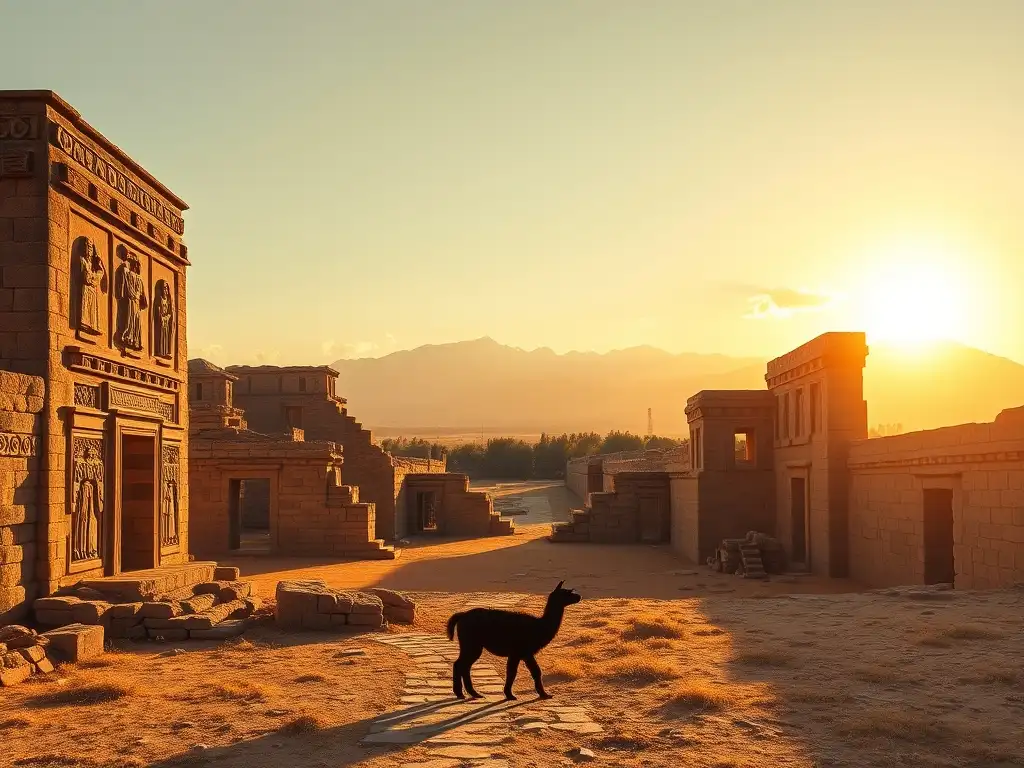
Tiahuanaco's influence on Andean civilization is undeniable, leaving an indelible mark on subsequent cultures that flourished across the Andes. This impact wasn't merely a matter of territorial control; it was a profound cultural transmission, shaping religious beliefs, artistic styles, agricultural practices, and even urban planning. Understanding Tiahuanaco's legacy requires examining its societal structures, technological advancements, and the enduring symbols it bequeathed to future generations.
The pervasive influence of Tiahuanaco is evidenced not only in the direct adoption of its traits but also in the creative reinterpretations and adaptations that emerged in later Andean societies. The echoes of Tiahuanaco resonate strongly in the artistic motifs, architectural styles, and even the spiritual beliefs of cultures that followed, demonstrating a powerful and lasting legacy.
Understanding Tiahuanaco's Rise and Cultural Significance
Tiahuanaco's rise to prominence around 400 CE marked a pivotal moment in Andean history. Its strategic location on the shores of Lake Titicaca, coupled with its mastery of irrigation and agricultural techniques, allowed it to become a powerful regional center. The ability to manage water resources effectively, likely through sophisticated canal systems and terraced farming, provided a surplus of food, fueling population growth and societal complexity. This agricultural success, coupled with its sophisticated social organization, facilitated the development of a complex religious and political system.
Evidence suggests a highly stratified society with specialized labor, indicating a well-organized bureaucracy capable of managing large-scale projects like the construction of monumental architecture. The iconic Gate of the Sun, with its intricate carvings and celestial imagery, exemplifies Tiahuanaco's advanced artistic and cosmological understanding. The intricate carvings, often depicting deities and mythical creatures, suggest a sophisticated religious system that profoundly influenced subsequent Andean belief systems.
The scale and precision of Tiahuanaco's monumental architecture, including its massive platforms and intricately carved stonework, showcase a remarkable mastery of engineering and stone-cutting techniques. These monumental constructions served not only as religious centers but also as symbols of power and the unifying force of the Tiahuanaco state. The influence of this centralized power structure and its sophisticated religious ideology is clearly visible in the subsequent development of Andean societies.
Tiahuanaco’s Geographical Context and its impact on Cultural Development
Tiahuanaco's location on the Altiplano, a high-altitude plateau in the Andes, significantly shaped its cultural development and subsequent influence. The challenging environment necessitated innovative agricultural strategies, such as the development of raised fields and sophisticated irrigation systems. These innovations, crucial for survival in the harsh conditions, were later adopted and adapted by other Andean communities, demonstrating the practical impact of Tiahuanaco's ingenuity.
The unique geographical position at the crossroads of various ecological zones also facilitated trade networks, connecting the highlands with coastal regions and other Andean valleys. This facilitated the exchange of goods, ideas, and technologies, further spreading Tiahuanaco's cultural influence. Moreover, the lake itself played a crucial role in Tiahuanaco's cosmology and religious beliefs, with water being a central element in their rituals and worldview.
This emphasis on water management and its symbolic importance is reflected in the architectural designs and religious iconography of later Andean cultures, highlighting the enduring legacy of Tiahuanaco's adaptation to its geographical context. The strategic location and the resulting trade networks facilitated the dissemination of Tiahuanaco's cultural elements far beyond its immediate geographical reach.
Key Characteristics of Tiahuanaco Society and Governance
Tiahuanaco society was characterized by a hierarchical structure, with a powerful elite controlling resources and directing large-scale projects. Evidence suggests a complex system of governance, involving specialized administrative roles and a sophisticated understanding of resource management. The monumental architecture and intricate carvings are testaments to the organizational capacity and skilled labor available to the ruling elite.
The standardization of certain architectural elements and artistic motifs across vast geographical areas suggests a degree of centralized control and cultural unification under Tiahuanaco rule. The extent of Tiahuanaco's political influence is still a subject of debate among archaeologists, but the uniformity of certain stylistic features in distant sites suggests a significant level of cultural integration across the Andes. This influence extended to religious practices, with the adoption of Tiahuanaco deities and iconography in later Andean cultures.
The sophisticated social organization and centralized power structure of Tiahuanaco provided a model for subsequent Andean societies, laying the groundwork for the development of larger, more complex political entities. Archaeological evidence, such as the distribution of specific pottery styles and architectural features, points towards a widespread adoption of Tiahuanaco’s cultural patterns, underscoring its profound influence on the organization and governance of later Andean civilizations.
Tiahuanaco's Architectural Innovations and Their Impact
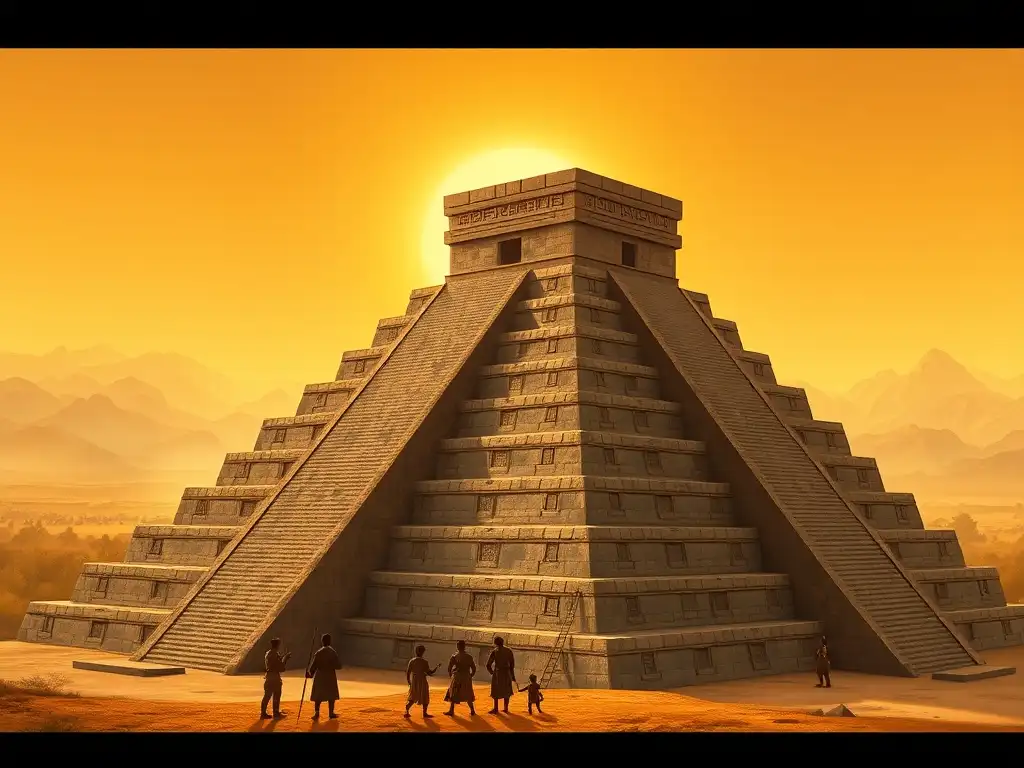
Tiahuanaco's influence on Andean civilization is profoundly evident in its architectural achievements. The city's monumental structures, characterized by their sophisticated design and advanced construction techniques, served as models and inspirations for later Andean cultures. This impact extended beyond mere aesthetics; it significantly influenced urban planning and construction practices across the region for centuries. The legacy of Tiahuanaco's architectural prowess is undeniable, shaping the landscape and the cultural identity of the Andes. Understanding this influence requires examining its key components: advanced construction techniques, urban planning, and the mastery of stone masonry.
Advanced Construction Techniques of Tiahuanaco: Akapana, Kalasasaya, Puma Punku
The sheer scale and precision of Tiahuanaco's structures, particularly Akapana, Kalasasaya, and Puma Punku, are testaments to the advanced engineering capabilities of its builders. Akapana, a massive stepped pyramid, displays evidence of sophisticated water management systems, possibly integrated into its design for ritual purposes. The Kalasasaya, a large ceremonial platform, features intricately carved stones and astronomical alignments, suggesting a deep understanding of celestial movements.
Puma Punku, however, stands out for its incredibly precise megalithic blocks, some weighing over 100 tons, perfectly fitted together without the use of mortar. The methods employed in moving and placing these massive stones remain a subject of ongoing debate and research, fueling fascination with Tiahuanaco's engineering prowess. The precision and scale of these constructions far surpassed those of contemporaneous cultures, setting a benchmark for Andean architecture for centuries to come.
The techniques, though not fully understood, clearly inspired subsequent builders in the Andes, who adapted and refined these methods, resulting in impressive structures in later civilizations. The sheer ambition and technological sophistication of these sites undoubtedly influenced the aspirations and capabilities of subsequent Andean builders.
Tiahuanaco's Urban Planning and its influence on later Andean cities
Tiahuanaco's urban planning demonstrates a level of sophistication rarely seen in other contemporaneous Andean settlements. Evidence suggests a carefully planned city layout, with monumental structures strategically positioned around a central plaza. This planned urbanism, with its emphasis on ceremonial centers and residential areas, contrasts sharply with the more organically developed settlements of many other cultures.
The precise organization of space, the integration of water management systems, and the monumental scale of the structures all point to a centralized planning authority with sophisticated engineering knowledge. This carefully planned urban environment served as a prototype for later Andean cities, influencing the layout and organization of subsequent urban centers.
While the specifics of Tiahuanaco's urban planning are still being researched, its impact on the development of later Andean cities is undeniable, providing a template for the organization of space, the integration of monumental architecture, and the management of resources. The influence can be seen in the planned layouts and ceremonial centers of later Andean cities, reflecting a continuity of urban design principles originating from Tiahuanaco.
The Role of Stone Masonry in Tiahuanaco Architecture and its transmission
The mastery of stone masonry is a defining characteristic of Tiahuanaco architecture. The precision of the cuts, the intricate carvings, and the remarkably tight fits of the stones demonstrate an unparalleled level of skill and technological understanding. The use of specific types of stone, their sourcing, and the techniques employed in their shaping and placement represent a significant technological achievement.
This sophisticated stonework wasn't simply a matter of aesthetics; it was integral to the structural integrity and symbolic meaning of Tiahuanaco's monumental structures. The techniques developed in Tiahuanaco were later adopted and adapted by subsequent Andean cultures. The precision and artistry of Tiahuanaco's stone masonry served as a powerful model for later builders, influencing the style and techniques of stonework across the Andes for centuries.
The legacy of Tiahuanaco's stone masons is visible in the architectural styles and construction techniques of later Andean civilizations, showcasing the enduring impact of their expertise and ingenuity. The transmission of these skills is evident in the similarities in stonework found in later Andean sites, highlighting the lasting influence of Tiahuanaco's architectural traditions.
Tiahuanaco’s Agricultural and Economic Systems and its influence
Tiahuanaco's remarkable achievements extended beyond its monumental architecture and sophisticated religious beliefs. Its innovative agricultural and economic systems played a crucial role in shaping subsequent Andean societies, leaving an indelible mark on the region's development. Understanding these systems is key to grasping Tiahuanaco's profound influence on Andean civilization. The sophisticated strategies employed for food production and resource management facilitated population growth and societal complexity, setting the stage for later Andean empires. The legacy of Tiahuanaco's economic model is evident in the enduring practices and organizational structures adopted by succeeding cultures across the Andes.
Tiahuanaco's Advanced Agricultural Practices: Raised Fields (Suka Kollus) and Terracing
Tiahuanaco's success was, in no small part, due to its mastery of agriculture in a challenging high-altitude environment. The most striking example of their ingenuity is the development of suka kollus, or raised fields, artificial islands of fertile soil built in shallow lakes and marshes. These ingenious systems significantly increased arable land, allowing for intensive agriculture and boosting food production.
The construction involved careful excavation and layering of soil, creating platforms that retained water and heat, crucial for crop growth in the cold, often waterlogged conditions of the Altiplano. Archaeological evidence suggests the use of various crops, including potatoes, quinoa, and other Andean staples. The intricate design and organization of these fields demonstrate a sophisticated understanding of hydrology and soil management, far exceeding the agricultural practices of many contemporary societies.
Furthermore, Tiahuanaco's mastery extended to terracing, a technique employed on hillsides to create level platforms for cultivation. Terracing maximized the use of sloping land, preventing soil erosion and optimizing water retention. The scale and precision of Tiahuanaco's terracing systems indicate a high level of societal organization and planning, reflecting a centralized authority capable of coordinating large-scale labor projects.
The effectiveness of these techniques allowed for reliable food production, supporting a dense population and contributing to the growth and power of the Tiahuanaco state. This agricultural expertise directly influenced later Andean civilizations, who adopted and adapted similar techniques to cultivate the challenging Andean terrain. The enduring legacy of suka kollus and terracing showcases Tiahuanaco's profound impact on Andean agricultural practices.
Economic Organization and Trade Networks of Tiahuanaco
Beyond agriculture, Tiahuanaco's economic prowess stemmed from a complex system of resource management and extensive trade networks. The civilization controlled access to vital resources, including obsidian, copper, and textiles, facilitating a thriving exchange system that extended throughout the Andes. The precise nature of their economic organization remains a subject of ongoing research, but evidence suggests a highly structured system, perhaps involving centralized control over production and distribution. This control likely facilitated the accumulation of wealth and power within the ruling elite, fueling the expansion of the Tiahuanaco state.
Tiahuanaco's artisans were renowned for their skill in producing high-quality ceramics, textiles, and metalwork. These luxury goods were traded widely, reaching distant regions and influencing the artistic styles of other Andean cultures. The distribution of Tiahuanaco artifacts across a vast geographical area underscores the reach and effectiveness of their trade networks.
The presence of Tiahuanaco-style ceramics and other goods in distant sites provides tangible evidence of the civilization's economic influence, demonstrating its ability to connect geographically dispersed communities and shape regional economies. The sophisticated economic model of Tiahuanaco laid the groundwork for future Andean empires, which inherited and built upon its organizational structures and trade relationships.
How Tiahuanaco's Economic Model Influenced subsequent Andean Societies
The economic legacy of Tiahuanaco is evident in the organizational structures and trade practices of later Andean cultures. The sophisticated agricultural techniques, such as suka kollus and terracing, were adopted and adapted by subsequent civilizations, contributing to their agricultural productivity and economic stability. The extensive trade networks established by Tiahuanaco served as a model for later empires, who expanded upon and refined these systems to connect their own territories and control the flow of goods and resources. The centralized control over production and distribution, a characteristic of Tiahuanaco's economy, also influenced the economic organization of later Andean states.
The influence of Tiahuanaco's economic model is not just a matter of direct imitation; it's a testament to the enduring impact of a successful and innovative system. The economic strategies employed by Tiahuanaco provided a blueprint for future societies navigating the challenges of the Andean environment. Their emphasis on agricultural innovation, resource management, and extensive trade networks laid the foundation for the economic prosperity and political power of subsequent Andean civilizations.
The enduring legacy of Tiahuanaco's economic system is a testament to its ingenuity and its lasting impact on the development of Andean civilization. The study of Tiahuanaco’s economic influence provides crucial insights into the long-term development and interconnectedness of Andean societies.
Tiahuanaco's Religious Beliefs and Ritual Practices
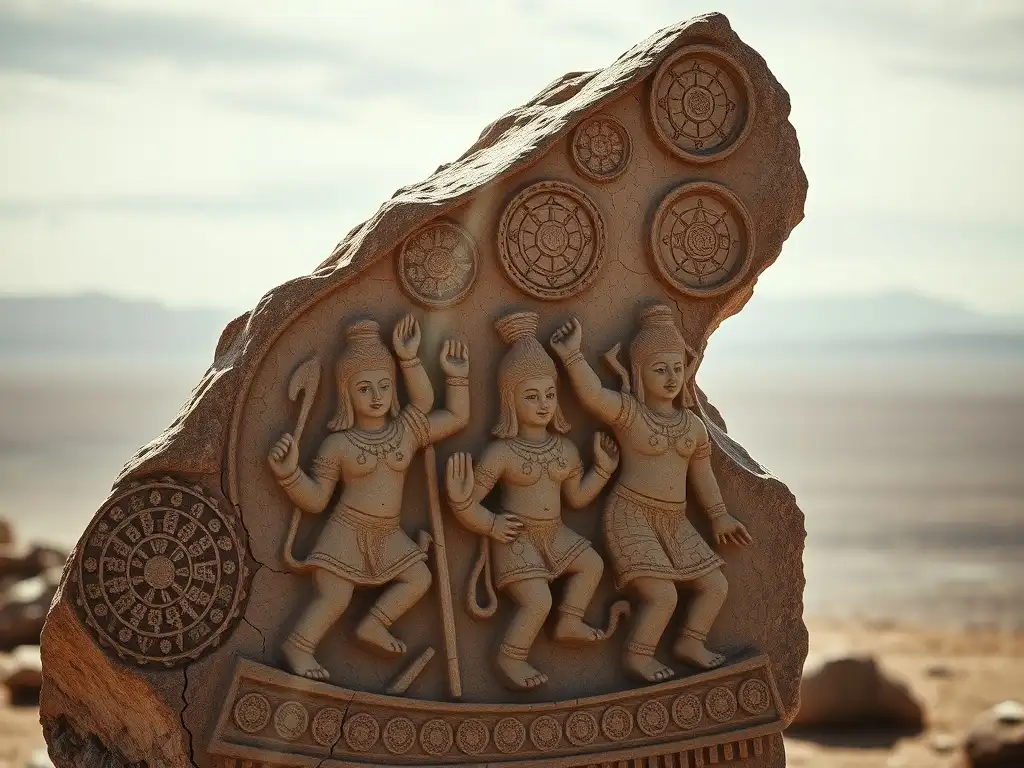
Tiahuanaco's sophisticated religious system profoundly impacted the Andean worldview, leaving an enduring legacy on subsequent cultures. Understanding their beliefs and practices is crucial to grasping Tiahuanaco's influence on the broader Andean civilization. The intricate interplay between cosmology, ritual, and societal structure formed the bedrock of their power and shaped the development of later Andean societies. The sheer scale and complexity of their religious architecture, such as the monumental structures at Puma Punku, attest to the central role religion played in their lives. This wasn't simply a matter of faith; it was integral to their political and economic organization.
The Tiahuanaco Pantheon and its symbolic representations
The Tiahuanaco pantheon, though not fully understood, reveals a complex cosmology. Central figures include the Verraco, a monolithic figure often depicted with feline features, which may represent a powerful deity associated with fertility and power. The Monolitos Bennett, a series of carved stones, provides further insight into the visual representation of their gods and possibly mythical beings.
These representations, often characterized by stylized features and intricate carvings, were not just decorative; they served as powerful symbols reinforcing social hierarchy and religious authority. The repetition of certain motifs, such as stepped pyramids and stylized figures, suggests a carefully constructed system of religious iconography that was meticulously transmitted and adapted by later cultures. Scholars continue to debate the precise meaning of many symbols, but the consistent presence of certain motifs across different sites and periods points towards a cohesive and influential religious system.
Further research, particularly through detailed analysis of surviving artifacts and iconography, is needed to fully illuminate the subtleties of the Tiahuanaco pantheon. For example, the meaning of the frequent depiction of condor-like figures and their relationship to other deities remains a subject of ongoing scholarly discussion.
Ritual Practices and Ceremonies in Tiahuanaco
Evidence suggests that ritual practices were central to Tiahuanaco life. The discovery of numerous artifacts, including ceremonial vessels and intricately carved objects, provides insights into their ritual activities. Archaeological excavations have unearthed evidence of large-scale public ceremonies, likely involving significant community participation.
The precise nature of these ceremonies remains largely speculative, but the scale of the structures implies the importance of collective ritual in maintaining social cohesion and reinforcing religious beliefs. The presence of sophisticated water management systems, such as canals and fountains, suggests that water played a significant role in their rituals, perhaps reflecting a connection to life-giving forces. Furthermore, the careful placement of monumental structures, often aligned with astronomical events, hints at a complex understanding of the cosmos and its influence on human affairs.
The emphasis on precision and monumental scale in their constructions further underscores the importance of ritual in shaping their society and worldview, an influence clearly visible in later Andean cultures. [Specific information pending] on the use of hallucinogenic substances in Tiahuanaco rituals would significantly enhance our understanding.
The Transmission of Religious Concepts from Tiahuanaco to other Cultures
Tiahuanaco's religious influence extended far beyond its immediate geographical reach. Many subsequent Andean cultures, including the Inca, adopted and adapted elements of Tiahuanaco's religious beliefs and practices. The stylistic similarities between Tiahuanaco art and that of later cultures, such as the presence of similar iconographic motifs and architectural styles, point to a clear line of cultural transmission. For example, the use of stepped pyramids and the veneration of certain deities can be traced from Tiahuanaco to later Andean societies.
This wasn't a simple copying; instead, later cultures integrated Tiahuanaco elements into their own evolving religious systems, creating a hybrid religious landscape shaped by both indigenous traditions and Tiahuanaco's powerful influence. The spread of religious concepts was likely facilitated by trade networks, migration, and political dominance. The adoption of Tiahuanaco religious iconography by powerful elites in later societies helped to solidify their authority and legitimacy, demonstrating the enduring power of Tiahuanaco's religious system.
The impact of Tiahuanaco's religious beliefs on the Andean worldview is undeniable, shaping the spiritual landscape of the region for centuries to come. Further research is needed to fully understand the complex process of cultural exchange and adaptation. Analyzing the specific ways in which different cultures integrated Tiahuanaco elements into their existing belief systems will provide a more nuanced understanding of Tiahuanaco's lasting legacy.
Art and Iconography of Tiahuanaco: A Lasting Artistic Legacy
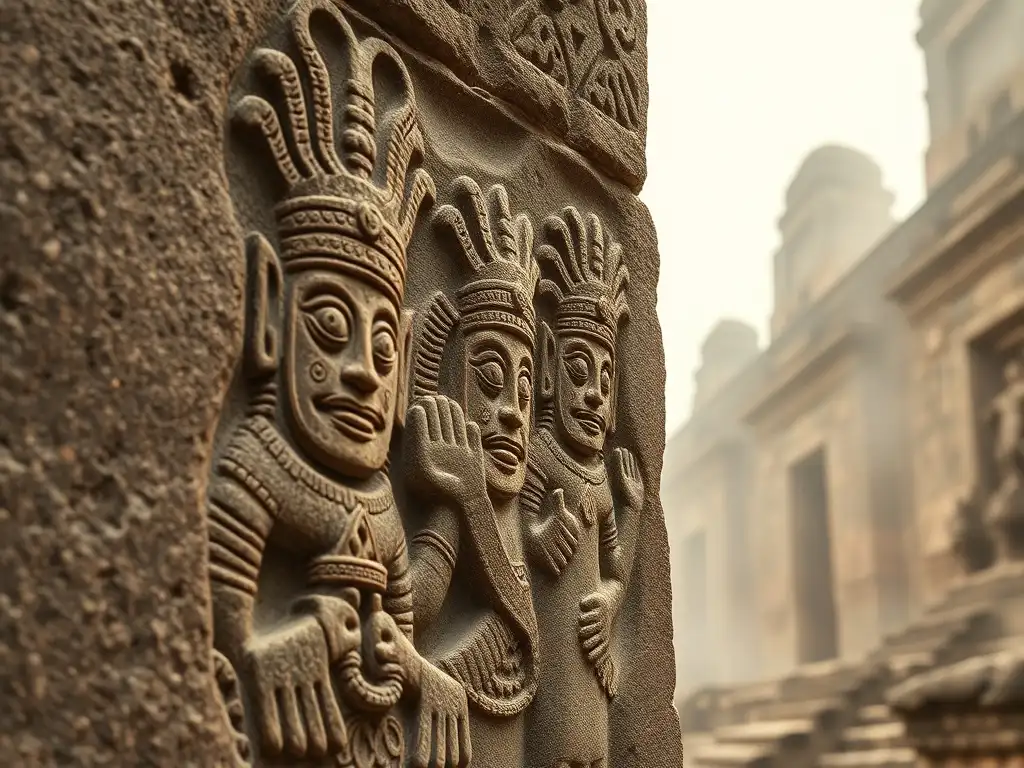
Tiahuanaco's artistic legacy is profoundly interwoven with its cultural and religious beliefs, leaving an indelible mark on subsequent Andean artistic styles. The unique aesthetic sensibilities of Tiahuanaco, characterized by its monumental architecture and intricate iconography, served as a powerful source of inspiration for generations of Andean artists. This section delves into the distinctive features of Tiahuanaco art and its far-reaching influence.
Understanding Tiahuanaco's artistic symbolism is key to appreciating its impact on the broader Andean cultural landscape and the lasting power of its artistic traditions. The sophisticated artistry of Tiahuanaco represents a high point of Andean artistic achievement, influencing stylistic choices and thematic content for centuries to come.
Distinctive Features of Tiahuanaco Art and Iconography: The Staff God, Geometric Patterns, Feline Motifs
Tiahuanaco art is readily identifiable through several key motifs and stylistic choices. The most prominent is undoubtedly the Staff God, a recurring figure depicted with a staff, elaborate headdress, and often, feline attributes. This deity's representation varied across different media, from monumental sculptures to smaller ceramic pieces, showcasing the adaptability of the iconic image.
The pervasive use of geometric patterns, including intricate stepped frets, interlocking triangles, and complex interwoven designs, is another defining characteristic. These patterns, often meticulously carved into stone or woven into textiles, demonstrate a high level of mathematical and artistic sophistication.
Finally, feline motifs, often portrayed with stylized features and symbolic significance, frequently appear alongside the Staff God and geometric designs, further enriching the complex visual vocabulary of Tiahuanaco art. These three elements – the Staff God, geometric patterns, and feline motifs – represent the core components of the Tiahuanaco artistic style, a style that permeated various aspects of their society and later cultures.
The Influence of Tiahuanaco Art on Subsequent Andean Artistic Styles
The influence of Tiahuanaco art extended far beyond its geographical boundaries and temporal limits. Many later Andean cultures, including the Inca, adopted and adapted elements of Tiahuanaco's artistic vocabulary. For instance, the stylized representations of the Staff God, though possibly reinterpreted to represent different deities or ancestors, continued to appear in the art of subsequent cultures.
The characteristic geometric patterns found in Tiahuanaco textiles and stone carvings also reappeared in later Andean artistic traditions, demonstrating a clear continuity of artistic influence. This stylistic continuity is evident in the ceramic vessels, metalwork, and textiles produced by cultures that flourished after the decline of Tiahuanaco.
The enduring appeal of Tiahuanaco's artistic conventions suggests a deep-seated cultural resonance that transcended geographical and temporal boundaries, underscoring Tiahuanaco's significant role in shaping the artistic landscape of the Andes. The adoption and adaptation of Tiahuanaco artistic elements highlight the enduring legacy of this civilization's aesthetic achievements and their impact on the development of Andean art.
Decoding Tiahuanaco's Artistic Symbolism and its cultural meaning
The intricate symbolism embedded within Tiahuanaco art remains a subject of ongoing scholarly debate. However, certain interpretations have emerged based on the recurring motifs and their contextual placement within architectural settings and artifacts. The Staff God, for example, is believed to have represented a powerful deity or a ruler, embodying religious and political authority.
The prevalence of feline imagery suggests a connection to shamanistic practices and the Andean worldview's emphasis on the animal kingdom's spiritual significance. The geometric patterns, with their mathematical precision, might have represented cosmological concepts, reflecting Tiahuanaco's sophisticated understanding of astronomy and its connection to the cycles of nature. Understanding these symbolic meanings is crucial to fully grasping the cultural significance of Tiahuanaco art and its lasting impact.
Further research is needed to fully elucidate the complexities of Tiahuanaco's symbolic language, but the existing evidence points to a rich and nuanced system of visual communication that deeply influenced subsequent Andean artistic traditions. The ongoing efforts to decode Tiahuanaco's artistic symbolism promise to further illuminate the civilization's cultural beliefs and their lasting impact on the Andean world.
Tiahuanaco's Influence on Later Andean Civilizations: Specific Examples
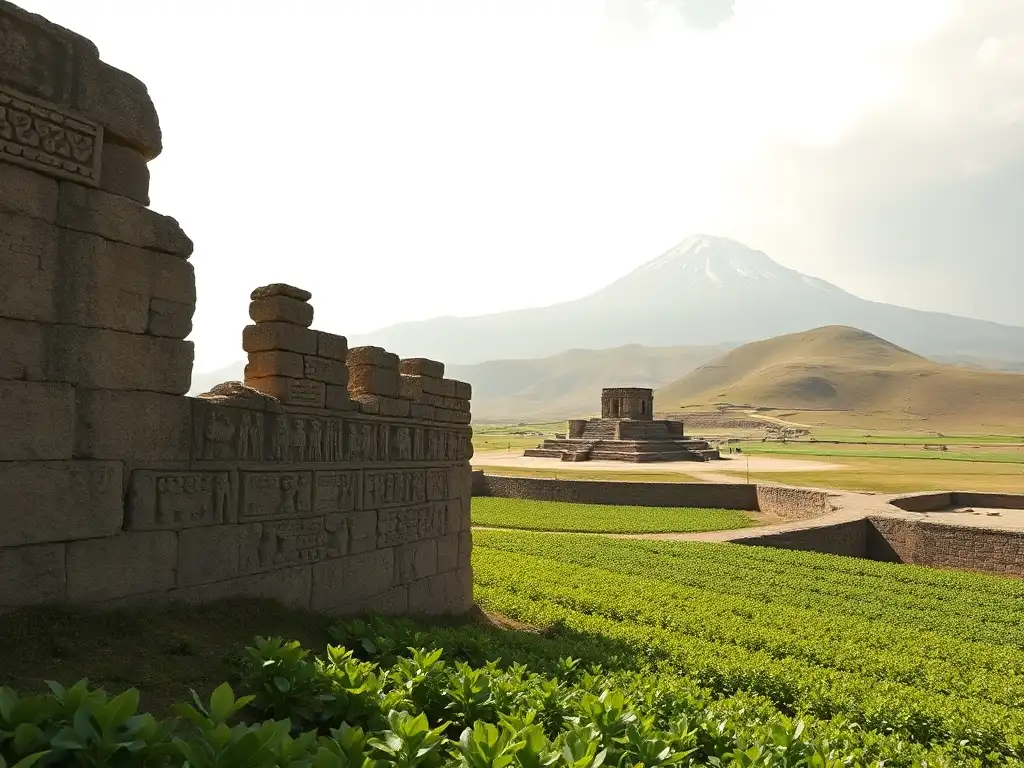
This section delves into the tangible ways Tiahuanaco's remarkable achievements impacted subsequent Andean societies. We'll explore specific examples demonstrating the enduring legacy of this powerful civilization, highlighting its influence on religious practices, urban design, agricultural methods, political structures, and cultural expressions across various Andean groups. Understanding this influence is crucial to appreciating the complex tapestry of Andean history and the interconnectedness of its various cultures. The pervasive nature of Tiahuanaco's impact on Andean civilization is undeniable.
The Impact of Tiahuanaco on the Wari Empire: Religious Iconography and Urban Planning
The Wari Empire, flourishing between 600 and 1000 CE, demonstrates a clear connection to Tiahuanaco's cultural and religious landscape. Evidence suggests a significant adoption and adaptation of Tiahuanaco's religious iconography. Wari pottery, textiles, and architecture frequently feature stylistic elements reminiscent of Tiahuanaco art, including the iconic stepped pyramids and the depiction of deities and mythical creatures. For instance, the use of the kero, a ceremonial drinking vessel, found in both Tiahuanaco and Wari contexts, points to a continuity of ritual practices.
Furthermore, the Wari urban planning bears striking similarities to Tiahuanaco's sophisticated city layout. Both civilizations prioritized the creation of large, centrally planned urban centers, characterized by monumental architecture and intricate networks of roads and canals. While the Wari adapted and expanded upon Tiahuanaco's urban model to suit their own needs and geography, the underlying principles of centralized organization and monumental construction are readily apparent.
The Wari capital, for example, exhibits a clear reflection of Tiahuanaco's influence in its planned layout and the use of raised platforms and plazas. This adoption of urban planning techniques showcases Tiahuanaco's substantial influence on the Wari Empire's development and its ability to shape the political and social landscapes of later Andean civilizations.
Tiahuanaco's Legacy in the Inca Civilization: Agricultural Techniques and Political Organization
The Inca Empire, reaching its zenith in the 15th and 16th centuries, inherited a rich legacy from Tiahuanaco, particularly in agriculture and political organization. The Incas, renowned for their advanced agricultural techniques, likely built upon the sophisticated irrigation systems and terracing methods developed by the Tiahuanacoans.
The concept of waru waru, a raised-field agricultural system, found in the Tiwanaku region, demonstrates a remarkable understanding of water management and soil conservation. While the precise extent of direct technological transfer remains a subject of ongoing research, the similarities between Tiahuanaco's agricultural innovations and Inca practices suggest a strong historical connection and a continuation of established techniques.
Beyond agriculture, Tiahuanaco's influence on Inca political organization is evident in the centralized administrative structure and the emphasis on monumental construction projects. The Inca's highly structured empire, with its intricate network of roads, administrative centers, and standardized building techniques, echoes the centralized nature of Tiahuanaco's society and its capacity for large-scale public works.
The Inca's adoption of a similar administrative structure, albeit on a larger scale, suggests that the organizational principles established by Tiahuanaco provided a template for the Inca's later success. Their sophisticated system of record-keeping, while unique, might also have drawn inspiration from the administrative practices of its predecessor.
Traces of Tiahuanaco Culture in other Andean Groups: Aymara Language and Cultural Practices
The influence of Tiahuanaco extended far beyond the Wari and Inca empires. Many other Andean groups, including the modern-day Aymara people, exhibit cultural practices and linguistic features that reflect Tiahuanaco's enduring legacy. The Aymara language, spoken by millions in the Andes, contains vocabulary and grammatical structures that show potential links to the language(s) spoken in the Tiahuanaco region. While deciphering the precise nature of this linguistic connection requires further research, the presence of shared vocabulary related to agriculture, geography, and religious practices suggests a possible linguistic continuity.
Furthermore, various Andean communities continue to practice traditions and customs that bear resemblance to Tiahuanaco's cultural practices. Certain religious beliefs, artistic styles, and agricultural techniques found in these communities may represent the survival and adaptation of Tiahuanaco's cultural heritage. The persistence of these traditions underscores the profound and lasting impact of Tiahuanaco on the cultural identity of many Andean groups, demonstrating that Tiahuanaco's influence continues to resonate even today. The ongoing research into the cultural practices of various Andean communities is crucial for a more complete understanding of Tiahuanaco's lasting impact.
Tiahuanaco's Enduring Contributions to Andean Civilization
Tiahuanaco's influence on Andean civilization is a vast and complex subject, extending far beyond its immediate geographical area and temporal boundaries. This powerful culture, flourishing between roughly 300 and 1100 CE, left an indelible mark on subsequent Andean societies, shaping their political structures, cultural practices, and artistic expressions. Understanding Tiahuanaco's legacy is crucial to comprehending the development of the entire Andean region.
Its impact resonates even today, shaping our understanding of pre-Columbian societies and their sophisticated achievements. The profound impact of Tiahuanaco's innovations can be observed in various aspects of Andean civilization. This section will explore some of its key contributions.
Tiahuanaco's Contribution to the development of Andean Political Systems
Tiahuanaco's sophisticated political organization significantly influenced later Andean states. While the exact nature of Tiahuanaco's political system remains a subject of ongoing debate among archaeologists, evidence suggests a highly centralized authority capable of managing extensive resources and infrastructure. This centralized model, characterized by a complex administrative network and possibly a theocratic rule, served as a blueprint for subsequent Andean empires.
For instance, the Inca Empire, centuries later, exhibited similarities in its centralized governance, vast infrastructure projects (like road systems and storage facilities), and control over vast territories. The Inca's ability to rapidly expand and consolidate power benefited from pre-existing models, including those pioneered by Tiahuanaco. The remarkable scale of Tiahuanaco's monumental architecture, such as the Akapana pyramid and the Kalasasaya temple, underscores the sophisticated organizational skills and labor mobilization required, suggesting a powerful, centralized authority capable of directing large-scale projects.
This ability to mobilize resources and manpower was a crucial element that later Andean empires adapted and refined. The intricate system of record-keeping, though the specifics remain elusive, also suggests a level of administrative sophistication that influenced later Andean societies' efforts to manage their populations and economies.
Lasting impacts of Tiahuanaco's Innovations in Andean culture
Tiahuanaco's cultural influence extended beyond its political structures. Its unique artistic style, characterized by its distinctive iconography and monumental sculpture, profoundly impacted the artistic traditions of later Andean cultures. The characteristic Tiahuanaco style, with its stylized figures, geometric patterns, and the recurring "Porteador" figure, can be traced in various forms throughout the Andean region. This stylistic influence can be seen in pottery, textiles, and metalwork from later cultures, demonstrating a cultural diffusion that transcended geographical boundaries.
Furthermore, Tiahuanaco's religious beliefs and practices likely played a significant role in shaping Andean religious systems. While the specific details of Tiahuanaco's religious beliefs are still under investigation, evidence suggests a complex pantheon of deities and elaborate rituals. The influence of Tiahuanaco's religious concepts can be seen in later Andean cultures' religious practices and iconography.
Examples include the widespread use of certain symbols and motifs, potentially linked to Tiahuanaco religious beliefs, in subsequent Andean art and religious practices. The continuity of certain ceremonial practices and the presence of similar iconography across different Andean cultures suggest a lasting cultural legacy. This cultural exchange and transmission of ideas further solidified Tiahuanaco's influence on the cultural landscape of the Andes.
The Significance of Tiahuanaco's legacy for understanding Andean History
Understanding Tiahuanaco's influence is critical for a comprehensive understanding of Andean history. Tiahuanaco's legacy serves as a crucial link connecting earlier Andean societies with later empires, providing a framework for understanding the continuity and change in Andean civilization. By studying Tiahuanaco's political, economic, and cultural innovations, we can gain valuable insights into the processes that shaped the development of subsequent Andean societies.
The insights gained from studying Tiahuanaco shed light on the long-term processes of cultural exchange, political development, and technological innovation within the Andean region. The influence of Tiahuanaco's sophisticated irrigation systems, for example, highlights its contribution to agricultural practices and economic development, impacting later Andean societies’ ability to sustain large populations. Further research is needed to fully unravel the complexities of Tiahuanaco's influence, particularly in areas such as its interactions with other contemporary cultures and the long-term effects of its collapse on the Andean region.
The ongoing research and discoveries continue to reveal the depth and breadth of Tiahuanaco's contribution to Andean civilization, solidifying its place as a pivotal point in the region's history. The study of Tiahuanaco's influence, therefore, remains a vital area of research for scholars seeking to understand the multifaceted development of Andean civilization.
Frequently Asked Questions
What was Tiahuanaco's most significant contribution to Andean civilization?
Tiahuanaco's extensive road network facilitated trade and communication across vast distances, significantly impacting the Andean region's social and economic development. Their advanced agricultural techniques, such as raised fields, also contributed greatly.
How did Tiahuanaco's religious beliefs influence other Andean cultures?
Tiahuanaco's religious iconography and mythology, featuring deities like Viracocha, spread throughout the Andes, influencing the beliefs and practices of subsequent cultures like the Inca. Religious syncretism became common.
What architectural innovations did Tiahuanaco develop that impacted later Andean societies?
Tiahuanaco's mastery of stonework, particularly its precise monumental architecture exemplified by Akapana and Puma Punku, influenced later Andean builders. Their techniques were adapted and refined by subsequent civilizations.
To what extent did Tiahuanaco's political structure influence later Andean states?
Tiahuanaco's complex political organization, possibly involving a hierarchical system, served as a model for later Andean states. While the exact nature of their political structure is debated, its influence on subsequent state formation is undeniable.
How did Tiahuanaco's decline affect the broader Andean region?
The collapse of Tiahuanaco created a power vacuum in the Andes, leading to a period of fragmentation and the rise of new regional powers. However, its cultural legacy continued to shape the development of subsequent Andean civilizations.
Final Reflection: The Enduring Legacy of Tiahuanaco
The ingenuity of Tiahuanaco's civilization continues to resonate today, a testament to the power of human innovation and its enduring impact on the cultural landscape of the Andes. Its sophisticated agricultural techniques, intricate societal structures, and remarkable artistic achievements laid the groundwork for subsequent Andean cultures, shaping the very fabric of the region's identity. The echoes of Tiahuanaco's influence are not merely historical footnotes; they are living threads woven into the tapestry of modern Andean life.
The sheer scale of Tiahuanaco's impact is staggering, a testament to the resilience and creativity of its people. Its influence extended far beyond its immediate geographical boundaries, permeating the beliefs, practices, and artistic expressions of countless communities across the Andes for centuries. The legacy of Tiahuanaco is not just about impressive architecture or advanced irrigation systems; it's about the enduring power of a shared cultural heritage. The past is never dead. It's not even past.
– William Faulkner. This quote perfectly encapsulates the ongoing relevance of Tiahuanaco's contributions to our understanding of Andean history and culture.
Consider the profound implications of Tiahuanaco's achievements. Think about the innovative agricultural practices that allowed for sustained population growth in a challenging environment, the sophisticated social organization that fostered stability and cooperation, and the artistic brilliance that continues to inspire awe and wonder. You, the reader, are now part of this ongoing conversation.
Reflect on how Tiahuanaco's story challenges our assumptions about the capabilities of ancient civilizations and inspires us to appreciate the enduring power of human ingenuity. Let its legacy inspire you to explore the rich tapestry of Andean history and to recognize the profound connections between past and present.
**Discover Your Connection to Tiahuanaco's Legacy! **
Thank you for exploring the fascinating world of Tiahuanaco and its profound impact on Andean civilization! We hope you've gained valuable insights that inspire further exploration. Now, let's build on that inspiration to enrich your understanding of Andean history and ingenuity.
Here are some ways to deepen your connection with Tiahuanaco and its remarkable legacy:
- **Expand Your Knowledge:** Visit a local museum or explore online archives to discover artifacts related to Tiahuanaco. This hands-on approach will bring your learning to life.
- **Join the Discussion:** Share your thoughts on Tiahuanaco in our community forum! Connecting with others who share your interest can spark new perspectives and discoveries.
- **Embrace Creativity:** Try recreating a piece of ancient Tiahuanaco art or building a scale model at home. This creative exercise can offer a unique appreciation for their remarkable innovations.
How do you see Tiahuanaco's innovations influencing the modern world? Share your thoughts in the comments below!