
The Chavín Phenomenon: Exploring the Influence of a Mysterious Andean Culture

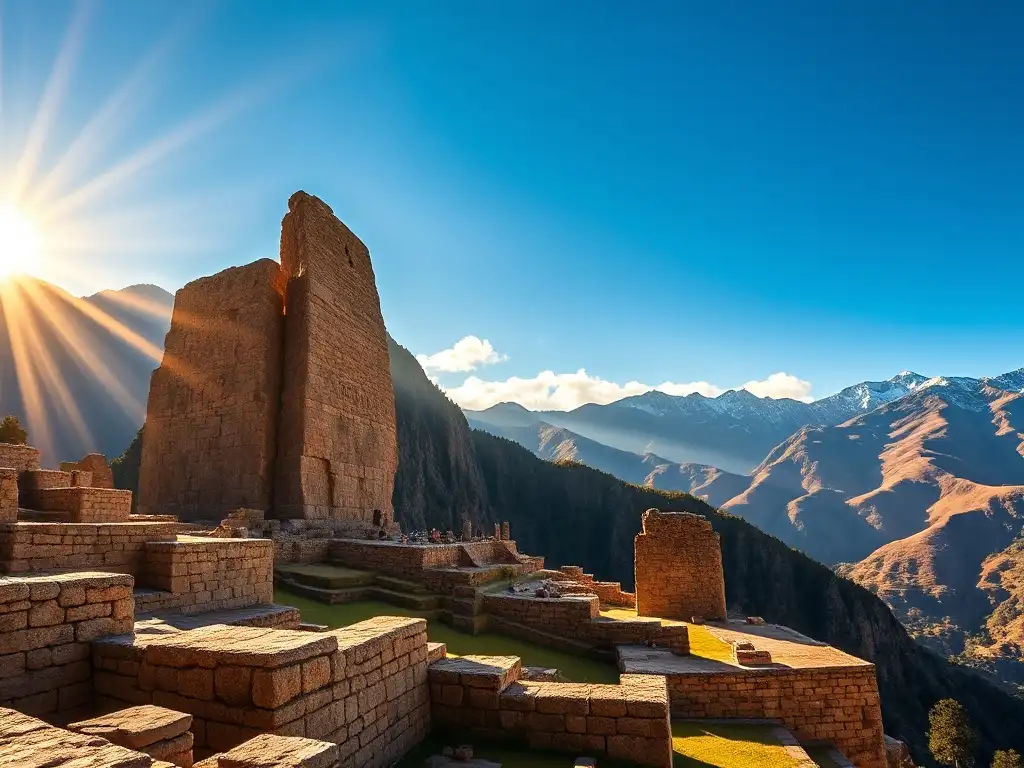
Step into a world lost to time, a realm of towering mountain peaks and breathtaking ingenuity. Uncover the secrets of the Andes, where empires rose and fell, leaving behind a legacy of stunning artistry and complex societies. But what truly propelled this incredible development? Prepare to be captivated by the Chavín civilization's influence, a mysterious force that shaped the course of Andean history. Dive into the enigma and discover how this enigmatic culture laid the foundations for the magnificent civilizations that followed.
The Chavín culture, flourishing in the Andes Mountains of Peru from approximately 900 to 200 BCE, remains one of the most enigmatic and influential pre-Columbian societies. While not a vast empire in the traditional sense, its impact on the subsequent development of Andean civilizations is undeniable. This article delves into the Chavín phenomenon, exploring its unique artistic style, religious beliefs, and surprisingly far-reaching influence on the political and social landscapes of the region.
Understanding the Chavín civilization's influence is crucial for grasping the complexities and interconnectedness of the later Andean cultures, including the rise of powerful empires like the Inca. We will examine the evidence suggesting Chavín's role as a cultural hearth, disseminating religious iconography, architectural styles, and potentially even administrative structures across a vast geographical area. This exploration will reveal how Chavín's legacy shaped the trajectory of Andean history, leaving an indelible mark on the societies that followed.
The Distinctive Chavín Art Style: A Unifying Force
Chavín art is instantly recognizable for its distinctive style. Characterized by intricate carvings, often depicting supernatural beings with feline, serpent, and other zoomorphic features, these works were crafted in stone, pottery, and textiles. The iconic "Lanzón," a massive, carved monolith found within the main Chavín de Huántar temple, exemplifies this style.
Its powerful imagery, with its jaguar-like features and intricate details, likely served as a focal point for religious rituals and ceremonies. This artistic style wasn't confined to Chavín de Huántar; similar motifs and stylistic elements appear in artifacts found across a wide swathe of the Andes, suggesting a significant cultural exchange and the dissemination of Chavín artistic ideas. The stylistic consistency across geographically distant sites strongly suggests a powerful unifying force emanating from the Chavín heartland.
The intricate carvings, often depicting hybrid creatures and complex scenes, suggest sophisticated artistic techniques and a highly developed symbolic system. Further research into the specific materials and techniques employed by Chavín artists could illuminate aspects of their society's organization and technological capabilities.
Religious Beliefs and Iconography: Spreading a Pan-Andean Ideology?
The Chavín worldview, as interpreted from its art and architecture, appears to have been deeply intertwined with nature and shamanistic practices. The recurring motifs of jaguars, serpents, and other powerful animals suggest a complex cosmology that likely involved the worship of deities associated with these creatures. The use of hallucinogenic plants, evidenced by archaeological findings, might have played a significant role in religious rituals and the creation of the distinctive Chavín artistic style.
The spread of similar religious iconography across various Andean cultures suggests a possible pan-Andean religious influence emanating from Chavín. This isn't to say that Chavín imposed a monolithic religion; rather, it suggests the adoption and adaptation of Chavín religious ideas and beliefs into existing local traditions.
The consistent presence of similar iconographic elements across diverse regions points to a shared ideological framework, potentially facilitated by trade networks and the movement of people. Further investigation into the specific rituals and beliefs of the Chavín people is needed to fully understand the scope of this religious influence.
The Chavín Influence on Andean Architecture and Urban Planning
The monumental architecture of Chavín de Huántar, with its intricate maze-like structures and sophisticated water management systems, stands as a testament to the engineering capabilities of the Chavín people. The temple complex at Chavín de Huántar itself showcases a remarkable understanding of acoustics and spatial design, features that may have played a significant role in their religious rituals.
The influence of Chavín architectural styles is evident in subsequent Andean societies. Features such as stepped pyramids and intricate stonework appear in later cultures, suggesting a lasting impact on Andean urban planning and architectural design.
The adoption of similar architectural styles across diverse regions highlights the long-lasting impact of Chavín's architectural innovations, demonstrating how Chavín's influence extended beyond simple imitation to the integration of Chavín elements into the evolving architectural traditions of other Andean societies. Analyzing the construction techniques and materials used in Chavín architecture could reveal further insights into the society's social organization and technological advancements.
The Legacy of Chavín: A Foundation for Later Andean Empires 🤔
The Chavín culture, despite its relatively short lifespan, left an enduring legacy on the development of subsequent Andean civilizations. Its influence, disseminated through artistic styles, religious beliefs, and architectural innovations, laid the groundwork for the complex societies that followed. The widespread adoption of Chavín motifs and styles suggests a degree of cultural hegemony, albeit a decentralized one.
While not a conquering empire in the traditional sense, Chavín's influence acted as a powerful unifying force, shaping the cultural landscape of the Andes for centuries to come. This influence is clearly visible in the artistic and architectural styles of later cultures, suggesting a complex interplay of cultural exchange, adaptation, and innovation.
Further research is needed to fully understand the nuanced ways in which Chavín's legacy shaped the development of the later Andean empires, a process that likely involved both direct transmission and the adaptation of Chavín ideas to the specific contexts of different regions and cultures. The Chavín civilization’s influence continues to intrigue and inspire researchers today, reminding us of the complex and interconnected history of the Andean world.
- The Distinctive Chavín Art Style: A Unifying Force
- Religious Beliefs and Iconography: Spreading a Pan-Andean Ideology?
- The Chavín Influence on Andean Architecture and Urban Planning
- The Legacy of Chavín: A Foundation for Later Andean Empires 🤔
- What was the Chavín civilization's main influence on other Andean cultures?
- How did Chavín art influence later Andean civilizations?
- Did the Chavín civilization have a centralized political structure?
- What is the significance of the Chavín de Huántar site?
- How did the Chavín civilization's influence decline?
Origins of the Chavín Civilization: A Glimpse into Early Andean Societies
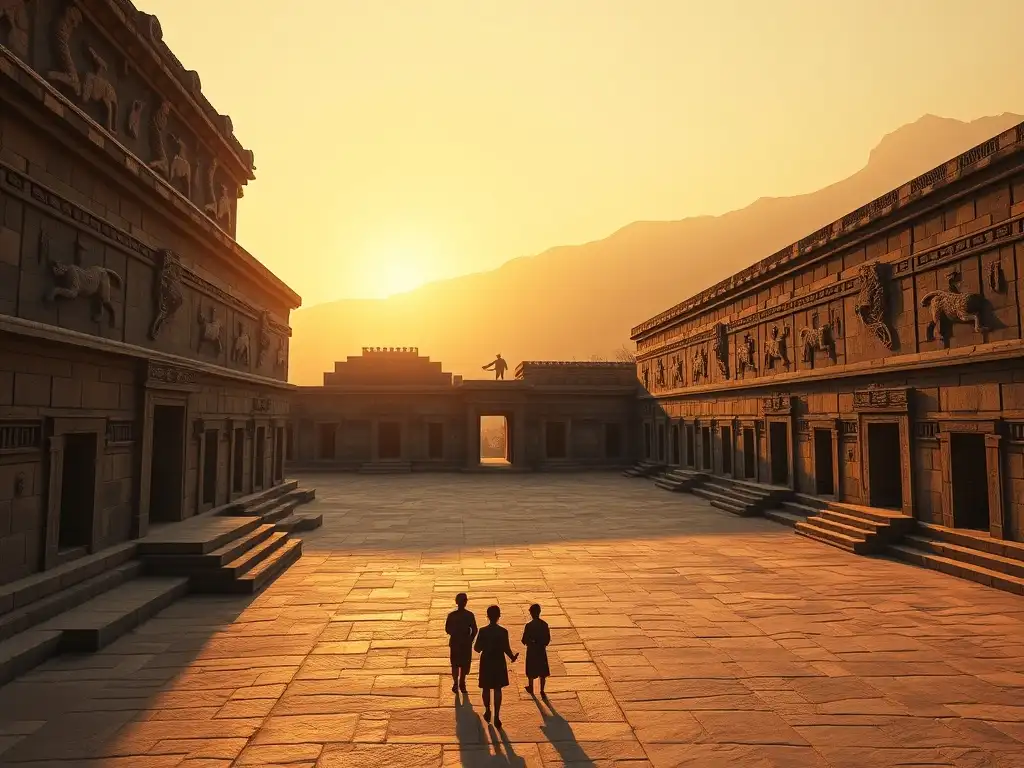
The Chavín civilization's influence on subsequent Andean cultures is undeniable, leaving an indelible mark on art, religion, and societal structures. Understanding its origins requires examining the broader context of early Andean societies. While the precise origins remain debated amongst archaeologists, several factors contributed to the rise of this influential culture.
The development of sophisticated agricultural techniques, particularly in the cultivation of crops like potatoes and maize, provided a stable food surplus. This surplus, in turn, fueled population growth and the specialization of labor, laying the groundwork for complex social hierarchies. The availability of resources like obsidian and other minerals also played a crucial role, facilitating the production of sophisticated tools and ceremonial objects— key elements in the Chavín civilization's distinctive artistic style.
Furthermore, the strategic location of Chavín de Huántar, nestled in the Andes mountains, facilitated control over vital trade routes, contributing to the accumulation of wealth and power. The interplay of these factors – agricultural innovation, resource control, and a favorable geographic location – fostered the conditions necessary for the emergence of the Chavín culture and its profound impact on the Andean region. The Chavín civilization's influence is, therefore, not solely a result of its unique artistic expressions but also a product of its effective management of resources and strategic positioning within the Andean landscape.
The Chavín Culture: Geographic Location and Chronology
The Chavín culture flourished in the northern highlands of Peru, primarily centered around the ceremonial site of Chavín de Huántar, located in the Mosna River valley. Its strategic location, approximately 2,650 meters (8,700 feet) above sea level, provided access to diverse ecological zones, supporting a variety of agricultural practices and resource extraction. The Chavín horizon, representing the period of the culture's greatest influence, is generally dated from 900 to 200 BCE, although some researchers propose a slightly broader or narrower timeframe.
This period witnessed the development of the distinctive Chavín artistic style, characterized by its intricate carvings, stylized depictions of jaguars and other animals, and the use of unique iconography that would later be adopted and adapted by other Andean cultures. The precise chronological boundaries of the Chavín culture are still subject to ongoing research and debate amongst archaeologists, with new discoveries constantly refining our understanding of its temporal extent and the nuances of its development.
The geographical spread of Chavín influence extended far beyond its core region, reaching into the coastal areas and impacting a wide range of communities. Its impact on the development of subsequent Andean civilizations is a testament to its power and influence during this period.
The Chavín Horizon: Understanding its Temporal Scope
The Chavín horizon represents a period of significant cultural influence, not a unified political entity. Instead, it's characterized by the widespread dissemination of Chavín artistic motifs, religious beliefs, and possibly, administrative practices across a vast geographical area. This dissemination likely occurred through a combination of trade networks, migration, and the adoption of Chavín ideas by other groups. The temporal scope of the Chavín horizon is not rigidly defined, with its influence gradually fading over time.
While the core Chavín culture itself may have declined by around 200 BCE, its stylistic and ideological elements persisted in various forms in subsequent Andean cultures for centuries. Evidence of this influence can be seen in the art, architecture, and religious practices of cultures such as the Moche, Nazca, and even later Inca civilizations. The longevity of the Chavín influence underscores its deep impact on Andean cultural development.
Analyzing the distribution of Chavín-style artifacts and iconography provides crucial insights into the temporal and spatial reach of this influential culture. Archaeological findings continue to illuminate the extent and duration of the Chavín horizon, refining our understanding of this formative period in Andean history and its lasting legacy. The Chavín civilization's influence, therefore, is not limited to a specific timeframe but rather represents a prolonged cultural process that significantly shaped the trajectory of Andean societies for centuries.
The Religious Worldview of Chavín: Decoding Symbolic Representations
The Chavín civilization's influence stemmed significantly from its unique and pervasive religious worldview, a complex system of beliefs centered around supernatural forces and deities. Unlike later Andean cultures with clearly defined pantheons, Chavín's religious expressions were more abstract and symbolic, making interpretations challenging but fascinating. Scholars suggest a cosmology based on a powerful, transformative force, possibly associated with nature's power, particularly water and mountains.
This is evidenced by the recurring motifs in their art and architecture. The emphasis on shamanistic practices and altered states of consciousness further complicates the understanding of their specific beliefs, but highlights the importance of ritual in their society. The lack of written records necessitates relying heavily on archaeological findings to decipher their belief system.
The pervasive nature of Chavín iconography across a vast geographical area suggests a powerful unifying religious force, acting as a catalyst for cultural exchange and the spread of Chavín artistic styles and technological innovations. This unifying religious framework played a pivotal role in shaping the socio-political landscape of the early Andean region.
Chavín Art and Iconography: Unveiling Deities and Supernatural Beings
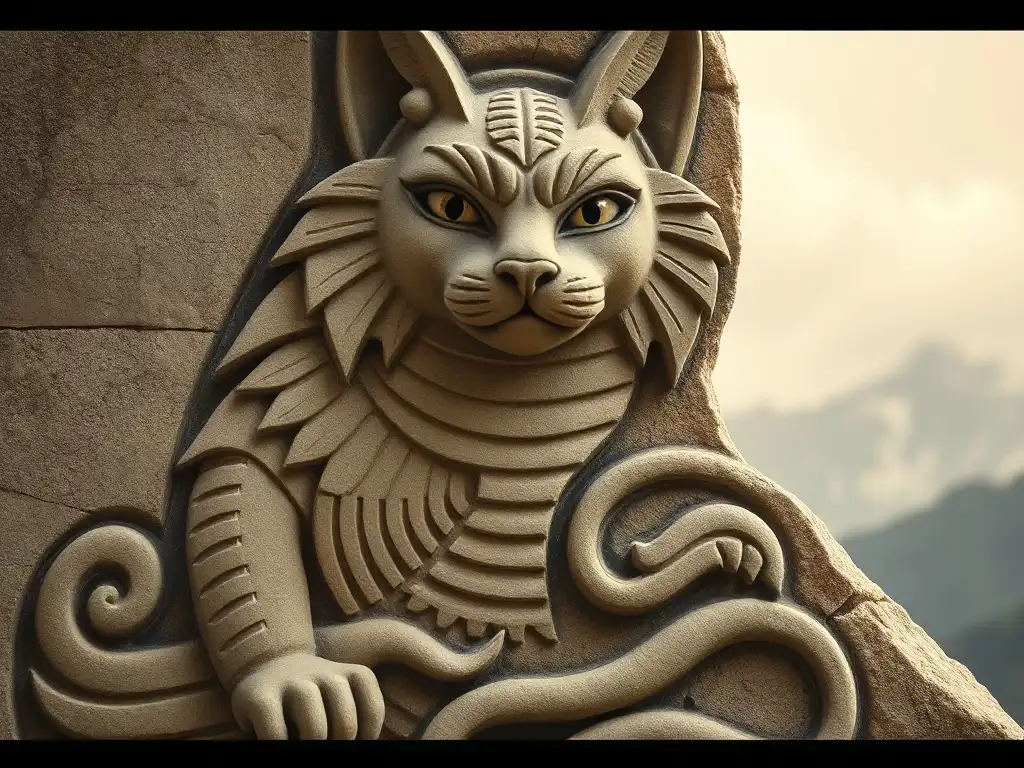
Chavín art is characterized by its distinctive style: stylized representations of hybrid creatures, often combining feline, avian, and reptilian features. These are not simply decorative; they are powerful symbolic representations of supernatural beings, likely deities or manifestations of spiritual forces. The iconic "Lanzón", a massive monolithic stone sculpture found in the main temple of Chavín de Huántar, is a prime example.
Its depiction of a fanged, clawed being, possibly a jaguar-like deity, embodies the terrifying and awe-inspiring power associated with the Chavín religion. The recurring motifs of snakes, jaguars, and birds of prey frequently intertwine, suggesting a complex interplay between different supernatural entities. The intricate carvings, often found in low relief or incised into stone, reveal a sophisticated understanding of artistic techniques.
Analysis of these representations provides clues to the Chavín cosmology, suggesting a world teeming with powerful, often ambiguous, supernatural forces. The consistent use of these symbols across various media – stone carvings, pottery, textiles – indicates their central role in the religious life of the Chavín people and the extent of Chavín civilization influence on surrounding cultures.
The Chavín Temple of Chavín de Huántar: A Center of Religious Power
The temple complex at Chavín de Huántar served as the epicenter of Chavín religious activity. Its intricate labyrinthine design, with subterranean galleries and strategically placed plazas, suggests a deliberate manipulation of space to create a powerful and awe-inspiring atmosphere. This architectural complexity facilitated ritual practices, possibly involving altered states of consciousness through the use of hallucinogenic substances.
The placement of the Lanzón deep within the temple complex further emphasizes its sacred importance, suggesting it was a focal point for religious ceremonies and possibly a conduit to the supernatural world. The temple's location in a geographically strategic area, nestled amidst the Andes, also likely contributed to its religious significance, possibly linking it to the worship of mountain deities or the control of water resources.
The immense scale of the construction, requiring considerable human effort and organization, underscores the importance of the religious ideology in mobilizing the Chavín population and solidifying their social structure. The architectural innovations seen in Chavín de Huántar influenced later Andean constructions, demonstrating the lasting impact of Chavín civilization influence.
Chavín Ritual Practices and Their Significance
Chavín ritual practices remain largely a matter of speculation due to the lack of written records. However, evidence from the archaeological record points towards elaborate ceremonies involving offerings, possibly human sacrifice, and the consumption of hallucinogenic plants. The discovery of numerous artifacts within the temple complex – including ceremonial objects, pottery vessels, and animal remains – suggests the performance of complex rituals.
The intricate design of the temple itself, with its maze-like passages and subterranean chambers, may have been designed to induce altered states of consciousness, enhancing the participants' connection to the supernatural realm. These rituals likely served multiple functions: reinforcing social hierarchies, promoting group cohesion, and ensuring the well-being of the community through appeasement of supernatural forces.
The widespread adoption of certain ritualistic practices across different Andean cultures suggests the dissemination of Chavín religious beliefs and practices, further demonstrating the profound and lasting Chavín civilization influence on the development of subsequent Andean societies. Further research is needed to fully understand the nuances of Chavín ritual practices, but the available evidence paints a picture of a highly sophisticated and symbolically rich religious system.
The Impact of the Chavín Culture: Manifestations of Influence
The Chavín culture, flourishing in the Andes from roughly 900 to 200 BCE, exerted a profound and lasting influence on subsequent Andean societies. While the exact mechanisms of this influence remain a subject of ongoing scholarly debate, the widespread adoption of Chavín artistic motifs, architectural styles, and religious iconography across a vast geographical area speaks volumes about its significance. This section will explore the key manifestations of Chavín influence, focusing on the tangible evidence left behind in the archaeological record. Understanding the Chavín civilization influence is crucial to grasping the development of complex societies in the Andes.
Chavín Architectural Influence: Innovations in Construction Techniques
Chavín de Huántar, the culture's namesake site, showcases remarkable architectural innovations that served as a blueprint for later Andean constructions. The use of massive stone blocks, precisely cut and fitted together without mortar, exemplifies a sophisticated understanding of engineering and stonework. This technique, known as ashlar masonry, is evident not only at Chavín but also in sites geographically distant, suggesting a widespread dissemination of Chavín building practices.
For example, the distinctive use of "Lanzón", a massive carved monolith depicting a deity, within a carefully planned subterranean structure, influenced later temple designs. This emphasis on subterranean spaces and the incorporation of monumental sculpture became a hallmark of Andean religious architecture for centuries. The intricate network of tunnels and chambers at Chavín, designed to manipulate light and sound, also inspired similar architectural features in later sites.
Analysis of these structures reveals a complex understanding of acoustics and spatial design, far beyond what was previously thought possible for the time period. The influence of Chavín's architectural prowess is undeniable, shaping the landscape of Andean religious centers for generations.
Chavín Artistic Style: Diffusion and Adaptations in Pottery and Textiles
The distinctive Chavín artistic style, characterized by its stylized depictions of jaguars, serpents, and other mythical creatures, is readily identifiable in pottery and textiles from across the Andes. This stylistic influence wasn't a simple copy-paste operation; rather, it was a process of adaptation and innovation. Local artisans integrated Chavín motifs into their own artistic traditions, resulting in a fascinating blend of regional styles and Chavín iconography.
Consider the widespread appearance of the "caviar" style pottery, characterized by its intricate designs and the use of negative space. While originating in the Chavín heartland, variations of this style appeared in the Moche, Nazca, and other cultures, demonstrating the adaptability and enduring appeal of Chavín artistic principles. Similarly, textiles from various Andean regions display clear Chavín influences in their designs and color palettes.
The use of specific color combinations and weaving techniques, often associated with Chavín textiles, can be traced across vast distances, further highlighting the pervasive nature of this cultural exchange. The study of these artistic adaptations allows us to trace the flow of Chavín influence and understand the dynamic interaction between the Chavín culture and its neighbors.
Chavín Religious Influence: The Spread of Ideological Beliefs
The spread of Chavín religious beliefs is arguably the most significant aspect of its cultural influence. While the precise nature of Chavín religious practices remains partly enigmatic, the widespread adoption of similar iconography and ritualistic practices across various Andean cultures suggests a powerful ideological force at work. The jaguar, a recurring motif in Chavín art, likely represented a powerful deity or symbol of authority, and its presence in later cultures' iconography suggests the adoption of related religious beliefs.
Evidence suggests that Chavín religious practices, possibly involving shamanistic rituals and the consumption of hallucinogenic substances, may have been adopted and adapted by other Andean societies. The presence of similar ritual objects and architectural features in geographically disparate locations points towards a pan-Andean religious network, with Chavín playing a central role. The adoption and adaptation of Chavín religious beliefs highlight the complex interplay between cultural exchange and the evolution of religious systems in the Andes. The enduring power of Chavín religious ideas is testament to the profound and lasting impact of this enigmatic civilization.
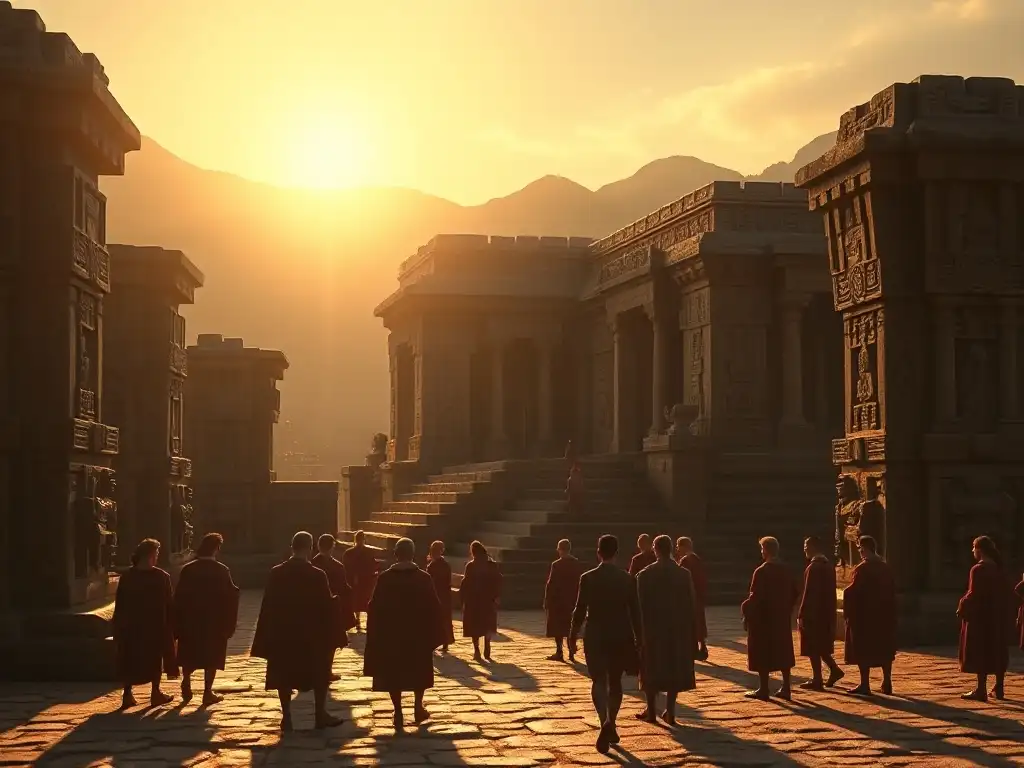
The Chavín civilization, flourishing in the Andes from approximately 900 to 200 BCE, presents a fascinating case study in the development of complex societies. While lacking a centralized, easily identifiable state like later Andean empires, Chavín exerted significant influence across a vast region through a unique blend of religious ideology, sophisticated technology, and possibly indirect political control.
Understanding their societal organization is crucial to grasping their widespread impact. The "Chavín influence" extended far beyond the immediate geographical area of the main temple complexes, suggesting a complex system of interaction and power projection that remains a subject of ongoing scholarly debate.
The Role of the Priesthood in Chavín Society
The Chavín priesthood occupied a central position within the society. Evidence suggests a highly specialized and powerful priestly class, responsible for managing religious rituals, interpreting religious beliefs, and possibly mediating between the human world and the supernatural realm. The elaborate iconography found throughout Chavín sites, featuring jaguars, snakes, and other powerful symbolic animals, likely played a crucial role in these rituals, reinforcing the authority of the priesthood.
The construction and maintenance of the monumental temple complexes themselves – impressive feats of engineering and artistry – further solidified the priests' social standing and influence. These priests may have controlled access to resources, information, and perhaps even exerted some form of political power indirectly, shaping social norms and behavior through religious pronouncements.
Their role wasn't simply spiritual; it was deeply intertwined with the practical aspects of Chavín society. The lack of clear evidence of a king or emperor suggests the priesthood may have held the ultimate authority, albeit perhaps in a more diffuse and less directly coercive manner than later Andean rulers.
While direct evidence of a formal political structure is limited, archaeological findings strongly suggest a hierarchical social organization within Chavín society. The construction of monumental architecture, such as the massive platforms and intricate temples at Chavín de Huántar, required a substantial workforce and organized labor. This implies a level of social stratification, with specialized artisans, builders, and laborers working under the direction of a ruling elite – likely the aforementioned priesthood.
The elaborate burial practices, with some individuals interred with rich grave goods, further support this hypothesis. These differences in burial practices indicate varying levels of social status and access to resources. The distribution of artifacts and the stylistic consistency of Chavín art across a wide geographical area hint at a system of control and communication, though the exact mechanisms remain unclear.
Further research, particularly focusing on settlement patterns and the analysis of everyday objects, is needed to better understand the nuances of Chavín governance and the dynamics of power within the society. The extent of Chavín's political influence might be better understood by analyzing the adoption of Chavín-style artifacts and religious iconography in distant communities.
Chavín Economy and Trade: Resource Management and Exchange Networks
The Chavín economy was likely based on a combination of agriculture, resource extraction, and long-distance trade. The fertile valleys surrounding Chavín de Huántar provided ample agricultural resources, supporting a relatively dense population. The presence of obsidian, a volcanic glass used for tools and ornaments, originating from distant sources, indicates well-established trade networks stretching across significant distances. This trade not only facilitated the acquisition of essential resources but also played a crucial role in disseminating Chavín religious beliefs and artistic styles.
The distribution of Chavín-style artifacts across the Andes suggests a complex system of exchange, potentially involving reciprocal gift-giving, tribute, or even controlled trade routes managed by the ruling elite. The precise nature of this economic system and the role of trade in reinforcing Chavín power requires further investigation. The analysis of isotopic signatures in human remains could provide further insight into dietary habits and trade interactions.
Understanding the Chavín economy is essential to fully comprehend the scale and nature of their influence across the Andean region. The efficient management of resources and the control of trade routes likely contributed significantly to the Chavín civilization's power and longevity. The sophisticated irrigation systems developed suggest a high level of agricultural organization and planning.
The Legacy of the Chavín Civilization: Lasting Contributions to Andean Culture
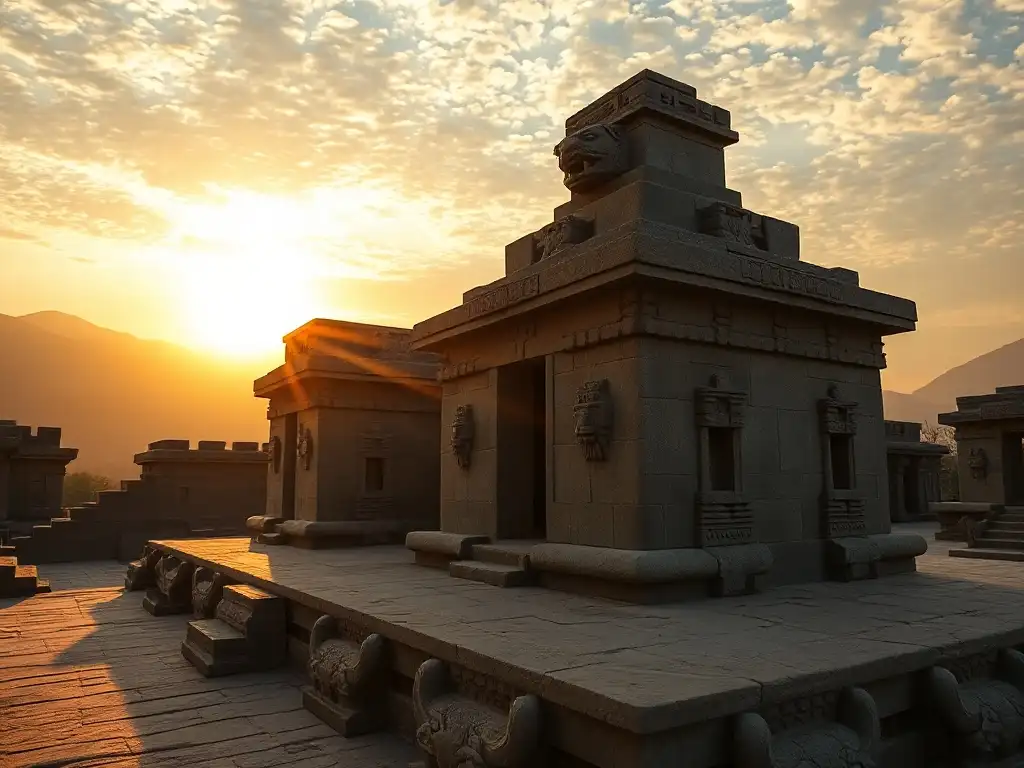
The Chavín civilization, flourishing in the Andes from approximately 900 to 200 BCE, left an indelible mark on subsequent Andean cultures. While its precise political structure remains debated, its influence on art, religion, and societal development is undeniable, making it a crucial chapter in understanding the "Chavin civilization influence." This impact wasn't about direct conquest or widespread migration, but rather a powerful dissemination of cultural ideas and artistic motifs that resonated across vast geographical distances and diverse societies.
The Chavín's innovative techniques in metallurgy, agriculture, and religious iconography provided a foundational framework for later Andean civilizations, shaping their identities and trajectories. Understanding this legacy reveals the deep interconnectedness of Andean societies and their shared cultural heritage.
Chavín Influence on Later Andean Cultures: The Moche and Nazca
The Chavín's impact is most clearly visible in the Moche and Nazca cultures, which emerged centuries later. The Moche, known for their elaborate ceramics depicting daily life and warfare, incorporated many Chavín stylistic elements. For example, the characteristic feline-like deities and stylized serpent motifs, frequently found in Chavín art, reappear in Moche pottery, albeit with regional variations.
This suggests a process of cultural exchange and adaptation, where the Moche adopted and reinterpreted Chavín iconography to create their own distinct artistic language. Similarly, the Nazca, famous for their geoglyphs and intricate textiles, also show evidence of Chavín influence. The Nazca's use of specific colors and patterns, particularly in their textiles, echoes the color palettes and decorative styles seen in Chavín artifacts.
This shared aesthetic suggests a strong cultural connection, highlighting the enduring legacy of the Chavín artistic tradition. Analysis of Moche and Nazca religious practices also reveals similarities with Chavín beliefs, suggesting a continuity in religious thought and ritual practices across these different cultures. This wasn't a simple imitation; it was a complex process of cultural transmission and transformation.
The Chavín Legacy in Art, Architecture, and Religion
The Chavín civilization's artistic and architectural innovations profoundly impacted subsequent Andean cultures. Their distinctive style, characterized by intricate carvings, stylized representations of jaguars, snakes, and other animals, and the use of specific materials like obsidian and turquoise, became a hallmark of Andean art. The distinctive Chavín artistic style, with its emphasis on powerful, often terrifying, deities, is clearly identifiable in the art of later cultures.
The use of specific materials like obsidian and turquoise, reflecting Chavín mastery of metallurgical techniques, also became widespread. Chavín architecture, particularly their monumental temples with complex internal layouts and intricate carvings, also served as a model for later Andean builders. The emphasis on religious symbolism in Chavín architecture, with its intricate carvings and complex layouts, influenced the design of later temples and religious structures.
The central role played by religious beliefs in the Chavín civilization also impacted the religious practices of later Andean cultures. The prominence of shamanistic practices and the worship of powerful, often terrifying deities, clearly influenced the religious beliefs and practices of the Moche and Nazca cultures. This interconnectedness underscores the deep impact of the Chavín religious worldview on the development of Andean spiritual traditions.
The Importance of the Chavín Phenomenon in Andean History
The Chavín civilization's importance in Andean history lies not just in its own achievements but in its far-reaching influence on subsequent cultures. The Chavín phenomenon represents a crucial stage in the development of complex societies in the Andes, demonstrating the power of cultural transmission and adaptation. The spread of Chavín artistic motifs, religious beliefs, and architectural styles across vast geographical areas highlights the interconnectedness of Andean societies and the dynamic nature of cultural exchange.
The Chavín civilization's legacy serves as a testament to the enduring power of cultural ideas to transcend geographical boundaries and shape the trajectory of entire civilizations. Studying the Chavín civilization provides crucial insights into the formation of Andean cultural identity and the processes of cultural evolution that shaped the region's history. Further research, particularly focused on [specific archaeological sites pending further excavation] and [detailed analysis of specific artifacts pending], will undoubtedly reveal even more about the extent and nature of the Chavín civilization’s influence.
The ongoing study of the "Chavin civilization influence" continues to reshape our understanding of the Andean world. Understanding the Chavín's impact is essential for a complete comprehension of Andean history and the development of complex societies in the region.
The Decline of the Chavín Culture: Theories and Hypotheses
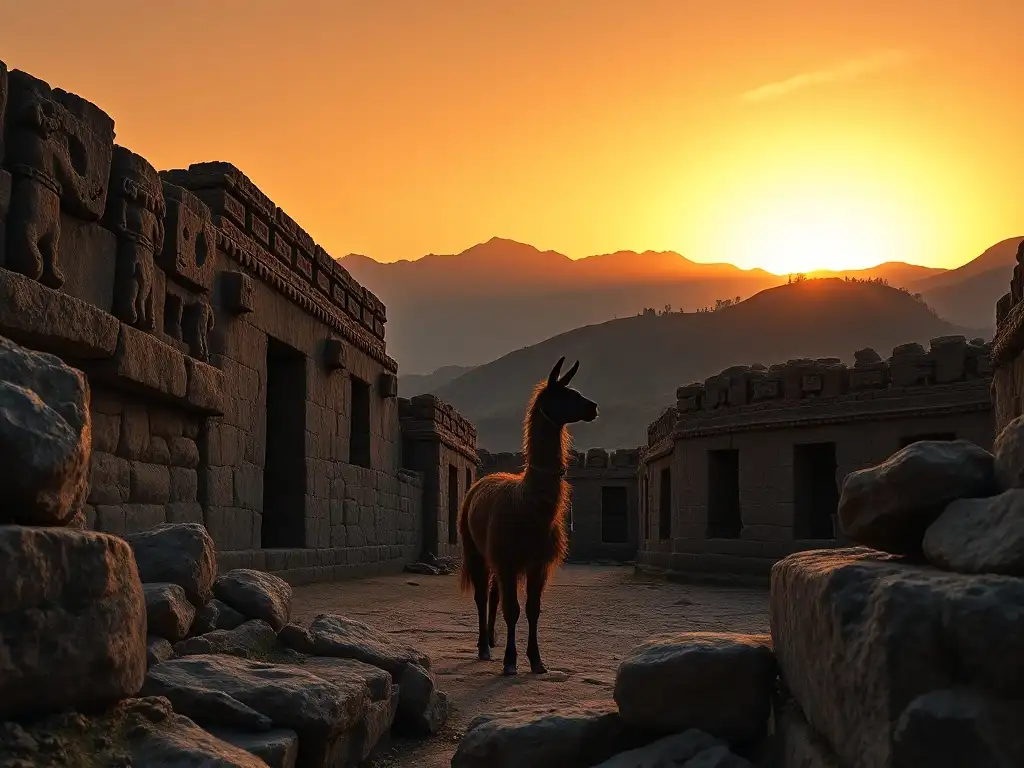
The Chavín civilization's influence, while profound and far-reaching, wasn't eternal. Understanding its decline requires exploring several interwoven factors, moving beyond a simple narrative of collapse. The sophisticated religious and political structures that defined the Chavín phenomenon eventually weakened, paving the way for the rise of new regional powers.
Several compelling theories attempt to explain this shift. The exact reasons remain a subject of ongoing debate among archaeologists and historians specializing in Andean studies, highlighting the complexity of societal transformations in the ancient world. The disappearance of the Chavín culture wasn't a sudden event, but rather a gradual process spanning several centuries.
Environmental Factors and the End of Chavín Dominance
Environmental shifts are often cited as a significant contributor to the decline of the Chavín. Evidence suggests that periods of drought and climatic instability affected agricultural productivity in the central Andes during the late Chavín period (ca. 500-200 BCE).
This scarcity of resources could have destabilized the Chavín's complex social and political structure, leading to internal strife and weakening their control over peripheral regions. Reduced agricultural yields would have impacted the ability of the Chavín elite to maintain their lavish lifestyle and extensive network of religious and administrative centers. Further research is needed to fully quantify the impact of these environmental changes and their precise correlation with the Chavín's decline.
The study of paleoclimatic data, alongside archaeological evidence of resource management, is crucial in gaining a clearer picture of this relationship. The impact of environmental stress on Chavín society might have been exacerbated by existing social inequalities, making certain segments of the population more vulnerable.
Beyond external pressures, internal conflicts and evolving social dynamics likely played a pivotal role in the Chavín's decline. The intricate network of religious and political control, so effective in the height of their power, might have become increasingly difficult to manage over time. The concentration of power in the hands of a priestly elite, possibly coupled with growing inequality, could have created tensions that ultimately fractured the society.
Archaeological evidence, while limited in directly revealing social unrest, hints at potential shifts in settlement patterns and changes in material culture that might reflect internal conflicts or social reorganization. The lack of widespread evidence of warfare, however, suggests that the decline was likely a more complex process than a simple conquest or violent overthrow.
Further investigation is needed to explore potential internal challenges to the Chavín's authority and the ways in which these challenges contributed to the civilization's eventual transformation. The study of iconography and changes in religious practices could provide valuable insights into these internal dynamics.
The Transformation of the Chavín World and the Rise of New Powers
The waning of Chavín influence didn't result in a complete power vacuum. Instead, it marked a transition period, where regional cultures began to assert their independence and develop their own distinct identities. The decline of the Chavín civilization didn't mean the complete disappearance of their cultural legacy.
Many aspects of Chavín iconography, religious practices, and artistic styles continued to influence subsequent Andean cultures, albeit adapted and transformed to fit new contexts. The rise of new regional powers like the Moche and Nazca in the north and south coast, respectively, can be viewed as a consequence of this shift in the balance of power. These cultures adopted and adapted elements from the Chavín tradition, creating their unique artistic and religious expressions.
The Chavín's legacy is thus not one of simple disappearance, but rather of transformation and adaptation, a testament to the enduring influence of this enigmatic Andean civilization. The study of these successor cultures offers valuable insights into the complex processes of cultural continuity and change in the ancient Andes. Analyzing the ways in which these cultures built upon, modified, and ultimately superseded the Chavín tradition provides a richer understanding of the dynamic nature of Andean societies.
Understanding the Chavín Influence: Key Takeaways
The Chavín culture, flourishing in the Andes from approximately 900 to 200 BCE, exerted a profound and lasting influence on subsequent Andean civilizations. While its exact political structure remains debated, the Chavín's impact on art, religion, and technology is undeniable, acting as a crucial catalyst in the development of complex societies across the region. This influence, often referred to as the "Chavín horizon," is evidenced by the widespread adoption of stylistic motifs, religious iconography, and technological innovations across diverse Andean groups.
Understanding the Chavín's legacy is key to comprehending the trajectory of Andean cultural development. The pervasive nature of Chavín influence underscores its importance as a formative period in the region's history, shaping the religious beliefs and artistic expressions of later civilizations. This section will delve into specific examples of this widespread impact, highlighting the enduring legacy of the Chavín civilization.
The Chavín Civilization as a Foundation for Andean Culture
The Chavín civilization's impact on subsequent Andean cultures is multifaceted, extending beyond mere artistic imitation. Its influence permeated the very fabric of Andean society, shaping religious beliefs, agricultural practices, and even architectural styles. For example, the distinctive Chavín style, characterized by its intricate carvings depicting jaguars, snakes, and other powerful animals, is readily identifiable in the ceramics and textiles of later cultures like the Moche and Nazca.
This wasn't simply a matter of copying; rather, the Chavín aesthetic provided a foundation upon which these later cultures built their own unique artistic traditions. The adoption of Chavín iconography suggests a degree of cultural exchange and possibly even religious syncretism, where local beliefs were integrated with those introduced by the Chavín.
Furthermore, evidence suggests that the Chavín's sophisticated agricultural techniques, adapted to the challenging Andean terrain, were widely adopted. Their mastery of irrigation systems and terraced farming allowed for increased food production, supporting larger and more complex populations. This agricultural advancement contributed significantly to the rise of subsequent Andean civilizations, providing the economic base necessary for the development of urban centers and specialized labor. The spread of these techniques, along with the influence of Chavín religious beliefs, fostered a shared cultural identity across vast geographical areas, laying the groundwork for future political and social integration.
The Significance of Chavín Iconography in Understanding Andean Beliefs
Chavín iconography, with its emphasis on powerful, often fearsome, deities, offers invaluable insights into the religious beliefs of the Andean region. The recurring motifs—the jaguar, the serpent, the cayman—represent powerful forces of nature and the supernatural world. These images, appearing consistently across diverse Chavín artifacts, suggest a highly structured religious system, possibly involving shamanistic practices and rituals aimed at controlling these forces. The consistent representation of these motifs across geographically dispersed sites indicates a widespread belief system that transcended local variations.
The interpretation of Chavín iconography is a complex and ongoing process. Scholars debate the precise meaning of various symbols, but the overall impact on subsequent Andean religious thought is undeniable. Many later cultures adopted and adapted these symbols, incorporating them into their own religious practices and mythology.
For example, the jaguar, a prominent figure in Chavín art, continues to hold significant symbolic weight in many Andean cultures, representing power, strength, and the supernatural. The continuity of these symbols throughout Andean history highlights the deep-rooted impact of Chavín religious beliefs on the region's spiritual landscape. Understanding this iconography provides a crucial lens through which to examine the evolution of Andean religious thought.
The Enduring Mystery and Importance of the Chavín Phenomenon
Despite extensive research, many aspects of the Chavín civilization remain shrouded in mystery. The exact nature of their political organization, their social structure, and the mechanisms by which their influence spread across such a vast territory continue to be debated among scholars. However, the sheer scale and pervasiveness of their cultural impact are undeniable.
The Chavín phenomenon serves as a powerful example of how a relatively localized culture can exert a profound and long-lasting influence on a wider region. Their legacy is not merely one of artistic style; it represents a fundamental shift in Andean societal development, paving the way for the emergence of more complex and powerful civilizations.
The ongoing investigation into the Chavín civilization continues to yield new discoveries, enriching our understanding of this pivotal period in Andean history. Each new archaeological find, each new interpretation of existing artifacts, brings us closer to unraveling the complexities of this enigmatic culture and its enduring influence. The study of the Chavín civilization remains crucial for understanding the broader trajectory of Andean cultural development and the emergence of complex societies in the region.
The enduring mystery only serves to highlight the importance of continued research and the significant contribution of the Chavín civilization to the rich tapestry of Andean history. The "Chavín civilization influence" is a topic that warrants continued study and analysis.
Frequently Asked Questions
What was the Chavín civilization's main influence on other Andean cultures?
The Chavín culture exerted a significant influence through its religious and artistic styles. Their iconic imagery, including the jaguar and other zoomorphic motifs, spread widely across the Andes, impacting the development of subsequent cultures. This is evident in the widespread adoption of similar artistic conventions.
How did Chavín art influence later Andean civilizations?
Chavín artistic motifs, particularly their distinctive style of sculpture and pottery, were widely imitated and adapted by later Andean cultures. This pan-Andean artistic diffusion demonstrates the significant cultural impact of the Chavín civilization, acting as a powerful catalyst for artistic development throughout the region.
Did the Chavín civilization have a centralized political structure?
While the exact nature of Chavín political organization remains debated, evidence suggests a decentralized, yet influential system. Their impact stemmed more from religious and artistic prestige than direct political control over a vast empire.
What is the significance of the Chavín de Huántar site?
Chavín de Huántar is the most important archaeological site associated with the Chavín culture. This monumental complex served as a major religious center, attracting pilgrims from across the Andes and demonstrating the reach of Chavín influence. Its intricate architecture and artistry are key to understanding the culture.
How did the Chavín civilization's influence decline?
The reasons for the decline of Chavín influence are still debated. However, factors like internal conflicts, environmental changes, and the rise of other powerful Andean cultures likely contributed to the gradual diffusion and eventual fading of Chavín cultural dominance.
Final Reflection: The Enduring Legacy of Chavín
The sophisticated artistry and complex societal structures of the Chavín culture continue to resonate today, reminding us of the power of cultural exchange and the enduring impact of a civilization that vanished centuries ago. Their innovative agricultural techniques, intricate religious beliefs, and widespread influence across the Andes laid the foundation for future Andean societies, demonstrating the profound and lasting impact of a seemingly isolated culture.
The Chavín's influence extends far beyond their physical remains; their artistic motifs, religious iconography, and societal innovations permeate the cultural landscape of the Andes, shaping the identities and traditions of subsequent civilizations. Their legacy is a testament to the interconnectedness of human societies and the enduring power of cultural transmission. The past is never dead. It's not even past.
- William Faulkner. This quote perfectly encapsulates the Chavín's continued relevance, their story echoing through the millennia and influencing our understanding of Andean history and pre-Columbian societies.
Consider the intricate carvings, the monumental architecture, and the sophisticated religious beliefs of the Chavín. These are not merely relics of a bygone era; they are powerful symbols of human ingenuity, resilience, and the enduring capacity for cultural innovation. Take a moment to reflect on the Chavín's story. What can we learn from their successes and their eventual decline? How can we apply their lessons of cultural exchange and societal development to our own lives and communities? The answers, I believe, hold the key to understanding not only the past, but also the future.
Unveil the Secrets of the Chavín Culture!
Thank you for exploring the fascinating world of the Chavín culture! We hope you've gained valuable insights into their significant influence on Andean civilization. Now, let's delve even deeper into this remarkable history.
Here are some ways to continue your exploration:
- **Expand your knowledge:** Read more about Andean civilizations to further your understanding of this ancient culture and its enduring legacy.
- **Share your thoughts:** Join the discussion in the comments below—what aspect of the Chavín culture surprised you the most?
- **Connect with others:** Engage with fellow history enthusiasts on our social media platforms and share your discoveries about Andean history.
What most captivates you about the Chavín culture, and why? We'd love to hear your thoughts!