
Deciphering the Past: What Andean Tools Tell Us About Their Society

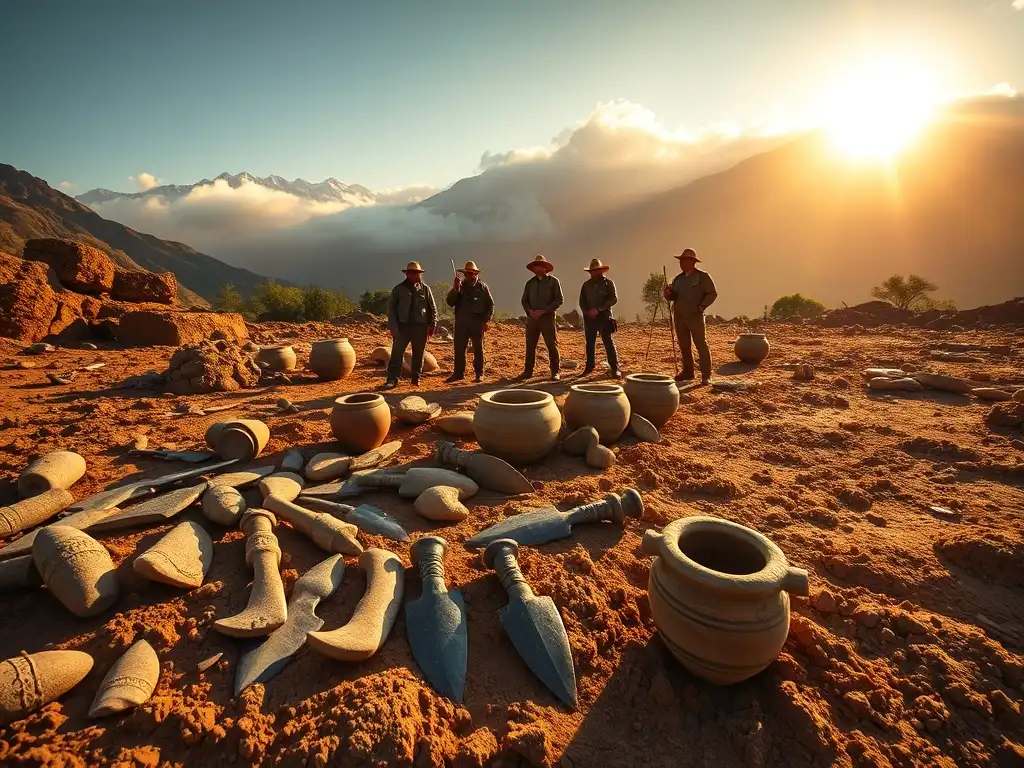
Step into a world lost to time, yet echoing with the ingenuity of ancient masters. Imagine a landscape sculpted by civilizations as complex and fascinating as the Andes themselves. This is where we unravel the mysteries of the Andean world, beginning with its remarkable technological achievements. Discover the secrets hidden within Andean civilization tools – ingenious instruments that reveal a society far more advanced than you might imagine. Prepare to be amazed as we delve into their intricate designs and the stories they tell about the lives, beliefs, and innovations of these extraordinary cultures.
The Andes Mountains, a spine of towering peaks running down the western coast of South America, nurtured a tapestry of vibrant civilizations for millennia. From the sophisticated Inca Empire to the enigmatic Nazca culture, these societies developed remarkable technologies and innovations to thrive in their challenging environment. Understanding their tools isn't just about cataloging artifacts; it's about unlocking the secrets of their social structures, beliefs, and daily lives.
This article delves into the diverse array of Andean civilization tools, exploring how their design, materials, and distribution reveal fascinating insights into the ingenuity and complexity of these ancient cultures. We will examine how these tools reflect social hierarchies, economic systems, and the spiritual beliefs that shaped Andean societies.
By examining these tangible remnants of the past, we gain a deeper appreciation for the rich legacy of Andean ingenuity and the remarkable achievements of these remarkable civilizations. This exploration of "Andean civilization tools" will provide a compelling narrative of innovation and adaptation.
Agricultural Implements: The Foundation of Andean Societies
Andean agriculture was not merely a means of sustenance; it was the very bedrock of their societies. The challenging terrain and diverse climates demanded innovative farming techniques and specialized tools. Terraces carved into mountain slopes, a testament to their engineering prowess, are a prime example.
But the tools themselves tell a more nuanced story. The chaquitaclla, a foot-powered plow, was a crucial tool for tilling the soil, its design reflecting a deep understanding of Andean soil conditions. Its widespread use across various cultures suggests a shared agricultural knowledge and possibly a degree of cultural exchange.
Furthermore, the different sizes and materials used in the construction of chaquitacllas may reflect variations in social status or regional adaptations. Detailed analysis of these tools, including their wear patterns and manufacturing techniques, can reveal more about agricultural practices, labor organization, and the scale of food production within different Andean communities. The creation of irrigation canals, another impressive feat, required sophisticated tools for digging and shaping earthworks, further demonstrating the advanced engineering and collaborative efforts of these civilizations.
Textiles were far more than just clothing in Andean societies; they were integral to social status, ritual practices, and economic exchange. The tools used in textile production—spindles, looms, and specialized needles—reflect a high level of craftsmanship and technological sophistication. The intricate designs woven into textiles, often using vibrant natural dyes, reveal a deep understanding of color symbolism and artistic expression.
The complexity of the looms and the precision of the finished products point to specialized labor, potentially indicating a division of labor within the communities, with certain individuals specializing in textile production. Analysis of the materials used in the tools, like the types of wood or bone, can provide insights into resource management and access to materials, potentially reflecting social hierarchies and economic inequalities. The presence of specific decorative elements on tools could also indicate the social standing of the artisan or the intended use of the textile.
Metalworking: A Symbol of Power and Prestige
The mastery of metallurgy in the Andes is a remarkable achievement. The tools used in metalworking, from hammers and anvils to crucibles and molds, demonstrate a sophisticated understanding of metal properties and techniques. The production of gold and silver artifacts, often associated with elite members of society, reveals the importance of metalworking as a symbol of power and prestige. The tools used in these processes, often crafted with great precision, also reveal the specialized knowledge and skill required.
The distribution and types of metal tools found across different sites can offer insights into trade networks and economic interactions between Andean communities. Furthermore, the stylistic variations in the metalwork, which can be reflected in the tools themselves, may indicate regional differences or cultural interactions. The development of specialized metal tools for agriculture, warfare, and religious practices further showcases the multifaceted role of metallurgy in Andean societies.
Stone Tools: Enduring Legacy of Craftsmanship
Even with the rise of metalworking, stone tools continued to play a vital role in Andean societies. The precision and artistry evident in stone tools, from finely crafted knives to intricate ceremonial objects, highlight the enduring legacy of stoneworking traditions. The diverse range of stone types used, along with the techniques employed in their creation, reveal a deep understanding of material properties and a sophisticated level of craftsmanship.
The distribution of stone tools across different regions and sites can reveal information about trade routes, resource access, and cultural interactions. Furthermore, the analysis of wear patterns on tools can provide insights into their specific uses and the nature of daily activities in Andean communities. The persistence of stone tool technology alongside the development of metalworking suggests a complex relationship between tradition and innovation in Andean societies.
This exploration of Andean civilization tools only scratches the surface of this fascinating field. Further research and analysis promise to uncover even more about the ingenuity, social structures, and beliefs of these remarkable ancient societies. The tools themselves serve as silent witnesses to a vibrant past, offering invaluable insights into the lives and achievements of the Andean people.
- Agricultural Implements: The Foundation of Andean Societies
- Textile Production: Weaving a Social Tapestry
- Metalworking: A Symbol of Power and Prestige
- Stone Tools: Enduring Legacy of Craftsmanship
Introduction to Andean Civilization Tools and Their Significance
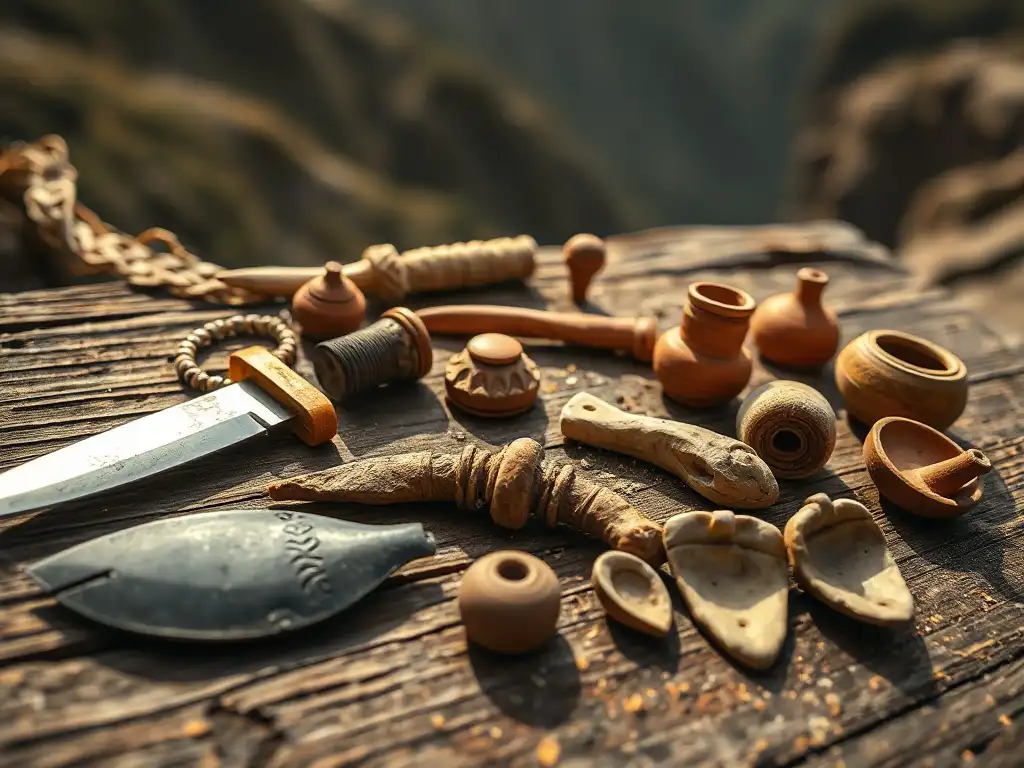
The study of Andean civilization tools offers a captivating window into the ingenuity and resourcefulness of these ancient societies. More than mere implements for daily tasks, these artifacts provide invaluable insights into social structures, economic systems, agricultural practices, religious beliefs, and technological advancements. Analyzing their design, materials, distribution, and associated contexts allows researchers to reconstruct a more nuanced picture of daily life and societal complexities across diverse Andean cultures, from the Nazca Lines' creators to the sophisticated Inca empire.
The sheer diversity of tools discovered—ranging from intricate weaving equipment to sophisticated irrigation systems—highlights the remarkable adaptability and innovation of Andean peoples in harnessing their environment. Understanding the functionality and symbolism embedded within these tools is crucial to deciphering the intricacies of Andean civilizations and their enduring legacy.
The careful examination of these objects reveals not only how these societies functioned but also why they developed in the ways they did, enriching our understanding of human ingenuity and societal evolution. The meticulous study of Andean civilization tools is therefore paramount to a comprehensive understanding of their rich and fascinating history.
The Importance of Artifact Analysis in Understanding Andean Societies
Artifact analysis plays a pivotal role in reconstructing the lives and societies of ancient Andean civilizations. The careful study of tools unearthed from archaeological sites provides tangible evidence of technological advancements, economic activities, and social hierarchies. For instance, the presence of finely crafted gold and silver tools within elite burials suggests a stratified society with significant wealth disparities.
Conversely, the prevalence of simpler, utilitarian tools across broader populations illuminates the nature of daily life for the majority. Furthermore, analyzing the materials used in tool production—such as obsidian, copper, or wood—reveals trade networks and access to resources. The techniques employed in crafting these tools offer further insight into levels of skill and specialization within Andean communities.
For example, the intricate craftsmanship evident in Nazca textiles and Moche pottery tools speaks volumes about the highly developed skills and specialized labor within those societies. By combining artifact analysis with other data sources, like written records (where available) and environmental studies, researchers can build a comprehensive understanding of the complex interplay between technology, society, and environment in the Andean region. The detailed analysis of even seemingly mundane tools provides crucial clues to unlock the secrets of these remarkable cultures.
Overview of Andean Tools: Beyond Simple Implements
Andean civilization tools were far from simple implements; they represent a sophisticated understanding of materials science, engineering, and agricultural techniques. While everyday tools like stone axes and grinding stones are common finds, the Andean world also produced incredibly specialized and complex instruments. Consider the intricate irrigation systems developed by numerous Andean cultures, testament to a deep understanding of hydrology and engineering principles. These weren't merely ditches; they involved sophisticated canal networks, diverting water across vast distances and enabling intensive agriculture in challenging terrains.
Similarly, the tools used in textile production, such as spindles, looms, and specialized needles, demonstrate a high level of technological sophistication. The variety of fabrics and weaving techniques employed, evident in the surviving textiles, reveal intricate knowledge of fiber manipulation and dyeing processes. Beyond practical functionality, many tools held symbolic significance. Ceremonial axes, intricately carved and adorned, suggest a connection between tools and religious practices.
The detailed analysis of these tools, from their materials to their construction techniques and decorative elements, provides a rich understanding of the cultural values and beliefs of Andean societies. The ingenuity demonstrated in these tools is a testament to the remarkable achievements of Andean civilizations. Further research into specific tool types and their regional variations is necessary to fully appreciate the technological diversity across the Andean region.
Agricultural Tools of the Andean Civilizations
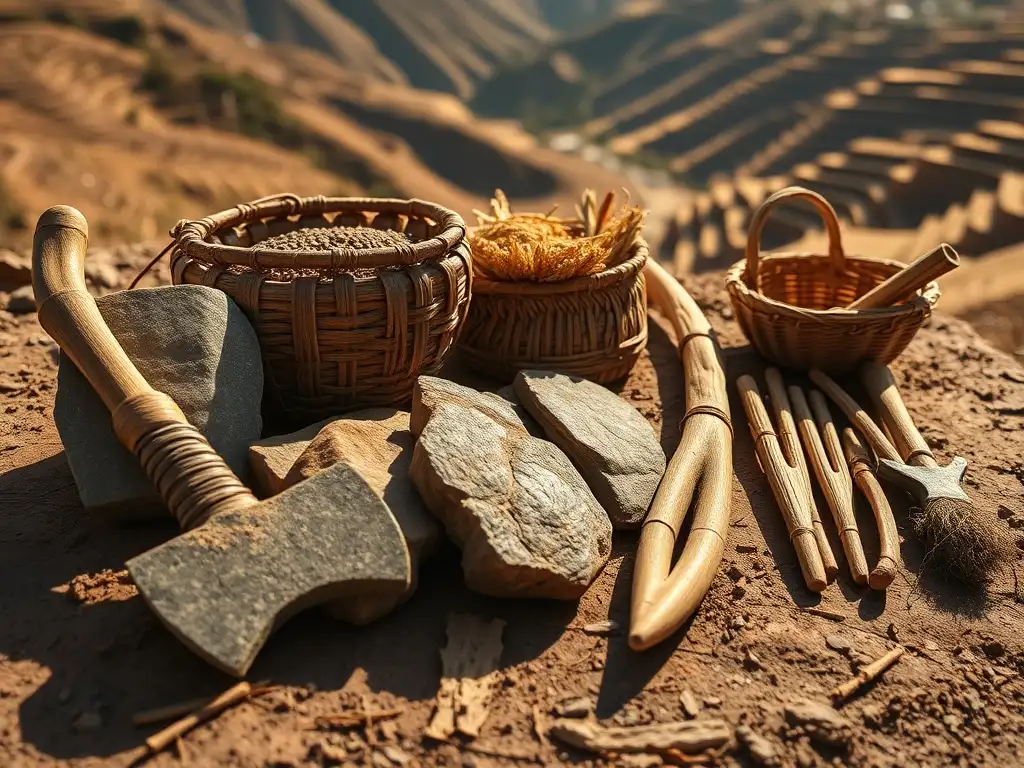
The ingenuity of Andean civilizations is profoundly reflected in their agricultural tools. Mastering diverse and challenging terrains, these societies developed sophisticated techniques and implements to cultivate crops vital for their survival and societal development. Analyzing these tools provides invaluable insights into their agricultural practices, social structures, and overall understanding of their environment.
The remarkable adaptation and innovation displayed in Andean agricultural tool development are a testament to their resilience and technological prowess. The study of these artifacts offers a window into the daily lives of Andean farmers and the complex systems they created to sustain their communities. Understanding their tools illuminates the profound connection between Andean people and their land, a relationship that shaped their culture and worldview for millennia.
The Chaquitaclla: Andean Foot Plow and Its Impact on Farming
The chaquitaclla, a foot-operated plow, stands as a prime example of Andean agricultural innovation. This ingenious tool, crafted from wood and often adorned with simple decorations, allowed Andean farmers to effectively till the soil, even in challenging mountainous regions. Unlike animal-drawn plows common in other parts of the world, the chaquitaclla utilized human power, reflecting the Andean adaptation to their environment and available resources. Its design, with a foot-operated lever system and a digging blade, allowed for efficient soil preparation, significantly increasing planting efficiency.
The chaquitaclla's impact extended beyond increased productivity. Its use fostered a strong connection between the farmer and the land, a relationship deeply ingrained in Andean cosmology. The repetitive action of using the chaquitaclla likely held symbolic meaning, connecting the farmer's labor to the cyclical nature of life and the harvest.
Archaeological evidence suggests widespread use across various Andean cultures, highlighting its importance in their agricultural systems. The simplicity and effectiveness of the chaquitaclla underscore the practicality and ingenuity of Andean toolmaking. Further research into the regional variations of the chaquitaclla, including variations in size, materials, and design, would provide even greater insights into the diverse agricultural practices across different Andean communities.
Andean Agricultural Terraces and the Tools That Shaped Them
Andean agricultural terraces are a breathtaking testament to human ingenuity and adaptation to challenging terrains. These meticulously constructed fields, carved into mountain slopes, dramatically increased arable land and allowed for efficient irrigation and crop cultivation. The creation of these terraces required specialized tools and a deep understanding of engineering principles. While specific tools used in terrace construction are sometimes difficult to definitively identify from archaeological remains, evidence suggests the use of various stone implements, including picks, chisels, and hammers.
The construction of terraces involved complex tasks: clearing land, shaping the contours of the slopes, building retaining walls, and creating channels for irrigation. The tools employed would have varied depending on the specific task and the type of rock encountered. For example, harder stones would have required more robust tools capable of breaking and shaping the rock effectively.
The scale of terrace construction also suggests a high level of social organization and cooperation, with large groups of people working together to create these impressive agricultural landscapes. The enduring legacy of these terraces highlights the remarkable engineering capabilities of Andean civilizations and the crucial role of their tools in shaping their environment and ensuring food security. Further research on the metallurgical analysis of tools found near terrace sites would help to determine the specific materials and techniques employed in their creation.
Evidence of Irrigation Systems through Tool Analysis
Andean civilizations developed sophisticated irrigation systems to manage water resources effectively, particularly in arid and semi-arid regions. These systems, often involving canals, channels, and reservoirs, were crucial for successful agriculture. The tools used to construct and maintain these systems provide valuable insights into their engineering skills and the level of societal organization required for such large-scale projects. Analysis of tools found near irrigation canals, such as shovels, picks, and possibly even rudimentary metal tools in later periods, reveals the techniques employed in digging and shaping the channels.
The precision and scale of many Andean irrigation systems suggest a high level of planning and expertise. The ability to divert water from rivers and streams and distribute it across fields required careful measurement and engineering. While direct evidence linking specific tools to particular irrigation projects can be challenging to obtain, the presence of tools associated with earthworks near irrigation canals strongly suggests their role in the construction and maintenance of these vital infrastructure projects.
Moreover, the materials used in tool construction can provide clues about the availability of resources in different regions and the technological capabilities of the communities involved. Further study, including isotopic analysis of sediment samples from irrigation canals, could shed more light on the construction methods and the tools used. This interdisciplinary approach would provide a more complete picture of the impressive irrigation systems of the Andean civilizations.
Harvesting Tools: Insights into Andean Agriculture
Harvesting in the Andes, a region characterized by diverse and challenging terrains, demanded specialized tools adapted to the varied crops and environments. The ingenuity of Andean civilizations is clearly reflected in the diverse range of harvesting implements they developed. While specific details on the construction and use of many tools remain incomplete due to the limitations of archaeological evidence, we can glean valuable insights into their agricultural practices and societal structures.
One of the most prevalent harvesting tools was the chaquitaclla, a foot-powered plow used for tilling and, in some cases, harvesting root crops like potatoes. The design of the chaquitaclla, with its unique digging mechanism, allowed farmers to efficiently cultivate even the steep slopes characteristic of the Andean landscape. Archaeological findings show variations in chaquitaclla design across different regions and time periods, reflecting adaptations to local conditions and evolving agricultural techniques.
The widespread use of this tool suggests a high level of agricultural productivity and sophistication, vital for supporting large populations in challenging environments. Furthermore, the chaquitaclla's effectiveness highlights the Andean peoples' deep understanding of soil mechanics and their ability to develop sustainable farming practices.
Beyond the chaquitaclla, a variety of simpler tools were used for harvesting different crops. Sickles, crafted from obsidian or other sharp materials, were likely used for reaping grains like quinoa and maize. These tools would have been crucial in ensuring efficient and timely harvests, maximizing yields before the onset of harsh weather conditions.
The quality of the materials used, and the craftsmanship evident in some recovered fragments, suggest a degree of specialization in tool production, potentially indicating the existence of skilled artisans within Andean communities. The design of these sickles likely varied depending on the specific crop and the type of terrain where it was grown.
For harvesting fruits and other crops growing on trees and bushes, the Andean people likely utilized tools such as sharpened sticks or rudimentary hooks. These tools, while less visually striking than the chaquitaclla, were equally important for gathering a diverse range of foods. The lack of extensive archaeological evidence for these tools might be due to their organic nature and the perishable materials from which they were often made, which would have degraded over time.
However, ethnographic studies of later Andean communities provide valuable insights into the types of tools that would have been used, helping to complete the picture of Andean harvesting techniques. The diversity of harvesting tools employed underscores the Andean peoples' adaptability and their ability to exploit the full potential of their diverse agricultural resources. This extensive toolkit directly reflects the sophistication of their agricultural systems and the crucial role of agriculture in shaping their societies.
Crafting and Manufacturing Tools of the Andes
This section delves into the ingenious tools employed by Andean civilizations, offering insights into their remarkable craftsmanship and societal structures. Examining these artifacts reveals not only their technical capabilities but also their social organization, economic systems, and spiritual beliefs. The diversity of tools discovered across different Andean cultures highlights the ingenuity and adaptability of these societies in harnessing available resources. Understanding these tools provides a deeper appreciation for the complexity and sophistication of Andean civilization tools.
Andean Weaving Tools: Unveiling Textile Techniques
Andean textiles are renowned for their intricate designs and vibrant colors. The creation of these masterpieces relied on a sophisticated array of tools, reflecting a high level of skill and artistry. The most fundamental tool was the spindle whorl, a small, weighted disc used to spin yarn from fibers like alpaca and llama wool, cotton, and vicuña. Variations in spindle whorl designs – from simple clay discs to elaborately carved stone pieces – reflect regional differences and potential social status.
Beyond the spindle whorl, weavers utilized various types of looms, ranging from simple backstrap looms, portable and easily adaptable to varied terrains, to more complex upright looms capable of producing broader and more intricate textiles. These looms required specialized tools such as heddles (to separate warp threads) and shuttles (to carry the weft threads across the warp).
The presence of intricate weaving techniques, such as tapestry and brocade, suggests a highly developed understanding of textile production and a specialized division of labor within Andean communities. Analysis of the tools themselves, including the materials used and the level of craftsmanship, can provide clues about the social roles and economic organization involved in textile production.
For instance, finely crafted tools might indicate the existence of specialized artisans or even workshops dedicated to textile production. The discovery of complete weaving kits in tombs further emphasizes the importance of textiles in Andean society, signifying their use in both everyday life and ritual practices.
Pottery Tools: Clues about Andean Ceramics
Andean pottery is another testament to the sophisticated technology of these ancient societies. The creation of these durable and often beautifully decorated vessels involved a range of specialized tools. The most basic tool was the potter's wheel, though its adoption varied across different Andean cultures and time periods. Some Andean groups, particularly in the coastal regions, utilized a slow wheel, while others may have relied on hand-building techniques. The use of a potter's wheel, when present, significantly increased production efficiency and allowed for the creation of more standardized vessels.
Beyond the wheel, potters used a variety of tools for shaping, smoothing, and decorating their wares. These included:
- Modeling tools: These ranged from simple sticks and fingers to more specialized tools crafted from bone, wood, or shell, used for creating intricate details and designs.
- Smoothing tools: These were often made from smooth stones or shells and were used to refine the surface of the vessels, creating a polished and even texture.
- Incising tools: Sharp tools, such as bone points or sharpened reeds, were used to create decorative patterns and incised designs on the surface of the pottery.
- Painting tools: Brushes made from animal hair or plant fibers were used to apply pigments to the pottery.
The types and styles of pottery tools discovered in archaeological sites provide valuable information about the technological capabilities and artistic practices of different Andean cultures. Variations in tools and techniques reflect regional differences and potential artistic specialization. The sophistication of some tools, such as those used for creating intricate painted designs, highlight the skilled craftsmanship of Andean potters and the high value placed on their creations.
Metalworking Tools: Reflecting Andean Technological Prowess
The Andean mastery of metallurgy is particularly impressive, showcasing their advanced technological prowess. The production of metal tools and ornaments required specialized knowledge and sophisticated techniques. Evidence suggests that Andean metalworkers utilized a variety of tools, including:
| Tool Type | Material | Function | Significance |
|---|---|---|---|
| Hammerstones | Stone | Shaping and hammering metal | Indicates early stages of metalworking |
| Anvils | Stone/Metal | Providing a stable surface for metalworking | Reflects increasing sophistication in metalworking techniques |
| Chisels | Metal/Stone | Cutting and shaping metal | Shows advanced metalworking skills and the ability to create specialized tools |
| Crucibles | Clay | Melting and refining metal | Crucial for producing high-quality metal objects |
| Bellows | Leather/Animal | Increasing the intensity of the forge fire | Evidence of advanced metallurgical knowledge and control over the smelting process |
| Tongs | Metal | Handling hot metal | Facilitated safe and efficient metalworking |
The development of metalworking technologies in the Andes demonstrates a gradual evolution of techniques and materials. Early metalworking involved the use of relatively simple stone tools, but over time, Andean metalworkers developed increasingly sophisticated techniques and tools, enabling them to create intricate and durable metal objects. The discovery of specialized metalworking tools reflects a high level of skill and a complex division of labor within Andean societies. The production and distribution of metal objects likely played a significant role in Andean economies and social structures, indicating potential social hierarchies and trade networks.
Stone Carving Tools: Insights into Andean Architecture and Art
The mastery of stone carving evident in Andean civilizations, particularly the Inca, reveals a sophisticated understanding of toolmaking and engineering. Their monumental structures, intricate sculptures, and finely crafted artifacts stand as testament to their advanced techniques. The tools themselves, while seemingly simple, offer profound insights into their societal organization and artistic capabilities. Analyzing these tools allows us to understand not only how they achieved such feats of engineering, but also why – what motivated them to create such impressive works.
One of the most crucial stone carving tools was the hammerstone, often made from hard, igneous rocks like basalt or andesite. These weren't simply rough rocks; evidence suggests careful selection based on hardness and durability, indicating a level of planning and foresight in the toolmaking process itself. The hammerstones were used in conjunction with chisels, typically crafted from harder materials such as obsidian or even copper, depending on the era and the specific task.
The precision required for some of the intricate carvings suggests a high level of skill and training, possibly passed down through generations within specialized artisan groups. This points towards a structured society with a division of labor, where skilled artisans played a crucial role.
The creation of these tools wasn't a haphazard process. The sourcing of raw materials, the shaping and sharpening of the tools, and their eventual maintenance all required considerable effort and expertise. Archaeological evidence reveals workshops and quarries where these activities took place, further highlighting the organized nature of Andean tool production.
The presence of discarded tools and unfinished pieces in these areas provides valuable information about the manufacturing process, offering a glimpse into the daily lives and working conditions of the Andean artisans. For example, the discovery of multiple broken or worn-out chisels at a single site might suggest a high volume of production or perhaps the challenging nature of the stone itself.
Furthermore, the types of stone carving tools discovered vary depending on the era and the specific civilization. This variation reflects not only technological advancements but also evolving artistic styles and preferences. For instance, the tools used by the pre-Inca cultures of the Andes might differ significantly from those employed by the Inca, revealing a gradual evolution in techniques and tool design.
This evolution underscores the dynamic nature of Andean technology and its continuous adaptation to the needs and aesthetics of the time. By carefully analyzing these subtle differences, researchers can gain a deeper understanding of the chronological development of Andean stone carving techniques. The study of these tools, therefore, provides a fascinating window into the evolution of Andean art, architecture, and technology, illustrating a complex interplay between societal structure, artistic expression, and technological innovation.
Tools for Hunting and Fishing in the Andean Region
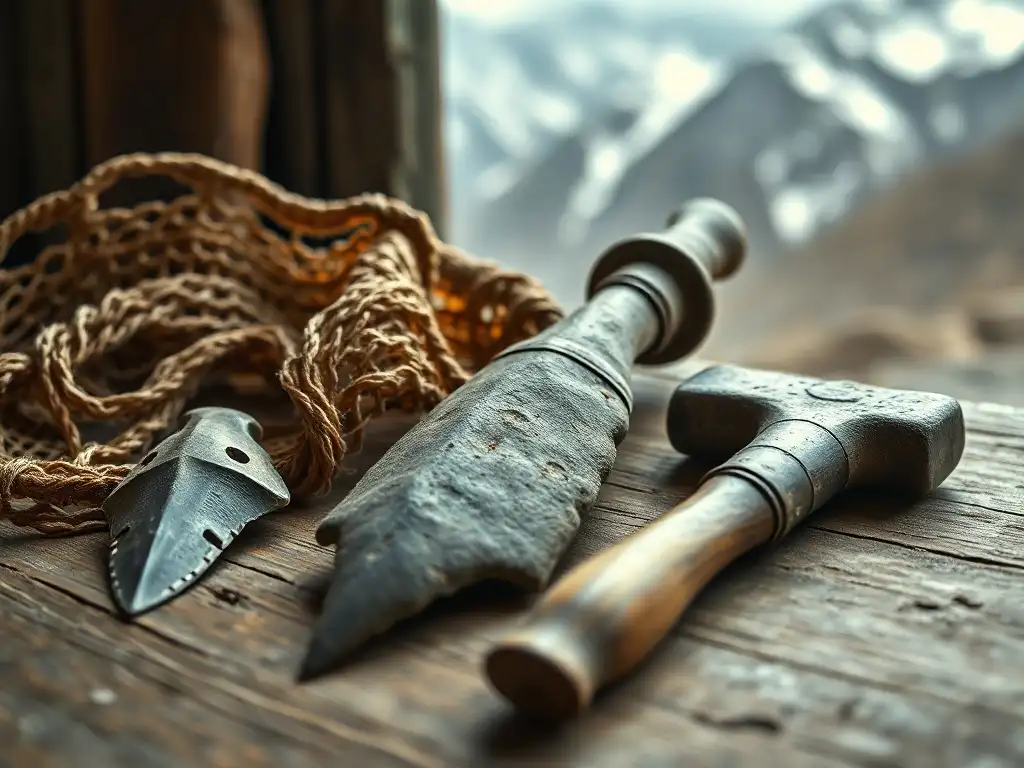
The Andean region, characterized by diverse ecosystems ranging from arid coastal deserts to high-altitude grasslands and lush Amazonian foothills, presented unique challenges and opportunities for its inhabitants. Understanding the tools employed for hunting and fishing provides crucial insights into the ingenuity and adaptability of Andean societies, revealing much about their social structures, resource management, and relationship with the natural world. The ingenuity displayed in the design and creation of these tools reflects a deep understanding of both animal behavior and the available materials.
Analyzing these artifacts allows us to reconstruct a more complete picture of daily life in these ancient civilizations, going beyond mere survival to encompass aspects of ritual and social status. The study of Andean civilization tools, specifically those used for hunting and fishing, offers a compelling lens through which to examine their sophisticated technologies.
Hunting Implements: Projectiles and Traps used by Andean Societies
Andean hunters utilized a diverse array of tools to secure their prey, adapting their techniques to the specific environment and target animal. Projectiles, such as darts and spears, were commonly employed, often tipped with obsidian or bone points for increased lethality. The craftsmanship evident in these projectile points reveals a high level of skill and precision. For example, the Moche culture is known for its meticulously crafted obsidian spear points, showcasing both aesthetic and functional excellence. The size and shape of these points often varied depending on the intended prey, suggesting a nuanced understanding of hunting strategies.
Beyond projectiles, Andean societies also relied heavily on sophisticated trapping techniques. Evidence suggests the use of snares, pitfalls, and even more complex, communal hunting strategies involving large-scale drives. These trapping methods required careful planning, coordination, and an intimate knowledge of animal behavior, highlighting the collaborative nature of hunting within Andean communities.
The effectiveness of these traps underscores the importance of resource management and the sustainable exploitation of animal resources. Further research into the specifics of trap construction and their geographic distribution is needed to fully understand the regional variations in hunting practices. Analysis of faunal remains found in association with these tools can also shed light on the types of animals hunted and their relative importance in the Andean diet.
Fishing Techniques and the Tools They Employed
Coastal and highland Andean societies developed diverse fishing techniques adapted to the varied aquatic environments. Along the coast, fishing was a crucial economic activity, with communities utilizing a range of tools including nets, hooks, and spears. Net weights made from stone or ceramic were employed to ensure effective casting and retrieval. The construction of these nets, often made from plant fibers, required considerable skill and knowledge of local materials.
In the highlands, fishing focused on lakes and rivers. Here, simpler tools like hooks and harpoons were common. The materials used for these tools frequently reflected the available resources in the specific region.
For instance, bone and wood were frequently used in the highland areas, while coastal communities made greater use of shell and other marine materials. The diversity of fishing tools across the Andean region illustrates the adaptability of its inhabitants and the importance of fish as a vital protein source. Further investigation into the specific types of fish targeted and the seasonal variations in fishing practices would enhance our understanding of the role of fishing in Andean economies and subsistence strategies.
The Significance of Animal Resources in Andean Life
Animal resources played a multifaceted role in Andean life, extending far beyond mere sustenance. Hunting and fishing provided essential protein sources, contributing significantly to the diet of Andean communities. However, animals also held deep cultural and symbolic significance. Certain animals were associated with specific deities or held ritual importance, as evidenced by the presence of animal effigies and depictions in Andean art and iconography.
The social status of individuals could also be reflected in their access to and control over animal resources. For example, elite members of society may have had privileged access to certain types of game animals or the most effective hunting and fishing tools. This suggests a complex interplay between resource management, social hierarchy, and spiritual beliefs within Andean societies.
Future research focusing on the iconography and symbolism associated with different animals and hunting/fishing practices will enhance our understanding of their role in shaping Andean worldview and social structures. The study of Andean civilization tools related to animal procurement, therefore, offers a nuanced perspective on the intricate relationship between humans and their environment in the Andes.
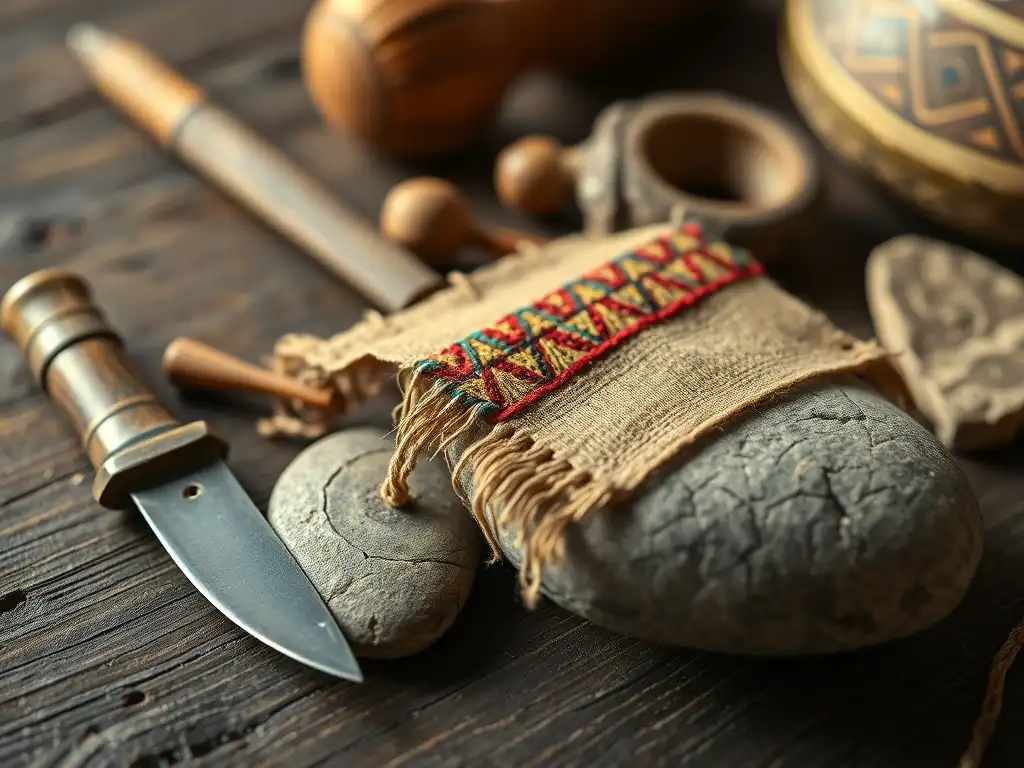
The intricate craftsmanship and diverse functionalities of Andean tools offer invaluable insights into the social structures of these ancient societies. Analyzing the distribution, materials, and complexity of these tools reveals a nuanced understanding of social stratification. The presence of certain tools, or their absence, within specific archaeological contexts, directly correlates with the social standing of the individuals or communities who used them. This wasn't simply a matter of access to resources; the type of tools possessed often signaled social role and prestige.
The creation and use of specialized tools were directly linked to social class in Andean civilizations. Elite members of society, such as priests, nobles, and high-ranking officials, often possessed tools made from precious materials like gold, silver, or finely worked copper alloys. These weren't merely utilitarian objects; they were status symbols, demonstrating wealth, power, and access to specialized craftspeople. For example, elaborate gold and silver tools used in religious ceremonies have been unearthed from elite tombs, highlighting the privileged position of the priestly class.
Conversely, the tools found in commoner settlements generally reflect a focus on practicality and functionality. These tools were typically made from readily available materials like stone, bone, wood, and simpler metal alloys. While less ornate, these tools were essential for daily life, reflecting the agrarian and artisan-based economy that sustained the majority of the Andean population.
The difference in quality and materials used clearly distinguishes the tools of the elite from those of the commoners, reinforcing the hierarchical nature of Andean society. Further research into the specific metallurgical techniques used in tool creation could reveal even more subtle distinctions between social classes. For example, the use of specific alloys or forging techniques might indicate specialized workshops serving the elite.
Tools as Indicators of Trade and Exchange within the Andes
The distribution patterns of Andean tools across vast geographical areas provide compelling evidence of extensive trade networks and inter-regional exchange. Certain types of tools, particularly those requiring specialized skills or rare materials, were likely traded across significant distances. The presence of obsidian tools, for example, in regions far from obsidian sources, indicates established trade routes and complex economic interactions between different Andean communities. The standardization of certain tool types across different regions further supports the existence of widespread trade, suggesting the sharing of technologies and cultural practices.
Analyzing the stylistic variations and technological advancements in tools across different regions helps to map these trade routes and understand the dynamics of exchange. The presence of unique tool types or stylistic features in a particular region could indicate specialized production centers or distinct cultural influences. The study of tool distribution, therefore, is crucial to understanding the economic integration and social interactions between different Andean groups. Further research focusing on isotopic analysis of tool materials could precisely pinpoint the origin of raw materials and refine our understanding of trade networks within the Andean civilization.
The Role of Tools in Andean Rituals and Ceremonies
Andean tools weren't solely functional; many played significant roles in religious rituals and ceremonies. Elaborately crafted tools, often made from precious metals and adorned with intricate designs, were used in religious practices, reflecting the close relationship between technology and spirituality. These ritual tools were not merely instruments; they were imbued with symbolic meaning and served as intermediaries between the human and spiritual worlds.
For instance, certain types of ceremonial knives or spatulas, often made of gold or silver, were likely used in sacrifices or other important religious events. The intricate designs on these tools frequently depict mythical creatures or deities, highlighting their sacred significance. The careful craftsmanship and the use of precious materials emphasize the importance of these rituals and the high social status of those who performed them.
Analyzing the iconography and symbolism depicted on these ritual tools provides valuable insights into Andean cosmology and religious beliefs. Detailed studies focusing on the specific use and context of discovery of these tools are crucial in furthering our understanding of their religious function within Andean civilization. The careful excavation and analysis of these ceremonial artifacts are essential for uncovering the full extent of their spiritual and social significance.
The Legacy of Andean Tools: Lessons for Today

This section explores the enduring impact of Andean civilization tools, not just on subsequent Andean cultures, but also on our understanding of ingenuity and adaptation in challenging environments. Analyzing these artifacts offers a window into the social structures, beliefs, and daily lives of these fascinating civilizations. The sophisticated techniques employed in their creation reveal a deep understanding of materials science and engineering, far surpassing common misconceptions about "primitive" technologies.
Examining these tools allows us to appreciate the ingenuity and resourcefulness of Andean peoples and challenge Eurocentric biases in historical narratives. The careful study of Andean civilization tools provides invaluable insights into their societal organization and technological achievements.
Preserving Andean Artifacts for Future Generations
The preservation of Andean artifacts is crucial for understanding the past and informing the future. Many tools, unfortunately, suffer from degradation due to exposure to the elements, looting, and improper handling. Effective preservation requires a multi-pronged approach. This includes careful excavation techniques minimizing damage, proper storage in climate-controlled environments, and the use of conservation methods to stabilize deteriorating materials.
Furthermore, detailed documentation, including photography, 3D scanning, and meticulous cataloging, is essential for creating a comprehensive record. The development of digital archives allows for wider access to these invaluable resources while minimizing the risk of damage through physical handling. Effective preservation strategies are crucial not just for the physical survival of these artifacts, but also for the preservation of the knowledge they represent. Without proper care, the insights provided by these tools – insights into the Andean civilization's skills, practices, and beliefs – risk being lost forever.
The challenge lies in balancing the need for research and public access with the imperative of long-term preservation. This delicate balance requires careful planning and collaboration between archaeologists, conservators, and museum professionals. Consider the intricate textile techniques revealed through preserved weaving tools; without preservation, this knowledge, crucial to understanding Andean artistic and social structures, would be irretrievably lost.
The Enduring Influence of Andean Technology
The influence of Andean technology extends far beyond its immediate geographical and temporal context. The sophisticated irrigation systems, for instance, demonstrate a deep understanding of hydraulic engineering, principles still relevant in modern water management. Similarly, the advanced metallurgical techniques used in crafting tools and ornaments showcase expertise in metalworking that influenced later civilizations.
The Inca road system, a marvel of engineering, serves as a testament to their organizational capabilities and logistical prowess. Even seemingly simple tools, like the chaquitaclla (a foot-plough), demonstrate remarkable ingenuity and efficiency in agricultural practices. These technologies weren't simply isolated inventions; they were integral components of a complex societal system.
Their success reflects the close relationship between Andean communities and their environment, a deep understanding of ecological principles. The impact of these techniques is evident in the enduring legacy of Andean agricultural practices, still utilized in modified forms across the region. The ingenuity displayed in these solutions offers valuable lessons for sustainable development and resource management in the face of modern environmental challenges.
Modern Applications Inspired by Ancient Andean Tools
Modern engineers and designers continue to draw inspiration from Andean tools and technologies. The design principles underlying the chaquitaclla, for example, have influenced the development of modern agricultural implements. The intricate designs of Andean textiles have inspired contemporary fashion and textile art.
The knowledge embedded in ancient Andean metallurgy is being re-examined for its potential applications in modern materials science. Furthermore, the principles of Andean irrigation systems are being studied for potential applications in sustainable water management practices. This revival of interest in Andean technology is not merely nostalgic; it is a recognition of the practical value and enduring relevance of these ingenious solutions.
The potential for innovation inspired by Andean tools is vast and represents a significant area for future research and development. The study of these tools offers a unique opportunity to bridge the gap between ancient ingenuity and modern technological advancement, offering sustainable and innovative solutions for the 21st century. By understanding the past, we can build a better future, and the legacy of Andean civilization tools offers a rich source of inspiration for this endeavor.
Conclusion: Andean Civilization Tools as a Window to the Past
The study of Andean civilization tools offers a compelling lens through which to understand the complexities of these fascinating societies. From the intricate weaving implements of the Nazca to the sophisticated agricultural tools of the Inca, each artifact whispers tales of ingenuity, adaptation, and societal organization. Analyzing these tools—their materials, construction techniques, and distribution—provides invaluable insights into the daily lives, social structures, and technological capabilities of Andean peoples.
We are not merely looking at objects; we are deciphering the very fabric of their existence. The diversity of tools found across different Andean cultures highlights the unique adaptations to diverse environments and the remarkable level of innovation achieved within each civilization. Examining these objects allows us to move beyond simple descriptions and delve into a deeper understanding of the cultural and technological achievements of these remarkable civilizations.
This detailed analysis allows us to reconstruct their worldviews and appreciate the sophisticated knowledge systems that underpinned their societies. The meticulous craftsmanship evident in many tools speaks volumes about the value placed on skill and expertise within Andean communities.
The Rich Narratives Embedded Within Andean Tools
Andean civilization tools weren't simply functional items; they were often imbued with symbolic meaning. Consider, for example, the intricately carved and polished stone tools used in religious ceremonies. These objects, far from being mere implements, served as conduits between the human and spiritual realms. Their decoration, frequently featuring intricate motifs associated with Andean cosmology, speaks to the deep spiritual beliefs and worldview of the people who crafted and used them.
Similarly, the textiles produced using specialized weaving tools often conveyed social status and identity. The patterns and materials used reflected a person's position within the community, their clan affiliation, and their relationship to the broader Andean worldview. Even seemingly mundane tools like agricultural implements—such as the chaquitacllas (foot plows) used by the Inca—reveal much about their agricultural practices, social organization, and understanding of the environment. The efficiency and sophistication of these tools demonstrate a deep understanding of soil cultivation and water management, highlighting their expertise in sustainable agriculture.
The widespread use of these tools points towards a highly organized and productive agricultural system, crucial for supporting large populations and complex social structures. The careful selection of materials and the precision of their craftsmanship underscore the value placed on skill and the importance of agricultural production within the Andean societies. Detailed analysis of the wear patterns on these tools can even provide insights into the specific tasks they were used for and the intensity of agricultural labor.
Further Research and Exploration of Andean Implements
Further research into Andean civilization tools requires a multidisciplinary approach. Archaeological excavations continue to unearth new artifacts, providing fresh data for analysis. Ethnoarchaeological studies, which examine the tools and techniques of contemporary Andean communities, can offer valuable insights into the past. This comparative approach can help us understand the evolution of tool technologies and their cultural significance across time.
Advanced techniques like 3D scanning and material analysis can provide detailed information about the materials used, the manufacturing processes, and the wear patterns on these tools. This information can help to reconstruct the complete lifecycle of these artifacts, from their creation to their eventual discard. Furthermore, collaborative research involving archaeologists, anthropologists, and material scientists is crucial to fully understand the technological and cultural significance of these artifacts. For example, [specific information pending] on the metallurgical techniques used in the creation of bronze tools would provide valuable insights into their technological advancements.
Similarly, more research is needed to fully understand the social context of tool production and distribution within Andean societies. By combining these various approaches, we can continue to unveil the rich narratives embedded within these remarkable artifacts and gain a deeper appreciation for the ingenuity and complexity of Andean civilizations. The potential for new discoveries and enhanced understanding remains vast, promising continued fascination with the ingenuity and cultural depth of these remarkable Andean societies.
Frequently Asked Questions
What types of tools did Andean civilizations use?
Andean civilizations utilized a diverse range of tools, from simple stone tools for agriculture and hunting to more sophisticated metal implements like bronze and copper axes and chisels, reflecting their advanced technological capabilities. They also employed textile tools for weaving and other crafts.
The complexity and distribution of tools indicate a sophisticated social hierarchy. Elaborate tools found in elite burials suggest specialized labor and a stratified society. Simpler tools in common graves point to a larger population involved in basic tasks.
What materials were primarily used for making Andean tools?
Andean toolmaking relied heavily on locally available materials. Stone, particularly obsidian and andesite, was crucial for early tools. Later, they mastered metallurgy, using copper, bronze, and gold for more durable and prestigious implements. Wood and other organic materials were also used extensively.
How did Andean tools impact their agricultural practices?
Andean agricultural success was significantly aided by innovative tools. Advanced irrigation systems, built with tools like stone picks and shovels, allowed for efficient water management. Tools like plows and digging sticks facilitated crop cultivation in challenging terrain, supporting large populations.
Where can I learn more about Andean civilization tools?
You can explore further by visiting museums with Andean artifact collections and researching scholarly articles and books on Andean archaeology and technology. Many online resources, including reputable websites and databases, offer detailed information on Andean tools and their significance.
Final Reflection: Echoes of the Andes: A Legacy in Stone and Metal
The intricate tools unearthed from Andean archaeological sites aren't just relics of a bygone era; they are vibrant echoes of a sophisticated civilization that continues to shape our understanding of human ingenuity and societal development. Their meticulous craftsmanship and diverse functionalities offer invaluable insights into the Andean worldview, social structures, and technological prowess, reminding us that innovation and progress are not solely modern concepts.
The enduring legacy of Andean toolmaking is profoundly moving. These objects, crafted with such care and precision thousands of years ago, speak volumes about the ingenuity and resourcefulness of their creators. The past is never dead. It's not even past.
- William Faulkner. This quote resonates deeply, as the tools of the Andean civilizations continue to inform our present, challenging our assumptions and enriching our understanding of human history. Their impact extends beyond the realm of archaeology, influencing fields like anthropology, engineering, and even art, demonstrating the interconnectedness of human experience across time.
Consider the implications of this legacy. What can you learn from the perseverance and innovation demonstrated by the Andean peoples? How can we, in our own time, draw inspiration from their resourcefulness and apply it to the challenges we face today? Let the echoes of the Andes inspire you to explore the past, appreciate the ingenuity of past civilizations, and strive for a future built on creativity, collaboration, and a deep respect for the wisdom of our ancestors.
Unveil the Secrets of Andean Innovation!
Thank you for exploring the fascinating world of Andean tools and their impact on ancient societies. We hope you gained valuable insights into the ingenuity of these civilizations. Let's continue to deepen your understanding and appreciation of this remarkable history.
Consider these suggestions:
- Visit a local museum with a collection of indigenous artifacts to see examples similar to those discussed here.
- Share what you've learned with friends and family, focusing on a particular tool that captivated you. Let's spread awareness of Andean heritage!
- Join an online forum dedicated to Andean history and share your perspectives. Connect with others who share your passion for ancient innovation.
Reflecting on the Andean past, what aspect of their tools and innovations strikes you as most surprising or inspiring? Share your thoughts below!