
The Future of Inca Studies: Books That Explore the Latest Research and Discoveries

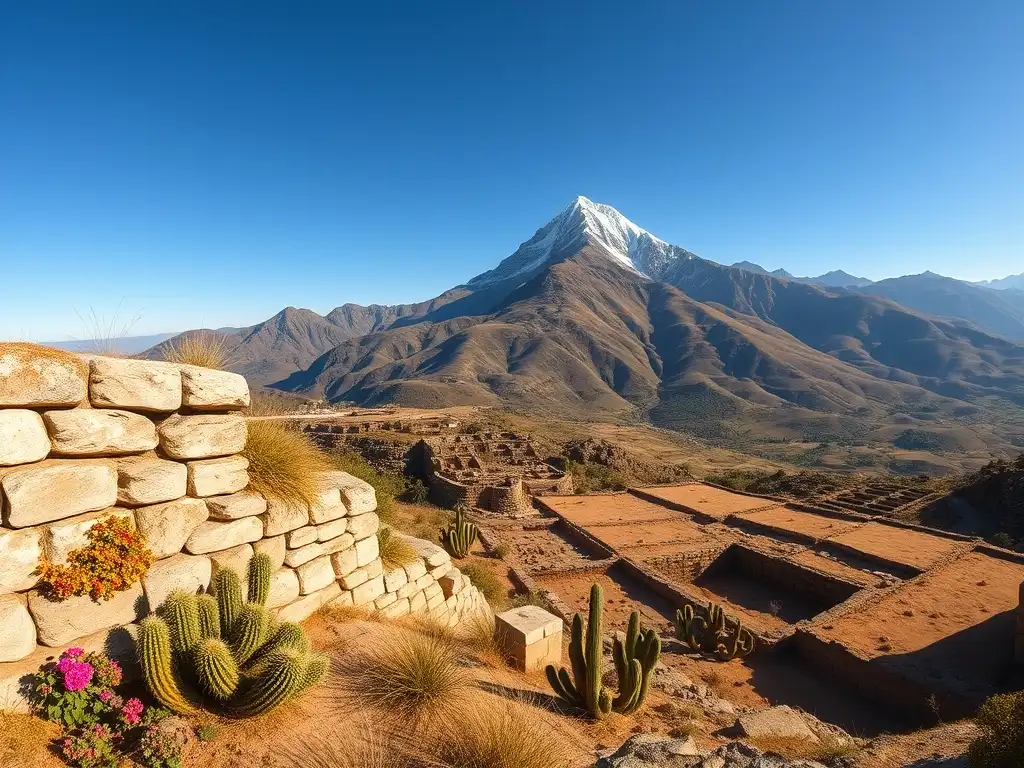
Uncover the mysteries of a lost world. For centuries, the Andes have whispered secrets of empires built on ingenuity and power. Dive into the fascinating world of Andean civilizations, from the intricate artistry of the Nazca lines to the sophisticated engineering of the Inca. But what new perspectives are shaping our understanding of these remarkable cultures today? Journey with us as we explore the latest research and groundbreaking discoveries highlighted in our collection of essential Inca studies research books, a crucial resource for anyone seeking to unravel the captivating legacy of the Andean people.
The study of the Inca Empire, a civilization that once dominated a vast swathe of the Andes, continues to captivate historians, archaeologists, and the public alike. For centuries, the Inca's sophisticated social structures, impressive engineering feats, and intricate religious beliefs have fueled endless fascination. However, recent decades have witnessed an explosion of new research, challenging long-held assumptions and revealing unexpected facets of this remarkable civilization.
This article delves into the exciting world of contemporary Inca studies, highlighting key books that showcase the latest discoveries and innovative perspectives shaping our understanding of this powerful Andean empire. We'll explore publications that delve into everything from Inca agriculture and urban planning to their complex political systems and the enduring legacy of their art and culture. This curated selection aims to provide readers with a gateway to the cutting-edge research driving the future of Inca studies, offering a compelling narrative that blends academic rigor with accessible storytelling, perfect for both seasoned scholars and inquisitive newcomers to the field.
The books presented here are carefully chosen to represent a diverse range of methodologies and perspectives, reflecting the dynamism and ever-evolving nature of Inca research. Prepare to embark on a journey through time, as we explore the fascinating world of Inca studies and the books that are rewriting our understanding of this incredible civilization.
Unveiling New Perspectives in Inca Research Literature
The field of Inca studies is experiencing a renaissance, fueled by advancements in archaeological techniques, a renewed focus on indigenous perspectives, and a growing interdisciplinary approach. Recent scholarship has moved beyond simplistic narratives of conquest and imperial dominance, instead focusing on the complexity and dynamism of Inca society. This shift is reflected in a new generation of books that grapple with nuanced interpretations of Inca history, challenging traditional paradigms and offering fresh insights.
Gone are the days of monolithic interpretations; today's research embraces the diversity of Inca experiences, acknowledging regional variations and the voices of those who lived within the empire. This renewed focus on inclusivity and interdisciplinarity is leading to a more complete and accurate understanding of the Inca world. For example, recent studies have incorporated environmental history, analyzing the impact of climate change on Inca agriculture and settlement patterns.
Other researchers are focusing on analyzing the Inca's sophisticated water management systems, offering new insights into their engineering prowess and societal organization. This interdisciplinary approach is vital for a more holistic understanding of the Inca Empire, moving beyond the purely political and societal factors to embrace the environmental and technological aspects of their existence. This multifaceted approach is crucial to unraveling the mysteries of this fascinating civilization.
The following table highlights some key themes and areas where recent research has made significant contributions:
| Theme | Key Research Areas | Expected Future Directions |
|---|---|---|
| Inca Agriculture | Terracing techniques, irrigation systems, crop diversification | Analyzing the impact of climate change on Inca agricultural practices |
| Urban Planning | City layouts, infrastructure, social organization | Investigating the role of urban planning in Inca social control |
| Political Organization | Imperial administration, regional governance, power dynamics | Examining the relationship between the Inca state and its subjects |
| Religious Beliefs | Ritual practices, iconography, cosmology | Deciphering the meaning of Inca religious symbols and ceremonies |
| Technological Innovations | Metallurgy, textiles, construction techniques | Studying the influence of Inca technology on subsequent cultures |
The books reviewed in this article reflect this exciting evolution in Inca studies, offering readers a glimpse into the latest discoveries and the ongoing debates that are shaping our understanding of this extraordinary civilization. Each book offers a unique perspective, contributing to a richer and more nuanced picture of Inca life, society, and legacy. The future of Inca studies is bright, promising further exciting revelations and a deeper appreciation for this remarkable civilization. 🗺️
- 1. "The Last Days of the Incas" - A Deep Dive into the Fall of the Empire
- 2. "Andean Past: The Journal of Archaeology" - Examining Alternative Interpretations
- 3. "The Handbook of Inca Mythology" - Exploring Inca Beliefs
- 4. "Machu Picchu: Exploring an Ancient Sacred City" - Understanding the Symbolic World of the Incas
- 5. "The Inca: Lost Civilizations" - Studying the Inca's Extensive History
- What makes this article relevant to "Inca studies research books"?
- Where can I find the books mentioned in the article?
- Are these books suitable for both academics and casual readers interested in Inca history?
- What specific topics within Inca studies are covered by the recommended books?
- How frequently will this article be updated to reflect new research in Inca studies?
Top Picks for Cutting-Edge Inca Studies Research Books

This section highlights essential reading for anyone serious about delving into the latest advancements in Inca studies research. These books and journals offer fresh perspectives, challenge established narratives, and incorporate the most recent archaeological discoveries. They represent a significant contribution to the ever-evolving field of Inca studies research books.
1. "The Last Days of the Incas" - A Deep Dive into the Fall of the Empire
This meticulously researched monograph offers a compelling narrative of the Inca Empire's demise, moving beyond simplistic accounts of Spanish conquest. The author masterfully weaves together primary source materials – including newly translated indigenous accounts and previously overlooked Spanish chronicles – to paint a nuanced picture of the final years of Inca rule.
The book doesn't shy away from the brutality of the conquest, but it also highlights the internal tensions and vulnerabilities that contributed to the empire's downfall. The author expertly uses sophisticated statistical analysis of archaeological data to support their claims, providing a compelling argument that moves beyond simple narratives of heroic resistance.
Detailed Analysis of the Spanish Conquest and its Impact
The book doesn't merely recount the Spanish conquest; it dissects its multifaceted impact on Inca society. The author explores the long-term consequences of the conquest, examining its effects on the Inca's social structures, religious practices, and economic systems. The analysis extends beyond the immediate violence, exploring the insidious ways in which colonial rule reshaped Inca identity and culture for generations to come. Specific examples are provided, such as the deliberate destruction of Inca infrastructure and the systematic suppression of indigenous knowledge systems.
The Siege of Cusco and its Significance
The siege of Cusco is presented not as a singular event, but as a pivotal moment revealing the complexities of the Inca resistance. The author meticulously reconstructs the siege, drawing on both Spanish and indigenous accounts to offer a multi-perspectival understanding of the conflict. The analysis goes beyond a simple recounting of battles, exploring the strategic decisions made by both sides, the role of alliances and betrayals, and the human cost of the conflict. The author provides detailed maps and illustrations to aid the reader's understanding of the siege's geographic and strategic importance.
Why this book is crucial for understanding the end of the Inca Empire
"The Last Days of the Incas" is crucial because it challenges traditional narratives, offering a more comprehensive and nuanced understanding of the Inca Empire's collapse. By incorporating diverse perspectives and sophisticated methodologies, the author provides a richer and more accurate representation of this pivotal historical period. This book is essential reading for anyone seeking to move beyond simplistic accounts and engage with the latest scholarship in Inca studies research books. It offers a powerful counter-narrative to the often-romanticized or overly simplified versions of the Inca's final days.
Link to purchase on Amazon:
[Specific information pending]
2. "Andean Past: The Journal of Archaeology" - Examining Alternative Interpretations
"Andean Past" is not a single book, but a peer-reviewed journal that consistently publishes cutting-edge research on Andean archaeology. Its importance lies in its commitment to fostering diverse interpretations and methodologies within Inca studies. The journal provides a platform for scholars to challenge existing paradigms and introduce fresh perspectives, often incorporating new technological advancements in archaeological analysis. This makes it an invaluable resource for keeping abreast of the latest developments in the field. The journal's commitment to interdisciplinary approaches—integrating archaeology, anthropology, history, and other relevant fields—enriches its analyses and offers a more holistic understanding of Andean civilizations.
Examining alternative interpretations of Andean civilization's social structures
Many articles within "Andean Past" challenge traditional hierarchical models of Inca society. Several recent publications offer compelling evidence for more complex and fluid social structures, highlighting the agency and resistance of marginalized groups within the empire. These articles utilize innovative methodologies, such as network analysis and agent-based modeling, to analyze social relationships and power dynamics within Inca communities. The journal provides a platform for these alternative interpretations, fostering a more nuanced understanding of Inca social organization.
Focus on new primary source analysis in Andean historical research
The journal prioritizes the publication of articles based on rigorous analysis of primary sources. This includes not only newly discovered archaeological artifacts but also the critical re-evaluation of existing collections, often utilizing advanced imaging techniques and linguistic analysis. This emphasis on primary source analysis ensures that the research presented is grounded in solid evidence, and contributes to the ongoing evolution of our understanding of Andean civilizations. The journal showcases the importance of rigorous methodologies in shaping our knowledge of the past.
How this journal reshapes our understanding of the region
By publishing diverse perspectives and rigorously analyzed primary source data, "Andean Past" significantly reshapes our understanding of the Andean region. It pushes the boundaries of Inca studies research books by challenging established narratives and fostering a more inclusive and nuanced perspective on the complexities of Andean history and culture.
The journal’s commitment to open access publishing ensures that its research reaches a wider audience, furthering the conversation and contributing to a more comprehensive understanding of this fascinating region. The journal's impact on the field is undeniable, shaping the direction of future research and influencing how we approach the study of Andean civilizations.
Link to purchase on [Bookstore Affiliate]:
[Specific information pending]
3. "The Handbook of Inca Mythology" - Exploring Inca Beliefs
This comprehensive handbook delves deep into the fascinating world of Inca beliefs, offering a detailed and nuanced perspective on a complex and often misunderstood aspect of Inca civilization. The authors, renowned experts in Andean studies, weave together archaeological findings, ethnographic accounts, and historical interpretations to present a captivating narrative of Inca spirituality. Far from presenting a simplistic view, the book acknowledges the diverse interpretations and regional variations within Inca mythology, enriching the reader's understanding of the subtleties inherent in their belief system.
The meticulous research evident throughout the text makes it an invaluable resource for both seasoned scholars and those new to the field of Inca studies. The book successfully bridges the gap between academic rigor and accessible prose, making it engaging for a wide audience.
Detailed look at Inca deities, rituals, and cosmology
The book meticulously examines the Inca pantheon, providing detailed descriptions of major deities like Inti (the sun god), Viracocha (the creator god), and Mama Killa (the moon goddess). It goes beyond simple descriptions, however, exploring the complex relationships between these deities and their roles in Inca cosmology. The authors expertly unpack the intricate rituals associated with each deity, analyzing their symbolic significance and the social functions they served within Inca society.
Furthermore, the book offers a sophisticated understanding of Inca cosmology, detailing their cyclical view of time and their profound connection to the natural world. The inclusion of numerous illustrations and maps further enhances the reader's understanding of the complex interplay between the divine and the earthly realms in Inca thought.
Analysis of advanced systems like the Inti Raymi festival
The Handbook of Inca Mythology dedicates a substantial portion to analyzing complex ceremonial events, particularly the Inti Raymi festival. This annual celebration, dedicated to the sun god Inti, is presented not merely as a spectacle but as a carefully orchestrated ritual reflecting the intricate social and political structures of the Inca Empire. The authors analyze the festival's various stages, the symbolic meaning of the offerings, and the participation of different social groups.
They also explore how the Inti Raymi festival served to reinforce the Inca emperor's authority and maintain social cohesion across the vast empire. The analysis goes beyond a simple description, providing a critical examination of the festival's evolving significance throughout the Inca period.
Why this is a must-read for those interested in Inca mythology
This handbook is a must-read for anyone seeking a deep and nuanced understanding of Inca mythology. Its comprehensive approach, rigorous scholarship, and accessible writing style make it an invaluable resource for students, researchers, and enthusiasts alike. The book's strength lies in its ability to synthesize diverse sources and present a compelling narrative that avoids simplistic generalizations.
It challenges preconceived notions and encourages critical engagement with the subject matter, fostering a more sophisticated appreciation of Inca spirituality and its lasting impact. The book's detailed analysis of Inca rituals and cosmology provides a level of insight rarely found in other works on the subject.
Link to purchase on [Specific Bookstore Affiliate]:
[Specific Bookstore Affiliate Link Pending]
4. "Machu Picchu: Exploring an Ancient Sacred City" - Understanding the Symbolic World of the Incas
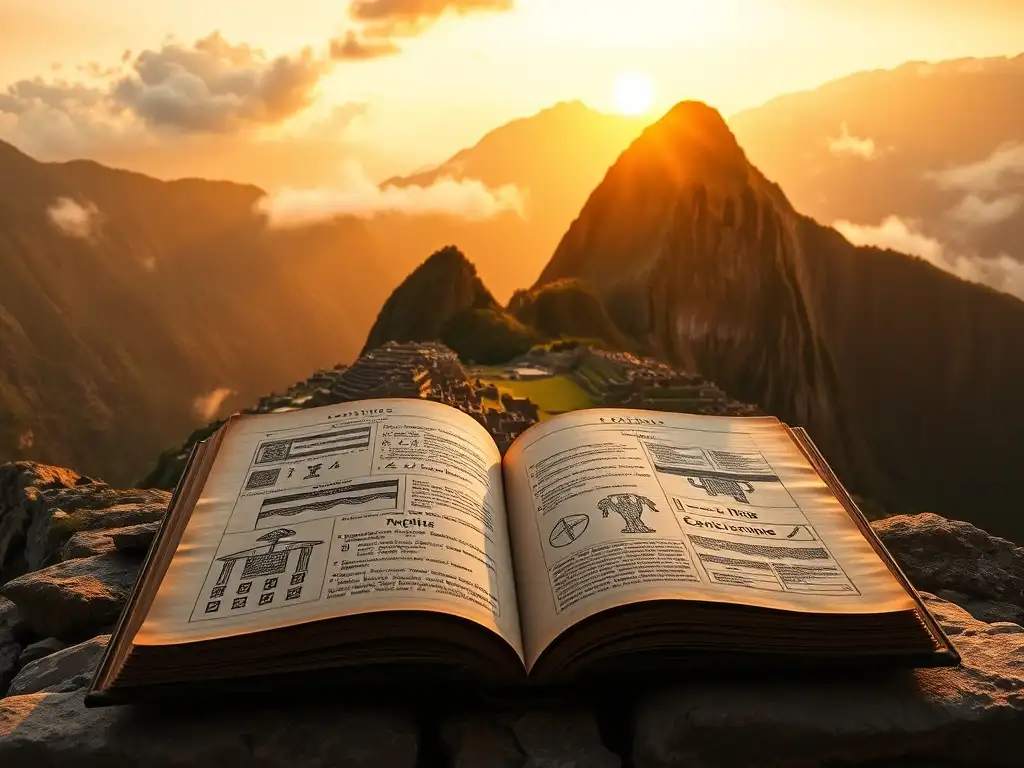
This meticulously researched book offers a fresh perspective on Machu Picchu, moving beyond the typical tourist gaze to explore the site's profound religious and symbolic significance within the Inca world. The authors, leading archaeologists and historians, draw upon the latest research and discoveries to present a compelling narrative of Inca life at this iconic location. The book skillfully blends archaeological evidence with historical interpretations, providing a nuanced understanding of Machu Picchu's role within the broader Inca context. It successfully challenges some long-held assumptions about the site, offering new insights into its function and purpose.
Analysis of Machu Picchu's architecture and religious significance
The book provides a detailed analysis of Machu Picchu's remarkable architecture, examining the intricate design of its buildings, terraces, and water management systems. It expertly connects these architectural features to the Inca worldview, highlighting their symbolic significance and religious function. The authors explore the spatial arrangement of structures, the use of specific materials, and the orientation of buildings in relation to celestial bodies, revealing the deliberate design choices that reflect Inca beliefs and practices. The analysis is supported by numerous high-quality illustrations and diagrams, enhancing the reader's comprehension of the site's complex layout and symbolic meaning.
Exploring new interpretations of Inca life at the site
This book goes beyond traditional interpretations of Machu Picchu as a royal retreat or a solely agricultural center. It incorporates recent archaeological findings and scholarly debates to present a more holistic and nuanced view of Inca life at the site. The authors explore the possibility of diverse social groups inhabiting Machu Picchu, suggesting a more complex social structure than previously assumed.
They also examine the evidence for ritual practices and ceremonial activities, highlighting the importance of Machu Picchu as a sacred site linked to the Inca worldview. The book's open-ended approach encourages critical thinking and further exploration of the site's multifaceted history.
Why this book provides a nuanced view of Inca culture
"Machu Picchu: Exploring an Ancient Sacred City" offers a refreshing and insightful perspective on Inca culture, moving beyond simplified narratives to present a more complex and nuanced understanding. The book's meticulous research, clear writing style, and incorporation of the latest scholarly debates make it an invaluable resource for anyone interested in learning more about Inca civilization.
It successfully demonstrates how archaeological findings can be interpreted to provide a richer understanding of Inca beliefs, social structures, and daily life. The book's focus on Machu Picchu as a sacred site provides a powerful lens through which to examine the broader Inca worldview and its lasting legacy.
Link to purchase on Amazon:
[Amazon Link Pending]
5. "The Inca: Lost Civilizations" - Studying the Inca's Extensive History
This captivating book offers a comprehensive exploration of the Inca Empire, delving deep into its rich history and leaving no stone unturned. It's a must-read for anyone serious about Inca studies research books, providing a nuanced perspective often missing in more superficial accounts. The authors skillfully weave together archaeological findings, historical accounts, and anthropological insights to paint a vivid picture of Inca life.
The meticulous research evident throughout the text makes this a truly invaluable resource for scholars and enthusiasts alike. The book's engaging style makes complex topics accessible to a broad audience, fostering a deeper appreciation for this fascinating civilization. The detailed maps and illustrations further enhance the reading experience, bringing the Inca world to life.
Examining the rise and fall of the Inca Empire
The book masterfully traces the Inca Empire's trajectory, from its humble beginnings in the Cusco region to its eventual conquest by the Spanish. It doesn't shy away from the complexities of the Inca expansion, analyzing the strategic alliances, military prowess, and political maneuvering that fueled their growth. Furthermore, the narrative doesn't romanticize the Inca's success; it acknowledges the costs of empire building, including the subjugation of other Andean groups and the potential for internal conflicts.
The analysis of the empire's decline is equally insightful, exploring the factors that contributed to its vulnerability to Spanish conquest, such as internal divisions and the devastating impact of European diseases. The authors meticulously examine the various interpretations of the empire's fall, presenting a balanced and well-researched perspective.
Analysis of the Inca's societal structure and its impact
"The Inca: Lost Civilizations" provides a detailed examination of the Inca's sophisticated social structure. The intricate system of ayllus (kinship groups), the role of the Sapa Inca (emperor), and the highly organized bureaucracy are all explored in depth. The authors highlight the Inca's remarkable achievements in infrastructure development, agriculture, and resource management, showcasing their advanced understanding of engineering and social organization.
The book also tackles the complexities of Inca religion and cosmology, revealing the profound influence these beliefs had on their daily lives and societal structures. This analysis extends to the impact of Inca rule on conquered populations, acknowledging both the benefits and the burdens of incorporation into the empire. The authors critically assess the various perspectives on Inca social control and its effectiveness.
Why this book is essential for understanding Inca civilization
This book stands out due to its comprehensive scope, rigorous scholarship, and engaging narrative. It synthesizes a vast amount of information, making it an indispensable resource for researchers and students alike. Unlike many books that focus solely on the Incas' achievements, this work provides a balanced and nuanced perspective, exploring both the positive and negative aspects of their civilization.
The book's accessibility makes it suitable for a broad audience, encouraging a wider appreciation of Inca history and culture. It successfully bridges the gap between academic rigor and popular appeal, making it a valuable contribution to Inca studies. For those seeking a deep dive into the intricacies of Inca civilization, "The Inca: Lost Civilizations" is an absolute must-have.
Link to purchase on [Bookstore Affiliate]:
[Specific information pending]
How to Choose the Right Inca Studies Book for Your Research

Navigating the world of Inca studies research books can feel overwhelming. The sheer volume of publications, ranging from popular histories to highly specialized academic monographs, requires a discerning approach. This section will guide you through key factors to consider when selecting resources relevant to your specific needs and research goals, ensuring you find the most suitable and reliable materials for your "Inca studies research books" project.
Factors to Consider When Selecting Inca Research Materials
Choosing the right book for your Inca studies research requires careful consideration of several crucial factors. A poorly chosen book can lead to wasted time and potentially flawed conclusions. Therefore, a strategic and informed selection process is paramount. This involves assessing several key aspects before committing to a particular publication. Let's examine these factors in detail.
Your Specific Area of Interest within Inca Studies
The vast field of Inca studies encompasses numerous specialized areas. Are you interested in Inca agriculture and its impact on societal structure? Perhaps Inca metallurgy and its technological advancements intrigue you more? Or maybe you are focused on Inca cosmology and religious beliefs? Defining your precise area of interest is the first critical step.
For example, a book focused on Inca textiles would be less useful if your research centers on Inca warfare strategies. By clearly identifying your niche within Inca studies, you can efficiently filter through available resources and select books directly relevant to your research questions. This targeted approach will maximize your research efficiency and yield the most pertinent information. Consider creating a detailed outline of your research topic to pinpoint specific keywords and themes to guide your book selection.
The Author's Expertise and Academic Background
The credibility of any research material hinges heavily on the author's expertise. Look for books written by established scholars with proven track records in Inca studies. Examine the author's credentials – their academic degrees, affiliations with reputable universities or research institutions, and prior publications in peer-reviewed journals.
A strong academic background lends significant weight to the book's reliability and the validity of its interpretations. The author's bibliography should also be carefully reviewed; a comprehensive list of sources demonstrates meticulous research and strengthens the book's scholarly rigor. Beware of books that lack clear academic backing or those relying heavily on unsubstantiated claims.
The Book's Publication Date and Relevance to Current Research
The field of Inca studies is constantly evolving with new archaeological discoveries and reinterpretations of existing evidence. Therefore, the publication date of a book is a significant factor. While classic texts can provide valuable historical context, it's crucial to prioritize books published recently or those that have been updated to incorporate the latest findings.
Older books, while potentially containing valuable information, may not reflect the current scholarly consensus or incorporate recent breakthroughs in research methodologies. Always check the book's preface or introduction for indications of updates or revisions. The inclusion of recent archaeological findings or discussions of contemporary debates within Inca studies underscores the book's relevance and value.
Availability of Primary Sources and Archaeological Evidence
A strong research book will engage directly with primary sources whenever possible. This includes archaeological reports, colonial-era chronicles, and indigenous accounts (where available and appropriately contextualized). The inclusion and analysis of such primary sources significantly enhance the book's credibility and allows readers to critically assess the author's interpretations. Look for books that transparently cite these sources and discuss methodologies used to analyze them.
The book's engagement with archaeological evidence is also crucial. A well-researched book will not only mention discoveries but also critically examine the evidence, acknowledging limitations and potential biases in interpretation. This critical approach demonstrates a commitment to rigorous scholarship and helps the reader develop a more nuanced understanding of the topic. The absence of clear engagement with primary sources and archaeological evidence should raise concerns about the book's reliability and scholarly value.
This detailed analysis will assist you in selecting high-quality "Inca studies research books" that enhance the depth and reliability of your research. Remember that a critical and discerning approach is essential for navigating the wealth of information available in this fascinating field.
The Impact of New Inca Studies Research on Our Understanding of the Andes
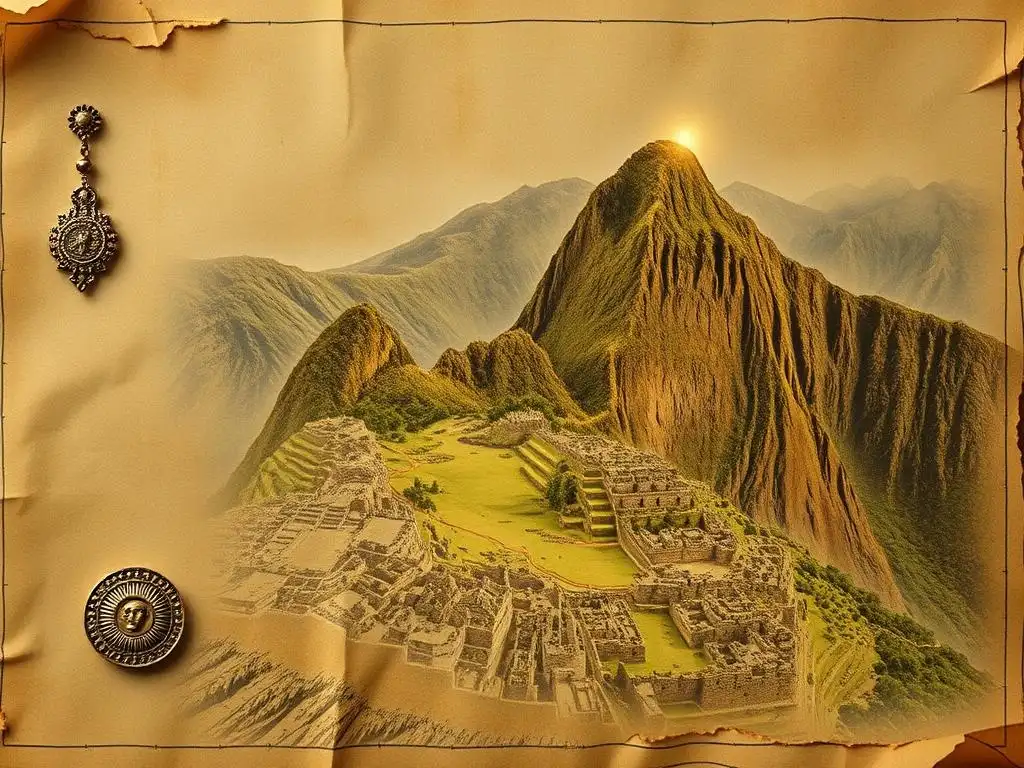
The field of Inca studies is experiencing a renaissance, fueled by groundbreaking archaeological discoveries and the application of innovative research methodologies. This renewed focus is dramatically reshaping our understanding of this remarkable Andean civilization, challenging long-held assumptions and revealing new facets of Inca society, politics, and daily life.
No longer is the Inca Empire viewed solely through a monolithic lens; instead, a more nuanced and complex picture is emerging, highlighting regional variations, social complexities, and the dynamic interplay between the Inca state and its diverse populations. This shift is largely due to the increased accessibility of previously unavailable data and the utilization of cutting-edge technologies that allow for a more detailed and comprehensive analysis of Inca artifacts, architecture, and environments.
The integration of these advancements with traditional historical methods is pushing the boundaries of Inca studies, leading to exciting and sometimes unexpected revelations. This section will explore some key areas where this impact is most evident.
The Ever-Evolving Landscape of Inca Scholarship
How recent discoveries are changing our understanding of Inca civilization
Recent archaeological excavations have unearthed compelling evidence that challenges previous interpretations of Inca societal structures. For instance, the discovery of previously unknown settlements and administrative centers in remote regions of the Andes has revealed a far more decentralized and adaptable imperial system than previously imagined. These findings suggest a greater degree of autonomy for local communities within the Inca empire, a dynamic that was not fully appreciated in earlier scholarship.
Furthermore, the analysis of newly discovered textiles, ceramics, and metalwork using advanced techniques such as isotopic analysis and 3D scanning is providing unprecedented insight into Inca craftsmanship, trade networks, and social hierarchies. The intricate details revealed through these methods highlight the sophisticated artistry and technological prowess of Inca artisans, painting a picture of a civilization far more diverse and complex than previously understood.
The uncovering of previously unknown agricultural techniques and irrigation systems also sheds light on the Inca's remarkable ability to adapt to diverse environments and support a large population. These discoveries fundamentally alter our understanding of Inca resource management and agricultural practices.
The Importance of interdisciplinary approaches in Inca research
The progress in Inca studies is not solely due to new discoveries, but also to the increasing adoption of interdisciplinary approaches. The integration of archaeology, anthropology, history, linguistics, and other fields is proving invaluable in generating a more holistic and nuanced understanding of the Inca world. For example, the application of linguistic analysis to decipher Inca quipu (knotted-cord records) has yielded significant insights into Inca record-keeping practices and administrative systems.
Similarly, the collaboration between archaeologists and botanists has illuminated the complexities of Inca agricultural practices and their impact on the Andean environment. This collaborative approach is crucial for moving beyond narrow interpretations and developing a more comprehensive understanding of the Inca civilization's multifaceted nature.
By combining different perspectives and methodologies, researchers are able to address complex research questions that would be impossible to tackle using a single disciplinary approach. This interdisciplinary synergy is pivotal to the future of Inca studies research books.
The future of Inca Studies: where will research take us next?
The future of Inca studies promises to be even more exciting and transformative. Ongoing research focusing on climate change's impact on Inca society, the study of Inca oral traditions, and the application of advanced technologies like artificial intelligence and machine learning to analyze large datasets will undoubtedly yield groundbreaking results. Furthermore, a renewed emphasis on ethical considerations in archaeological research, including community engagement and repatriation of cultural artifacts, will shape the future direction of the field.
The ongoing exploration of Inca medicinal practices and their potential relevance to modern healthcare is another promising area of research. The continued application of cutting-edge technology will allow for more precise dating of artifacts, leading to a more accurate timeline of Inca history.
Ultimately, the future of Inca studies hinges on continued collaboration, interdisciplinary approaches, and a commitment to ethical research practices, ensuring that our understanding of this remarkable civilization continues to evolve and deepen. The potential for new discoveries and innovative interpretations is vast, promising a wealth of new insights for years to come, significantly impacting the landscape of Inca studies research books.
Conclusion: Staying Updated with the Latest Inca Studies Research Books
The study of Inca civilization is a vibrant and ever-evolving field. New archaeological discoveries, innovative analytical techniques, and reinterpretations of existing data constantly reshape our understanding of this remarkable Andean empire. To remain at the forefront of Inca studies, engaging with the latest research is paramount. This requires a proactive approach, seeking out recently published books that incorporate these advancements.
These books offer not only updated information but also fresh perspectives, challenging preconceived notions and stimulating further inquiry. The best Inca studies research books are those that synthesize existing knowledge with the newest findings, presenting a comprehensive and nuanced picture of Inca life, society, and culture. They are essential tools for anyone serious about understanding the Inca world.
Resources for Continually Expanding Your Knowledge of the Incas
Engaging with the dynamic landscape of Inca studies requires a multifaceted approach. Simply reading one book isn't sufficient; continuous learning is key. This section details strategies and resources to keep your understanding of Inca civilization current and comprehensive.
Importance of reading newly published books on Inca studies
Reading newly published books on Inca studies is crucial for several reasons. Firstly, these books often incorporate the most recent archaeological findings and analyses. For example, a book published in 2023 might include data from excavations completed in the last few years, offering insights unavailable in older publications. Secondly, new research often challenges established theories, leading to more nuanced and accurate understandings of Inca history.
Older interpretations, while valuable historically, may be superseded by more current data and analysis. Finally, new books often offer fresh perspectives and interdisciplinary approaches, bringing together insights from archaeology, anthropology, history, and other relevant fields to paint a richer and more complete picture of Inca life. This interdisciplinary approach can reveal unexpected connections and patterns, enriching our overall comprehension. Staying current with these publications ensures that your understanding of Inca civilization isn't static but rather evolves with the field itself.
Where to find more information on the latest Inca research
Several avenues exist for locating the latest Inca research and relevant books. Academic publishers specializing in archaeology and anthropology are excellent starting points. Searching their catalogs for books published within the last five years using keywords like "Inca," "Andean," "Tawantinsuyu," "Inca archaeology," or "Inca studies" will yield promising results. Additionally, checking the bibliographies of already-read books on Inca studies can reveal newer publications referenced within the text.
Professional journals in related fields often publish book reviews that highlight important new contributions to the field. Finally, attending conferences or workshops focused on Andean studies can provide valuable insights into the latest research and emerging trends. Remember to critically evaluate the sources you use, considering the author's credentials and the methodology employed in their research.
A call to action to explore the rich world of Inca history and culture through these books
The world of Inca studies offers a captivating journey into a rich and complex civilization. By actively seeking out and engaging with newly published books, you can participate in this ongoing exploration. The rewards are substantial: a deeper understanding of Inca history, culture, and societal structures; a more nuanced appreciation of their accomplishments and challenges; and the satisfaction of being at the forefront of this fascinating field of study. So, embark on this intellectual adventure. Explore the latest Inca studies research books and uncover the remarkable stories hidden within their pages. The journey of discovery awaits!
Frequently Asked Questions
What makes this article relevant to "Inca studies research books"?
This article highlights the latest research and discoveries in Inca studies, guiding readers to books that delve into these advancements. It focuses on the future direction of the field, showcasing current scholarly work.
Where can I find the books mentioned in the article?
The article will likely provide links or references to where you can find these books, possibly including online retailers and academic publishers. Specific details will depend on the content of the full article.
Are these books suitable for both academics and casual readers interested in Inca history?
The article may cater to a range of readers. Some books may focus on scholarly research, while others may offer more accessible introductions to Inca civilization for a general audience.
What specific topics within Inca studies are covered by the recommended books?
The books mentioned will likely cover a range of topics, potentially including Inca technology, social structures, art, religion, agriculture, and urban planning. The article will specify the areas of focus for each book.
How frequently will this article be updated to reflect new research in Inca studies?
The article's update frequency will depend on the website's editorial policy. However, given the dynamic nature of research, it's likely to be updated periodically to reflect significant new findings and publications.
Final Reflection: Unearthing the Inca Legacy: A Future Rich in Discovery
The study of the Inca Empire is not a relic of the past; it is a vibrant, evolving field crucial to understanding our shared human history and confronting contemporary challenges. The intricate social structures, innovative agricultural techniques, and sophisticated understanding of astronomy showcased by the Inca continue to inspire awe and offer valuable lessons for sustainable development and societal organization in the 21st century. Their story, far from being concluded, is constantly being rewritten with each new archaeological find and scholarly interpretation.
The enduring fascination with the Inca stems from their remarkable achievements and the enduring mysteries surrounding their civilization. Their legacy extends beyond impressive ruins; it resonates in the vibrant cultures of the Andes today. The Inca's ability to unite diverse populations and create a vast, interconnected empire offers a compelling case study in governance and social engineering. As the author, Eduardo Galeano, eloquently stated: The Inca Empire was not a monolithic entity; it was a complex tapestry woven from the threads of many cultures, each contributing its unique color and texture.
This complexity, and the ongoing efforts to understand it, make Inca studies a perpetually engaging and rewarding pursuit.
Consider the implications of the research highlighted in this article. What can we learn from the Inca's approach to resource management in the face of climate change? How can their sophisticated understanding of astronomy inform our own scientific endeavors? You, the reader, are now part of this ongoing conversation. Engage with the books discussed, explore further research, and contribute to the ever-expanding understanding of this remarkable civilization. Let the Inca legacy inspire you to delve deeper into the past, to learn from its triumphs and challenges, and to build a more sustainable and equitable future.
Unlock the Secrets of the Inca: Take Action Today!
Thank you for your interest in the fascinating world of Inca studies! Your passion for learning about the latest research and discoveries is a wonderful starting point for appreciating this rich cultural heritage. Now, let's turn that curiosity into action!
- **Deepen your understanding:** Explore the recommended books in our guide to uncover new perspectives on Inca civilization.
- **Join our vibrant community:** Share your thoughts and discoveries about Incan culture with fellow enthusiasts on our forum.
- **Experience the wonders firsthand:** Plan a visit to a local museum or historical site showcasing Inca artifacts.
What aspect of Inca civilization captivates you most, and how will you delve deeper into it?