
The Ingenious Moche Irrigation Systems: Mastering the Arid Landscape

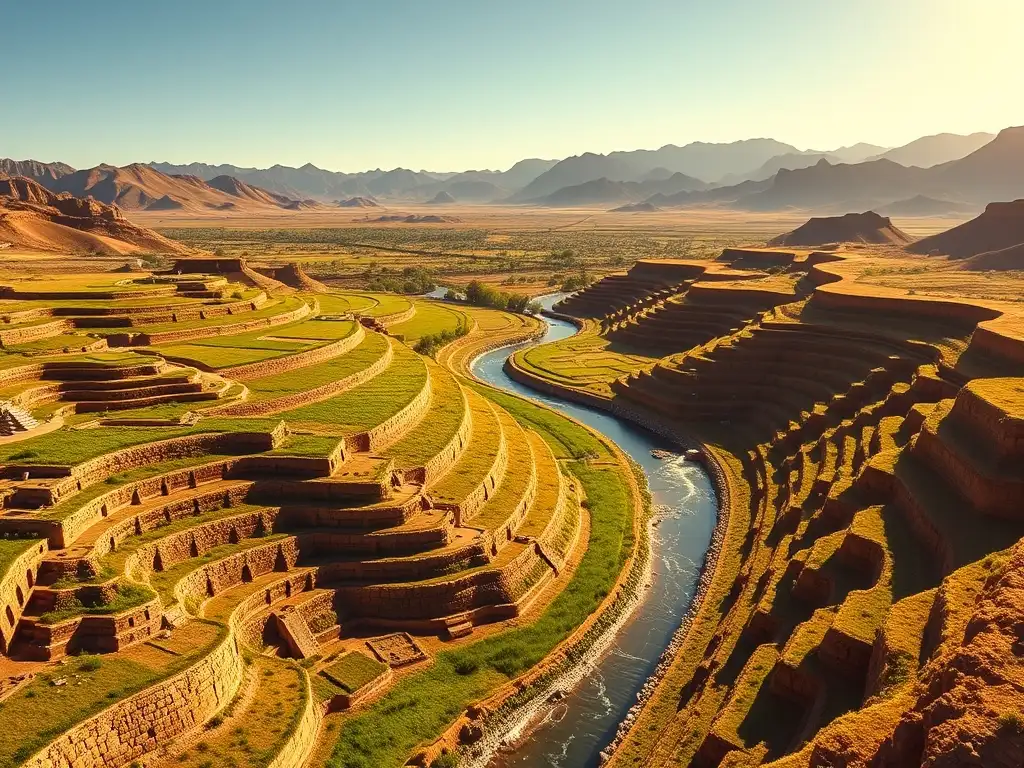
Dive into the captivating world of the Andean civilizations! Journey through millennia of history, uncovering the secrets of their remarkable achievements in art, culture, and technology. But first, prepare to be amazed by the ingenious Moche irrigation techniques—a testament to their mastery of the arid landscape. How did they transform barren deserts into flourishing oases? Discover the answers and much more within...
The Moche civilization, flourishing along the arid northern coast of Peru from approximately 100 CE to 800 CE, stands as a testament to human ingenuity and adaptation. Their remarkable achievements weren't solely confined to their impressive artistry and sophisticated social structures; the Moche also developed incredibly advanced agricultural techniques that allowed them to thrive in one of the world's most challenging environments. This article delves into the sophisticated irrigation systems employed by the Moche, exploring the innovative solutions they devised to conquer the limitations of their arid coastal landscape and cultivate the resources necessary for their thriving society.
We will examine the challenges they faced, the technologies they employed, and the lasting impact of their mastery of water management on their civilization and our understanding of ancient Andean engineering. Understanding their "Moche irrigation techniques" provides crucial insight into their societal complexity and resilience.
Introduction to Moche Agricultural Practices and Water Management
The Moche weren't simply passive recipients of their environment; they actively shaped it to meet their needs. Their agricultural practices were fundamental to their survival and societal organization. Unlike many other ancient civilizations reliant on river valleys, the Moche faced the unique challenge of a desert coastline.
Rainfall was scarce and unpredictable, making the cultivation of crops a constant struggle against the harsh conditions. Their response was the development of a complex and sophisticated system of water management, including canals, reservoirs, and intricate networks of irrigation channels. These weren't simple ditches; they were carefully planned and engineered systems that harnessed every available drop of water, maximizing agricultural output in an unforgiving environment.
This efficient water management also facilitated the development of a complex social structure, with specialized labor dedicated to the construction and maintenance of these vital systems. The success of these systems is evident in the scale of Moche settlements and the abundance of agricultural products revealed in archaeological findings.
The Challenge of Arid Coastal Environments for Moche Farmers
The northern Peruvian coast is characterized by its extremely arid climate. The Atacama Desert, one of the driest places on Earth, stretches along much of this coastline. Annual rainfall is minimal, often less than 10 centimeters (approximately 4 inches) per year, and highly variable. Furthermore, the presence of fog, known as camanchaca, offered a somewhat unreliable supplementary source of moisture.
The Moche faced several significant challenges: the scarcity of freshwater sources, the high rate of evaporation, and the need to transport water over considerable distances to reach their cultivated fields. These limitations required innovative solutions and a deep understanding of both the landscape and the hydrological cycle. The lack of readily available surface water forced the Moche to explore and exploit subterranean water sources, a feat requiring significant engineering skills and a detailed knowledge of the local geology.
Moche Ingenuity: Developing Sophisticated Irrigation Systems
The Moche response to the challenges of their environment was nothing short of remarkable. They developed a sophisticated network of irrigation systems that involved several key components:
- Canals: Extensive networks of canals, some stretching for kilometers, transported water from rivers and other sources to agricultural fields. These canals were not simply dug trenches; they were carefully constructed, often lined with stone or clay to minimize water loss through seepage.
- Reservoirs: To store water during periods of abundance for use during droughts, the Moche built reservoirs of varying sizes. These reservoirs helped regulate the water supply and ensure a continuous flow to the fields.
- Aqueducts: In some areas, aqueducts were constructed to carry water across valleys and other obstacles. These structures demonstrate an advanced understanding of hydraulic engineering.
- Subterranean Channels: Evidence suggests the Moche also utilized subterranean channels to tap into underground water sources. These channels, often constructed from stone, allowed them to access water that would otherwise be unavailable.
The construction and maintenance of these systems required a highly organized society with specialized labor and significant resources. The effectiveness of these systems is a testament to the Moche's deep understanding of their environment and their remarkable engineering capabilities. The scale and sophistication of these irrigation projects are a clear indication of the advanced level of planning and social organization within the Moche civilization.
The impact of their ingenuity continues to resonate today, serving as a powerful example of human adaptation and resilience in the face of environmental challenges. Their mastery of water management was crucial to their success, contributing significantly to their economic prosperity and cultural development.
- Introduction to Moche Agricultural Practices and Water Management
- The Challenge of Arid Coastal Environments for Moche Farmers
- Moche Ingenuity: Developing Sophisticated Irrigation Systems
- What were the main challenges faced by the Moche people in regards to agriculture?
- How did the Moche overcome the water scarcity to develop their agriculture?
- What were some of the key features of Moche irrigation techniques?
- What crops did the Moche cultivate using their advanced irrigation systems?
- How did Moche irrigation techniques contribute to their societal development?
Key Features of Moche Irrigation Techniques
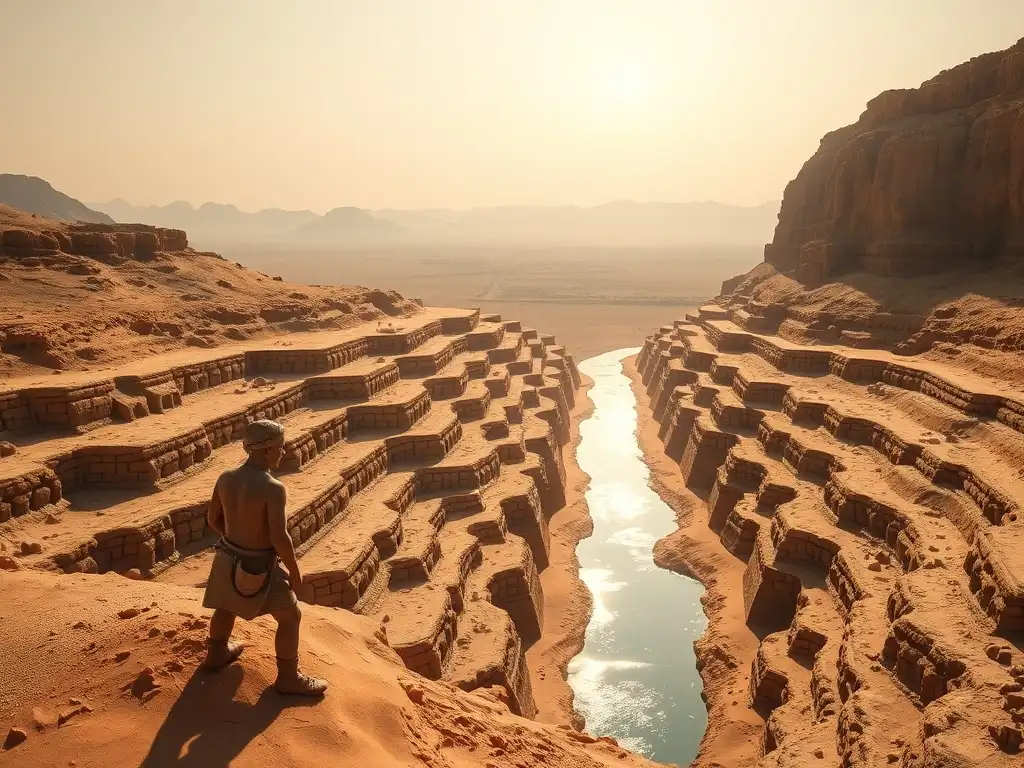
The Moche civilization, flourishing along the arid northern coast of Peru from approximately 100 CE to 800 CE, achieved remarkable agricultural success despite the challenging desert environment. Their ingenuity lay in developing sophisticated irrigation techniques that allowed them to cultivate vast expanses of land, supporting a large and complex society. Understanding their mastery of water management is crucial to appreciating the Moche's achievements and their lasting impact on the region.
The Moche irrigation techniques were not just a matter of survival; they were a testament to their advanced engineering skills and their deep understanding of their environment. This section will delve into the key features of their impressive hydraulic systems.
Canal Construction: Engineering for Efficient Water Distribution
The foundation of the Moche irrigation system was an extensive network of canals. These weren't simply ditches; they were carefully planned and constructed waterways designed for efficient water distribution across the landscape. The Moche employed advanced engineering principles, including precise surveying and grading techniques, to ensure a consistent water flow. Evidence suggests they used a combination of tools, including stone implements and possibly rudimentary metal tools, to excavate and shape the canals. The canals varied in size depending on the water volume they needed to carry, with some being quite substantial.
The construction involved more than just digging channels. The Moche often lined their canals with stones, clay, or other materials to prevent water seepage and erosion. They also built strategically placed aqueducts and siphons to navigate obstacles such as hills and valleys.
These structures demonstrate a sophisticated understanding of hydraulic principles and a remarkable ability to overcome the challenges of the terrain. The construction and maintenance of these elaborate systems required significant labor, likely organized through a complex social structure, reflecting the importance of irrigation to the Moche economy and social organization. The precise methods used for canal construction are still being researched, but the surviving remnants clearly indicate a level of sophistication exceeding many other contemporary civilizations.
Diversion Dams and Weirs: Controlling River Flow for Agriculture
Beyond the intricate canal network, the Moche employed diversion dams and weirs to regulate the flow of water from rivers and streams. These structures were crucial for controlling the often unpredictable river systems that were their primary water source. The dams weren't solely for diverting water; they also served as reservoirs, storing water for use during drier periods. This strategic water storage was essential for maintaining agricultural productivity throughout the year, mitigating the risks associated with fluctuating rainfall and seasonal variations.
The construction of these dams and weirs required considerable engineering skill. The Moche used various materials, including stone, earth, and possibly timber, to build these structures, often integrating them seamlessly into the natural landscape. Their design incorporated features like spillways to prevent overtopping and erosion, demonstrating a practical understanding of hydraulic engineering principles.
Archaeological evidence suggests that these structures were periodically maintained and repaired, reflecting the ongoing commitment to maintaining the functionality of their irrigation system. The strategic placement of these structures reveals a deep understanding of the hydrological patterns of the region, showcasing their expertise in managing water resources.
Terraced Farming: Maximizing Arable Land and Water Use
To further maximize their limited arable land and optimize water usage, the Moche also practiced terraced farming. This involved creating a series of level platforms on hillsides, which allowed for efficient irrigation and prevented soil erosion. Terraces reduced the amount of water needed to irrigate crops by creating smaller, more manageable plots. The resulting increase in arable land significantly boosted agricultural output. The Moche terraces weren't just simple earthworks; they were carefully designed and constructed, with retaining walls often built of stone or adobe to prevent collapse.
The construction of terraces was a labor-intensive process, requiring substantial manpower and organizational skills. The precise techniques used remain a subject of ongoing research, but the scale and sophistication of the surviving terraces are impressive. The Moche terraces exemplify their adaptability and innovative spirit, demonstrating their ability to utilize even seemingly unsuitable land for agriculture.
Their ingenuity in maximizing land use and water efficiency significantly contributed to the Moche civilization's prosperity and longevity. The efficiency of their terraced farming techniques contributed significantly to the success of their sophisticated irrigation systems. The combination of canals, dams, weirs, and terraces represented a holistic approach to water management, a hallmark of the Moche's advanced understanding of their environment and their ability to harness its resources.
The Use of Reservoirs and Water Storage Systems
The Moche, masters of their arid environment, understood the crucial role of water storage in ensuring agricultural success. Their irrigation systems weren't solely reliant on channeled river water; they cleverly incorporated reservoirs and various water storage systems to manage seasonal fluctuations and guarantee a consistent water supply. These weren't simply rudimentary pits; the Moche constructed sophisticated reservoirs, often integrated into the landscape, utilizing their advanced understanding of topography and hydrology. Some reservoirs were carved directly into hillsides, creating natural basins capable of holding significant volumes of water.
Others were built using carefully shaped and fitted stones, forming robust structures that could withstand the pressures of accumulated water. The size and capacity of these reservoirs varied depending on the local geography and the needs of the surrounding agricultural areas. Larger reservoirs supported extensive farming networks, while smaller ones served smaller communities or specific agricultural plots.
The construction of these reservoirs involved a significant investment of labor and resources, demonstrating the Moche's commitment to sustainable agriculture. Archaeological evidence suggests that the Moche employed a workforce organized for large-scale projects, possibly through a system of corvée labor or specialized artisan groups. This coordinated effort was essential not just for the initial construction but also for ongoing maintenance and repair.
The ingenuity of the Moche is evident in their ability to design and build reservoirs that effectively collected, stored, and distributed water, minimizing losses due to evaporation or seepage. This careful management ensured the continuous flow of water to the fields, even during periods of drought or reduced river flow. The strategic placement of these reservoirs further demonstrates their sophisticated understanding of water management, optimizing water distribution throughout their agricultural lands.
This careful planning allowed the Moche to cultivate a wide range of crops, supporting a thriving population and a complex societal structure. The effectiveness of their water storage systems was a key factor in the Moche's ability to flourish in a challenging environment. The legacy of their sophisticated water management techniques continues to inspire modern irrigation practices.
Types of Moche Irrigation Systems
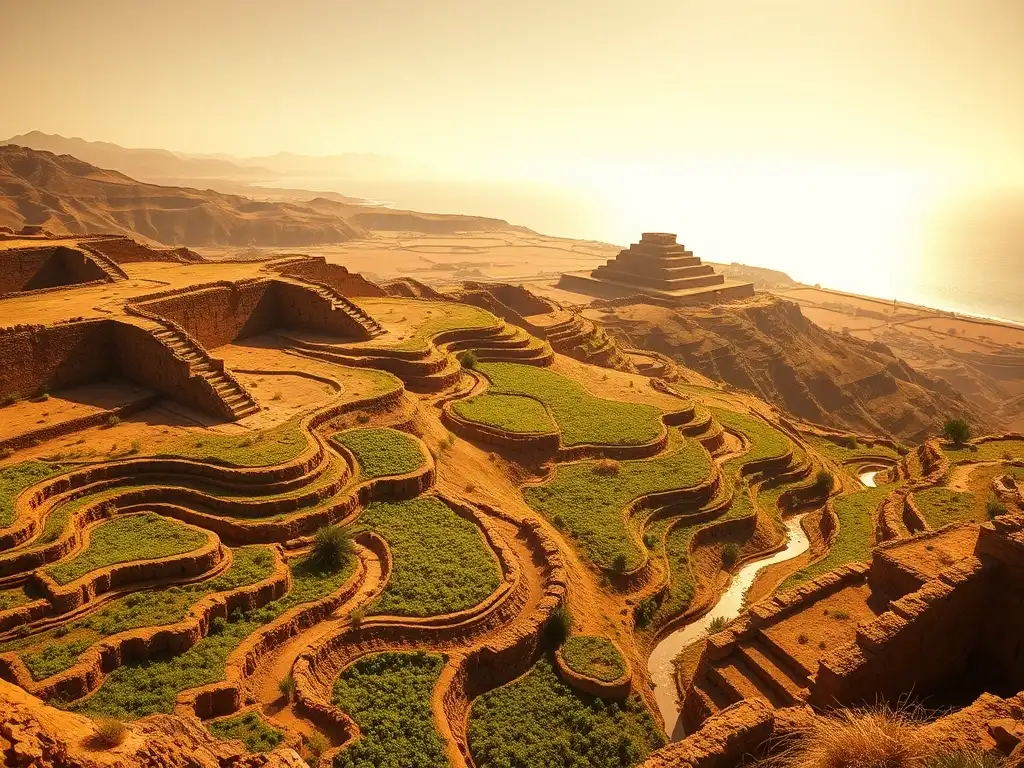
The Moche civilization, renowned for its sophisticated artistry and complex social structures, also demonstrated remarkable engineering prowess in their mastery of water management. Their success in cultivating a thriving agricultural economy in the arid coastal valleys of northern Peru hinged upon a sophisticated network of irrigation systems, meticulously designed and maintained. Understanding the Moche irrigation techniques reveals a deep knowledge of hydrology and a commitment to collaborative infrastructure projects.
These systems weren't monolithic; rather, they comprised a variety of interconnected components tailored to specific needs and terrains. This section delves into the key types of Moche irrigation systems, highlighting their ingenuity and effectiveness.
Main Canals and Branching Networks
The backbone of the Moche irrigation system consisted of extensive main canals, often carved into the hillsides and extending for considerable distances. These weren't simply dug trenches; they were carefully engineered structures, demonstrating a deep understanding of topography and water flow. The canals were typically lined with stones or clay to minimize water loss through seepage and erosion. Their gradients were precisely calculated to ensure a consistent, controlled flow of water.
The main canals served as the primary arteries of the system, feeding into a complex network of branching channels. This branching network, a testament to sophisticated planning, allowed water to be distributed efficiently across vast areas of farmland. The size and spacing of these branches varied depending on the terrain and the needs of the agricultural plots they served. Evidence suggests that the Moche used surveying techniques, possibly involving rudimentary instruments, to accurately plan and construct these extensive canal systems.
The scale and precision of these projects underscore the significant level of organizational and engineering expertise within Moche society. Consider the sheer volume of labor required to construct and maintain such an elaborate system – a clear indicator of strong social organization and centralized planning. This careful design minimized water loss and maximized agricultural productivity, even in a challenging environment.
Field Canals and Water Distribution to Individual Plots
From the main canals and their branches, water flowed into smaller, secondary canals that directly irrigated individual agricultural plots. These field canals, often constructed of smaller stones and less meticulously lined than the main canals, delivered water directly to the crops. The design of these field canals allowed farmers to control the water flow to their specific fields, ensuring that each plot received the appropriate amount of water.
This intricate system of water distribution allowed for efficient irrigation of diverse crops. The Moche weren't simply relying on a "one-size-fits-all" approach; they tailored their irrigation techniques to the specific needs of different plants. This highlights a deep understanding of agricultural practices and a sophisticated ability to manage water resources effectively.
The careful management of water flow prevented flooding and ensured that crops received the necessary hydration without being overwatered. Archaeological evidence suggests the use of check dams and other water-control structures within the field canals to further regulate water flow and prevent erosion. The success of the Moche agricultural system rested heavily on this efficient and adaptable system of field canal distribution.
Specialized Irrigation for Different Crops
The Moche irrigation system wasn't limited to a single approach; it incorporated specialized techniques adapted to the unique needs of various crops. For example, certain crops might have required more frequent or less frequent watering, or different levels of water saturation. The Moche cleverly designed their irrigation systems to accommodate these variations.
This adaptability is particularly striking when considering the variety of crops cultivated by the Moche. They grew a diverse range of crops, including maize, beans, squash, cotton, and various fruits and vegetables. Each crop had different water requirements, and the Moche irrigation system was designed to meet these diverse needs. Some areas might have employed techniques like raised fields or terracing to optimize water use and prevent erosion in steeper terrains, showcasing a sophisticated understanding of soil conservation and water management.
This level of agricultural sophistication allowed the Moche to support a large and complex population, a testament to their mastery of Moche irrigation techniques and their deep understanding of their environment. Further research into specific crop-irrigation methods is needed to fully illuminate this aspect of their agricultural practices. [Specific information pending on precise techniques for different crops].
Evidence of Moche Water Management in Archaeological Sites
Archaeological excavations across the Moche heartland provide compelling evidence of their sophisticated irrigation systems. Sites like the Huaca de la Luna and Huaca del Sol, impressive adobe pyramids near the modern city of Trujillo, reveal not only the Moche's architectural prowess but also their understanding of water management. Analysis of the surrounding landscape shows carefully planned canals and reservoirs, integrated into the very fabric of their urban planning. The presence of these structures so close to major ceremonial centers suggests that water control was not merely a practical necessity, but also deeply intertwined with their religious beliefs and social organization.
The careful alignment of canals with astronomical features further supports the idea of a sophisticated understanding of hydrology and its connection to their cosmology. Furthermore, the discovery of specialized tools used for canal construction and maintenance, such as spades, picks, and possibly even rudimentary surveying instruments (though further research is needed to confirm this), testifies to the Moche's advanced engineering capabilities and their commitment to maintaining these vital lifelines. The sheer scale of some of these projects, requiring significant labor and coordination, underscores the importance of water management within Moche society. Excavations continue to uncover new details about the complexity and extent of Moche irrigation networks, constantly refining our understanding of their mastery over water resources.
The meticulous planning and execution evident in these archaeological finds stand as a testament to the ingenuity and resilience of the Moche people. Studying these sites offers invaluable insights into the social, economic, and religious aspects of Moche civilization, highlighting the inextricable link between their sophisticated irrigation techniques and their overall societal success. Analysis of sediment samples from canal systems also provides valuable information about the techniques used for canal construction and maintenance, including the materials used and the methods employed to prevent erosion and maintain water flow. This information, coupled with the architectural evidence, paints a picture of a highly organized and technologically advanced society capable of large-scale water management projects.
The Impact of Moche Irrigation on Society and Culture
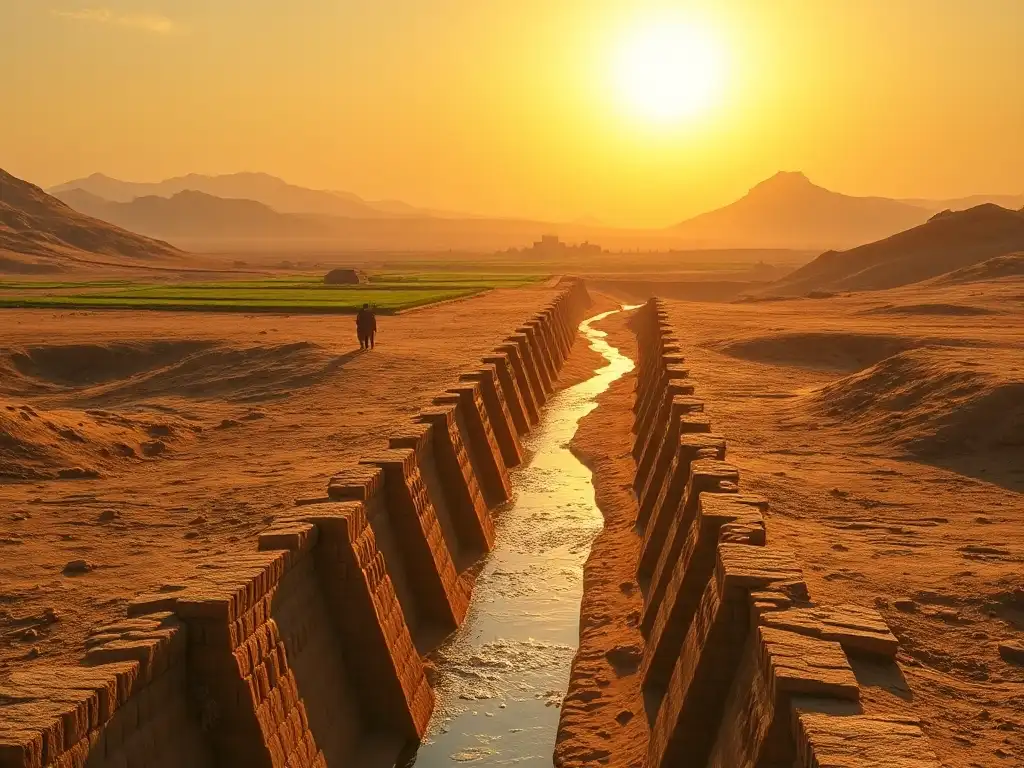
The Moche civilization's mastery of irrigation techniques profoundly impacted their society and culture, shaping their social structures, economic prosperity, and artistic expression. Their ingenious systems, developed in a challenging arid environment, weren't merely feats of engineering; they were the cornerstone of their civilization's success. Understanding the societal ramifications of these irrigation systems is crucial to comprehending the Moche's remarkable achievements.
The sophisticated network of canals, ditches, and reservoirs enabled the Moche to transform the otherwise barren coastal plains and river valleys into fertile agricultural lands, leading to a series of cascading effects that influenced every aspect of their lives. The key impacts are explored below.
Increased Agricultural Yields and Food Security
The Moche irrigation techniques, including the use of canals, aqueducts, and sophisticated water management strategies, resulted in dramatically increased agricultural yields. This surplus production provided a crucial foundation for food security. Instead of relying solely on unpredictable rainfall, the Moche could cultivate crops year-round, ensuring a consistent supply of food for their growing population.
Evidence suggests that they cultivated maize, beans, squash, cotton, and other important crops. The ability to reliably produce a surplus also allowed for the storage of food, mitigating the risks associated with droughts or other natural calamities. This stability was a key factor in the Moche civilization's longevity and expansion.
The surplus also facilitated trade and the development of specialized labor, as people were no longer solely dedicated to subsistence farming. Analysis of Moche agricultural remains shows a diversity of crops far beyond what would have been possible without their sophisticated irrigation systems. The increased food production is directly correlated with the size and density of Moche settlements.
Supporting Population Growth and Urban Centers
The consistent food supply generated by the efficient Moche irrigation systems directly supported significant population growth. With reliable access to food, the population could expand beyond the limitations of subsistence agriculture. This growth fueled the development of large urban centers like Moche's capital city, [Name of Capital City pending], and other significant settlements throughout the region.
These urban centers became hubs for social, political, and economic activity. The concentration of people in these areas allowed for specialization of labor, the development of complex social structures, and the creation of sophisticated art and architecture, all hallmarks of the Moche civilization. Archaeological evidence, such as the size and complexity of Moche settlements, strongly supports the link between irrigation success and population growth.
Without the reliable food production enabled by their irrigation, the development of these large population centers would have been highly improbable. The sheer scale of these urban areas stands as a testament to the power of their agricultural innovations.
The construction and maintenance of the extensive Moche irrigation systems required significant organization and labor. This, in turn, played a crucial role in shaping the Moche social hierarchy. The elite likely controlled the allocation of water resources and oversaw the construction and maintenance of the irrigation infrastructure.
This control over a vital resource translated into considerable political and economic power. The intricate network of canals and reservoirs wasn't simply a technological achievement; it was a powerful symbol of the ruling class's authority and their ability to manage and distribute essential resources. This control over water resources likely contributed to the concentration of wealth and power in the hands of the elite, as depicted in their elaborate tombs and artistic representations.
Furthermore, the labor required for irrigation projects likely involved a system of corvée labor or specialized groups, further solidifying the social hierarchy and the power dynamics within Moche society. The organization and management of such large-scale projects speak volumes about the Moche’s sophisticated social organization and the crucial role of irrigation in maintaining their social order. Further research into Moche societal structures is needed to fully understand the nuances of this complex relationship.
Water Management and Moche Ritual Practices
The Moche civilization's sophisticated irrigation systems weren't merely engineering marvels; they were deeply intertwined with their religious beliefs and ritual practices. Water, a scarce and precious resource in the arid coastal desert, held immense spiritual significance. The Moche didn't simply view water as a necessity for survival; they revered it as a life-giving force, a powerful deity deserving of respect and appeasement. This reverence is evident in their elaborate iconography, where depictions of water deities and rituals related to water management are frequently found on ceramics and textiles.
The construction and maintenance of the canals and reservoirs were likely accompanied by elaborate ceremonies. Archaeological evidence suggests the possibility of ritual offerings placed within the irrigation infrastructure, perhaps to ensure the continued flow of water and to appease any potentially angered spirits. These offerings might have included precious objects, food, or even human sacrifices, reflecting the vital role water played in their societal structure and religious worldview. The precise nature of these rituals remains a subject of ongoing research, but the connection between water management and religious practices is undeniable.
Furthermore, the control over water resources, a direct result of their impressive irrigation techniques, likely contributed to the Moche elite's power and authority. Control over this vital resource enabled them to distribute water strategically, influencing agricultural production and, consequently, the distribution of food and wealth within the society. This control further solidified the power of the ruling class, linking their authority to the very lifeblood of the civilization.
The management of water wasn't just a practical matter; it was a powerful tool used to maintain social order and reinforce religious beliefs, highlighting the intricate relationship between the Moche's pragmatic engineering and their spiritual world. The careful balance between the practical and the spiritual ensured the success and longevity of their irrigation systems and, consequently, their entire civilization. Understanding this deeply embedded connection provides crucial insights into the complex social and religious dynamics of the Moche.
Comparing Moche Irrigation Systems with Other Andean Cultures
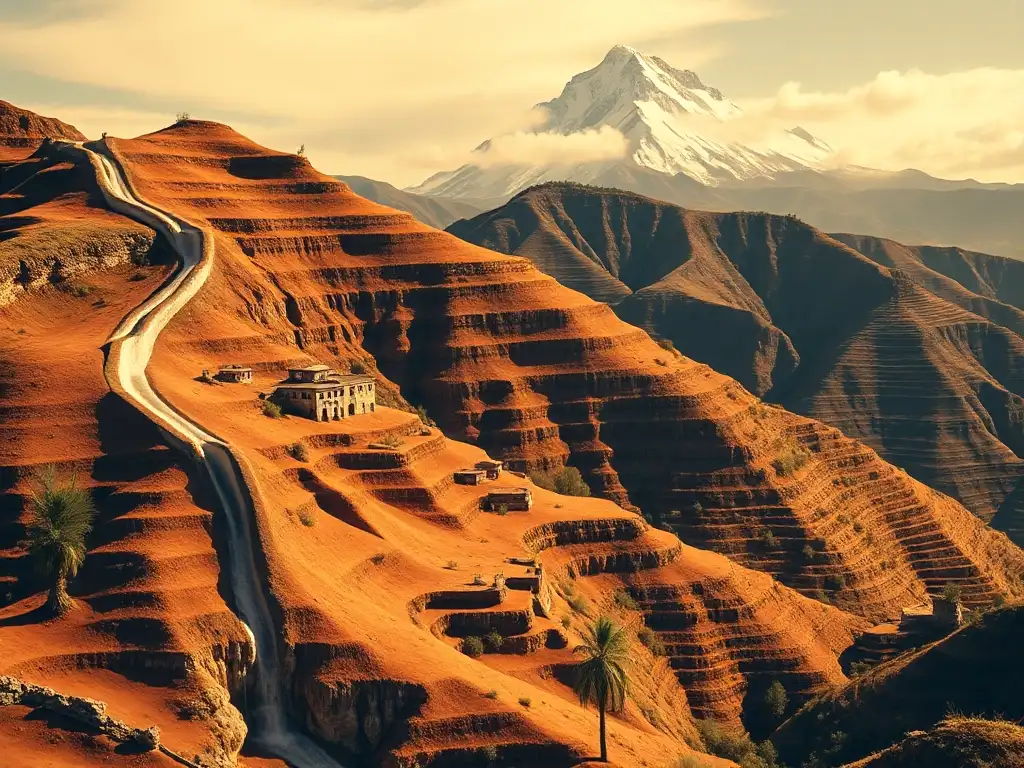
The Moche civilization's mastery of water management, crucial for survival in the arid north coast of Peru, stands as a remarkable achievement when compared to other Andean cultures. While various groups developed sophisticated irrigation strategies, the specific techniques and scale employed by the Moche present unique characteristics. Understanding these differences and similarities provides crucial insight into the ingenuity and adaptability of Andean societies facing similar environmental challenges. Analyzing the Moche's innovations alongside those of other cultures helps to illuminate the broader context of Andean technological development and its evolution over time.
Contrasting Moche Techniques with Nazca Water Systems
The Nazca, contemporaries of the Moche, also inhabited a desert environment and developed impressive water management systems. However, their approach differed significantly. While the Moche focused on extensive canal networks drawing water from rivers, the Nazca are renowned for their subterranean aqueducts, known as puquios. These ingenious systems channeled water from underground sources, utilizing a network of shafts and tunnels to bring water to the surface.
The Moche's systems were more visible and large-scale, prioritizing surface water collection and distribution. The Nazca, conversely, relied on a more discreet, underground approach better suited to their specific geological conditions and possibly a different scale of agricultural production. The differing strategies reflect the unique environmental challenges and technological solutions employed by each culture, highlighting the adaptive nature of Andean irrigation techniques.
Inca Water Management Systems and Moche Antecedents
The Inca, who rose to prominence centuries after the Moche, inherited and expanded upon existing irrigation technologies. While the Inca empire boasted a vast and impressive system of canals, terraces, and aqueducts spanning a wide range of altitudes and climates, evidence suggests that the Moche’s sophisticated canal networks played a significant role in shaping subsequent Andean water management practices. The Inca, known for their administrative prowess, likely incorporated and refined existing Moche techniques, integrating them into their broader imperial infrastructure.
This is not to say the Inca simply copied the Moche; they adapted and scaled up existing systems to meet the needs of a much larger and more diverse empire. The enduring legacy of Moche irrigation can be seen in the sophisticated Inca systems, representing a continuity of technological innovation across different Andean cultures.
Similarities and Differences in Andean Irrigation Strategies
Despite their differences, Andean irrigation systems across various cultures share some common threads. Many societies, including the Moche, Nazca, and Inca, utilized canals, terraces, and reservoirs to manage water resources. The use of terraces, for example, was widespread, providing a way to increase arable land in mountainous regions.
However, the scale and specific techniques varied significantly. The Moche excelled in constructing large-scale canal systems, while the Nazca mastered the art of subterranean aqueducts, and the Inca integrated diverse strategies into a vast, empire-wide system. These variations reflect both the particular environmental constraints and the distinct technological capabilities of each culture.
The overall picture reveals a remarkable degree of ingenuity and adaptation within Andean societies, all working to harness scarce water resources in diverse and challenging landscapes. Analyzing these similarities and differences provides a richer understanding of the evolution of Andean technology and its remarkable achievements in water management. The Moche's contributions, in particular, stand out as a significant antecedent to later developments, showcasing the innovation and enduring impact of their irrigation techniques.
The Legacy of Moche Irrigation
The Moche civilization, flourishing along the arid northern coast of Peru from approximately 100 to 800 CE, demonstrated remarkable ingenuity in their mastery of water resource management. Their sophisticated irrigation systems, a testament to their advanced understanding of hydrology and engineering, allowed them to thrive in a seemingly inhospitable environment.
These techniques, far from being merely practical solutions, represent a sophisticated understanding of their environment and a commitment to sustainable resource management that continues to fascinate and inspire researchers today. The legacy of Moche irrigation techniques extends beyond their historical significance; it offers valuable lessons for modern societies grappling with similar challenges in arid and semi-arid regions worldwide.
Understanding their approach to water management provides crucial insights into sustainable practices that can be adapted and applied to contemporary contexts. This section will explore the enduring impact of Moche irrigation, highlighting its lessons for modern water management and its lasting imprint on the Peruvian landscape.
Lessons for Modern Water Management in Arid Regions
The Moche weren't simply reacting to water scarcity; they actively shaped their environment to maximize water availability. Their ingenuity in developing and maintaining complex irrigation systems offers several key lessons for contemporary water management in arid regions:
- Careful Site Selection: The Moche meticulously chose locations for their settlements and agricultural fields based on access to water sources and the feasibility of constructing effective irrigation canals. Modern projects can learn from this emphasis on detailed site assessments to minimize water loss and maximize efficiency.
- Diversification of Water Sources: They weren't reliant on a single source. Their systems often incorporated multiple water sources, including rivers, springs, and even underground aquifers. This diversification strategy is crucial for resilience against droughts and climate change impacts. Modern strategies should similarly diversify water sources to ensure security.
- Canals and Aqueducts: The construction of extensive canal and aqueduct networks showcases their advanced engineering skills. Their precise surveying and construction techniques minimized water leakage and ensured efficient water distribution. This precision is a model for modern infrastructure projects aiming to reduce water waste.
- Community Involvement: The scale and complexity of the Moche irrigation systems suggest a high level of community organization and cooperation. Successful water management requires collective action and community participation; a lesson often overlooked in modern projects. The Moche's success highlights the importance of communal effort in resource management.
The Importance of Sustainable Water Practices
The Moche's success wasn't solely about engineering prowess; it was deeply intertwined with a commitment to sustainable water practices. Evidence suggests that they implemented techniques to minimize water loss and prevent soil erosion, demonstrating an understanding of the long-term consequences of unsustainable practices. This foresight is a crucial element often missing in contemporary approaches.
- Terracing: The Moche utilized terracing on hillsides to create level platforms for agriculture, reducing soil erosion and maximizing water retention. This simple yet effective technique is still highly relevant for sustainable agriculture in mountainous regions.
- Water Storage: They constructed reservoirs and storage facilities to capture and store excess water during the rainy season, ensuring a supply during drier periods. Modern projects could benefit from incorporating similar storage solutions to mitigate the impact of fluctuating rainfall patterns.
- Canal Maintenance: The longevity of the Moche irrigation systems points to a dedicated program of regular maintenance and repair. Continuous upkeep is essential for the long-term viability of any water management system. Ignoring this aspect leads to decreased efficiency and eventual failure. The Moche understood this implicitly.
The Moche's commitment to sustainable water practices ensured the long-term prosperity of their civilization. Their example serves as a powerful reminder that sustainable resource management is not merely an environmental concern but a crucial factor for social and economic stability.
The Enduring Impact of Moche Engineering on the Landscape
The Moche irrigation systems left an indelible mark on the Peruvian landscape. Even today, remnants of their canals and aqueducts can be seen, a testament to the scale and sophistication of their engineering achievements. This enduring impact is not just a historical curiosity; it reflects the profound and lasting consequences of human interaction with the environment.
The visible traces of Moche irrigation are more than just archaeological sites; they are tangible reminders of the civilization's ingenuity and its commitment to shaping the environment to meet its needs. The enduring presence of these features in the landscape speaks to the quality of their construction and the profound impact their civilization had on the region. Studying these remains allows for a deeper understanding of their techniques and offers valuable insights for contemporary engineering projects in similar environments.
Moreover, the preservation of these sites highlights the importance of protecting and conserving cultural heritage alongside natural resources. The Moche legacy is a powerful reminder that human intervention in the environment can leave a lasting, and sometimes surprisingly positive, impact for centuries to come. The careful study of these ancient systems can help inform modern approaches to sustainable water management and inspire innovative solutions to the challenges of arid regions.
Preservation and Research of Moche Irrigation Infrastructure
The remarkable ingenuity of the Moche irrigation systems is not only a testament to their advanced understanding of hydraulic engineering but also presents a significant challenge for modern-day preservation efforts. The passage of centuries, coupled with the effects of erosion, seismic activity, and even human intervention, has significantly degraded many of these vital structures. Understanding the current state of these systems is crucial for effective preservation strategies.
Archaeological surveys, employing techniques like ground-penetrating radar and LiDAR, are instrumental in mapping the extent and condition of surviving canals, aqueducts, and reservoirs. This detailed mapping allows researchers to pinpoint areas requiring immediate attention and prioritize conservation efforts.
Furthermore, the study of preserved Moche irrigation infrastructure provides invaluable insights into the techniques and materials employed by the ancient engineers. Analysis of the construction materials – including the types of stone, clay, and binding agents used – reveals the Moche’s sophisticated understanding of material science and their ability to adapt their building techniques to the specific challenges of the arid coastal landscape.
Careful excavation and documentation of these sites allow researchers to reconstruct the construction processes, revealing the meticulous planning and labor-intensive nature of these projects. This research not only preserves our understanding of Moche technology but also allows us to learn from their innovative approaches to water management.
The ongoing research also focuses on understanding the long-term sustainability of Moche irrigation practices. By studying the sediment build-up in canals and reservoirs, scientists can gain insights into the impact of the Moche’s agricultural activities on the environment. This knowledge can inform contemporary sustainable water management practices, particularly in arid and semi-arid regions facing similar challenges to those encountered by the Moche.
Preservation efforts, therefore, are not simply about protecting ancient monuments; they are about safeguarding valuable knowledge that can contribute to addressing modern environmental and societal concerns. The preservation of Moche irrigation infrastructure isn't just about the past; it's about building a more sustainable future. The lessons learned from their ingenuity can help us navigate the challenges of water scarcity in the 21st century.
Frequently Asked Questions
What were the main challenges faced by the Moche people in regards to agriculture?
The Moche civilization thrived in a desert environment, facing significant challenges like scarcity of water and infertile land. Their ingenuity in overcoming these obstacles is remarkable.
How did the Moche overcome the water scarcity to develop their agriculture?
The Moche developed sophisticated irrigation systems, including canals, reservoirs, and aqueducts, to divert water from rivers and streams to their fields. This allowed them to cultivate crops in the arid coastal region.
What were some of the key features of Moche irrigation techniques?
Their systems featured extensive canal networks, some stretching for miles, and innovative techniques like the use of terraces and underground channels to maximize water efficiency. They also built reservoirs to store water during the rainy season.
What crops did the Moche cultivate using their advanced irrigation systems?
Thanks to their irrigation, the Moche successfully cultivated a variety of crops, including maize, beans, squash, cotton, and chili peppers. This supported a large and complex society.
How did Moche irrigation techniques contribute to their societal development?
The efficient irrigation systems were crucial to the Moche's prosperity and societal complexity. A reliable food supply supported population growth, urbanization, and the development of a sophisticated culture.
Final Reflection: The Enduring Legacy of Moche Ingenuity
The ingenious irrigation systems of the Moche civilization remain a testament to human adaptability and a powerful reminder of the crucial link between water management and societal success. Their mastery of arid landscapes, achieved through sophisticated canal networks and innovative agricultural practices, continues to inspire awe and offers valuable lessons for our own time, particularly as we grapple with the challenges of climate change and resource scarcity.
The Moche's profound understanding of their environment and their ability to harness its resources for the benefit of their community is a powerful example of sustainable development, long before the term even existed. Their achievements resonate deeply, reminding us of the potential for human ingenuity to overcome seemingly insurmountable obstacles. The desert, it is said, teaches one to see the value of water.
This simple truth, understood so deeply by the Moche, holds profound significance for us today as we face increasing water stress globally.
Consider the ingenuity of the Moche, their dedication to community, and their profound respect for the delicate balance of nature. Let their story inspire you to explore sustainable practices in your own life, whether it's conserving water, supporting responsible resource management, or simply appreciating the intricate relationship between humanity and the environment. The legacy of the Moche is not just a historical record; it's a call to action, a challenge to innovate and build a more sustainable future for all.
Unveil the Secrets of Ancient Innovation!
Thank you for exploring the incredible ingenuity of the Moche irrigation systems with us! You've discovered a fascinating blend of engineering and resilience that transformed arid landscapes into thriving communities. Now, let's put your newfound knowledge into practice!
Here are some ways you can delve deeper and connect with the legacy of the Moche:
- **Explore** local water conservation initiatives in your community and adopt a new water-saving practice.
- **Share** your insights about the Moche's ingenuity with friends and family, or post about it on social media using #MocheInnovation.
- **Visit** a historical site or museum showcasing ancient irrigation systems to experience this legacy firsthand.
What ancient innovation most inspires you, and how can its principles be applied to address modern challenges? We'd love to hear your thoughts!