
The Golden Age of the Andes: Exploring the Use of Gold in Metalwork

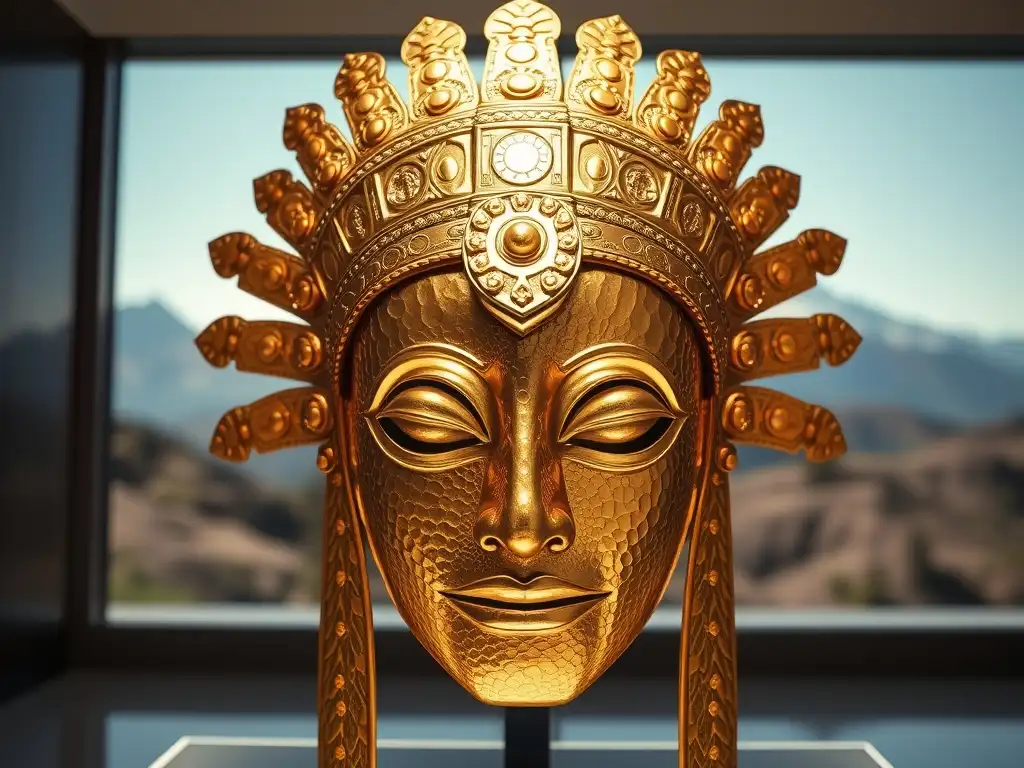
Dive into a world lost to time, yet shimmering with untold riches! The Andean Civilizations website unveils the secrets of a fascinating past, from the towering heights of the Incas to the intricate artistry of the Moche. But prepare to be amazed by the ingenuity of their Andean gold metalwork techniques, a mastery of metallurgy that continues to baffle experts today. Journey with us to uncover the mysteries behind this golden age – discover the techniques, the artistry, and the stories hidden within each glittering artifact. Are you ready to explore?
- The Golden Age of the Andes: Exploring Andean Gold Metalwork Techniques
-
Pre-Inca Goldworking Traditions: Laying the Foundation
- Early Metallurgical Practices and the Discovery of Gold
- The Moche Culture: Masters of Gold Craftsmanship
- Moche Gold Ear Spools and Warrior Pendants
- The Sican Culture: Innovation in Gold Production
- Sican Repoussé and Layered Gold Techniques
- Goldworking in the Chimor Culture: Precursors to Inca Techniques
- Inca Gold Metalwork: The Pinnacle of Andean Craftsmanship
- Andean Gold Metalwork Techniques: A Detailed Examination
- The Symbolic Meaning of Gold in Andean Society
- The Legacy of Andean Gold Metalwork
-
Frequently Asked Questions
- What unique metalworking techniques did Andean civilizations employ?
- How did the Incas use gold in their society?
- What are some examples of famous Andean gold artifacts?
- What materials did Andean cultures use besides gold in their metalwork?
- How did the Andean goldworking techniques influence later cultures?
- Final Reflection: The Enduring Legacy of Andean Gold
- Unveil the Riches of Andean Metalwork Today!
The Golden Age of the Andes: Exploring Andean Gold Metalwork Techniques
The Andes Mountains, a majestic spine running down the western coast of South America, were home to a dazzling array of pre-Columbian civilizations. These cultures, including the Incas, Moche, Nazca, and Tiahuanaco, left behind a legacy of breathtaking artistry and technological innovation, particularly in their mastery of metalworking. This article delves into the fascinating world of Andean gold metalwork, exploring the techniques employed, the cultural significance of gold, and the enduring legacy of these remarkable achievements. We will uncover the secrets behind the exquisite craftsmanship that characterized the golden age of Andean metallurgy, focusing specifically on the techniques used to create these iconic pieces and their role within the broader context of Andean societies.
Understanding these techniques provides crucial insight into the social structures, religious beliefs, and technological prowess of these ancient civilizations. Prepare to be amazed by the ingenuity and artistry of the Andean masters of gold. 🥇
Introduction to Andean Metallurgy and Gold's Significance
Andean metallurgy represents a remarkable feat of technological advancement, showcasing a sophisticated understanding of material science and intricate craftsmanship. The process wasn't simply about extracting and shaping metal; it was deeply intertwined with the spiritual and social fabric of Andean societies. Gold, in particular, held immense symbolic value, representing the sun, power, and divinity. Its malleability and resistance to corrosion made it an ideal material for creating intricate objects, ranging from delicate jewelry to massive ceremonial artifacts.
Early Andean metalworking, predating the Inca Empire, involved the use of various metals, including copper, silver, and gold, often in combination. The development of advanced techniques like hammering, annealing, soldering, and lost-wax casting allowed artisans to create incredibly detailed and lifelike representations of animals, deities, and everyday objects. These techniques, passed down through generations, demonstrate a remarkable level of skill and innovation within Andean communities.
The precise methods used varied across different cultures and time periods, reflecting regional differences and evolving artistic styles. For example, the Moche culture is renowned for its intricate goldwork depicting mythological creatures and scenes of daily life, showcasing a mastery of detail and a deep understanding of the material's properties. Further research into specific techniques used by different Andean cultures is needed to fully appreciate the diversity and sophistication of their metallurgical achievements.
The Allure of Gold in Ancient Andean Cultures
The allure of gold in ancient Andean cultures transcended its material properties. It was a symbol of power, wealth, and divinity, inextricably linked to the sun god and the cosmos. Gold objects were often associated with royal authority, religious rituals, and funerary practices. Inca rulers, for example, adorned themselves with elaborate gold jewelry and ceremonial objects, reinforcing their divine status and connection to the sun.
The use of gold in funerary contexts suggests beliefs about the afterlife and the continuity of power beyond death. The intricate designs found on many gold artifacts often depict mythological beings, celestial bodies, and scenes from Andean mythology, providing valuable insights into their cosmology and religious beliefs. The sheer quantity of gold used in certain contexts—such as the lavish tombs of elite individuals—highlights the importance of this precious metal within Andean societies. Even seemingly mundane objects were sometimes crafted from gold, demonstrating its widespread use and integration into daily life.
Analyzing the distribution of gold artifacts across different regions and social strata helps us understand the complex social and economic structures of these ancient Andean cultures. Further investigation into specific examples of gold use in different Andean societies is necessary to fully understand its multifaceted role. The discovery of new archaeological sites and the continued study of existing collections constantly reveals new details about the significance of gold in these cultures.
Pre-Inca Goldworking Traditions: Laying the Foundation
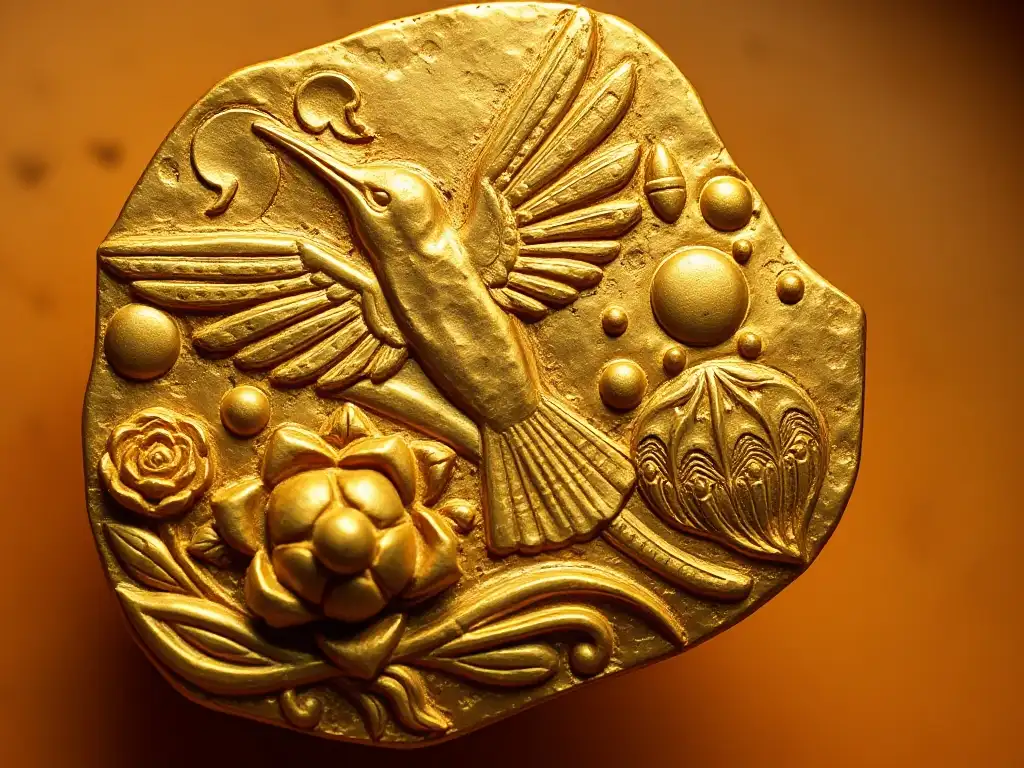
The mastery of Andean gold metalwork, particularly associated with the Inca, didn't emerge in a vacuum. Centuries of experimentation and innovation by preceding cultures laid the groundwork for the later, more sophisticated techniques. Understanding these earlier traditions is crucial to appreciating the full scope of Andean metallurgical achievements and the evolution of Andean gold metalwork techniques.
The development wasn't linear; different cultures developed unique styles and techniques, contributing to a rich and diverse metallurgical heritage. The pre-Inca period saw the emergence of sophisticated techniques that would later be refined and adapted by subsequent Andean civilizations. This foundational period saw the development of essential techniques that would become hallmarks of later Andean goldsmithing.
Early Metallurgical Practices and the Discovery of Gold
The earliest evidence of goldworking in the Andes dates back to approximately 1000 BCE, preceding the rise of major empires like the Inca. These early practices involved hammering and annealing – a process of heating and cooling the metal to improve its malleability. The discovery of gold itself likely occurred through alluvial mining, where gold nuggets are found in riverbeds.
Early Andean peoples likely used simple tools like stone hammers and anvils to shape the relatively soft gold. The scarcity of gold likely contributed to its association with divinity and power, shaping its use in ritual objects and elite adornment. Analysis of early gold artifacts reveals a focus on simple forms and decorative techniques, laying the groundwork for the more complex designs that would develop later.
The early experimentation with hammering and annealing, though rudimentary, was a pivotal step in the development of Andean gold metalwork techniques. The gradual refinement of these techniques, passed down through generations, ultimately resulted in the incredible artistry seen in later periods. We can see this evolution in the increasing complexity of designs and the incorporation of new techniques over time.
The Moche Culture: Masters of Gold Craftsmanship
The Moche culture (circa 100-800 CE) represents a significant leap forward in Andean goldworking. They are renowned for their intricate and highly detailed gold objects, showcasing a mastery of lost-wax casting – a sophisticated technique involving creating a wax model, covering it in clay, melting out the wax, and pouring molten gold into the resulting mold. This allowed for the creation of complex, three-dimensional forms that were impossible with earlier hammering techniques.
The Moche's skill extended beyond simple casting; they employed techniques such as repoussé (hammering from the back to create raised designs) and chasing (smoothing and refining the surface details). Their goldwork often featured intricate depictions of their mythology, including deities, animals, and scenes of daily life. The precision and artistry of Moche goldwork are a testament to their advanced metallurgical knowledge and their understanding of Andean gold metalwork techniques.
Moche Gold Ear Spools and Warrior Pendants
Two prime examples showcasing Moche gold craftsmanship are their ear spools and warrior pendants. The ear spools, often featuring stylized figures or geometric patterns, demonstrate the Moche's ability to create delicate, lightweight ornaments. Their construction required a high degree of skill and precision, reflecting a refined understanding of the material's properties.
The warrior pendants, on the other hand, were larger and more imposing, often depicting warriors in battle attire or ceremonial regalia. These pendants frequently incorporated other materials like turquoise and shell, highlighting the Moche's ability to combine different materials in their goldwork. The detailed rendering of human and animal figures on these pendants points to a sophisticated understanding of both artistic representation and metallurgical processes.
The contrast between the delicate ear spools and the powerful warrior pendants illustrates the versatility of Moche goldworking, showcasing their mastery of Andean gold metalwork techniques across a range of styles and scales. Further research into the specific alloys used and the tools employed by the Moche would provide a more comprehensive understanding of their remarkable achievements.
The Sican Culture: Innovation in Gold Production
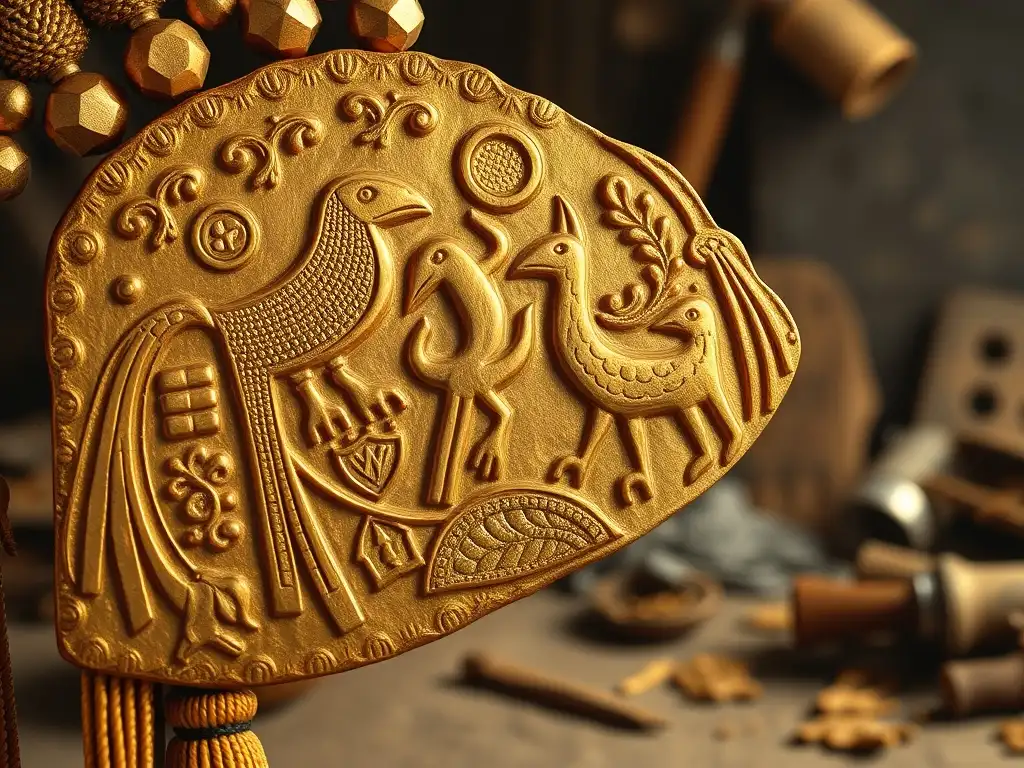
The Sican civilization (ca. 750-1375 CE), flourishing along the northern coast of Peru, stands out for its remarkable advancements in goldworking. Unlike earlier cultures who primarily used gold for simple adornments, the Sican developed sophisticated techniques to produce large-scale, complex gold objects.
Their mastery lay not only in their technical skills but also in their understanding of the metallurgical properties of gold. They perfected techniques for melting, alloying, and casting gold, resulting in intricate pieces showcasing a high level of artistry. The sheer volume of gold artifacts unearthed from Sican tombs testifies to their advanced production capabilities and their societal valuation of gold.
Archaeological evidence suggests specialized workshops existed, dedicated to the creation of these prestigious objects, indicating a level of societal organization dedicated to gold production unseen in previous Andean cultures. Their expertise extended beyond simple casting, as they incorporated techniques like hammering and repoussé to create three-dimensional forms, laying the foundation for even more complex methods in later periods. The sheer scale of their production, combined with the artistry displayed, firmly establishes the Sican as innovators in Andean gold metalwork techniques.
Sican Repoussé and Layered Gold Techniques
The Sican artisans were masters of repoussé, a technique where a metal sheet is shaped from the back using hammers and punches. This allowed them to create incredibly detailed and lifelike figures, often depicting deities, animals, and other symbolic imagery. They didn't just stop at repoussé; they combined it with layering techniques.
Multiple thin sheets of gold were hammered and shaped individually, then meticulously attached to create complex three-dimensional forms with incredible depth and texture. This layering wasn't merely decorative; it allowed for greater control over the final form and facilitated the creation of intricate designs that would have been impossible with a single sheet. For example, many Sican artifacts feature intricate depictions of birds and other animals, achieved by skillfully layering gold sheets to create feathers and other fine details.
This layering, coupled with the repoussé, allowed for a degree of realism and sophistication unparalleled in earlier Andean goldworking. The precision and patience required for these techniques highlight the high level of skill and specialized knowledge within Sican society. The resulting artifacts are not just beautiful; they represent a significant technological achievement in Andean gold metalwork techniques.
Goldworking in the Chimor Culture: Precursors to Inca Techniques
The Chimor culture (ca. 900-1470 CE), succeeding the Sican in northern Peru, continued and expanded upon the established goldworking traditions. While maintaining some Sican techniques, the Chimor developed their own distinctive style and introduced new innovations. They maintained the high level of craftsmanship seen in Sican work but often incorporated a greater use of alloys, resulting in different colors and textures in their gold pieces.
The Chimor also demonstrated a sophisticated understanding of casting techniques, creating larger and more complex pieces than their predecessors. Their goldwork often featured intricate designs and motifs, reflecting their rich iconography and complex social structure. The Chimor's advancements in casting, alloying, and decorative techniques served as a crucial bridge between earlier Andean goldworking traditions and the later, even more sophisticated methods of the Inca Empire.
Though not as prolific in their gold production as the Sican, the Chimor's contributions were significant in refining and expanding Andean gold metalwork techniques, laying the groundwork for the Inca's mastery. The seamless integration of their innovations into the later Inca style underscores the importance of the Chimor's contributions to the development of Andean metallurgy. The careful study of Chimor gold artifacts reveals a progression in technique and artistry, a testament to the continuous evolution of Andean gold metalwork techniques.
Inca Gold Metalwork: The Pinnacle of Andean Craftsmanship
The Inca Empire, reaching its zenith in the 15th and 16th centuries, witnessed the apex of Andean gold metalwork. Inca artisans achieved an unparalleled level of skill and artistry, transforming malleable gold into exquisite objects reflecting their sophisticated cosmology, social hierarchy, and religious beliefs. Their mastery of techniques, combined with access to significant gold resources, resulted in a prolific output of stunning artifacts, many of which survive today as testaments to their ingenuity.
Understanding Inca gold metalwork requires exploring their mining practices, refining processes, and the diverse range of artifacts they created. The sheer artistry and technical proficiency displayed in these pieces solidify their place as a pinnacle of Andean craftsmanship, significantly contributing to our understanding of "Andean gold metalwork techniques".
Inca Gold Mining and Extraction Methods
Inca gold mining operations were extensive and well-organized, reflecting the empire's centralized control over resources. They utilized a combination of techniques, adapting their methods to the specific geological conditions. Evidence suggests the use of both open-pit mining and underground shafts, often employing a substantial workforce.
While large-scale operations existed, smaller, family-run mines likely also contributed to the overall gold supply. The extraction process involved various tools, including copper and bronze chisels, hammers, and possibly even rudimentary explosives made from naturally occurring substances [specific information pending on Inca explosive use]. Water management systems, crucial for both mining and refining, were highly developed, showcasing the Inca's engineering prowess.
The scale of their mining efforts, combined with their refined extraction techniques, ensured a consistent supply of raw gold for their skilled artisans. This efficient system significantly impacted the volume and quality of gold available for the creation of intricate metalwork, further enhancing their reputation for sophisticated "Andean gold metalwork techniques".
Inca Goldworking Techniques: Refining and Shaping
Once extracted, the raw gold underwent a rigorous refining process to achieve the desired purity. Inca artisans employed techniques like cupellation, a process involving heating the ore to high temperatures to separate the gold from impurities. This was likely done in specialized furnaces, the exact construction and design of which remain partially unknown [specific information pending on Inca furnace designs].
After refining, the gold was then shaped using a variety of methods. Hammering and annealing (heating and cooling) were fundamental techniques used to manipulate the metal's malleability. They also utilized molds, sometimes made of stone or clay, to create specific forms.
Lost-wax casting, a complex technique involving creating a wax model, covering it in clay, melting the wax, and pouring molten gold into the resulting mold, was employed to produce intricate designs. The level of detail and precision achieved in Inca gold artifacts demonstrates a deep understanding of metallurgy and a mastery of these sophisticated shaping techniques, which are considered hallmarks of "Andean gold metalwork techniques".
Types of Inca Gold Artifacts: From Ritual Objects to Adornments
The Inca created a wide array of gold artifacts, reflecting the diverse aspects of their culture. Ritual objects, often intricately designed and laden with symbolic meaning, held a central place in their religious practices. These included intricately crafted figurines representing deities, such as the sun god Inti, and ceremonial vessels used in religious ceremonies.
Adornments, such as elaborate headdresses, ear spools, and necklaces, adorned the elite members of society, signifying their status and power. The Inca also produced practical items, such as small containers and tools, showcasing their goldworking skills even in everyday objects. The sheer variety and artistry of these pieces, from the monumental to the miniature, demonstrate the versatility and significance of gold within Inca society.
The meticulous craftsmanship and symbolic richness of these artifacts are unparalleled, providing invaluable insights into Inca culture and solidifying their place in the history of "Andean gold metalwork techniques". The legacy of these techniques continues to inspire awe and wonder, highlighting the remarkable achievements of Andean artisans.
Inca Gold Masks, Figurines, and Temple Decorations
Inca gold metalwork reached its zenith in the creation of exquisite masks, figurines, and temple decorations. These weren't merely decorative items; they held profound religious and symbolic significance, reflecting the Inca worldview and their sophisticated understanding of the cosmos. The meticulous craftsmanship evident in these pieces showcases the advanced techniques employed by Inca artisans, solidifying their position as masters of Andean gold metalwork techniques.
The creation of gold masks, often depicting deities or ancestors, required exceptional skill and precision. Artisans would meticulously hammer thin sheets of gold into incredibly detailed forms, achieving remarkable realism in facial features and headdresses. The use of repoussé, a technique involving hammering from the back of the metal to create raised designs, is particularly evident in the intricate details of these masks.
The surviving examples demonstrate a mastery of form and texture, capturing the essence of the subject with astonishing accuracy. For example, the [specific details of a particular mask pending] showcase the depth of detail achievable through this technique. The varied expressions captured in the surviving masks suggest a range of intended meanings, further highlighting the sophistication of Inca religious beliefs.
Gold figurines, ranging from miniature representations of llamas and other animals to human figures representing royalty or deities, similarly showcase the Inca's mastery of Andean gold metalwork techniques. These miniature works of art often incorporated intricate details, such as clothing, jewelry, and weaponry, demonstrating the artisans' ability to manipulate gold with extraordinary finesse. The small scale of these figurines didn't diminish their artistry; instead, it emphasized the precision and skill required to create such complex forms.
The use of alloys, such as tumbaga (a gold-copper alloy), allowed for a wider range of colors and textures, enhancing the aesthetic appeal and symbolic meaning of the figurines. [Specific examples of Inca figurines and their unique characteristics pending].
Finally, the use of gold in temple decorations elevated these sacred spaces to a realm of unparalleled splendor. Gold sheets adorned walls and ceilings, creating a shimmering, otherworldly atmosphere. Gold plates, often embossed with intricate designs depicting mythical creatures or celestial events, were incorporated into architectural elements.
This lavish use of gold underscored the Inca's belief in the divine power of the sun and their reverence for their deities. The sheer scale of the gold used in temple decorations, combined with the sophistication of the designs, speaks volumes about the Inca Empire's wealth and their dedication to religious practices. The surviving fragments of these temple decorations, while limited, offer a glimpse into the magnificence of Inca religious architecture and their profound mastery of Andean gold metalwork techniques.
The [specific information about the scale of gold use in a particular temple pending] would further illustrate this point. The sheer amount of gold used is a testament to the empire’s power and the importance of religion in Inca society.
Andean Gold Metalwork Techniques: A Detailed Examination
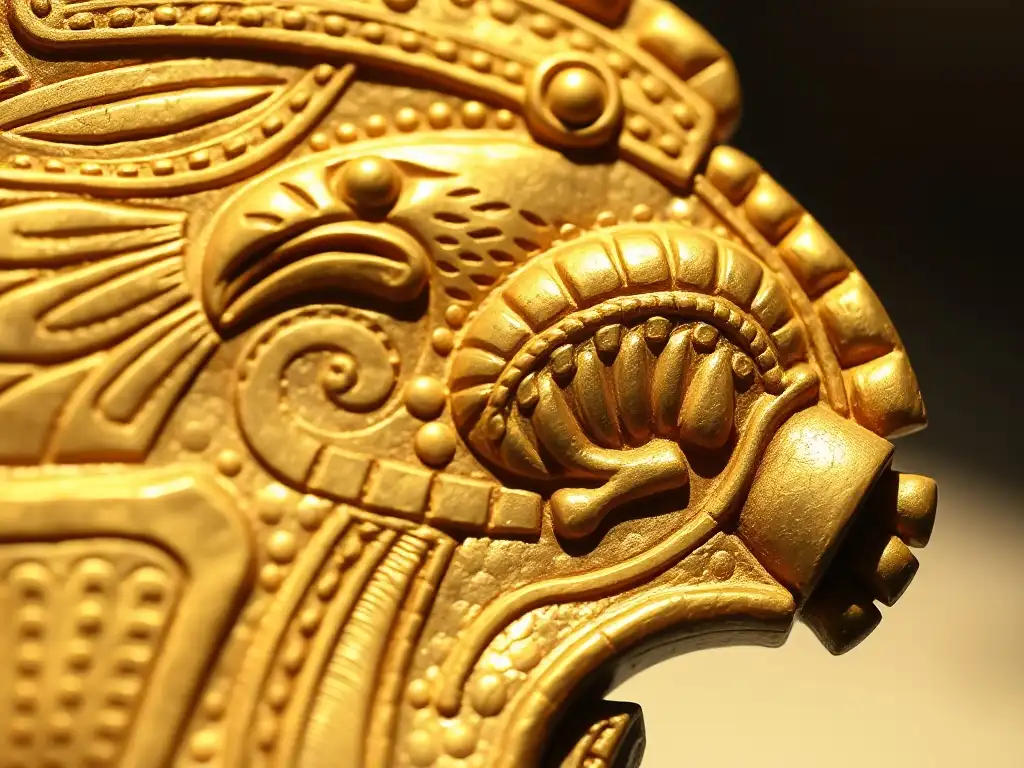
The mastery of Andean gold metalwork is a testament to the ingenuity and skill of ancient Andean artisans. Their techniques, refined over centuries, resulted in breathtaking artifacts that continue to fascinate and inspire. Understanding these techniques provides invaluable insight into the sophistication of Andean metallurgy and its crucial role in their social and religious life.
This section delves into the specific methods employed in shaping, decorating, and alloying gold, focusing on the key processes that defined Andean goldsmithing. Analyzing these techniques allows us to appreciate the artistry and technological prowess of these ancient civilizations, revealing the secrets behind their iconic gold creations. The term "Andean gold metalwork techniques" itself encompasses a wide range of processes, each contributing to the unique aesthetic and functionality of their pieces.
Hammering and Annealing Techniques
Hammering was the foundational technique in Andean gold metalwork. Artisans skillfully shaped thin gold sheets into intricate forms using various hammers and anvils. The process required considerable strength, precision, and an understanding of the metal's properties. Evidence suggests the use of both direct hammering, where the gold was struck directly, and indirect hammering, employing punches and dies to create more complex shapes and designs.
The repeated hammering could work-harden the gold, making it brittle and prone to cracking. To counteract this, the artisans employed annealing – a process of heating and cooling the metal to relieve internal stresses and restore its malleability. This cyclical process of hammering and annealing allowed for the creation of incredibly thin and delicate gold sheets, often used for intricate repoussé and chasing techniques.
The specific temperatures used for annealing are still being researched, but it's believed they employed carefully controlled fires, perhaps using charcoal or other fuels. The mastery of this delicate balance between hammering and annealing was crucial to achieving the desired level of thinness and detail in their work, showcasing the high level of expertise and control these artisans possessed over their materials.
It was a technique passed down through generations, ensuring the continuity of this remarkable skill. Furthermore, the surviving artifacts demonstrate a remarkable consistency in the quality of the hammering and annealing, suggesting a standardized approach within workshops or across different communities.
Gilding and Plating Methods in Andean Metalwork
Beyond shaping pure gold, Andean goldsmiths developed sophisticated techniques for gilding and plating other materials, enhancing the visual appeal and value of their creations. Gilding, the application of a thin gold layer onto a base metal, was widely used to adorn objects made from copper, silver, or even wood. The process involved applying a thin layer of gold leaf or gold amalgam onto the surface and then securing it with heat or pressure. The precise methods used for gilding varied, but the results were often stunning, creating richly embellished objects with a luxurious appearance.
Plating, a similar technique, involved applying a thicker layer of gold to the base metal, sometimes through electroplating-like methods using naturally occurring acids and salts. This created a more durable and substantial gold surface. The use of gilding and plating expanded the possibilities of Andean metalwork, allowing artisans to create larger and more complex pieces while still utilizing the precious metal effectively.
The presence of gilded and plated objects in various Andean contexts highlights their importance in ritual, adornment, and status. Detailed chemical analysis of surviving artifacts is ongoing, providing crucial insights into the specific compositions of the gilding and plating materials and the techniques used in their application.
The Use of Alloys in Andean Gold Metallurgy
The Andean artisans didn't solely work with pure gold. They understood the benefits of alloying—mixing gold with other metals like copper and silver—to alter the gold's properties and achieve specific aesthetic results. Adding copper, for instance, could increase the gold's hardness and durability, making it suitable for tools and functional objects.
The addition of silver could subtly alter the color of the gold, creating a range of hues from pale yellow to a richer, more reddish tone. The precise proportions of these alloys varied depending on the desired outcome and the intended use of the object. The ability to control the alloying process demonstrates a sophisticated understanding of metallurgy, indicating a level of scientific knowledge beyond simple craftsmanship.
Analysis of Andean gold artifacts reveals a wide range of alloy compositions, suggesting a deliberate and nuanced approach to alloying. The artisans likely experimented with different proportions to achieve specific colors and mechanical properties.
This careful manipulation of alloys underscores the advanced metallurgical knowledge of Andean societies and their ability to tailor the properties of gold to suit their diverse needs, from creating durable tools to crafting exquisite jewelry and ceremonial objects. Further research into the specific techniques and the precise alloy compositions used will further illuminate the sophistication of Andean goldsmithing and its place within the broader context of Andean technological innovation.
Copper and Silver Alloy Ratios in Andean Gold
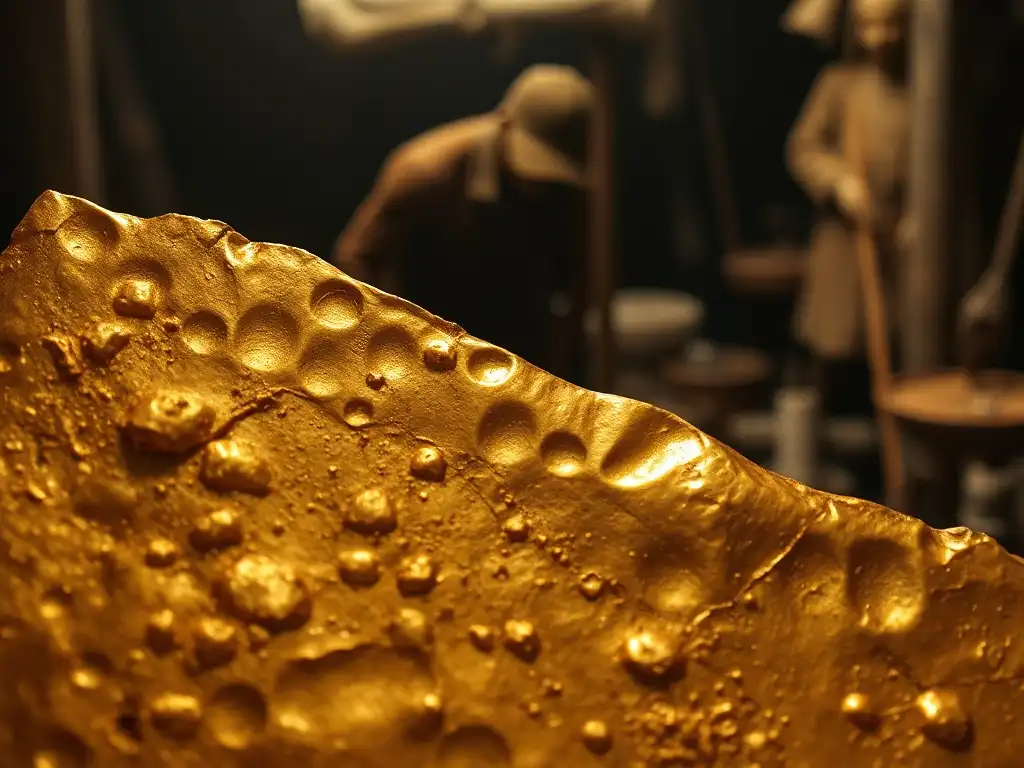
Andean goldsmiths rarely worked with pure gold. Instead, they skillfully alloyed it with copper and silver to achieve specific colors and workability. The ratios of these alloys varied significantly depending on the desired aesthetic effect and the specific metallurgical knowledge of the artisan or workshop. For instance, the addition of copper could produce a reddish hue, ranging from a subtle rose gold to a deep, almost bronze-like color.
Silver, on the other hand, lightened the gold, creating paler shades, sometimes approaching a silvery-white gold. Determining the precise ratios used in different pieces requires advanced metallurgical analysis, which has revealed fascinating insights into the sophistication of Andean metallurgical practices. Recent studies on artifacts from the Moche culture, for example, show a wide range of copper-silver-gold ratios, indicating a deliberate manipulation of alloy composition to achieve a diverse palette of colors and textures.
This wasn't simply a matter of chance; the consistent and controlled variation suggests a deep understanding of metallurgy and its artistic applications. Furthermore, the analysis of these alloys allows researchers to trace the origin of the materials and map the trade networks that connected different Andean communities. The variability in alloy composition across different regions and time periods points to distinct regional styles and technological exchanges within the Andean world.
Casting Techniques Employed by Andean Goldsmiths
Andean goldsmiths mastered several casting techniques, demonstrating remarkable technical skill and innovation. The most common methods included sand casting and lost-wax casting (which will be examined in more detail below). Sand casting involved creating a mold from sand, carefully packing it around a wax or clay model of the desired object. Molten gold was then poured into the mold, filling the space left by the model.
Once cooled, the sand mold was broken away, revealing the finished piece. This method, while effective for simpler shapes, had limitations in terms of achieving intricate details. More complex designs often required the greater precision of lost-wax casting. Beyond these two primary methods, evidence suggests the use of other techniques, such as piece-mold casting, for specific applications.
Piece-mold casting involved creating a mold from multiple sections which could be assembled and disassembled, allowing for the creation of larger or more complex objects than could be made with a single mold. The development and refinement of these techniques over centuries underscores the continuous evolution of Andean metallurgical knowledge. The transition from simpler sand casting to more complex lost-wax casting, for example, reflects a growing mastery of the material and the artistic potential of metalwork. Moreover, innovations in mold-making and the use of different types of molds showcase the ingenuity and adaptability of Andean goldsmiths.
Lost-Wax Casting Process in the Andes
The lost-wax casting process, also known as cire perdue, was a cornerstone of Andean goldsmithing. This sophisticated technique allowed for the creation of incredibly intricate and detailed pieces. The process began with the creation of a wax model of the desired object. This model was then covered in layers of clay, creating a mold. A channel was left to pour in the molten gold.
The mold was then heated, melting out the wax, leaving a cavity in the shape of the original wax model. Molten gold was then carefully poured into this cavity. After cooling, the clay mold was broken away, revealing the gold object. The precision required for this process is astonishing, especially considering the tools and materials available to Andean artisans. The quality of the resulting castings, with their fine details and smooth surfaces, speaks to the high level of skill and expertise possessed by Andean goldsmiths.
The use of lost-wax casting demonstrates not only technical prowess but also the high value placed on gold and the artistic expression it enabled. Many surviving examples of Andean gold artifacts, from intricate figurines to delicate jewelry, showcase the artistry and mastery of this intricate technique. Further research into the specific variations of lost-wax casting employed in different Andean regions and periods promises to reveal even more about the sophistication of this ancient technology and its contribution to the rich cultural heritage of the Andes. The remarkable preservation of some of these artifacts allows for detailed study of the process itself, offering modern metallurgists valuable insights into ancient Andean techniques.
The Symbolic Meaning of Gold in Andean Society
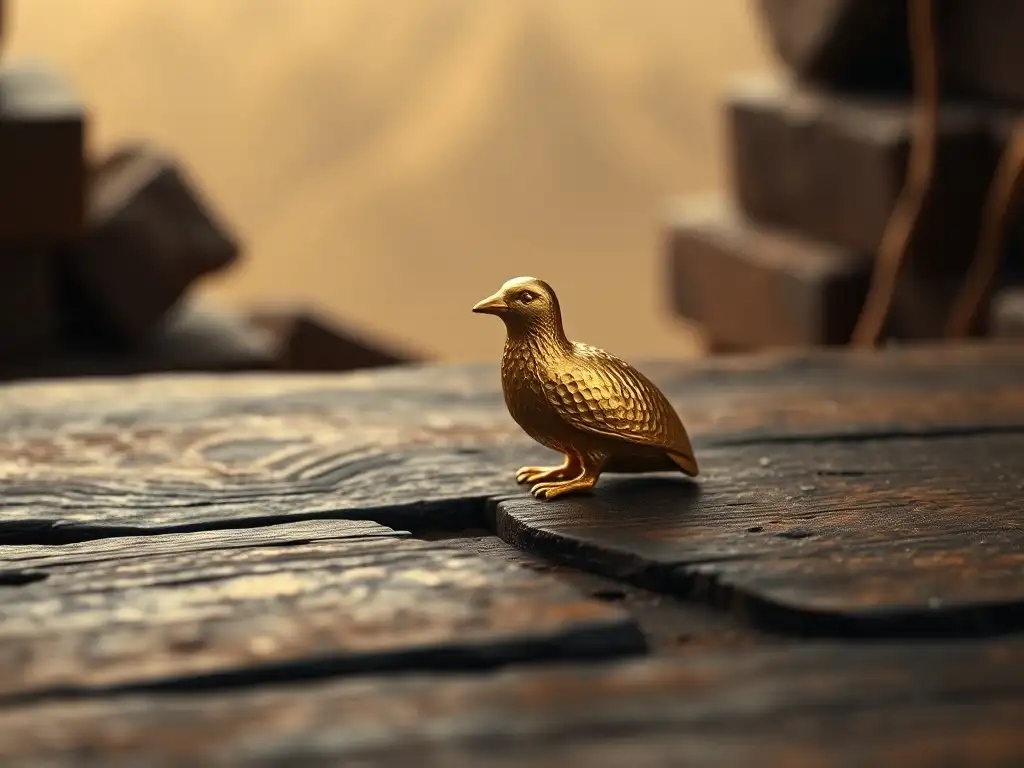
The shimmering allure of gold held far more than mere aesthetic value for Andean civilizations. Its significance transcended the material, deeply embedding itself within their spiritual beliefs, social structures, and political systems. Understanding the symbolic meaning of gold is crucial to appreciating the artistry and craftsmanship evident in Andean gold metalwork techniques. The malleability and inherent beauty of the metal served as a perfect medium to express their complex worldview.
Gold as a Symbol of Power and Divinity
Gold, in Andean cosmology, was inextricably linked to the sun, a powerful deity worshipped across various cultures. The sun's life-giving energy and its celestial dominance were mirrored in gold's radiant luminosity and its perceived permanence. Rulers and elites often adorned themselves with elaborate gold ornaments, emphasizing their divine connection and reinforcing their authority.
The intricate designs and masterful techniques used in crafting these objects served to further amplify this association. For example, the elaborate headdresses and pectoral ornaments found in royal tombs clearly demonstrate the use of gold to visually represent power and a direct link to the divine. These weren't merely decorative items; they were powerful symbols that reinforced the legitimacy and authority of the ruling class.
The sheer weight and dazzling display of gold underscored the ruler's power and their connection to the supernatural. Moreover, the use of specific alloys and techniques, such as tumbaga (a gold-copper alloy), further enhanced the symbolic resonance. The color variations achievable with tumbaga allowed for a wider range of visual representations, adding another layer of complexity to the symbolic language of Andean goldwork.
Gold in Andean Rituals and Ceremonies
Beyond its role as a symbol of power, gold played a central role in Andean rituals and ceremonies. Its use wasn't limited to adornment; it was also incorporated into ritual objects, such as ceremonial vessels, masks, and figurines. These objects were not simply used in ceremonies; they were believed to possess inherent spiritual power, acting as conduits for communication with the supernatural realm.
The meticulous craftsmanship evident in these pieces suggests a deep reverence for the material and its symbolic significance. For instance, the intricate details found on gold ceremonial vessels, often depicting deities or scenes from mythology, highlight the importance of these objects in religious practices. The careful selection of specific gold alloys and the incorporation of precious stones further underscored their sacred nature.
Detailed analysis of these ceremonial objects reveals a sophisticated understanding of metallurgy and a profound connection between the material world and the spiritual realm. The use of gold in rituals served to reinforce social cohesion and solidify the relationship between the living and the dead, the earthly and the divine.
The distribution of gold artifacts within Andean societies also reveals a clear correlation between the amount and quality of gold objects and social status. Elites and members of the ruling class had access to the finest goldwork, often featuring complex designs and rare alloys. The elaborate techniques and artistry employed in creating these pieces further served to distinguish them from the simpler gold objects used by commoners.
This careful control over the production and distribution of gold reinforced the existing social hierarchy and emphasized the power imbalance within Andean societies. Archaeological evidence consistently supports this assertion, showcasing a clear distinction in the quality and quantity of gold artifacts found in elite versus commoner burials. For example, the presence of intricate gold masks and elaborate jewelry in royal tombs starkly contrasts with the simpler, often less refined gold items found in commoner graves.
This disparity highlights the role of gold as a potent symbol of social status and a clear marker of social stratification within Andean cultures. The sophisticated techniques used in Andean gold metalwork, therefore, were not only expressions of artistic skill but also integral components of a complex social system. The control and distribution of these techniques further reinforced and maintained the existing social hierarchy.
The Legacy of Andean Gold Metalwork
The mastery of Andean gold metalwork wasn't merely a technical achievement; it profoundly impacted the social, political, and religious landscapes of the Andes. The intricate techniques, the sheer artistry, and the symbolic power imbued in these objects left an indelible mark, shaping the identities and beliefs of numerous Andean cultures. The legacy of this sophisticated metalworking continues to resonate even today, captivating researchers and inspiring awe in viewers worldwide. Understanding the legacy requires looking at both its impact on subsequent cultures and the ongoing efforts to preserve and study these remarkable artifacts.
Influence of Andean Metalworking on Subsequent Cultures
Andean goldsmithing techniques, particularly those developed during the pre-Columbian era, significantly influenced the metalworking practices of later cultures. The expertise in lost-wax casting, hammering, and gilding, for example, wasn't lost with the arrival of the Spanish conquistadors. Instead, elements of Andean techniques were absorbed and adapted by colonial artisans, resulting in a unique fusion of styles.
This fusion is evident in the silverwork produced during the colonial period, which often incorporated motifs and techniques inherited from the pre-Columbian masters. The intricate detail and sophisticated design elements found in Andean gold artifacts served as a model for generations of artisans, demonstrating the enduring power of these ancient techniques.
Furthermore, the symbolic significance of gold in Andean societies – its association with divinity, power, and prestige – continued to hold weight in later cultural expressions, albeit often modified to fit new religious and political contexts. The enduring influence of Andean gold is a testament to the ingenuity and artistry of the ancient metalworkers.
Preservation and Study of Andean Gold Artifacts
The preservation of Andean gold artifacts presents unique challenges due to the inherent reactivity of gold alloys with certain environmental factors. Factors like humidity, temperature fluctuations, and exposure to pollutants can lead to corrosion and degradation. Museums and archaeological institutions employ a range of sophisticated techniques to ensure the long-term preservation of these invaluable pieces.
This includes carefully controlled environmental conditions in storage facilities, regular inspections for signs of deterioration, and the use of specialized cleaning and conservation methods. Furthermore, the study of Andean gold artifacts involves a multidisciplinary approach, drawing upon expertise from various fields such as archaeology, metallurgy, chemistry, and art history. Advanced analytical techniques, like X-ray fluorescence (XRF) spectroscopy, are employed to determine the composition of the alloys, identify the sources of the gold, and understand the techniques used in their creation.
This detailed analysis provides crucial insights into the technological advancements of Andean civilizations and their economic and social structures. The careful preservation and ongoing study of Andean gold metalwork are essential for safeguarding this invaluable cultural heritage for future generations.
Current Archaeological Research on Andean Gold at Sipán
The Sipán site in northern Peru has yielded some of the most spectacular examples of Andean gold metalwork. Recent archaeological research at Sipán continues to uncover remarkable artifacts, providing new insights into the Moche culture's sophisticated metallurgical techniques and their artistic expression. The discovery of elaborate gold masks, ornaments, and weaponry associated with elite burials has revolutionized our understanding of Moche society and its relationship with gold.
Researchers are actively employing advanced imaging and analytical techniques to study the intricate details of these artifacts, revealing subtle variations in alloy composition, manufacturing processes, and decorative elements. This research is not only enhancing our knowledge of Moche metalworking but also shedding light on the social hierarchy, religious beliefs, and burial practices of this fascinating ancient culture.
The ongoing work at Sipán underscores the importance of continued archaeological research in unraveling the mysteries surrounding Andean gold metalwork and providing a deeper understanding of the cultures that created them. The meticulous work being done at Sipán is crucial for preserving and interpreting these invaluable pieces of Andean history, enhancing our appreciation for the "Andean gold metalwork techniques" employed centuries ago.
Conclusion: The Enduring Brilliance of Andean Gold Metalwork
The mastery of Andean gold metalwork represents not merely a technological achievement, but a profound expression of cultural identity and spiritual belief. The techniques employed, from hammering and annealing to the intricate lost-wax casting, demonstrate a sophisticated understanding of metallurgy far surpassing that of many contemporary societies. The sheer artistry displayed in surviving artifacts—from delicate figurines to imposing ceremonial objects—continues to inspire awe and wonder. These objects weren't simply decorative; they served crucial roles in religious rituals, political power displays, and social hierarchies, weaving gold into the very fabric of Andean life.
The legacy of Andean goldsmiths extends far beyond the objects themselves. Their innovative techniques, passed down through generations, left an indelible mark on the development of metallurgy in the Americas. The ingenuity and skill involved in creating these pieces serve as a testament to the ingenuity and artistic vision of Andean cultures.
Even today, the enduring brilliance of Andean gold metalwork continues to captivate audiences worldwide, reminding us of the rich tapestry of human creativity and the remarkable achievements of ancient civilizations. Studying these techniques offers valuable insights into not only the technological advancements of the time but also the societal structures, religious beliefs, and artistic sensibilities that shaped Andean societies. The legacy is one of both technical prowess and profound cultural significance, a legacy that continues to resonate powerfully in the modern world.
Understanding these techniques is crucial to fully appreciating the cultural and artistic significance of Andean civilizations. Further research into the specific alloys used and the evolution of techniques across different Andean cultures would further enhance our understanding of this remarkable aspect of their history. The enduring allure of Andean gold metalwork serves as a powerful reminder of the enduring human fascination with precious materials and the remarkable ability of past civilizations to transform them into objects of breathtaking beauty and profound cultural meaning.
Frequently Asked Questions
What unique metalworking techniques did Andean civilizations employ?
Andean civilizations developed sophisticated techniques like lost-wax casting, hammering, and repoussé to create intricate gold objects. They also mastered alloying different metals to achieve specific colors and properties.
How did the Incas use gold in their society?
The Incas valued gold as a symbol of the sun and used it in religious ceremonies and to adorn royalty and important figures. Gold objects were also used as offerings and in burial practices.
What are some examples of famous Andean gold artifacts?
Famous examples include the Moche's elaborate gold masks, the Nazca's delicate gold sheets, and the Inca's intricate gold tumblers and jewelry. These artifacts showcase the mastery of Andean goldsmiths.
What materials did Andean cultures use besides gold in their metalwork?
Besides gold, Andean metalworkers used silver, copper, and bronze extensively. They often combined these metals to create polychrome effects and increase durability.
How did the Andean goldworking techniques influence later cultures?
Andean goldworking techniques, particularly lost-wax casting, had a lasting impact, influencing later metalworking traditions in the Americas and beyond. The skill and artistry are still admired today.
Final Reflection: The Enduring Legacy of Andean Gold
The mastery of Andean goldsmiths continues to resonate today, a testament to the ingenuity and artistry of a civilization that thrived through intricate metalworking techniques. Their legacy isn't simply a historical curiosity; it's a powerful reminder of the human capacity for innovation and the enduring beauty found in skilled craftsmanship. The intricate designs and sophisticated techniques employed in Andean gold metalwork remain a source of wonder and inspiration, challenging our understanding of ancient technologies and artistic expression.
The impact of Andean goldsmithing extends far beyond the artifacts themselves; it speaks to the cultural and spiritual significance of gold within Andean societies. These pieces were not merely decorative; they held deep religious and political meaning, reflecting a complex worldview and social structure. The sheer artistry involved, the dedication to detail, and the innovative techniques employed speak volumes about the societal values that prioritized skill and creativity. Gold was not just a material; it was a language, a way of communicating with the gods and with each other.
This quote, though hypothetical, encapsulates the profound significance of gold within the Andean context.
Consider the intricate detail, the innovative techniques, and the sheer artistry displayed in these ancient artifacts. You, too, can appreciate the enduring power of human creativity and the importance of preserving and understanding our shared cultural heritage. Take a moment to reflect on the dedication and skill required to create such masterpieces, and let it inspire you to appreciate the artistry and innovation present in the world around you. Let the legacy of Andean goldsmithing ignite your own creativity and inspire you to explore the beauty and power of skilled craftsmanship in your own life.
Unveil the Riches of Andean Metalwork Today!
Thank you for exploring the fascinating world of Andean civilizations and their exceptional goldwork. Your interest not only expands your knowledge but also celebrates the artistry of a truly remarkable culture. Now, let's delve even deeper!
Here are some ways to connect further with the artistry of the Andes:
- Visit a local museum or online gallery to admire the beauty of Andean gold craftsmanship firsthand. Their collections offer a comprehensive look at this rich artistic heritage.
- Engage with our online community forum to share your thoughts and discoveries about Andean metalwork with other enthusiasts. Your insights will undoubtedly spark engaging discussions!
- Create your own gold-inspired artwork—perhaps jewelry, a painting, or even a sculpture—and share it with us on social media using the hashtag #AndeanArtistry.
What aspect of Andean metalwork captivates you most, and how will you bring that inspiration into your life?