
The Andean Diet: Online Exploration of Ancient Agriculture and Cuisine

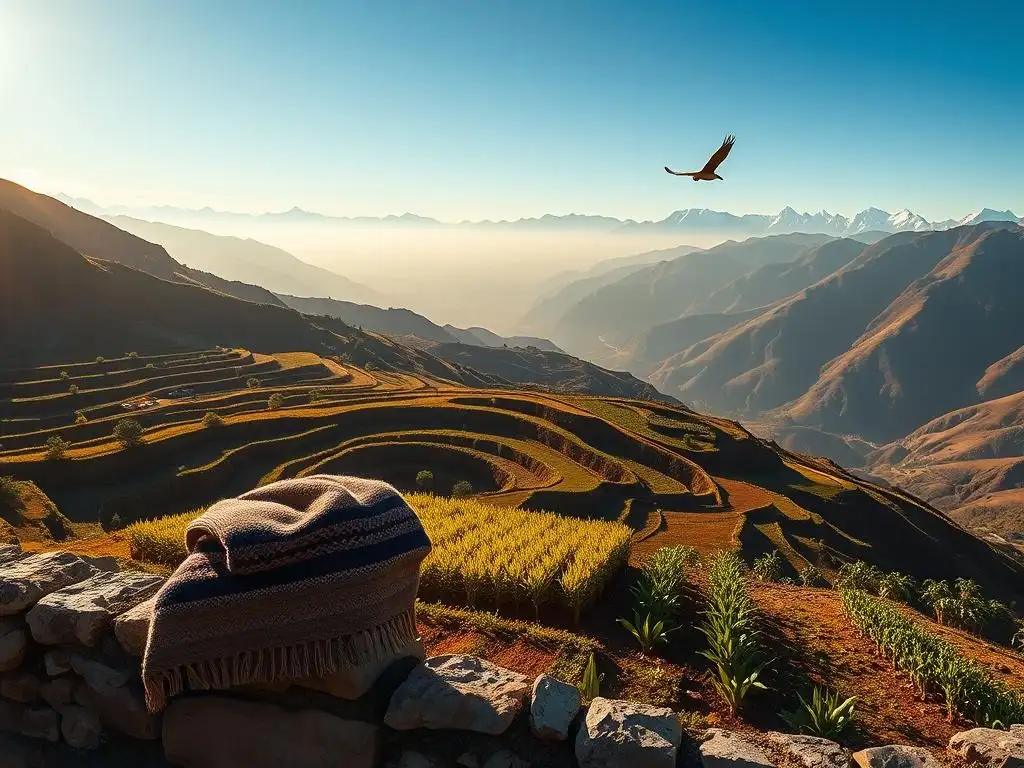
Uncover the secrets of a lost world—a world where ingenuity thrived amidst towering peaks and breathtaking landscapes. Journey with us into the heart of the ancient Andes, where civilizations flourished, leaving behind a legacy far richer than gold. But what fueled their remarkable achievements? Delve into the fascinating world of the ancient Andean diet, and discover how their innovative agricultural practices and unique cuisine shaped their empires. Prepare to be amazed by the ingenuity and resilience of these extraordinary people.
- Unveiling the Secrets of the Ancient Andean Diet
- Online Courses: Your Gateway to the Andean Culinary World
- Discovering Key Components of the Ancient Andean Diet
- Monetization Opportunities: Enhancing Your Andean Culinary Experience
- The Modern Relevance of the Ancient Andean Diet
- Frequently Asked Questions
- Final Reflection: Echoes of the Andes: A Legacy of Sustainable Living
- Embark on Your Andean Culinary Adventure!
Unveiling the Secrets of the Ancient Andean Diet
The ancient Andean civilizations, renowned for their intricate social structures, breathtaking architecture, and sophisticated art, also possessed a remarkable understanding of agriculture and cuisine. Their ability to thrive in diverse and challenging Andean environments – from arid coastal deserts to high-altitude mountain ranges – was intrinsically linked to their innovative farming techniques and diverse dietary practices. This article delves into the fascinating world of the ancient Andean diet, exploring the ingenuity of their agricultural systems and the unique culinary traditions that sustained these remarkable societies for centuries.
We will examine the key crops, food preparation methods, and the social and cultural significance of food within the context of different Andean cultures, including the Incas, Moche, Nazca, and Tiahuanaco. This exploration will not only shed light on the nutritional aspects of their diet but also reveal valuable insights into their worldview, social organization, and overall adaptation to their environment.
Understanding the ancient Andean diet is key to comprehending the remarkable achievements and resilience of these civilizations. Prepare to embark on a culinary journey through time, uncovering the secrets behind their agricultural prowess and the delicious complexities of their foodways!
Why Explore the Pre-Columbian Foodways?
Understanding the ancient Andean diet offers a unique window into the past, allowing us to appreciate the ingenuity and adaptability of these cultures. By studying their agricultural practices and food consumption patterns, we gain a deeper understanding of their societal structures, economic systems, and relationship with the environment. For example, the sophisticated irrigation systems developed by the Nazca, allowing them to cultivate crops in the arid coastal regions, speak volumes about their technological capabilities and resource management.
Similarly, the Inca's emphasis on mit'a, a system of labor reciprocity, highlights the societal importance of agricultural production and food distribution. Exploring pre-Columbian foodways also allows us to appreciate the biodiversity of Andean crops and their nutritional value. Many of these crops, such as potatoes, quinoa, and maize, remain staples in the Andean diet today, and their cultivation and consumption continue to shape the region's culinary landscape.
The study of ancient Andean food is not just a historical pursuit; it holds practical implications for contemporary agriculture, nutrition, and sustainable food systems. It allows us to learn from the past to build a more resilient and equitable food future. Furthermore, understanding the ancient Andean diet provides a fascinating contrast to modern dietary habits, encouraging reflection on our own relationship with food and its cultural significance.
Understanding the Importance of Ancient Andean Agriculture
The success of the Andean civilizations hinged on their mastery of agriculture. Facing diverse and challenging terrains, these societies developed innovative farming techniques adapted to the specific conditions of their respective regions. Terracing, for instance, was a widespread practice, allowing for the cultivation of crops on steep slopes by creating level platforms. This technique not only increased arable land but also reduced soil erosion and water runoff.
The development of sophisticated irrigation systems, such as the intricate canal networks built by the Nazca and the Inca, allowed for the cultivation of crops in arid regions, demonstrating a remarkable understanding of water management. The importance of agriculture is also reflected in the religious beliefs and rituals of these societies. Many Andean cultures viewed agriculture as a sacred activity, with deities associated with fertility and harvests. Agricultural practices were often intertwined with religious ceremonies, highlighting the deep connection between food production and spiritual life.
The cultivation of diverse crops, including potatoes, quinoa, maize, beans, and various fruits and vegetables, not only provided nutritional diversity but also ensured resilience against crop failures. This diversification played a crucial role in ensuring food security and the stability of Andean societies. The ingenuity of their agricultural practices serves as a testament to their profound understanding of their environment and their ability to adapt and innovate.
Online Courses: Your Gateway to the Andean Culinary World
This section explores the diverse online learning opportunities available to delve deeper into the fascinating world of the ancient Andean diet. We'll highlight specific courses and resources that offer engaging and informative explorations of Andean culinary history, agriculture, and food preparation techniques. Understanding the ancient Andean diet provides crucial insights into the ingenuity and resilience of these civilizations, revealing how they thrived in challenging environments through innovative agricultural practices and dietary choices. These online courses cater to various learning styles and levels of expertise, making the rich tapestry of Andean food heritage accessible to everyone.
Introduction to Andean Culinary History: "Andean Food Heritage: A Journey Through Time"
This introductory course provides a comprehensive overview of the evolution of Andean cuisine, tracing its roots from pre-Inca societies to the Inca Empire and beyond. The course utilizes a chronological approach, examining how dietary habits and agricultural techniques changed over time in response to environmental factors, population growth, and cultural exchanges. Emphasis is placed on the significance of food in Andean social structures, religious ceremonies, and daily life.
Expect detailed analyses of archaeological evidence, including depictions of food preparation in pottery and textiles, alongside interpretations of ethnobotanical data. The course also explores the impact of the Spanish conquest on the Andean diet, highlighting both the continuity and the disruption of traditional foodways. Students will gain a nuanced understanding of how the ancient Andean diet shaped the cultural identity of the Andean region and continues to influence contemporary culinary traditions.
The course culminates in a project where students create a virtual museum exhibit showcasing a specific aspect of Andean culinary history. Think of it as a delicious journey through time!
Deep Dive into Andean Crops: A Practical Guide to Quinoa, Potatoes, and More
This advanced course focuses on the incredible diversity of crops cultivated by the ancient Andean civilizations. It’s a hands-on exploration of the agricultural techniques and the nutritional value of these remarkable plants. The course is structured to provide a detailed understanding of the key crops that formed the foundation of the ancient Andean diet.
We’ll examine the sophisticated agricultural practices employed by Andean farmers, including terracing, irrigation systems, and crop rotation, which allowed them to cultivate a wide variety of crops in diverse ecological zones. The course materials include high-resolution images and videos showcasing the remarkable biodiversity of Andean crops.
Learn about the varieties of ancient Andean potatoes and their uses.
The humble potato, a staple of the Andean diet for millennia, is far more diverse than most people realize. This section explores the astonishing variety of potato species cultivated by the ancient Andeans, exceeding 7,000! We will examine their diverse shapes, sizes, colors, and flavors, and how these variations were adapted to different altitudes and microclimates. We'll discuss the various culinary uses of these potatoes, from boiling and roasting to fermentation and processing into chuño (freeze-dried potatoes).
The course includes detailed descriptions of traditional Andean potato dishes, providing recipes and nutritional information. We’ll also explore the ongoing efforts to preserve and promote the biodiversity of Andean potatoes in the face of modern agricultural practices. This section is a true celebration of the potato's incredible adaptability and cultural significance.
Discover the nutritional power of quinoa and other Andean grains.
This section delves into the nutritional benefits of quinoa and other lesser-known Andean grains such as amaranth and kiwicha. We’ll analyze their protein content, amino acid profiles, and vitamin and mineral composition, highlighting their importance in providing a balanced and nutritious diet for ancient Andean populations. We will compare the nutritional value of these grains with modern staples, demonstrating their superiority in terms of essential nutrients. The course will further explore the various ways these grains were prepared and incorporated into traditional Andean dishes.
We’ll also discuss the growing global interest in these superfoods and their potential to contribute to food security and sustainable agriculture. The section concludes with a discussion of the ongoing research into the health benefits of Andean grains and their potential role in preventing chronic diseases. This is a chance to appreciate the nutritional wisdom embedded within the ancient Andean diet.
Mastering Andean Cooking Techniques: "Sacred Flavors: Mastering Traditional Andean Cuisine"
This online course, "Sacred Flavors," delves deep into the art of traditional Andean cooking, offering a unique opportunity to understand and recreate the culinary heritage of these remarkable civilizations. We move beyond simple recipes; we explore the why behind the techniques, the cultural significance of ingredients, and the historical context that shaped Andean cuisine for millennia. The course is designed for all levels, from complete beginners eager to learn basic techniques to experienced cooks seeking to refine their skills and expand their culinary repertoire.
We emphasize the importance of sourcing high-quality, authentic ingredients whenever possible, mirroring the practices of ancient Andean communities who valued sustainable and ethical food production. This isn't just about cooking; it's about connecting with a rich cultural legacy.
Explore traditional cooking methods passed down through generations.
The Andean region boasts a diverse range of cooking methods, many of which have remained largely unchanged for centuries. "Sacred Flavors" meticulously explores these techniques, from the ancient art of pachamanca (earth oven cooking) – a method that involves heating stones underground to cook food – to the intricate process of preparing chicha, a fermented corn beverage that held significant ceremonial importance.
We examine the use of various cooking vessels, including clay pots and traditional Andean hearths, highlighting their impact on both the flavor and texture of the food. Through detailed video demonstrations and step-by-step instructions, you'll learn how to replicate these methods in your own kitchen, ensuring an authentic Andean culinary experience.
We also discuss the subtle differences in cooking techniques across various Andean cultures, emphasizing the regional variations that contribute to the rich tapestry of Andean gastronomy. For instance, the preparation of potatoes varies significantly depending on the altitude and specific variety of potato used.
Recreate authentic Andean recipes from the comfort of your kitchen.
This course provides access to a curated collection of authentic Andean recipes, each carefully researched and meticulously documented. From hearty stews featuring quinoa, potatoes, and various Andean grains to flavorful dishes incorporating unique herbs and spices, you'll learn to prepare a wide range of traditional meals. We provide detailed ingredient lists, specifying both common and less familiar Andean ingredients, along with sourcing tips to ensure the highest quality.
Recipes are designed with modern kitchens in mind, offering adaptable instructions to accommodate various levels of culinary expertise and equipment availability. We also provide valuable insights into the nutritional benefits of Andean ingredients, emphasizing their importance in a healthy and balanced diet.
Imagine recreating a traditional Inca feast, or preparing a celebratory chicha for a special occasion – all from the comfort of your own kitchen, thanks to the detailed guidance provided in "Sacred Flavors." The course also includes a vibrant community forum where students can share their culinary creations, ask questions, and connect with fellow food enthusiasts.
Discovering Key Components of the Ancient Andean Diet
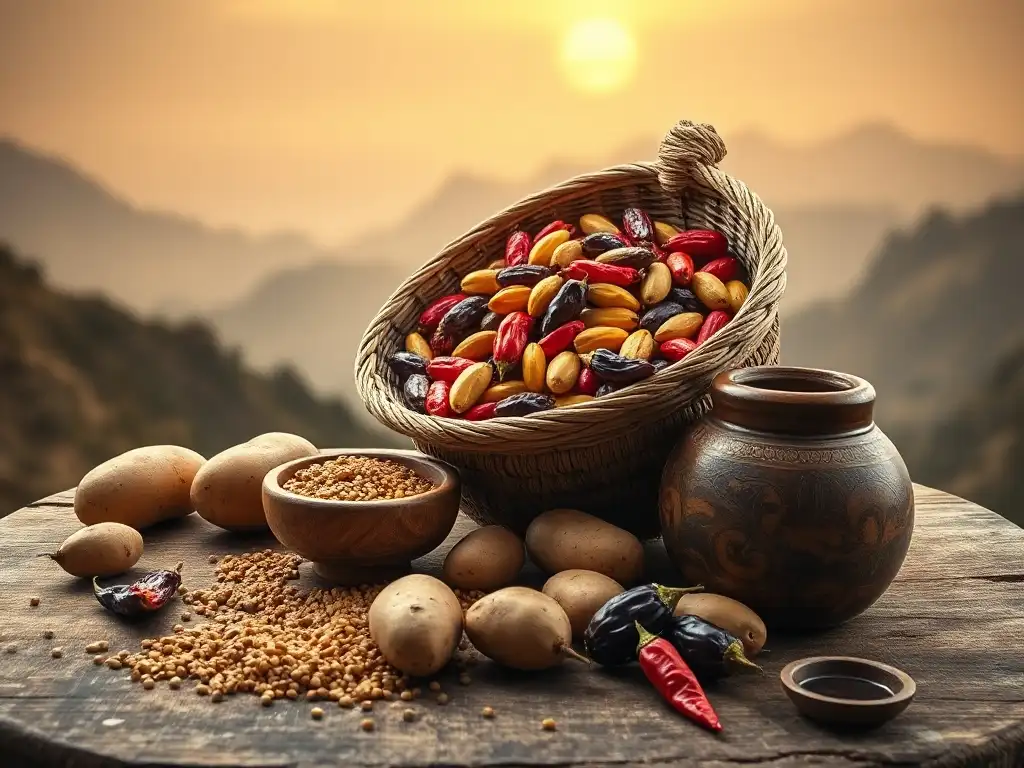
The ancient Andean diet, a testament to the ingenuity and adaptability of Andean civilizations, was far more diverse and sophisticated than many realize. Understanding this diet is crucial to comprehending the sustainability and resilience of these cultures. Their agricultural practices, honed over millennia, yielded a remarkable array of crops, forming the basis of a nutritionally complete and flavorful cuisine.
This section delves into the key components of this fascinating ancient Andean diet, exploring the staple foods and the lesser-known but equally important tubers and roots that sustained these impressive societies. The keyword "ancient Andean diet" is central to understanding their lifestyle and achievements. Variations like "Andean ancient food" or "pre-Columbian Andean cuisine" are also relevant for SEO purposes.
The Staple Foods of the Andes: A Foundation of Flavor and Nutrition
The Andean diet wasn't just about survival; it was about thriving. Three primary crops formed the foundation of their culinary landscape, providing essential carbohydrates, proteins, and vitamins: potatoes, quinoa, and corn. These staples, cultivated with remarkable skill and understanding of Andean ecosystems, were integral to the social, economic, and religious life of the people.
Potatoes: More than just a side dish – the cornerstone of the Andean diet.
Potatoes 🥔, Solanum tuberosum, are synonymous with Andean cuisine. Far from the limited varieties found in modern supermarkets, the ancient Andes boasted an astonishing diversity of potato species, each with unique characteristics in terms of size, color, taste, and nutritional content. Archaeological evidence suggests that potato cultivation began in the Andes thousands of years ago, long before the arrival of Europeans.
The Inca, for example, cultivated hundreds of potato varieties, adapting them to diverse altitudes and microclimates. These weren't just eaten boiled or roasted; they were also processed into chuño (freeze-dried potatoes) and other forms for preservation, ensuring food security throughout the year. The nutritional profile of the potato, rich in carbohydrates, vitamins, and minerals, made it a cornerstone of the ancient Andean diet, contributing significantly to the health and well-being of the population.
Quinoa: The ancient superfood making a global comeback.
Quinoa ( Chenopodium quinoa), another Andean staple, is now recognized globally as a "superfood." This remarkable grain, a complete protein containing all nine essential amino acids, was a vital part of the ancient Andean diet. Its adaptability to harsh conditions, including high altitudes and poor soils, made it a crucial crop for sustaining large populations.
Inca mythology often associated quinoa with fertility and abundance, reflecting its significance in their agricultural practices and society. Beyond its nutritional value, quinoa was also used in various culinary preparations, from porridges and soups to breads and even fermented beverages. Its versatility and nutritional richness cemented its place as a staple in the ancient Andean diet and continues to make it a popular choice today.
Corn: From sacred offerings to daily bread.
Corn ( Zea mays), though not native to the Andes in its current form, was domesticated and widely cultivated in the region centuries before the arrival of Europeans. It became deeply intertwined with Andean culture, playing a significant role in religious ceremonies and daily life. Different varieties of corn, each with specific characteristics, were grown at different altitudes and used for various purposes, from making chicha (a fermented corn beverage) to preparing humitas (steamed corn cakes).
The nutritional contribution of corn to the ancient Andean diet, supplying carbohydrates and essential nutrients, cannot be overstated. Its incorporation into various forms and its importance in ritual contexts underscore its central role in Andean life.
Andean Tubers and Roots: A Diverse Range of Flavor Profiles
Beyond the "big three," the ancient Andean diet embraced a remarkable diversity of tubers and roots. These lesser-known crops contributed significantly to the nutritional complexity and culinary richness of the Andean civilizations. Their cultivation demonstrated a profound understanding of Andean ecosystems and agricultural techniques.
Oca, Yacon, and Mashua: Unlocking the potential of lesser-known tubers.
Oca ( Oxalis tuberosa), yacon ( Smallanthus sonchifolius), and mashua ( Tropaeolum tuberosum) represent just a fraction of the incredible variety of tubers and roots cultivated in the ancient Andes. Each offers a unique flavor profile and nutritional contribution. Oca, with its sour-tangy taste, was often prepared as a sweet treat or added to stews to enhance flavor.
Yacon, characterized by its sweet and refreshing taste, was consumed fresh or used in the preparation of beverages. Mashua, with its slightly spicy flavor, was valued for its nutritional content and adaptability to harsh growing conditions. These are just a few examples highlighting the incredible biodiversity of the ancient Andean diet and the sophisticated agricultural practices that supported it.
Further research is needed to fully understand the role of these and other lesser-known crops in the ancient Andean diet and their contribution to the health and well-being of Andean populations. [Specific data on nutritional content of Oca, Yacon, and Mashua pending].
Legumes and Protein Sources: The Backbone of Andean Nutrition
The ancient Andean diet relied heavily on legumes and other protein sources to sustain its population. These weren't simply supplementary foods; they formed the very backbone of their nutritional intake, providing essential amino acids and vital energy for daily life. The ingenuity of Andean agriculture in cultivating these crops in challenging terrains is a testament to their sophisticated understanding of both farming and nutrition.
The high altitude and varied climates of the Andes presented significant challenges, but Andean farmers adapted remarkably well, developing diverse techniques to maximize yields and ensure food security. This included terracing, irrigation systems, and a deep knowledge of which crops thrived in specific microclimates.
The success of these methods is clearly evidenced by the relatively large populations supported by these agricultural practices. The importance of these protein sources in the daily lives of Andean people is reflected in their cultural practices and religious beliefs, where certain legumes and grains held significant symbolic value.
Beans and Lupins: Ancient sources of plant-based protein.
Beans, in their many varieties, were a staple crop across the Andes. From the small, dark beans favored in some regions to the larger, lighter varieties grown in others, beans provided a crucial source of protein and essential nutrients. Their versatility allowed them to be incorporated into a wide range of dishes, from hearty stews to simple side dishes.
Archaeological evidence consistently reveals the presence of beans in ancient Andean settlements, highlighting their importance throughout different periods and cultures. Similarly, lupins, another important legume, were cultivated extensively. These provided a valuable alternative protein source, adding diversity and nutritional complexity to the Andean diet.
Lupins are particularly resilient crops, capable of thriving in harsh conditions, further underscoring the adaptability of Andean agricultural practices. The cultivation of beans and lupins wasn't merely a matter of subsistence; it was an integral part of a complex agricultural system that allowed for a varied and nutritious diet. The knowledge and techniques surrounding their cultivation were passed down through generations, ensuring food security for Andean communities.
Fruits and Vegetables: A Vibrant Palette of Andean Flavors
Beyond legumes and grains, the ancient Andean diet boasted a vibrant array of fruits and vegetables, showcasing the incredible biodiversity of the region. This diversity wasn't merely a matter of culinary preference; it was a crucial element of a balanced and nutritious diet. The varied climates and altitudes of the Andes provided a unique environment for a wide range of plants to flourish, offering a rich palette of flavors and nutrients.
From the high-altitude potatoes to the lower-altitude fruits, the Andean people skillfully cultivated a diverse range of crops to meet their nutritional needs. This understanding of agricultural diversity was essential for survival and contributed significantly to the health and well-being of Andean populations. The variety in fruits and vegetables offered not only a diversity of taste and texture but also a wide spectrum of vitamins, minerals, and antioxidants crucial for a healthy diet.
Tomatoes, peppers, and other Andean produce: Exploring the biodiversity.
Tomatoes and peppers, now staples in cuisines worldwide, originated in the Andes and played a significant role in the ancient Andean diet. These crops provided essential vitamins and antioxidants, contributing to a healthy and balanced diet. Numerous varieties of tomatoes and peppers existed, each uniquely adapted to specific altitudes and climates.
The cultivation of these crops, alongside other Andean produce like squash, quinoa, and various tubers, showcases the sophisticated agricultural knowledge of ancient Andean societies. This biodiversity wasn't just about sustenance; it was about ensuring nutritional security and resilience against crop failure. The diverse range of produce also allowed for a variety of preparations and culinary traditions, reflecting the rich cultural heritage of the Andes.
The ancient Andean people's deep understanding of their environment and their ability to exploit its biodiversity is a testament to their remarkable agricultural skills and their profound connection with their land. The legacy of this diverse and nutritious diet continues to influence Andean cuisine today.
Monetization Opportunities: Enhancing Your Andean Culinary Experience
This section explores potential revenue streams for expanding the reach and impact of our "Ancient Andean Diet" online course and educational resources. By offering premium content and supplementary materials, we can not only enhance the learning experience for our users but also generate sustainable income to support future development and research into ancient Andean foodways. This strategy focuses on providing value-added experiences for those interested in learning more about the fascinating ancient Andean diet and its enduring legacy.
Expanding beyond the foundational course, we can introduce premium online courses that delve deeper into specific aspects of ancient Andean cuisine and culinary practices. These advanced courses will cater to a more specialized audience eager to learn advanced techniques and recipes. The premium model allows us to offer more personalized instruction, higher-quality video content, and exclusive access to experts in the field. This targeted approach allows for a more sustainable and profitable business model compared to a solely free-content strategy.
"Andean Culinary Mastery: Advanced Techniques and Recipes": Access exclusive content and chef-led tutorials.
This flagship premium course will offer in-depth instruction on advanced techniques such as preparing chicha, mastering the art of Andean bread making (like humintas), and understanding the nuances of traditional Andean fermentation processes. The course will feature high-definition video tutorials led by experienced chefs specializing in authentic Andean cuisine. Students will gain access to exclusive recipes, detailed ingredient sourcing guides, and a supportive online community where they can share their experiences and ask questions.
We project a strong demand for this premium course given the growing interest in authentic and sustainable culinary practices. The curriculum will be carefully structured to build upon the foundational knowledge provided in the free course, ensuring a seamless learning progression. We will also incorporate quizzes and assignments to reinforce learning and provide personalized feedback to students.
Specialized Recipe Ebooks: "The Andean Pantry: A Collection of Authentic Recipes"
Another lucrative avenue for monetization is the creation and sale of specialized recipe ebooks. These ebooks can focus on specific aspects of the ancient Andean diet, such as vegetarian Andean cuisine, or recipes utilizing specific ingredients like quinoa or potatoes. This approach allows for a more easily digestible and accessible format for those who prefer a curated collection of recipes rather than a structured course. The ebooks can be easily downloaded and accessed, providing a convenient and portable resource for aspiring Andean cooks.
Downloadable recipe collections featuring authentic Andean cuisine.
The "Andean Pantry" ebook series will launch with a core volume featuring a diverse collection of recipes representing the breadth of ancient Andean cuisine. Each recipe will include detailed instructions, historical context, and beautiful photography. Future volumes will explore specific themes or regions within the Andean world. This tiered approach allows for ongoing revenue generation and the expansion of our content library.
We can also explore partnerships with Andean food bloggers and chefs to create collaborations and expand the reach of our ebooks. The digital format allows for easy updates and revisions, ensuring that the recipes remain accurate and relevant. We will also consider offering printable versions for those who prefer a physical copy. The potential for expansion includes themed recipe ebooks, such as “Festive Andean Feasts” or “Andean Desserts and Sweets.” These specialized collections cater to specific interests, attracting a wider audience and enhancing the value proposition.
Affiliate Products: Enhance your Andean cooking journey.
Exploring the ancient Andean diet isn't just about reading—it's about experiencing! To fully immerse yourself in this fascinating culinary history, consider supplementing your learning with high-quality ingredients and authentic tools. We've partnered with select vendors to offer you affiliate products that will elevate your Andean cooking experience. By purchasing through our affiliate links, you support the continued development of this educational resource while enriching your own culinary journey.
Remember, responsible sourcing and ethical practices are crucial when exploring ancient Andean traditions. This means choosing suppliers committed to sustainability and fair trade practices, just as the ancient Andean people valued reciprocal relationships with the land and their communities. Supporting these ethical businesses ensures that the legacy of Andean agriculture continues to thrive.
High-quality Andean grains and tubers from "Andean Harvest Imports"
Andean Harvest Imports provides a curated selection of high-quality grains and tubers, many of which were staples in the ancient Andean diet. Their commitment to sourcing directly from small-scale farmers in the Andes guarantees both authenticity and exceptional quality. You'll find a wide variety of quinoa, amaranth, potatoes (including rare heirloom varieties! ), and other Andean staples, all ethically sourced and sustainably grown.
Imagine recreating ancient recipes using the same ingredients used centuries ago – a truly enriching experience! They offer detailed information about each product, including its origin, cultivation methods, and nutritional value, further enhancing your understanding of the ancient Andean agricultural practices. Their website also includes recipe suggestions and preparation tips, helping you make the most of your Andean Harvest Imports purchase.
Authentic Andean cooking tools and utensils from "Pacha Mama Kitchenware"
Pacha Mama Kitchenware offers a stunning collection of authentic Andean cooking tools and utensils. From traditional clay pots perfectly suited for slow-cooking stews to intricately carved wooden mortars and pestles ideal for grinding spices, their products transport you back in time. These aren't just functional kitchen items; they're pieces of history, reflecting the ingenuity and artistry of Andean craftspeople. Many of the tools are crafted using traditional techniques passed down through generations, ensuring both authenticity and durability.
Using these tools, you'll not only enhance your cooking but also gain a deeper appreciation for the ingenuity and resourcefulness of ancient Andean cultures. Their meticulously crafted items are a testament to the enduring legacy of Andean craftsmanship. Moreover, by choosing Pacha Mama Kitchenware, you support artisans and communities preserving traditional techniques and contributing to the economic well-being of the Andean region.
The Modern Relevance of the Ancient Andean Diet
The ancient Andean diet, far from being a relic of the past, offers valuable lessons and insights for contemporary health and sustainability challenges. Understanding the dietary habits of civilizations like the Inca, Moche, and Nazca provides a compelling case study in nutritional wisdom and environmentally conscious agriculture. By examining their food choices and farming techniques, we can glean valuable knowledge applicable to our modern world, fostering healthier lifestyles and more sustainable food systems.
The resurgence of interest in traditional Andean foods reflects a growing awareness of the powerful connection between diet, health, and environmental stewardship. This section will explore the enduring relevance of this ancient dietary approach, demonstrating its potential to improve our collective well-being.
Health Benefits of Traditional Andean Foods
Explore the nutritional advantages of adopting aspects of the ancient Andean diet.
The ancient Andean diet was remarkably diverse and rich in nutrients. Unlike many modern diets heavily reliant on processed foods, it emphasized whole grains, tubers (like potatoes, quinoa, and oca), legumes, fruits, and vegetables. This emphasis on plant-based foods provided a wide array of vitamins, minerals, and antioxidants crucial for maintaining optimal health.
For example, quinoa, a staple crop of the Andes, is a complete protein, meaning it contains all nine essential amino acids. This makes it a highly nutritious food source, particularly important for growing children and individuals with specific dietary needs. Similarly, potatoes, in their many Andean varieties, offer a diverse range of nutrients and are an excellent source of carbohydrates, providing sustained energy. The incorporation of diverse, colorful vegetables and fruits further enhanced the nutritional profile of the ancient Andean diet, providing a rich source of vitamins A, C, and various antioxidants crucial for immune function and overall health.
The Andean diet also included a significant amount of healthy fats from sources like nuts and seeds. These fats provided essential fatty acids necessary for brain health, hormone production, and other vital bodily functions. In contrast to modern diets often high in saturated and trans fats, the ancient Andean diet's emphasis on healthy fats contributes to its overall nutritional superiority. While precise data on the exact macronutrient ratios are still under research [specific information pending], the available evidence strongly suggests the significant health benefits of incorporating elements of this ancient diet into modern lifestyles.
Sustainable Farming Practices Inspired by the Andes
Learn from the ancient agricultural wisdom for a more sustainable future.
The Andean civilizations developed sophisticated agricultural techniques perfectly adapted to the challenging terrain of the Andes Mountains. Their practices offer valuable lessons for modern sustainable agriculture, particularly in the face of climate change and growing environmental concerns. These techniques, honed over centuries, prioritized biodiversity, water conservation, and soil health – principles increasingly crucial for building resilient and environmentally responsible food systems.
One notable example is the andenes, or terraced farming systems, employed across the Andes. These terraced fields maximized arable land by creating level platforms on steep slopes, reducing soil erosion and optimizing water use. The construction of andenes exemplifies a deep understanding of the environment and a commitment to long-term sustainability. Furthermore, the Andean civilizations practiced crop diversification, cultivating a wide variety of crops adapted to different altitudes and microclimates. This approach minimized the risk of crop failure and ensured food security, a crucial aspect of sustainable food production.
The ancient Andean approach to soil management also provides valuable insights. The use of organic fertilizers, including guano (bat and seabird excrement), enriched the soil and maintained its fertility over generations. This contrasts sharply with modern agricultural practices that often rely on synthetic fertilizers, which can have detrimental environmental consequences.
By studying and adapting these ancient techniques, we can strive towards more sustainable and resilient agricultural systems that support both human well-being and environmental health. The integration of these practices could significantly improve soil health, reduce water consumption, and minimize the environmental footprint of agriculture, creating a more sustainable future for food production.
Preserving Andean Culinary Heritage
The ancient Andean diet, with its emphasis on diverse crops like quinoa, potatoes, and maize, offers valuable lessons for modern sustainable food systems. Understanding and appreciating this rich culinary heritage is crucial not only for historical accuracy but also for addressing contemporary challenges related to food security and biodiversity. The resilience of Andean agriculture, honed over millennia, provides a powerful model for adapting to climate change and promoting sustainable farming practices.
The traditional methods of crop diversification, terracing, and water management employed by ancient Andean communities are increasingly relevant in a world facing environmental pressures. By studying these techniques, we can learn how to create more resilient and sustainable food systems that are better equipped to handle the challenges of the future. The wisdom embedded within the ancient Andean diet transcends mere historical interest; it holds practical applications for improving global food security and sustainability.
Support the preservation of traditional Andean foodways through education and consumption.
Supporting the preservation of traditional Andean foodways requires a multifaceted approach. Education plays a vital role in raising awareness about the historical significance and nutritional value of these foods. By incorporating the ancient Andean diet into school curricula and public awareness campaigns, we can foster a deeper understanding and appreciation of these culinary traditions.
Furthermore, actively choosing to consume Andean foods, such as quinoa, potatoes, and various beans, directly supports the farmers and communities who continue to cultivate these crops using traditional methods. This conscious consumerism helps maintain the biodiversity of Andean agriculture and prevents the erosion of valuable knowledge passed down through generations. Supporting initiatives that promote fair trade and sustainable agriculture practices within the Andean region is another crucial step in ensuring the long-term preservation of these vital foodways.
These initiatives not only protect the environment but also enhance the livelihoods of the communities that have been stewards of these culinary traditions for centuries. Ultimately, preserving the ancient Andean diet is not just about preserving recipes; it's about preserving a vital cultural heritage and a sustainable model for food production. The more we understand and appreciate this legacy, the better equipped we are to safeguard it for future generations.
Frequently Asked Questions
What did the ancient Andean people eat?
The ancient Andean diet varied depending on the specific civilization and geographic location, but generally included potatoes, quinoa, maize (corn), beans, and various fruits and vegetables. They also consumed alpaca and llama meat.
How did the ancient Andean people cultivate their food?
Andean agriculture relied heavily on terracing, irrigation, and crop rotation techniques to maximize yields in challenging mountainous terrain. They were masters of adapting to their environment.
What role did potatoes play in the ancient Andean diet?
Potatoes were a staple crop in the Andean diet, with hundreds of varieties cultivated. They were prepared in numerous ways, forming a cornerstone of their cuisine.
Were there any unique culinary practices among the Andean civilizations?
Yes, each civilization had its own unique culinary traditions. The Moche, for example, are known for their elaborate seafood dishes, while the Inca developed sophisticated techniques for storing and preserving food.
How did the Andean environment influence their diet?
The high altitude, diverse climates, and varied topography of the Andes directly shaped the types of crops and livestock raised, leading to a unique and resilient food system.
Final Reflection: Echoes of the Andes: A Legacy of Sustainable Living
The ancient Andean diet, far from being a relic of the past, offers a powerful model for sustainable food systems in the face of modern challenges. Its ingenuity in adapting to diverse altitudes and climates, coupled with its emphasis on biodiversity and community-based agriculture, presents a compelling alternative to the often unsustainable practices of today's globalized food industry. The lessons learned from these ancient agricultural techniques are more relevant now than ever before.
The enduring influence of the Andean diet extends beyond its nutritional value; it represents a profound connection to the land and a deep respect for the environment. This holistic approach, integrating agriculture with cultural practices and spiritual beliefs, offers a powerful counterpoint to the often exploitative relationship between modern societies and their food sources. The earth provides enough to satisfy every man's needs but not every man's greed.
– Mahatma Gandhi. This quote resonates deeply when considering the contrasting philosophies between ancient Andean agriculture and contemporary industrial farming. The sustainable practices of the Andes serve as a reminder of the interconnectedness between human well-being and environmental health.
Consider the ingenuity of the ancient Andean farmers, their deep understanding of their environment, and their commitment to preserving biodiversity. You too can cultivate a more mindful and sustainable relationship with your food. Explore local, seasonal produce, support sustainable farming practices, and learn about the origins of your food. By embracing the principles of the Andean diet – even in a modern context – you can contribute to a healthier planet and a more resilient future for all.
Embark on Your Andean Culinary Adventure!
Thank you for exploring the rich tapestry of Andean cuisine! We hope you've discovered the fascinating link between ancient agricultural practices and modern culinary traditions. Now, let's put that knowledge to work and delve even deeper into these vibrant flavors!
Here are some ways to continue your journey:
- **Experiment with Andean Ingredients:** This week, try incorporating quinoa, potatoes, or even llama meat into your meals. Discover new recipes that bring the authentic tastes of the Andes into your kitchen!
- **Join an Online Cooking Class:** Connect with fellow food enthusiasts in a virtual Andean cooking class. You'll learn practical skills and share this flavorful experience with others.
- **Share Your Experience:** Share your culinary creations on social media using #AndeanCuisine. Inspire others to appreciate this ancient and delicious cuisine!
As you continue to explore Andean cuisine, we'd love to hear your thoughts: **Which Andean dish are you most excited to try making? **