
Visiting Moche Sites Today: Experiencing the Past Firsthand

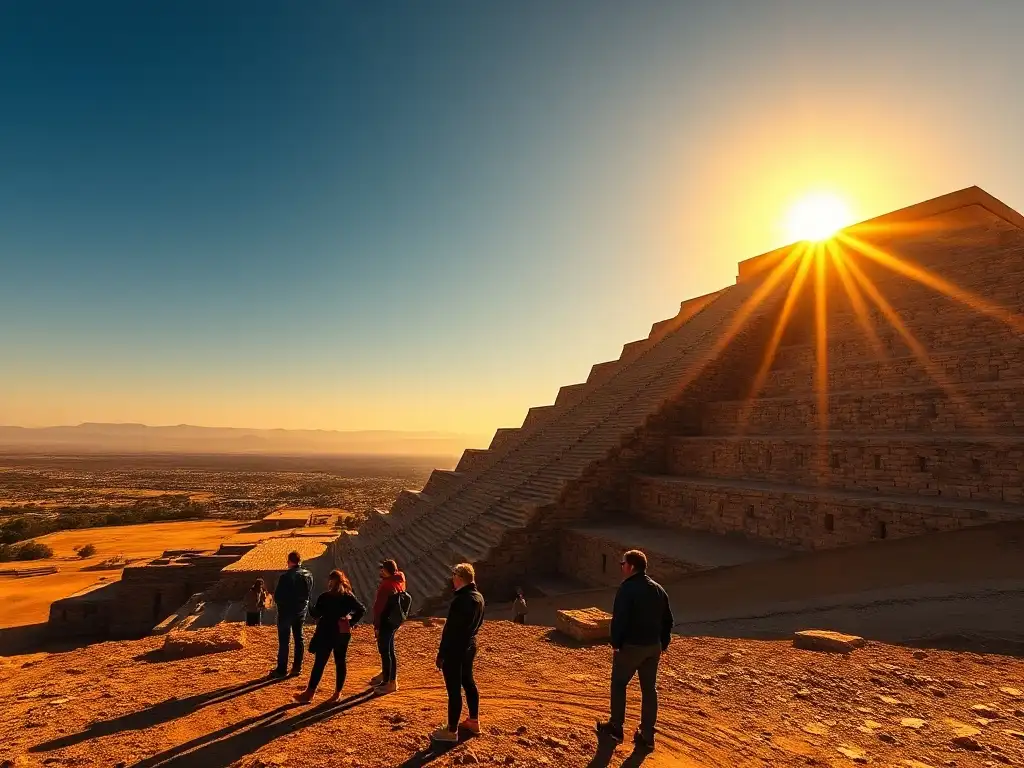
Uncover the mysteries of a lost world. For centuries, the Andes have guarded the secrets of magnificent civilizations. Now, you can journey through time with us, exploring the breathtaking artistry and advanced engineering of the ancient Andean cultures. Intrigued by the ingenuity of the Moche? Discover the unparalleled opportunity to embark on Moche archaeological sites tours, and experience the legacy of this remarkable civilization firsthand. Prepare to be amazed.
Embark on a journey through time as we explore the remarkable Moche archaeological sites accessible to visitors today. This article serves as your guide to experiencing the legacy of this fascinating pre-Columbian civilization firsthand, offering insights into their intricate culture, advanced technology, and awe-inspiring artistry. We'll delve into the best-preserved sites, highlighting what makes each unique and providing practical information for planning your own unforgettable Moche archaeological sites tours.
Whether you're a seasoned archaeologist or a curious traveler, this exploration will illuminate the enduring impact of the Moche on Peruvian history and culture. Prepare to be captivated by the enduring power of their civilization, revealed through meticulously preserved artifacts and breathtaking landscapes. This guide focuses on making your exploration of Moche heritage both informative and enriching, helping you plan your perfect "Moche archaeological sites tours" experience.
Huaca del Sol and Huaca de la Luna: A Tale of Two Pyramids
The Huaca del Sol and Huaca de la Luna, located near the modern city of Trujillo, stand as monumental testaments to Moche engineering prowess. Huaca del Sol, the larger of the two, is a massive adobe pyramid, its construction reflecting the immense scale of Moche societal organization and labor. While largely unexcavated to preserve its structure, its sheer size is breathtaking.
Huaca de la Luna, on the other hand, has yielded spectacular discoveries, revealing vibrant murals depicting Moche rituals, warfare, and daily life. These murals provide invaluable insights into their religious beliefs, social hierarchy, and artistic skill. The intricate details and vivid colors, surprisingly well-preserved despite the passage of centuries, offer a glimpse into the vibrant heart of Moche society.
Excavations continue to uncover new aspects of these sites, making each visit a potentially unique experience. The contrast between the imposing, largely untouched Huaca del Sol and the richly decorated Huaca de la Luna provides a powerful representation of the breadth and depth of Moche achievements.
El Brujo Archaeological Complex: A Multifaceted Moche Site
Unlike the monumental pyramids of Huaca del Sol and de la Luna, El Brujo offers a more multifaceted view of Moche life. This complex encompasses several smaller structures, including the Huaca Prieta, a significant ceremonial center revealing evidence of elaborate rituals and offerings. The site also includes residential areas, providing a glimpse into the daily lives of Moche people at various social levels.
El Brujo's significance extends beyond its architectural remains; the discovery of the "Lady of Cao" tomb, containing the remarkably well-preserved remains of a high-ranking Moche woman, revolutionized our understanding of Moche gender roles and societal structure. This discovery highlights the continued potential for new discoveries at this complex, making it a site of ongoing archaeological research and fascination. The combination of ceremonial centers, residential areas, and high-profile burials makes El Brujo an exceptional site for understanding the complexities of Moche society.
Smaller Moche Sites and Museums: Expanding Your Exploration
While the larger sites like Huaca del Sol and El Brujo are undoubtedly highlights, numerous smaller Moche sites and museums offer further opportunities to explore their legacy. These smaller sites often provide more intimate encounters with the Moche past, allowing for a deeper appreciation of their craftsmanship and daily lives. Many museums throughout the region house significant collections of Moche artifacts, offering a complementary perspective to the on-site experiences. These collections frequently include intricate pottery, stunning goldwork, and other remarkable objects that showcase the Moche's advanced metalworking and ceramic techniques.
Exploring these smaller sites and museums allows for a more comprehensive understanding of the Moche civilization, complementing the grandeur of the major archaeological complexes. Planning your "Moche archaeological sites tours" should incorporate a balance of large-scale sites and these smaller, yet equally significant, locations. Remember to check the opening hours and accessibility of each site before your visit.
Planning Your Moche Archaeological Sites Tours: Practical Considerations
Planning a successful Moche archaeological sites tour requires careful consideration. Factors such as the time of year, your budget, and your level of physical fitness should all be taken into account. The climate in the region can be hot and dry, so appropriate clothing and sun protection are essential. Many sites are located in relatively remote areas, so transportation should be carefully planned. Hiring a local guide can significantly enhance your experience, providing invaluable context and insights into the history and significance of each site.
Consider the accessibility of different sites, as some may require a degree of physical exertion. By carefully planning your trip, you can ensure a rewarding and unforgettable experience exploring the remarkable legacy of the Moche civilization. Remember to respect the sites and their significance, contributing to their preservation for future generations. Enjoy your journey through time!
- Huaca del Sol and Huaca de la Luna: A Tale of Two Pyramids
- El Brujo Archaeological Complex: A Multifaceted Moche Site
- Smaller Moche Sites and Museums: Expanding Your Exploration
- Planning Your Moche Archaeological Sites Tours: Practical Considerations
- What are some of the most important Moche archaeological sites?
- Are guided tours available for Moche archaeological sites?
- What can I expect to see on a Moche archaeological sites tour?
- How much time should I allocate for a Moche archaeological sites tour?
- What is the best time of year to visit Moche archaeological sites?
Unveiling the Moche Civilization Through Archaeological Site Tours
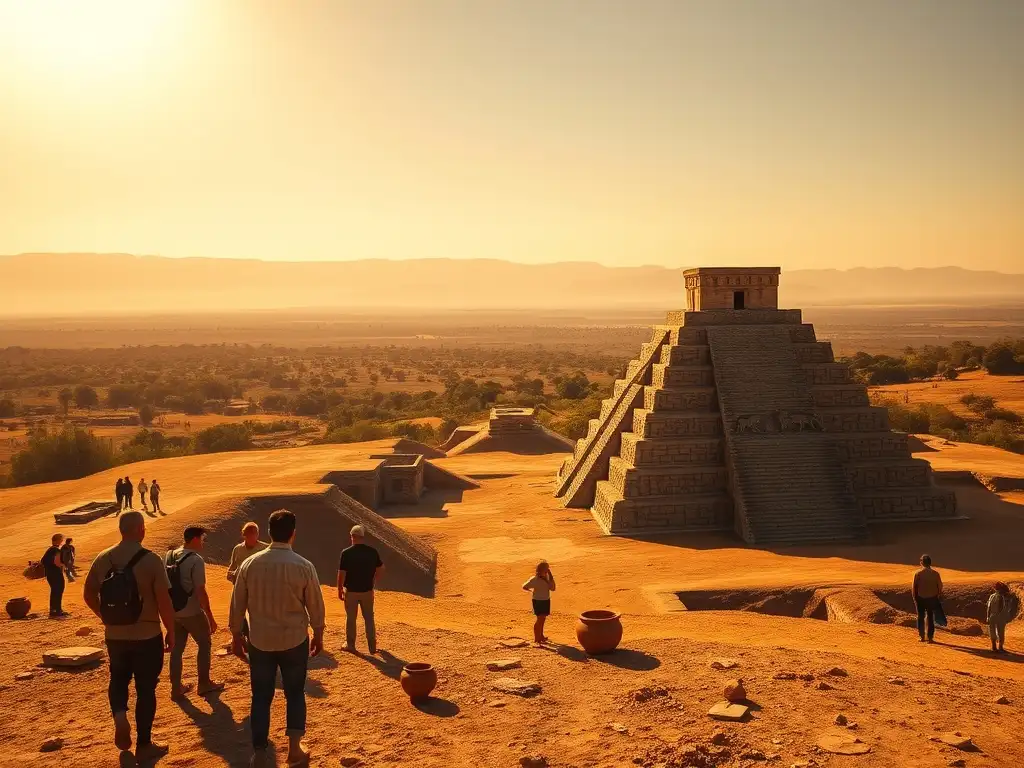
The Moche civilization, flourishing along the northern coast of Peru from approximately 100 CE to 800 CE, left behind a remarkable legacy. Their sophisticated irrigation systems, intricate pottery depicting vibrant scenes of daily life and ritual, and impressive monumental architecture stand as testaments to their advanced societal structures. Experiencing this legacy firsthand through guided tours of Moche archaeological sites offers an unparalleled opportunity to connect with the past and gain a deeper understanding of this fascinating culture.
These tours, often categorized under "Moche archaeological sites tours," provide access to otherwise inaccessible sites, ensuring a safe and enriching experience. They offer more than just sightseeing; they provide historical context, anthropological insights, and a chance to appreciate the artistry and ingenuity of the Moche people. Understanding the scale and complexity of their achievements requires more than just looking – it requires expert interpretation and guided exploration.
Discovering the Rich History of the Moche Culture
The Moche were not a monolithic entity. Their society was complex, characterized by a hierarchical structure with specialized craftspeople, priests, and a powerful ruling elite. Their sophisticated irrigation systems, vital for agriculture in the arid coastal region, are a testament to their engineering prowess.
These systems allowed them to cultivate fertile lands, supporting a large and densely populated society. The Moche's artistic achievements are equally impressive. Their pottery, renowned for its detailed and lifelike depictions of ceremonies, warfare, and daily life, provides invaluable insights into their beliefs, social structures, and artistic sensibilities.
Many Moche archaeological sites showcase these stunning artifacts in situ, offering a glimpse into the context of their creation and use. For instance, the Huaca del Sol and Huaca de la Luna, near Trujillo, are massive adobe pyramids that reveal much about the Moche's architectural capabilities and religious practices. Excavations continue to reveal new information about their burial practices, social organization, and technological innovations, constantly refining our understanding of this remarkable civilization.
Why Choose a Moche Archaeological Site Tour?
Choosing a guided tour for exploring Moche archaeological sites offers several key advantages. Firstly, expert guides provide invaluable context and interpretation. They can explain the significance of the sites, the artifacts found there, and the broader historical context within which the Moche thrived. This contextualization transforms a simple visit into a truly educational experience. Secondly, many sites are located in remote or challenging terrain.
Guided tours ensure safe and convenient access, often including transportation and logistical support. Thirdly, tours often include visits to multiple sites, providing a comprehensive overview of Moche culture and its geographical distribution. This efficiency allows visitors to maximize their time and experience a wider range of Moche achievements. Furthermore, reputable tour operators prioritize responsible tourism, contributing to the preservation and protection of these invaluable historical sites.
They adhere to ethical practices, minimizing environmental impact and supporting local communities. Choosing a well-researched "Moche archaeological sites tours" option guarantees a respectful and enriching experience for both the visitor and the cultural heritage itself. Finally, the guided experience enhances the overall engagement, transforming a potentially dry historical exploration into a captivating journey through time. The stories, anecdotes, and interactive elements woven into the tour create a memorable and immersive experience, solidifying the learning and appreciation of the Moche civilization.
Exploring Key Moche Archaeological Sites
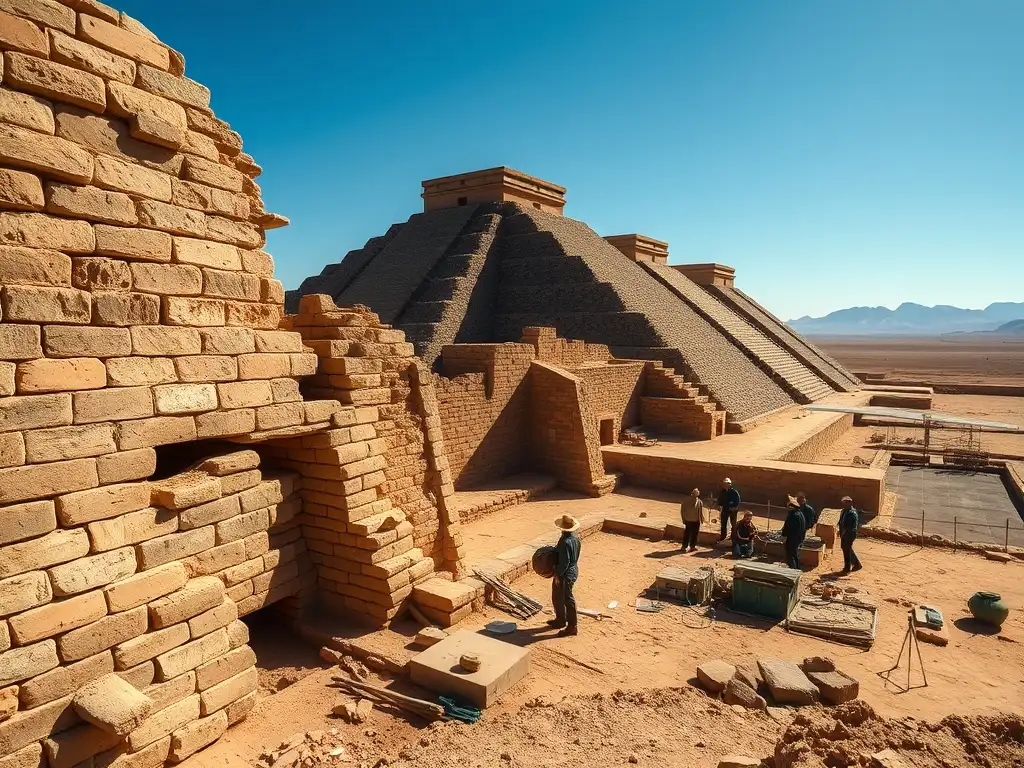
This section delves into the prominent Moche archaeological sites accessible to visitors today, focusing on what makes them significant and what to expect when embarking on a Moche archaeological sites tours. We'll explore the rich history and cultural significance embedded within these remarkable locations, offering insights into the rituals, beliefs, and societal structures of this fascinating civilization. Understanding these sites allows for a deeper appreciation of the Moche's sophisticated artistry, engineering prowess, and enduring legacy.
Huaca de la Luna: A Journey into Moche Rituals
Huaca de la Luna, meaning "Temple of the Moon," stands as a testament to the Moche's elaborate religious practices. This impressive adobe pyramid, located near Trujillo, Peru, is renowned for its stunning murals depicting scenes of ritual sacrifice, warfare, and daily life. The vibrant colors and intricate details of these murals, remarkably preserved despite the passage of centuries, offer invaluable insights into the Moche worldview.
Understanding the Murals and Iconography at Huaca de la Luna
The murals at Huaca de la Luna are not merely decorative; they are complex narratives. Scholars have painstakingly deciphered many of the scenes, revealing a society deeply invested in ritual and ceremony. Recurring motifs include depictions of powerful deities, often associated with fertility and warfare; elaborate headdresses and adornments reflecting social hierarchy; and scenes of human sacrifice, interpreted by some scholars as a means of appeasing the gods or strengthening societal bonds.
The iconography is rich and symbolic, with specific colors and figures holding particular meanings within the Moche cosmology. For example, the frequent appearance of the decapitated head represents a recurring theme in Moche art, possibly symbolizing power, sacrifice, or the cyclical nature of life and death.
Detailed analysis of these murals continues to reveal new information about Moche beliefs and practices, enriching our understanding of this ancient culture. Further research is needed to fully unlock the secrets hidden within these intricate works of art.
Guided Tours at Huaca de la Luna: What to Expect
Many Moche archaeological sites tours include visits to Huaca de la Luna. These tours typically provide expert guidance, enhancing the visitor experience by offering insightful interpretations of the murals and the site's historical context. Visitors can expect to learn about the site's excavation history, the methods used by archaeologists to uncover and preserve the murals, and the ongoing research efforts to understand Moche culture.
Guides often highlight the significance of specific details within the murals, explaining their symbolic meaning and illustrating the richness of Moche artistic expression. Remember to wear comfortable shoes, as walking around the site involves traversing uneven terrain. Sunscreen and a hat are also highly recommended, especially during the midday sun.
Huaca del Sol: The Monumental Center of Moche Power
Huaca del Sol, or "Temple of the Sun," is a colossal adobe structure located adjacent to Huaca de la Luna. While less adorned with murals than its counterpart, Huaca del Sol is significantly larger, suggesting its importance as a center of political and administrative power within the Moche state. Its sheer scale speaks volumes about the Moche's advanced engineering skills and the immense resources they commanded.
The Significance of Huaca del Sol's Architecture
The massive size of Huaca del Sol is truly awe-inspiring. Its immense platforms and intricate internal structures were constructed using millions of adobe bricks, a testament to the Moche's organized labor force and sophisticated architectural techniques. The complexity of the structure suggests a highly stratified society, with specialized workers responsible for planning, constructing, and maintaining this monumental edifice.
Archaeological findings within the structure provide further evidence of its function as a center of power, indicating the presence of elite residences and storage areas. The architectural design itself, with its massive platforms and strategically placed entrances, may have served symbolic purposes, reinforcing the authority of the ruling class.
Exploring the Remains of the Largest Adobe Structure in the Americas
Huaca del Sol is considered one of the largest adobe structures in the Americas. While much of its original grandeur has been lost to time and the elements, the remaining structures still stand as a powerful reminder of the Moche civilization's engineering capabilities. Exploring the site allows visitors to appreciate the scale of the construction project and to imagine the vibrant life that once thrived within its walls.
The ongoing research and excavation at Huaca del Sol promise further discoveries that will illuminate the complexities of Moche society and its political organization. Many Moche archaeological sites tours include visits to this impressive site, offering a unique opportunity to witness firsthand the scale and significance of this ancient structure. The sheer size and scale of this magnificent structure leave a lasting impression on all who visit.
El Brujo Archaeological Complex: A Glipse into Moche Elite Life
The El Brujo Archaeological Complex offers a captivating journey into the heart of Moche elite life. Located near the modern city of Trujillo, this site is renowned for its remarkably well-preserved structures and the stunning discoveries unearthed within. More than just ruins, El Brujo provides a vivid picture of the sophisticated social hierarchy and complex religious beliefs of the Moche civilization.
The scale of the structures, the intricate craftsmanship evident in the remaining artifacts, and the sheer volume of findings all point to a level of societal organization and wealth rarely seen in other contemporary Andean cultures. Archaeologists continue to uncover new insights into the daily lives of the Moche elite, offering a constantly evolving understanding of their power structures and rituals. The complex's strategic location, overlooking fertile valleys and the Pacific Ocean, underscores the Moche's mastery of resource management and their control over vital trade routes.
This strategic positioning also provided a strong defensive advantage, enhancing the power and security of the ruling class. The ongoing research at El Brujo continues to shape our comprehension of Moche society, reinforcing its status as one of the most significant archaeological sites in Peru.
The Lady of Cao: A Powerful Moche Ruler
The discovery of the tomb of the "Lady of Cao" at El Brujo is arguably the most sensational find of the complex. This remarkably well-preserved mummy, a high-ranking Moche woman, revealed a wealth of information about Moche funerary practices and social structures. Her elaborate burial, filled with exquisite gold ornaments, textiles, and other artifacts, points to her significant political and religious influence within the Moche society.
The Lady of Cao's tattoos, meticulously preserved, offer a unique glimpse into Moche body art and its symbolic meanings. Analysis of her remains has also provided crucial insights into her health, diet, and social status during her lifetime. Unlike many other ancient rulers, the Lady of Cao was not just a symbolic figure; her remains tell a story of a powerful individual who actively participated in the political and religious life of her time.
Her discovery challenged previous assumptions about the role of women in Moche society, highlighting the presence of powerful female leaders who played a significant role in shaping the culture. The study of the Lady of Cao continues to redefine our understanding of ancient Andean societies and the complexities of their social dynamics. The ongoing research on her remains and artifacts promises to reveal even more about this fascinating figure and her place in Moche history.
Uncovering Moche Artifacts at the El Brujo Museum
The on-site museum at El Brujo Archaeological Complex houses a significant collection of artifacts recovered from the site. This museum provides a crucial complement to the archaeological exploration, allowing visitors to examine the exquisite craftsmanship and artistry of the Moche civilization up close. The museum's carefully curated exhibits showcase a wide range of Moche artifacts, including intricately crafted pottery, stunning gold ornaments, and textiles that display the sophisticated techniques of Moche artisans.
The museum's displays are designed to provide context to the artifacts, explaining their significance within the broader Moche culture. Interactive exhibits and detailed descriptions enhance the visitor experience, making it an engaging and educational resource for understanding the Moche civilization. The museum's collection is constantly growing as new discoveries are made at the site, ensuring that visitors always encounter new and exciting insights into the Moche world.
The museum acts as a vital bridge between the ancient past and the modern world, allowing visitors to appreciate the rich legacy of the Moche people. It serves as a testament to the importance of preserving and interpreting ancient cultures for future generations.
Pañamarca: Coastal Moche Art and Architecture
Pañamarca, another significant Moche site, is situated along the Peruvian coast, showcasing the Moche people's remarkable adaptation to the coastal environment and their distinctive artistic expression. The site features impressive adobe structures, showcasing the Moche's architectural skills and their ability to construct substantial buildings in a challenging coastal environment. Unlike the monumental architecture found in some inland Moche sites, Pañamarca's buildings are more modest in scale but display a high level of craftsmanship and artistic detail.
The site's location on the coast highlights the Moche's mastery of resource management, their ability to utilize the coastal resources effectively, and their intricate understanding of the maritime environment. The presence of Pañamarca, alongside other coastal sites, underscores the strategic importance of the coastline to the Moche economy and their sophisticated understanding of marine resources.
The architecture and layout of the site reveal much about the social structure and daily life of the coastal Moche population. Ongoing research at Pañamarca is enriching our understanding of the variations within Moche culture, highlighting the diversity of their settlements and the adaptability of their society.
Exploring the Painted Friezes of Pañamarca
The painted friezes at Pañamarca are among the site's most remarkable features, showcasing the Moche's exceptional artistic talent and their ability to create vibrant and detailed murals. These friezes depict a range of subjects, including religious scenes, depictions of daily life, and representations of powerful Moche figures. The vivid colors and intricate details of these murals provide valuable insights into Moche mythology, beliefs, and social customs.
The style and techniques employed in creating these friezes reveal the advanced artistic skills of the Moche artisans and their understanding of pigments and painting techniques. The preservation of these fragile murals is a testament to the dedication of archaeologists and conservationists working to protect this important cultural heritage.
Study of these friezes provides crucial information about the social and religious context of Moche life, offering a visual narrative of their world. The ongoing efforts to conserve and study these painted friezes promise to unlock even more secrets about the artistic achievements and cultural beliefs of the Moche civilization.
Understanding the Coastal Adaptation of Moche Culture
The Moche civilization's success was significantly influenced by their adaptation to the diverse environments of the Andean coast. Pañamarca, situated on the coast, exemplifies this adaptation. The Moche developed sophisticated techniques for fishing, agriculture, and resource management, allowing them to thrive in this challenging environment.
The construction of irrigation systems and the development of specialized fishing techniques demonstrate their ingenuity and ability to harness the resources available to them. The Moche's ability to exploit both marine and terrestrial resources allowed them to build a robust economy and support a large population. Their understanding of the coastal ecosystem, including the cyclical nature of El Niño events, demonstrates a high level of ecological knowledge.
This adaptation is reflected in their art and architecture, with coastal sites often displaying a different architectural style and artistic motifs compared to those found inland. By studying coastal sites like Pañamarca, we gain a more complete picture of Moche society, understanding its adaptability, resilience, and complex relationship with its environment. The Moche's success in adapting to the coastal environment serves as a testament to their ingenuity and their remarkable capacity for innovation.
Planning Your Moche Archaeological Site Tour
This section provides essential information for planning an unforgettable journey through time, exploring the remarkable Moche archaeological sites. We'll cover key aspects to ensure a smooth and enriching experience, maximizing your chances of witnessing the grandeur of this ancient civilization firsthand. Remember, proper planning is crucial for a successful "Moche archaeological sites tours" experience.
Best Time to Visit Moche Archaeological Sites
The ideal time to visit the Moche archaeological sites in Peru significantly impacts your experience. The coastal desert climate offers distinct seasons. The dry season, from May to October, presents the most favorable conditions. Temperatures are pleasant, with less humidity and a lower risk of rainfall, making exploration comfortable. Clear skies also enhance visibility, allowing for better appreciation of the sites' vastness and intricate details. However, be aware that this is also peak tourist season, meaning more crowds and potentially higher prices for tours and accommodation.
Conversely, the wet season, from November to April, brings higher temperatures and increased humidity. While rainfall is infrequent, it can impact accessibility to some sites. The increased humidity can also be less comfortable for extended periods outdoors. However, you might find fewer crowds and potentially lower prices during this off-season. Consider your personal preferences and tolerance for heat and humidity when deciding.
| Season | Temperature (°C) | Rainfall | Crowds | Advantages | Disadvantages |
|---|---|---|---|---|---|
| Dry (May-Oct) | 20-25 | Very Low | High | Pleasant temperatures, clear skies | More crowds, higher prices |
| Wet (Nov-Apr) | 25-30 | Low to Moderate | Low | Fewer crowds, potentially lower prices | Higher temperatures, humidity, rain possible |
Remember to check specific weather forecasts closer to your travel dates, as conditions can vary. Packing appropriate clothing for both sun and potential light rain is always advisable.
Choosing the Right Tour Operator for your Moche Adventure
Selecting the right tour operator is vital for a successful Moche archaeological sites tours experience. Research is key; look for operators specializing in Moche sites and boasting positive reviews. Consider these factors:
- Expertise: Choose operators with knowledgeable guides who can provide insightful commentary on the history, culture, and significance of the sites. A good guide can transform a simple visit into a deeply enriching experience.
- Sustainability: Opt for operators committed to responsible tourism practices. They should prioritize the preservation of the sites and support local communities.
- Inclusivity: Ensure the tour operator caters to your needs and preferences, whether you require accessibility options or specific interests.
- Group Size: Smaller group sizes often provide a more personalized and intimate experience, allowing for more interaction with the guide and fellow travelers.
- Transportation: Confirm the type of transportation provided and its suitability for the terrain and your physical capabilities.
Don't hesitate to contact multiple operators, compare their offerings, and ask detailed questions before making a decision. A well-chosen operator can significantly enhance your appreciation of the Moche civilization's legacy.
What to Bring on your Moche Site Excursion
Packing appropriately is crucial for a comfortable and enjoyable experience. The Moche sites are often exposed to the elements, so preparation is key. Here's a suggested packing list:
- Sunscreen: Essential for protection against the strong Andean sun. High SPF is recommended. 🧴
- Hat: A wide-brimmed hat offers excellent sun protection for your face and neck. 👒
- Sunglasses: Protect your eyes from the glare. 🕶️
- Water: Staying hydrated is crucial, especially in the desert climate. Carry plenty of water or ensure your tour provides sufficient hydration. 💧
- Comfortable Shoes: Sturdy, closed-toe shoes are essential for walking on uneven terrain. 👟
- Light Clothing: Loose, light-colored clothing will help you stay cool. 👕
- Insect Repellent: Mosquitoes and other insects can be present, especially in certain areas. 🦟
- Camera: Capture the incredible sights and memories of your Moche adventure. 📸
- Binoculars: Useful for getting a closer look at details at some sites. 🔭
- Small Backpack: To carry all your essentials comfortably. 🎒
- Cash: Some smaller sites may not accept credit cards. 💰
Thorough preparation ensures a smooth and memorable "Moche archaeological sites tours" experience, allowing you to fully immerse yourself in the wonders of the Moche civilization.
Accommodation and Transportation Options near Moche Sites
Planning a trip to explore the remarkable Moche archaeological sites requires careful consideration of your accommodation and transportation needs. Fortunately, several options cater to various budgets and preferences, ensuring a comfortable and convenient experience while immersing yourself in the rich history of the Moche civilization.
The proximity of the Moche sites to Trujillo, a major city in northern Peru, offers a wide range of accommodation choices. From budget-friendly hostels and guesthouses to luxurious hotels, you'll find something to suit your needs. Trujillo boasts a vibrant hotel scene, with many establishments offering convenient access to transportation services to the archaeological sites.
Consider factors like proximity to the bus terminal or availability of airport shuttles when making your choice. Booking accommodations in advance, especially during peak tourist seasons, is highly recommended to secure your preferred option and avoid disappointment. Online travel agencies and hotel booking platforms offer a vast selection and allow you to compare prices and amenities.
Transportation to the Moche sites from Trujillo is readily available and relatively straightforward. Collectivos, shared taxis, are a common and affordable means of transport. These are readily available from various points in Trujillo and offer a direct route to the sites. Negotiating the fare beforehand is standard practice, so be prepared to haggle politely but firmly.
For a more comfortable and private experience, consider hiring a taxi. This option offers greater flexibility in terms of scheduling and allows you to spend more time at each site. Finally, guided tours often include transportation as part of the package. This can be a convenient and informative option, especially for those who prefer a more structured experience.
Remember to confirm transportation details with your tour operator or accommodation provider well in advance. This will prevent any unforeseen delays or logistical issues during your trip. Choosing the right transport will significantly impact the overall enjoyment and efficiency of your Moche archaeological sites tour. Consider your budget, travel style, and the level of comfort you desire when making your decision.
The Impact of Tourism on Moche Archaeological Sites
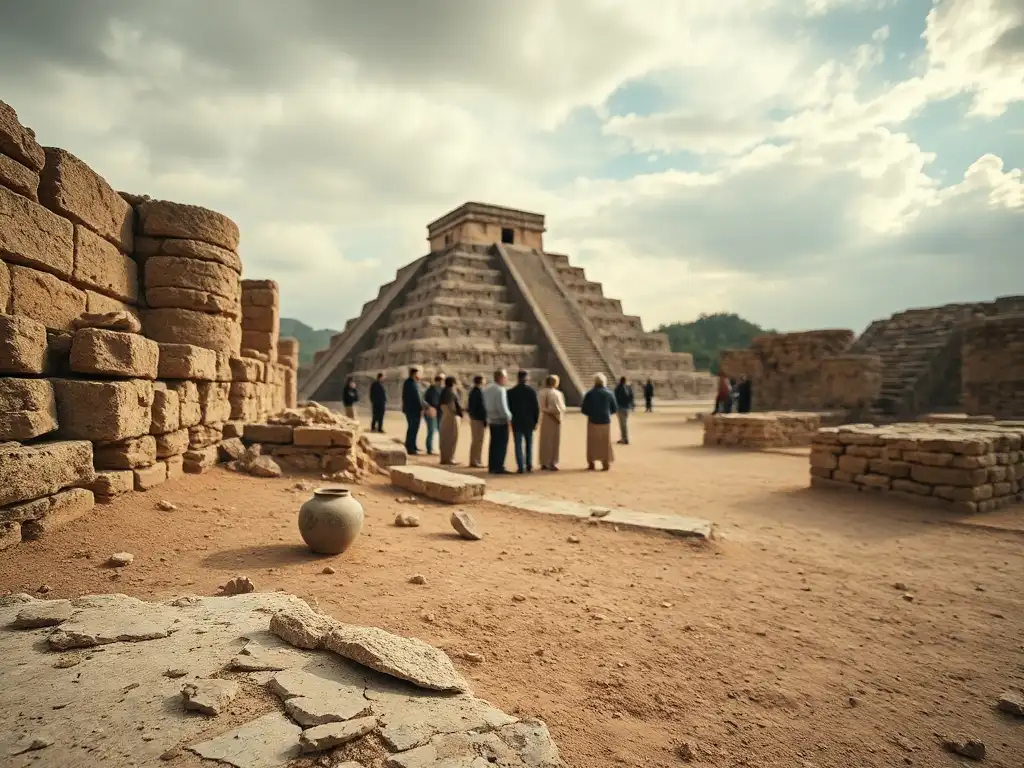
The influx of tourists visiting Moche archaeological sites presents a double-edged sword. On one hand, tourism generates vital revenue for conservation efforts and local economies. On the other, unchecked tourism can lead to significant damage to these fragile historical locations. Understanding this delicate balance is crucial for ensuring the long-term preservation of Moche heritage.
The sheer number of visitors can contribute to physical deterioration. Foot traffic compacts soil, leading to erosion and damage to delicate structures. Improper handling of artifacts, even unintentional, can cause irreversible harm. Furthermore, the introduction of foreign materials—like sunscreen or even dust from shoes—can contaminate the sites and accelerate degradation processes.
Studies have shown a correlation between increased tourist numbers and accelerated deterioration rates in several Moche sites, highlighting the need for careful management. For example, the Huaca de la Luna, with its vibrant murals, shows signs of fading and damage directly related to tourist exposure. Quantifying the exact impact requires further research and long-term monitoring programs, but the potential for negative consequences is undeniable. This underscores the need for proactive measures to mitigate these risks.
Responsible Tourism Practices at Moche Sites
Responsible tourism is paramount to preserving Moche sites for future generations. This involves implementing several key strategies:
- Strict visitor guidelines: Clearly defined pathways, restricted access to sensitive areas, and the prohibition of touching artifacts are essential. Signage in multiple languages should clearly communicate these rules. Enforcement, through trained personnel, is crucial for effectiveness.
- Controlled access: Limiting the number of visitors allowed at any given time can prevent overcrowding and minimize physical impact. Implementing a reservation system, particularly for peak seasons, could help manage visitor flow. This approach has proven successful in other delicate archaeological locations around the world.
- Educational initiatives: Well-designed visitor centers and informative signage can educate tourists about the importance of preserving the sites. Providing context about the Moche culture and the significance of the artifacts can foster a sense of responsibility and respect among visitors. Interactive exhibits and guided tours can enhance the learning experience and promote mindful engagement.
- Environmental awareness campaigns: Educating tourists about the environmental impact of their actions, such as waste disposal and the importance of avoiding the use of flash photography, is crucial for minimizing environmental damage.
Supporting Local Communities Through Archaeological Tourism
Archaeological tourism offers a unique opportunity to empower local communities economically while fostering cultural preservation. A significant portion of the revenue generated from tourism should be reinvested in local infrastructure and community development projects. This can include:
- Job creation: Providing employment opportunities for local people as guides, security personnel, artisans, and in hospitality services directly benefits the community and strengthens their connection to the sites. Investing in training programs to equip locals with the necessary skills enhances this impact.
- Infrastructure development: Investing tourism revenue in improved infrastructure, such as better roads, restrooms, and waste management systems, not only enhances the visitor experience but also improves the quality of life for local residents.
- Support for local artisans: Promoting the sale of locally made handicrafts and souvenirs, inspired by Moche art and culture, provides additional income sources for local artisans and helps preserve traditional crafts. This creates a sustainable economic model that directly benefits the community while celebrating its heritage.
This synergistic approach ensures that tourism becomes a catalyst for community development, creating a positive feedback loop where the preservation of Moche heritage benefits both visitors and locals. Detailed economic impact studies are needed to accurately quantify these benefits.
Preserving Moche Heritage for Future Generations
The long-term preservation of Moche archaeological sites requires a multi-pronged strategy that combines responsible tourism practices with comprehensive conservation efforts. This includes:
- Advanced preservation techniques: Investing in research and development of advanced preservation techniques is critical to mitigating the effects of environmental factors and human impact. This might involve advanced materials for site stabilization or innovative methods for artifact preservation. [Specific information pending on currently employed techniques at Moche sites]
- Ongoing monitoring and assessment: Regular monitoring of the sites' condition is crucial for early detection of damage and timely intervention. This requires a dedicated team of experts and sophisticated monitoring tools. [Specific information pending on current monitoring protocols]
- International collaboration: Collaboration with international organizations and experts can provide access to resources, expertise, and funding for conservation projects. Sharing best practices and knowledge helps ensure the most effective strategies are employed.
- Community engagement: Involving local communities in the preservation efforts is vital. Their knowledge of the sites and their commitment to their heritage are invaluable assets. This participatory approach ensures that preservation efforts are culturally sensitive and sustainable. This fosters a sense of ownership and responsibility within the community, fostering long-term protection.
The future of Moche archaeological sites hinges on a balanced approach that prioritizes both the economic benefits of tourism and the imperative to safeguard these irreplaceable treasures for future generations. A proactive and well-funded strategy, involving all stakeholders, is crucial for ensuring the long-term sustainability of these invaluable sites. The success of such initiatives hinges on the collaboration between governmental bodies, tourism operators, local communities, and international organizations dedicated to the preservation of cultural heritage. 🌍
Experiencing the Moche World: Beyond the Ruins
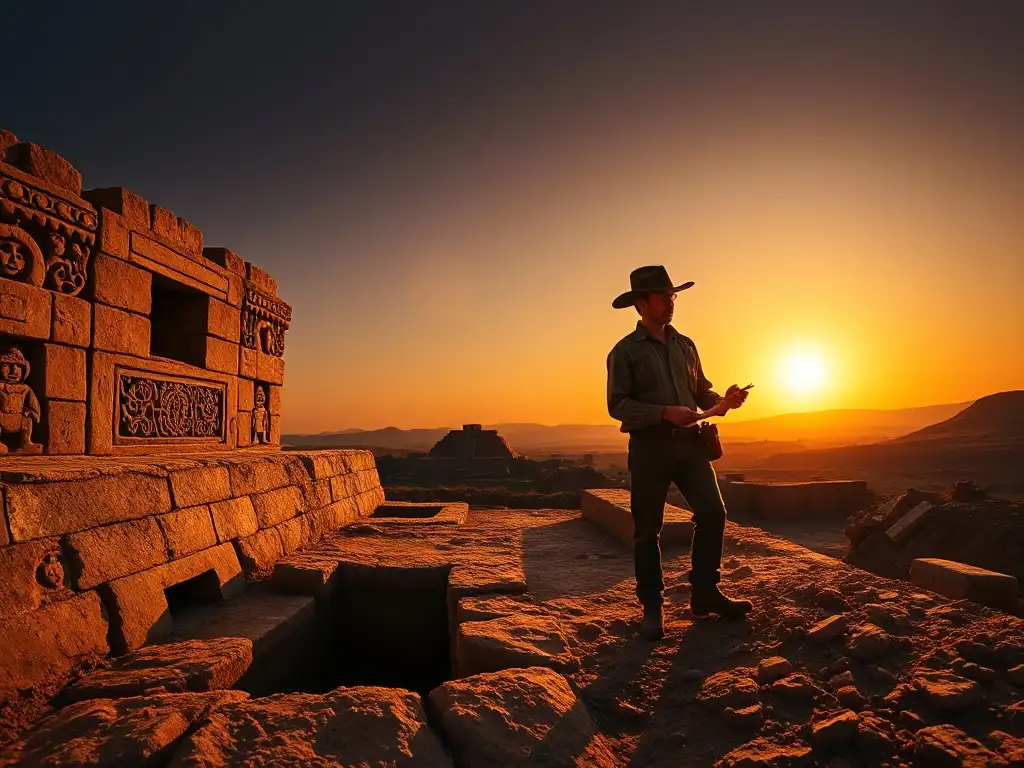
This section delves into the multifaceted ways visitors can engage with the Moche civilization beyond simply observing archaeological sites. Experiencing Moche culture requires a holistic approach, encompassing not only the impressive ruins but also the vibrant cultural expressions that continue to resonate today. Understanding the Moche requires more than just seeing the remains; it demands an appreciation of the artistry, ingenuity, and societal structures that shaped their world.
This immersive experience allows for a deeper connection with the past, making the journey into Moche history far more enriching. Many excellent Moche archaeological sites tours offer opportunities to combine these experiences, creating a truly comprehensive exploration.
Immersing in Moche Culture through Local Experiences
Beyond the formal archaeological sites, a wealth of opportunities exists to immerse yourself in the enduring legacy of the Moche. Many local communities actively preserve and celebrate their ancestral heritage. Participating in traditional ceremonies, attending local artisan workshops focusing on pottery techniques reminiscent of Moche styles, or even simply enjoying a meal prepared with ingredients traditionally cultivated in the region provides a sensory connection to the past.
Consider, for instance, the possibility of attending a sihuasca ceremony (if appropriate and legally permissible; always research and proceed responsibly and respectfully). While not directly Moche, such ceremonies offer a glimpse into the spiritual practices that permeated Andean societies and can inform your understanding of the worldview that shaped Moche art and beliefs.
It's also crucial to support local artisans who continue to produce pottery, textiles, and other crafts inspired by Moche designs. This not only contributes to the preservation of these traditions but also provides a tangible link to the past, allowing you to take home a piece of the Moche legacy. Purchasing such items directly from the artisans ensures fair compensation and supports the continuation of these valuable cultural practices. This active participation in the local economy contributes to the preservation of Moche cultural heritage in a very real and tangible way.
Understanding Moche Art and Ceramics in Museums
Museums play a crucial role in preserving and showcasing Moche artifacts, providing a detailed look at their artistic mastery and technological advancements. Many museums house impressive collections of Moche pottery, showcasing the intricate details and vibrant colors that characterized their ceramic art. These exhibits often include detailed explanations of the techniques used, the symbolism embedded in the designs, and the social context in which these objects were created.
For example, the [Museum Name Pending] features a remarkable collection of Moche portrait vessels, providing unparalleled insights into the society's social hierarchy and artistic skill. By studying these artifacts in a museum setting, visitors can gain a much deeper understanding of Moche society and culture than simply by visiting the sites themselves. The careful curation and contextualization provided by museums create an environment for focused learning and appreciation.
Pay close attention to the accompanying information; many museums offer guided tours and educational programs that enhance the learning experience. The quality of the information provided can vary, however; always seek out reputable institutions and sources.
Reconnecting with the Past: The Lasting Legacy of the Moche
The legacy of the Moche civilization extends far beyond the ruins and museum collections. Their sophisticated irrigation systems, advanced metalworking techniques, and intricate artistic expressions continue to inspire and influence contemporary society. Understanding this lasting impact provides a powerful connection to the past, allowing visitors to appreciate the enduring relevance of the Moche culture.
The ingenuity of Moche irrigation techniques, for example, still informs modern agricultural practices in the region. Similarly, their artistic innovations continue to inspire contemporary artists and designers. By exploring these lasting influences, visitors can gain a deeper appreciation for the enduring significance of the Moche civilization and their contributions to Andean culture.
This understanding elevates the experience of visiting Moche archaeological sites tours, transforming it from a simple sightseeing trip into a journey of cultural discovery and appreciation. The Moche's legacy is not just in the past; it's woven into the fabric of the present day. Recognizing this connection enhances the entire experience of exploring their history.
Booking Your Moche Archaeological Sites Tours: A Guide
Planning a trip to explore the fascinating Moche archaeological sites requires careful consideration, especially when it comes to selecting the right tour operator. This section guides you through the process of booking your Moche archaeological sites tours, ensuring a safe, enriching, and unforgettable experience. Choosing the right tour can significantly impact the quality of your visit, allowing you to fully appreciate the intricate details of this remarkable civilization.
How to find reputable Moche tour operators
Finding a trustworthy tour operator for Moche archaeological sites tours is crucial. Start by researching online; look for companies with established websites showcasing their itineraries, reviews, and contact information. Pay close attention to customer testimonials – genuine reviews offer invaluable insights into a tour operator's professionalism and reliability. Look for reviews mentioning factors like guide expertise, transportation quality, and overall organization. A reputable operator will proactively address any concerns raised in reviews and demonstrate a commitment to customer satisfaction.
Don't hesitate to contact multiple operators to compare prices and services, ensuring you find the best fit for your budget and expectations. Consider also seeking recommendations from travel blogs specializing in Peru or Andean archaeology. These blogs often feature detailed reviews and comparisons of different tour operators, providing helpful insights to guide your choice. Remember, a well-organized tour can transform a simple visit into a deeply engaging and educational experience.
What to look for when booking a Moche site tour
When booking your Moche site tour, consider several key factors. First, ensure the tour includes visits to the major Moche sites you wish to explore, such as the Huaca del Sol and Huaca de la Luna, or the impressive El Brujo archaeological complex. Check if the tour provides transportation – a comfortable, reliable vehicle is vital, especially given the sometimes challenging terrain.
Investigate the qualifications of the tour guide; a knowledgeable guide can bring the history of the Moche to life, enriching your understanding of the culture and its achievements. Look for tours that offer a balance between structured information and opportunities for independent exploration. Some tours may offer additional perks, such as lunch or entrance fees to the sites, which can be advantageous.
Finally, ensure the tour operator has appropriate insurance and safety protocols in place to safeguard your wellbeing throughout the journey. A responsible operator prioritizes safety and provides clear communication regarding any potential risks or limitations. By carefully evaluating these elements, you can select a tour that aligns perfectly with your preferences and expectations, enhancing your overall experience.
Securing your Moche experience in advance
Booking your Moche archaeological sites tours in advance is highly recommended, especially during peak tourist seasons. This ensures you secure your preferred dates and avoid disappointment. Many tour operators offer online booking systems, making the reservation process convenient and efficient. Confirm the cancellation policy before booking – understanding the terms and conditions protects you against unforeseen circumstances.
Once you've booked, receive confirmation details, including a clear itinerary, contact information for the tour operator, and any necessary instructions or recommendations. Prepare for your visit by researching the Moche culture beforehand, allowing you to engage more meaningfully with the sites and the information provided by your guide. The more you know beforehand, the more enriching your experience will be. Remember that advance planning contributes significantly to a smooth and enjoyable trip, allowing you to focus on immersing yourself in the wonders of the Moche civilization.
Planning your trip carefully will ensure you have a fulfilling and memorable experience exploring the incredible legacy of the Moche people. Enjoy your journey! 🗺️
Frequently Asked Questions
What are some of the most important Moche archaeological sites?
The most significant Moche sites include Huaca del Sol and Huaca de la Luna near Trujillo, offering incredible insights into Moche architecture, rituals, and artistry. Other notable locations are El Brujo and Sipán.
Are guided tours available for Moche archaeological sites?
Yes, many guided tours are available, offering expert insights into the history and significance of the sites. These tours often include transportation and access to areas not open to the public. Booking in advance is recommended.
What can I expect to see on a Moche archaeological sites tour?
You can expect to see remarkable Moche architecture, including massive adobe pyramids, intricate murals, and elaborate burial chambers. You'll also discover stunning examples of Moche pottery, metalwork, and textiles.
How much time should I allocate for a Moche archaeological sites tour?
The ideal time depends on the chosen sites and the tour's length. A comprehensive tour exploring major sites like Huaca del Sol and Huaca de la Luna could take a full day or more. Shorter visits to specific sites are also possible.
What is the best time of year to visit Moche archaeological sites?
The dry season (May to October) is generally the best time to visit, offering pleasant weather ideal for outdoor exploration. However, remember that it's also the peak tourist season, so booking ahead is crucial.
Final Reflection: Echoes of the Moche: A Legacy in Stone and Spirit
The vibrant legacy of the Moche civilization continues to resonate today, not just in the meticulously preserved artifacts unearthed from the sands, but in the very act of experiencing these ancient sites firsthand. Visiting these archaeological marvels isn't simply tourism; it's a pilgrimage through time, a connection to a culture that thrived centuries ago and continues to inspire awe and wonder. The sheer scale of their achievements, from intricate pottery to monumental architecture, leaves an indelible mark on the visitor, fostering a deeper appreciation for the ingenuity and artistry of a bygone era.
The enduring power of the Moche sites lies not only in their historical significance but also in their ability to transcend time, fostering a dialogue between past and present. These sites are living testaments to human resilience, creativity, and the enduring power of cultural expression. They remind us that even in the face of challenges, civilizations can flourish and leave behind a legacy that continues to captivate and inspire. The past is never dead. It's not even past.
- William Faulkner. This quote perfectly encapsulates the experience of visiting a Moche site; the past is palpable, alive in the very stones and the stories they whisper.
Consider the profound impact these sites have had on you. What resonated most deeply? What questions did they raise?
Now, I invite you to take this inspiration and seek out your own connection with history. Whether it's through a guided tour of the Moche sites, further research into their culture, or simply taking a moment to reflect on the enduring power of human creativity, let the echoes of the Moche inspire you to explore your own heritage and the rich tapestry of human history. Let their legacy continue to thrive, not just in the archaeological record, but in the hearts and minds of those who seek to understand and appreciate it.
**Embrace History – Plan Your Visit Now! **
Thank you for exploring the fascinating world of Moche sites with us! We hope you've gained a deeper understanding of these ancient civilizations and their lasting impact. Now, let's turn that knowledge into an adventure.
Here are some ways to further connect with Moche history:
- **Plan a trip to a Moche site! ** The Huacas del Sol y de la Luna offer an unforgettable journey into the past. Immerse yourself in the grandeur of these ancient structures and imagine the lives of the people who built them.
- Consider a guided tour led by a local expert. Their insights into Andean history will significantly enrich your experience.
- Share your passion for Moche culture! Connect with other history enthusiasts online; discuss your discoveries and inspire others to explore this remarkable civilization.
What aspect of Moche culture most captivates you, and how will it inspire your next Andean expedition?