
Nazca Agriculture and Rituals: Exploring the Spiritual Connection

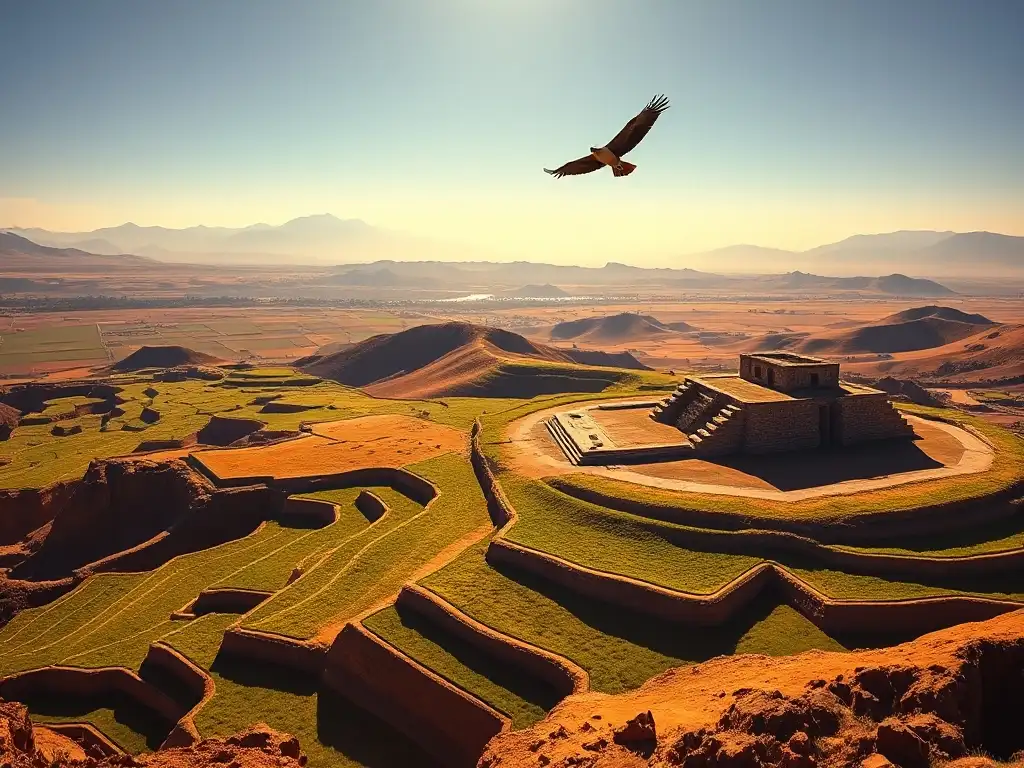
Step into a world lost to time, where towering mountains cradled empires of breathtaking ingenuity. Dive into the enigmatic heart of the Andes, and uncover the secrets of civilizations that shaped a continent. Prepare to be amazed by the intricate tapestry of Andean life, from the majestic Incas to the mysterious Nazca. But first, let's unravel the compelling mystery of Nazca agriculture rituals – a practice that intertwined the very fabric of their existence with the spiritual world. Are you ready to explore this fascinating connection?
The Nazca civilization, flourishing along the southern coast of Peru from approximately 100 BC to 800 AD, is renowned for its enigmatic geoglyphs. However, beyond the iconic lines etched into the desert, lies a complex and fascinating society deeply intertwined with its environment and spiritual beliefs.
This article delves into the intricate relationship between Nazca agriculture and their ritual practices, revealing a profound spiritual connection that permeated every aspect of their lives. We will explore how their agricultural innovations, adapted to the harsh desert climate, were intrinsically linked to their religious worldview, shaping their social structures, artistic expressions, and ultimately, their legacy.
Understanding this connection provides crucial insight into the ingenuity and cultural richness of the Nazca people, offering a more complete picture than simply focusing on the famous desert lines. This exploration of Nazca agriculture rituals will illuminate the sophisticated strategies they employed to survive and thrive in a challenging environment, while also highlighting the deep spiritual significance imbued in their daily practices.
The Ingenious Nazca Irrigation Systems
The Nazca desert is notoriously arid, presenting significant challenges to agriculture. Yet, the Nazca people developed remarkably sophisticated irrigation systems to cultivate crops essential for their survival. These systems involved a complex network of canals, aqueducts, and subterranean channels, ingeniously harnessing scarce water resources from rivers and underground aquifers. Evidence suggests that they employed advanced surveying techniques and a deep understanding of hydrology to design and maintain these intricate networks.
The construction of these systems required significant communal effort, underscoring the importance of cooperation and shared resources within Nazca society. This collaborative work likely had a strong ritualistic component, with ceremonies and offerings possibly accompanying the construction and maintenance of the vital irrigation infrastructure. The success of these systems provided a stable food supply, fueling the growth and prosperity of the civilization, and allowing for the development of other aspects of their complex society.
Rituals Associated with Water and Fertility
Given the critical role of water in Nazca agriculture, it is unsurprising that water and fertility were central themes in their religious beliefs and rituals. Archaeological findings reveal evidence of elaborate ceremonies and offerings related to water deities and the ensuring of bountiful harvests. These rituals might have included sacrifices of animals or precious objects, placed within the canals or at sacred sites associated with water sources.
Depictions of stylized figures and motifs related to water and fertility are frequently found on Nazca pottery and textiles, further demonstrating the profound spiritual significance attached to these elements. The intricate designs and symbolic representations on these artifacts suggest a deep understanding of the interconnectedness between the natural world and the spiritual realm. The meticulous craftsmanship involved in creating these objects underscores the importance of these rituals in the daily lives of the Nazca people.
Agricultural Practices and the Calendar
The Nazca people possessed a sophisticated understanding of astronomy and developed a calendar system that likely played a crucial role in regulating their agricultural practices. By observing celestial cycles, they could predict the best times for planting, harvesting, and managing their irrigation systems.
This knowledge was likely integrated into their religious rituals, with specific ceremonies performed at particular times of the year to ensure the success of their crops. The precise correlation between astronomical observations and agricultural practices demonstrates the high level of scientific and cultural development achieved by the Nazca civilization.
Further research is needed to fully understand the nuances of their calendar system and its connection to their agricultural rituals, but the available evidence suggests a highly organized and sophisticated approach to both agriculture and spirituality. The integration of astronomical knowledge into their daily practices highlights their holistic worldview, where the natural and spiritual realms were not separate but rather deeply interconnected.
The Legacy of Nazca Agriculture and Rituals
The ingenuity and resilience of the Nazca people in adapting to their challenging environment left a lasting legacy. Their advanced irrigation techniques and deep spiritual connection to agriculture provide valuable insights into the complexities of ancient Andean societies. The Nazca's ability to successfully cultivate crops in such a harsh climate demonstrates their remarkable adaptability and resourcefulness.
Furthermore, the integration of their agricultural practices with their religious beliefs highlights the holistic nature of their culture, where every aspect of life was infused with spiritual meaning. Studying the Nazca civilization offers a rich understanding of the interplay between human ingenuity, environmental adaptation, and spiritual beliefs in shaping a vibrant and enduring culture. The enduring mystery of the Nazca Lines continues to fascinate, but the story of their agricultural practices and rituals provides a deeper and more complete understanding of this remarkable civilization.
- The Ingenious Nazca Irrigation Systems
- Rituals Associated with Water and Fertility
- Agricultural Practices and the Calendar
- The Legacy of Nazca Agriculture and Rituals
The Foundations of Nazca Society: Agriculture and its Importance
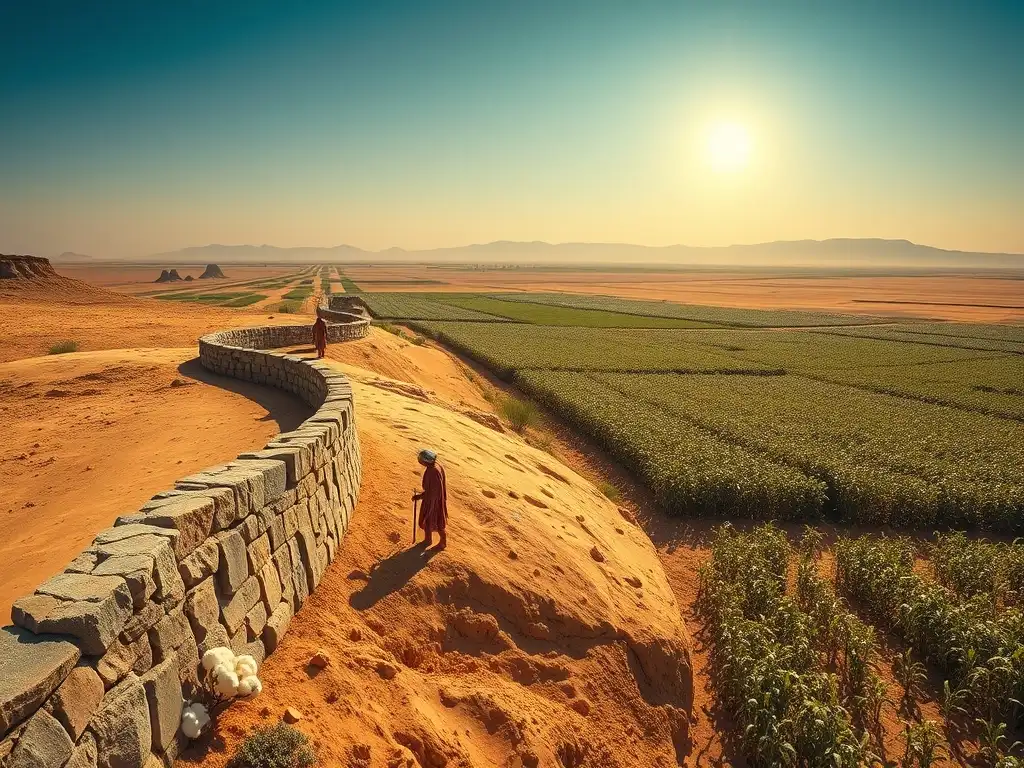
The Nazca civilization, flourishing along the southern coast of Peru from approximately 100 BCE to 800 CE, thrived in a remarkably challenging environment. Their success wasn't solely due to their iconic geoglyphs; rather, it was fundamentally rooted in their sophisticated understanding and mastery of agriculture. Nazca agriculture rituals were deeply intertwined with their daily lives, shaping their social structures, religious beliefs, and even their artistic expressions.
Understanding their agricultural practices provides crucial insight into the complexities of this fascinating civilization. The ability to cultivate crops in the arid coastal desert was a feat of engineering and social organization, directly contributing to the Nazca's economic prosperity and political stability.
This section will explore the ingenious techniques they employed and the profound spiritual significance they attributed to their agricultural endeavors. The very fabric of Nazca society was woven from the threads of their agricultural success, making it a central theme in understanding their culture.
The Arid Environment of the Nazca and its Agricultural Challenges
The Nazca region is characterized by an extremely arid climate, receiving minimal rainfall annually. The seemingly barren landscape presents significant obstacles to agriculture. High temperatures, intense solar radiation, and scarce water resources make cultivating crops a constant struggle. The natural water sources are limited to underground aquifers and occasional river flows, requiring sophisticated water management techniques.
Soil salinity is another major challenge, further complicating the cultivation process. The Nazca people faced these harsh conditions head-on, developing innovative solutions to overcome the limitations imposed by their environment. Their ingenuity in adapting to this desert environment is a testament to their resilience and problem-solving capabilities. Their success demonstrates a deep understanding of their ecosystem and a remarkable ability to harness limited resources.
Ingenious Nazca Farming Techniques: Adapting to the Desert
To overcome the challenges of their arid environment, the Nazca developed a complex system of agricultural techniques. Central to their success was the construction of extensive irrigation canals, some stretching for kilometers. These canals, meticulously engineered and maintained, diverted water from rivers and underground sources to irrigate their fields.
Archaeological evidence reveals the sophisticated planning and labor involved in their construction. The Nazca also employed raised fields, creating elevated platforms for cultivation to improve drainage and soil aeration. This technique, combined with the use of terraces on hillsides, maximized the available arable land.
Furthermore, they utilized sophisticated methods of water harvesting, including the construction of reservoirs and the implementation of water-efficient planting techniques. The Nazca's understanding of hydrology and soil management was exceptional, enabling them to cultivate a variety of crops, including cotton, beans, maize, and squash. This efficient water management is a crucial aspect of understanding Nazca agriculture rituals, as water itself held deep symbolic significance.
Nazca Agriculture: A Source of Sustenance and Power
Nazca agriculture was not merely a means of sustenance; it was also a source of social and political power. The control of water resources and the management of agricultural production were likely key factors in the establishment and maintenance of social hierarchies. Elites likely controlled access to water and agricultural land, accumulating wealth and power through the surplus generated by farming.
The importance of agriculture is reflected in Nazca iconography, where agricultural motifs frequently appear in pottery, textiles, and other artifacts. These depictions often symbolize fertility, abundance, and the connection between the earthly realm and the supernatural world. The Nazca's reverence for agriculture is further underscored by their rituals and ceremonies, which likely involved offerings and prayers for bountiful harvests.
The success of Nazca agriculture was essential to their social and political stability, underpinning their unique cultural achievements. The integration of agriculture and ritual suggests a holistic worldview where the material and the spiritual were inextricably linked. Further research into the specific rituals associated with Nazca agriculture is needed to fully understand this complex interplay.
The Spiritual Realm of Nazca: Rituals and Beliefs
The Nazca civilization, renowned for its enigmatic geoglyphs, possessed a complex spiritual worldview deeply intertwined with their agricultural practices. Their survival hinged on the unpredictable nature of the desert environment, making water and fertility paramount concerns, reflected strongly in their religious beliefs and rituals. Understanding Nazca agriculture rituals requires acknowledging the profound spiritual significance they held for this ancient society.
The line between the practical and the spiritual was blurred; agricultural success was seen as a direct consequence of appeasing the gods and maintaining a harmonious relationship with the natural world. This section will delve into the key aspects of Nazca spirituality, illuminating the intricate connection between their religious practices and their agricultural success. Analyzing their religious practices provides crucial insights into their societal structure and worldview, revealing a civilization deeply connected to its environment and its deities.
Nazca Religious Practices and the Significance of Water
Water, a scarce and precious resource in the arid Nazca environment, held immense religious significance. The Nazca people developed sophisticated irrigation systems, a testament to their ingenuity and understanding of water management. However, these systems were not simply engineering feats; they were also integral to their religious practices.
Evidence suggests that rituals were performed at the sources of water, such as springs and wells, to ensure a continuous supply. These rituals likely involved offerings, prayers, and possibly human sacrifice, although the exact nature of these practices remains debated among scholars. The scarcity of water fueled a deep reverence for this life-giving element, shaping their religious beliefs and underpinning their agricultural success.
The importance of water is evident in Nazca iconography, with many depictions of deities and mythical beings associated with water and fertility. The survival of the Nazca depended directly on their ability to manage water resources effectively, and their religious practices were intrinsically linked to this crucial endeavor. Further research into the hydrological aspects of Nazca settlements and the archaeological evidence found at water sources is crucial to fully understand the complexity of their water-related rituals.
Ceremonial Centers and Their Role in Nazca Rituals
The Nazca constructed numerous ceremonial centers, often located near water sources or agricultural fields. These sites served as focal points for community gatherings, rituals, and religious ceremonies. Analysis of these sites reveals the importance of community participation in religious practices.
The scale of some structures suggests large-scale events, indicating a highly organized and centralized religious system. These centers weren't simply places of worship; they likely served as administrative hubs, coordinating agricultural efforts and resource distribution. Archaeological findings, such as the presence of ritual objects and offerings at these sites, provide compelling evidence for the importance of these ceremonial centers in the Nazca's socio-religious organization.
The layout of these centers, often aligned with astronomical features, suggests a sophisticated understanding of the cosmos and its influence on agriculture. The precise functions of different structures within these complexes are still being investigated, and ongoing research holds the promise of revealing further details about Nazca ritual practices and their societal implications. For example, the role of specific buildings in relation to seasonal agricultural cycles requires further investigation.
Nazca Pottery and Textiles: Depicting Ritualistic Scenes
Nazca pottery and textiles provide invaluable insights into their rituals and beliefs. Many artifacts depict scenes of religious ceremonies, mythical beings, and deities associated with fertility and water. These depictions often feature stylized figures engaged in ritualistic actions, such as offerings or dances.
The vibrant colors and intricate details of these artifacts showcase the artistic skill of the Nazca and their dedication to representing their religious beliefs visually. The iconography on these objects provides clues to the meaning and symbolism of their rituals, offering a window into their spiritual world. For instance, recurring motifs, such as specific animals or plants, may have held symbolic significance related to agricultural practices or natural phenomena.
By studying the iconography found on Nazca pottery and textiles, scholars can piece together a more comprehensive understanding of their religious beliefs and the role of rituals in their society. Detailed analysis of the stylistic variations across different pottery types and textile designs may also reveal regional differences in religious practices, further enriching our understanding of Nazca culture. The study of these artifacts continues to yield new insights into the rich spiritual tapestry of the Nazca civilization, offering a compelling glimpse into their worldview and its profound connection to agriculture.
The Intertwined Relationship: Nazca Agriculture and Spiritual Practices
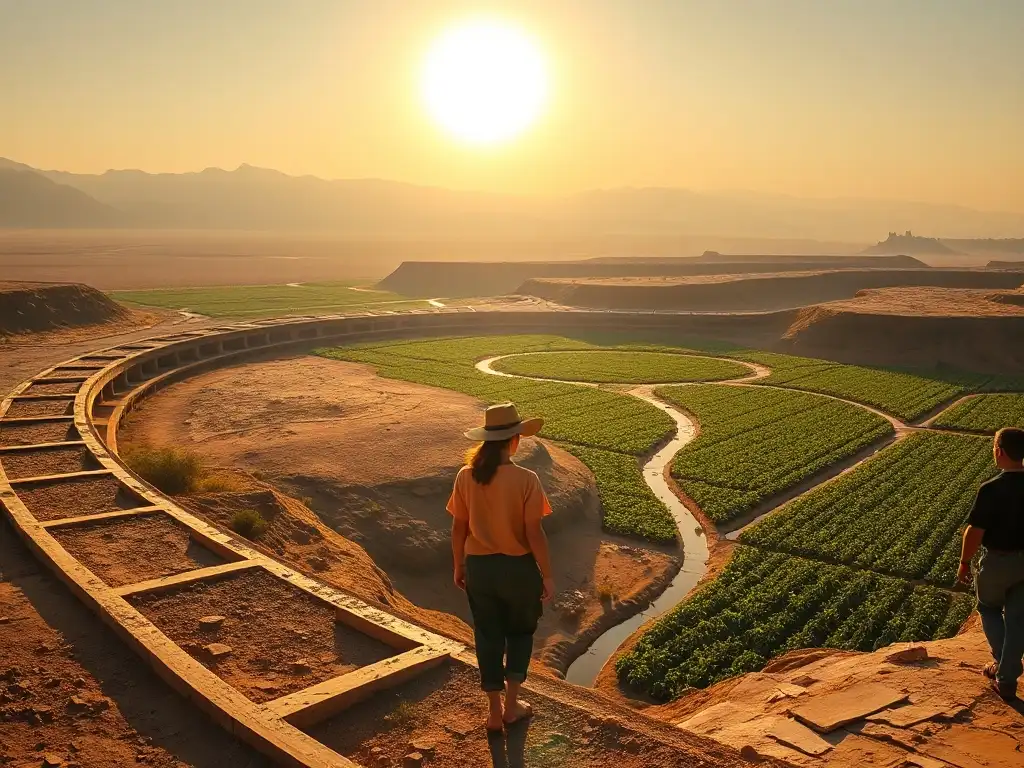
The Nazca civilization, renowned for its enigmatic geoglyphs, also possessed a sophisticated understanding of agriculture, intricately woven into their spiritual beliefs. Their survival depended heavily on harnessing the scarce water resources of the arid coastal plains, leading to the development of ingenious irrigation systems and a deep-seated reverence for the forces that governed their harvests. The very act of farming was imbued with ritual, reflecting a profound connection between the physical world and the spiritual realm.
Understanding Nazca agriculture requires acknowledging its inextricable link with their religious practices; it wasn't merely a means of sustenance, but a sacred duty, a dialogue with the divine. This section delves into the fascinating interplay between Nazca agriculture and their spiritual world, exploring how rituals shaped their agricultural practices and vice-versa, contributing to the overall understanding of "Nazca agriculture rituals".
Water Management and Fertility Rituals in Nazca Culture
The Nazca people developed remarkable water management techniques to thrive in their harsh environment. Their ingenuity is evident in the extensive network of canals and underground aqueducts ( puquios) that channeled water from underground sources to irrigate their fields. These weren't simply engineering feats; they were also integral to their religious worldview. The control of water, a life-giving force, was seen as a sacred act, directly linked to the fertility of the land and the prosperity of the community.
Many rituals centered around ensuring a plentiful water supply. Archaeological evidence suggests the performance of ceremonies at water sources, potentially involving offerings and prayers to deities associated with water and fertility. The precise nature of these rituals remains partially unknown, but their importance is undeniable.
The careful construction and maintenance of the irrigation systems themselves could be considered a continuous ritual, a testament to their unwavering commitment to appeasing the forces that controlled their water resources. This continuous interaction between the physical act of water management and the spiritual act of ritual underscores the deeply ingrained connection between Nazca agriculture and their spiritual beliefs.
Furthermore, the careful planning and construction of these systems likely involved community participation, reinforcing social bonds and solidifying the collective responsibility for agricultural success. The success of the Nazca's agricultural practices speaks volumes about their intricate understanding of hydrology and their deep respect for the spiritual significance of water.
The Role of Agriculture in Nazca Religious Ceremonies
Agricultural themes permeate Nazca iconography and religious practices. Depictions of cultivated plants, especially maize and cotton—staple crops of the region—are frequently found on textiles, ceramics, and other artifacts. These representations are not merely decorative; they likely served as symbolic representations of agricultural abundance and fertility, reinforcing the importance of successful harvests in their society.
Furthermore, many Nazca religious ceremonies were directly tied to the agricultural cycle. Seasonal festivities, marked by specific rituals and offerings, likely coincided with planting, growth, and harvesting periods. These events served to reinforce community cohesion, celebrate the bounty of the land, and seek divine favor for future harvests. The timing of these ceremonies, aligned with the agricultural calendar, indicates a sophisticated understanding of the relationship between the natural world and the spiritual realm.
While specific details of these ceremonies remain elusive, the recurring motifs and the clear temporal connection to agriculture provide strong evidence of their significance. Further research into the calendrical systems of the Nazca civilization could shed more light on the precise timing and nature of these agricultural-religious events. The integration of agriculture into their religious life demonstrates its central role in Nazca society, extending beyond mere sustenance to become a cornerstone of their cultural identity.
Offerings and Sacrifices: Ensuring Agricultural Prosperity
To ensure agricultural prosperity, the Nazca people made offerings and sacrifices to their deities. These offerings could include agricultural products like maize, cotton, and fruits, as well as other precious items. Evidence suggests that sacrifices, potentially including animal sacrifices, were also made to appease the gods and guarantee bountiful harvests. The presence of these offerings at sacred sites and within burial contexts strongly suggests their role in maintaining a harmonious relationship with the spiritual world to ensure the success of their agricultural endeavors.
The scale and nature of these offerings varied, possibly reflecting the importance of the specific event or the perceived needs of the community. Larger-scale sacrifices might have been undertaken during times of drought or other agricultural crises, reflecting a heightened sense of urgency and a desperate plea for divine intervention.
The systematic nature of these offerings points to a structured religious system deeply intertwined with their agricultural practices, highlighting the essential role of ritual in ensuring the continued success of their farming techniques. The careful selection and placement of the offerings, along with the associated ceremonial practices, underscore the profound respect the Nazca held for their deities and the central role of ritual in their agricultural system.
Further investigation into the types and quantities of offerings could provide deeper insight into the socio-economic organization and religious beliefs of the Nazca civilization. The evidence clearly shows a direct correlation between ritualistic practices and agricultural success in Nazca society, strengthening the link between "Nazca agriculture rituals".
Nazca Agricultural Rituals: Examples and Interpretations

The Nazca people, renowned for their enigmatic geoglyphs, were equally masterful in their agricultural practices. Their survival depended heavily on harnessing the scarce water resources of the arid coastal plains. This precarious existence fostered a deep spiritual connection with the land, resulting in elaborate rituals interwoven with their agricultural cycle.
Understanding these rituals provides crucial insights into their worldview and societal structure. The close relationship between Nazca agriculture and rituals is evidenced by a variety of archaeological findings and interpretations by scholars. Analyzing these elements allows us to appreciate the complex interplay between their practical needs and spiritual beliefs, highlighting the importance of "Nazca agriculture rituals" in their society.
The Ritual of Offering Chicha to the Earth
One prominent example of Nazca agricultural rituals involves the offering of chicha, a fermented maize beverage. Evidence suggests that chicha wasn't merely a drink; it held significant religious meaning. The act of pouring chicha onto the earth was believed to nourish the land, ensuring bountiful harvests. This ritual wasn't performed haphazardly; it was likely a carefully orchestrated ceremony, possibly involving priests or community leaders.
The timing of these offerings likely coincided with crucial agricultural moments, such as planting and harvesting seasons. Imagine the scene: a community gathering around a carefully prepared field, chanting prayers, and pouring the sacred chicha onto the thirsty soil. The ceremonial nature of these offerings is underscored by the elaborate vessels used to contain the chicha.
These weren’t simple utilitarian vessels; many were intricately decorated, showcasing the high value placed on this ritual. The use of specific types of maize for chicha production also suggests a level of ritualistic control over agricultural practices. Some believe that only certain, high-quality maize varieties were deemed suitable for these sacred offerings.
Interpretation: A Plea for Fertile Land and Abundant Harvests
The ritual of offering chicha to the earth can be interpreted as a plea for fertile land and abundant harvests. In a harsh environment where water scarcity was a constant threat, the Nazca people relied heavily on the generosity of nature. Their rituals were a way of expressing gratitude and, more importantly, seeking divine intervention to ensure the success of their agricultural endeavors.
This interpretation aligns with broader anthropological understandings of agricultural societies, where rituals often serve as a means of controlling unpredictable natural forces. The investment of time, effort, and resources into the creation of elaborate chicha vessels further emphasizes the profound significance of these rituals.
The act of offering chicha, therefore, wasn't simply a symbolic gesture; it was a vital element of their agricultural strategy, a blend of practical action and spiritual belief aimed at securing their survival. The meticulous nature of these rituals suggests a deep-seated belief in the power of appeasing the deities associated with fertility and abundance.
Archaeological Evidence: Remains of Chicha Vessels at Ceremonial Sites
Archaeological excavations at various Nazca ceremonial sites have unearthed numerous remains of chicha vessels, providing tangible evidence of these rituals. These vessels vary in size, shape, and decoration, reflecting the potentially diverse nature of the rituals themselves. Some vessels are simple, utilitarian forms, while others are highly decorated masterpieces, showcasing advanced ceramic techniques.
The discovery of these vessels in close proximity to agricultural areas or within ceremonial contexts strongly suggests their role in agricultural rituals. The presence of residues of chicha within the vessels provides further confirmation of their use. Detailed analysis of these residues, including the types of maize used, can provide additional insights into the specific practices and beliefs associated with these rituals.
Furthermore, the location of these vessels within specific ceremonial structures may reveal the hierarchical aspects of the rituals, possibly indicating the involvement of specialized priests or elites. The ongoing study of these archaeological finds continues to shed light on the intricate relationship between Nazca agriculture and their spiritual world. The meticulous recording and analysis of these artifacts are crucial for a deeper understanding of "Nazca agriculture rituals".
The Legacy of Nazca Agriculture and Rituals
This section delves into the enduring impact of Nazca agricultural practices and their intertwined rituals, exploring their influence on subsequent Andean cultures and offering insights into their sophisticated resource management techniques. We'll examine how their understanding of cosmology shaped their agricultural practices and rituals, revealing a deep spiritual connection to the land and its bounty.
The Nazca's ingenuity in developing sustainable agricultural systems in an arid environment remains a testament to their advanced understanding of their environment and their profound respect for the delicate balance of nature. This legacy continues to fascinate and inspire researchers and enthusiasts alike, prompting ongoing investigations into the intricacies of their civilization.
The Enduring Impact of Nazca Farming on Subsequent Cultures
The Nazca's innovative agricultural techniques, particularly their mastery of water management through canals and underground aqueducts ( puquios), significantly influenced later Andean societies. Evidence suggests that the sophisticated irrigation systems they developed were adopted and adapted by subsequent cultures, including the Wari and Inca. The Nazca's understanding of water conservation and efficient distribution in a desert environment provided a crucial foundation for the agricultural prosperity of these later empires.
Their methods, honed over centuries, ensured food security and supported population growth, showcasing the long-term sustainability of their approach. This legacy is not merely historical; it offers valuable lessons for modern-day sustainable agriculture practices in arid and semi-arid regions. The ingenuity of the Nazca's puquios, for instance, continues to inspire contemporary water management solutions.
The success of Nazca agriculture wasn't solely dependent on technological innovation; it also involved a deep understanding of the local environment and climate. Their meticulous observation of seasonal changes and their ability to predict rainfall patterns allowed them to optimize planting and harvesting cycles, maximizing yields. This knowledge, passed down through generations, ensured the continuity and resilience of their agricultural practices, highlighting the importance of traditional ecological knowledge in successful resource management. This holistic approach, integrating both technology and ecological understanding, is a key factor in the enduring legacy of Nazca agriculture.
Lessons Learned from Nazca Resource Management
The Nazca civilization's remarkable ability to thrive in a desert environment provides valuable insights into sustainable resource management. Their sophisticated irrigation systems, such as the extensive network of canals and the ingenious puquios, exemplify their mastery of water conservation. These systems not only provided a reliable source of water for agriculture but also contributed to the overall prosperity of the society.
Analyzing these systems reveals a deep understanding of hydrology, engineering, and community organization. The construction and maintenance of these complex systems required significant labor and coordination, suggesting a strong sense of collective responsibility and social organization crucial for successful resource management.
Further research is needed to fully quantify the impact of Nazca agricultural practices on long-term soil health. [Specific information pending: Data on soil composition and fertility levels in Nazca agricultural areas]. However, preliminary findings suggest that their methods may have contributed to soil enrichment and reduced erosion, demonstrating a level of environmental stewardship that is remarkable for its time. This sustainable approach contrasts sharply with some later agricultural practices that led to soil degradation and environmental damage. The Nazca's example underscores the importance of long-term planning and sustainable practices in resource management.
Detailed Analysis of Nazca Canal Systems
The Nazca canals were not simply ditches; they were carefully engineered structures designed to maximize water flow and minimize water loss. Their construction involved sophisticated techniques, including the use of terraces and strategically placed check dams to control the flow of water. The canals were often lined with clay or other materials to reduce seepage, demonstrating a high level of technological expertise. The precise alignment of the canals suggests a detailed understanding of topography and water dynamics.
Understanding Nazca Cosmology Through Agriculture and Rituals
The Nazca people viewed agriculture not merely as a means of subsistence but as a deeply spiritual practice interwoven with their cosmology. Their rituals, often connected to agricultural cycles, reveal a profound understanding of the interconnectedness between the natural world and the spiritual realm. The worship of deities associated with fertility and water, evidenced by archaeological findings such as ceramic artifacts and iconography, reinforces this connection. These rituals were not simply performed for practical reasons; they were fundamental to maintaining the balance and harmony of the cosmos, ensuring the prosperity of their crops and the well-being of their communities.
The intricate designs of Nazca ceramics often depict agricultural scenes, suggesting the importance of agriculture in their worldview. Many of these designs feature stylized representations of plants, animals, and deities associated with fertility and abundance. These depictions are not merely decorative; they communicate complex cosmological beliefs and reinforce the sacred nature of agricultural practices.
The combination of sophisticated agricultural techniques and deeply ingrained spiritual beliefs created a powerful synergy that contributed to the success and longevity of the Nazca civilization. Further research is needed to fully decipher the symbolic meanings embedded in Nazca art and ritual objects to gain a more comprehensive understanding of their cosmology and its relationship to agriculture.
[Specific information pending: Detailed analysis of symbolic representations in Nazca ceramics and textiles]. The study of Nazca agriculture and rituals offers a unique lens through which to understand the complex interplay between material culture, spiritual beliefs, and environmental adaptation in a fascinating ancient civilization.
Frequently Asked Questions
What role did agriculture play in Nazca society?
Agriculture was fundamental to Nazca society. Their survival depended on complex irrigation systems that allowed them to cultivate the arid coastal plains. This supported a relatively large population.
What evidence shows a connection between Nazca agriculture and rituals?
Archaeological finds reveal elaborate ceremonies associated with planting and harvesting. Offerings of food and artifacts have been discovered near irrigation canals and agricultural sites, showcasing the spiritual significance of farming. Geoglyphs might also relate to agricultural cycles or deities.
What were some of the key crops cultivated by the Nazca?
The Nazca cultivated a variety of crops including cotton, beans, peppers, squash, and maize. Their agricultural ingenuity allowed them to thrive in a challenging environment. Efficient irrigation was key to their success.
How did Nazca irrigation systems work?
The Nazca developed an incredibly advanced system of canals and aqueducts to channel water from underground sources and rivers to their fields. This allowed them to irrigate vast areas of otherwise unproductive land. This is a testament to their engineering skills.
Were there any specific rituals associated with Nazca irrigation systems?
While direct evidence is limited, it's likely that rituals accompanied the construction and maintenance of their irrigation systems. The importance of water in their survival suggests a strong spiritual connection to the water sources and their management. Further research is needed to confirm specific rituals.
Final Reflection: The Enduring Legacy of Nazca's Sacred Fields
The ingenious agricultural techniques of the Nazca people remain a testament to human ingenuity and our enduring connection to the land, a connection that resonates deeply even in our technologically advanced world. Their sophisticated understanding of water management and their profound spiritual integration with their environment offer invaluable lessons for sustainable practices and a harmonious relationship with nature in the face of modern environmental challenges.
The Nazca's reverence for their land, evident in their intricate irrigation systems and the spiritual significance they imbued in their agricultural practices, continues to inspire awe and wonder. Their legacy transcends mere historical significance; it speaks to a fundamental human need to find meaning and purpose in our relationship with the natural world. The earth is what we all have in common.
- Wendell Berry. This simple statement encapsulates the timeless wisdom embedded within the Nazca's approach to agriculture, a wisdom we would do well to heed in our own time.
Consider the implications of the Nazca's achievements. Their ability to thrive in a seemingly harsh desert environment, through careful planning and a deep understanding of their ecosystem, challenges us to re-evaluate our own relationship with the planet. You, the reader, are now equipped with a deeper understanding of the Nazca's ingenuity and spirituality.
How can you apply this knowledge to foster a more sustainable and meaningful connection with your own environment? Let the legacy of the Nazca inspire you to cultivate a more conscious and respectful relationship with the earth, ensuring that future generations may also benefit from its bounty.
Unveil the Secrets of Nazca Spirituality!
Thank you for exploring the fascinating world of Nazca culture! We hope this journey has inspired you to appreciate the unique spiritual beliefs interwoven with their ancient agricultural practices. Now, let's delve deeper. Here are some ways to continue your exploration and share this rich heritage:
- **Join our community:** Connect with fellow enthusiasts and experts by subscribing to our newsletter. You'll receive exciting updates, exclusive content, and opportunities to participate in insightful discussions.
- **Visit a museum or cultural center:** Immerse yourself in the world of Nazca by exploring local exhibitions featuring their artifacts. You'll gain a firsthand understanding of how their agricultural practices shaped their spiritual beliefs and worldview.
- **Share your discoveries:** Engage with friends and followers on social media, sharing what you've learned. Use the hashtag #NazcaRituals to contribute to a wider conversation and inspire others.
Which aspects of Nazca agricultural practices and their spiritual significance resonated most with you? We'd love to hear your thoughts!