
Family Rituals and Ceremonies: Celebrating Life Cycle Events

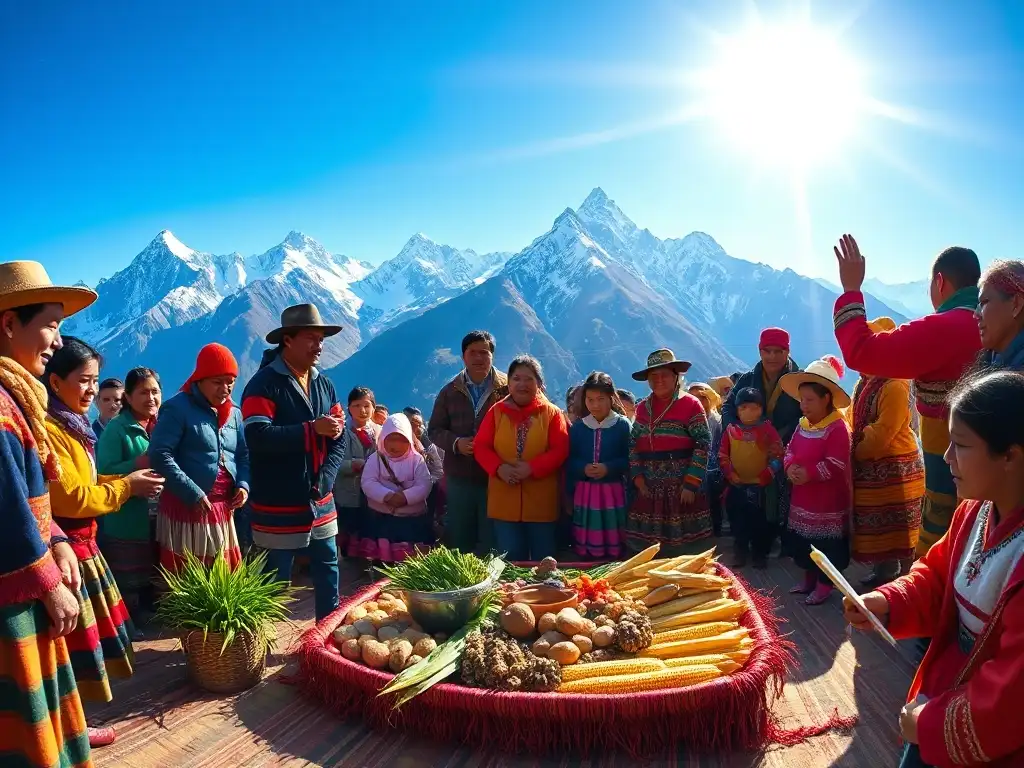
Step into a world lost to time, yet echoing with vibrant life. Imagine the breathtaking landscapes of the Andes, where ancient civilizations flourished, shaping unique traditions and beliefs. This is where you'll uncover the captivating secrets of Andean family life cycle rituals, ceremonies that intertwined the sacred with the everyday. Prepare to be amazed as we delve into the intricate details of these ancient practices, revealing the profound significance they held for Andean communities. Are you ready to explore the mysteries that lie within?
-
Andean Family Life Cycle Rituals: Celebrating Milestones in Andean Civilizations
- Introduction to Andean Rites of Passage
- Birth Rituals in Andean Communities
- Coming of Age: Transition Rituals in Andean Societies
- Andean Marriage Customs and Rituals
- Death and Ancestral Veneration: Andean Funeral Rites
- The Enduring Legacy of Andean Family Rituals
- Conclusion: Understanding the Importance of Andean Family Life Cycle Rituals
-
Frequently Asked Questions
- What were some important Andean family life cycle rituals?
- How did the Incas celebrate the birth of a child?
- What role did marriage play in Andean society?
- What kind of ceremonies were performed for death and burial in Andean cultures?
- How did Andean family life cycle rituals reflect their worldview?
- Final Reflection: Weaving the Threads of Andean Heritage
- **Embrace Your Family Traditions Today! **
Andean Family Life Cycle Rituals: Celebrating Milestones in Andean Civilizations
Andean civilizations, renowned for their intricate social structures and sophisticated engineering feats, also possessed rich and complex systems of family life cycle rituals. These ceremonies, deeply interwoven with their cosmology, agriculture, and social organization, marked significant transitions in a person's life, from birth to death and beyond. Understanding these rituals offers a profound insight into the values, beliefs, and social dynamics that shaped Andean societies, revealing a vibrant tapestry of traditions that continue to resonate today.
This article explores the various rites of passage within Andean families, focusing on the key ceremonies that celebrated birth, adulthood, marriage, and death, highlighting the importance of community participation and the enduring legacy of these practices. We will delve into specific examples from different Andean cultures, such as the Inca, Moche, Nazca, and Tiahuanaco, demonstrating the diversity and shared threads within these traditions.
By examining the intricate details of these rituals, we aim to illuminate the profound connection between Andean families and their spiritual and physical worlds. The keyword "Andean family life cycle rituals" will be explored throughout this analysis, providing a comprehensive understanding of the subject.
Introduction to Andean Rites of Passage
Andean cultures placed immense significance on rites of passage, viewing them not merely as individual milestones but as crucial events impacting the entire community. These ceremonies were often deeply symbolic, reflecting the cyclical nature of life, death, and rebirth, as understood within their unique cosmologies. Many rituals involved offerings to the apus (mountain spirits), pachamama (Mother Earth), and other deities, seeking their blessing and protection for the individual and the community.
The concept of ayni, reciprocal exchange, was central to many of these ceremonies, emphasizing the interdependence and mutual obligations within Andean society. The involvement of family, community members, and spiritual leaders underscored the collective nature of these life events. These rituals weren't simply celebrations; they were vital mechanisms for social cohesion, reinforcing kinship ties and community bonds.
They provided a framework for transmitting cultural knowledge, values, and beliefs across generations, ensuring the continuity of Andean traditions. The intensity and complexity of these rituals varied across different Andean cultures and regions, reflecting the diverse landscape and the unique traditions of each group.
Birth Rituals in Andean Communities
The birth of a child was a momentous occasion, celebrated with rituals designed to ensure the well-being of the newborn and its successful integration into the community. These ceremonies often involved specific practices aimed at protecting the infant from harm and ensuring its healthy development. The participation of midwives, shamans, and family members played a crucial role in these rituals, reflecting the collective responsibility for the child's upbringing.
The use of medicinal plants and traditional healing practices further highlighted the deep connection between Andean communities and their natural environment. The significance of these rituals extended beyond the immediate family, strengthening kinship ties and reinforcing social bonds within the community. The ceremonies often incorporated elements of Andean cosmology, connecting the birth event to the wider spiritual world.
Welcoming a Newborn: Andean Naming Ceremonies
Naming ceremonies were a crucial part of welcoming a newborn into the Andean community. The name given to a child wasn't arbitrary; it often held deep symbolic meaning, reflecting the child's lineage, the circumstances of its birth, or aspirations for its future. These ceremonies frequently involved shamans or spiritual leaders who would invoke blessings and protection for the child. The community's participation in the naming ceremony reinforced the child's integration into the social fabric.
The act of naming wasn't merely a formality; it was a powerful ritual that established the child's identity and its place within the family and the wider community. The names themselves often reflected the importance of nature and the Andean worldview, reflecting a deep connection to the land and its spiritual forces. The choice of a name was a significant event, reflecting the importance placed on lineage and community identity within Andean cultures.
Significance of Ayni in Early Childhood Rites
The principle of ayni, reciprocal exchange, was deeply embedded in Andean family life cycle rituals, including those surrounding early childhood. Ayni fostered a strong sense of community responsibility, where families received support and assistance in return for their contributions to the collective well-being. In the context of early childhood rites, ayni manifested in various ways.
For example, community members might offer gifts or assistance to the new parents, while the parents, in turn, might share food or resources with others. This reciprocal exchange strengthened social bonds and ensured the well-being of both the child and the community. The practice of ayni fostered a sense of interdependence and mutual responsibility, reflecting the core values of Andean societies.
This system played a vital role in ensuring the survival and prosperity of Andean communities, highlighting the importance of collective action and mutual support. The concept of ayni continues to resonate in many Andean communities today, demonstrating the enduring legacy of this crucial principle.
Coming of Age: Transition Rituals in Andean Societies
Coming-of-age ceremonies in Andean societies were not uniform across all cultures and time periods, but generally marked a significant shift in social roles and responsibilities. These rituals often involved elaborate preparations, symbolic acts, and community participation, signifying the transition from childhood to adulthood. The specific customs varied greatly depending on the particular Andean civilization—Inca, Moche, Nazca, or Tiahuanaco—and even within those groups, regional variations existed.
These ceremonies were deeply intertwined with the Andean worldview, often incorporating elements of nature, spirituality, and ancestral veneration. The transition wasn't simply a biological event; it was a spiritual and social transformation, carefully orchestrated to integrate young people into the adult world and their respective roles within the community.
The success of these rituals was vital for maintaining social harmony and the continuity of Andean traditions. Failure to properly observe these rites could be interpreted as a disruption of the cosmic balance and potentially lead to misfortune for the individual and the community.
Initiation Ceremonies for Boys and Girls in Andean Culture
Initiation ceremonies for boys often involved rigorous physical and spiritual tests, demonstrating strength, endurance, and resilience. These could include endurance runs, fasting, or participation in mock battles, mirroring the challenges of adult life. For girls, ceremonies often focused on developing skills vital for domestic life, such as weaving, cooking, and herbal medicine.
These practices weren't merely skill-building exercises; they were symbolic rites of passage, connecting the young women to the ancestral knowledge and traditions of their female lineage. Specific examples from different Andean cultures are unfortunately limited due to a lack of detailed written records. However, archaeological evidence, such as the discovery of ceremonial artifacts associated with adolescent burials, suggests the significance of these rites.
Anthropological studies of surviving Andean communities also offer insights into the continuity of certain traditions, providing valuable context for understanding these ancient practices. Further research is needed to fully understand the diversity of initiation ceremonies across different Andean cultures and time periods.
The Role of Elders in Andean Adolescent Transitions
Elders played a crucial role in guiding adolescents through their coming-of-age transitions. They were the keepers of tradition, possessing the knowledge and experience to ensure the proper execution of the rituals. Their guidance extended beyond the ceremonies themselves, shaping the moral and social development of the young people. Elders acted as mentors, imparting valuable lessons on community values, social responsibilities, and the intricacies of Andean cosmology.
Their presence provided continuity between generations, reinforcing the importance of tradition and ensuring the perpetuation of cultural values. The respect accorded to elders was paramount; their wisdom and authority were fundamental to the successful integration of young people into the adult world. The involvement of elders wasn't merely a ceremonial formality; it was a vital component of the process, ensuring the transmission of cultural knowledge and social norms across generations. This mentorship was key to the preservation of Andean traditions and social stability.
Andean Marriage Customs and Rituals
Marriage in Andean societies was far more than a personal union; it was a crucial social and economic contract. It solidified family alliances, strengthened community bonds, and contributed to the overall social and economic stability of the community. The customs and rituals surrounding marriage varied considerably depending on the specific Andean culture and time period.
However, common themes include the importance of family consent, elaborate ceremonies, and the symbolic representation of fertility and prosperity. These ceremonies were often accompanied by feasting, music, dancing, and the exchange of gifts, reflecting the communal nature of the event and its significance for the broader society. The specifics of these practices remain an area of ongoing research, as much of the knowledge about pre-Columbian Andean marriage customs is inferred from archaeological findings, ethnographic studies of contemporary Andean communities, and limited historical accounts.
Preparing for Marriage: Andean Courtship and Betrothal Practices
Courtship and betrothal practices in Andean societies were often lengthy and elaborate processes, involving negotiations between families and the demonstration of the couple's suitability. The families' social standing, economic resources, and lineage were all carefully considered. Betrothal often involved a formal agreement between the families, sometimes sealed with the exchange of gifts or a symbolic ceremony. The period between betrothal and marriage allowed the couple to demonstrate their readiness for the responsibilities of married life.
The level of autonomy granted to individuals in choosing their partners varied across different Andean cultures and time periods. In some cases, marriages were arranged, reflecting the importance of family alliances and social stability. In others, elements of romantic choice might have played a role, although the family's consent remained essential. Detailed accounts of these practices are scarce, necessitating further research to fully elucidate the complexities of Andean courtship and betrothal.
Andean Wedding Ceremonies: Symbolism and Rituals
Andean wedding ceremonies were typically elaborate affairs, involving significant symbolic rituals and community participation. These ceremonies were often imbued with deep spiritual meaning, reflecting the Andean worldview and the importance of fertility, prosperity, and continuity. The specific rituals varied across different Andean cultures and time periods, but common elements included offerings to deities, symbolic gestures representing union and commitment, and communal feasting and celebration.
The ceremonies often involved the participation of shamans or religious leaders, who played a crucial role in ensuring the sacredness of the union and invoking blessings upon the couple. Archaeological evidence, such as the discovery of ceremonial artifacts associated with burial sites, provides some clues about the nature of these ceremonies. However, much of our understanding of Andean wedding practices is based on interpretations of limited historical accounts and ethnographic studies of contemporary Andean communities, highlighting the need for additional research.
Family Alliances Through Marriage in Andean Societies
Marriage in Andean societies served as a powerful tool for forging and strengthening family alliances. By uniting different lineages, marriages reinforced social networks, facilitated economic cooperation, and enhanced the political influence of the families involved. These alliances were crucial for navigating the complexities of Andean social structures and ensuring the stability and prosperity of the communities. The exchange of resources and labor between families further cemented these bonds, creating a system of mutual support and interdependence.
The strategic nature of marriage alliances in Andean societies is reflected in the elaborate ceremonies and negotiations surrounding betrothal and marriage. The careful consideration of family lineage and social standing underscores the importance of these unions in maintaining social order and promoting cooperation within the broader community. Further research is needed to fully explore the diverse ways in which marriage contributed to the complex tapestry of Andean social and political life.
Death and Ancestral Veneration: Andean Funeral Rites
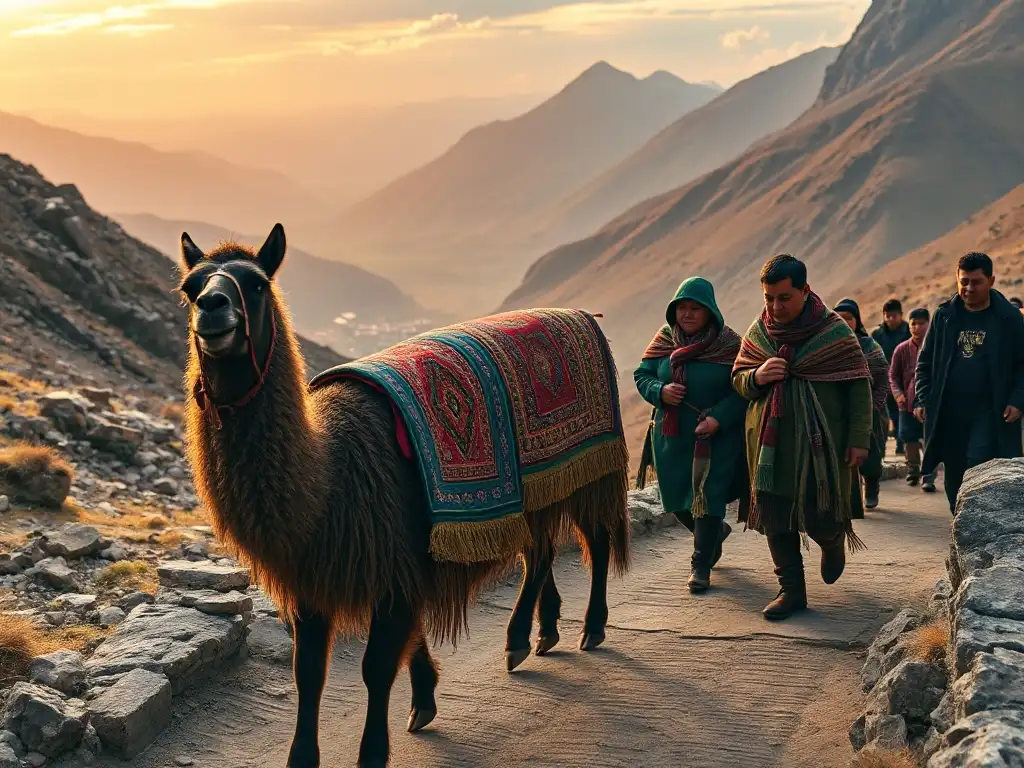
Andean cultures, far from viewing death as an end, considered it a transition to another realm, maintaining close ties between the living and the deceased. Funeral rites varied across different Andean civilizations, reflecting their unique cosmologies and beliefs. The elaborate preparations and ceremonies surrounding death highlight the profound importance placed on family and ancestral lineage.
These rituals weren't merely somber occasions; they were vibrant expressions of faith, community solidarity, and the continuity of life. The careful attention given to the deceased's final journey reflects the deep respect for ancestors and their continued influence on the living. The elaborate mummification techniques employed by some cultures, like the Inca, further emphasized the belief in the enduring presence of the ancestors.
Andean Burial Practices and Mourning Rituals
Burial practices varied significantly across different Andean societies. Some civilizations, like the Nazca, practiced elaborate mummification and interment in intricate tombs, often accompanied by grave goods reflecting the deceased's status and possessions. These goods were not just material objects; they were considered essential for the deceased's journey into the afterlife. Mourning rituals involved periods of intense grief and ritualistic expressions of sorrow.
Family members participated in ceremonies that aimed to guide the deceased's spirit to the world of the ancestors, ensuring their safe passage and continued connection to the living. The intensity of these mourning rituals underscores the deep emotional bonds within Andean families. The length of mourning periods often varied based on the deceased's social standing and familial ties.
Honoring Ancestors: The Importance of Remembrance in Andean Culture
Ancestor veneration was—and continues to be—a cornerstone of Andean culture. The belief that ancestors actively participate in the lives of the living profoundly shaped social structures and family dynamics. Regular offerings, ceremonies, and rituals were performed to honor and appease the ancestors, seeking their guidance and protection.
These practices reinforced the strong sense of family continuity and collective identity across generations. The ancestors weren't seen as distant figures; they were active participants in the community, influencing the fortunes and well-being of their descendants. The importance of remembering and honoring ancestors is evident in the construction of elaborate mausoleums and the preservation of ancestral artifacts.
The Enduring Legacy of Andean Family Rituals
The rich tapestry of Andean family life cycle rituals continues to resonate today, albeit in adapted forms. Many traditional practices, though modified by outside influences, persist within Andean communities, reflecting the enduring strength of cultural heritage. While some aspects of these rituals have evolved, the underlying values of family unity, respect for ancestors, and the celebration of life's milestones remain central.
This enduring legacy speaks to the resilience of Andean traditions and their ability to adapt to changing social landscapes. The ongoing practice of these rituals underscores their deep cultural significance and their role in maintaining a sense of community and identity.
How Traditional Andean Rituals are Practiced Today
Many Andean communities continue to celebrate traditional life cycle rituals, albeit with variations influenced by syncretism and modernization. For example, elements of Catholicism have been integrated into some ceremonies, creating a blend of indigenous and foreign traditions. However, the core values and beliefs underpinning these rituals remain largely intact.
The strong emphasis on family participation, collective responsibility, and ancestor veneration persists in many contemporary Andean communities. These adapted traditions demonstrate the adaptability of Andean culture and its capacity to preserve its core values while navigating changes in the modern world. Specific examples of these adapted practices vary across different regions and communities.
The Significance of Family and Community in Andean Life
The profound importance of family and community in Andean life cannot be overstated. Andean societies, both historically and presently, were—and are—characterized by strong kinship ties and a sense of collective responsibility. Family units served as the fundamental building blocks of society, providing support, security, and a sense of belonging. The close-knit nature of Andean communities fostered a strong sense of interdependence and mutual reliance.
This emphasis on kinship and community played a crucial role in shaping social structures, economic activities, and even spiritual beliefs. The enduring strength of these social structures highlights the importance of family and community in the overall well-being and cultural continuity of Andean populations. The emphasis on collective action and shared responsibility continues to be a defining characteristic of Andean culture.
Conclusion: Understanding the Importance of Andean Family Life Cycle Rituals
The intricate tapestry of Andean family life cycle rituals reveals a profound connection between the spiritual and the mundane. These ceremonies, far from being mere formalities, served as crucial mechanisms for reinforcing social bonds, transmitting cultural knowledge, and ensuring the continuity of family lineages.
From the moment of birth, marked by rituals designed to welcome the newborn into the community and secure its place within the family structure, to death, which was often met with elaborate ceremonies aimed at guiding the deceased's spirit to the afterlife, every significant life event was carefully choreographed. The meticulous attention to detail, the symbolic use of objects, and the communal participation underscore the central role of family in Andean societies.
Understanding these rituals offers a compelling glimpse into the values and beliefs that shaped Andean civilizations. The emphasis on reciprocity, community support, and respect for ancestors is clearly evident in the practices surrounding birth, marriage, and death. These ceremonies weren't simply celebratory occasions; they were powerful tools for social cohesion, embodying the intricate web of kinship ties that bound Andean communities together.
The continuity of these traditions, even in modified forms, in contemporary Andean communities speaks to their enduring significance and their lasting impact on cultural identity. Studying these rituals allows us to appreciate the depth and complexity of Andean family structures, highlighting the profound ways in which family life was interwoven with the spiritual and social fabric of these remarkable civilizations. The detailed understanding of these rituals provides a richer understanding of the Andean family life cycle as a holistic and deeply meaningful experience.
Furthermore, it highlights the importance of preserving and studying these traditions to maintain and appreciate the rich cultural heritage of the Andes. The legacy of these rituals continues to shape Andean identities and provide a powerful connection to the past.
Frequently Asked Questions
What were some important Andean family life cycle rituals?
Andean cultures placed great importance on life cycle rituals. These included elaborate ceremonies for birth, marriage, and death, often involving specific offerings and community participation. These rituals varied across different Andean cultures.
How did the Incas celebrate the birth of a child?
Inca birth celebrations often involved offerings to Pachamama (Mother Earth) and other deities, ensuring the child's well-being and integration into the community. Shamans played a significant role in these ceremonies.
What role did marriage play in Andean society?
Marriage was a crucial social and economic institution, often involving complex negotiations and alliances between families. These unions helped to solidify social structures and maintain community harmony. Dowries and bride prices were common.
What kind of ceremonies were performed for death and burial in Andean cultures?
Andean death rituals varied greatly, but often involved elaborate burial practices, including the inclusion of grave goods and mummification in some cultures. These rituals reflected beliefs about the afterlife and the spiritual world.
How did Andean family life cycle rituals reflect their worldview?
These rituals reflected the Andean worldview, emphasizing the interconnectedness of the living and the spiritual world, the importance of community, and the profound respect for nature and ancestral spirits. They reinforced social order and helped maintain a sense of continuity across generations.
Final Reflection: Weaving the Threads of Andean Heritage
The vibrant tapestry of Andean family life, rich with tradition and meaning, continues to resonate in the lives of countless individuals today. These rituals, far from being relics of the past, offer a powerful framework for understanding community, identity, and the enduring human need for connection across generations. Their continued practice speaks volumes about the resilience and adaptability of cultural heritage in a rapidly changing world.
The profound impact of these Andean family life cycle rituals extends far beyond the immediate family unit. They shape social structures, reinforce community bonds, and transmit invaluable cultural knowledge. These ceremonies are not merely events; they are living expressions of a worldview that deeply values kinship, reciprocity, and respect for the natural world. Tradition is not the worship of ashes, but the preservation of fire.
This quote perfectly encapsulates the enduring power of these rituals to illuminate our shared human experience and provide a sense of belonging. Their continued observance ensures the preservation of a unique cultural heritage for future generations.
Consider the ways in which your own family traditions, however different, serve a similar purpose. What rituals or ceremonies do you cherish? How do they contribute to your sense of identity and belonging? I invite you to reflect on the power of ritual in your own life and to consider how you might create or strengthen meaningful traditions that celebrate life's milestones and foster deeper connections with loved ones. Let us all strive to preserve and celebrate the unique cultural heritage that enriches our lives and binds us together.
**Embrace Your Family Traditions Today! **
Thank you for joining us on this exploration of family rituals and ceremonies. You've gained valuable insights into how these practices shape our lives and strengthen family bonds. Now, it's time to put this knowledge into action and deepen your connection to your own family traditions!
Here are some simple yet impactful steps you can take:
- **Start a new family tradition this week. ** Whether it's a weekly game night, a monthly family dinner, or a yearly holiday baking session, create special moments that bring everyone together.
- **Share your favorite traditions** with friends and family—spark conversations about the importance of celebrating our unique heritages and customs. Consider sharing photos or stories on social media.
- **Document your family's rituals** in a journal, scrapbook, or video. Preserve these precious memories for future generations to cherish and learn from.
What new family tradition will you start to honor your heritage and strengthen your family bonds? Share your ideas in the comments below!